Scottish Castles - Dunbar
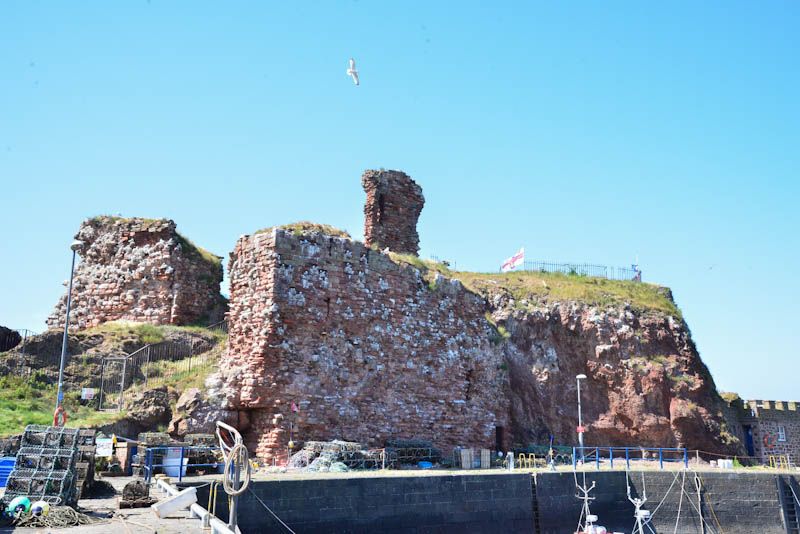
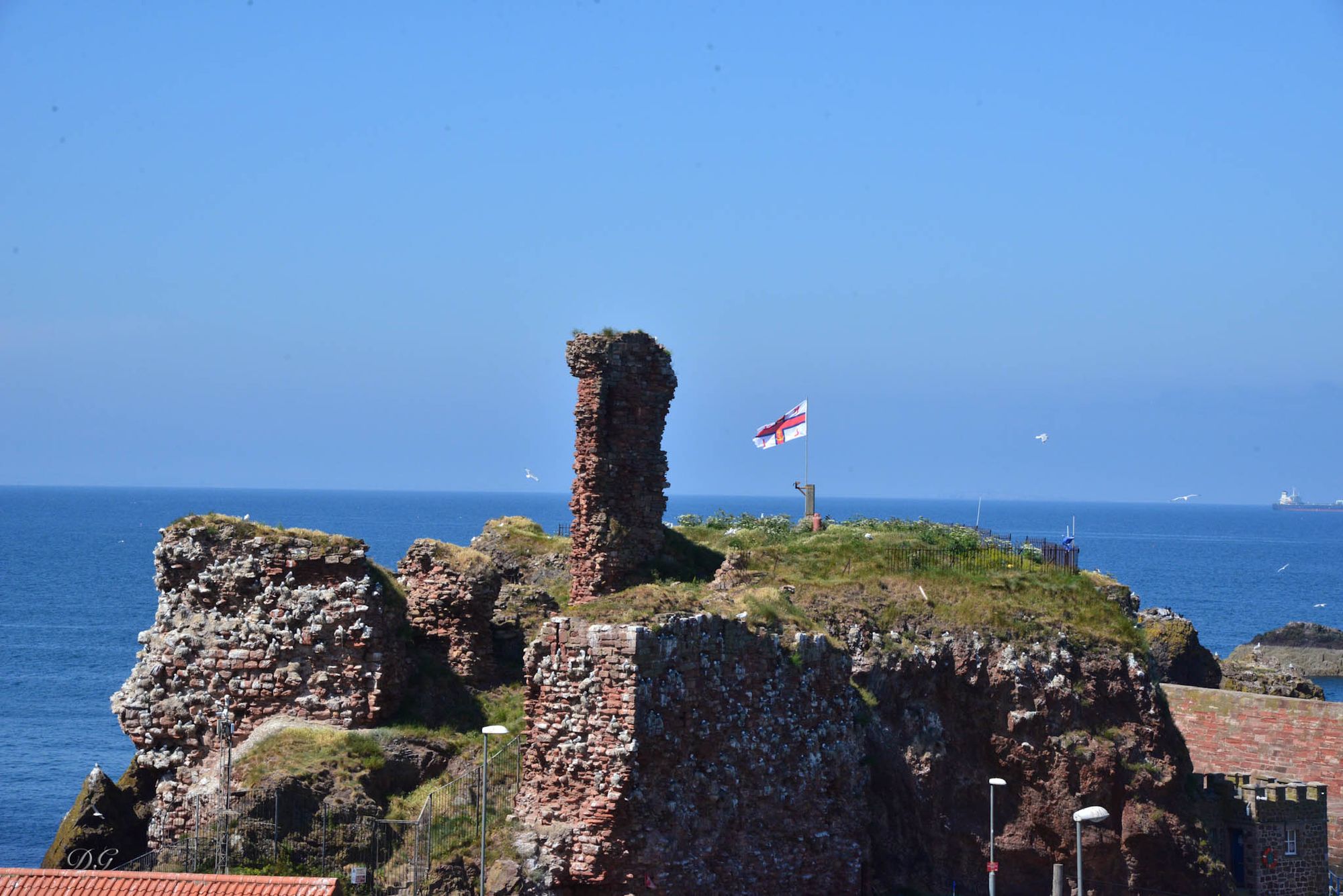
Dunbar Castle (English: Dunbar Castle) is a castle located in the town of Dunbar, in southeast Scotland, on the shore of the North Sea.
Scottish Castles – Dunbar Castle
Dunbar Castle (English: Dunbar Castle) is a historic stronghold located in the town of Dunbar, in southeast Scotland, right on the shore of the North Sea. Its turbulent history dates back to the early Middle Ages, and the castle itself played an important role in many key events of Scotland's past.
Early history
The first fortifications on the site of the present castle were erected even before the Norman invasions. In the 9th century it was the seat of the kings of the Britons of Lothian. In the 11th century Malcolm III Canmore, King of Scotland, granted the castle to the English noble Cospatrick, who became Earl of Northumbria.
13th–14th centuries
During the Wars of Scottish Independence, Dunbar Castle played a significant role. In 1296, after the Battle of Dunbar, it was captured by English forces under Edward I. In 1338 the Scots retook the castle thanks to the heroic defense of Agnes Dunbar, Countess of March — known as 'Black Agnes' — who gained fame for her courage and cunning.
15th–16th centuries
In the 15th century King James II expanded the castle, making it one of the most powerful fortresses in the country. In the 16th century, during the reign of Mary, Queen of Scots, the castle served as a refuge for the queen during turbulent moments in her life. After her second marriage to the Earl of Bothwell in 1567, Dunbar became her refuge following her escape from Edinburgh.
The castle's fall
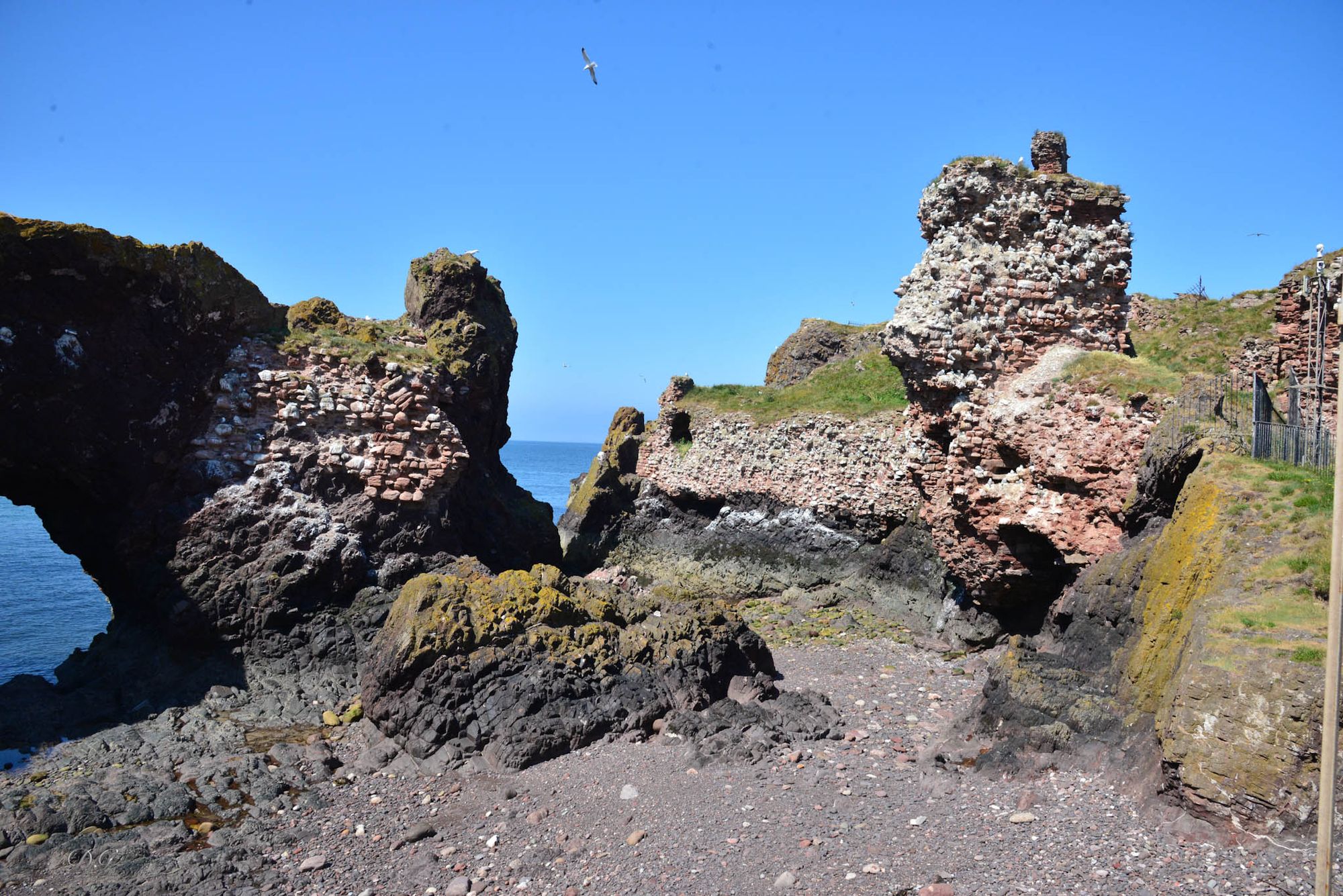
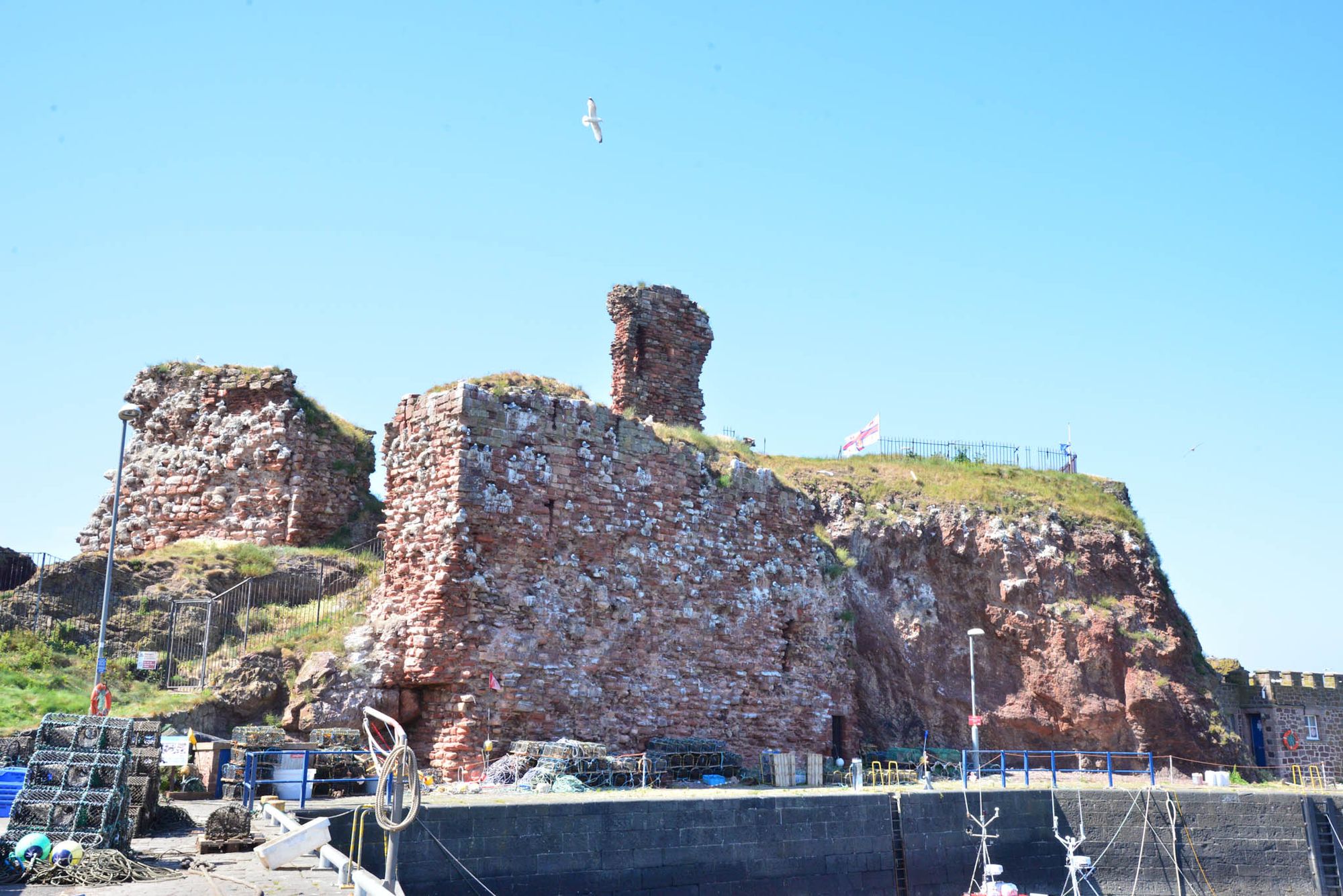
In 1568, after the imprisonment of Mary, Queen of Scots, the castle was destroyed on the orders of Regent Moray to prevent its further use by opponents. Since then it has fallen into ruin, and its stones were used by local inhabitants as building material.
Ciekawostki
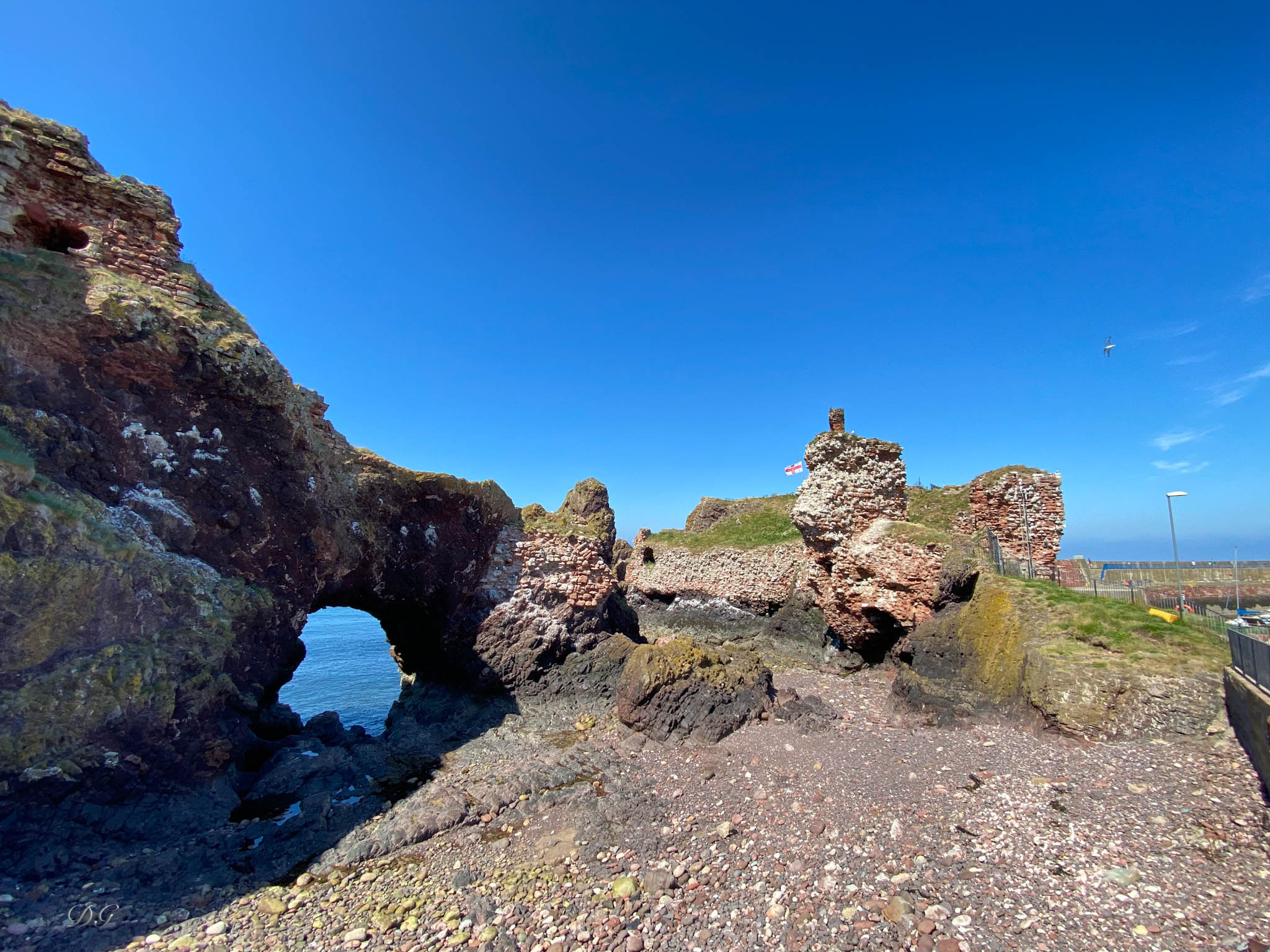
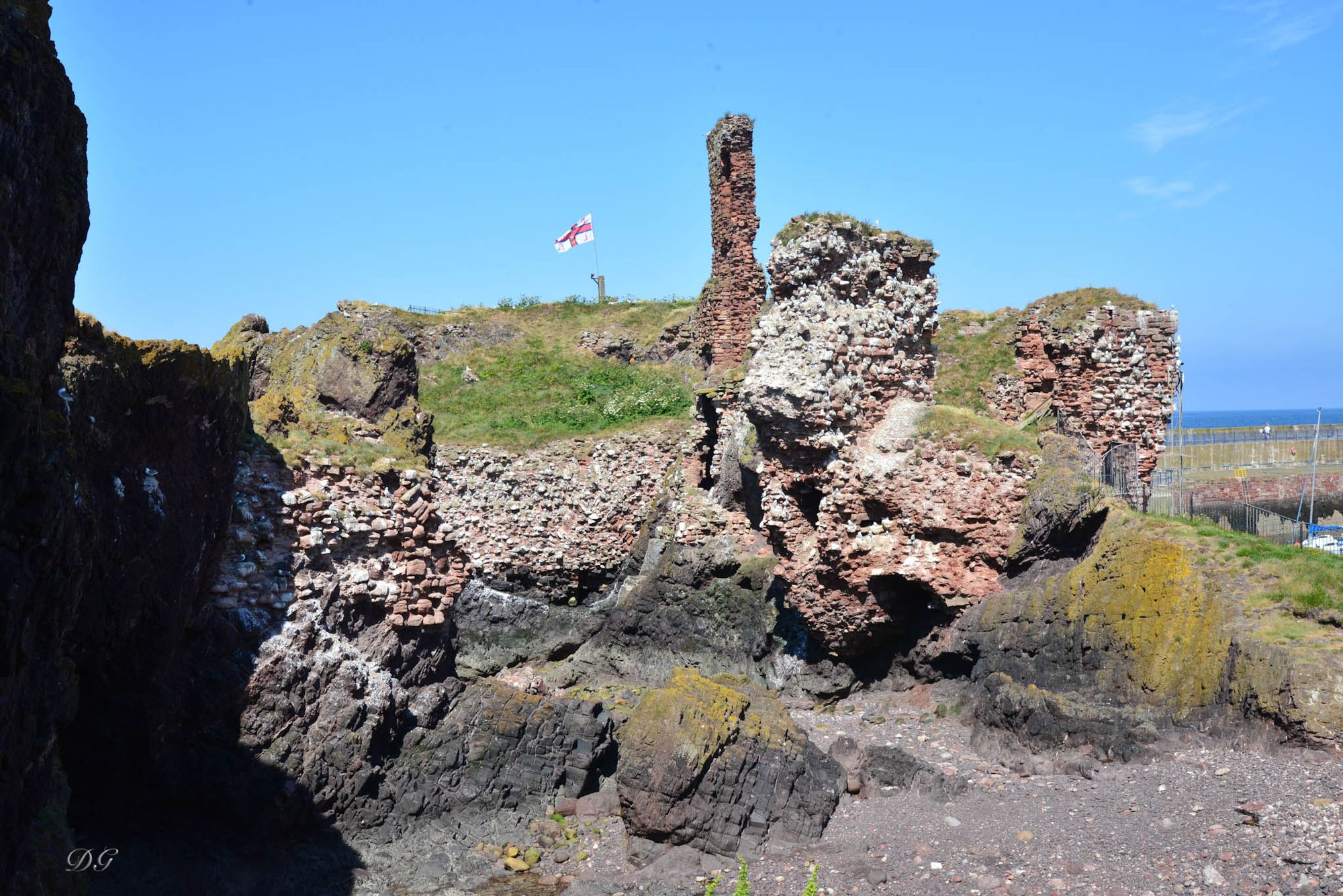
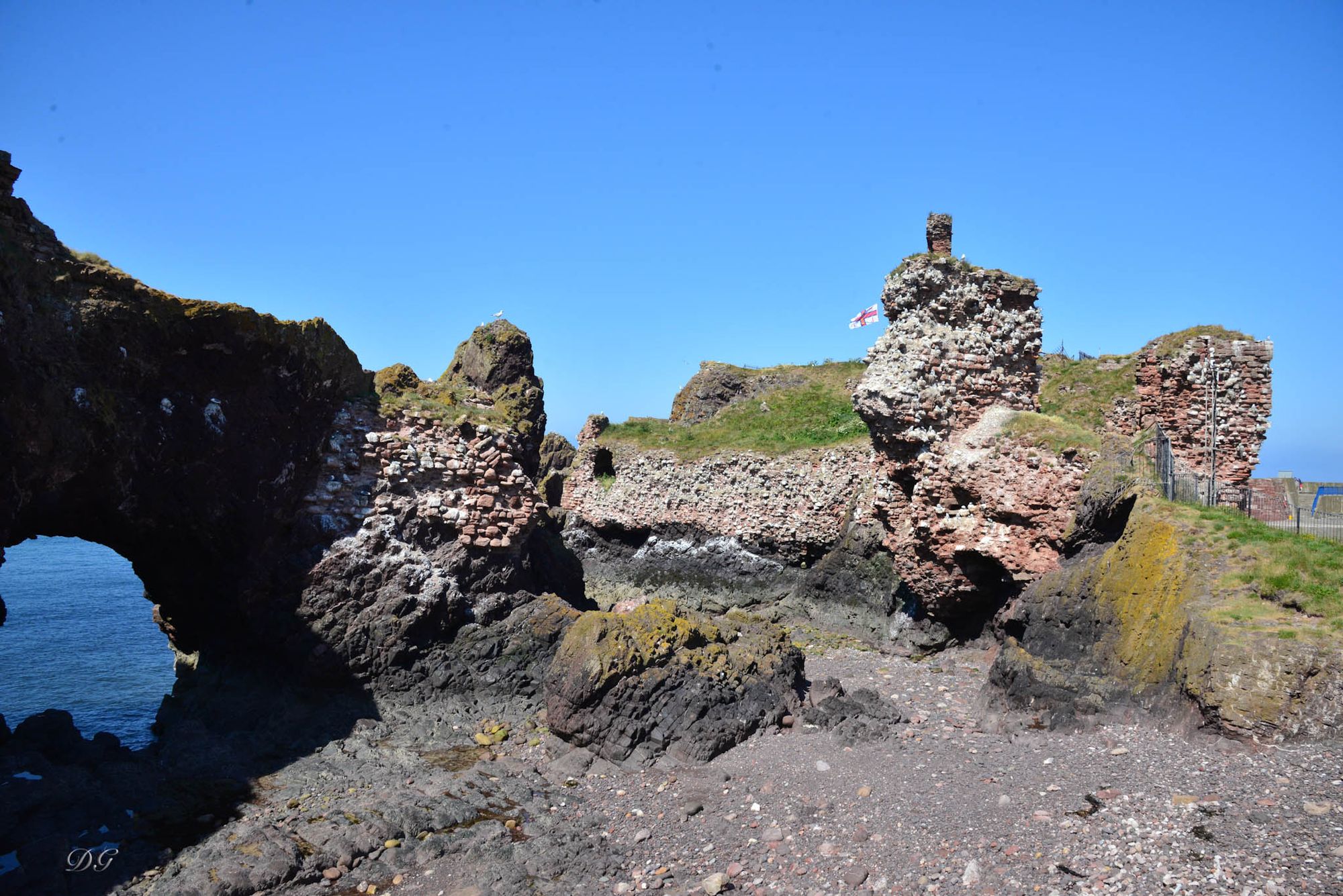
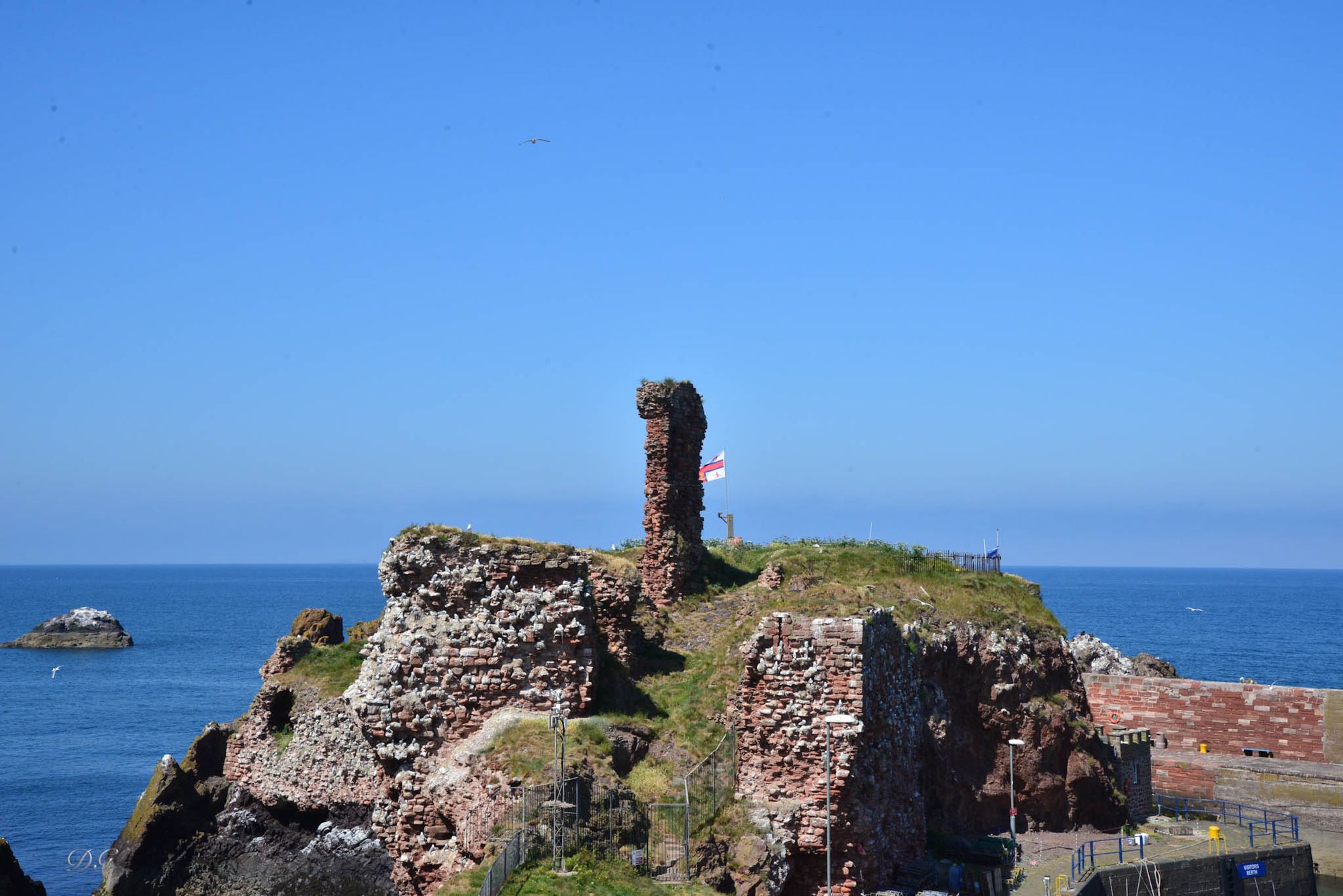
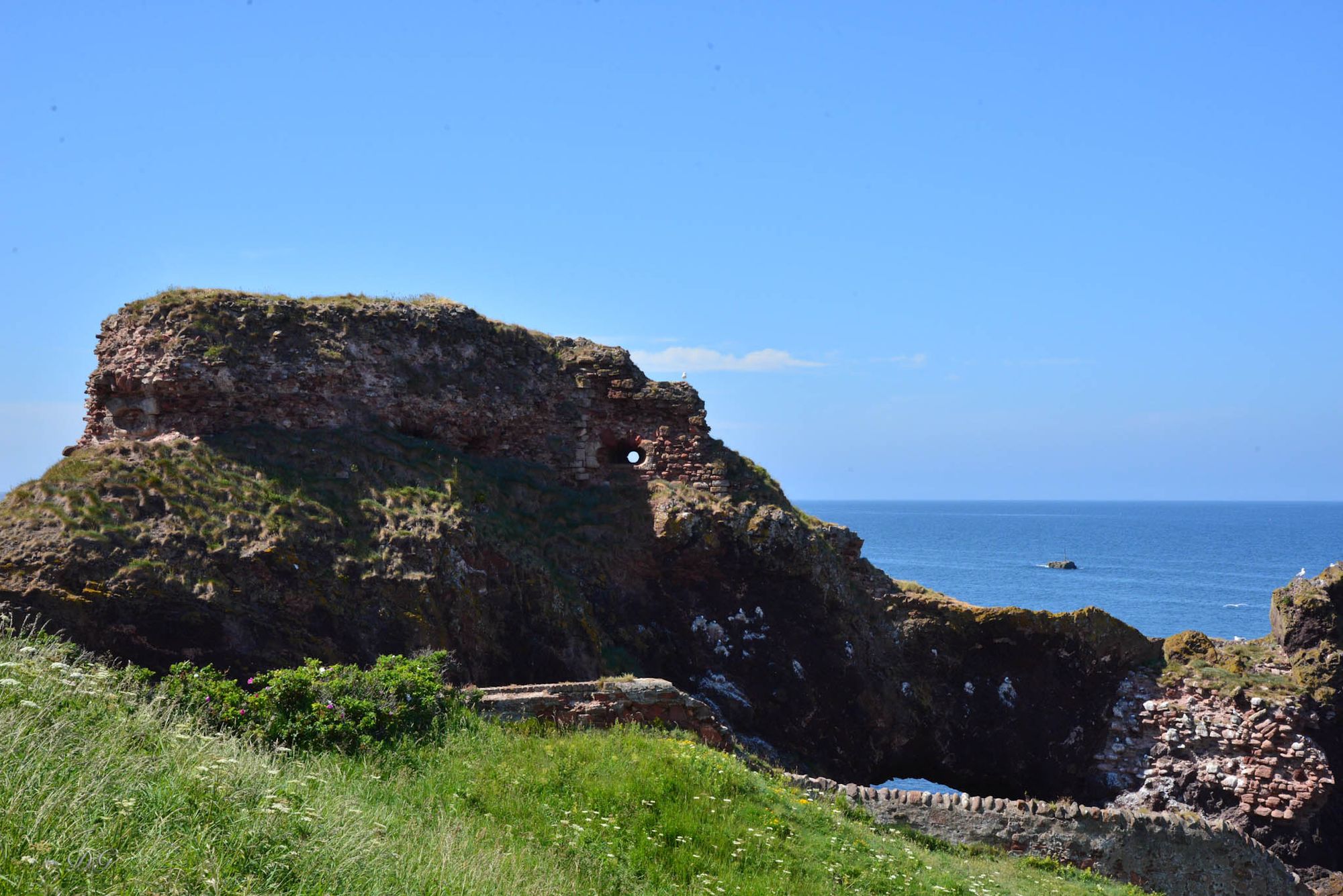
- Architecture: The castle was known for its massive walls and strategic location on a cliff. Fragments of walls and towers remain to this day, giving an impression of its former grandeur.
- Black Agnes: The Countess of Dunbar became famous as a fearless defender of the castle. Her courage and sharp tongue during the siege by the English passed into legend.
- Mary, Queen of Scots: Her association with the castle gives it particular historical significance – it was a place of refuge and a strategic defensive point for her.
- Accessibility: Today the castle ruins are open to visitors. The picturesque location on the North Sea attracts tourists and history enthusiasts.
- Local legends: Tales of hidden treasures and the ghosts of former defenders are associated with the castle, adding a mystical charm to the place.
Historical significance
Dunbar Castle has witnessed many dramatic events and power struggles. Its strategic location and rich history make it one of the most important castles in southeast Scotland. Today its ruins are a valuable cultural heritage, serving as a reminder of the region's turbulent past.
Location
Open in Google Maps →Continue reading in this gallery
Scottish Castles
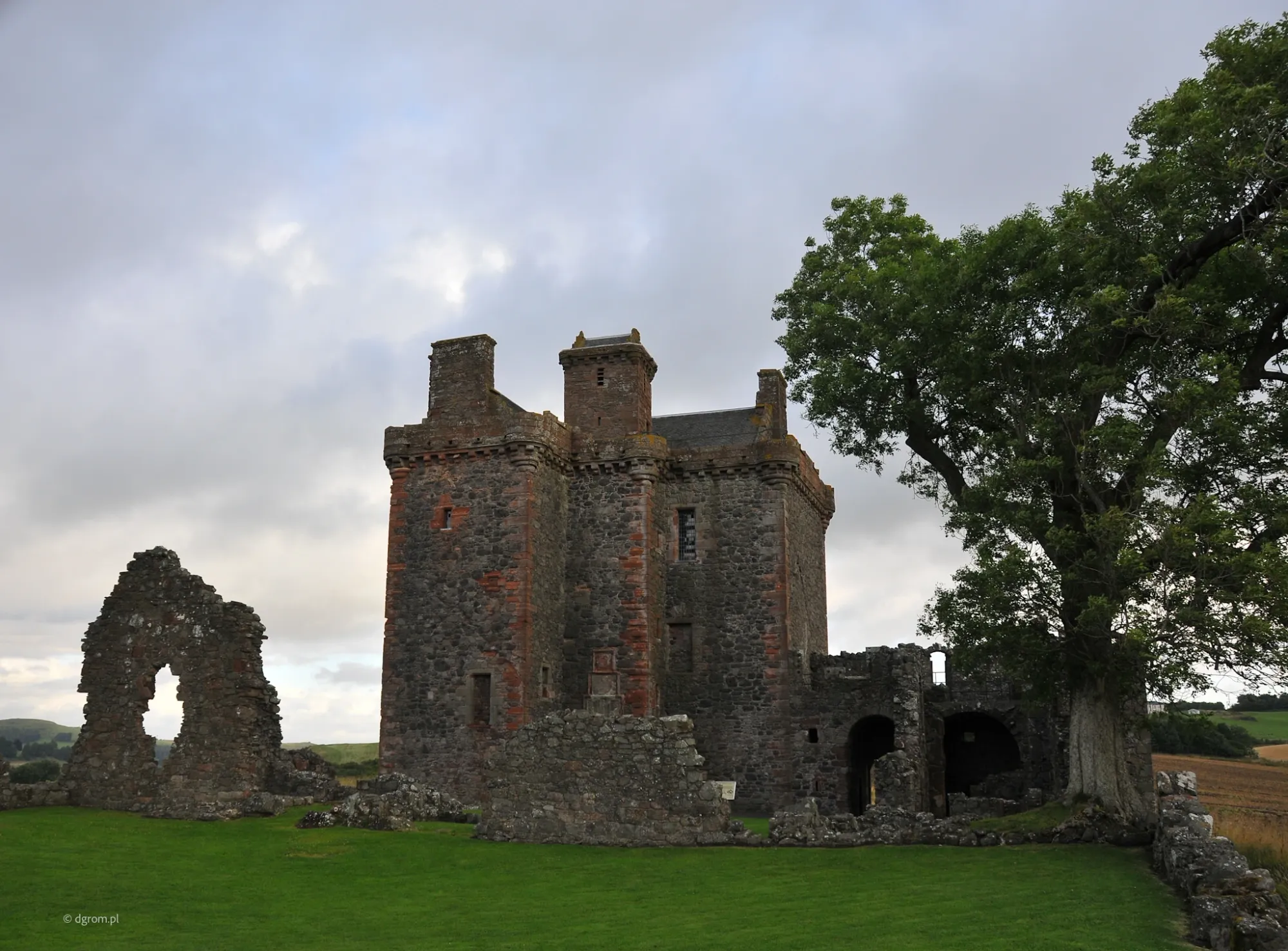
Castles of Scotland- Balvaird
Balvaird Castle is located in central Scotland, near the town of Abernethy. It was built in the 16th century as a residence for Sir Andrew Murray, who was a close friend of Mary, Queen of Scots.
Scottish Castles
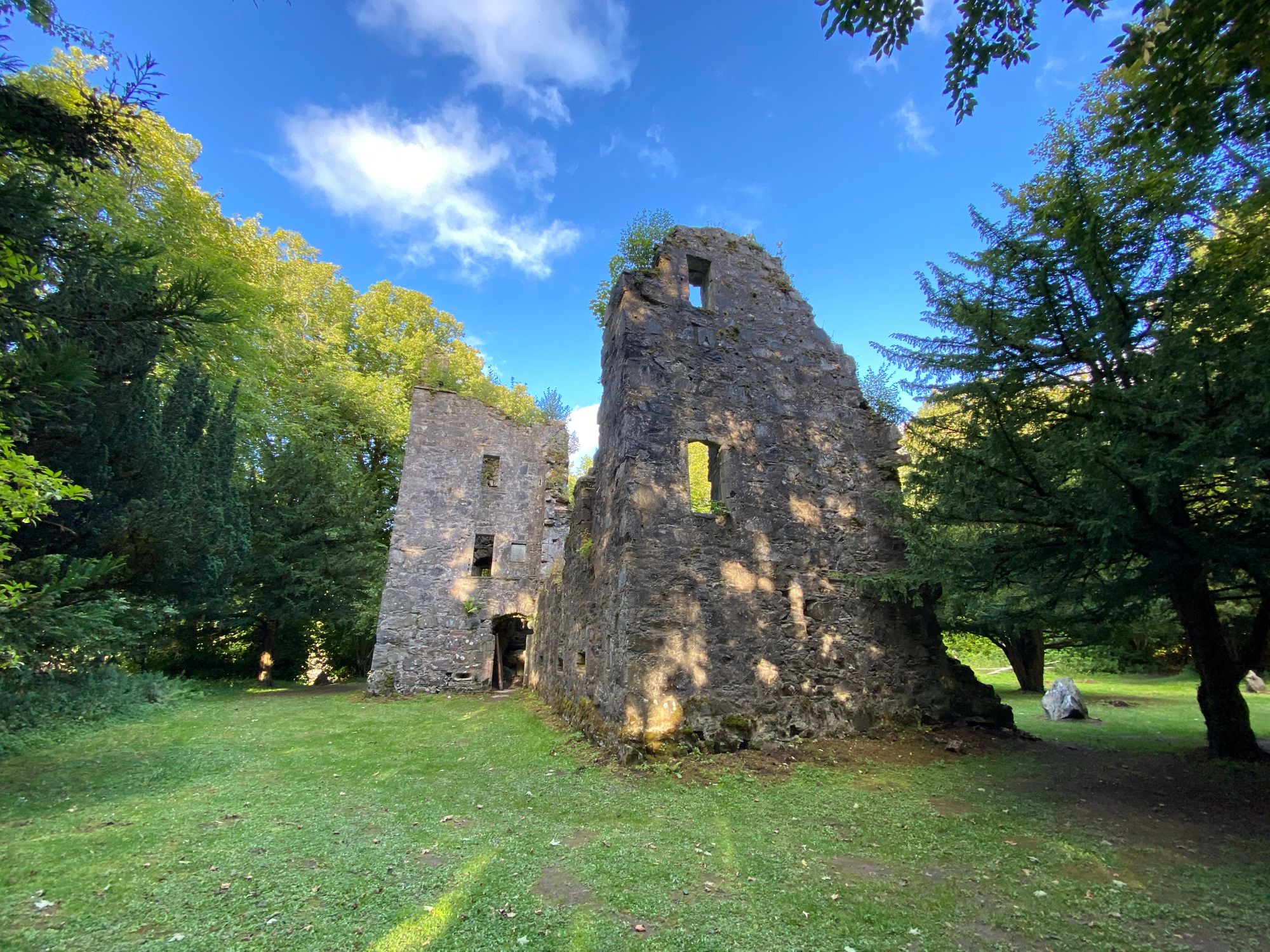
Castles of Scotland - Finlarig
Finlarig Castle is a historic castle located in central Scotland, in the county of Perthshire. The castle belonged to Clan Campbell and was an important administrative and commercial center in the region.
Scottish Castles
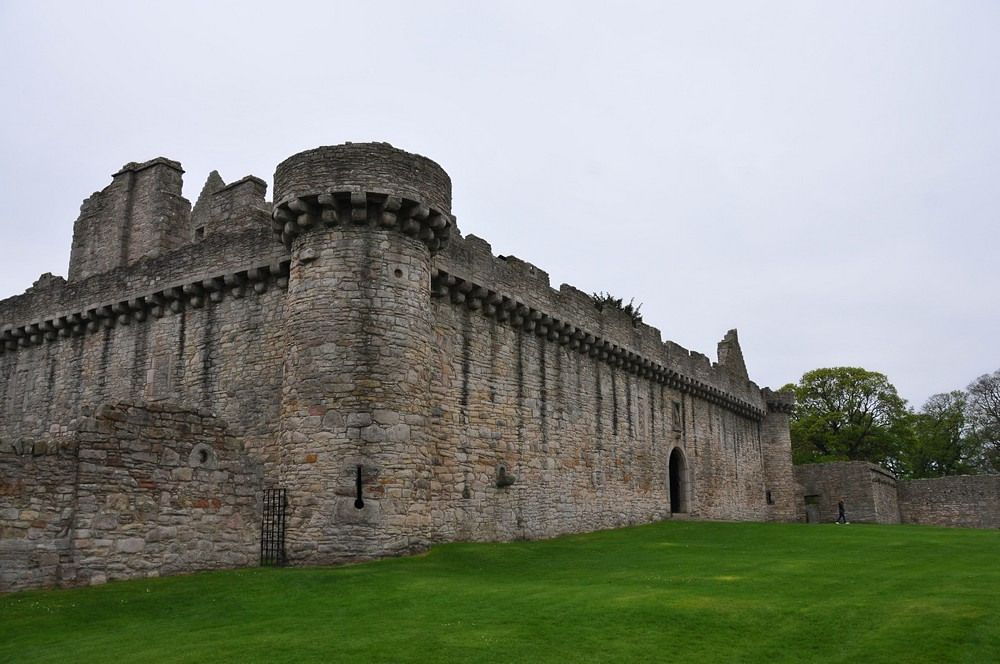
Scottish Castles - Craigmillar
Craigmillar Castle is a ruined medieval castle in Edinburgh, Scotland. It is located about 5 km from the city centre.
Scottish Castles
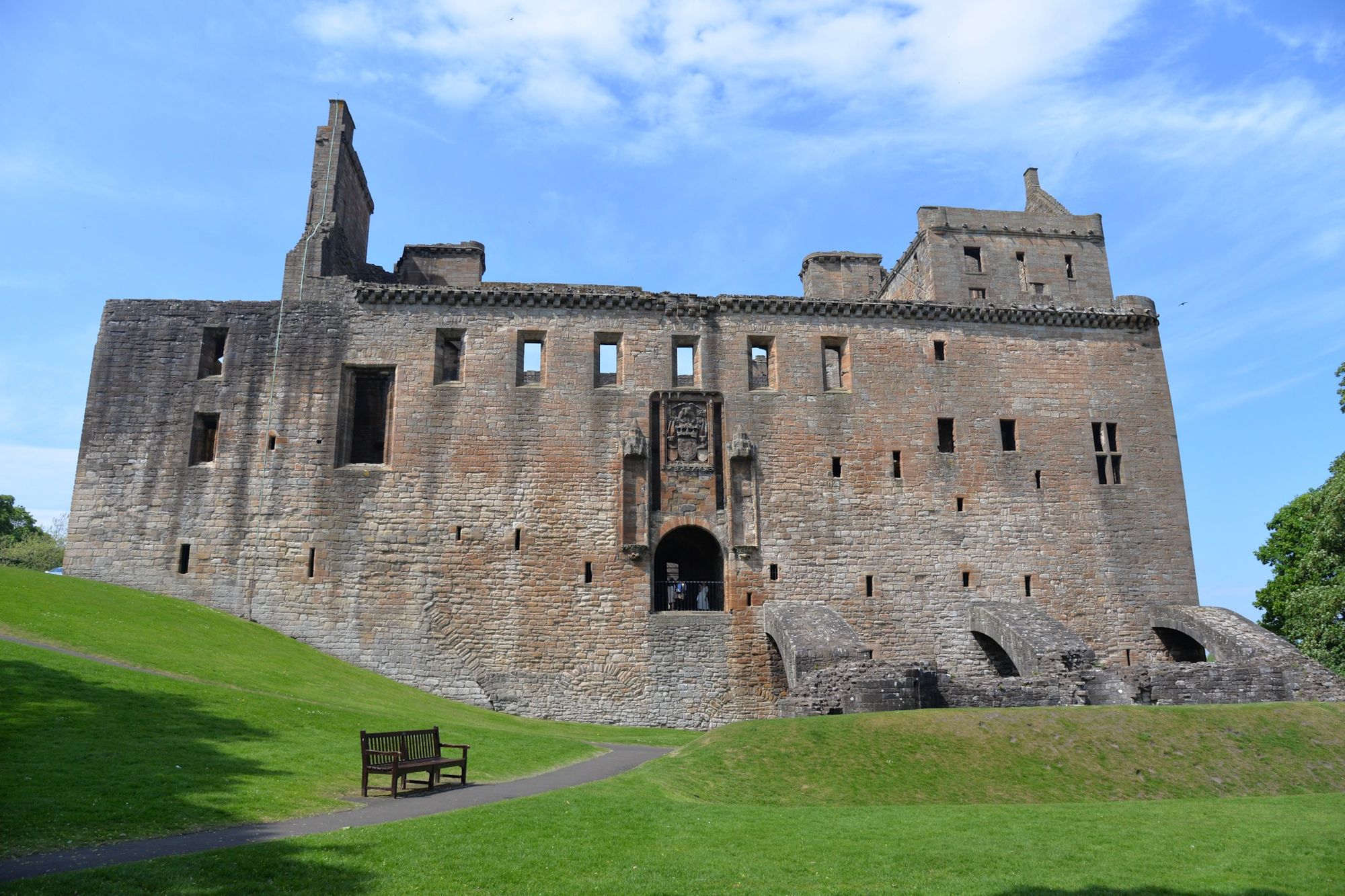
Castles of Scotland - Linlithgow
Castles of Scotland - Linlithgow Castle. In the 12th century a royal manor stood on this site. It was replaced by a fortification called 'The Peel', built in the 14th century by English forces under Edward I