Castles of Scotland - Linlithgow
Castles of Scotland - Linlithgow Castle. In the 12th century a royal manor stood on this site. It was replaced by a fortification called 'The Peel', built in the 14th century by English forces under Edward I
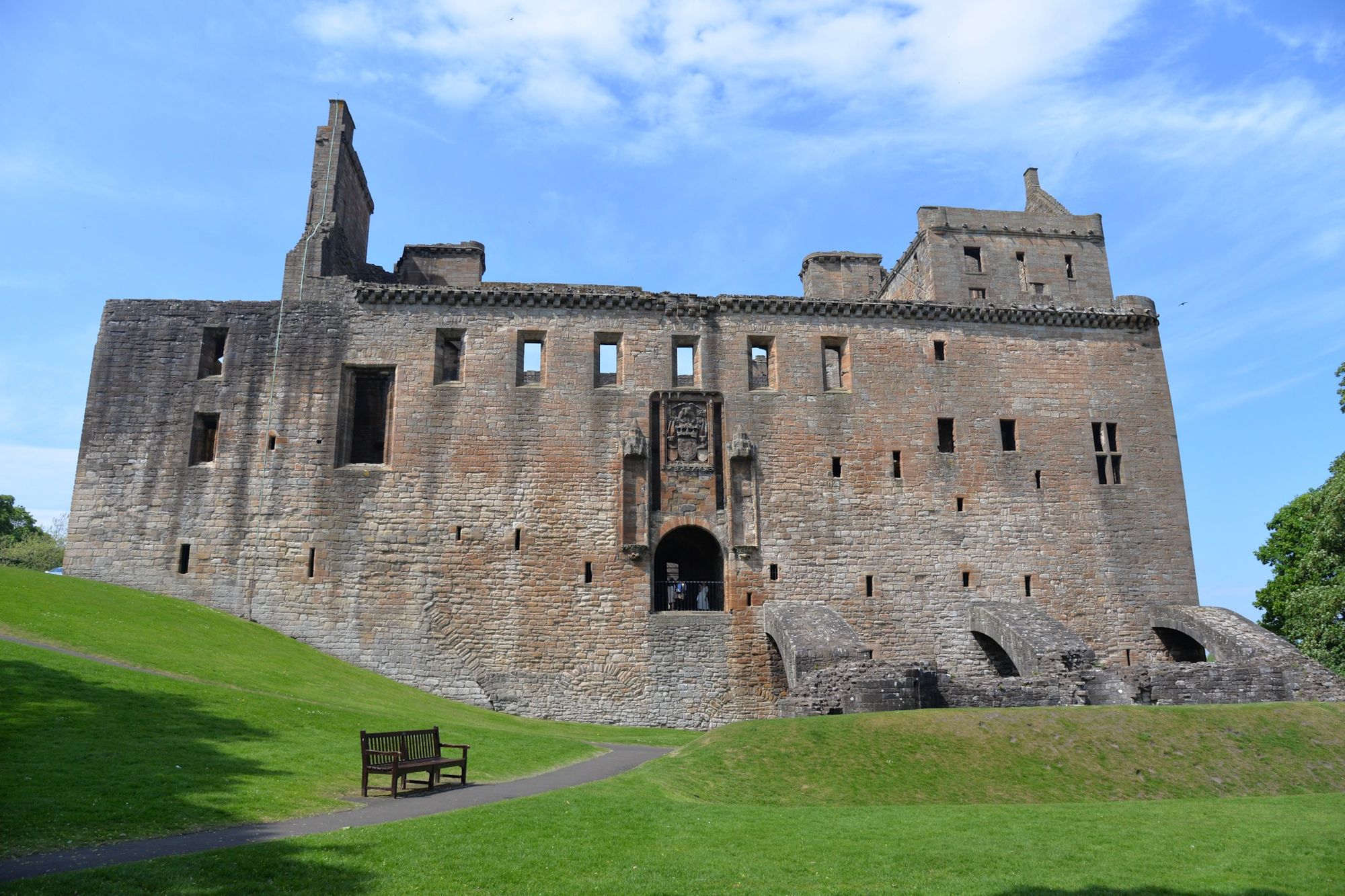
Castles of Scotland - Linlithgow Castle
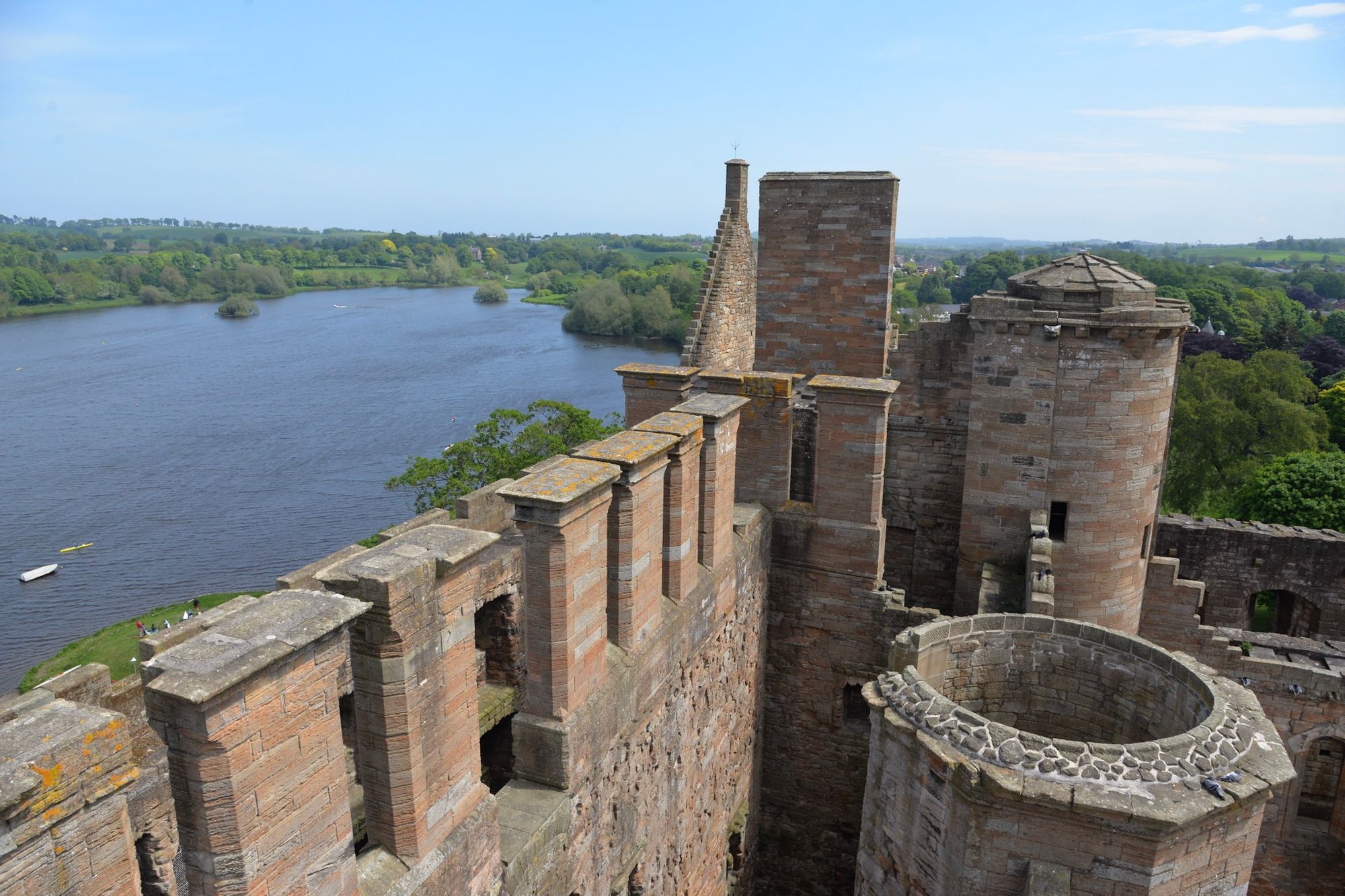
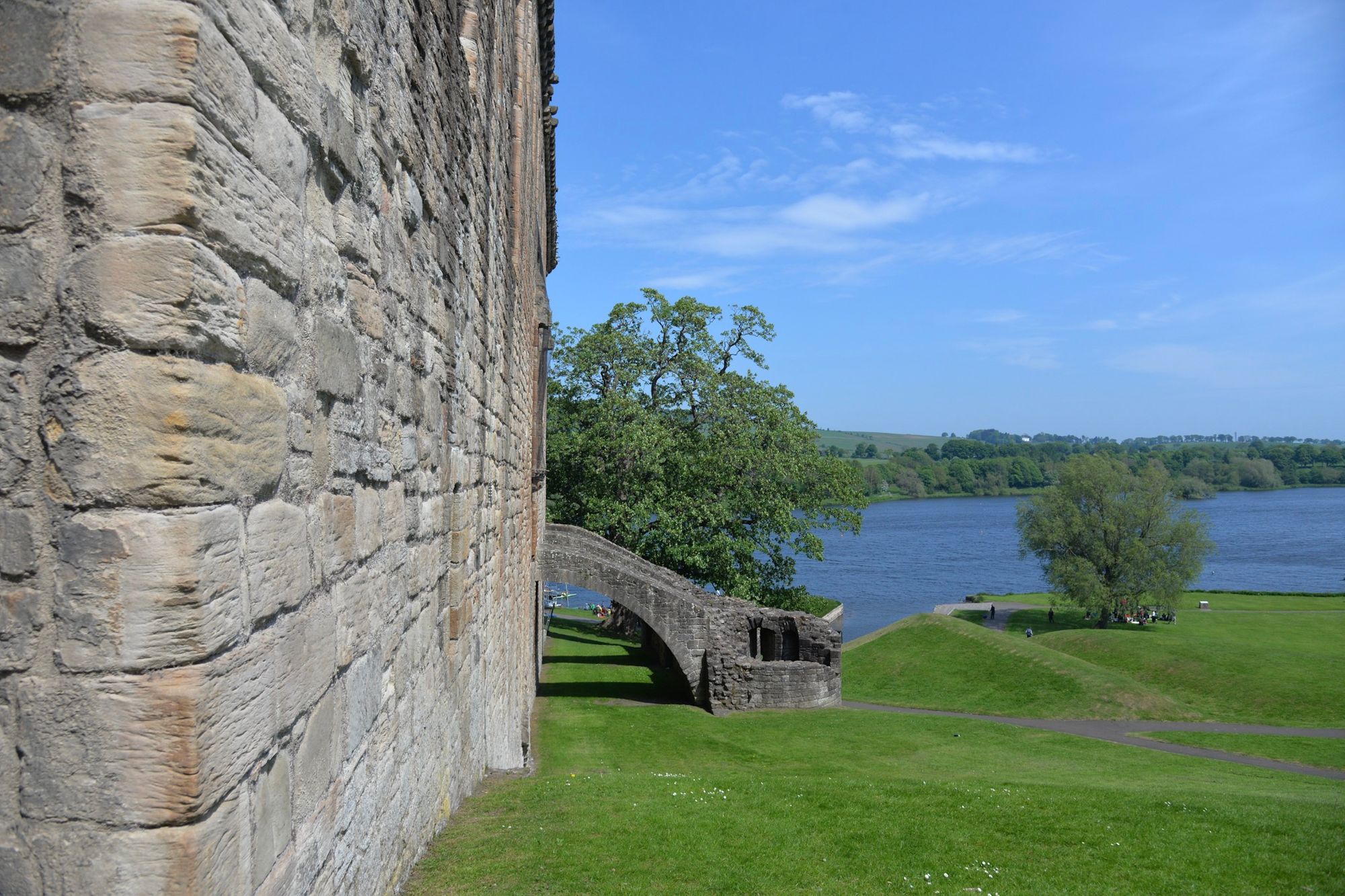
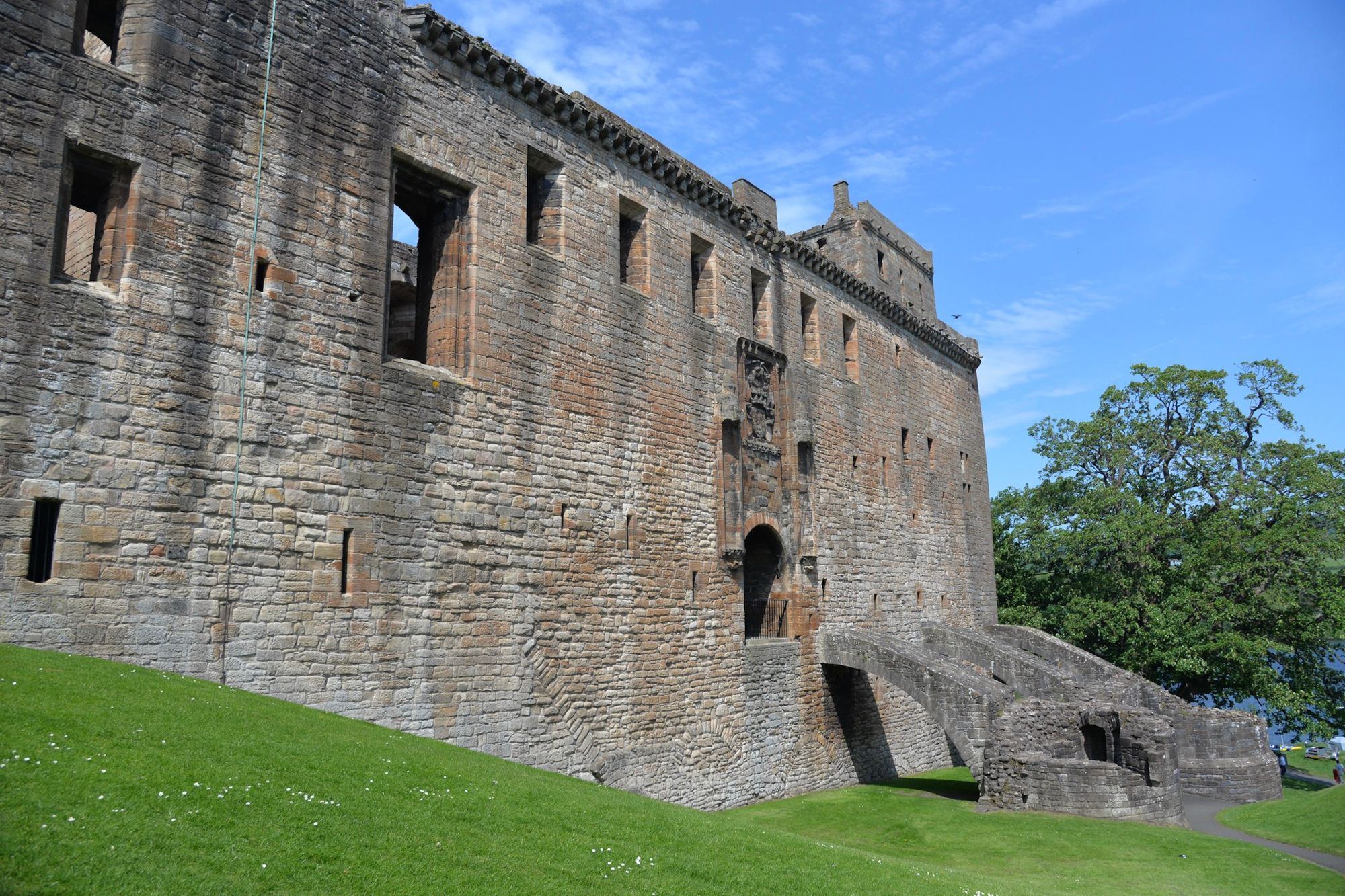
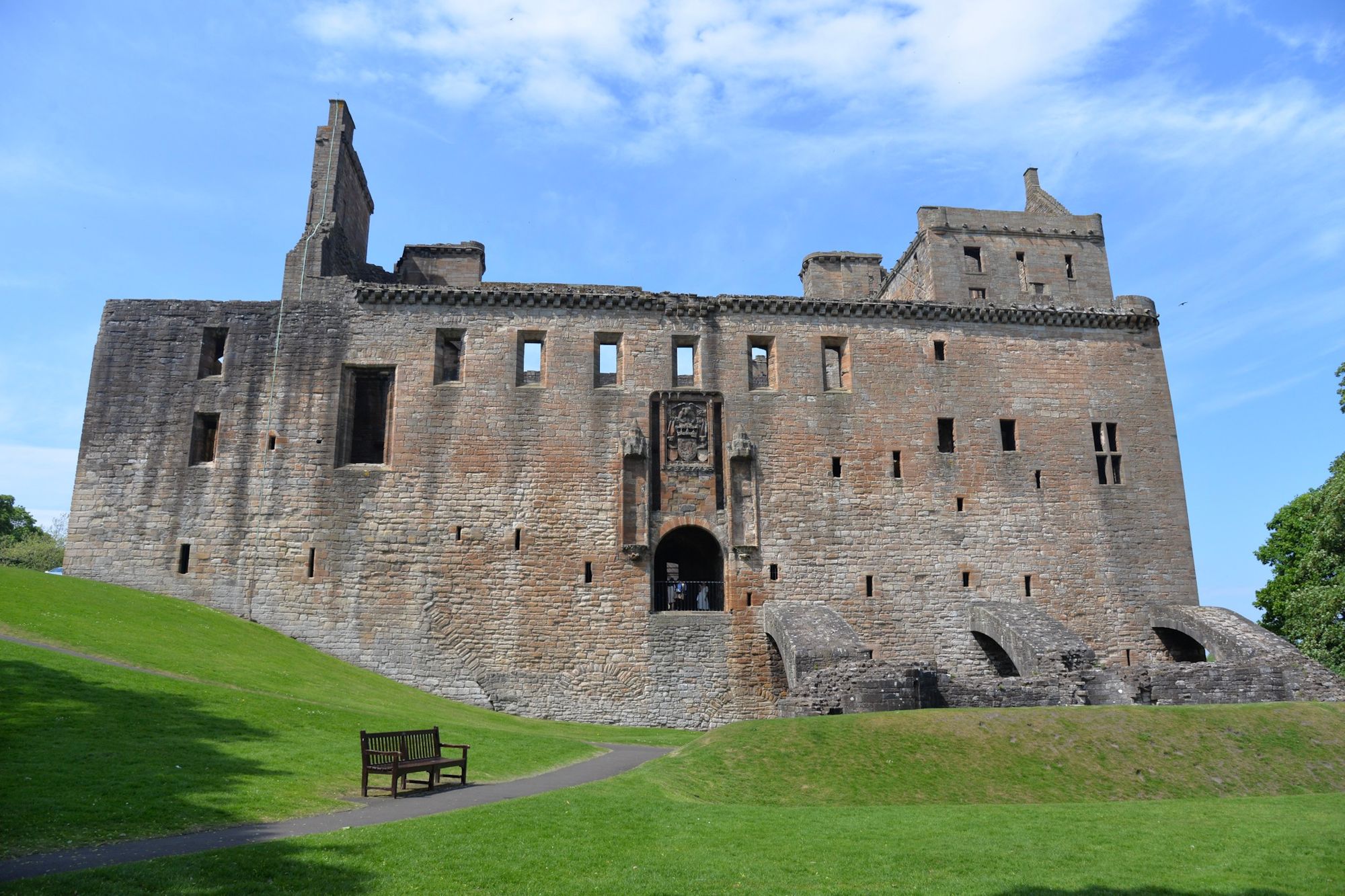
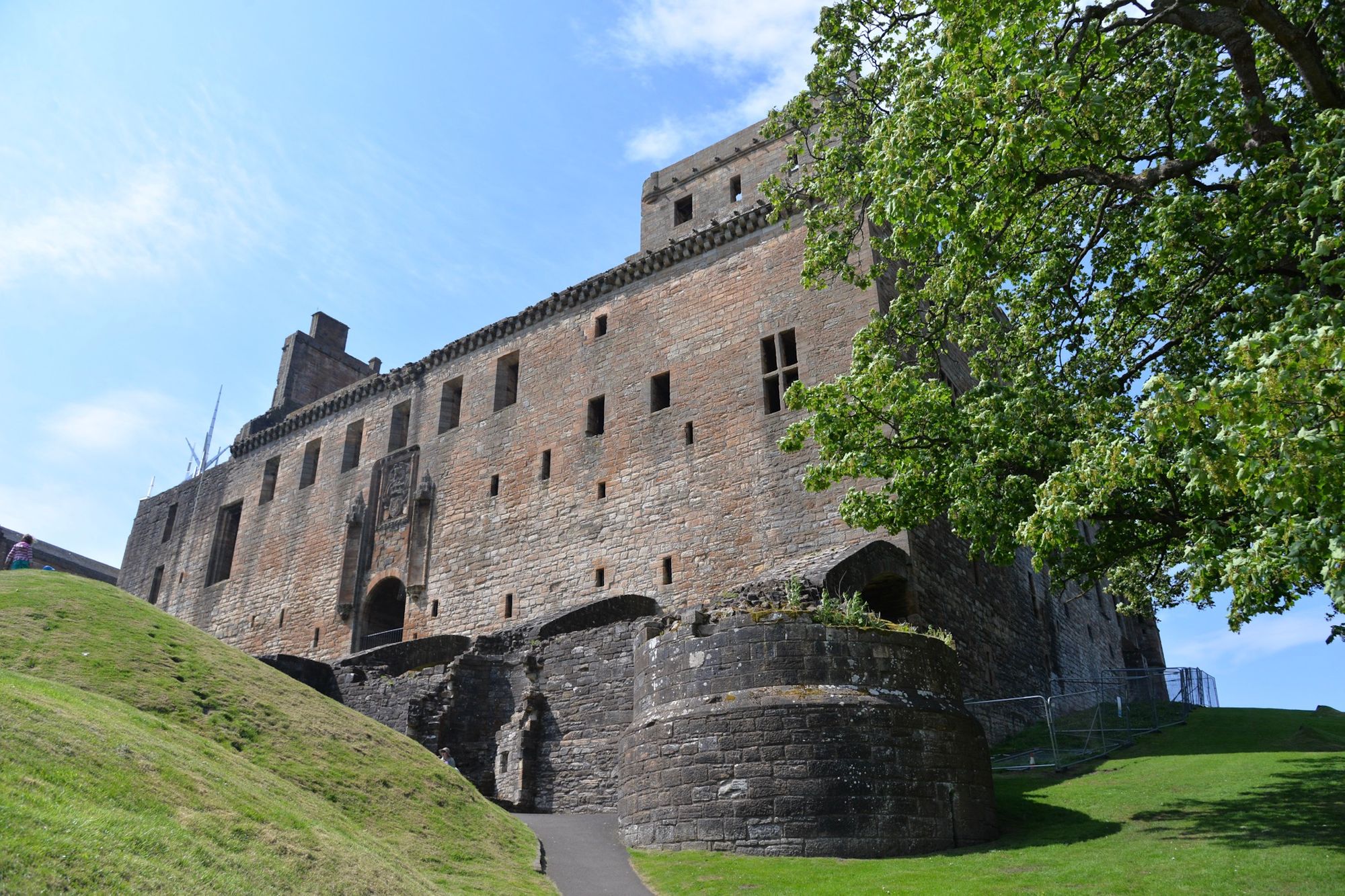
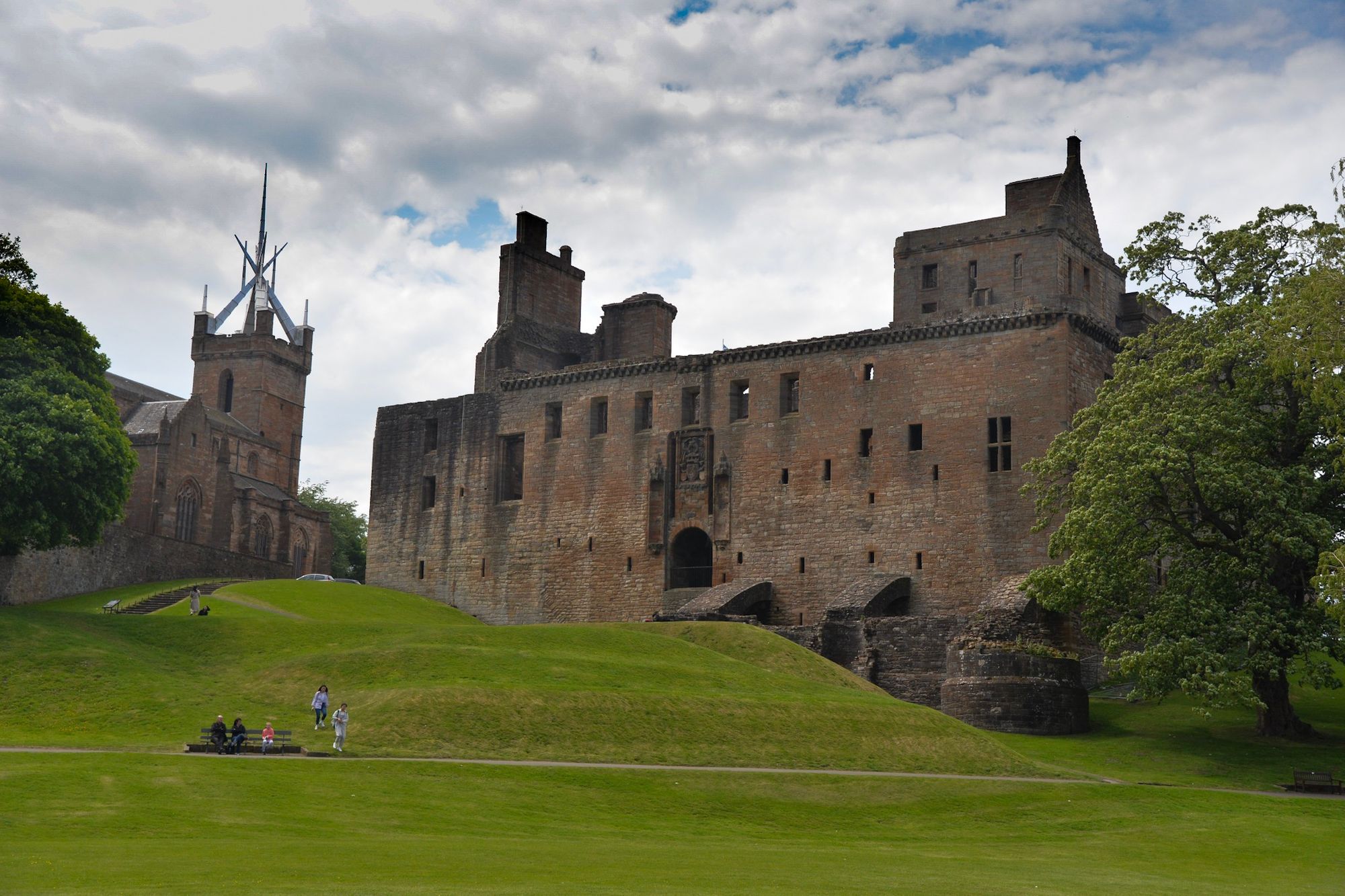
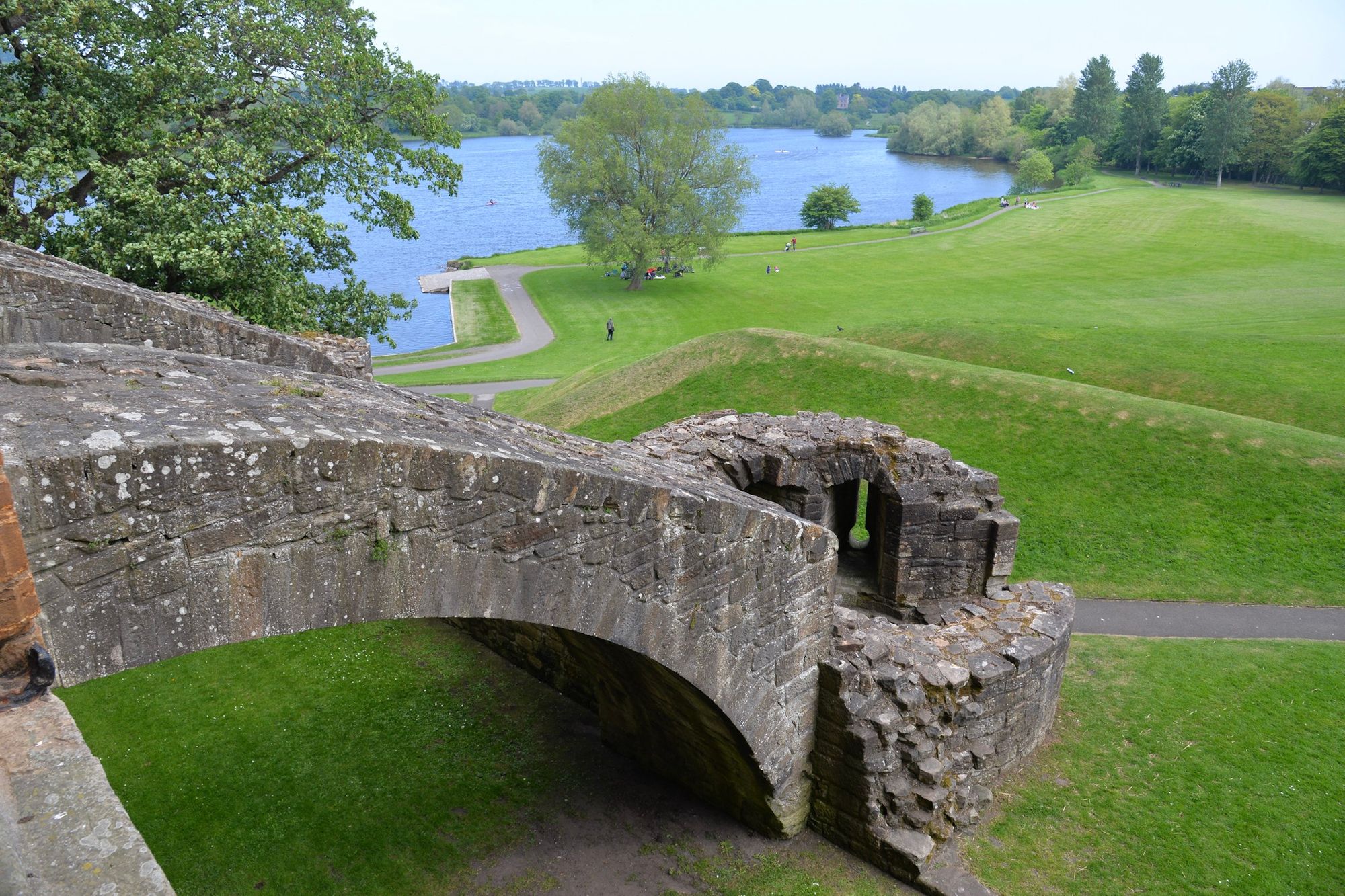
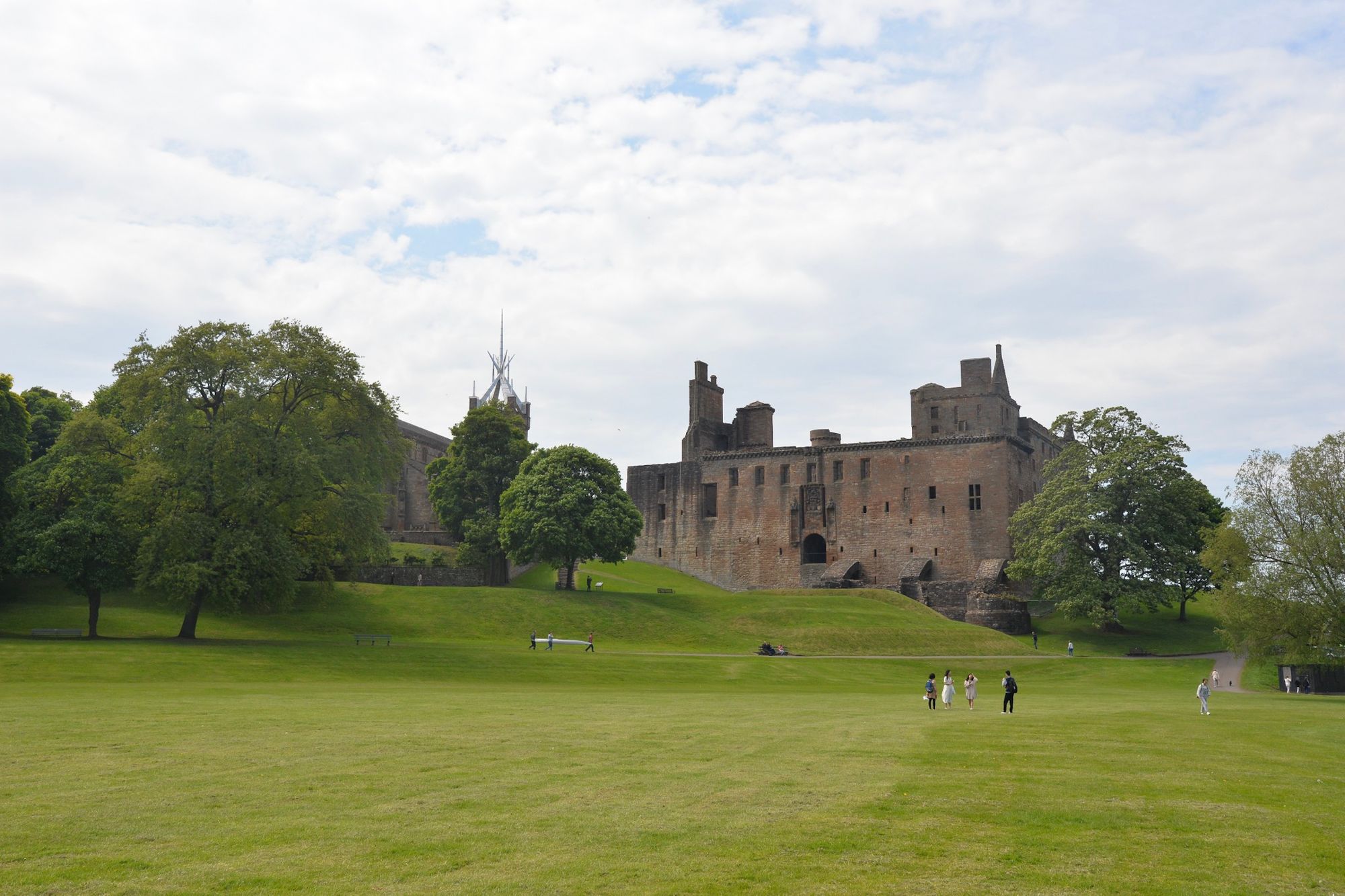
Linlithgow Palace, often described as one of the most picturesquely situated castles in Scotland, in fact served as a royal residence – it was a palace, not a fortified stronghold. Located in the small town of Linlithgow (about 25 km west of Edinburgh), it has for centuries attracted not only lovers of architecture and history but also those looking for scenic landscapes. The body of water near the buildings and the green surroundings mean that a visit to Linlithgow is not just touring the palace walls but also a pleasant walk with beautiful views.
- Origins: The first fortifications existed here as early as the 12th century. In later centuries, during the reigns of Stephen and David II, the residence began to be expanded, though its greatest flourishing came during the Stewart dynasty (Stewart/Stuart).
- Role as a royal residence: In the 14th and 15th centuries, under the rule of Scottish kings, Linlithgow Palace took on a more representative character. It was here that successive rulers of the Stewart dynasty especially liked to reside, notably King James IV and Queen Mary of Guise.
- Birthplace of famous rulers: In 1542, within the walls of Linlithgow, Mary I Stuart, the future queen of Scotland—sometimes called Mary, Queen of Scots (Mary Queen of Scots)—was born. She was one of the most controversial figures of the 16th century – the tragic end of her life and the many political intrigues in which she was involved eventually grew into legend.
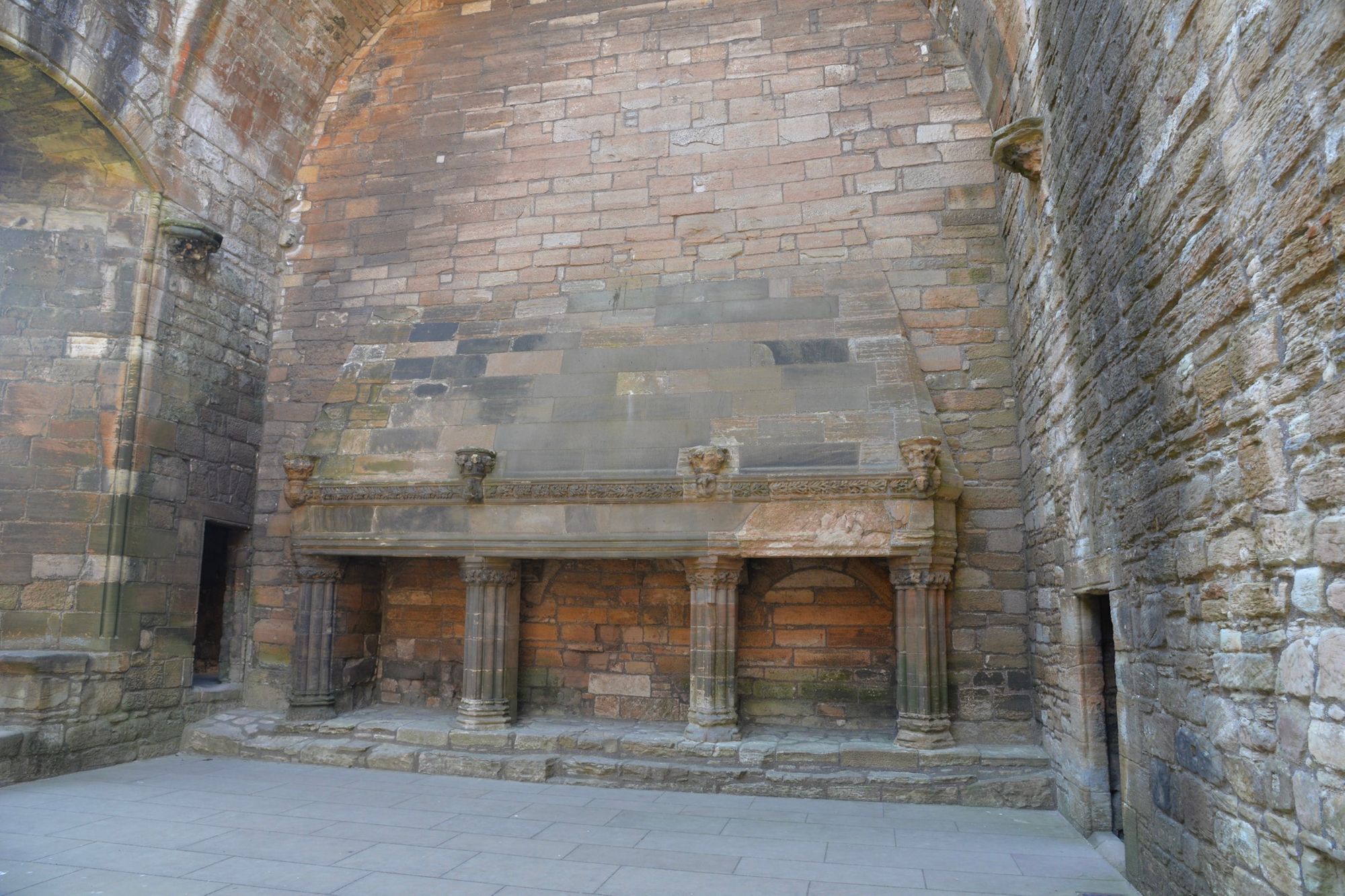
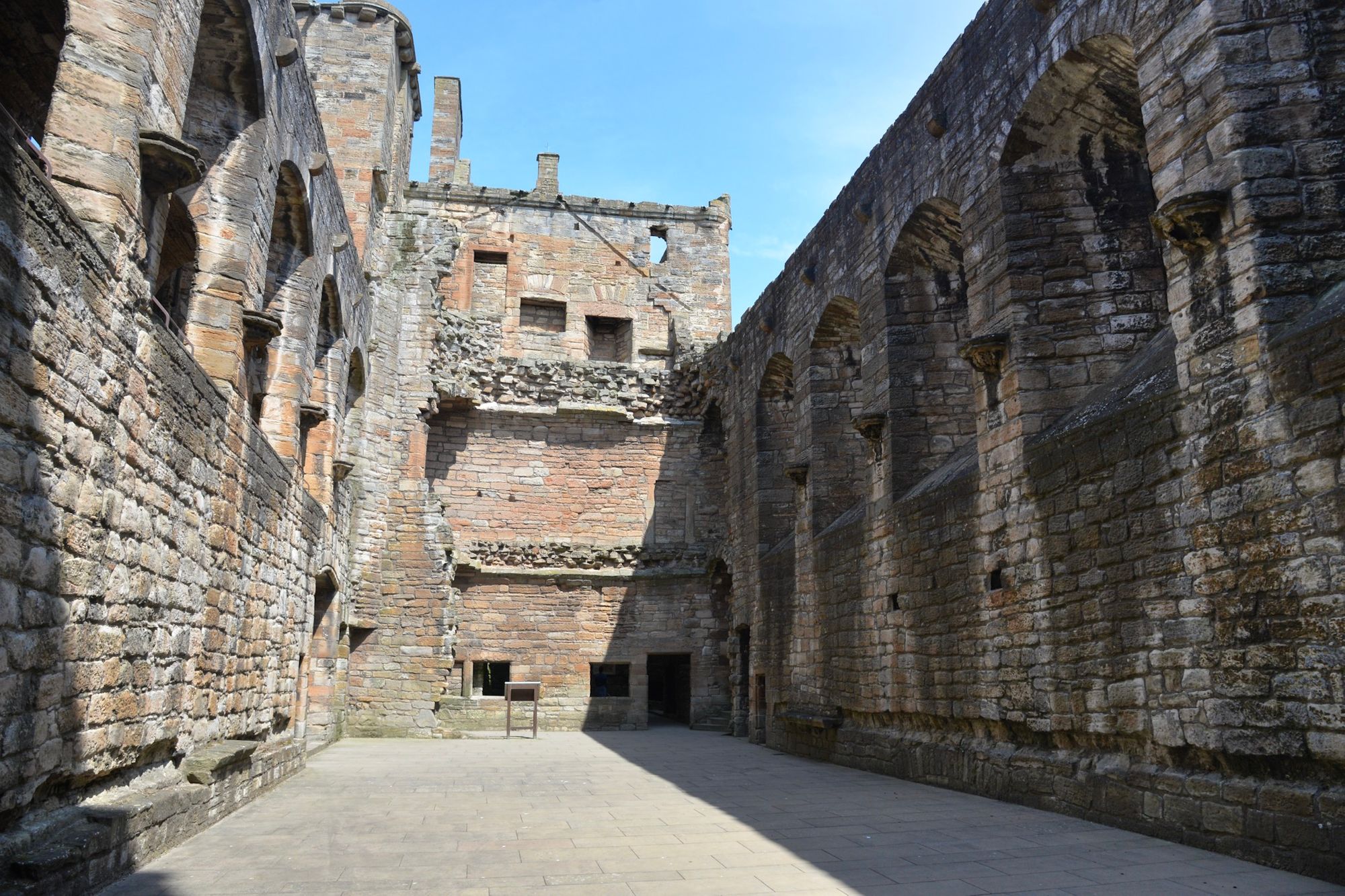
- Period of decline: After the Union of Scotland with England (1707), Linlithgow Palace lost its importance. Additionally, in the 18th century a fire seriously damaged the building. The ruins we see today lack the more frequently used rooms, yet they still make a huge impression and vividly convey the former grandeur.
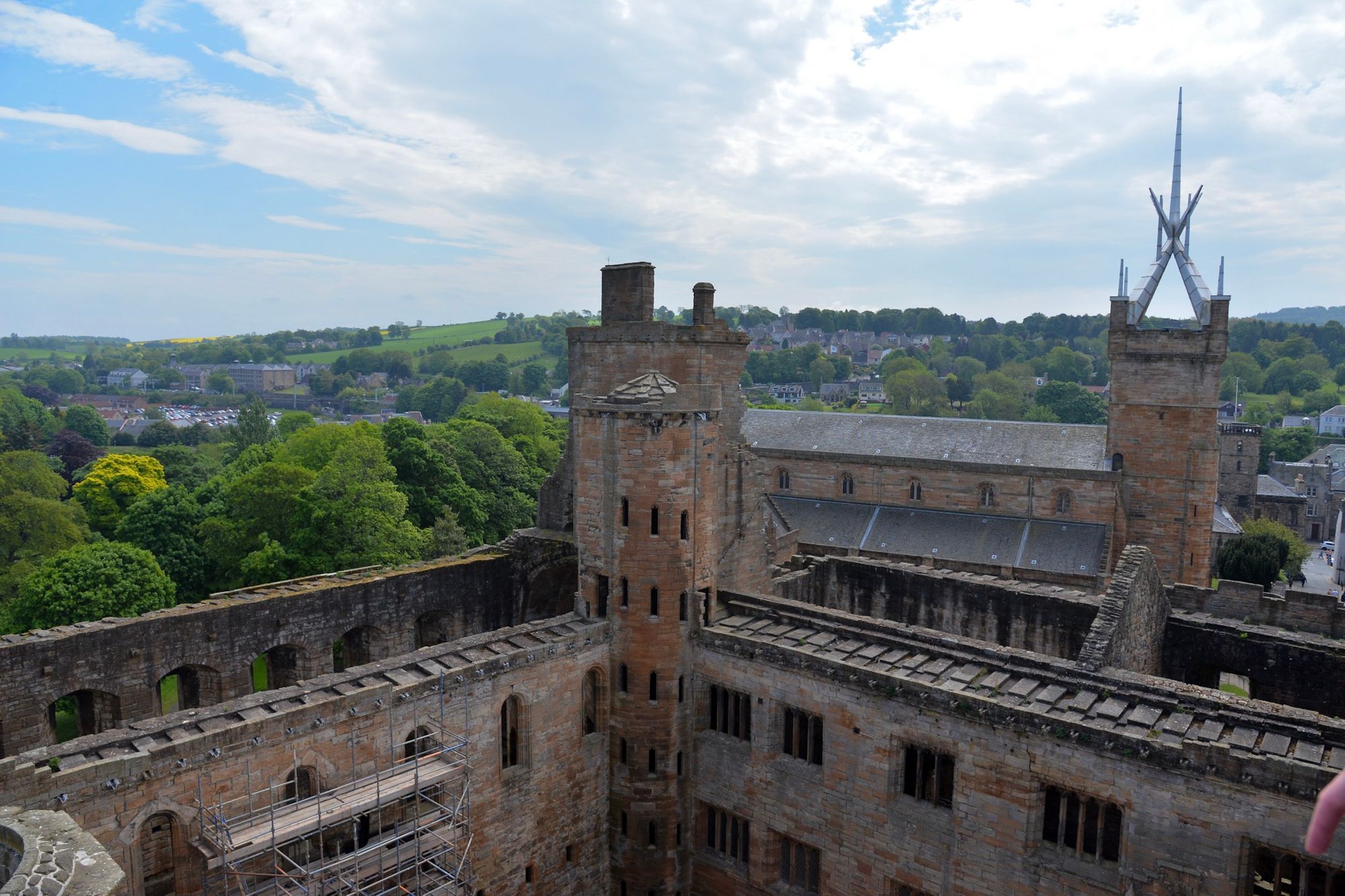
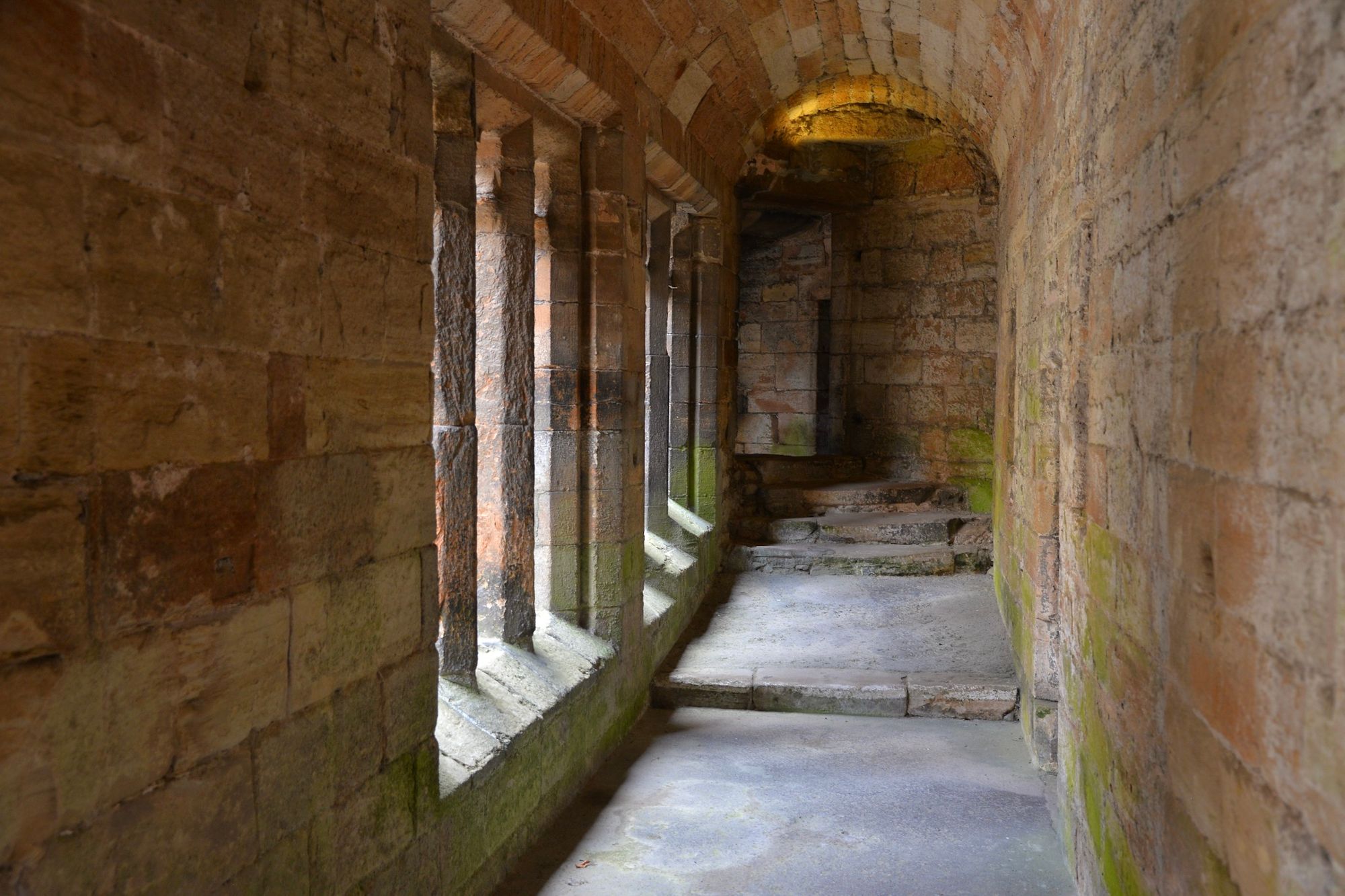
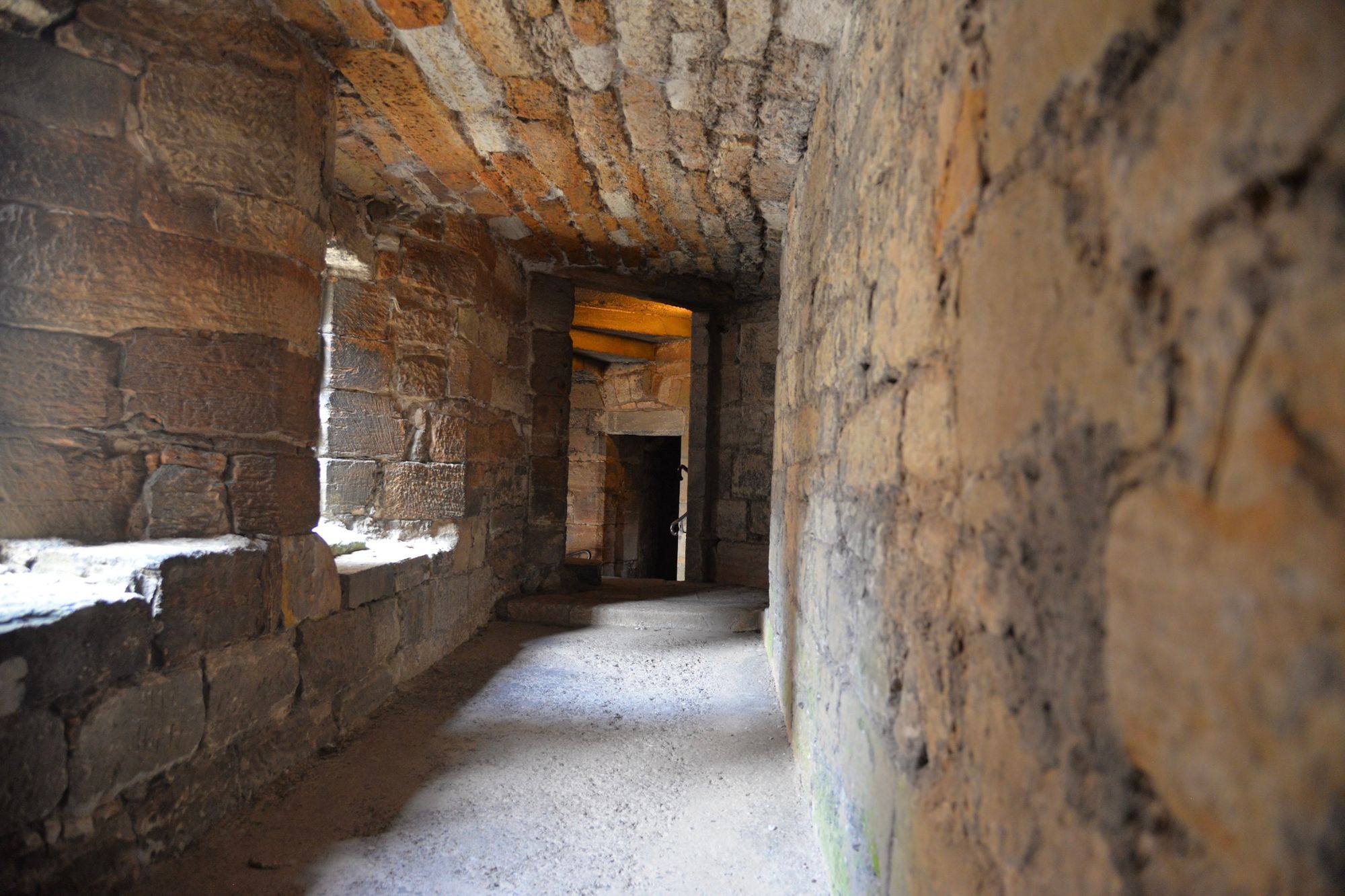
Although today mainly the walls and fragments of buildings have survived, it is easy to see how grand this residence once was. Entering the palace grounds, the spacious inner courtyard surrounded by arcaded cloisters is especially striking. Looking up allows you to imagine the multi-storey palace wings with royal chambers and rooms for courtiers.
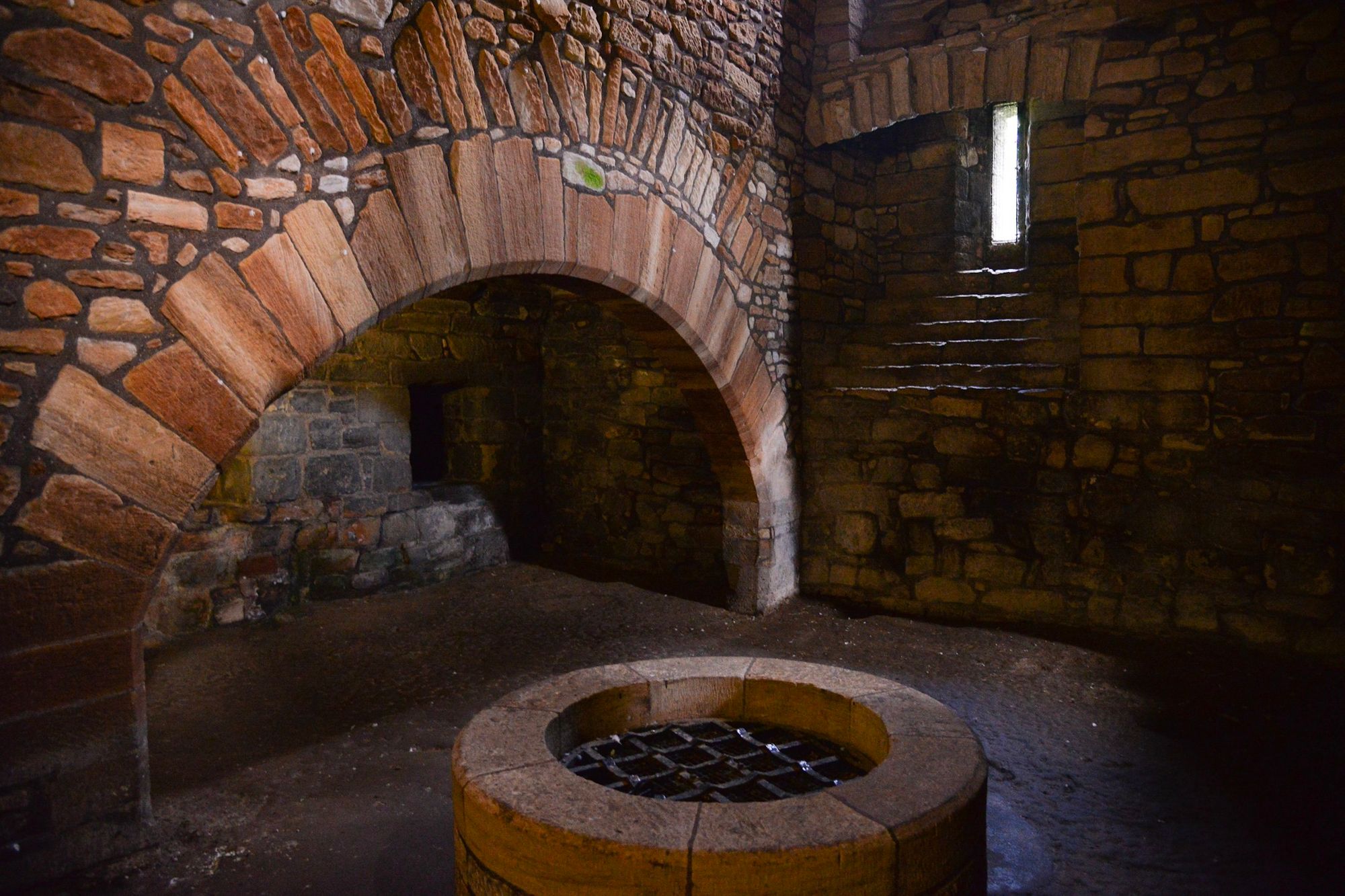
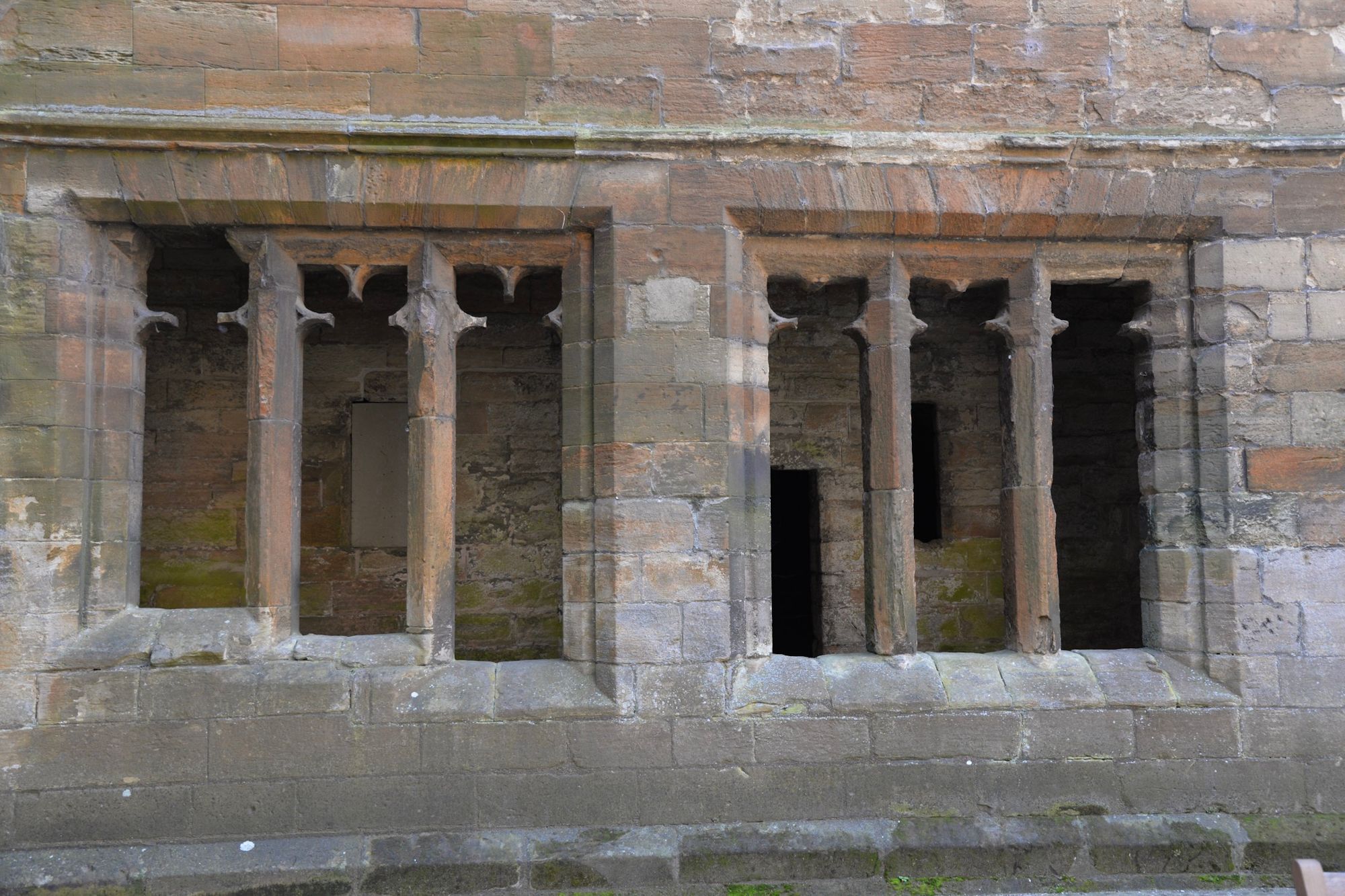
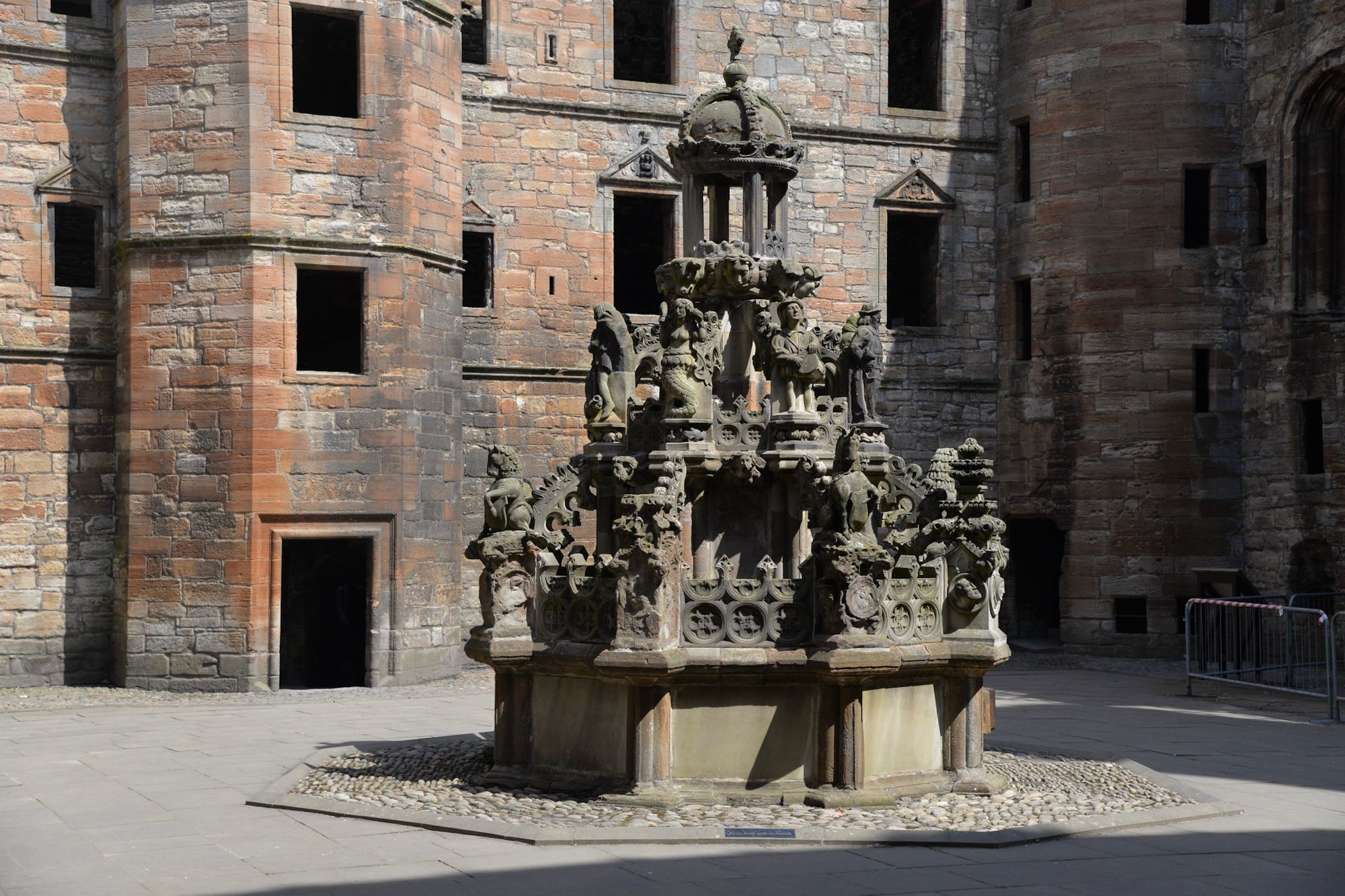
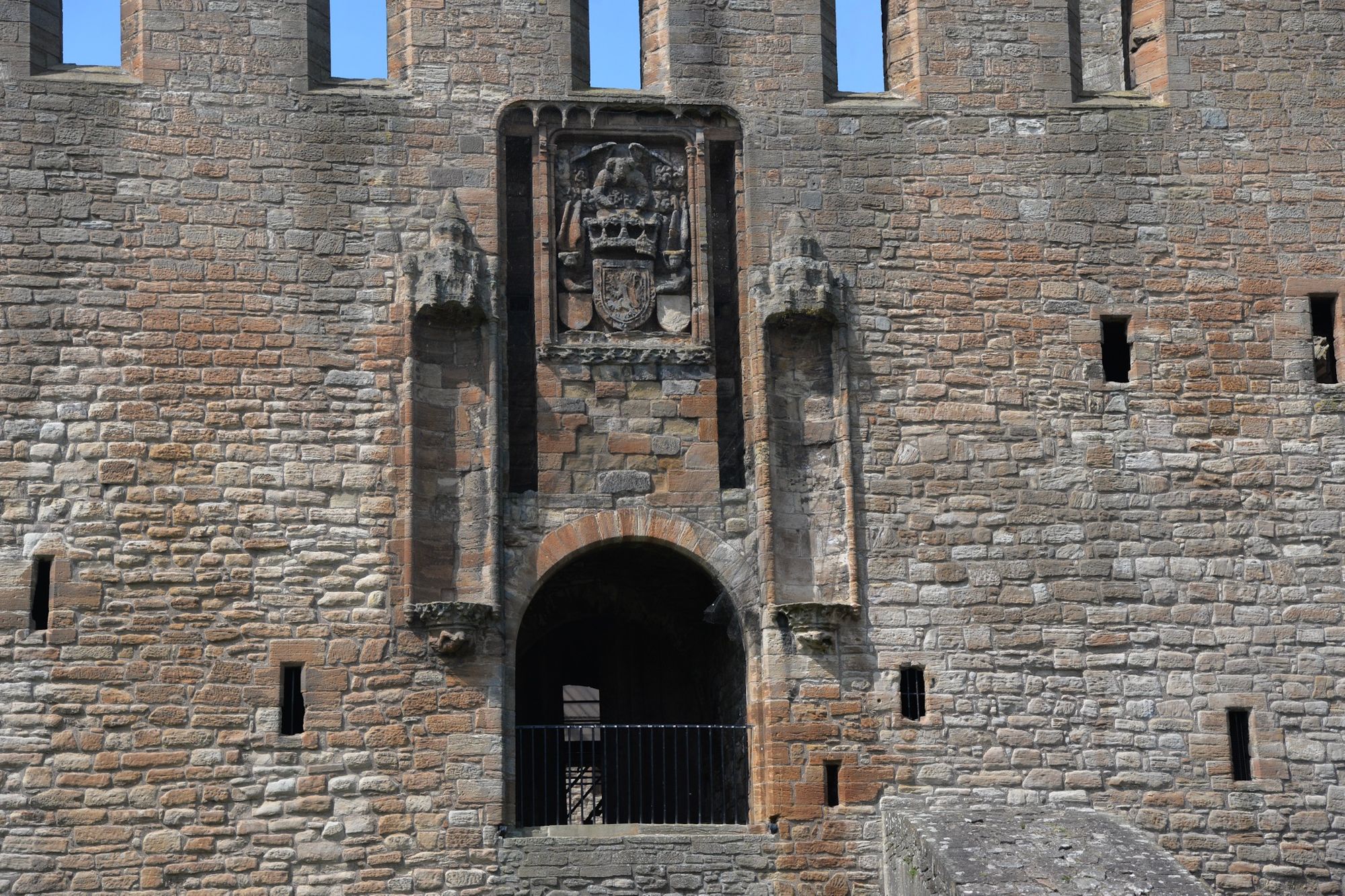
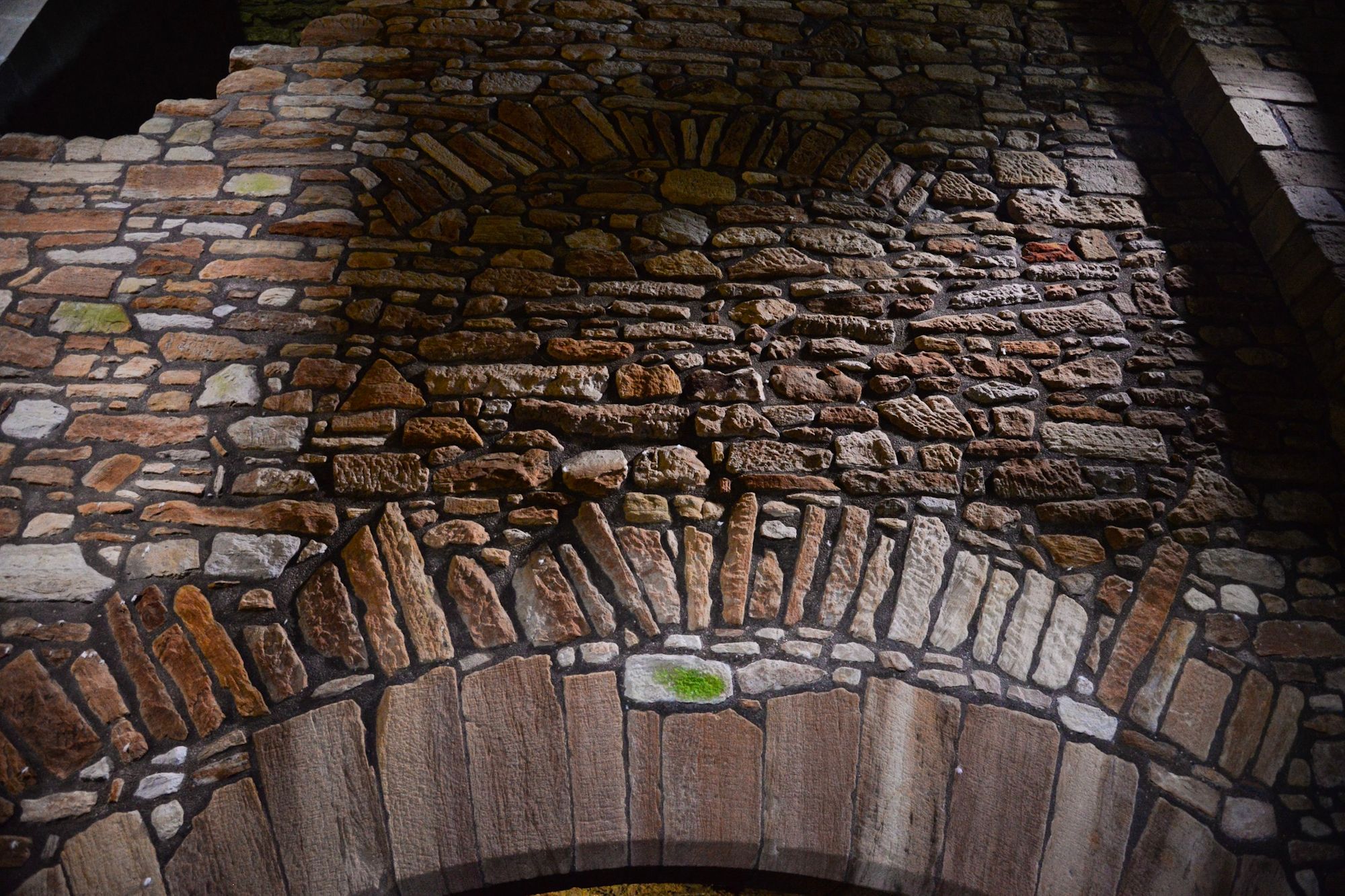
It's also worth remembering that Linlithgow Palace witnessed the development of building solutions that were modern for their time, although their traces are now mainly visible in the foundations and surviving window details. The palace housed, among other things, a unique fountain, reconstructed in the 19th century, which is particularly striking by the main entrance to the courtyard.
- Linlithgow Loch: The picturesque lake surrounding the palace is an excellent spot for a short walk or a longer stroll along the shoreline. From one side of the water you can admire the silhouette of the ruins; from the other, the green hills of West Lothian.
- St. Michael's Church: Right next to the palace is a historic church notable for its distinctive modern aluminium tower, installed in the 1960s. Inside, you can find numerous Gothic architectural elements and traces of the site's rich history.
- The small town of Linlithgow: A small but charming town with historic townhouses and atmospheric streets. A wide selection of cafés, pubs and small restaurants offers a pleasant place to relax after sightseeing.
Interesting facts
- „The birthplace” of Mary, Queen of Scots : This intriguing figure provoked strong emotions in history, and her tragic fate and the political intrigues at the royal court continue to inspire writers and filmmakers to this day.
- Queen's Fountain: A 19th-century reconstruction of one of the former palace fountains, executed with extraordinary attention to medieval detail. Legend has it that on special days (e.g. during coronations) red wine spurted from the fountain's nozzles instead of water.
- Palace Restoration: Although the palace survives as a ruin, extensive conservation work has been carried out for years. Thanks to these efforts, visitors can now tour the palace relatively safely while still experiencing the authentic atmosphere of past centuries.
- Getting there: Direct trains run from Edinburgh to Linlithgow; the journey takes about 20–25 minutes. Buses are also available.
- Tickets: On-site admission tickets are required, but it's worth keeping an eye out for discounts and special offers – sometimes you may find guided events or historical reenactments.
- Best time to visit: Linlithgow Palace tends to be a little less crowded off-season (mid-autumn and winter), but the best weather for walks around the loch is in spring or early summer.
- Safety: The ruins have uneven stairs and floors, not all areas are protected by railings, so be careful of steps and sharp edges.
Linlithgow Palace is not only a monument of extraordinary historical significance but also a place full of charm and mystery. It is the birthplace of one of the most famous and tragic queens in history – Mary, Queen of Scots. The palace ruins still recall the former splendour of the Scottish dynasty, whose fate unfolded amid European intrigues and wars. When visiting Scotland, it's worth planning a trip to Linlithgow to see this majestic building, stroll around the loch, and soak up the atmosphere of an era when royal courts and castles were the focal point of the country's political and cultural life.
Location
Open in Google Maps →Continue reading in this gallery
Scottish Castles
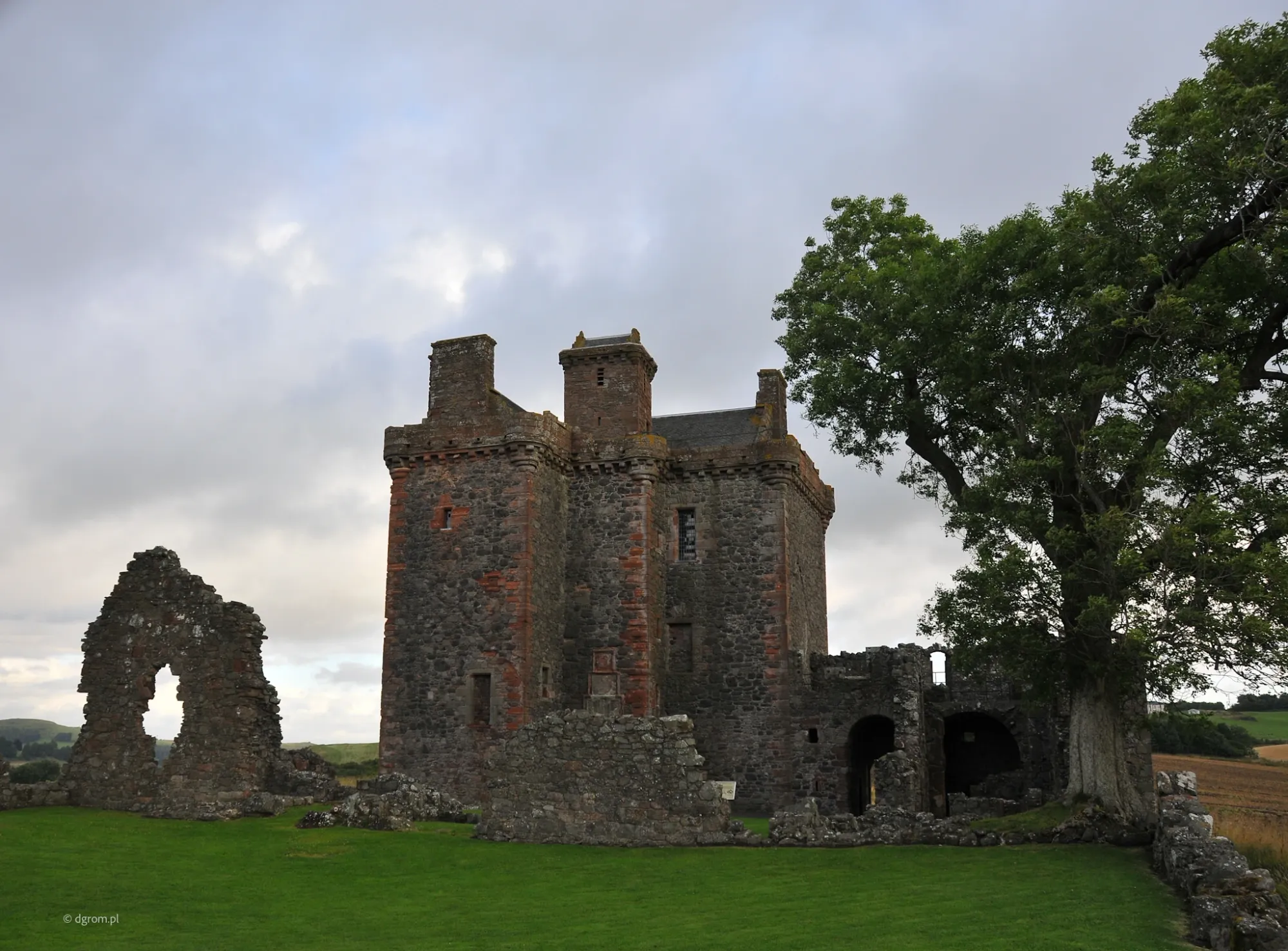
Castles of Scotland- Balvaird
Balvaird Castle is located in central Scotland, near the town of Abernethy. It was built in the 16th century as a residence for Sir Andrew Murray, who was a close friend of Mary, Queen of Scots.
Scottish Castles
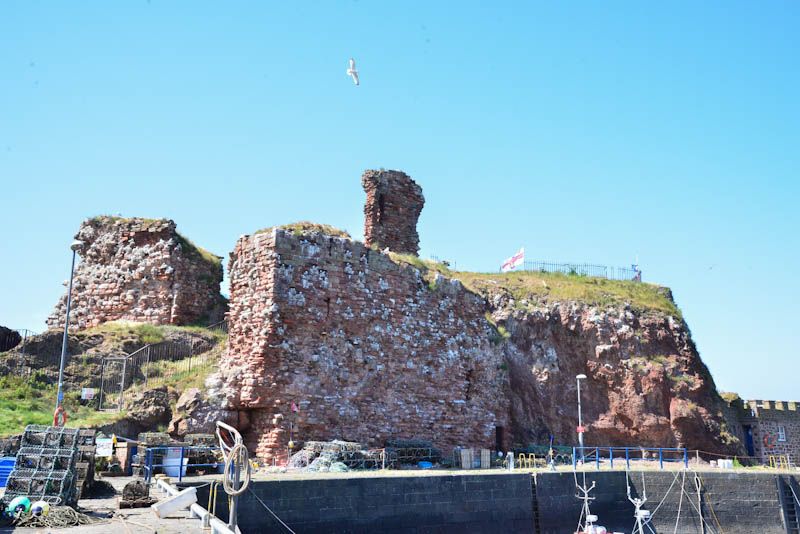
Scottish Castles - Dunbar
Dunbar Castle (English: Dunbar Castle) is a castle located in the town of Dunbar, in southeast Scotland, on the shore of the North Sea.
Scottish Castles
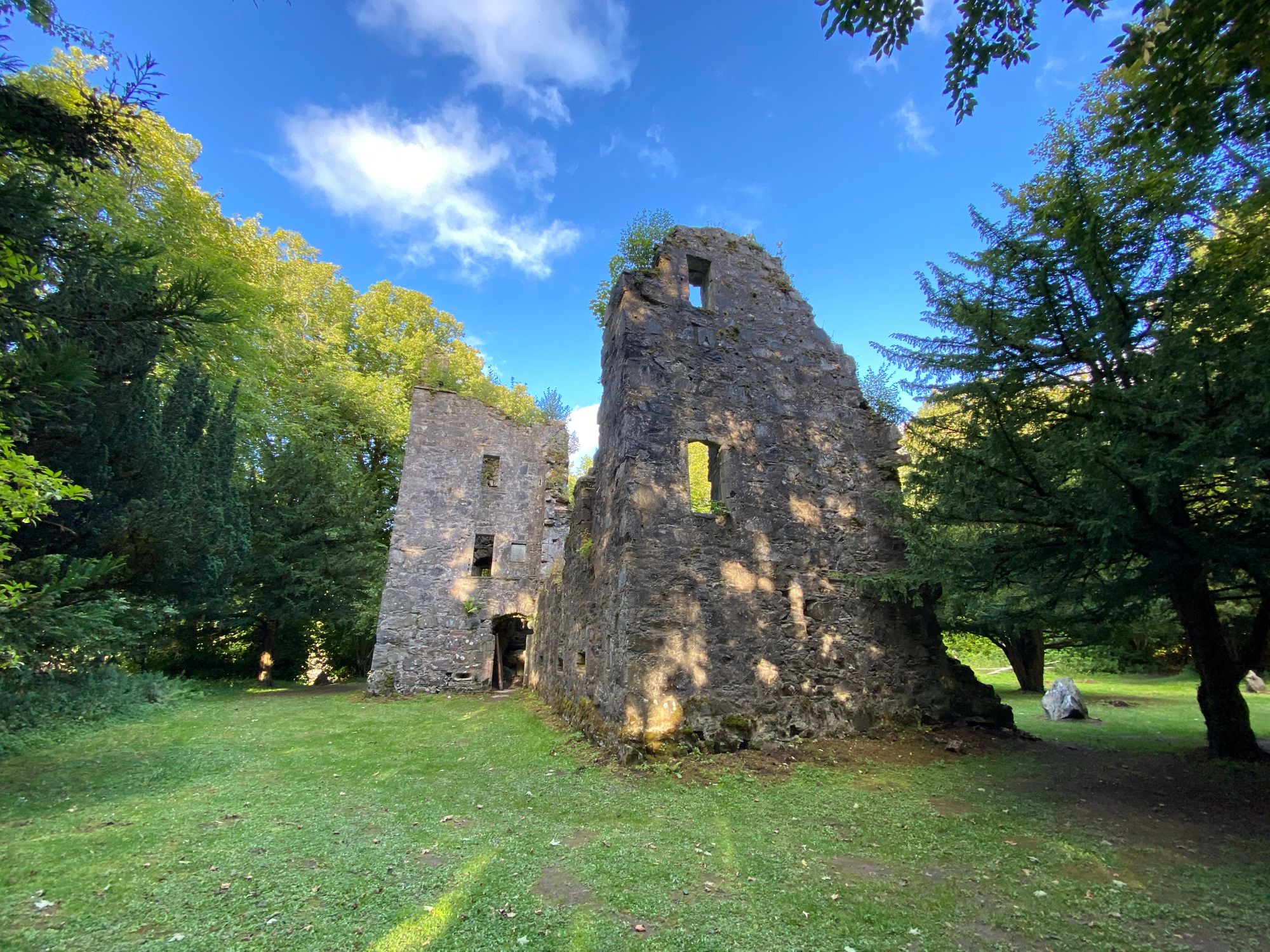
Castles of Scotland - Finlarig
Finlarig Castle is a historic castle located in central Scotland, in the county of Perthshire. The castle belonged to Clan Campbell and was an important administrative and commercial center in the region.
Scottish Castles
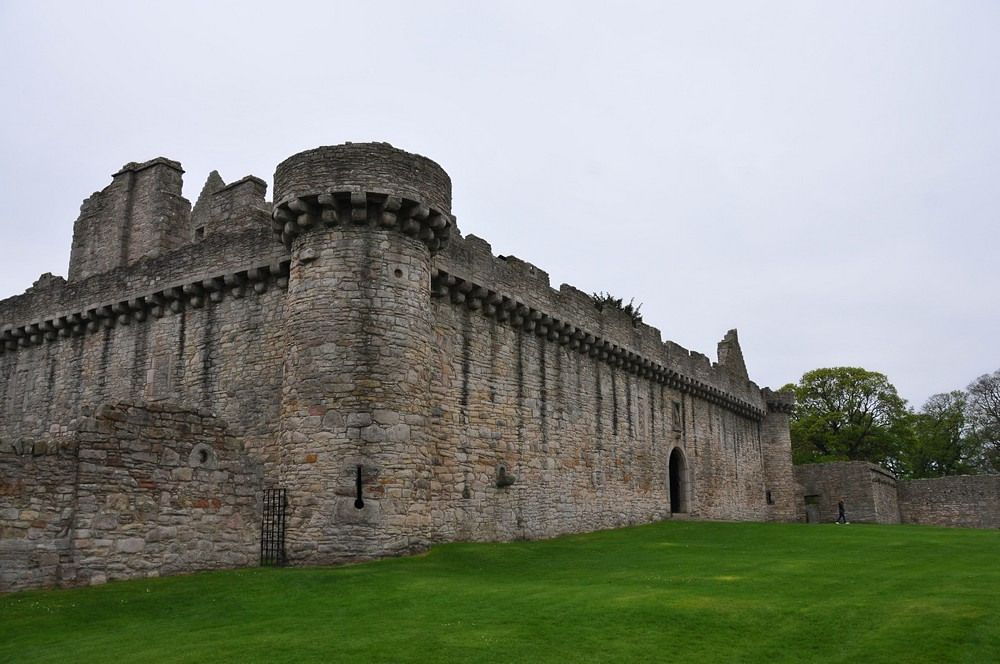
Scottish Castles - Craigmillar
Craigmillar Castle is a ruined medieval castle in Edinburgh, Scotland. It is located about 5 km from the city centre.