Castles of Scotland - Drum
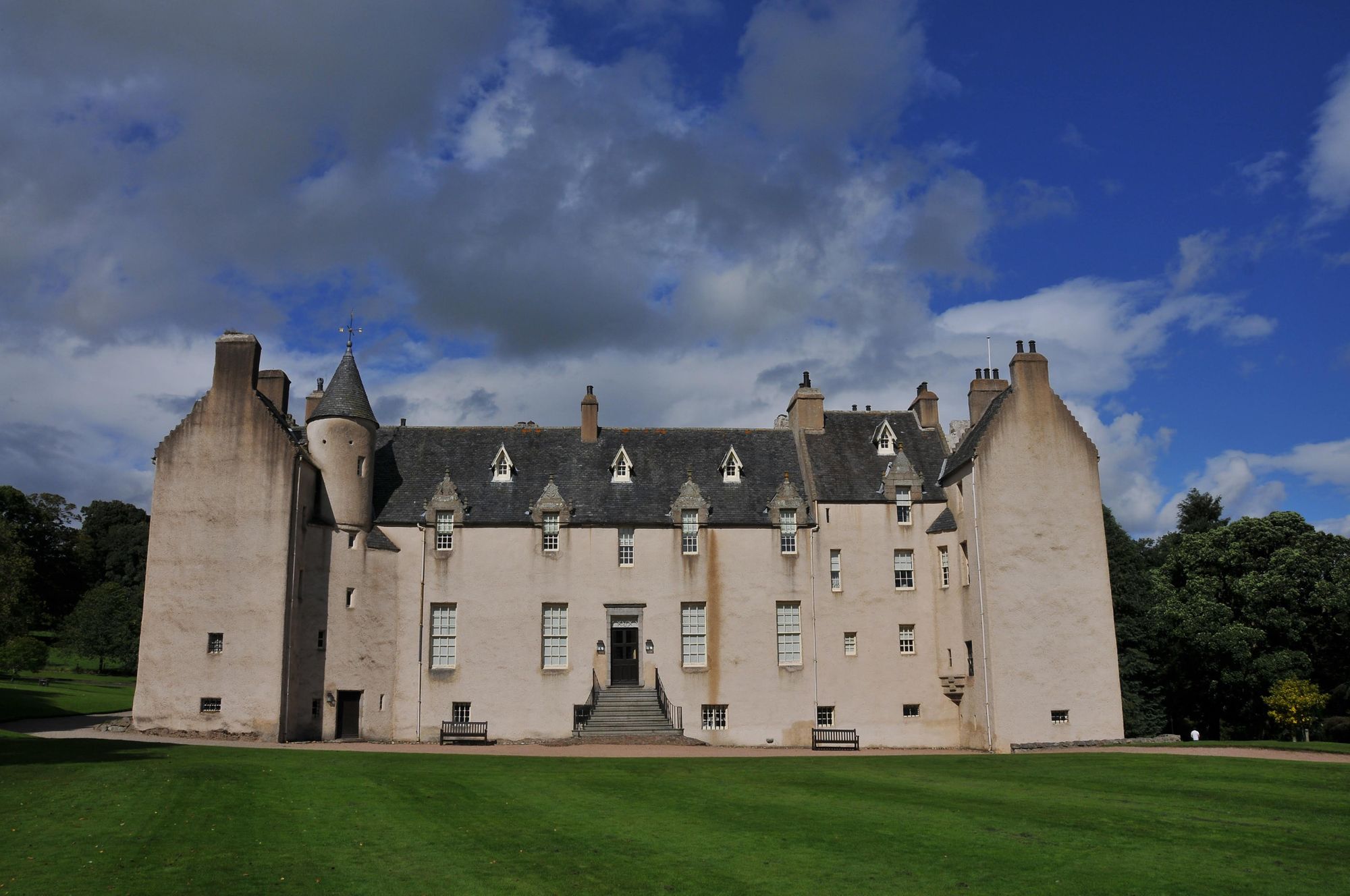
Nestled among the rolling countryside of Aberdeenshire, not far from Aberdeen, stands one of Scotland’s most remarkable and best-preserved historic castles – Drum Castle.
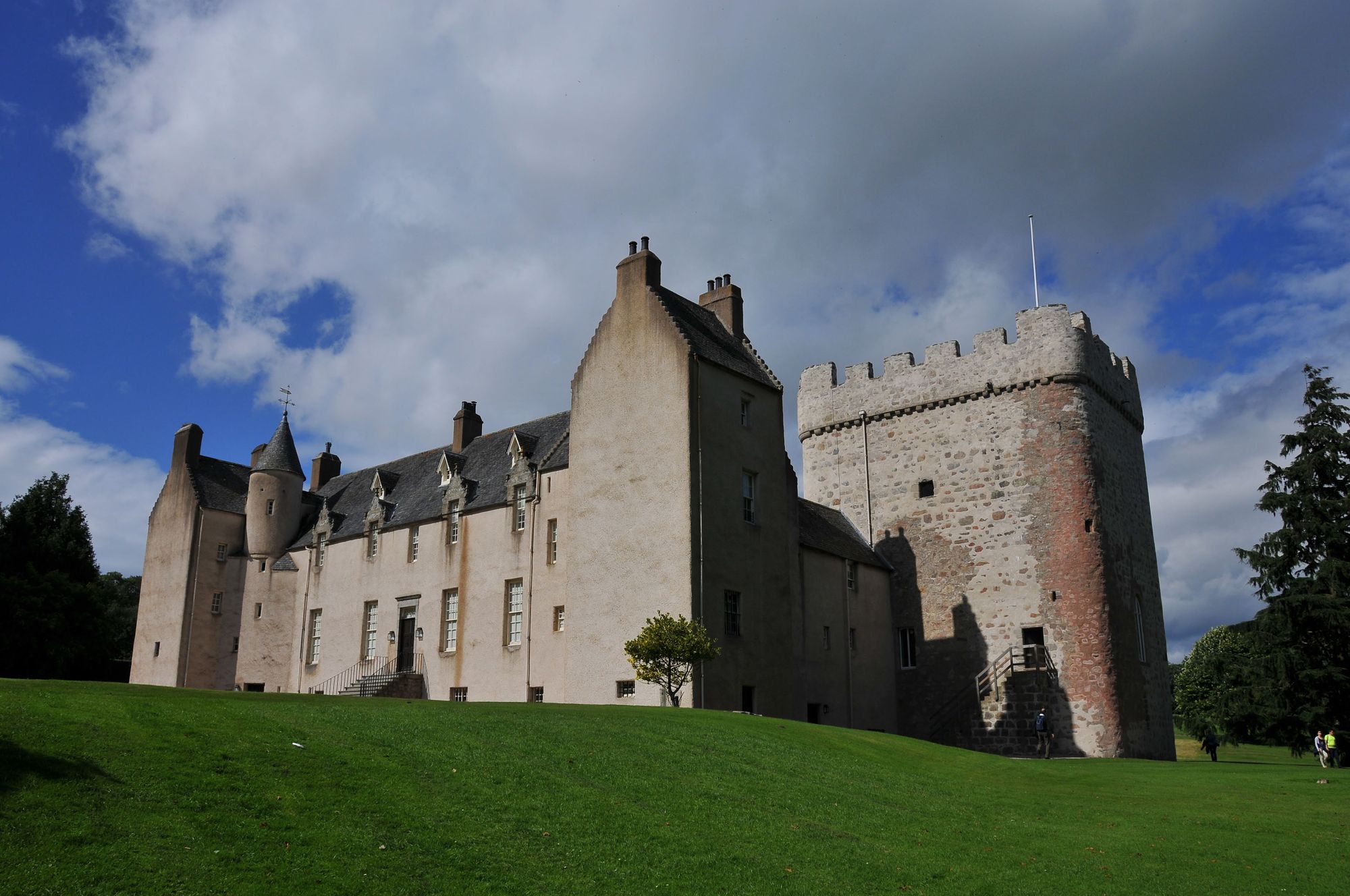
Drum Castle – Seven Centuries of Scottish History in the Heart of Aberdeenshire
Nestled among the rolling countryside of Aberdeenshire, not far from Aberdeen, stands one of Scotland’s most remarkable and best-preserved historic castles – Drum Castle. Surrounded by ancient woodland and beautiful gardens, this impressive fortress offers visitors a unique journey through more than seven centuries of Scottish history.
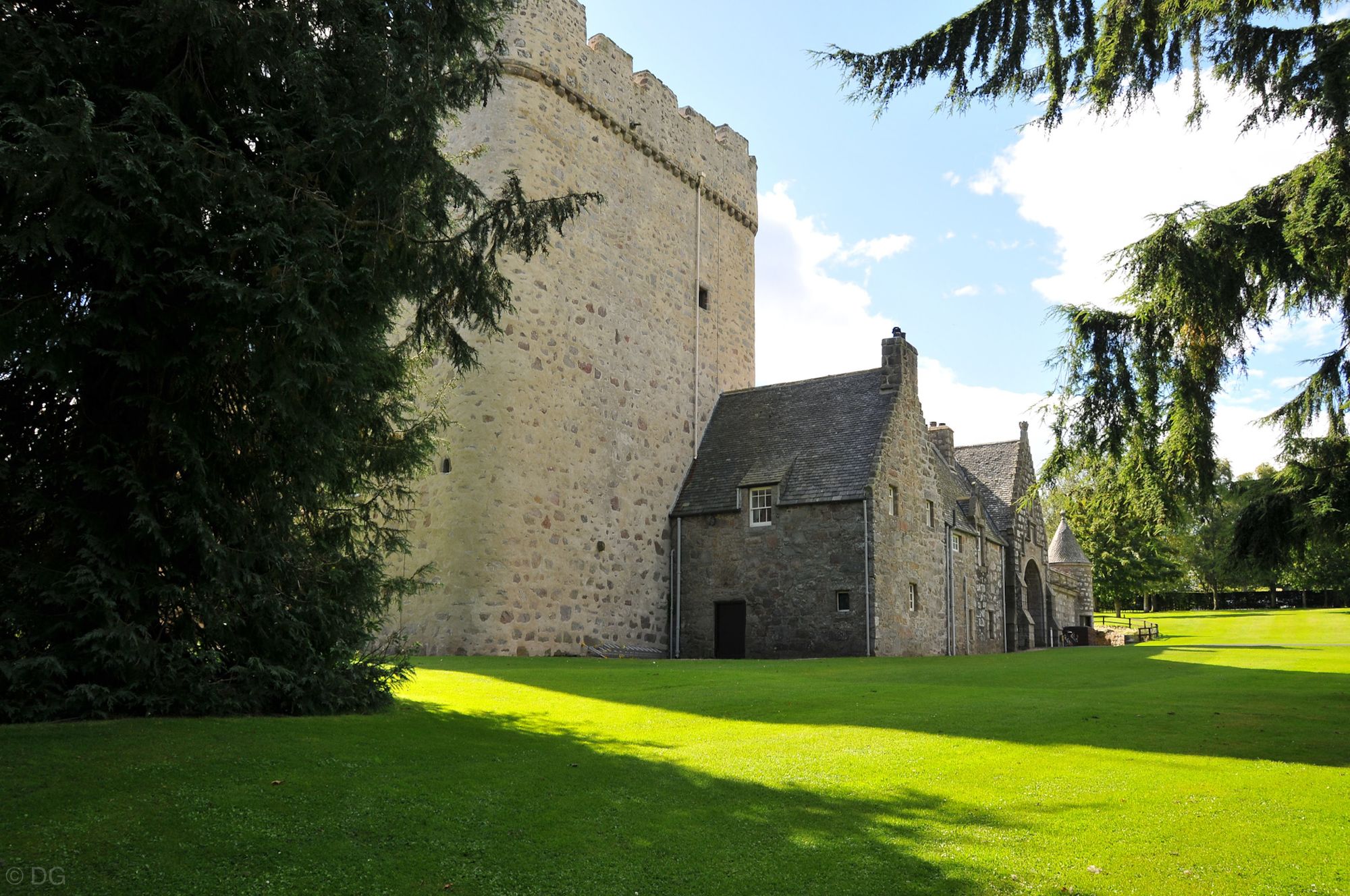
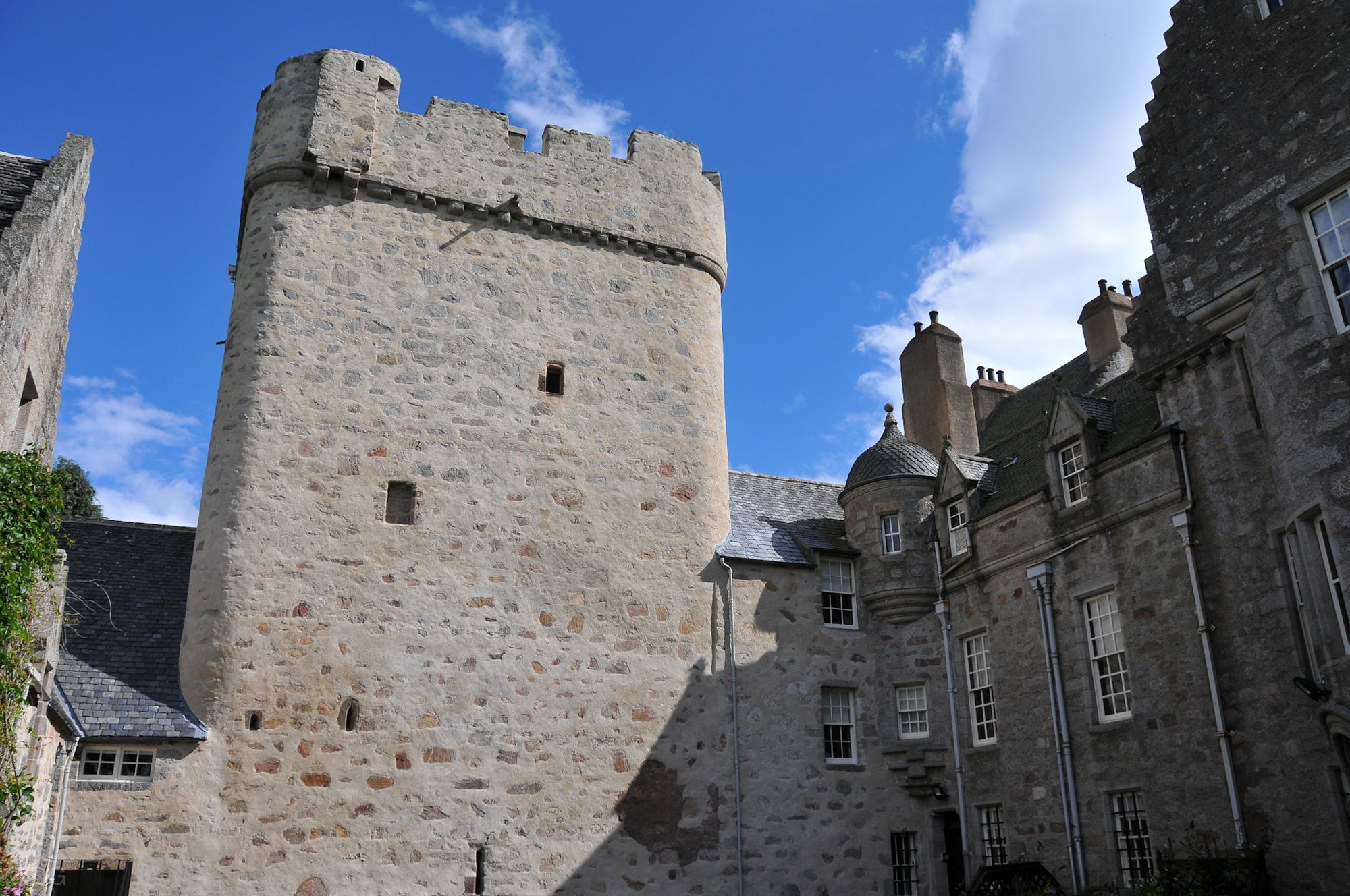
The story of Drum Castle begins in the late 13th century. Its oldest and most iconic feature is the massive medieval tower house, believed to have been built between 1280 and 1300. This imposing structure is considered one of the oldest surviving tower houses in Scotland. With walls several feet thick and a design focused on defence, it has stood the test of time through wars, political turmoil, and centuries of change.
A defining moment in the castle’s history came in 1323 when King Robert the Bruce granted the estate of Drum, along with the surrounding royal forest, to William de Irwyn. The gift was a reward for his loyalty and service during Scotland’s struggle for independence. From that point onward, Drum Castle became the ancestral home of the Irvine family, who remained associated with the estate for more than 650 years.
Over the centuries, the castle evolved from a fortified medieval stronghold into a grand family residence. In 1619, a striking Jacobean mansion wing was added to the original tower, bringing greater comfort and elegance to the estate. Further alterations and improvements were made during the Victorian era, creating the fascinating blend of architectural styles that visitors can admire today. The combination of medieval, Jacobean, and Victorian design makes Drum Castle one of the most architecturally interesting castles in Scotland.
Like many Scottish castles, Drum witnessed periods of conflict and uncertainty. During the turbulent religious and political struggles of the 17th century, including the Covenanting conflicts, the castle was attacked and occupied on several occasions. Despite these challenges, it survived remarkably intact and remains one of the finest examples of a historic Scottish castle still standing today.
One of the most special features of the estate is the Old Wood of Drum. This ancient oak woodland is a rare survivor of the vast forests that once covered much of Scotland. Walking beneath the towering trees, some of which have stood for centuries, offers a glimpse into a landscape that would have been familiar to medieval Scots. The woodland provides a peaceful and atmospheric setting that perfectly complements the historic castle.
Equally impressive are the castle’s gardens. Drum Castle is particularly famous for its Garden of Historic Roses, which showcases hundreds of varieties representing different periods in the history of rose cultivation. During the summer months, the garden bursts into colour and fragrance, attracting gardeners, photographers, and nature lovers from across the world. The carefully maintained grounds create a beautiful contrast to the rugged stone walls of the ancient fortress.
Inside the castle, visitors can explore a collection of historic rooms filled with furniture, paintings, family heirlooms, and fascinating artefacts. The Victorian library is especially noteworthy, housing thousands of books and providing a glimpse into the lives of the generations who once called Drum Castle home. Each room tells part of the story of the Irvine family and their connection to the estate over hundreds of years.
After more than six centuries under the stewardship of the Irvine family, Drum Castle came into the care of the National Trust for Scotland in 1975. Thanks to their efforts, the castle, gardens, and surrounding estate have been carefully preserved for future generations. Today, visitors can explore the castle, wander through the historic gardens, and enjoy miles of walking trails through the surrounding woodland.
What makes Drum Castle particularly special is the way it combines so many different aspects of Scottish heritage in one place. It is a castle linked to Robert the Bruce, a home associated with one family for over six centuries, a survivor of political and religious conflicts, and a sanctuary of ancient woodland and beautiful gardens.
Standing beneath its ancient stone tower, it is easy to imagine the countless generations who have walked these grounds before. The castle’s walls have witnessed medieval Scotland, the rise and fall of kingdoms, civil conflicts, and the transformation of the country into the modern nation we know today.
For anyone exploring Aberdeenshire or travelling through the Royal Deeside region, Drum Castle is a destination well worth visiting. Its rich history, stunning architecture, beautiful gardens, and peaceful woodland setting make it one of Scotland’s most rewarding historic sites.
More than just a castle, Drum is a living piece of Scotland’s past—a place where history, nature, and tradition come together to create an unforgettable experience.
Location
Open in Google Maps →Continue reading in this gallery
Scottish Castles
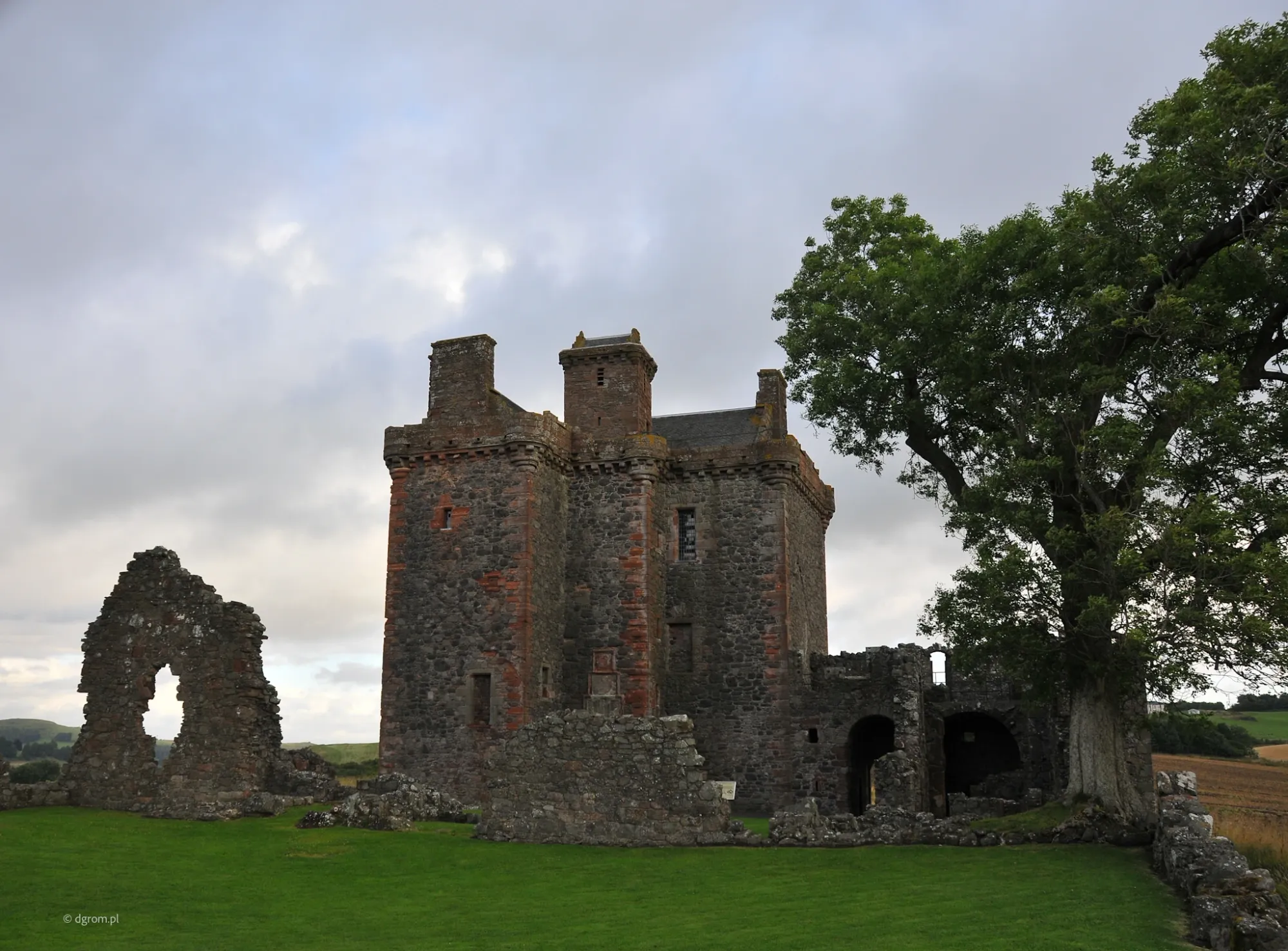
Castles of Scotland- Balvaird
Balvaird Castle is located in central Scotland, near the town of Abernethy. It was built in the 16th century as a residence for Sir Andrew Murray, who was a close friend of Mary, Queen of Scots.
Scottish Castles
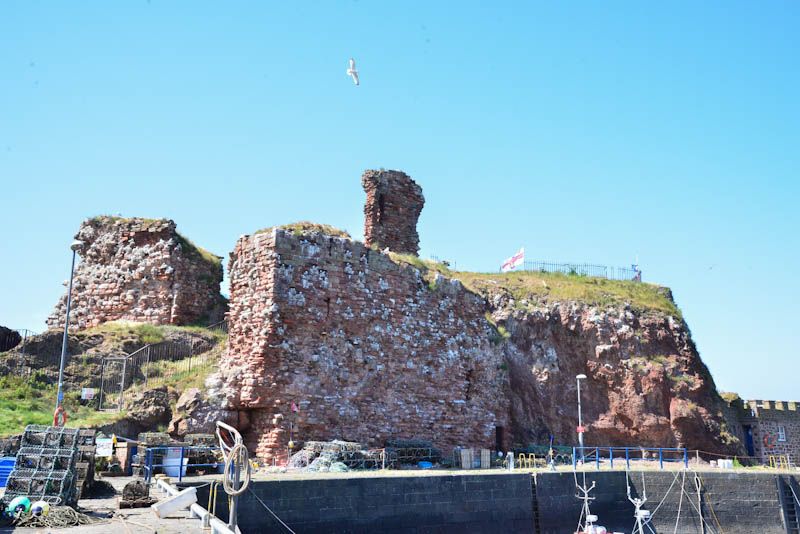
Scottish Castles - Dunbar
Dunbar Castle (English: Dunbar Castle) is a castle located in the town of Dunbar, in southeast Scotland, on the shore of the North Sea.
Scottish Castles
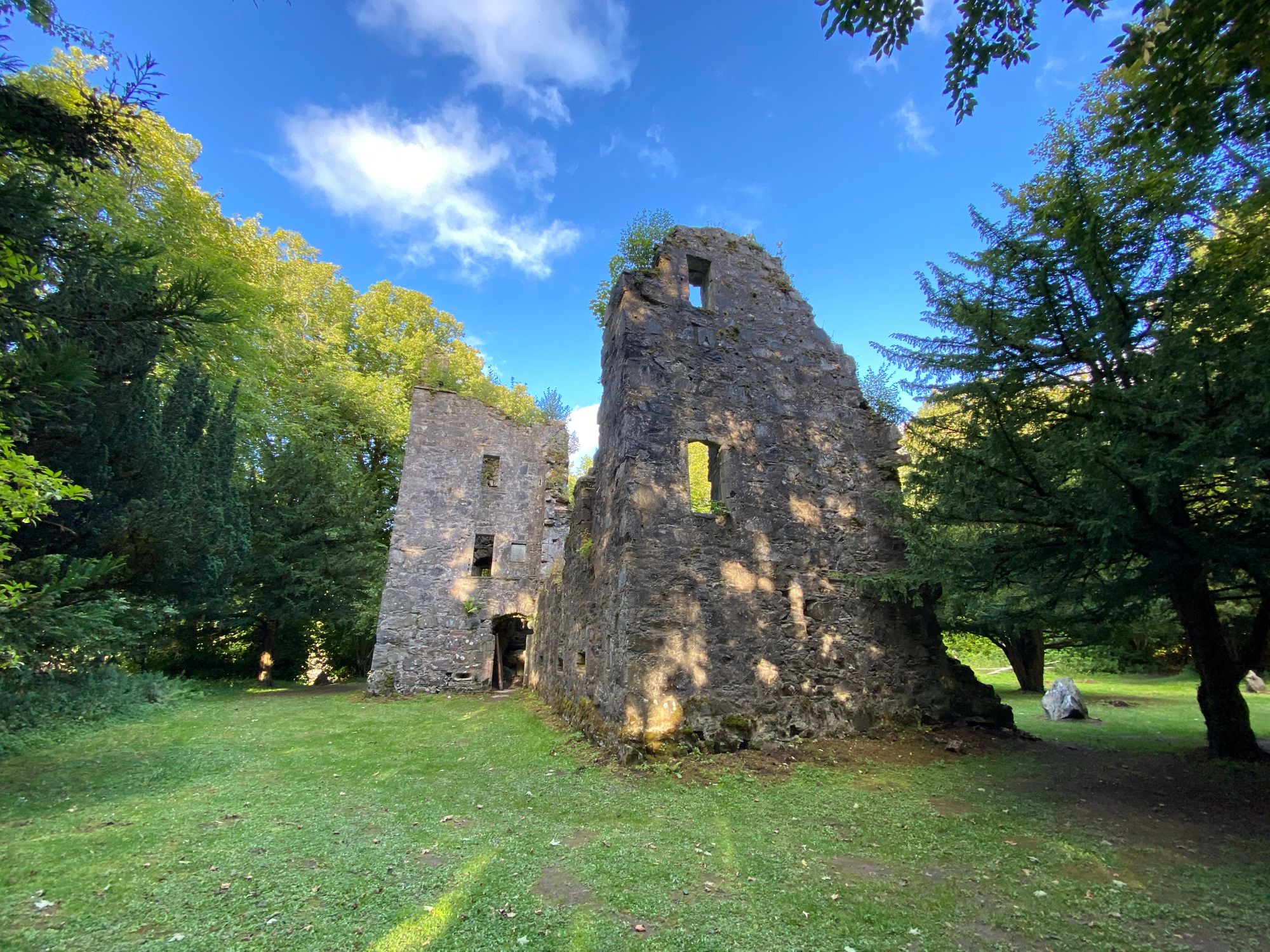
Castles of Scotland - Finlarig
Finlarig Castle is a historic castle located in central Scotland, in the county of Perthshire. The castle belonged to Clan Campbell and was an important administrative and commercial center in the region.
Scottish Castles
Scottish Castles - Craigmillar
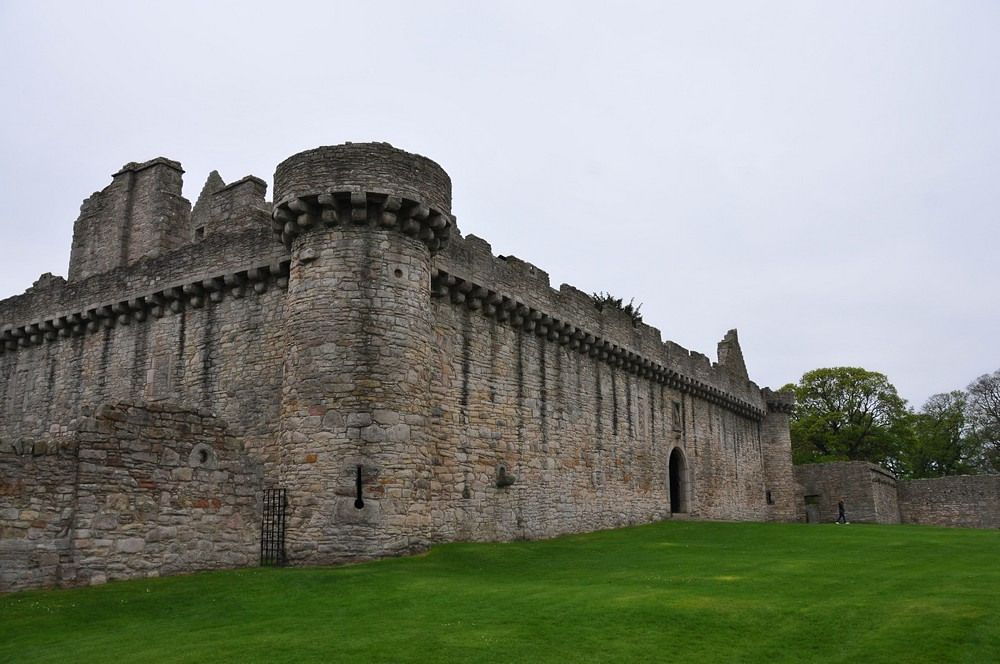
Craigmillar Castle is a ruined medieval castle in Edinburgh, Scotland. It is located about 5 km from the city centre.