Castles of Scotland - Blackness
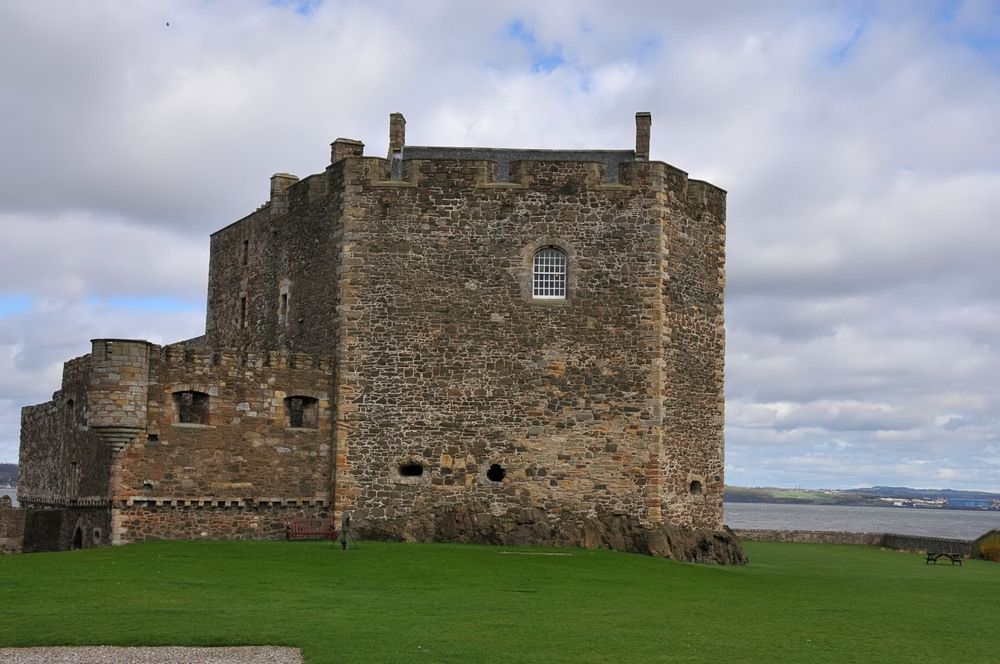
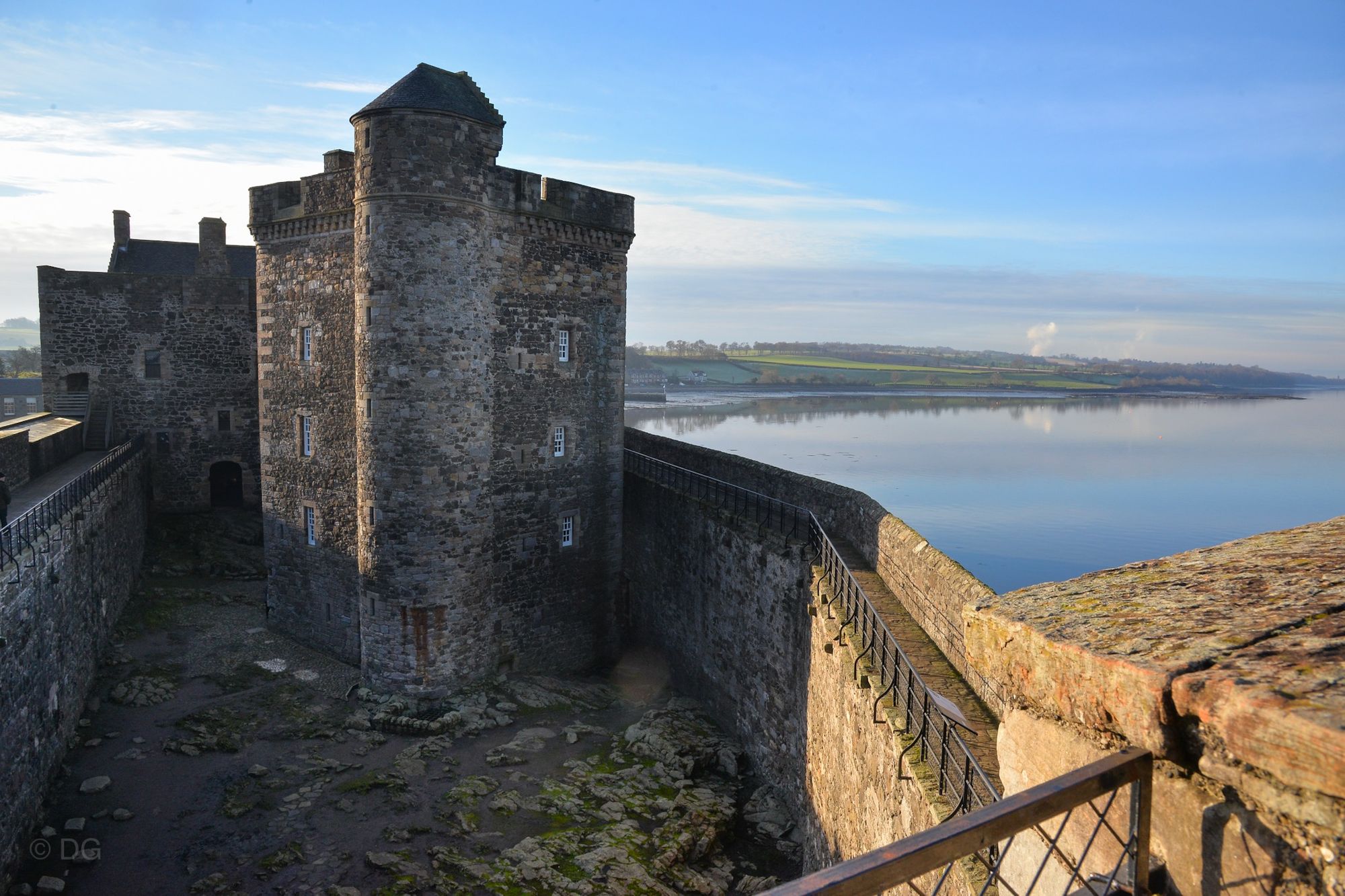
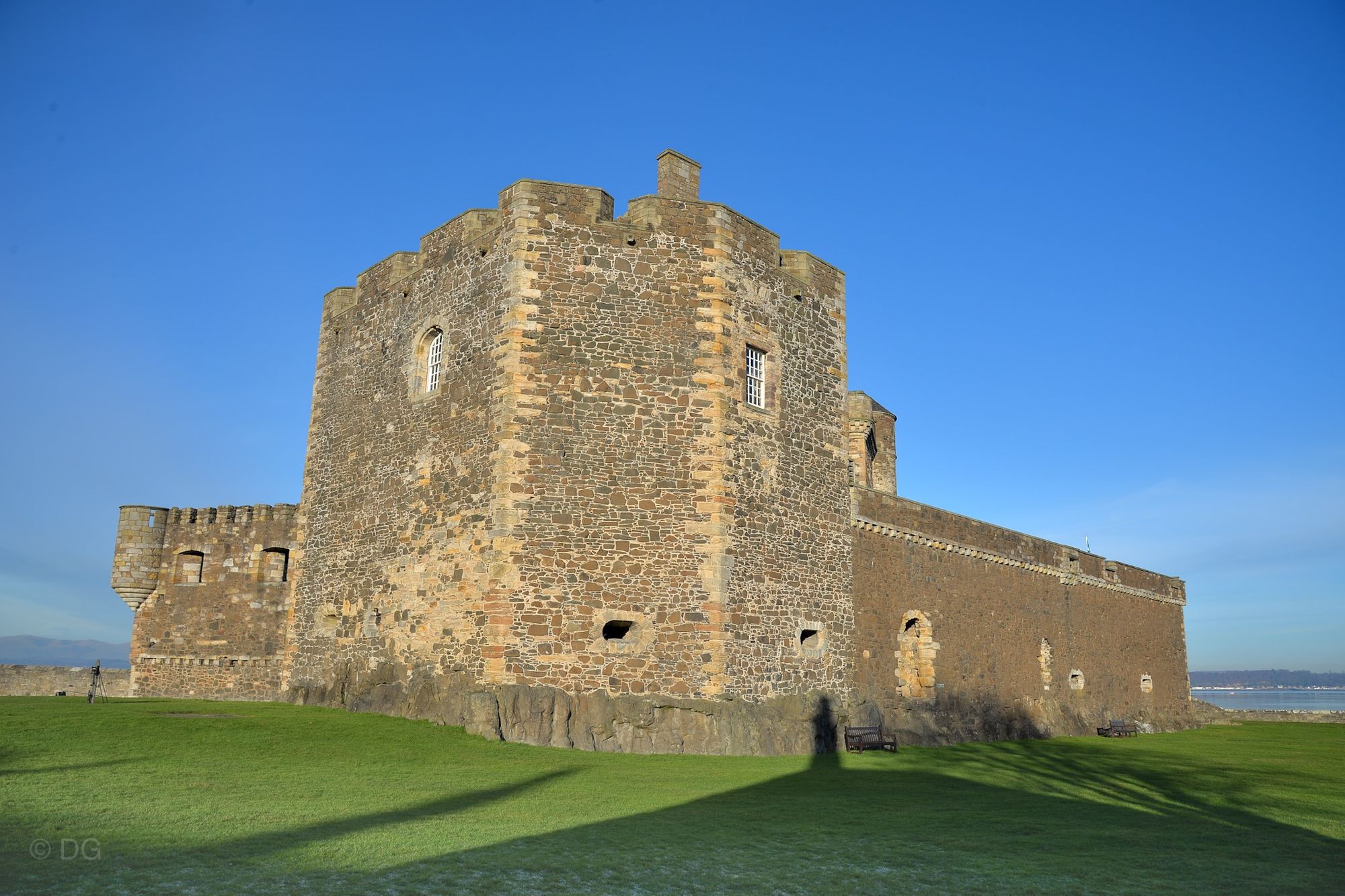
Castles of Scotland - Blackness Castle. Blackness Castle (Eng. Blackness Castle) is a castle located on the western shore of the Firth of Forth in Scotland. This castle is one of the most interesting defensive castles in Scotland because of its strategic location.
Castles of Scotland - Blackness Castle
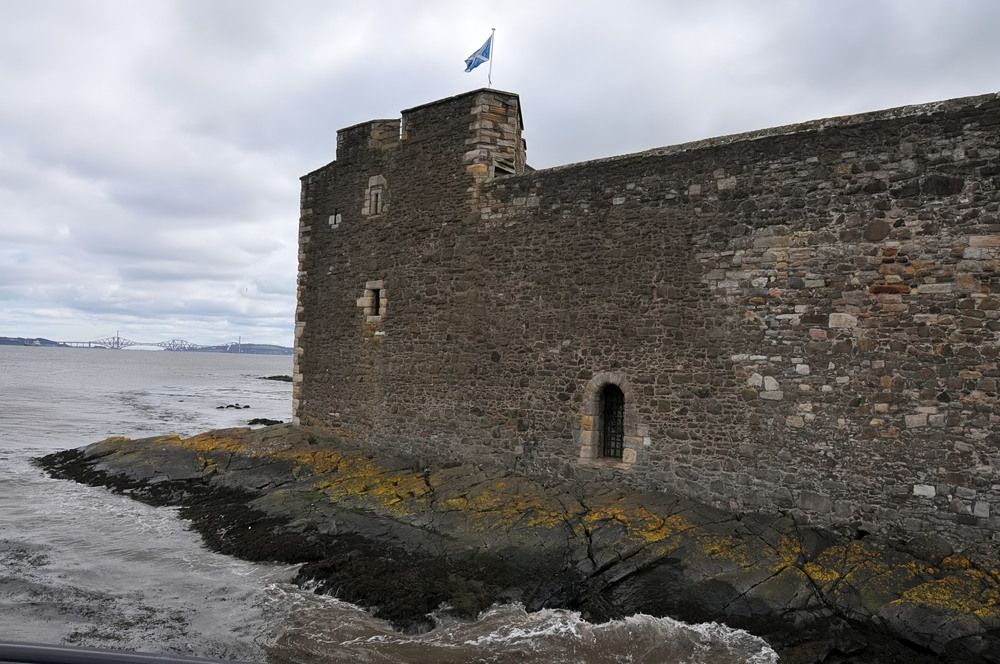
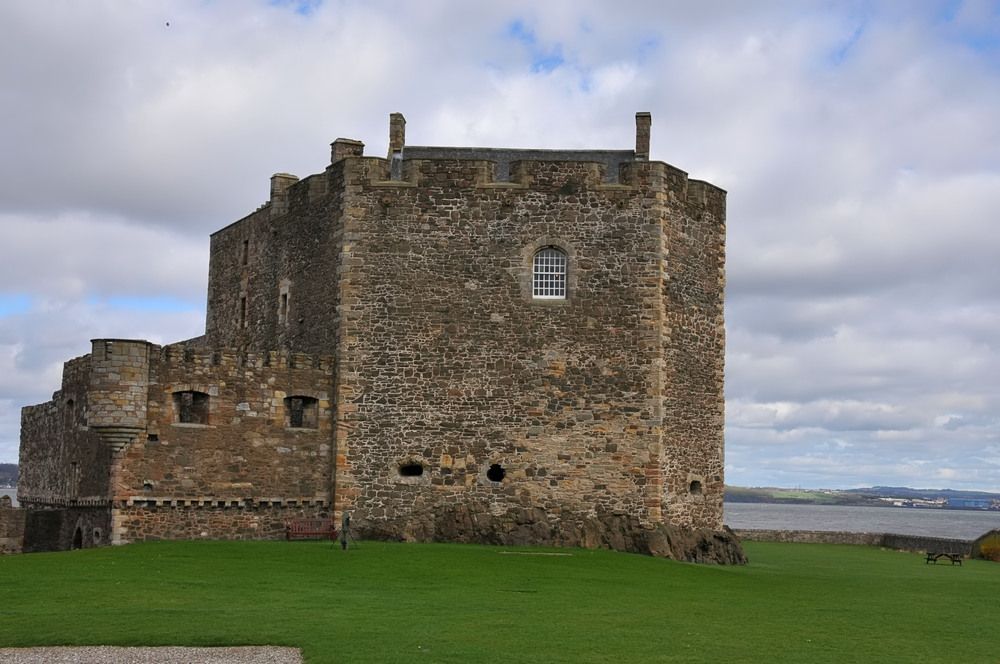
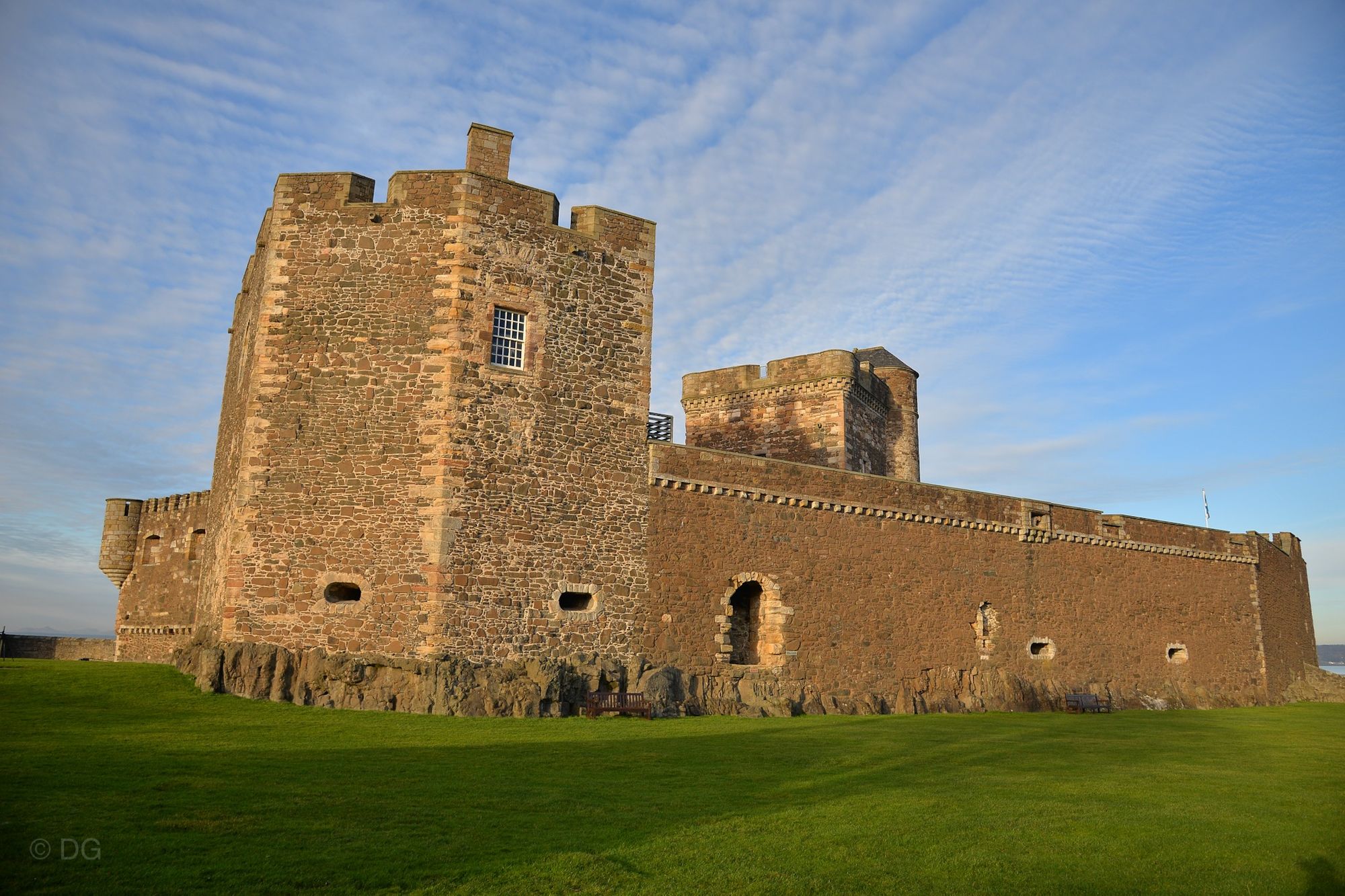
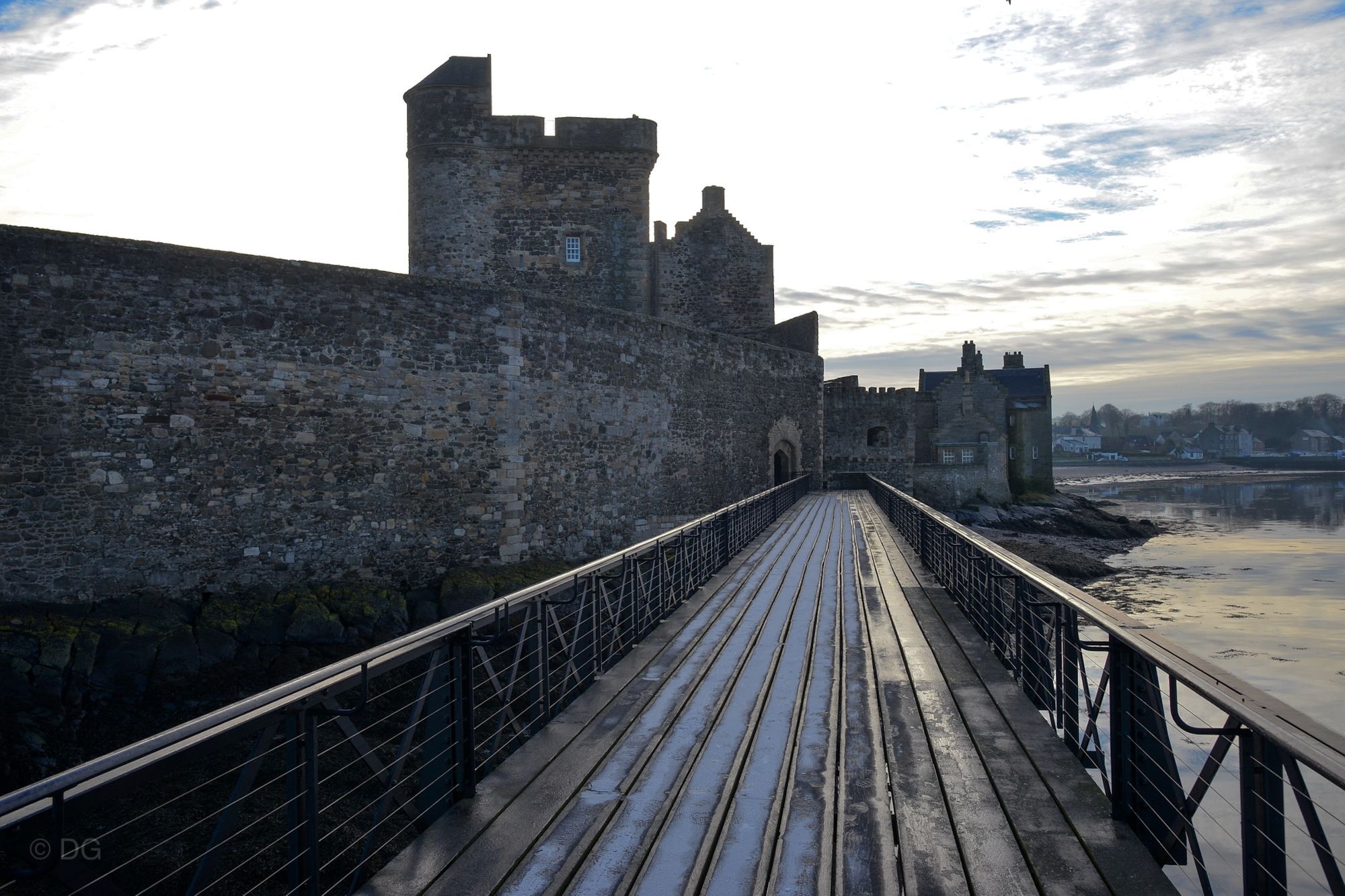
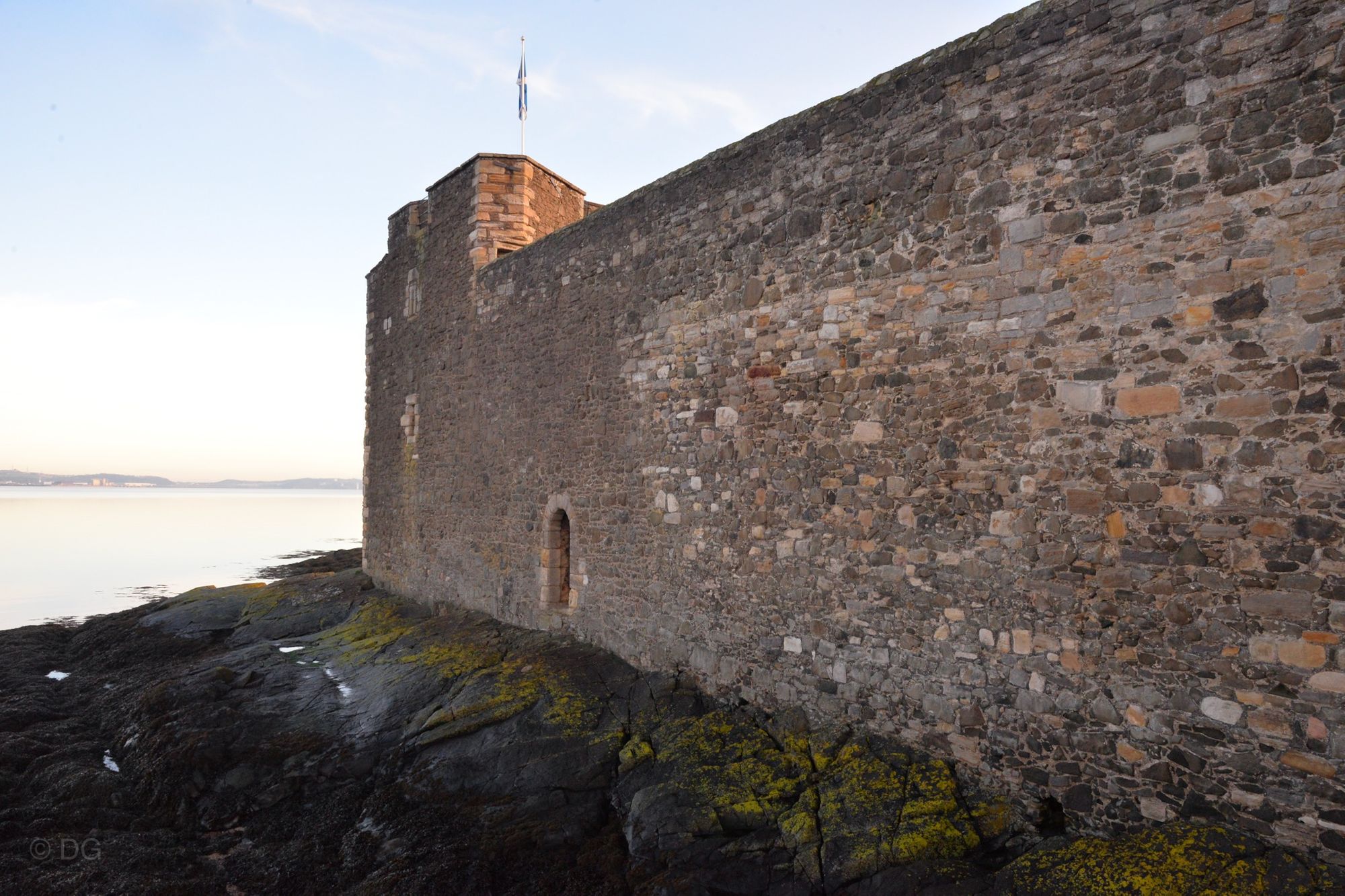
Perched on the rocky shore of the picturesque Firth of Forth estuary, about 10 kilometers east of historic Linlithgow, Blackness Castle is often called 'the ship that never sailed' ('the ship that never sailed'). This intriguing name comes from the fortress's distinctive hull‑like shape and its close relationship with the shoreline. Although it combines the austere charm of a medieval Scottish castle with coastal scenery, Blackness's history is much more fascinating and tumultuous than it might appear at first glance.
From ancestral seat to royal fortress
The origins of Blackness Castle date back to the 15th century, when it was the property of the influential Crichton family. The stronghold quickly grew in importance as a fortress with a strategic position — it guarded the waterways leading to Edinburgh and Stirling. Its proximity to the Firth of Forth allowed the castle to effectively control the movement of merchant and naval vessels, becoming a key point in the defense of the Scottish coast.
Over time, however, after the fall of the Crichton family, the castle passed into the hands of the Crown and began to be used as an arsenal and a prison for highborn individuals. In the 16th century it served as an official state fortress where important political prisoners were held. Additionally, in subsequent centuries it was modernized for artillery, which made Blackness one of Scotland's most important fortifications.
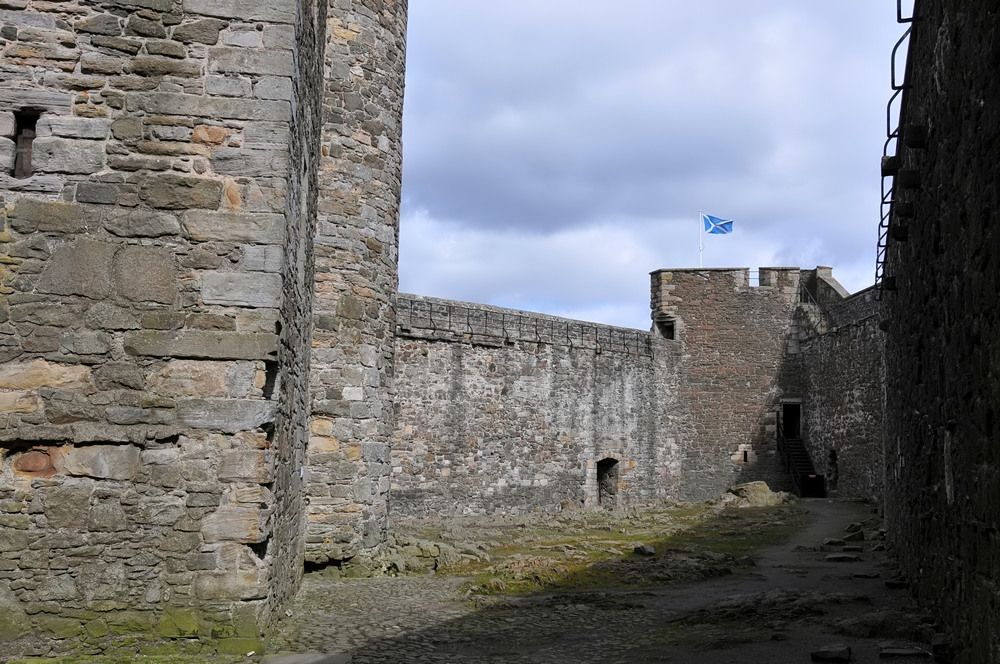
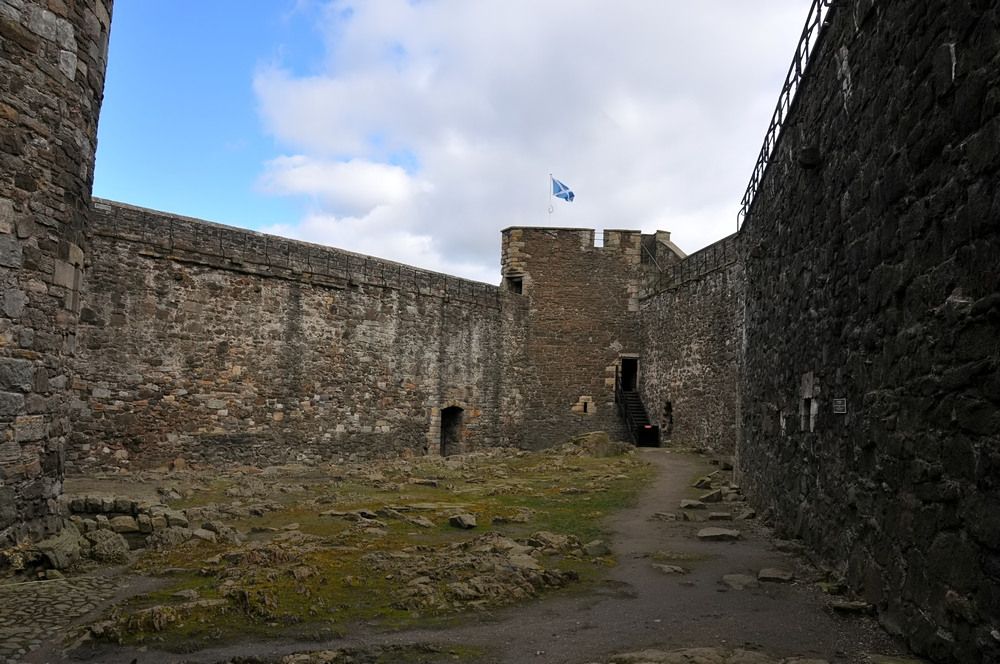
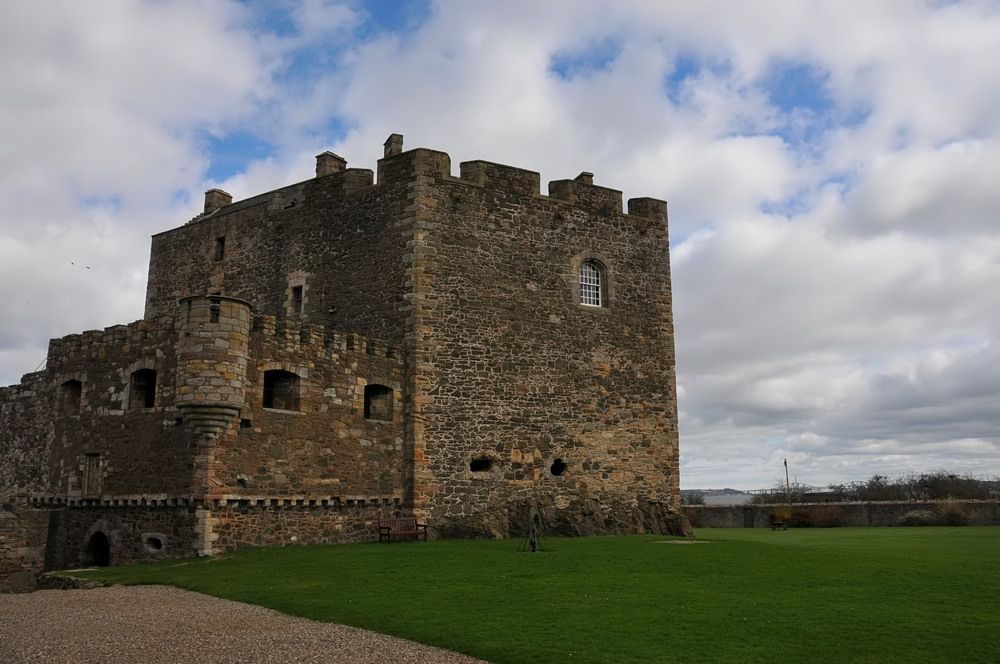
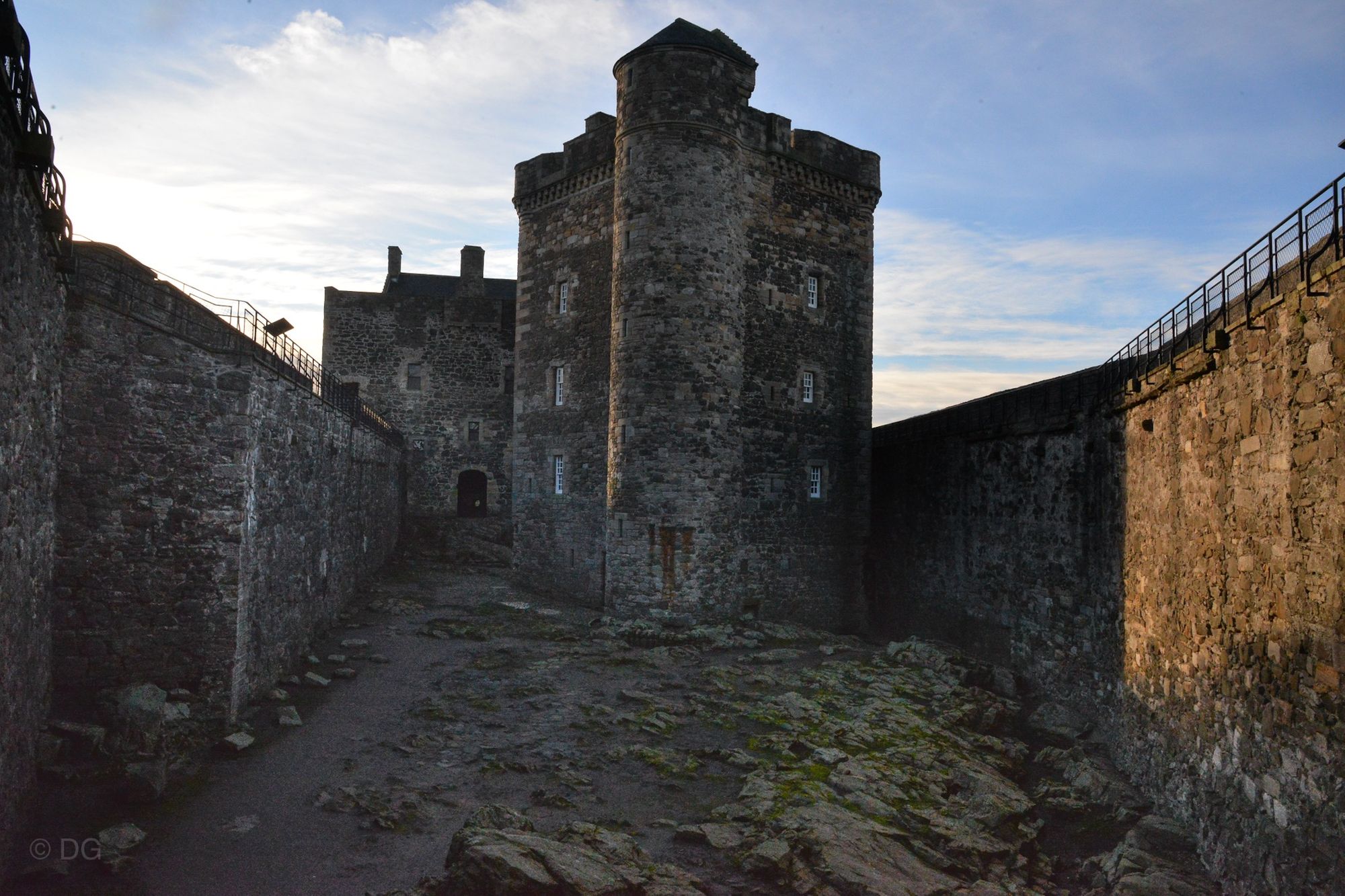
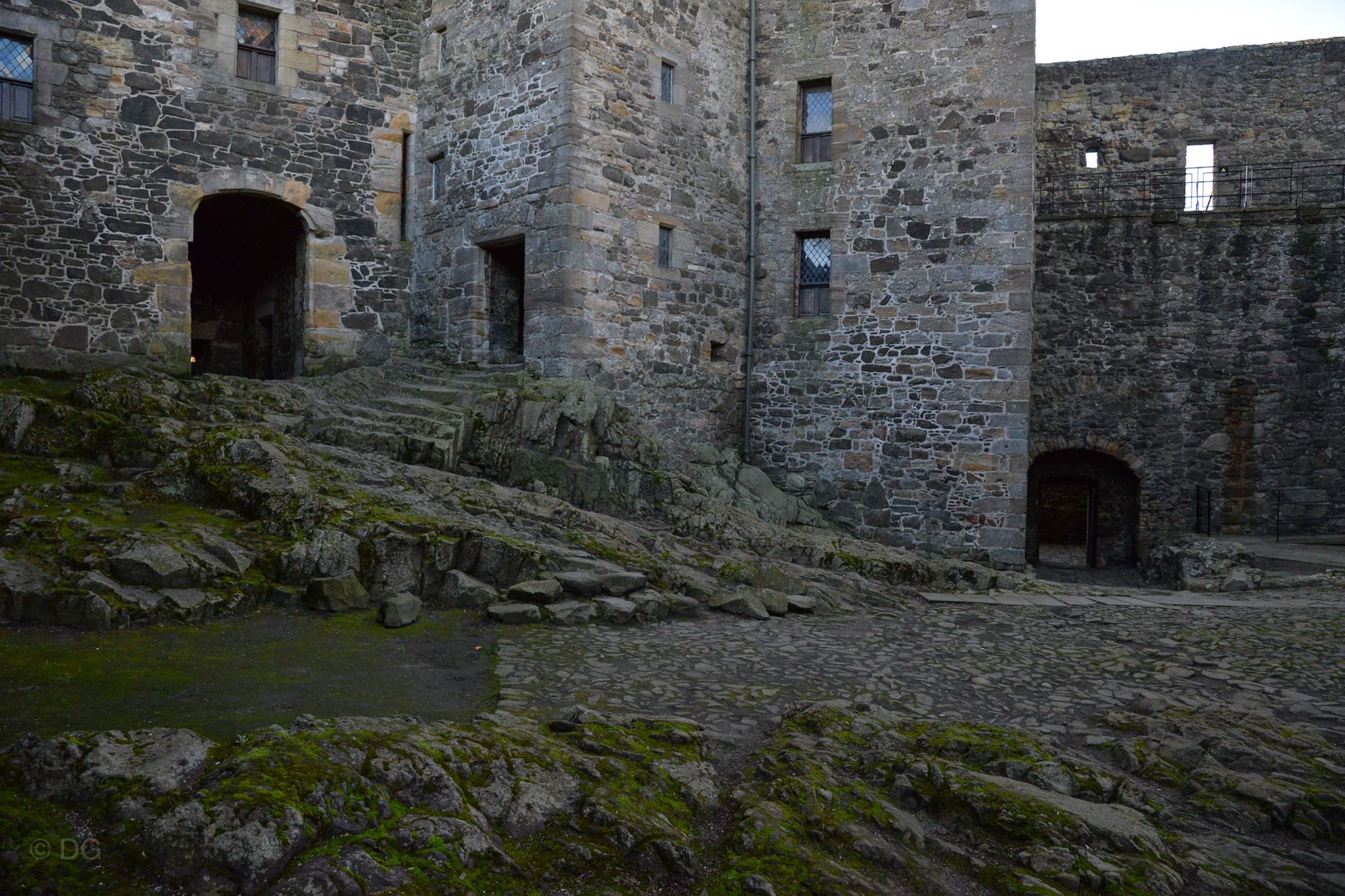
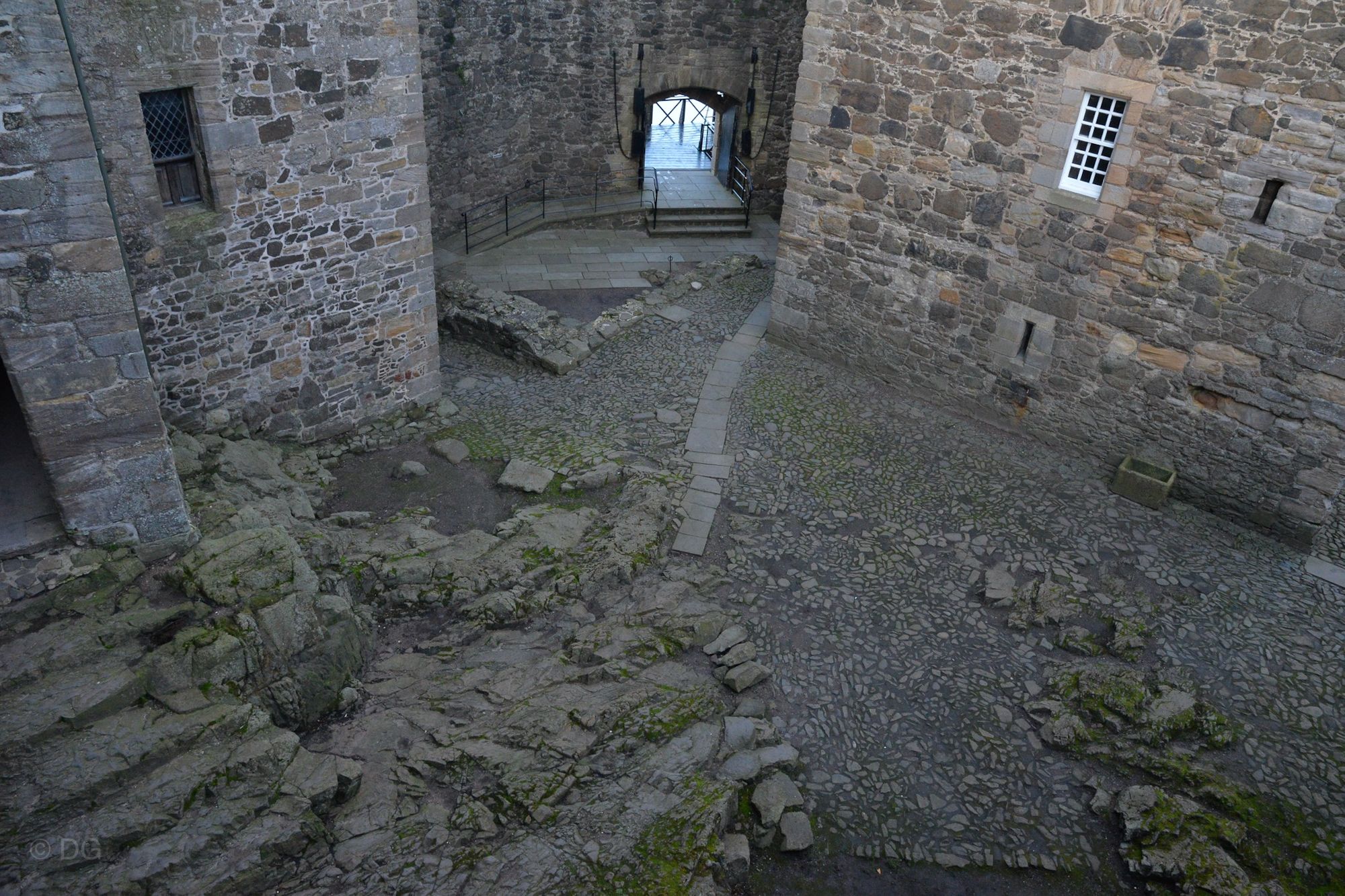
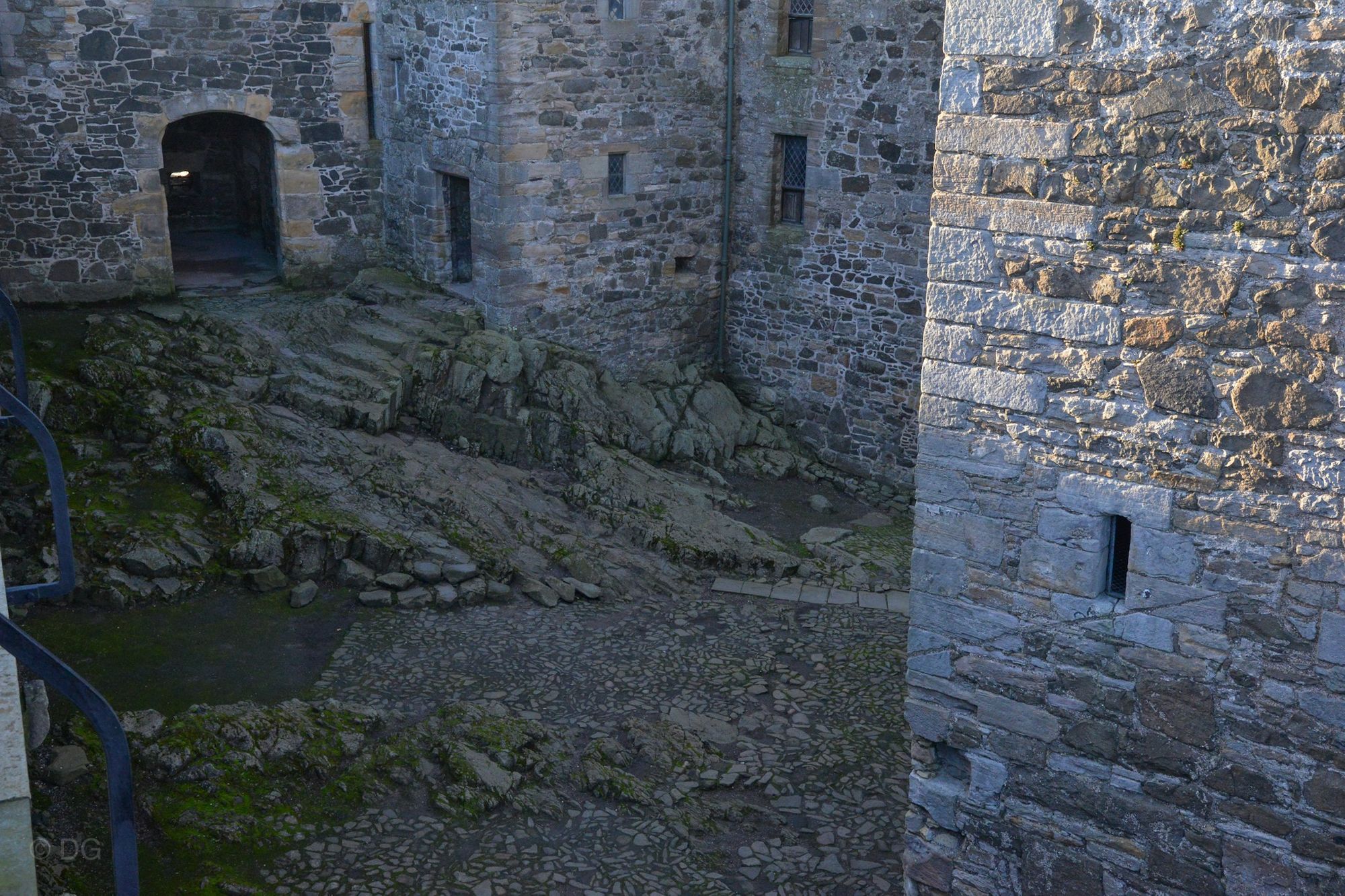
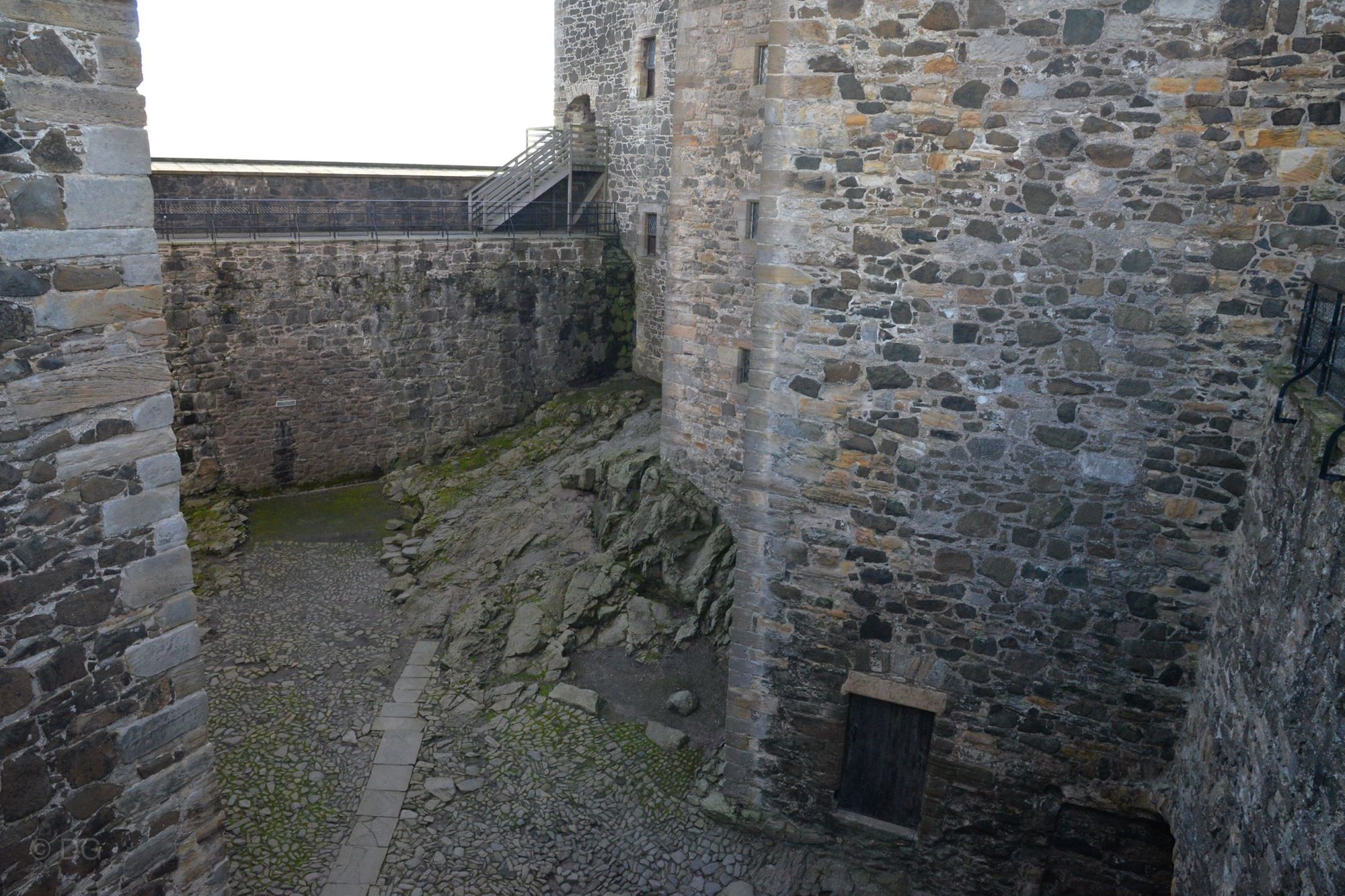
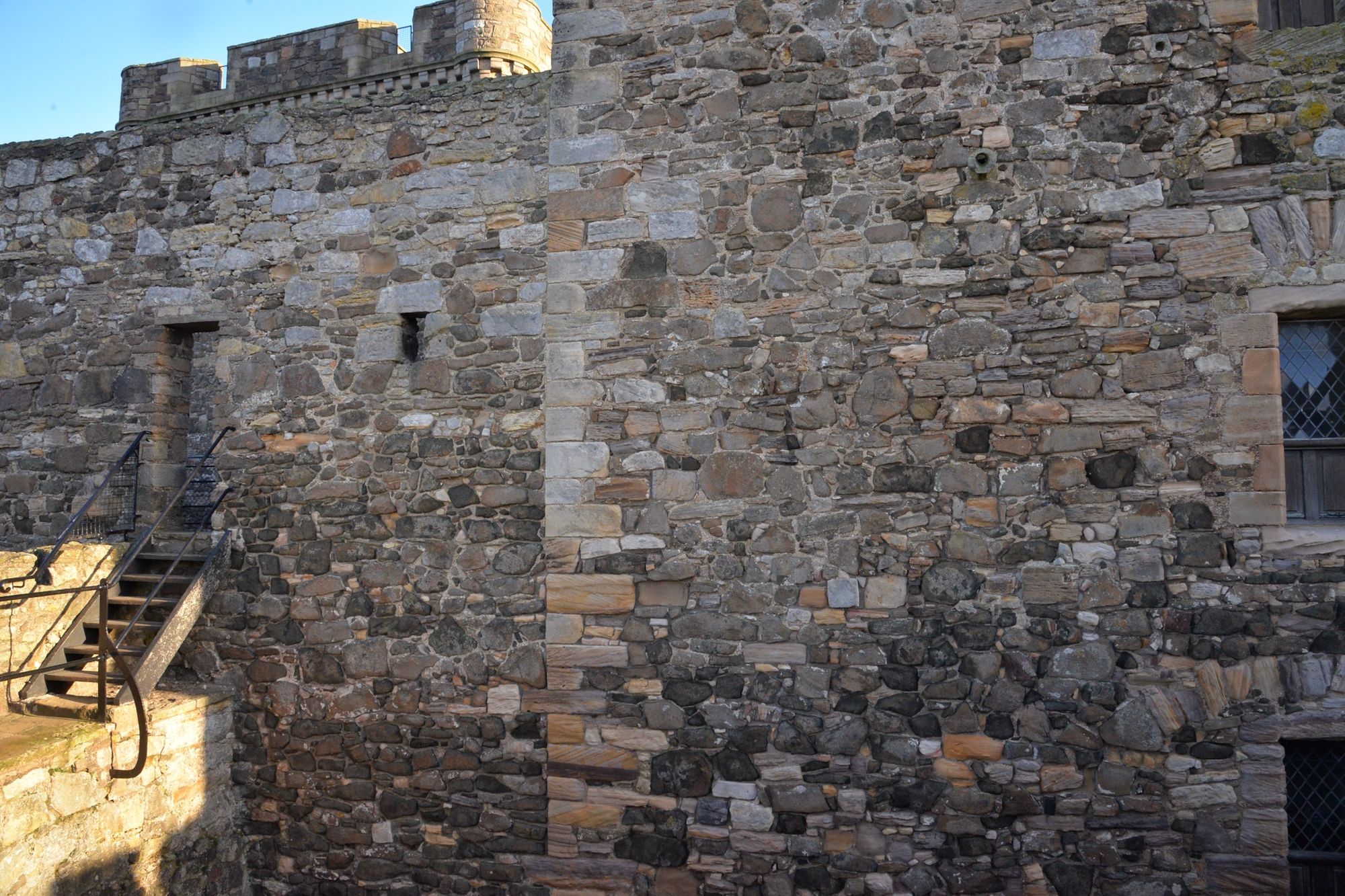
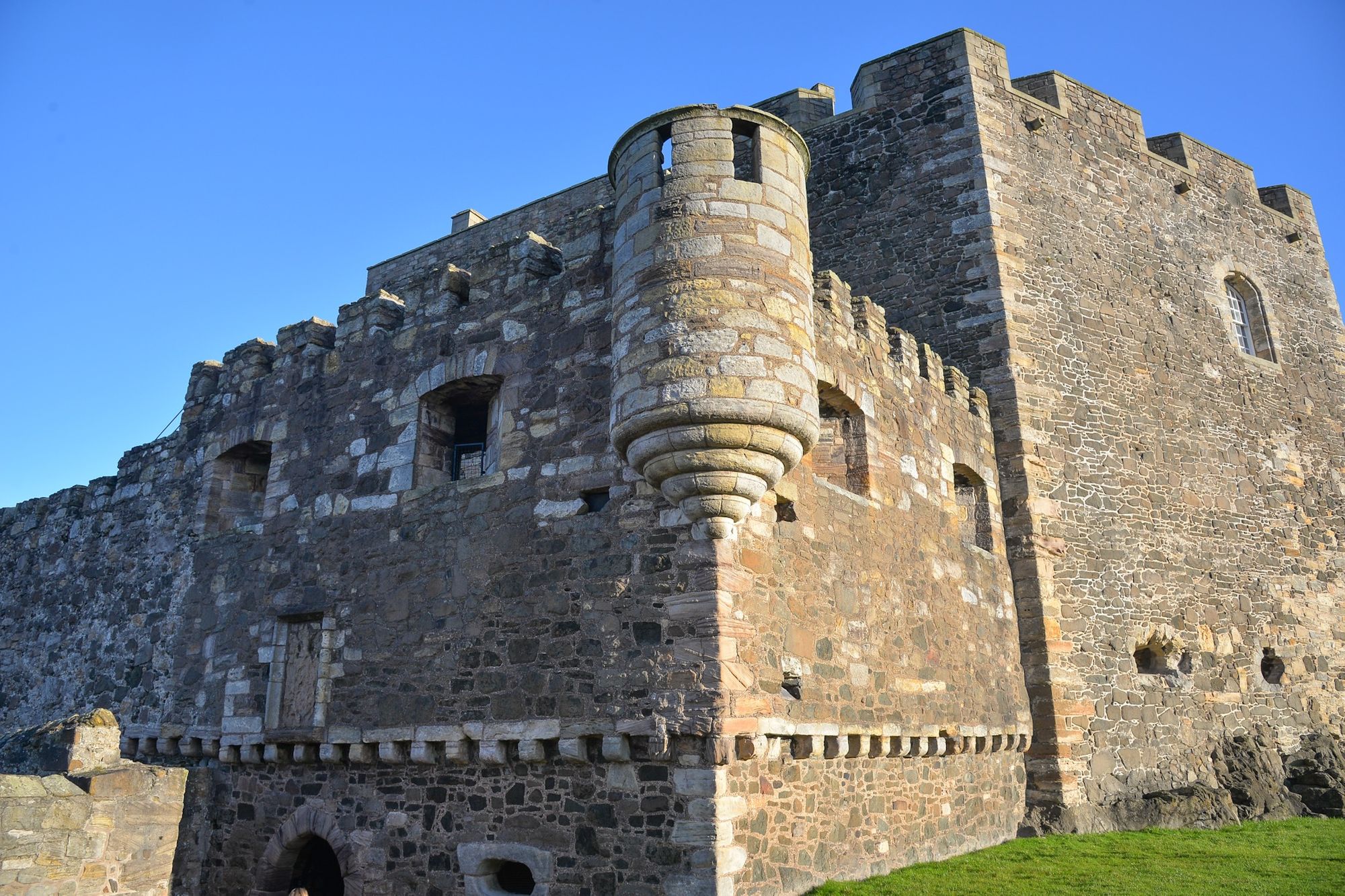
The first thing that catches the eye is the massive walls built of grey stone. The powerful towers forming the outline of the 'bow' and the 'stern' of the castle further reinforced its defenses — they provided wide fields of fire and made enemy approaches from the sea more difficult. The surrounding fortifications were rebuilt many times, adapting to advances in the art of warfare.
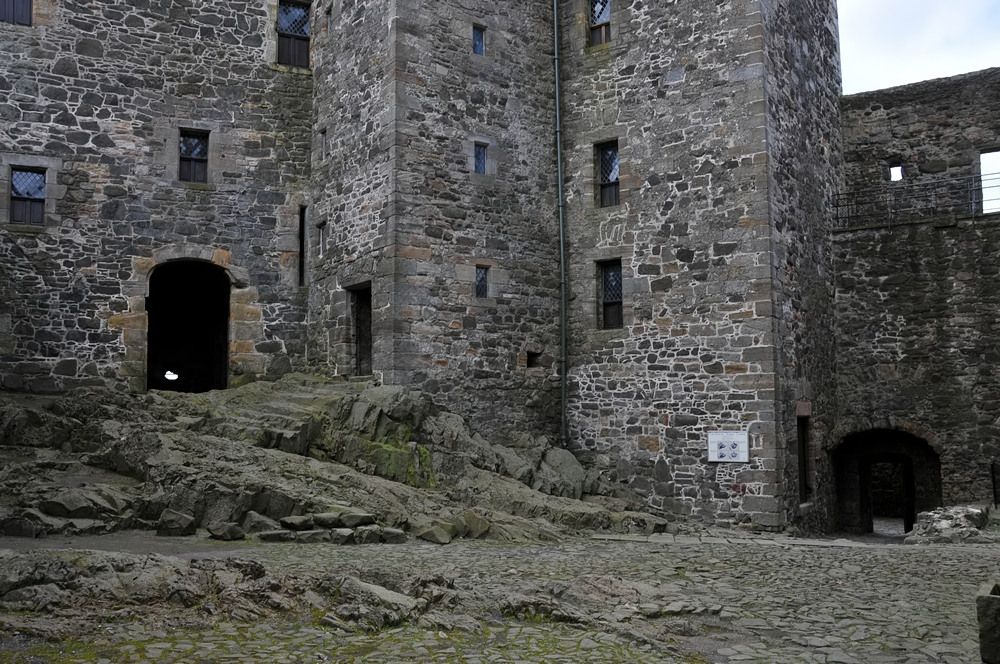
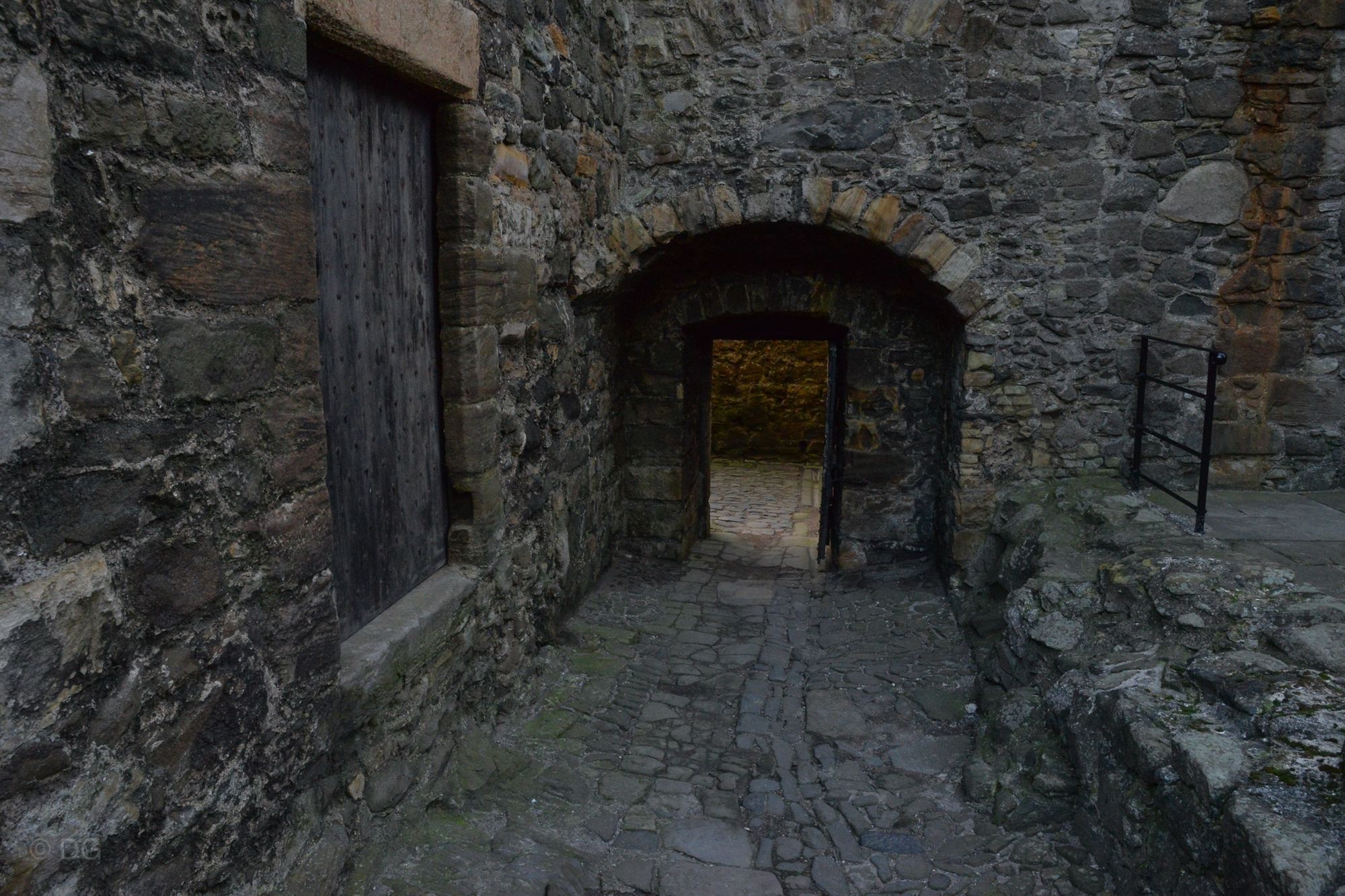
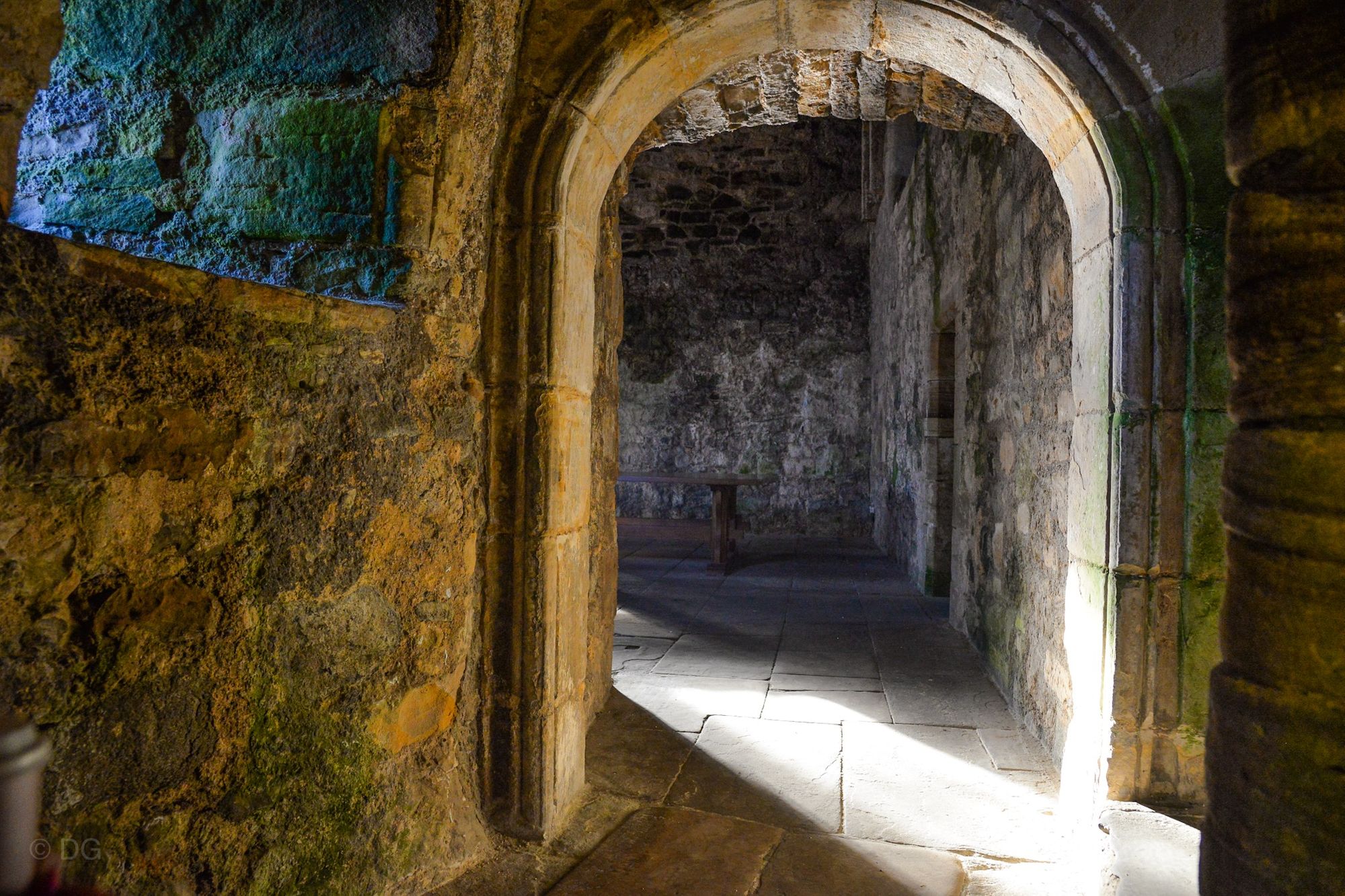
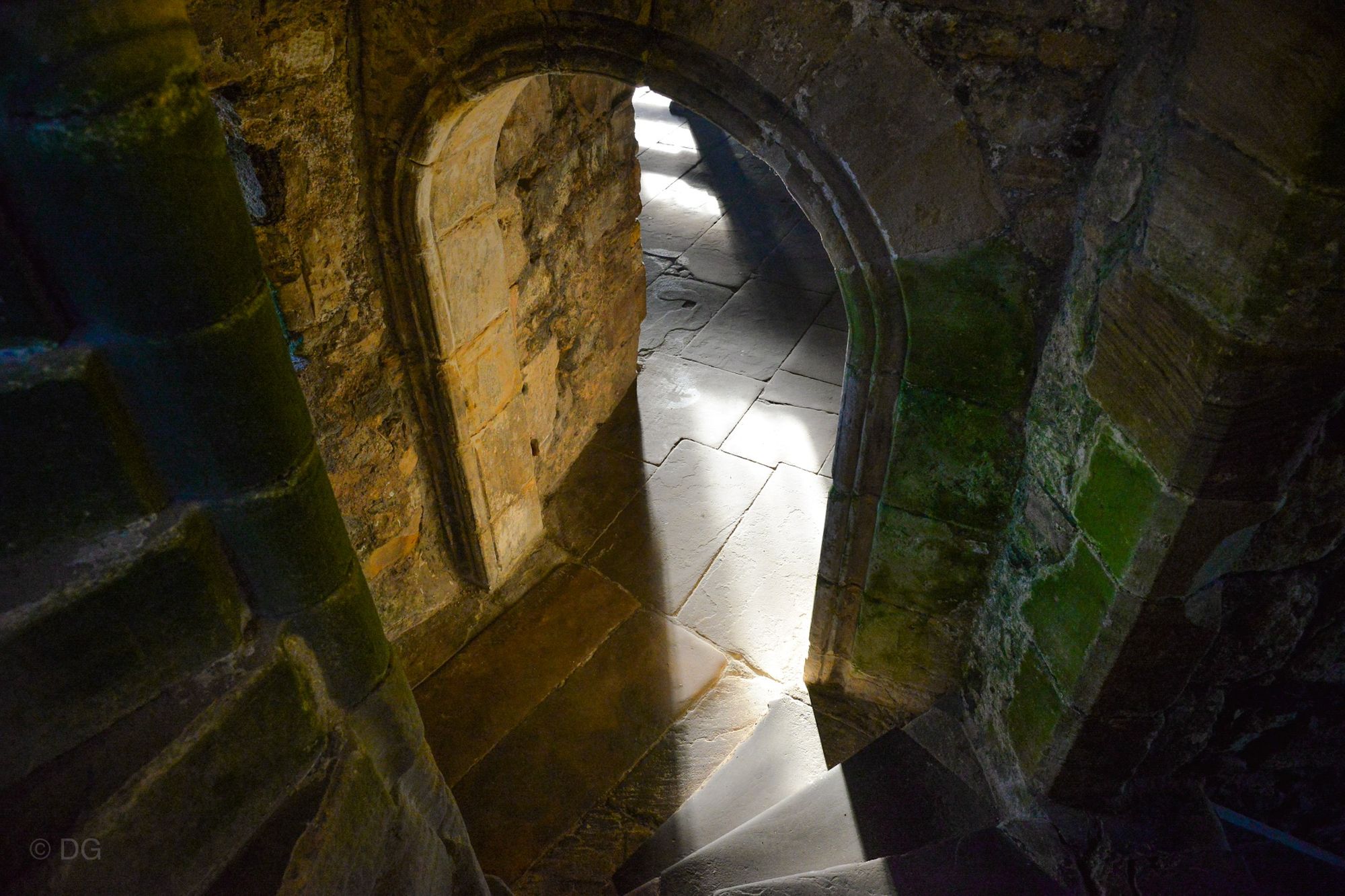
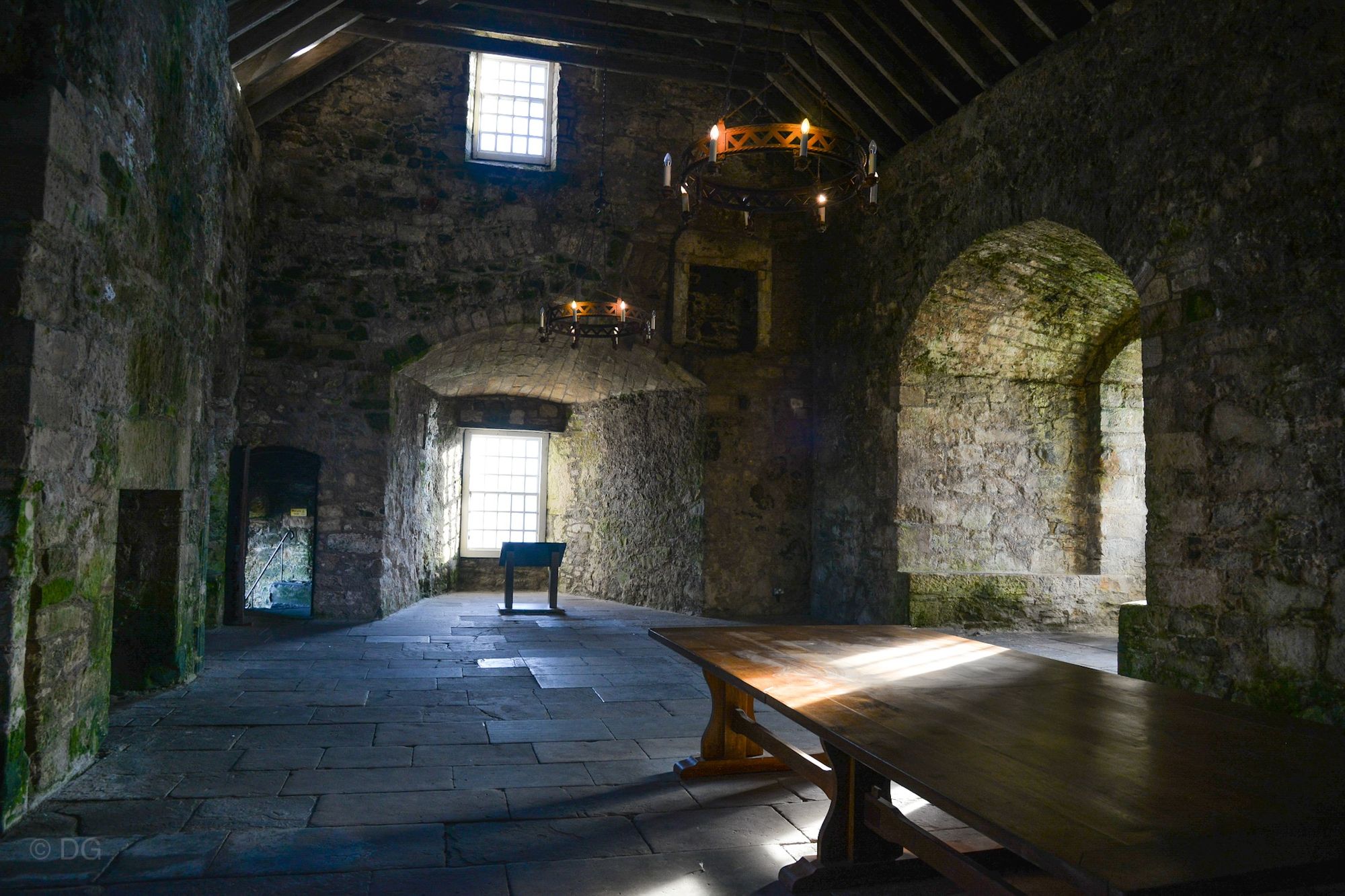
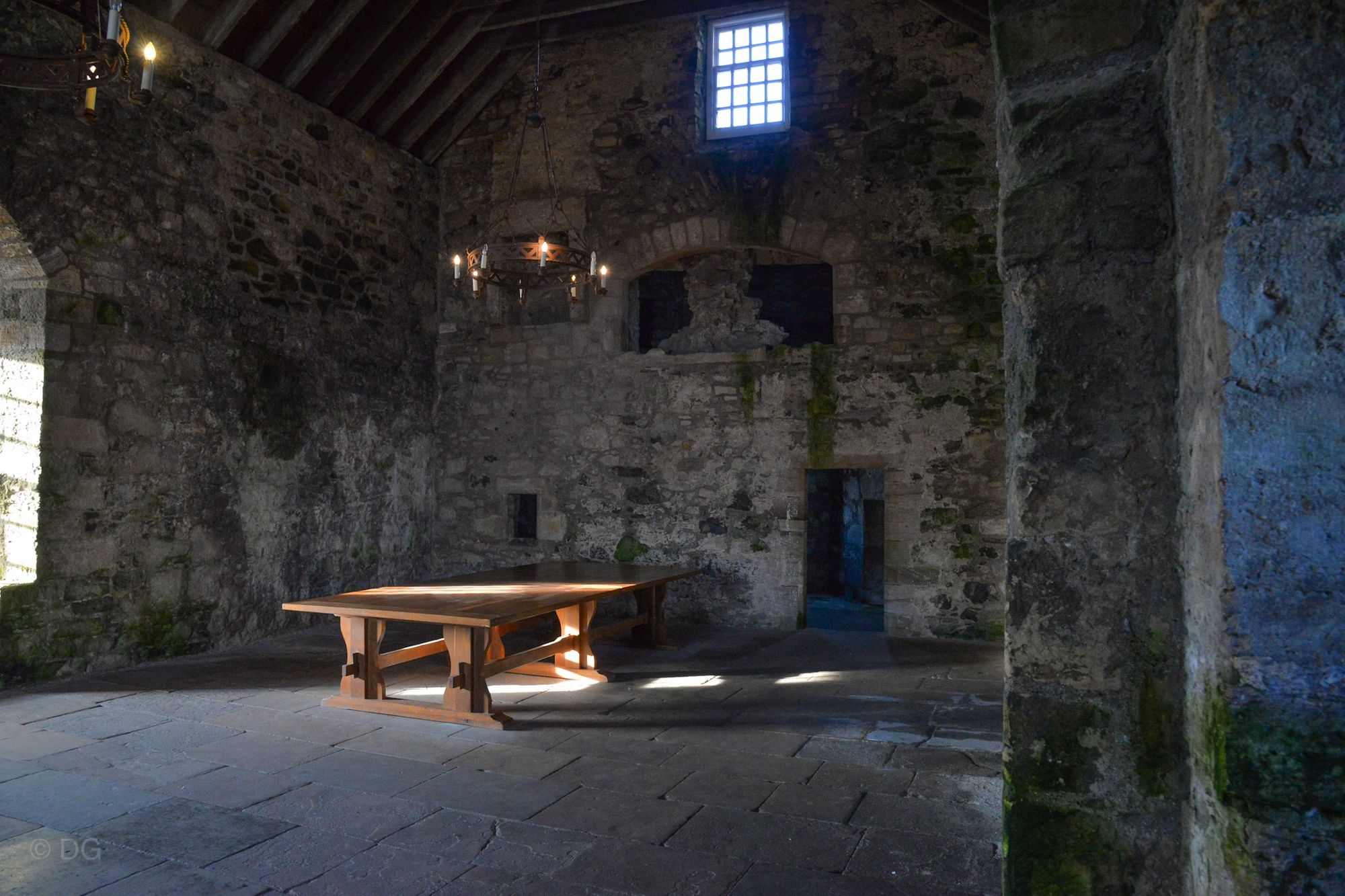
The central tower of Blackness, which served as the donjon (that is, the main defensive tower), was also the garrison's quarters and an armory. Its thick walls and small windows provided excellent protection against artillery attacks, and the system of corridors and winding staircases further complicated any attempt by would-be conquerors to take the fortress.
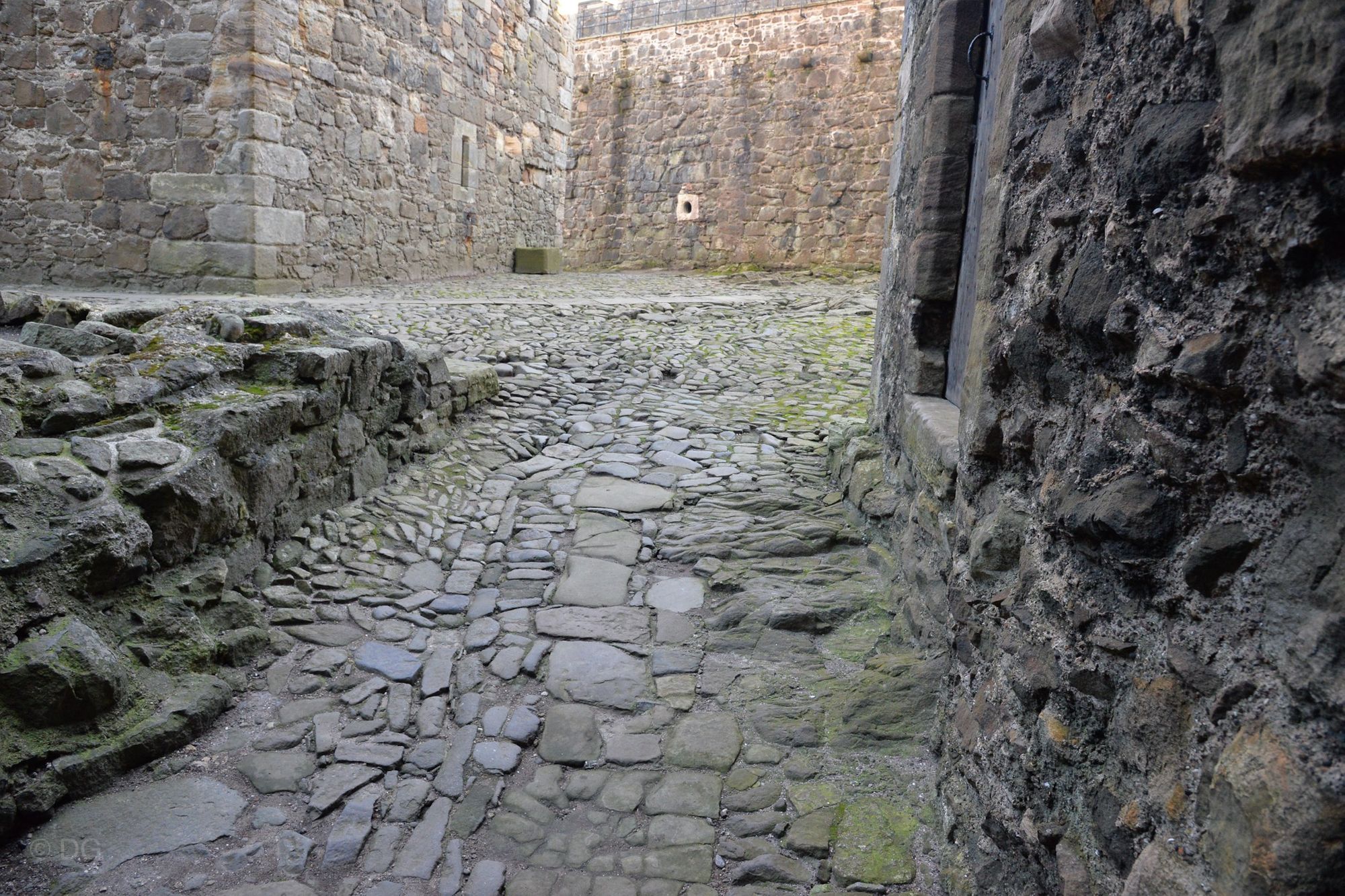
From the 16th to the 18th century the castle was used by the Scottish Crown to hold political prisoners — both those involved in internal conspiracies and prisoners of war in conflicts with England or France. Because Blackness was difficult to capture and surrounded by water, it was regarded as one of the most 'inhospitable' locations for prisoners in Scotland.
In the 19th century, when the castle's role as a fortress waned, Blackness was converted into a store for ammunition and military equipment. Although its prison functions were officially discontinued, the massive walls and austere interiors still recalled the dark past and the dramatic fates that befell its inmates.
Currently Blackness Castle belongs to the organization Historic Environment Scotland and is open to visitors. Its interesting interiors, charming views over the bay, and rich history attract lovers of Scottish fortresses from around the world. The famous 'ship', moored for centuries on the shore of the Firth of Forth, has appeared in several film productions, including the popular TV series Outlander (where Fort William 'stood in'), as well as in films devoted to Scotland's history, such as Mary Queen of Scots.
For visitors, a major draw is the chance to climb the walls and towers, which offer sweeping views over the bay, and in favorable weather you can even see the famous bridges over the River Forth. Historians and medieval enthusiasts can admire the preserved elements of the original defensive system and the traces of later alterations.
Facts and legends
- The name 'Blackness' comes not only from the dark color of the walls but also from the village of the same name located right next to the castle.
- Because of the shape of the fortress, there is a legend that Blackness Castle is a 'great stone ship' that never sailed because it was 'anchored' by walls on the landward side.
- In the past it was said that the castle's dungeons were haunted by the souls of unjustly condemned prisoners. The night wail of the wind and the roar of the sea only intensified the sense that the building 'lives' and still hides its secrets.
- Supposedly in the 16th century some residents of the village of Blackness were involved in smuggling, and the castle often acted as their 'protective shield'. The fortress' cover may have made transporting goods by water easier.
If you plan to visit Blackness Castle, it's best to go by car or use local transport — being roughly between Edinburgh and Stirling, it can easily be fitted into an itinerary between those cities. On site there is parking and an information point where you can purchase admission tickets and historical brochures.
Allow about two hours for the visit, especially if you want to take your time to see all of the castle's levels and enjoy the view of the Firth of Forth. On cooler days bring warm clothing, as the sea wind can make itself felt even in spring and summer. Also don't forget your camera – the stark stone walls against the stormy sea make a perfect backdrop for atmospheric photos.
Blackness Castle is a true treasure of Scotland's heritage – rugged and majestic, rich in tales of kings, smugglers and prisoners who were unfortunate enough to end up in this seemingly impregnable stronghold. Once the most important defensive point on the east coast and a dark symbol of power, today it is a real treat for lovers of history, architecture and cinematic Scotland. If you're captivated by the magical atmosphere of old fortresses, Blackness Castle will certainly be high on your list of castles to visit.
Zamek Blackness i filmy
Zamek Blackness był wykorzystywany jako lokalizacja do kręcenia wielu filmów i seriali, w tym:
- "Ivanhoe" (1952) - film oparty na powieści Waltera Scotta, w którym zamek Blackness pełnił rolę fikcyjnego zamku Torquilstone.
- "The Master of Ballantrae" (1953) - film oparty na powieści Roberta Louisa Stevensona, w którym zamek Blackness był wykorzystany jako fikcyjne więzienie.
- "Hamlet" (1990) - film z udziałem Mel Gibsona, w którym zamek Blackness został wykorzystany jako miejsce kręcenia niektórych scen.
- "Outlander" (2014 - obecnie) - popularny serial telewizyjny oparty na serii powieści Diany Gabaldon, w którym zamek Blackness był wykorzystywany jako Fort William, siedziba szkockiej armii podczas powstania Jacobitów.
Zamek Blackness był także wykorzystywany do kręcenia innych filmów i seriali, w tym "The Bruce" (1996), "The 39 Steps" (2008), "Mary Queen of Scots" (2018) i wielu innych. Dzięki swojemu malowniczemu położeniu i architekturze zamek Blackness jest popularnym miejscem do kręcenia filmów i produkcji telewizyjnych.
Location
Open in Google Maps →Continue reading in this gallery
Scottish Castles
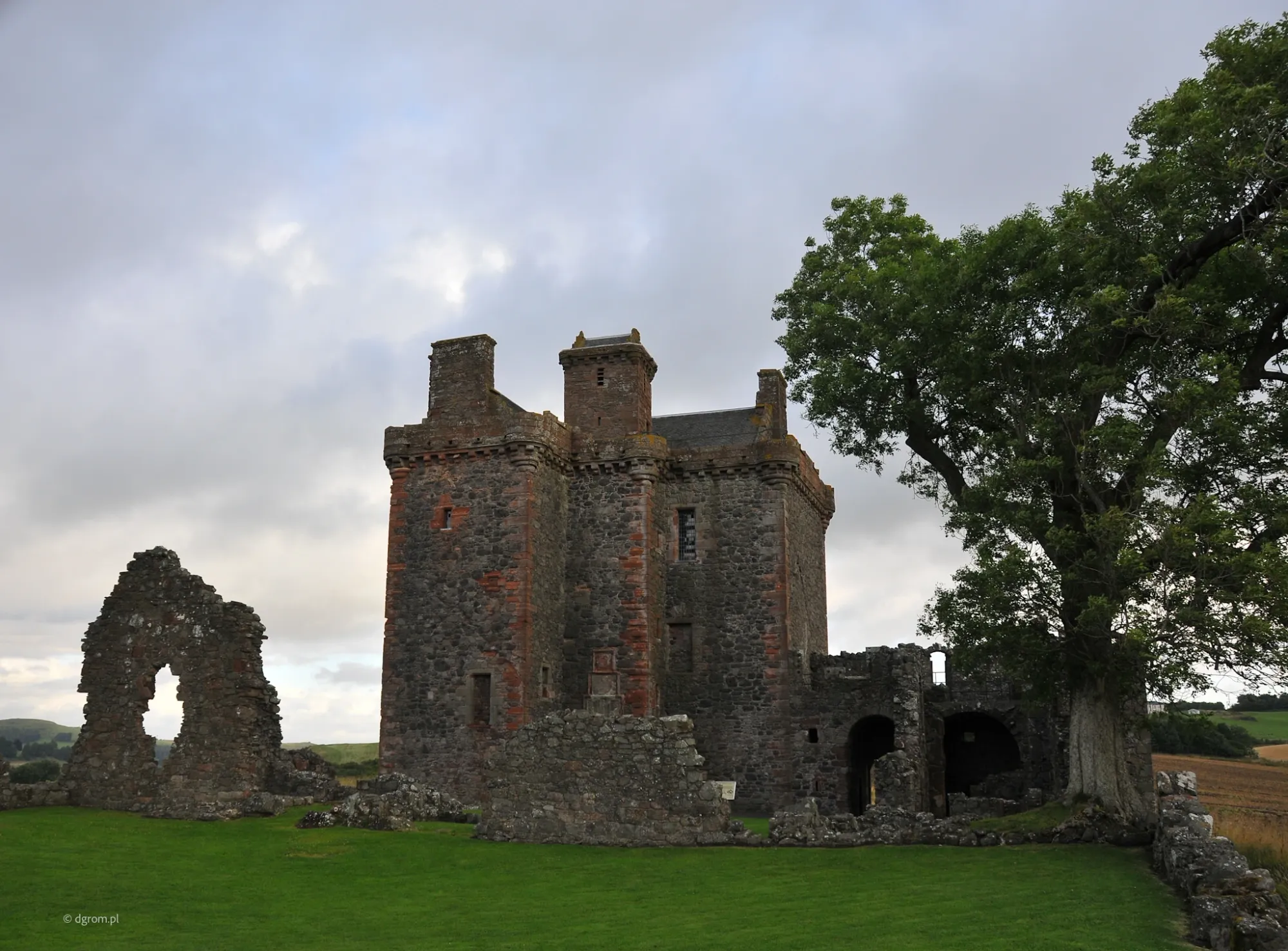
Castles of Scotland- Balvaird
Balvaird Castle is located in central Scotland, near the town of Abernethy. It was built in the 16th century as a residence for Sir Andrew Murray, who was a close friend of Mary, Queen of Scots.
Scottish Castles
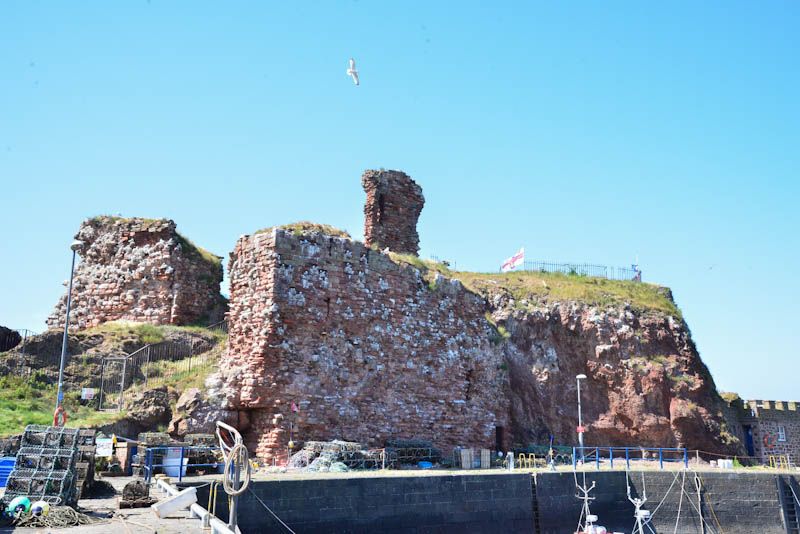
Scottish Castles - Dunbar
Dunbar Castle (English: Dunbar Castle) is a castle located in the town of Dunbar, in southeast Scotland, on the shore of the North Sea.
Scottish Castles
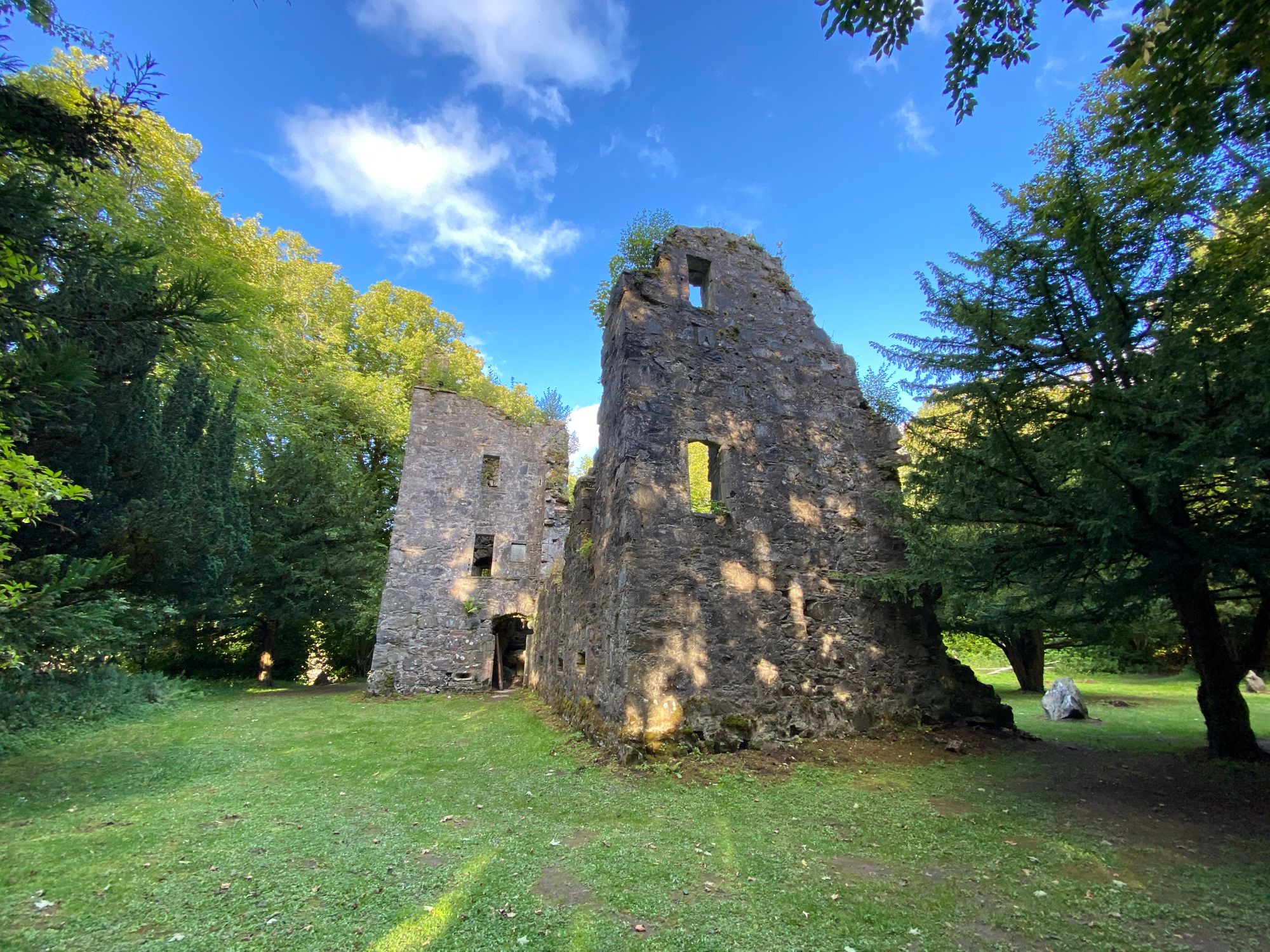
Castles of Scotland - Finlarig
Finlarig Castle is a historic castle located in central Scotland, in the county of Perthshire. The castle belonged to Clan Campbell and was an important administrative and commercial center in the region.
Scottish Castles
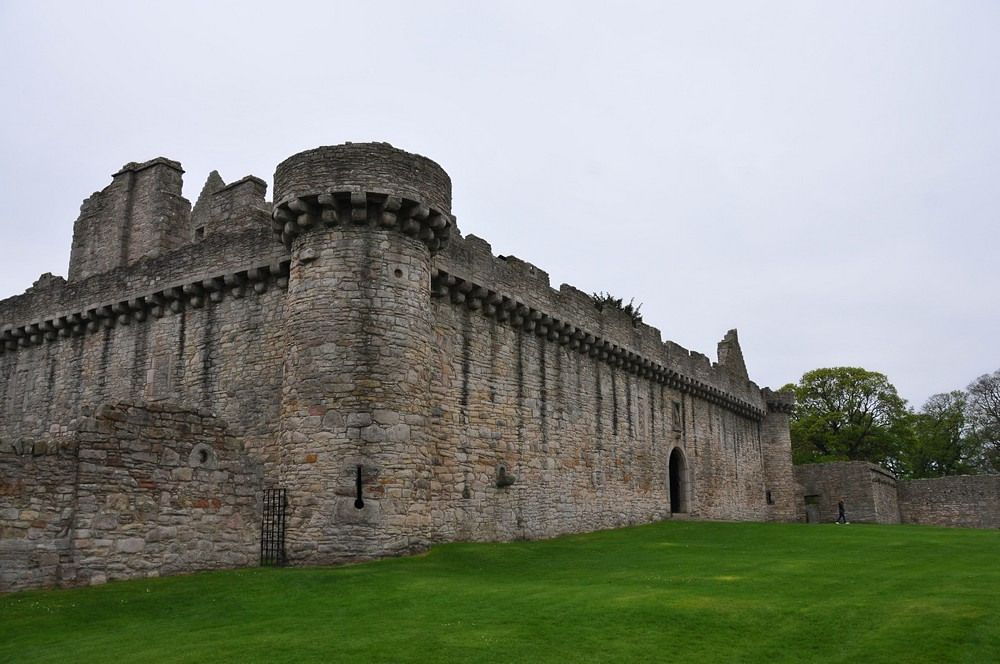
Scottish Castles - Craigmillar
Craigmillar Castle is a ruined medieval castle in Edinburgh, Scotland. It is located about 5 km from the city centre.