Scottish Castles - Braemar
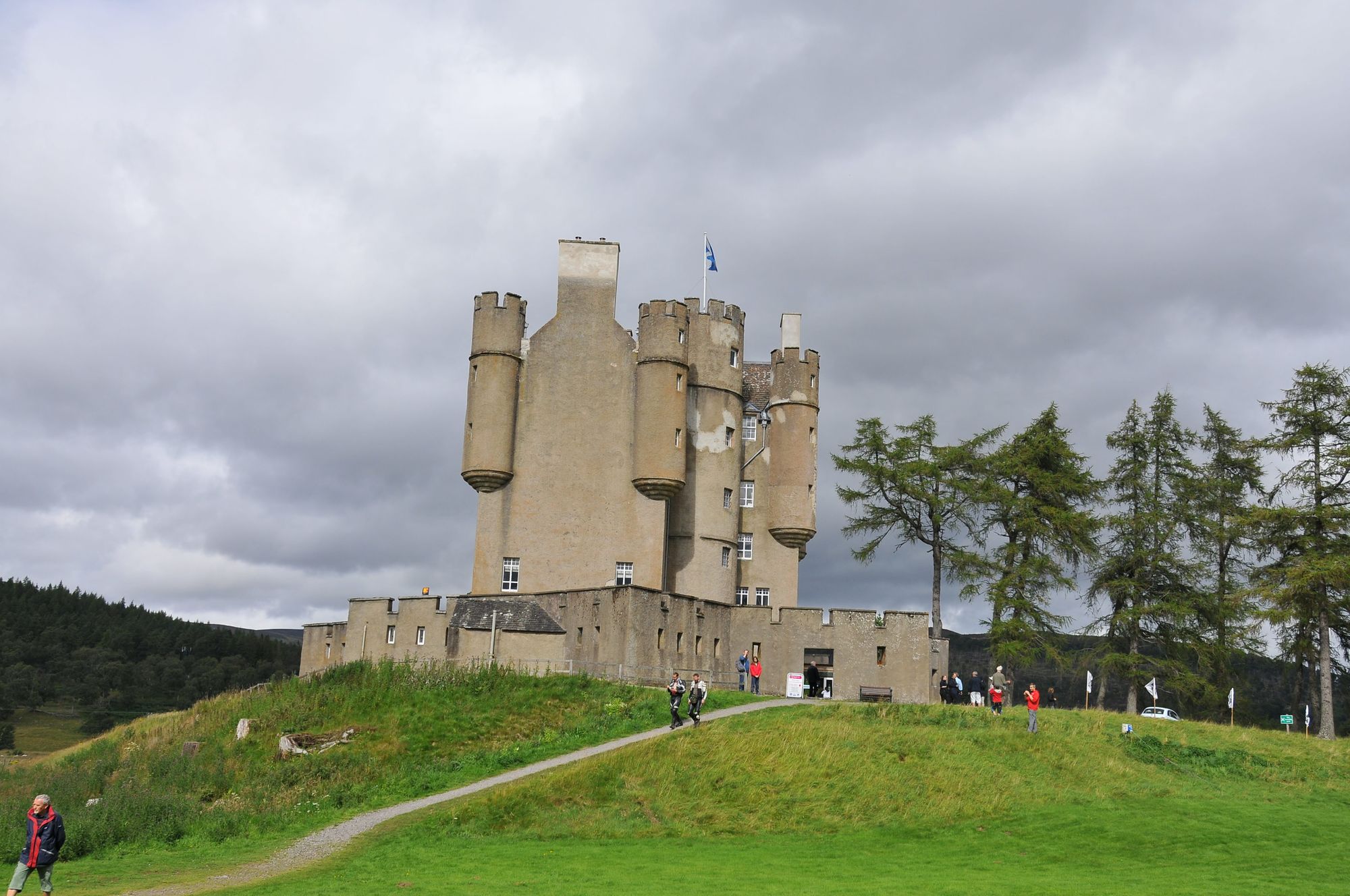
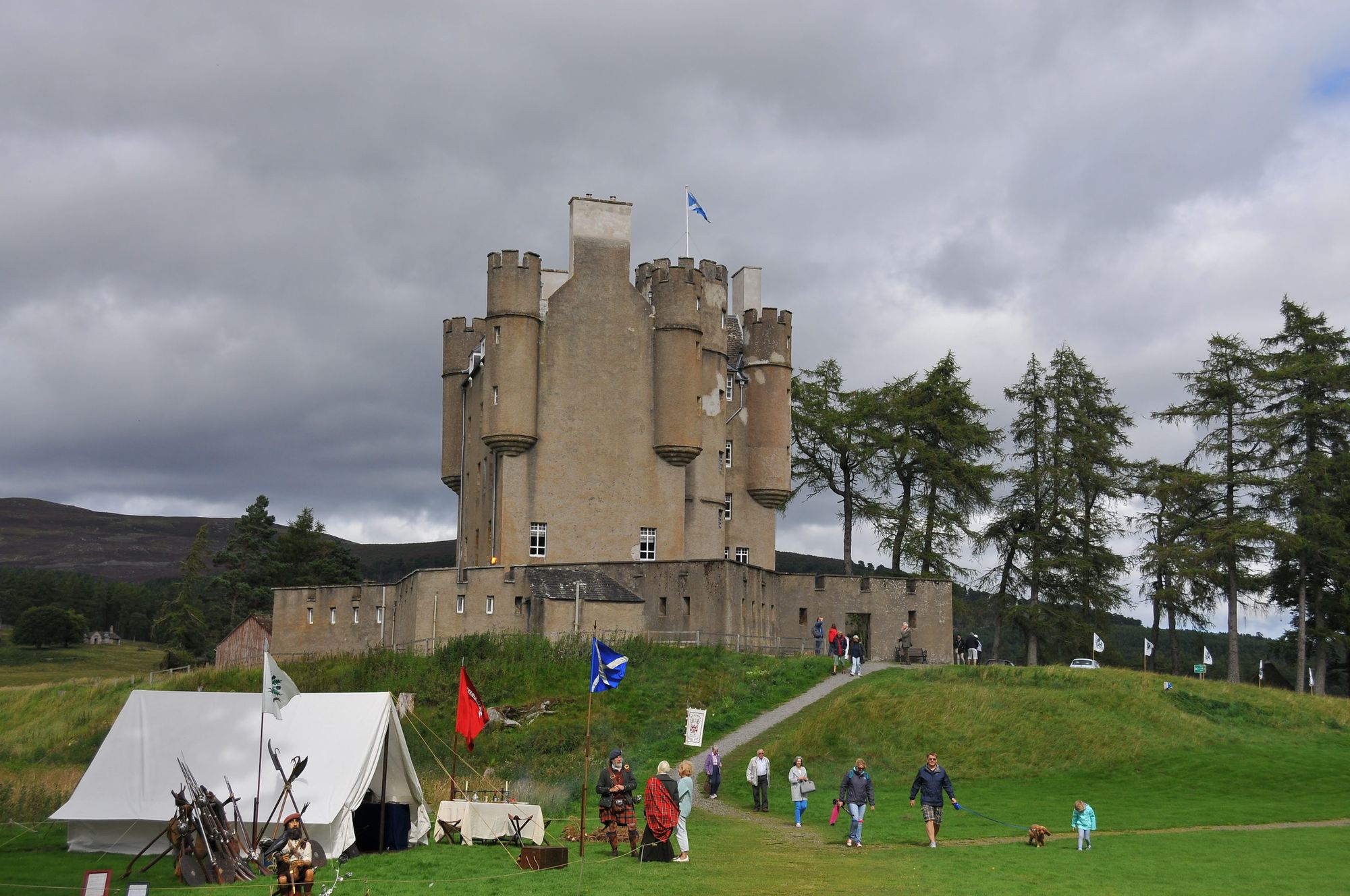
Braemar Castle is a castle located in the village of Braemar, in Scotland. The castle was built in 1628 and is one of the youngest castles in Scotland. Its original purpose was to protect and control the road through the Grampians.
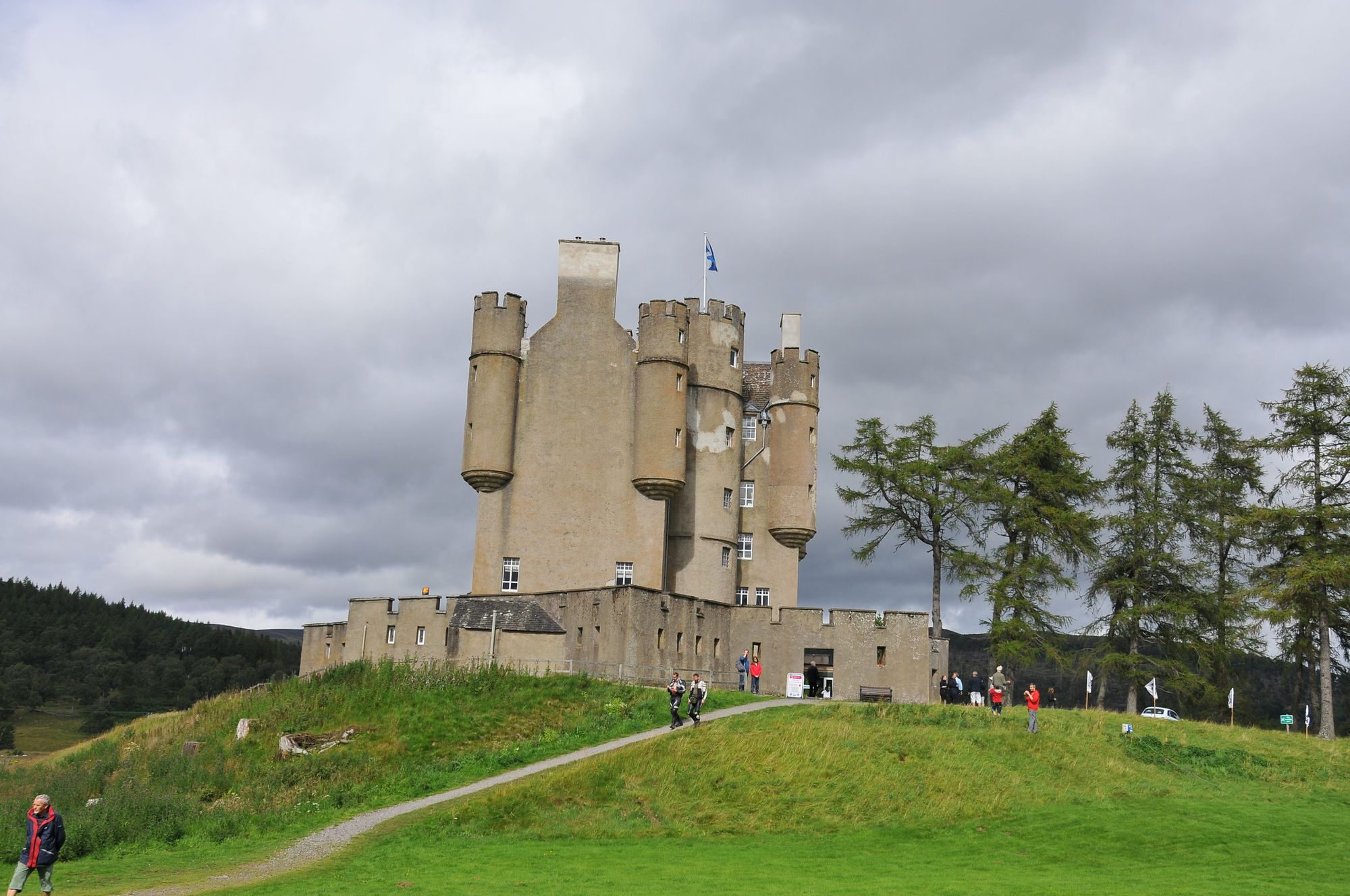
Scottish Castles - Braemar Castle
Braemar Castle – Guardian of the Scottish Highlands
Nestled among the dramatic landscapes of the Cairngorms and close to the village of Braemar, Braemar Castle stands as one of the most distinctive castles in the Scottish Highlands. Surrounded by mountains, forests and heather-covered hills, it has witnessed clan rivalries, Jacobite uprisings, royal visits and centuries of Scottish history.
The castle’s story began in 1628 when John Erskine, 2nd Earl of Mar, ordered the construction of a fortified residence in the heart of the Highlands. Officially built as a hunting lodge, it also served a strategic purpose. The Earl wanted to strengthen his control over the region and counter the growing influence of the powerful Farquharson clan.
Braemar Castle is notable for its unusual architecture. The central tower house is enclosed by a star-shaped defensive wall designed to withstand artillery attacks. This distinctive feature makes the castle look more like a compact fortress than a traditional Scottish country residence.
The turbulent events of the seventeenth century soon left their mark on the building. In 1689, during the first Jacobite Rising, John Farquharson of Inverey, known as the “Black Colonel”, set fire to the castle to prevent government forces from using it as a military base. The blaze destroyed the roof and upper floors, leaving the castle partly ruined for many years.
Another important chapter unfolded during the Jacobite Rising of 1715. Braemar became one of the focal points of the movement to restore the Stuart dynasty to the British throne. After the uprising failed, the Earl of Mar’s estates were confiscated by the Crown. A few years later, John Farquharson, the 9th Laird of Invercauld, purchased part of the forfeited estate, including Braemar Castle.
Contrary to a common misconception, the castle was not destroyed after the Jacobite Rising of 1745. Instead, it was leased to Hanoverian government troops who established a garrison there following the Battle of Culloden. Soldiers occupied the castle for many years and left behind fascinating traces of their presence, including inscriptions carved into window panes that can still be seen today.
During the nineteenth century, the Highlands became more peaceful and the castle gradually evolved into a comfortable family residence. The Farquharson family welcomed many distinguished guests, and the area gained further prominence after Queen Victoria purchased nearby Balmoral Castle. The royal family’s regular visits helped make Braemar one of Scotland’s most famous Highland destinations.
The twentieth century brought another transformation. In 1961 the castle was opened to visitors for the first time. Thanks to the dedication of local volunteers and community groups, the building was preserved and restored. Today, Braemar Castle remains associated with the Chief of Clan Farquharson while being managed for the benefit of the local community.
Visitors can explore historic rooms, family collections and exhibitions that tell the story of the castle and the surrounding region. The thick stone walls, defensive courtyard and views across the Cairngorm mountains create an unforgettable atmosphere.
Braemar Castle may not be the largest castle in Scotland. It lacks the vast halls of Edinburgh Castle or the imposing scale of Stirling Castle. Yet its greatest strength lies in its authenticity. It offers a genuine glimpse into Highland life, clan history and the dramatic events that shaped Scotland over the centuries.
Standing before its white walls against the backdrop of the Cairngorms, it is easy to understand why Braemar Castle remains one of the most fascinating landmarks in the Scottish Highlands nearly four hundred years after it was built.
Location
Open in Google Maps →Continue reading in this gallery
Scottish Castles
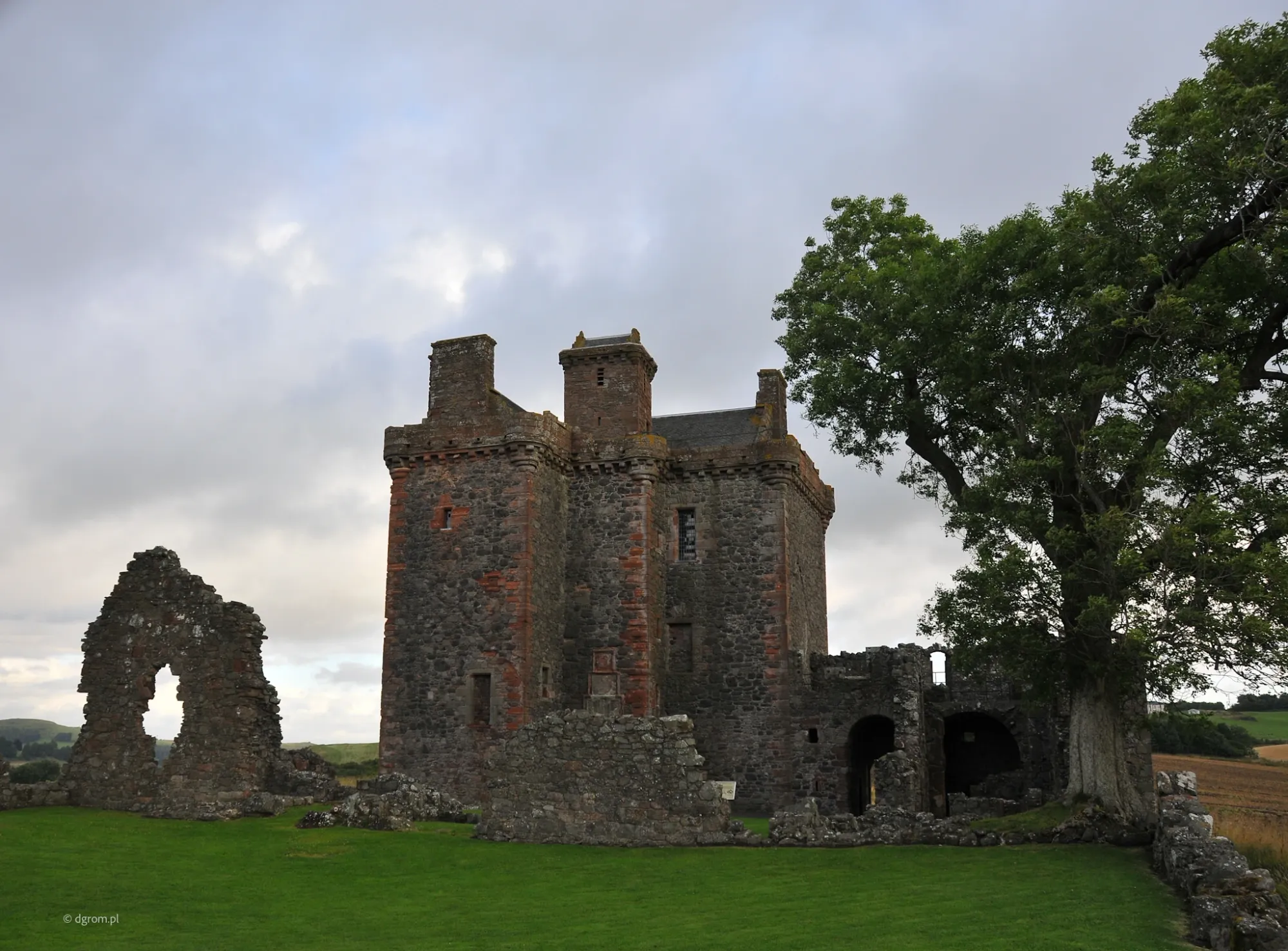
Castles of Scotland- Balvaird
Balvaird Castle is located in central Scotland, near the town of Abernethy. It was built in the 16th century as a residence for Sir Andrew Murray, who was a close friend of Mary, Queen of Scots.
Scottish Castles
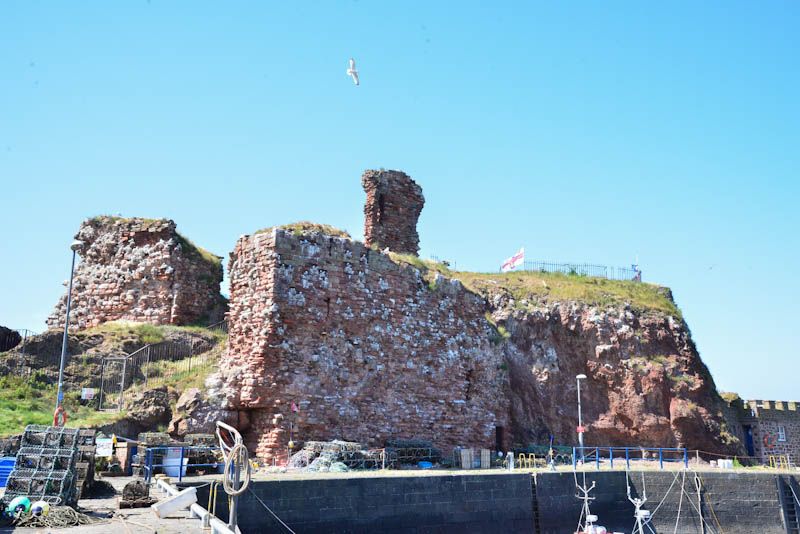
Scottish Castles - Dunbar
Dunbar Castle (English: Dunbar Castle) is a castle located in the town of Dunbar, in southeast Scotland, on the shore of the North Sea.
Scottish Castles
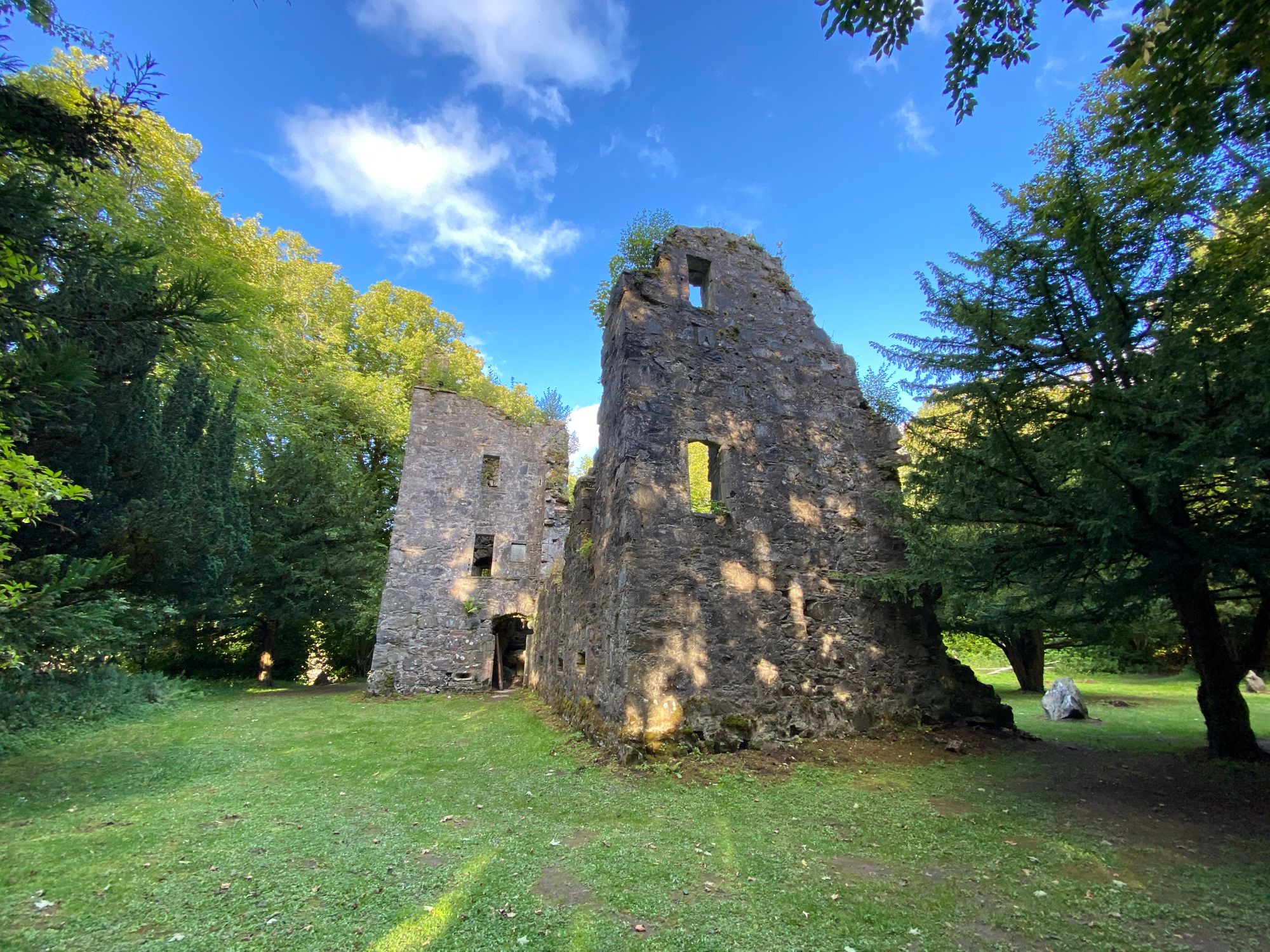
Castles of Scotland - Finlarig
Finlarig Castle is a historic castle located in central Scotland, in the county of Perthshire. The castle belonged to Clan Campbell and was an important administrative and commercial center in the region.
Scottish Castles
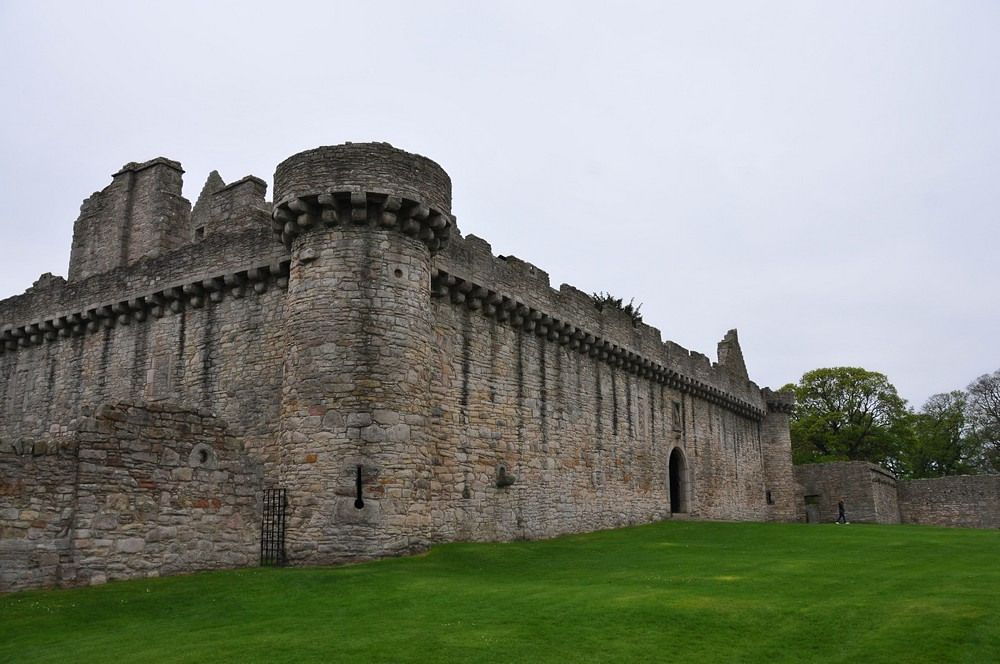
Scottish Castles - Craigmillar
Craigmillar Castle is a ruined medieval castle in Edinburgh, Scotland. It is located about 5 km from the city centre.