Castles of Scotland - Eilean Donan
Eilean Donan Castle is one of those places that immediately evokes Scotland. Even if you’ve never been to the Highlands, you’ve probably already seen its silhouette in photographs, posters, postcards, guidebook covers or in films
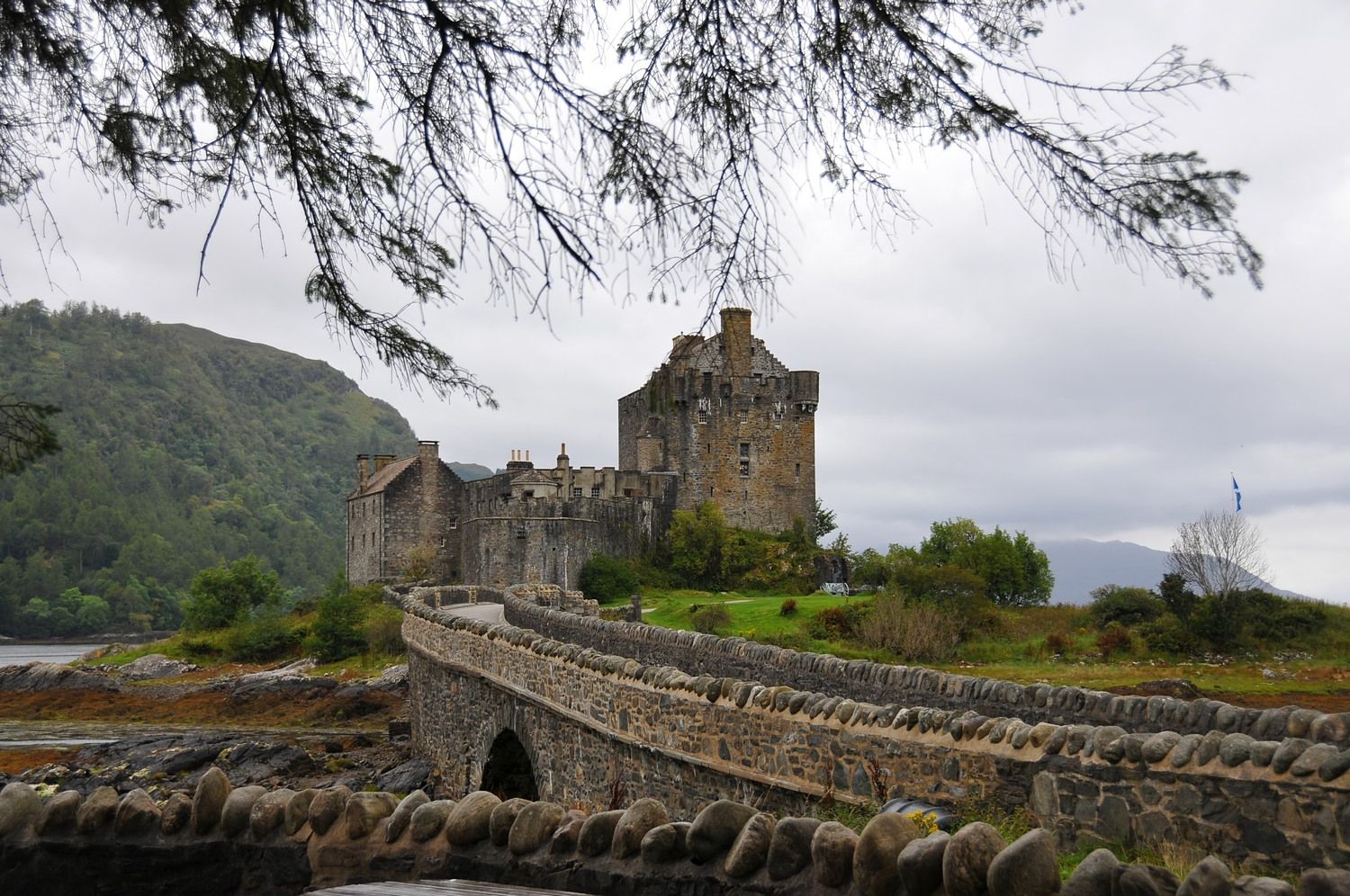
Eilean Donan Castle. One of Scotland's most iconic landmarks
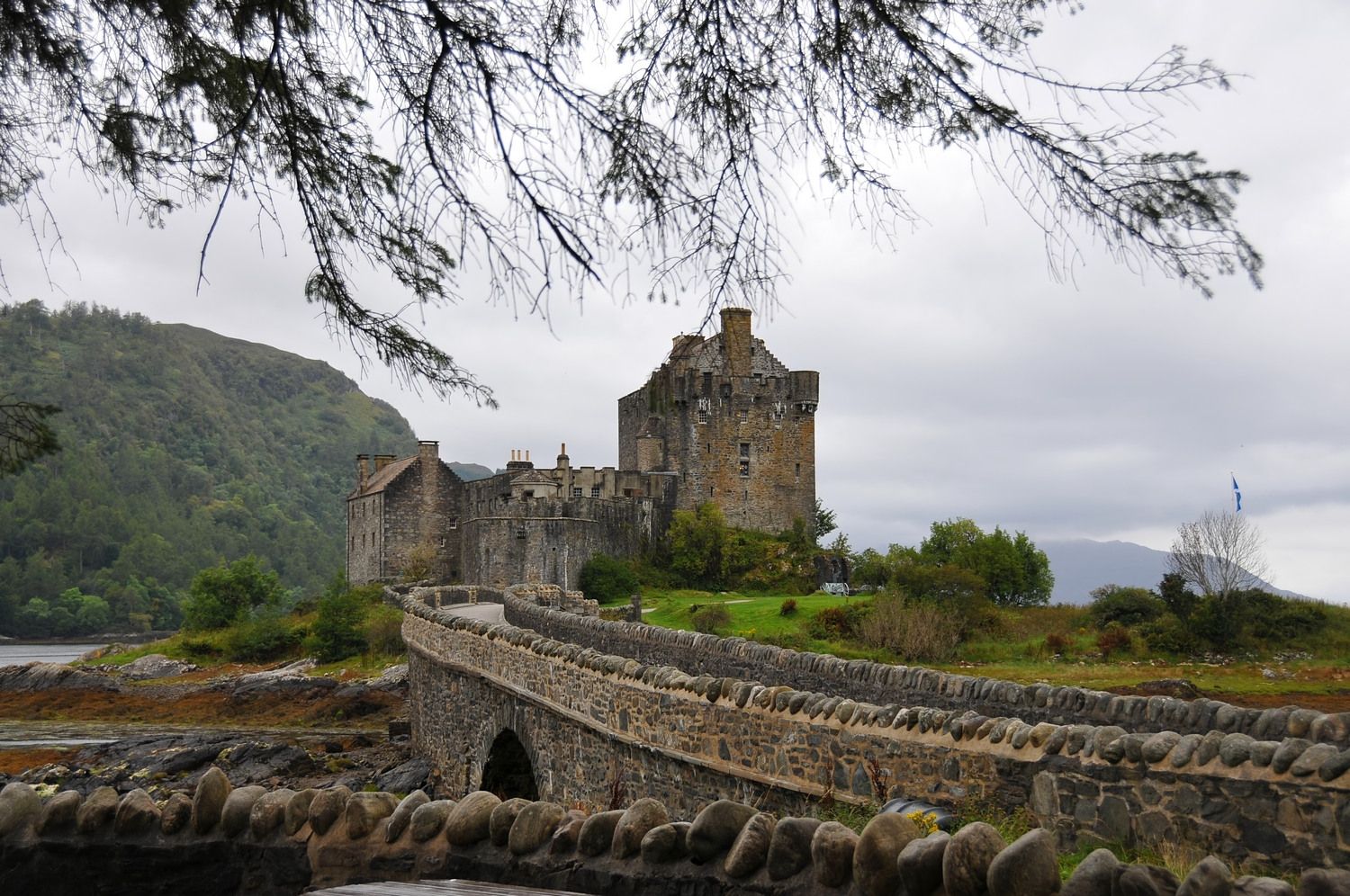
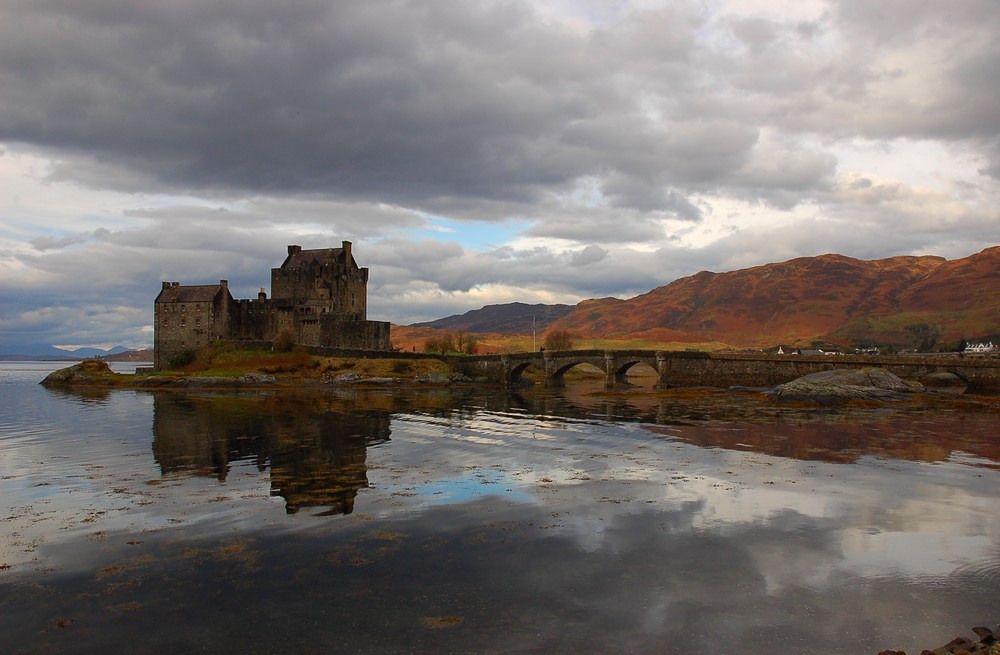
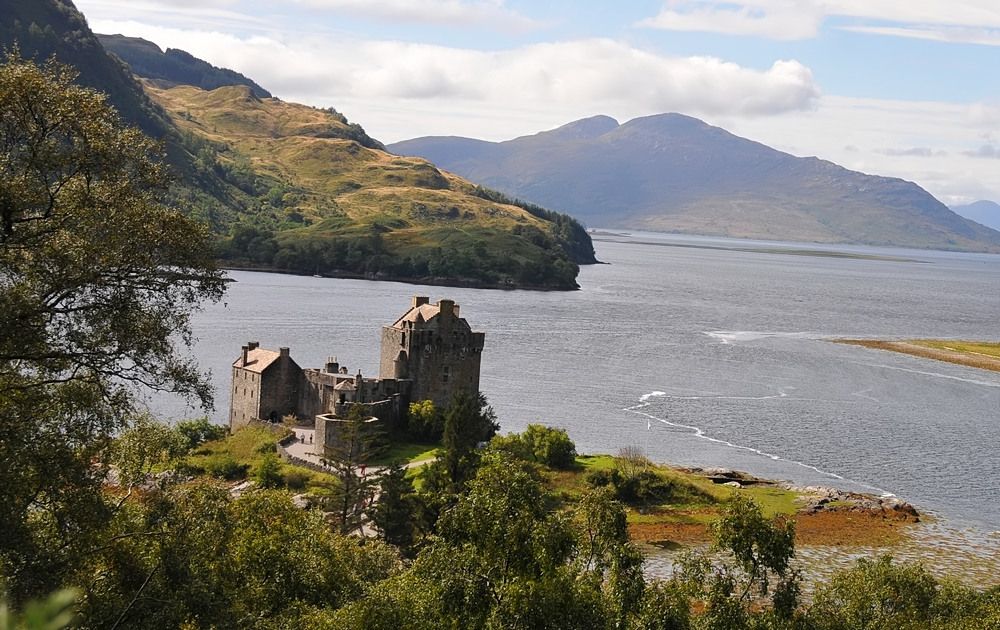
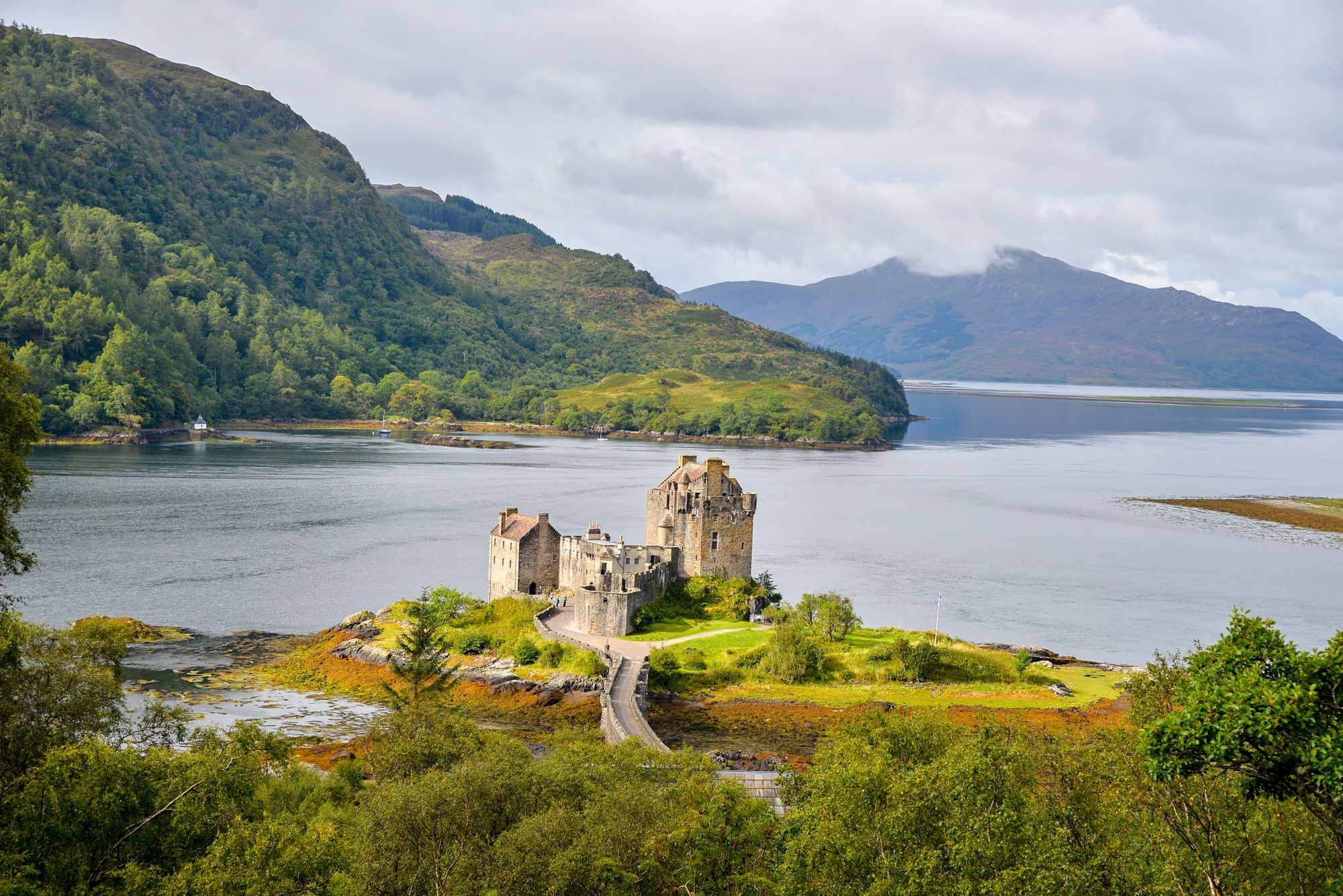
Eilean Donan Castle is one of those places that immediately evokes Scotland. Even if you've never been to the Highlands, you've probably already seen its silhouette in photographs, posters, postcards, guidebook covers or in films. Situated on a small, picturesque island at the confluence of three sea lochs: Loch Duich, Loch Long and Loch Alsh, the castle looks almost like a scene created especially for photographers and filmmakers. The stone mass, the water surrounding it, the mountains in the background and the distinctive bridge leading to the island create a view that is hard to mistake for anywhere else in Scotland.
Eilean Donan is located in the western part of the Scottish Highlands, near the village of Dornie and relatively close to the bridge leading to the Isle of Skye. Because of this it often becomes one of the main stops on trips to Skye. For many people it is almost a symbolic gateway to northwest Scotland, the place where the real adventure with landscapes full of lochs, mountains, mist and raw beauty begins.
The name Eilean Donan means "Donan's island" and refers to the Irish saint Donan, who according to tradition founded a religious community here around the 6th century. This shows that the history of the place goes much further back than the castle itself. Before the stone walls were built, the island already had spiritual and strategic importance. Its location on the water, good visibility over the surrounding lochs and natural protection made it an ideal place both for settlement and for later defence.
The first castle on Eilean Donan was built in the 13th century. It was a time when Scotland's west coast was exposed to Norse attacks and influence, and local clans had to defend their lands and sea routes. The original fortress was probably much larger than the present one and occupied a greater part of the island. Massive curtain walls, defensive towers and the strategic position were meant to deter attackers and control movement in the area.
Over time the castle was rebuilt and adapted to changing needs. In the 14th century it was expanded with a residential-defensive tower, and in subsequent centuries its shape gradually changed. In the 15th century the complex was significantly reduced in size, which may have been due to practical defensive reasons. A smaller castle was easier to garrison and defend effectively. In the 16th century a hexagonal bastion was added, strengthening the fortress's defensive capabilities.
The most dramatic moment in Eilean Donan's history came in 1719. During the Jacobite uprisings the castle was garrisoned by forces supporting the Jacobite cause, including Spanish soldiers. In response, British government forces attacked the fortress from the sea. The castle was shelled and then blown up, and it remained a ruin for nearly two centuries. What today looks like a well-preserved medieval fortress is thus largely the result of later reconstruction.
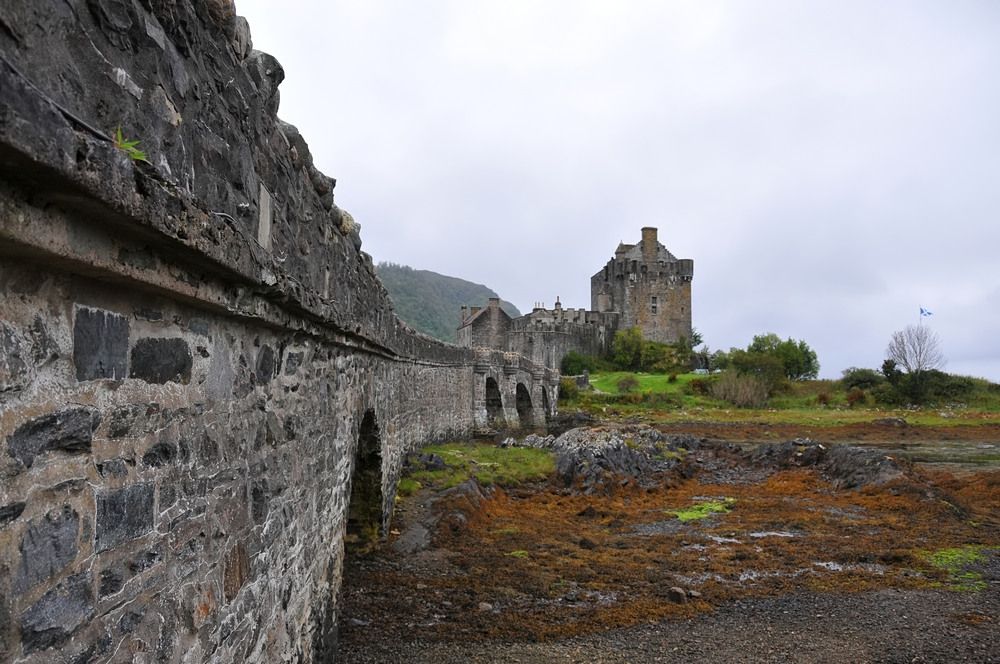
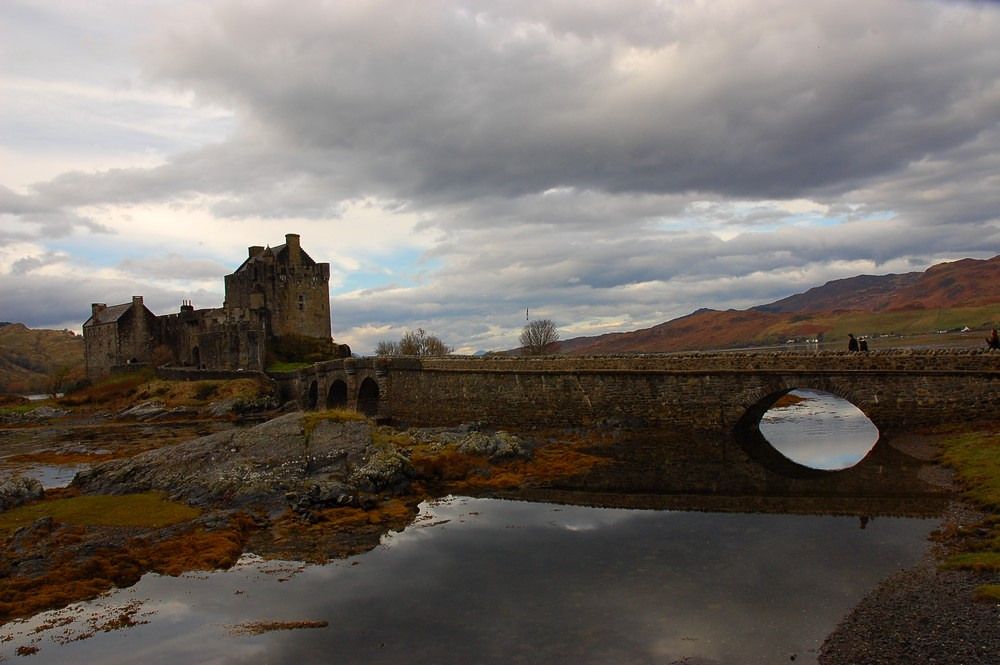
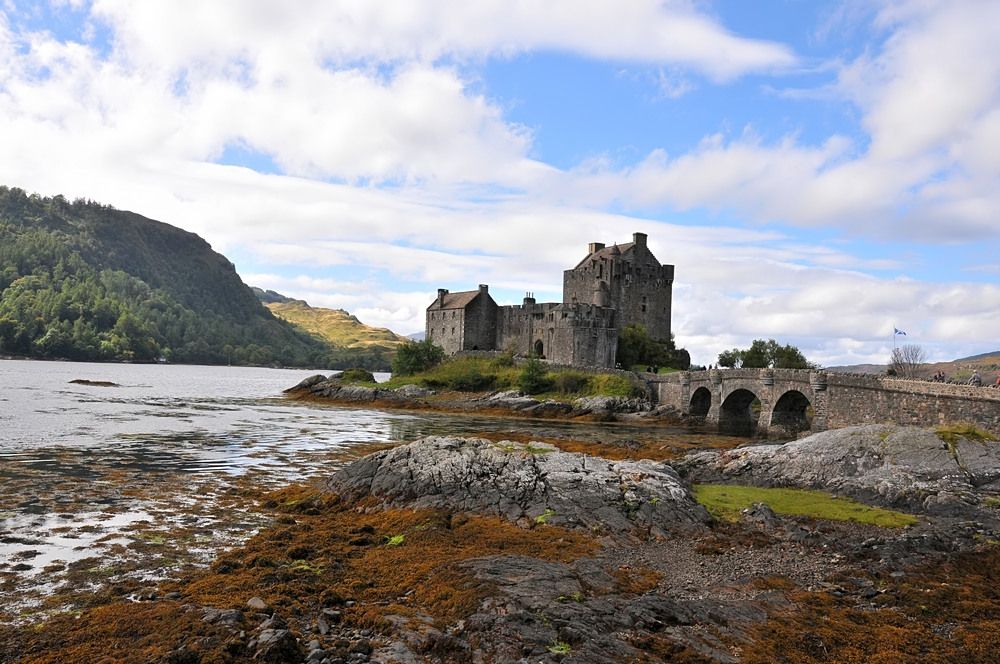
A new chapter began in 1911 when the island and the castle ruins were bought by John MacRae-Gilstrap. He came from the MacRae clan, strongly connected with the history of the place, and decided to restore the castle to its former glory. Reconstruction work lasted from 1919 to 1932. It was then that the characteristic stone bridge linking the island to the mainland was built, which today is one of the most recognisable elements of the whole landscape. The restoration was ambitious and romantic, based partly on old plans but also on an idea of how a Scottish castle should look.
Eilean Donan's architecture combines the austerity of a medieval fortress with the more representative character of a residence. The main tower, walls, bastion and courtyard form a compact, picturesque composition. The castle's interiors allow visitors to see what life in such a seat might have looked like. Among other things there are the Great Hall, the kitchen, bedrooms, family memorabilia, weapons, portraits and items related to the history of the MacRae clan. For visitors it is not only a photographic attraction but also an opportunity to better understand the history of Scottish clans.
Eilean Donan also has great cultural significance. It is one of the most photographed castles in Scotland and one of the places that help shape the romantic image of the Highlands. Its location makes it look beautiful at any time of day. In the morning it may be wrapped in mist, at midday it is reflected in the loch's waters, and in the evening it takes on the warm colours of the setting sun. The best photos are often taken from the shore in front of the bridge, where you can capture the castle, the water and the mountains in a single composition.
The castle also became a popular filming location. The official Eilean Donan website lists, among others, the productions: „Bonnie Prince Charlie” (1948), „The Master of Ballantrae” (1953), the TV series „The New Avengers” (1976), „Highlander” (1986), „Loch Ness” (1996) and the James Bond film „The World Is Not Enough” (1999). In „Highlander” the castle appeared as the seat of Clan MacLeod, which greatly cemented its cinematic legend. In „The World Is Not Enough” it served as MI6’s Scottish headquarters, which is also confirmed by VisitScotland. Eilean Donan also appeared in the film „Made of Honor”, where it was presented as the groom’s family home, and film sources often also mention its connection to the production „Elizabeth: The Golden Age”. Interestingly, in 2026 the media also reported on filming for a new version of „Highlander” with Henry Cavill at Eilean Donan, although that production should be treated as a newer, still-developing chapter in the castle’s film history.
Today Eilean Donan is open to visitors and is one of the main attractions of this part of Scotland. A visit can be combined with a trip to the Isle of Skye, a stop in Kyle of Lochalsh, or a route through the western Highlands. On site there is a visitor centre, a shop and a café, and the walk across the bridge toward the castle is already a small experience. It’s a place best taken in slowly, with a camera in hand, but also with a moment of silence to look out toward the water and the mountains.
Eilean Donan is not just a beautiful castle. It is a story of Scottish history, clan pride, destruction, reconstruction and the power of a landscape that can move even those who have seen many castles. It is romantic, cinematic and very photogenic, yet at the same time rooted in real events. That is why it remains one of the most exceptional places in Scotland and a must-see for anyone who wants to see the Highlands in their most classic, almost fairytale-like form.
Location
Open in Google Maps →Continue reading in this gallery
Scottish Castles
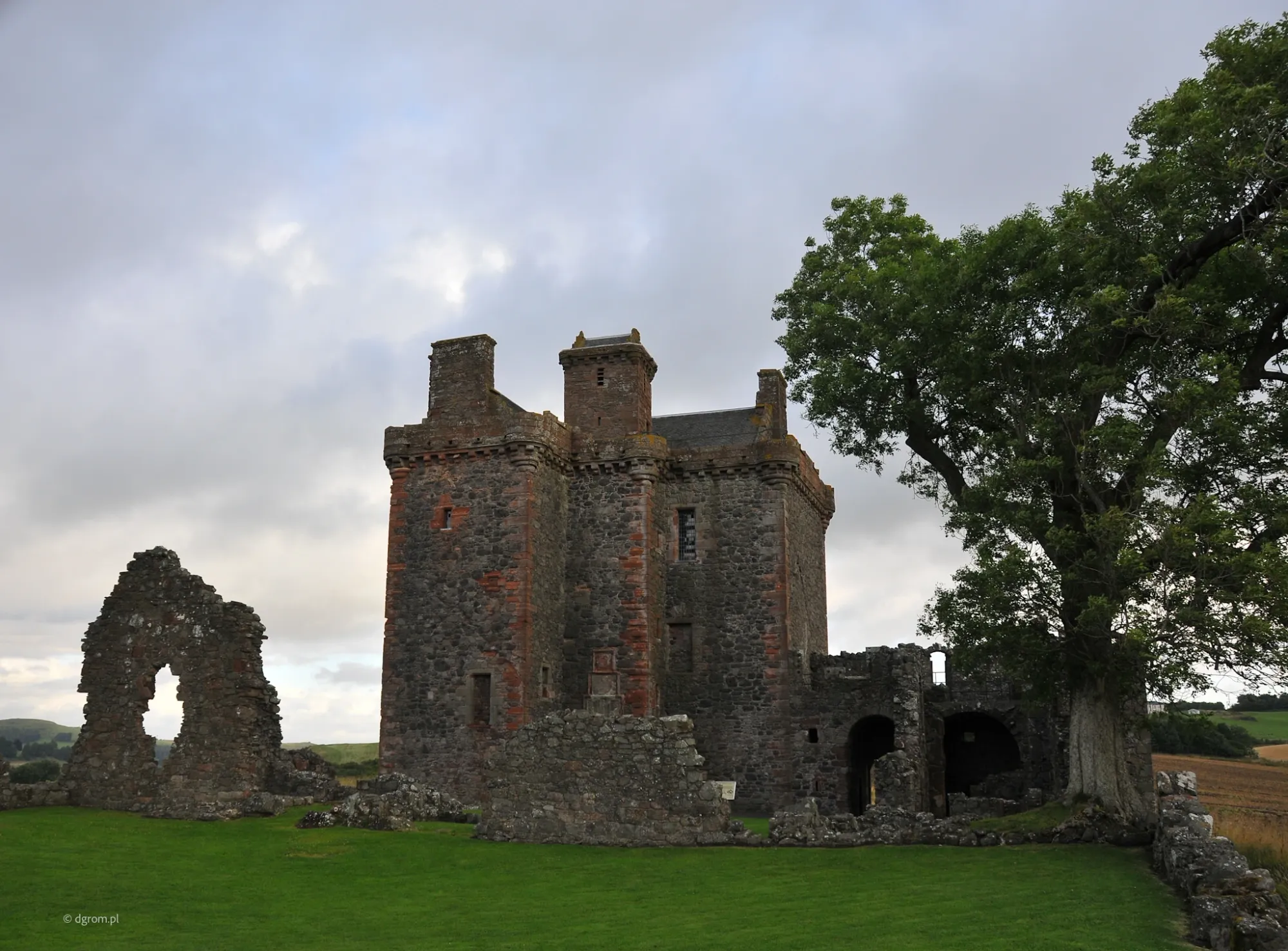
Castles of Scotland- Balvaird
Balvaird Castle is located in central Scotland, near the town of Abernethy. It was built in the 16th century as a residence for Sir Andrew Murray, who was a close friend of Mary, Queen of Scots.
Scottish Castles
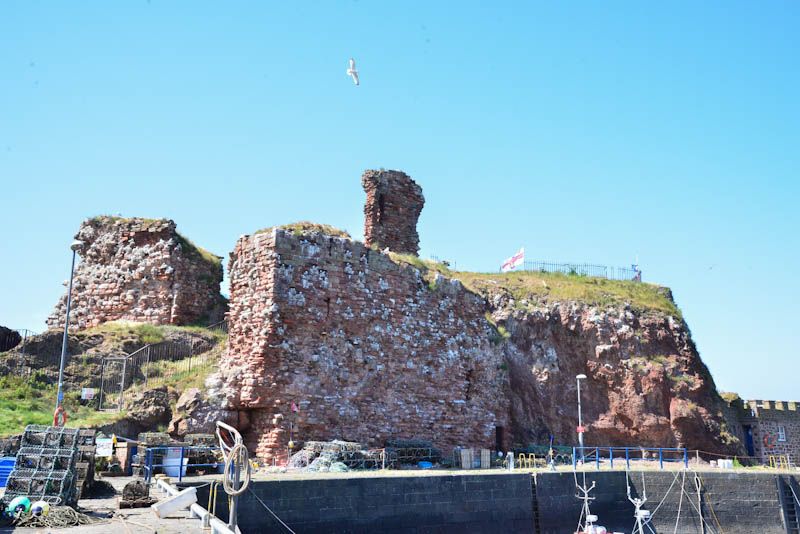
Scottish Castles - Dunbar
Dunbar Castle (English: Dunbar Castle) is a castle located in the town of Dunbar, in southeast Scotland, on the shore of the North Sea.
Scottish Castles
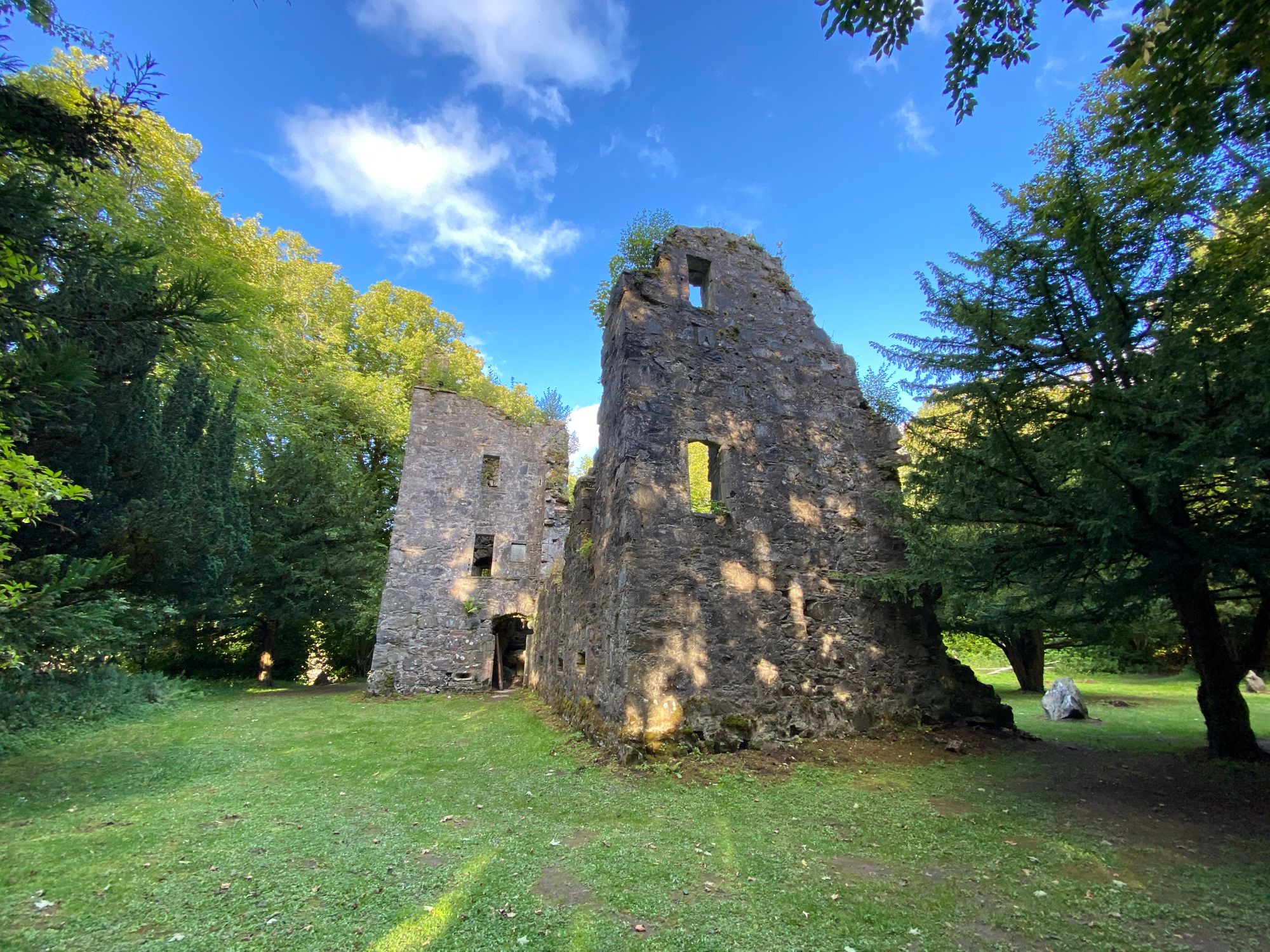
Castles of Scotland - Finlarig
Finlarig Castle is a historic castle located in central Scotland, in the county of Perthshire. The castle belonged to Clan Campbell and was an important administrative and commercial center in the region.
Scottish Castles
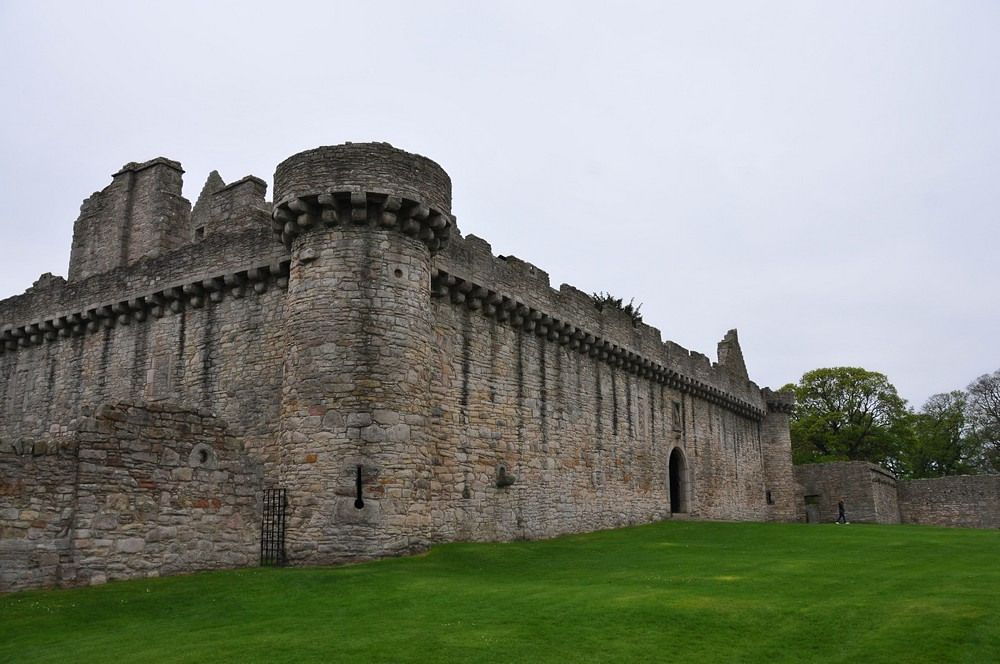
Scottish Castles - Craigmillar
Craigmillar Castle is a ruined medieval castle in Edinburgh, Scotland. It is located about 5 km from the city centre.