Scottish Castles - Claypotts
zamki-szkocji-zamek-claypotts.Claypotts Castle is a small castle located near the town of Dundee on Scotland's east coast. It was built in 1569 for John Strachan, a local landowner, and is an example of a typical Scottish laird's castle.
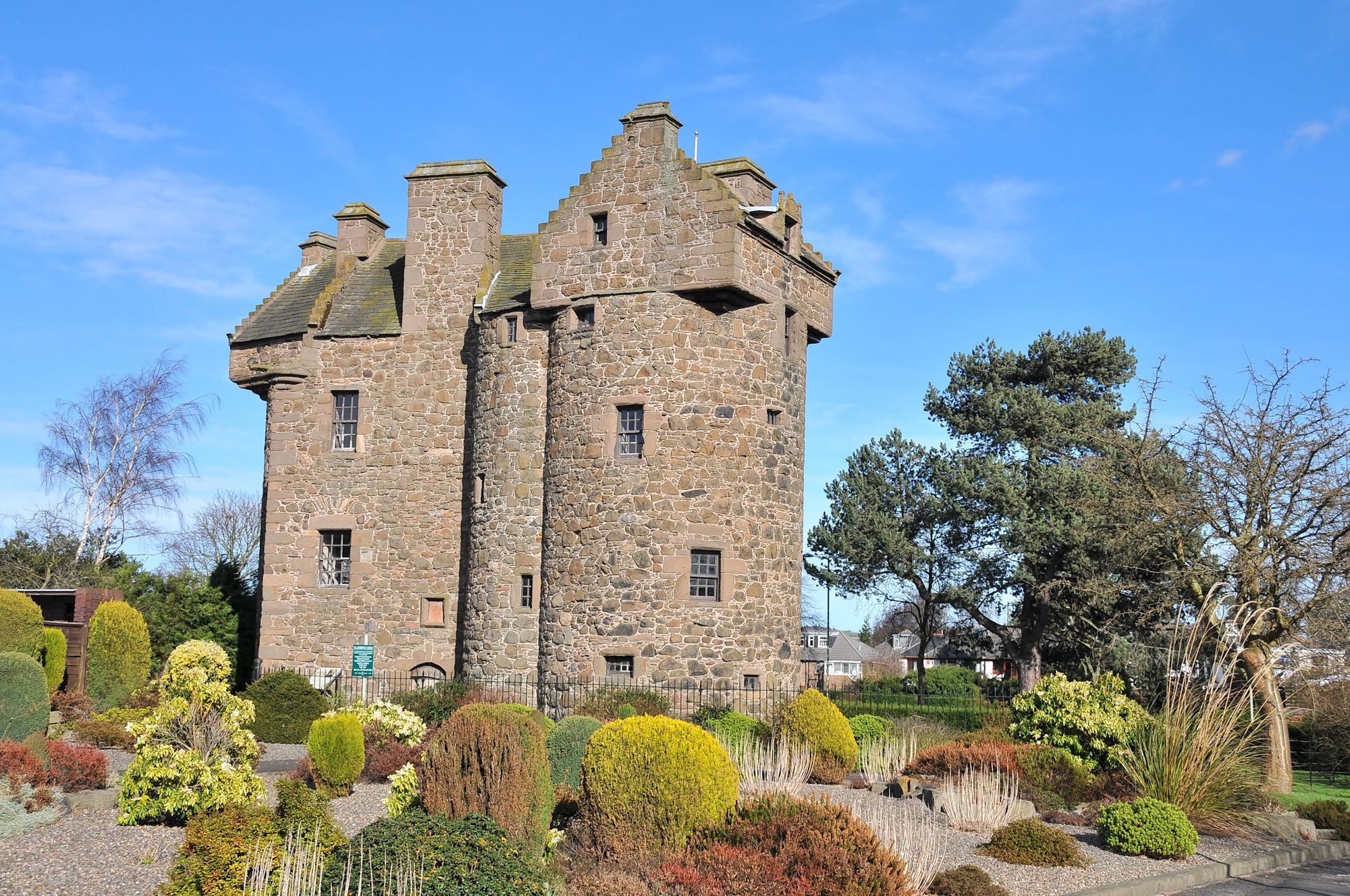
Scottish Castles - Claypotts Castle
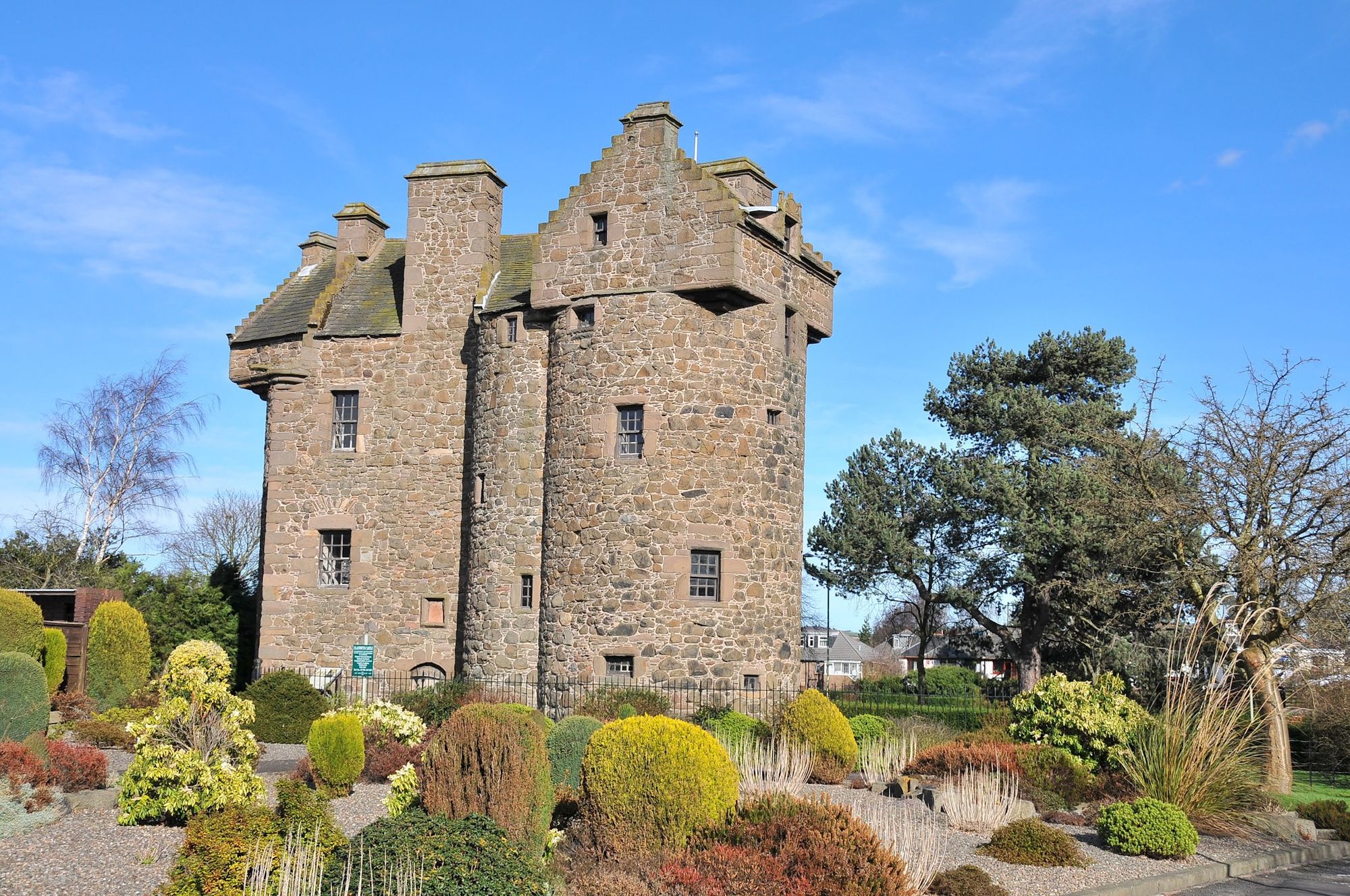
Claypotts Castle is a well-preserved example of a 16th-century Scottish tower house, situated in the West Ferry district of Dundee, Scotland. Its unique architecture and rich history make it a fascinating site for lovers of medieval buildings and Scottish history.
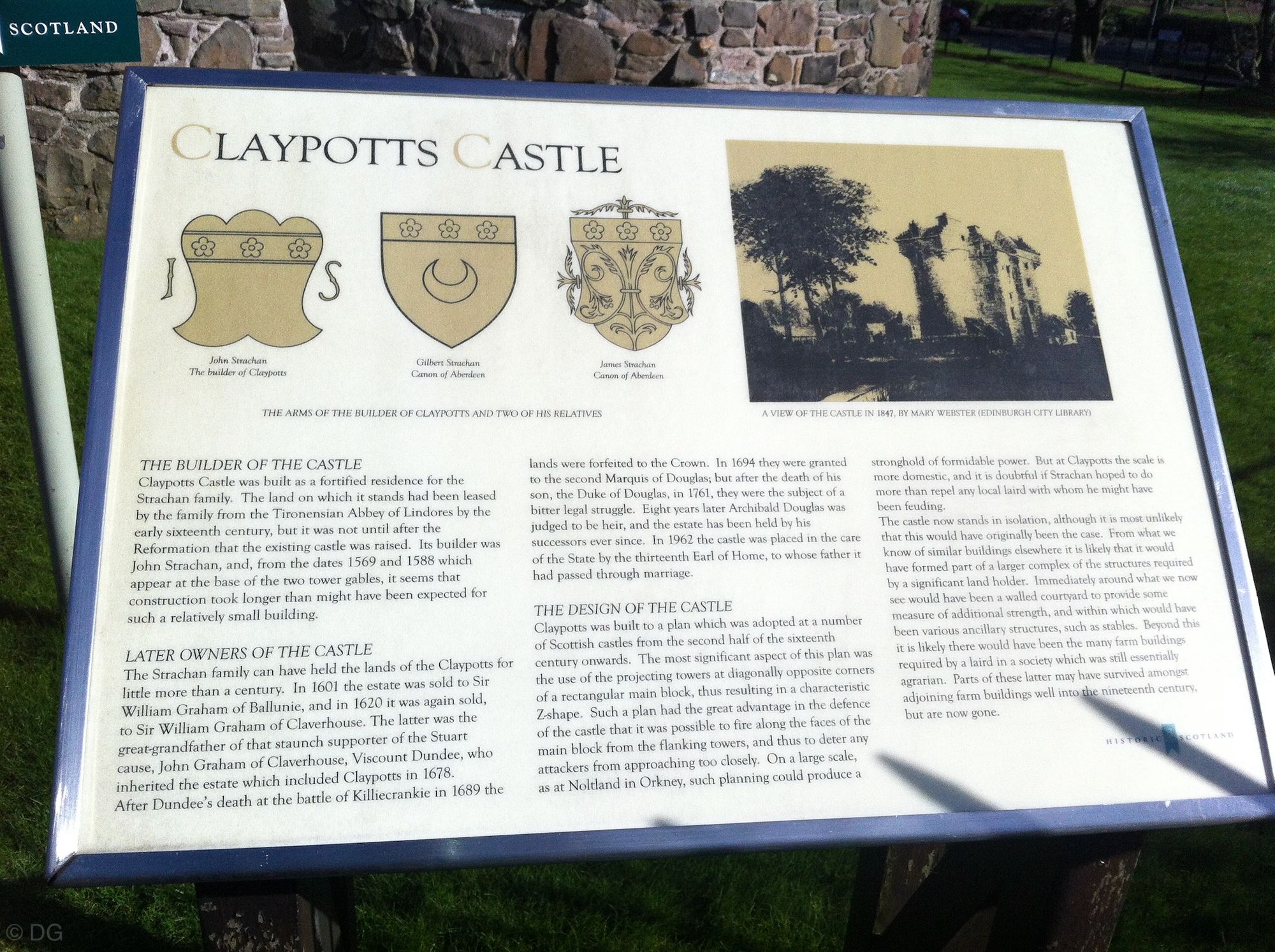
Construction of the castle was begun by John Strachan in 1569, as confirmed by a date carved on one of the stone plaques. The building process continued until 1588, an unusually long period for such a small structure. The Strachan family had leased the land on which the castle was built from Lindores Abbey from the early 16th century.
In 1601 the castle was sold to Sir William Graham of Ballunie, and later passed into the hands of Sir William Graham of Claverhouse. After the death of John Graham, Viscount Dundee, at the Battle of Killiecrankie in 1689, the castle became crown property. In 1694 it was granted to James Douglas, 2nd Marquis of Douglas. After his death in 1761 the castle's ownership was the subject of long legal disputes until it eventually passed to the 13th Earl of Home, who in 1926 handed the castle over to the state. It is now managed by Historic Environment Scotland.
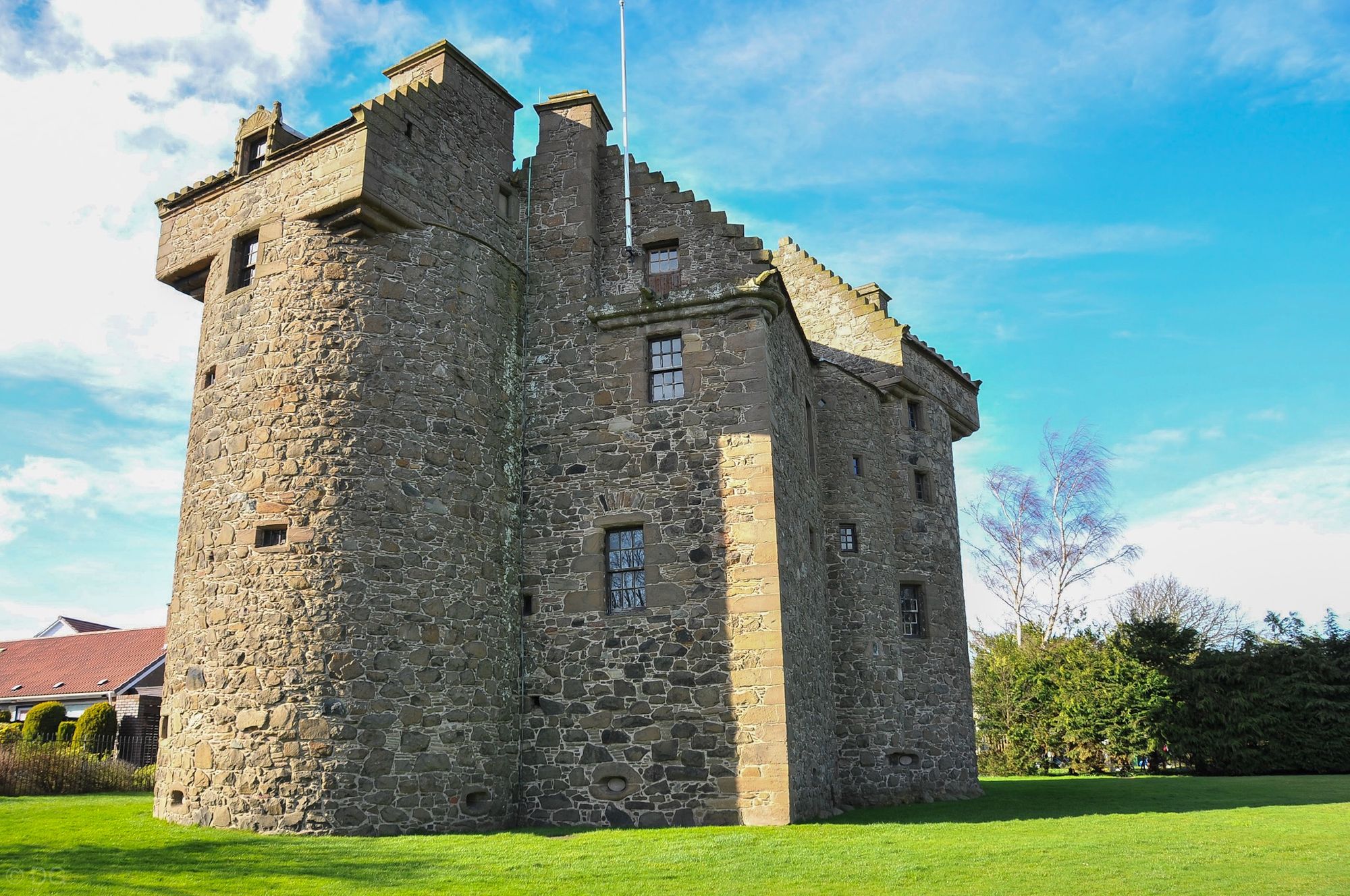
Claypotts Castle is an excellent example of a Z-plan tower house, popular in 16th-century Scotland. It features a rectangular main block with two projecting towers on opposite corners, creating a 'Z' shape from above. This layout allowed defenders to fire on approaches to the castle from multiple directions.
The interior of the castle comprises several floors. At ground level there are vaulted cellars, with the kitchen located in the south tower, equipped with a traditional range and a sink. Stairs lead up to the main hall on the first floor and to additional rooms on the upper levels. Although the third floor is not fully intact, the castle has largely remained unaltered since it was built. The original roof and Renaissance architectural details, such as the window surrounds in the square towers, give it a distinctive character.
Claypotts Castle is wrapped in the legend of a hardworking household spirit known as a “brownie”, who helped the servants with daily chores. According to the tale, the spirit left the castle in anger because of a lazy cook, leaving the household without its magical assistance.
Claypotts Castle is currently managed by Historic Environment Scotland and is opened to visitors on special occasions. Although on most days only its exterior can be admired, it's worth watching for announcements of open days that allow access to the interior of this unique monument. During such visits you can see original fittings such as the large kitchen fireplace and the vaulted cellars.
Despite its modest size, Claypotts Castle is an important example of Scottish defensive architecture from the Renaissance period. Its excellent state of preservation and rich history make it a worthwhile destination for any enthusiast of history and architecture.
Location
Open in Google Maps →Continue reading in this gallery
Scottish Castles
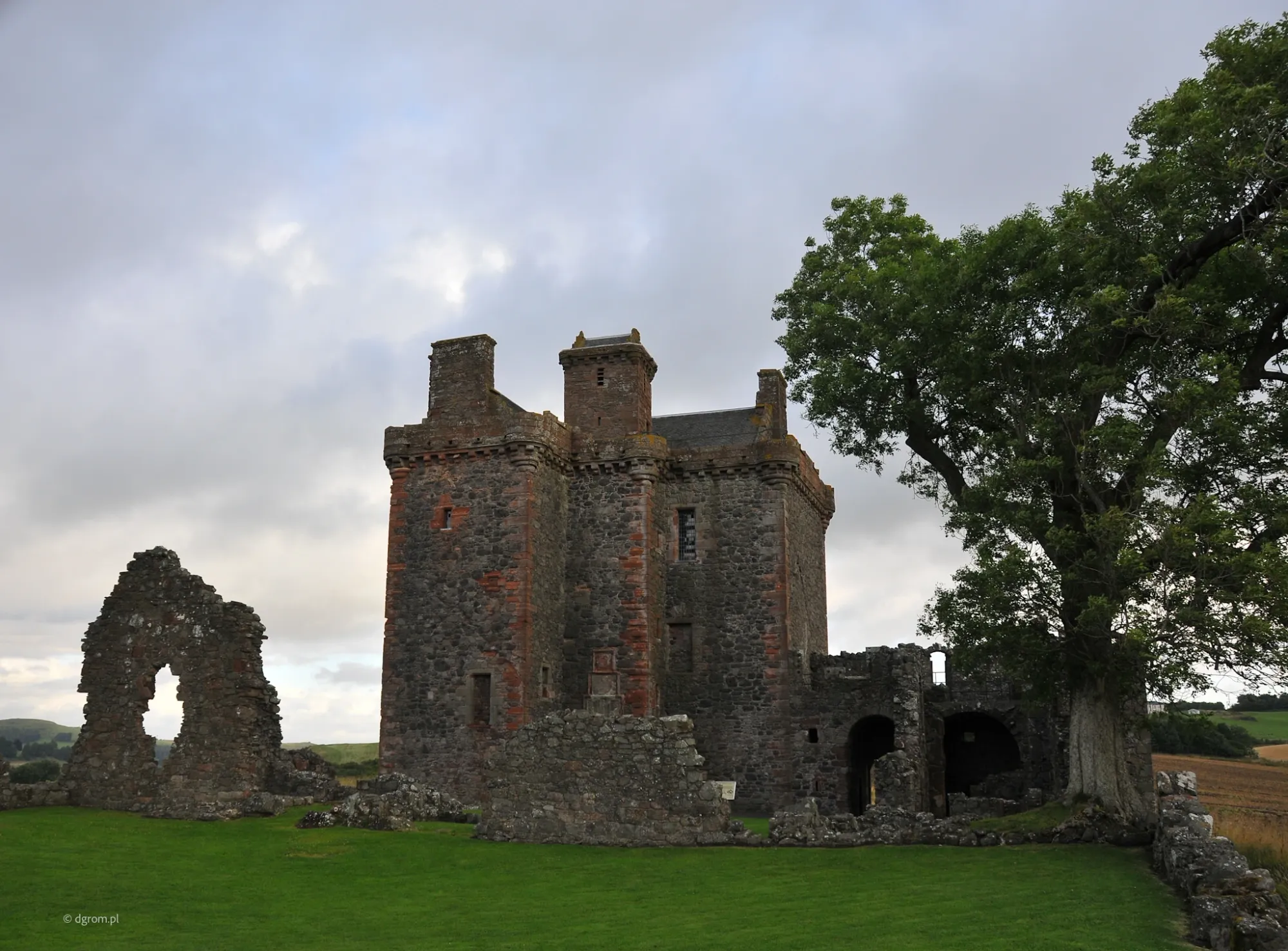
Castles of Scotland- Balvaird
Balvaird Castle is located in central Scotland, near the town of Abernethy. It was built in the 16th century as a residence for Sir Andrew Murray, who was a close friend of Mary, Queen of Scots.
Scottish Castles
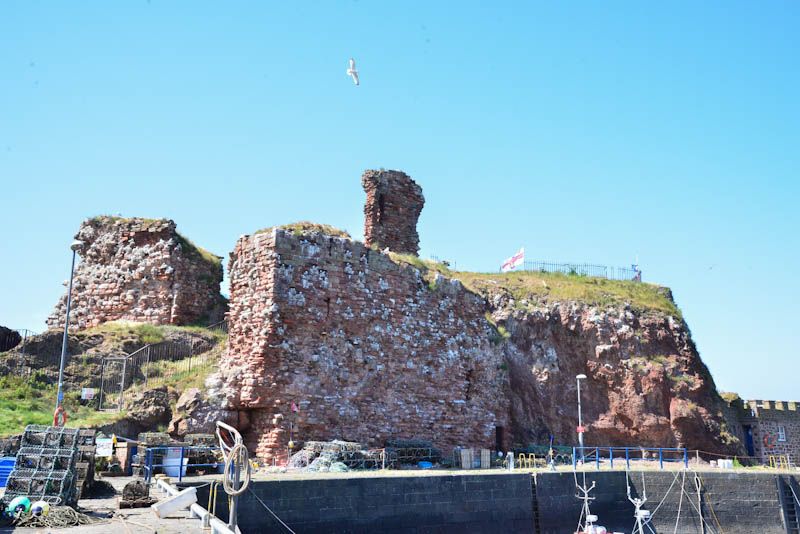
Scottish Castles - Dunbar
Dunbar Castle (English: Dunbar Castle) is a castle located in the town of Dunbar, in southeast Scotland, on the shore of the North Sea.
Scottish Castles
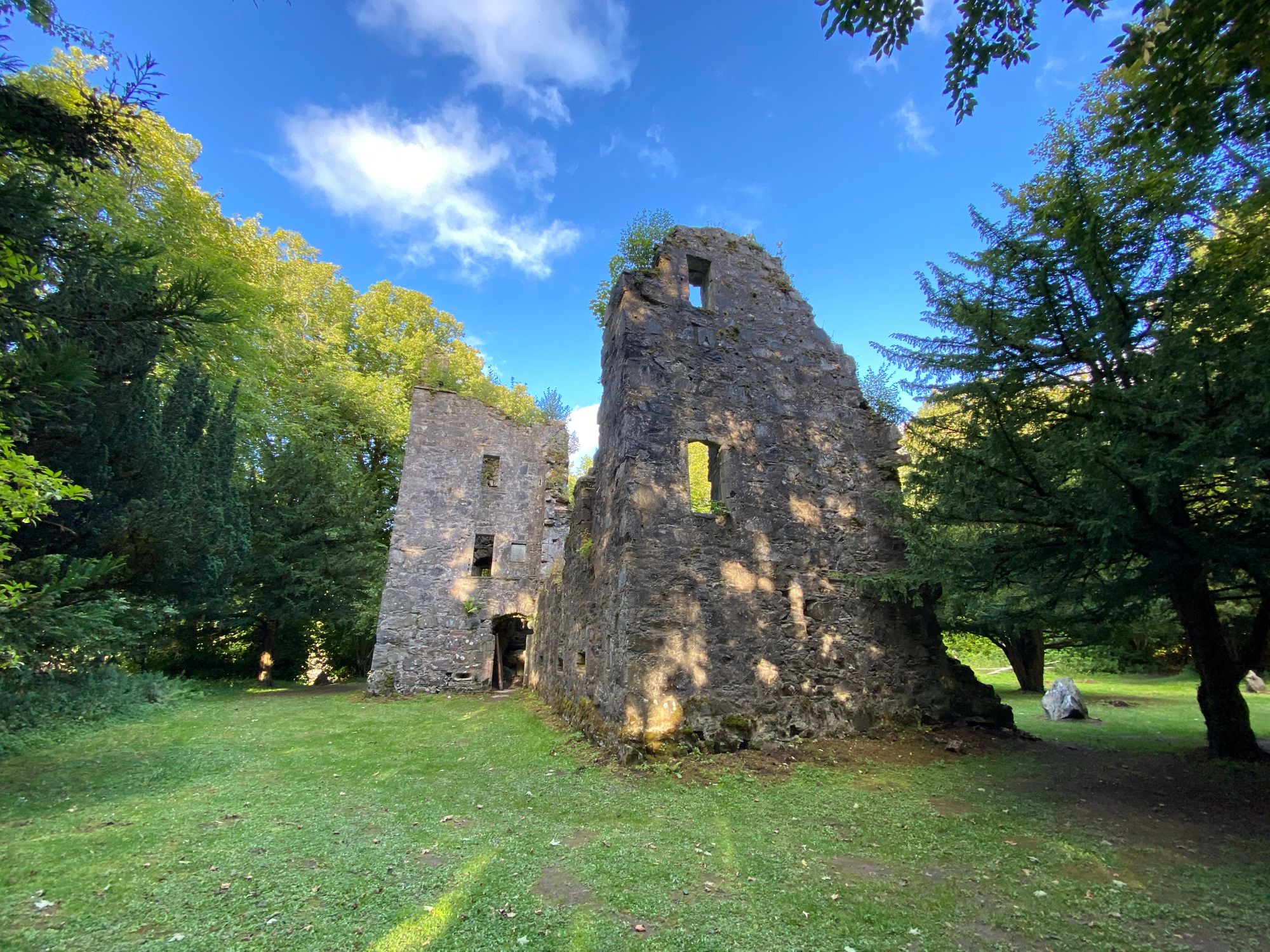
Castles of Scotland - Finlarig
Finlarig Castle is a historic castle located in central Scotland, in the county of Perthshire. The castle belonged to Clan Campbell and was an important administrative and commercial center in the region.
Scottish Castles
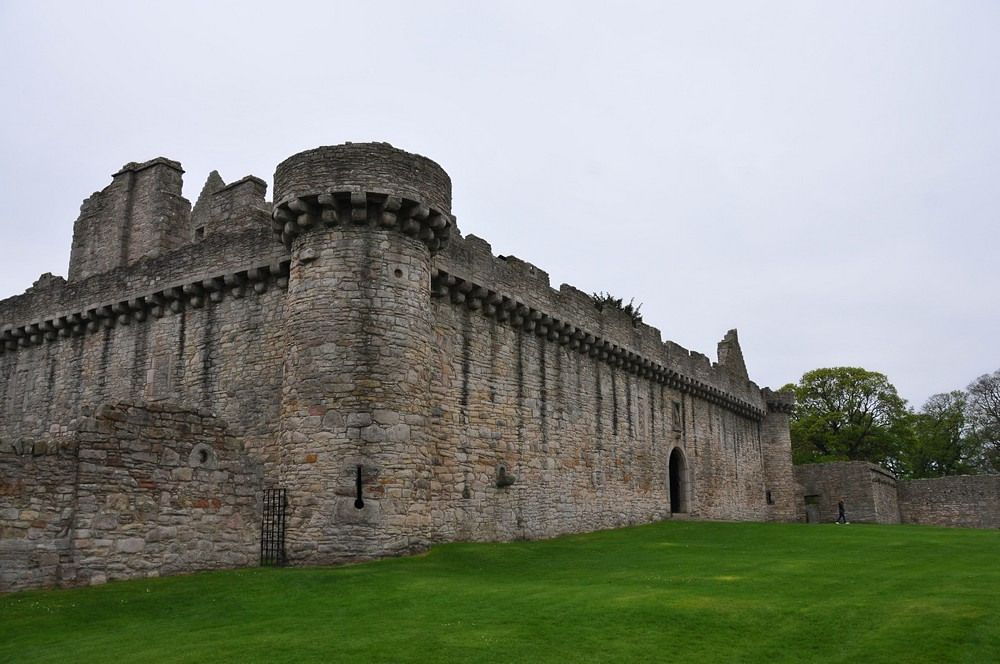
Scottish Castles - Craigmillar
Craigmillar Castle is a ruined medieval castle in Edinburgh, Scotland. It is located about 5 km from the city centre.