Scottish Castles - Dirleton
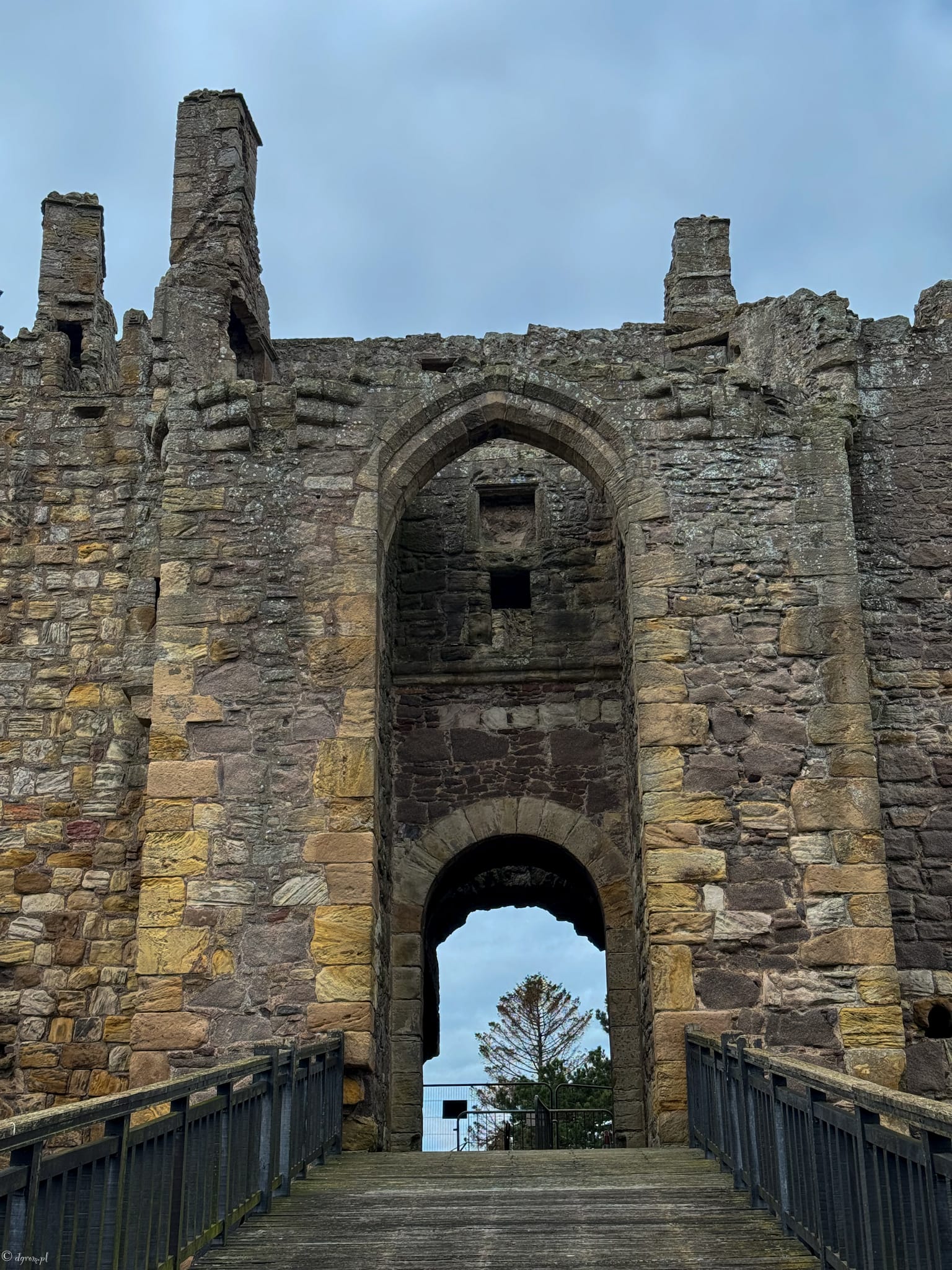
Scottish Castles-Dirleton Castle.Dirleton Castle is a medieval castle located near the town of North Berwick, on Scotland's east coast.
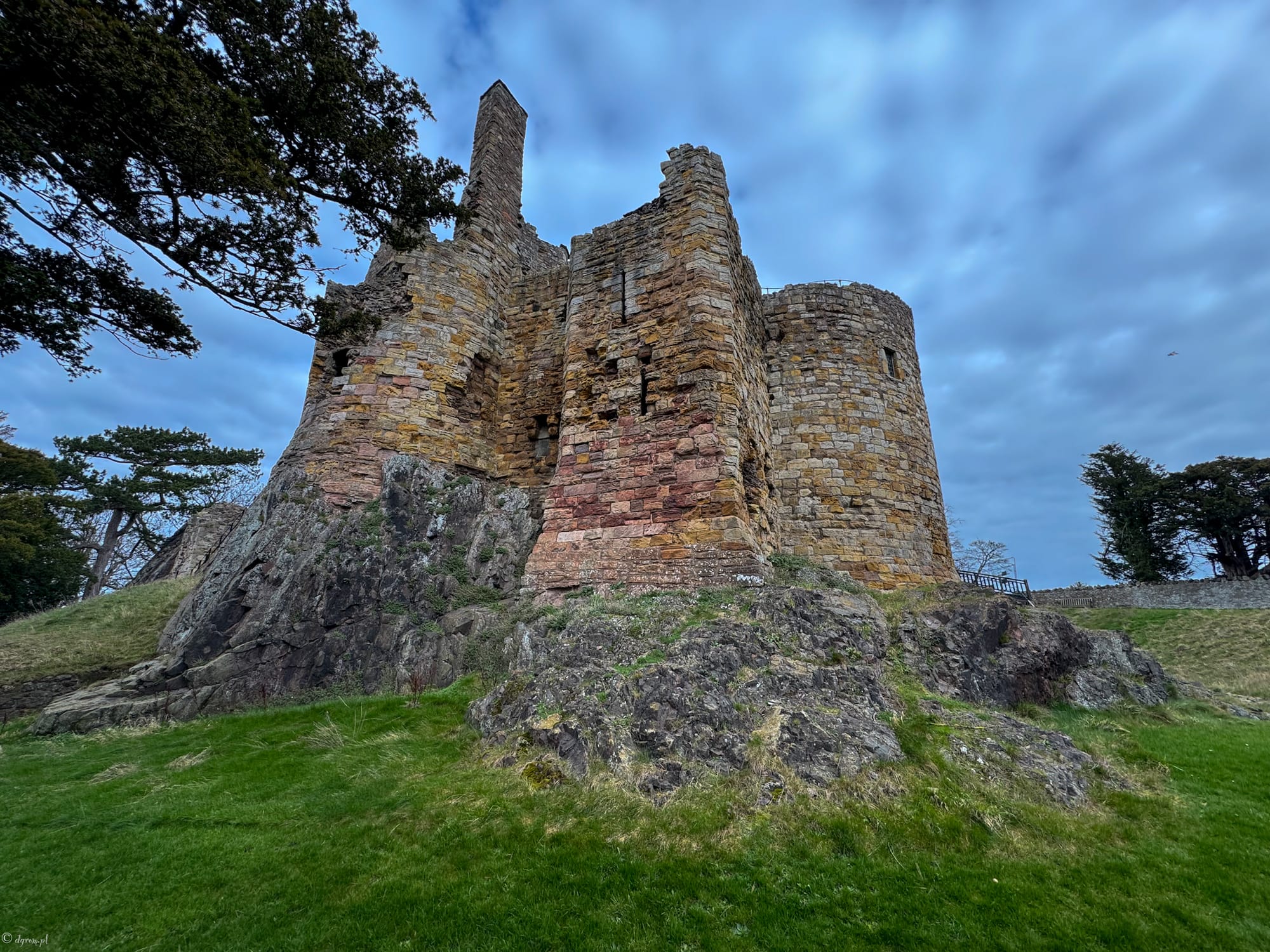
Dirleton Castle: The medieval jewel of East Lothian and its fascinating history
Scotland is a country where castle ruins rise from the landscape at almost every turn. Yet among the hundreds of fortresses, Dirleton Castle (Dirleton Castle) occupies a special place. Located just 30 kilometres east of Edinburgh, in the picturesque county of East Lothian, it offers a unique blend of a powerful, unconquered fortress, elegant residential architecture and some of the oldest gardens in Great Britain.
Why visit Dirleton during a tour tracing the paths of Scottish clans? Discover the history of a place that survived sieges by kings, the wrath of Oliver Cromwell and the whims of fate, and has today become one of the most romantic ruins in Europe.
Origins of power: the de Vaux family and 13th-century architecture
The history of the stone castle begins around the year 1240. Although the de Vaux family (originating from Norman France) settled in these parts as early as the mid-12th century, it was John de Vaux who erected the stone fortress here, intended to demonstrate the family's status and wealth.
It's worth correcting a common historical mistake: although settlement at this site is older, the foundations visible today and the characteristic round towers are a textbook example of 13th-century military architecture. Dirleton Castle was then one of the most modern structures in Scotland, designed to control the strategic route leading from England straight to the heart of the kingdom – Edinburgh.
The castle in the fires of the Wars of Independence
Its strategic location was a blessing and a curse. During the Wars of Scottish Independence at the turn of the 13th and 14th centuries, Dirleton became a target of English forces. In 1298, after the Battle of Falkirk, the castle was besieged by the King of England himself, Edward I "Hammer of the Scots". Despite fierce resistance, the defenders had to yield to the power of siege engines. Over the following years the castle changed hands many times, which entailed extensive damage and later reconstructions.
The golden age of the Haliburtons and Ruthvens
In the 14th century the estate passed into the hands of the influential family Haliburton. They were the ones who gave the castle the form that we can largely admire today. From a stark stronghold, Dirleton began to transform into a luxurious palace residence.
Architectural innovations of the Haliburtons:
• Great Hall (Great Hall): A place for feasts and receiving guests, a symbol of prestige.
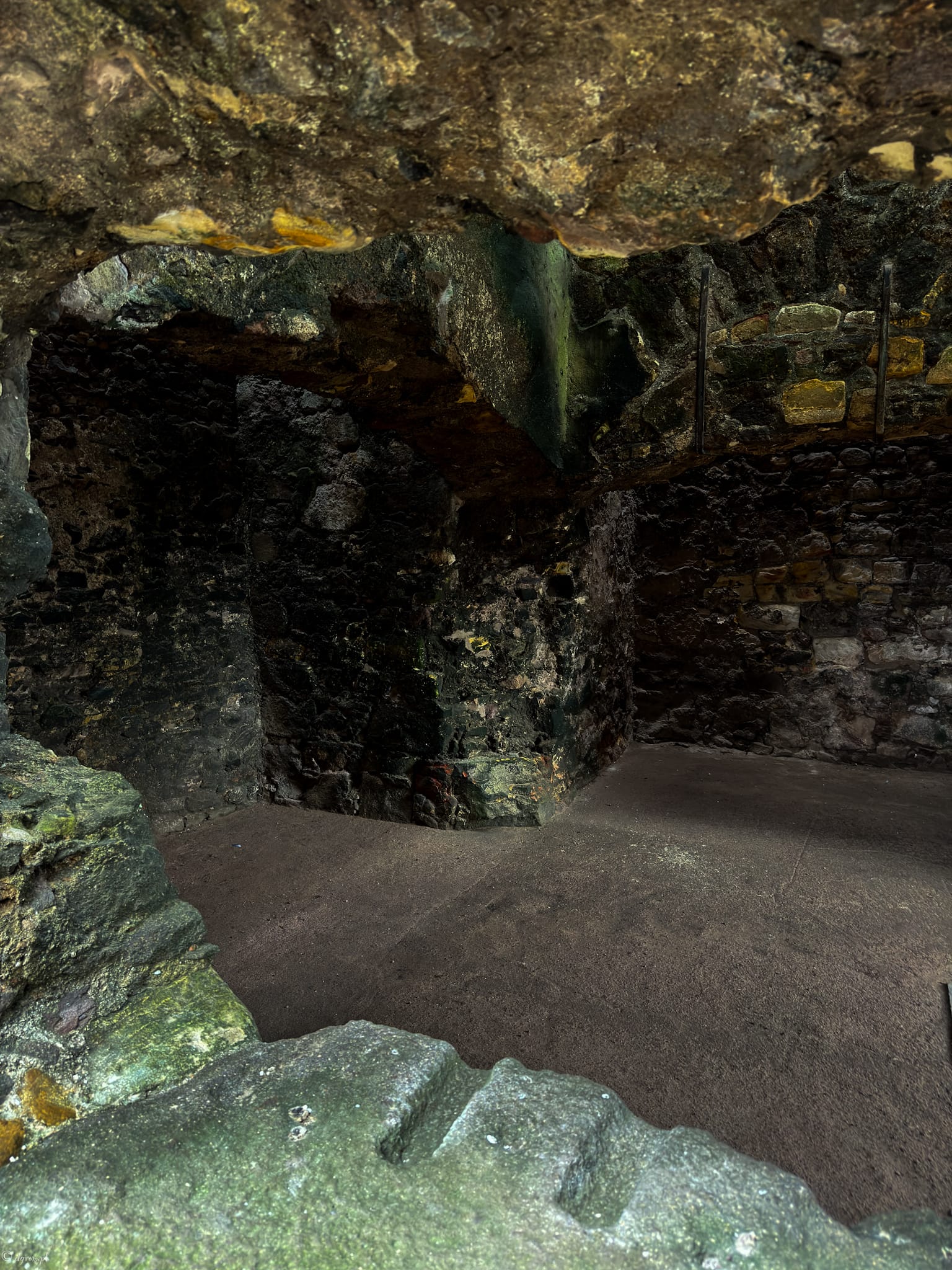
• Vaulted cellars: Huge storerooms and kitchens that still impress today with their scale and workmanship.
• Castle chapel: A testament to the deep religious devotion of the elites of the time.
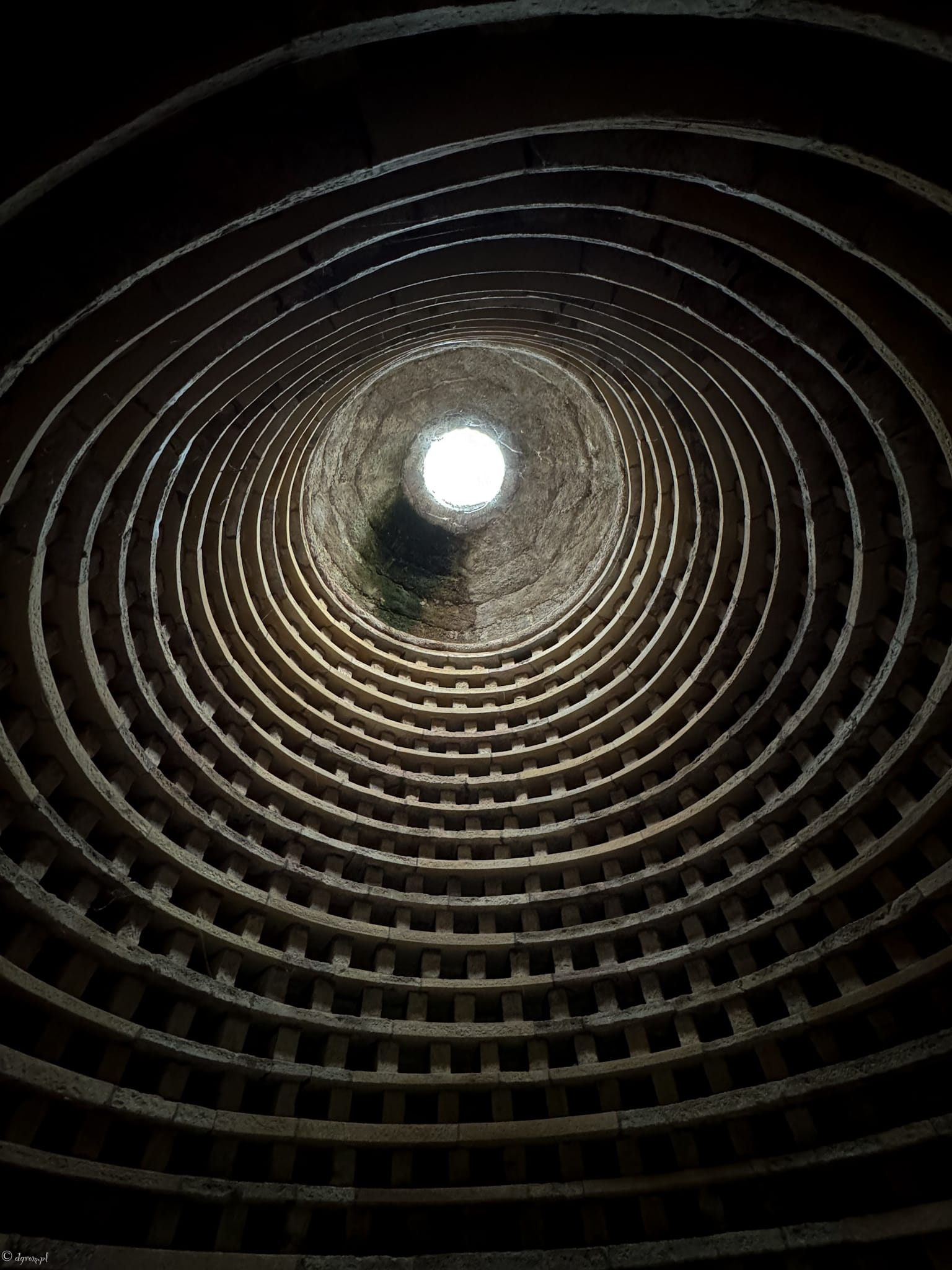
In the 16th century, through marriage, the castle came into the hands of the Ruthven family. They were people of great political ambition, which ultimately led to their downfall. But before that happened, the Ruthvens built a Renaissance residence in Dirleton (the so-called Ruthven Lodging), which brought a breath of modernity and comfort to the medieval walls. We also owe them the famous dovecote (doocot) – a round tower with 1,100 niches for birds, which at the time was a sign of high social status (access to fresh meat in winter was a luxury).
The downfall and siege by Cromwell's army
The castle's heyday ended unexpectedly in the mid-17th century. In 1650, during the English Civil War, Scotland became the target of an invasion Oliver Cromwell. Dirleton Castle was garrisoned by a group of moss-troopers (mosstroopers), who harried the supply lines of the English army.
Generals Monck and Lambert used heavy artillery to batter the fortress's walls. After just two days of intense bombardment, the defenders capitulated. The damage was so extensive that the castle ceased to serve as a defensive stronghold. When in 1663 the estate was purchased by the lawyer John Nisbet, he decided to build a new residence (Archerfield), leaving Dirleton as a picturesque, "ancient" ruin within his estate.
Dirleton Castle Gardens: The longest flower border in the world?
What sets Dirleton apart from other Scottish castles is its surroundings. The gardens we admire today are the result of generations of the Ruthven and Nisbet families' work.
1. Victorian garden: Beautifully kept flower borders, which in summer blaze with thousands of colours.
2. Guinness World Records: In the garden there is the so-called \"Herbaceous Border\" (perennial border), which at one time was considered the longest in the world.
3. Orchard and knot garden: Reconstructions of traditional planting schemes that transport you back to the Renaissance.
A walk through the gardens reveals the contrast between the power of the ruined walls and the delicacy of nature, making this place ideal for photographers and those seeking tranquility.
Practical information for visitors
Dirleton Castle is currently in the care of Historic Environment Scotland. It is an attraction open year-round, and a visit is worth combining with a trip to nearby North Berwick or a visit to Tantallon Castle.
• Getting there: From Edinburgh, you can get here in about 45 minutes by car or by East Coast Buses.
• Who it's for: An ideal spot for families (lots of open space for children) and enthusiasts of medieval history.
• What to see inside: Be sure to go down into the dark dungeons and kitchens – their state of preservation is astonishing.
Summary: Why visit Dirleton Castle?
Dirleton Castle is not just stones and mortar. It is a story of power, betrayal and survival. From the mighty de Vaux towers, through the elegant halls of the Haliburtons, to the destruction wrought by Cromwell's army – every square metre of this building hides a secret. Surrounded by some of the most beautiful gardens in Scotland, it remains a living monument to the history of East Lothian.
If you're planning a trip to Scotland, don't limit yourself to the castles of Edinburgh or Stirling. Dirleton Castle offers something far more intimate and authentic – the silence of centuries broken only by the wind in the crowns of ancient trees.
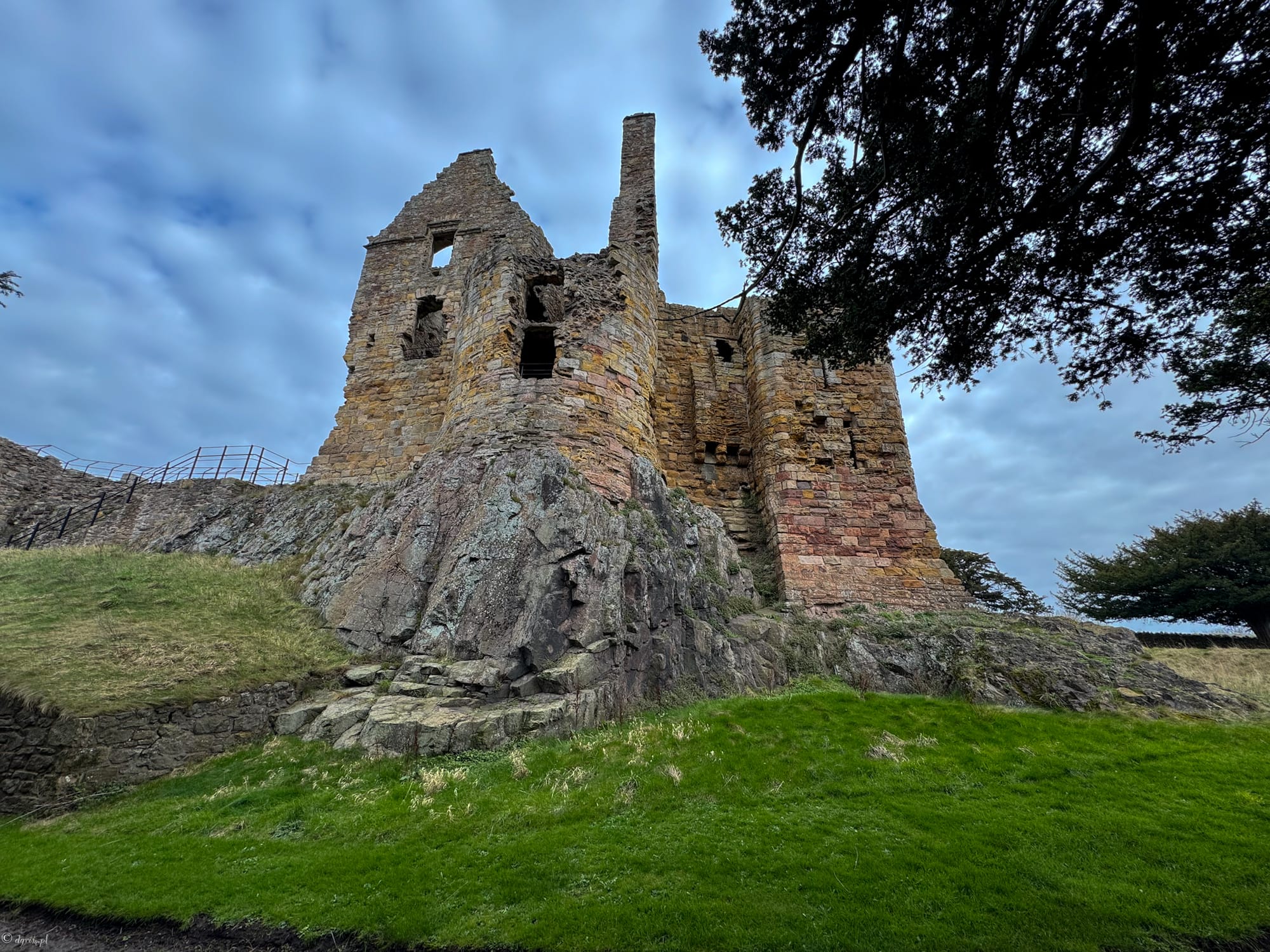
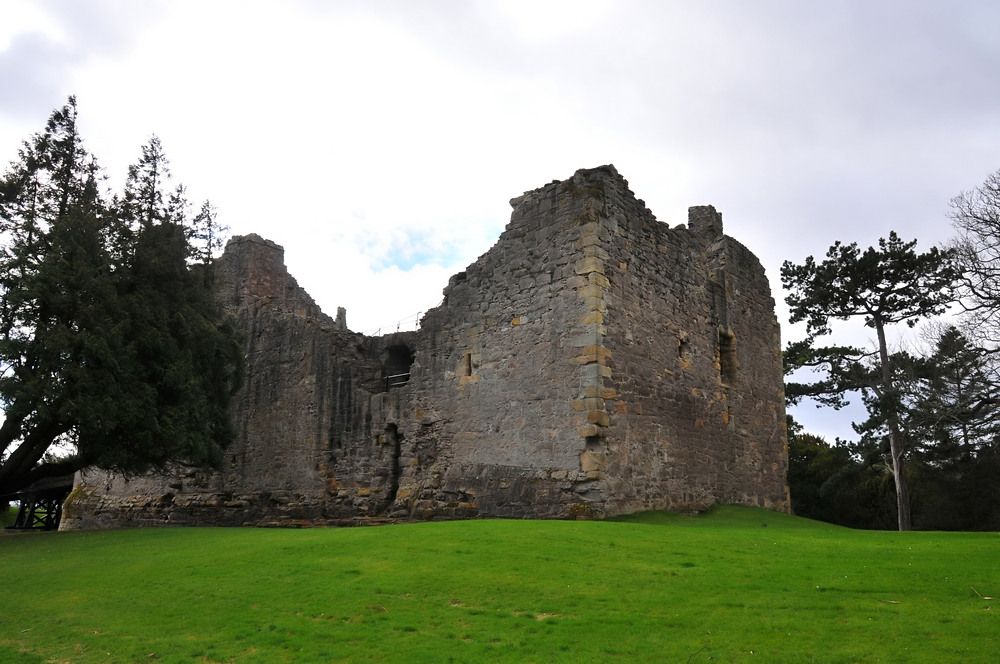
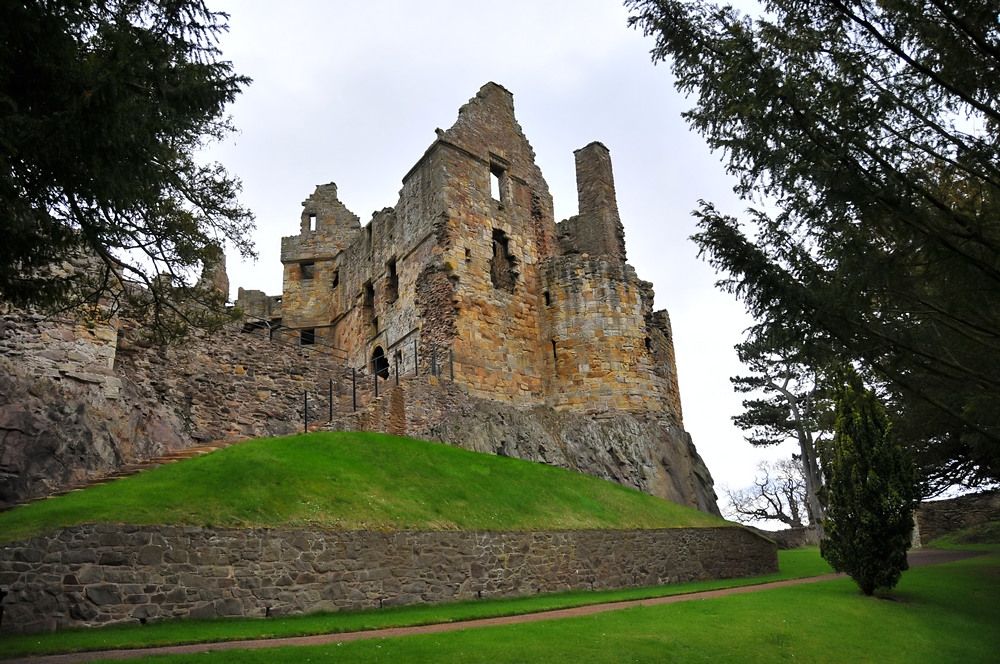
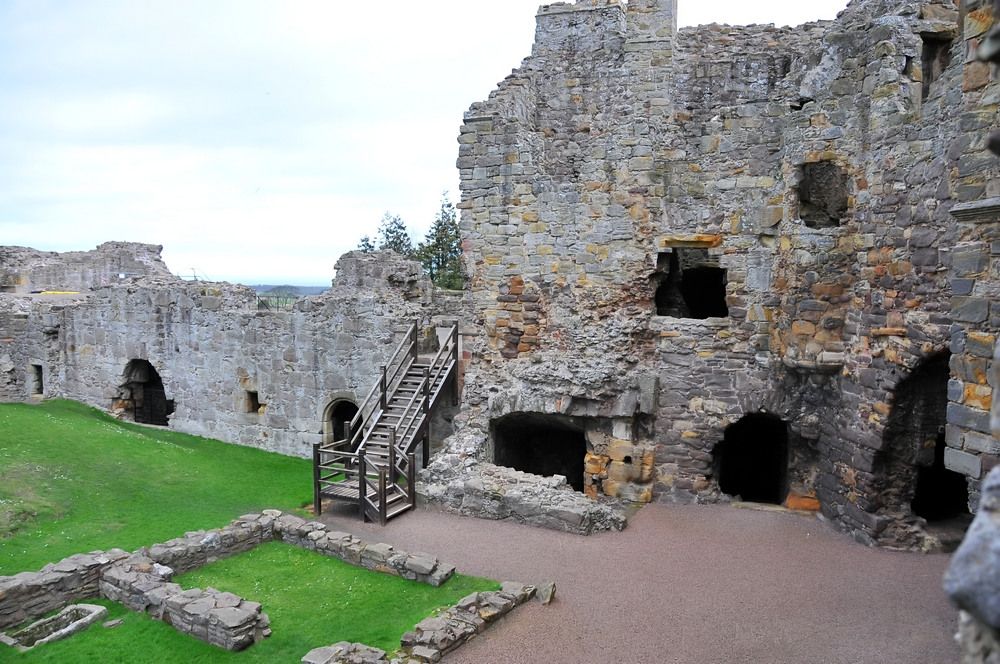
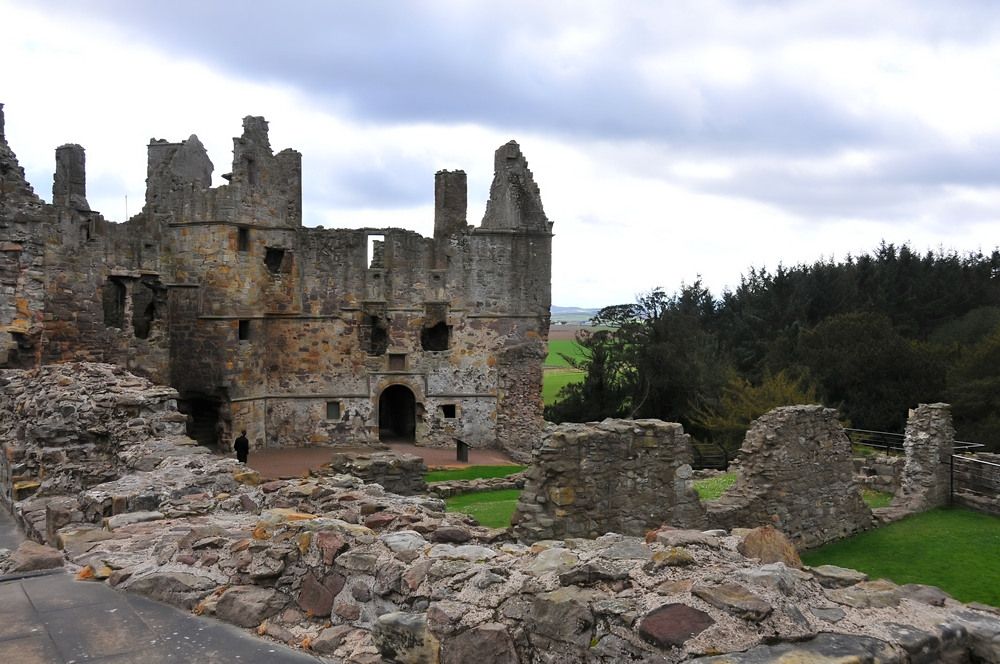
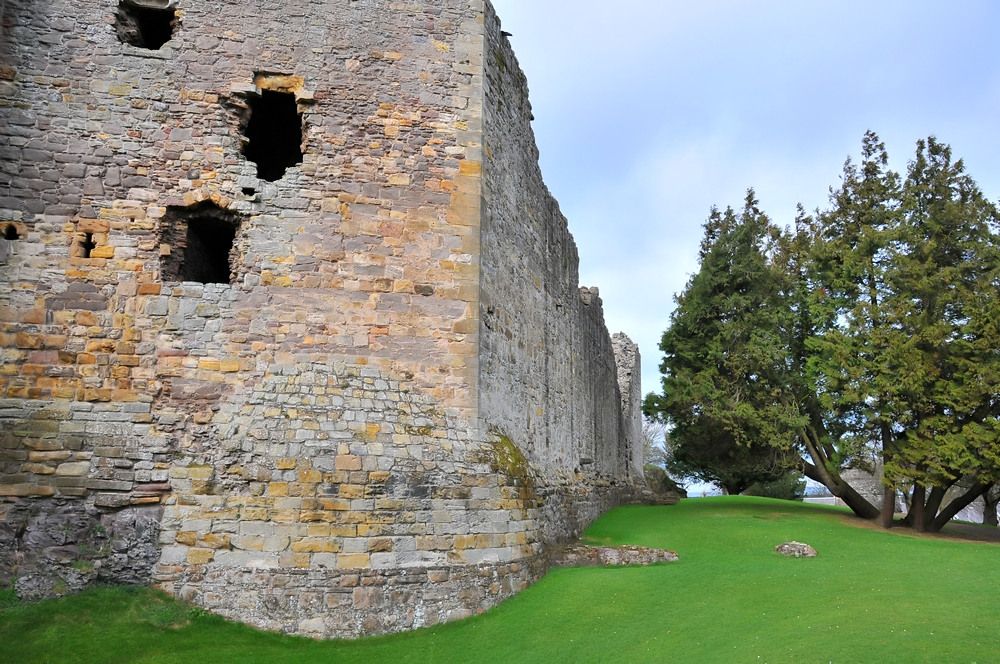
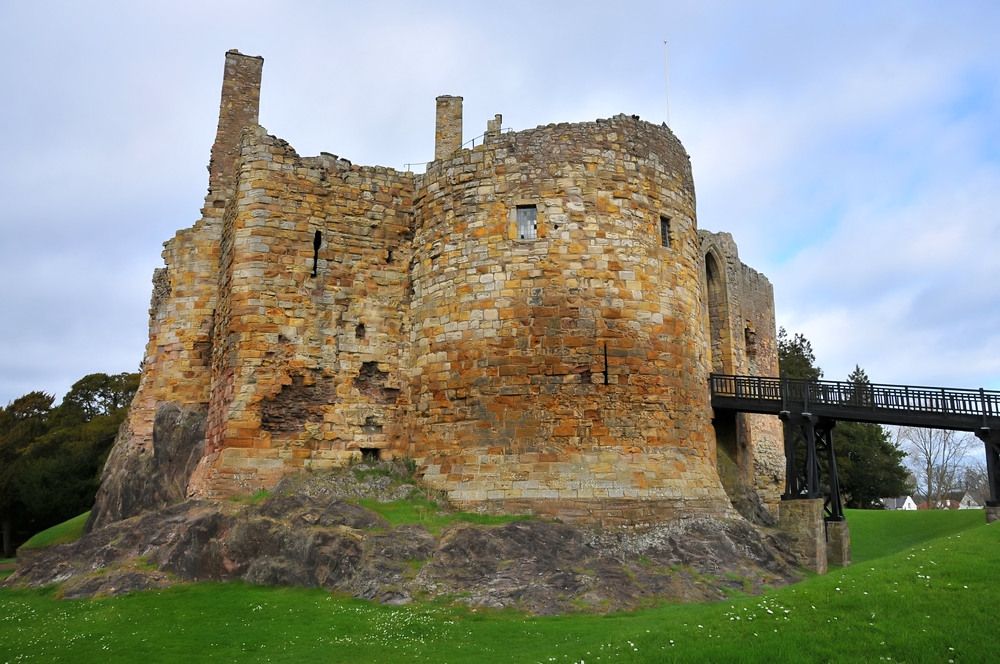
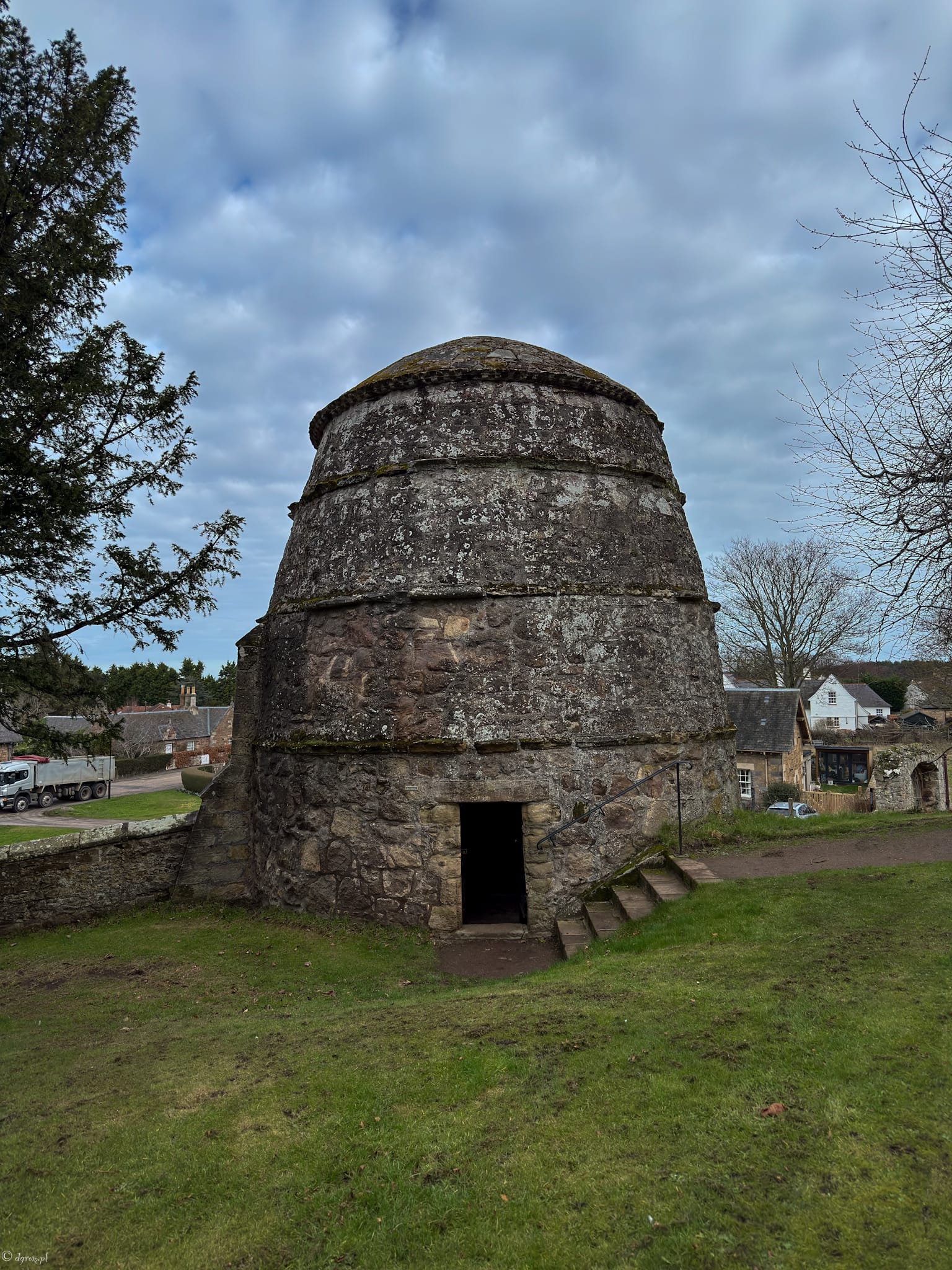
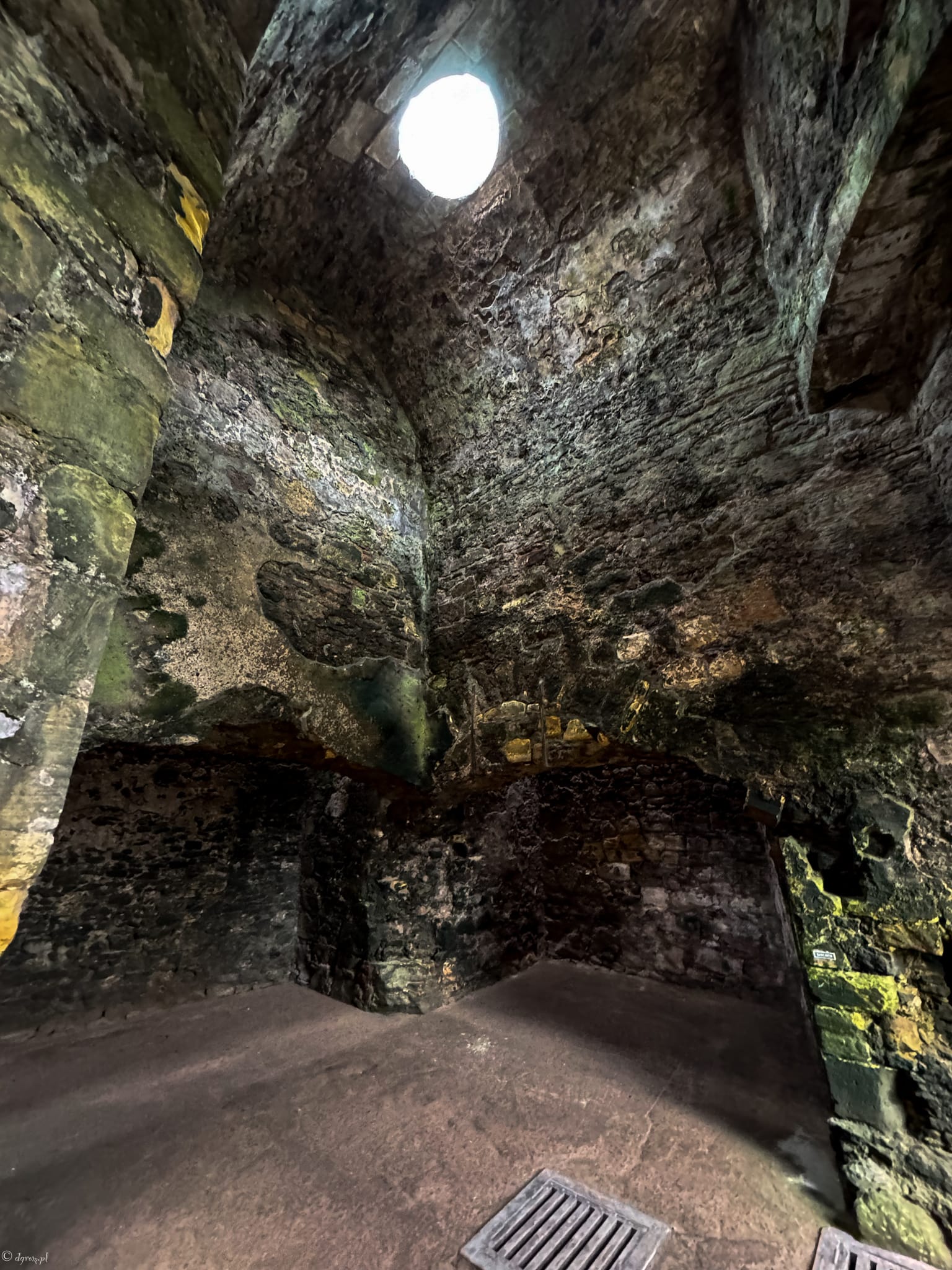
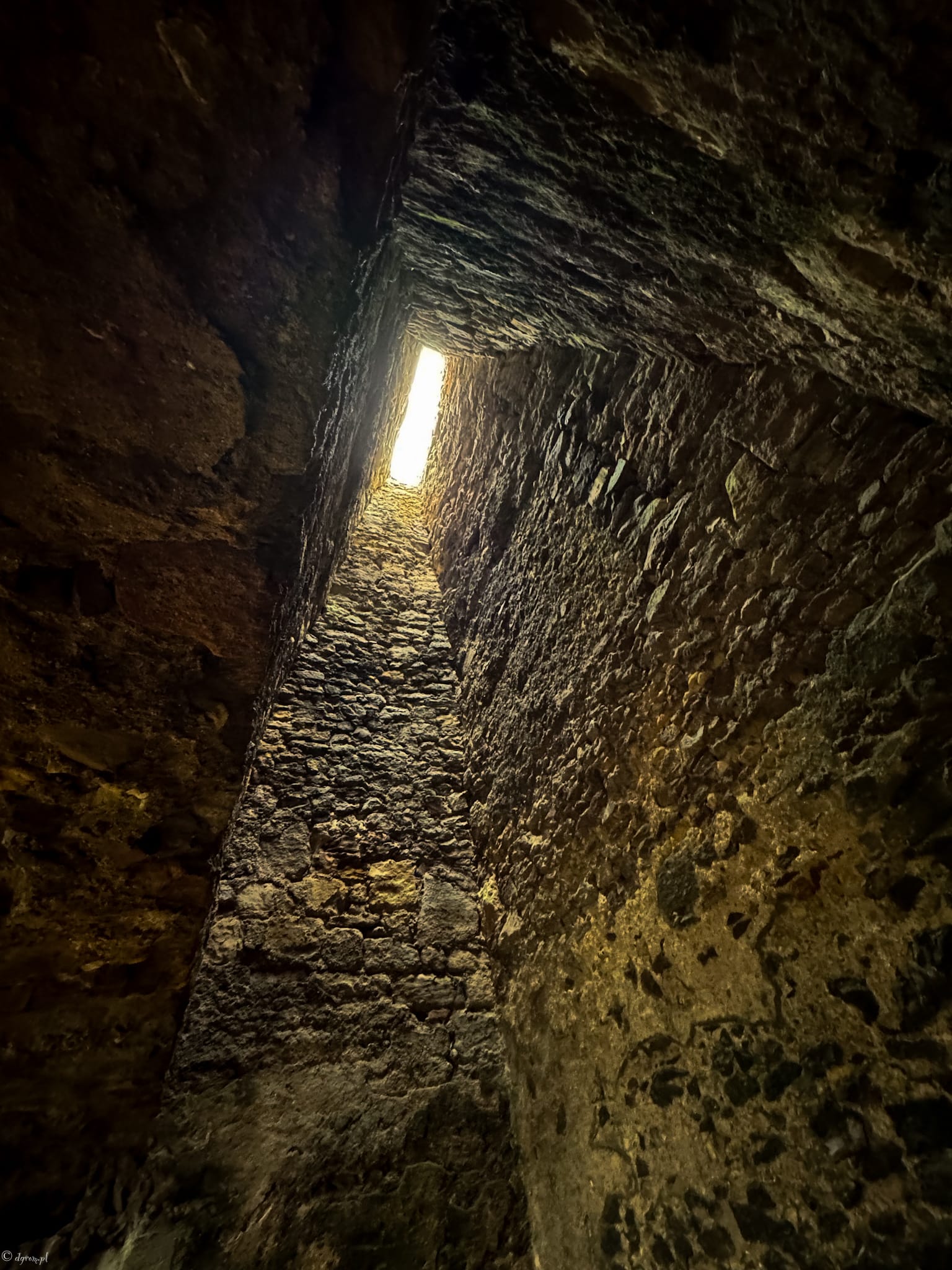
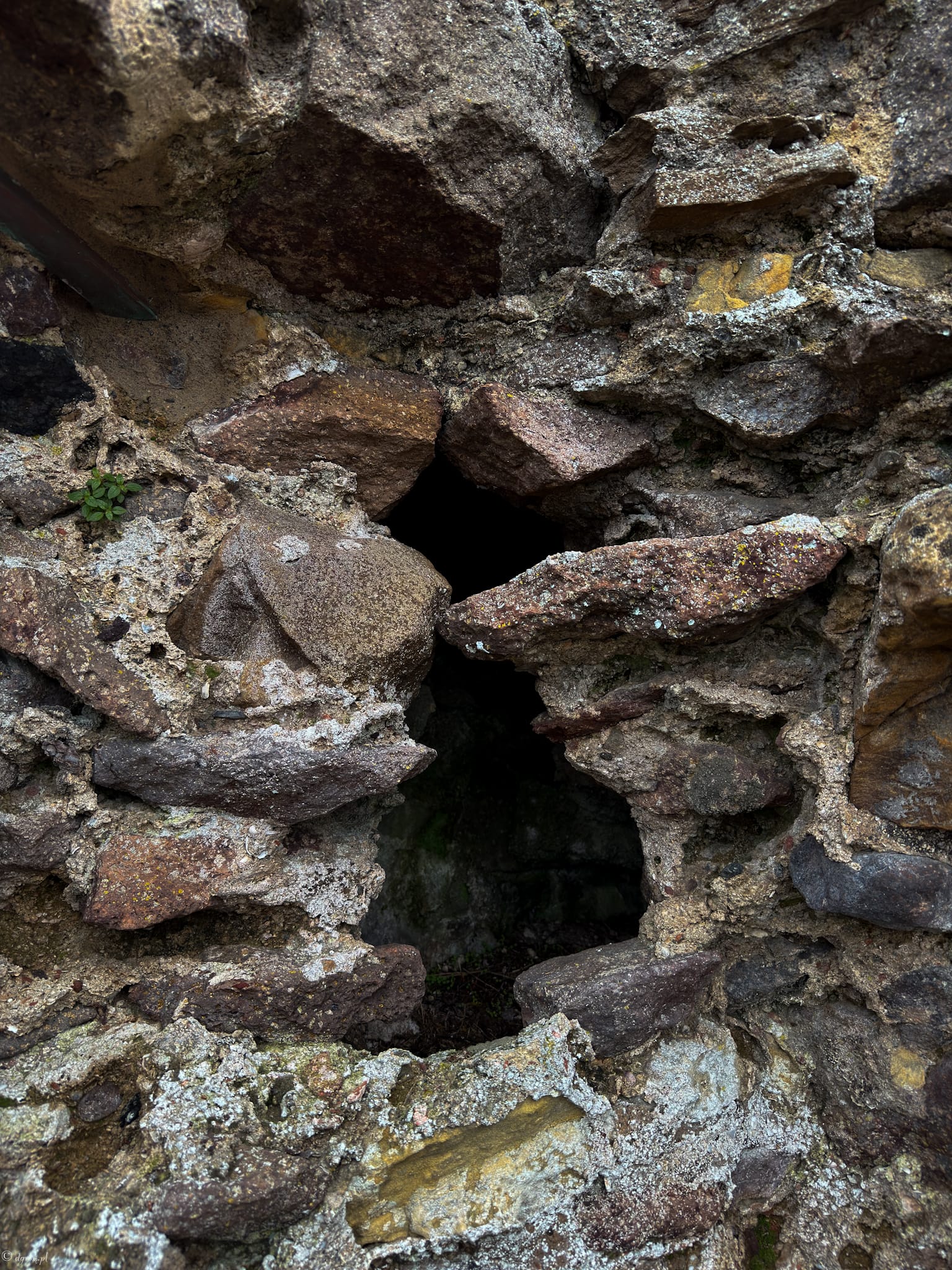
Dirleton Castle in Scotland – a medieval fortress
Location
Open in Google Maps →Continue reading in this gallery
Scottish Castles
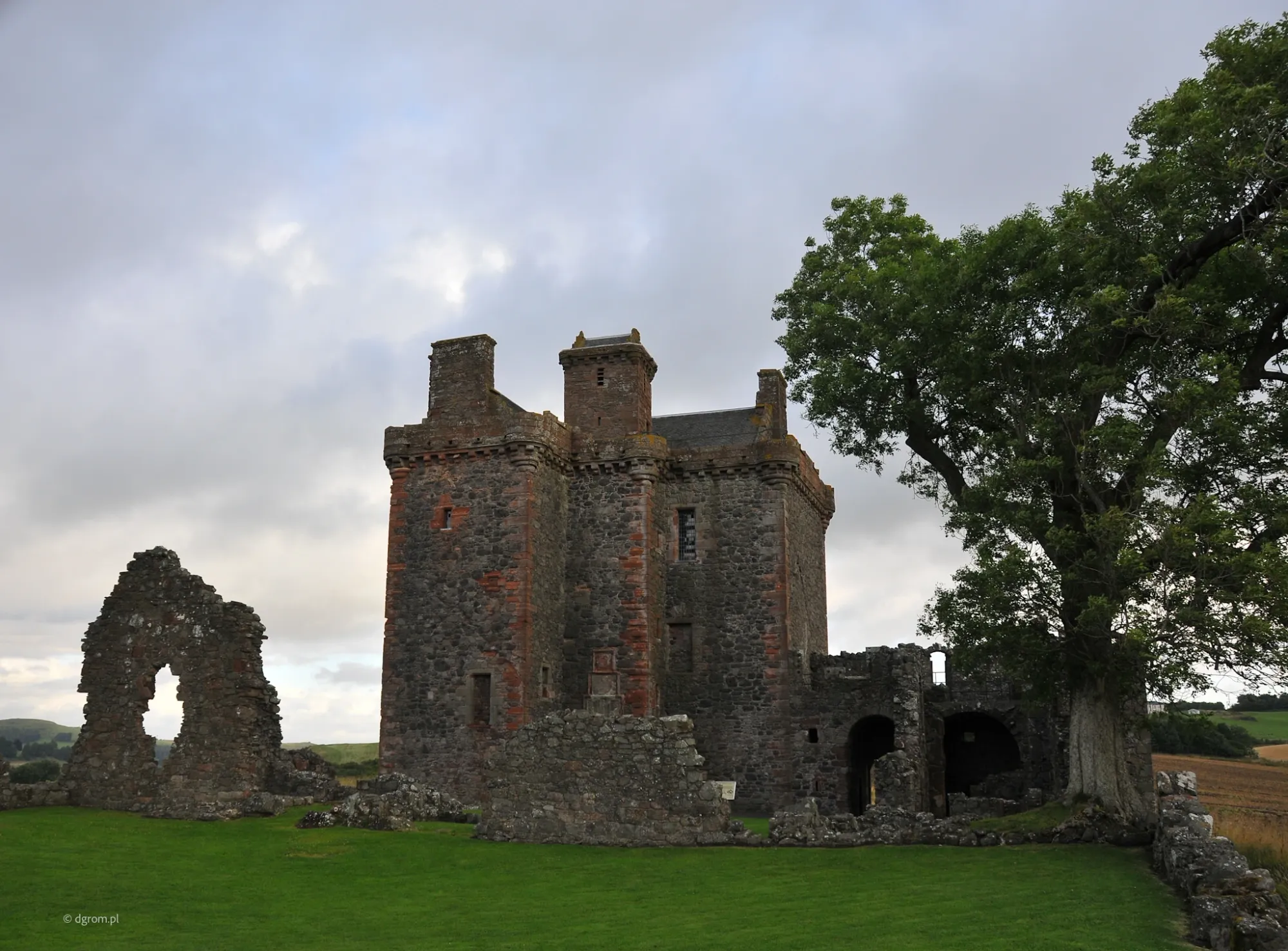
Castles of Scotland- Balvaird
Balvaird Castle is located in central Scotland, near the town of Abernethy. It was built in the 16th century as a residence for Sir Andrew Murray, who was a close friend of Mary, Queen of Scots.
Scottish Castles
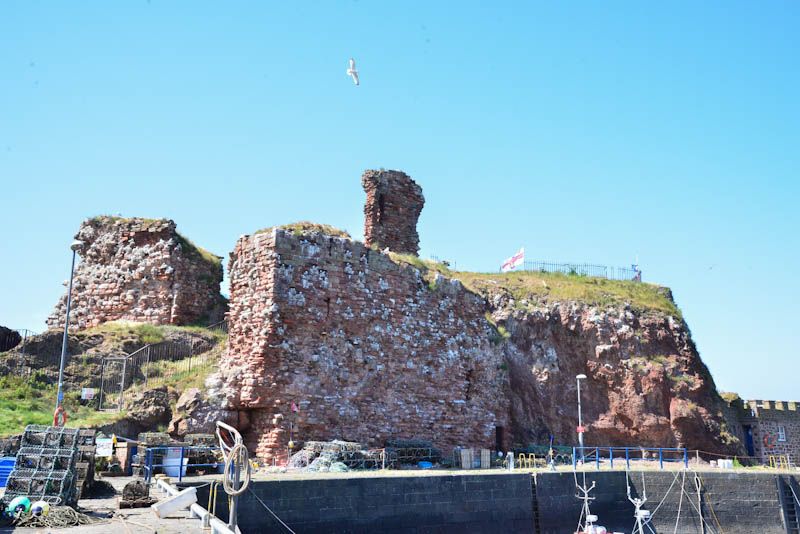
Scottish Castles - Dunbar
Dunbar Castle (English: Dunbar Castle) is a castle located in the town of Dunbar, in southeast Scotland, on the shore of the North Sea.
Scottish Castles
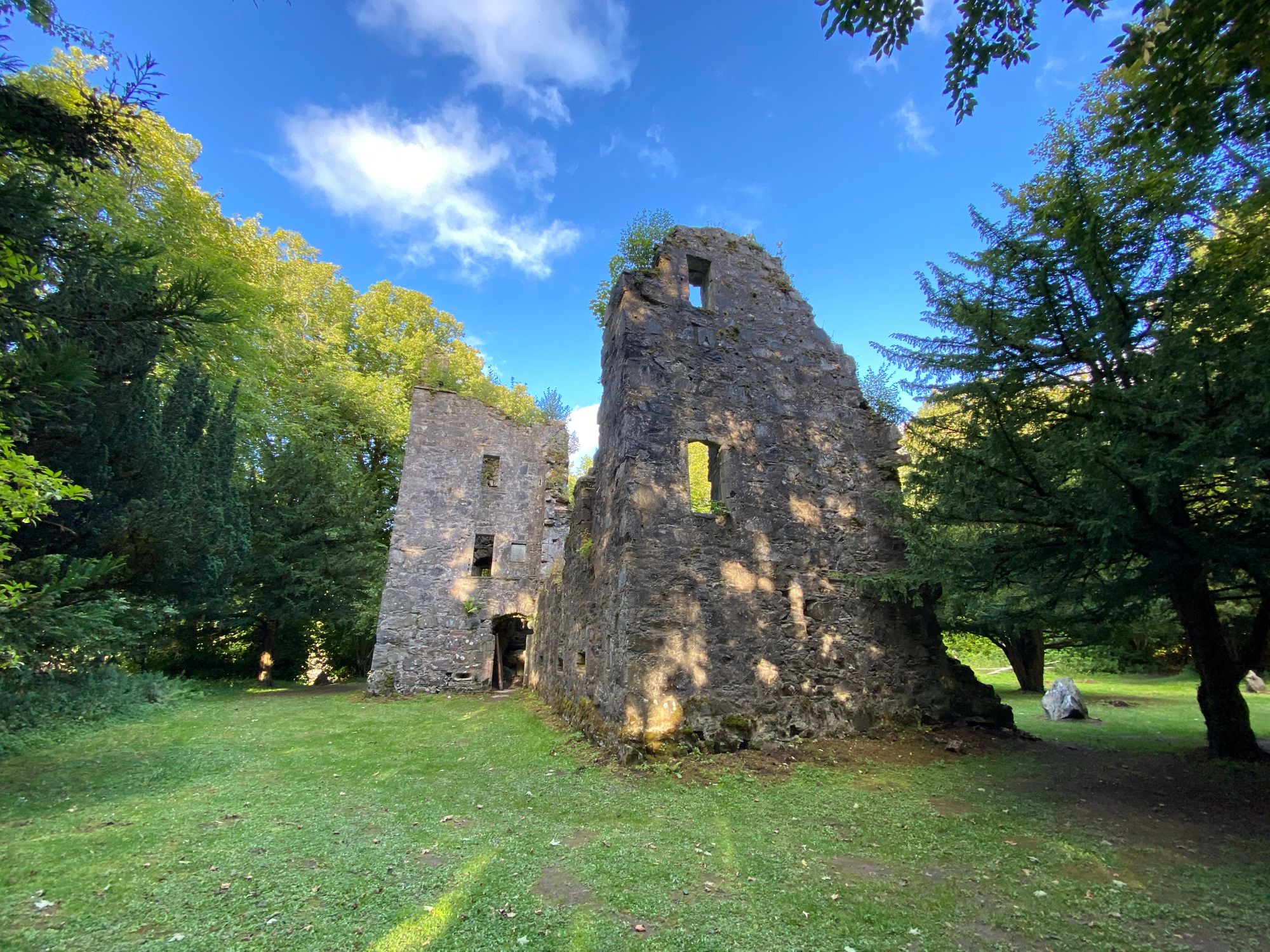
Castles of Scotland - Finlarig
Finlarig Castle is a historic castle located in central Scotland, in the county of Perthshire. The castle belonged to Clan Campbell and was an important administrative and commercial center in the region.
Scottish Castles
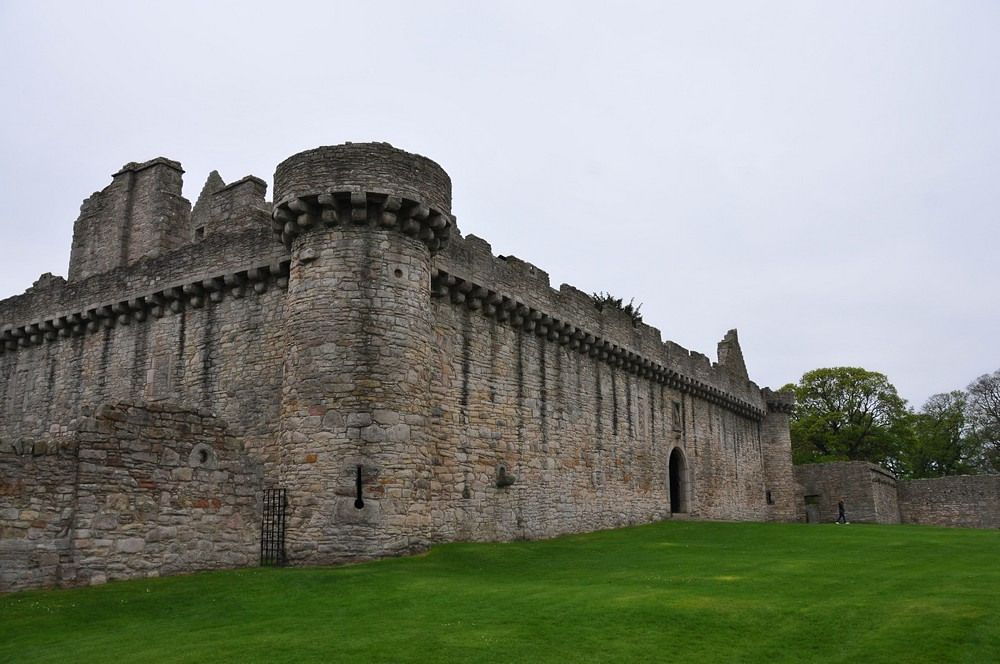
Scottish Castles - Craigmillar
Craigmillar Castle is a ruined medieval castle in Edinburgh, Scotland. It is located about 5 km from the city centre.