TICKETS£8.50
On-site prices checked on the official operator page; opening is seasonal.
 Beta
Beta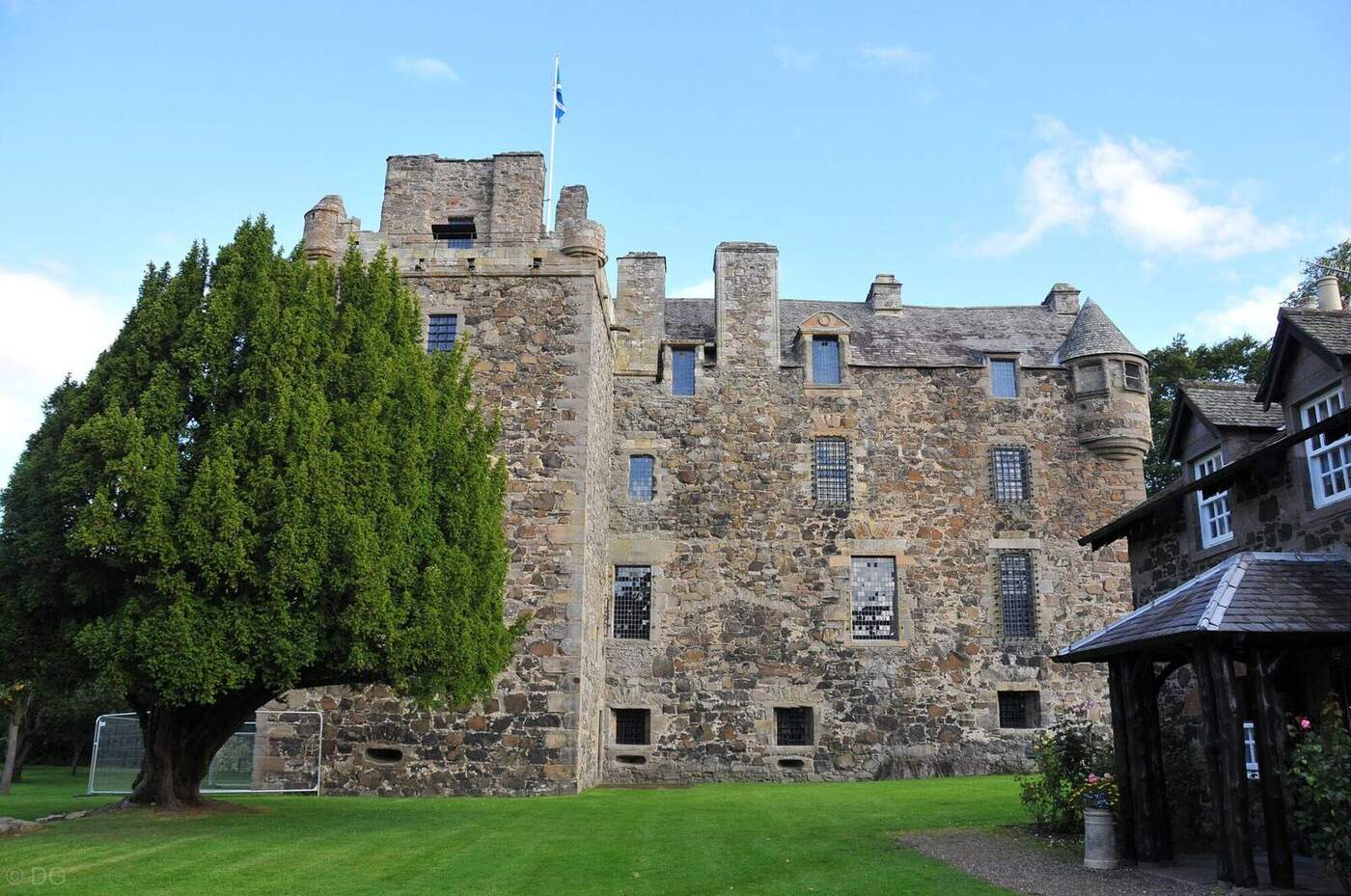
Scotland/Perthshire/Elcho Castle
RIVER TOWER · RHYND
A laird’s country home. A tower house above the Tay.
PLAN YOUR VISIT
Rhynd, Perth, PH2 8QQ
VISIT TIME: 1–1.5 hoursOn-site prices checked on the official operator page; opening is seasonal.
Elcho is a seasonal Historic Environment Scotland site.
Use the address and map link above for Elcho Castle. Allow time for the final rural approach and check parking guidance before setting out.
The tower house includes historic stairs and narrow routes. Visitors should expect uneven surfaces and limited step-free access.
WHAT TO EXPECT
01 / THE STORY
Elcho is the kind of castle that quietly explains itself. The sixteenth-century Wemyss tower house stands above the Tay with much of its original plan intact, allowing rooms, stairs and service spaces to tell the story.
It was a secure home rather than a stage for famous sieges. That domestic completeness is precisely what makes it unusual.
If you want to understand how a laird's household worked, Elcho can be more useful than a spectacular shattered fortress. Its rooms remain connected in a readable sequence.
Check current access before the rural drive. When open, the interior and roof-level views are the heart of the experience.
The present house was probably built for Sir John Wemyss between about 1558 and 1570, around the time of the Scottish Reformation.
The date remains approximate. The compact design brought older defensive habits into a residence built for a new political and religious age.
02 / VISUAL JOURNAL
Every photograph on this page was made by CastleScotland during personal field visits.
01 / THE STORY CONTINUES
Gunloops guard vulnerable approaches, but halls, private chambers, kitchen and storage show equal concern for household life.
Move mentally from service areas to more private rooms. Defence was one feature of a home, not its only reason to exist.
Elcho was not the Wemyss family's principal seat, and the house eventually fell out of regular occupation. Repairs and re-roofing around 1830 helped preserve it.
That maintenance explains why the plan remains so legible today. Survival can depend on an owner caring for a building they no longer inhabit.
03 / MOMENTS IN STONE
The present house was probably built for Sir John Wemyss. Elcho combines domestic comfort with practical protection.
Repairs and re-roofing help preserve the unoccupied house. The setting above the Tay is central to the house’s quiet authority.
The castle enters state guardianship; HES records differ by one year. Its rooms make 16th-century life easier to imagine than at most ruins.
04 / FIND THE CASTLE
56.374646,-3.354573
Elcho Castle is at Rhynd, Perth, PH2 8QQ. Check current access arrangements before travelling.
Open mapElcho is a seasonal Historic Environment Scotland site.
Use the address and map link above for Elcho Castle. Allow time for the final rural approach and check parking guidance before setting out.
Photograph the compact tower against the Tay landscape, then look for framed views through windows rather than treating the castle as a single façade.
History and visitor advice: CastleScotland fieldwork and official operator sources.
The estate’s history begins before the surviving tower house. Earlier documents refer to a place at Elcho, while the adjoining lands included a Cistercian nunnery. During the sixteenth century, Sir John Wemyss advanced money to the financially troubled priory and obtained interests in its lands. Building the present residence expressed the family’s growing position across the neighbouring estates. References to an earlier Elcho must not be treated as descriptions of the building standing today.
The quality of survival makes Elcho special. A rectangular main block is joined by a large stair tower and smaller projecting towers. The layout separates the hall and private accommodation from the service rooms below. Fireplaces, windows and carefully planned chambers suggest a household expecting to live well. Look up at the dormers and turrets, then follow how stairs connect rooms: the architecture regulated privacy as carefully as it advertised status.
Defensive details remain equally visible. Gunloops and iron window grilles offered protection, while an iron gate, or yett, secured the entrance. These features do not demonstrate that Elcho endured a great siege. HES interprets them partly as practical security and partly as a display of fashionable defensive equipment. Traces of external harling and interior plasterwork also remind visitors that the house was once more finished and colourful than exposed masonry alone suggests.
A courtyard, enclosing wall and subsidiary buildings extended the household beyond the tower. Their fragments deserve attention because the surviving residence was only one part of a working property. Archaeological investigations have examined areas around the courtyard and later service works. HES identifies further potential for buried evidence of buildings and daily life; that potential is not the same as a fully excavated or completely understood estate.
Elcho ceased to serve as a family residence during the eighteenth century. Its survival owes much to repairs around 1830, including a replacement roof, rather than an uninterrupted occupation. The castle entered state guardianship around 1929–30 and is now cared for by Historic Environment Scotland as a scheduled monument. Guardianship should not be confused with a simple purchase or a succession of unrelated owners. The Wemyss connection continued through these changes in use and care.
Begin with the river setting, then examine the surviving rooms and openings at an unhurried pace. Elcho’s power is in these small observations: protection, hospitality and domestic organisation made visible in stone. Check the current visitor arrangements before travelling, and use the official information linked below for practical details.
08 / EXPLORE NEXT
Find Scottish castles by region, landscape or the stories that bring them to life.
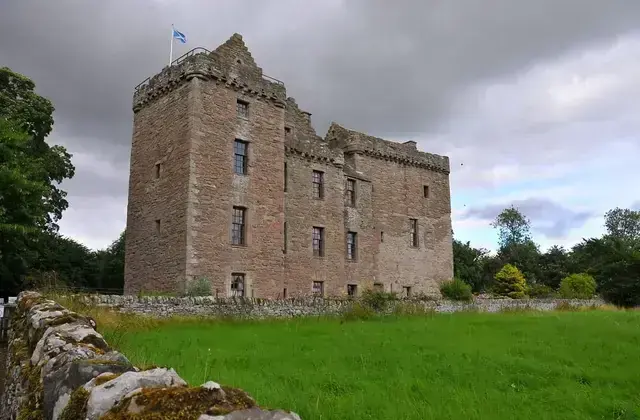 PerthshireHuntingtower Castle
 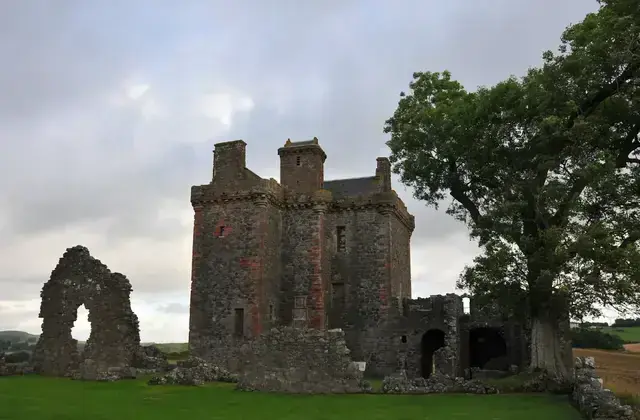 PerthshireBalvaird Castle
 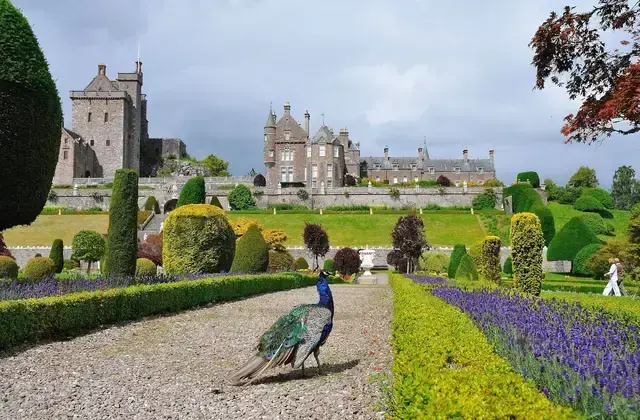 PerthshireDrummond Castle