TICKETS£7.50
2026 prices: online in advance / walk-up, checked on the official Tantallon visitor page.
 Beta
Beta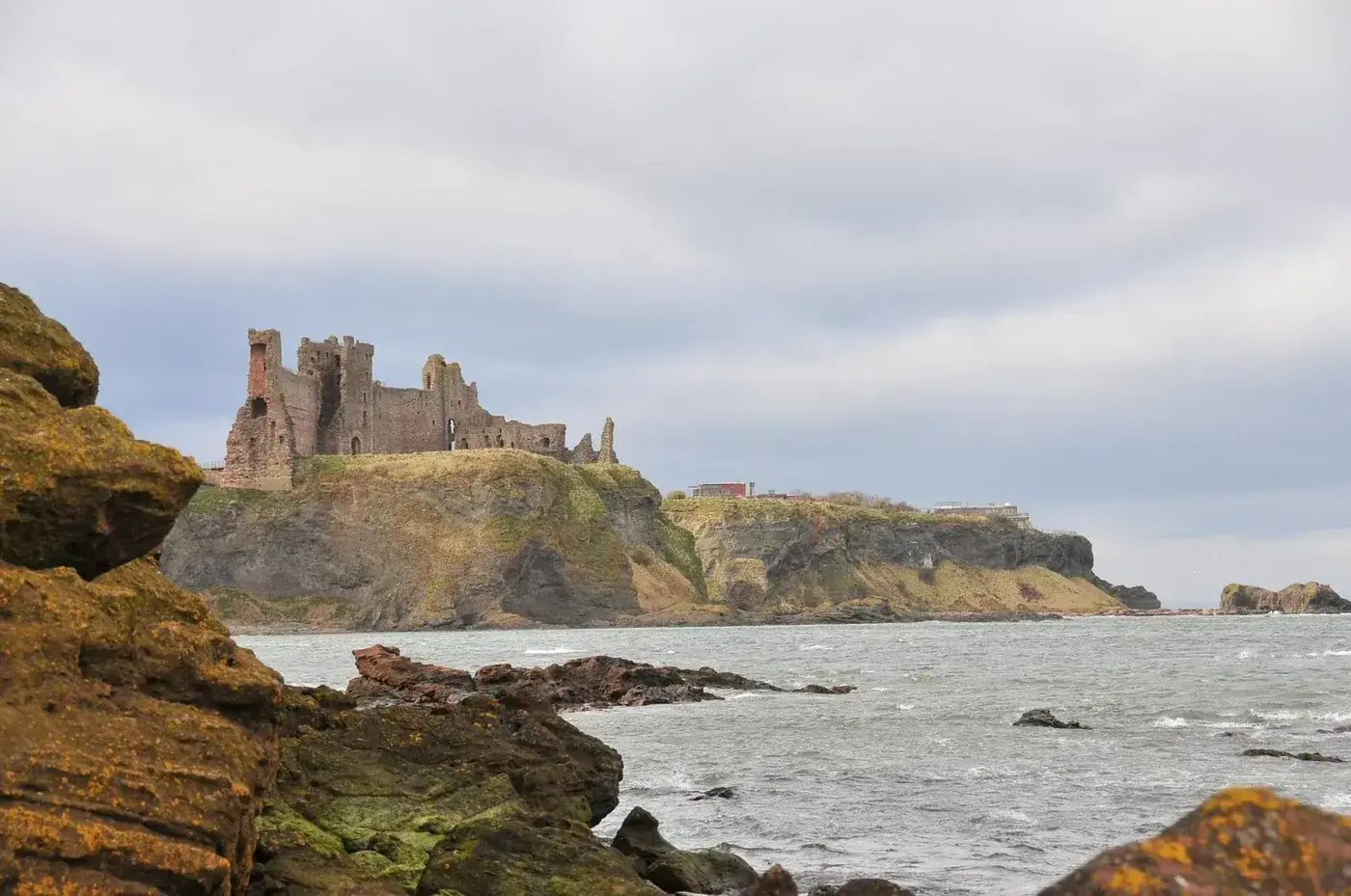
Scotland/Edinburgh & The Lothians/Tantallon Castle
THE CLIFFS · EAST LOTHIAN
A red sandstone wall. Bass Rock on the horizon.
PLAN YOUR VISIT
North Berwick, EH39 5PN
VISIT TIME: 1–2 hours2026 prices: online in advance / walk-up, checked on the official Tantallon visitor page.
Weather and conservation work can affect access.
Near North Berwick, with a car park and a short approach path.
The exposed setting is often windy. Paths and steps can be uneven.
WHAT TO EXPECT
01 / THE STORY
Tantallon does not need a complete roof to make an entrance. A huge wall of red sandstone rises across the headland, with the North Sea behind it and Bass Rock on the horizon.
The first impression is scale. The second is exposure: wind, sea and sky are part of the visit. This was a fortress that used the coastline as part of its defences, and the landscape still supplies much of its drama.
Come for the meeting of architecture and coast. The great wall is impressive on its own, but it is the open sea behind it that makes the place memorable.
You do not need a long historical introduction. Start with the approach and notice how the fortress blocks the headland. The plan begins to explain itself.
Built in the fourteenth century for William Douglas, Tantallon placed its strongest barrier across the landward approach. On the other sides, steep sea cliffs provided natural protection.
It is a wonderfully direct idea: defend the route by which an enemy can most easily reach you, and let the coastline do much of the rest.
Tantallon became a stronghold of the Red Douglases. The size of its entrance front was about more than keeping people out; it made the family’s power visible.
From a distance, look at how little else competes with the wall. Even in ruin, it dominates the headland. That commanding presence is part of the building’s message.
02 / VISUAL JOURNAL
Every photograph on this page was made by CastleScotland during personal field visits.
10 of 29 photographs
01 / THE STORY CONTINUES
The castle endured royal attacks, including James V’s siege in 1528. In 1651, forces associated with Cromwell’s campaign battered it again, leaving the fortress badly damaged.
Tantallon’s broken masonry tells a different story from a castle that simply fell out of fashion. Defences that once seemed formidable could no longer guarantee safety against artillery.
Leave some horizon in your photographs. Bass Rock gives the scene a second focal point, balancing the heavy wall with something distant and bright offshore.
Try the broad view first, then the texture of the sandstone. A visit can be rewarding in changing light, but exposed conditions deserve respect: follow barriers and stay away from unsafe edges.
Use the official visitor page to confirm opening and conservation restrictions before travelling. Do not assume every stair, tower or upper level shown in older photographs is accessible.
Bring a layer for the wind and shoes suited to uneven ground. Tantallon is best enjoyed with time to stand still and look, not just enough time to reach the gate.
Tantallon’s screen appearances are as unexpected as its clifftop setting. The castle features in Under the Skin (2013), starring Scarlett Johansson, and the Bollywood romance Kuch Kuch Hota Hai (1998).
Two very different films, one unforgettable stretch of coast. Look back at the great red walls against the sea and it is easy to see why location scouts stopped here.
03 / MOMENTS IN STONE
William Douglas establishes the castle; its existence is documented in 1374. The great wall is placed on the landward side because the cliffs were considered defence enough against the sea.
James IV and then James V besiege Tantallon. The white mass offshore changes with the weather and gives the ruins their unforgettable backdrop.
General George Monck’s troops bombard the castle and secure its surrender. Tantallon was both a fortress and a declaration of noble power.
04 / FIND THE CASTLE
56.071500,-2.641100
Tantallon Castle is at North Berwick, EH39 5PN. Check current access arrangements before travelling.
Open mapWeather and conservation work can affect access.
Near North Berwick, with a car park and a short approach path.
Frame the wall with Bass Rock behind it; late light brings out the sandstone.
History and visitor advice: CastleScotland fieldwork and official operator sources.
The castle was built for William Douglas, later the first Earl of Douglas, in the middle decades of the fourteenth century. Around 1350 or 1360 is an approximation, not an established foundation year. A reference from 1374 confirms the castle’s existence. Its later identification with the Red Douglases belongs to the division of the family and the earls of Angus, rather than a separate dynasty already fully formed when construction began.
Three major sieges mark its history: James IV attacked in 1491, James V in 1528, and English forces in 1651. Reducing the sequence to two conceals the earlier confrontation with the Crown. These episodes also show that noble power was not simply opposed to royal authority at every moment; relationships changed between generations and political circumstances.
James V’s bombardment in 1528 failed to force an immediate surrender. The castle subsequently passed into royal hands, and work strengthened its defences. The different masonry colours help make that change visible: greenish stone in the repairs contrasts with the red sandstone. This is a useful place to look for adaptation, rather than imagining that medieval builders had anticipated every later weapon.
The central tower protected the entrance; other towers and the hall range provided accommodation. Beyond the main wall lay an outer enclosure with further defensive works. The cliffs did much of the protective work, but describing the castle as a single wall with nothing behind it would be misleading. Defence, service spaces and the household belonged to a larger arrangement.
The final siege brought a different outcome. In 1651 troops commanded by General George Monck, serving in Cromwell’s army, battered the castle and secured its surrender. Naming Monck avoids implying that Cromwell personally directed the attack. The destruction ended Tantallon’s life as a major fortified residence, although the history of the site did not stop when its military usefulness collapsed.
Later repair and conservation helped turn a damaged stronghold into the monument encountered today. It entered state care in 1924 and is now a scheduled monument cared for by Historic Environment Scotland. Archaeological investigations have also examined the less conspicuous spaces around the great front. The surviving stonework is only part of the evidence: ground surfaces and buried structures can reveal activities that a dramatic skyline leaves out.
For a first visit, pause before passing the wall and consider how the approach controls the view. Then look back from the interior: the same barrier reads differently when understood as the edge of a household. Bass Rock remains an unforgettable backdrop, but the changes in fabric deserve equal attention. Check the official visitor information for current access arrangements, particularly for upper levels. Wind and changing light can give the ruin very different moods; neither needs an invented anecdote to make the place memorable. Its documented history of aristocratic ambition, repeated siege and adaptation is already powerful enough.
Compare this stop with the best castles in and near Edinburgh, including city landmarks and coastal day trips. Use our Scotland castles map to check locations before choosing your route.
08 / EXPLORE NEXT
Find Scottish castles by region, landscape or the stories that bring them to life.
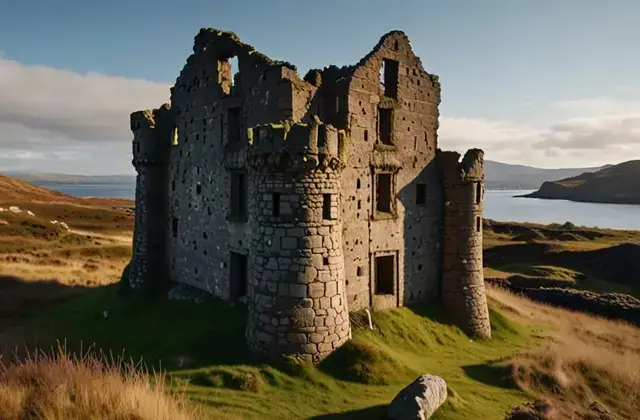 Edinburgh & The LothiansAuldhame Castle
 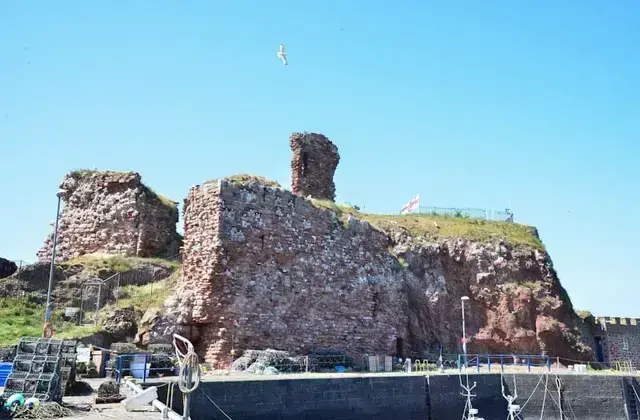 Edinburgh & The LothiansDunbar Castle
 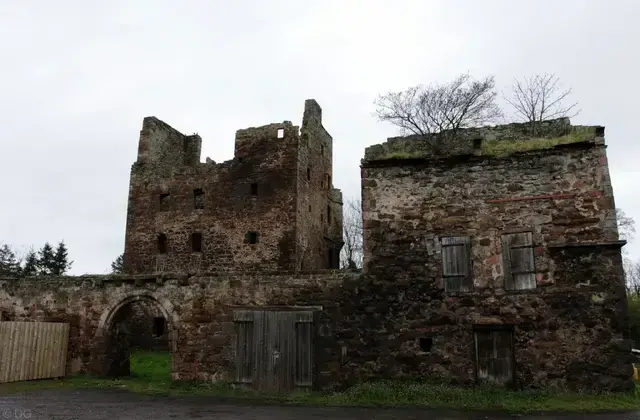 Edinburgh & The LothiansRedhouse Castle