Scottish Castles - Ardvreck
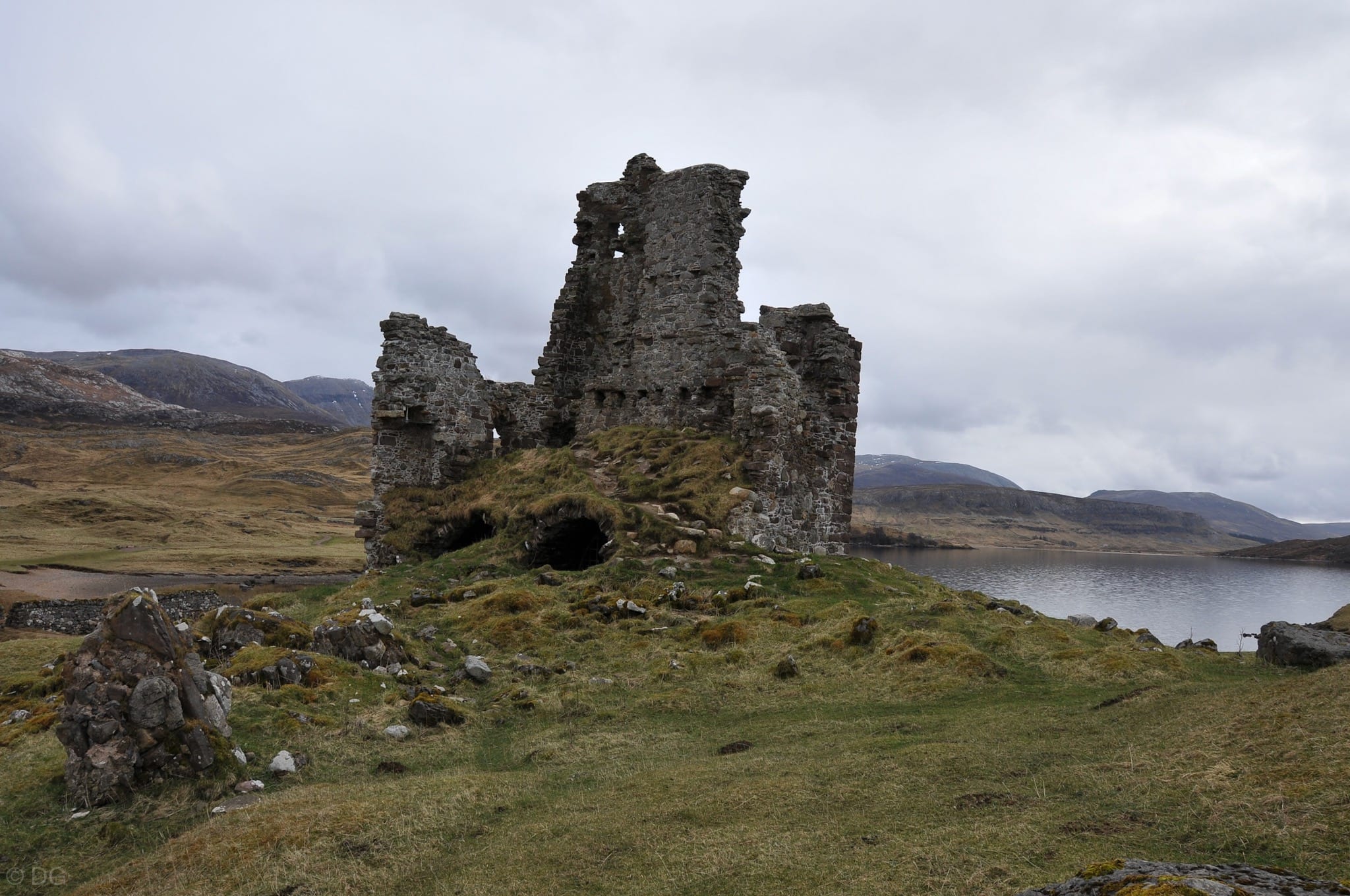
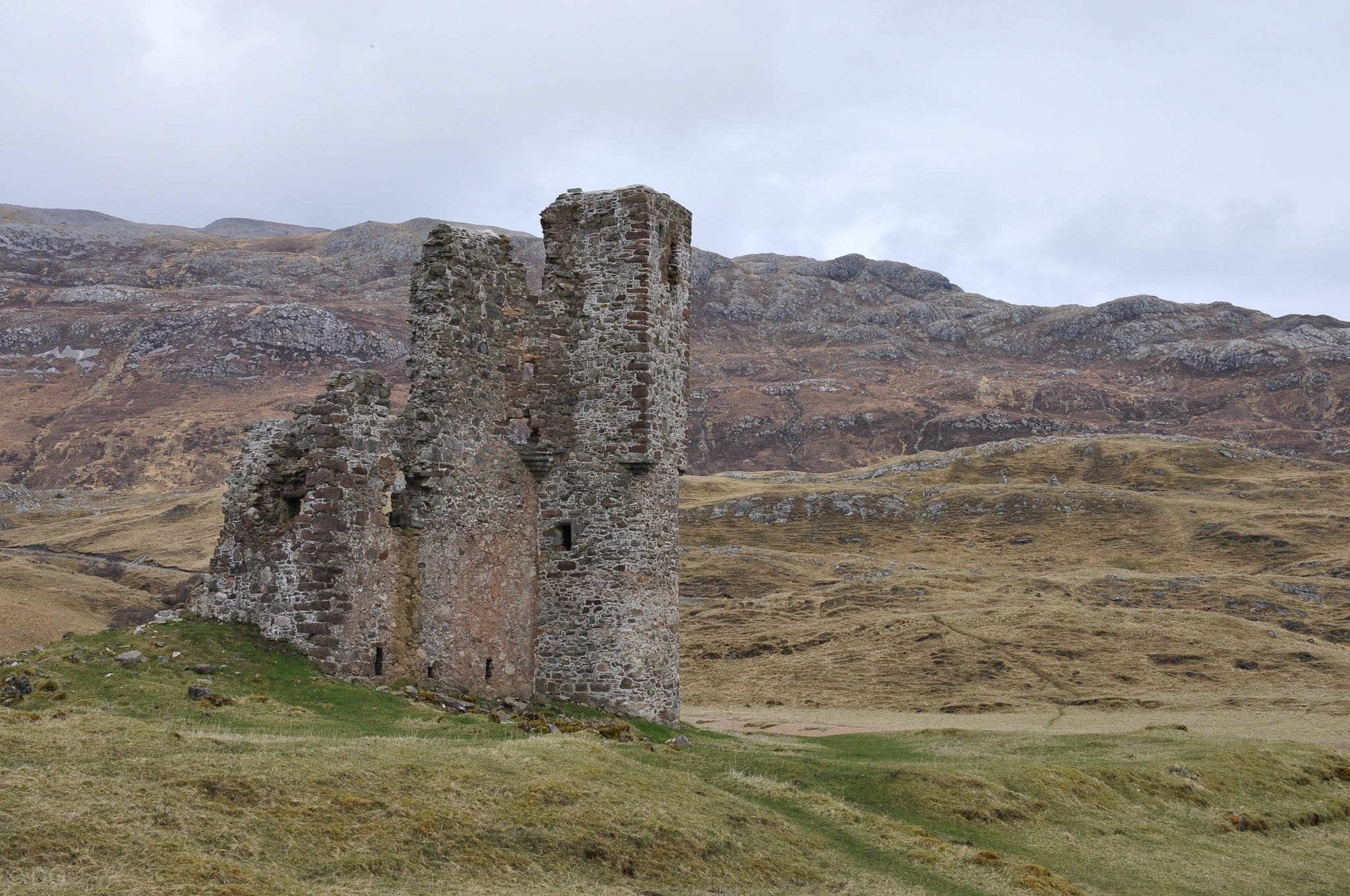
Scottish Castles - Ardvreck Castle. Ardvreck Castle is a 16th-century, partially ruined stronghold located on the shore of Loch Assynt in northwest Scotland, in the Highland region.
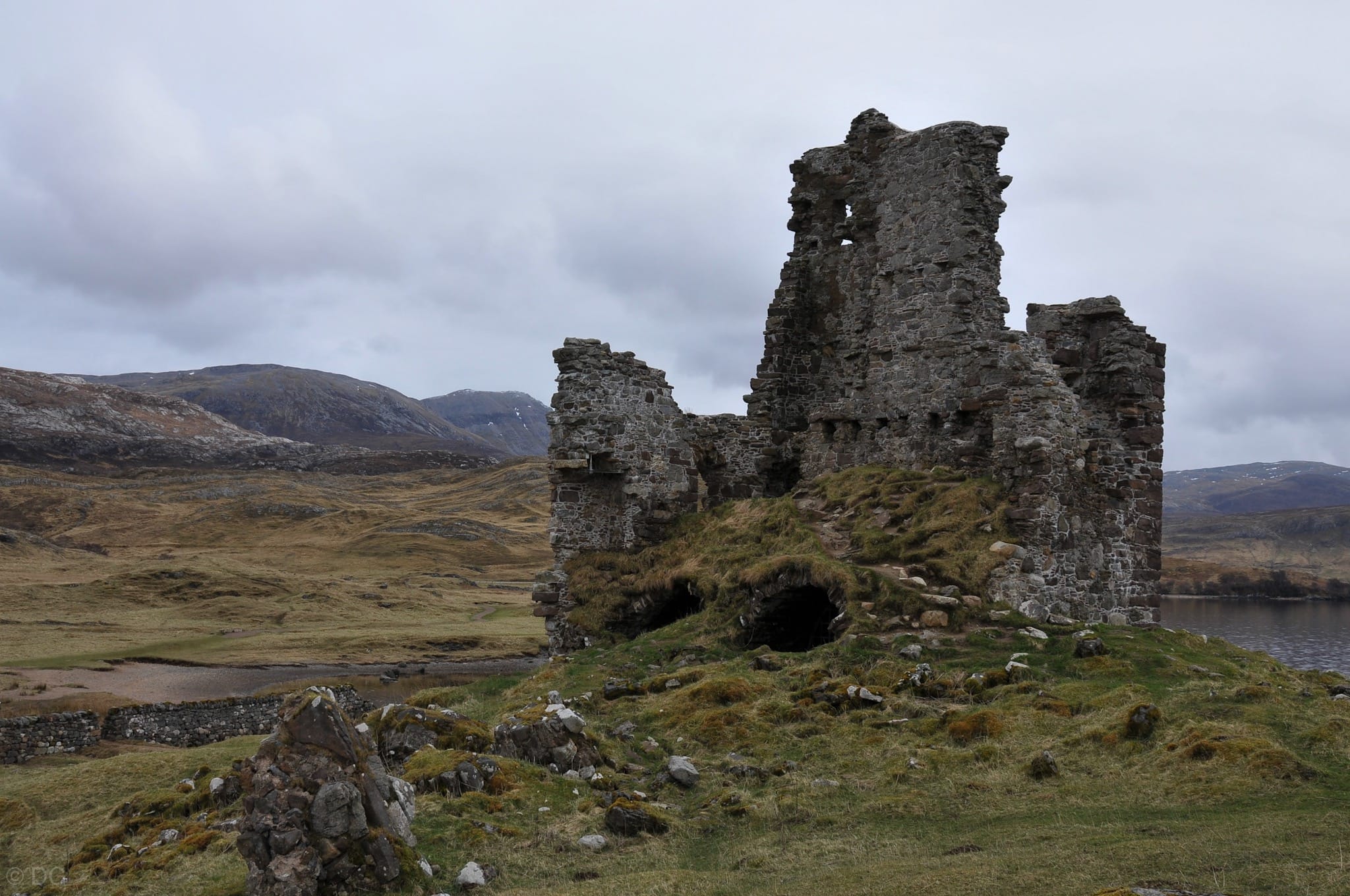
Scottish Castles – Ardvreck Castle
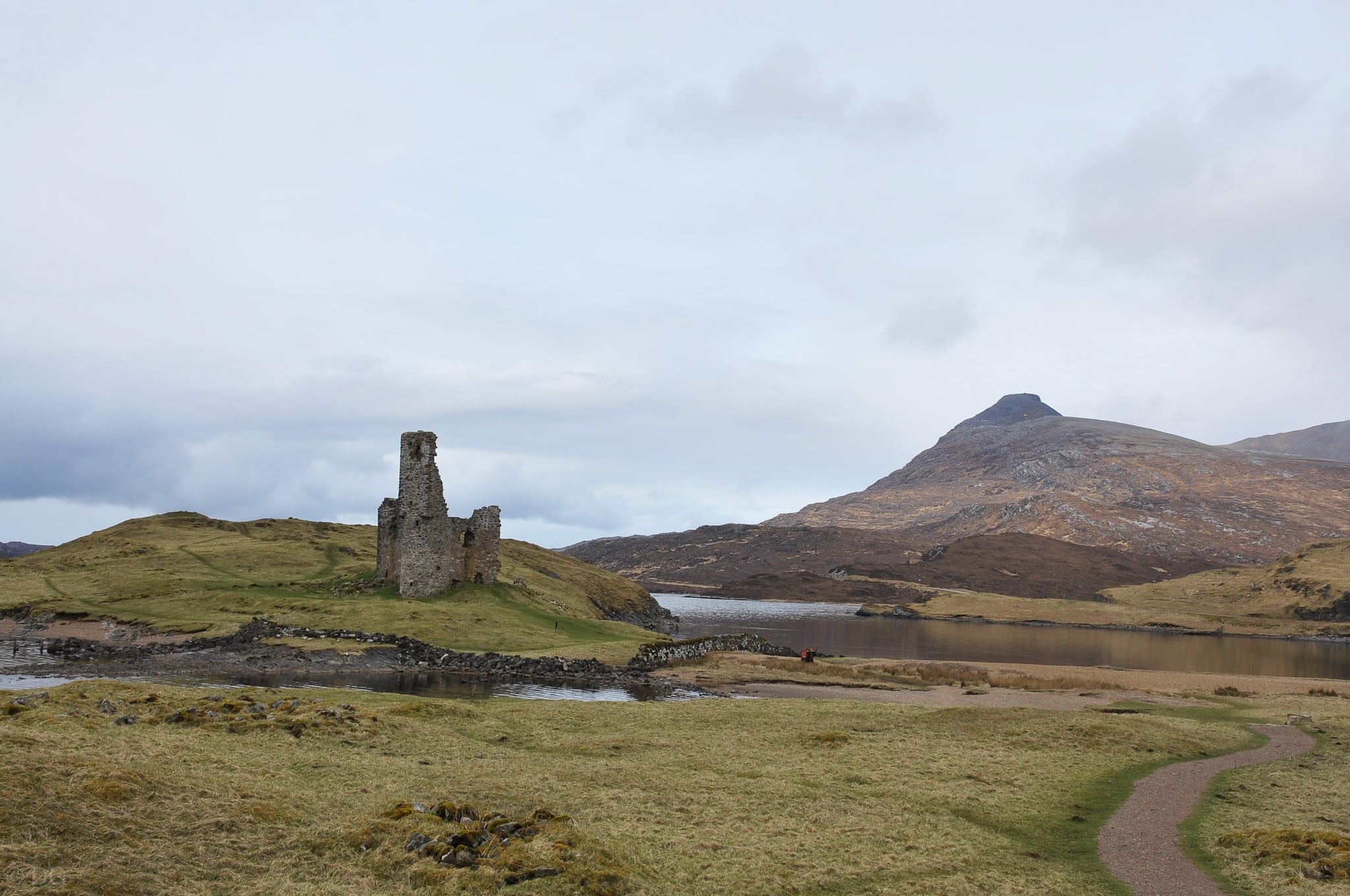
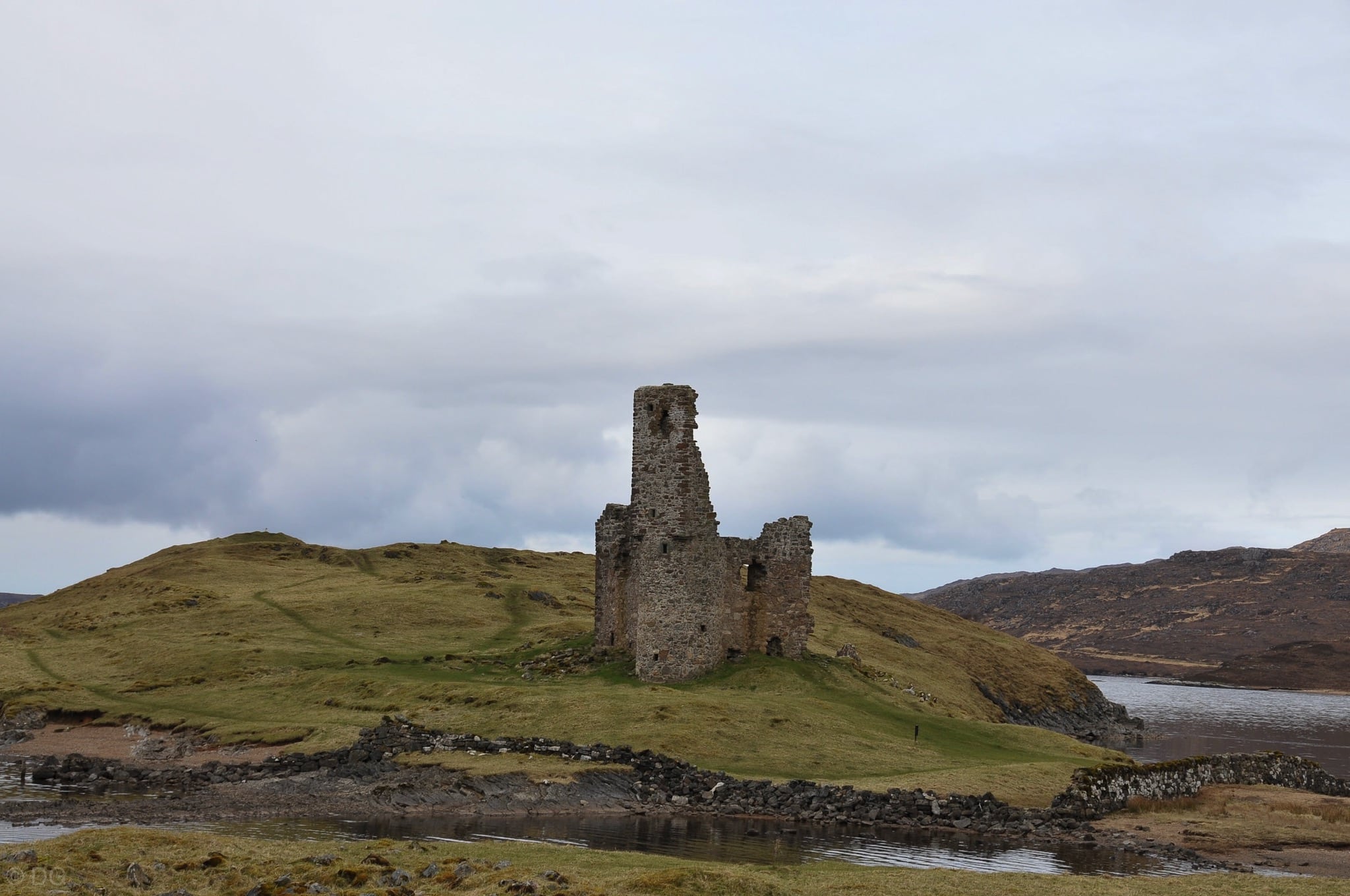
Amid the stark landscapes of northwest Scotland, on the shore of the tranquil Loch Assynt, lie the ruins of one of Scotland's most atmospheric castles – Ardvreck Castle. Although only stone walls remain today, the site still draws travelers, photographers and history lovers from around the world. It's easy to see why. The sight of solitary ruins surrounded by water, mountains and almost wild nature gives the impression that time stopped here centuries ago.
Ardvreck Castle was built around 1590 by the MacLeods of Assynt. Initially it was a relatively small but well-fortified tower house typical of the Scottish Highlands. The building's location was no accident: the castle was constructed on a rocky promontory jutting into Loch Assynt, which provided natural protection against potential attacks. In those days control over Highland territories meant power, wealth and the ability to maintain influence among rival clans.
The Assynt region had for centuries been a place of tensions and conflicts between Scottish families. The MacLeods were among the most influential families of northern Scotland, but their association with Ardvreck Castle proved relatively short. The best-known event connected with the castle was the capture of James Graham, the 1st Marquis of Montrose, a staunch supporter of King Charles I during the civil wars in Britain. In 1650 Montrose was betrayed and handed over to the authorities by Neil MacLeod of Assynt. He was reportedly held for a time in Ardvreck Castle before being taken to Edinburgh, where he was executed. For many historians, this was a moment that forever marked the reputation of the MacLeods.
Soon afterwards fortune also turned against them. The castle was attacked by forces of Clan Mackenzie, supported by Oliver Cromwell's troops. The MacLeods lost their lands, and Ardvreck Castle came under Mackenzie control. The new owners did not stay long: by the end of the 17th century the castle began to fall into ruin, and the Mackenzie family moved to a more comfortable residence at nearby Calda House.
The story of Calda House also ended dramatically. The residence was burned in the 18th century during local clan conflicts, and Ardvreck Castle was left abandoned. Over the following years wind, rain and the harsh Scottish climate gradually wore down the walls of the former stronghold. Today it is precisely this state of partial ruin that gives the place its unique character. It is not a perfectly restored monument, but an authentic remnant of the Highlands' past.
One of the most fascinating aspects of the castle is the local legends and ghost stories. Locals have passed down tales for generations about mysterious figures appearing over Loch Assynt. According to one legend, the ruins are haunted by the spirit of a woman dressed in white, said to be linked to tragic events from the clan wars. Another story speaks of a water creature inhabiting the loch, similar to the famous monster of Loch Ness. As is often the case in Scotland, the line between history and legend quickly becomes blurred.
Near the castle there is also the mysterious stone Clach na h-Imrich, associated with an old curse placed on the MacLeod clan. According to local belief, moving the stone was said to bring misfortune on the owners of those lands. Such stories are highly characteristic of the Scottish Highlands, where almost every castle, loch or glen has its own legends passed down through generations.
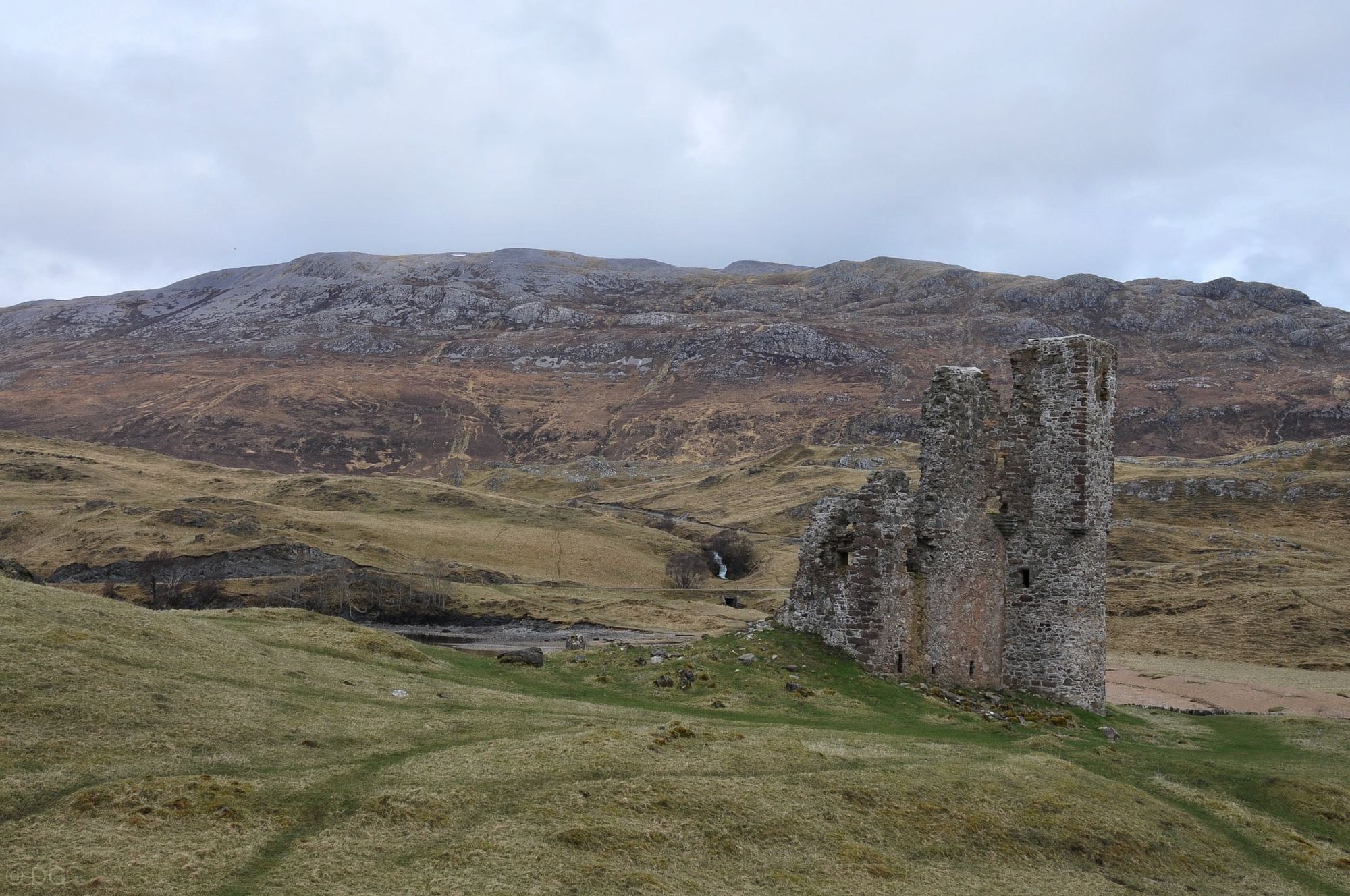
But it is not only history that draws people to Ardvreck Castle. The surrounding landscape plays a huge role as well. The Assynt region is considered one of the most picturesque corners of Scotland. Stark mountains such as Quinag, Suilven and Canisp form an almost cinematic backdrop for the castle ruins. On cloudy days the place looks downright mystical – dark clouds reflected in the surface of the loch, gusting winds and the lonely ruins create an atmosphere that's hard to experience anywhere else.
For photographers Ardvreck Castle is a true paradise. Sunrises and sunsets can completely transform the appearance of the ruins. When rays of light break through Scottish clouds, the castle takes on an almost golden hue reflected in the waters of Loch Assynt. In autumn the surrounding hills are covered in reds and oranges, and in winter the site is often shrouded in mist, adding even more mystery.
It is also worth mentioning that Ardvreck Castle is located on the popular North Coast 500 route, one of the most scenic tourist drives in Europe. As a result, the castle ruins are a frequent stop for people travelling around northern Scotland. Despite its growing popularity, the place has retained its peaceful, wild character. There are none of the crowds found at more commercial tourist attractions. Instead you can feel the true atmosphere of the Highlands — the silence, the space and the power of nature.
Visiting the ruins is free, and the walk to the castle takes only a few minutes from the nearby car park on the A837. However, it's worth remembering that Scottish weather can change very quickly. Even in summer it's a good idea to bring a rain jacket and suitable footwear, as the ground around the loch can be wet and slippery.
Ardvreck Castle is a place that perfectly shows the true face of Scotland. It's not just about the castle's history, but also about the emotions evoked by the surrounding landscape. Looking at the lonely ruins above Loch Assynt, it's hard not to think about the passage of time, past conflicts and the people who once lived in this harsh region of the world. All that remains of them are stone walls, stories and legends that still hang over the waters of Scotland's lochs.
Location
Open in Google Maps →Continue reading in this gallery
Scottish Castles
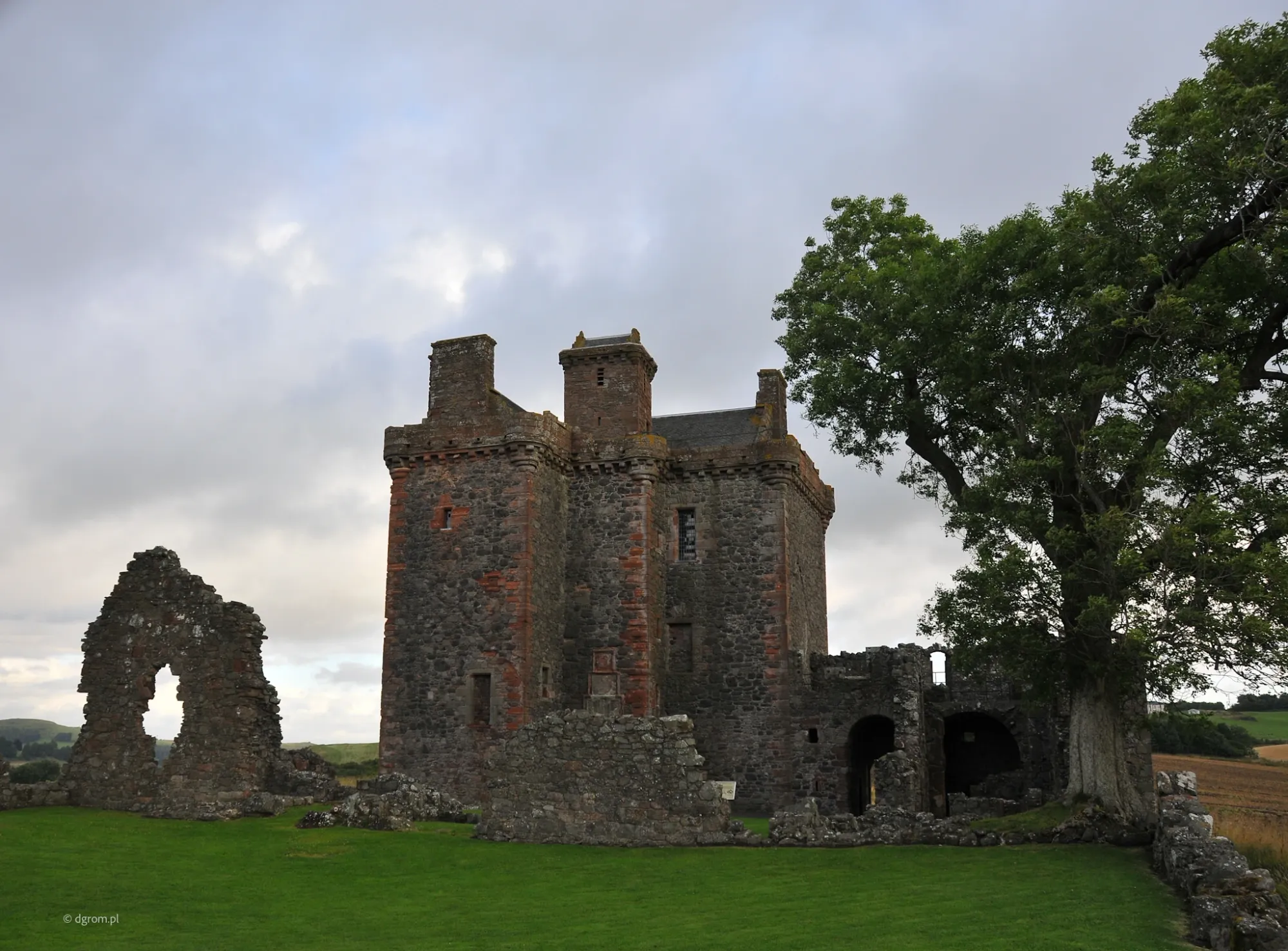
Castles of Scotland- Balvaird
Balvaird Castle is located in central Scotland, near the town of Abernethy. It was built in the 16th century as a residence for Sir Andrew Murray, who was a close friend of Mary, Queen of Scots.
Scottish Castles
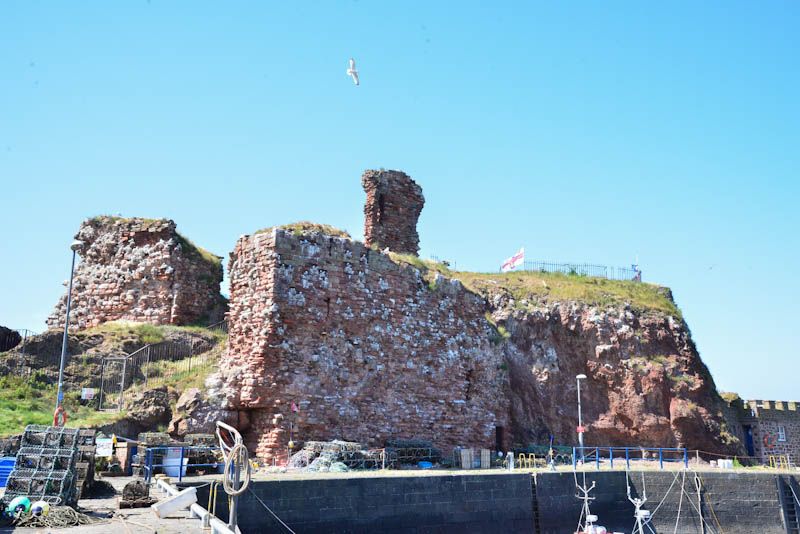
Scottish Castles - Dunbar
Dunbar Castle (English: Dunbar Castle) is a castle located in the town of Dunbar, in southeast Scotland, on the shore of the North Sea.
Scottish Castles
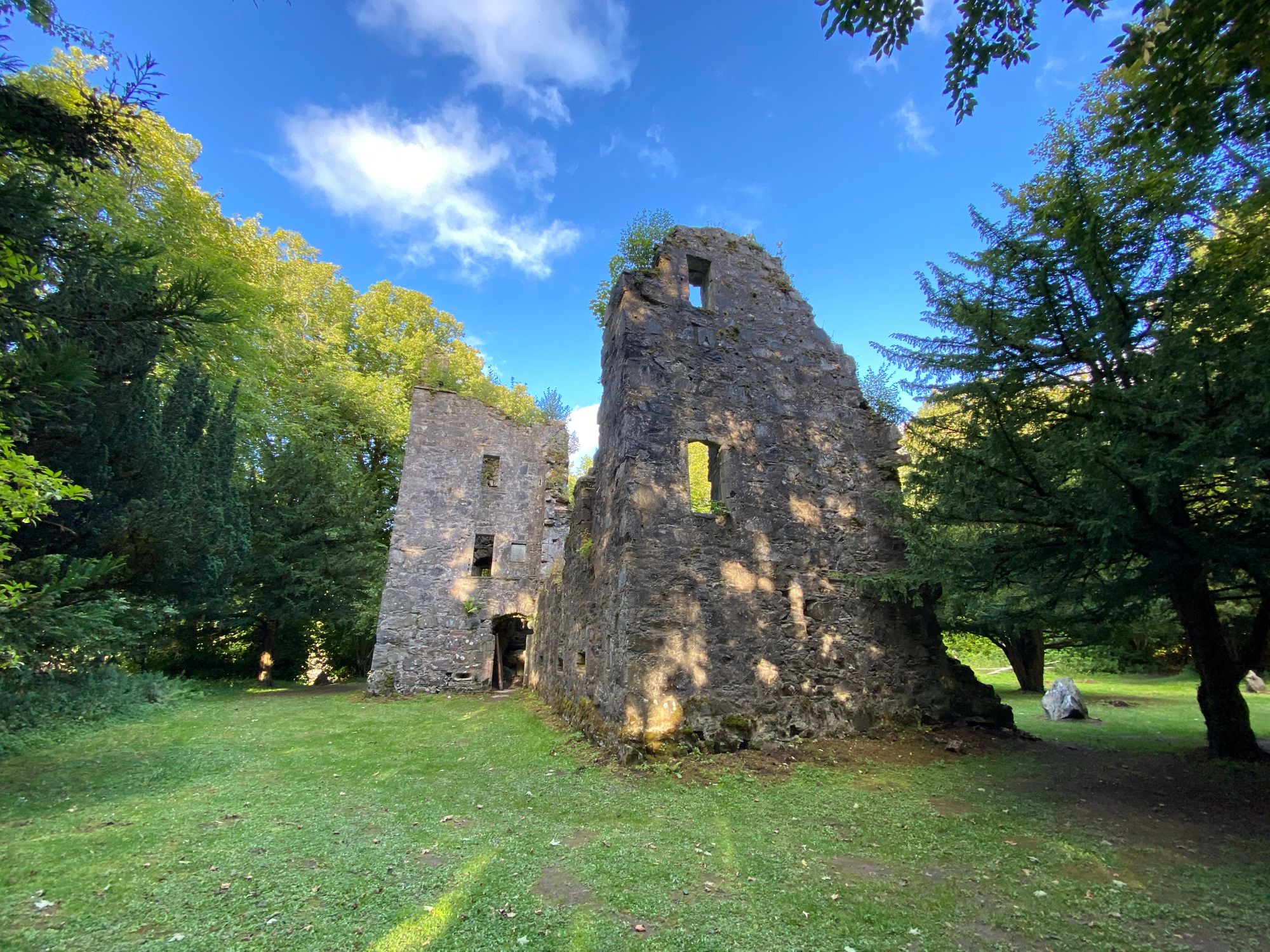
Castles of Scotland - Finlarig
Finlarig Castle is a historic castle located in central Scotland, in the county of Perthshire. The castle belonged to Clan Campbell and was an important administrative and commercial center in the region.
Scottish Castles
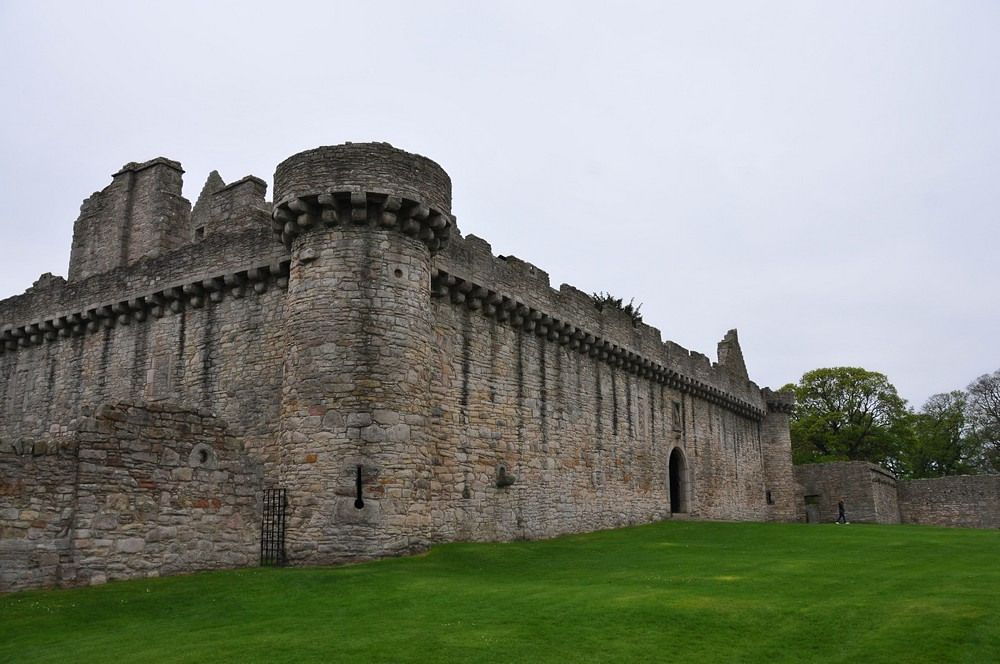
Scottish Castles - Craigmillar
Craigmillar Castle is a ruined medieval castle in Edinburgh, Scotland. It is located about 5 km from the city centre.