
Drum Castle
Explore Drum Castle in Aberdeen and Aberdeenshire, Scotland, with history, visitor context, photos and regional map links.Drum Castle is one of those places that tells the story of Scotland through the lives of a single family.

Location
Open in Google Maps →Plan your visit
Explore
Article sections
Drum Castle – More Than Seven Hundred Years of Clan History
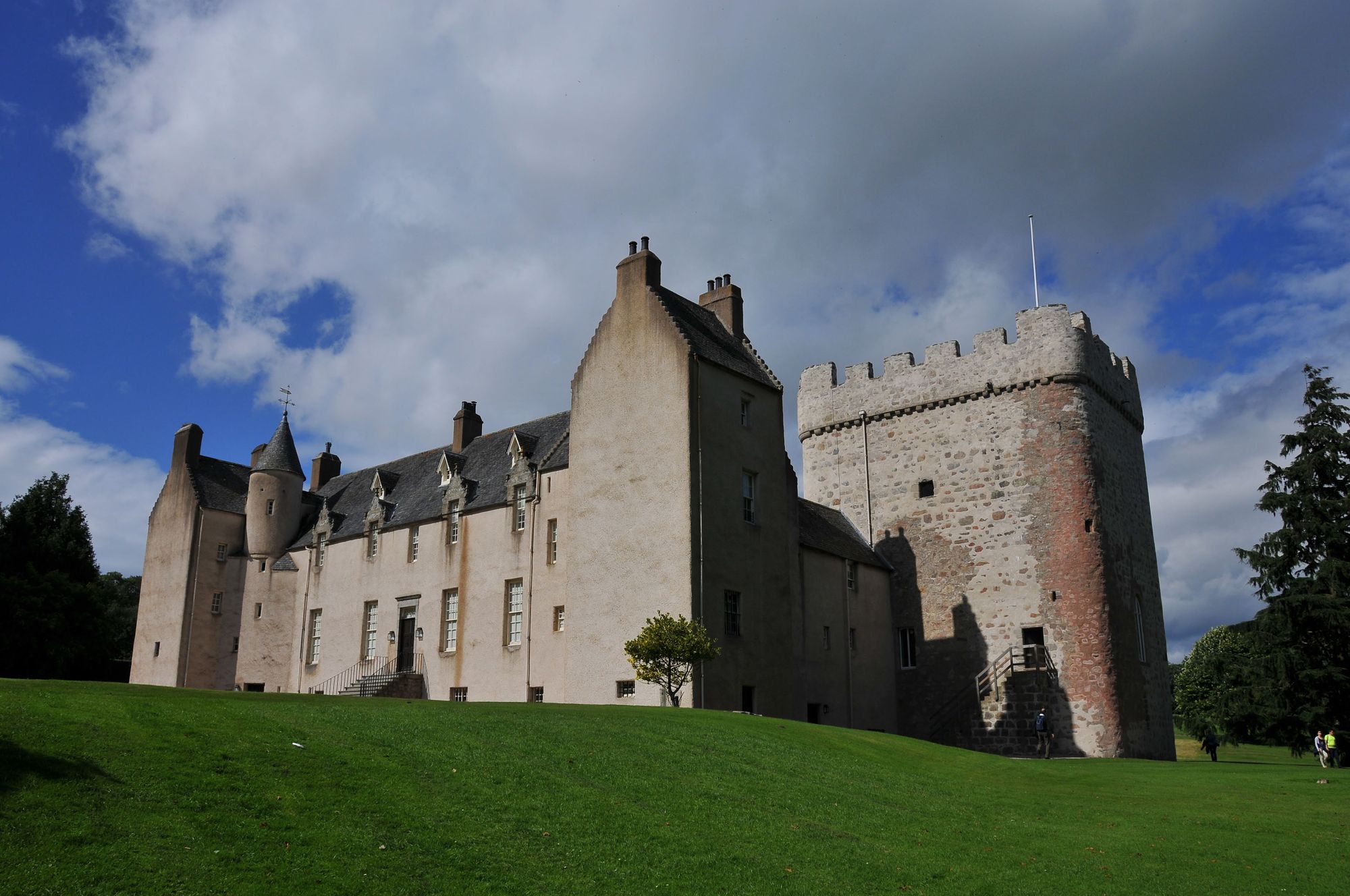
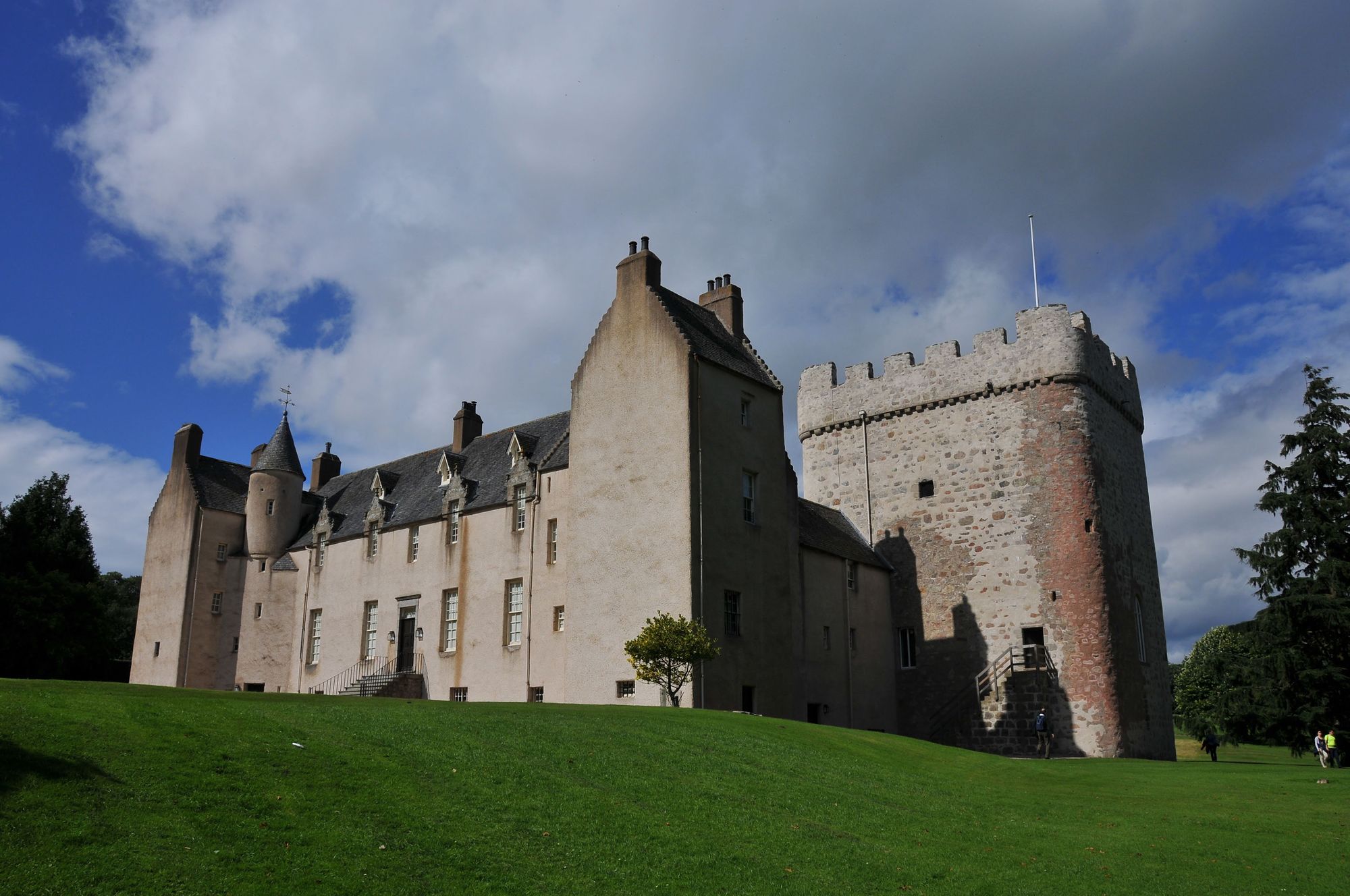
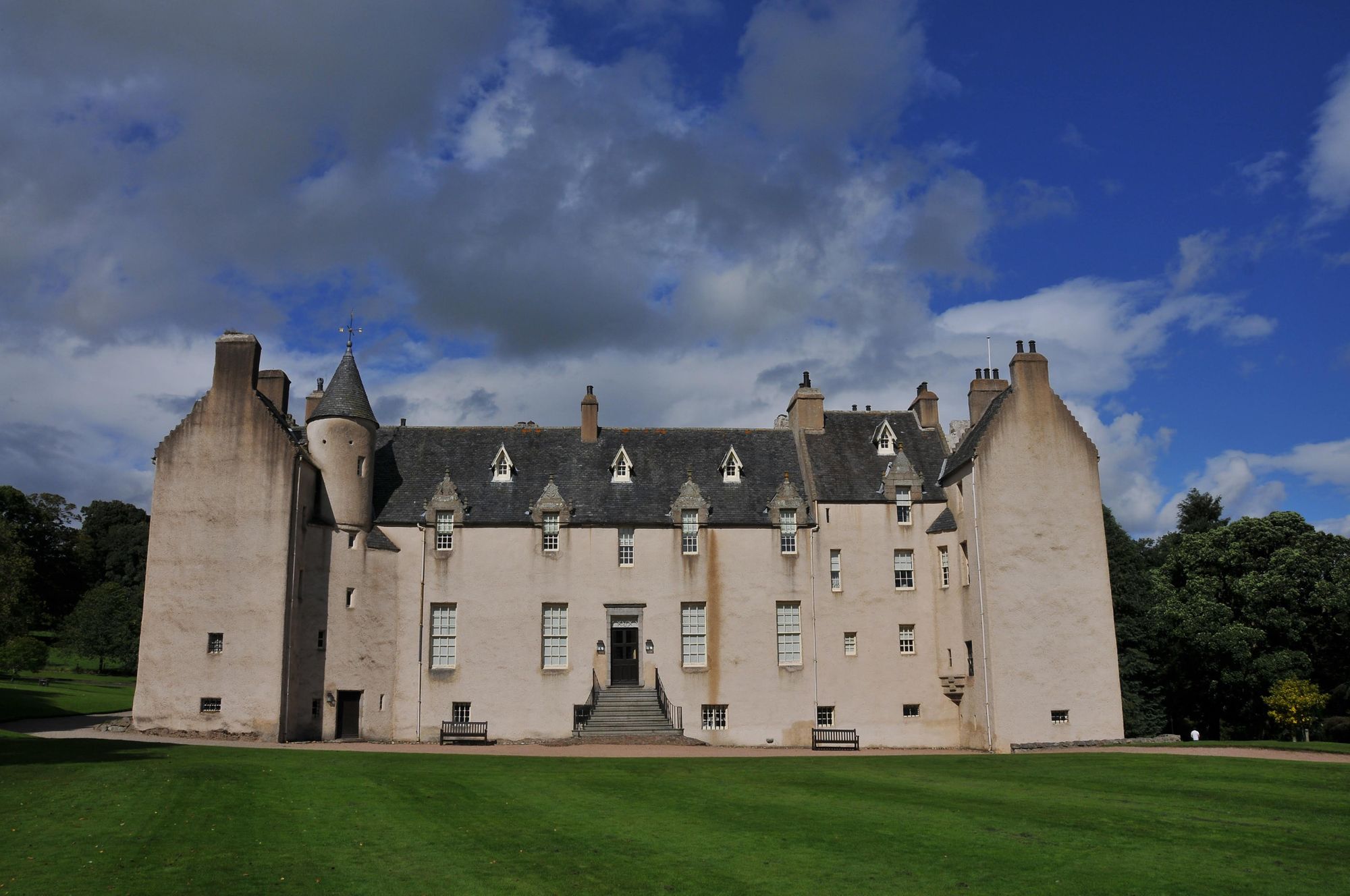
Drum Castle is one of those places that tells the story of Scotland through the lives of a single family. Located near Drumoak in Aberdeenshire,just a short distance from Aberdeen and the beautiful landscapes of Royal Deeside,the castle has been linked to Clan Irvine for more than seven centuries. Few castles in Scotland can claim such a long and continuous connection with the same family.
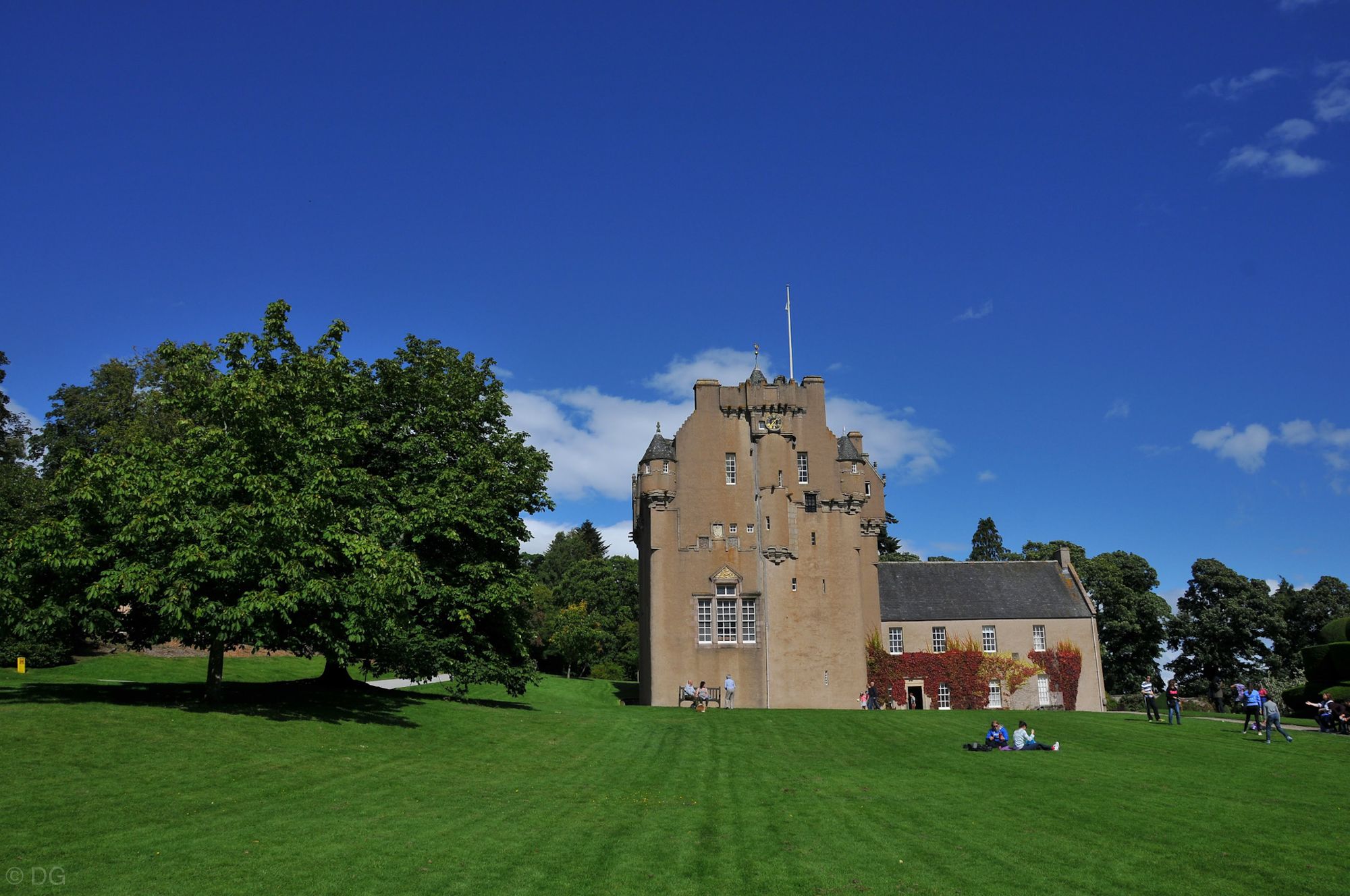
At first glance,Drum Castle appears to be a mixture of different architectural styles,and that is exactly what makes it so fascinating. Rather than representing a single moment in history,the castle reflects centuries of change. Medieval fortification,Renaissance comfort and Victorian improvements all exist side by side,creating a unique record of how Scottish noble families adapted over time.
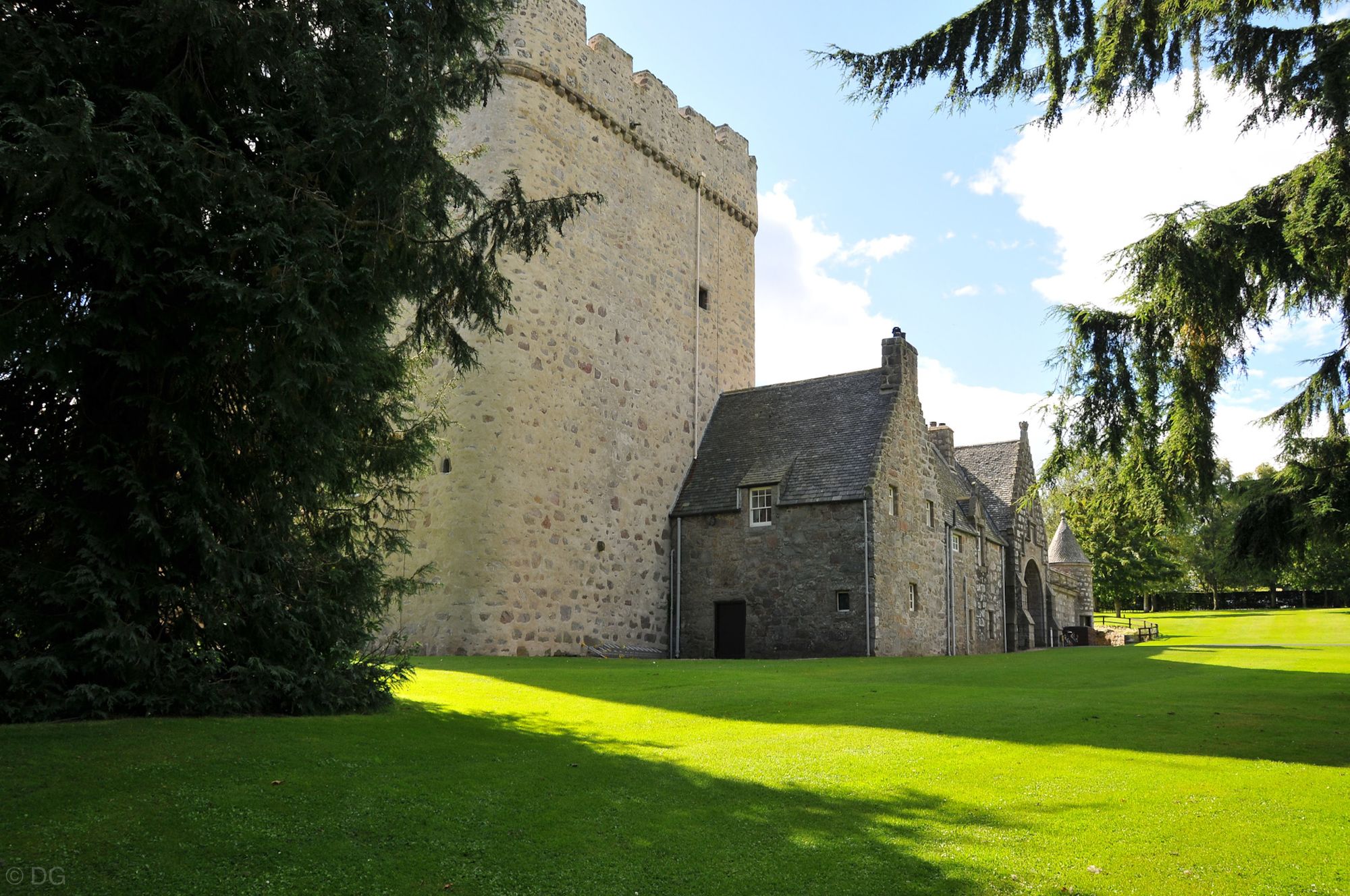
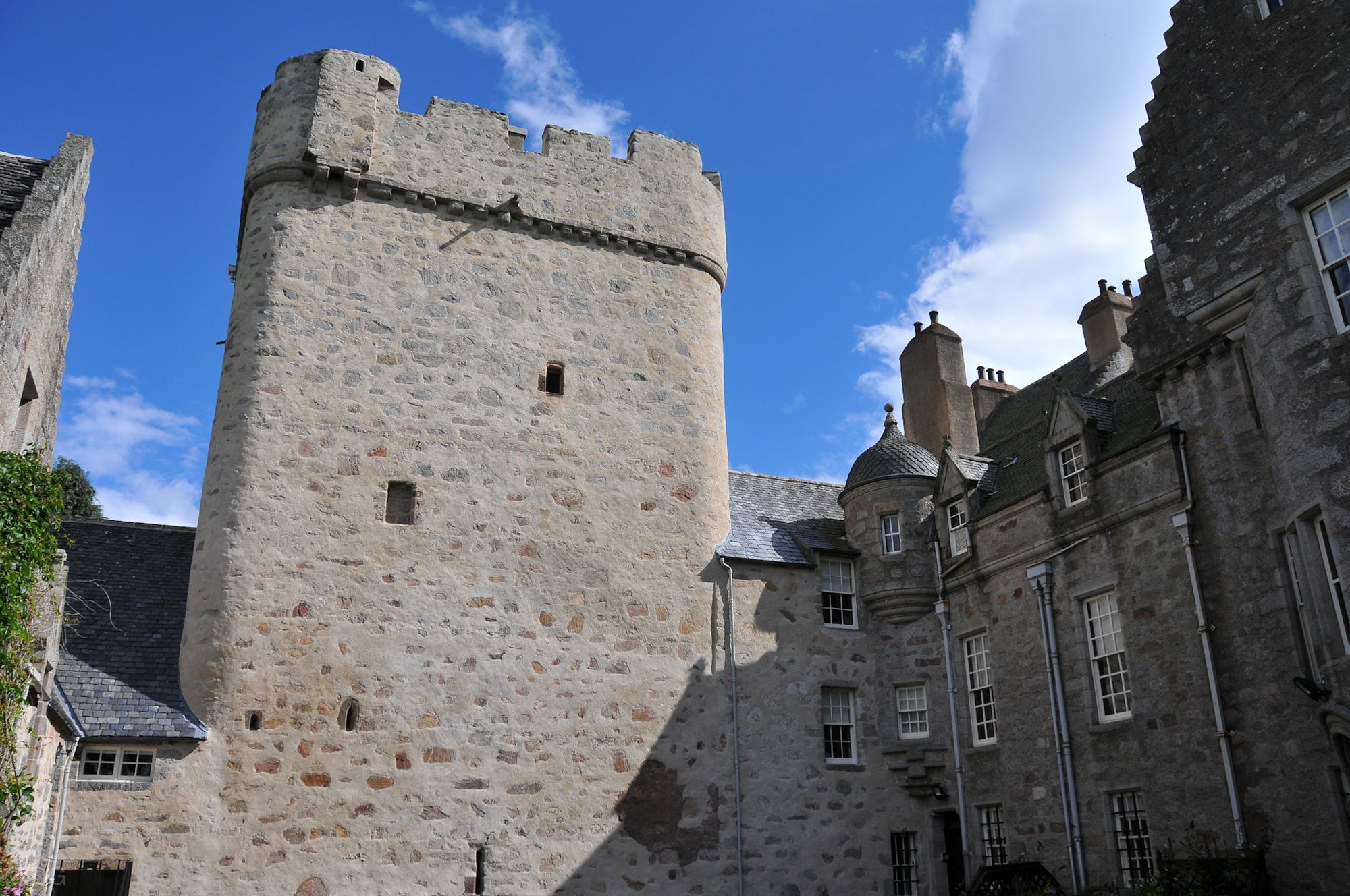
The oldest and most striking feature of Drum Castle is its massive medieval tower. Often known as the Tower of Drum,it dates from the 13th century and is considered one of the oldest tower houses in Scotland. Tradition associates its construction with Richard Cementarius,the master mason who is also linked to the famous Brig o' Balgownie in Aberdeen.
The history of the Irvine family at Drum began shortly after the Wars of Scottish Independence. In 1323,King Robert the Bruce granted the lands of Drum to William de Irwyn in recognition of his loyalty and service. This royal grant established a connection that would last until the 1970s,making the Irvines one of the longest-established landowning families in Scotland.
Over the centuries,the family expanded and modernised the castle. While the medieval tower remained the heart of the estate,new residential wings were added to provide greater comfort and reflect changing tastes. These additions transformed Drum from a defensive stronghold into a substantial country house while preserving its historic character.
Walking through the castle today,you can clearly see this evolution. The thick stone walls and narrow defensive features of the medieval tower contrast with the more elegant rooms created in later centuries. Together they tell the story of a family that survived political upheaval,economic change and shifting fashions while remaining rooted in the same place.
Like many Scottish noble families,the Irvines experienced periods of both prosperity and hardship. The castle witnessed centuries of Scottish history,including clan rivalries,civil wars and the Jacobite era. Through it all,Drum remained the centre of family life and local influence.
One of the highlights of visiting Drum Castle is the surrounding estate. The grounds extend far beyond the castle walls and include ancient woodland,walking trails and beautifully maintained gardens. The famous walled garden is particularly impressive and contains a collection of historic roses that attract visitors from across Scotland during the flowering season.
The estate helps visitors understand that Drum was never simply a castle. It was the centre of a working estate that supported generations of the Irvine family. Farms,gardens,woodland and staff all played a role in sustaining life here over hundreds of years.
In 1975,the castle and estate were transferred to the National Trust for Scotland,ensuring the preservation of this remarkable historic site. Today,visitors can explore both the castle and the grounds while learning about the long relationship between the Irvine family and the surrounding landscape.
What I enjoyed most about Drum Castle was the sense of continuity. Many Scottish castles survive only as ruins,offering glimpses of a distant past. Drum feels different. It remained a lived-in family home for centuries,and that continuity can still be felt as you move through its rooms and grounds.
Its location also makes it an excellent stop when exploring Aberdeenshire. Together with nearby castles such as Crathes,Castle Fraser and Fyvie,Drum forms part of one of the richest castle regions in Scotland. While it may not have the dramatic cliff-top setting of Dunnottar Castle,it offers something equally valuable: a chance to understand how a Scottish clan lived,adapted and survived across more than seven hundred years.
For anyone interested in clan history,Scottish architecture or historic estates,Drum Castle is one of the most rewarding places to visit in north-east Scotland. It is not just a castle—it is a living record of Scotland's past.
Planning Context
Drum Castle helps anchor the Aberdeen and Aberdeenshire section of the Scotland castle map. It gives travellers another point of reference beyond the headline landmarks, and it helps show how castles, tower houses, palaces and fortified residences were spread across the landscape rather than concentrated in one famous route.
For visitors, the most useful way to approach Drum Castle is to read the site together with its setting. Look at the nearby roads, coast, rivers, estates or towns, because those details usually explain why the building stood where it did. Scottish castles were rarely placed at random: they watched routes, marked family power, protected resources or created a visible centre for local authority.
Access and condition can vary, especially with ruins, private estates and seasonal visitor attractions. Before travelling, check current opening information, respect private land, and treat old masonry with caution. This guide keeps the entry practical as well as historical, so each castle can later connect cleanly with maps, regions and route planning inside the PWA.
Route Notes
For route planning, Drum Castle works best when it is connected with nearby places rather than treated as an isolated stop. In the Aberdeen and Aberdeenshire region, castles often sit close to older roads, river crossings, coastlines, estate centres or viewpoints. Adding those relationships to the map will make the later PWA more useful for travellers who want to build a day around several sites.
The practical value of this entry is therefore twofold. It gives a short history of the building, but it also helps place the castle within a real journey across Scotland. That means clear region tags, readable titles, useful image descriptions and cautious access notes are just as important as dates and family names.
As more locations are added, this post can be expanded with coordinates, parking notes, walking distance, accessibility information and nearby castles. For now, it is structured so that the history, photos and map data can grow without changing the basic page layout.
No photo cards have been added to this article yet.
Continue reading in this gallery
Aberdeen and Aberdeenshire
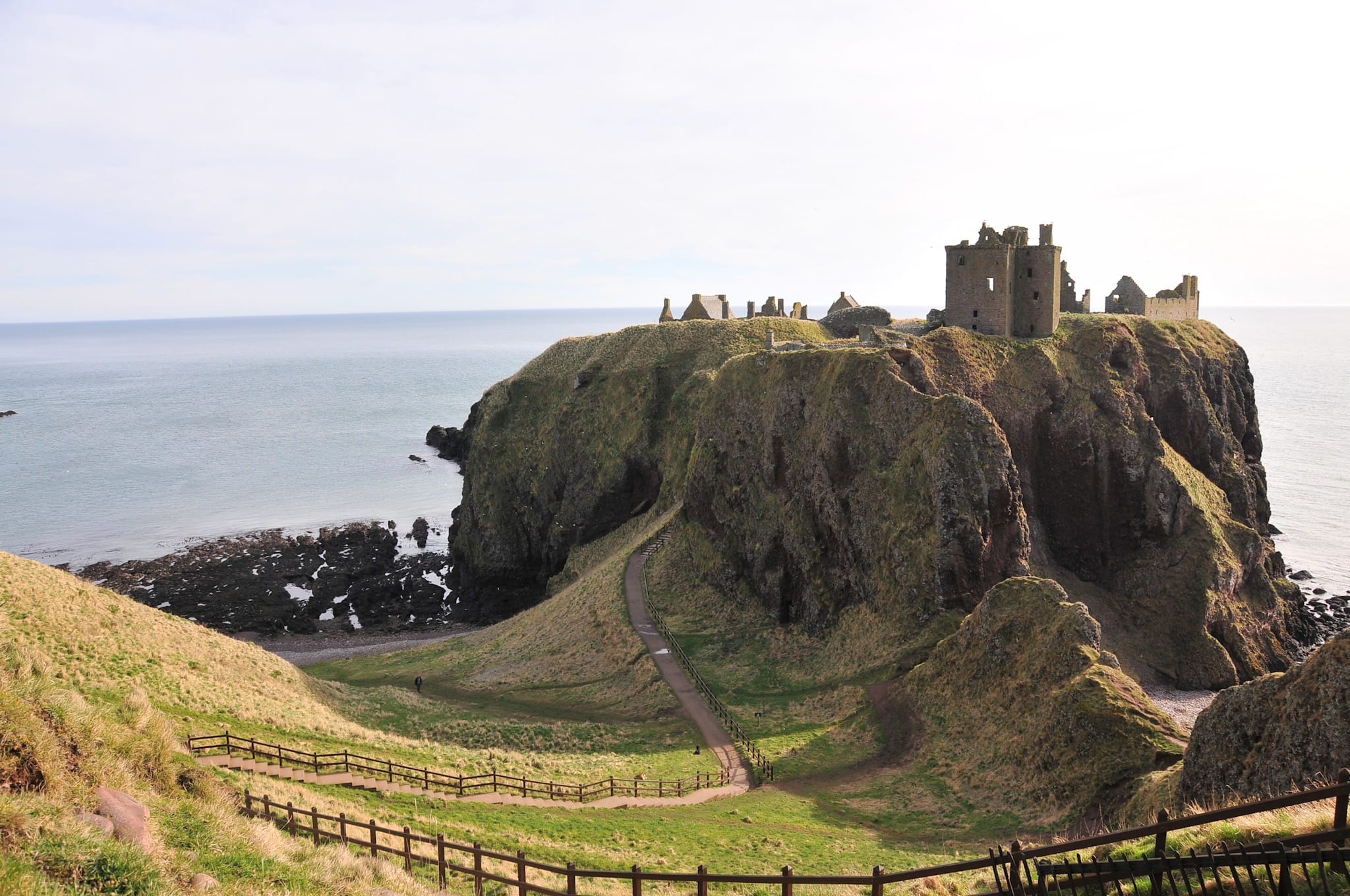
Dunnottar Castle
Explore Dunnottar Castle in Aberdeen and Aberdeenshire, Scotland, with history, visitor context, photos and regional map links.
Aberdeen and Aberdeenshire
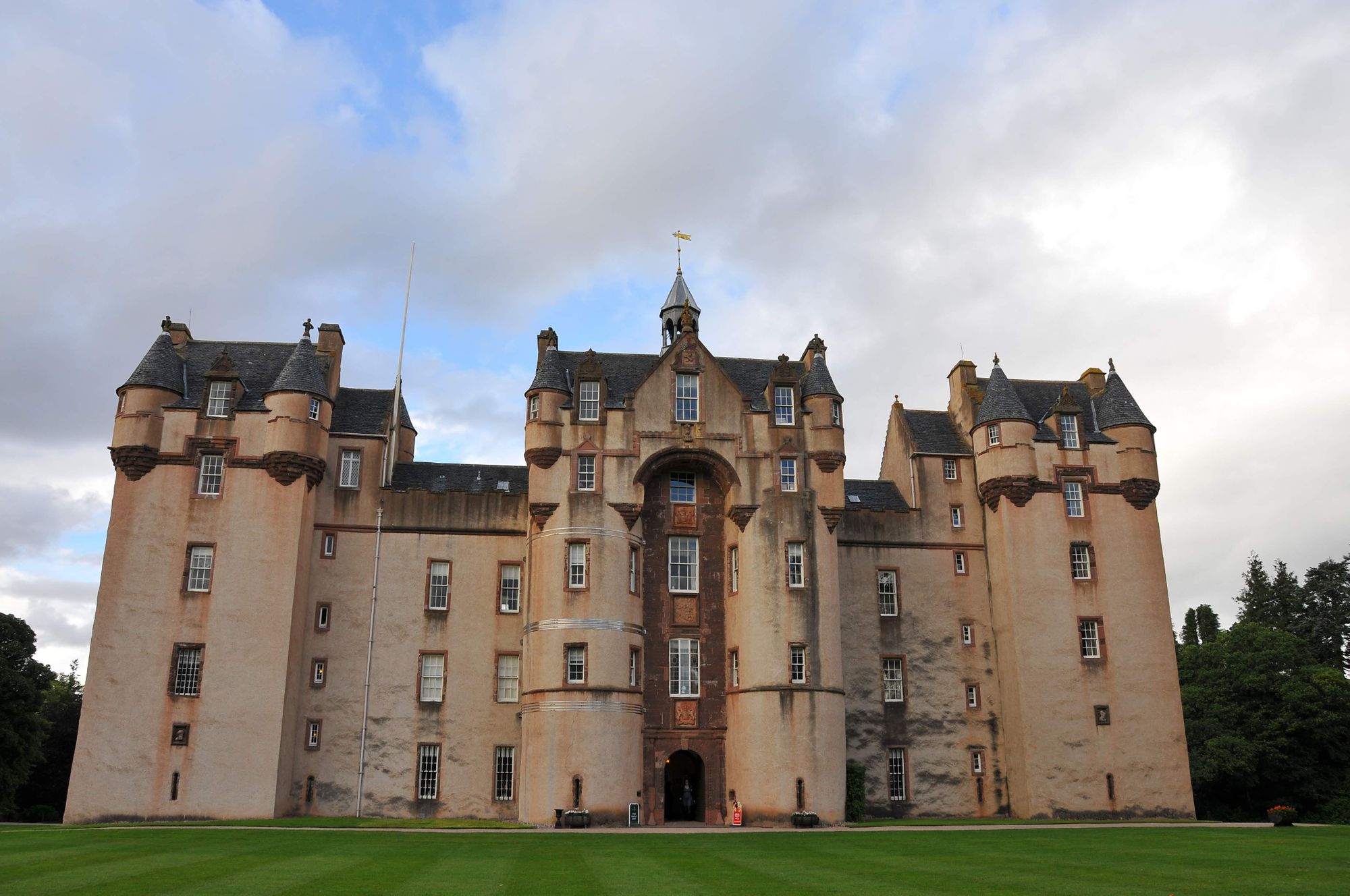
Fyvie Castle
Explore Fyvie Castle in Aberdeen and Aberdeenshire, Scotland, with history, visitor context, photos and regional map links.Unlike many Scottish castles that survive only as ruins, Fyvie Castle remains remarkably intact, allowing visitors to experience the atmosphere
Aberdeen and Aberdeenshire
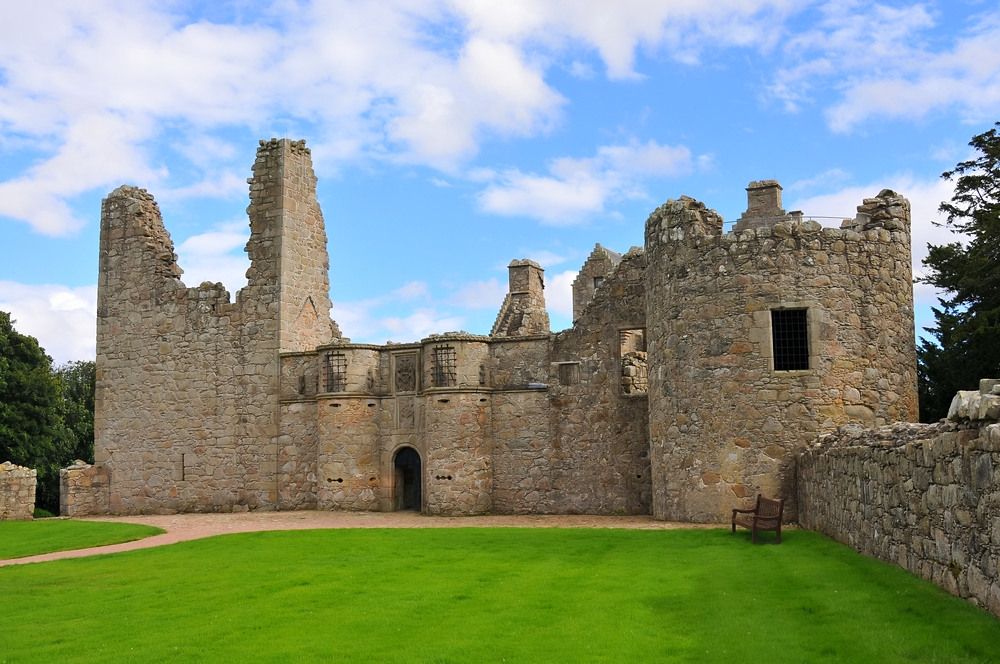
Tolquhon Castle
Explore Tolquhon Castle in Aberdeen and Aberdeenshire, Scotland, with history, visitor context, photos and regional map links. Tolquhon Castle is one of the most beautiful and underrated castles in Scotland. Hidden in the peaceful countryside of Aberdeenshire,
Aberdeen and Aberdeenshire
Crathes Castle
Explore Crathes Castle in Aberdeen and Aberdeenshire, Scotland, with history, visitor context, photos and regional map links.Crathes Castle stands near Banchory in Aberdeenshire, surrounded by woodland, gardens and estate paths. With its turrets, crow-stepped gables and painted interiors