Castles of Scotland - Ravenscraig
Ravenscraig Castle is a fortress located in the town of Kirkcaldy on the east coast of Scotland. It was built by order of King James II of Scotland in the 15th century as a royal residence.
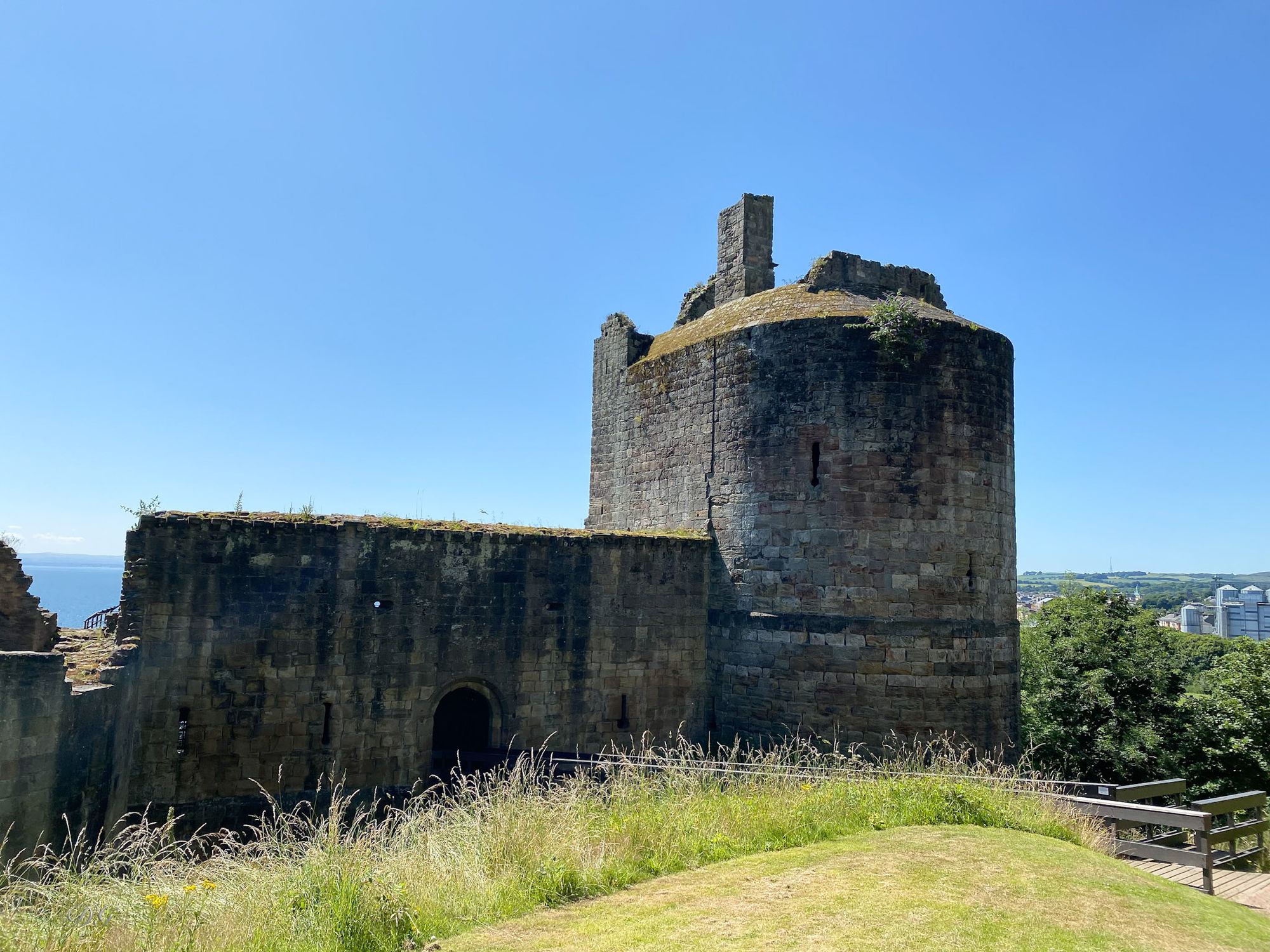
Castles of Scotland – Ravenscraig Castle
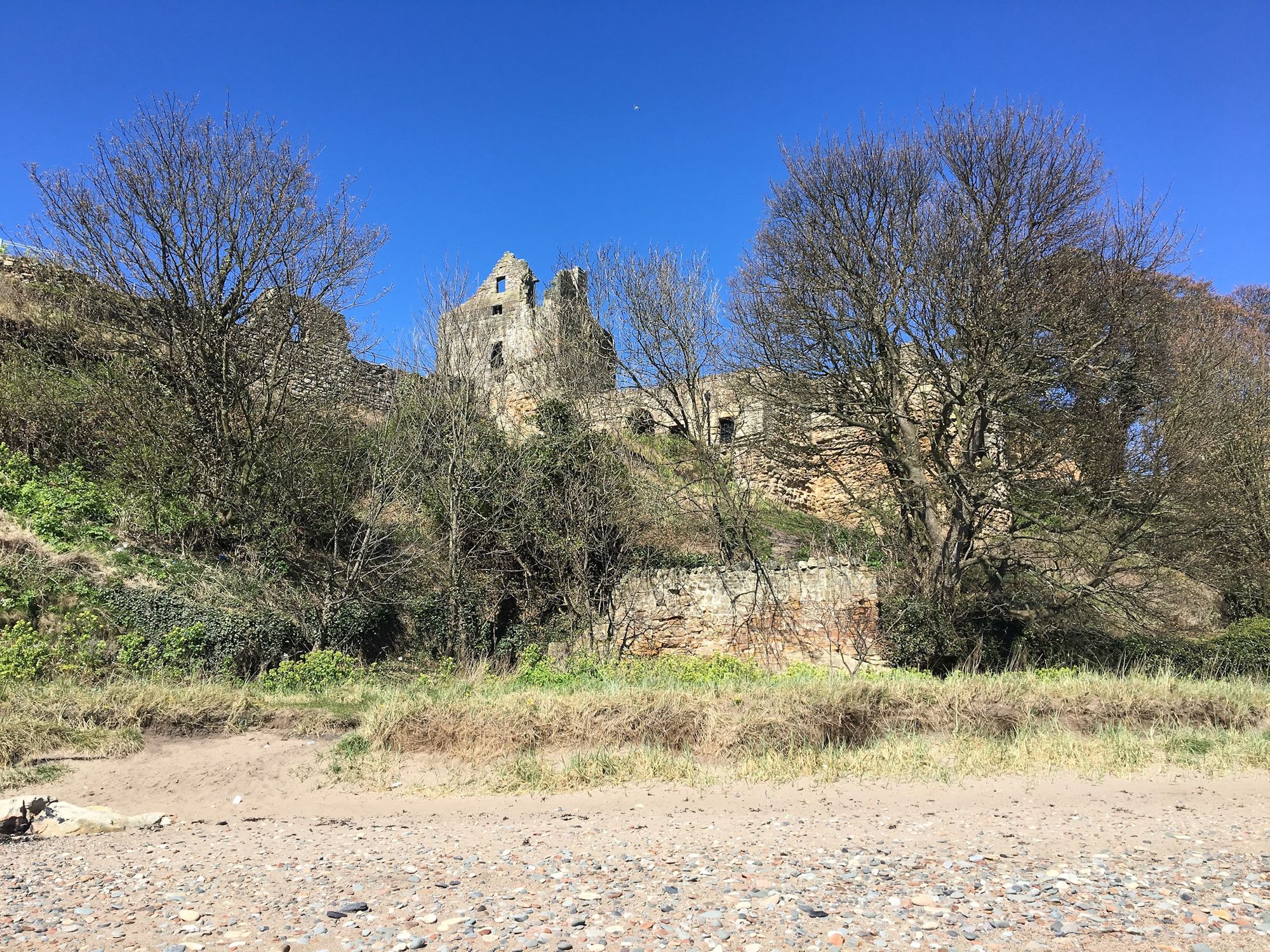
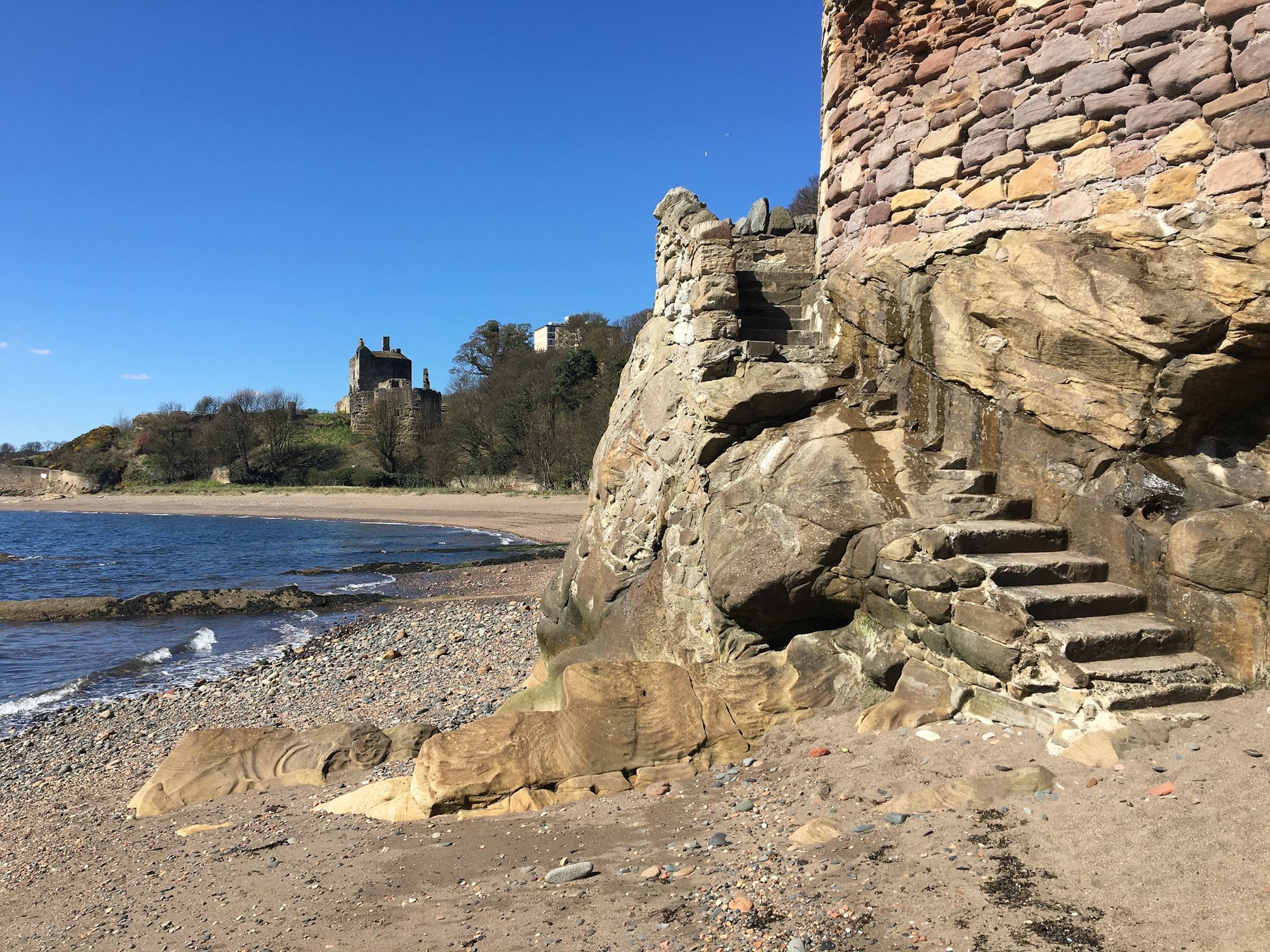
Perched on a rocky promontory above the waters of the Firth of Forth, Ravenscraig Castle is one of the most unusual castles in Scotland. Although not as well known as Eilean Donan or Dunnottar, it played an important role in the country’s history and is one of the most interesting examples of medieval military architecture. Its ruins tower above the sea at Kirkcaldy in Fife, recalling a time when the development of artillery was changing the way fortresses were built.
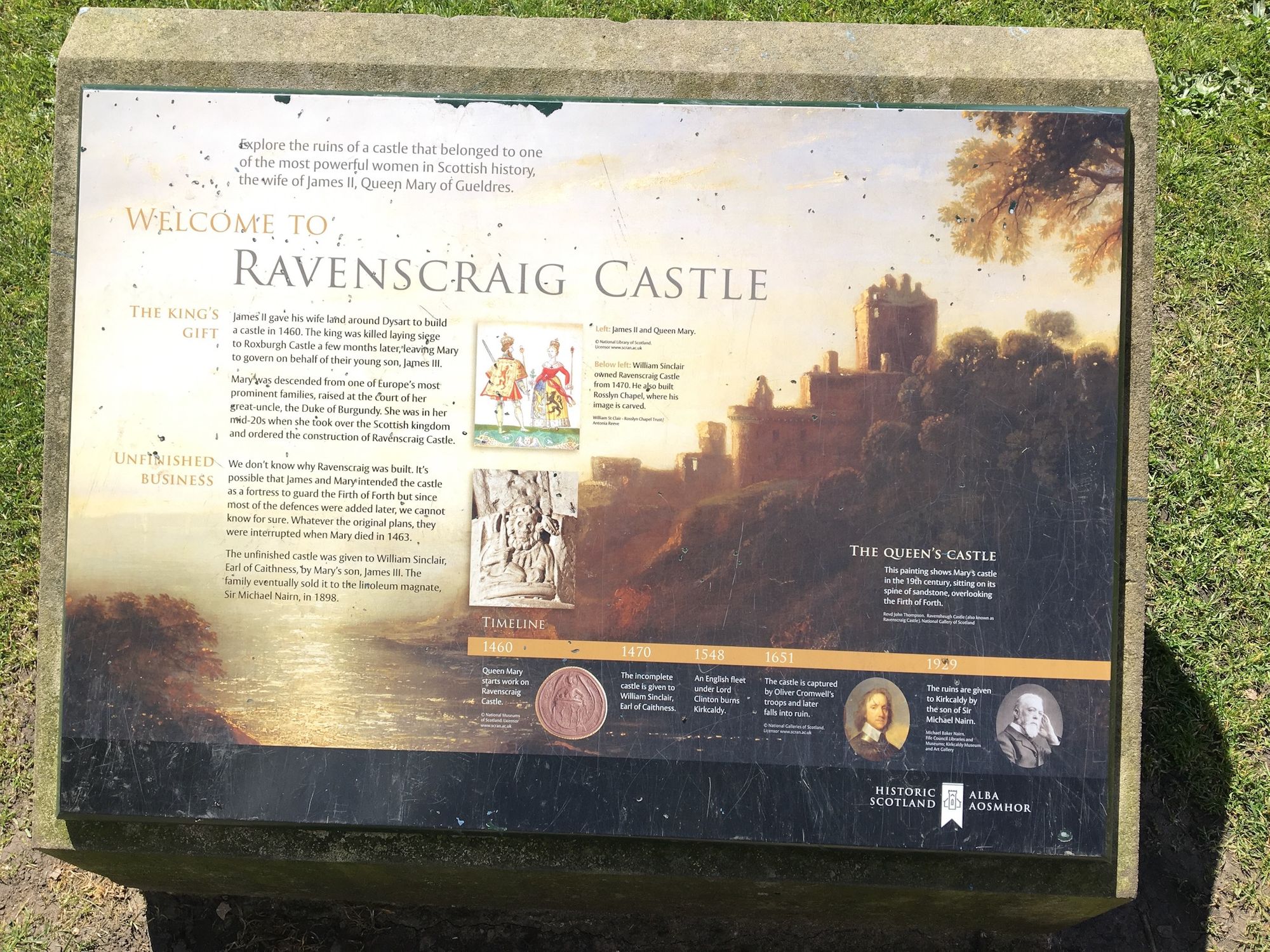
The history of Ravenscraig begins in 1460. King James II of Scotland acquired land around Dysart and decided to erect a new residence for his wife, Queen Mary of Guelders (Mary of Guelders). It was a period of great change in European warfare. Cannons and gunpowder weapons were becoming increasingly common, and traditional castles with high, thin walls were no longer providing effective protection.
Fate, however, decreed that James II did not live to see construction begin. In August 1460, during the siege of the English castle at Roxburgh, a tragic accident occurred. One of the royal cannons exploded, and shrapnel fatally wounded the king. It was one of the most extraordinary episodes in Scottish history – a monarch who promoted the use of artillery killed by his own gun.
After her husband’s death the work was carried on by Queen Mary. The castle was intended both as a monument to James II and as a secure royal residence. By the time of the queen’s death in 1463 only part of the complex had been completed, mainly the eastern tower and the foundations of the main building. Nevertheless, the site was already partially occupied by members of the royal household.
After Mary’s death the property passed to her son, James III. In 1470 the unfinished Ravenscraig was handed over to William Sinclair, Earl of Orkney. This was part of an important political agreement between the Scottish crown and the Sinclair family. It was they who completed the castle and gave it its present character.
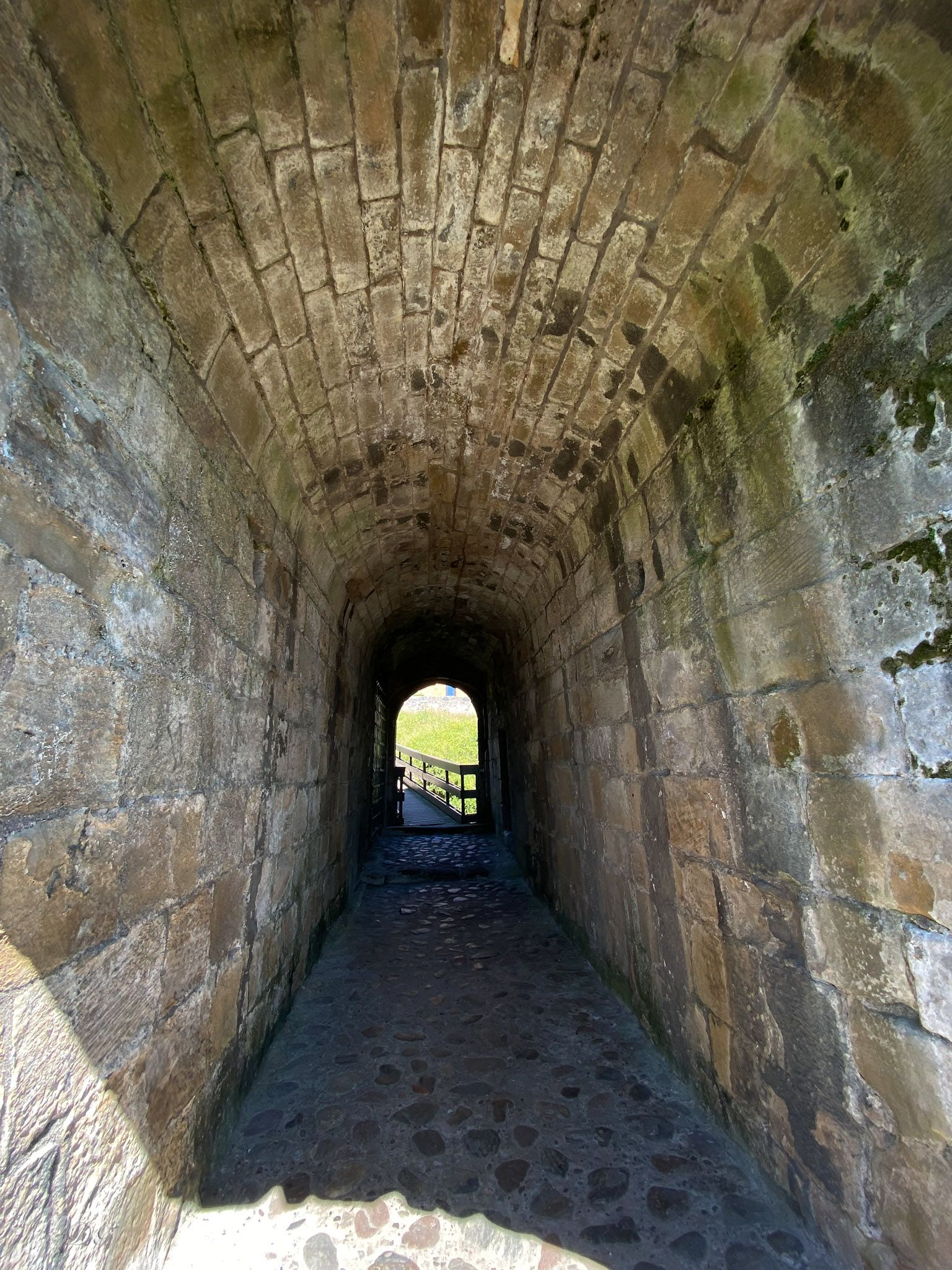
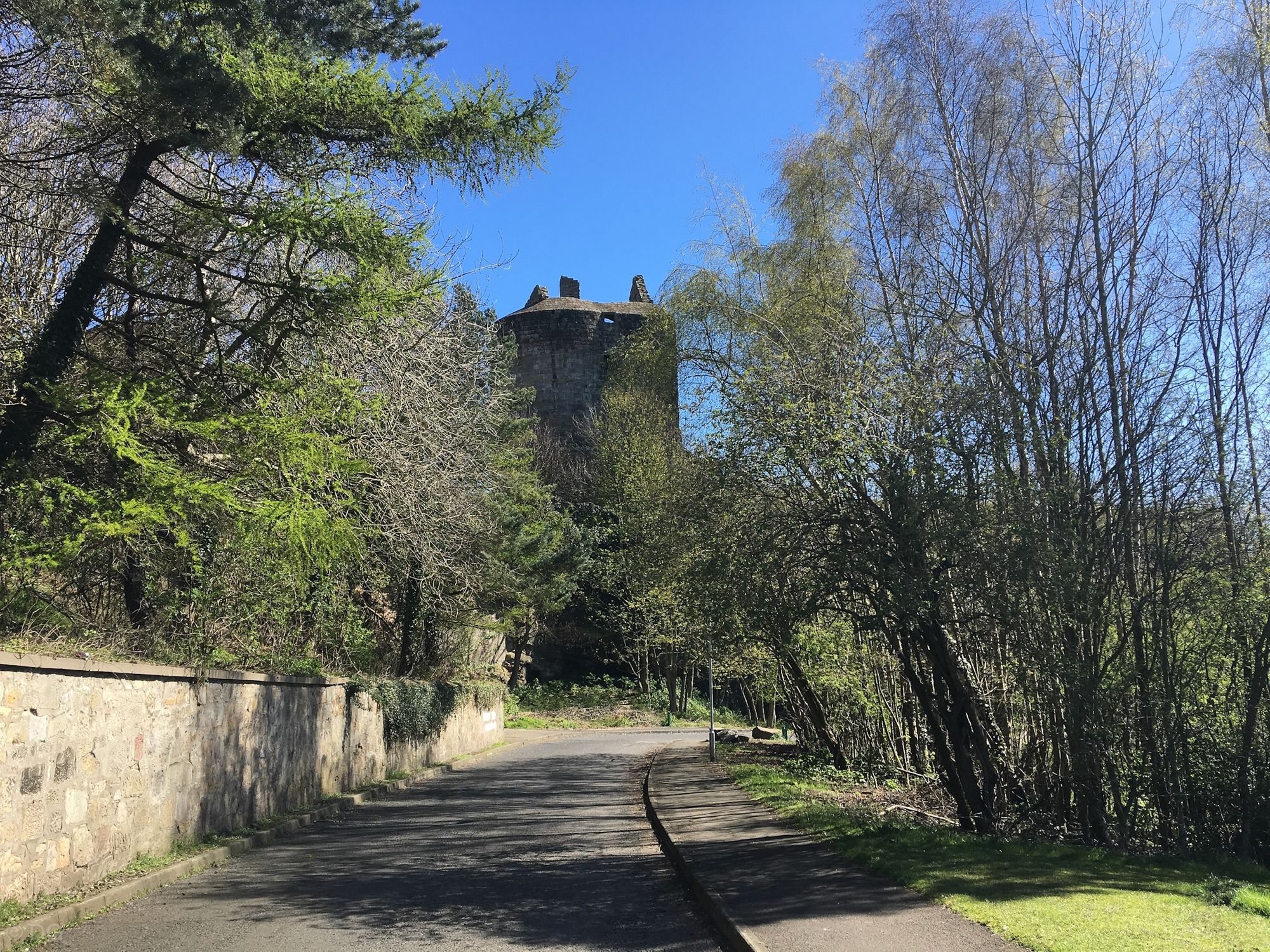
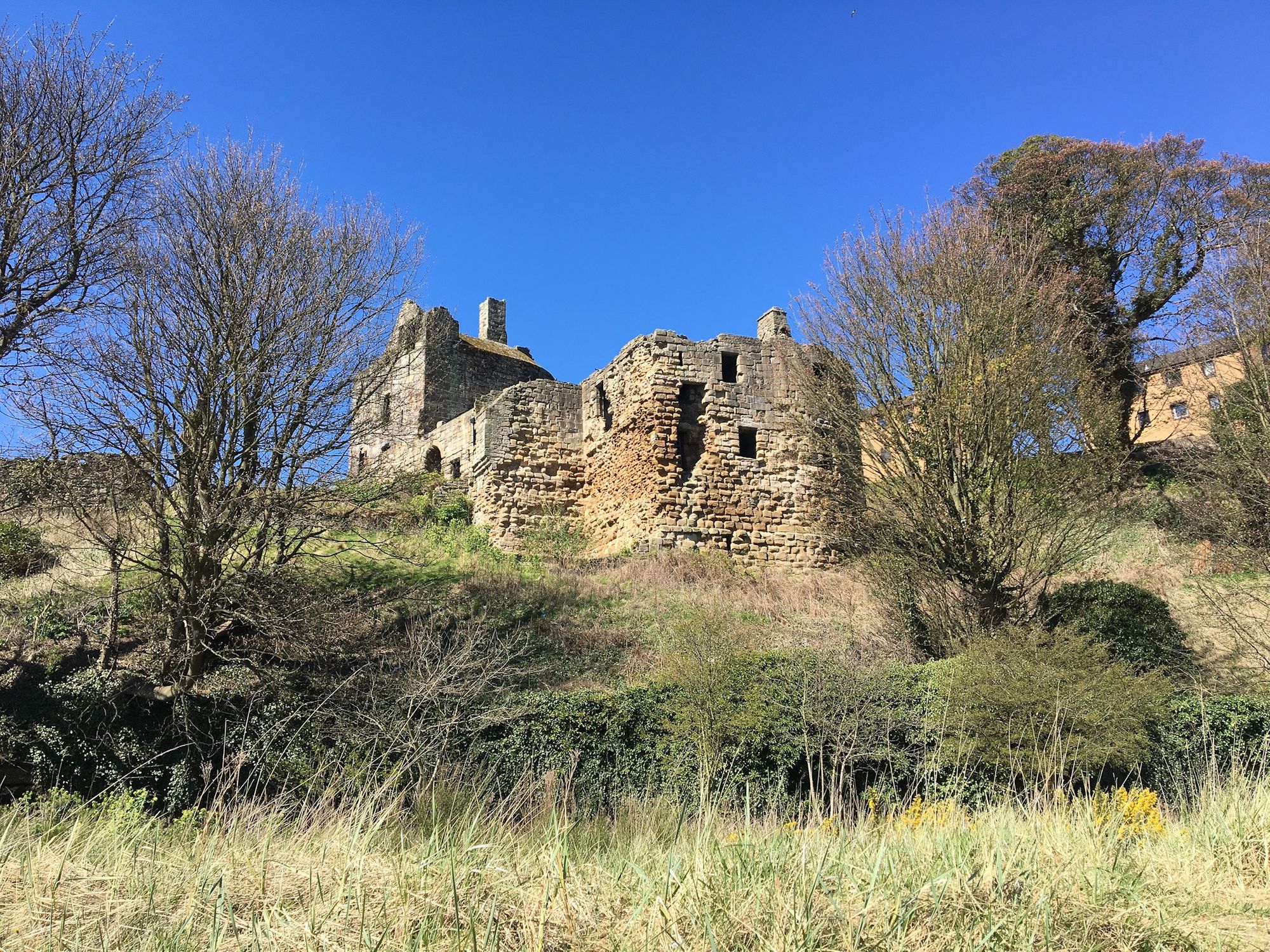
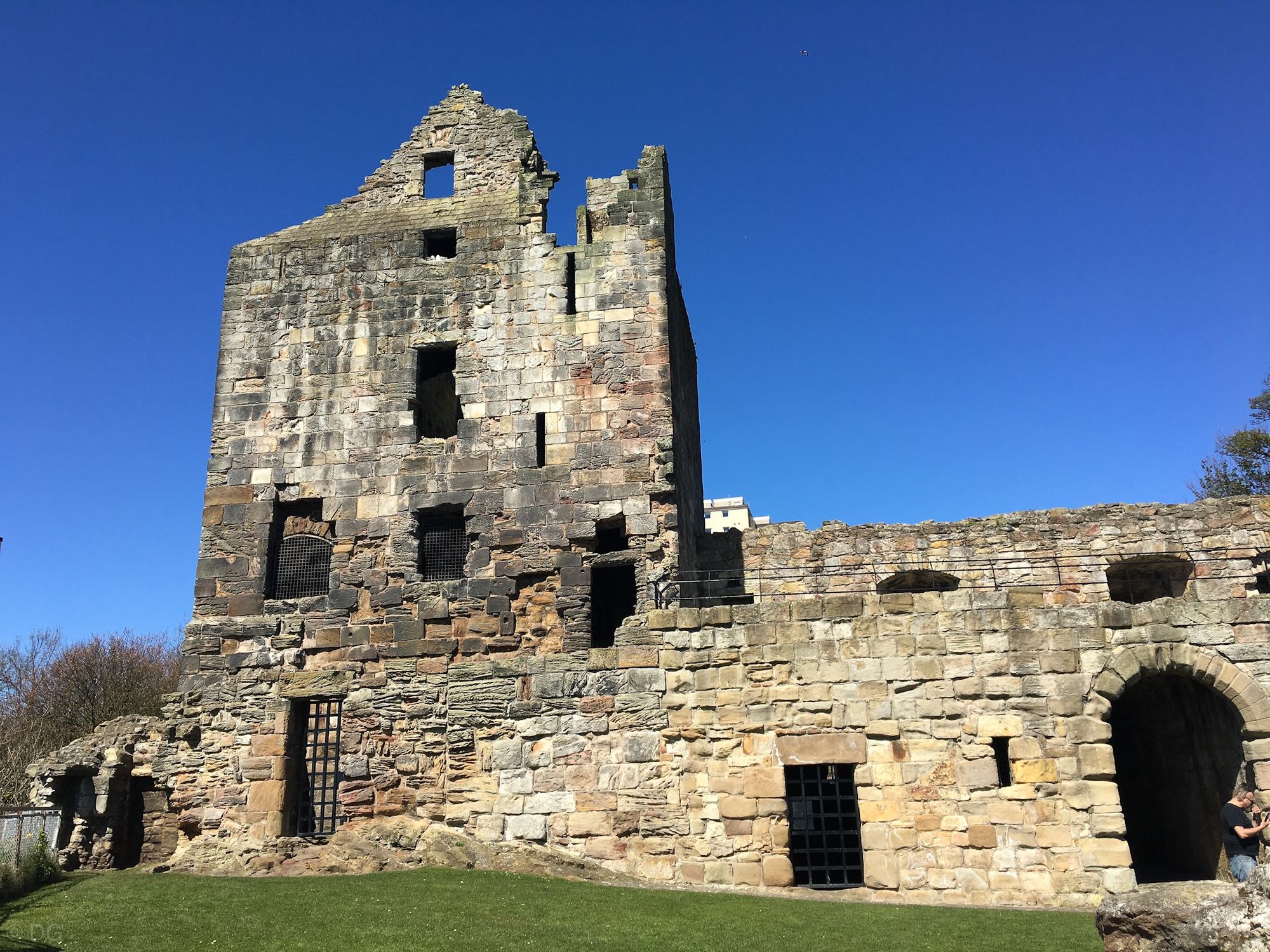
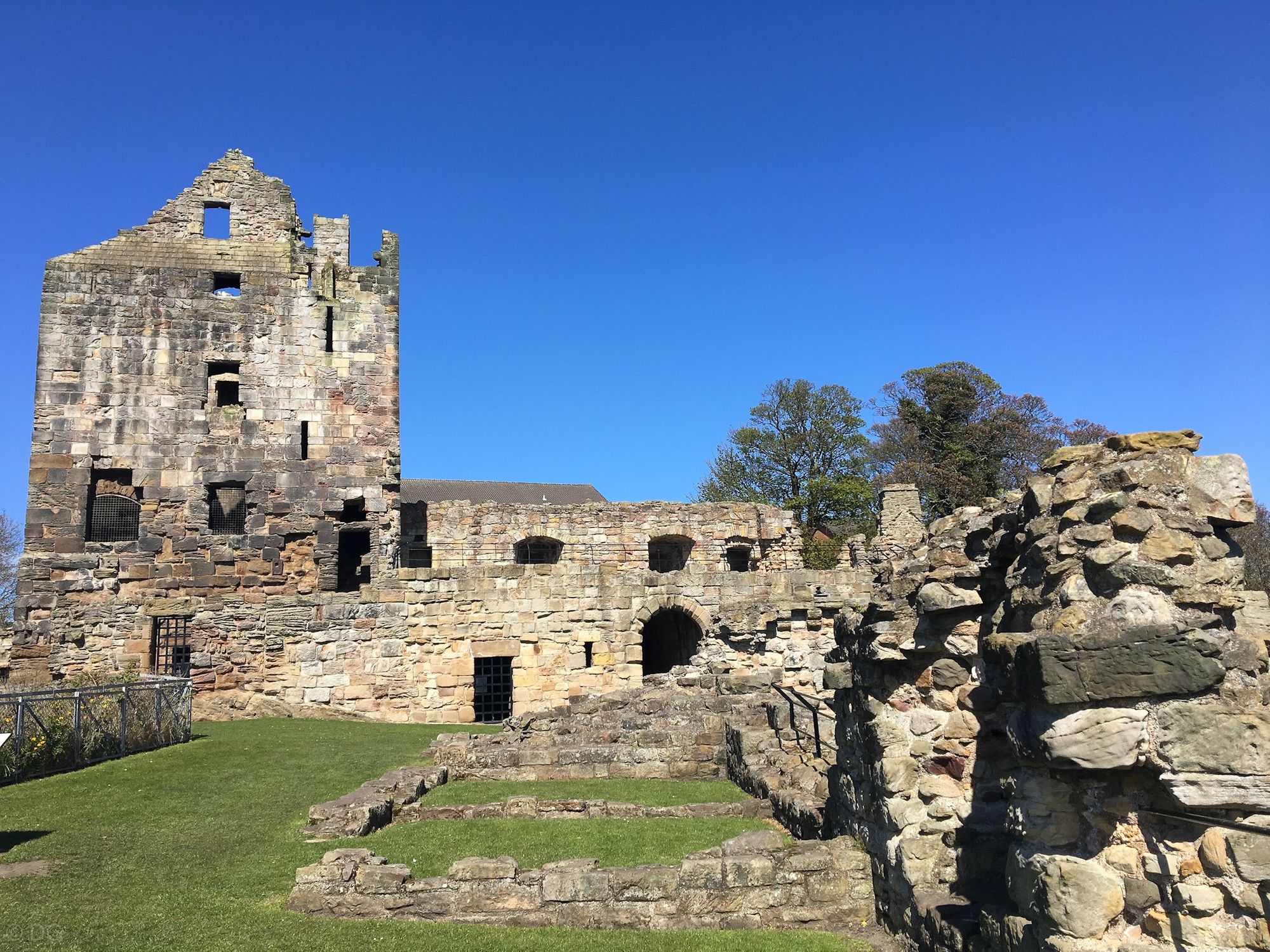
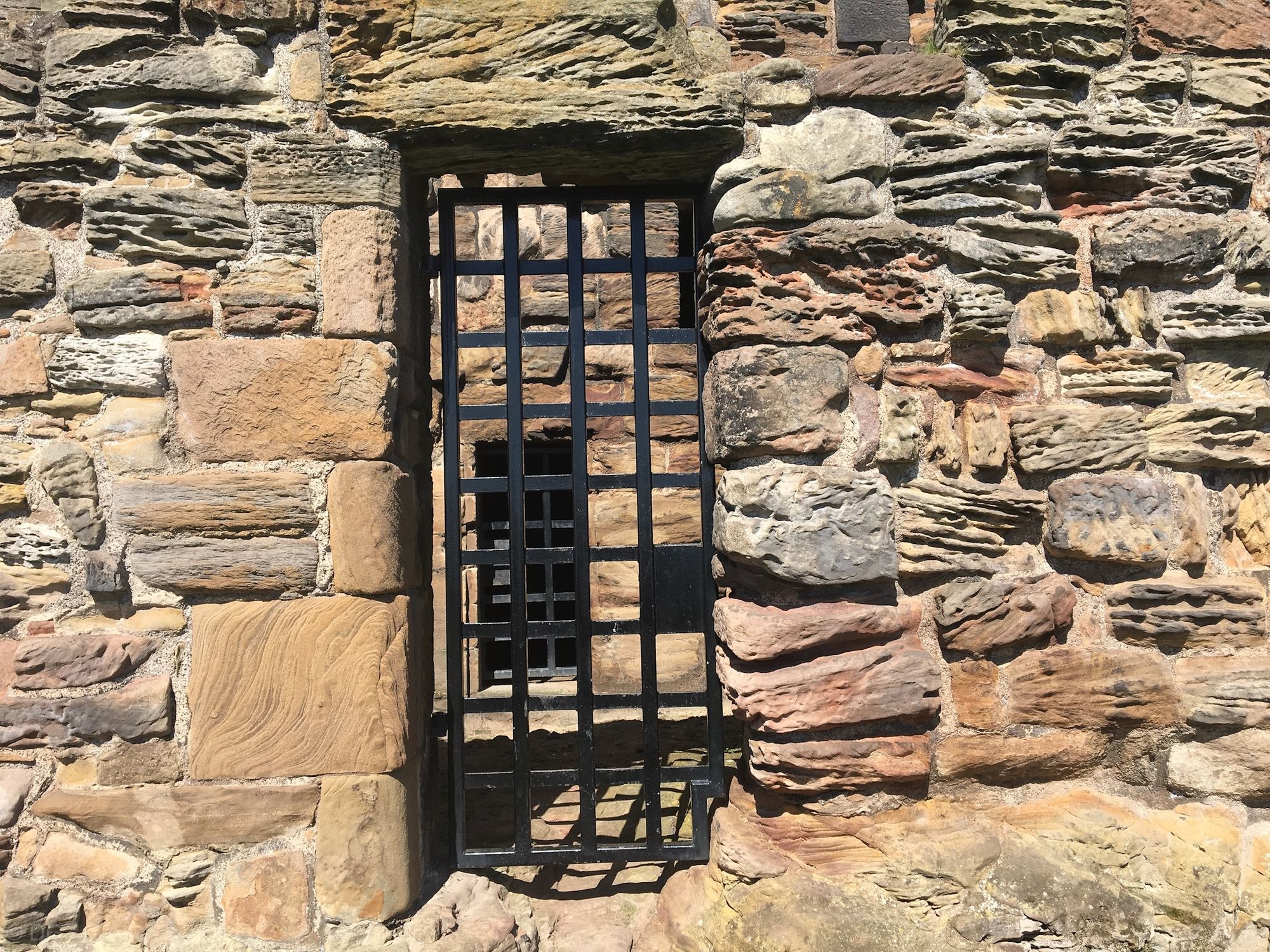
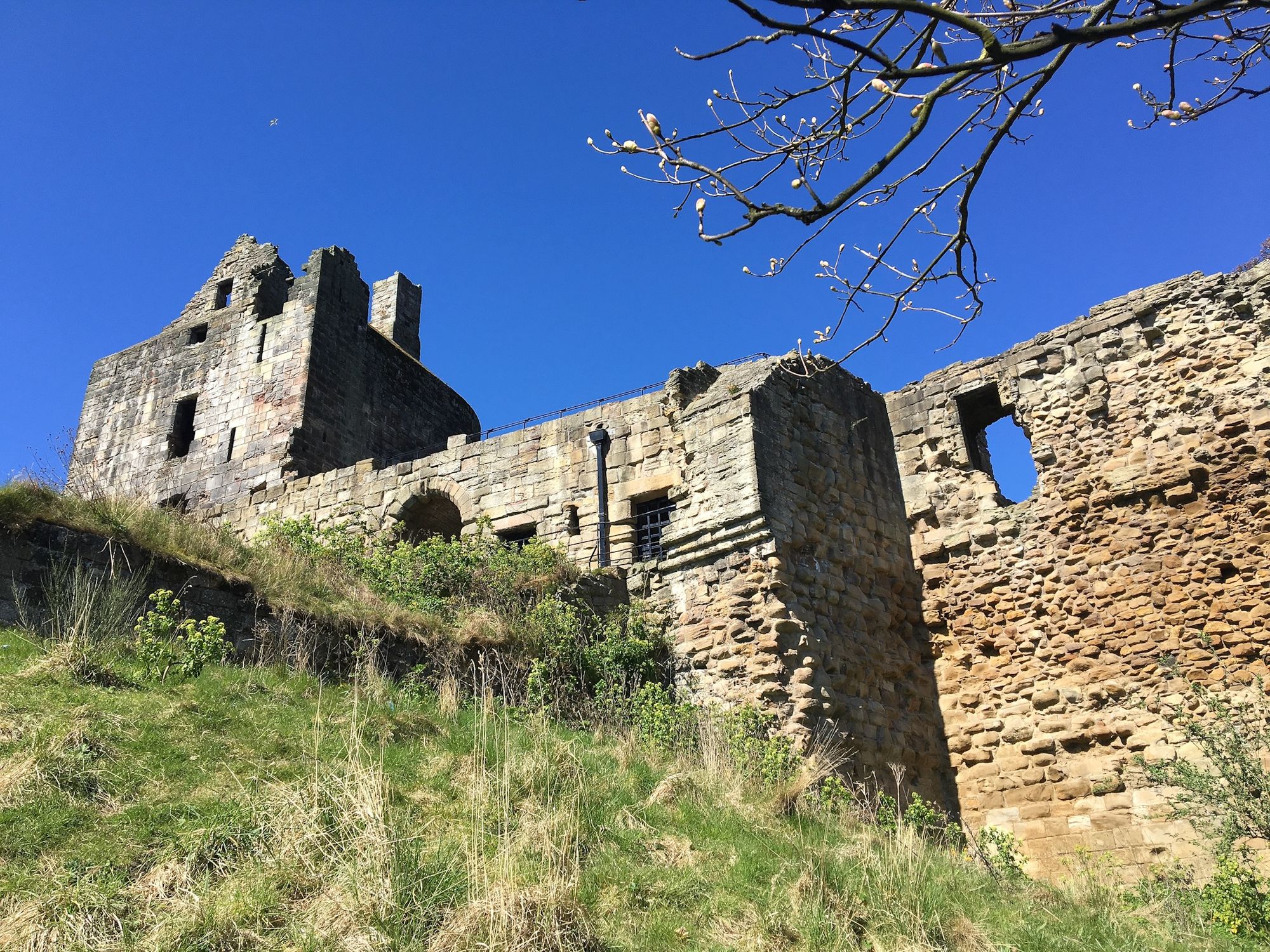
Ravenscraig was an exceptional structure for its time. Many historians regard it as one of the first castles in Scotland, and possibly in the whole of the British Isles, designed from the outset to resist artillery fire. This is especially evident on the landward side, where two massive D-shaped towers stand. Their walls are over four metres thick in places. Such formidable walls were intended to withstand the impact of cannon shot, which in the 15th century was becoming an ever more dangerous weapon.
An additional protection was a deep ditch cut into the rock. From the sea the castle was defended by steep cliffs dropping directly into the water. In practice this meant a potential attacker could only assault from the landward side, where the most powerful fortifications awaited them.
In the following centuries Ravenscraig remained in the hands of the Sinclairs. Important figures of the Scottish court visited the castle. It is recorded, for example, that in the 16th century King James V and his wife Mary of Guise stayed here. For a long time Ravenscraig was a symbol of the prestige of one of Scotland’s most powerful families.
In the mid-17th century Scotland was engulfed by the civil wars associated with Oliver Cromwell’s campaigns. In 1650–1651 the castle was attacked by English forces. The fortifications suffered some damage, but contrary to popular legend it was not completely destroyed by Cromwell. After the fighting ended it remained the property of the Sinclair family.
The castle's gradual decline did not begin until the 18th century. The owners moved to a more comfortable residence – the nearby Dysart House. The abandoned stronghold began to fall into ruin. Some of the stone was used as building material for nearby buildings. Nevertheless, the main elements of the fortifications have survived to the present day.
An interesting fact is that Ravenscraig also appears in literature. Sir Walter Scott used the castle as the setting for the ballad 'Rosabelle', included in the poem 'The Lay of the Last Minstrel'. As a result, the ruins have been permanently recorded not only in history but also in Scottish culture.
During World War I the castle grounds were used as an ammunition store. In 1929 a large part of the estate was handed over to the residents of Kirkcaldy as a public park. Then in 1955 the castle came under state care, and it is currently managed by Historic Environment Scotland.
Walking around Ravenscraig Castle today, you can see impressive towers, sections of defensive walls and characteristic gunports adapted for artillery use. From the walls there is also a beautiful view of the Firth of Forth and the Fife coast. Although the castle remains a ruin, it's easy to imagine its former might.
Ravenscraig does not impress with lavish interiors or rich furnishings. Its greatest value is its history. It is a place where the fates of Scottish kings, the influential Sinclair family, and the birth of modern military fortifications meet. Looking at the thick walls and massive towers, one can see the turning point between the Middle Ages and the new era of gunpowder warfare.
Today Ravenscraig Castle remains one of Scotland's most underrated castles. For lovers of history, architecture and photography it is a true gem that allows you to discover a lesser-known but extremely fascinating side of Scottish heritage.
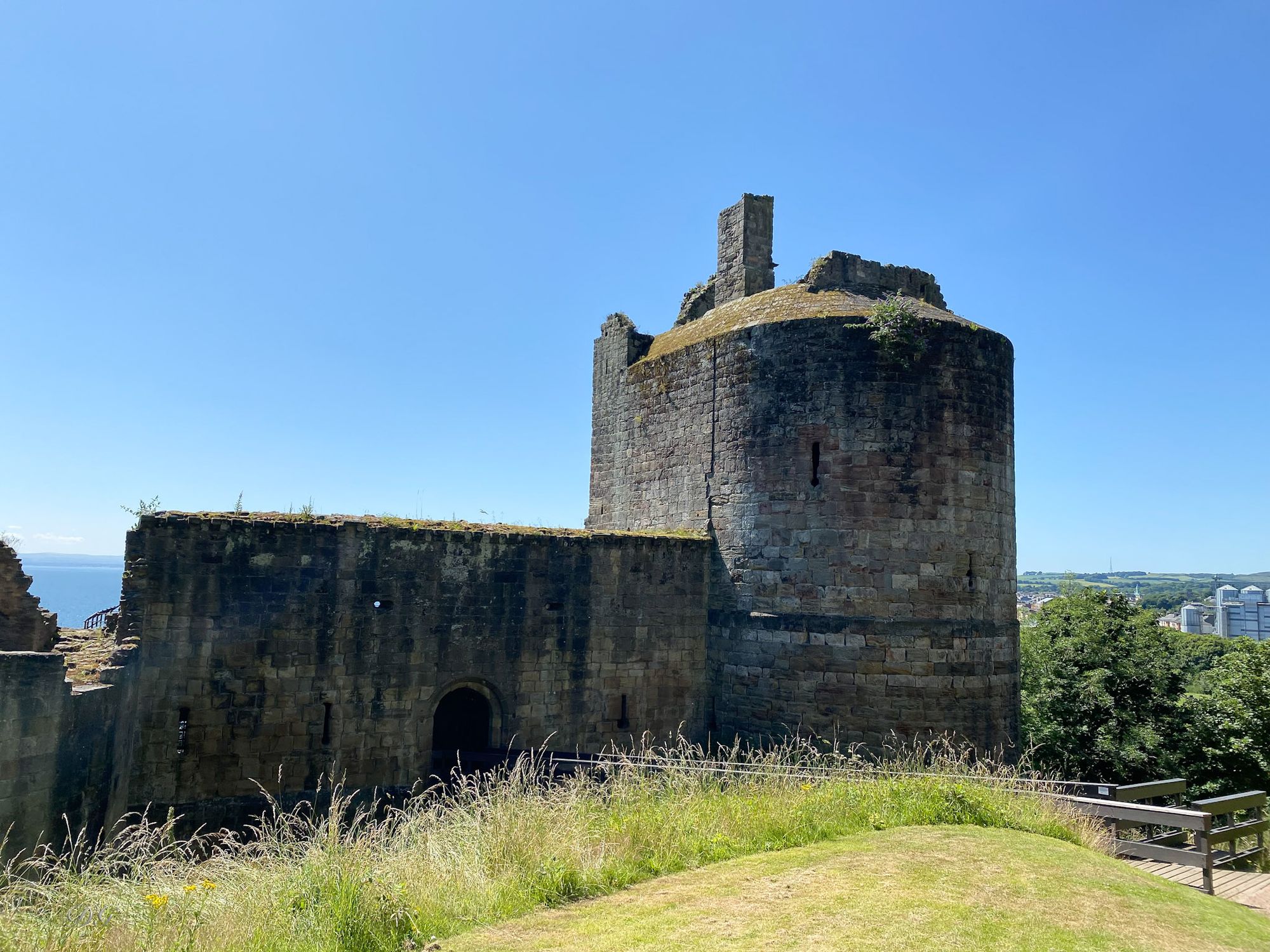
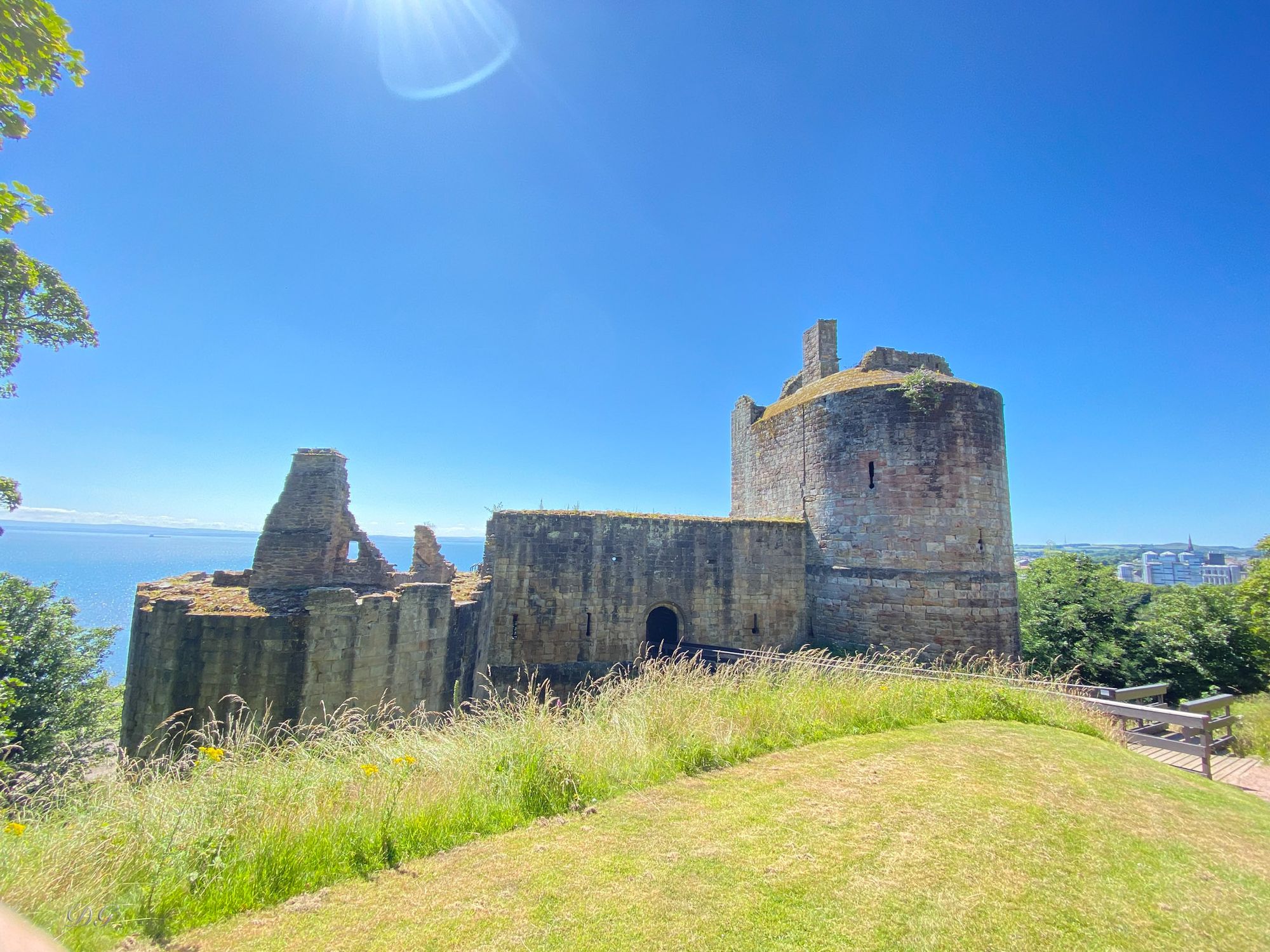
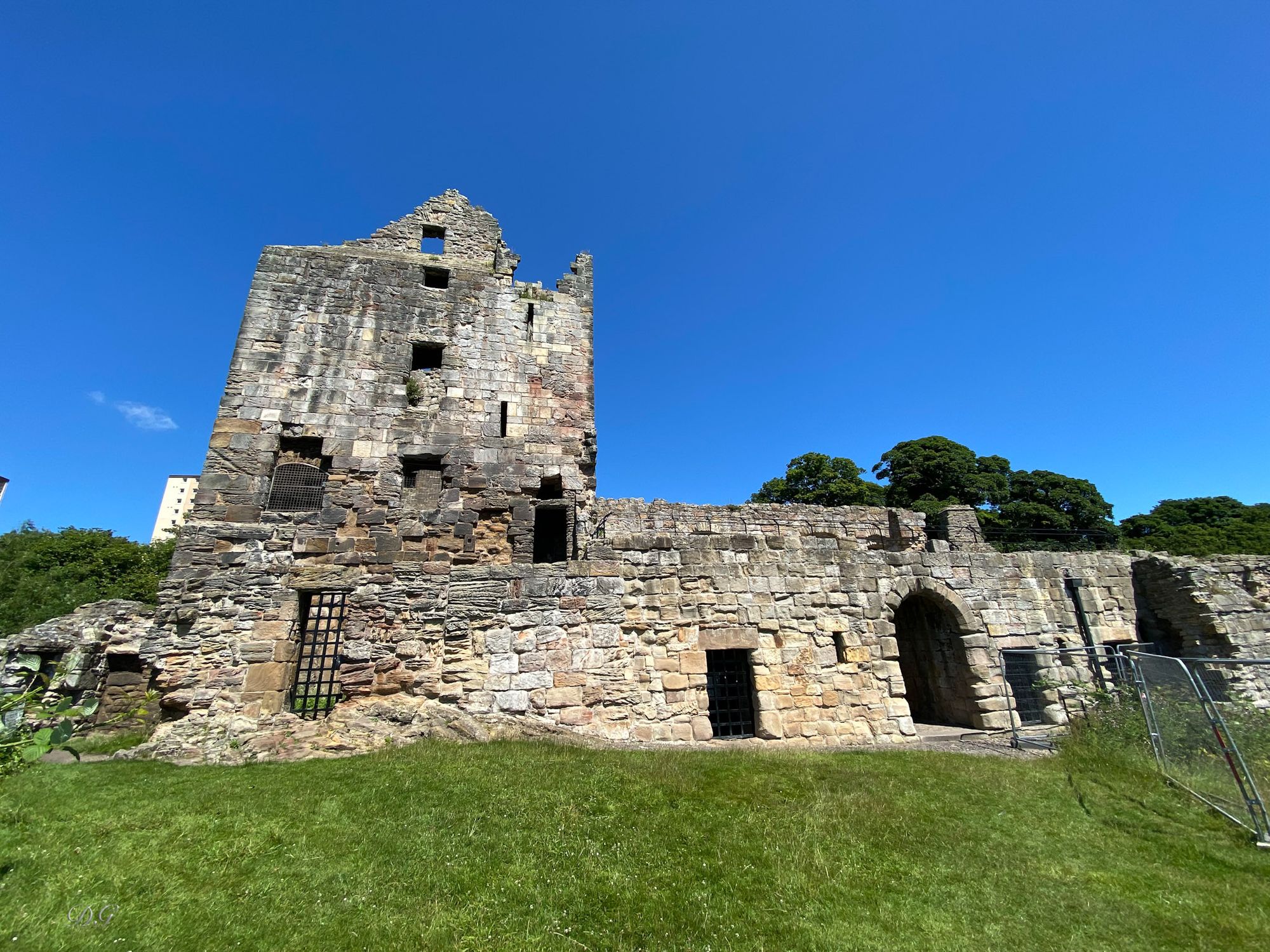
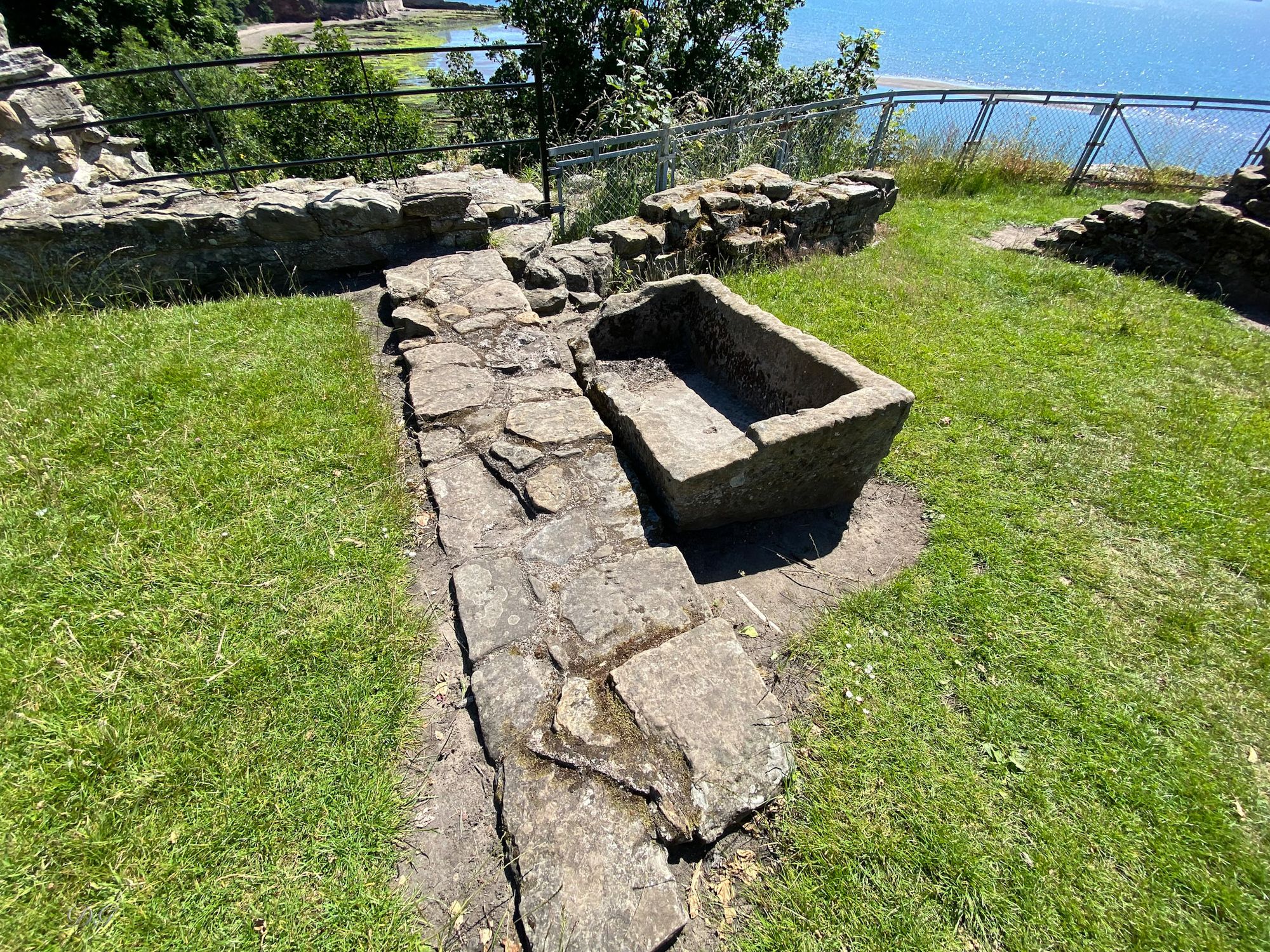
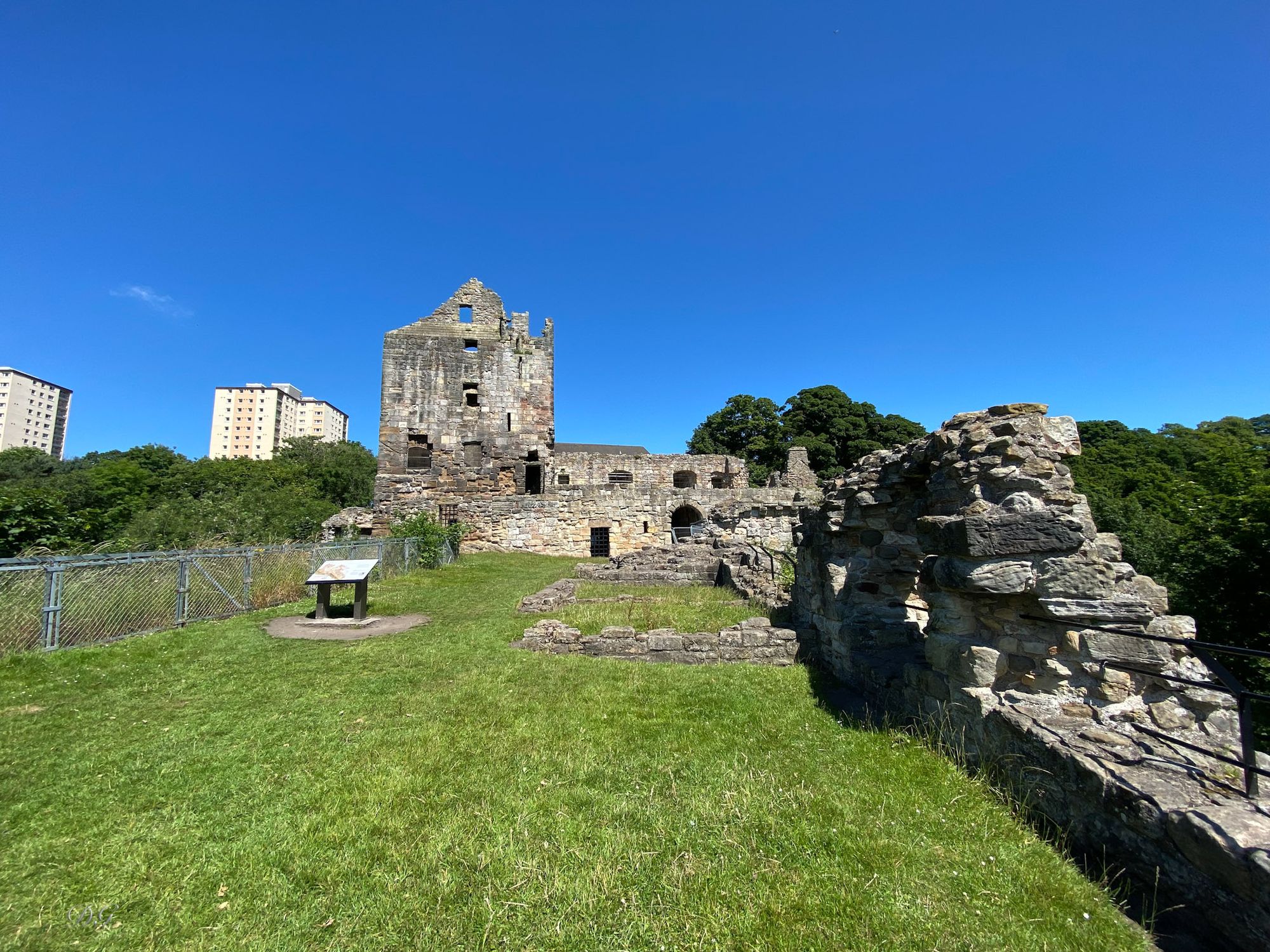
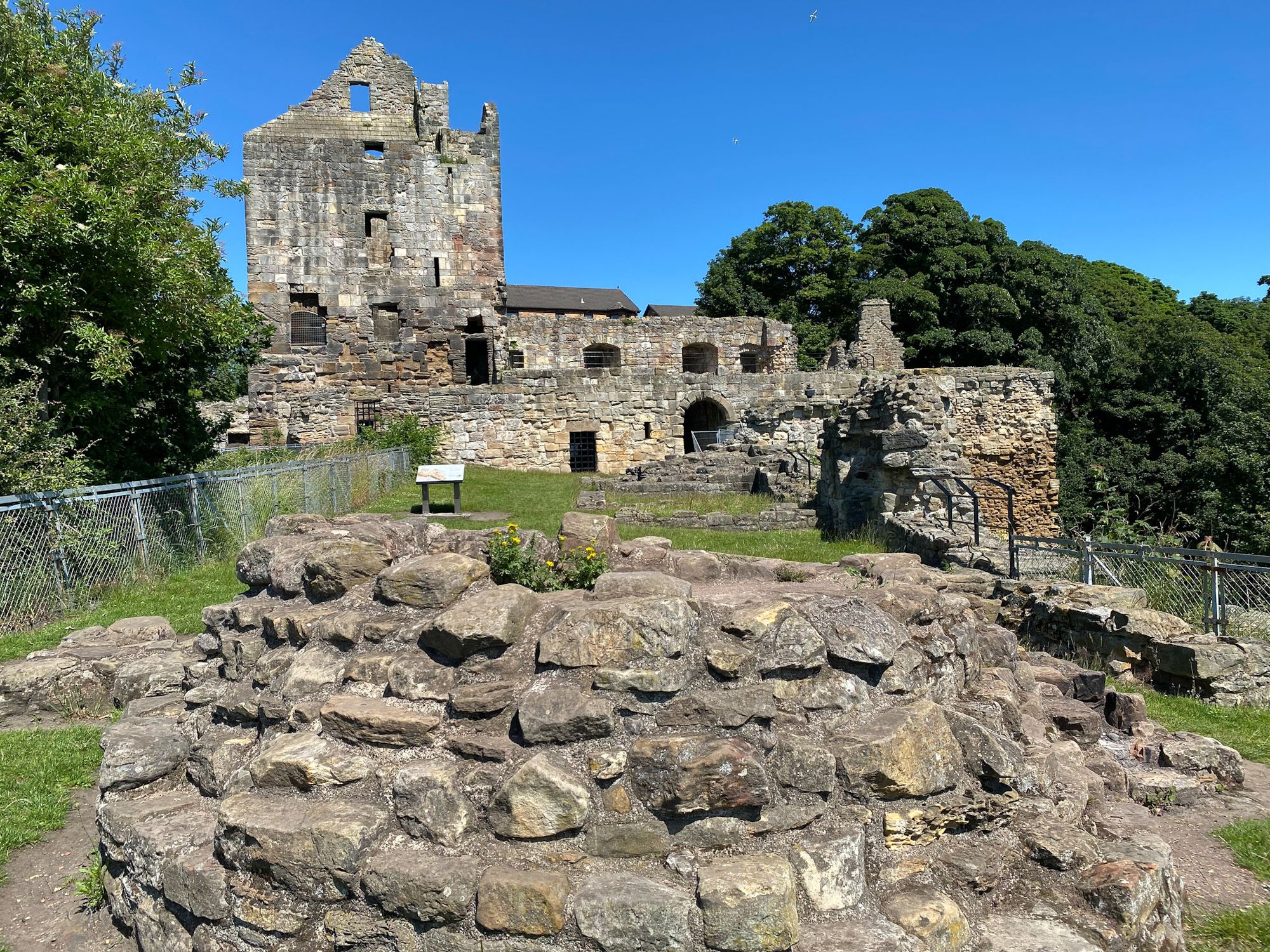
Ravenscraig castle
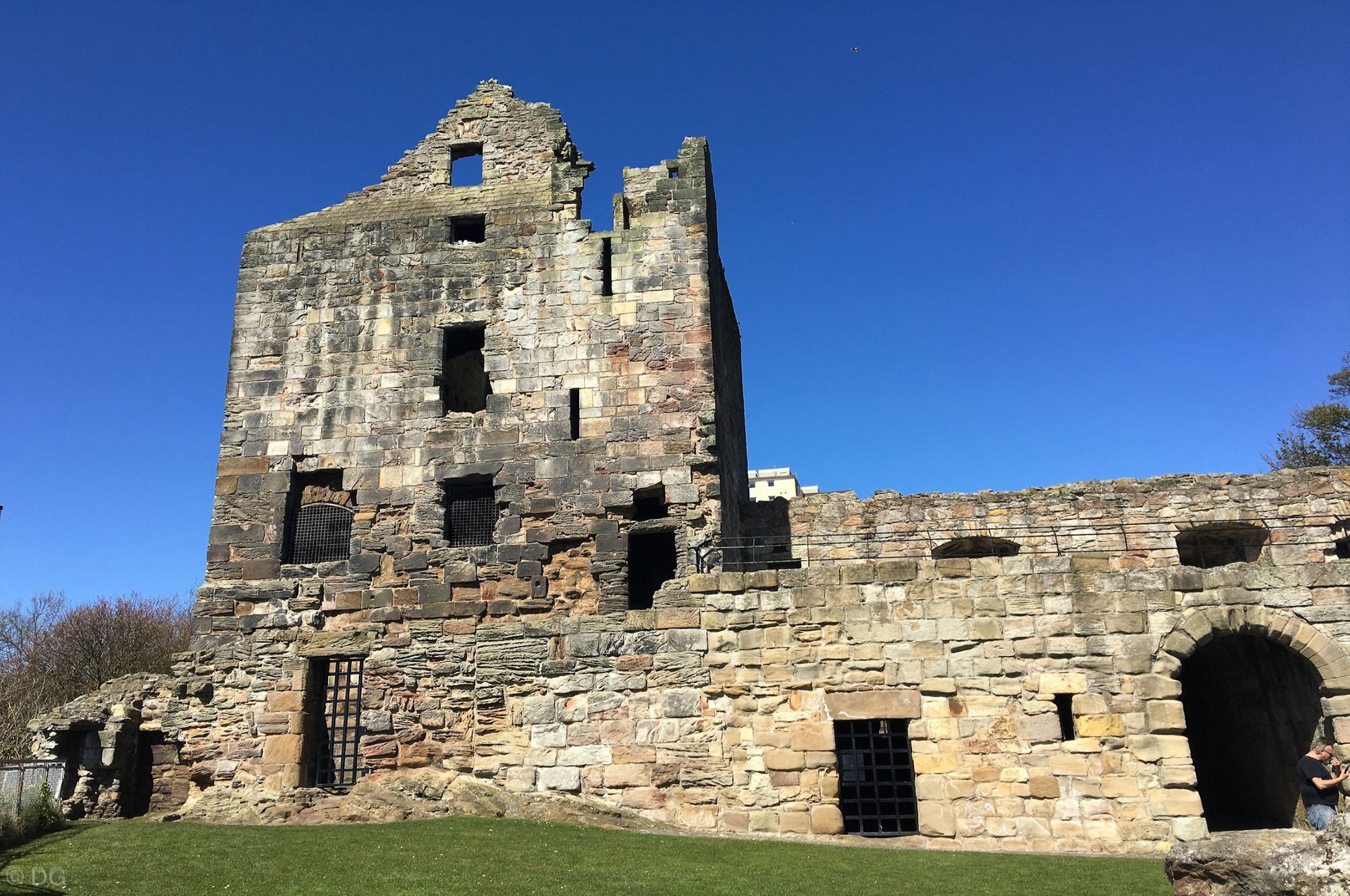
Location
Open in Google Maps →Continue reading in this gallery
Scottish Castles
Castles of Scotland- Balvaird
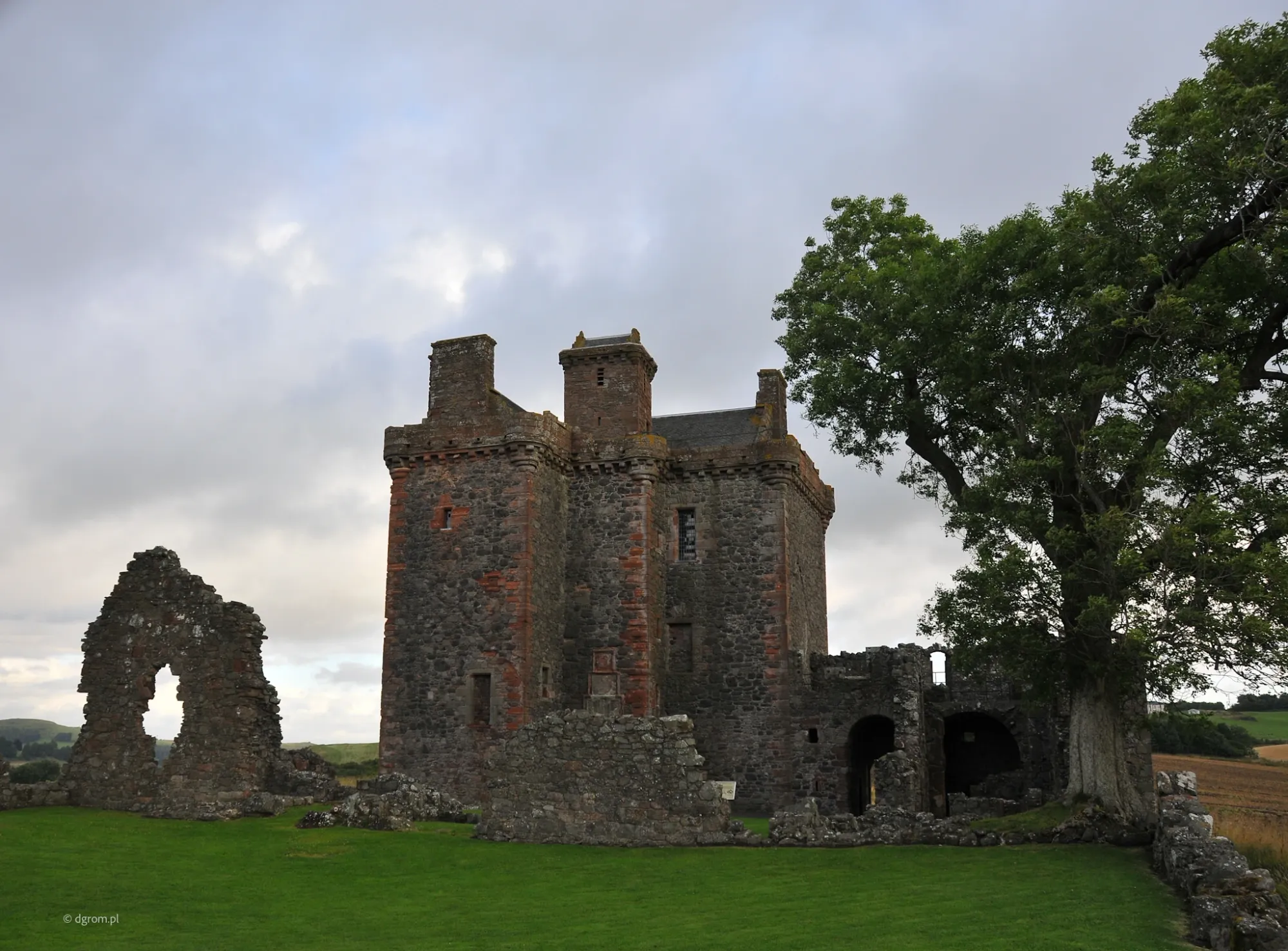
Balvaird Castle is located in central Scotland, near the town of Abernethy. It was built in the 16th century as a residence for Sir Andrew Murray, who was a close friend of Mary, Queen of Scots.
Scottish Castles
Scottish Castles - Dunbar
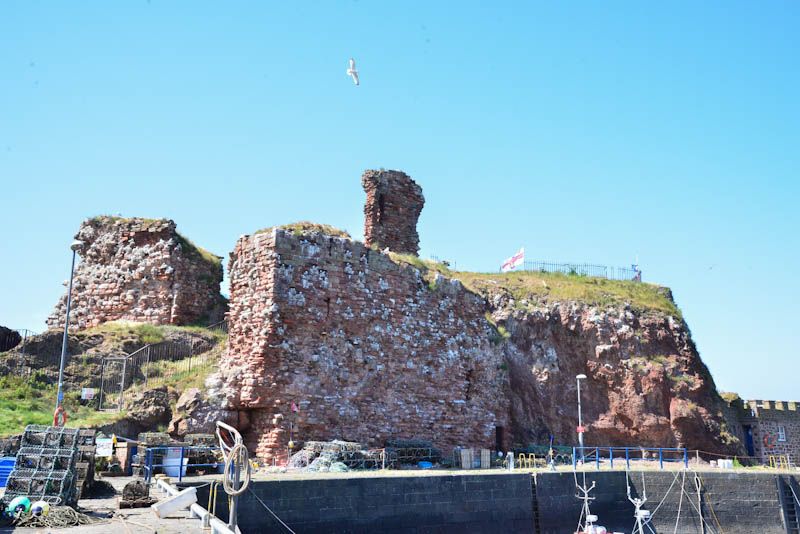
Dunbar Castle (English: Dunbar Castle) is a castle located in the town of Dunbar, in southeast Scotland, on the shore of the North Sea.
Scottish Castles
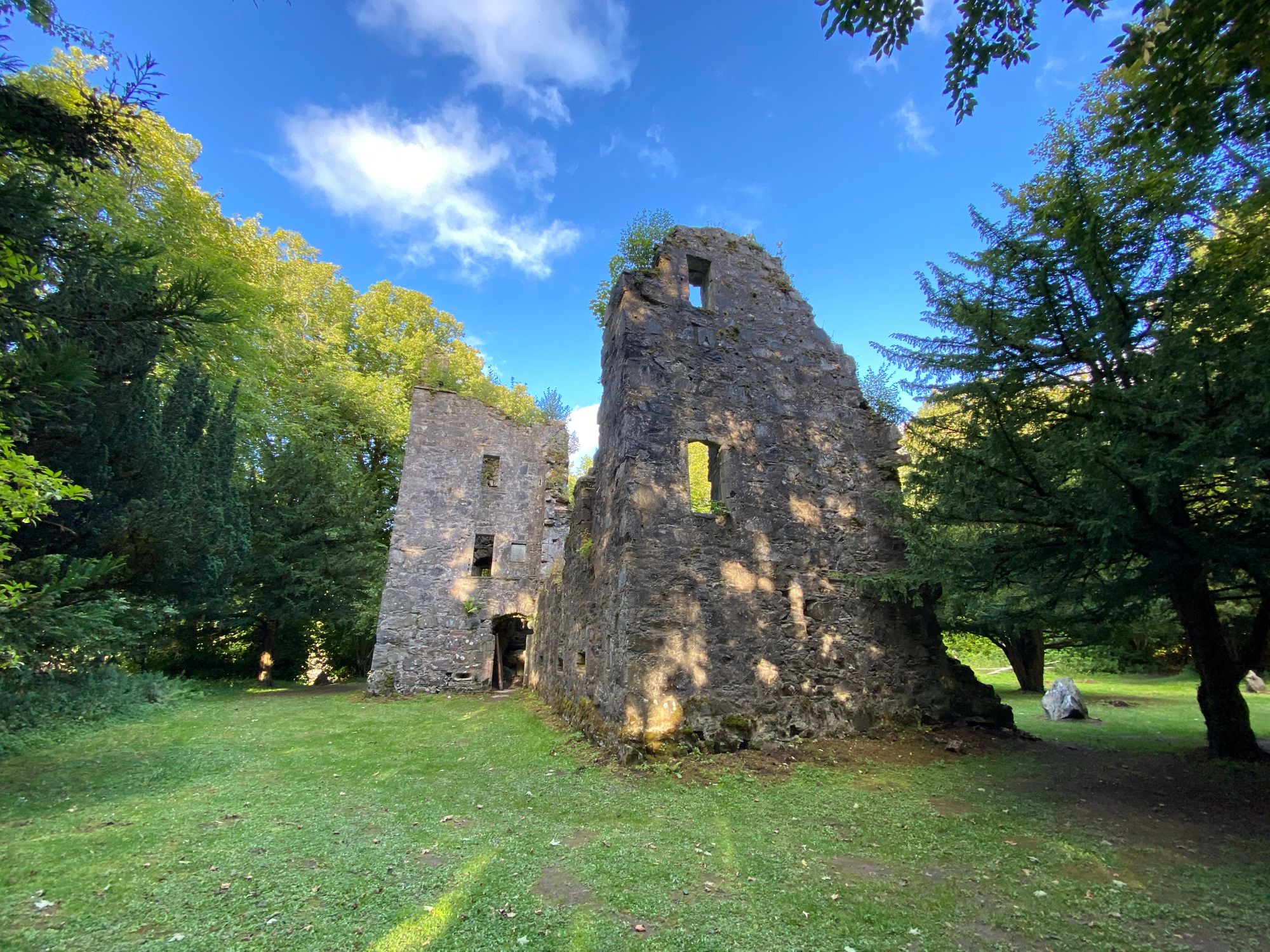
Castles of Scotland - Finlarig
Finlarig Castle is a historic castle located in central Scotland, in the county of Perthshire. The castle belonged to Clan Campbell and was an important administrative and commercial center in the region.
Scottish Castles
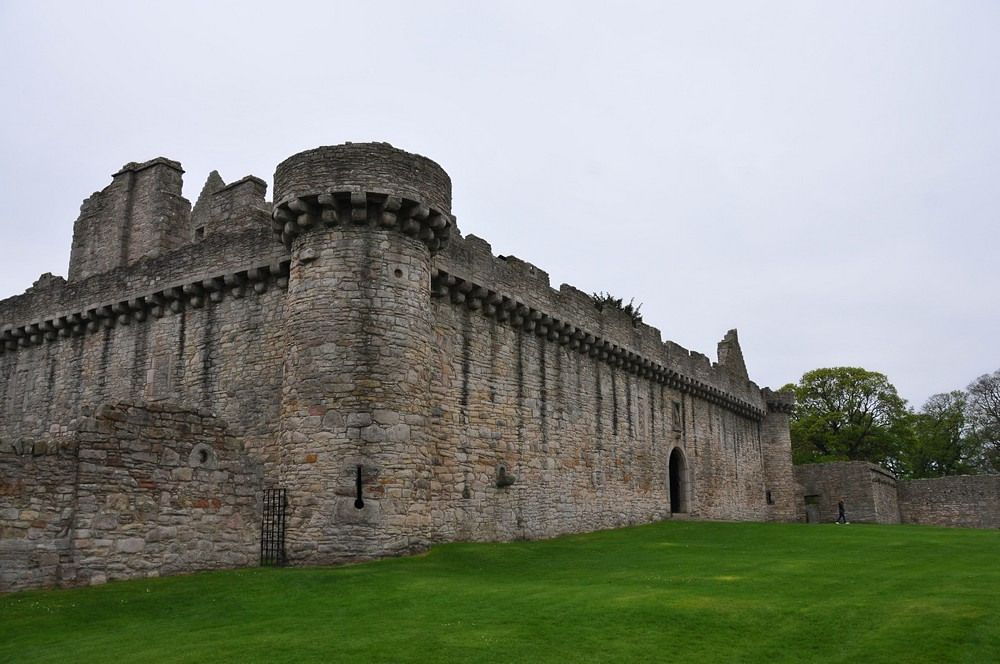
Scottish Castles - Craigmillar
Craigmillar Castle is a ruined medieval castle in Edinburgh, Scotland. It is located about 5 km from the city centre.