Beta
Castle of Mey · original photography

Scotland/The Highlands/Castle of Mey

FIELD GUIDE · THE HIGHLANDS

Castle of MeyThe Queen Mother’s home & visitor guide

A Scottish castle story. Read through its landscape.

CASTLESCOTLAND

Share this castle

Castle of Meycastlescotland.app

Send this guide to someone or keep its link.


PLAN YOUR VISIT

Practical details for a smoother visit.

Check current access before travelling

The Castle of Mey, Thurso, Caithness, KW14 8XH

VISIT TIME: 2–3 hours
TICKETSCastle, grounds and gardens: adult £16.01; concession £12.68; child £8.18; family £41.86 during the published summer-saver period.

Visitor conditions are stated conservatively from current official or local guidance; always confirm before travel.

OPENING & ACCESSOpening and tickets

See the information card above for admission details.

GETTING THERE & PARKINGGetting there

Use the address and map link above for Castle of Mey. Allow time for the final rural approach and check parking guidance before setting out.

ACCESSIBILITYAccessibility

Historic rooms have limited step-free access; visitor centre, toilets and parking are more accessible. Check the seasonal opening dates before travel.

MANAGED BYThe Queen Elizabeth Castle of Mey Trust

WHAT TO EXPECT

  • Photography
  • Caithness coast near John o’ Groats
  • Ticketed

01 / THE STORY

A castle worth slowing down for.

The Castle of Mey stands on Scotland’s north coast in Caithness, where its association with Queen Elizabeth The Queen Mother gives a historic country house a particularly personal story. A visit combines the castle with its gardens and coastal setting. This independent guide uses original photographs and historical context to help you plan a stop, with official links for opening times, admission and access rather than promises that every facility is always available.

Mey’s history did not begin with royal ownership. The Sinclair family’s residence was altered over generations and was also known as Barrogill Castle. The Queen Mother bought it in 1952, restored the older name and undertook work on the house and grounds. That distinction matters when looking at the building: its earlier fabric, later alterations and twentieth-century domestic life belong to different chapters, not one original design.

Treat the castle and gardens as a visit in their own right, rather than simply a photograph on a north-coast drive. Check the operator’s calendar for your exact date, because seasonal opening and exceptions can change what is available. Consult the accessibility information if historic rooms or garden paths may present difficulties. The practical section below brings the location and official visitor links together; the history and gallery explain what makes the place distinctive. For a wider journey, compare Mey with other Caithness castles on our map and leave realistic time between stops.

Why visit the Castle of Mey?

The attraction is personal scale: rooms connected with the Queen Mother, gardens protected from the Caithness weather and wide views towards Orkney on a clear day.

It is a seasonal, managed house visit. Book around the official opening calendar rather than assuming access during an NC500 drive.

Before the royal chapter

The castle was probably built for George Sinclair,4th Earl of Caithness, between 1566 and 1572. It was long known as Barrogill Castle.

Later alterations changed the residence before the Queen Mother arrived. The twentieth-century story renewed an older house; it did not create the castle’s entire past.

A ruin rescued as a home

When the Queen Mother bought the property in 1952, it needed extensive repair. She restored and furnished it for regular visits rather than treating it as a formal palace.

That domestic purpose is central to the experience. Stories of meals, dogs, gardening and guests bring the royal connection down to the scale of everyday life.

01 / THE STORY CONTINUES

More stories from this castle.

A garden behind the walls

Shelter is precious on an exposed northern coast. The walled garden creates its own calmer climate and a strong contrast with the open sea beyond.

Give it time instead of treating it as an optional extra. The garden explains why this severe-looking location could become a beloved summer home.

A gift for the future

In 1996, the Queen Mother gave the property to the charitable trust that preserves it. The decision prepared the house for a life beyond one owner.

Check current tours, grounds access and any closure connected with royal visits before travelling.

03 / MOMENTS IN STONE

Stories worth carrying with you.

Probably 1566–1572

Why the setting matters

The castle is built for George Sinclair, fourth Earl of Caithness. Caithness coast near John o’ Groats is essential to the way this castle is understood.

1952

A changing place

Queen Elizabeth The Queen Mother purchases the property and begins its renewal. The former Barrogill Castle became the beloved northern home of Queen Elizabeth The Queen Mother after she bought it in 1952. Its restoration and gardens give a 16th-century seat a distinctly modern royal afterlife.

1996

Visit with care

The Queen Mother gives the property to the charitable trust. Current access is part of the guide: check the official or local notice before making the final approach.

04 / FIND THE CASTLE

The Castle of Mey, Thurso, Caithness, KW14 8XH

58.647175,-3.224967

Castle of Mey is at The Castle of Mey, Thurso, Caithness, KW14 8XH. Check current access arrangements before travelling.

Open map
OPENING AND TICKETS

Opening and tickets

See the information card above for admission details.

GETTING THERE

Getting there

Use the address and map link above for Castle of Mey. Allow time for the final rural approach and check parking guidance before setting out.

PHOTOGRAPHY

Photography

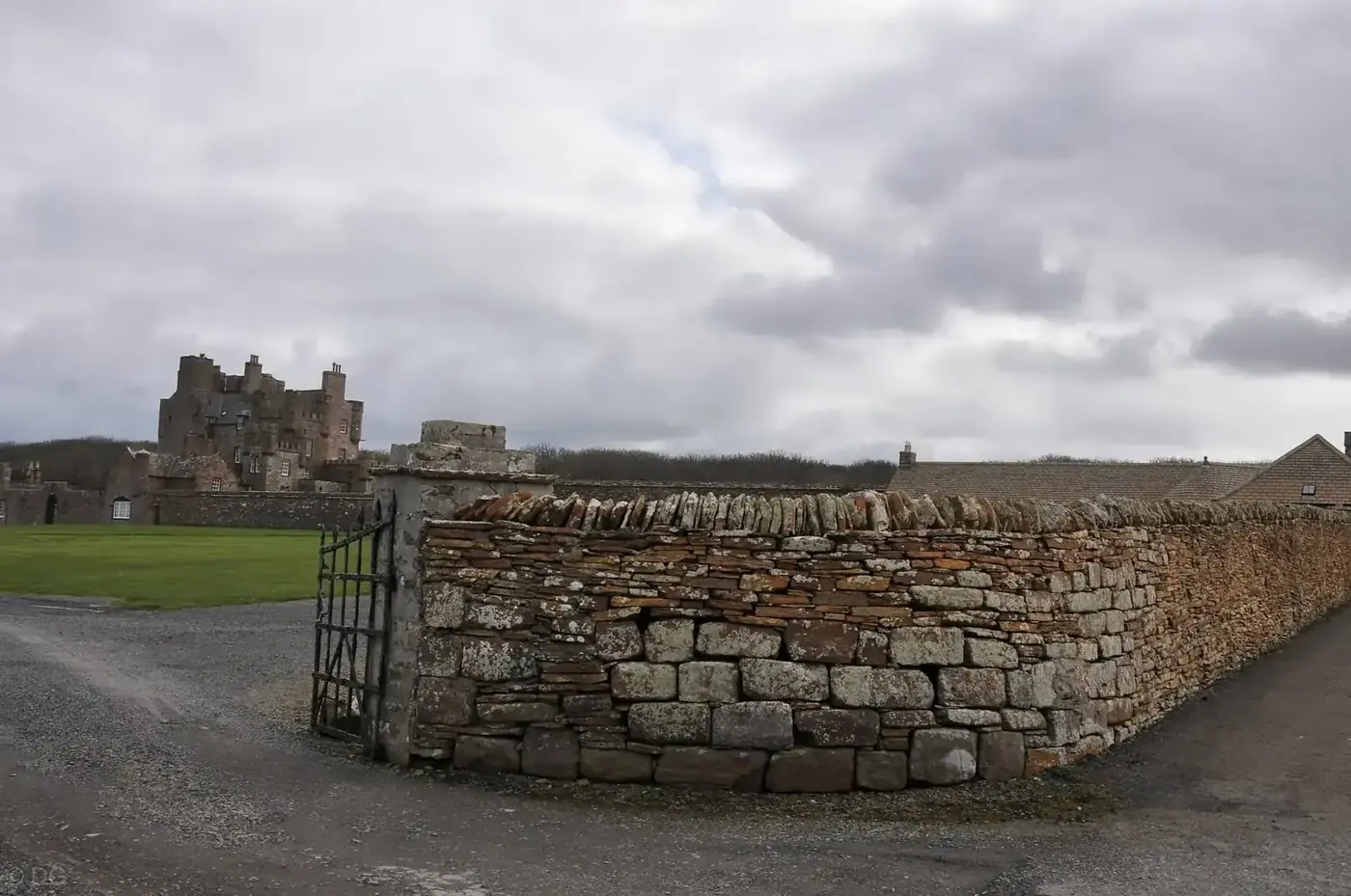
Photograph Castle of Mey as part of its setting. A wide view is often more truthful than a close crop, and all original masonry should be observed without climbing or crossing boundaries.

History and visitor advice: CastleScotland fieldwork and official operator sources.

Official information ↗See on the Scottish castle map →
HISTORICAL RECORDRead the detailed, verified history

The castle was built for George Sinclair, fourth Earl of Caithness. HES dates its origins probably to 1566–1572, while the castle’s own introduction gives that range without the qualification. Keeping ‘probably’ is appropriate: an approximate building date is more honest than claiming a documented opening day. The older name Barrogill also appears in its history; the Queen Mother restored the name Castle of Mey after her purchase.

Mey’s sixteenth-century design is described as a Z-plan, with projecting towers associated with the main block. Gun openings and corbelled turrets preserve the language of a fortified residence, but the building was repeatedly adapted. The present outline records that sequence of changes rather than an untouched original design.

William Burn was commissioned to alter the house in 1819. His entrance work belongs to a later architectural layer, and the HES listing also records substantial twentieth-century changes. The lesson is visible in the building itself: restoration does not necessarily mean returning every part to a single earlier state. Mey’s identity includes the decisions of people who made an old residence suitable for new ways of living.

When the Queen Mother acquired the property in 1952, it was in poor condition. The estate’s history describes the restoration of the castle, gardens and surrounding parkland between 1953 and 1955, and her return visits in August and October. Mey became a personal northern retreat rather than merely a ceremonial backdrop. That domestic association helps explain why the house and its setting should be considered together.

In 1996 she transferred the property to a charitable trust. The castle’s own account distinguishes that gift from her earlier personal ownership, and that distinction should be preserved. The King’s Foundation now includes Mey among the places in its care. Royal association is therefore not, by itself, evidence that the building is currently the King’s personal property; stewardship and ownership must not be casually confused.

The gardens tell a continuing story too. The estate describes subsequent changes to planting, paths, hedges and places to sit, rather than a garden frozen exactly as it was in the Queen Mother’s lifetime. Shelter is essential on this exposed coast: the enclosing walls give the planting protection from wind and salt spray. Look at that relationship between enclosure and open landscape before treating the garden simply as decoration beside the castle.

Mey and its garden walls are category A listed. The designation recognises an important historic building, but its older descriptive text is not a current ownership register. It still reflects the Queen Mother’s ownership and gives an approximate purchase date that differs from the estate’s clear 1952 account. This is a reminder that even an authoritative heritage record can contain historical information that requires comparison with other evidence.

For the visitor, the most rewarding approach is to look for connections: between the tower and later additions, between rooms and the garden, and between a royal retreat and a much older Caithness estate. Allow the house to be both impressive and domestic, without expecting battlefield ruins or assuming every feature is sixteenth century. Check the official arrangements for tours before travelling. The strength of Mey is precisely its survival through change: a place adapted, restored and cared for rather than reduced to an outline of lost walls.

Sources & further reading

Frequently asked questions

Where is the Castle of Mey?

The Castle of Mey is in Caithness on Scotland’s north coast. The address and directions links in this guide identify the visitor destination.

Did the Queen Mother own the Castle of Mey?

Yes. Queen Elizabeth The Queen Mother bought it in 1952 and restored the house and grounds. It was an older residence, not a castle newly built for her.

Why was it called Barrogill Castle?

Barrogill was an earlier name used before the Queen Mother’s purchase. She restored the name Castle of Mey.

When is the Castle of Mey open?

Consult the official opening calendar for the date of your visit. Seasonal schedules and exceptions mean you should not assume year-round or daily access.

What should you check before buying tickets?

Check what admission includes, the day’s castle opening arrangements and the operator’s accessibility advice. Follow the official links below for current information.

Sources and current visitor information:

Plan a northern castle journey

Explore the Castle of Mey and its royal history, compare Dunrobin Castle, or discover the coastal ruins of Sinclair Girnigoe. These stops are spread across the north: use the castle map and allow for travel time.

08 / EXPLORE NEXT

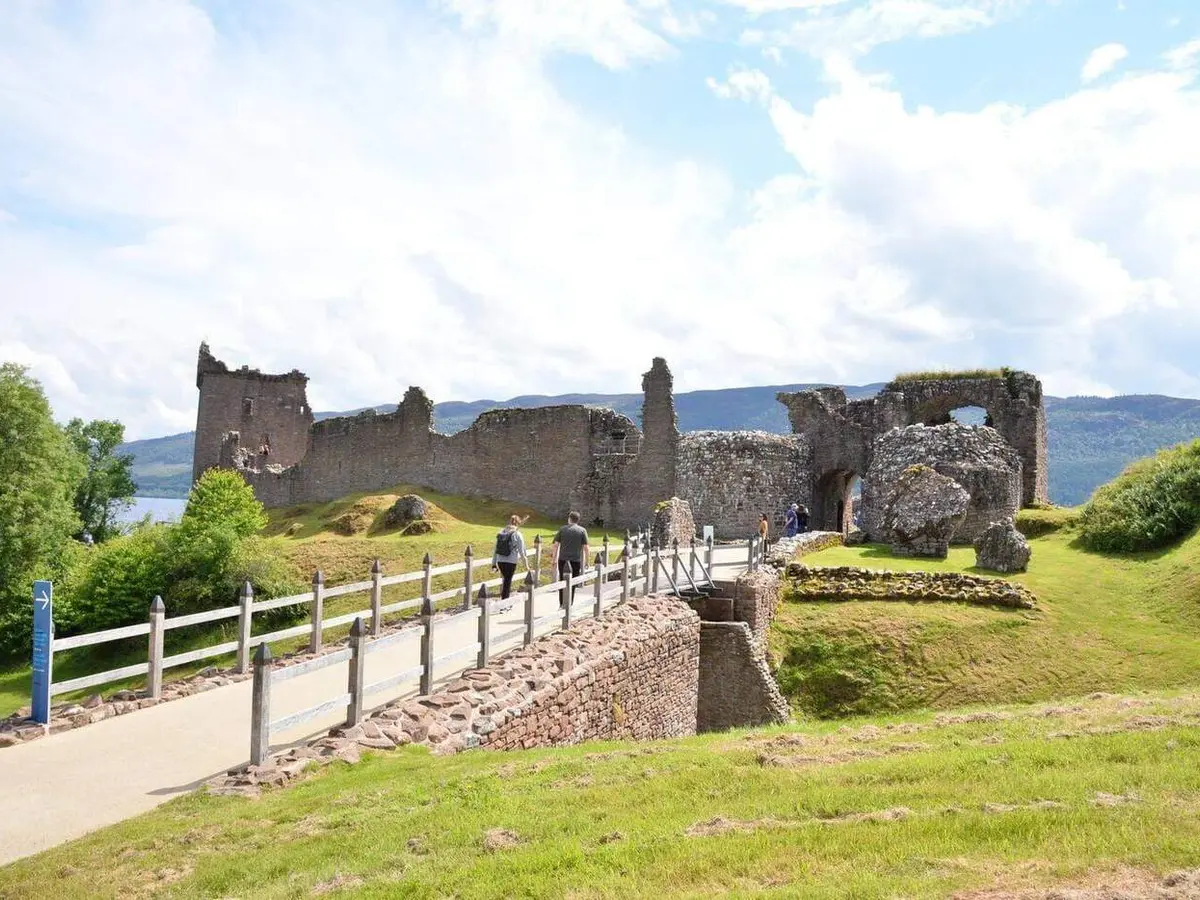
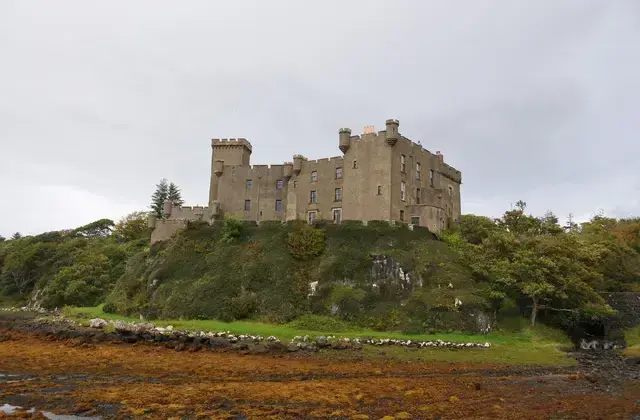
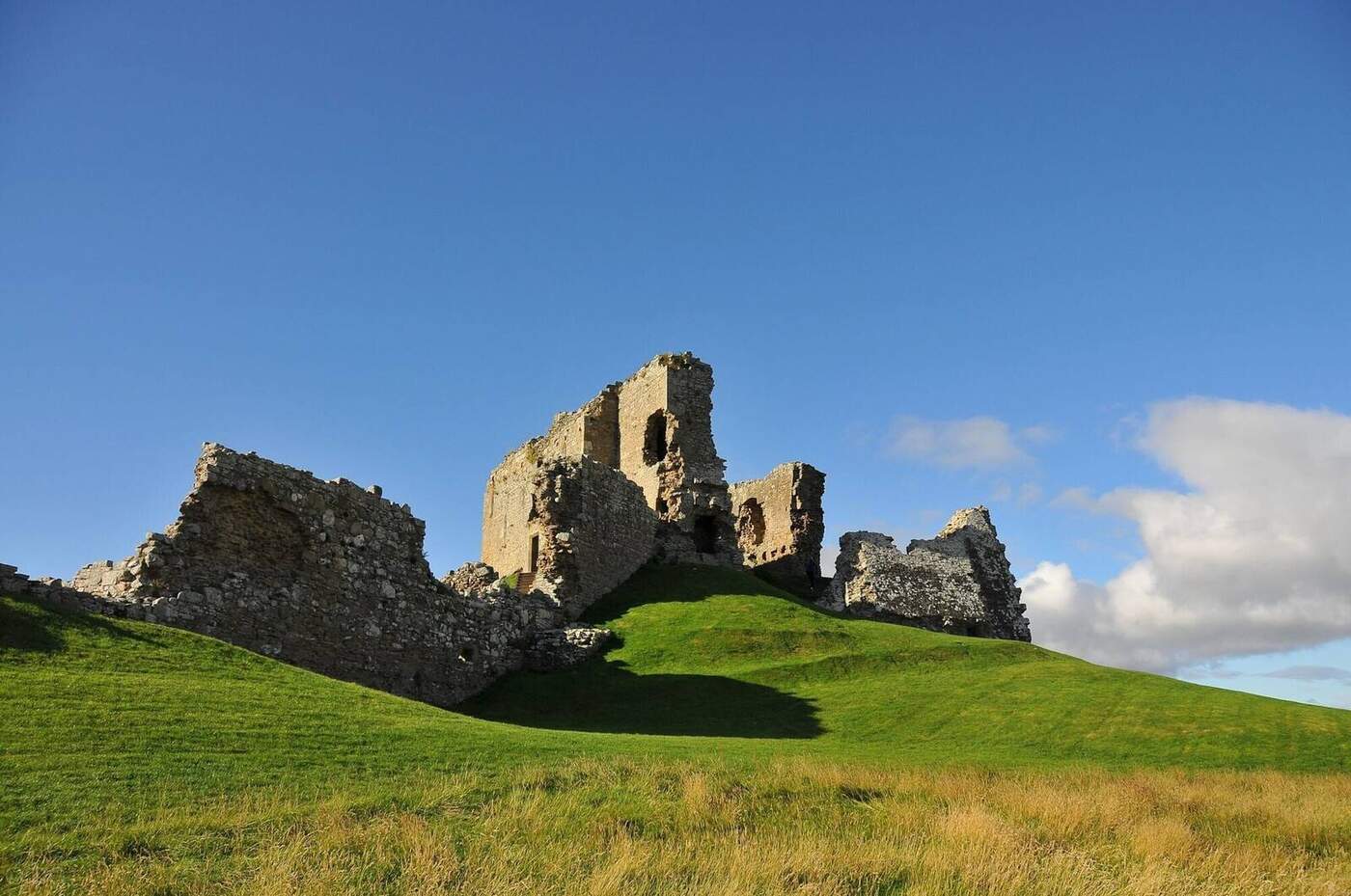
Urquhart Castle · The HighlandsThe HighlandsUrquhart Castle Dunvegan Castle · The HighlandsThe HighlandsDunvegan Castle Duffus Castle · The HighlandsThe HighlandsDuffus Castle

Explore Scotland

Find Scottish castles by region, landscape or the stories that bring them to life.