TICKETS£17.50
Seasonal opening; seal trips are separate and subject to sea, weather and capacity.
 Beta
Beta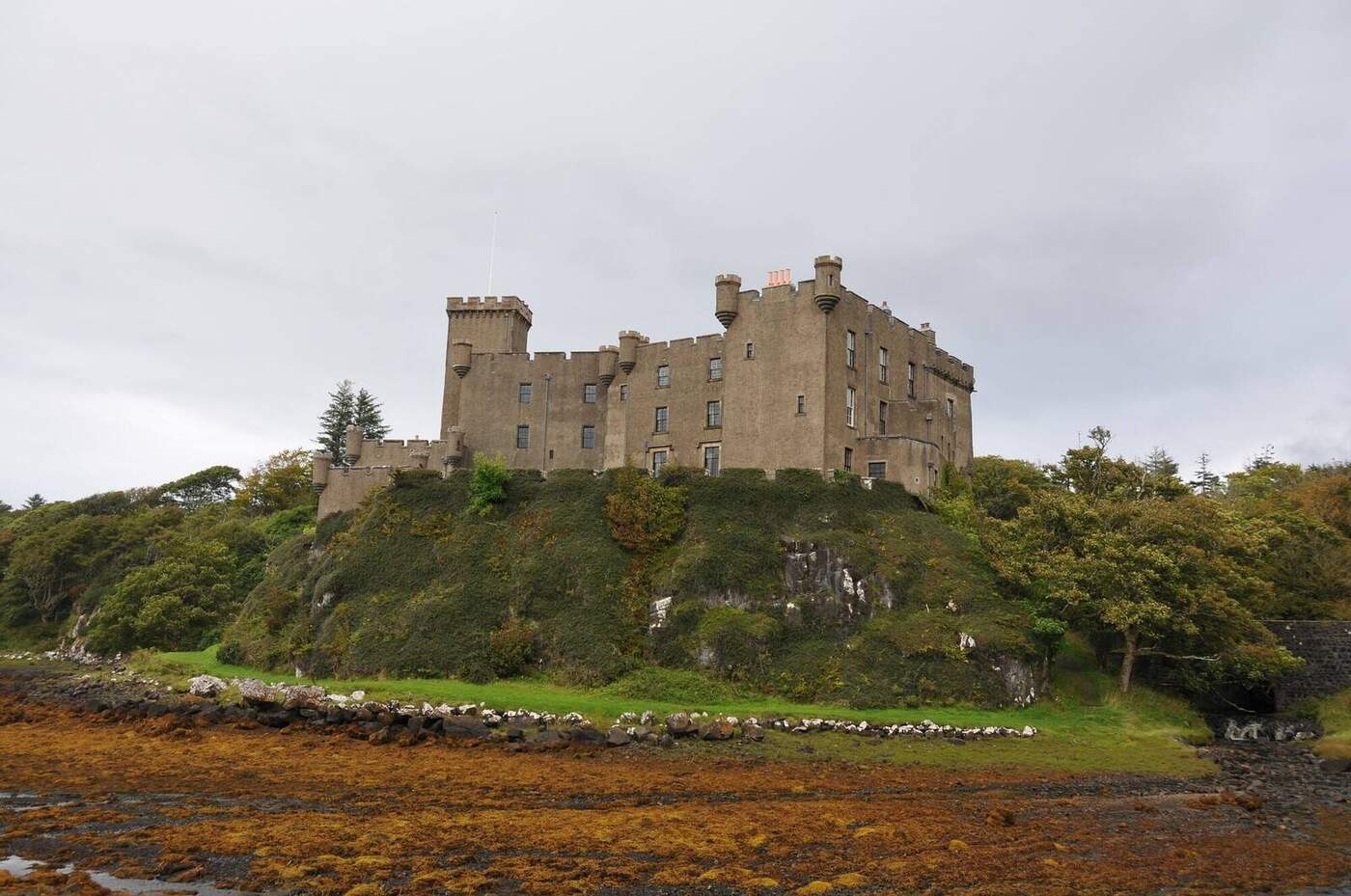
Scotland/The Highlands/Dunvegan Castle
CLAN MACLEOD · SKYE
An island home. Eight centuries of the MacLeods.
PLAN YOUR VISIT
Dunvegan, Isle of Skye, IV55 8WF
VISIT TIME: 2–3 hoursSeasonal opening; seal trips are separate and subject to sea, weather and capacity.
Dunvegan is open daily from 1 April to 15 October.
Use the address and map link above for Dunvegan Castle. Allow time for the final rural approach and check parking guidance before setting out.
The historic interior has stairs and some garden paths vary in surface. Free visitor parking and toilets are available in season; check the access page for current details.
WHAT TO EXPECT
01 / THE STORY
Dunvegan Castle stands beside Loch Dunvegan on the Isle of Skye, combining a long Clan MacLeod history with furnished rooms, gardens and views across the water. It is a different experience from visiting an empty Highland ruin: this is a house that successive generations adapted to their needs. Our independent guide brings together original photographs, historical context and practical pointers to help you decide how Dunvegan fits into your Skye itinerary.
The castle’s outward unity can be deceptive. Behind its nineteenth-century silhouette are earlier buildings, joined and remodelled over several centuries. Looking at the relationship between these parts is more useful than imagining that every battlement belongs to one medieval fortress. Clan heirlooms add another layer to the visit, including the Fairy Flag. Its traditional stories should be enjoyed as traditions, rather than treated as proof of supernatural events.
Allow time for the gardens as well as the castle, and check the official visitor information before travelling. Admission options, seasonal opening and weather-related restrictions can affect your plans. Seal boat trips are a separate activity and depend on conditions and availability; do not assume they are included with admission or guaranteed on the day. Use the photographs below to explore the setting, then follow the official links for current tickets and access advice. If you are comparing castles across Skye and the western Highlands, our map helps put the distances into perspective.
The visit brings together interiors, gardens and a lochside estate. When conditions allow, seal trips add another view of the water that shaped the castle’s setting.
This is not a ten-minute Skye photograph. Plan enough time to move from family objects inside to the gardens and shoreline outside.
The rock was enclosed in the Middle Ages, with a later keep and the structure known as the Fairy Tower added in different phases.
Successive owners connected and enlarged those buildings rather than designing the whole castle at once. That history explains the irregular routes and mixture of defensive and comfortable spaces.
The Fairy Flag is a genuine MacLeod heirloom, but stories of its origin differ. One says a fairy gave it to a chief; another involves a fairy comforting a child.
Its exact date and journey to Skye remain uncertain. The object does not need a proven supernatural rescue to matter: generations treated it as a symbol of clan identity and protection.
02 / VISUAL JOURNAL
Every photograph on this page was made by CastleScotland during personal field visits.
01 / THE STORY CONTINUES
Robert Brown’s remodelling in 1840–50 helped unify the castle’s romantic, battlemented appearance. Earlier nineteenth-century work had already changed the entrance.
The result is historic, but not entirely medieval. A picturesque roofline can tell us as much about later ideas of a clan castle as about warfare in the Middle Ages.
The gardens soften the hard rock and offer views that the landward entrance cannot. Leave the rooms behind for a while and let the loch become part of the visit.
Check the estate’s current opening, boat and weather information before travelling. Seal trips depend on conditions, and the combined visit takes longer than the castle interior alone.
03 / MOMENTS IN STONE
The medieval enclosure and later keep develop on the rock. The legendary banner is the castle’s best-known object and clan story.
The Fairy Tower represents another phase; its dating varies between heritage records. The castle’s continuity makes it feel different from a preserved ruin.
Robert Brown’s romantic remodelling unifies the exterior. Loch Dunvegan remains part of the experience through garden views and boat trips.
Sir Reginald MacLeod opens the castle to visitors.
04 / FIND THE CASTLE
57.448425,-6.590076
Dunvegan Castle is at Dunvegan, Isle of Skye, IV55 8WF. Check current access arrangements before travelling.
Open mapDunvegan is open daily from 1 April to 15 October.
Use the address and map link above for Dunvegan Castle. Allow time for the final rural approach and check parking guidance before setting out.
The water-facing approach shows the castle as a clan seat; later, use the gardens and loch for softer views than the formal front.
History and visitor advice: CastleScotland fieldwork and official operator sources.
The Highland Historic Environment Record places the enclosure of the rock in the thirteenth century and the substantial north-eastern keep in the later fourteenth. It dates the Fairy Tower to the early sixteenth century, while the HES listing uses the broader sixteenth–seventeenth-century range. These are architectural phases, not evidence that every visible feature was built by a securely identified founding chief. Suggestions of a much earlier fort on the rock remain interpretations: the record does not identify surviving prehistoric masonry beneath the medieval buildings.
Later additions connected and expanded these separate structures. Seventeenth-century work helped turn a compact defensive site into a larger residence. Dunvegan’s charm lies in this overlap: old stonework, later wings, windows and domestic rooms make the castle look both fortified and inhabited. Rather than searching for a pure medieval building, notice how successive households found ways to adapt an awkward rocky site to their changing requirements.
The nineteenth century gave these layers a more unified appearance. The estate dates the land bridge and entrance portico to 1814, and the romantic remodelling designed by Robert Brown to 1840–50. Much of the picturesque battlemented skyline belongs to that later presentation. Its defensive appearance should not make it an original medieval military arrangement. The Victorian work is itself part of Dunvegan’s history, showing how an old clan seat was presented to a different age.
The Fairy Flag is a real heirloom surrounded by several traditional explanations. In one story a fairy gives it to a MacLeod chief; another connects the cloth with a child comforted by a fairy. These are legends, not established accounts of how the textile arrived. Its exact date, origin and journey to Skye remain uncertain in the evidence reviewed here. The material object and the clan’s attachment to it can be appreciated without claiming proof of supernatural protection.
Sir Reginald MacLeod opened the castle to visitors in 1933. Public access added a new role to the family residence, and the collections remain central to the visit. Portraits and ceremonial objects speak of memory and identity alongside the building’s architecture. Dunvegan is listed at Category A; the castle’s protected status should be distinguished from the estate’s own interpretation of its family history. The former identifies architectural significance, while the latter preserves an important inherited perspective.
Outside, the gardens and loch give space to absorb what you have seen. The shoreline is part of the house’s identity, and the optional boat trip makes that relationship with water immediate. Look back at the building from more than one angle. Its strongest story is the coexistence of medieval fabric, later domestic ambition and enduring tradition, with the limits of each kind of evidence kept visible.
Dunvegan Castle is beside Loch Dunvegan on the Isle of Skye. Use the location and directions links in this guide for the visitor entrance, rather than navigating only to the village.
Its long association with Clan MacLeod, family heirlooms including the Fairy Flag, and the combination of historic rooms and gardens. The present building incorporates several periods of construction.
The flag is a real historic object, but stories about fairy origins and supernatural protection belong to tradition. They should not be presented as independently verified events.
Check the operator’s current admission options. Castle-and-garden and garden-only visits are offered; boat activities have separate arrangements. Use the official visitor page for current prices and conditions.
Plan an unhurried visit that includes both the house and gardens. Add extra time if you hope to take a boat trip, and check availability and weather conditions before making it an essential part of your day.
Sources and current visitor information:
Compare Dunvegan Castle and Gardens with Armadale Castle and the island setting of Caisteal Maol. Check locations on our Scotland castles map before planning your day.
08 / EXPLORE NEXT
Find Scottish castles by region, landscape or the stories that bring them to life.
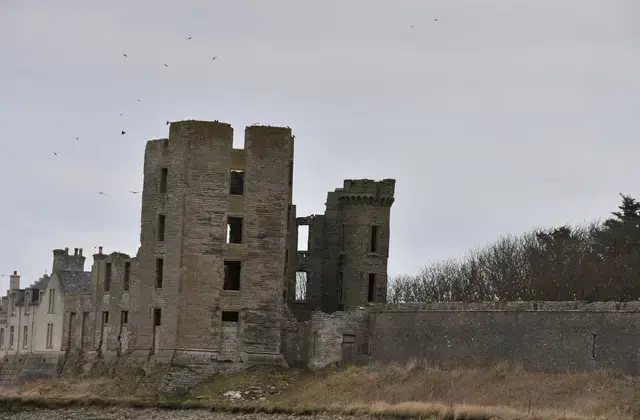 The HighlandsThurso Castle
 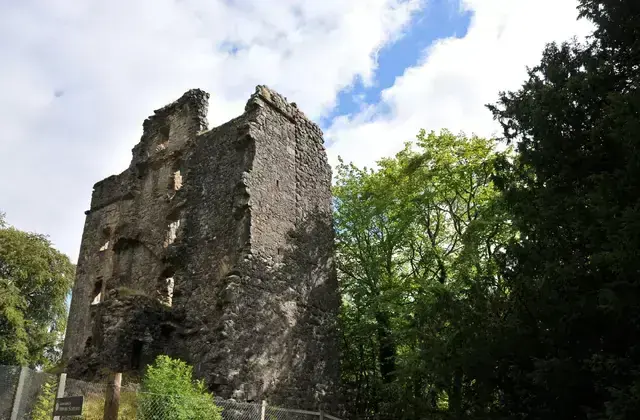 The HighlandsInvergarry Castle
 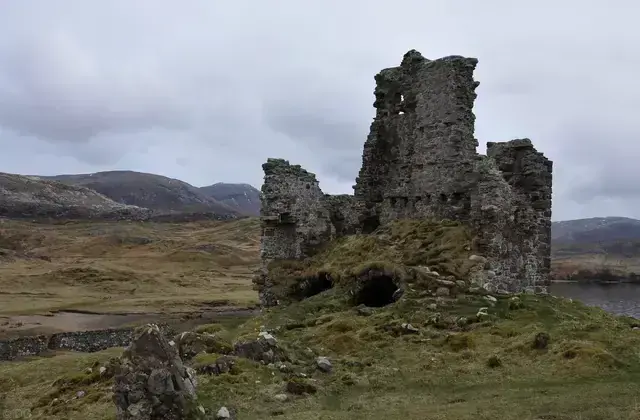 The HighlandsArdvreck Castle