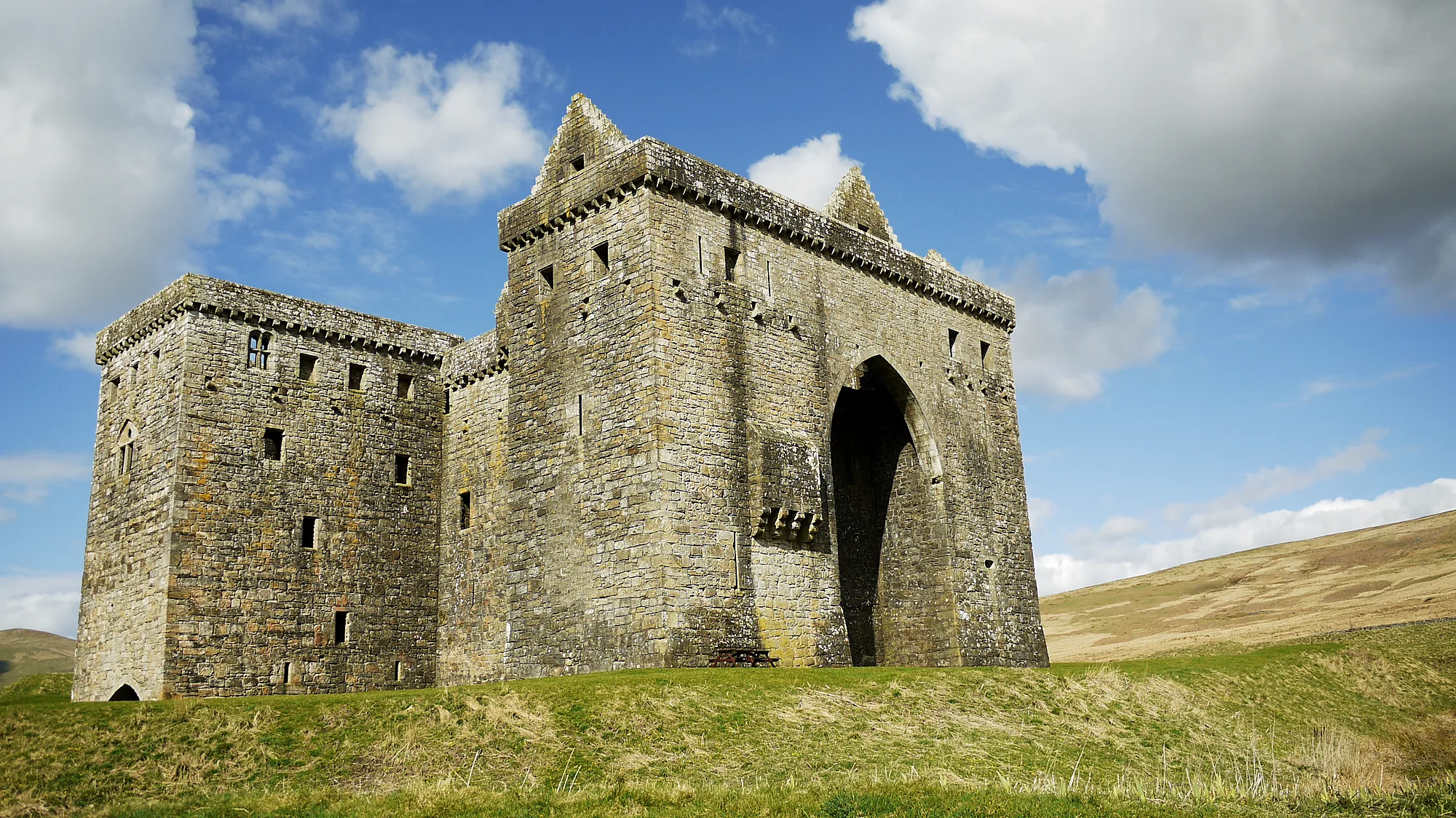
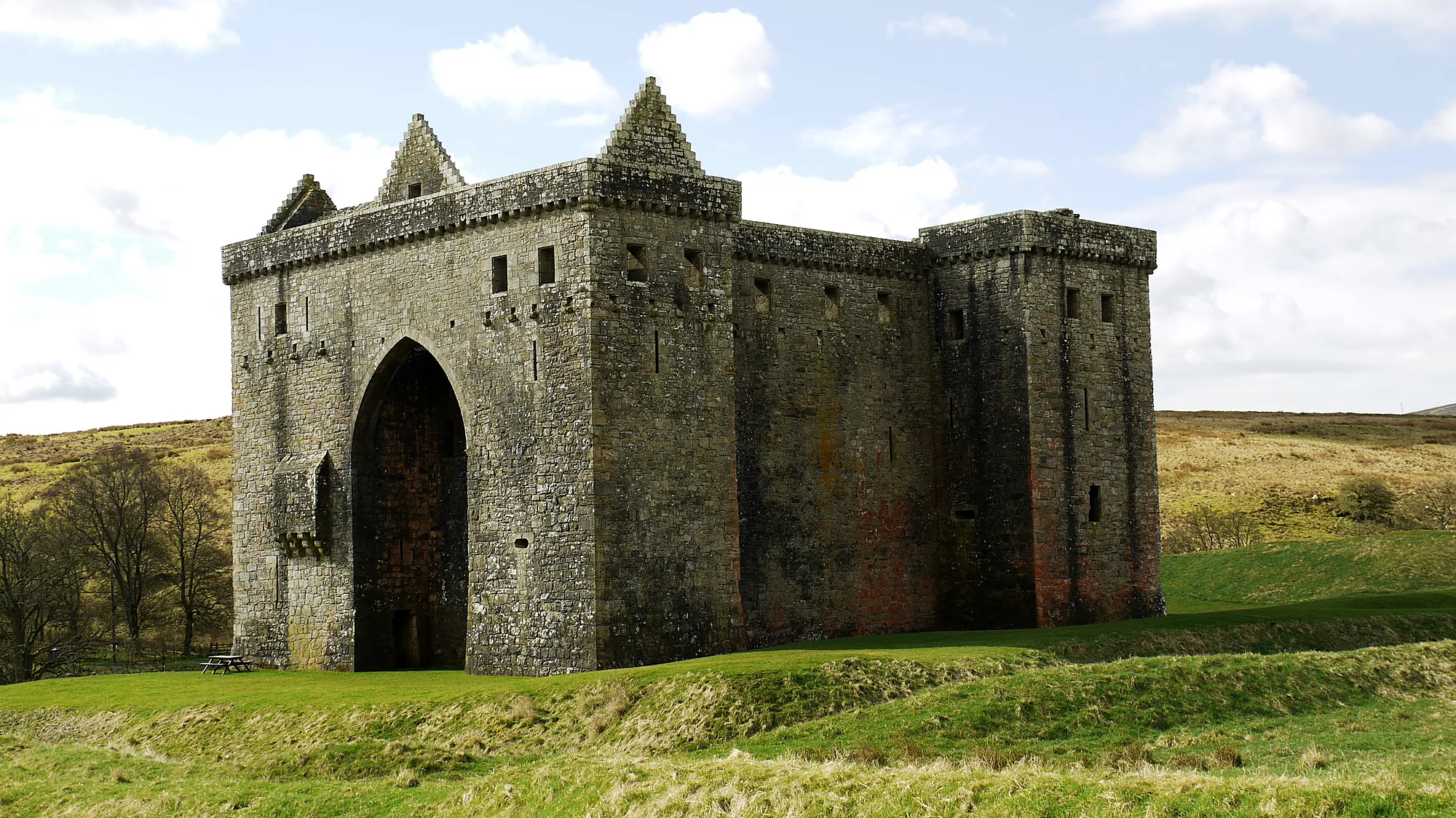
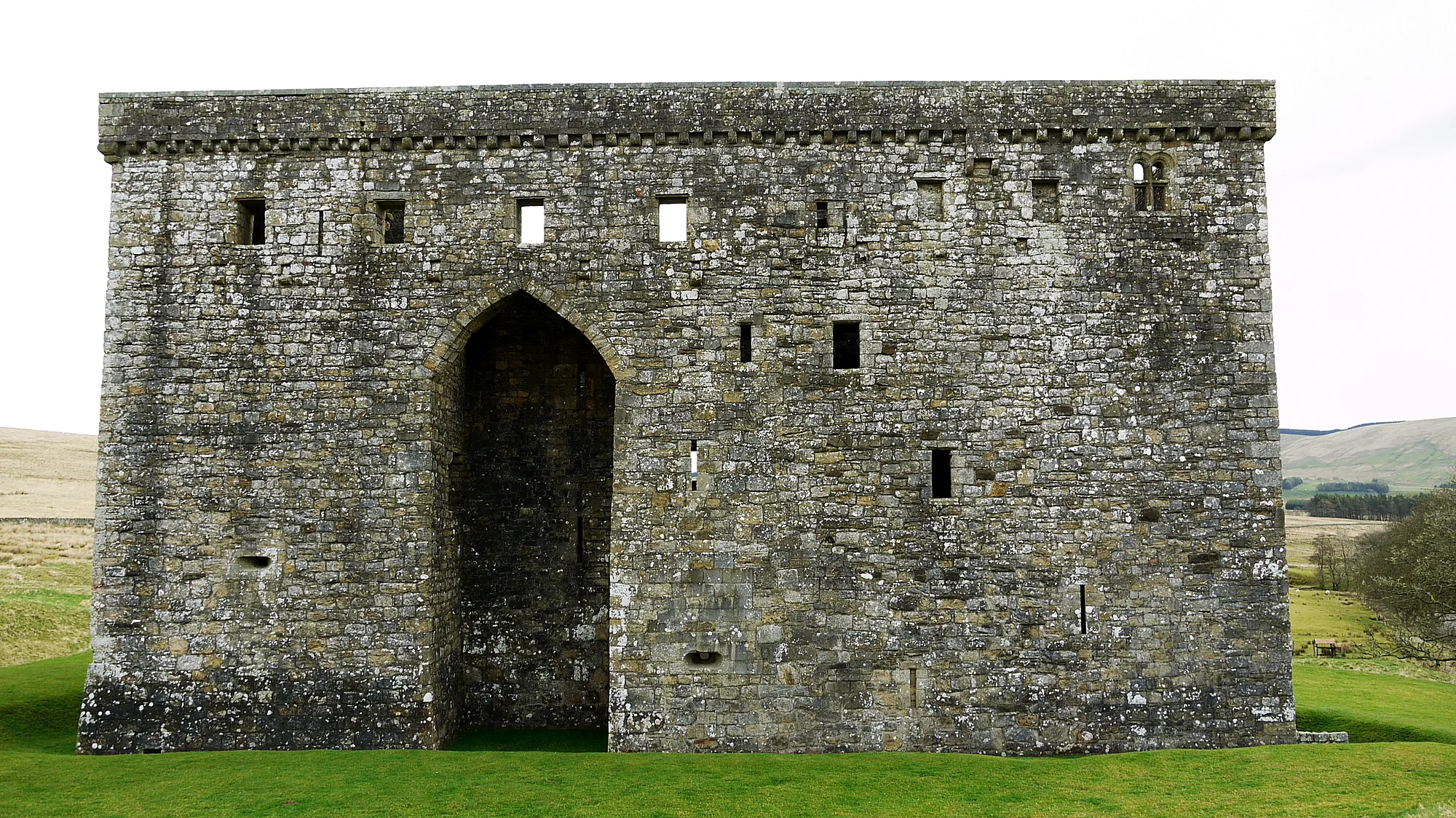
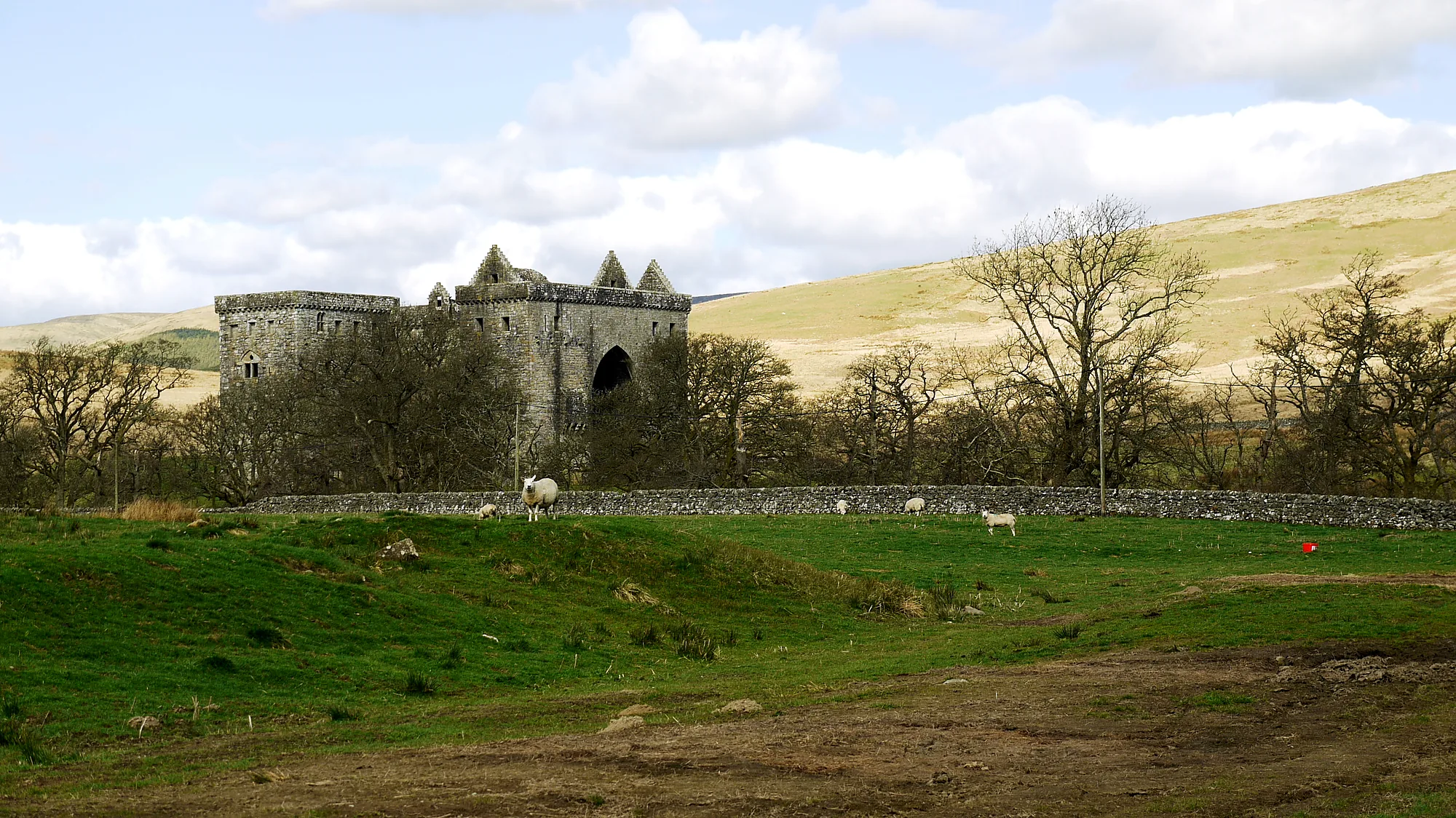
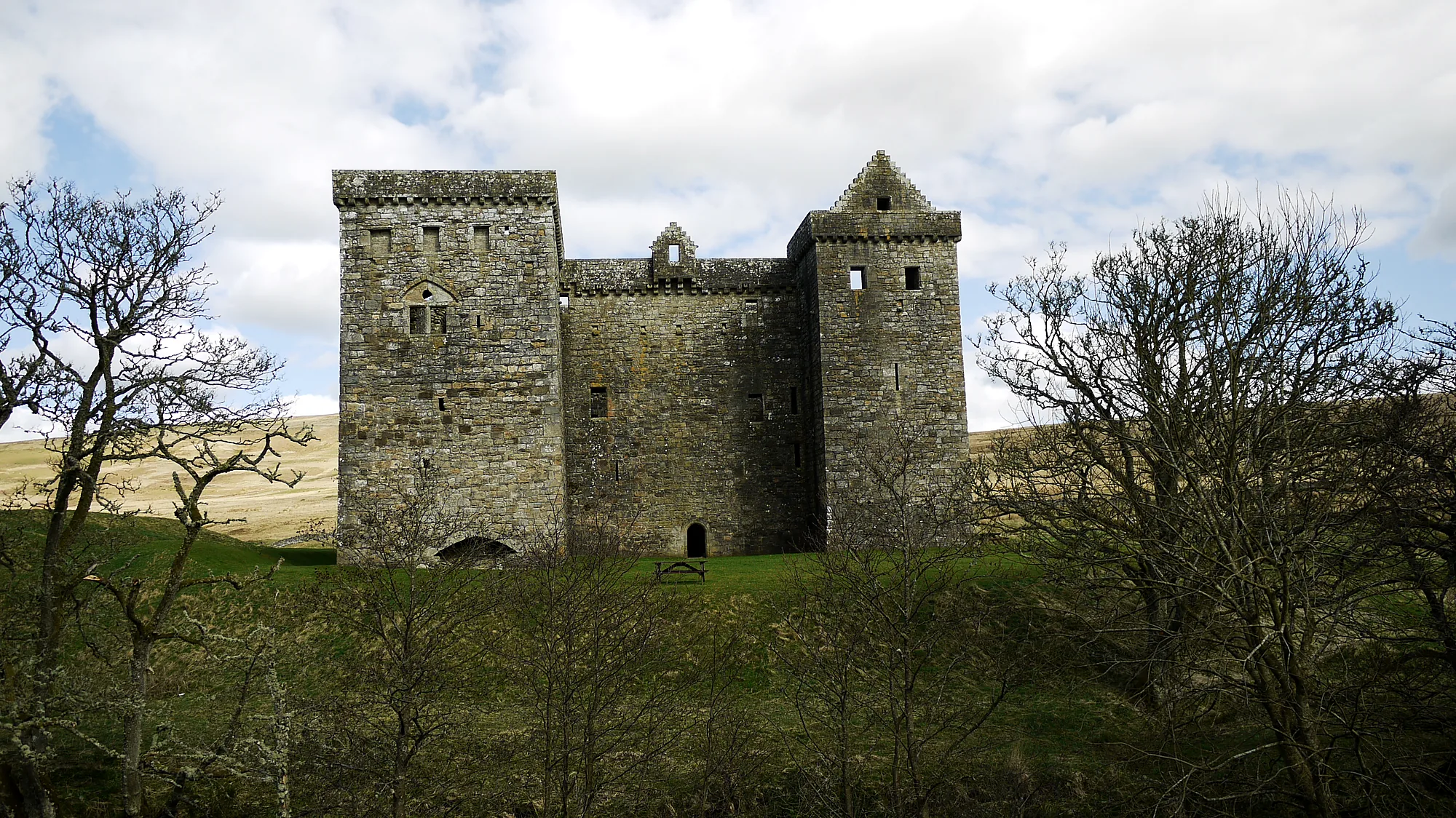
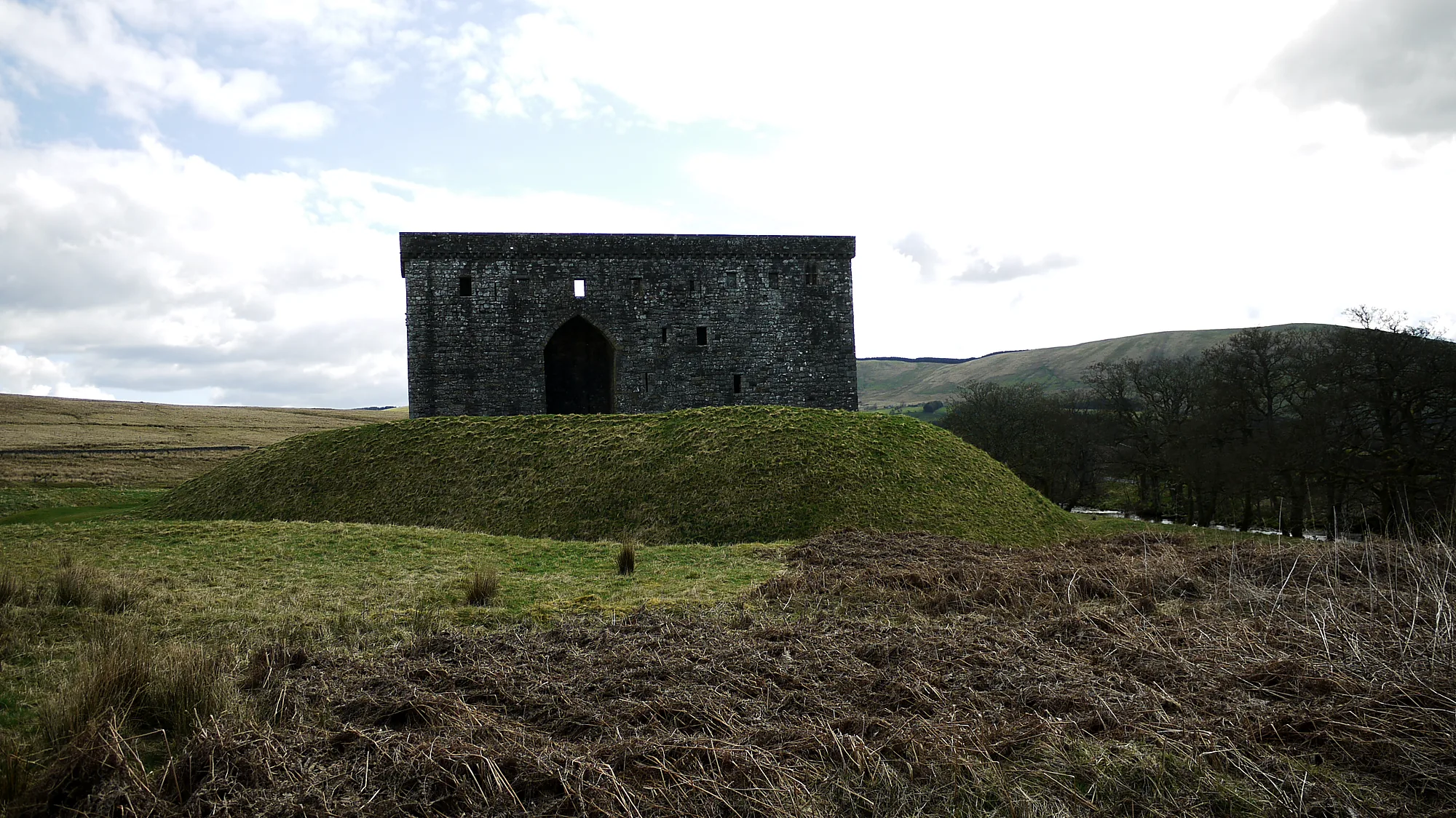
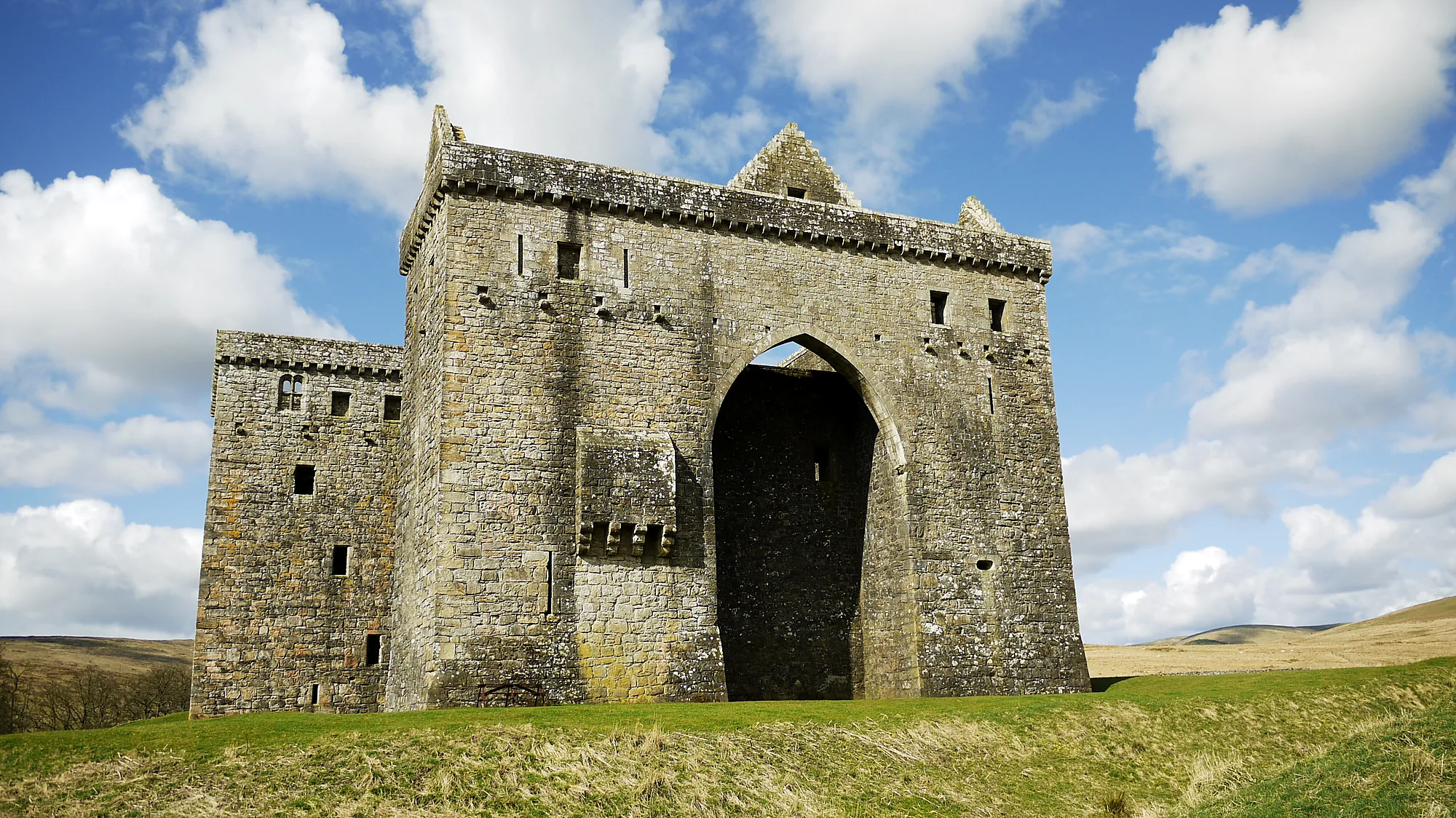
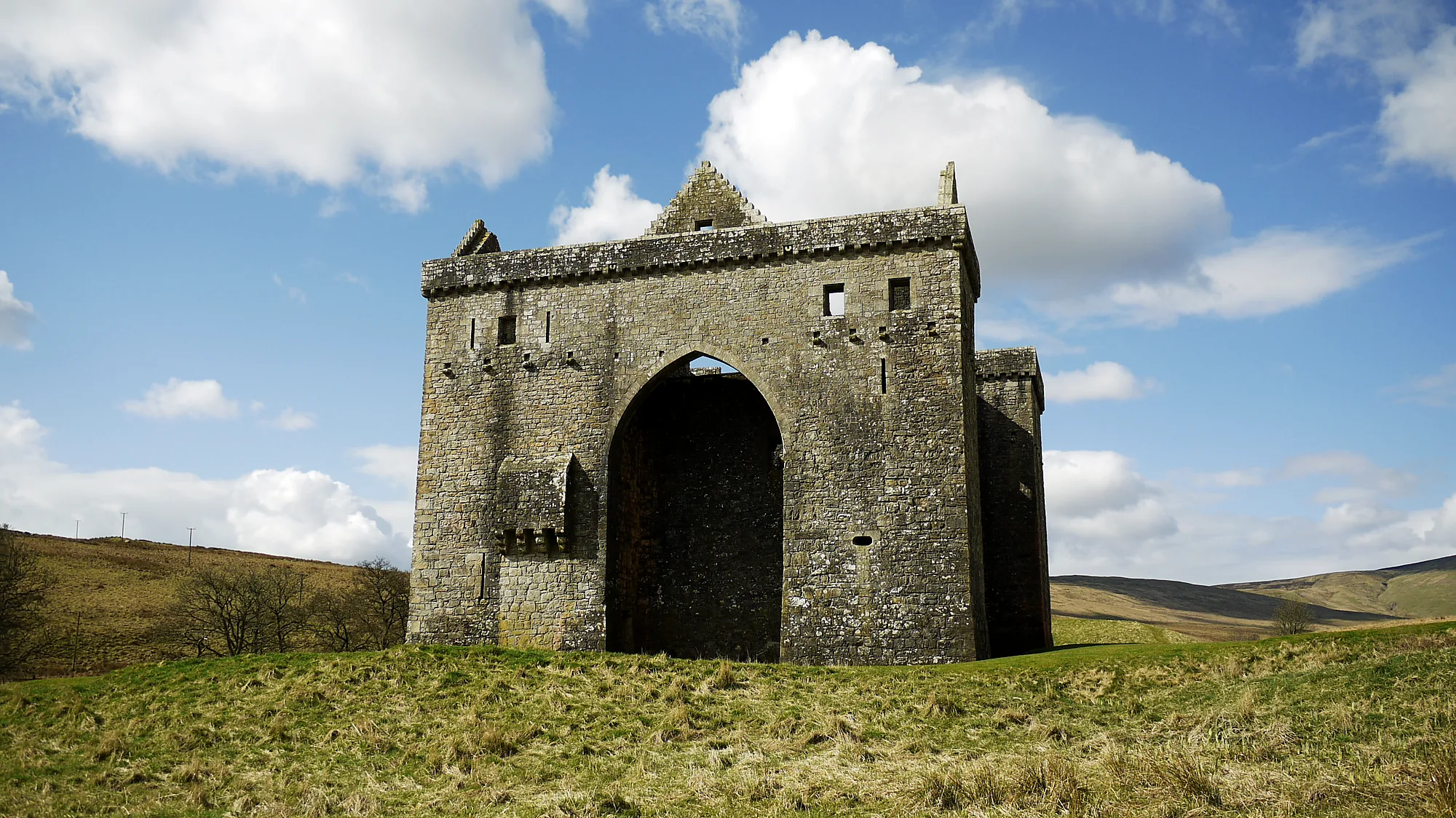
Hermitage Castle with its great arch and towers beneath a blue sky

THE BORDER FORTRESS · LIDDESDALE

Hermitage Castle

Massive walls. Open moorland. A fortress shaped by the Borders.

CASTLESCOTLAND

Share this castle

Hermitage Castlecastlescotland.app

Share this guide or save the link.


Get directionsPhotos

PLAN YOUR VISIT

Tickets, opening hours & parking

Closed 1 October–31 March

Hermitage Castle, Newcastleton, Roxburghshire, TD9 0LU

TICKETSAdult: £7.50 online

Online tickets cost less. Children under 7 enter free, but need a ticket. Young Scot card holders: £1. Up to two accompanying carers for a visitor with a disability enter free. Family tickets and Explorer Pass admission are also available.

View current prices

Adult£7.50£8.50

Concession£6.00£6.80

Child aged 7–15£4.50£5.00

Historic Scotland memberFreeFree

Under 7Free

OPENING & ACCESSApril–September · 10:00–16:00

1 April–30 September: daily, 10am–4pm. Last entry: 3.30pm. Closed 1 October–31 March.

PARKING & ARRIVALParking options

Parking information

Parking charge not confirmed

Limited visitor parking on level tarmac. No designated accessible bays or coach parking. The castle is approximately 200 m away along a mainly grassy path with some steep sections. Parking fee not confirmed.

A precise parking map location is not yet available.

Partly confirmed

Parking sources checked · 11 October 2026

ACCESSIBILITYUneven paths and stairs

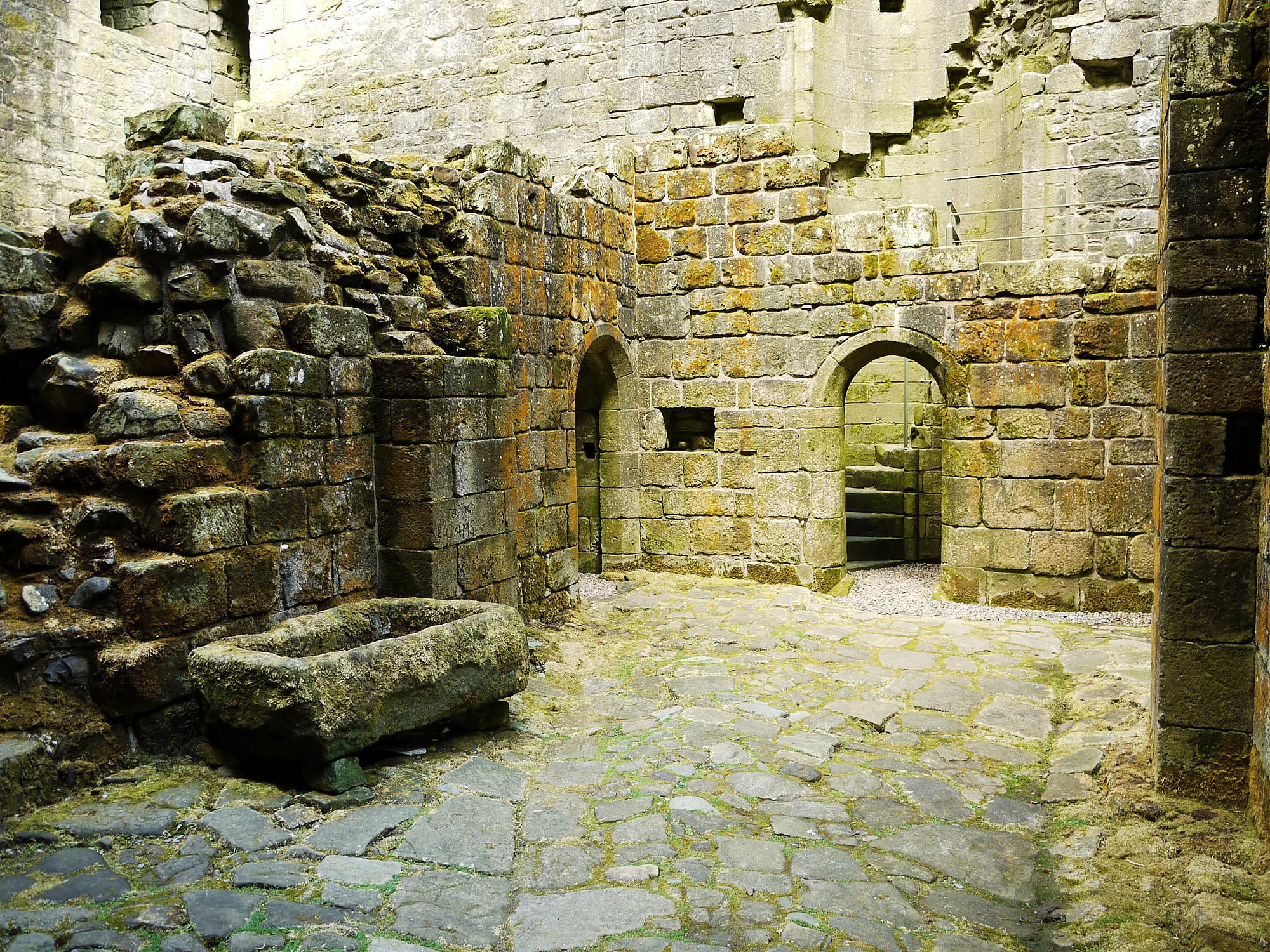
Uneven surfaces, cobbles, gravel and stairs. The castle is not fully wheelchair accessible.

HONEST VERDICTIs it worth visiting?

A striking fortress for its architecture, border history and isolated setting. Check the season before travelling.

MANAGED BYHistoric Environment Scotland

WHAT TO EXPECT

  • Toilets
  • Picnic area
  • Dogs in outdoor areas

01 / THE STORY

Hermitage Castle: history and highlights

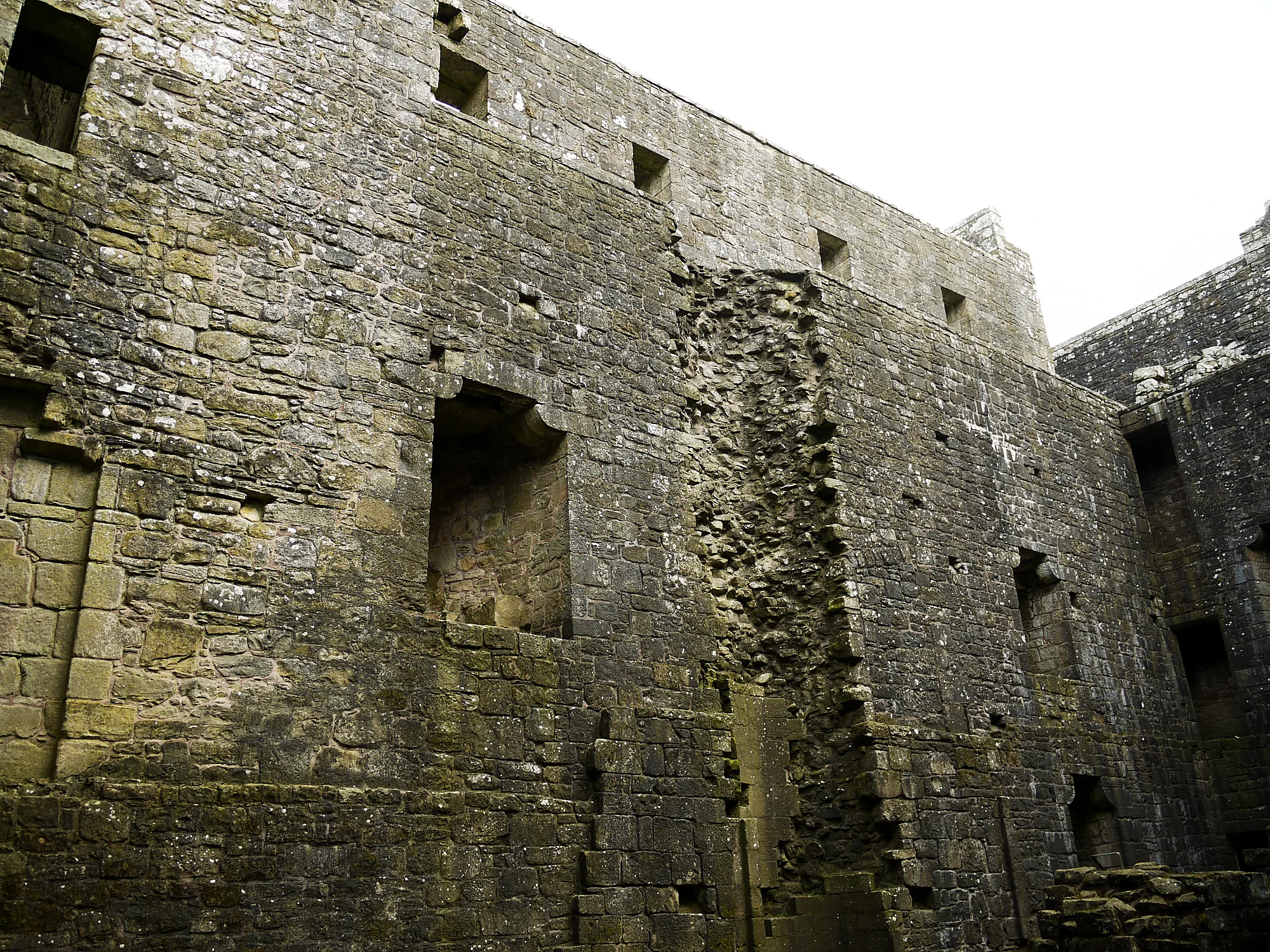
Hermitage looks like a castle built to keep everyone out. Massive walls, almost bare of windows, rise from the open landscape of Liddesdale. This is one of the most distinctive strongholds in the Scottish Borders: stark, isolated and closely tied to the region’s turbulent past.

A fortress built to defend

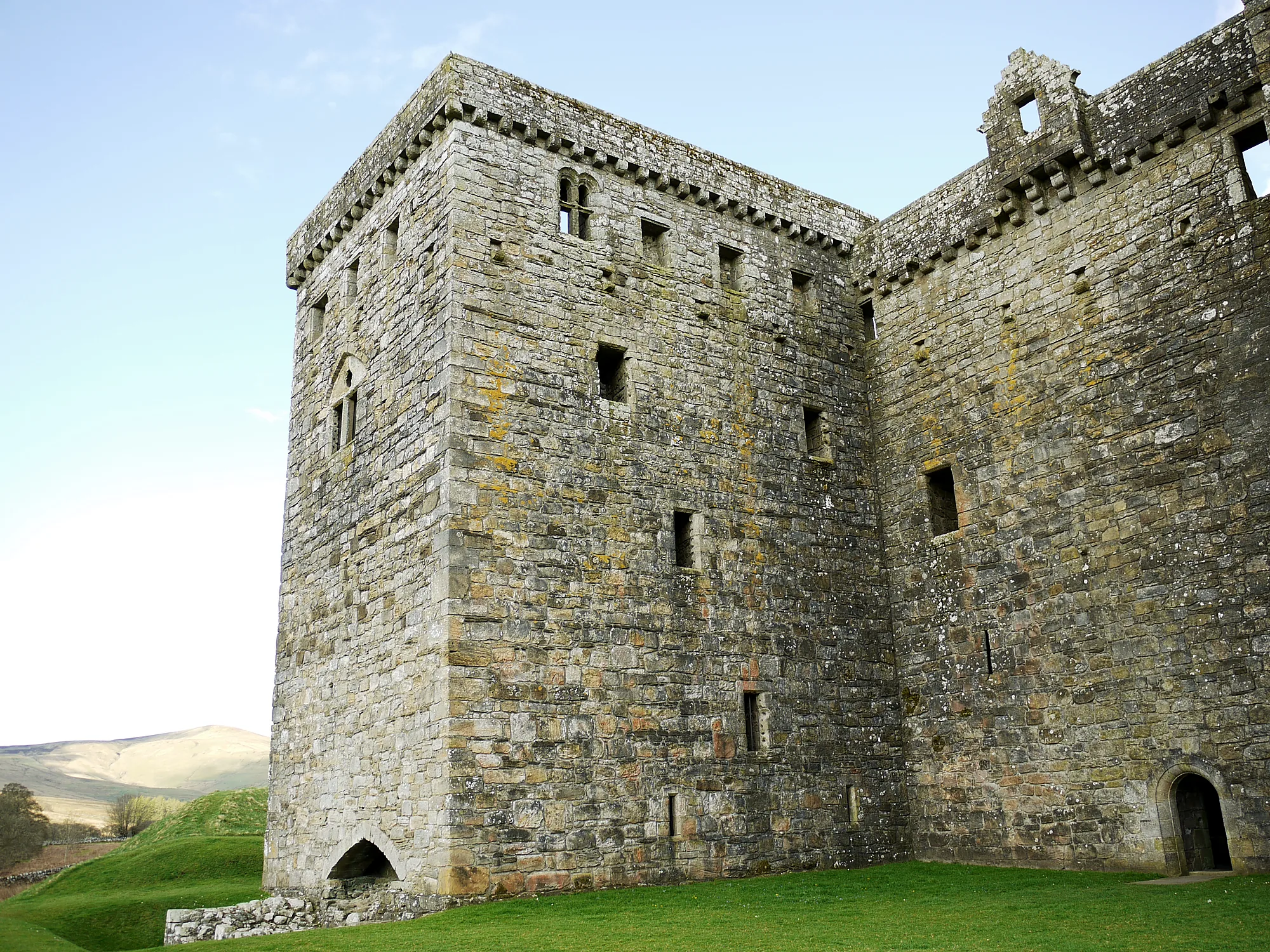
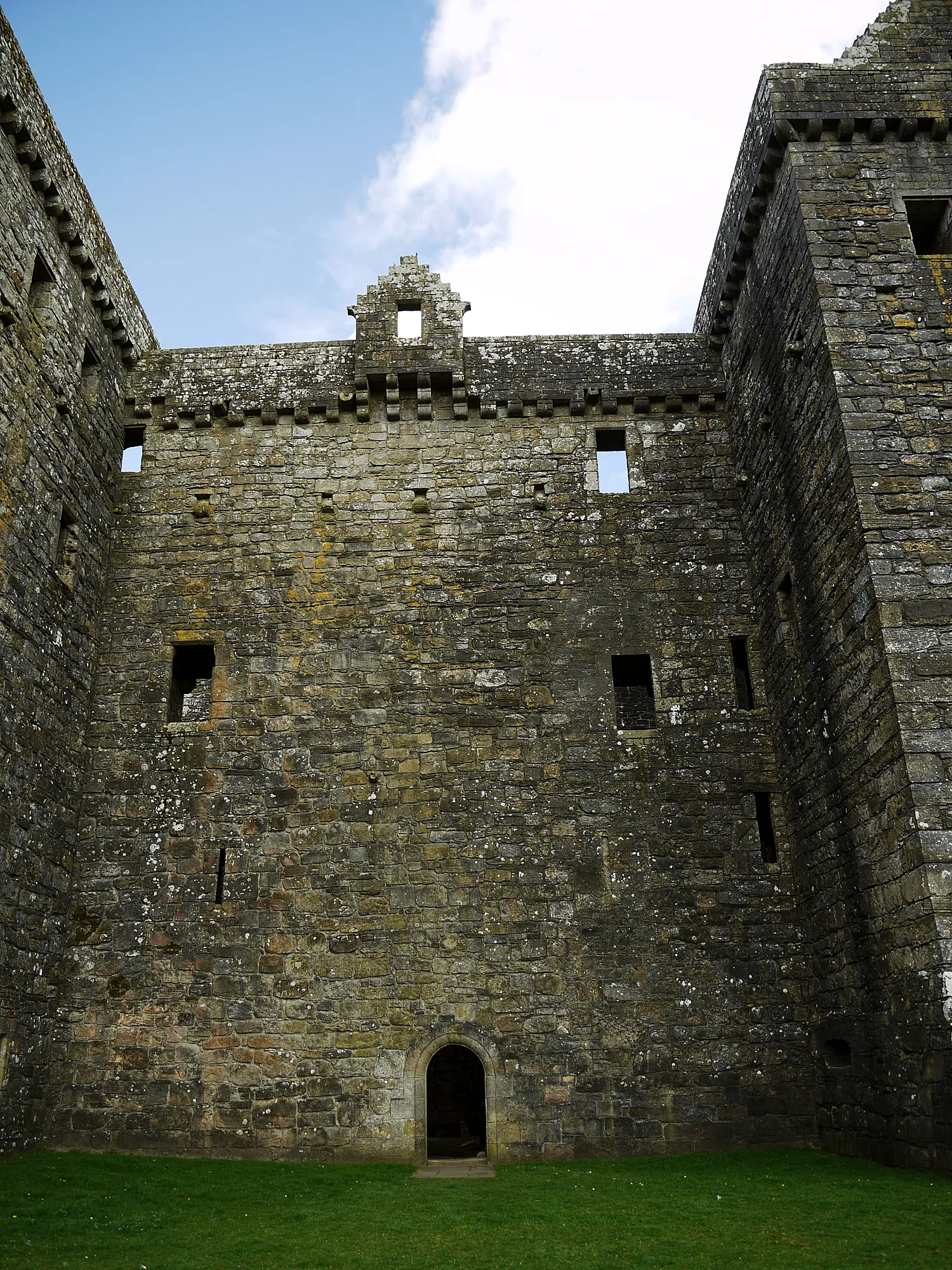
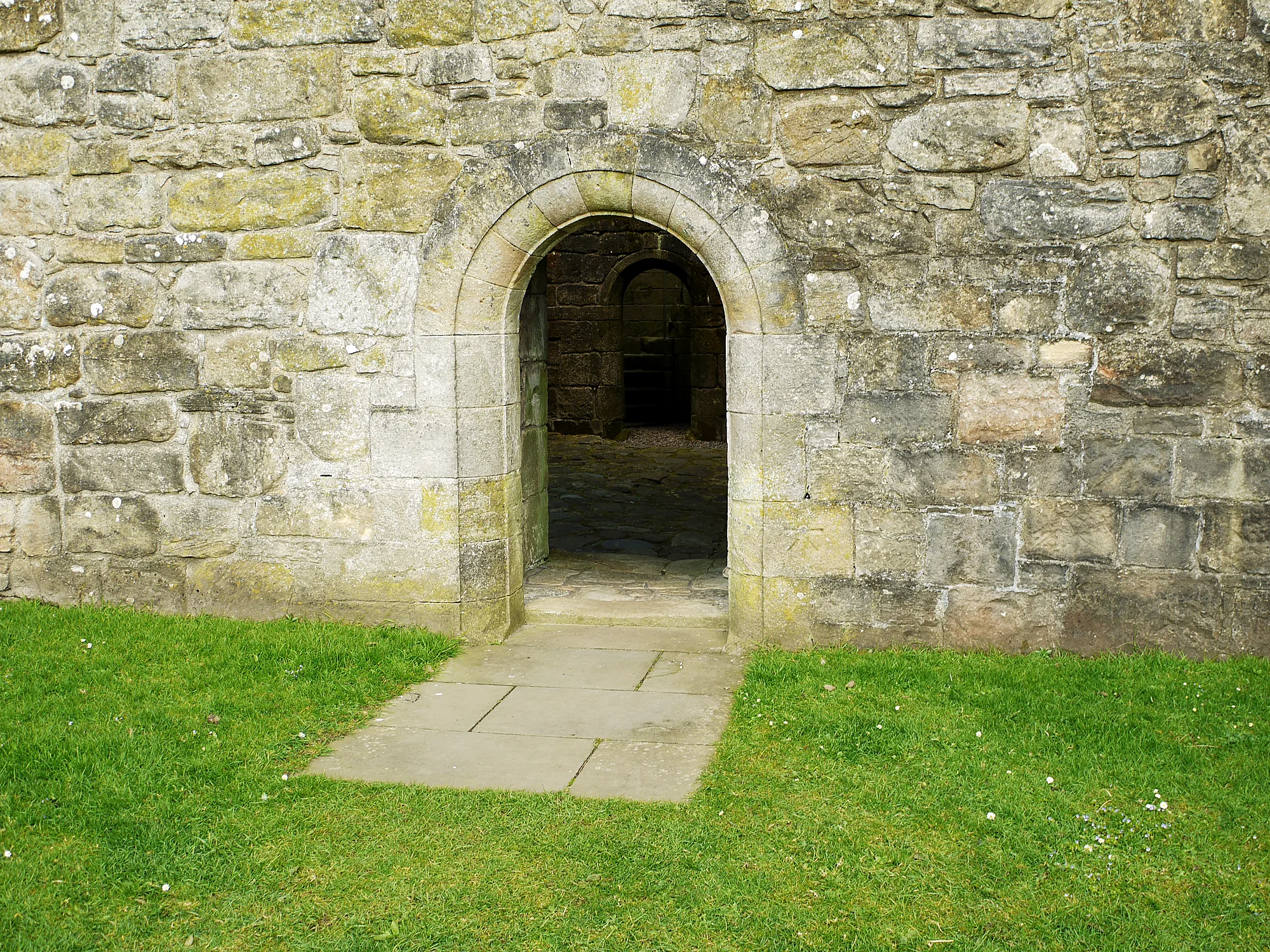
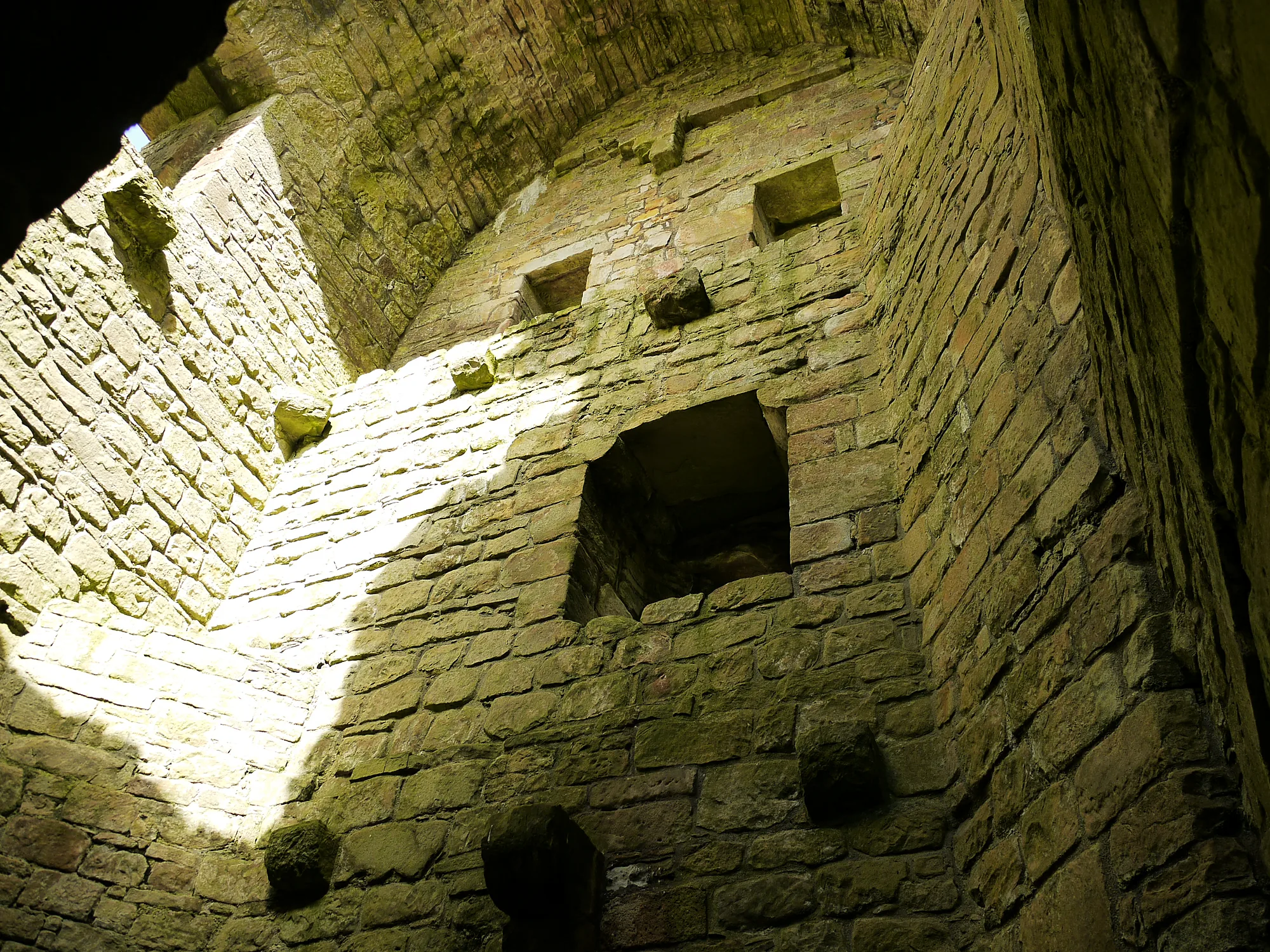
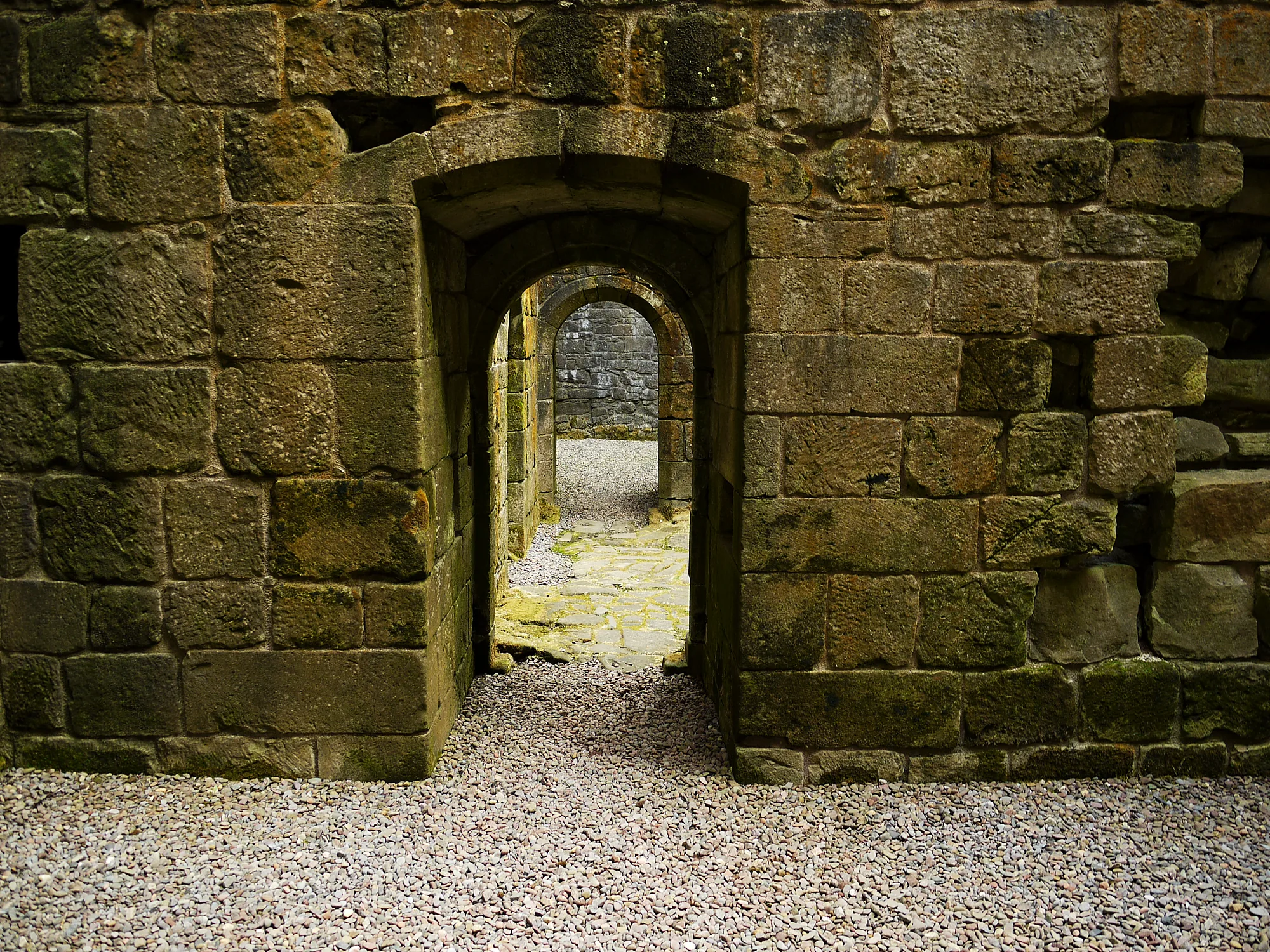
Hermitage’s origins reach back to the 13th century, but much of the stone castle standing today dates from the 14th century. Parts of an earlier fortified residence built by the Dacre family survive within the larger structure created by the Douglases. Look for the great arches linking the corner towers. They once formed part of a defensive system with a timber gallery running around the upper walls.

Mary Queen of Scots and Bothwell

In October 1566, Mary Queen of Scots travelled here from Jedburgh to visit the wounded James Hepburn, Earl of Bothwell. The journey was roughly 25 miles each way. She became seriously ill after her return. It remains one of Hermitage’s best-known stories, although describing it simply as a romantic ride to visit her lover goes beyond the evidence.

01 / THE STORY CONTINUES

More stories from this castle.

The legend of Lord Soules

The castle also has a darker tale. According to local legend, the cruel Lord Soules practised black magic and could not be harmed by steel or held by ordinary bonds. The local people found a way around his supposed protection: they boiled him in a cauldron at the Nine Stane Rig stone circle. This is folklore, not a documented account of his death.

What to look for

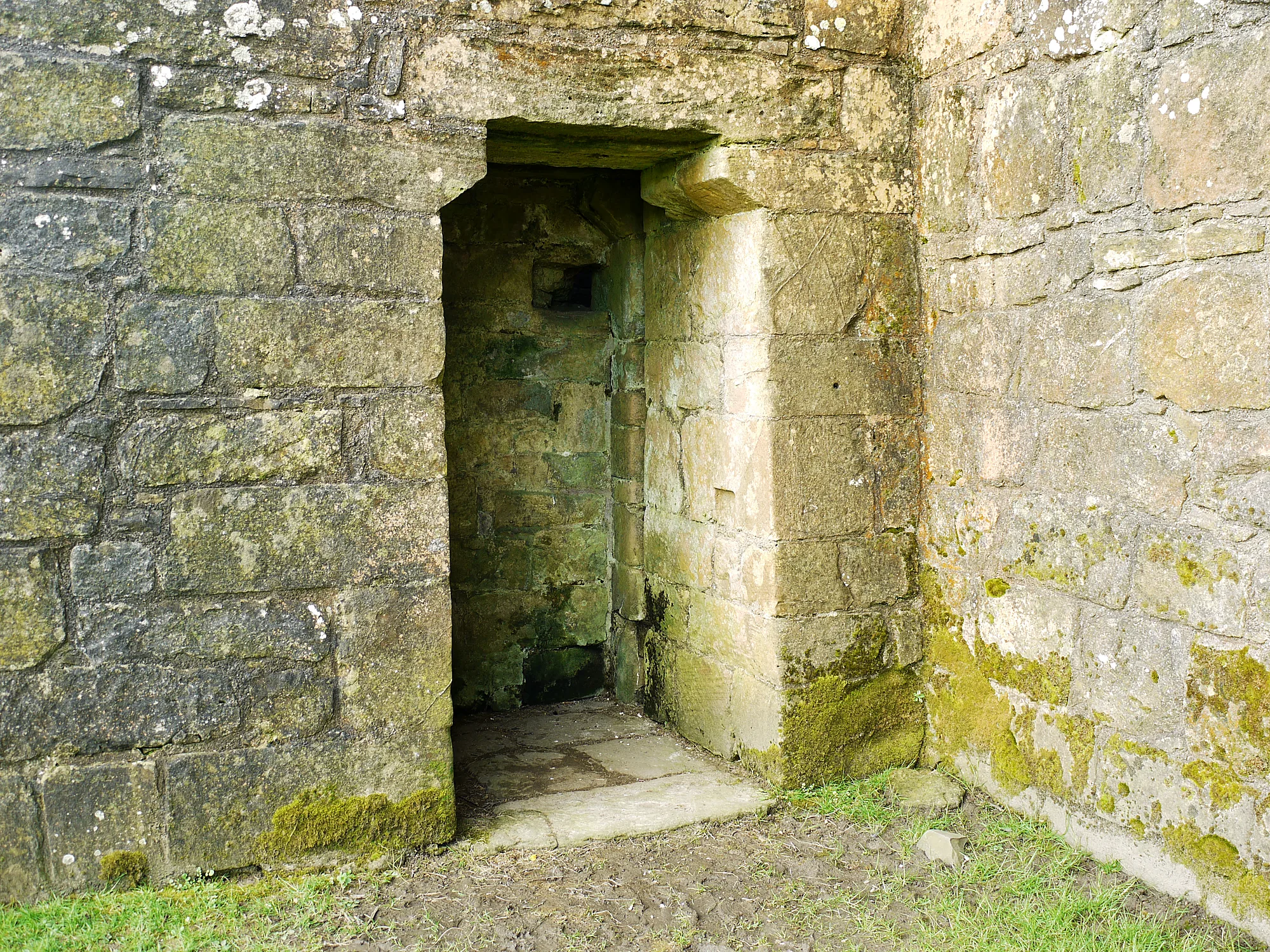
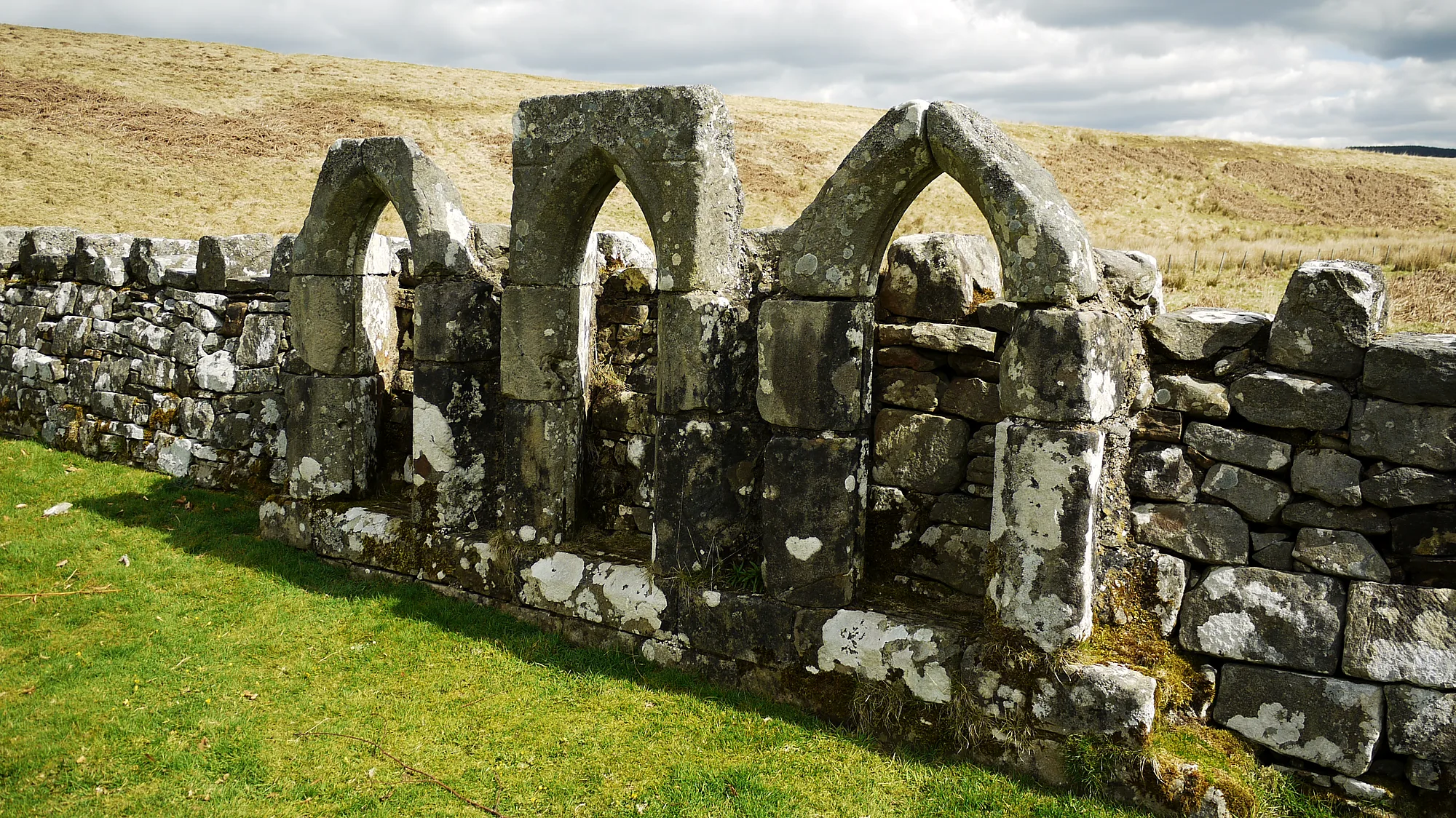
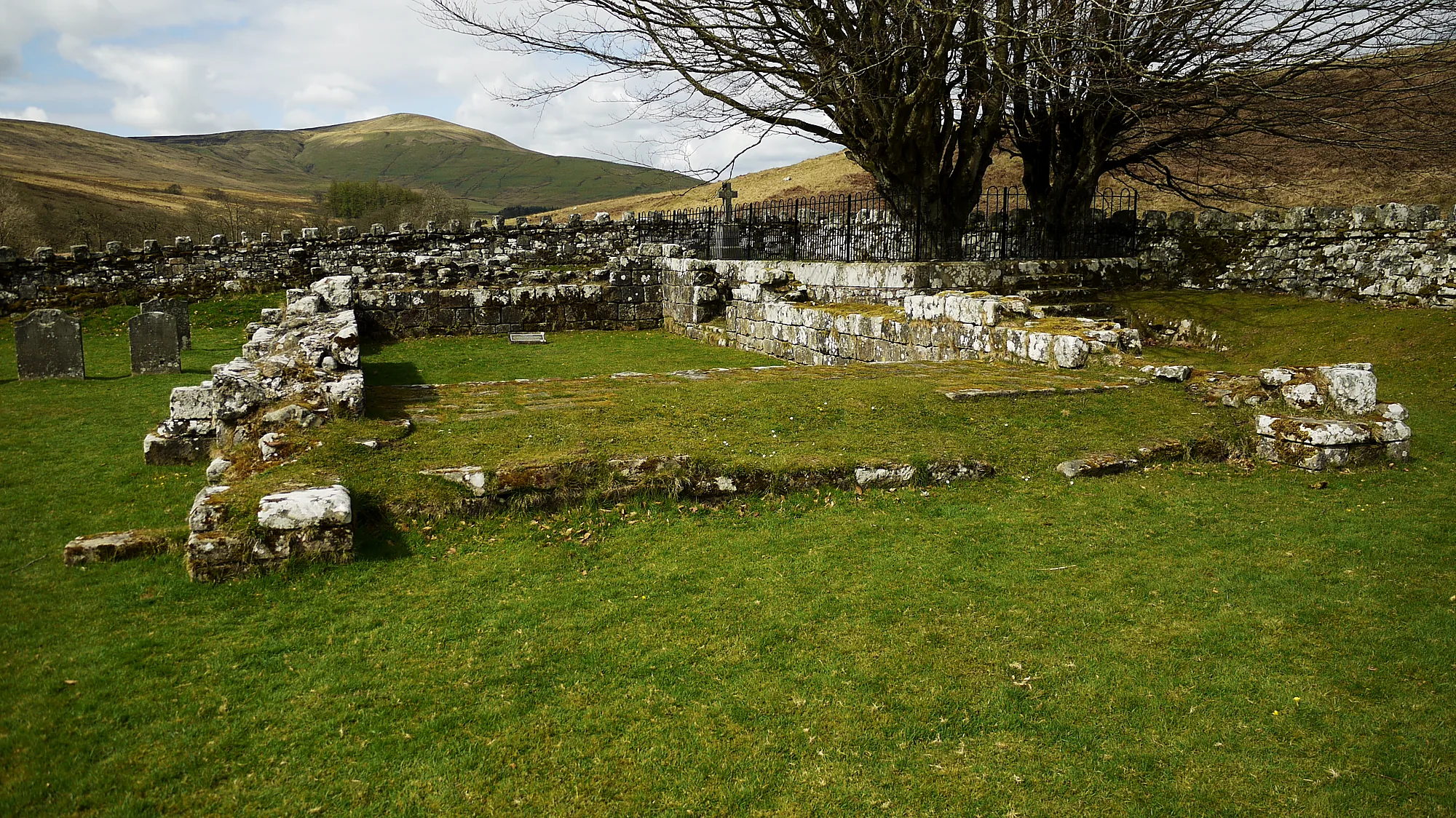
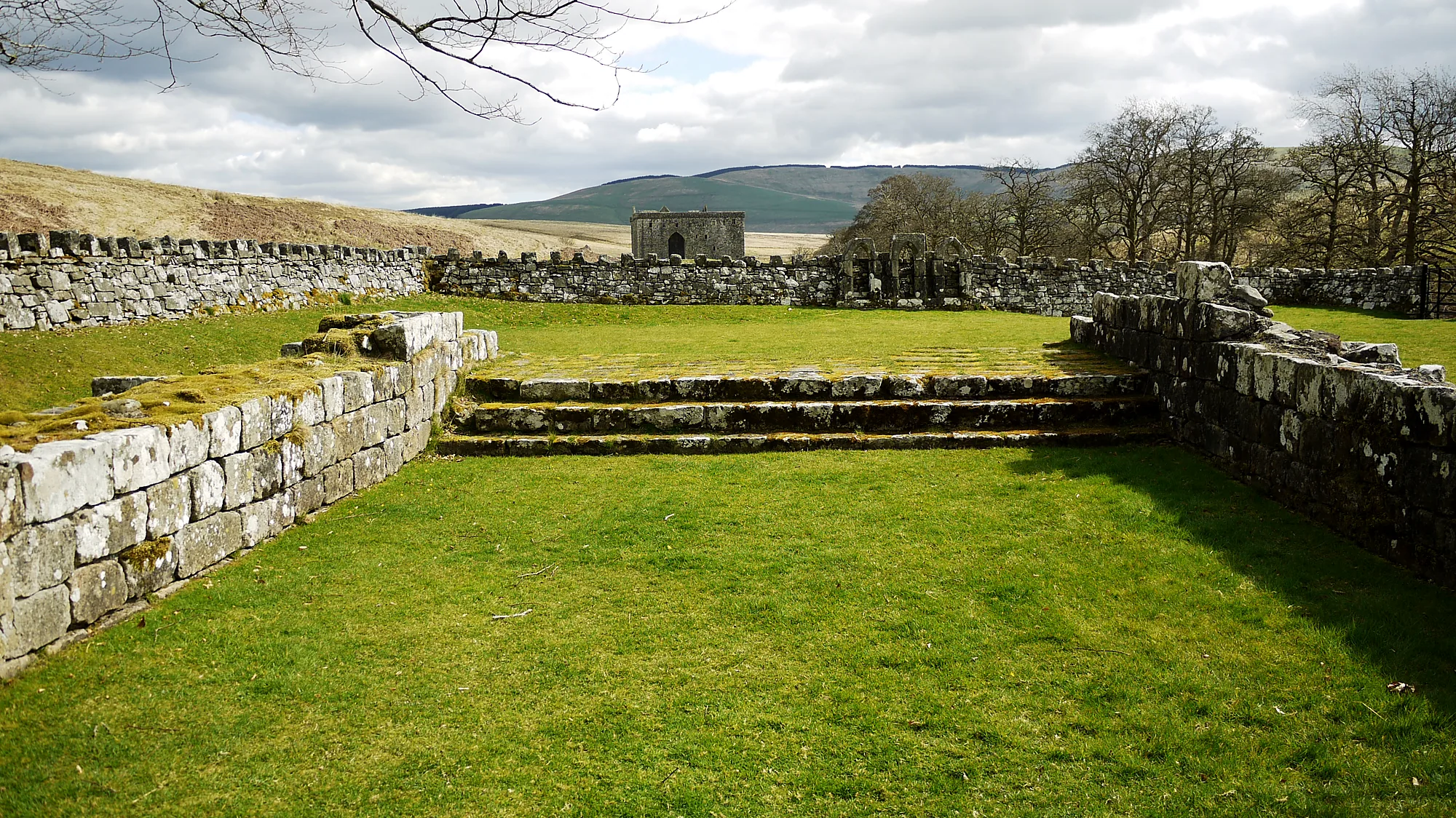
Look for traces of the former entrances and defensive galleries, and the remains of a chapel west of the castle. Hermitage’s appeal lies in its imposing architecture and lonely setting. Its stone walls, empty spaces and surrounding landscape offer a powerful sense of the fortress’s isolation.

03 / MOMENTS IN STONE

Stories worth carrying with you.

13th century

A fortress built to defend

A fortress is established at Hermitage. The Dacre residence survives within the larger Douglas castle.

14th century

Mary Queen of Scots and Bothwell

The Dacre residence is incorporated into the larger Douglas castle. Mary Queen of Scots visits the wounded Earl of Bothwell in 1566.

1566

The legend of Lord Soules

Mary Queen of Scots visits the wounded Earl of Bothwell. Lord Soules belongs to local legend; the account of his death is not documented history.

Sources & further reading

08 / EXPLORE NEXT

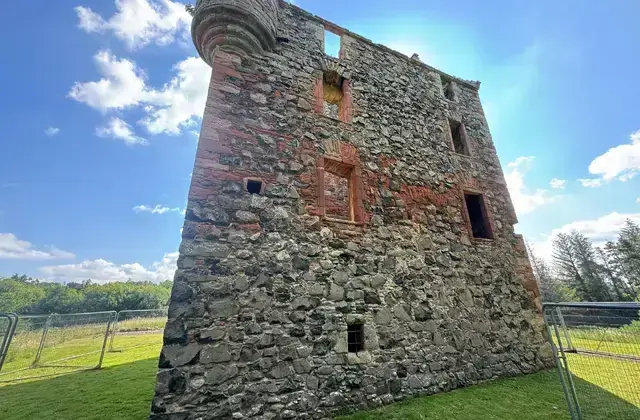
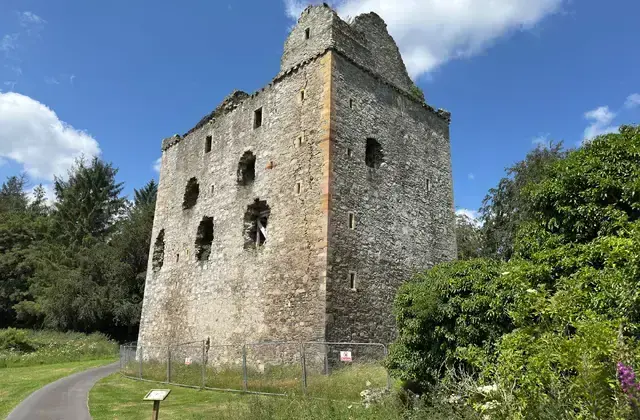
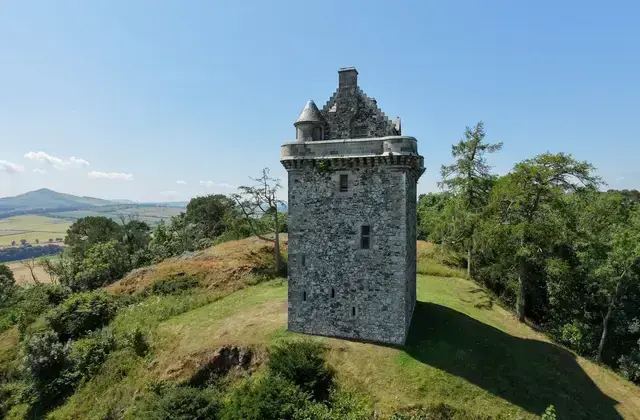
Greenknowe Tower · Scottish BordersScottish BordersGreenknowe Tower Newark Tower · Scottish BordersScottish BordersNewark Tower Fatlips Castle · Scottish BordersScottish BordersFatlips Castle
Explore Scotland

Find Scottish castles by region, landscape or the stories that bring them to life.