TICKETSFree
Public exterior viewpoints are free. Parts of the site are private or inaccessible, so respect boundaries and check conditions before visiting.
 Beta
Beta
Scotland/Midlothian/Roslin Castle
RIVER GLEN · ROSLIN
A ravine stronghold. History beneath Rosslyn Chapel.
PLAN YOUR VISIT
Roslin, Midlothian, EH25 9PU
VISIT TIME: 30–60 minutesPublic exterior viewpoints are free. Parts of the site are private or inaccessible, so respect boundaries and check conditions before visiting.
Opening arrangements, admission and access can change. Check the official visitor source before you travel.
Roslin Castle rewards a little time outdoors. Plan for the final approach as part of the visit.
Historic ground can include uneven paths, steps and exposed conditions. Wear suitable footwear.
WHAT TO EXPECT
01 / THE STORY
Below the famous chapel, Roslin has another story tucked into the trees. The castle appears beside a narrow bridge above the wooded glen, part ruin and part house, with the North Esk below.
It is easy to arrive thinking only of Rosslyn Chapel and miss how different the castle feels. Here the attraction is the approach, the ravine and the unexpected survival of a home within a damaged fortress.
The setting offers a change of pace after the chapel. Stone, trees and steep ground create a more secluded scene, discovered in fragments as you move through the public landscape.
Treat this as an exterior and landscape visit. Parts of the property are private accommodation, so it is not a castle where you can expect to wander through every doorway.
The St Clair family developed the castle over centuries. William St Clair, who founded the nearby chapel, also enlarged the family’s residence.
That connection helps the two places fit together. The chapel was part of a much wider family world, with a home, estate and working landscape around it. The castle gives that world a physical presence beyond the carved pillars.
Fire and warfare repeatedly damaged the castle. It was attacked in 1544 and badly damaged again by Cromwellian troops in 1650.
Yet the story did not end with an empty shell. A domestic range survived, and later restoration brought parts of the building back into use. The mixture of broken walls and habitable rooms is one of Roslin’s most distinctive features.
02 / VISUAL JOURNAL
Every photograph on this page was made by CastleScotland during personal field visits.
10 of 20 photographs
01 / THE STORY CONTINUES
Recent conservation has returned a roof to the Great Hall and reinstated a stone fireplace. It is a reminder that preserving a castle does not always mean leaving every space open to the rain.
These restored spaces form part of the castle’s accommodation rather than a normal drop-in tour. You can appreciate the survival story while respecting the privacy of the people staying there.
The Da Vinci Code (2006) filmed at nearby Rosslyn Chapel. That is the confirmed screen connection to plan around; the chapel and castle are separate places.
If the film brought you to Roslin, let the castle add something unexpected to the day. Its own appeal lies in the bridge, the wooded ravine and the long survival of the St Clair home.
Use public paths and viewpoints, and follow local signs around the castle. The steep ground and woodland paths deserve sensible footwear, especially after rain.
A chapel visit and a look at the castle can complement each other well, but book the chapel separately and do not assume that its ticket includes access to the castle’s private rooms.
03 / MOMENTS IN STONE
The earliest securely dated surviving fabric belongs to this period; earlier origins remain possible. Roslin adds a second, less crowded layer to a well-known visit.
William St Clair founds nearby Rosslyn Chapel. The ravine setting turns approach and viewpoint into part of the narrative.
The castle suffers attack and fire during Hertford’s campaign. Castle, chapel and estate history are closely connected here.
Recorded rebuilding and decoration shape the eastern domestic range.
Troops under General Monck cause further damage.
Restoration is followed by a new use as holiday accommodation.
04 / FIND THE CASTLE
55.855800,-3.159500
Roslin Castle is at Roslin, Midlothian, EH25 9PU. Check current access arrangements before travelling.
Open mapOpening arrangements, admission and access can change. Check the official visitor source before you travel.
Roslin Castle rewards a little time outdoors. Plan for the final approach as part of the visit.
Walk the perimeter before choosing a viewpoint; the setting often tells as much of the story as the masonry.
History and visitor advice: CastleScotland fieldwork and official operator sources.
William St Clair was an important fifteenth-century patron of the castle and founded the neighbouring chapel in 1446. The ruined defences express the scale of that household and its ambitions. Their position above the glen offered substantial natural protection. The approach feels theatrical today, but that impression is not proof that its medieval builders deliberately designed a picturesque visitor experience.
The bridge itself has a layered history. HES recognises fifteenth-century fabric and later rebuilding; the listed-building account records work in 1597. It should not be described as an unchanged survival from the earliest castle. From permitted viewpoints, the crossing helps explain both the strength of the position and the practical challenge of reaching a residence on such confined ground.
War brought severe damage. In 1544 the castle was attacked and burned during the English campaign led by the Earl of Hertford. In 1650 Cromwellian troops under General George Monck caused further destruction. These episodes are important, but they did not erase every building or end all occupation. The roofed domestic range and the ruined fortifications followed different paths afterwards.
Much of the eastern residence belongs to the late sixteenth and early seventeenth centuries. Work recorded in 1597 was followed by alterations in 1622, with dated decorative plasterwork from 1623. The house rises through several levels on the glen side, although its courtyard frontage appears much lower. Vaulted service spaces and a substantial staircase explain how a household could function within the steep site.
The castle’s modern history is also one of adaptation. Restoration was completed in 1984, and holiday accommodation began in 1985 through arrangements with the Landmark Trust. The castle remains privately owned by Lord Rosslyn; Landmark’s booking role should not be confused with ownership. More recent work by Rosslyn Chapel Trust restored the Great Hall roof and expanded the usable accommodation, linking a continuing use with conservation.
Different parts have distinct protection. The ruined castle and associated archaeological area are scheduled as SM1208, while the eastern domestic range is separately listed at Category A. HES identifies potential for buried evidence of earlier activity and changing occupation. Archaeological potential is not the same as an excavated discovery, so the unseen history should remain an open question where investigation has not established it.
A thoughtful visit focuses on lawful paths and exterior viewpoints, respecting the privacy of the accommodation. Combine it with the chapel if time allows, but pause to read the castle on its own terms. The bridge, surviving rooms and broken walls explain a long relationship between family, terrain and rebuilding. Roslin offers a sequence of fragments whose interest grows when their dates and limitations remain clear.
Compare this stop with the best castles in and near Edinburgh, including city landmarks and coastal day trips. Use our Scotland castles map to check locations before choosing your route.
08 / EXPLORE NEXT
Find Scottish castles by region, landscape or the stories that bring them to life.
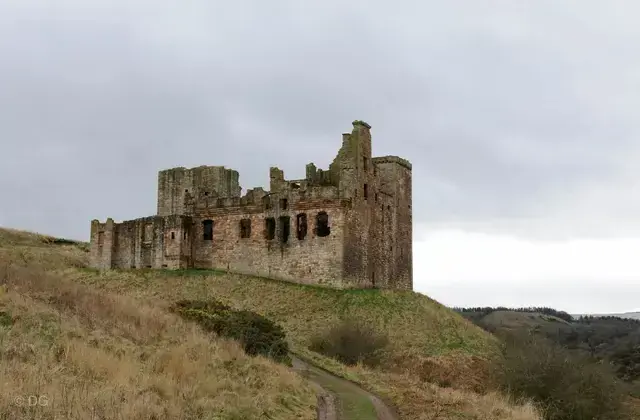 MidlothianCrichton Castle
 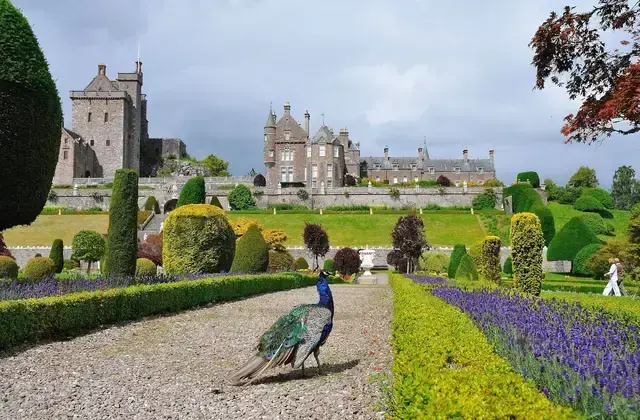 PerthshireDrummond Castle
 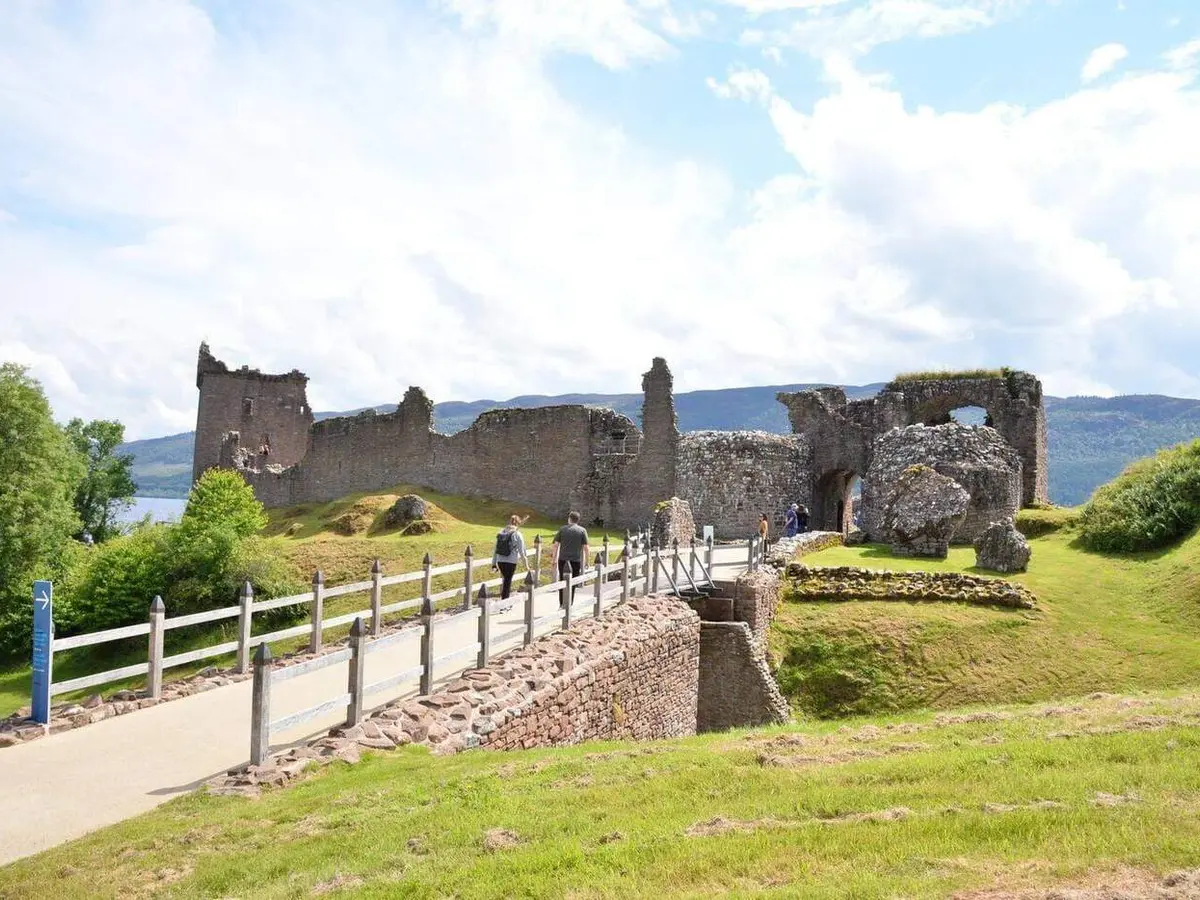 The HighlandsUrquhart Castle