TICKETS£14.00
Timed tickets and parking should be booked ahead, especially in summer.
 Beta
Beta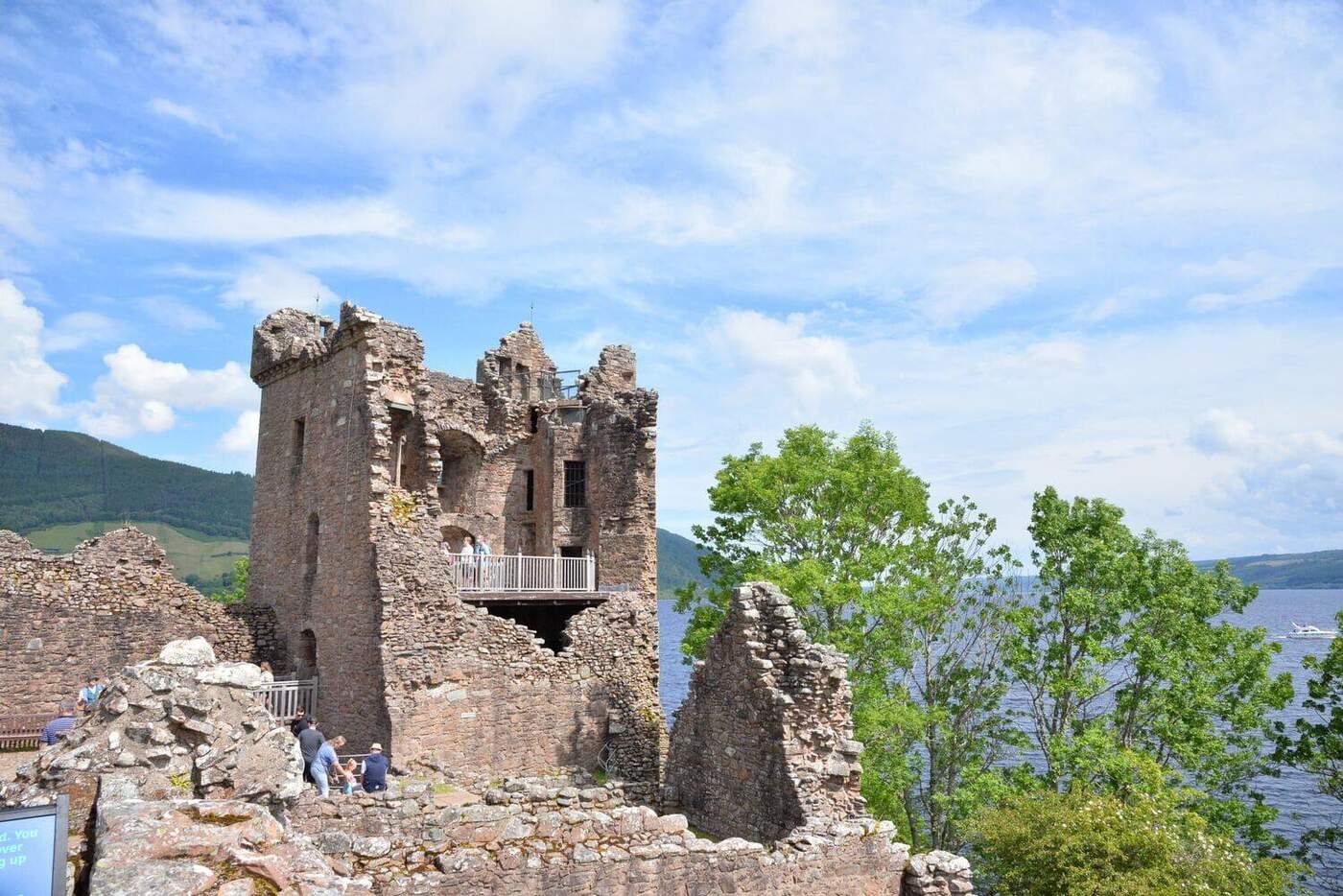
Scotland/The Highlands/Urquhart Castle
LOCH NESS · HIGHLAND POWER
A shattered stronghold. A thousand years above the loch.
PLAN YOUR VISIT
Near Drumnadrochit, Inverness-shire
VISIT TIME: 1.5–2.5 hoursTimed tickets and parking should be booked ahead, especially in summer.
Parking must be booked online and tickets often sell out in summer.
Use the address and map link above for Urquhart Castle. Allow time for the final rural approach and check parking guidance before setting out.
The visitor centre is accessible, but the approach down to the castle is steep and historic surfaces include steps. Check live notices for any temporary tower restrictions.
WHAT TO EXPECT
01 / THE STORY
Urquhart gives Loch Ness something even a monster cannot: a skyline. Its broken towers spread across a rocky promontory, with open water on three sides and the Great Glen stretching away beyond them.
This was a royal castle, a target for the Lords of the Isles and later a stronghold of the Grants. The ruins offer more than a famous viewpoint. They tell a story of repeated raids, rebuilding and one final act of destruction whose physical evidence is still being discussed.
Come for one of Scotland’s great combinations of castle and landscape. From the approach, the ruins frame Loch Ness; inside, the loch keeps reappearing through windows and broken walls.
It is a popular stop, so an early visit can make the spaces easier to appreciate. Give yourself time to move beyond the busiest viewpoint and see how widely the castle spreads across the headland.
After becoming king, Robert the Bruce fought to secure strongholds held by his Scottish opponents. Historic Environment Scotland records that he captured Urquhart in 1307.
That connection is firm enough without turning every standing wall into something Bruce personally saw. Much of the visible castle changed in later centuries.
The MacDonalds and their allies repeatedly challenged royal and Grant control. In 1545, their last great raid carried away an extraordinary haul, including livestock, three large boats and twenty guns.
It is a detail that makes the aftermath easy to picture. A castle could remain standing and still be badly weakened when its transport, weapons and working resources disappeared down the loch.
02 / VISUAL JOURNAL
Every photograph on this page was made by CastleScotland during personal field visits.
10 of 18 photographs
01 / THE STORY CONTINUES
The familiar account says government troops deliberately damaged Urquhart in 1692 so Jacobites could not use it. The main HES history still presents that explanation.
A later HES staff article questions whether the surviving fabric shows clear evidence of an explosion. It is an interesting challenge, but not yet a new archaeological consensus. The honest answer is that deliberate demolition remains the standard account, with a real question hanging over exactly how it was carried out.
Urquhart is one of the best places to scan Loch Ness, but the castle does not provide historical proof of the monster. The legend belongs to the wider loch and its modern fame.
Treat Nessie as a playful extra. The documented stories of raiders, royal power and a fortress stripped of its guns are strange enough without claiming a sighting from the tower.
03 / MOMENTS IN STONE
Robert the Bruce captures Urquhart during his campaign against his Scottish enemies. Loch Ness gave Urquhart a route, barrier and dramatic setting at once.
The castle is granted to the Grant family, who rebuild important parts of it. The tall tower holds the domestic and defensive story in one vertical structure.
The main HES account describes deliberate demolition; a later staff blog questions the physical evidence. HES’s main history describes demolition in 1692; a later staff blog questions the physical evidence.
04 / FIND THE CASTLE
57.324109,-4.441989
Urquhart Castle is at Near Drumnadrochit, Inverness-shire. Check current access arrangements before travelling.
Open mapParking must be booked online and tickets often sell out in summer.
Use the address and map link above for Urquhart Castle. Allow time for the final rural approach and check parking guidance before setting out.
The classic view is from the visitor approach, but walk to the south side for quieter loch compositions and use changing Highland weather as part of the image.
History and visitor advice: CastleScotland fieldwork and official operator sources.
The site has earlier-medieval associations, but the standing castle is principally thirteenth to sixteenth century. HES records that Urquhart came under Robert the Bruce after he became king in 1306, and its Bruce trail says he captured it in 1307. Say that Bruce took the castle in 1307; do not turn a probable earlier fortification into a precisely dated stone castle.
Through the later Middle Ages Urquhart was a royal castle exposed to conflict with the MacDonald Lords of the Isles. The Grant family received the castle in 1509 and rebuilt substantial parts, including the tower now known as Grant Tower. The estate did not simply pass peacefully from one family to another; its history includes raids, repairs and changes in military importance.
The demolition story shows why sources need to be weighed, not merely counted. The main HES account describes deliberate destruction to prevent renewed military use. A later staff feature raises questions about the surviving physical traces. Both are published by the same institution and are not independent corroboration. The evidence consulted does not establish a new scholarly consensus rejecting demolition. The traditional explanation remains the main account, with the staff blog’s reservation clearly attributed rather than promoted into a settled finding.
The plan helps make sense of that uncertainty. The curtain wall follows the promontory, the gatehouse manages access and the tower provided high-status accommodation as well as defence. Roofless walls expose the relationship of kitchens, hall, courtyard and tower unusually clearly. Do not infer that all visible stonework is contemporary: the architecture records successive rebuilding campaigns.
Urquhart is a scheduled monument and an intensively visited heritage site. Take time for the far side of the enclosure, where the castle frames the loch differently from the visitor approach. The landscape, open plan and disputed final demolition together make it stronger than a single postcard image.
The Grant Tower is a useful place to think about successive phases rather than a single date. Differences in circulation can encourage questions about how a building grew, but they should not be turned into universal rules about medieval defence. A staircase’s direction alone does not prove a particular fighting technique or identify a builder. The architecture deserves closer reading than that familiar shortcut.
For photography, compare the view towards the tower with one looking back across the enclosure. The same remains can seem either tightly grouped or widely spread depending on the viewpoint. That contrast helps explain the scale of the former household without supplying an invented population or garrison figure. Include the water in at least one image: the promontory’s relationship with the loch is central to the site’s character.
A visit is strongest when documentary events and visible fabric remain in conversation. The Grant association provides a historical anchor; the plan adds a physical experience of space. Neither requires every fragment to be assigned an exact year. Allow time to move between viewpoints and consult the current visitor arrangements before travelling.
08 / EXPLORE NEXT
Find Scottish castles by region, landscape or the stories that bring them to life.
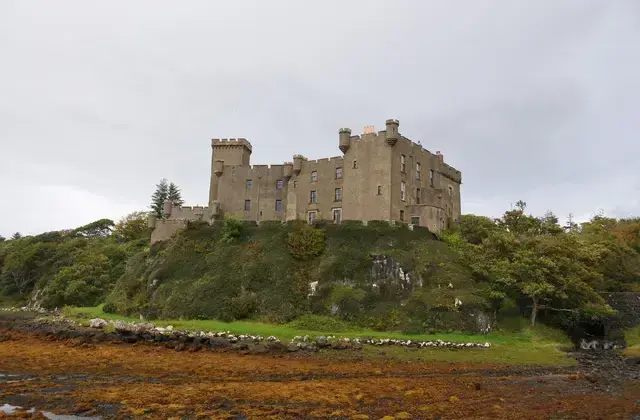 The HighlandsDunvegan Castle
 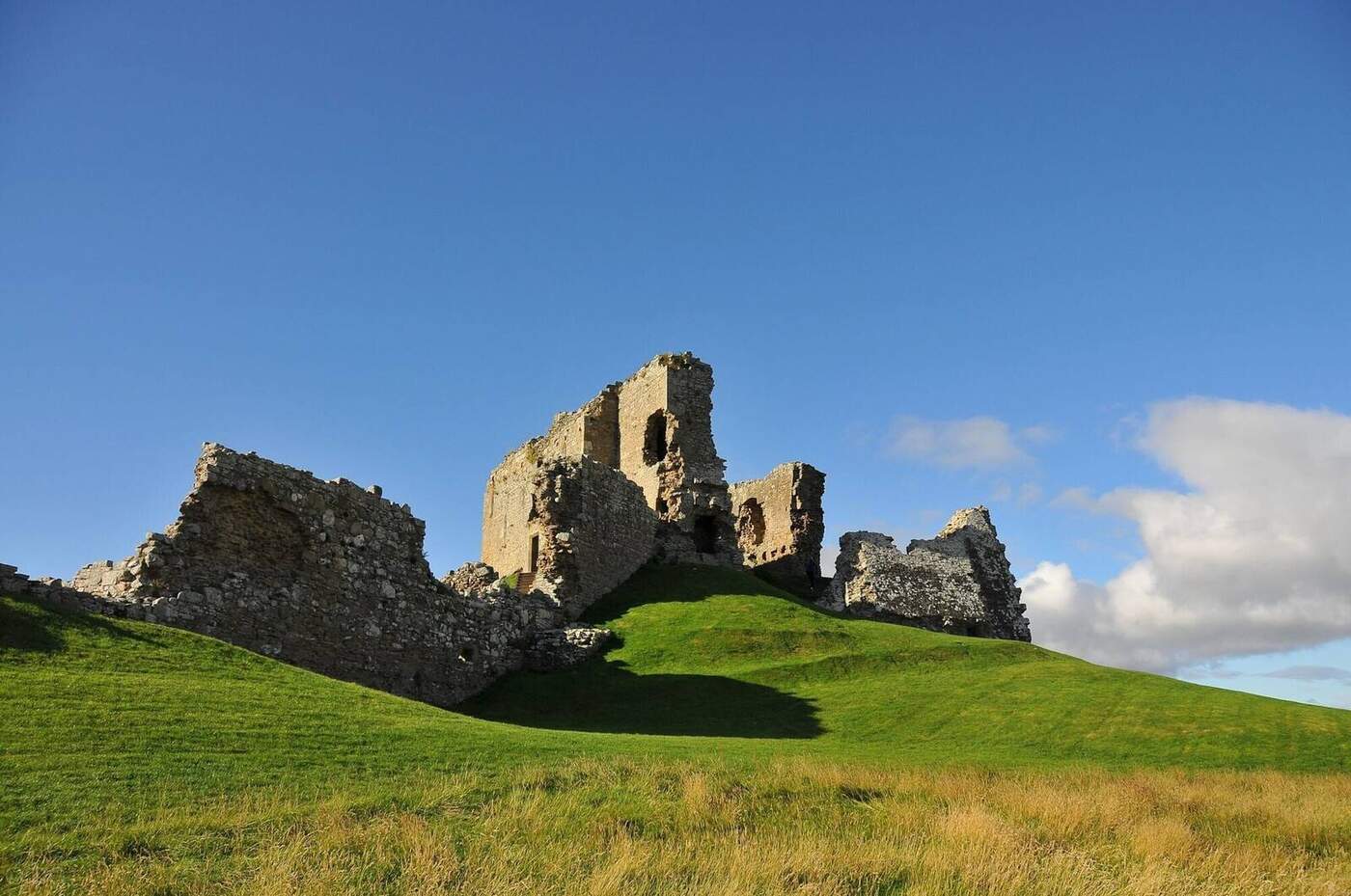 The HighlandsDuffus Castle
 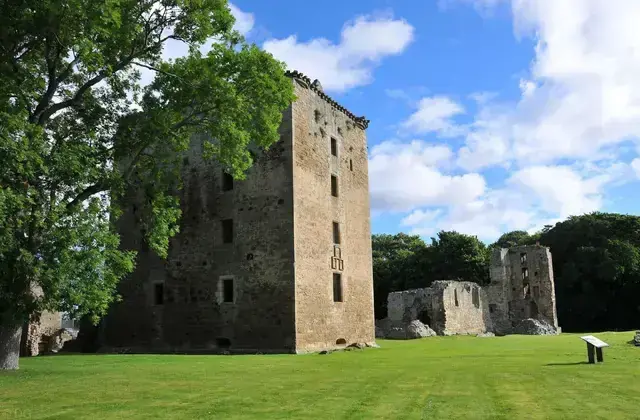 The HighlandsSpynie Palace