Castle
TICKETSFree entry.
History
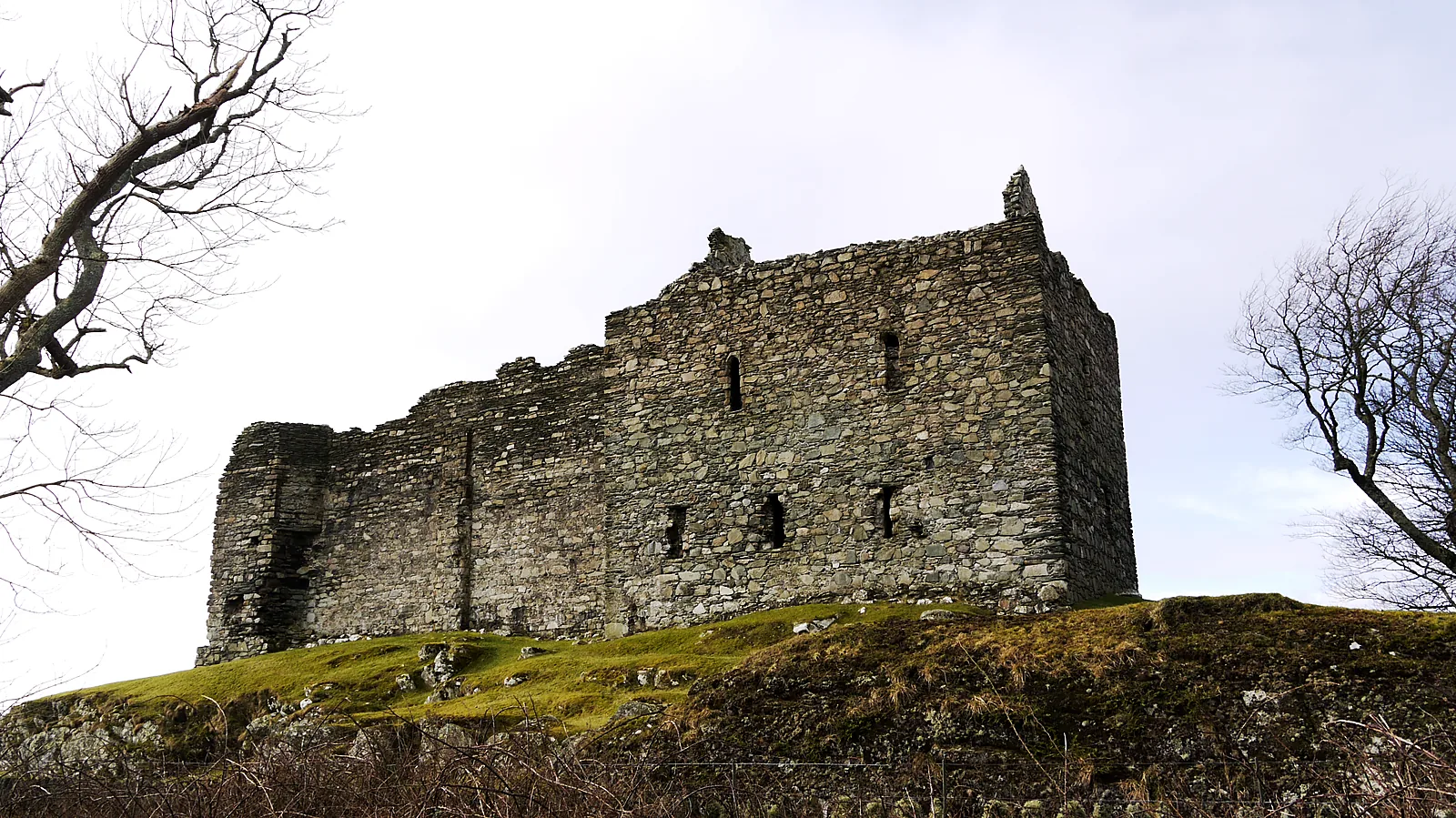
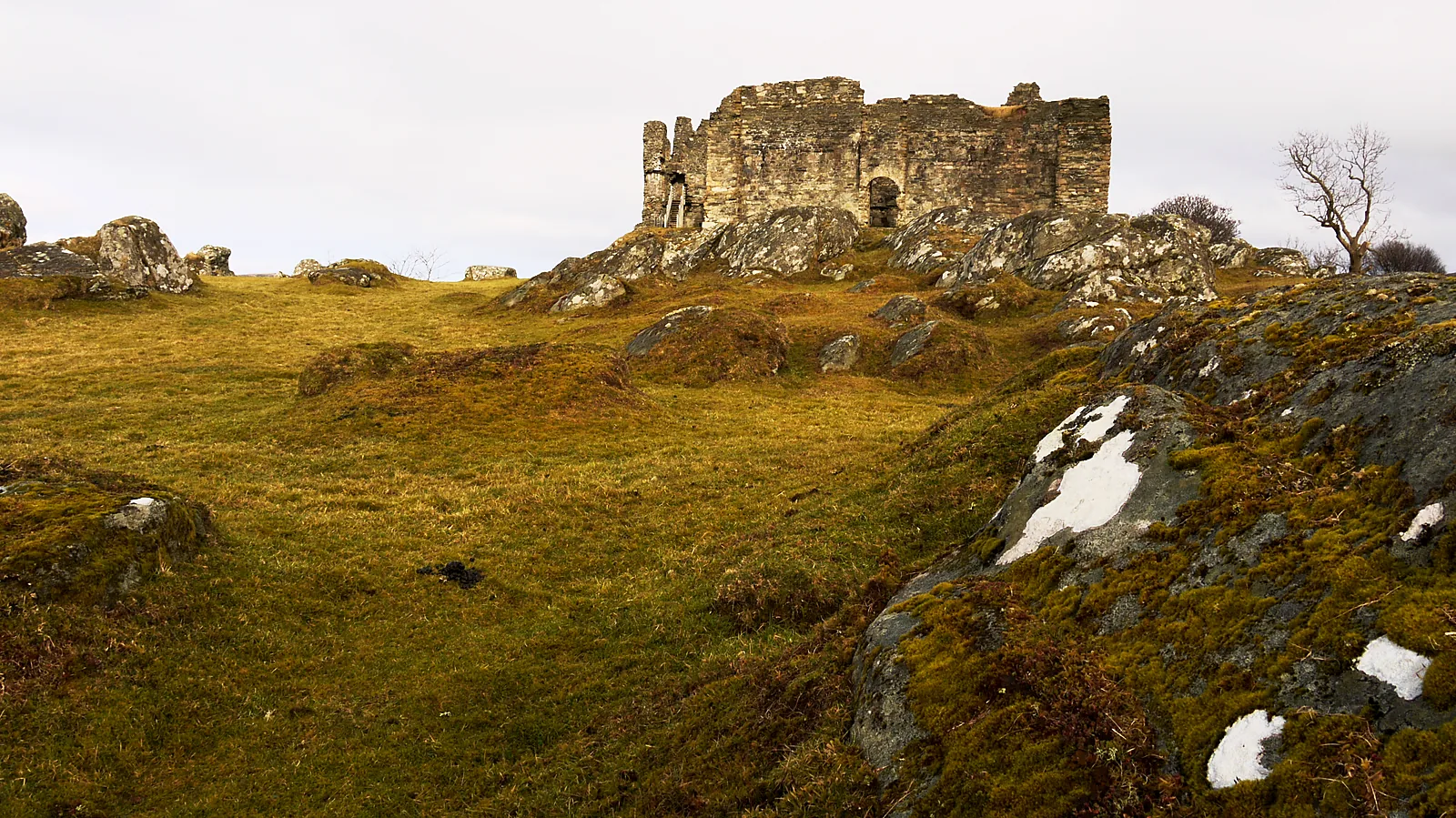
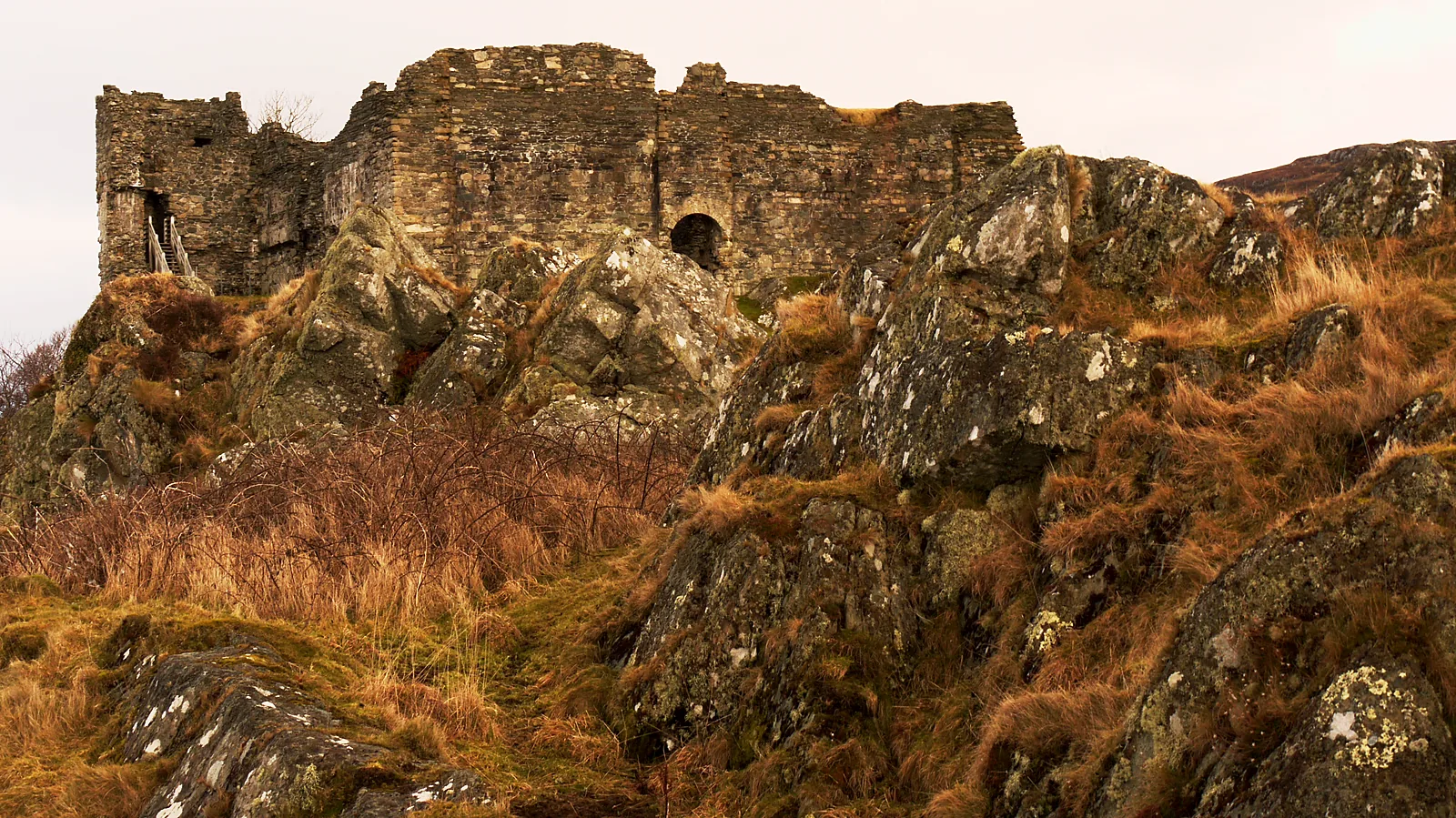
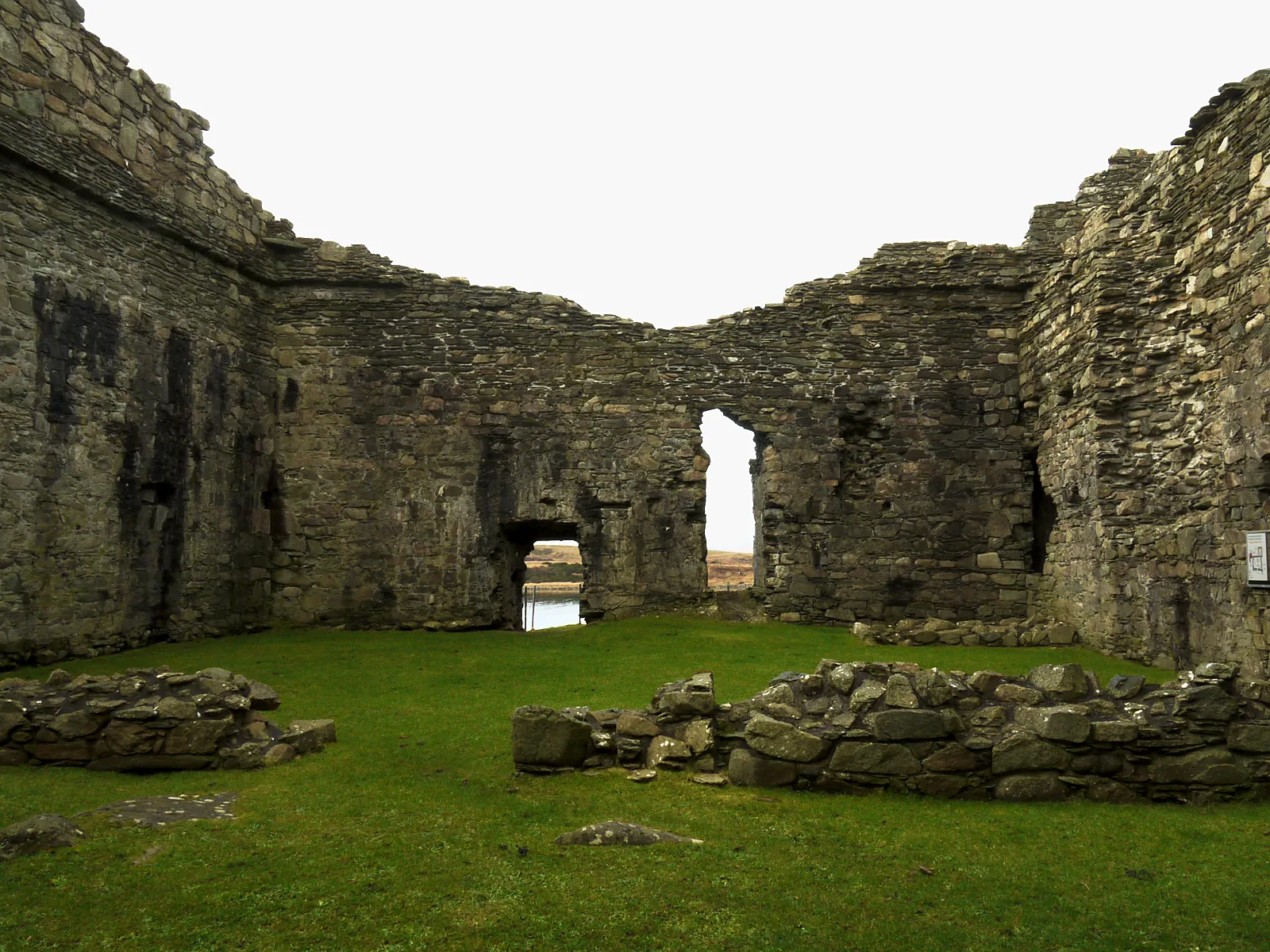
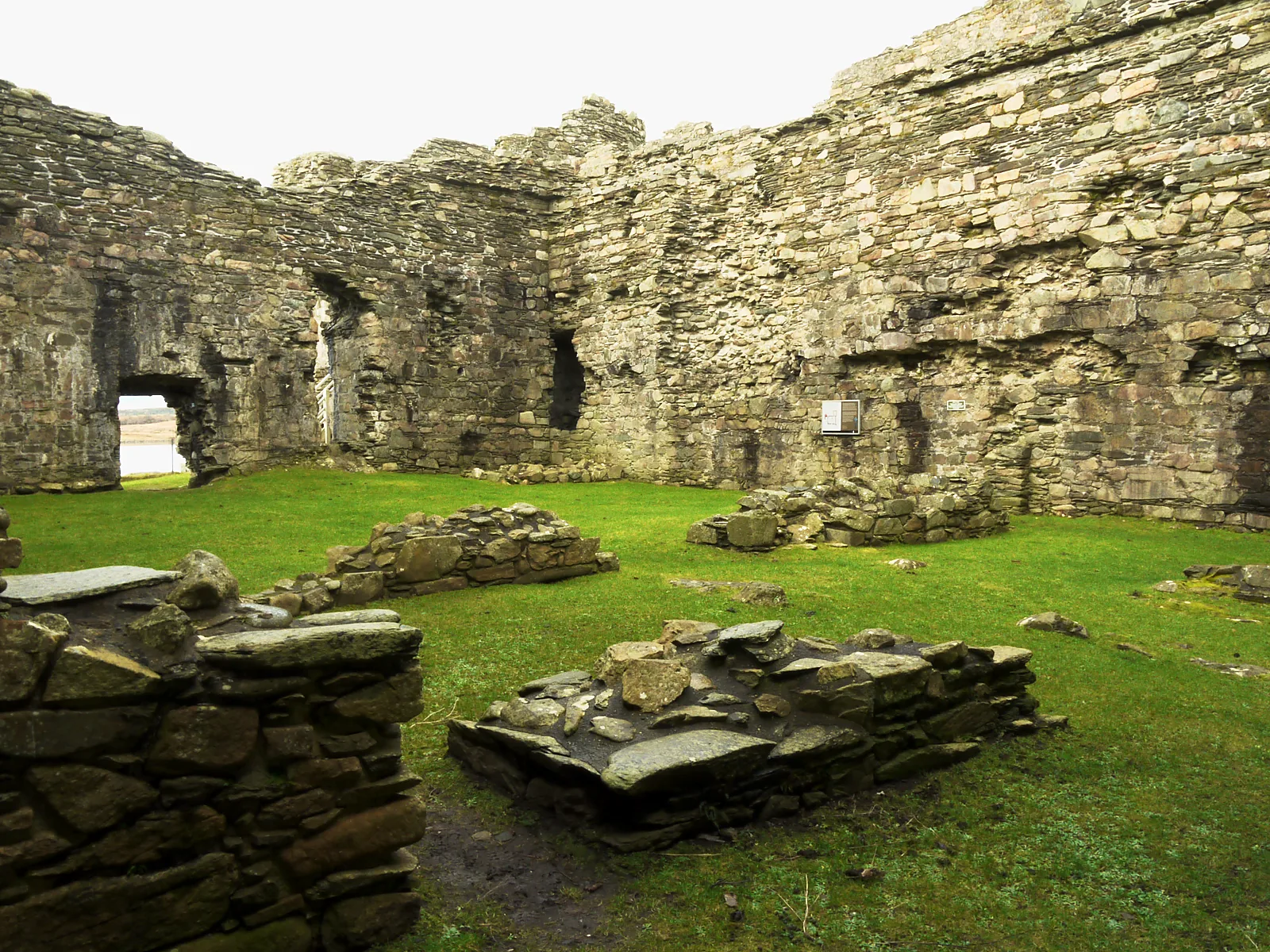
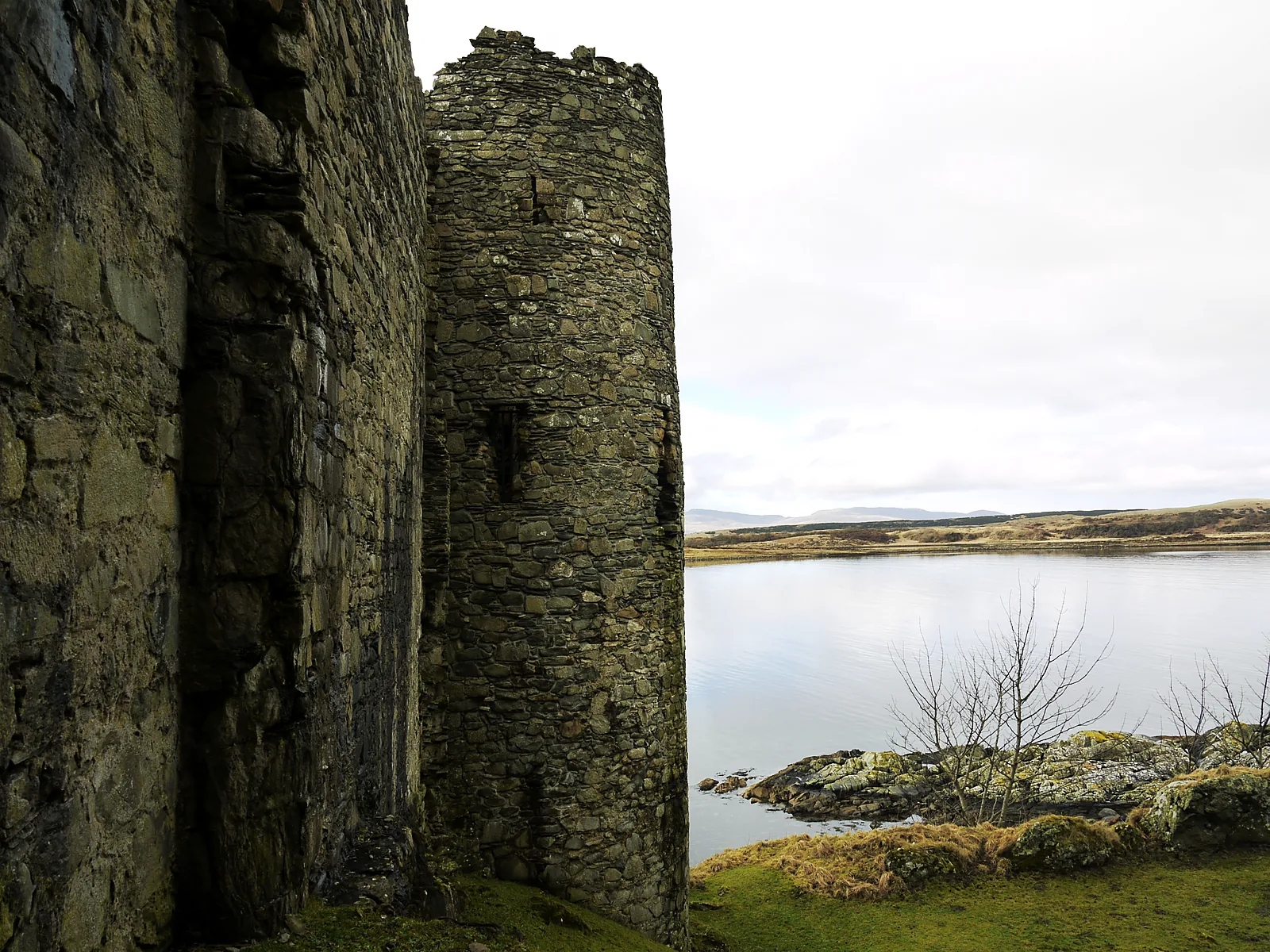
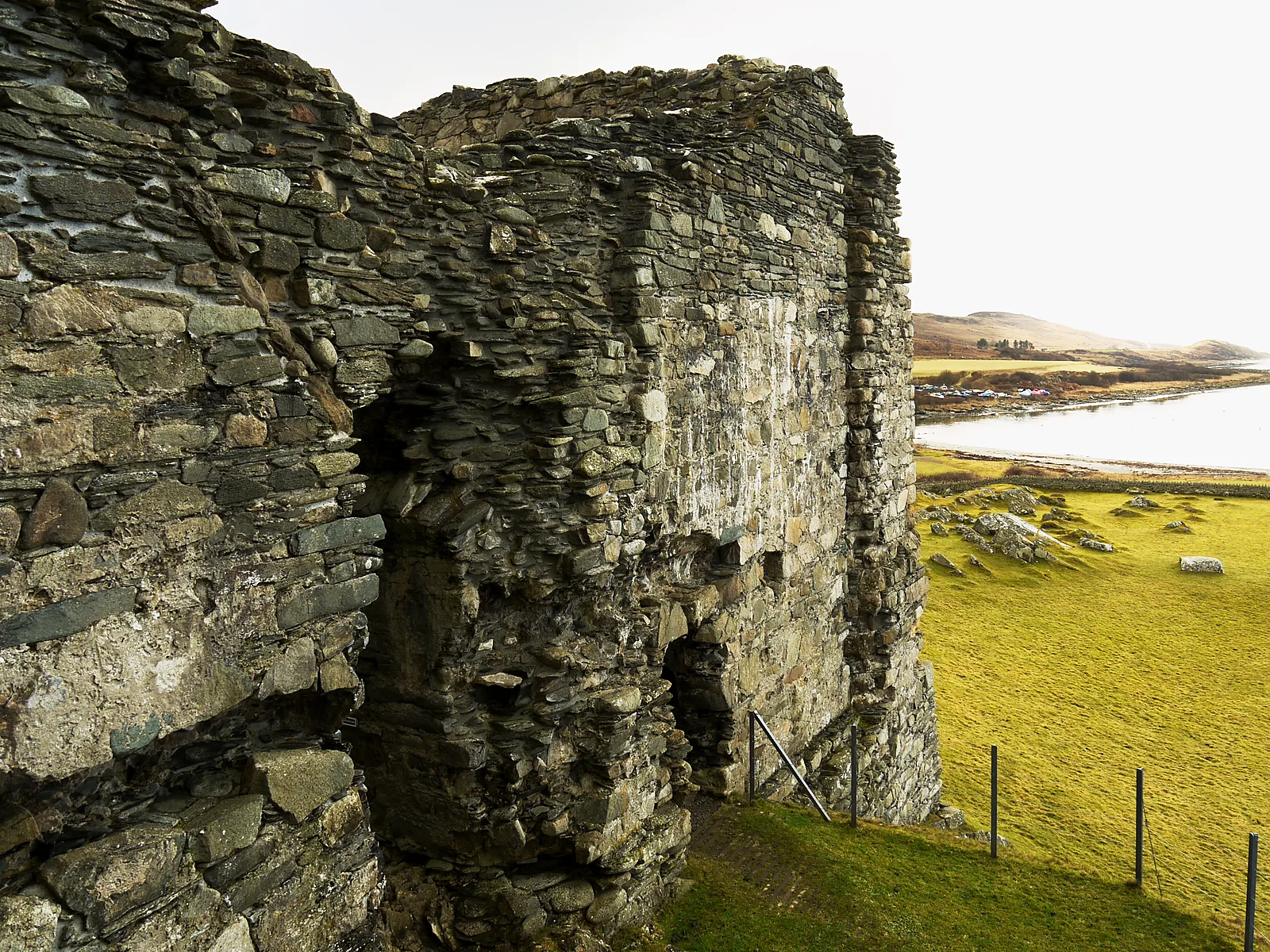
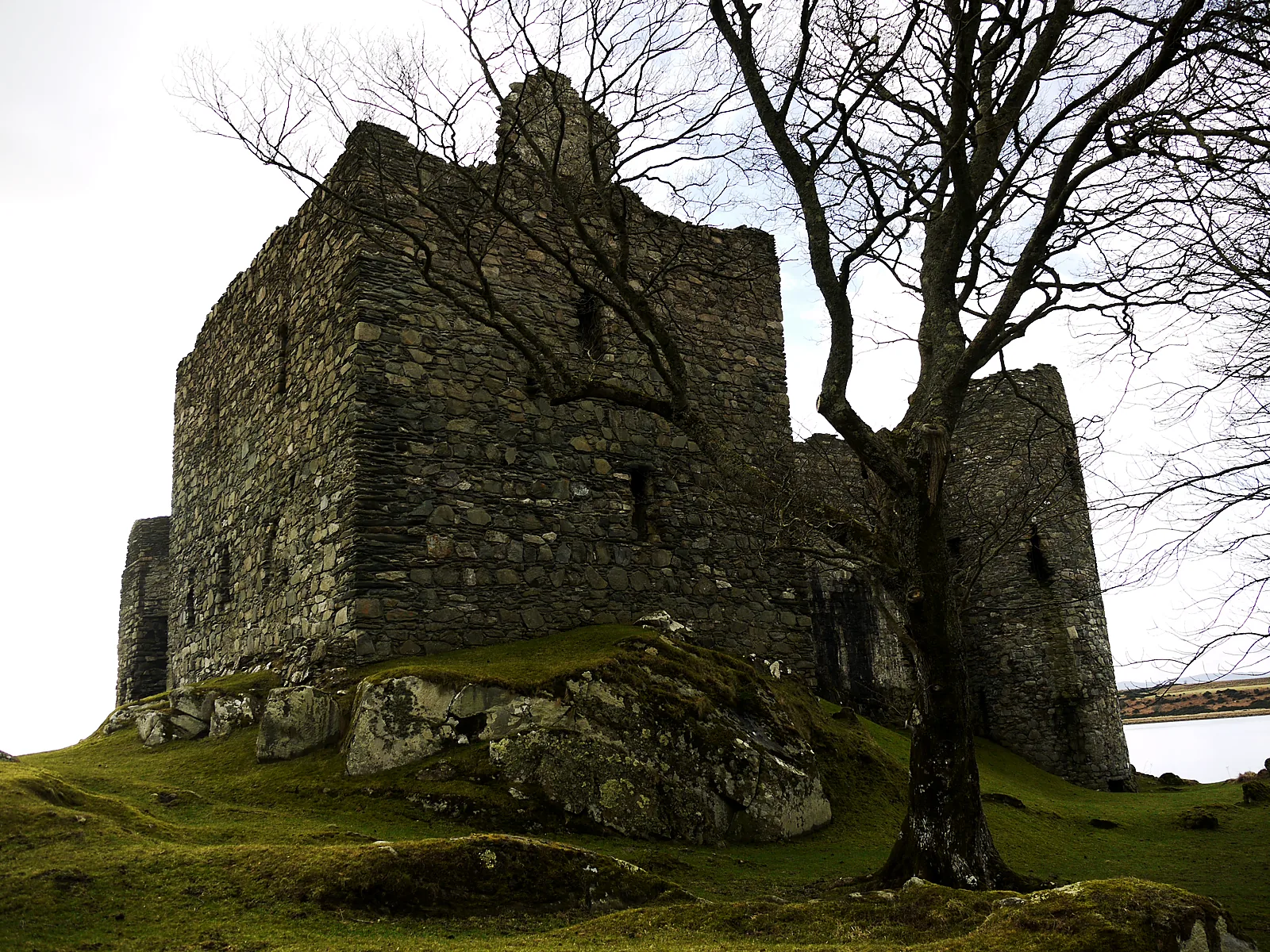
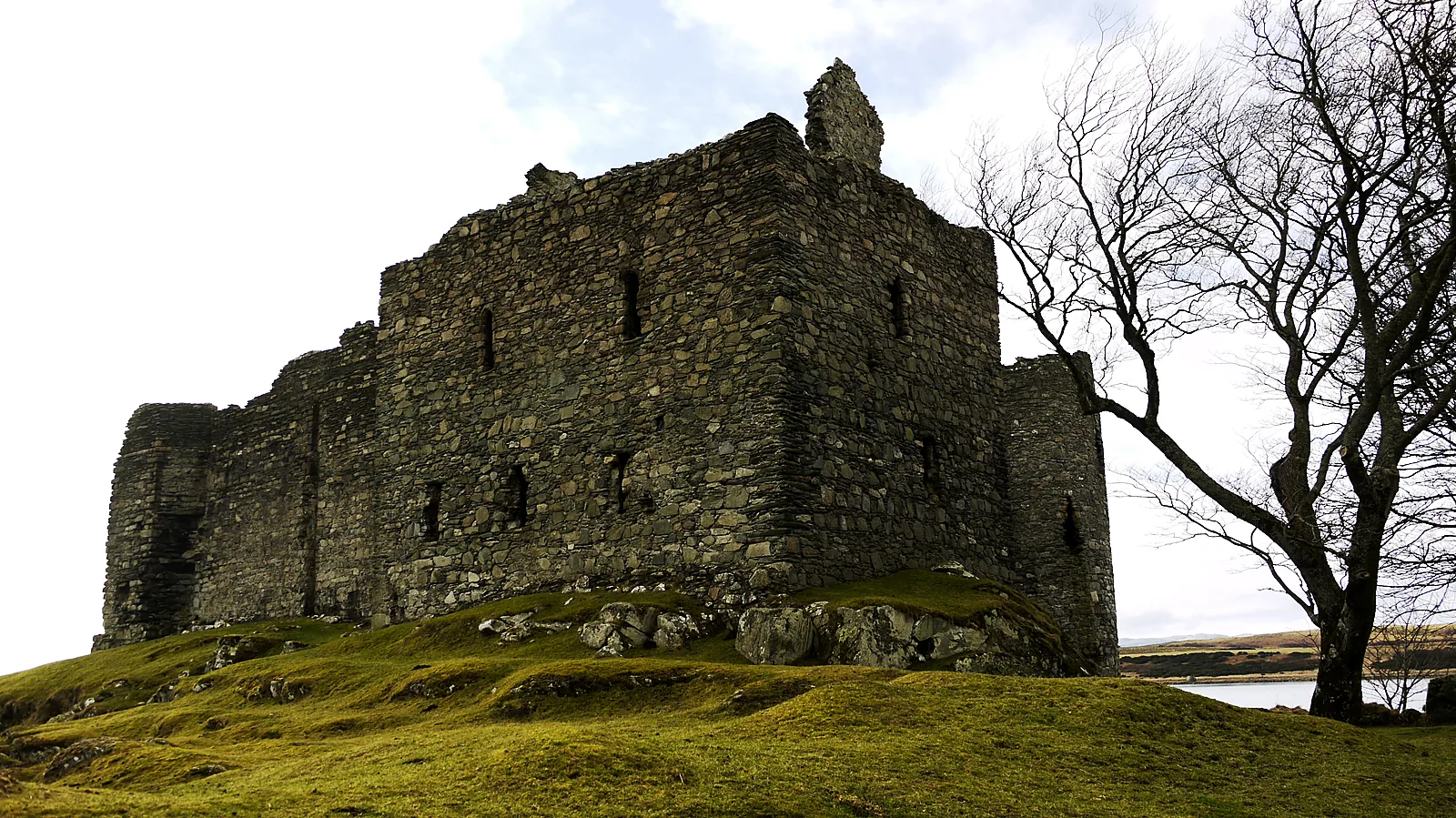
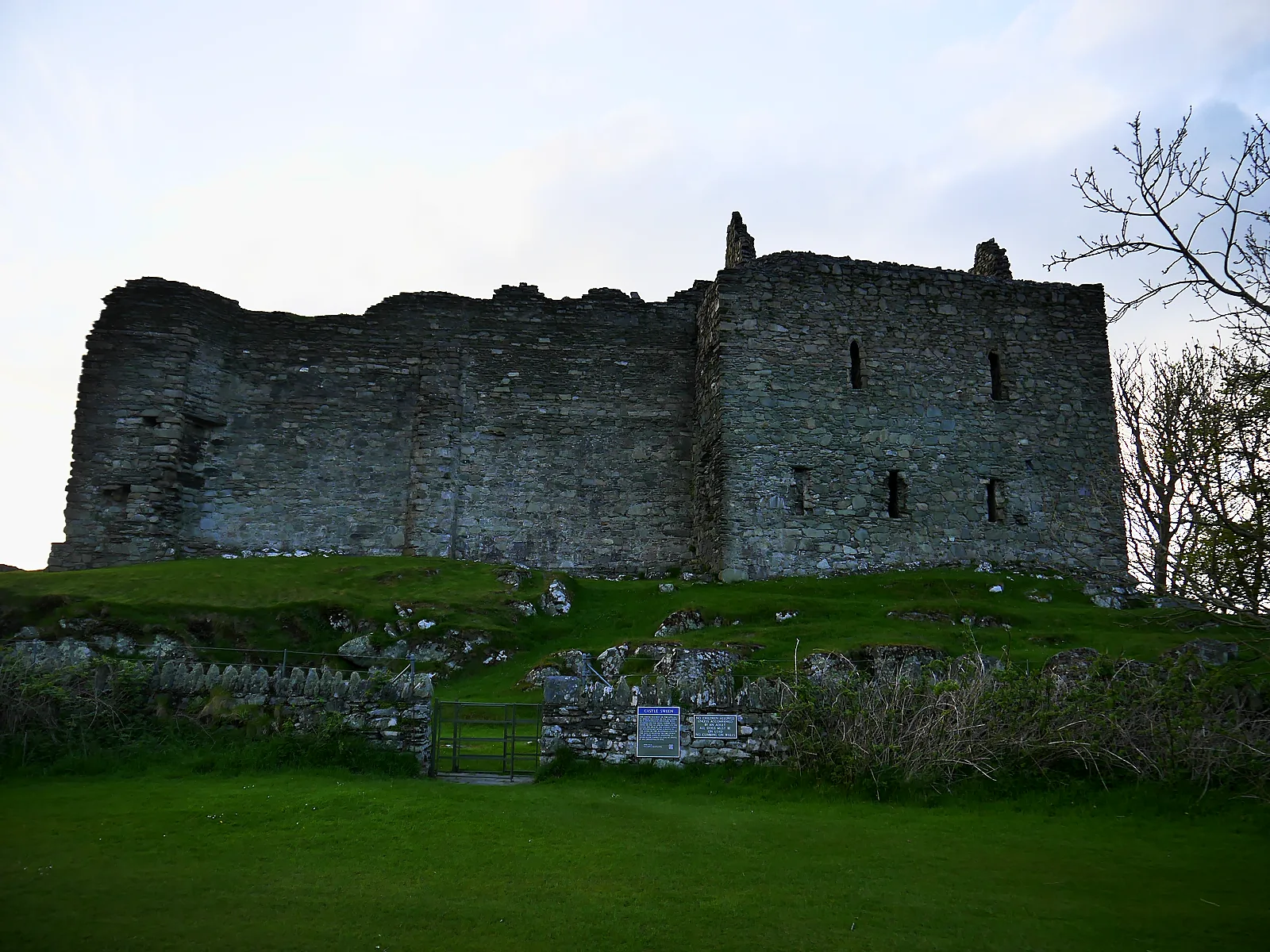
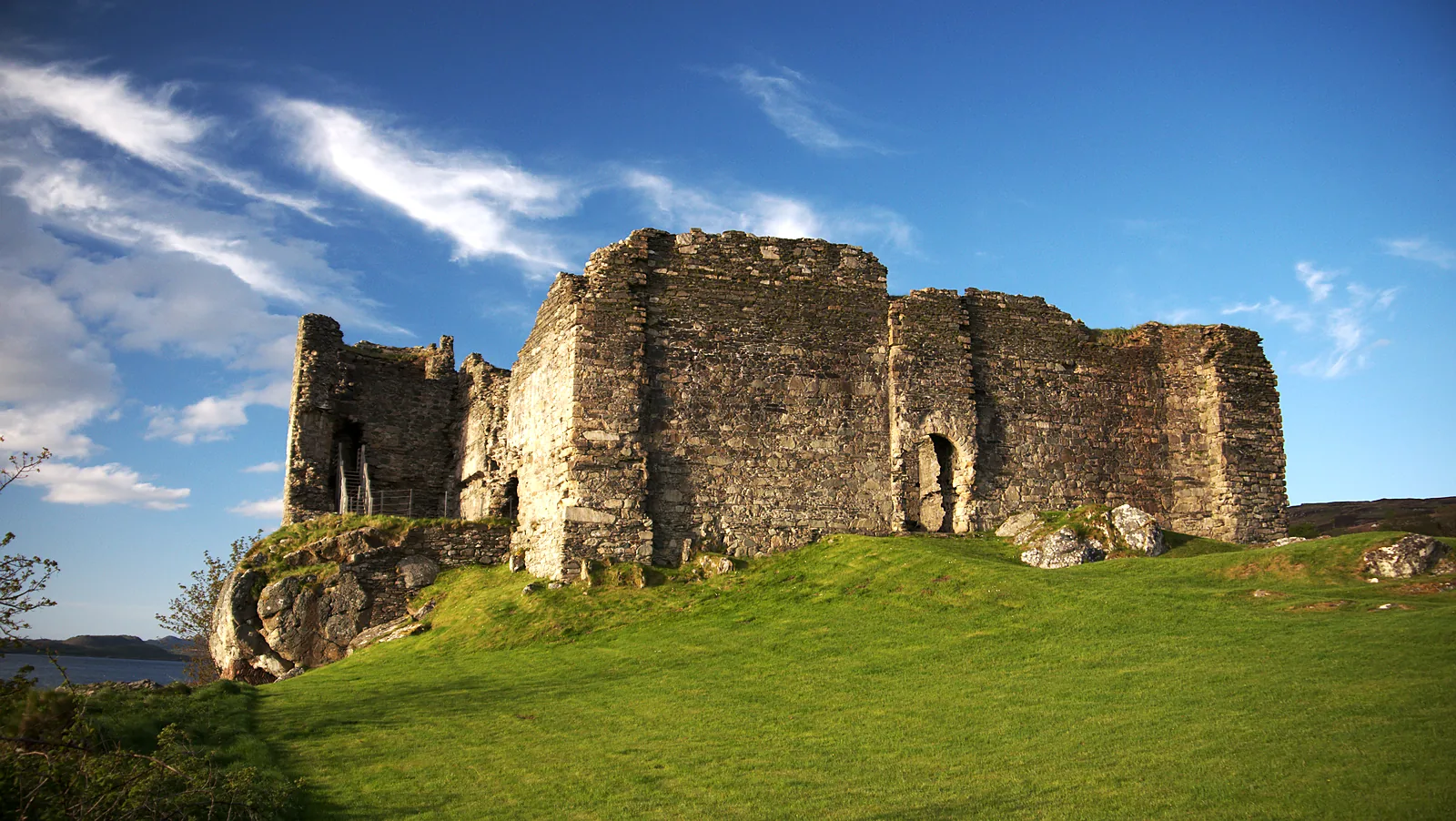
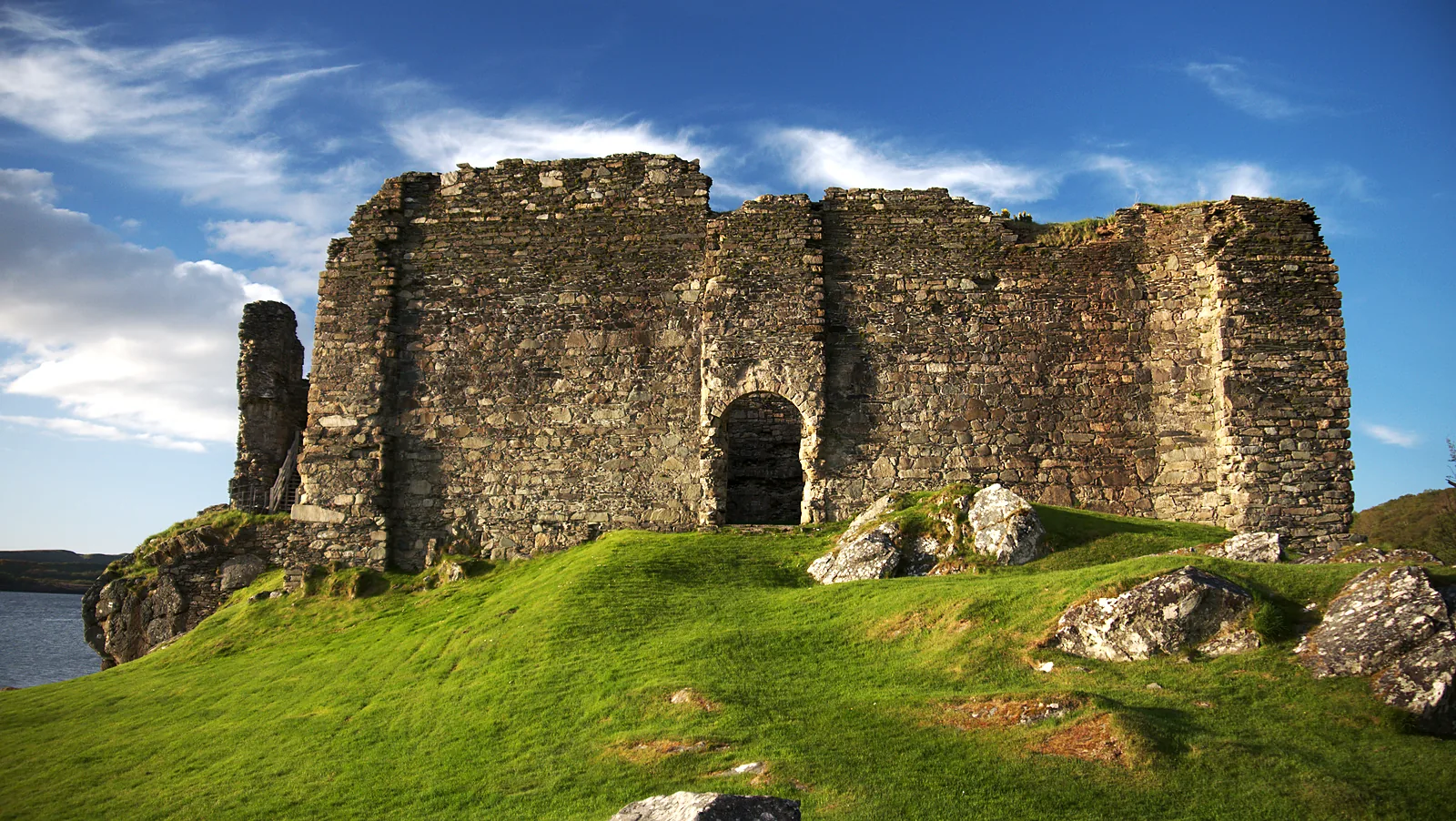
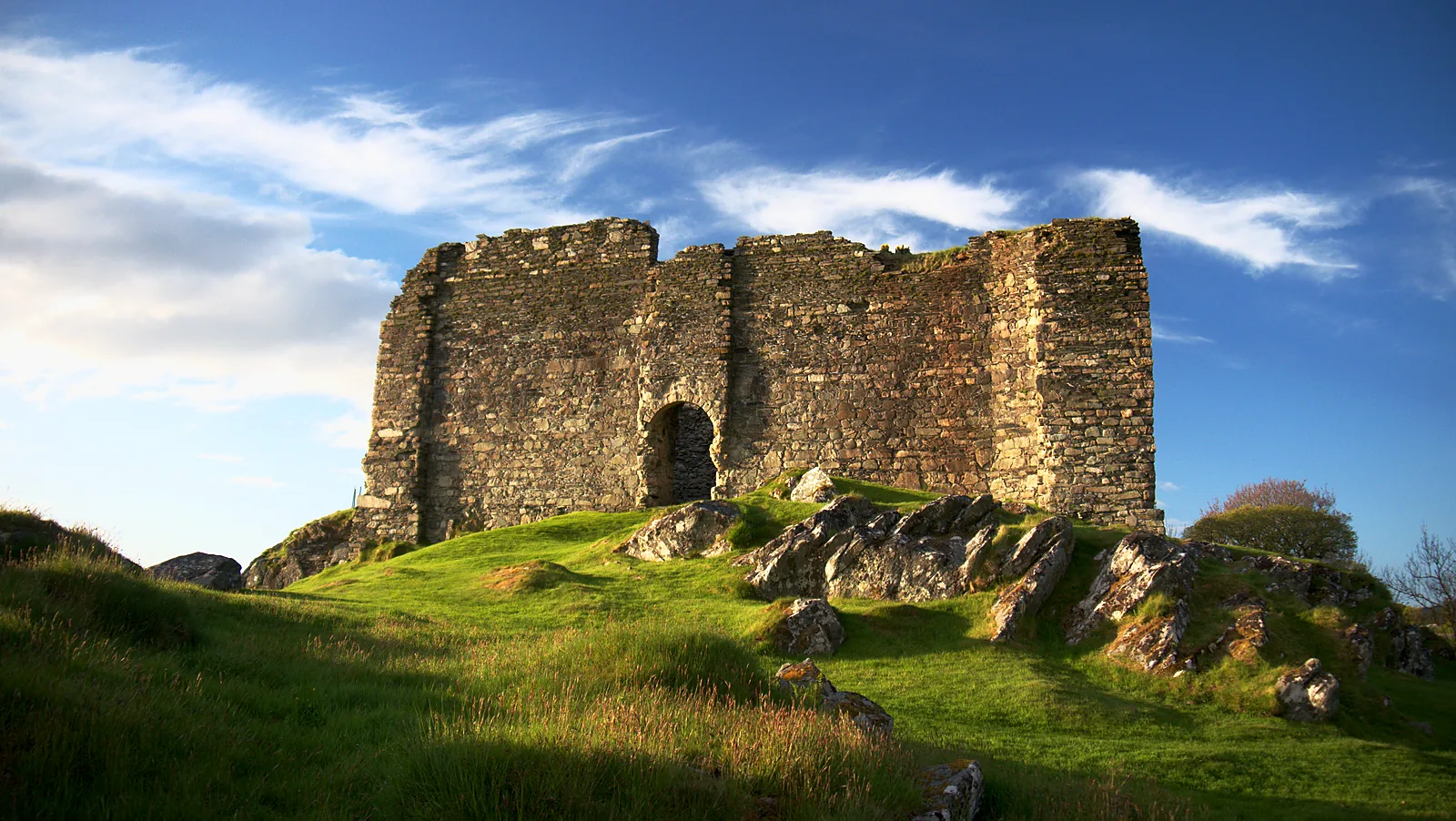
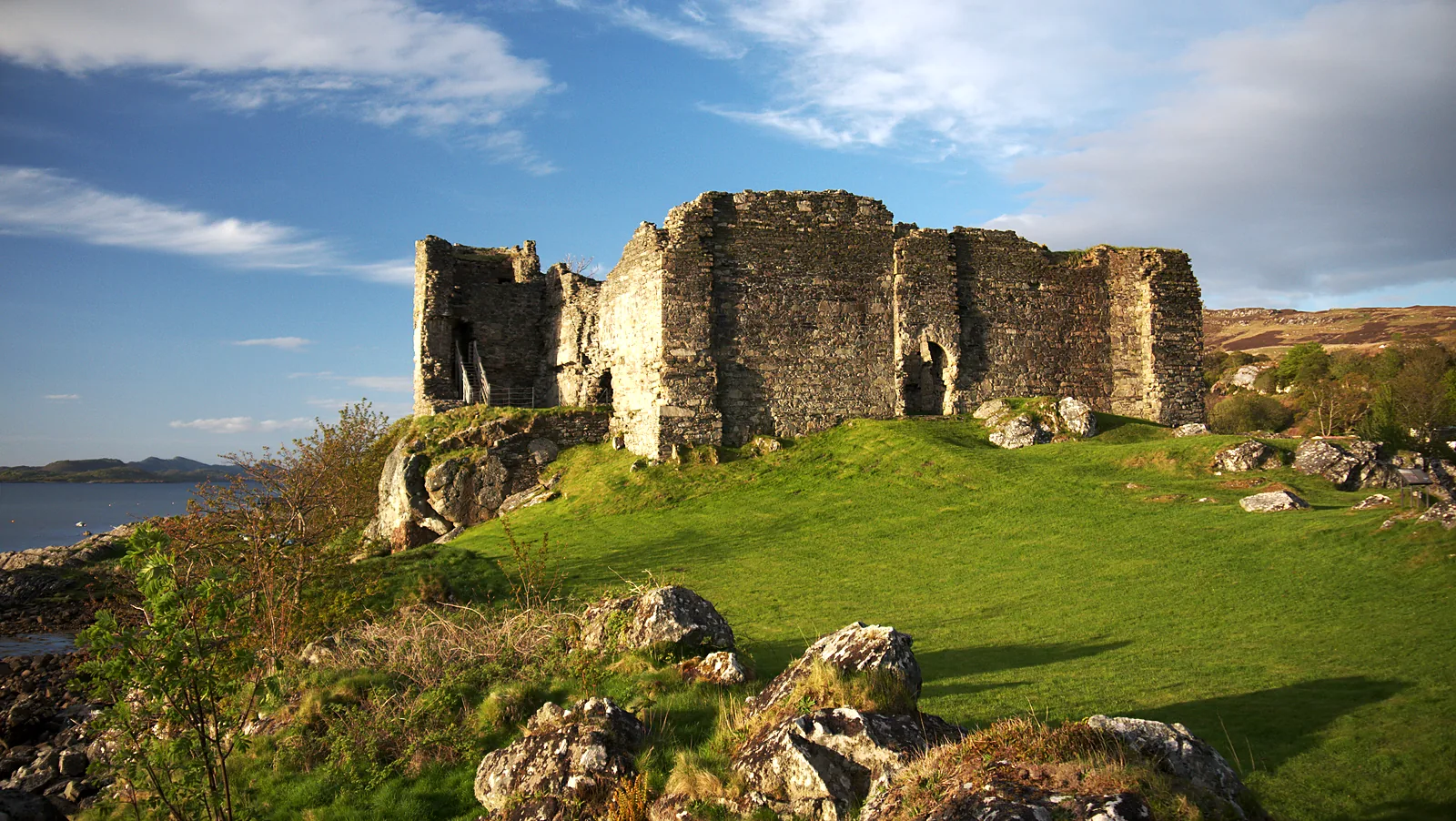
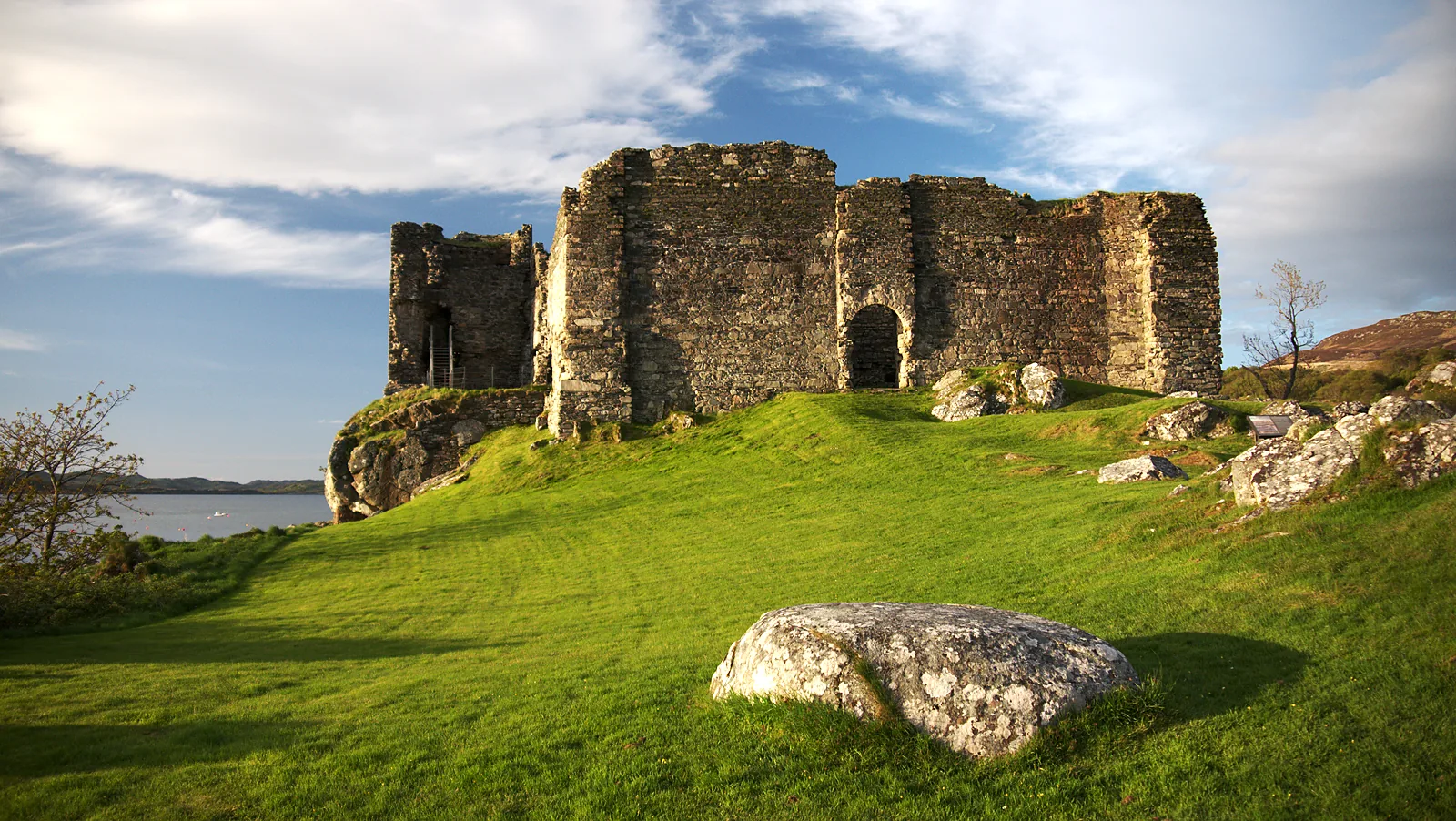
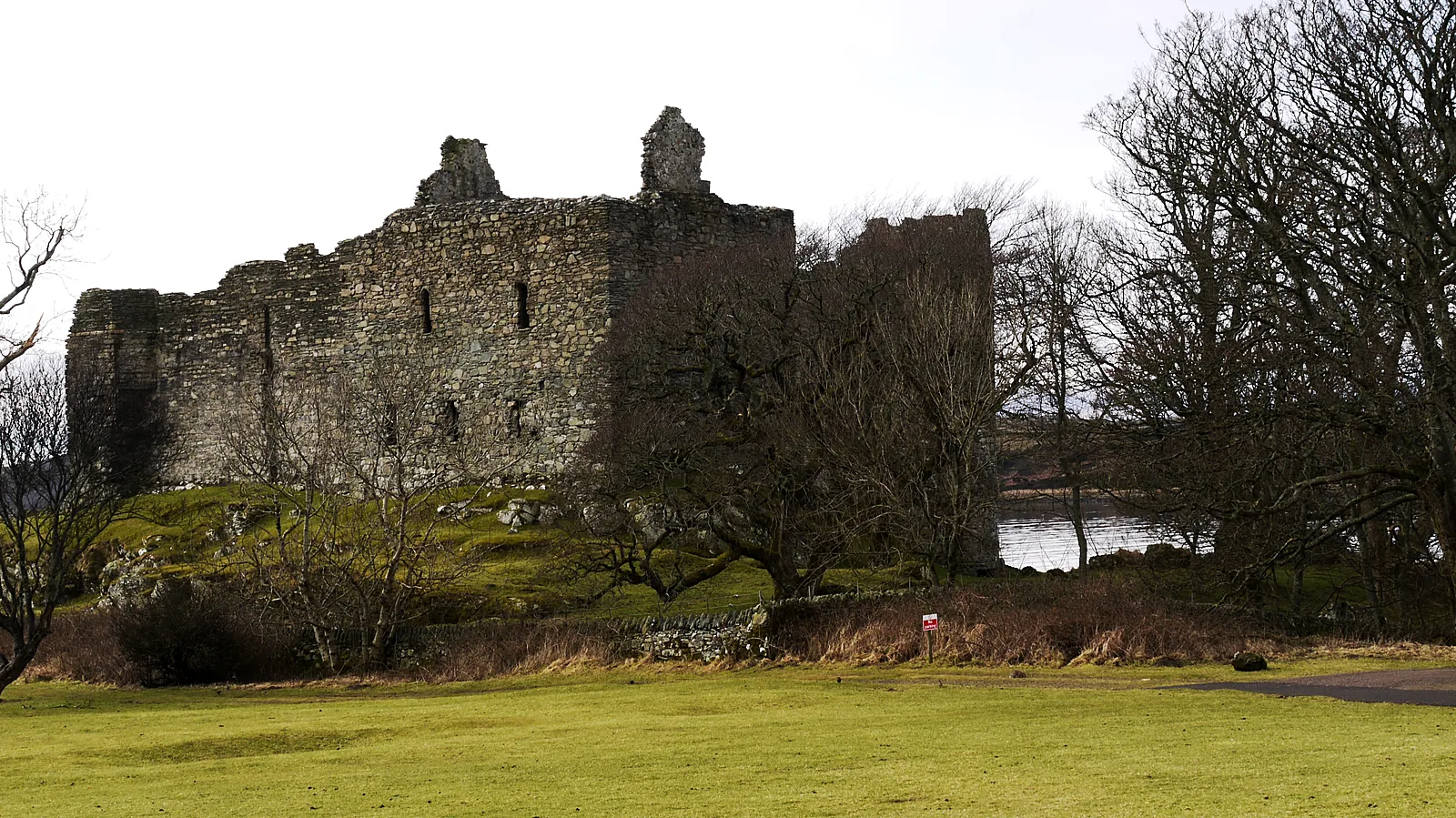
Castle Sween stands on a low rocky ridge above Loch Sween in Knapdale, Argyll. In the Middle Ages, travellers and traders reached this part of Argyll by sea. The castle, beside a good anchorage, controlled that traffic.
Read full history
The oldest datable castle
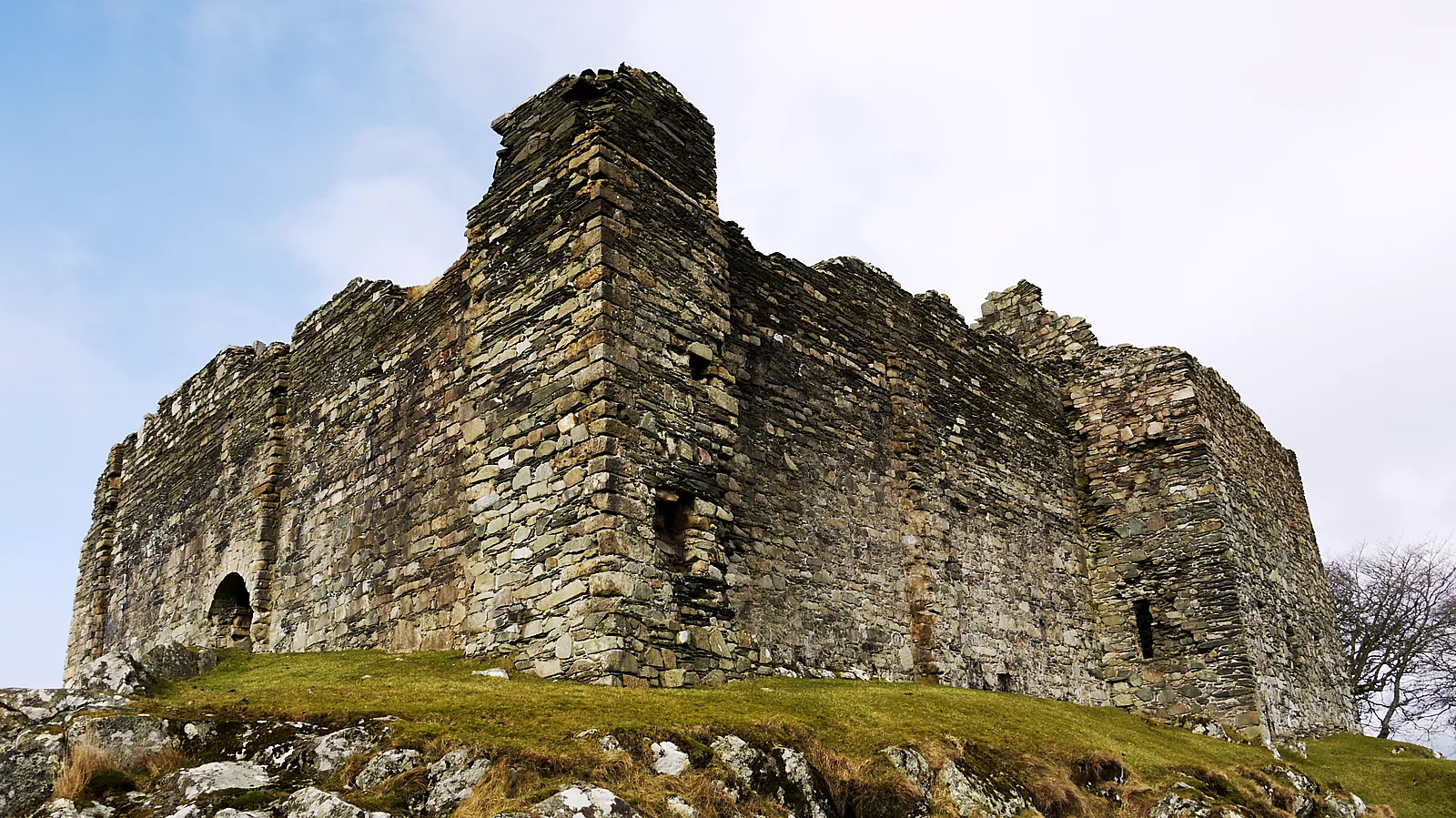
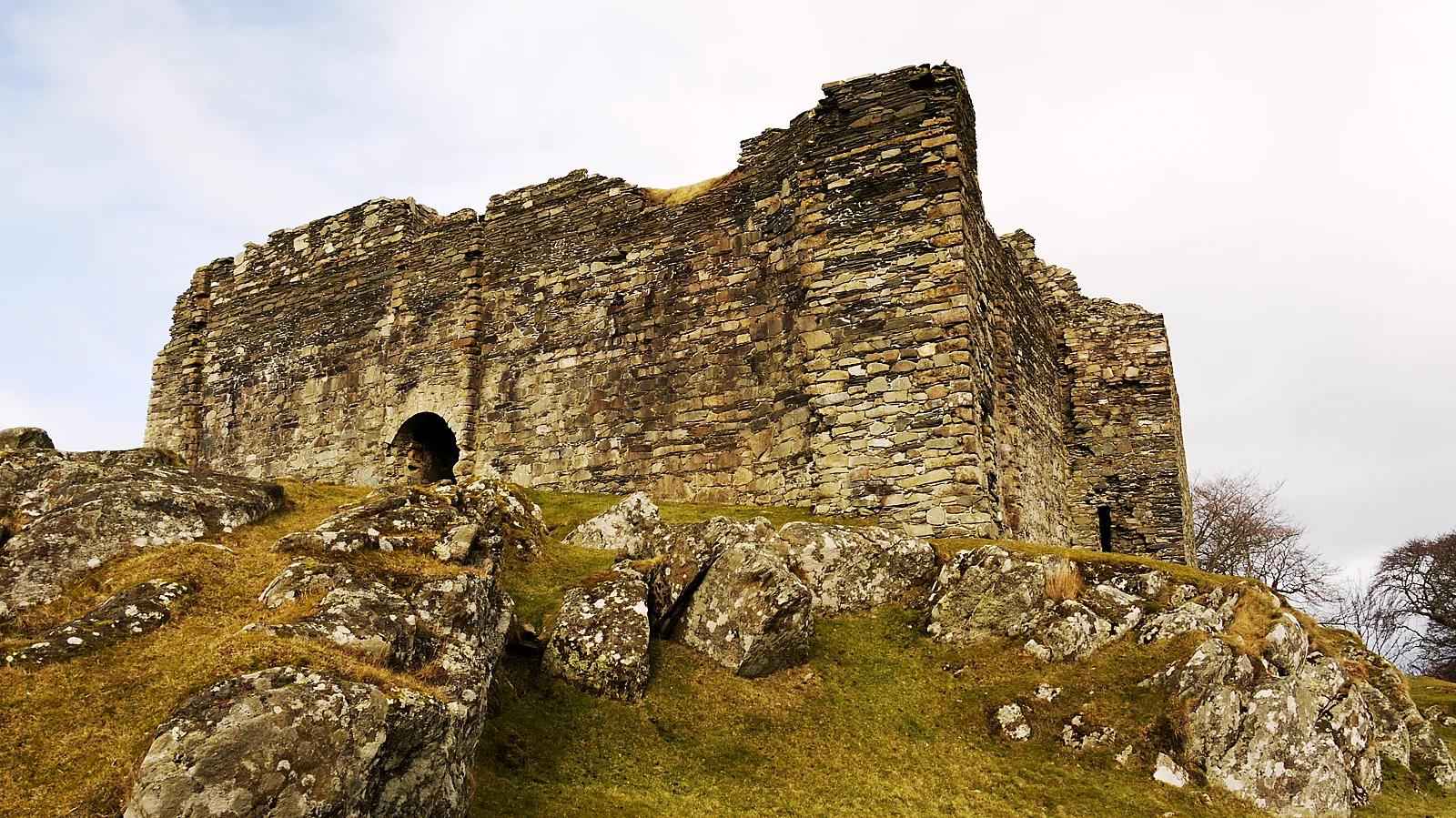
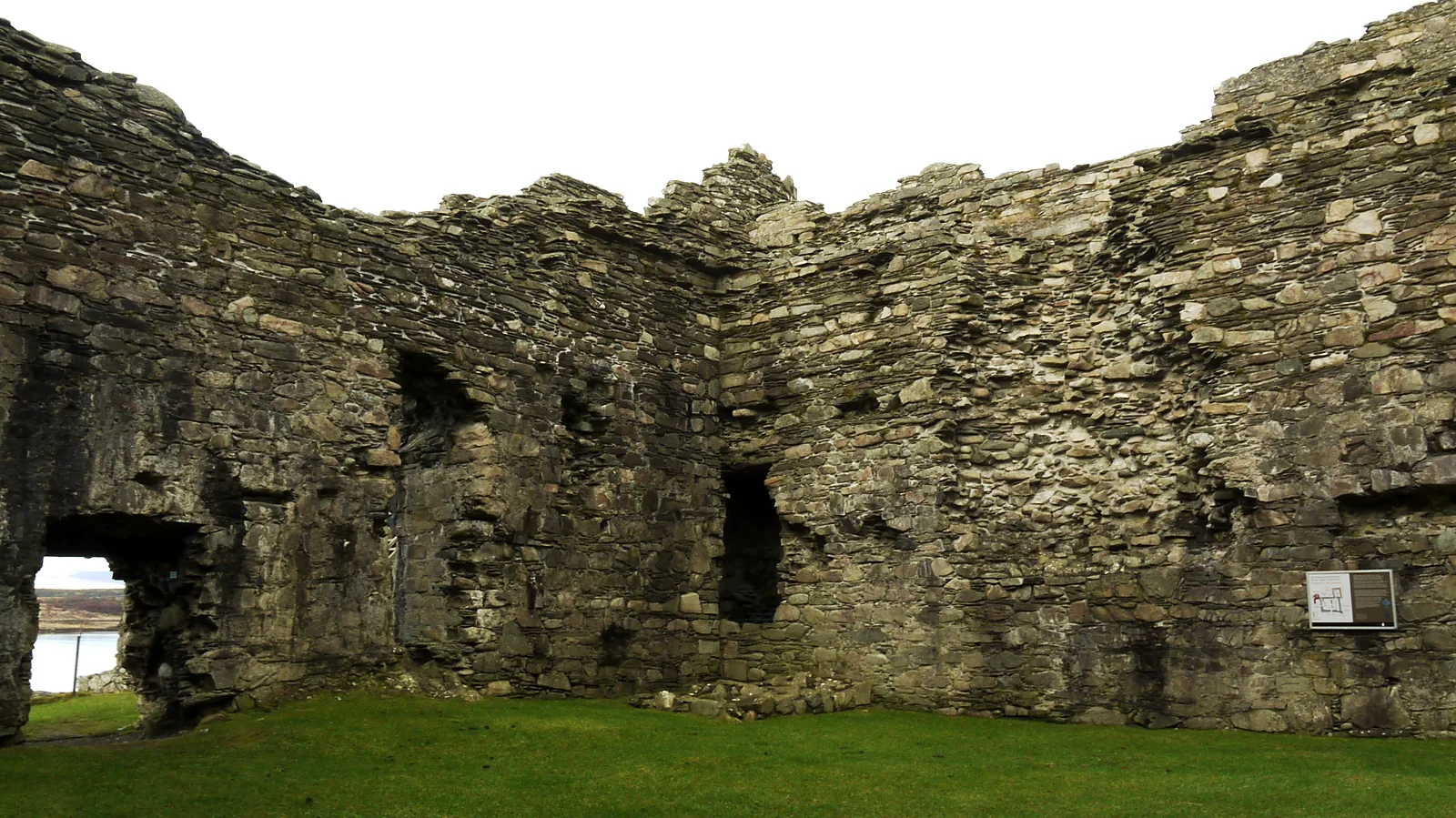
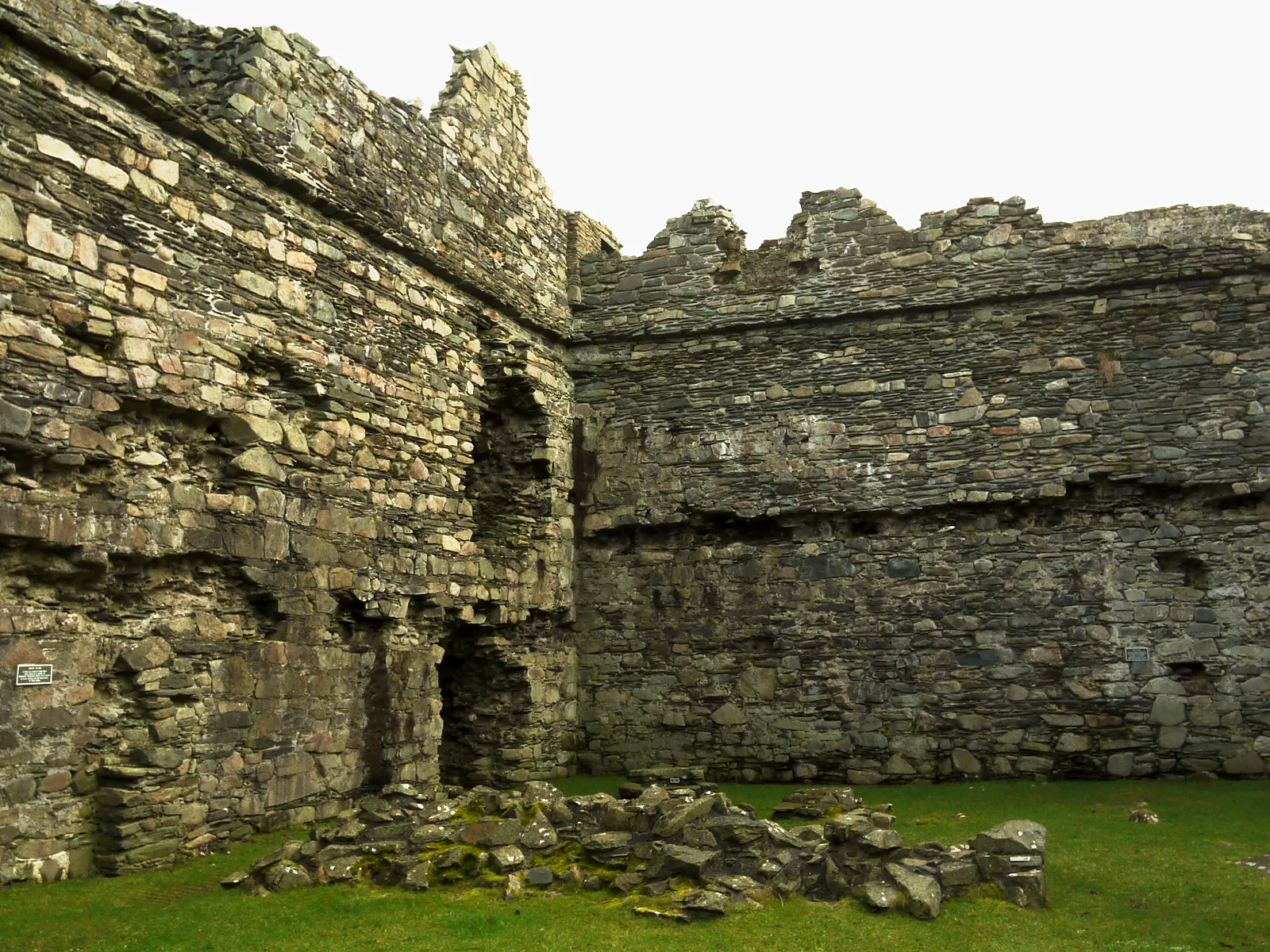
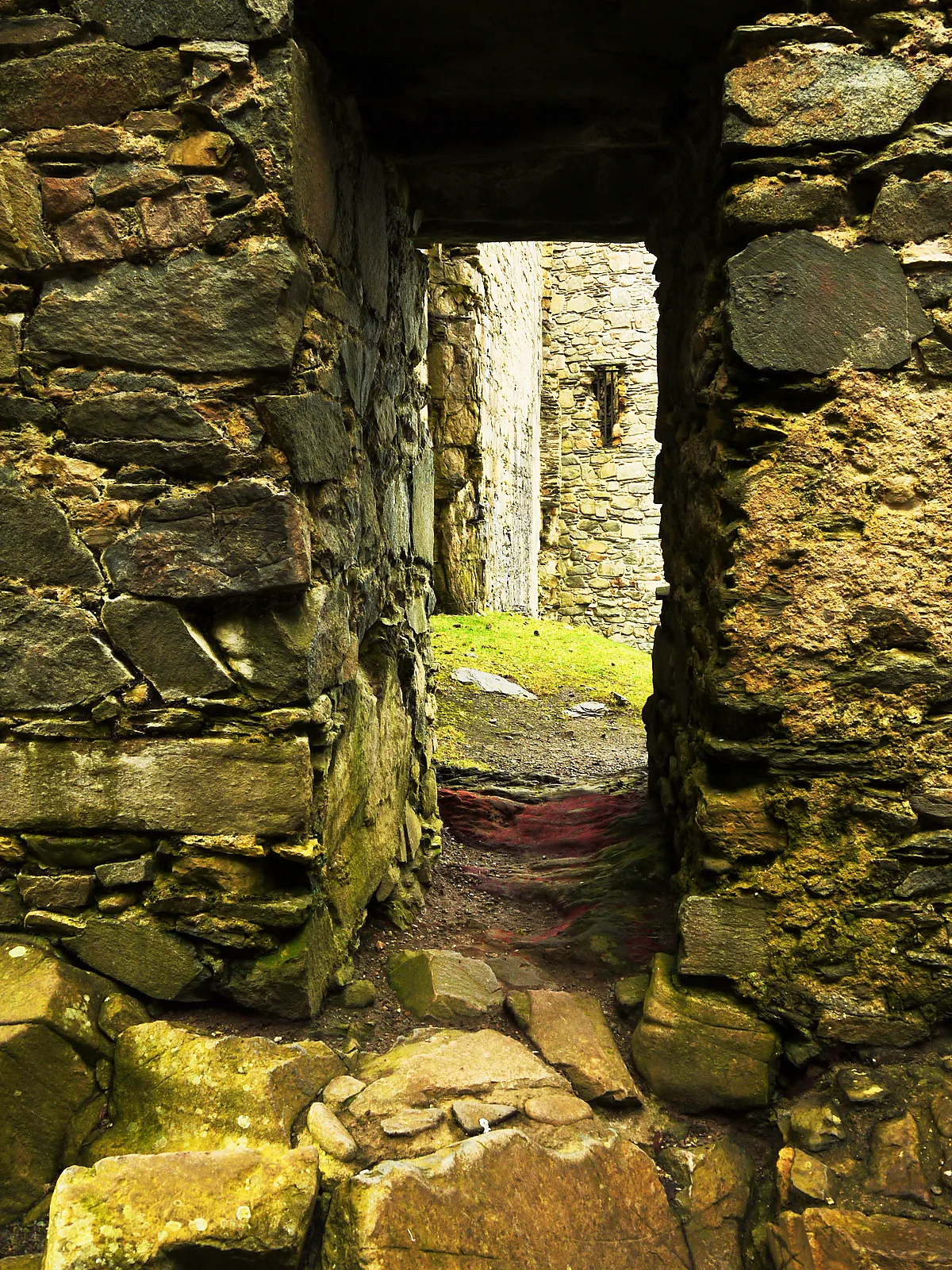
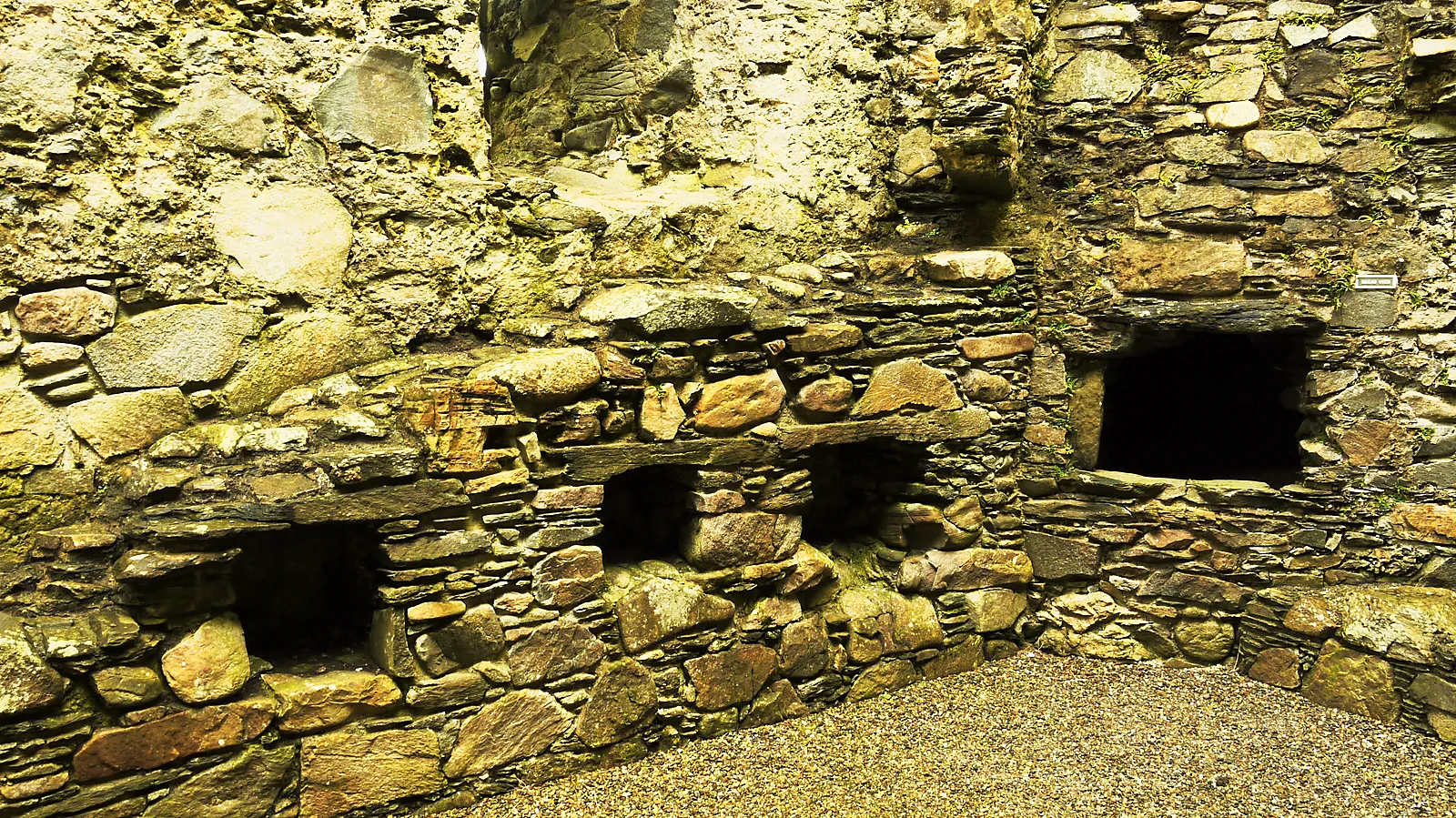
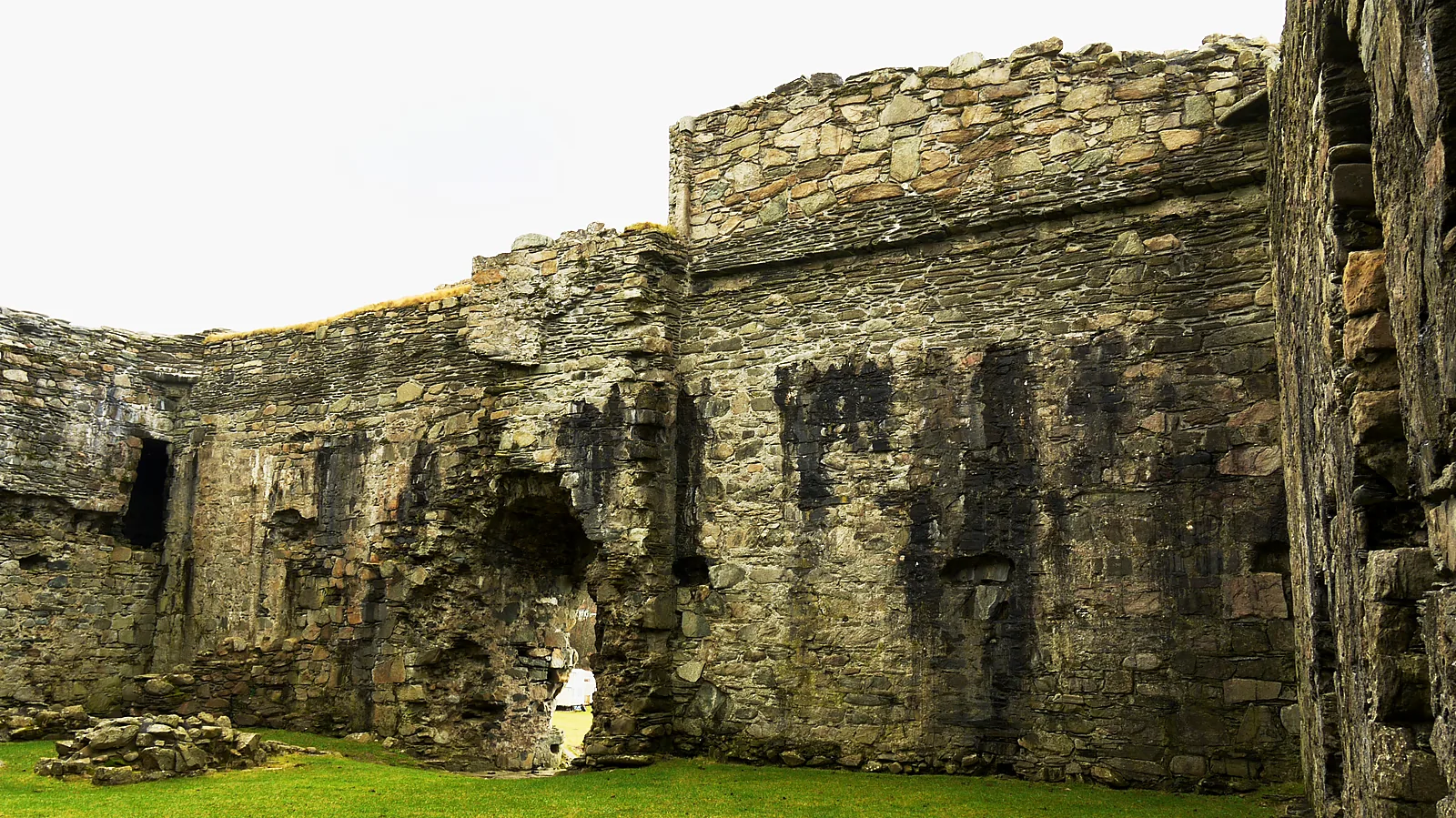
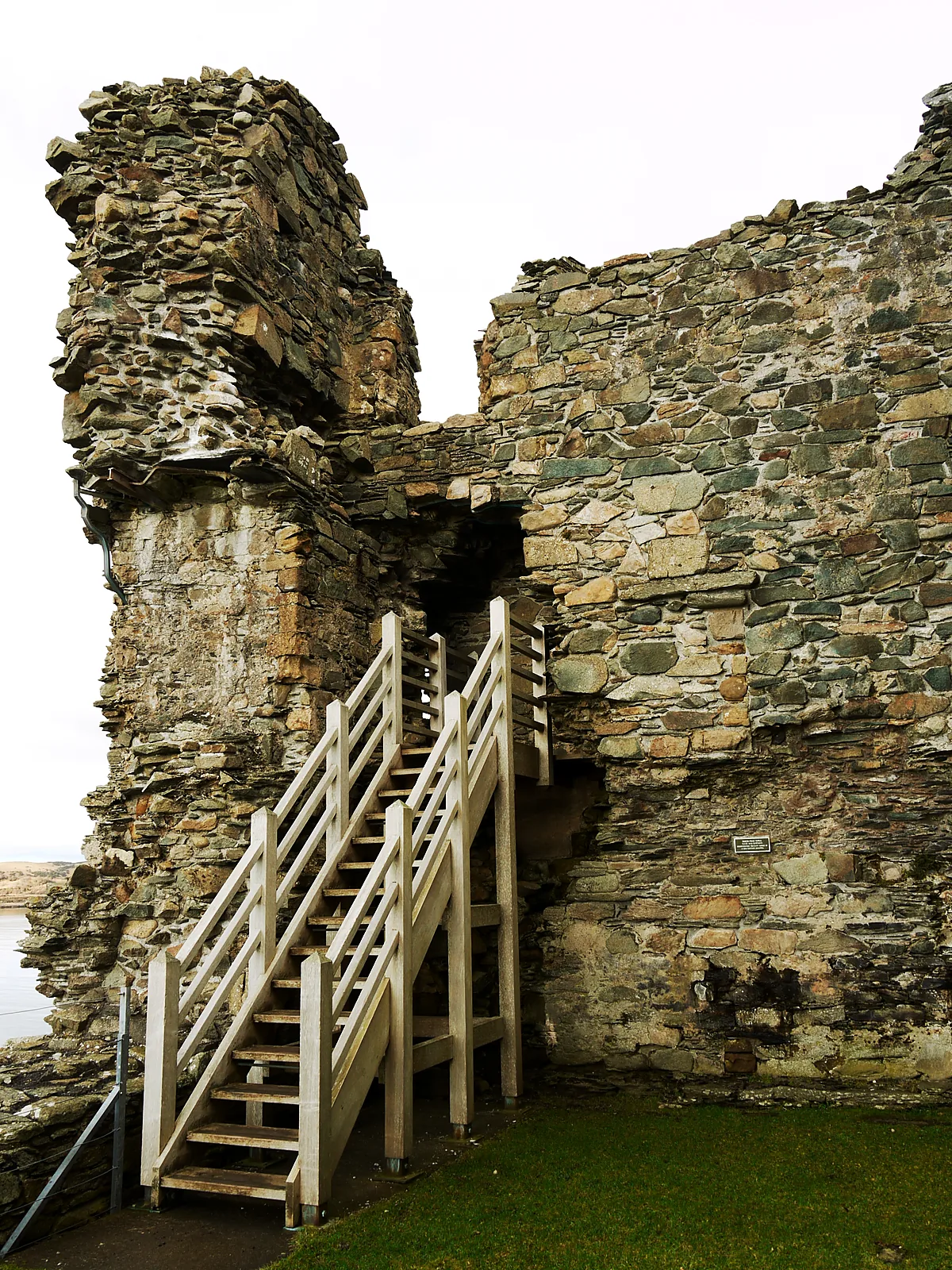
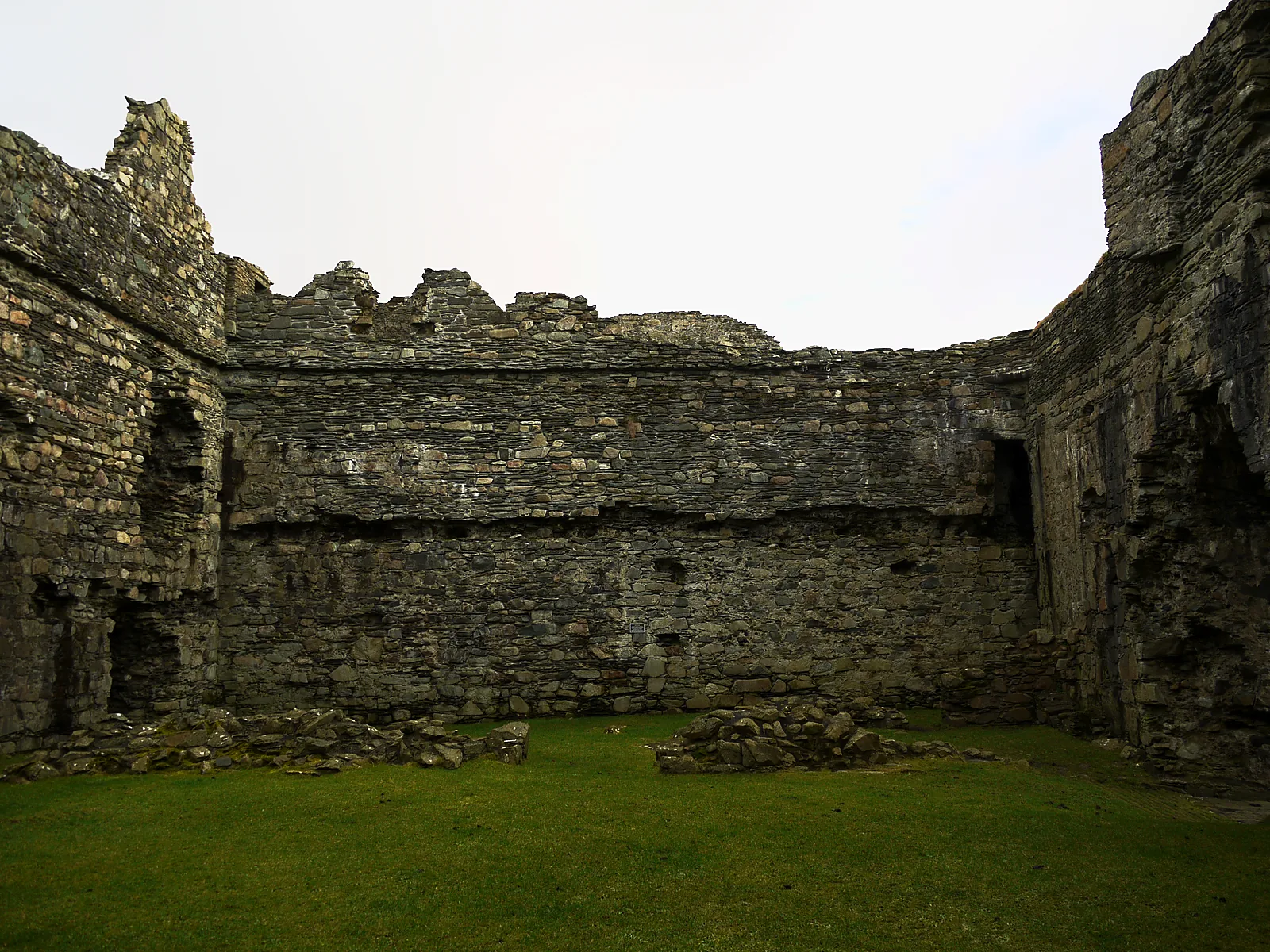
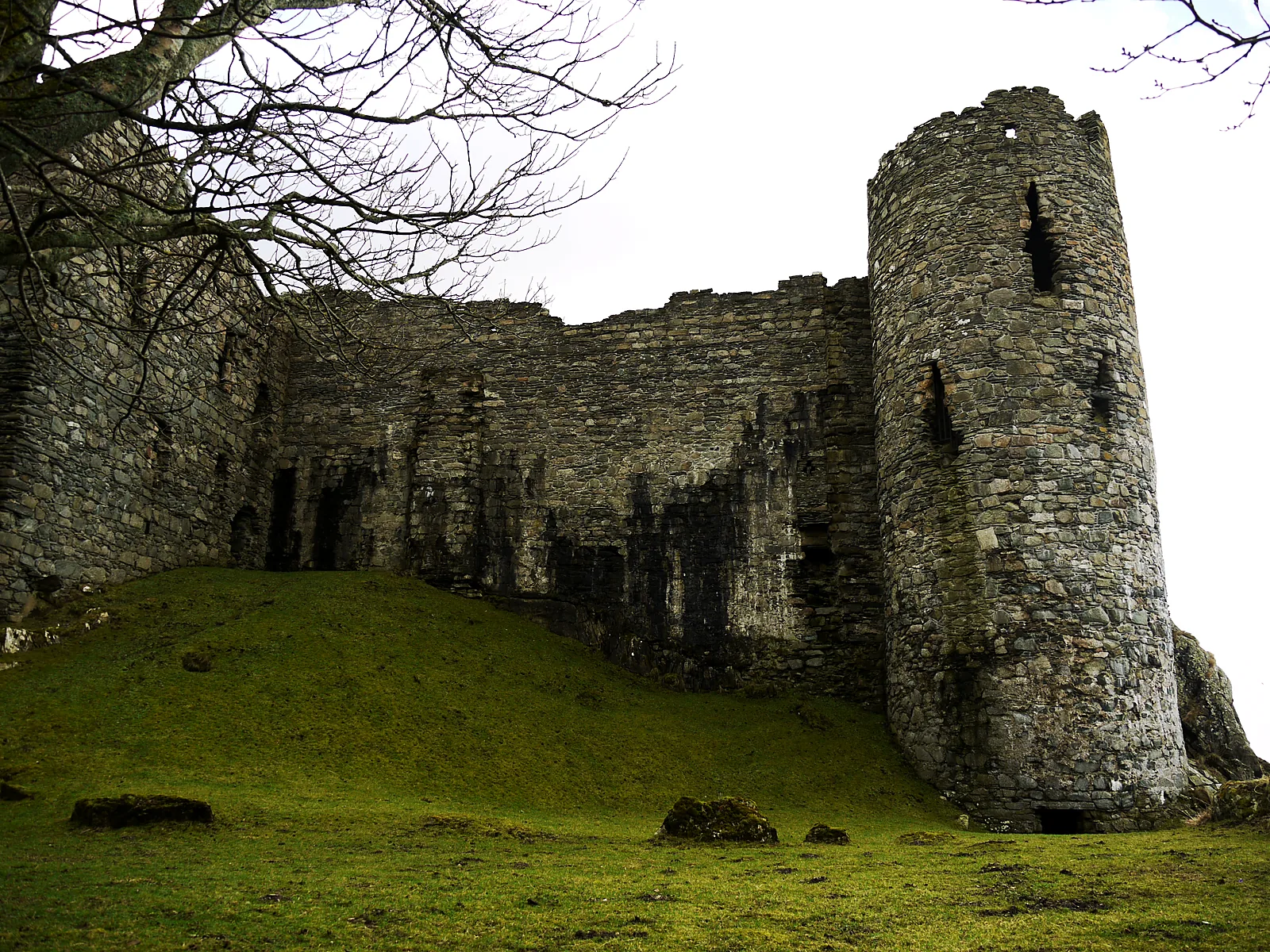
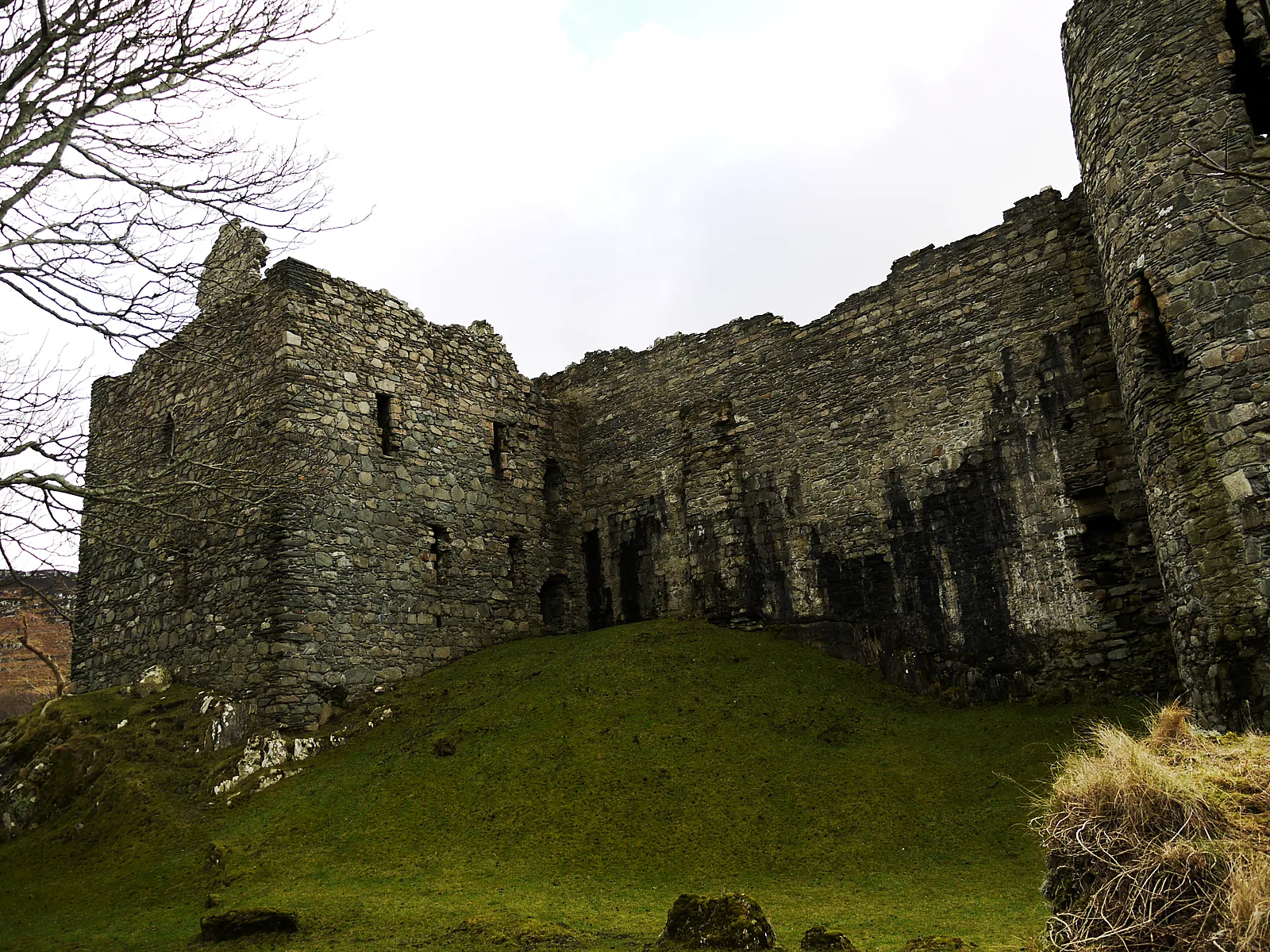
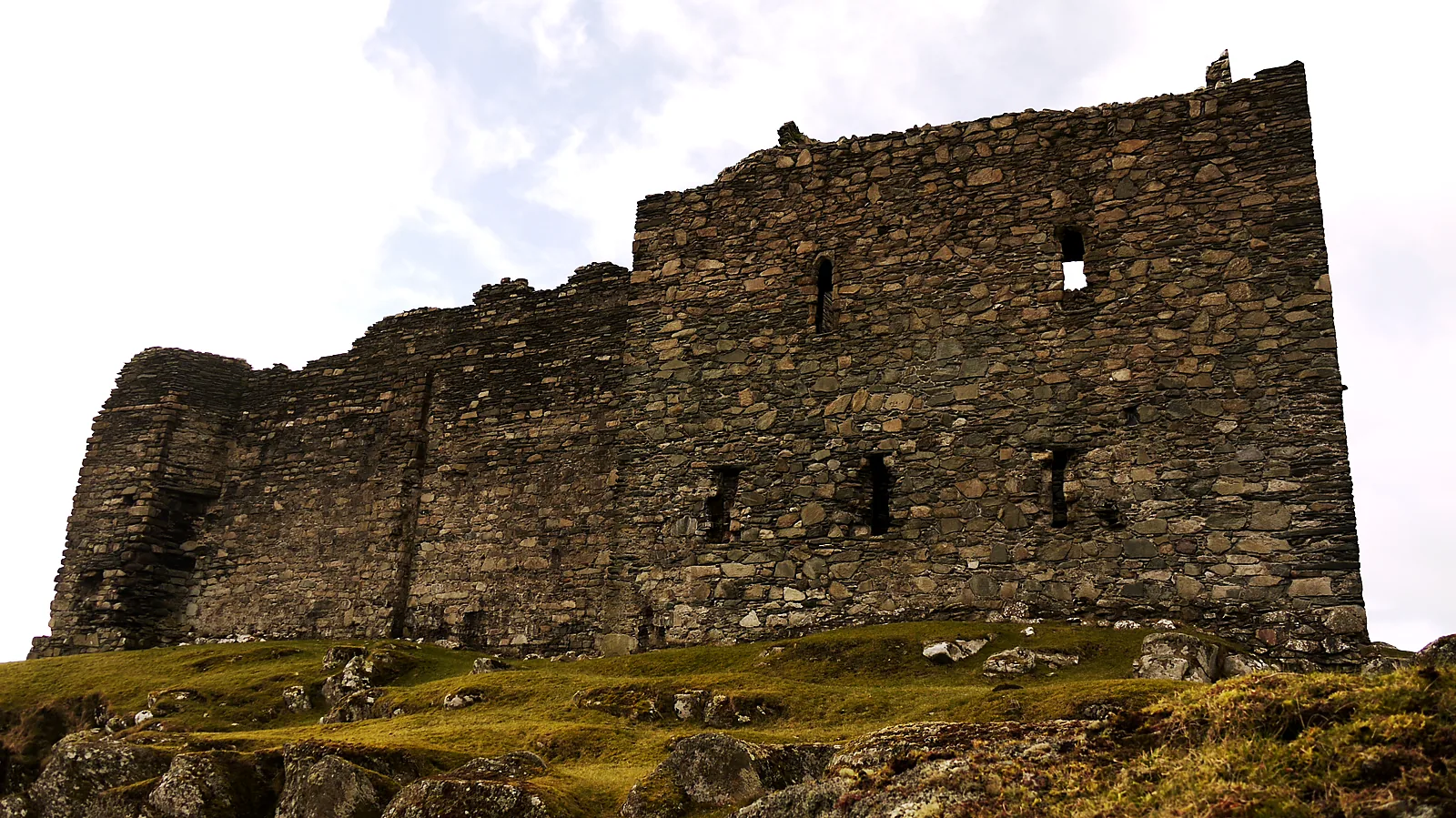
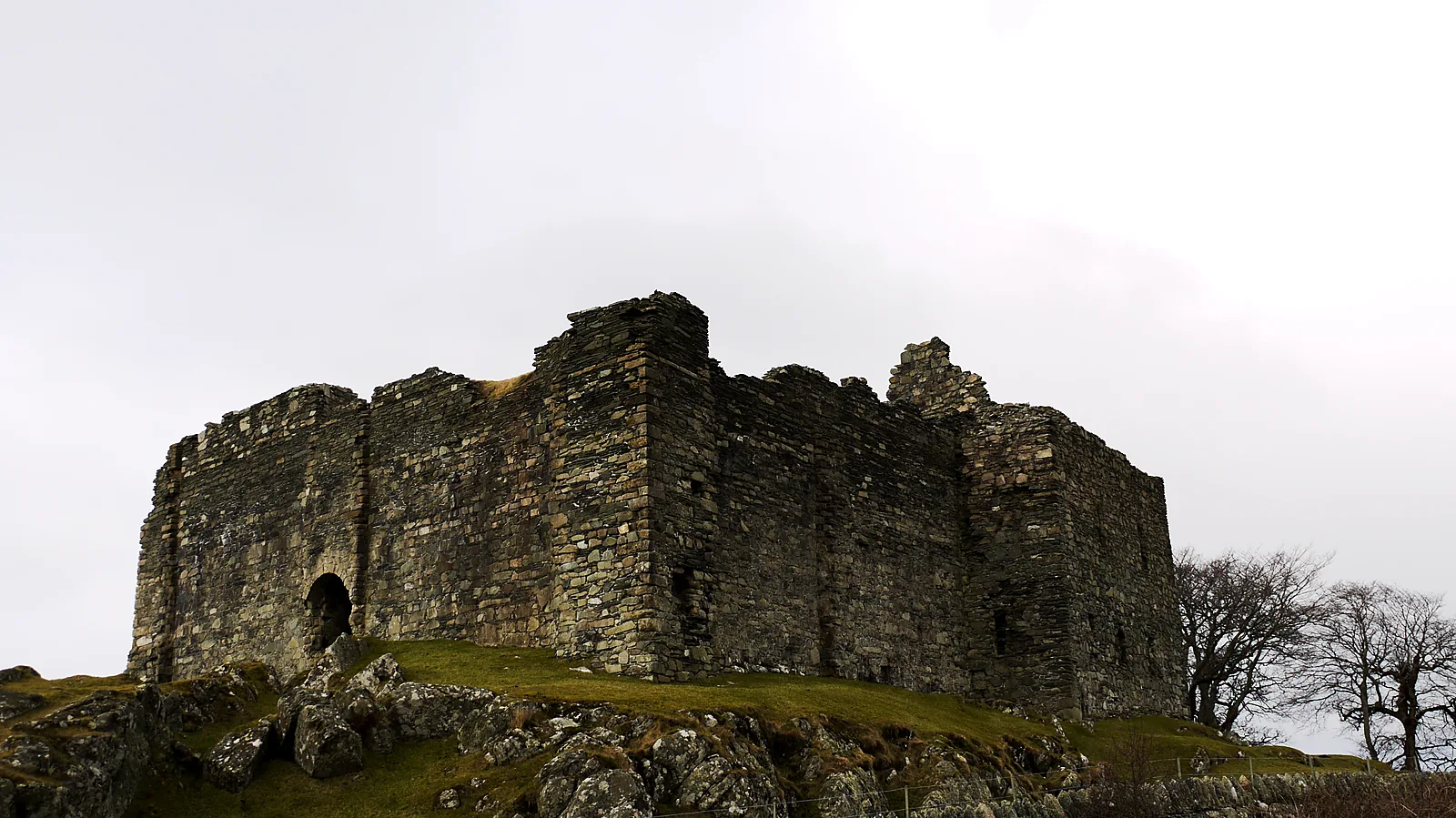
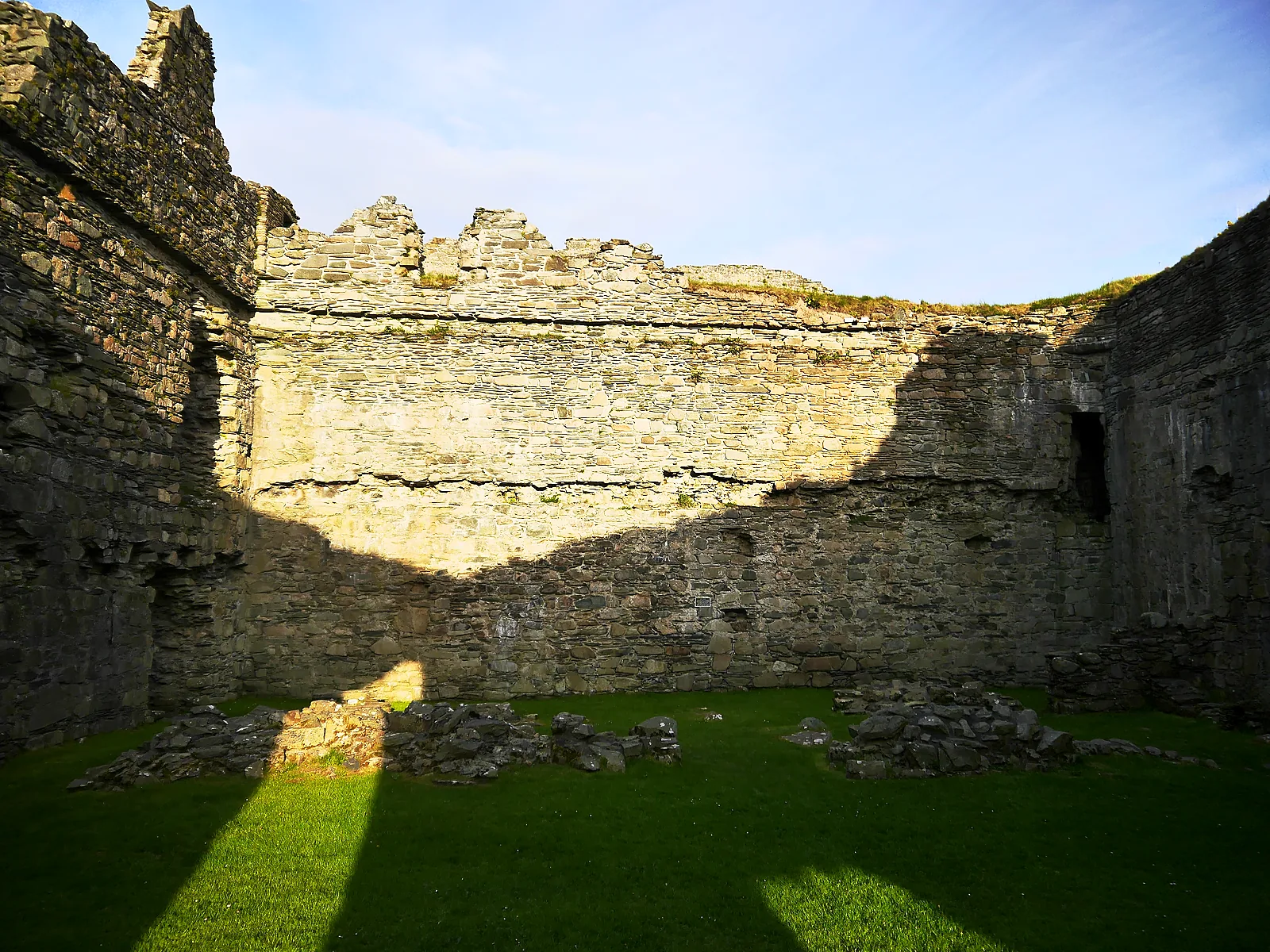
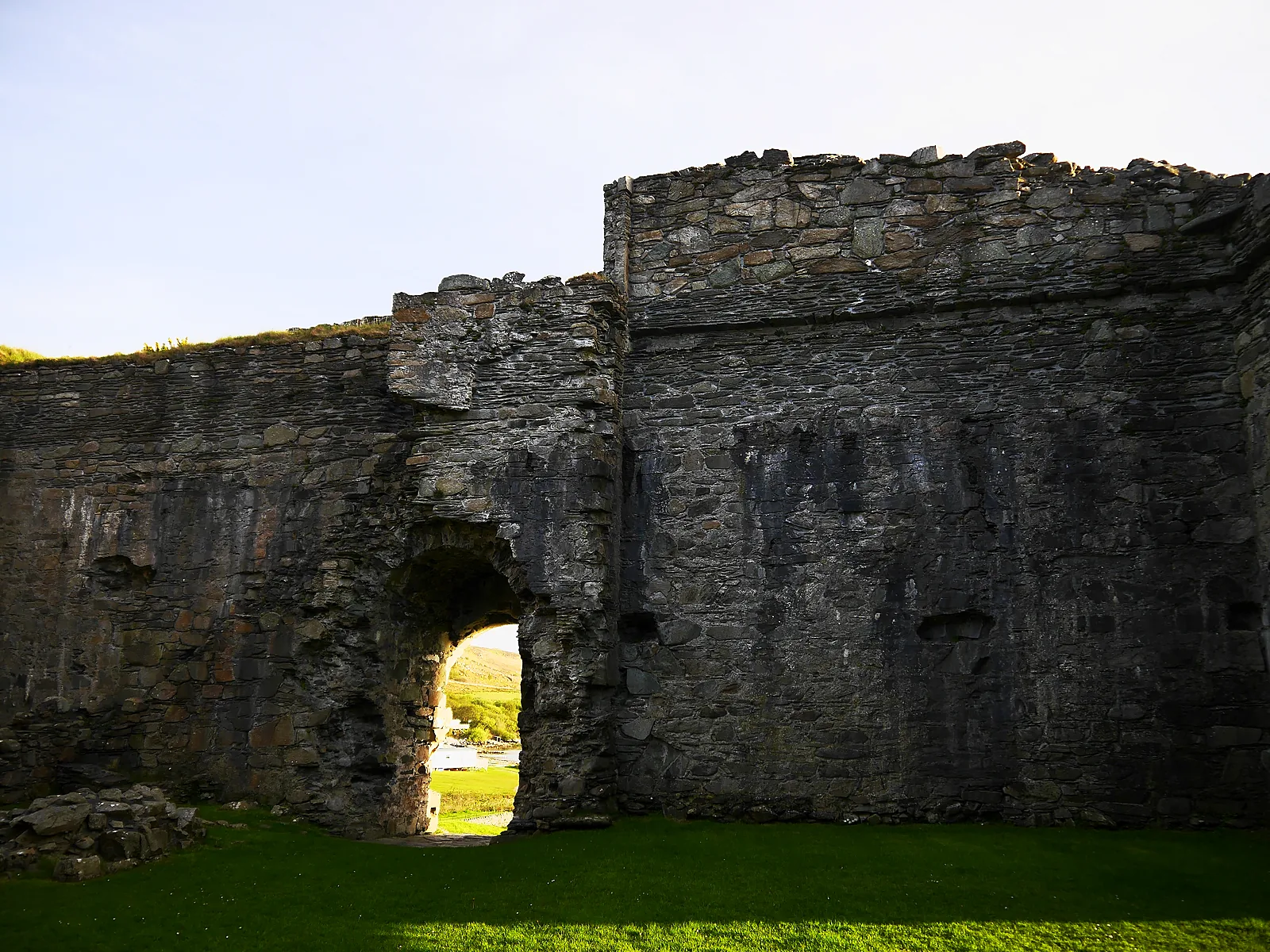
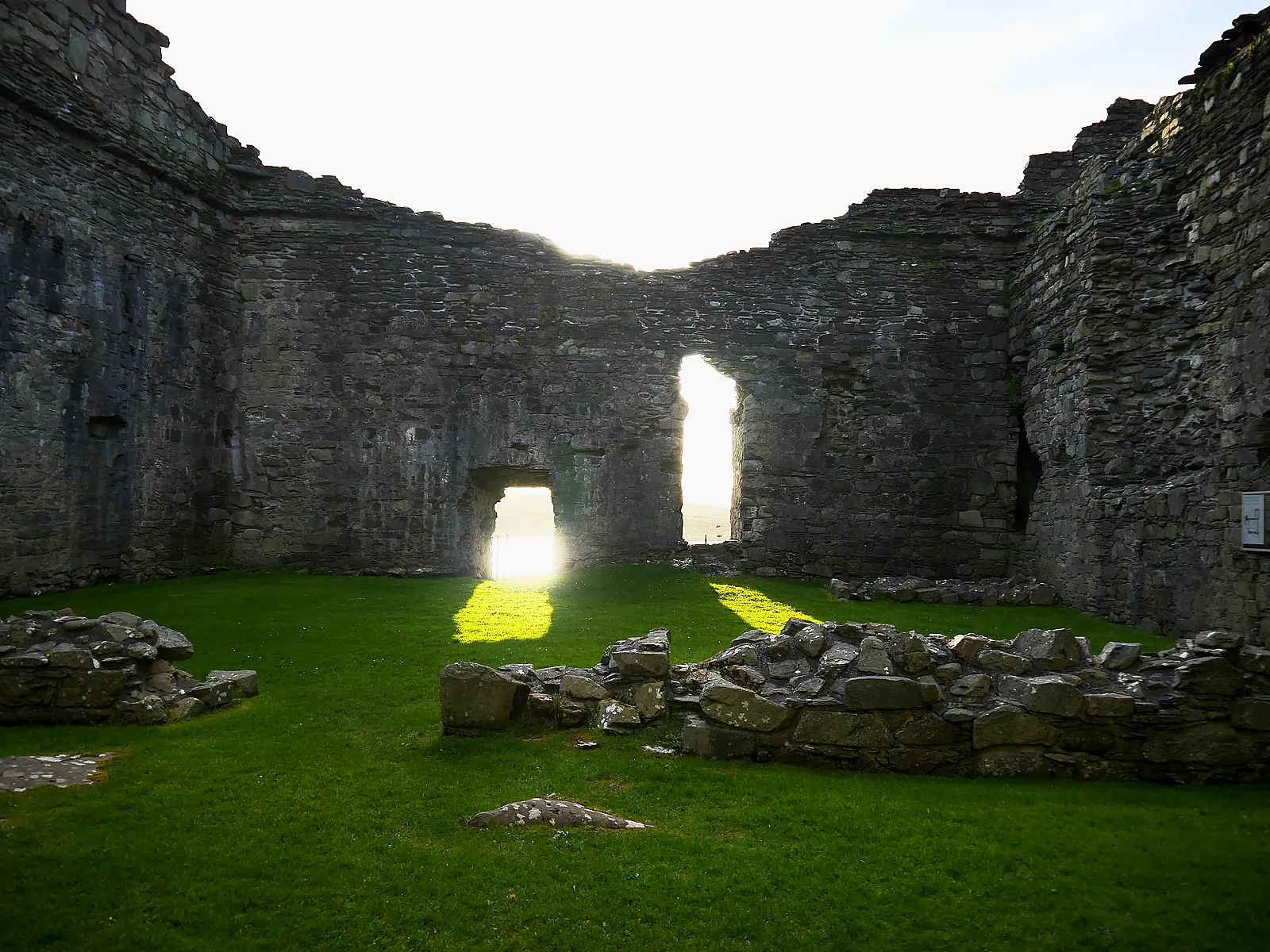
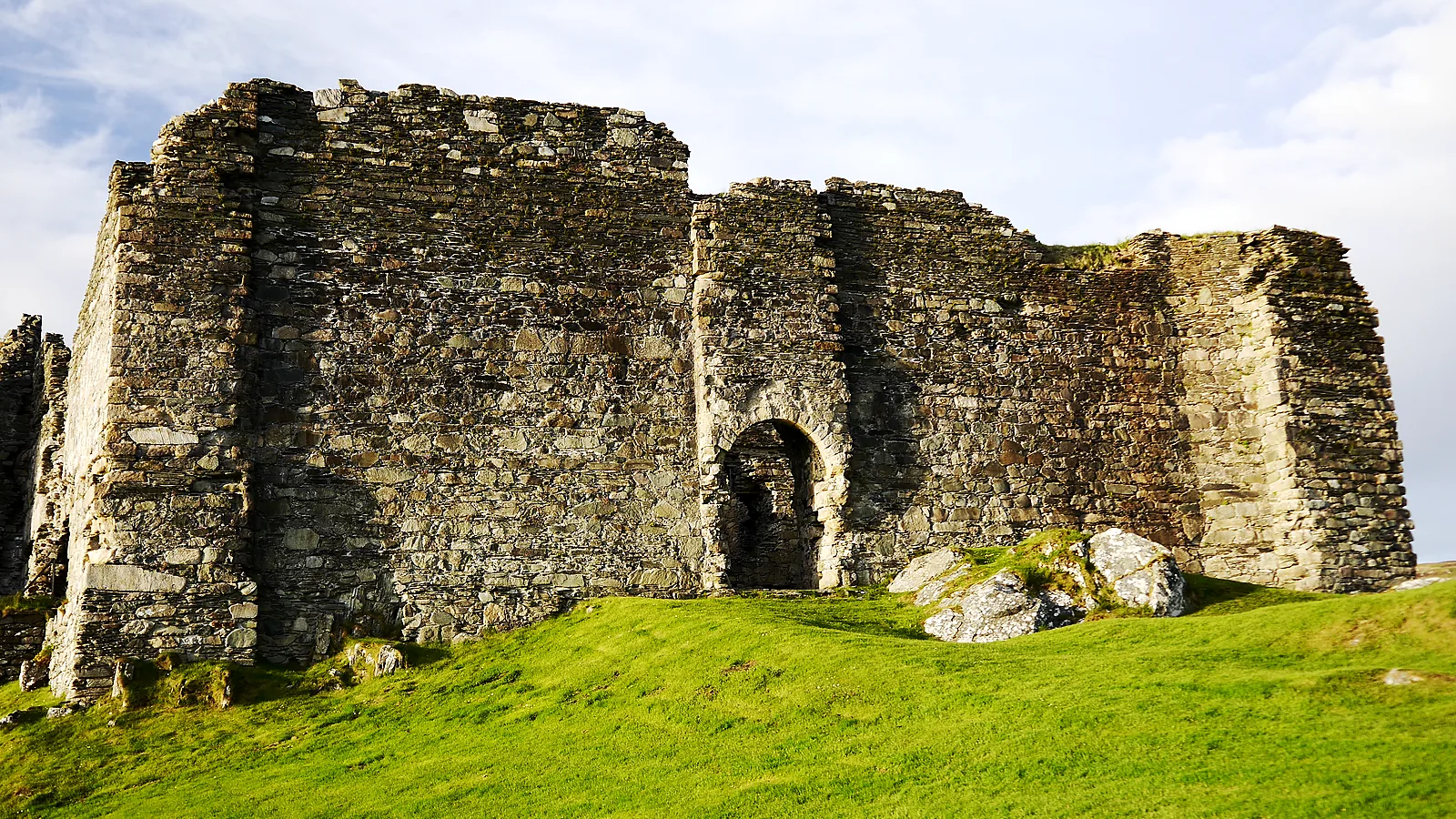
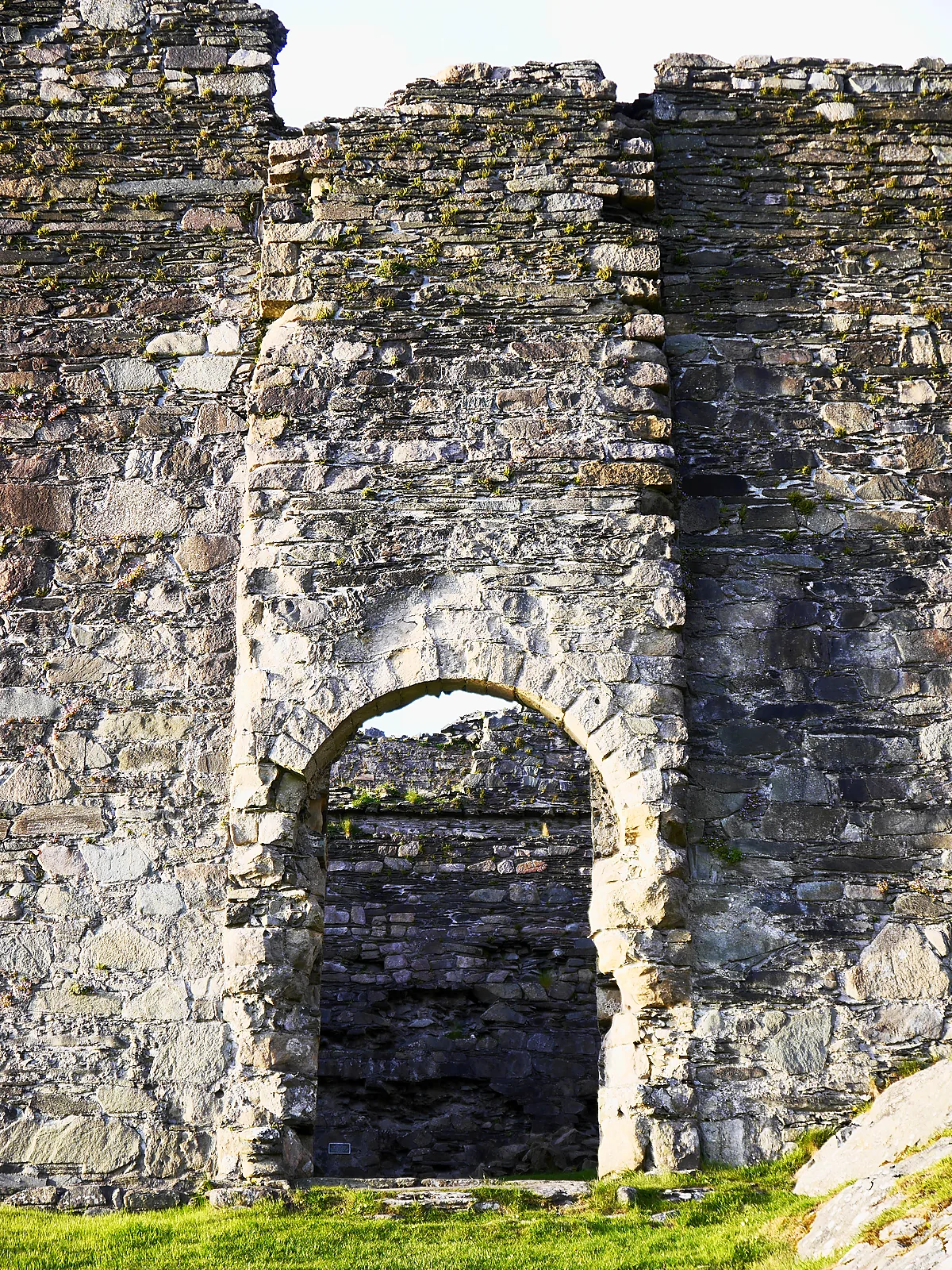
According to Historic Environment Scotland (HES), this is the oldest standing castle on the Scottish mainland that can be dated with confidence. It takes its name from Suibhne the Red, a chieftain of Irish descent and ancestor of the MacSweens. The first castle is usually attributed to him and dated to around 1200, when Argyll lay outside the kingdom of Scotland. The curtain wall was 2 metres thick and 8 metres high, and enclosed a four-sided courtyard. The broad buttresses on the outside and the almost complete absence of openings other than the entrances point to the 12th century.
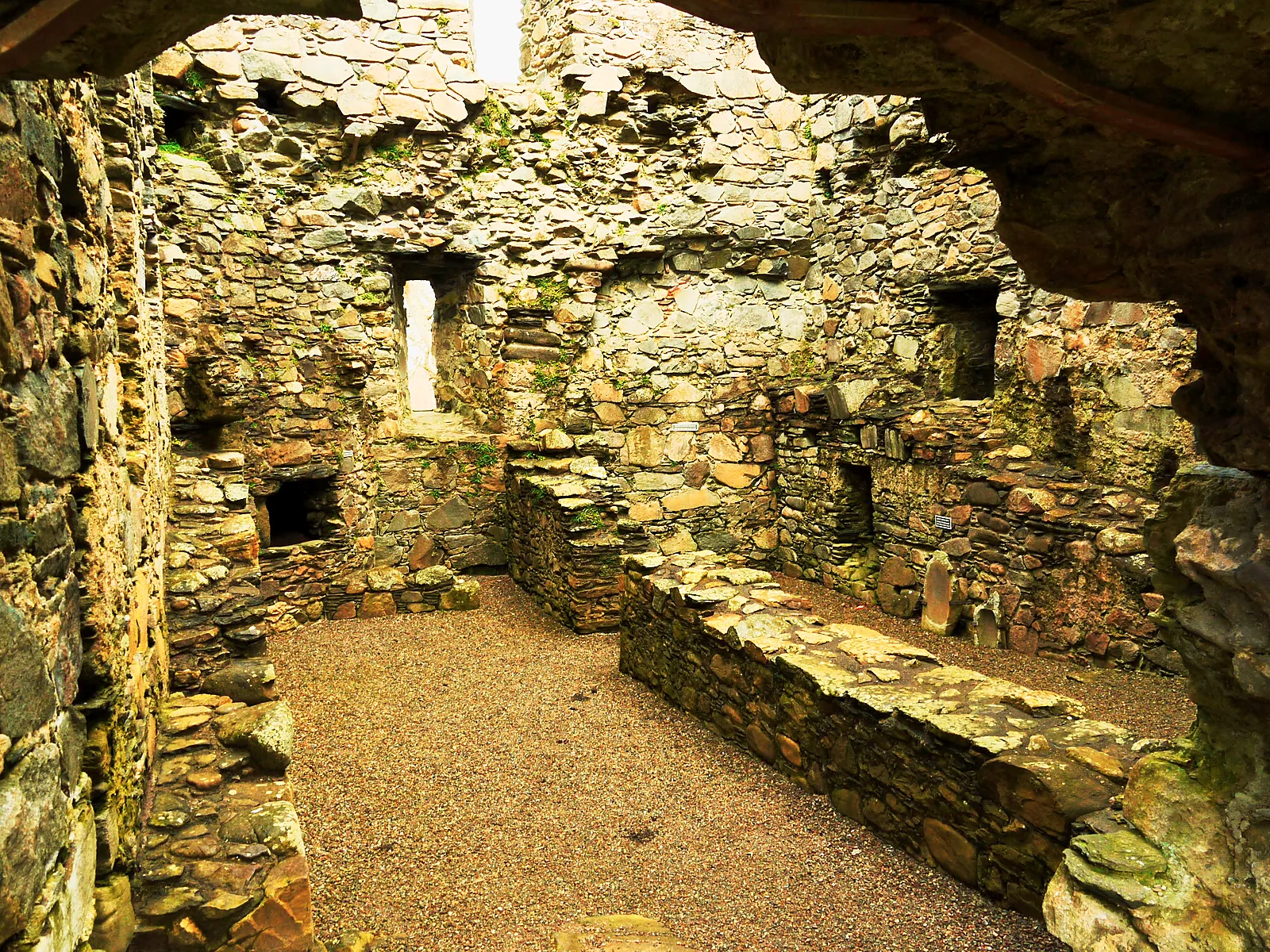
The castle was altered over the next 500 years. Around 1300 a three-storey tower was added on the seaward side.
A change of lords
In the 13th century the kings of Norway and Scotland disputed the western seaboard. By 1262 the MacSweens had been replaced as lords of Knapdale by the Stewart Earls of Menteith. It was not until 1266 that King Magnus of Norway transferred overall lordship of Argyll and the Isles to the King of Scots. Around 1300 John MacSween tried to take the castle back. A Gaelic poem preserved in the Book of the Dean of Lismore describes the fleet gathering for the expedition. The attempt failed.
In the late 14th century the castle passed to the MacDonald Lords of the Isles, and several families served as its keepers. HES dates James III’s decision to entrust the castle to the Campbell earls of Argyll to 1481. Sir Alexander MacDonald destroyed the castle in 1647.
What the ground gave up
Clearance work in the 1920s turned up a stone axe and a whetstone in a cave beneath the castle. A six-knobbed Neolithic stone ball came from beside the courtyard wall, and a barbed and tanged arrowhead was found below the gate. The same work recovered three medieval brooches and other implements. Excavations in the 1980s revealed at least five phases of use in the courtyard, and among the finds was a fifteenth-century harp peg, a hint of the music once played here.
HES says the castle is open all year round.
 Argyll and the IslesGlengorm Castle
 Argyll and the IslesCarrick Castle
 The HighlandsSpynie Palace