TICKETSFree estate walks
Free exterior and estate access. The castle interior is not open as a general visitor attraction.
 Castle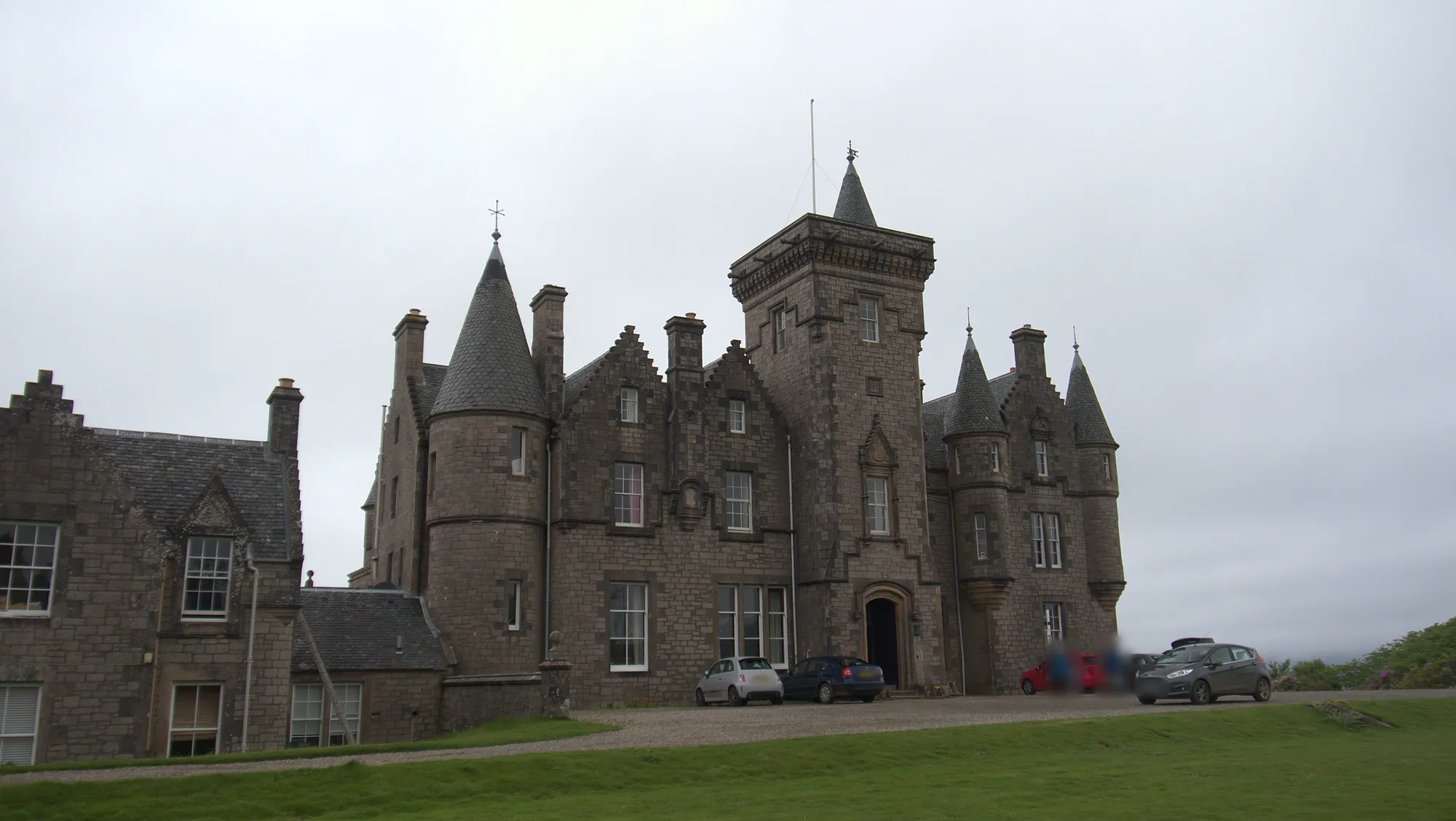
ISLE OF MULL · ATLANTIC COAST
A Victorian castle above the Atlantic. Here, the landscape is part of the story.
PLAN YOUR VISIT
Glengorm Castle, Tobermory, Isle of Mull, PA75 6QE
Free exterior and estate access. The castle interior is not open as a general visitor attraction.
Glengorm is a private estate and working accommodation property rather than a conventional castle museum. Visitors can enjoy the setting and estate walks, but should respect private areas, livestock and local signs.
Parking information
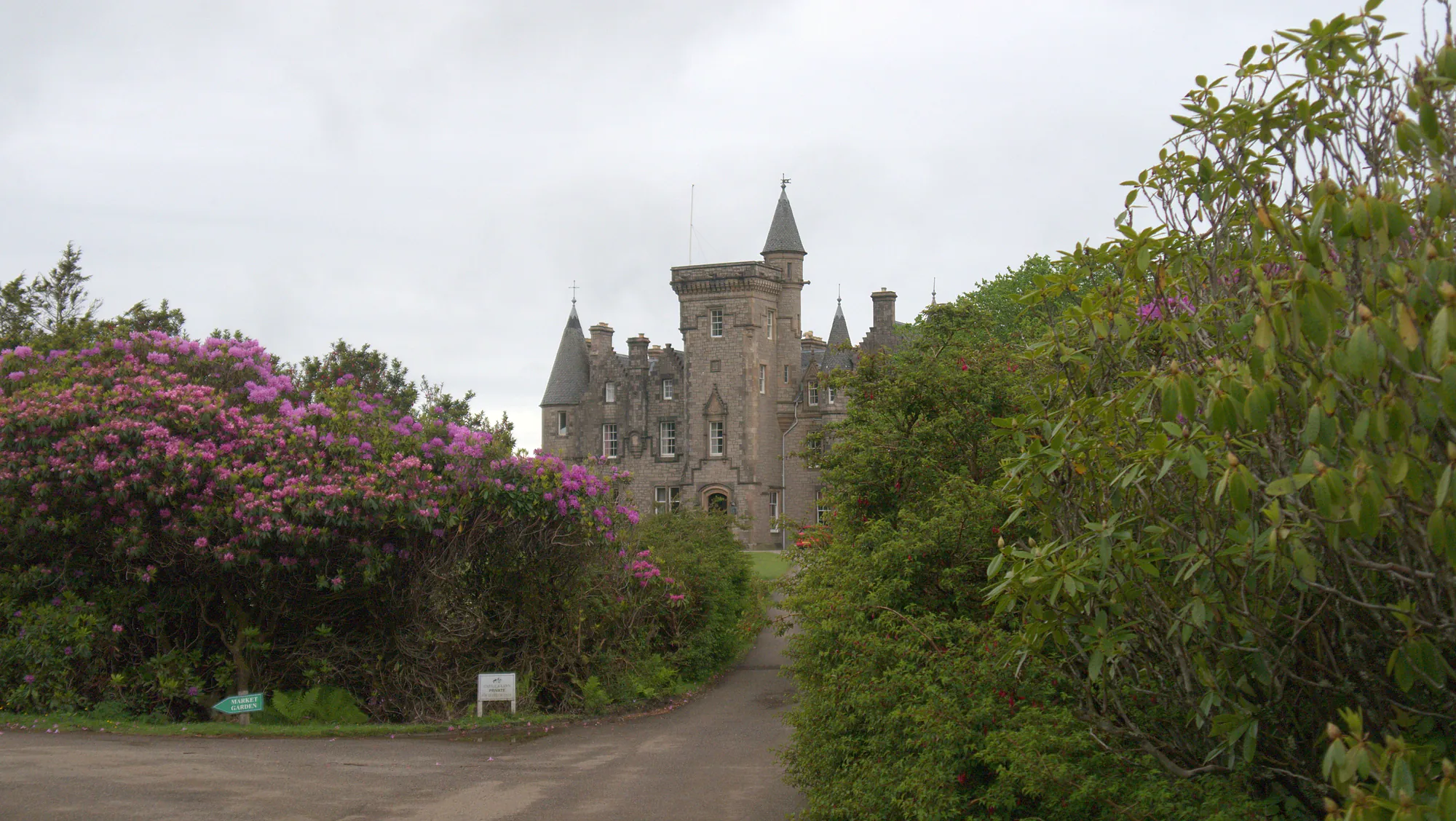
Use the signed walkers’ car park on the right before the Glengorm Coffee Shop car park. From the white entrance gates, take the right-hand fork. Current parking charges are not confirmed; check signs on arrival.
Parking sources checked · 11 October 2026
The longer estate walks use grassy tracks, gates and stiles and can be wet underfoot. They are not step-free throughout.
Come for the architecture and setting rather than an interior tour. Glengorm becomes much more rewarding when the castle is seen as part of the northern Mull landscape.
WHAT TO EXPECT
01 / THE STORY
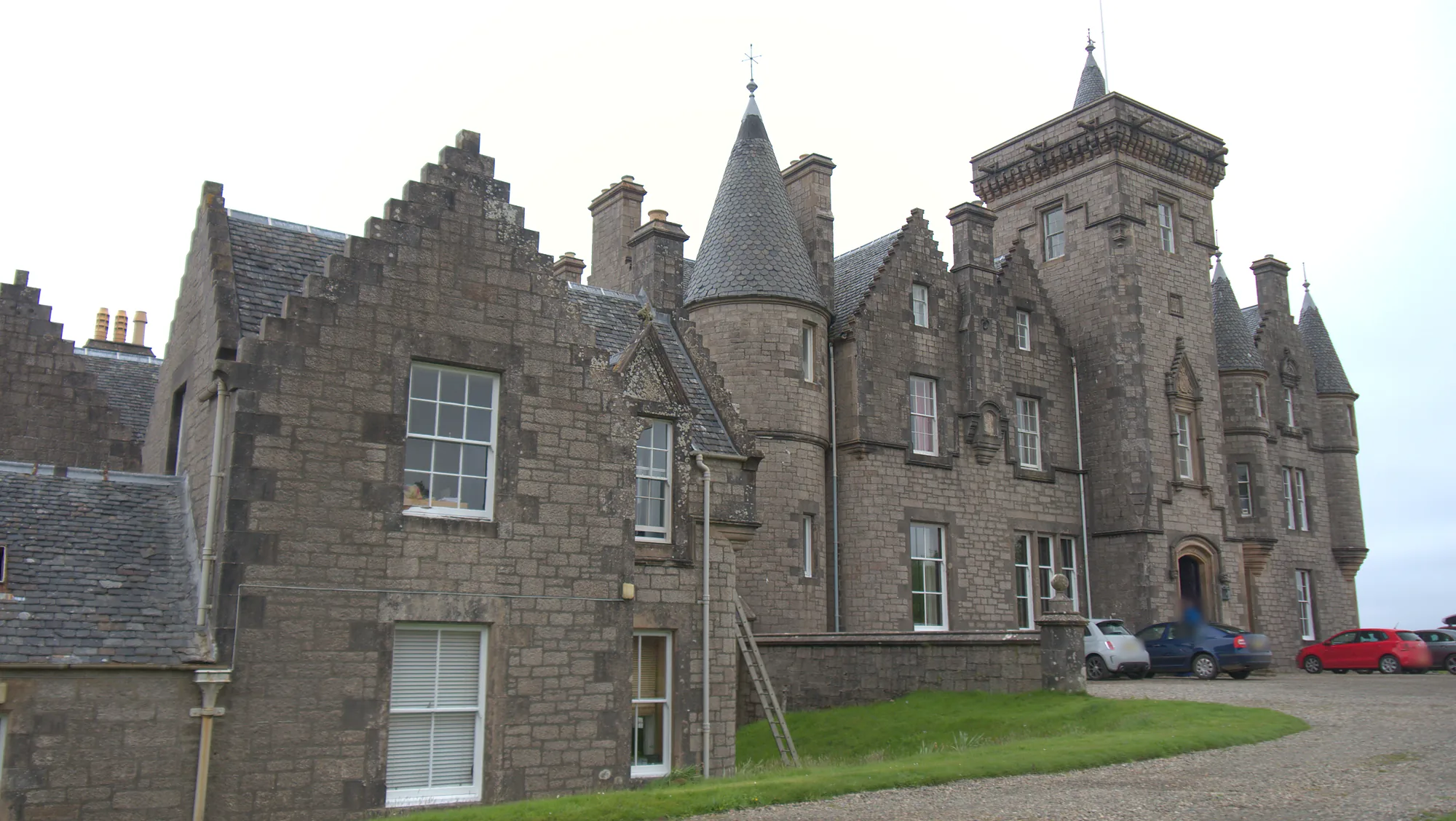
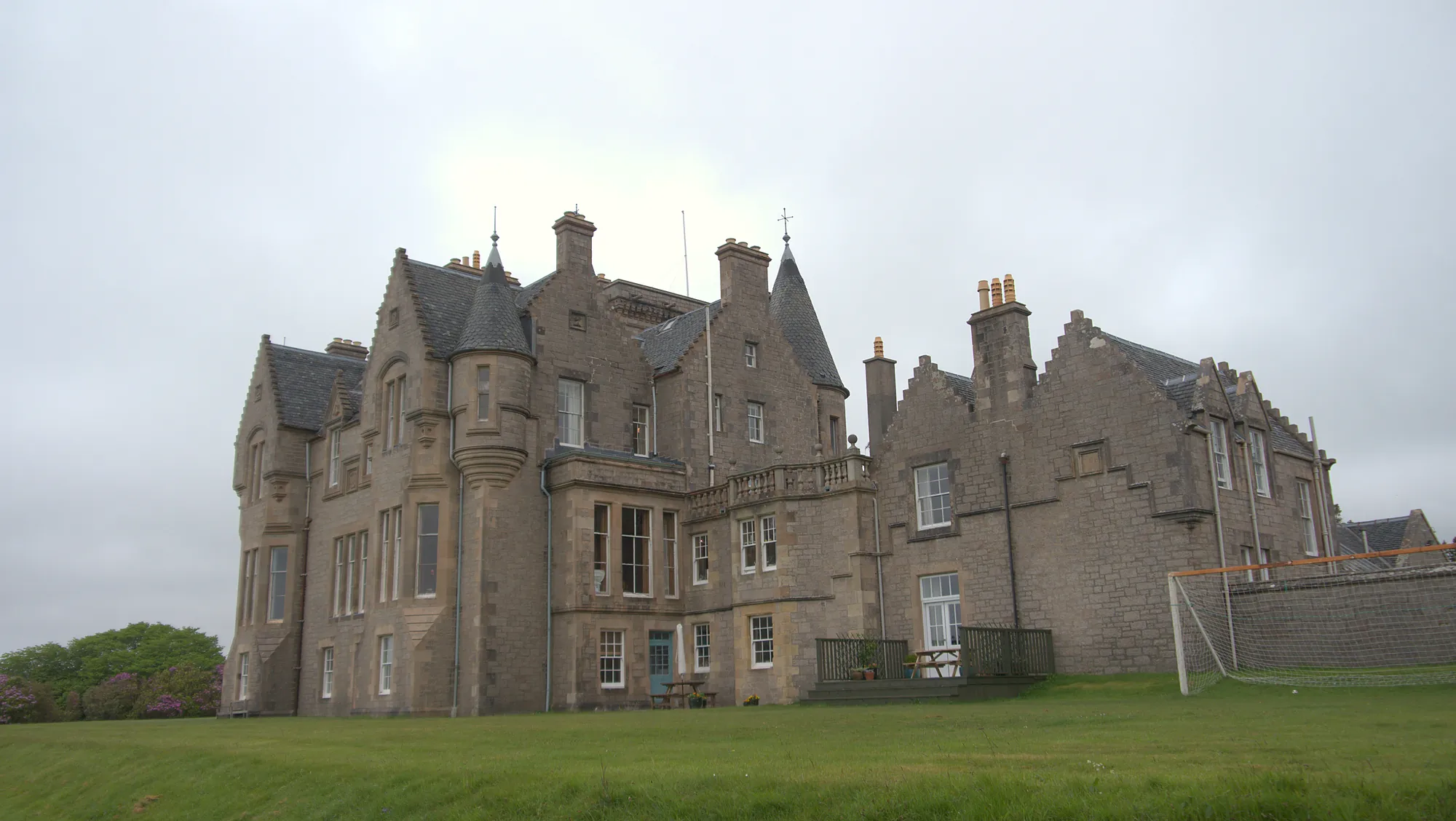
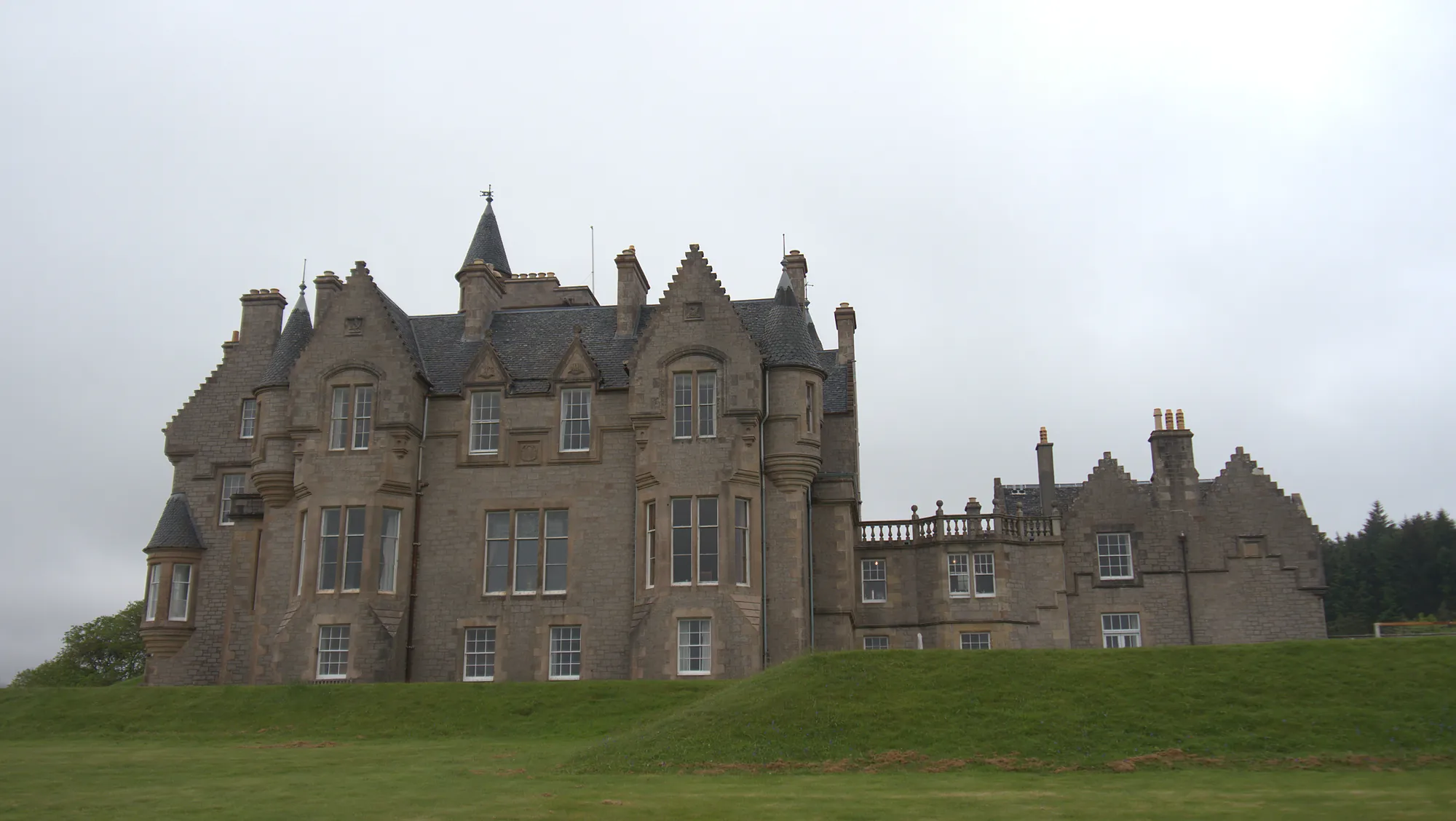
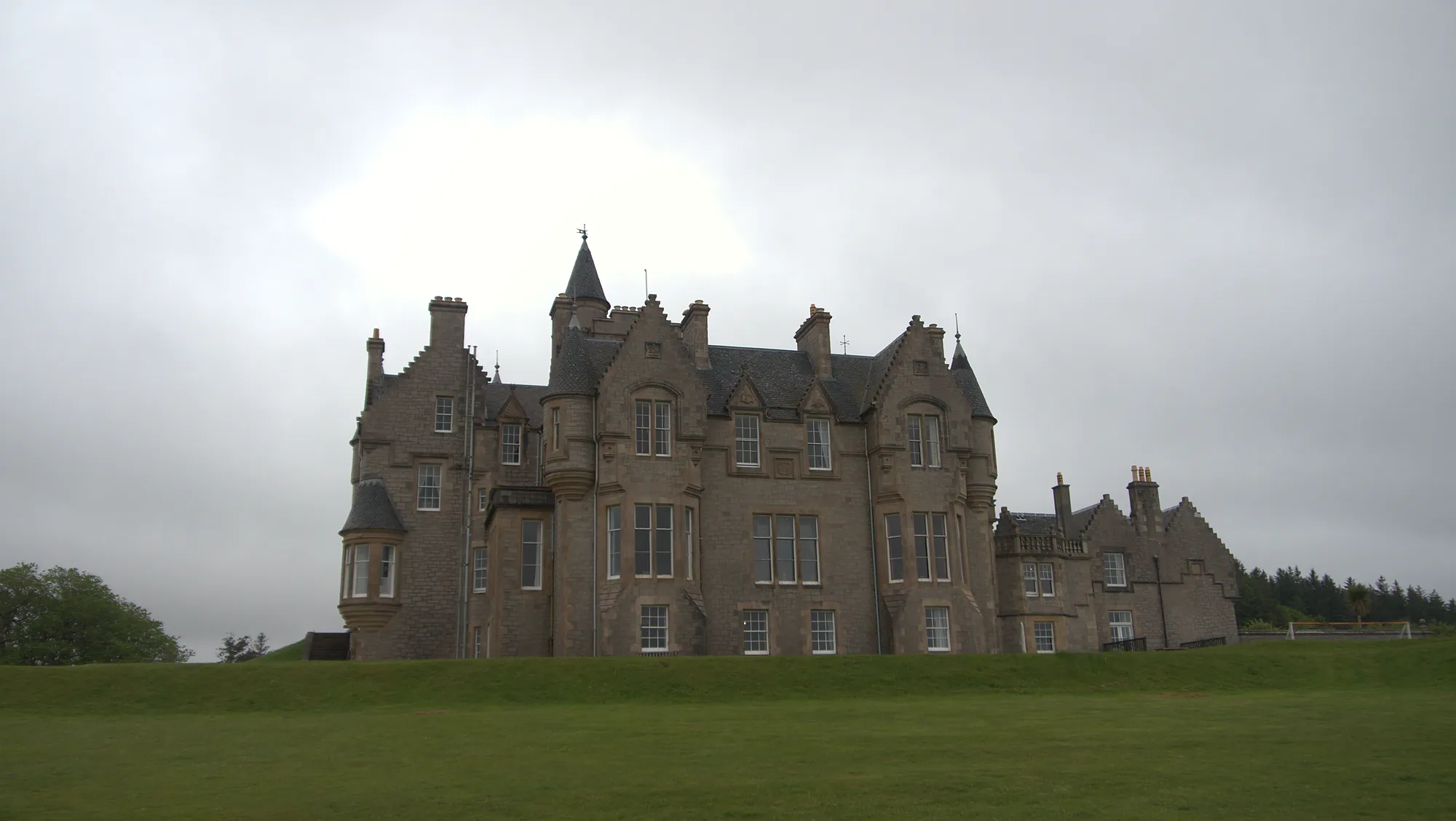
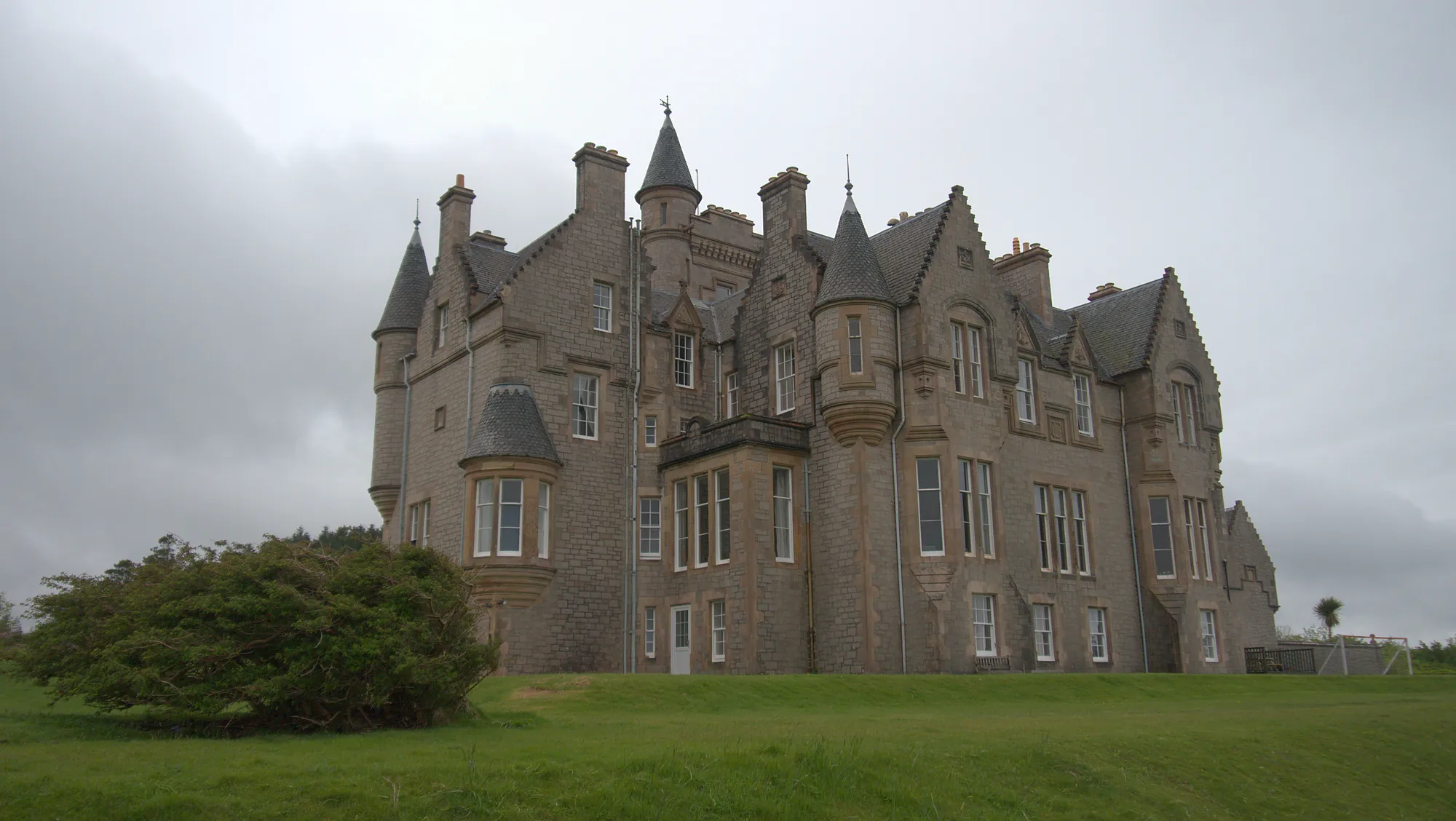
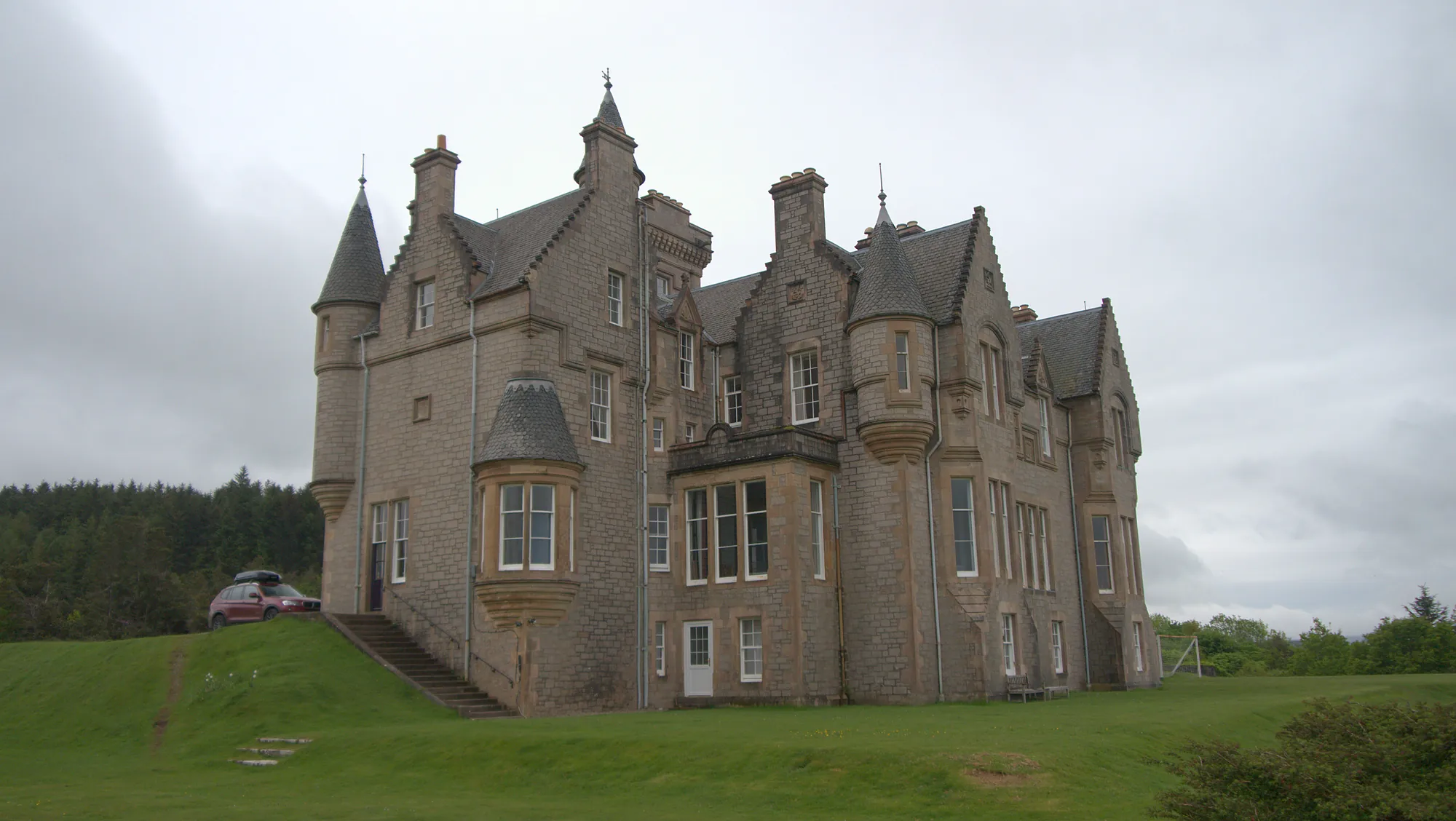
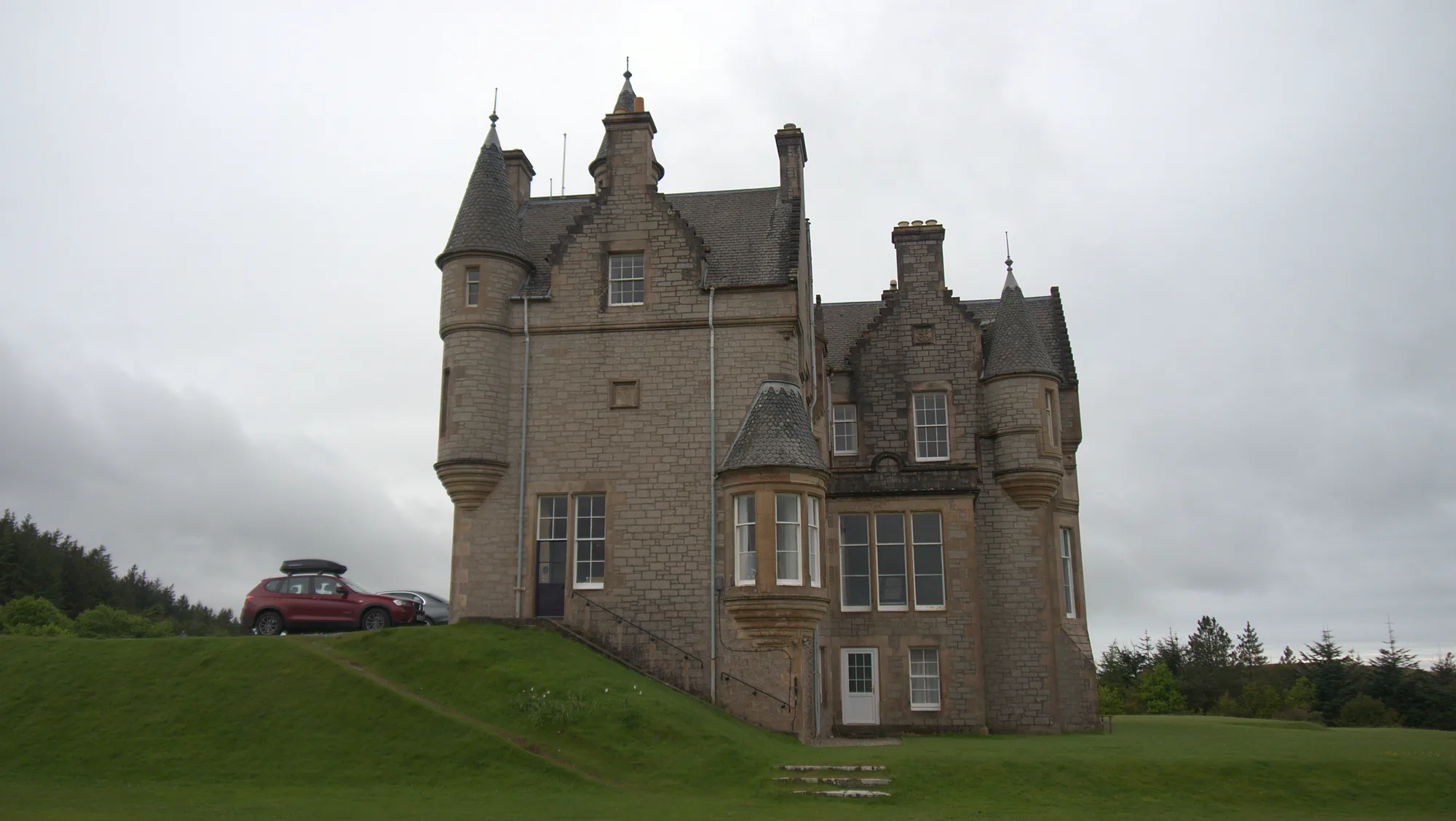
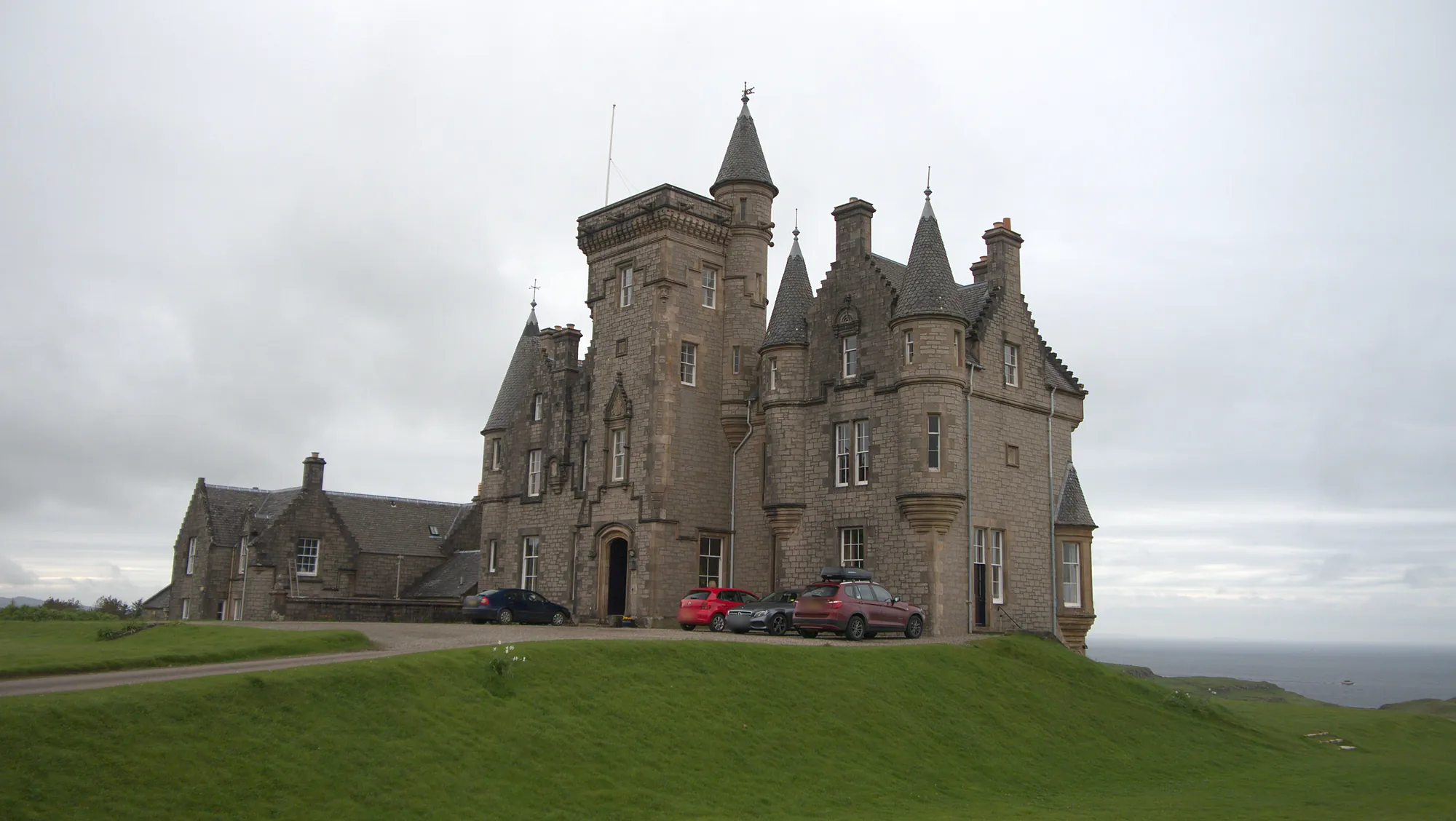
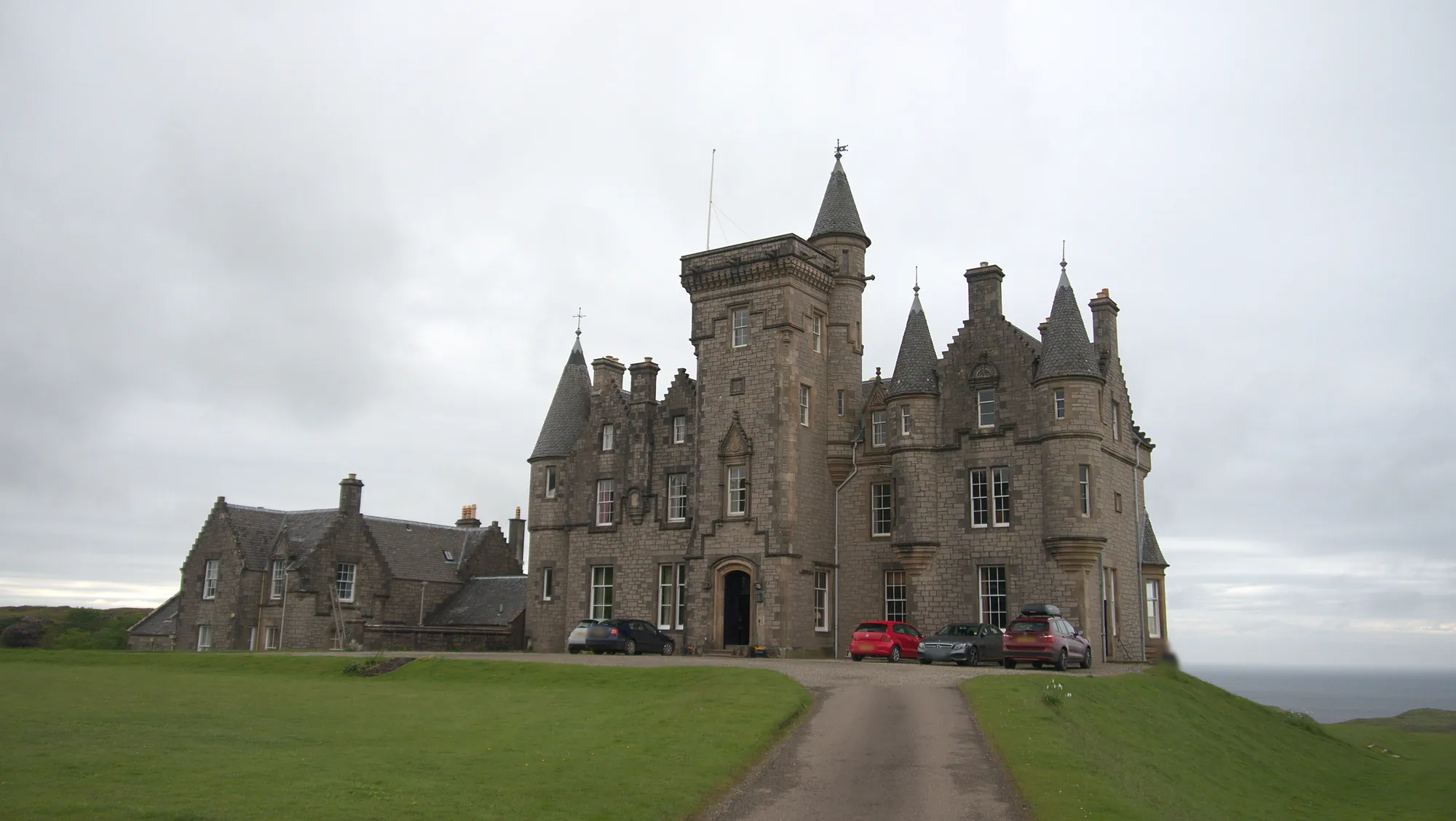
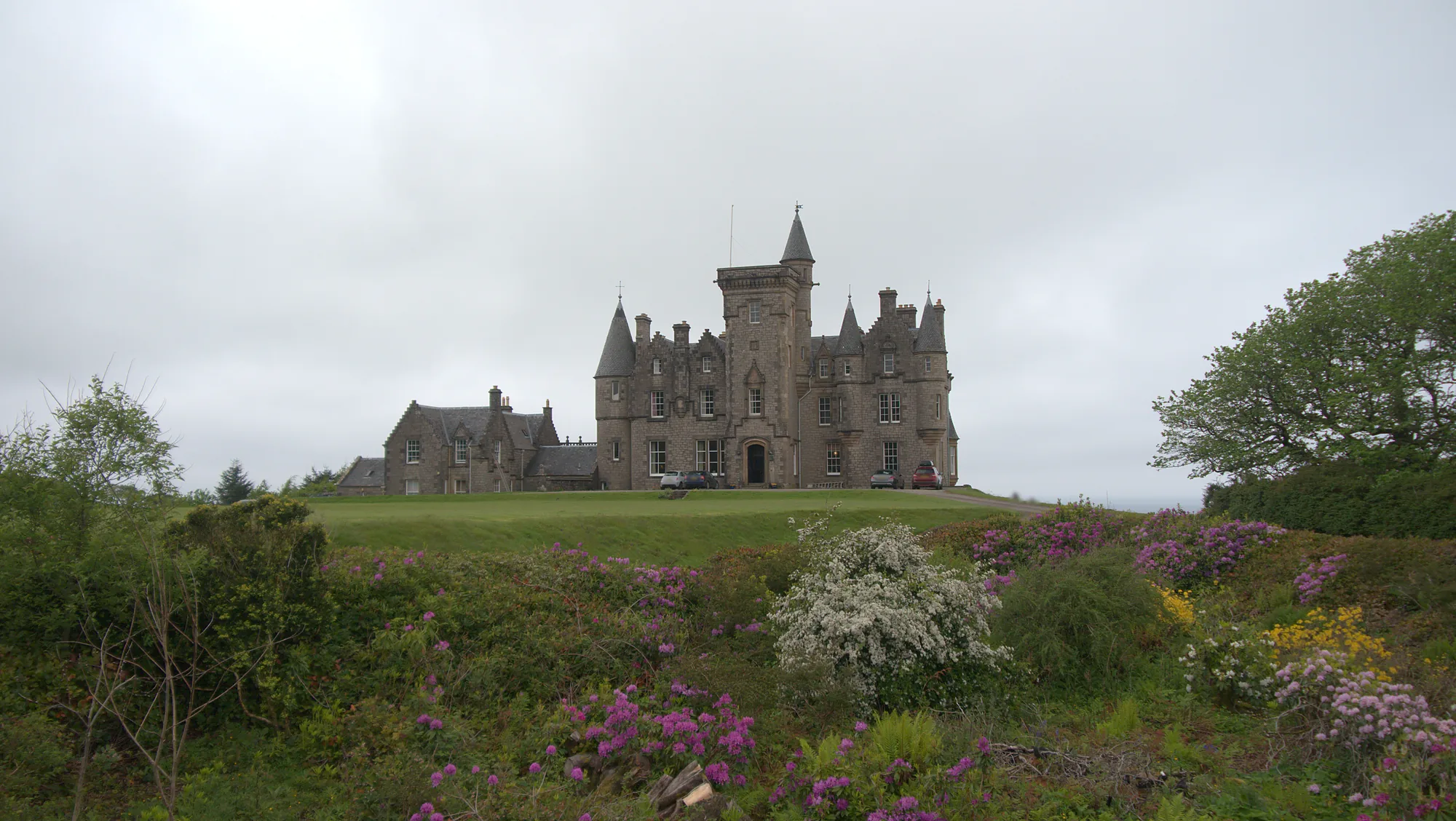
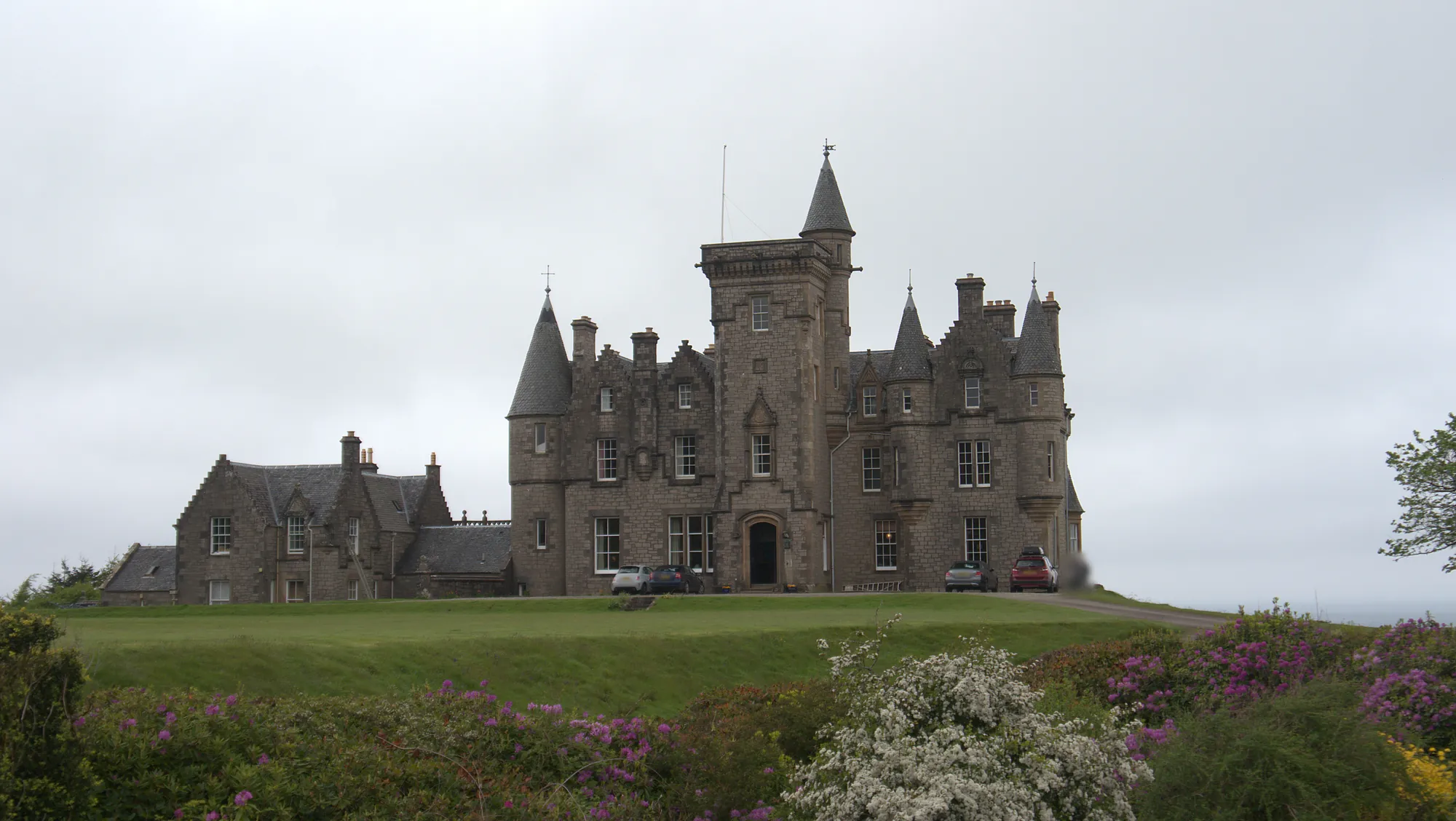
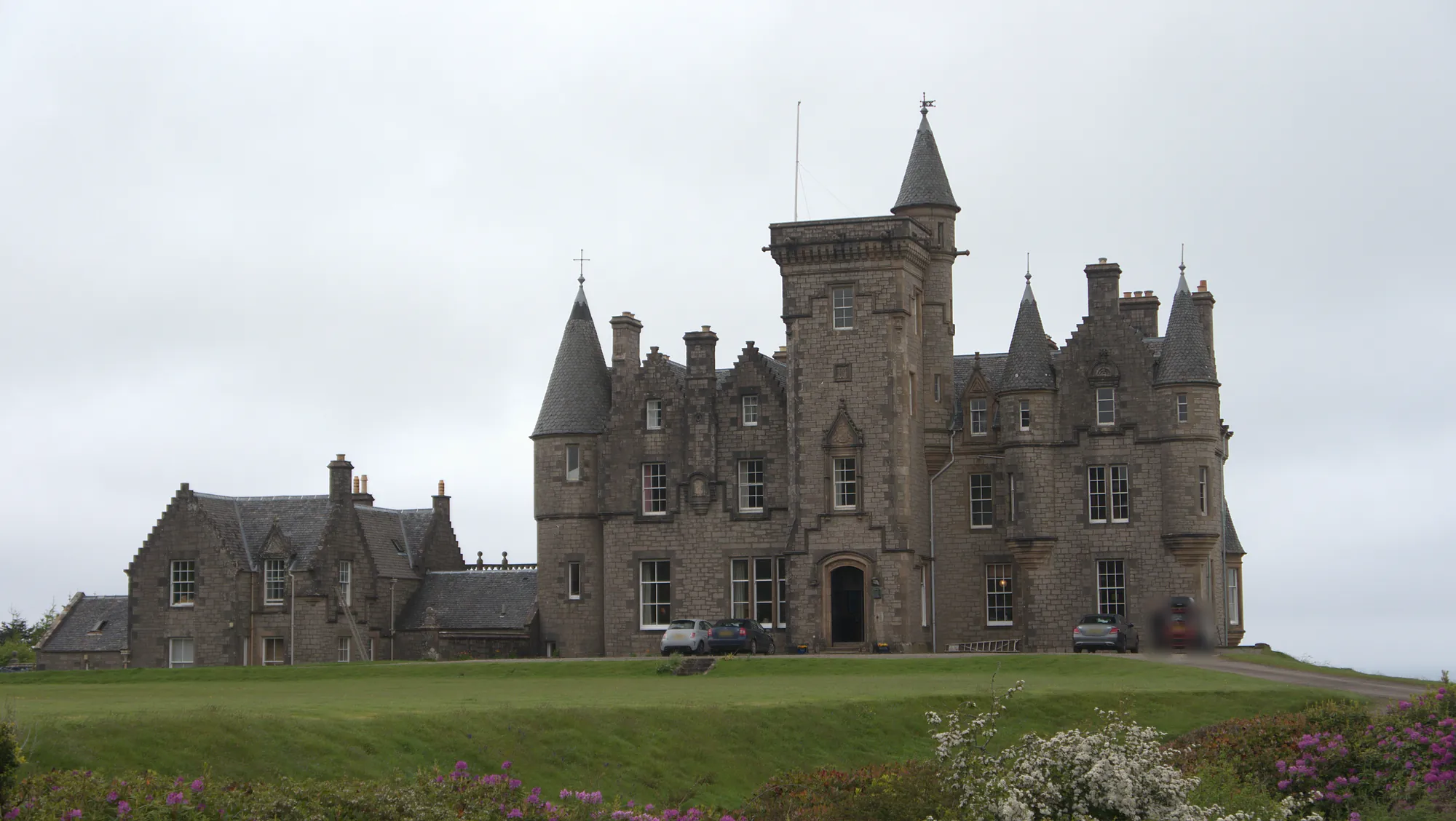
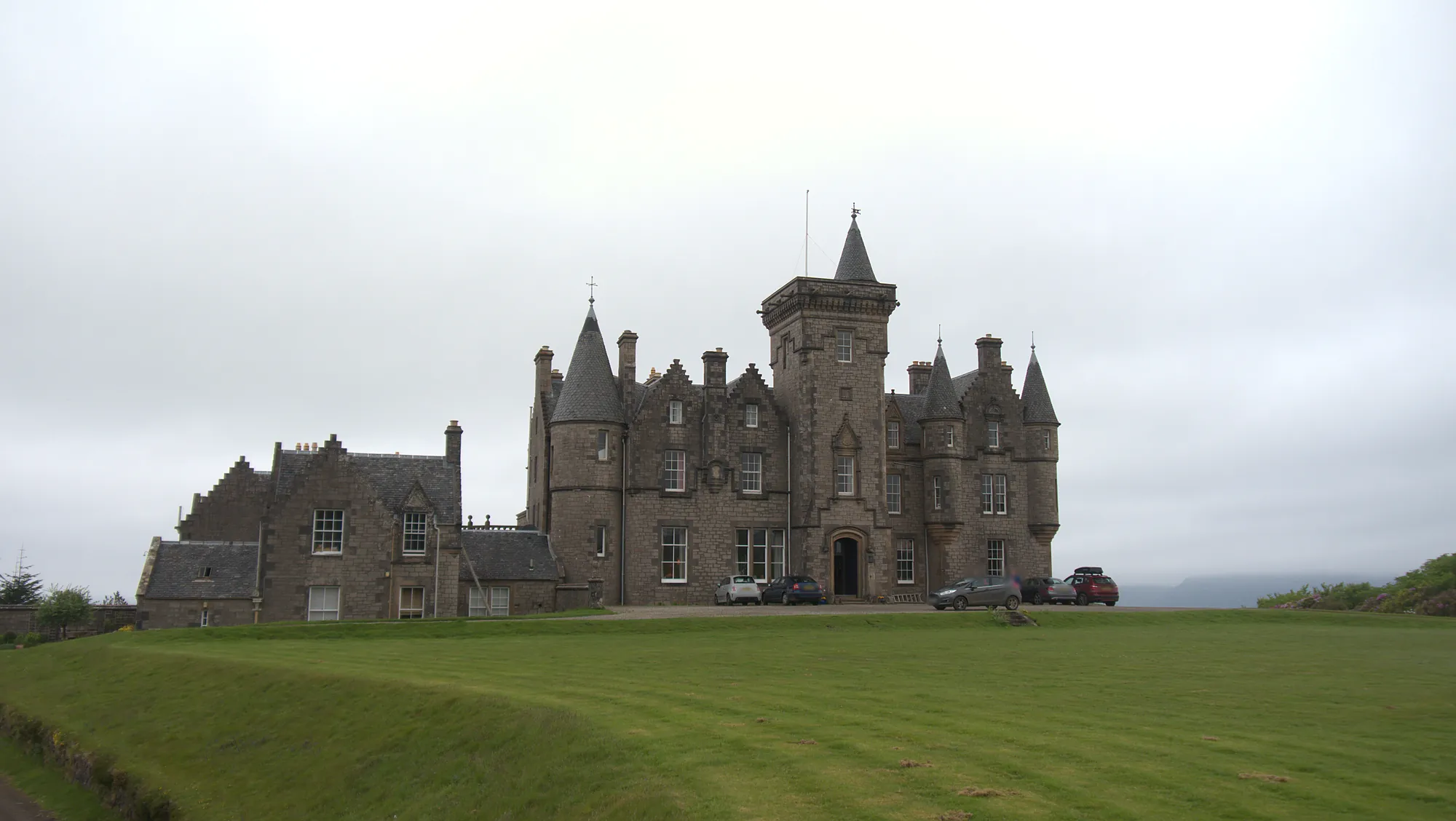
Glengorm has all the ingredients of a romantic Scottish stronghold: turrets, crow-stepped gables, a tall entrance tower and an exposed position above the sea. Yet this is not a medieval fortress.
Historic Environment Scotland dates the house to 1860. It was designed by the Edinburgh architects Kinnear and Peddie for James Forsyth of Quinish, who had acquired the lands of Mishnish in 1856.
The building appears in architectural records as Sorn or Sorne, later Glengorm. Surviving ground- and first-floor plans are dated 12 May 1858, giving an unusually clear glimpse of the design before construction was complete.
Architectural historian David Walker identifies it as Peddie & Kinnear's first Scottish Baronial country house. Its position mattered as much as its silhouette: the house was placed on a ridge where the ground drops sharply towards the sea.
The romantic architecture should not obscure what happened to the landscape around it. Historic Environment Scotland records that Forsyth cleared away the existing township on the estate after acquiring Mishnish.
Later stories add dramatic details about the name Glengorm, burning houses and a curse placed upon Forsyth. Those stories survive as local tradition, but the evidence is not strong enough to present them here as established history.
02 / VISUAL JOURNAL
Photos by zamki-szkocji.com
10 of 17 photographs
01 / THE STORY CONTINUES
HES describes a large Scots Baronial house with a square tower, angle turrets, crow-stepped gables and slated roofs. These features deliberately borrowed the visual language of older Scottish castles while creating a nineteenth-century country residence.
That contrast is what makes Glengorm interesting: it looks backwards architecturally while belonging unmistakably to Victorian Scotland.
Glengorm remains a private estate rather than a preserved museum interior. Parts of the castle and surrounding buildings operate as self-catering accommodation, while the estate continues to provide access to walks through the surrounding landscape.
03 / MOMENTS IN STONE
James Forsyth of Quinish acquires Mishnish.
Ground- and first-floor drawings provide documentary evidence for the emerging design.
The present house is dated to 1860 by Historic Environment Scotland.
Glengorm receives Category B listed status.
08 / EXPLORE NEXT
Find Scottish castles by region, landscape or the stories that bring them to life.
 AberdeenshireHuntly Castle
  AberdeenshireKildrummy Castle
  AberdeenshireBraemar Castle