TICKETSNo official ticketing or price confirmed
Not a guarantee of unrestricted entry.
 Castle
ABERDEENSHIRE · PORTSOY
A dramatic late-16th-century courtyard castle above the Burn of Boyne, with remarkable towers but no visitor facilities or verified parking.
PLAN YOUR VISIT
Near Portsoy, Aberdeenshire
Not a guarantee of unrestricted entry.
Check signs and current restrictions; the site is on farmland.
Parking information
Boyne Castle stands within private farmland. Scotland’s Outdoor Access Code can permit responsible access to many unsupervised historic sites, but it does not grant an unrestricted right to enter buildings or cross growing crops. Respect livestock, gates, notices and any current restrictions. There is no verified official visitor car park. Some online accounts describe roadside or gate-side space near the B9139, but these are not designated visitor bays and may obstruct agricultural access. We deliberately do not provide an unverified parking pin, a guaranteed route or an estimated walking time. Only visit if you can identify a lawful, safe place to leave your vehicle without blocking access. If that is not possible, choose another destination. Parking in Portsoy may be an alternative, but parking terms and a safe, lawful walking route to the castle have not been verified; plan these separately.
A precise parking map location is not yet available.
Parking sources checked · 2 November 2026
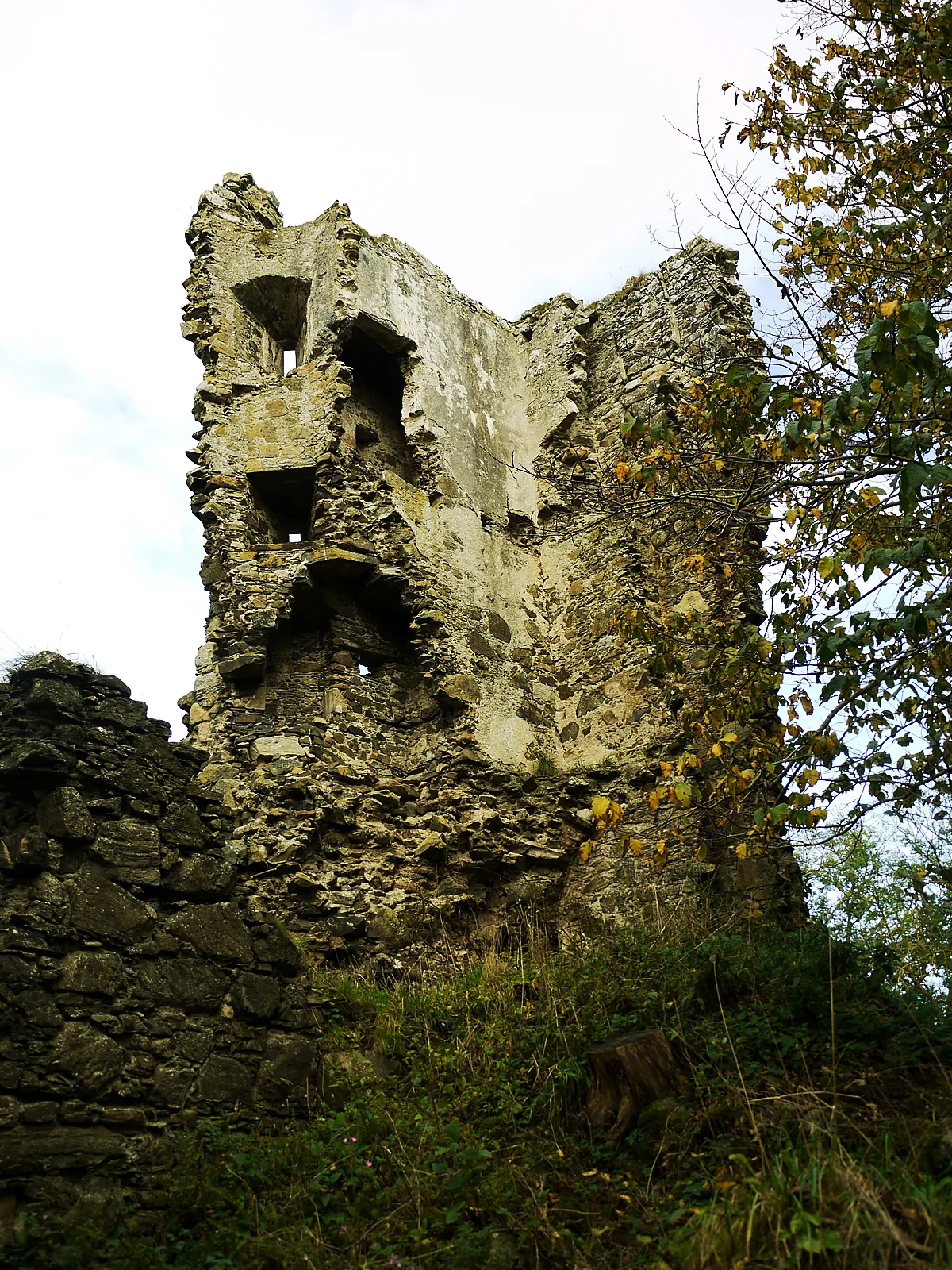
Unstable masonry, uneven ground and steep drops. Do not enter dangerous ruins.
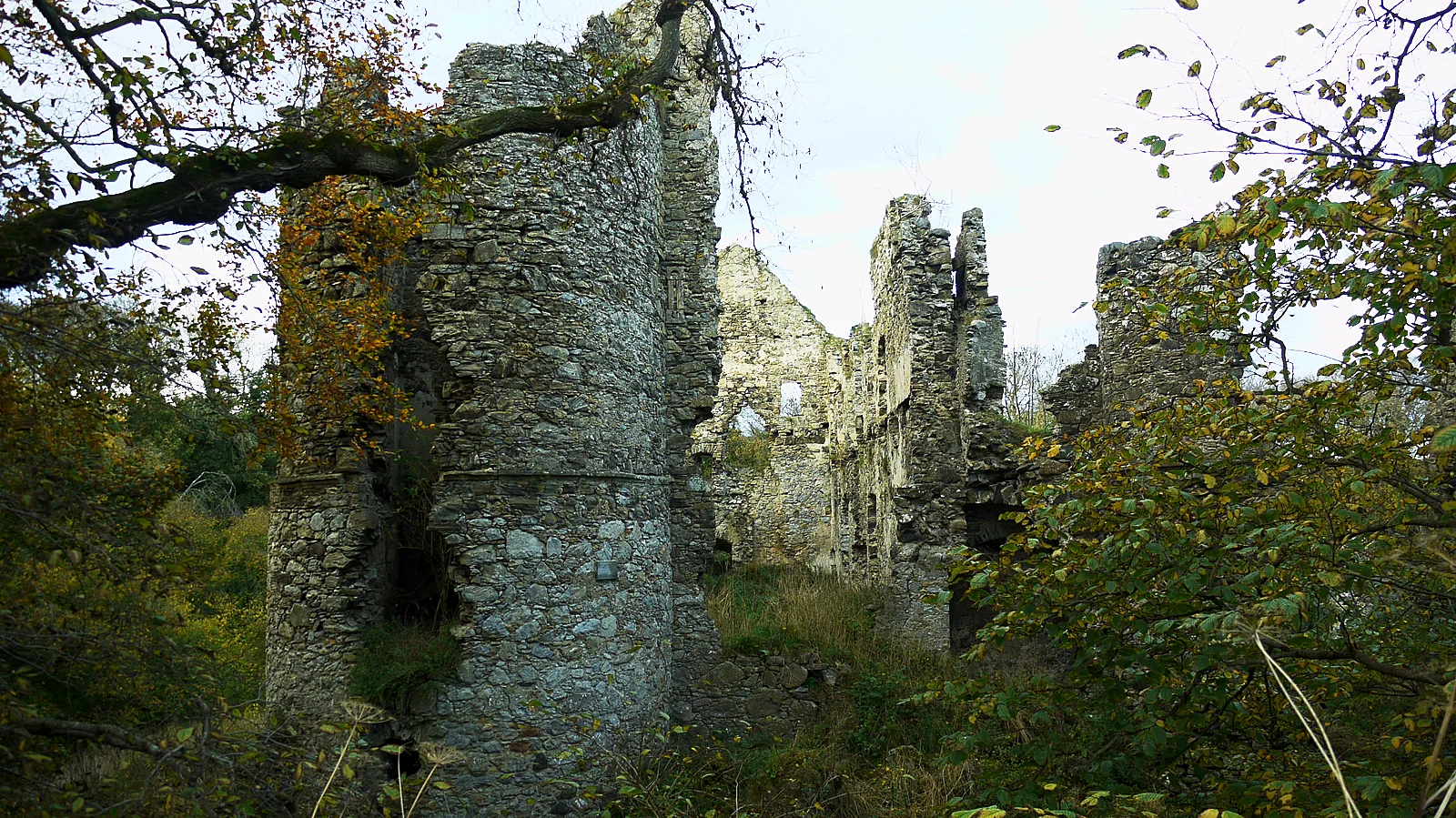
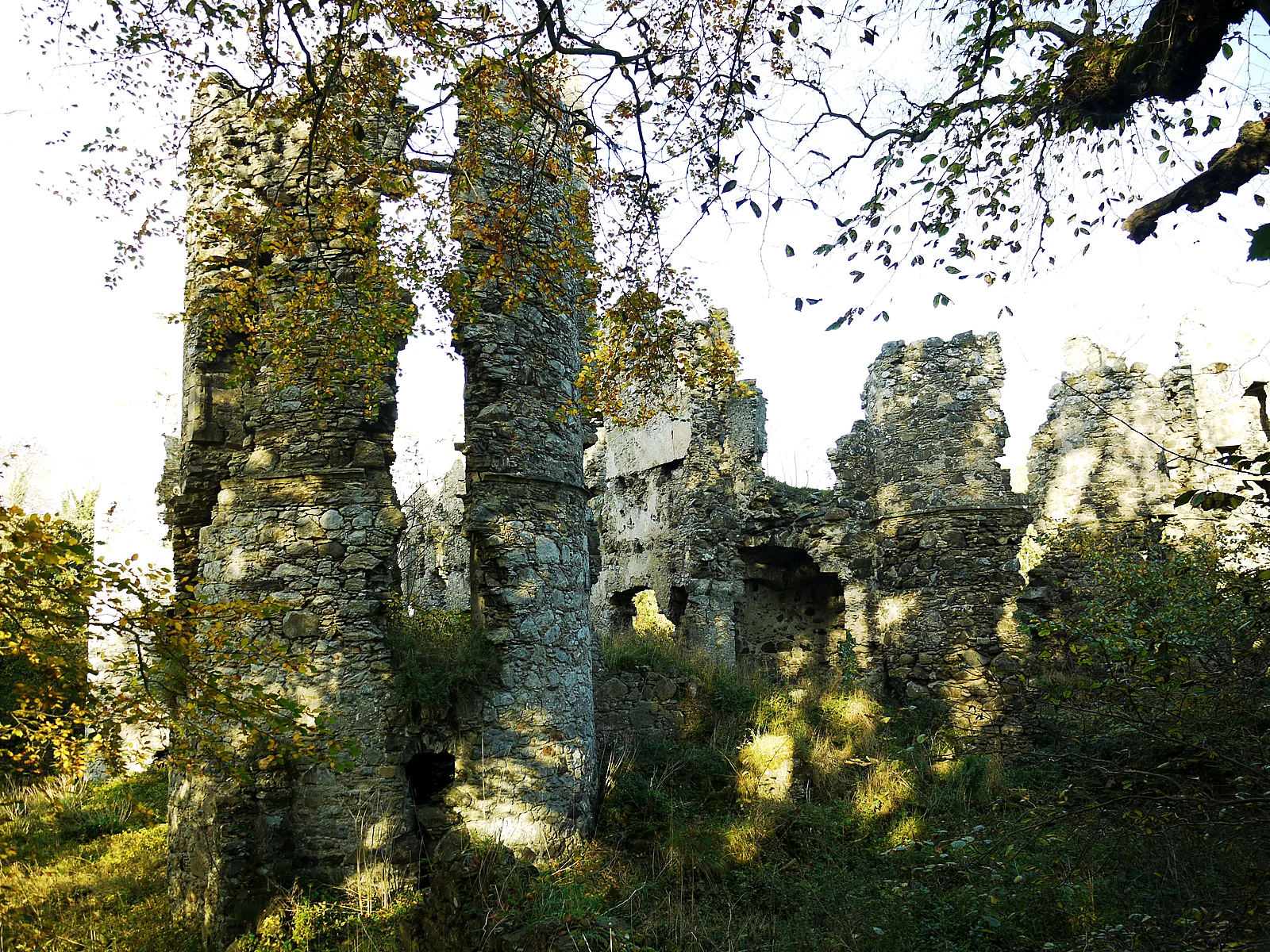
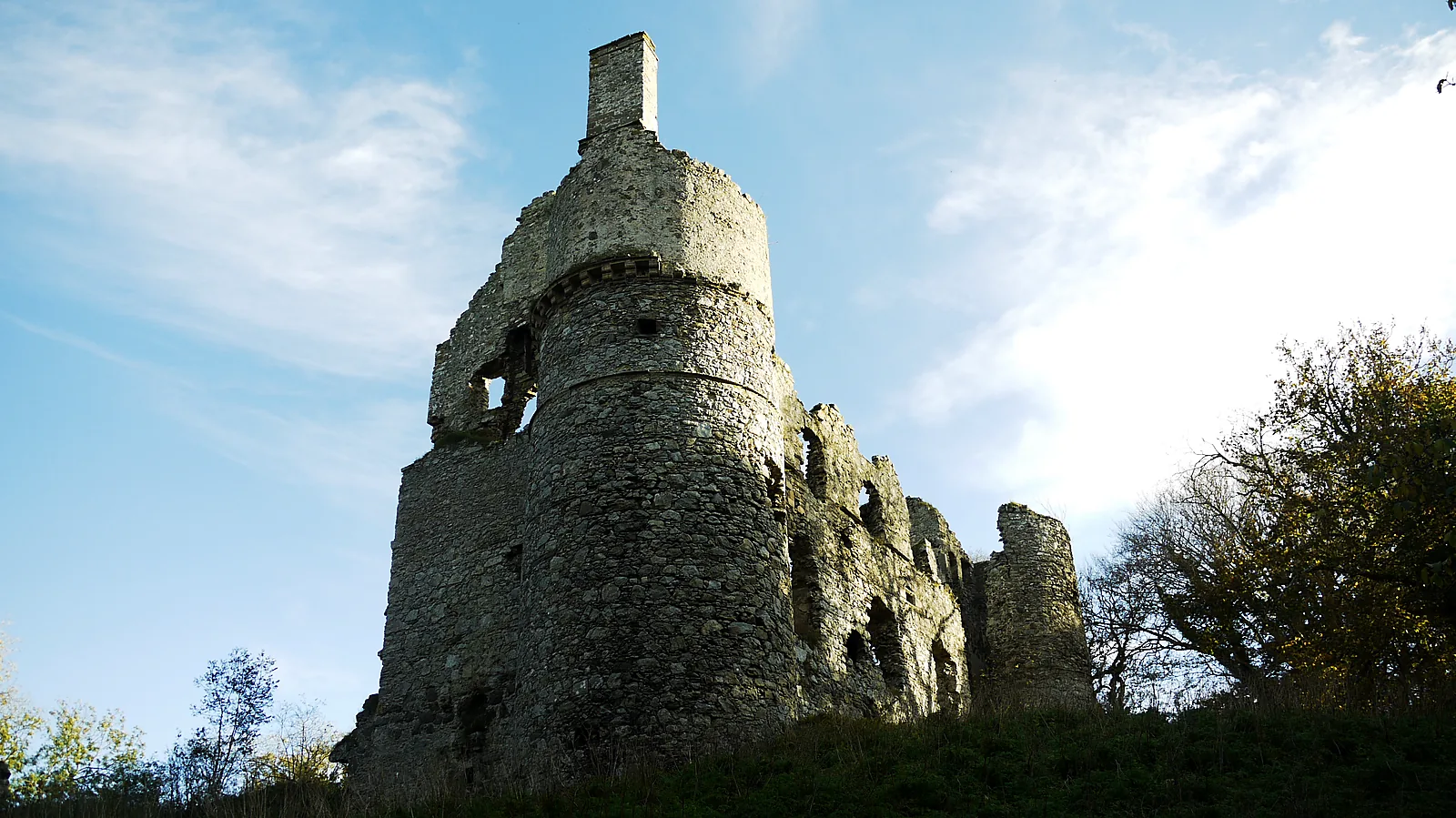
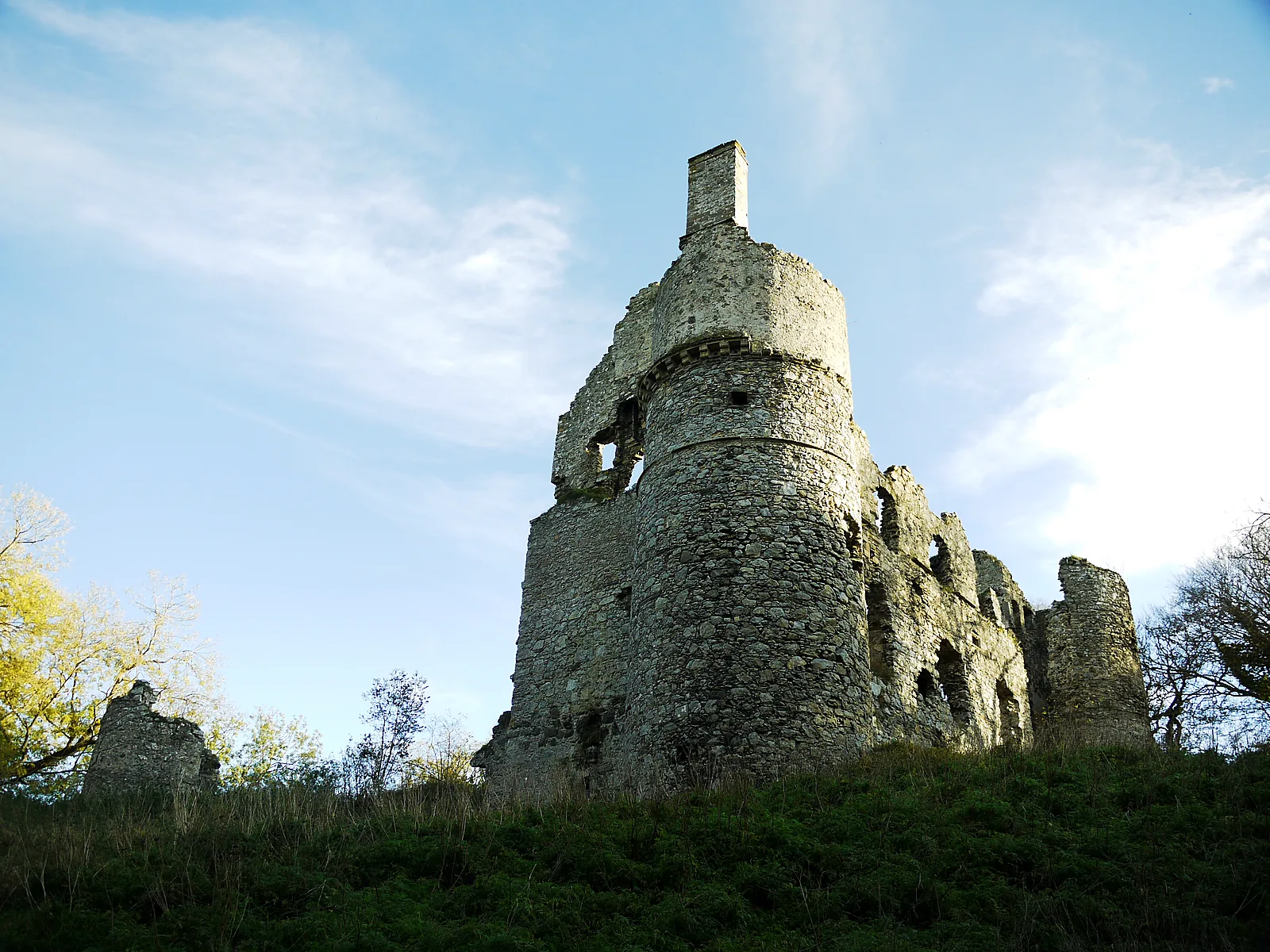
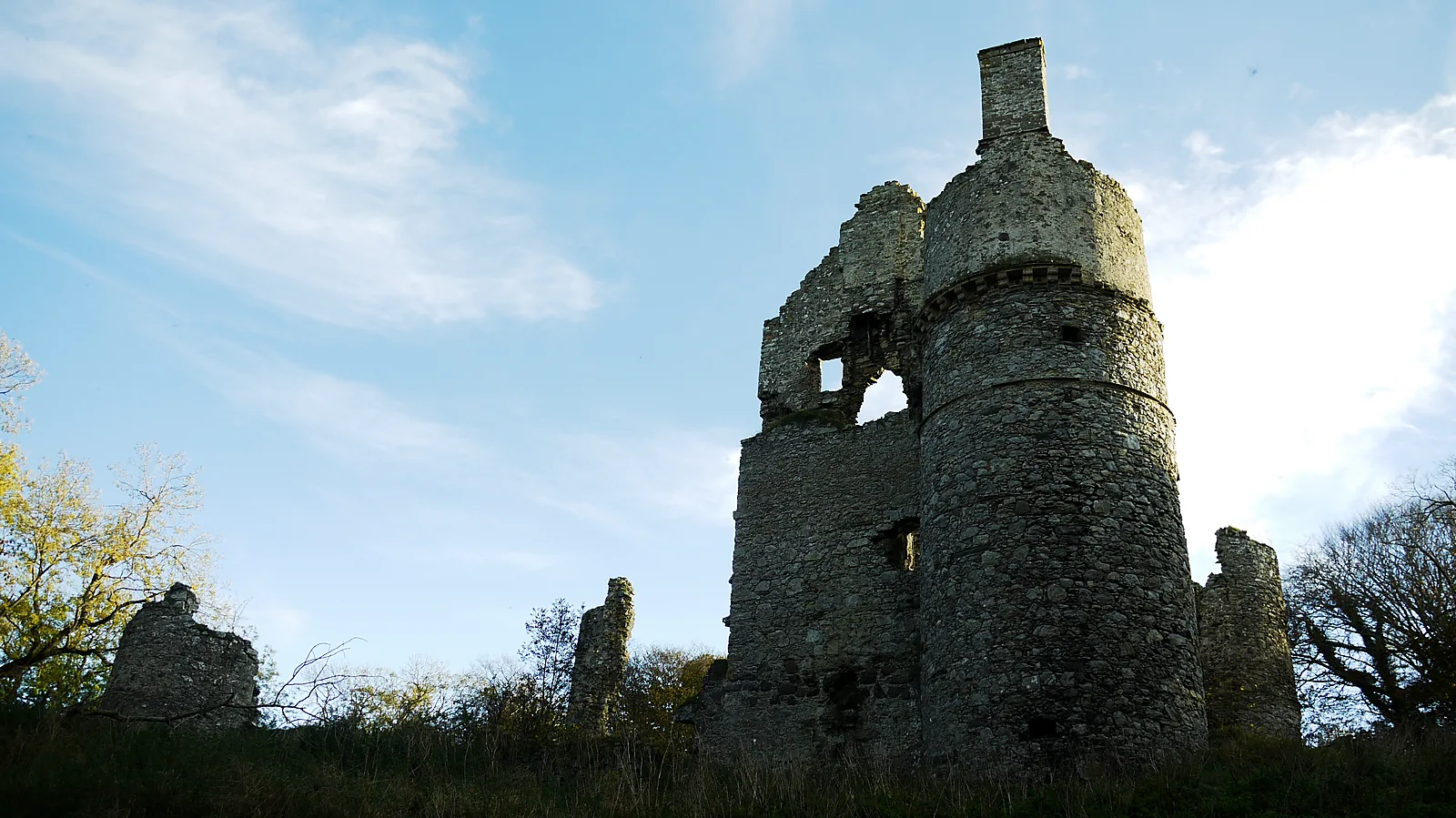
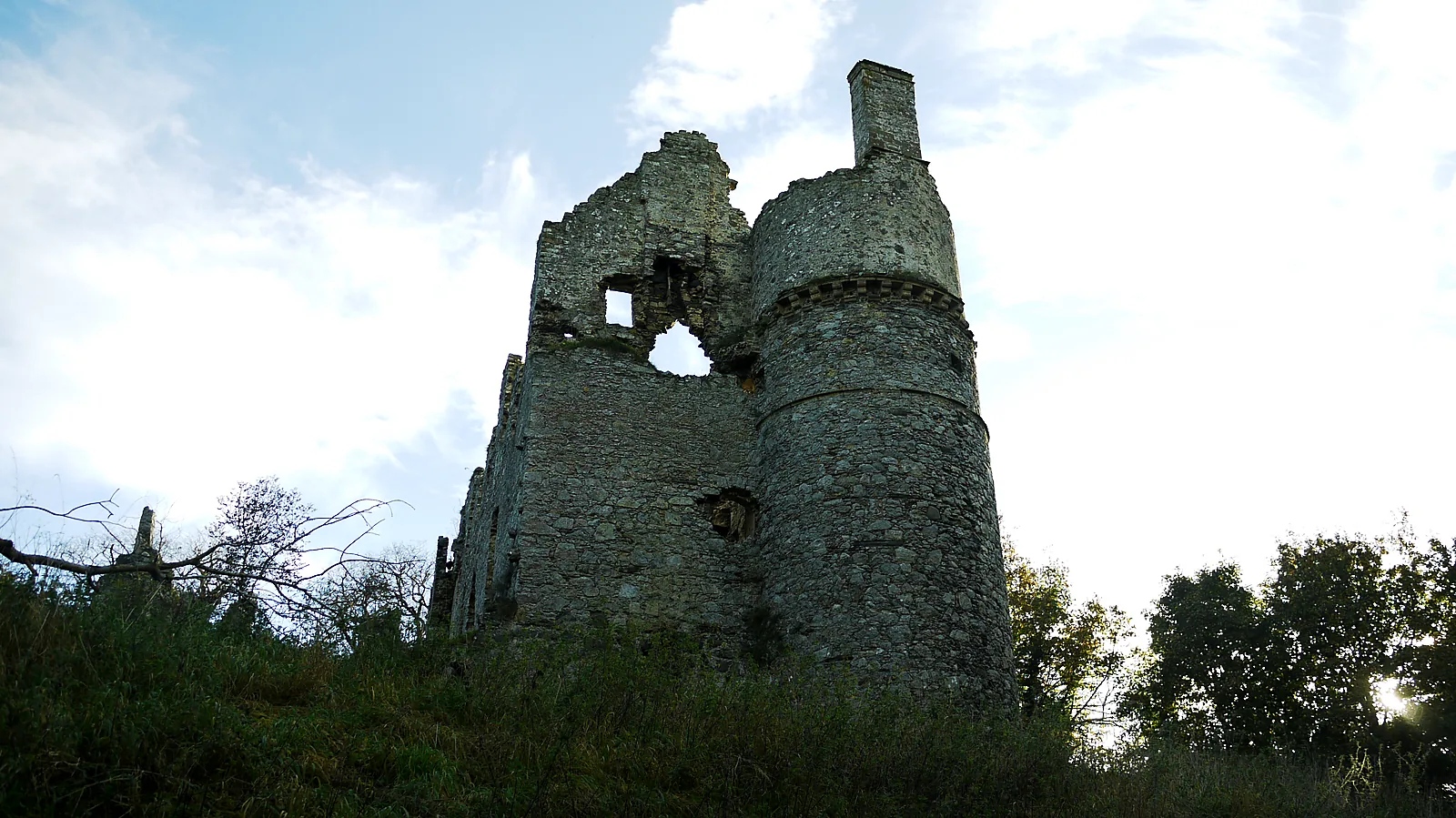
A ruined courtyard castle above the Burn of Boyne.
WHAT TO EXPECT
01 / THE STORY
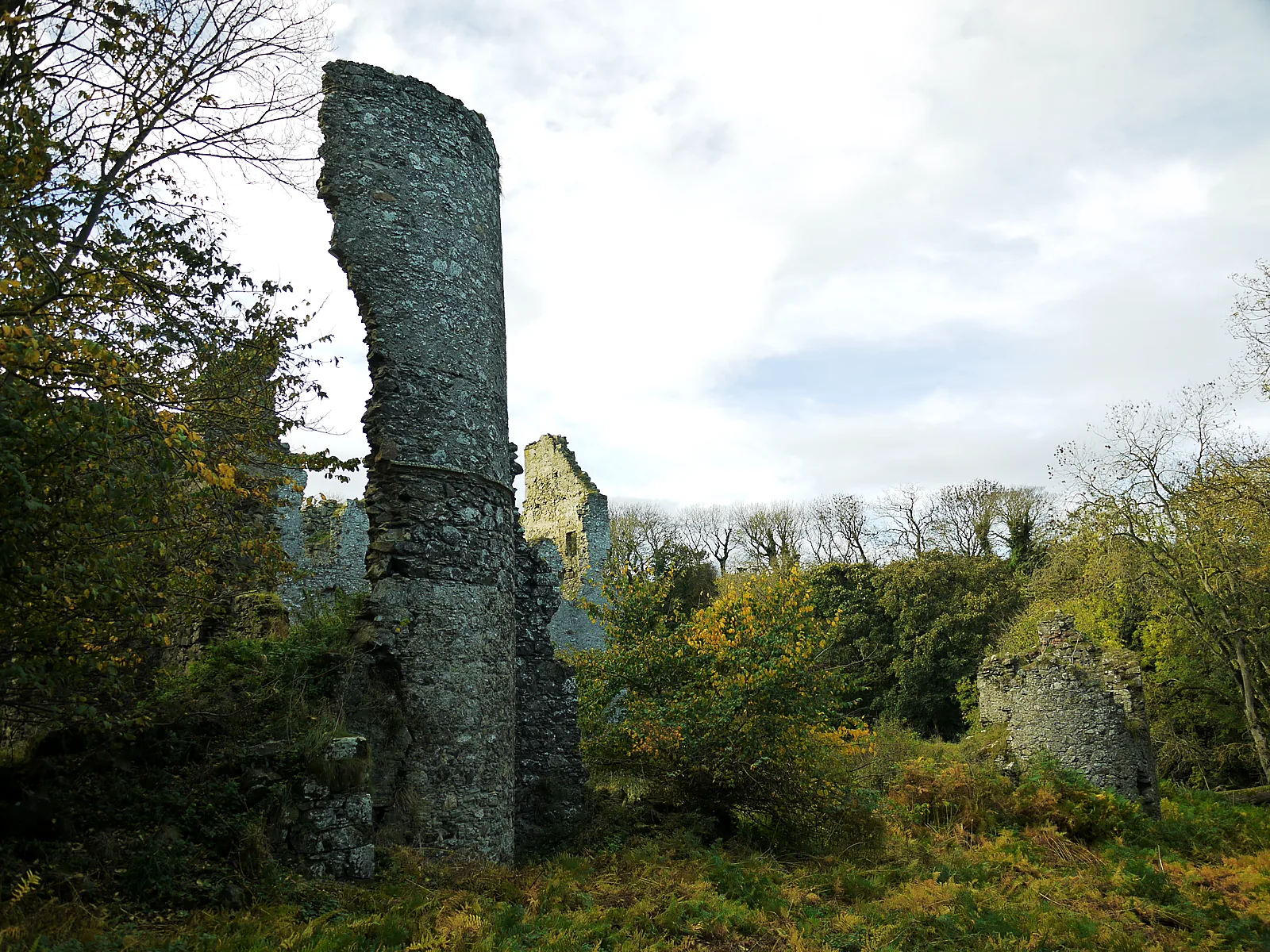
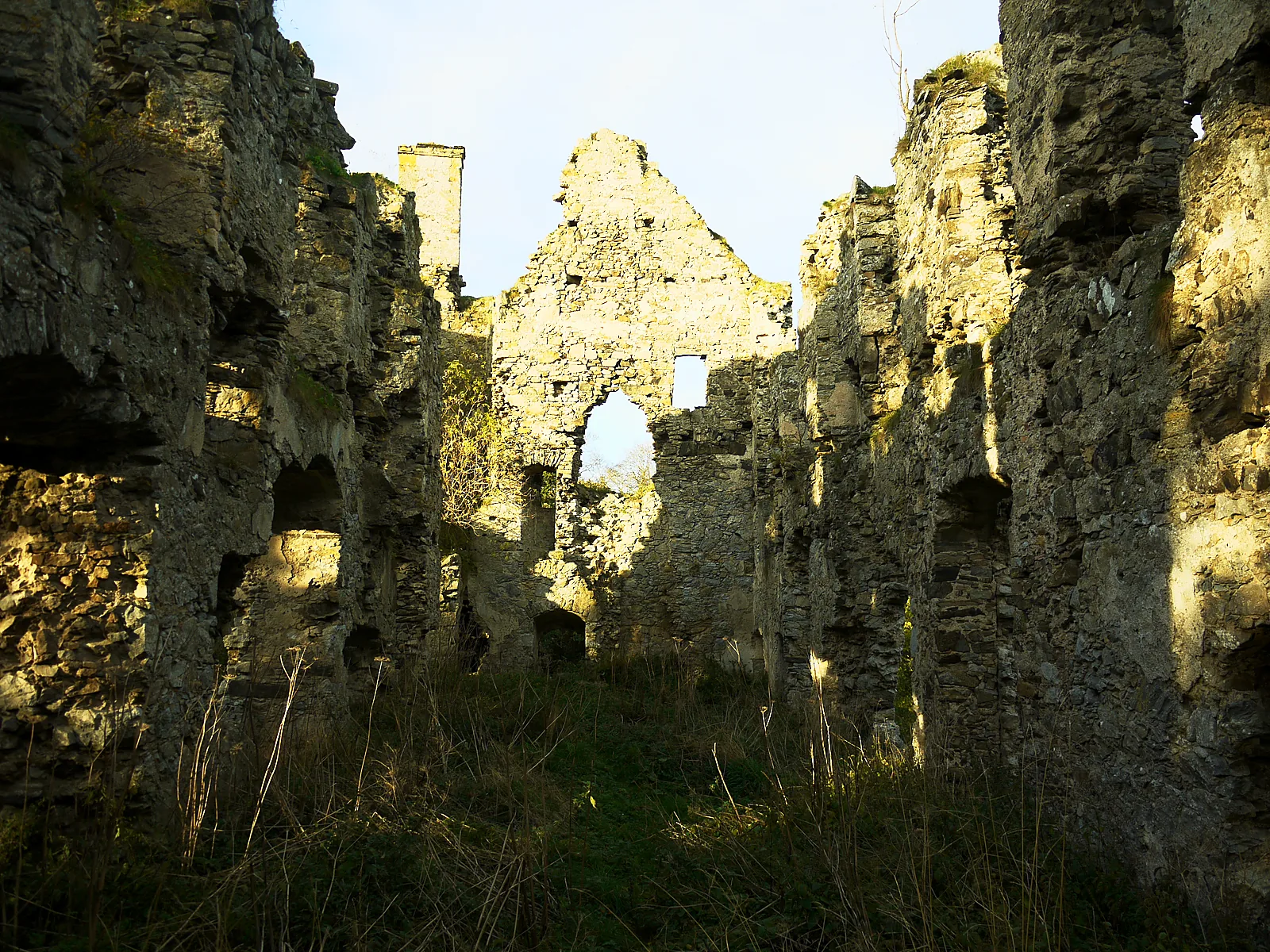
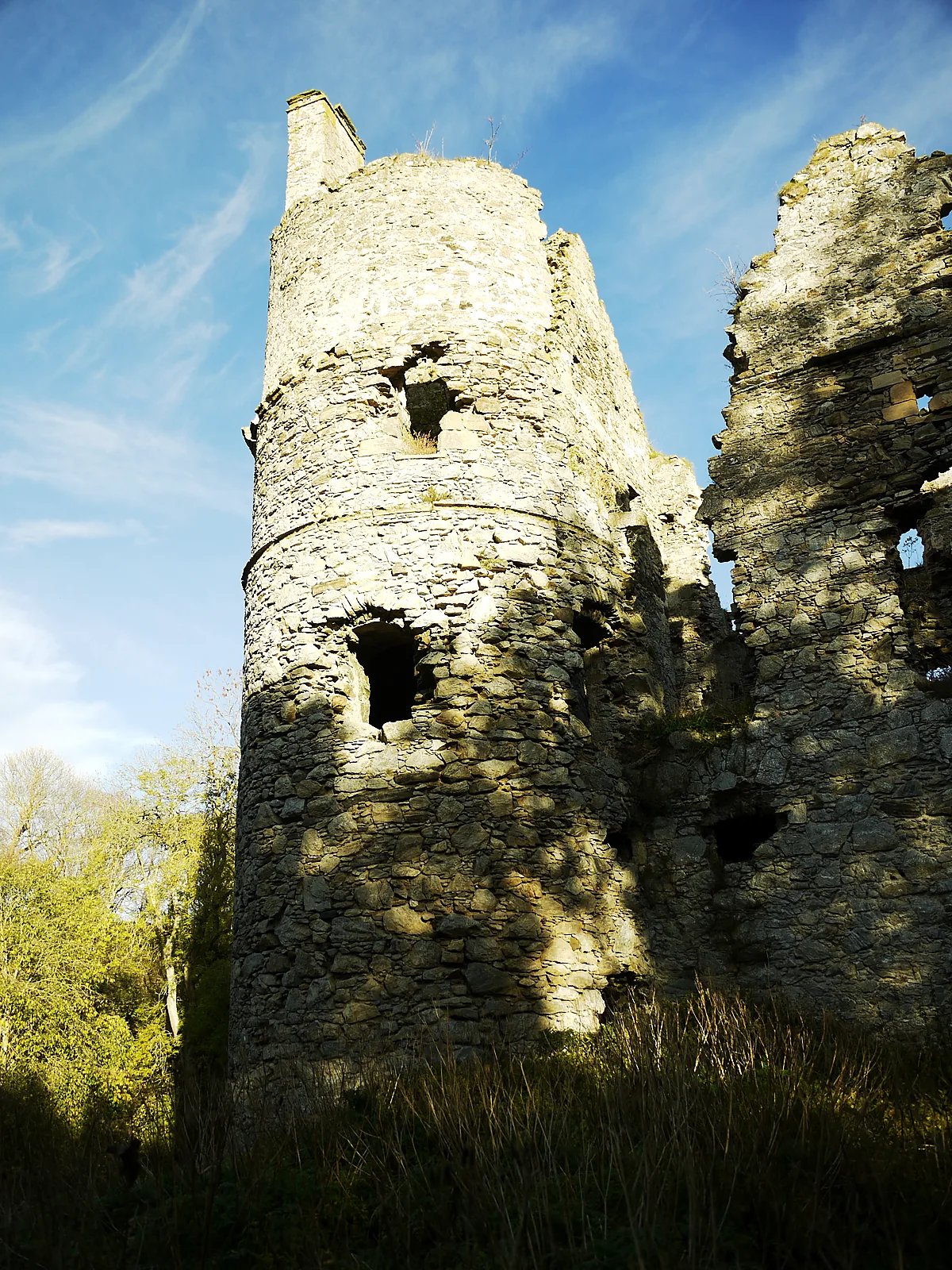
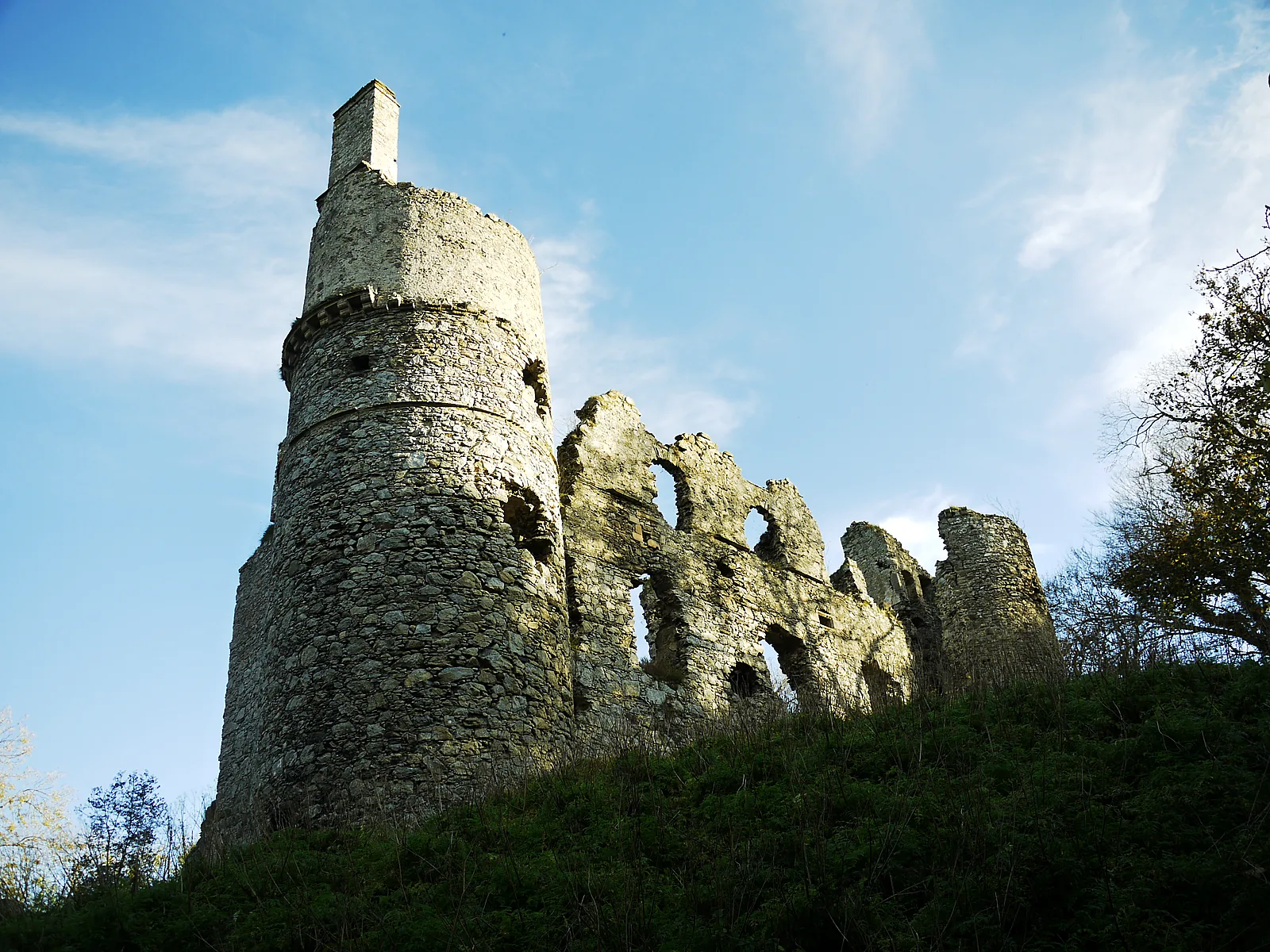
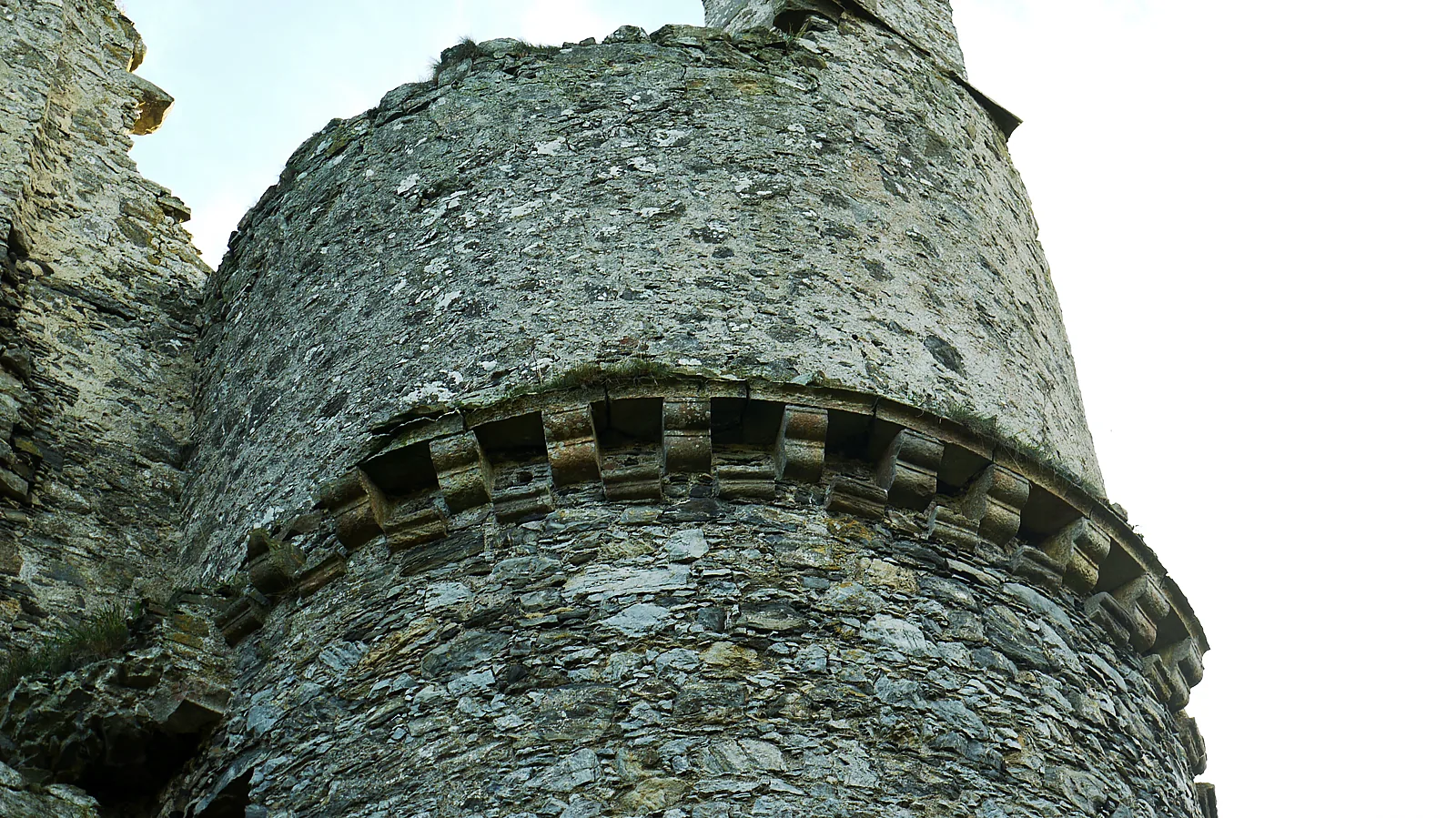
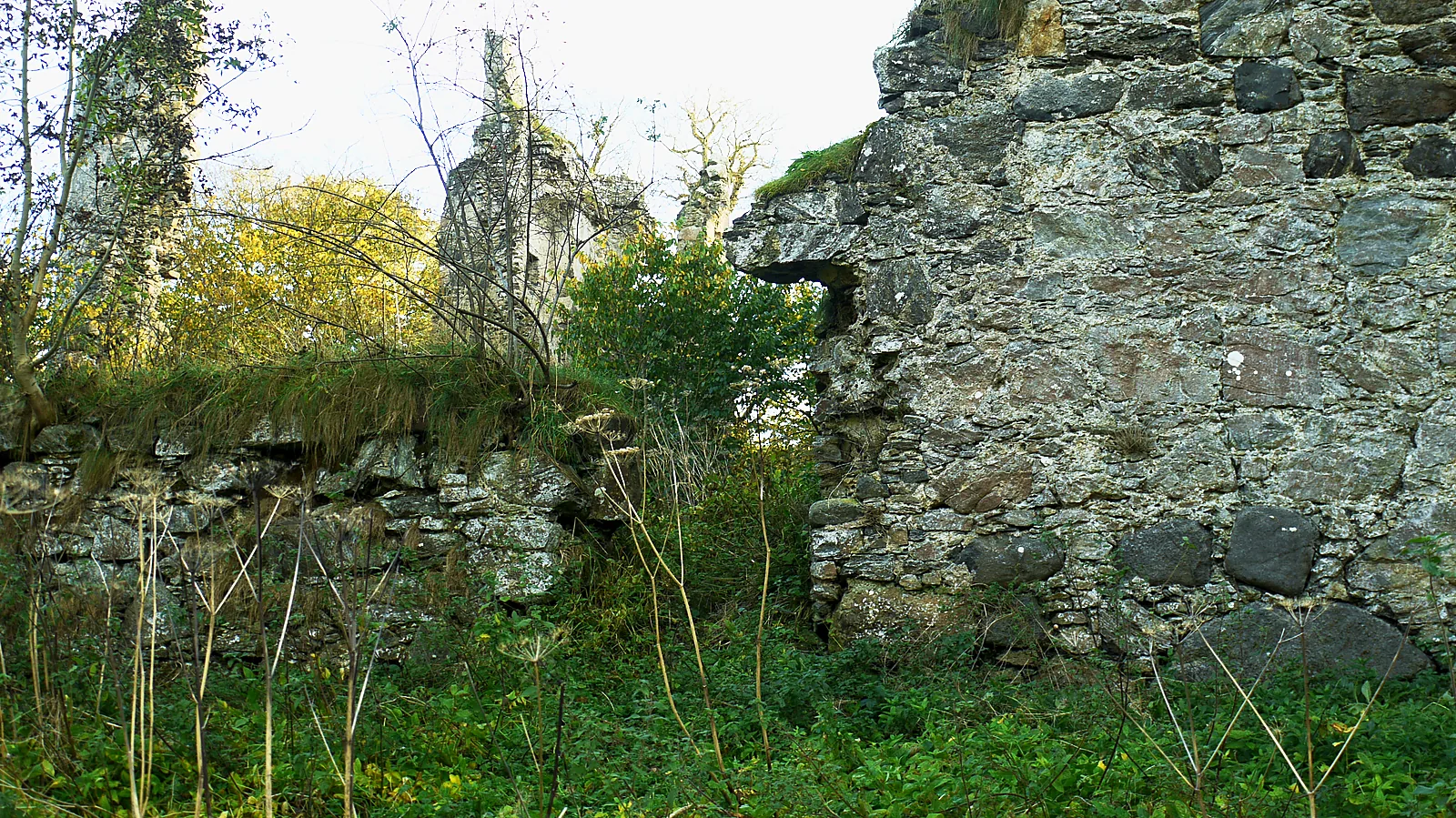
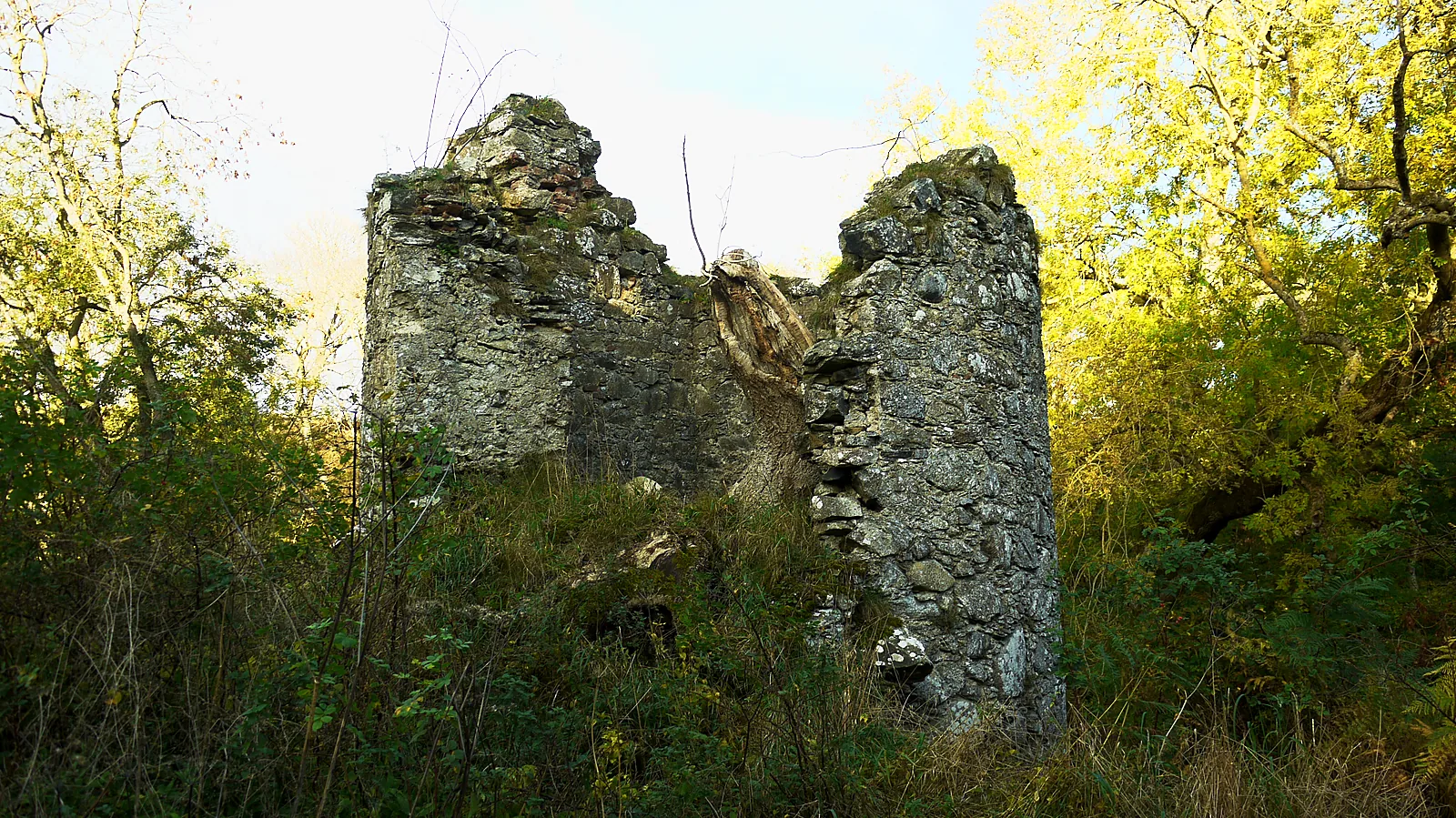
Hidden among trees above a steep bend in the Burn of Boyne, around 2.5 km east of Portsoy, Boyne Castle is one of Aberdeenshire’s most evocative ruins. Once an ambitious residence of the Ogilvie family, the castle was designed around a courtyard guarded by substantial round towers. Today its surviving masonry is atmospheric but badly deteriorated. This is not a managed tourist attraction: there are no staffed facilities, signed visitor routes or verified public parking spaces. The beauty of the setting should never obscure the risks posed by loose stone, hidden drops and the nearby gorge.
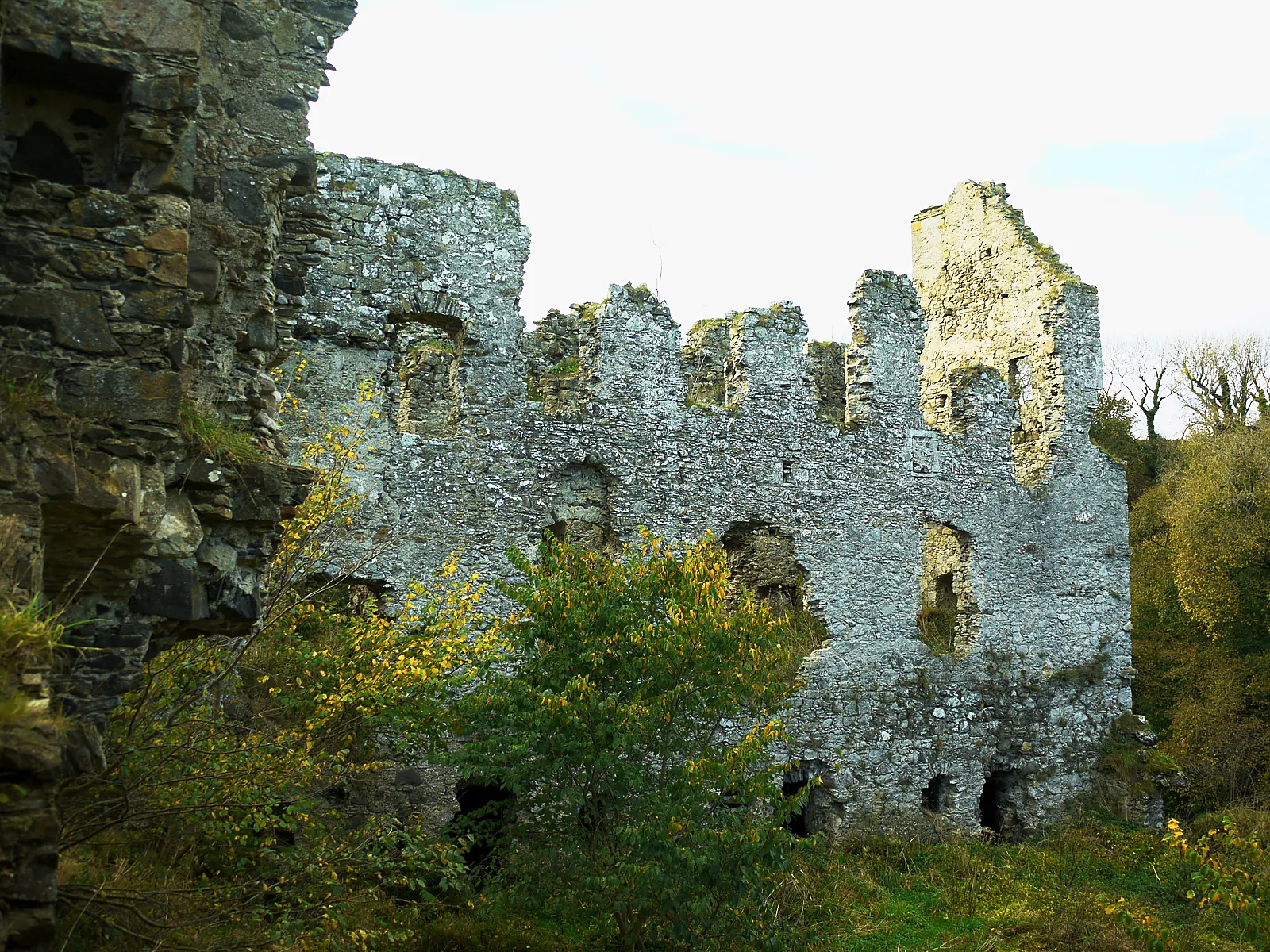
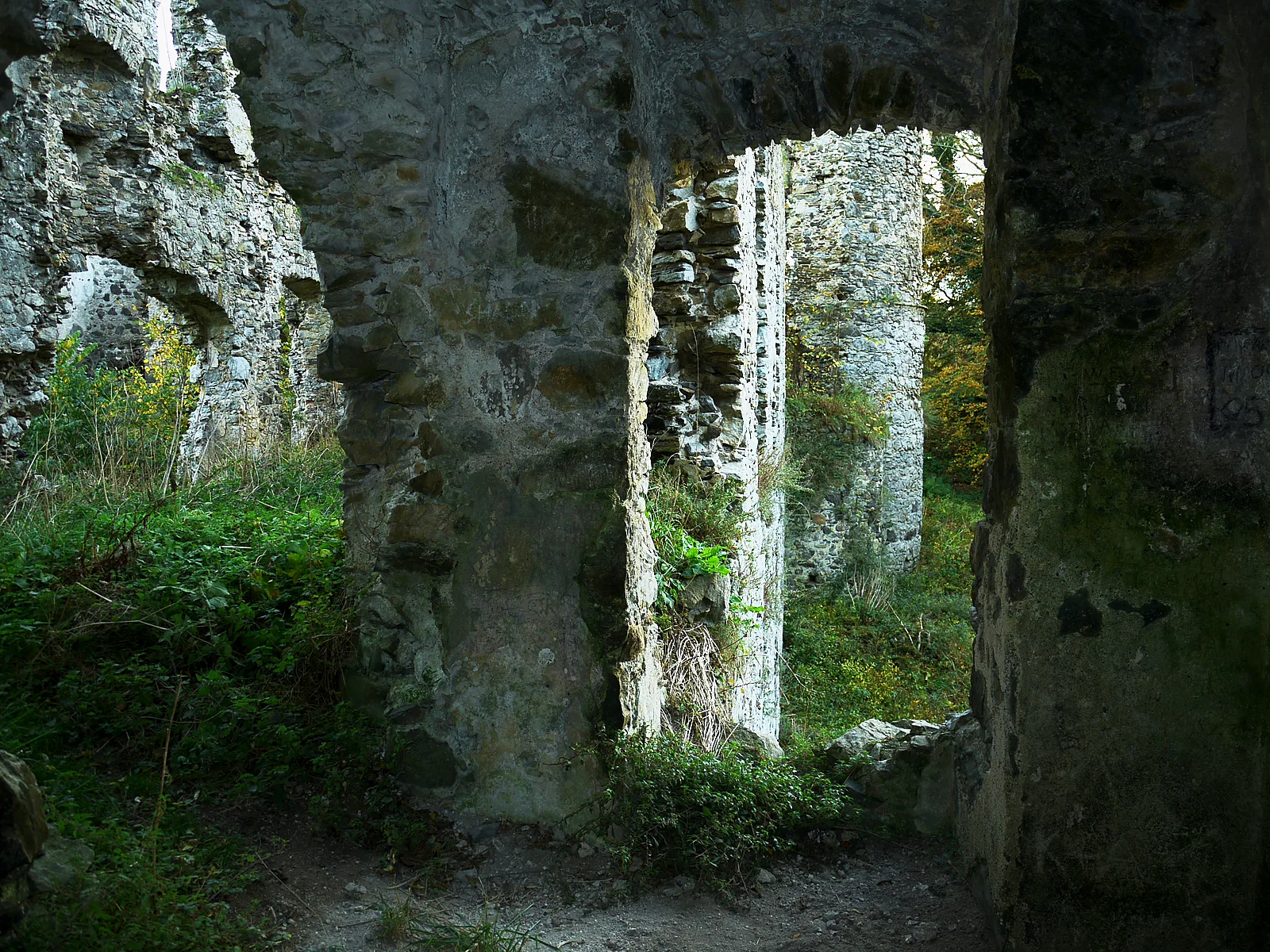
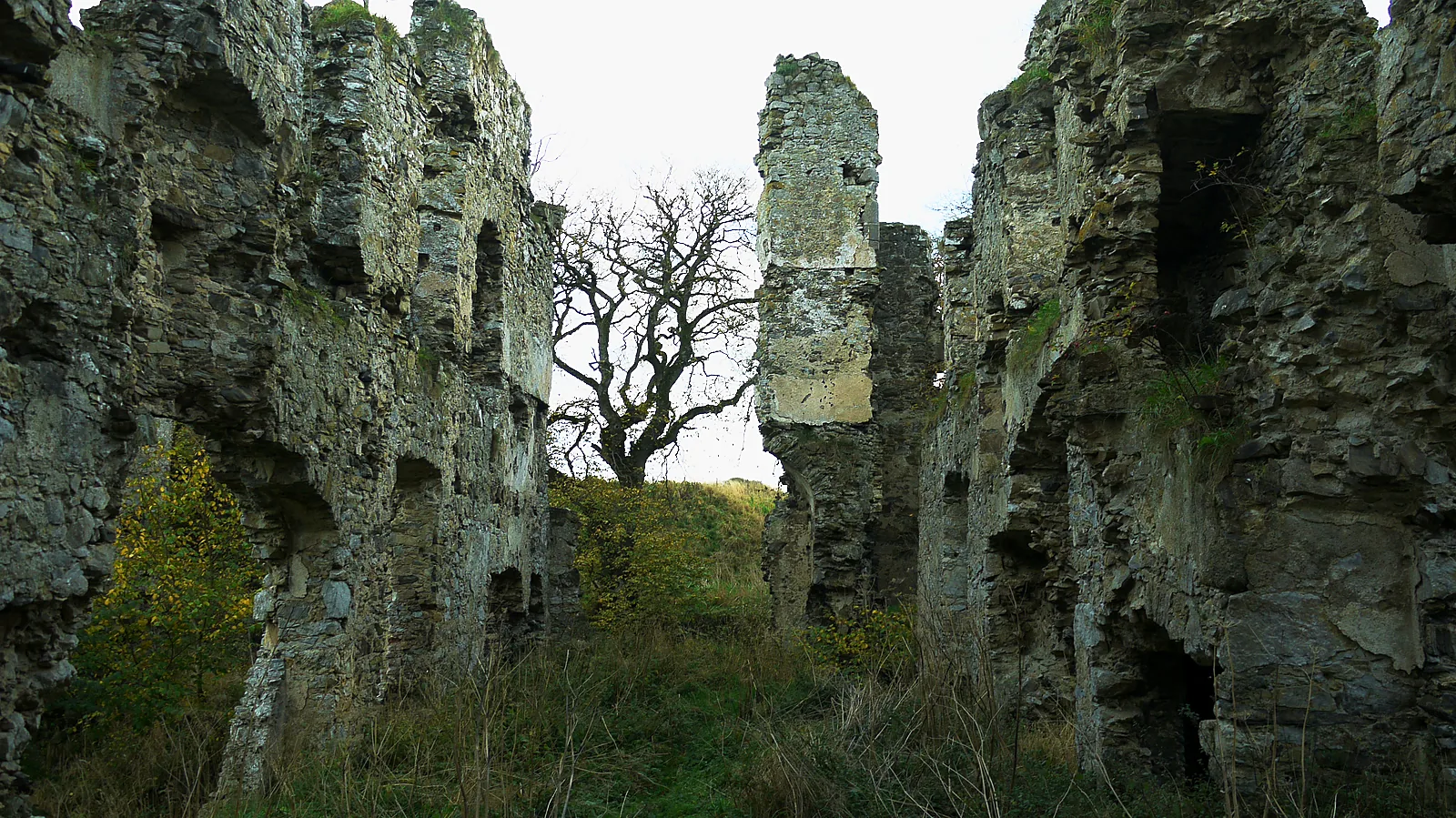
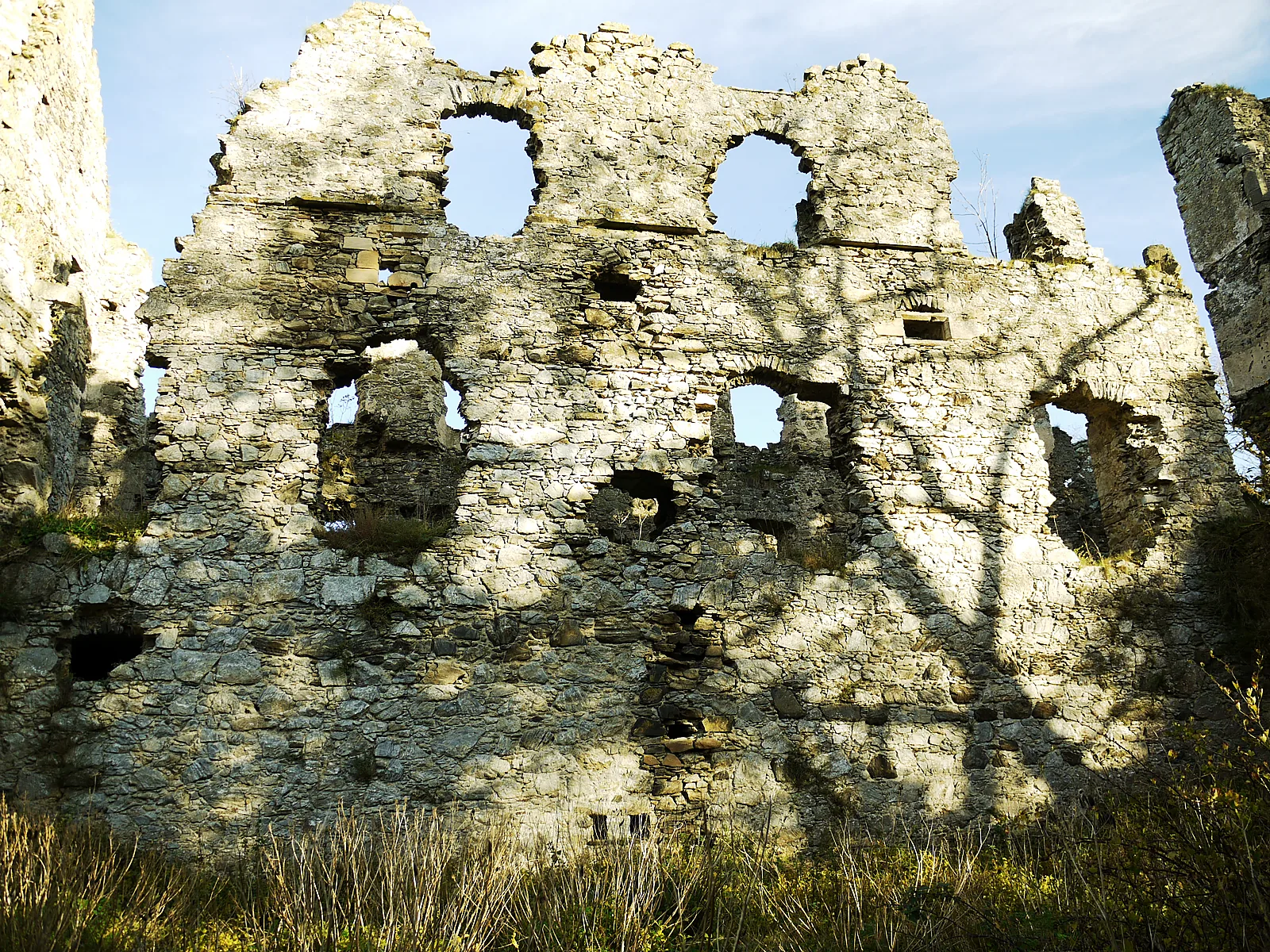
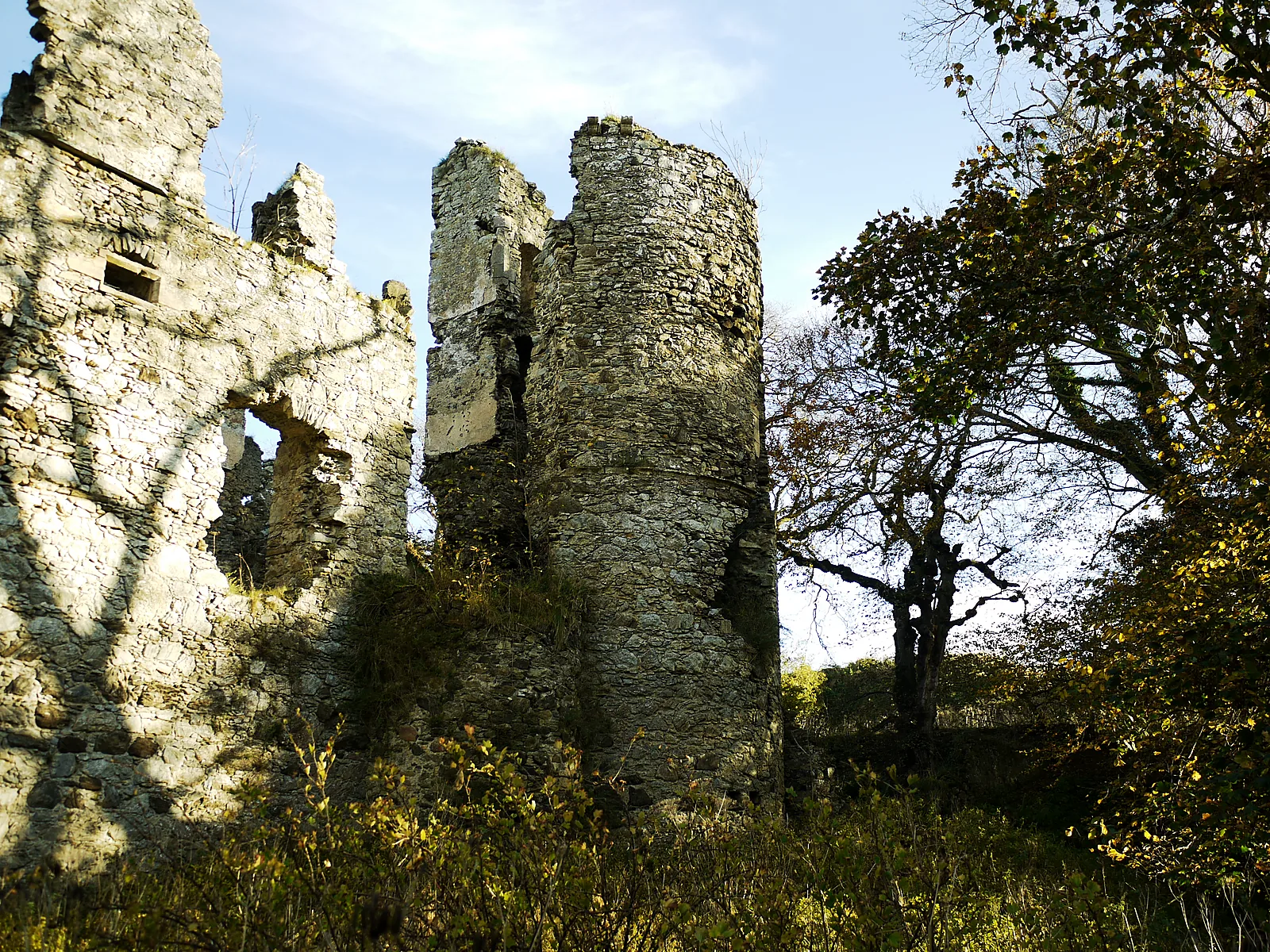
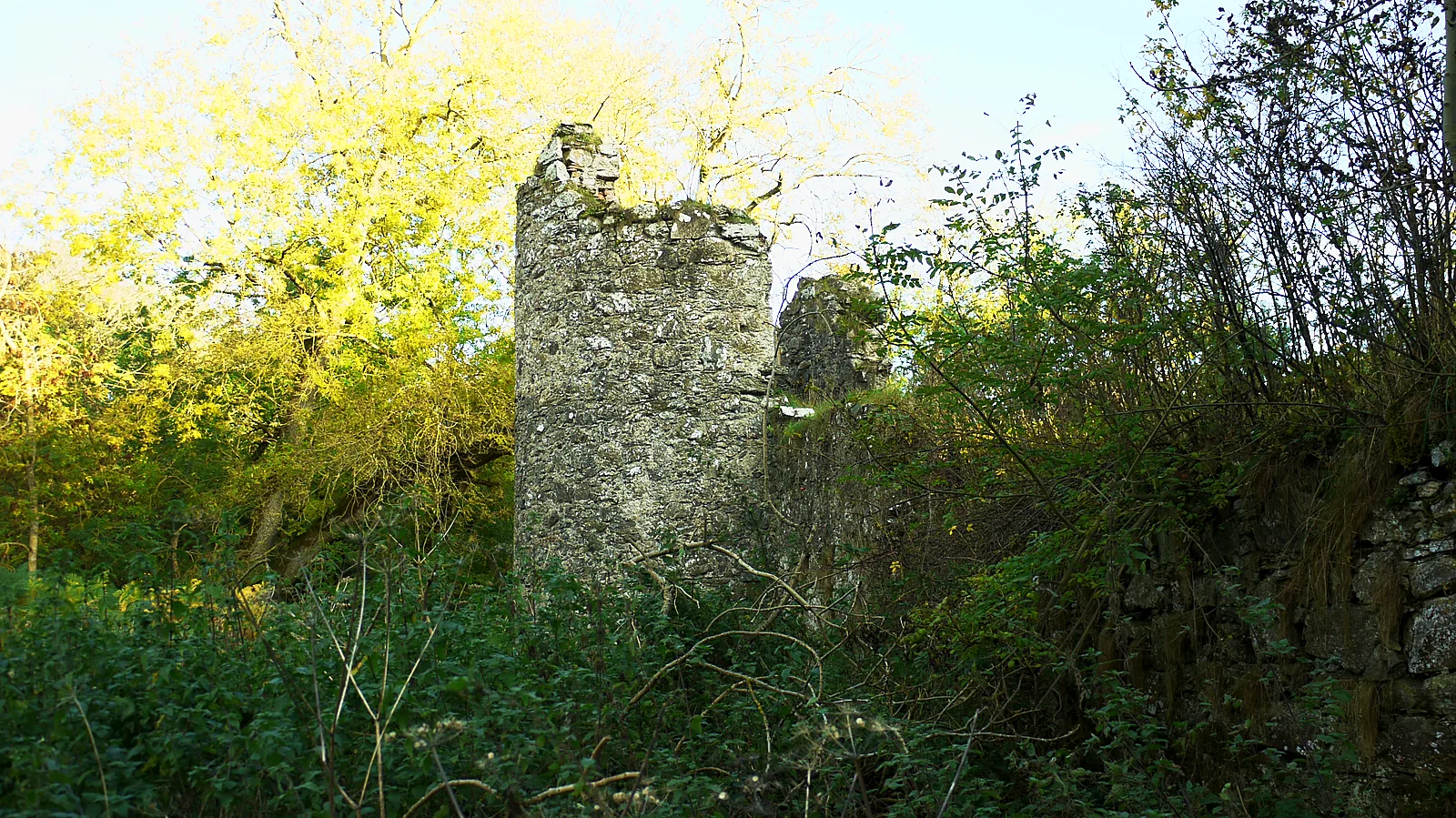
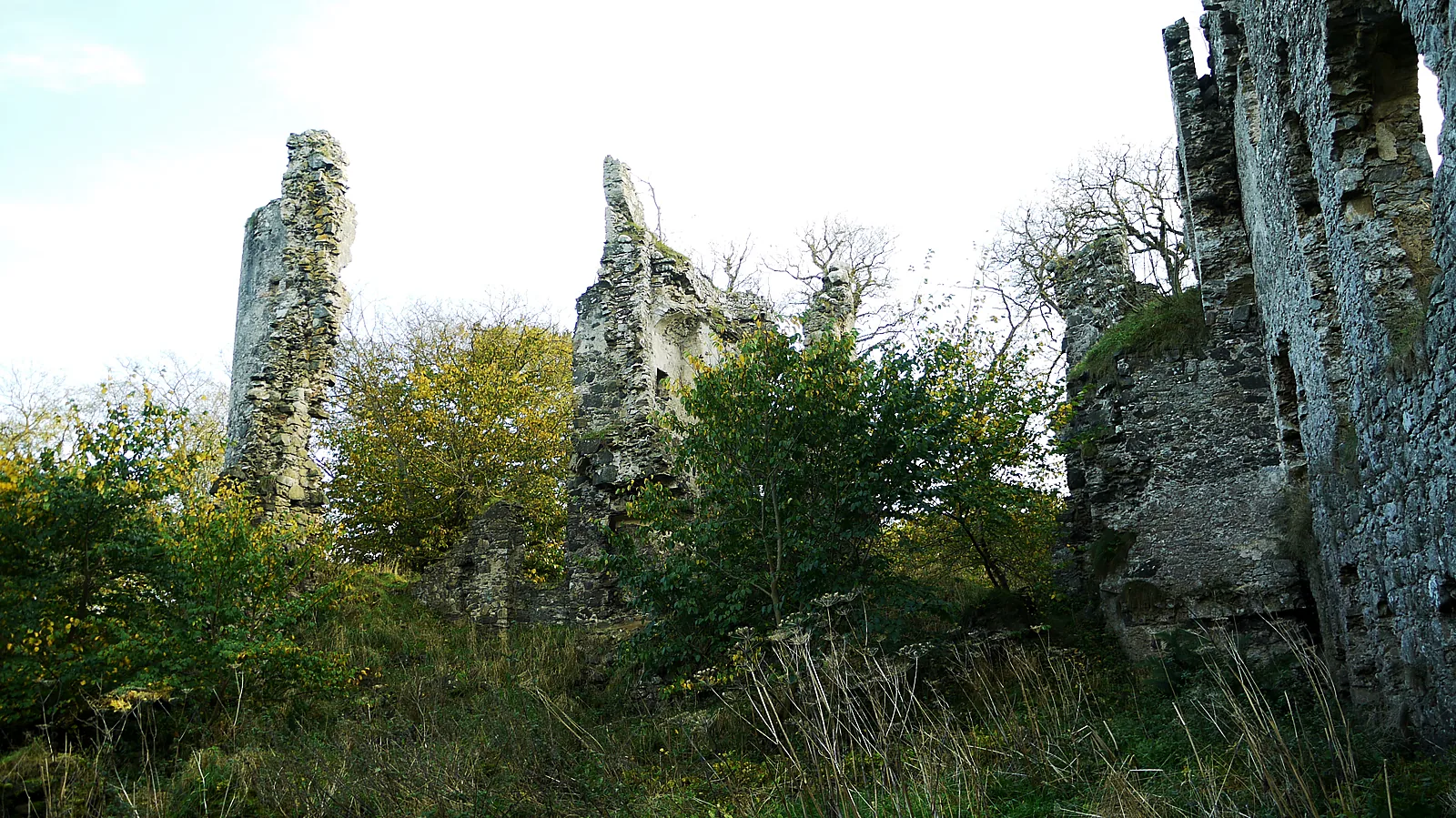
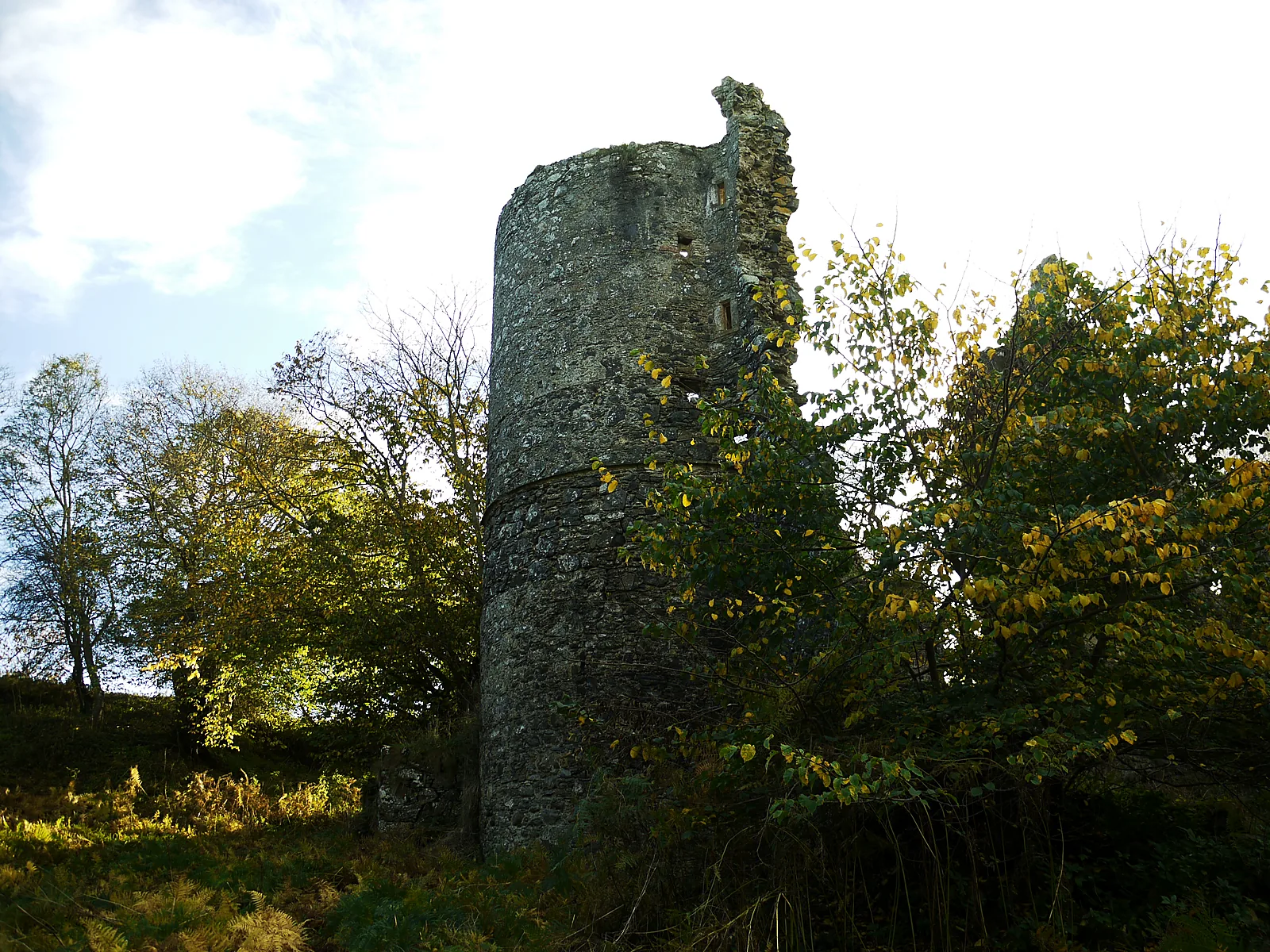
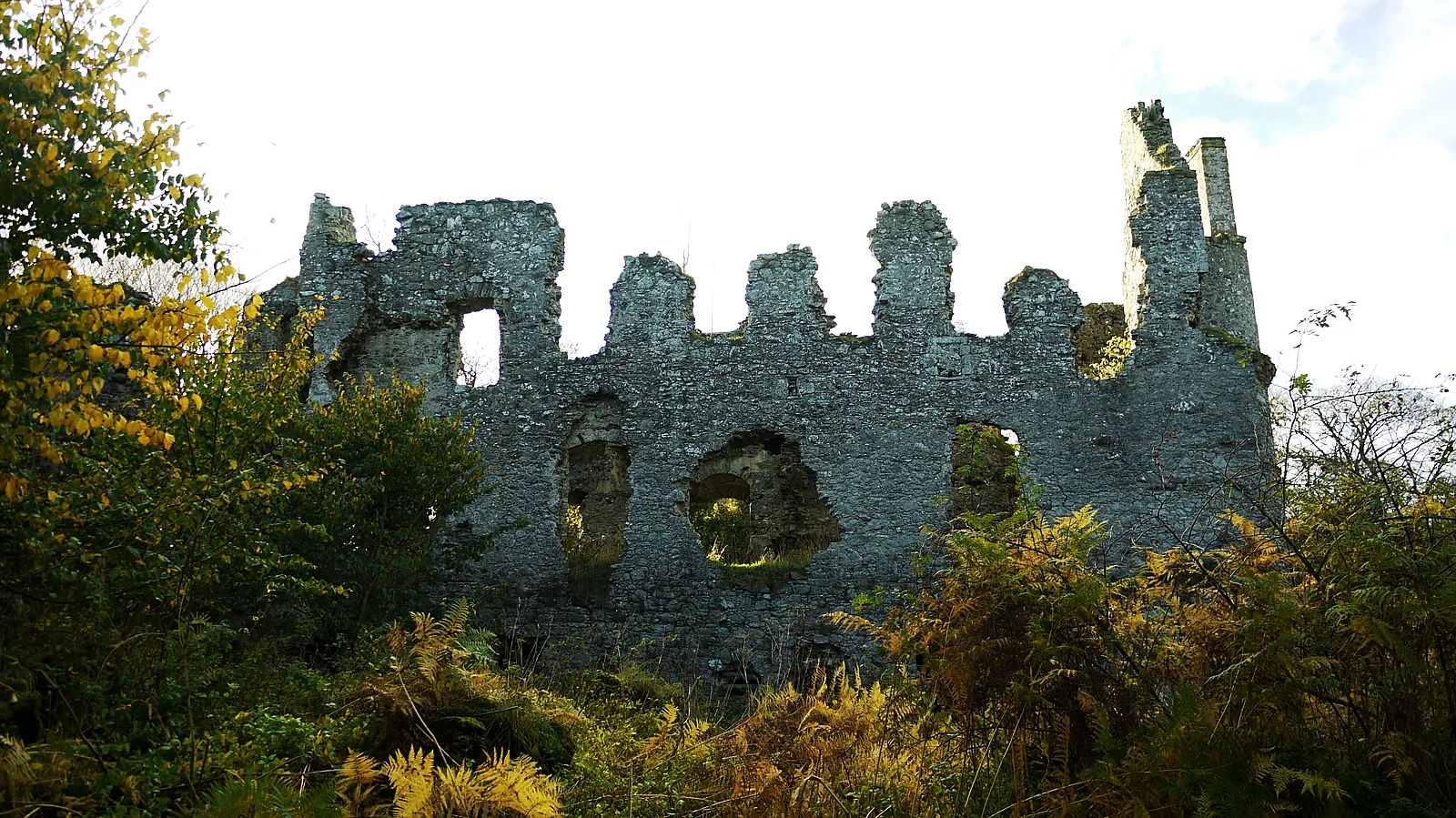
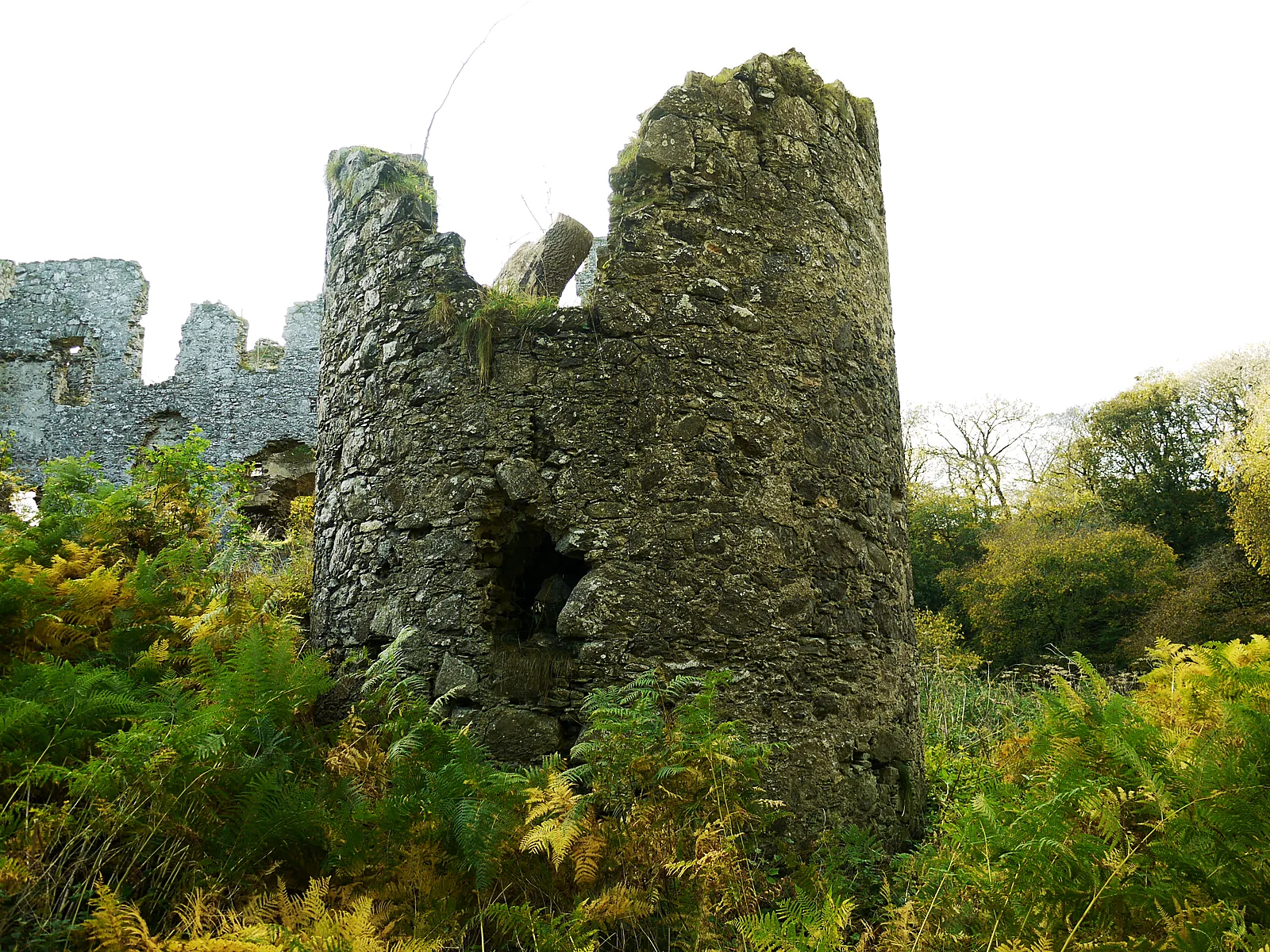
Boyne’s story begins before the present castle. Historic Environment Scotland records an earlier fortified site on the opposite bank of the Burn of Boyne. The estate passed to Sir John Ogilvie in 1486 and was acquired by Sir George Ogilvie of Dunlugas in 1575. The imposing courtyard castle was probably built soon afterwards, towards the end of the 16th century. Its design combined the prestige of a Renaissance-era residence with defensive-looking features: a rectangular courtyard, round corner towers, a twin-towered southern entrance and a causeway across a deep dry moat. The western walls still stand; the southern buildings are largely destroyed and the eastern range almost entirely demolished. Aberdeenshire’s Historic Environment Record notes that the building was still used as a grand house in 1723. Historic Environment Scotland’s historical description records the estate passing by purchase to the Earl of Findlater and Seafield in 1731. Later stone-robbing and decay left the roofless ruin seen today. Boyne remains legally protected as Scheduled Monument SM354.
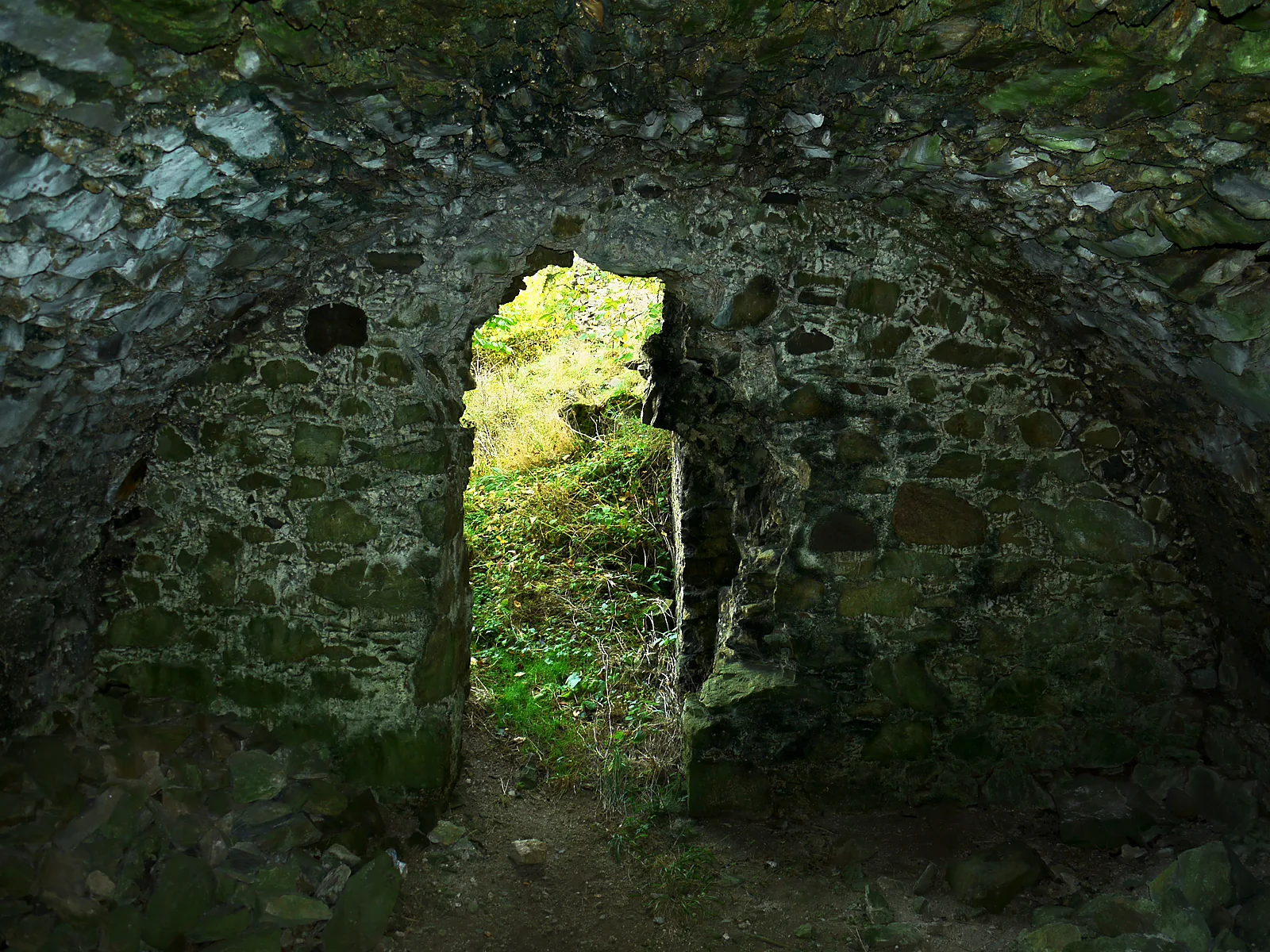
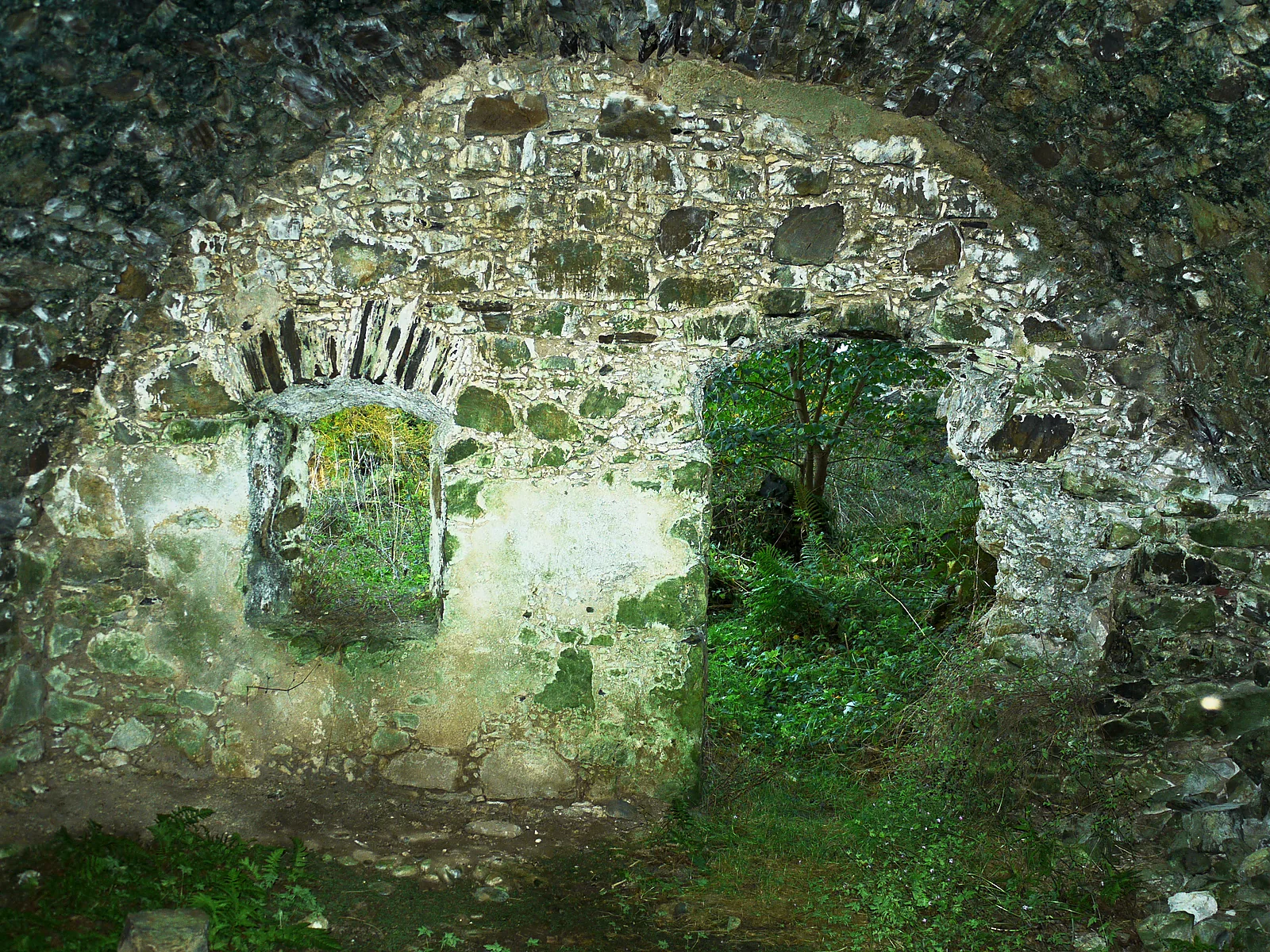
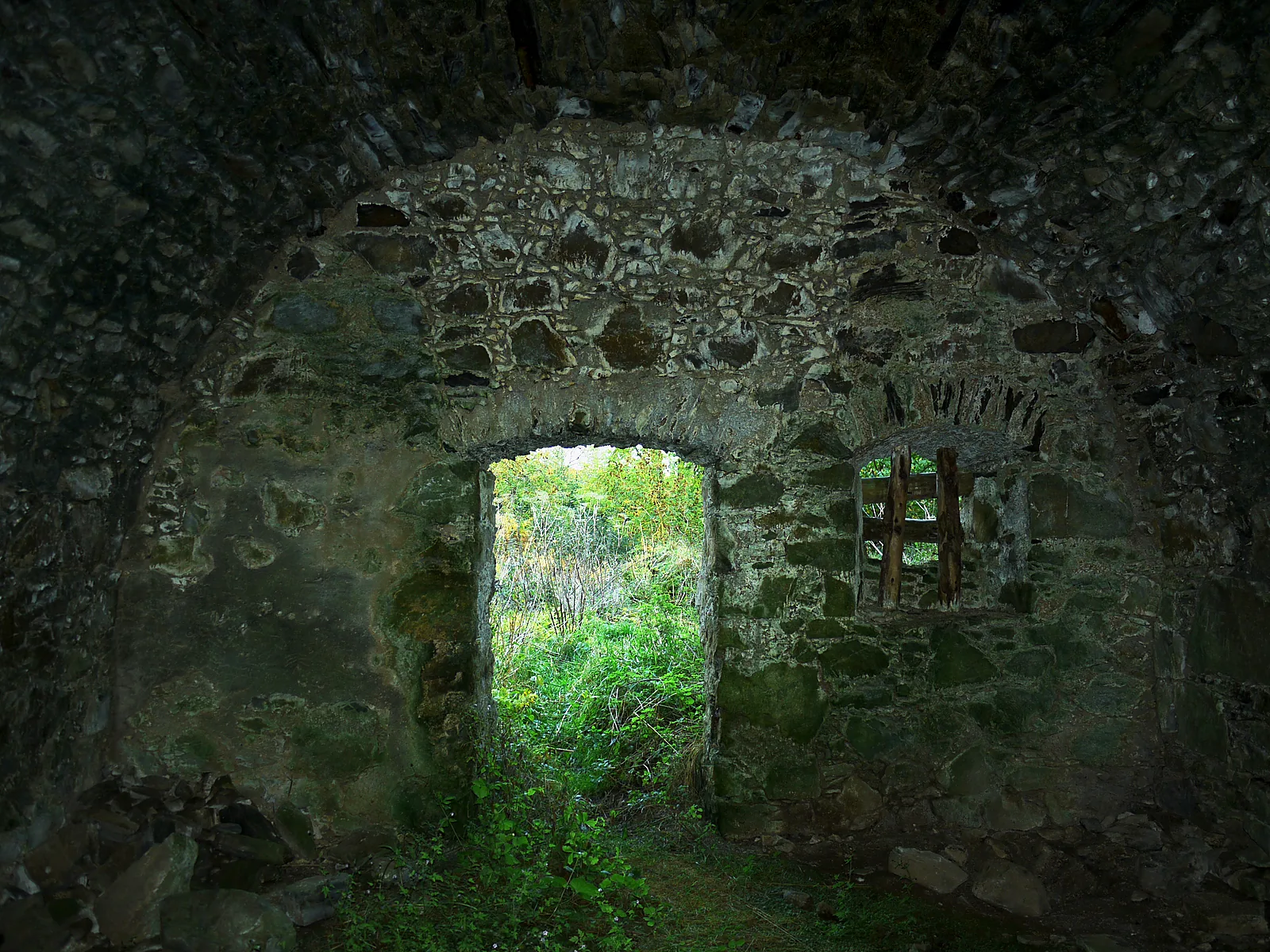
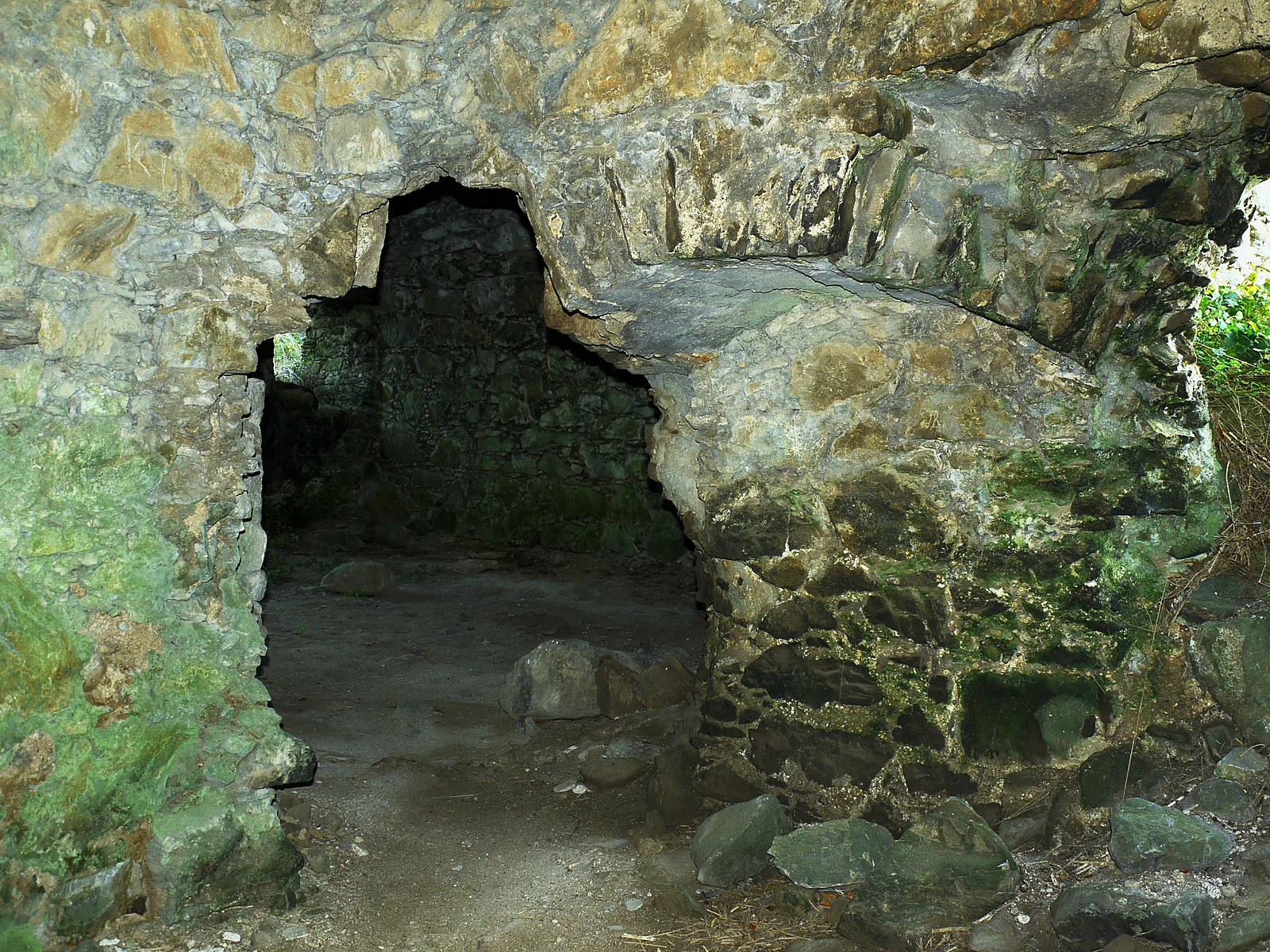
The outline of the courtyard, the surviving western walls, rounded towers and traces of the former approach help visitors imagine the scale of the original residence. Dense vegetation may hide parts of the masonry. The steep gorge and the deteriorating structure make close exploration hazardous; do not climb on the walls or enter areas where stonework appears unstable. This guide does not recommend going inside the ruin. There are no toilets, interpretation facilities or staffed assistance on site.
02 / VISUAL JOURNAL
Photo by zamki-szkocji.com
10 of 28 photographs
01 / THE STORY CONTINUES
The historic harbour town of Portsoy is a natural place to combine with a wider visit to this part of the coast. Boyne Bay also lies to the north of the castle, although access there should be planned separately rather than assumed from the castle approach.
08 / EXPLORE NEXT
Find Scottish castles by region, landscape or the stories that bring them to life.
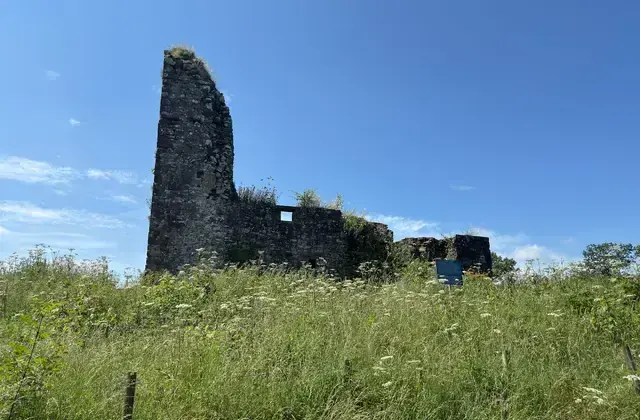 Dumfries & GallowayLochwood Castle
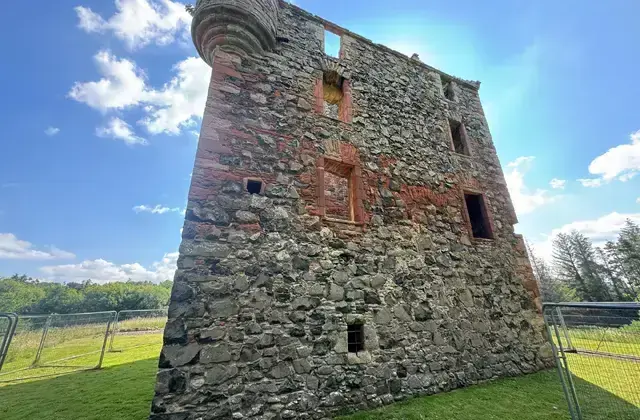 Scottish BordersGreenknowe Tower
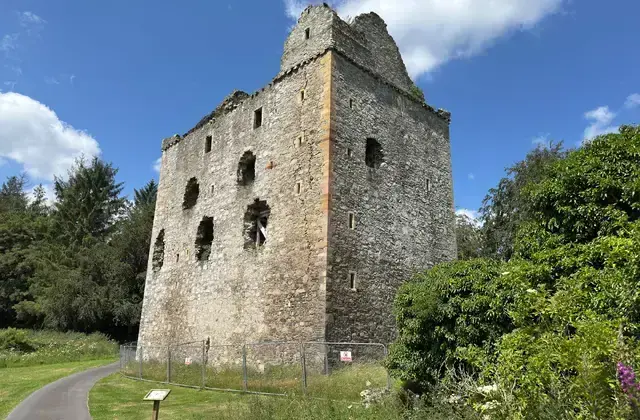 Scottish BordersNewark Tower