01 / THE STORY
Dunskey Castle: history and highlights
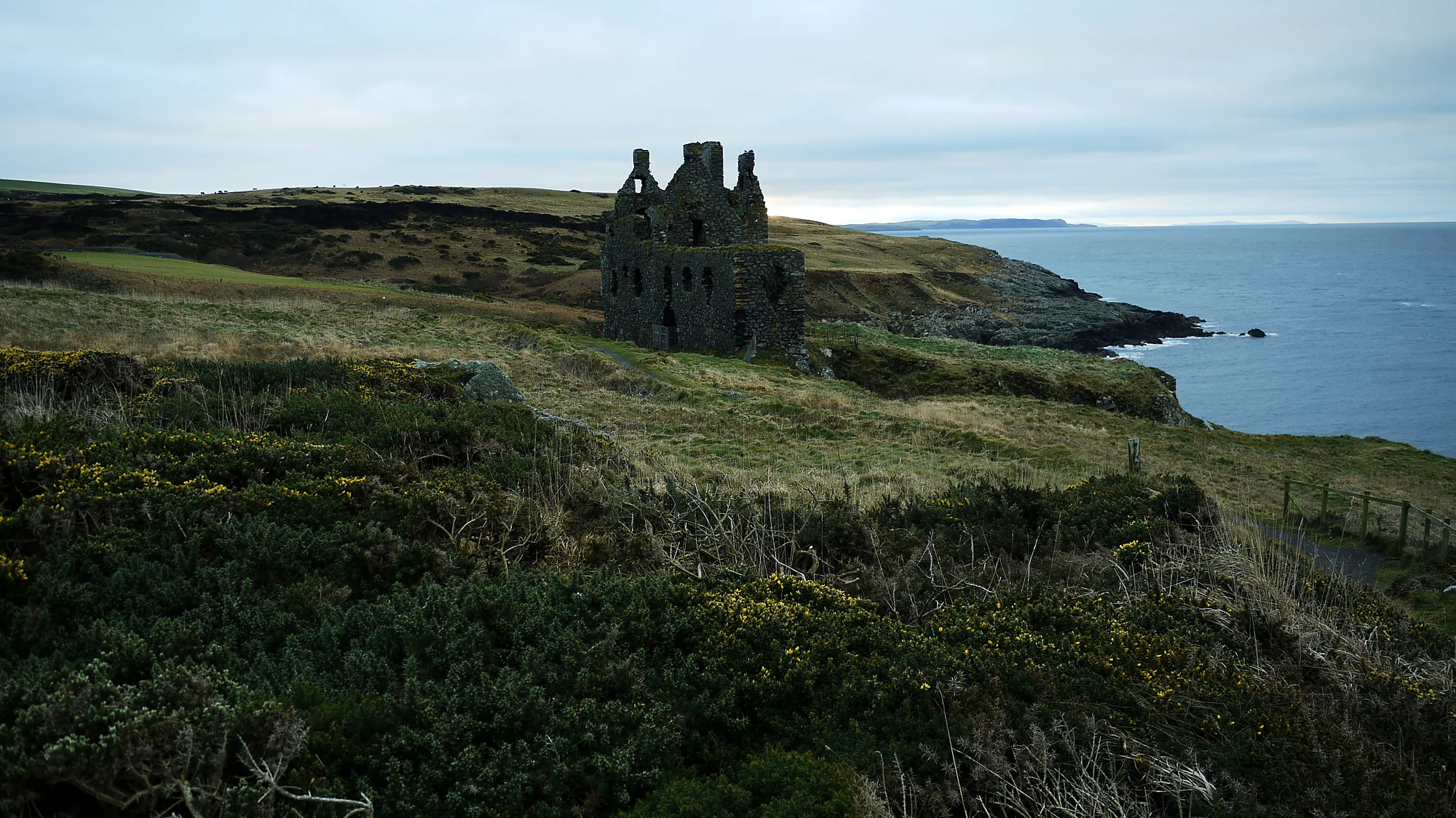
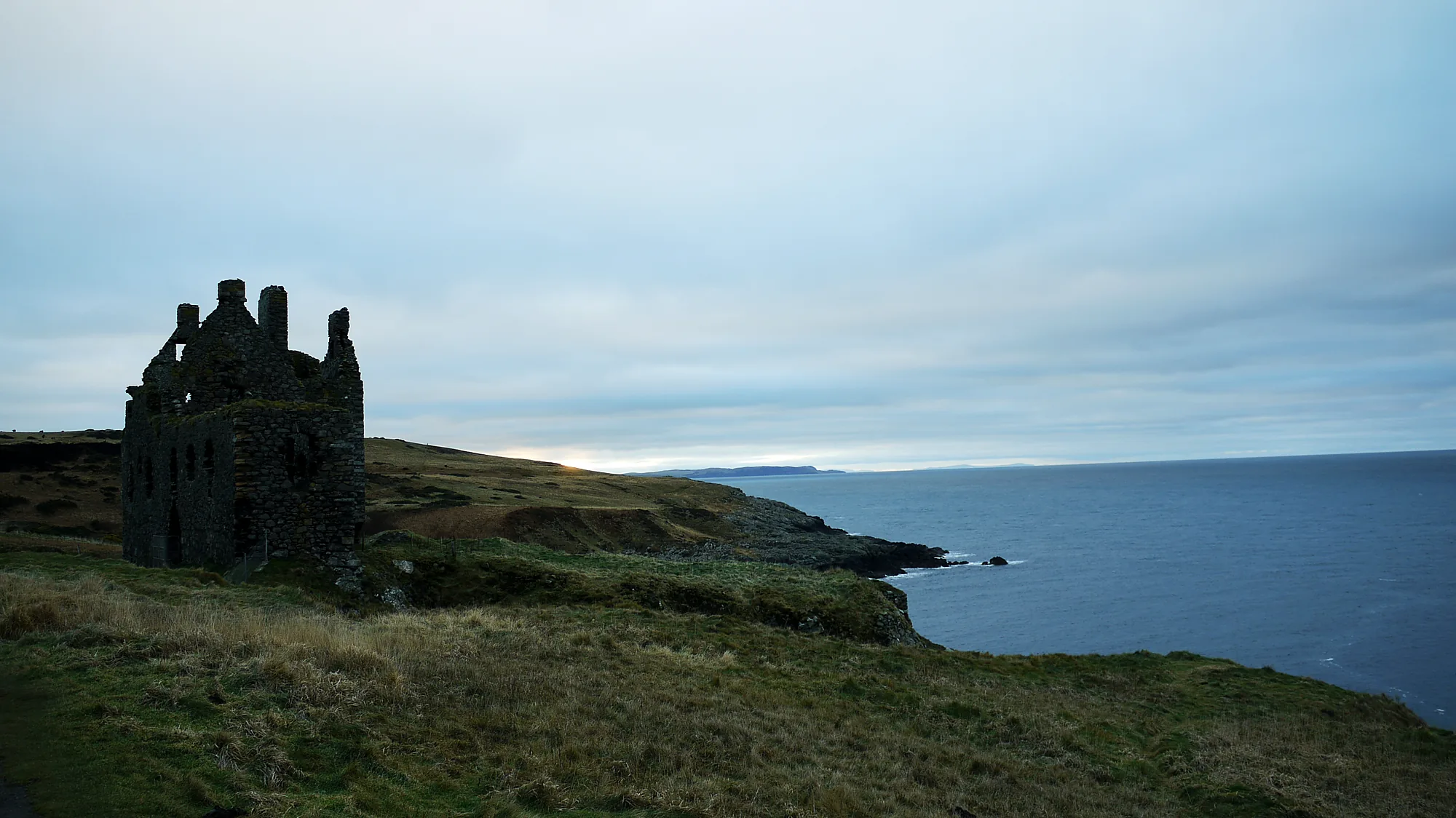
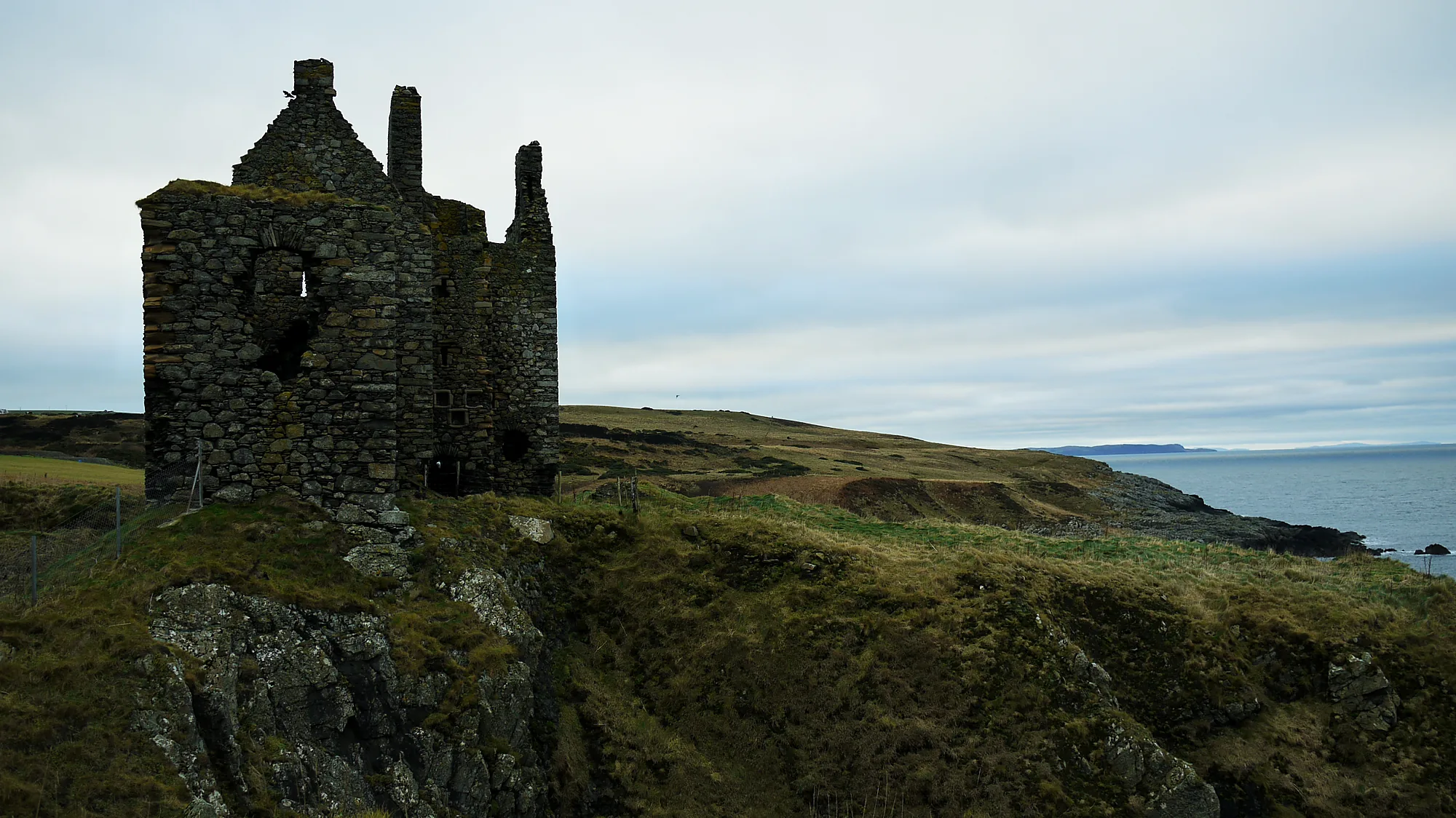
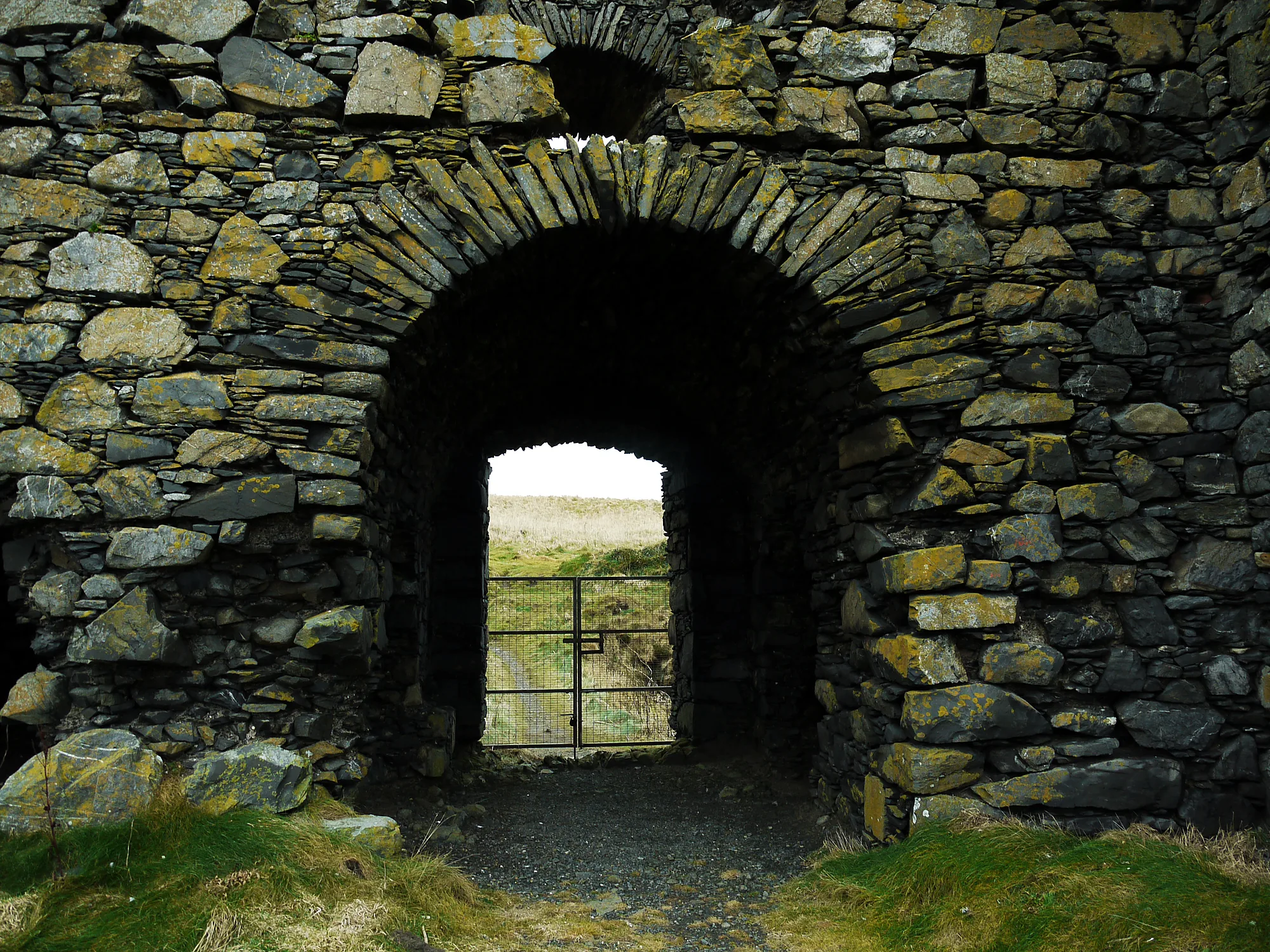
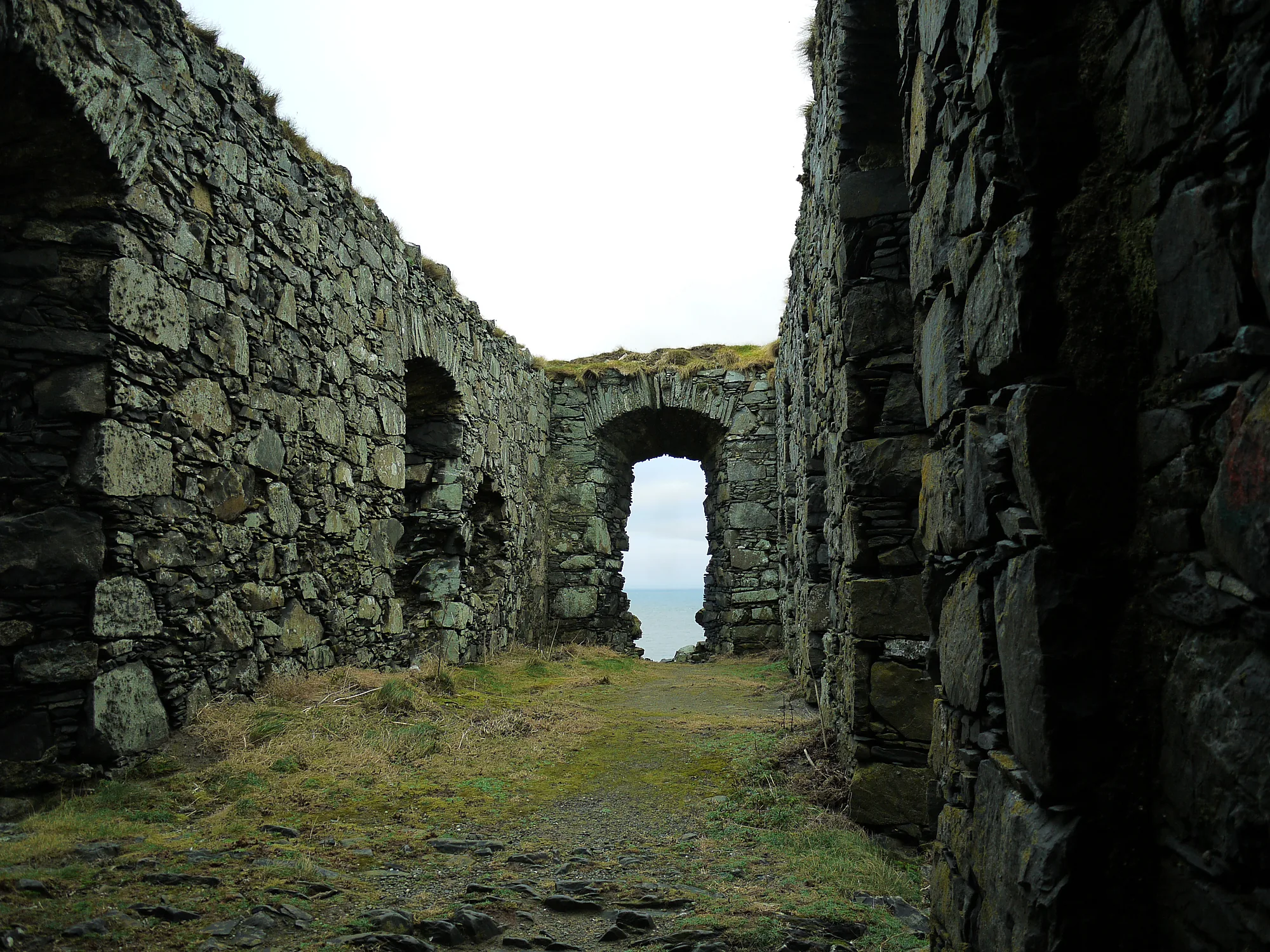
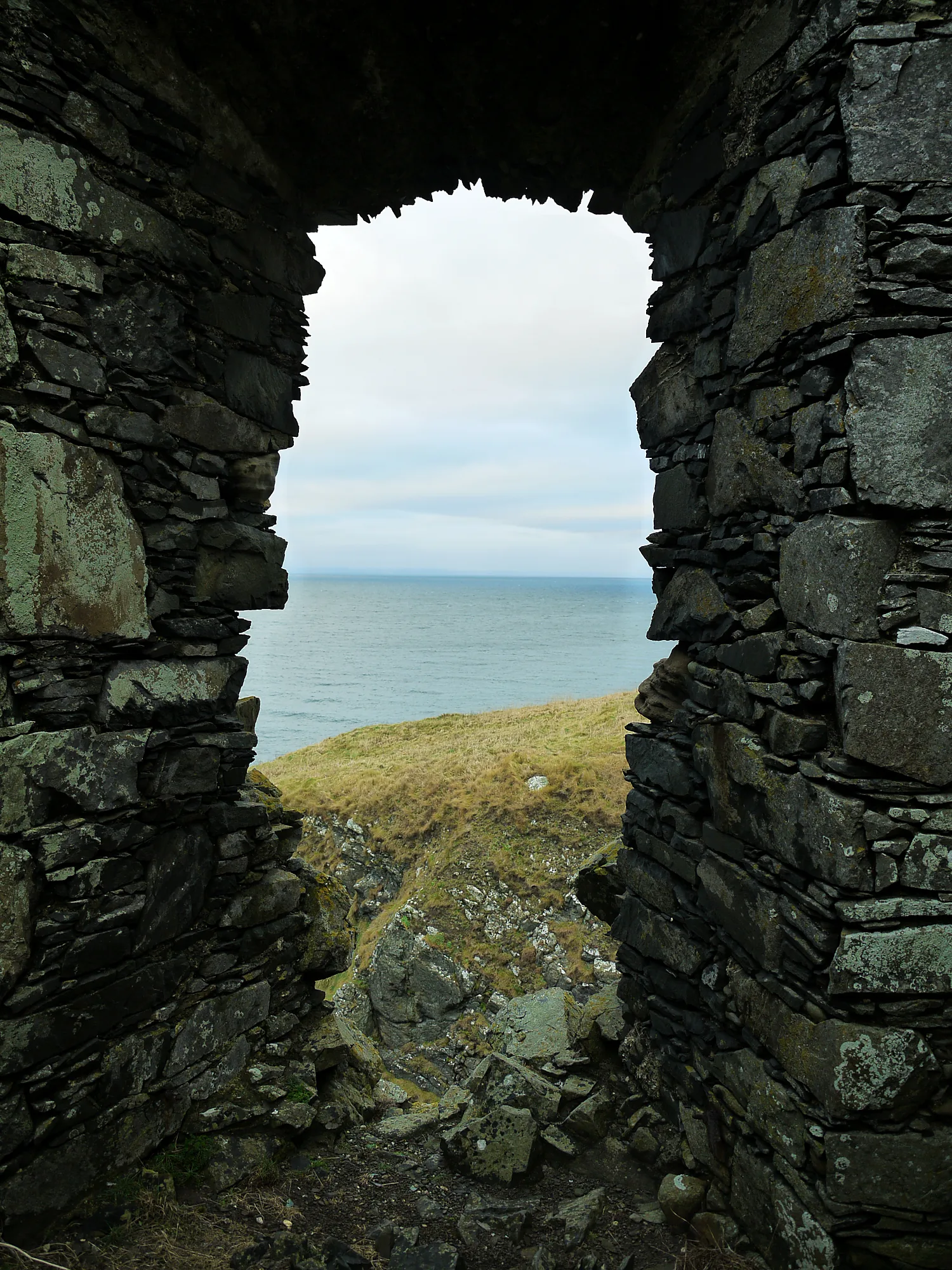
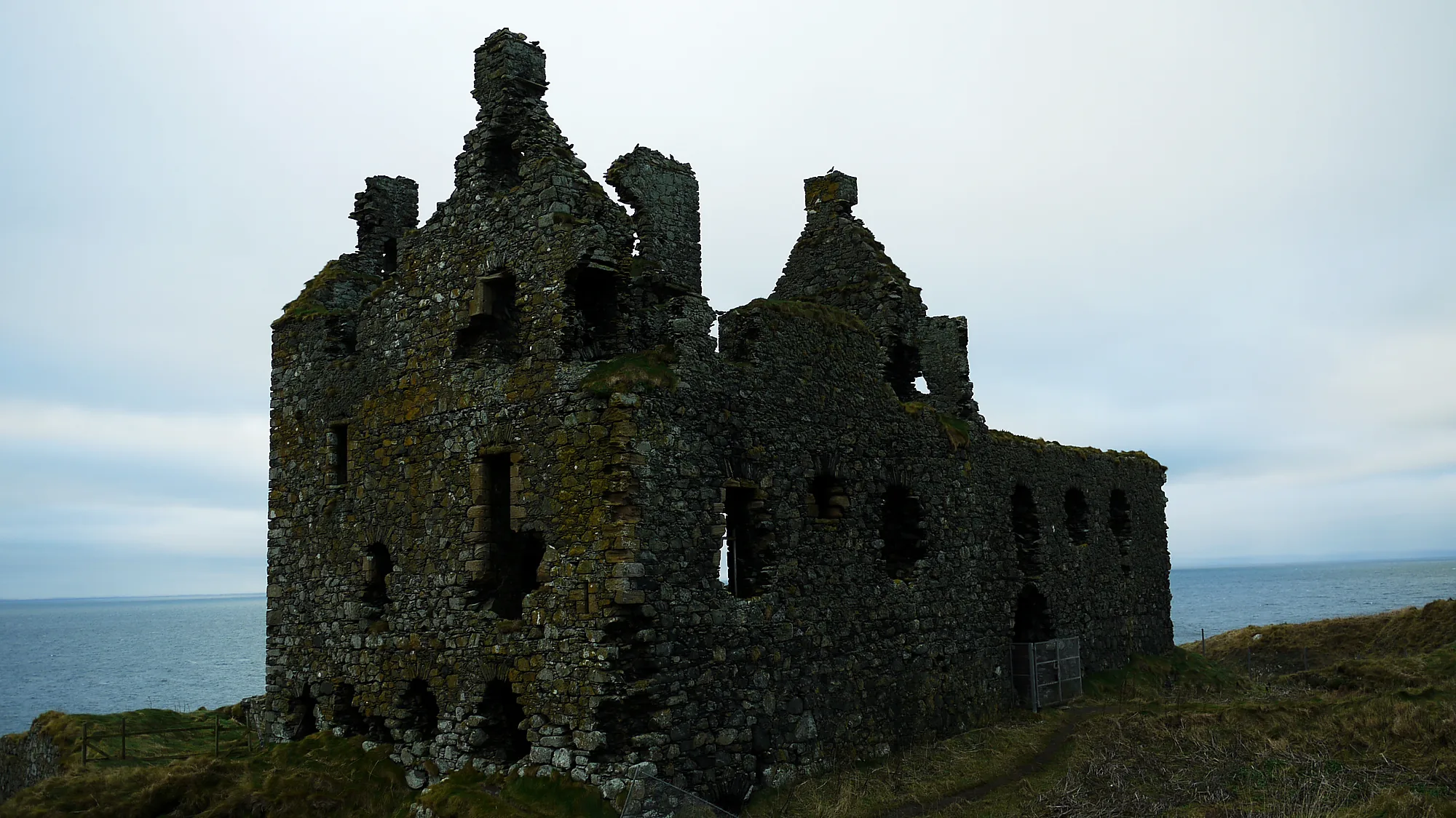
The ruins of Dunskey Castle stand on a rocky headland near Portpatrick. The sea lies below its walls, while a deep ditch cuts the stronghold off from the land. A coastal path leads to the castle, making the walk part of the experience.
History on the cliff edge
The surviving castle dates from the early 16th century and was the home of the Adairs of Kinhilt. Construction is generally thought to have begun around 1510. An earlier stronghold was burnt in 1489; historical accounts describe this as MacCulloch of Myrton’s revenge for William Adair’s killing of Dionysius Hamilton.
Hugh Montgomery bought Dunskey in 1620. Later in the 17th century, the castle passed to the Blair family. By the end of that century it had fallen into decay and is generally described as having been a ruin by 1684.
What can you see?
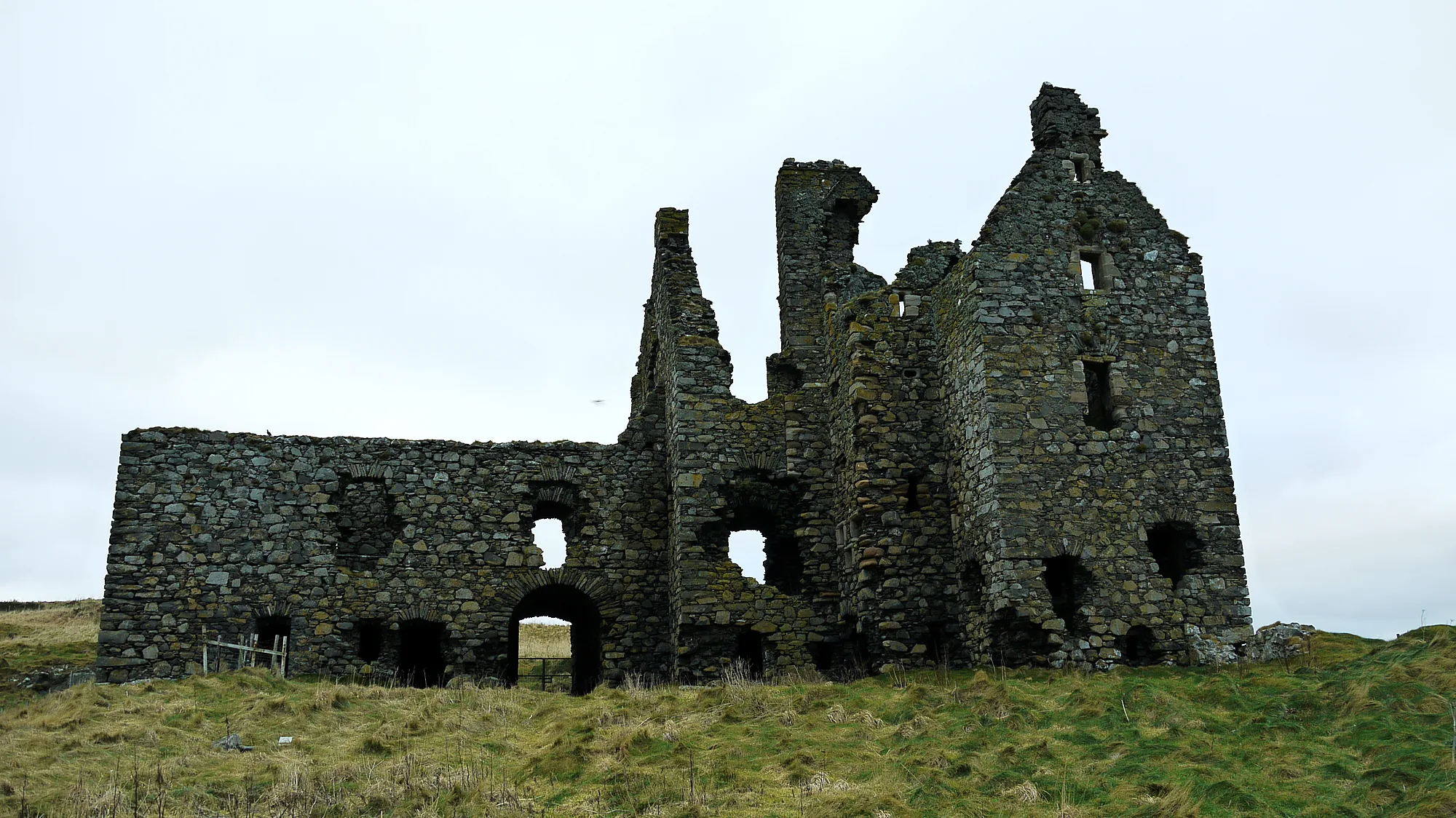
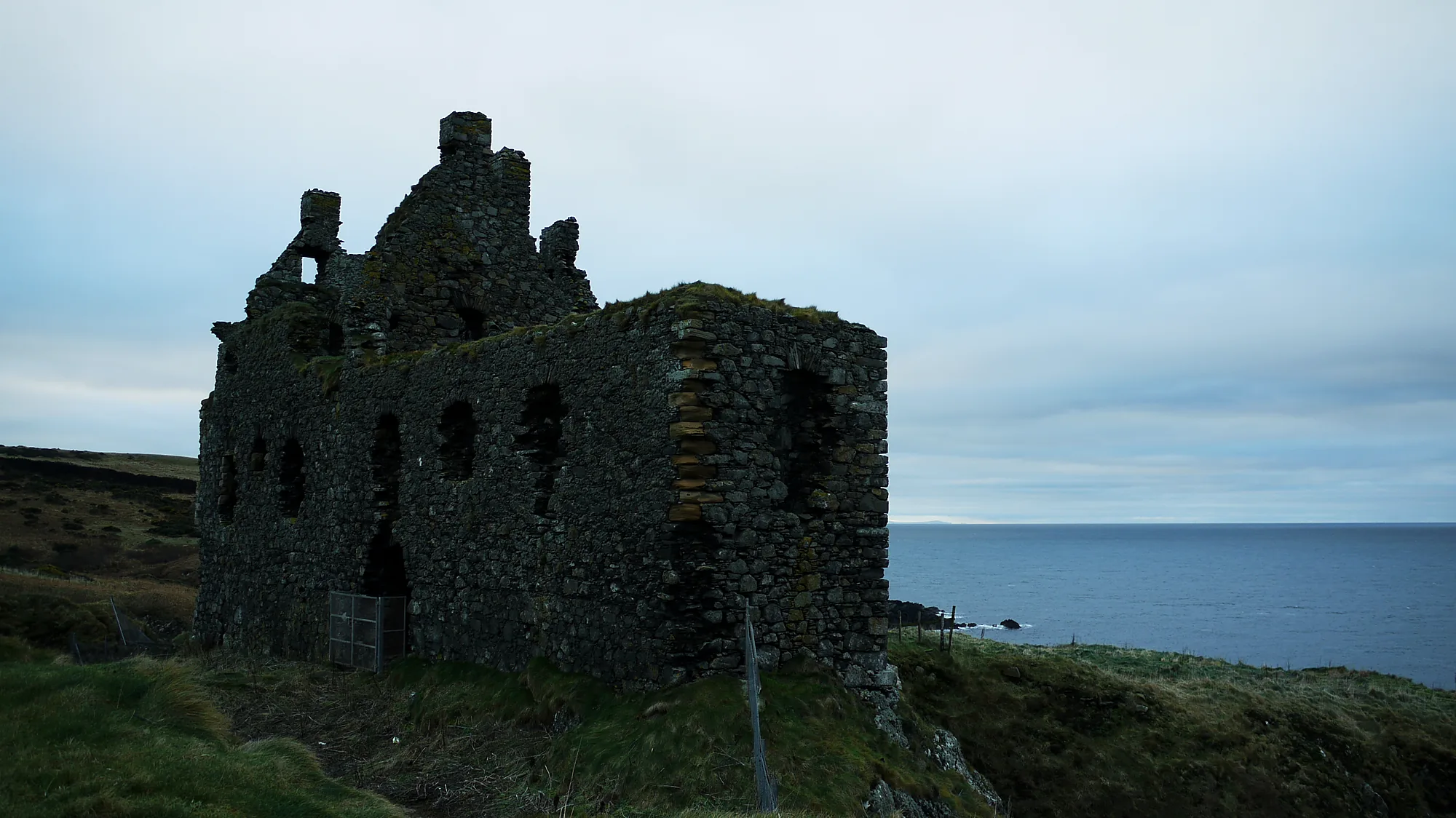
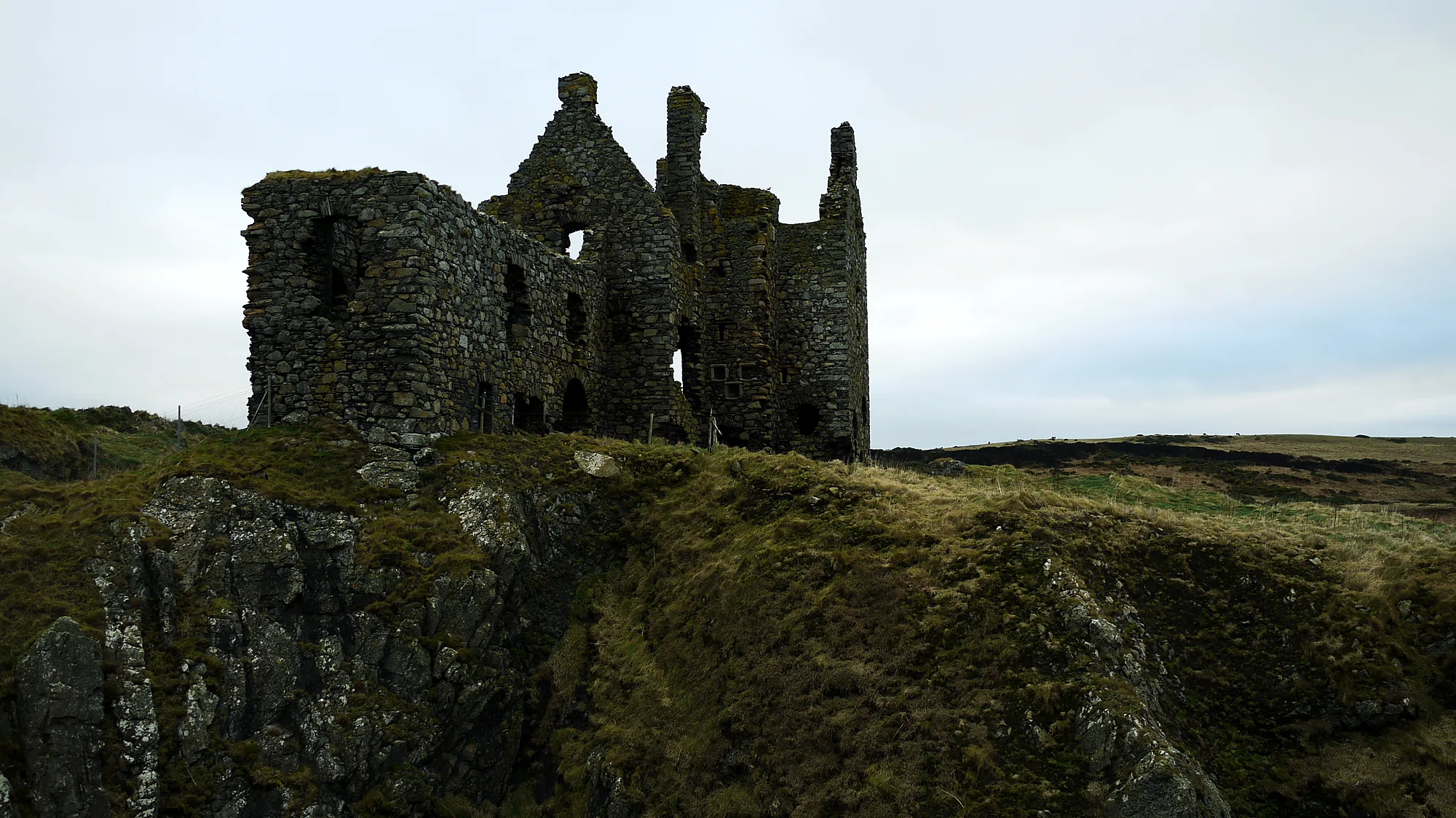
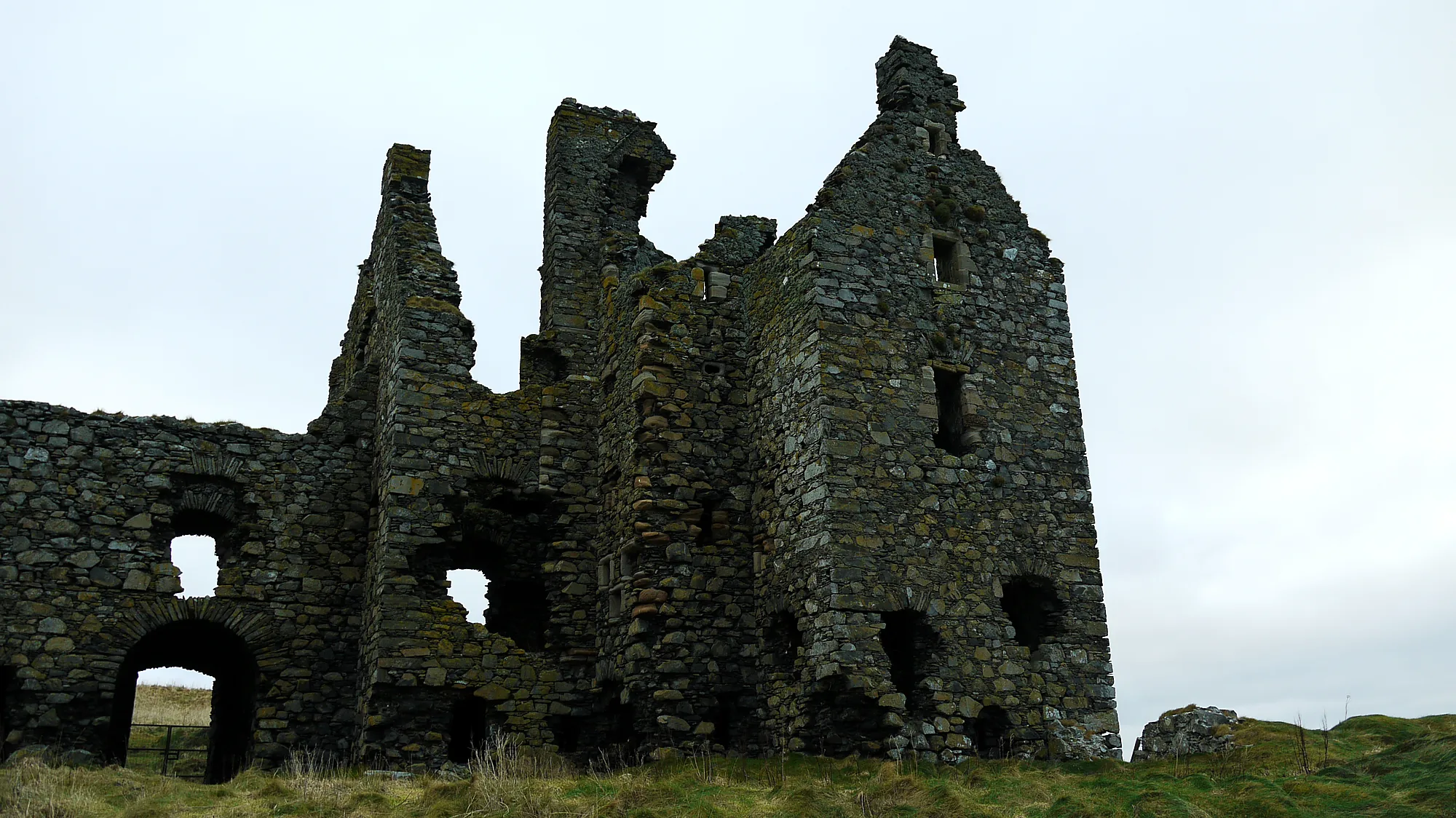
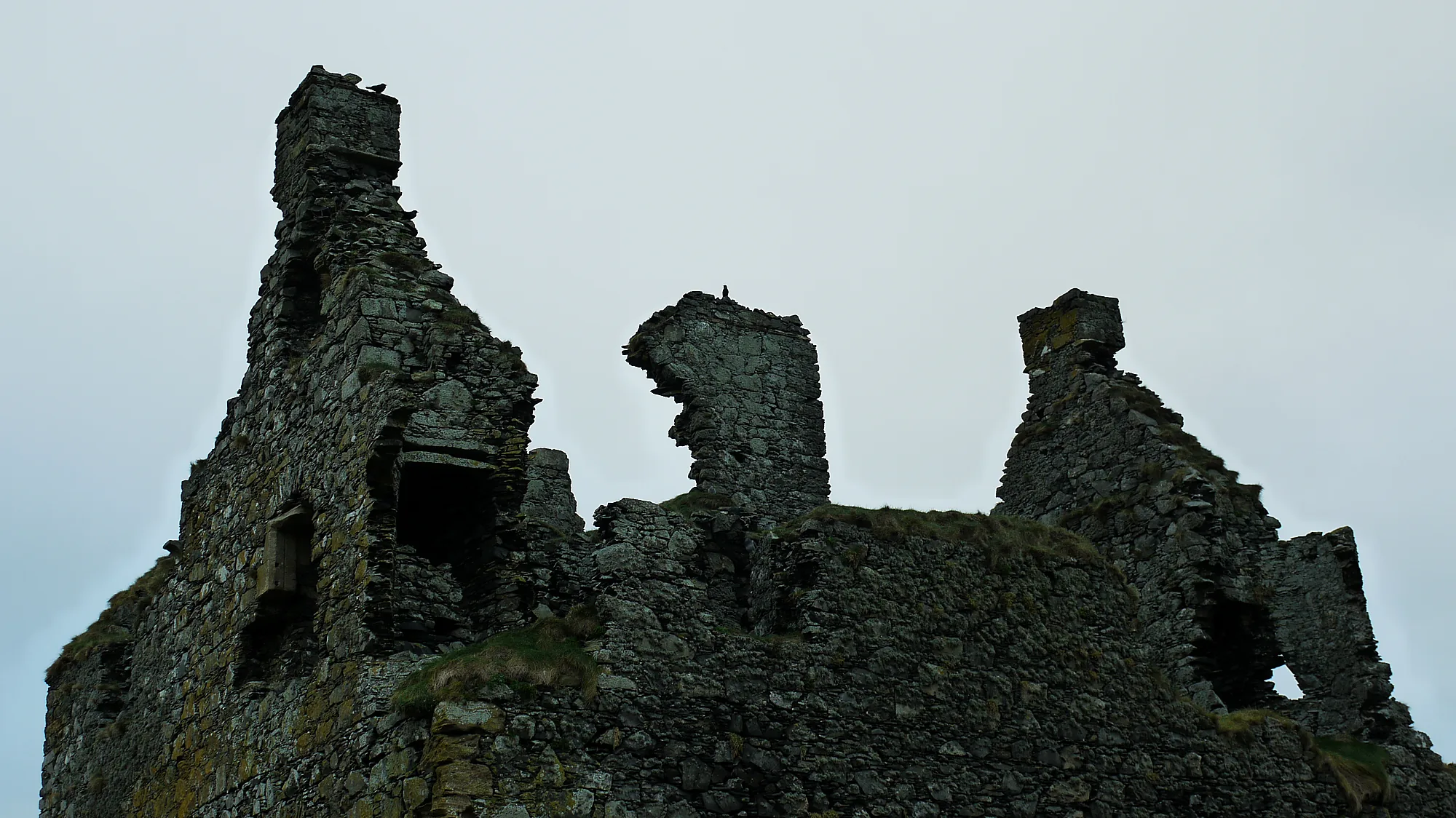
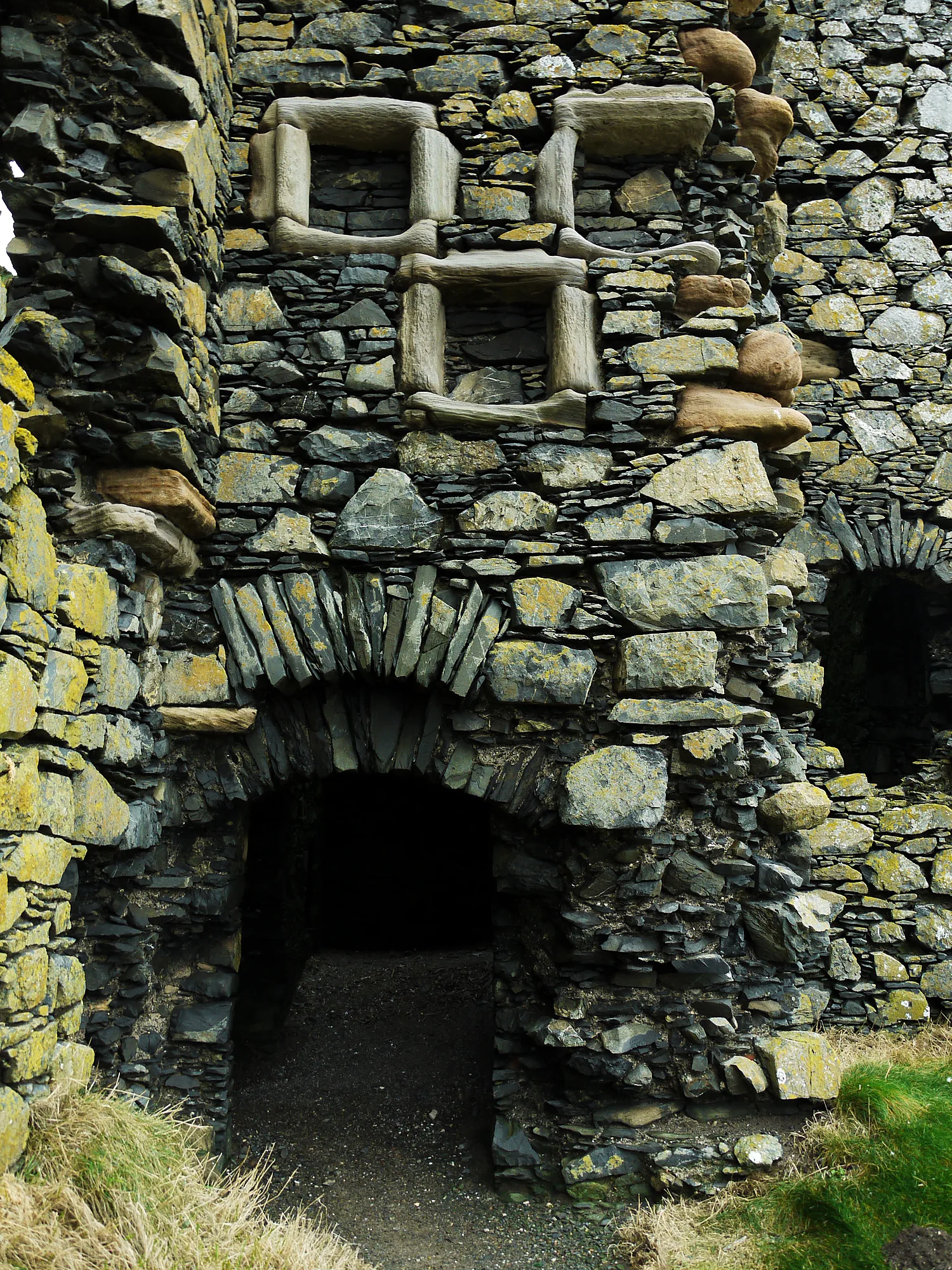
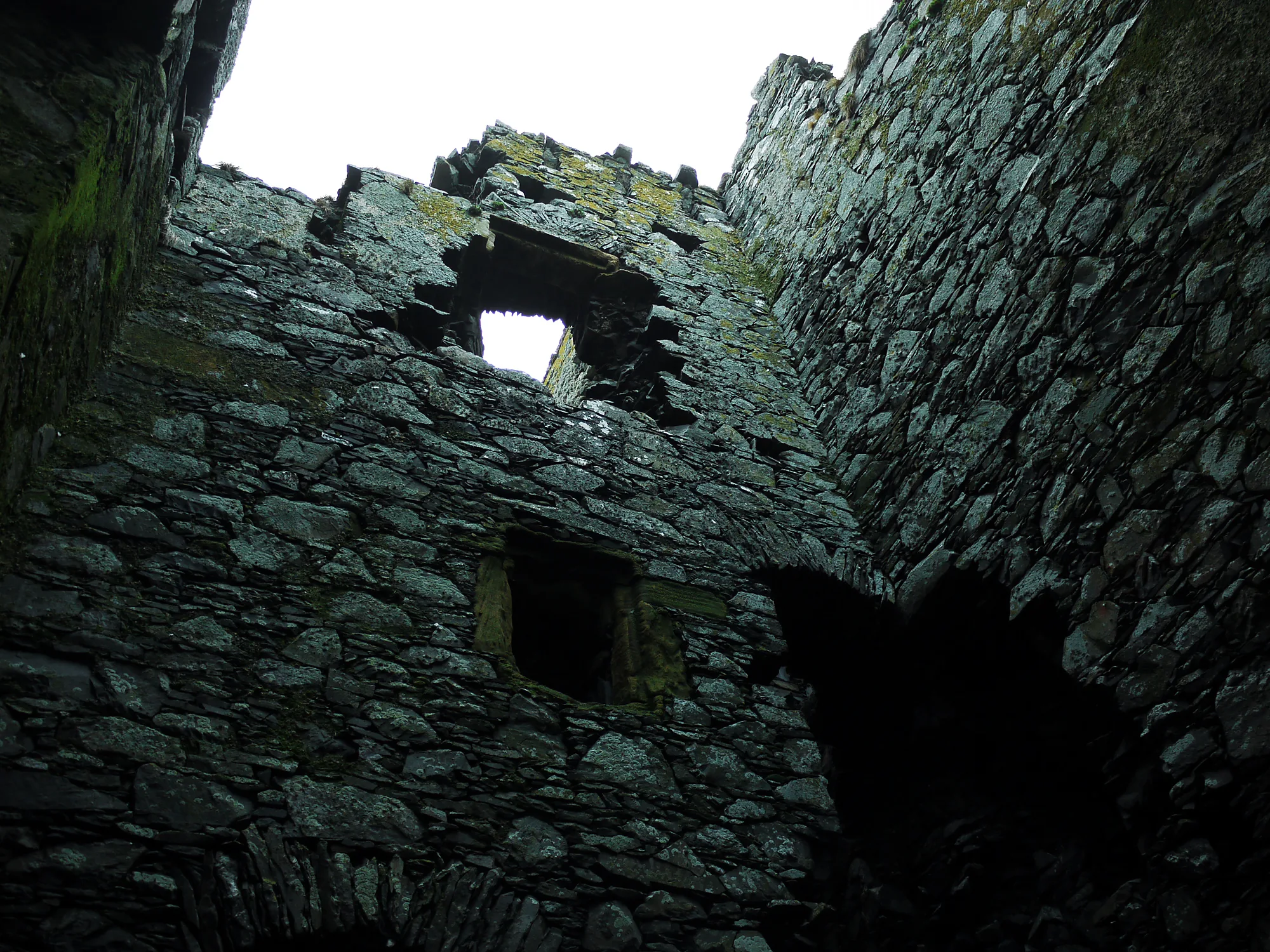
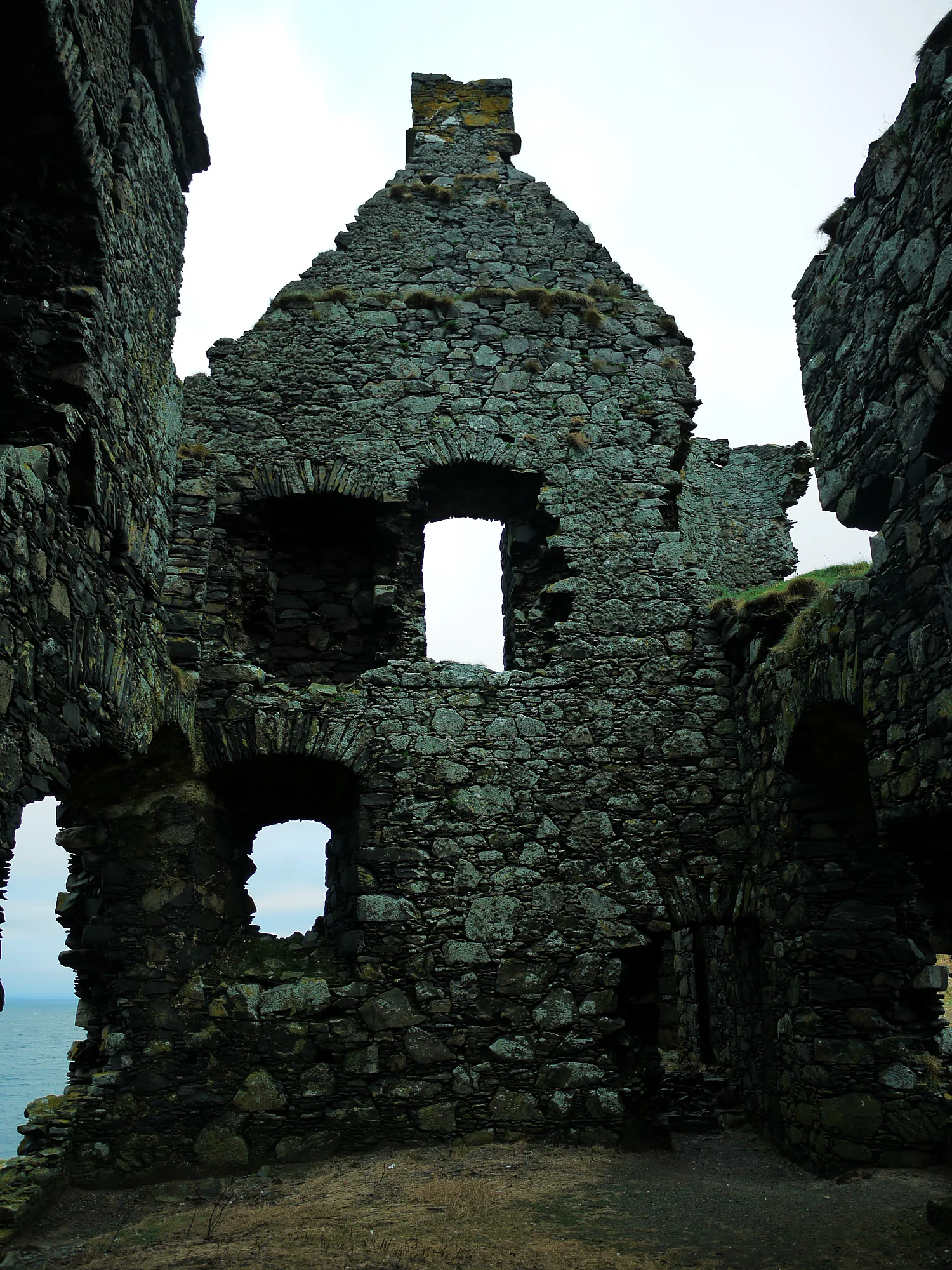
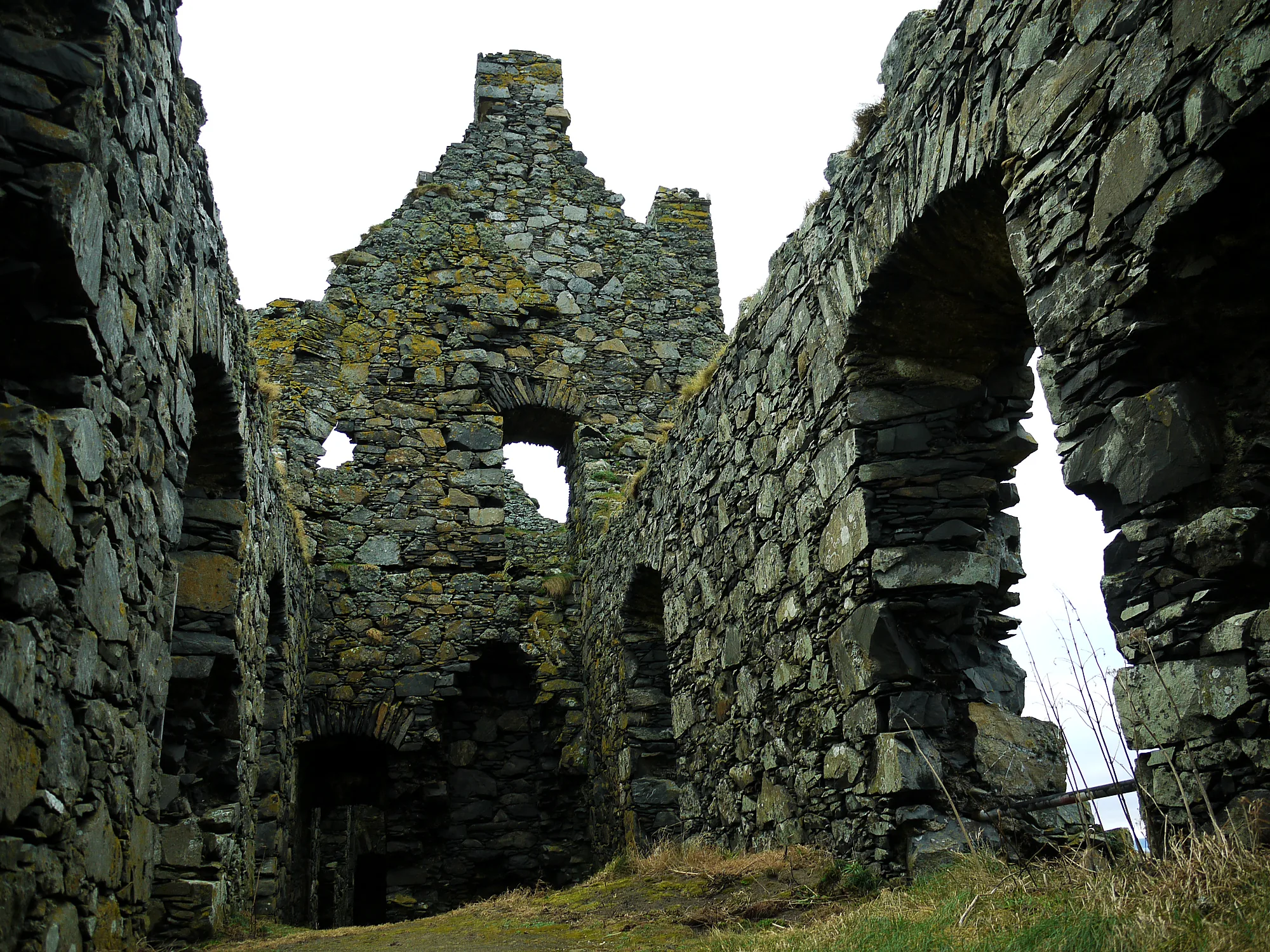
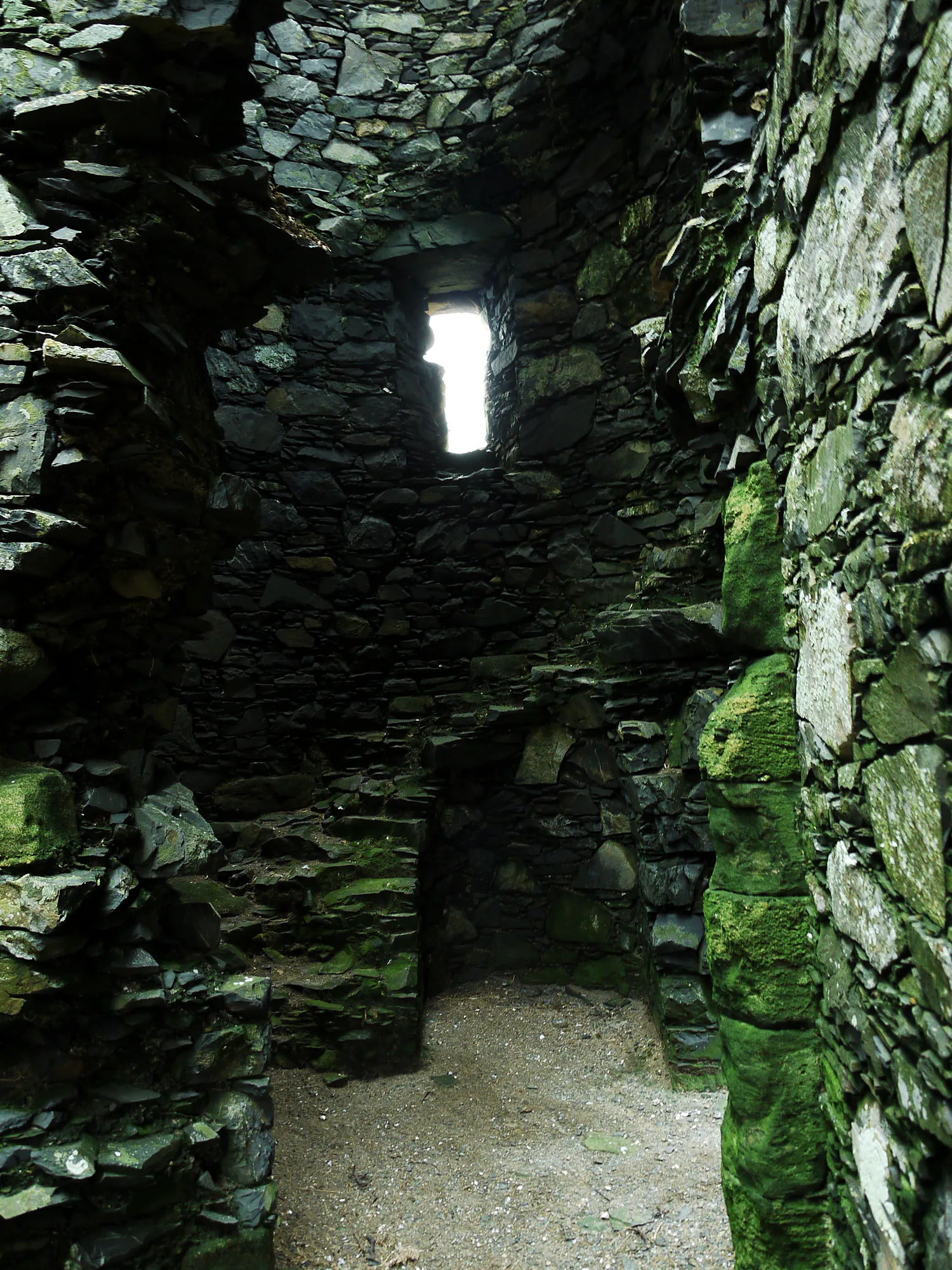
The main building is an L-plan tower house. Tall walls, window openings and traces of former chambers survive. On the landward side, the ditch and narrow approach to the ruins are particularly striking. Cliffs provided natural protection on the other sides.
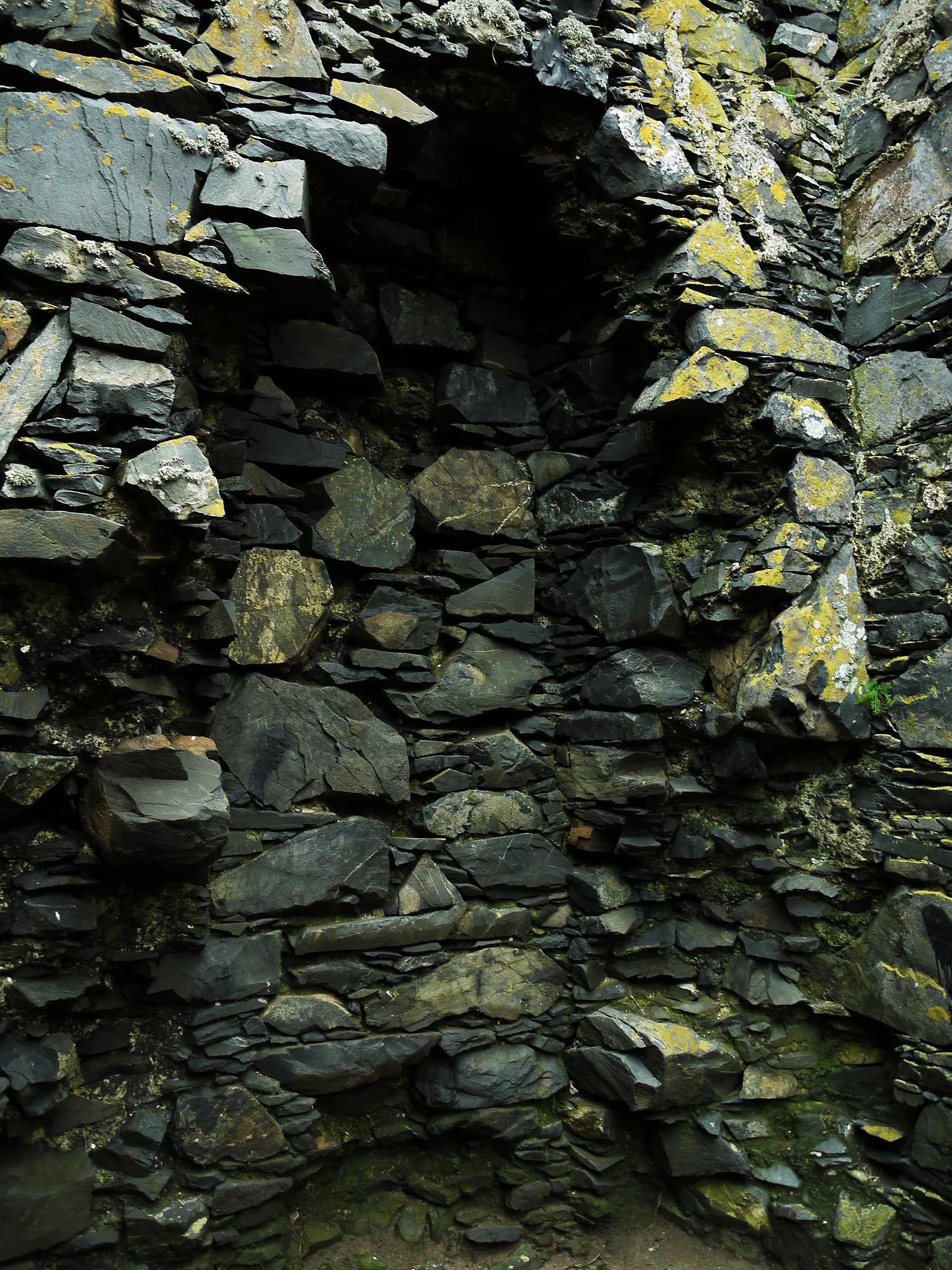
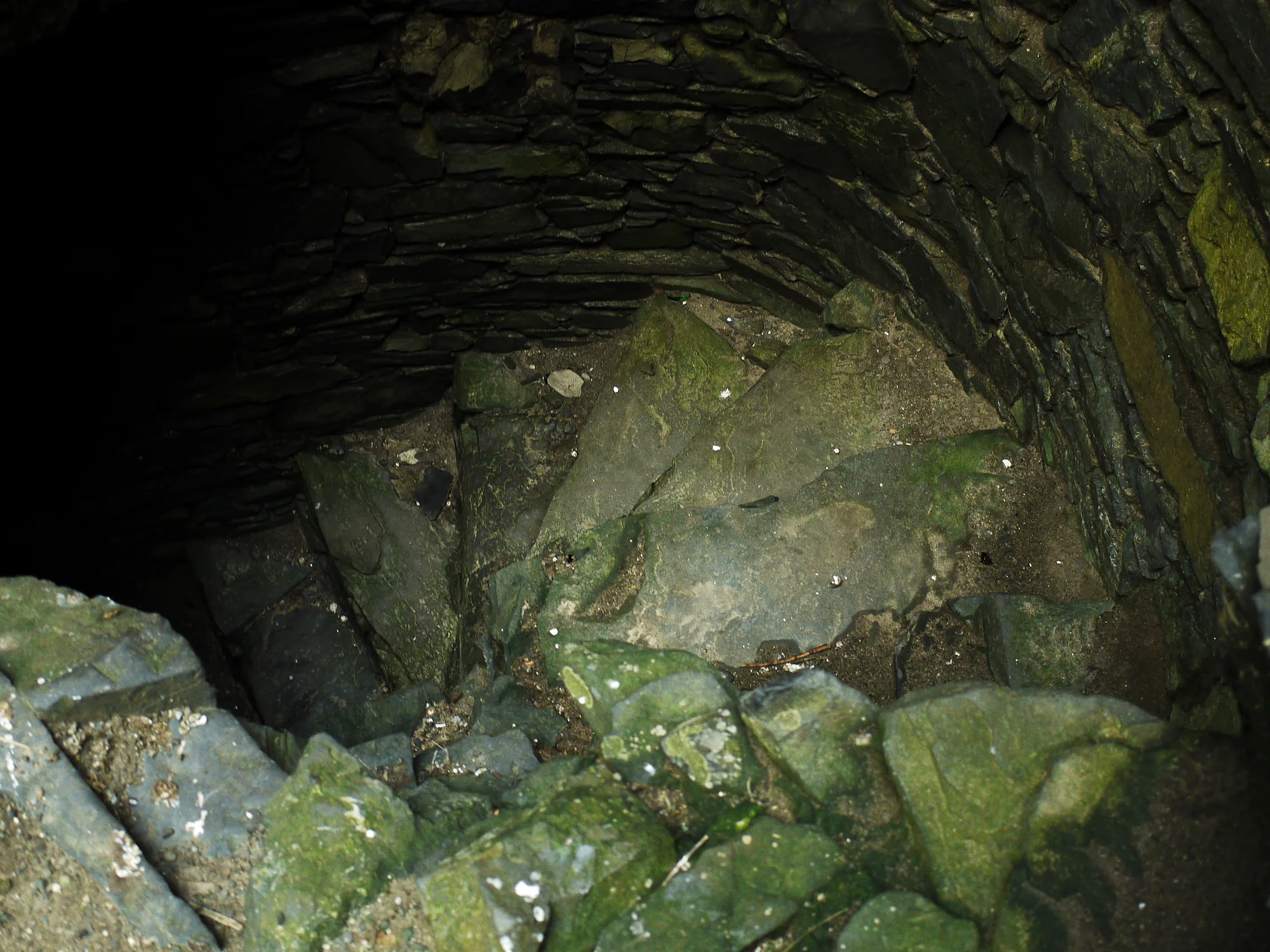
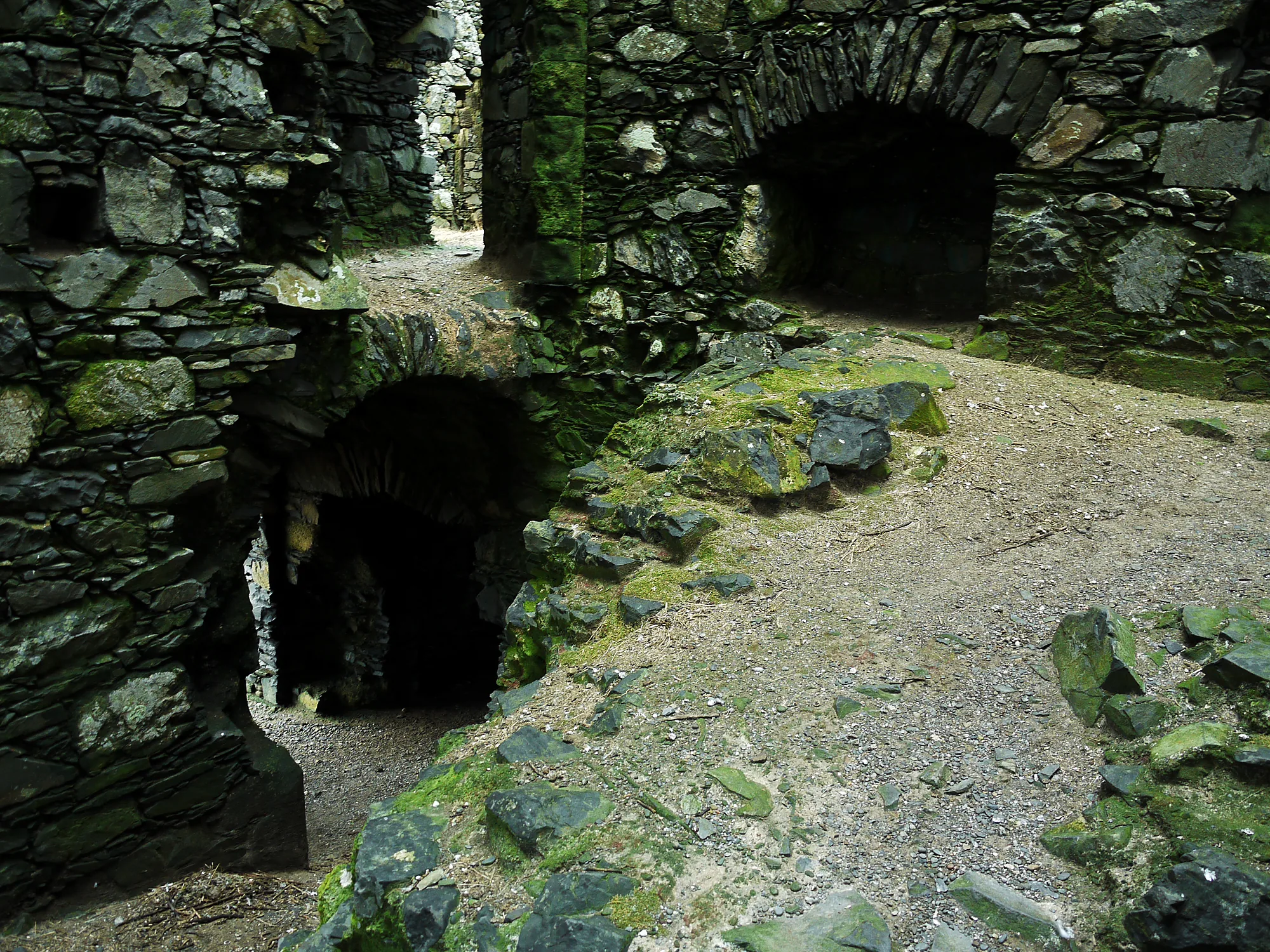
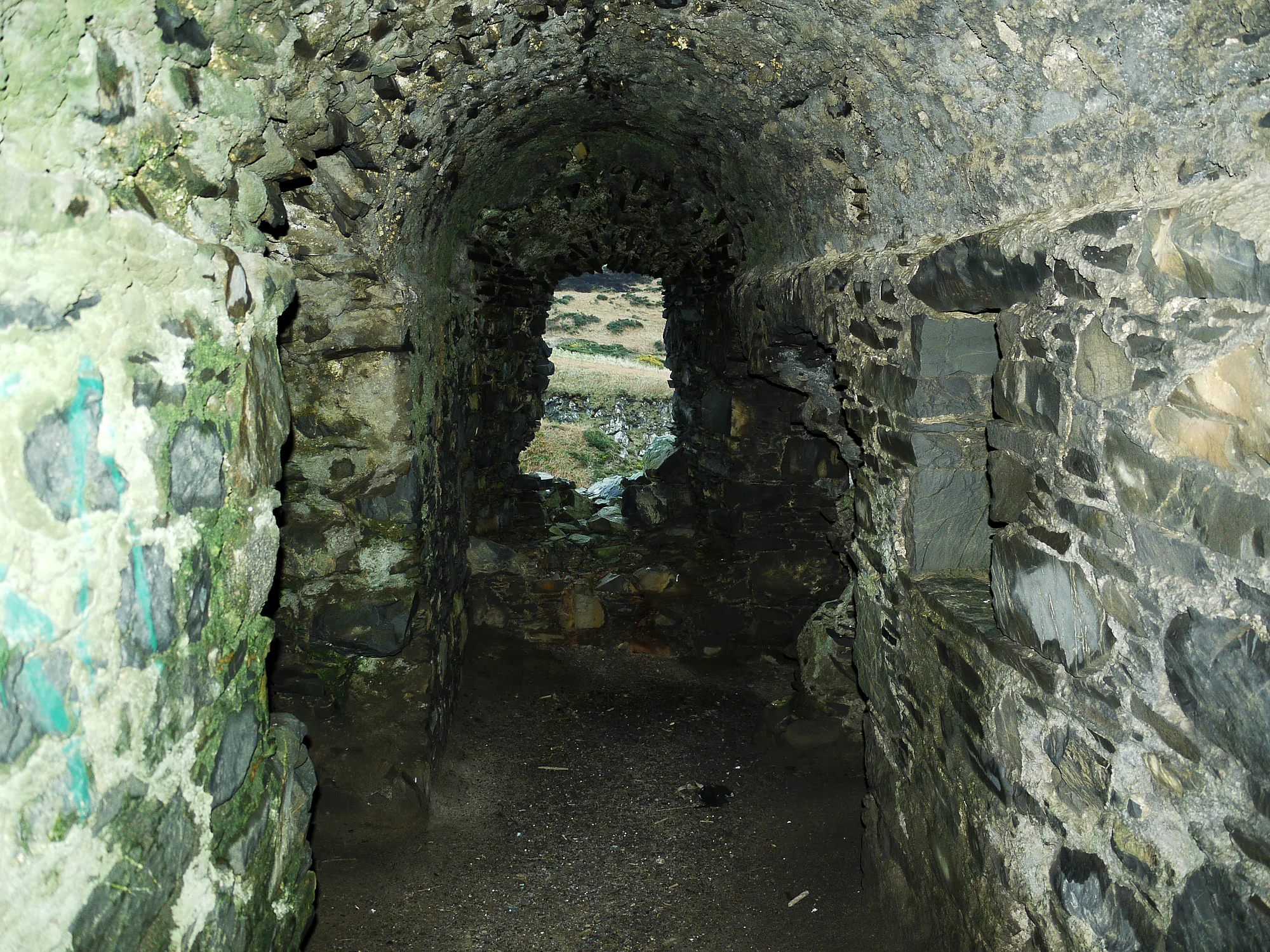
Vaulted stores, a large hall and private chambers remind us that Dunskey was also a home. Today, the castle is protected as a scheduled monument.
Legends: the piper and the ghostly nursemaid
One story tells of an Irish piper imprisoned by a cruel lord of the castle. Condemned to starve, he is said to have discovered an underground passage leading to a cave beside the sea. He never escaped. According to the legend, his ghost still walks through the tunnel, with the sound of his pipes rising from beneath the ground.
J. Maxwell Wood recorded the tale in his 1911 collection of folklore from south-west Scotland. It is evidence of a local storytelling tradition, rather than proof of the tunnel or the events described.
Another tale concerns the ghost of a nursemaid who is said to have dropped a child from a castle window. Dunskey has also been associated with a brownie, a spirit from Scottish folklore. These are legends, rather than established episodes in the castle’s history.
 Castle
 Dumfries and GallowayLochmaben Castle
 Dumfries and GallowayThreave Castle
 The HighlandsOld Inverlochy Castle