TICKETS£6.00
Boat access and conservation arrangements can change; confirm the official visitor notice before setting out.
 Beta
Beta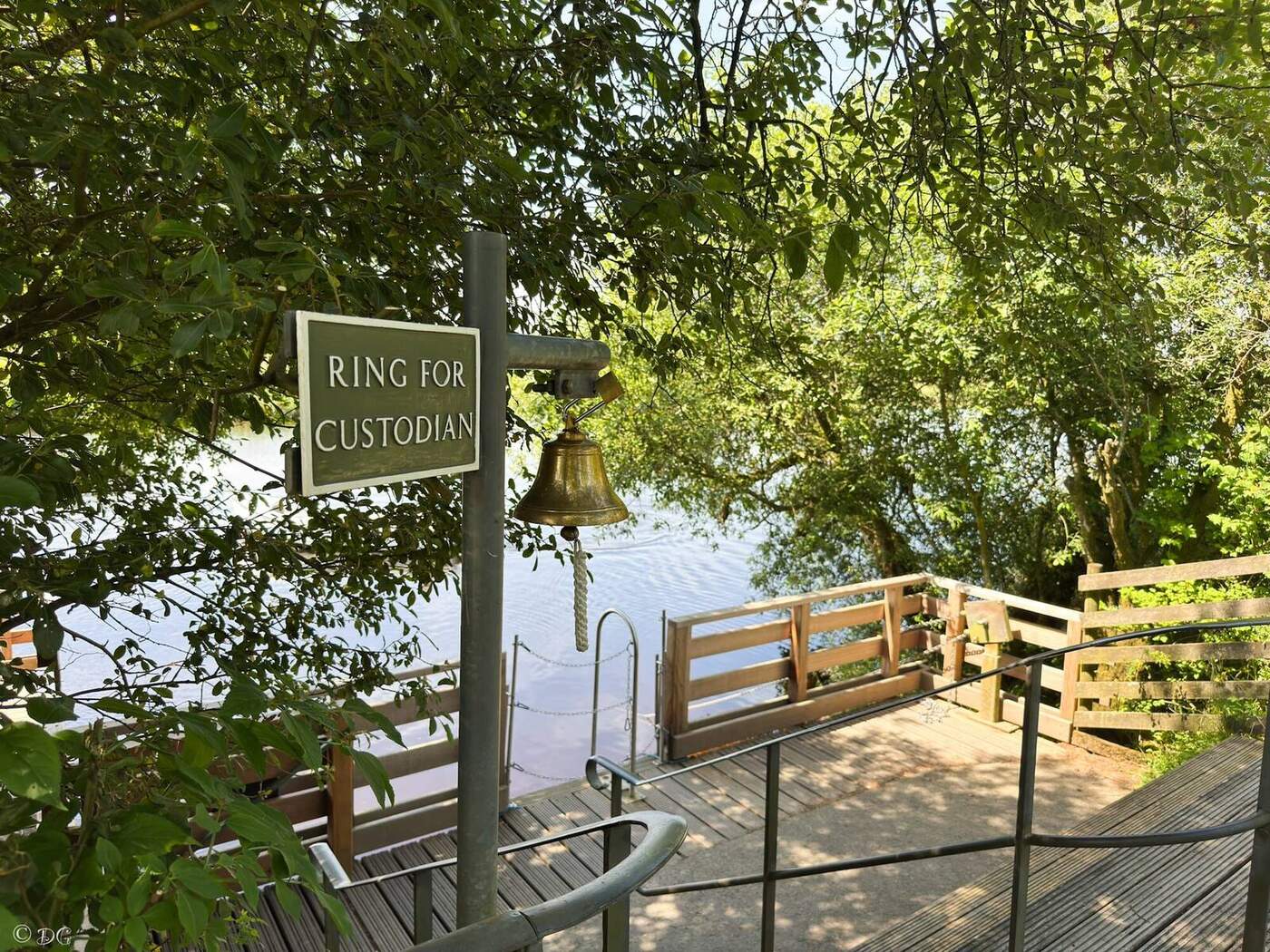
Scotland/Dumfries and Galloway/Threave Castle
ISLAND FORTRESS · GALLOWAY
A river island stronghold. The Black Douglases’ last great statement.
PLAN YOUR VISIT
Castle Douglas, Dumfries, DG7 1TJ
VISIT TIME: 1.5–2.5 hoursBoat access and conservation arrangements can change; confirm the official visitor notice before setting out.
A boat is required to reach the island and service can depend on conditions; allow time for the walk from parking to the jetty and check the live notice before travelling.
Use the address and map link above for Threave Castle. Allow time for the final rural approach and check parking guidance before setting out.
The visit includes a boat crossing, rural paths and uneven historic surfaces. It is not a straightforward step-free site; review current access guidance and weather conditions before departure.
WHAT TO EXPECT
01 / THE STORY
At Threave, even the arrival feels like part of the story. A small boat carries visitors across the River Dee to an island dominated by one great stone tower.
The building looks compact, but it once stood at the centre of Black Douglas power in Galloway. A formidable lord, a royal widow, cannon defences and two sieges all left their mark on this quiet patch of river.
The crossing changes the pace before you reach the castle. Water that feels peaceful today helped protect and control access to the island.
Plan around the official boat service and weather. The journey is short, but it is what makes Threave feel separate from an ordinary roadside ruin.
Archibald Douglas, known as the Grim, became lord of Galloway in 1369 and established his stronghold here around 1370. The tower expressed the reach of a man who would later become the 3rd Earl of Douglas.
Its rooms were stacked vertically, from storage and service space to halls and private accommodation. Archaeology also found evidence for other buildings around it, so the tower was never the whole household.
After the 4th Earl of Douglas died in 1424, his widow Princess Margaret exercised authority in Galloway from Threave. She was a daughter of Robert III and a political figure in her own right.
She should not be confused with her granddaughter, the Fair Maid of Galloway. The similar names often blur two different women into one story.
02 / VISUAL JOURNAL
Every photograph on this page was made by CastleScotland during personal field visits.
10 of 19 photographs
01 / THE STORY CONTINUES
James II’s forces besieged Threave in 1455 during the destruction of Black Douglas power. The defenders had gun positions, but the castle eventually surrendered on terms and passed to the Crown.
That ending matters. It was not simply smashed into submission by one miraculous royal cannon. The surrender was part of a much wider political collapse.
Royalist troops strengthened Threave before a Covenanting siege in 1640. After surrender, orders were given to dismantle its defences.
From the boat, the tower can seem timeless. In reality, it was repeatedly adapted as weapons and loyalties changed around it.
03 / MOMENTS IN STONE
Archibald the Grim builds his Galloway stronghold. The crossing is a practical necessity and the best introduction to the castle’s defensive logic.
The garrison surrenders and Threave becomes a royal castle. Archibald’s tower records the scale of regional power before the crown asserted control.
A Covenanting siege is followed by dismantling. The 1455 siege changed Threave from a lordly base into a royal possession.
The castle enters state guardianship.
04 / FIND THE CASTLE
54.939190,-3.969636
Threave Castle is at Castle Douglas, Dumfries, DG7 1TJ. Check current access arrangements before travelling.
Open mapA boat is required to reach the island and service can depend on conditions; allow time for the walk from parking to the jetty and check the live notice before travelling.
Use the address and map link above for Threave Castle. Allow time for the final rural approach and check parking guidance before setting out.
Photograph from the riverbank before crossing, then use the boat journey for changing angles. On the island, include water or the low banks to show why the tower commands the view.
History and visitor advice: CastleScotland fieldwork and official operator sources.
Archaeology has shown that the island was occupied before Archibald arrived. Burnt remains interpreted as a smithy contained a coin of Edward I. Historic Environment Scotland connects this destruction tentatively with Edward Bruce’s campaign in Galloway in 1308. The association is plausible rather than proof of the identity of whoever set the building alight. Nor do these finds establish the name of the earlier resident.
Archibald’s castle was not simply the isolated tower that dominates modern photographs. Excavations identified substantial neighbouring buildings interpreted as a hall and a guest range, with provision for a chapel. The tower arranged accommodation vertically, separating storage and services from halls and private chambers. Its original entrance stood above ground level. Windows, fireplaces and internal arrangements also reveal a concern for domestic comfort within the defensive shell.
Following the fourth Earl of Douglas’s death in France in 1424, his widow, Princess Margaret, exercised authority in Galloway from Threave. She was a daughter of Robert III and must not be confused with her granddaughter, Margaret, the Fair Maid of Galloway. Their overlapping names can make an already complicated family history needlessly confusing. The castle was a place where women could exercise lordship as well as a military headquarters.
Between 1447 and 1455 the eighth and ninth earls added gun defences around the tower. Dating evidence from excavation places these works around 1450. Earlier buildings were cleared to give the defenders a better field of fire. In 1455 James II’s forces besieged Threave during the destruction of Black Douglas power. The garrison eventually surrendered on terms, and the stronghold passed to the Crown; its walls were not simply demolished by a victorious assault.
Royal ownership did not immediately end its military life. The Maxwells became hereditary keepers in 1526, and a Royalist garrison prepared new earthworks before the Covenanting siege of 1640. After surrender, orders were given to dismantle the defences. This seventeenth-century episode is essential: an account ending Threave’s strategic story in the sixteenth century misses its final major conflict.
The castle entered state guardianship in 1913. Excavations in 1974–78 recovered wooden vessels and leather preserved in waterlogged deposits, bringing the working household back into view. Threave is a scheduled monument cared for by Historic Environment Scotland, within the wider National Trust for Scotland estate. Pause over that distinction as well as the masonry: a castle, an archaeological site and a river landscape require different kinds of care. Check the current crossing arrangements before travelling.
Explore the moat, triangular defences and courtyard residence in our Caerlaverock Castle visitor guide. Use the map of castles in Scotland to compare locations and allow time for each journey. Check current access with the official operators before travelling.
08 / EXPLORE NEXT
Find Scottish castles by region, landscape or the stories that bring them to life.
 Perth & KinrossLoch Leven Castle
  MidlothianCrichton Castle
  West LothianMidhope Castle