TICKETSFree exterior viewing
The ruins are currently closed. View only from accessible areas outside the protective fencing.
 Castle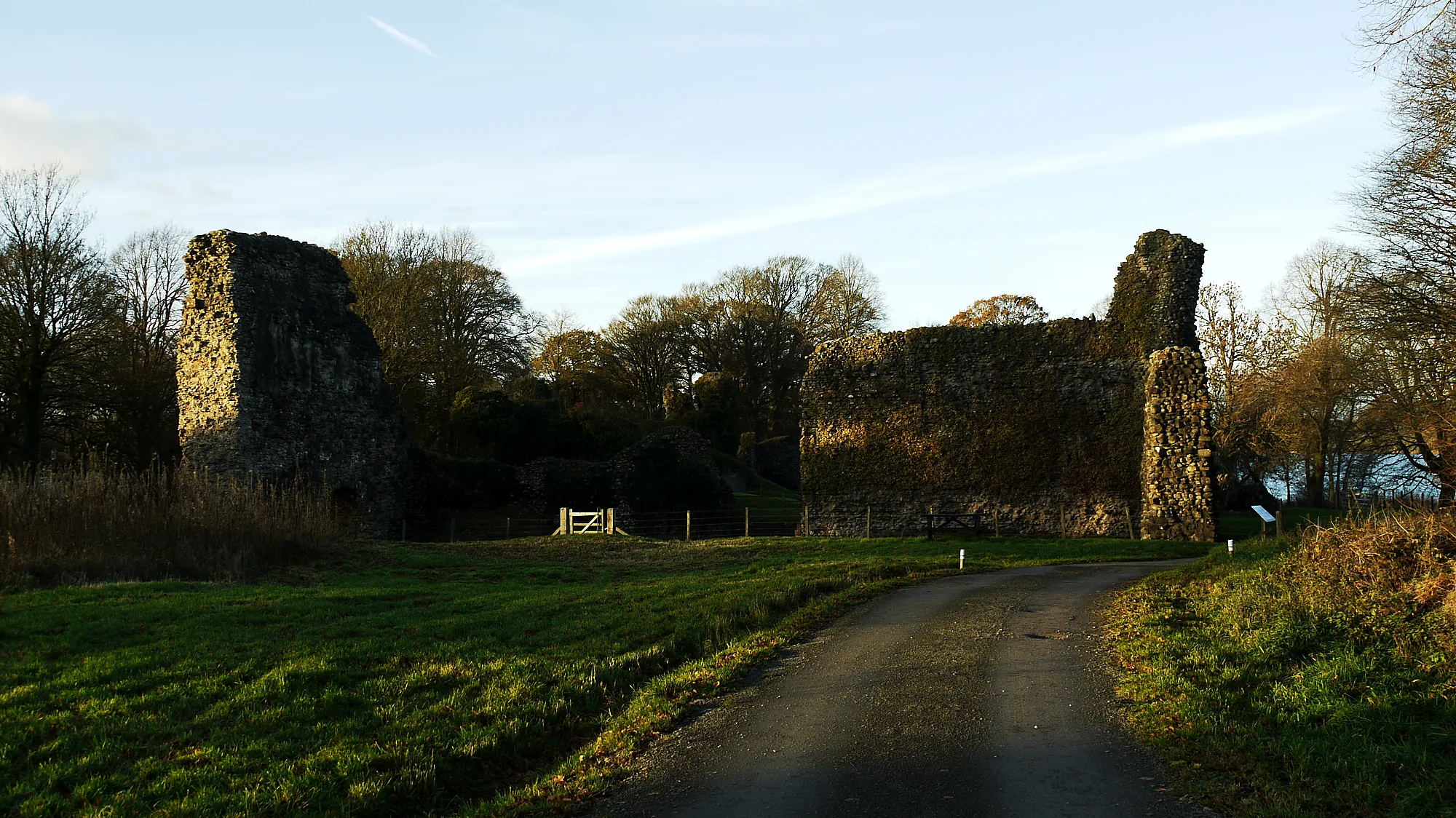
THE BORDER STRONGHOLD · CASTLE LOCH
An English stronghold on Scottish soil. A fortress turned royal residence.
PLAN YOUR VISIT
Lochmaben Castle, Castle Loch, Lochmaben, Dumfries and Galloway
The ruins are currently closed. View only from accessible areas outside the protective fencing.
The ruins are currently closed. View only from accessible areas outside the protective fencing.
Parking information
Castle car park — free (confirmed). A small parking area is close to the ruins, reached from the B7020. Spaces are limited. Lochfield Car Park — alternative parking. On the eastern side of Castle Loch, this offers a starting point for a longer woodland walk towards the castle. Check signs on site for any parking restrictions or charges. Free parking confirmed by the CastleScotland owner on 16 October 2026.
Parking sources checked · 11 October 2026
Castle interior: closed for conservation. Exterior views: from accessible areas outside the protective fencing. Paths: woodland tracks, sometimes muddy and uneven. Footwear: sturdy walking shoes recommended. Toilets: no confirmed facilities at the ruins; look for services in Lochmaben. Accessibility: uneven ground and the narrow approach may make a visit difficult for people with limited mobility.
Yes, especially if you are interested in the Wars of Independence, Robert the Bruce or the history of the Anglo-Scottish border. Although the ruins are closed, Castle Loch still makes a pleasant setting for a short stop or a quiet woodland walk.
WHAT TO EXPECT
01 / THE STORY
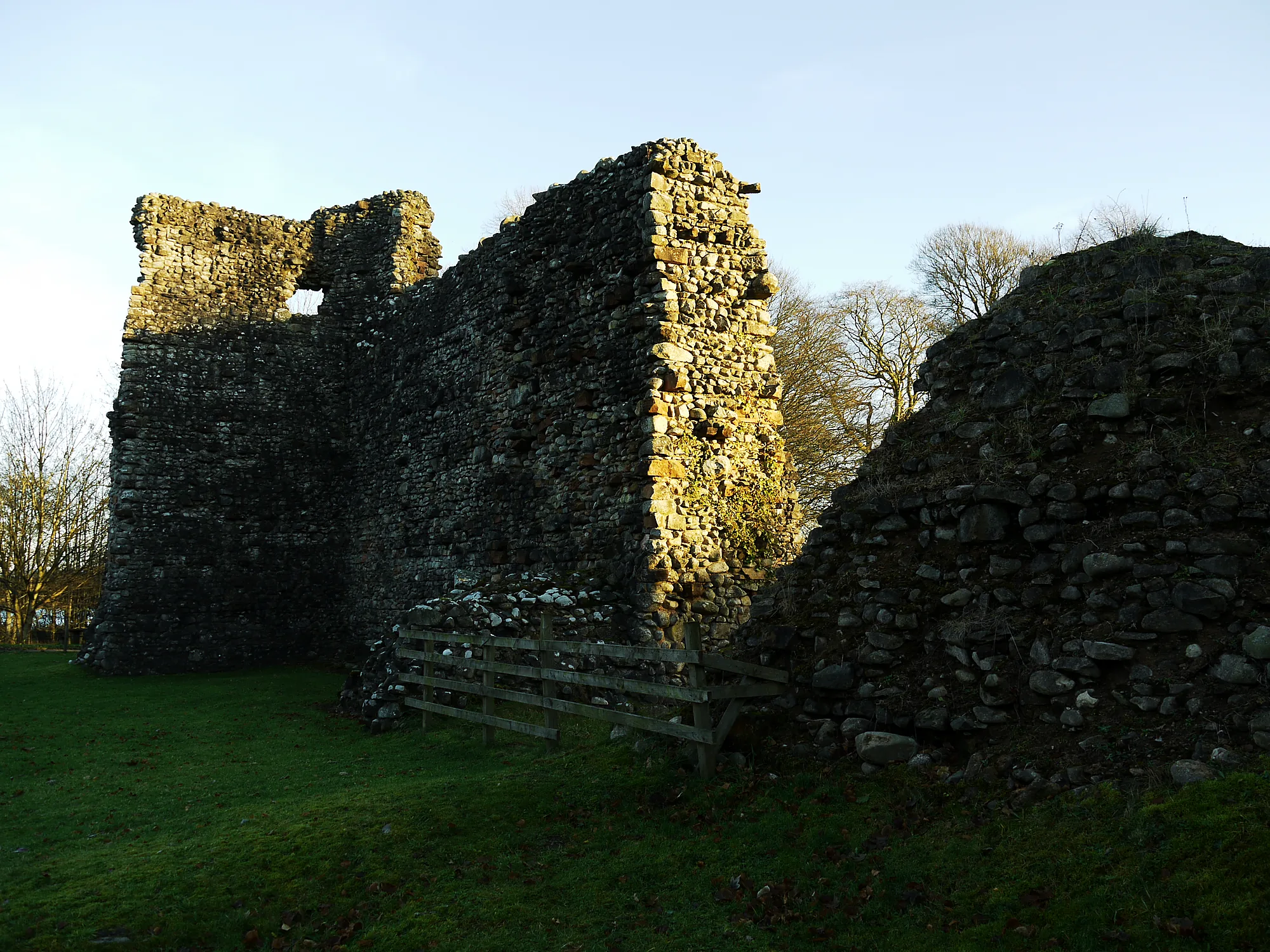
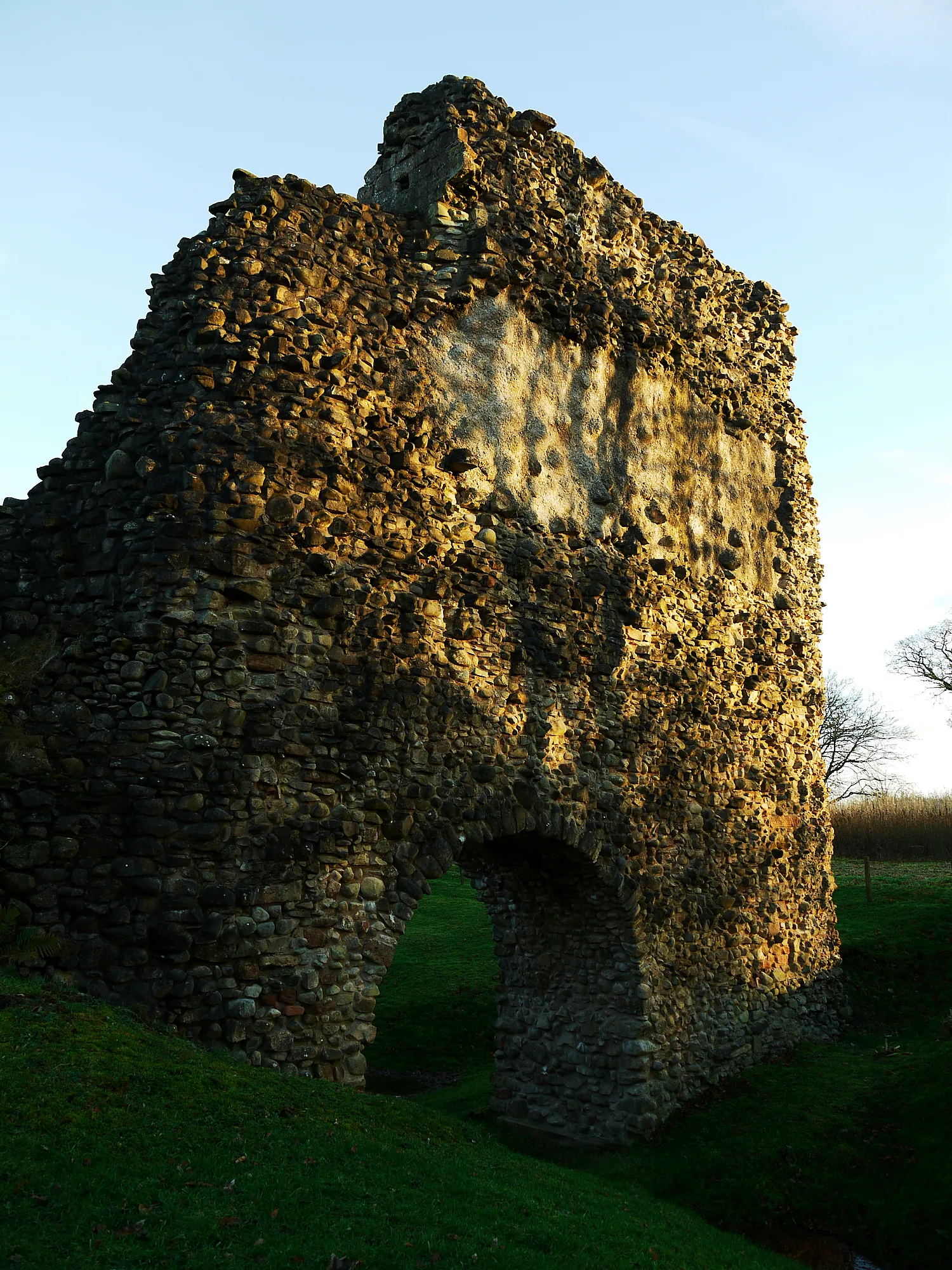
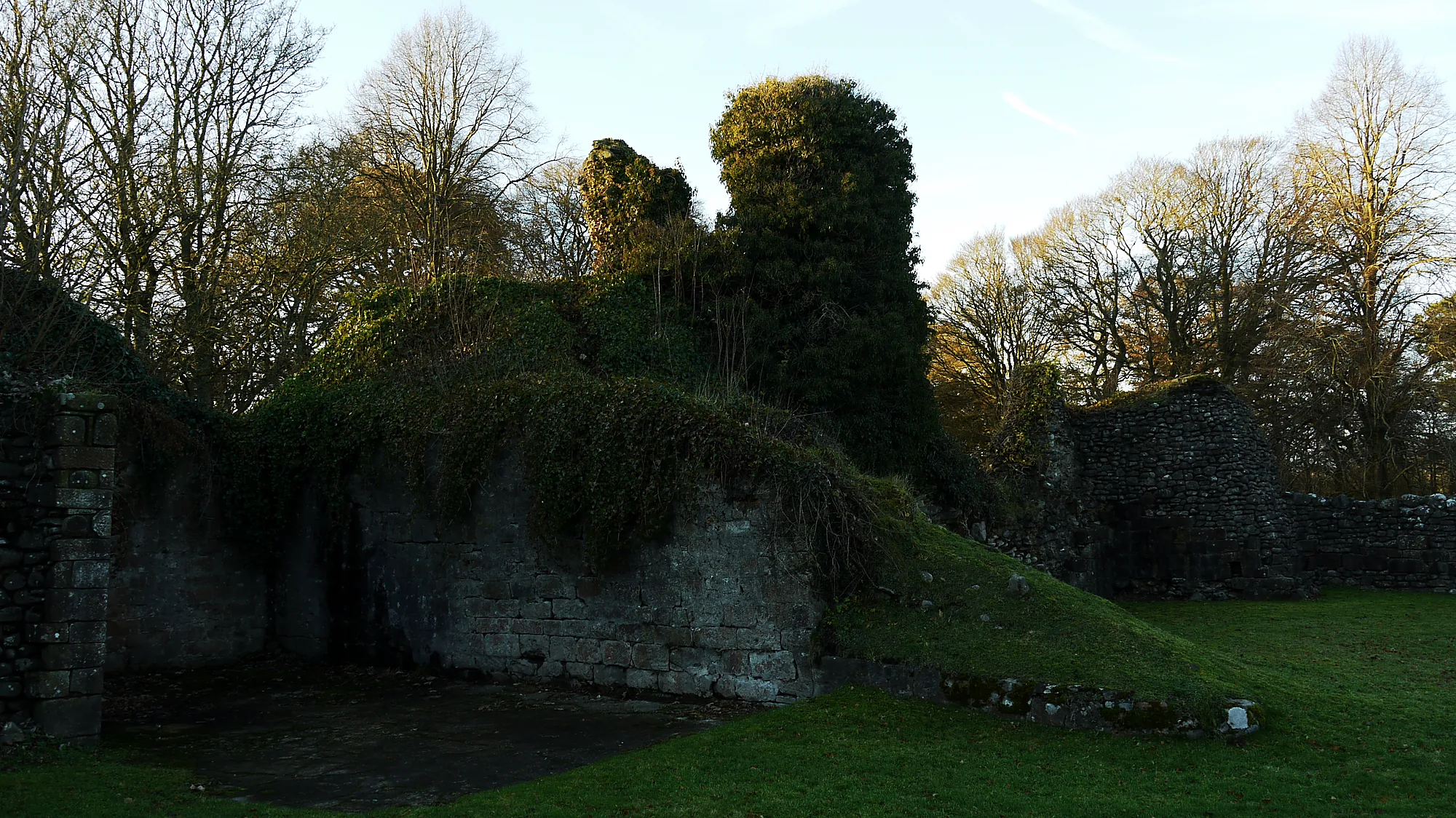
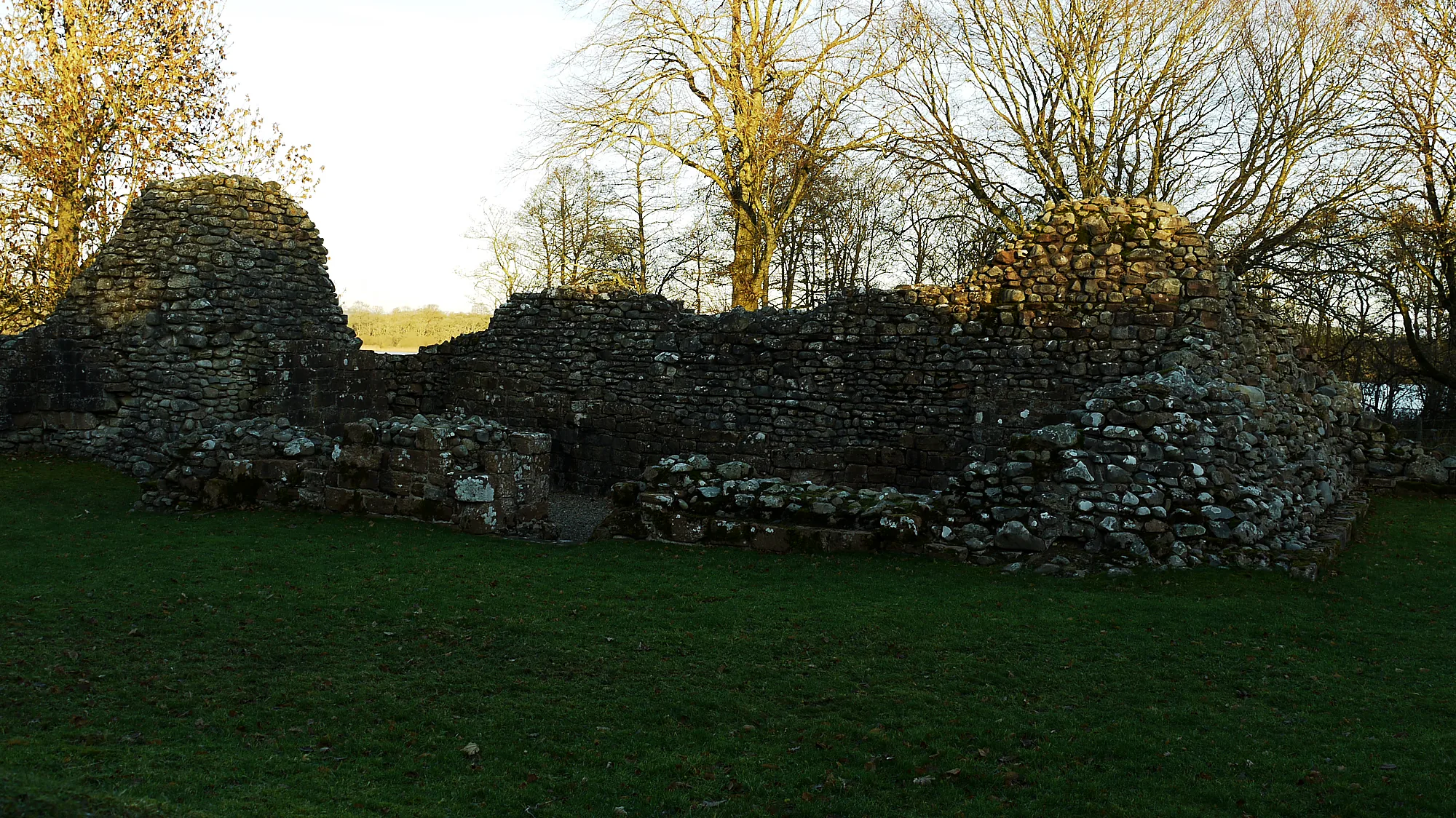
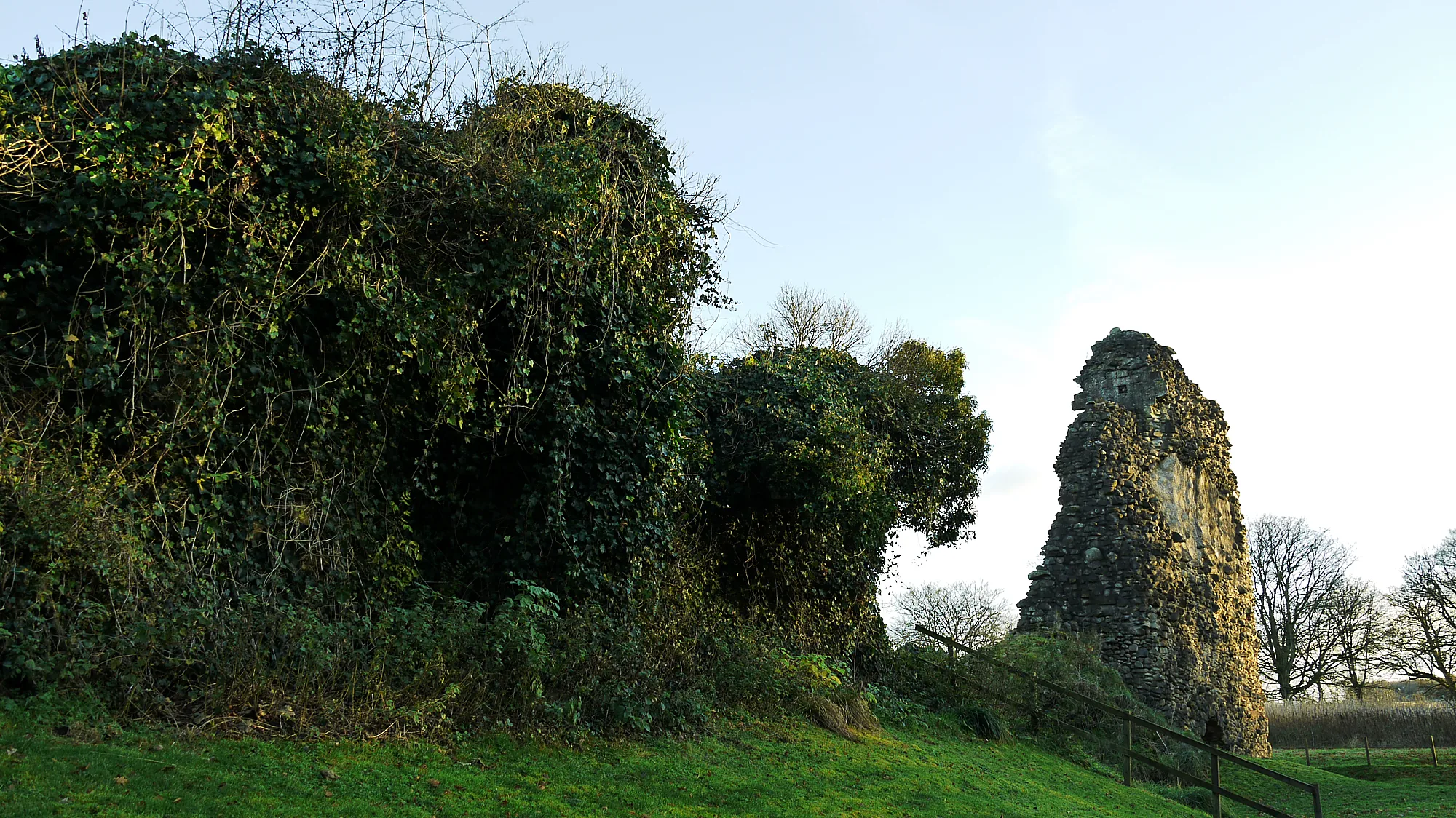
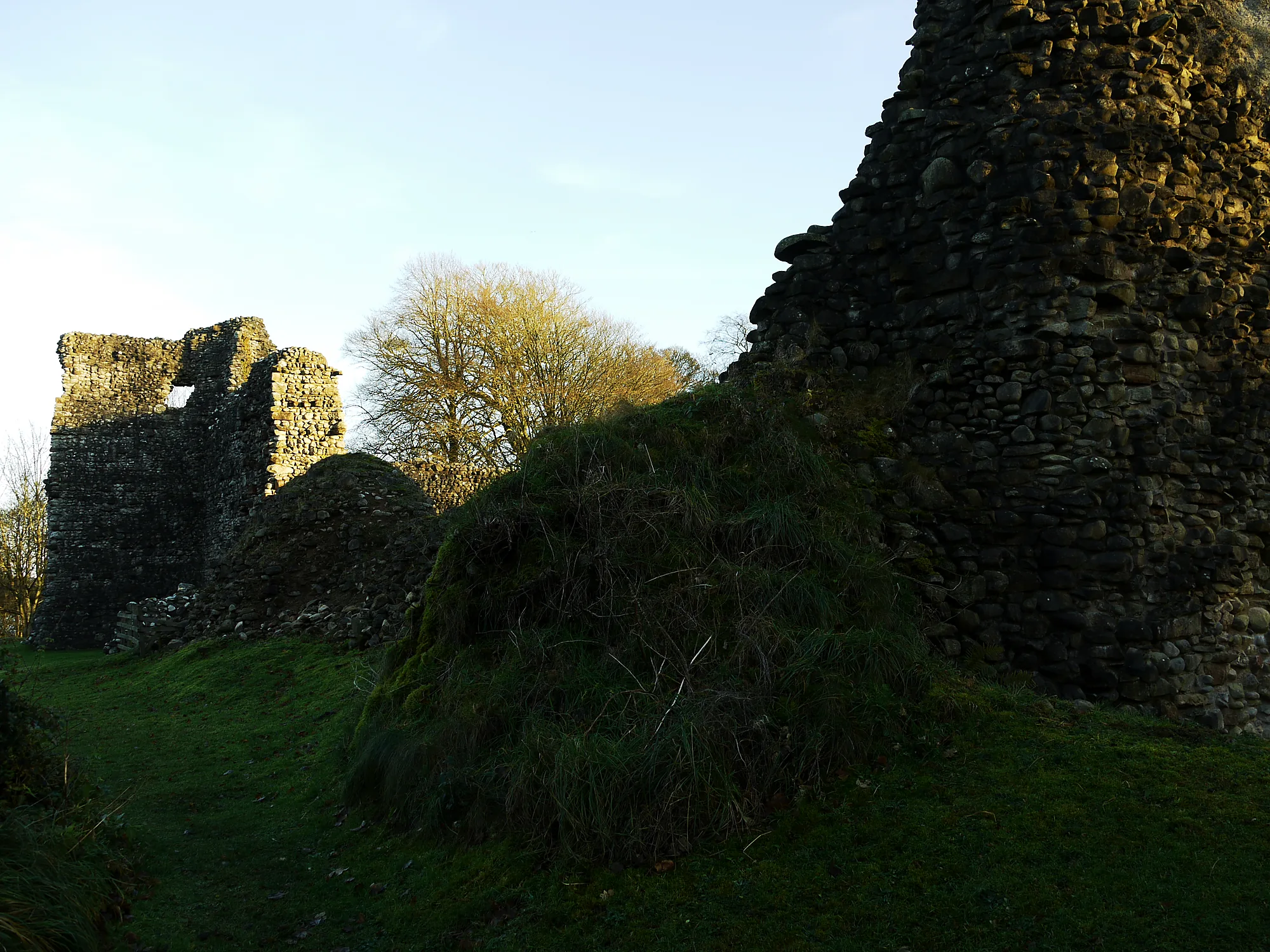
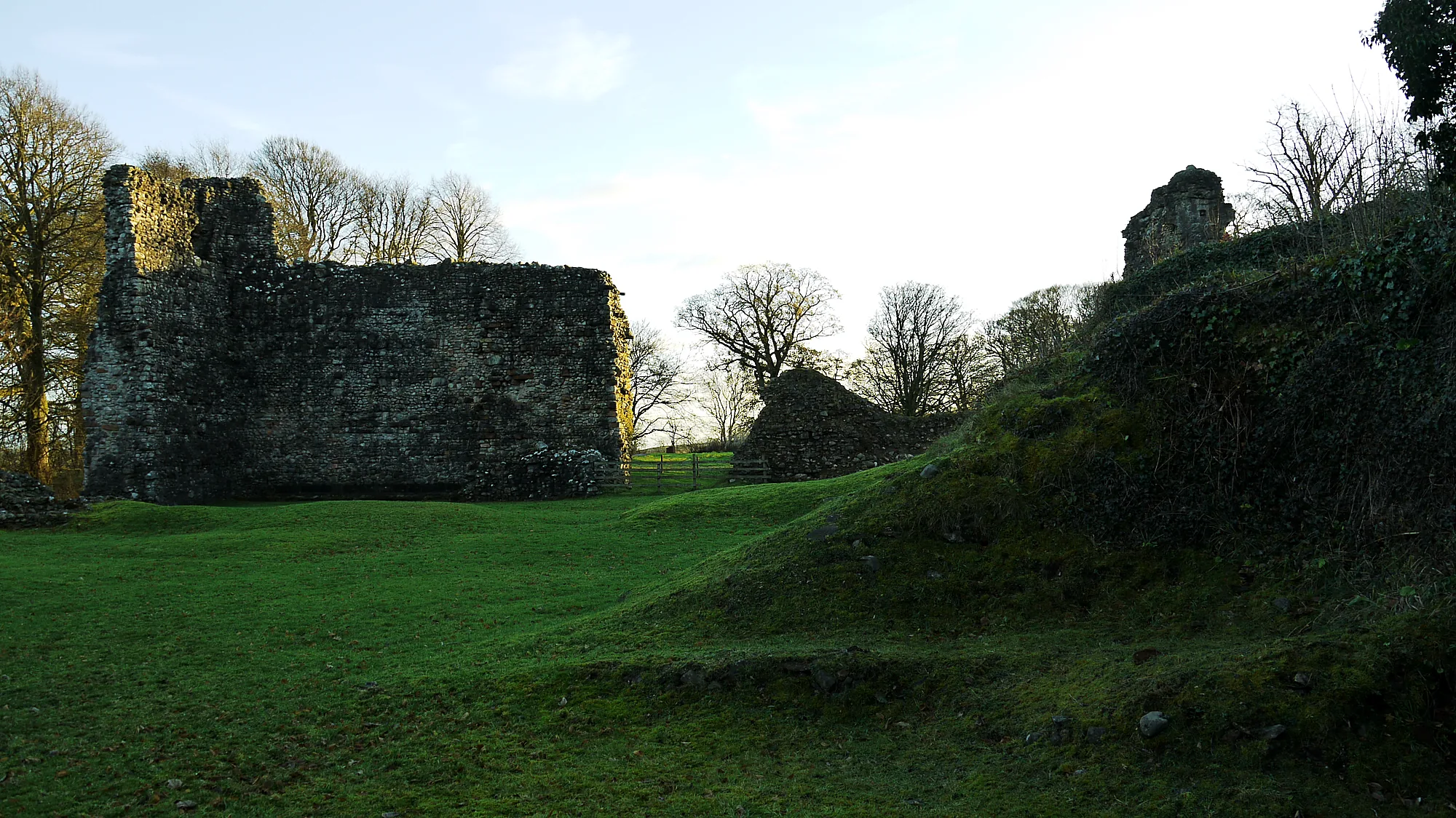
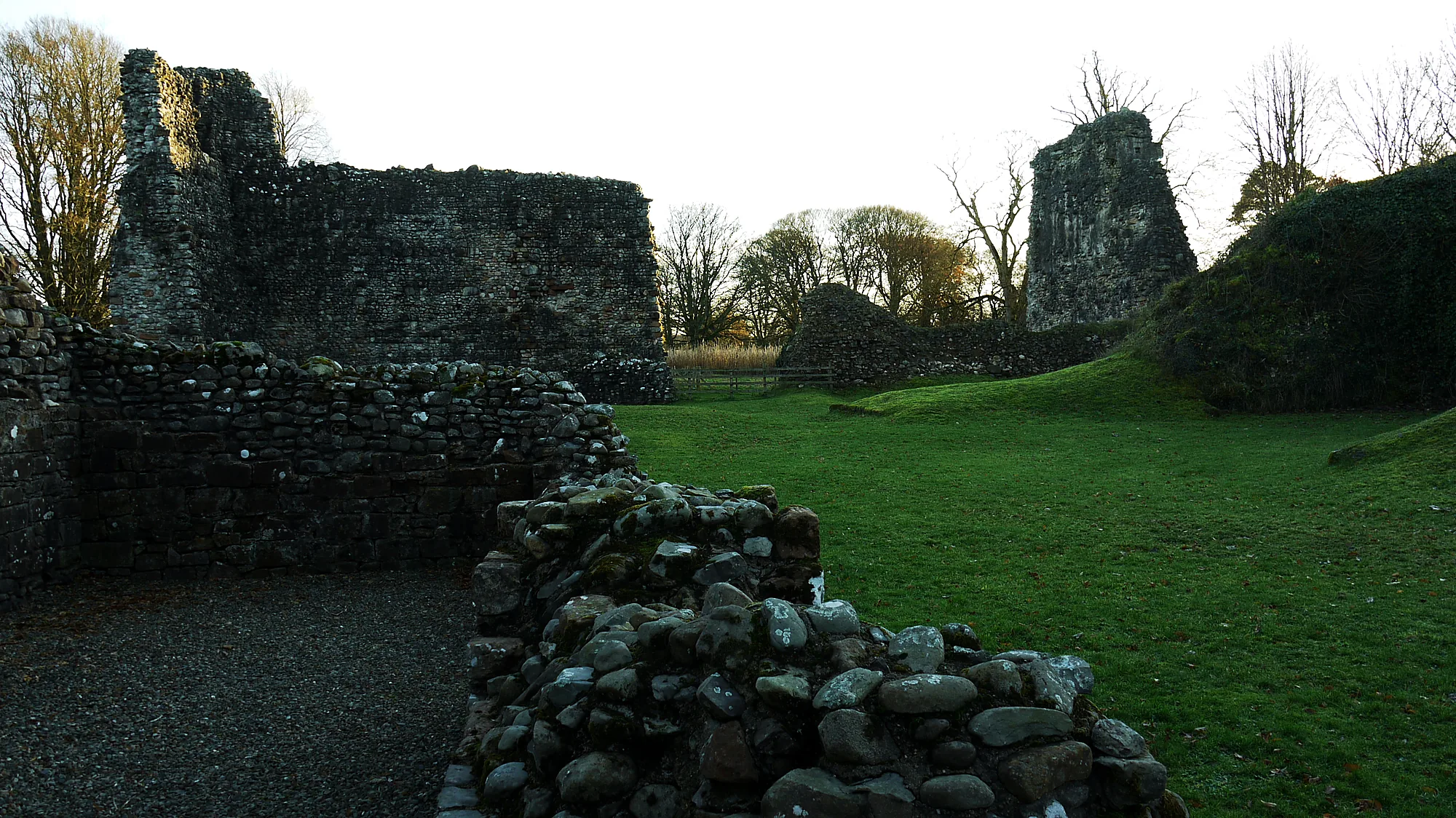
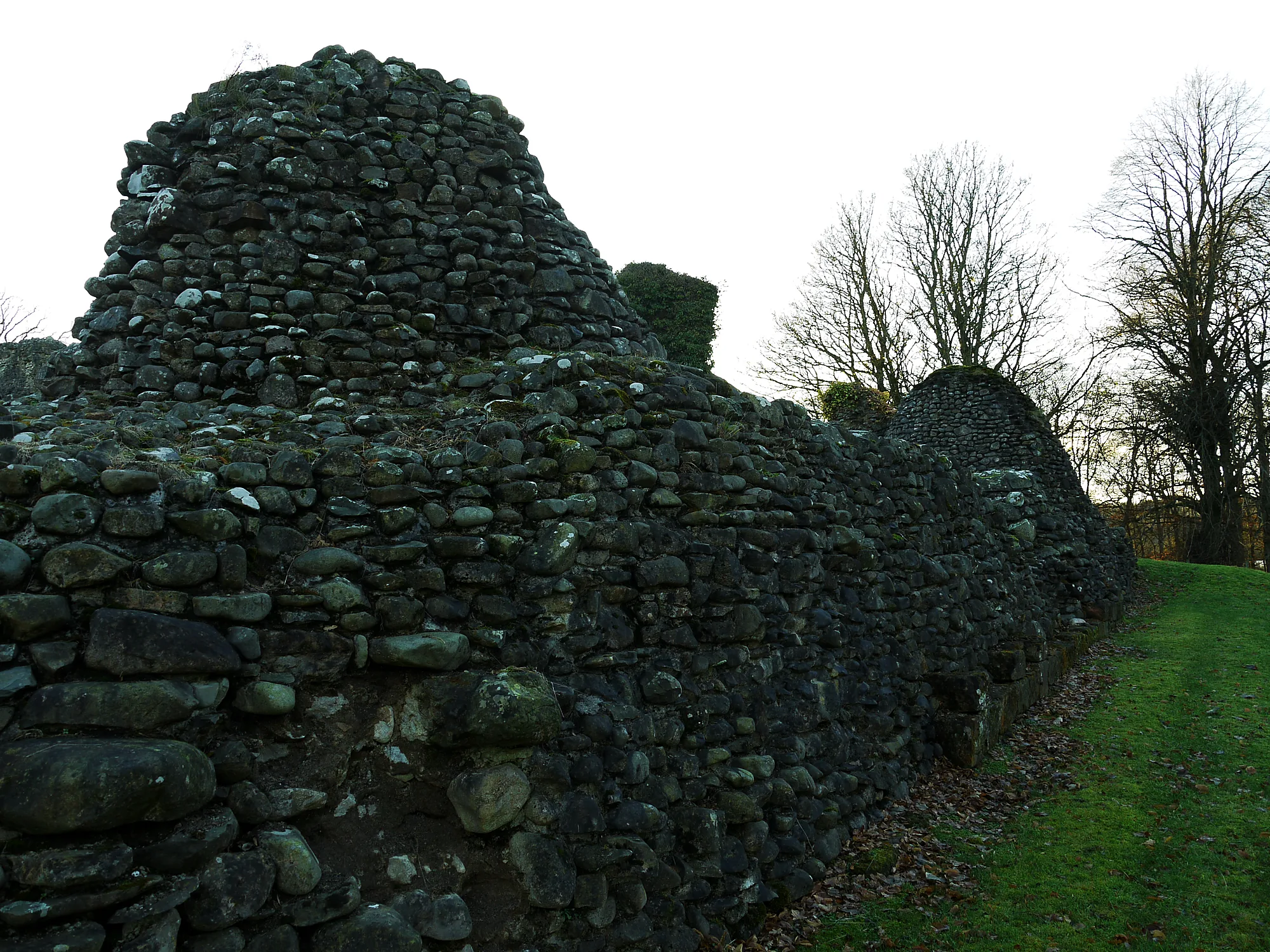
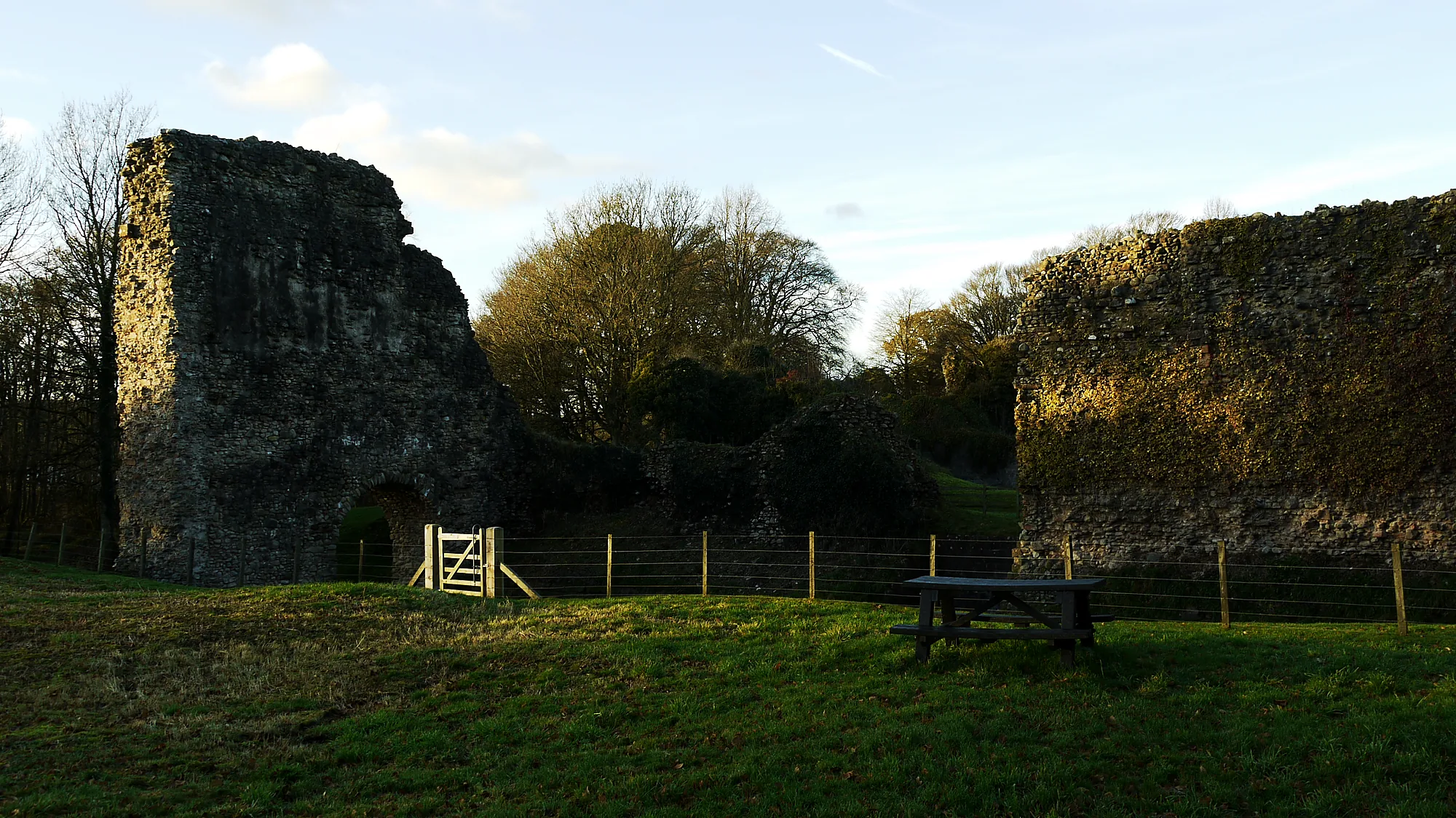
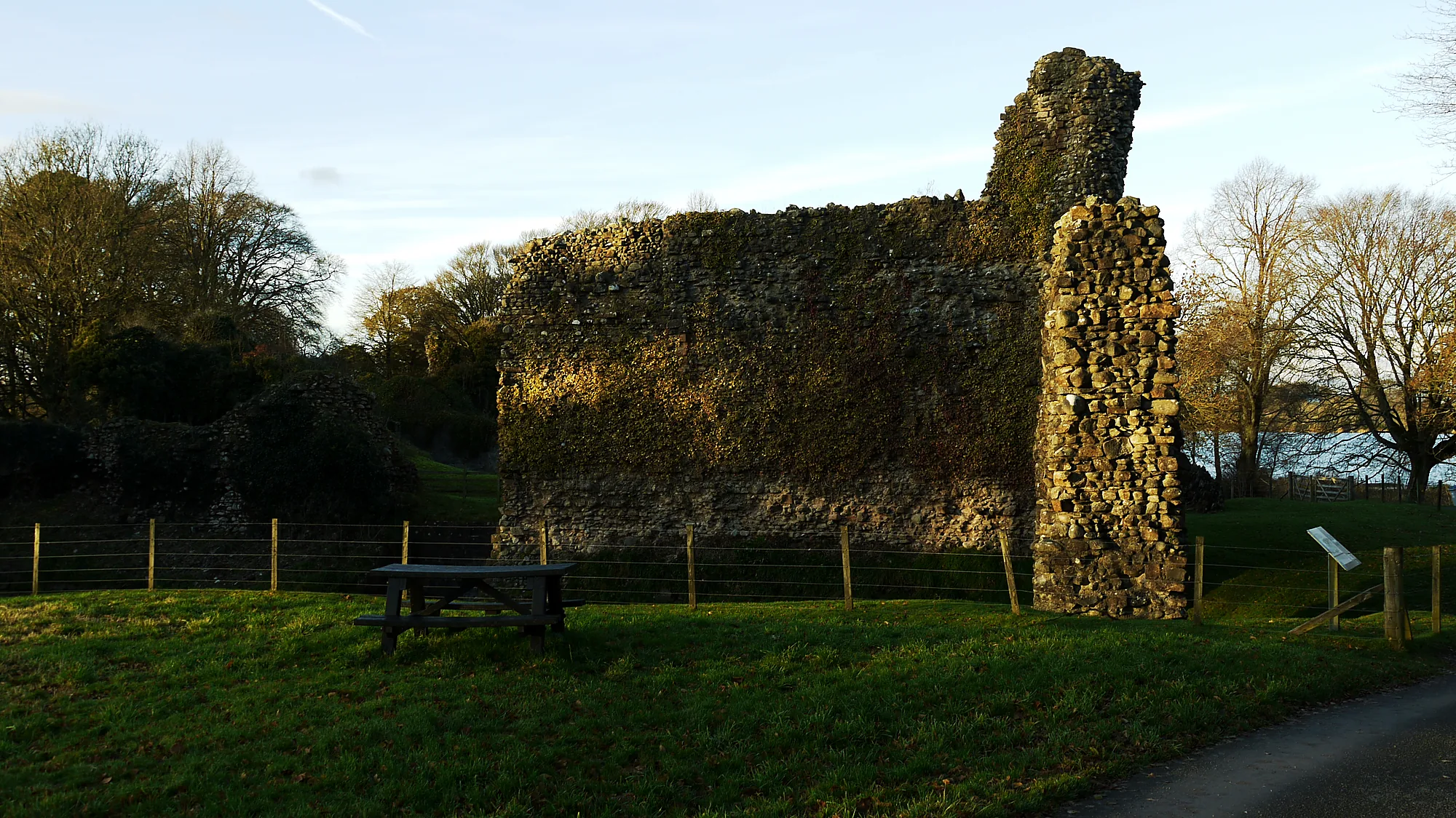
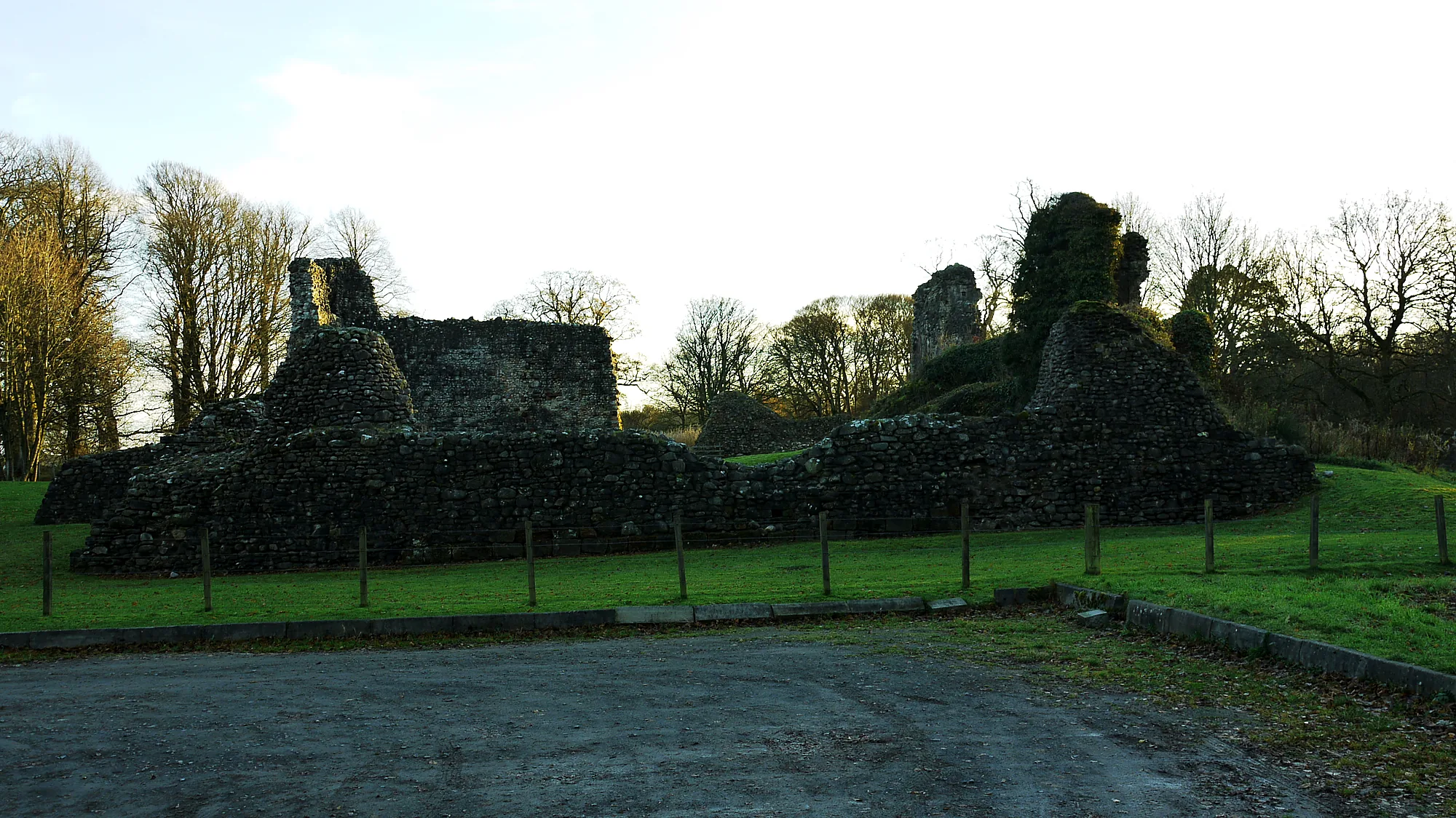
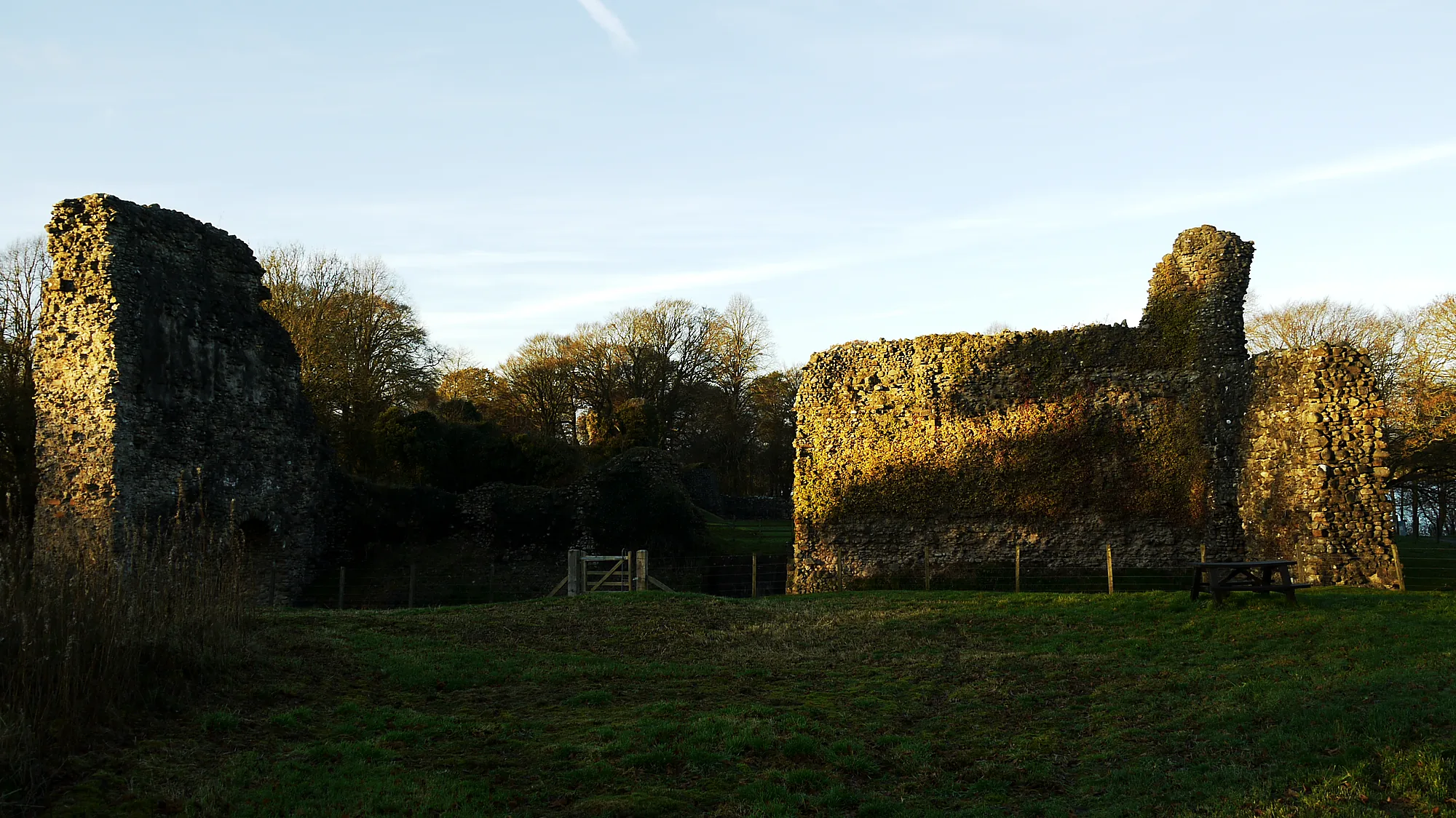
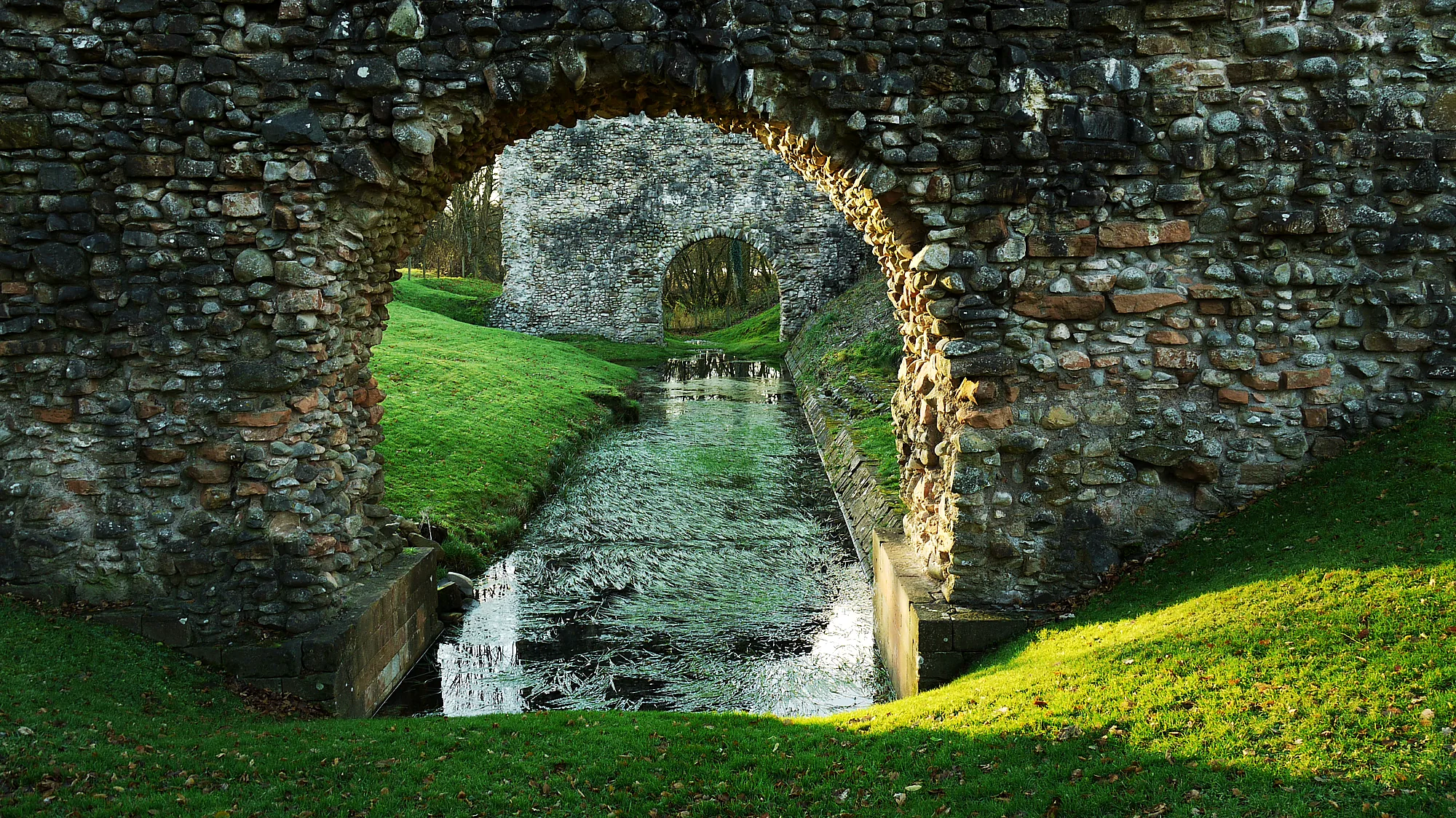
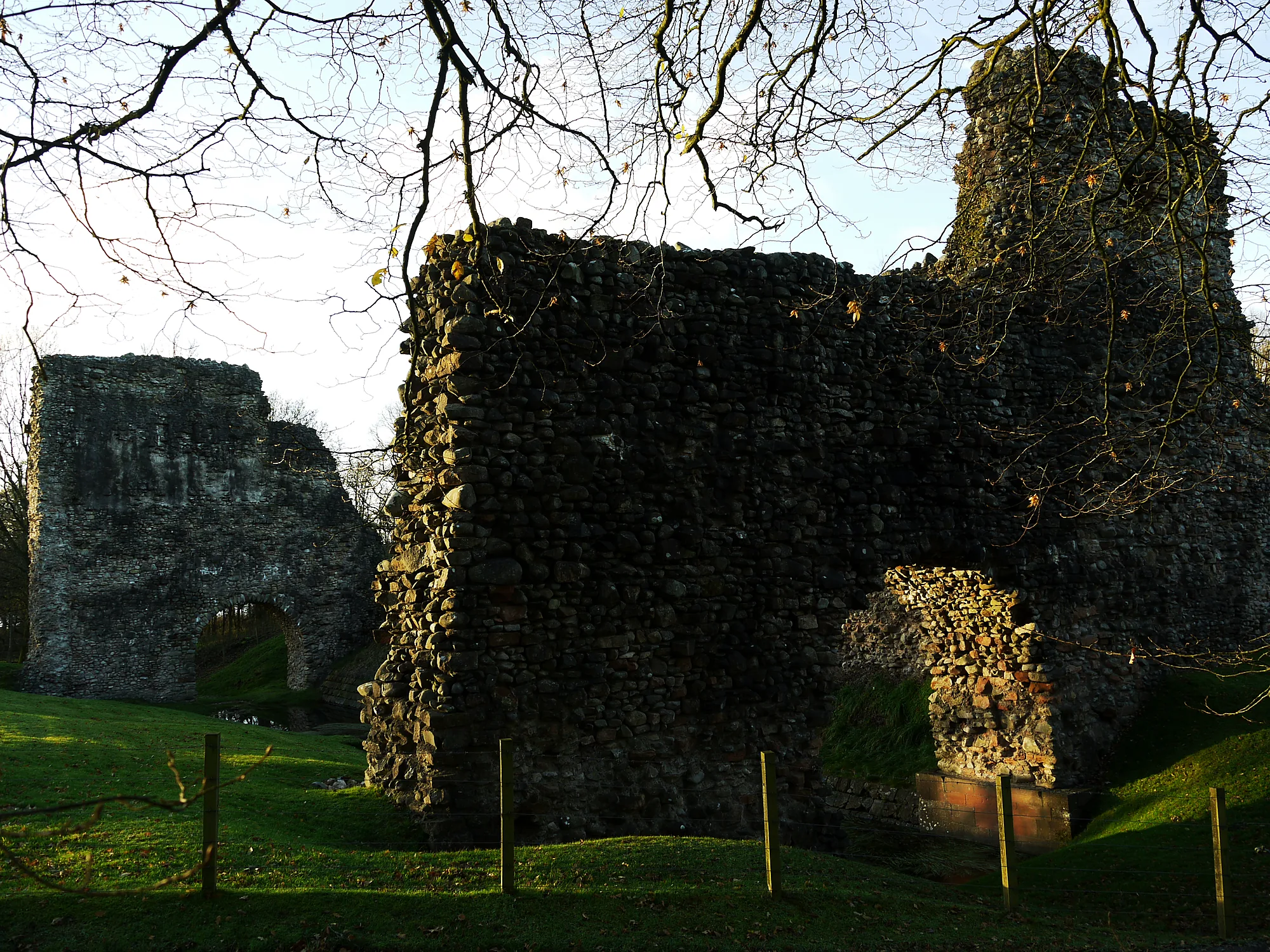
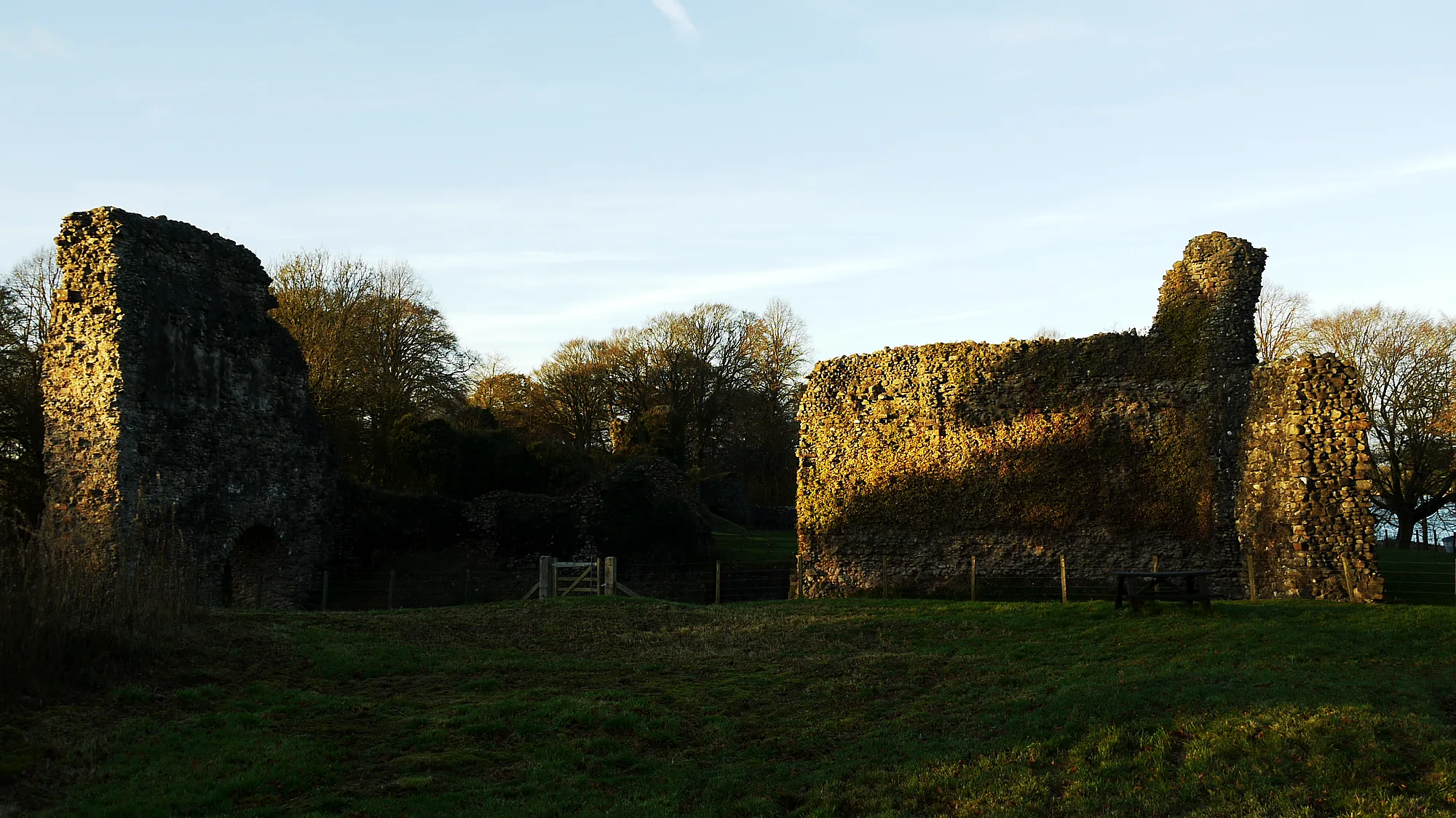
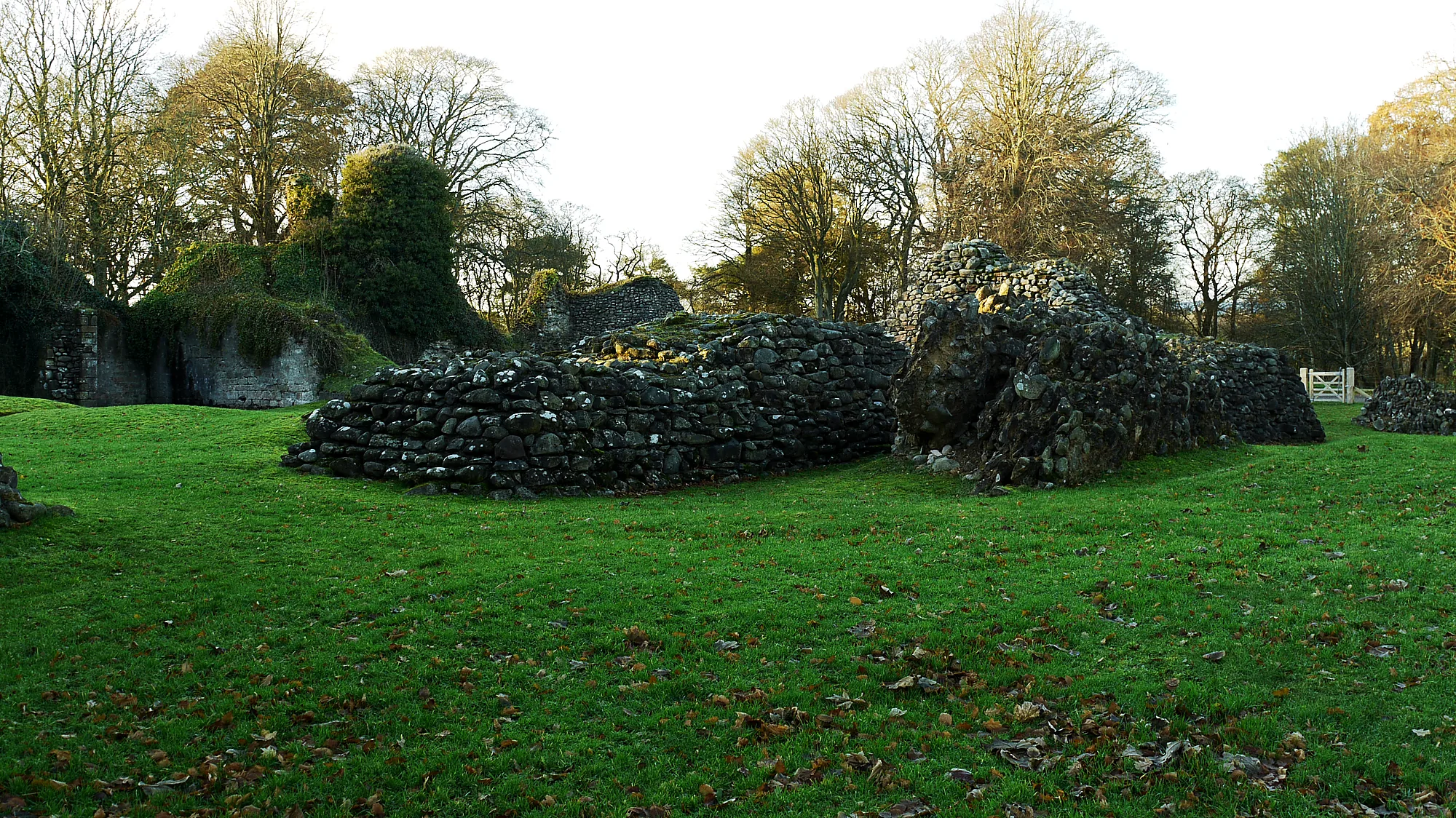
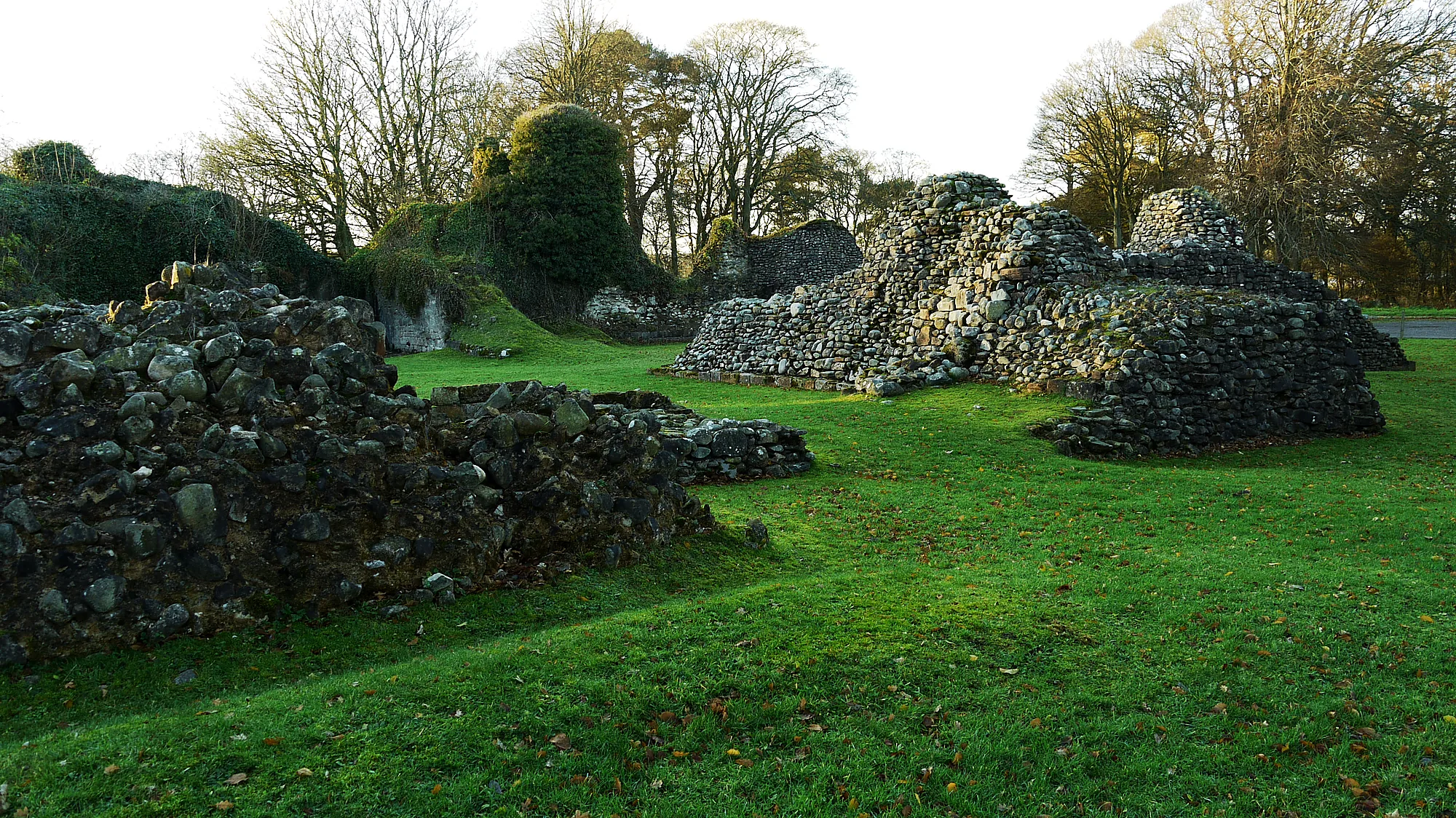
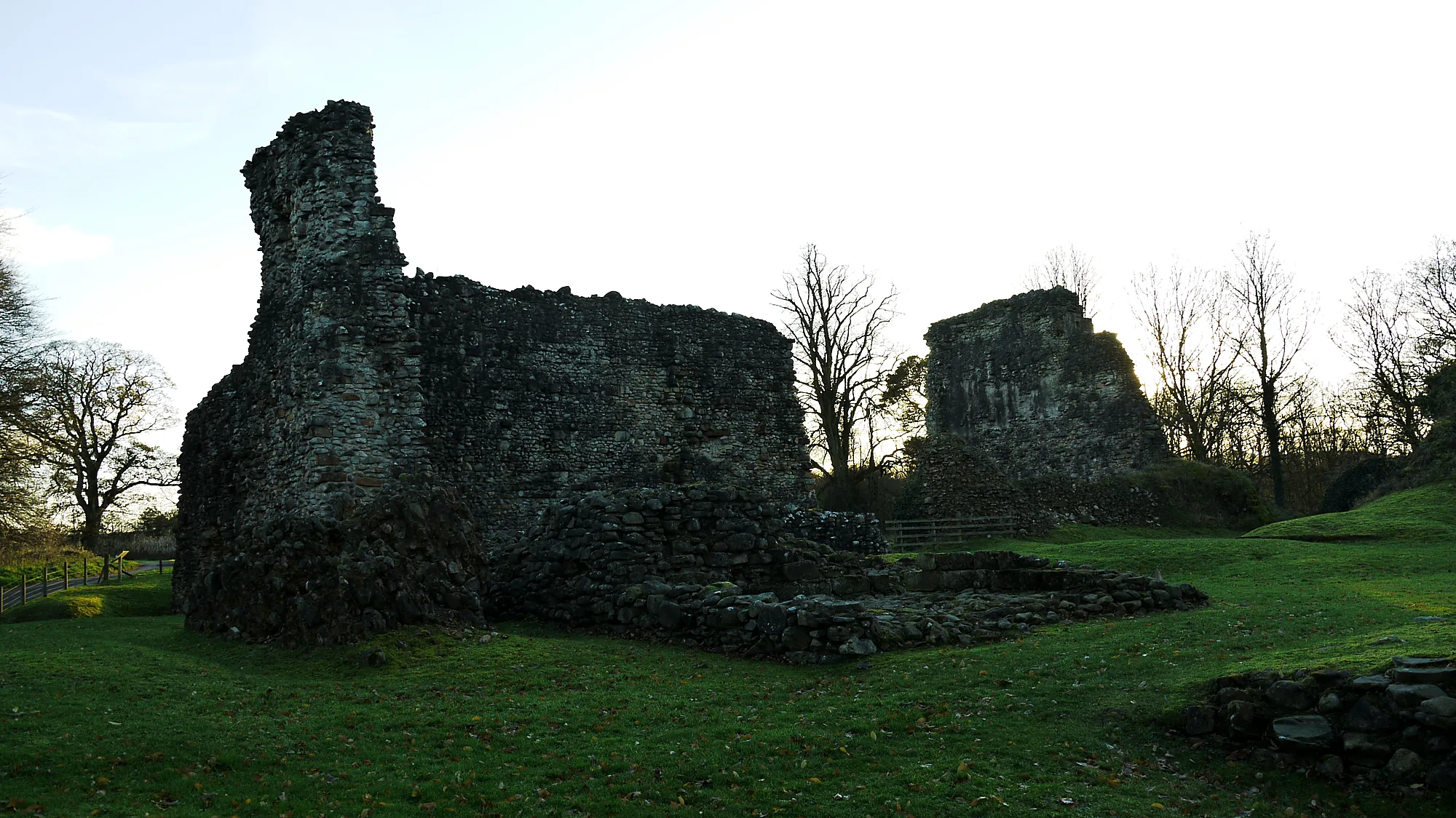
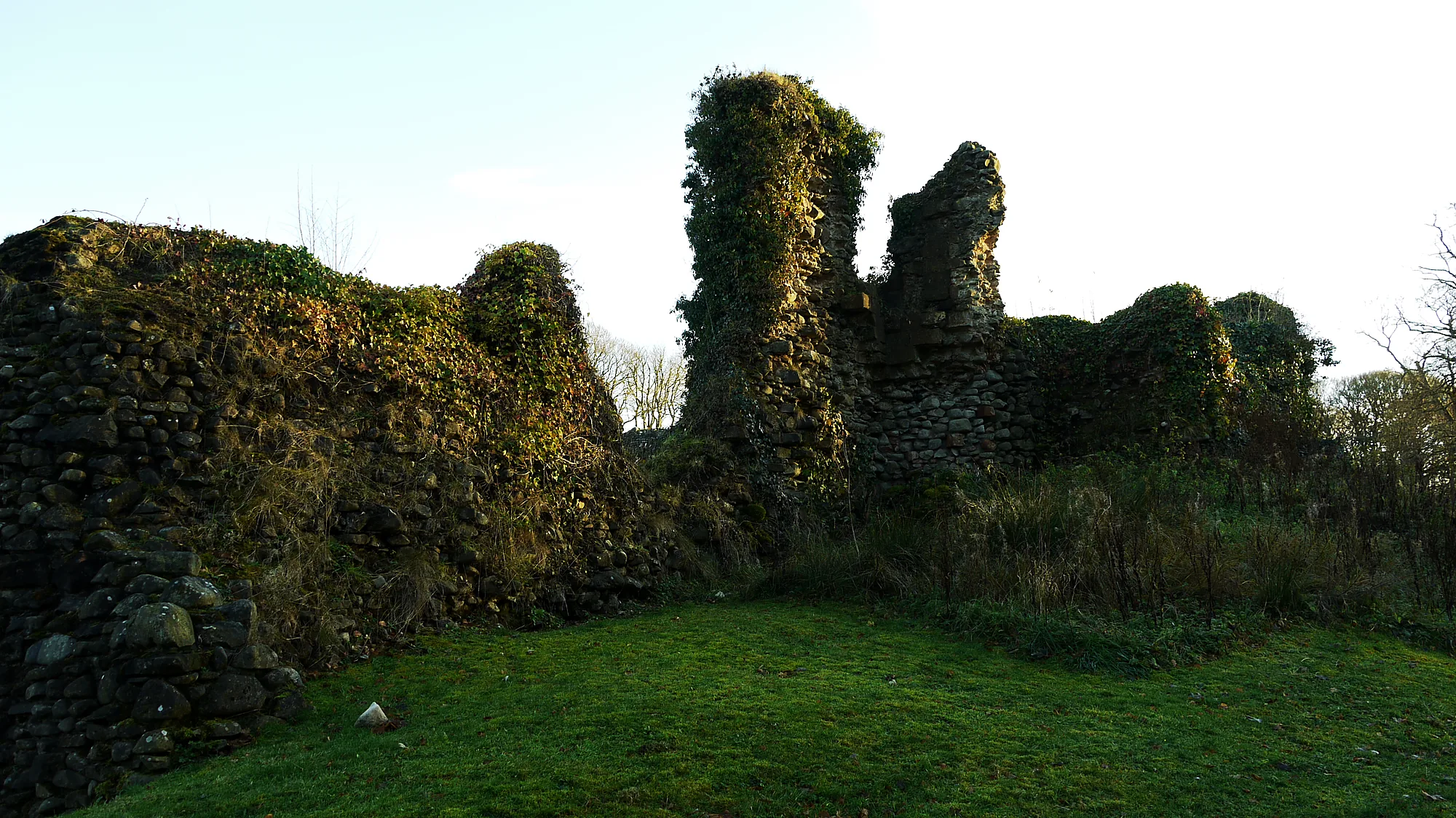
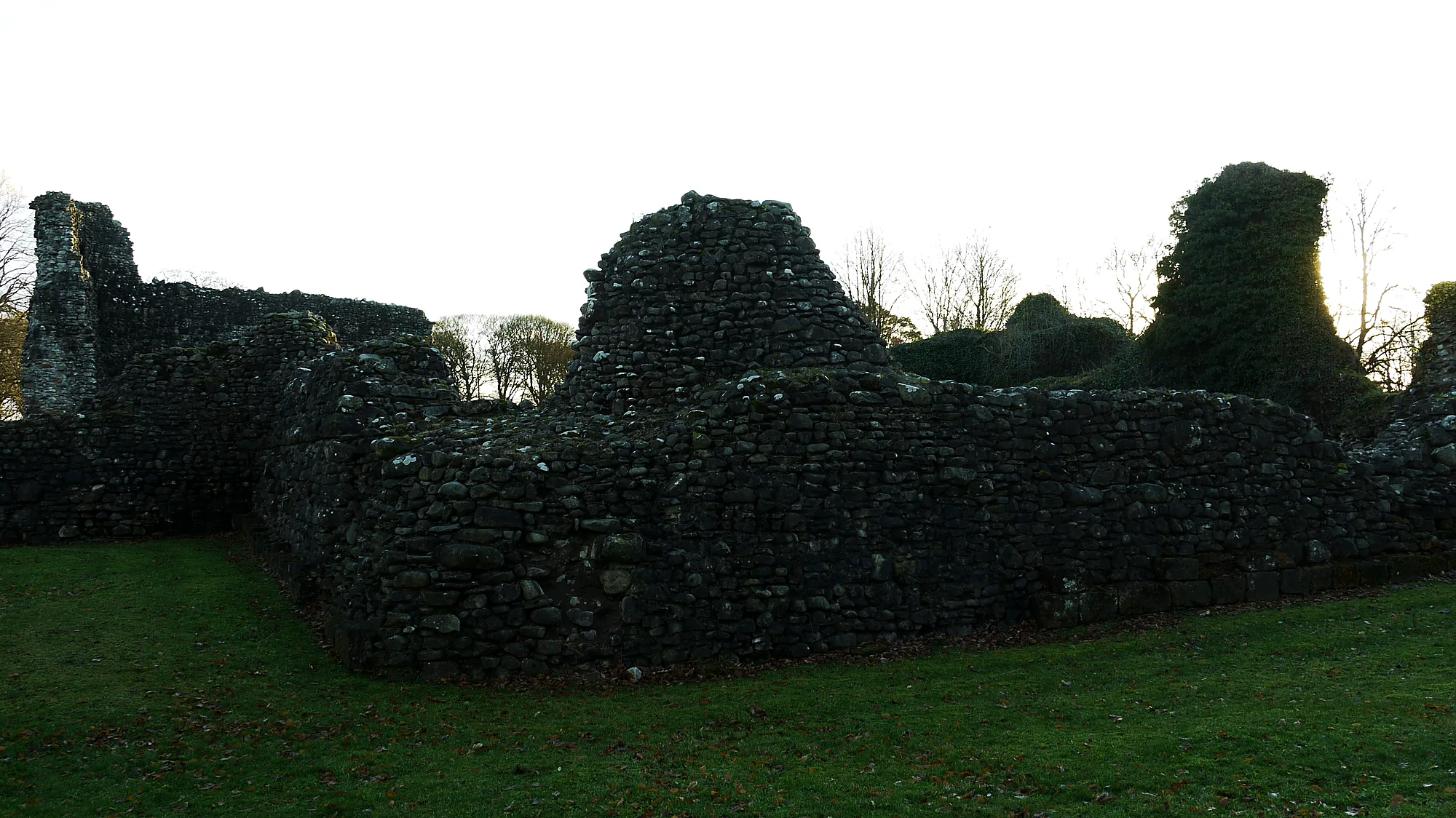
Hidden among trees beside Castle Loch, Lochmaben Castle was once an important English stronghold in medieval Scotland. Built during the Wars of Independence, it changed hands repeatedly before becoming a Scottish royal residence. Today its broken walls and gateways recall centuries of conflict along the border.
In 1298, Edward I of England ordered a timber-and-earth fortification on a peninsula beside Castle Loch. It was intended to control a strategically important area near the Anglo-Scottish border.
In 1299, the future Robert the Bruce besieged the castle for five days without success. In 1301, Scottish forces led by John de Soules captured and burnt the fortification. The English regained Lochmaben in 1333, and a substantial stone castle stood here by 1364.
In 1385, Archibald Douglas, known as the Grim, captured Lochmaben for Scotland, ending its long period as an English border outpost.
Lochmaben became a possession of the Scottish Crown in 1445. James IV visited frequently and commissioned major building works, including rebuilding the great hall around 1500. James V also used the castle, which served as a muster point before his final campaign against England in 1542.
English forces captured it in 1544 during the Rough Wooing, but the Scots recovered it the following year. In 1588, James VI’s army besieged the castle after Lord Maxwell garrisoned it as part of a planned Catholic rebellion.
The fortress gradually lost its military importance. It was abandoned in the eighteenth century, and its stone was reused in buildings in the nearby town.
An English beginning: the present castle began as a military project ordered by Edward I of England.
Robert the Bruce: the future Scottish king unsuccessfully besieged it in 1299. An earlier castle in the Lochmaben area was associated with the Bruce family.
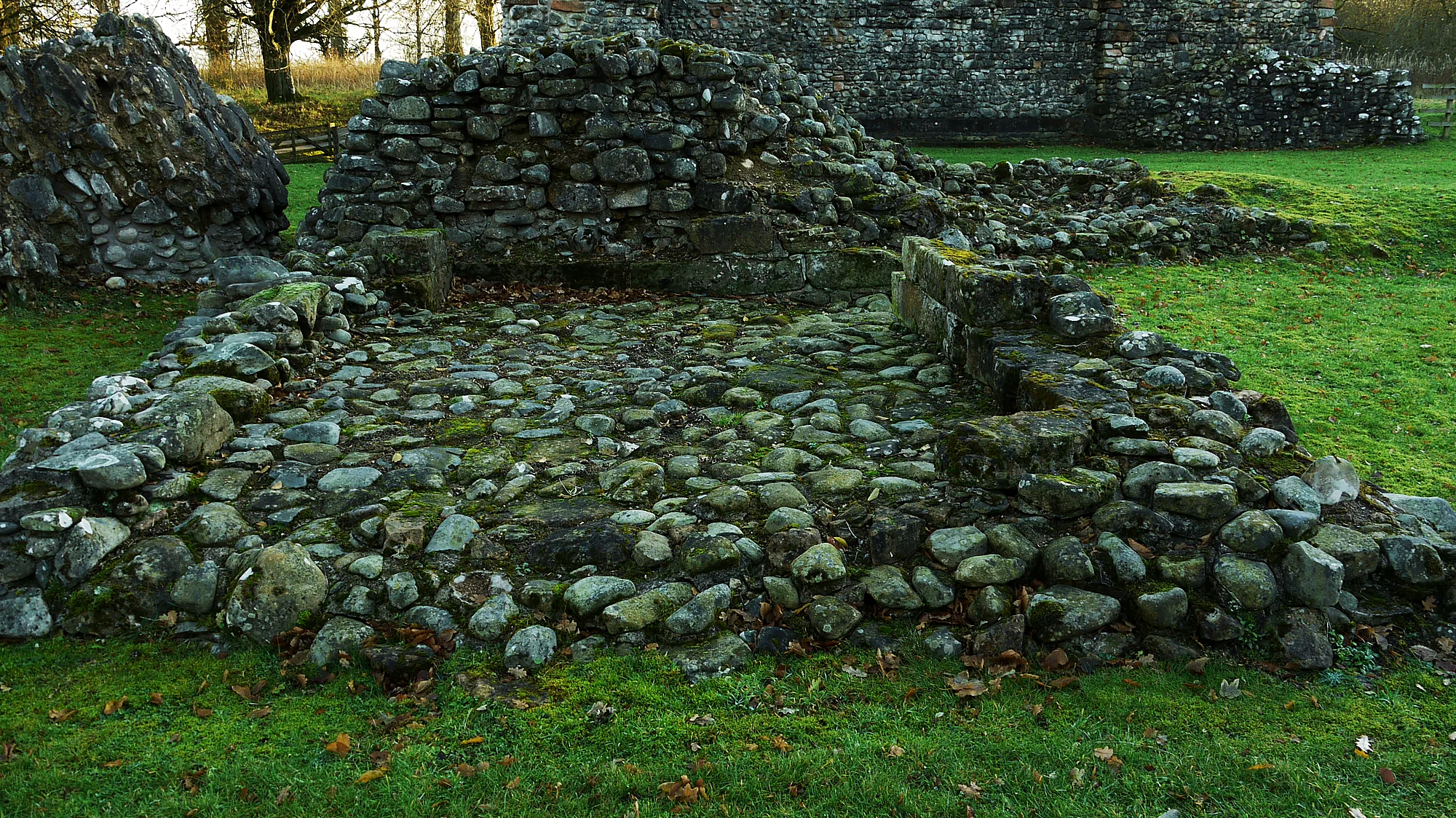
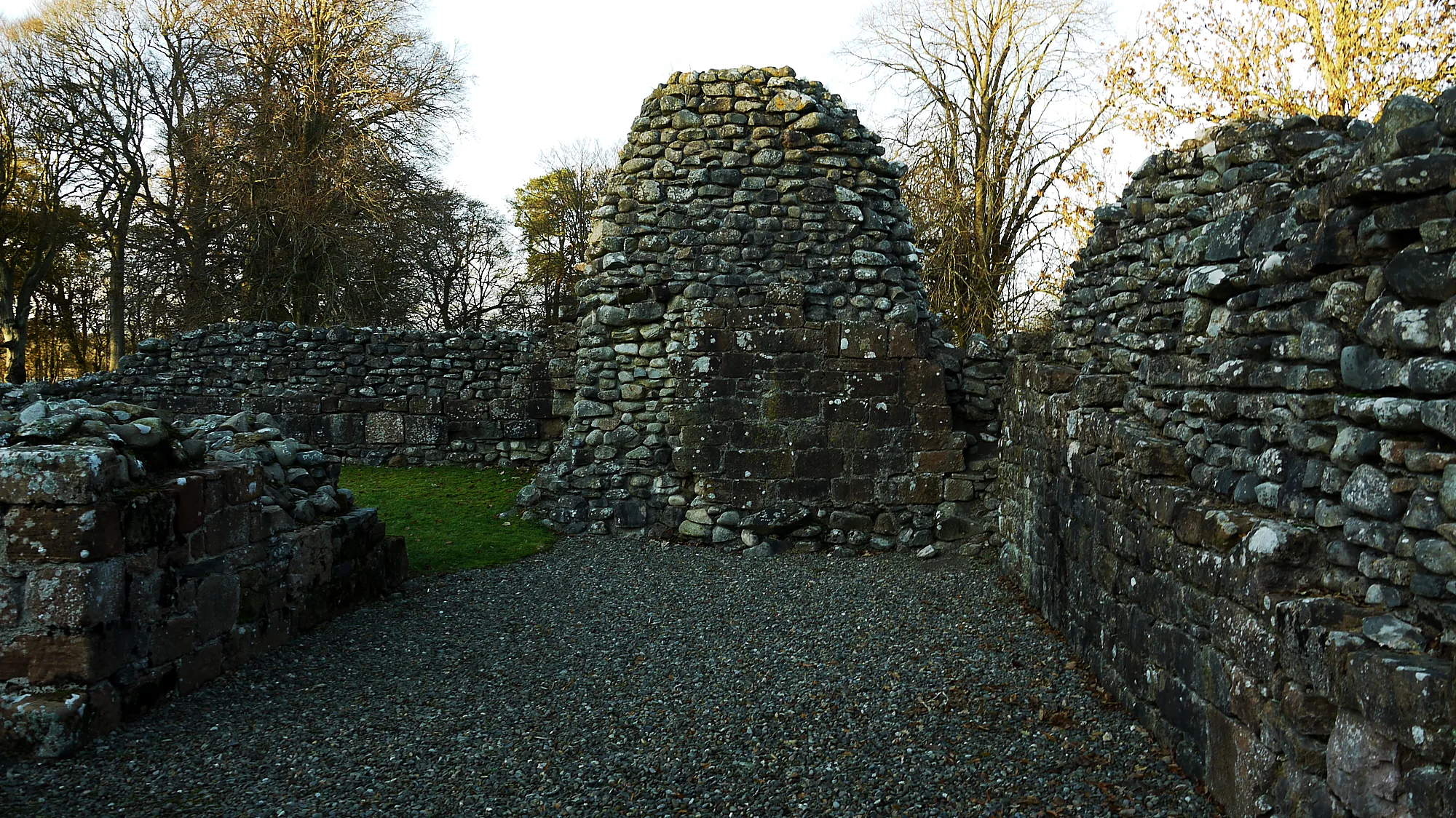
Layered defences: the fortress had ditches, fortified entrances and successive defensive lines; traces survive among the ruins.
Two roles: an English border stronghold later became a Scottish royal residence.
A peaceful setting: woodland paths beside Castle Loch contrast with the castle’s turbulent past.
The castle stands south of Lochmaben in Dumfries and Galloway, beside Castle Loch.
Please note: the ruins are closed for conservation work. View them only from accessible areas outside the protective fencing. Do not enter restricted areas. Exterior viewing is free.
02 / VISUAL JOURNAL
Photo by zamki-szkocji.com
10 of 25 photographs
01 / THE STORY CONTINUES
From Lochmaben, follow the B7020 towards Hightae and Heck, then turn onto the narrow access road to the castle and car park. The final stretch is a single-track local road. Drive slowly, watch for uneven surfaces and allow oncoming vehicles to pass.
Castle car park — free (confirmed). A small parking area is close to the ruins, reached from the B7020. Spaces are limited.
Lochfield Car Park — alternative parking. On the eastern side of Castle Loch, this offers a starting point for a longer woodland walk towards the castle. Check signs on site for any parking restrictions or charges.
Castle interior: closed for conservation.
Exterior views: from accessible areas outside the protective fencing.
Paths: woodland tracks, sometimes muddy and uneven.
Footwear: sturdy walking shoes recommended.
Toilets: no confirmed facilities at the ruins; look for services in Lochmaben.
Accessibility: uneven ground and the narrow approach may make a visit difficult for people with limited mobility.
03 / MOMENTS IN STONE
Edward I establishes a timber-and-earth stronghold. In 1298, Edward I of England ordered a timber-and-earth fortification on a peninsula beside Castle Loch. It was intended to control a strategically important area near the Anglo-Scottish border.
The stone castle is in place. Lochmaben became a possession of the Scottish Crown in 1445. James IV visited frequently and commissioned major building works, including rebuilding the great hall around 1500. James V also used the castle, which served as a muster point before his final campaign against England in 1542.
Archibald Douglas captures the castle for Scotland. An English beginning: the present castle began as a military project ordered by Edward I of England.
The castle becomes a Scottish royal possession.
James VI’s forces take Lord Maxwell’s garrison.
08 / EXPLORE NEXT
Find Scottish castles by region, landscape or the stories that bring them to life.
 Dumfries and GallowayThreave Castle
  The HighlandsCastle of Mey
  The Kingdom of FifeInchcolm Abbey