TICKETSFree to view the ruins.
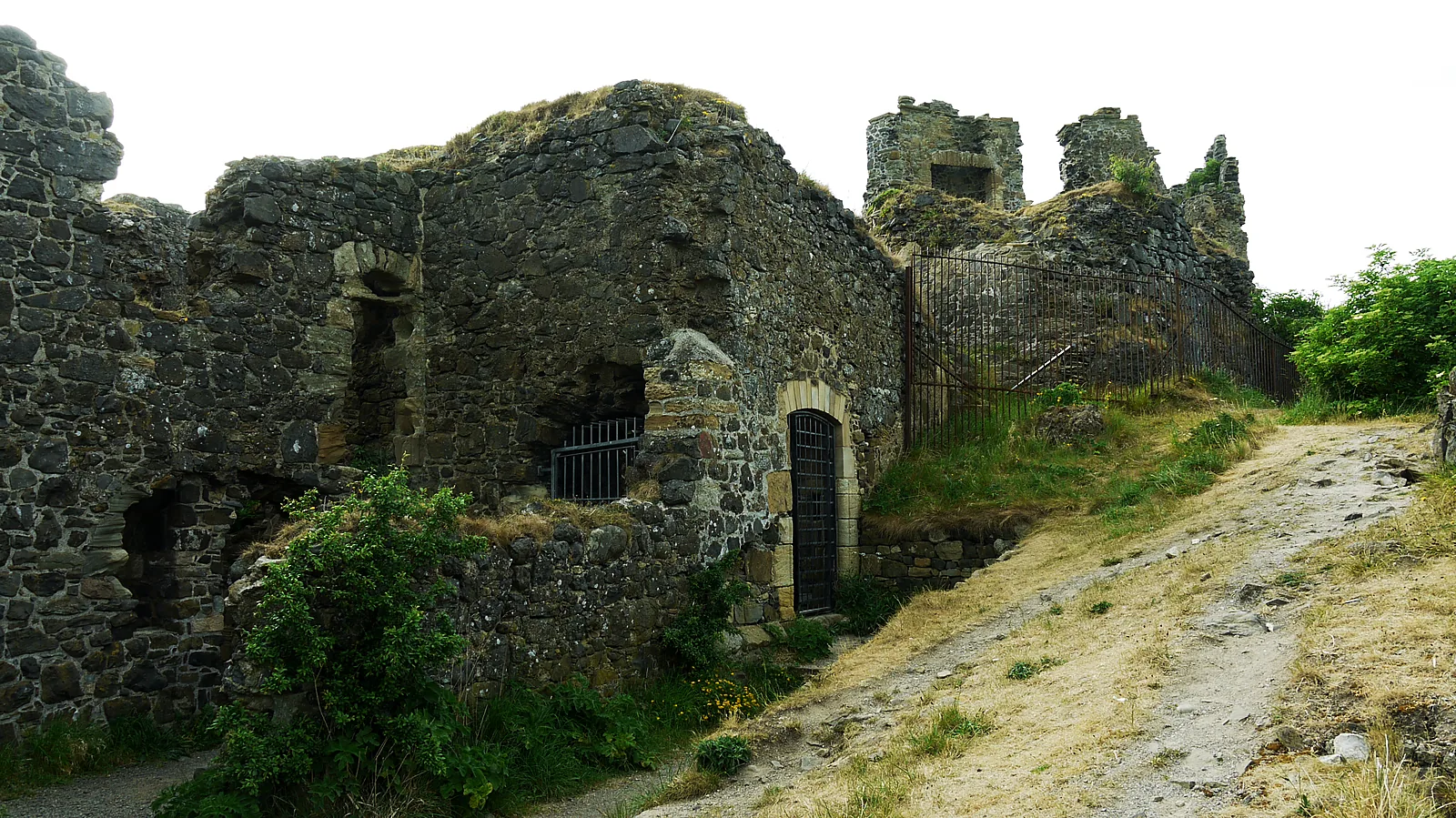
Do not enter fenced or unsafe areas.
 Castle
AYRSHIRE & ARRAN
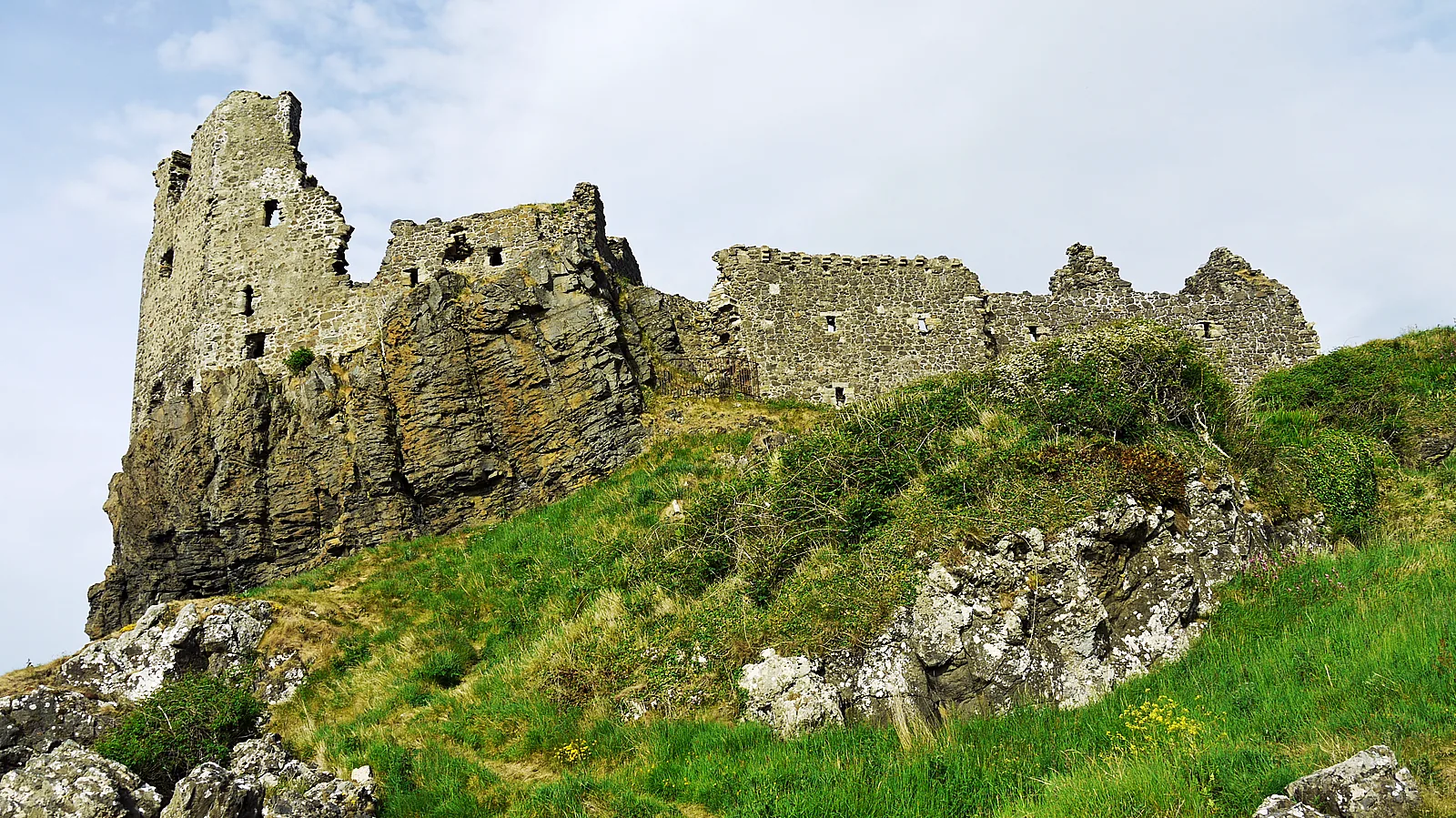
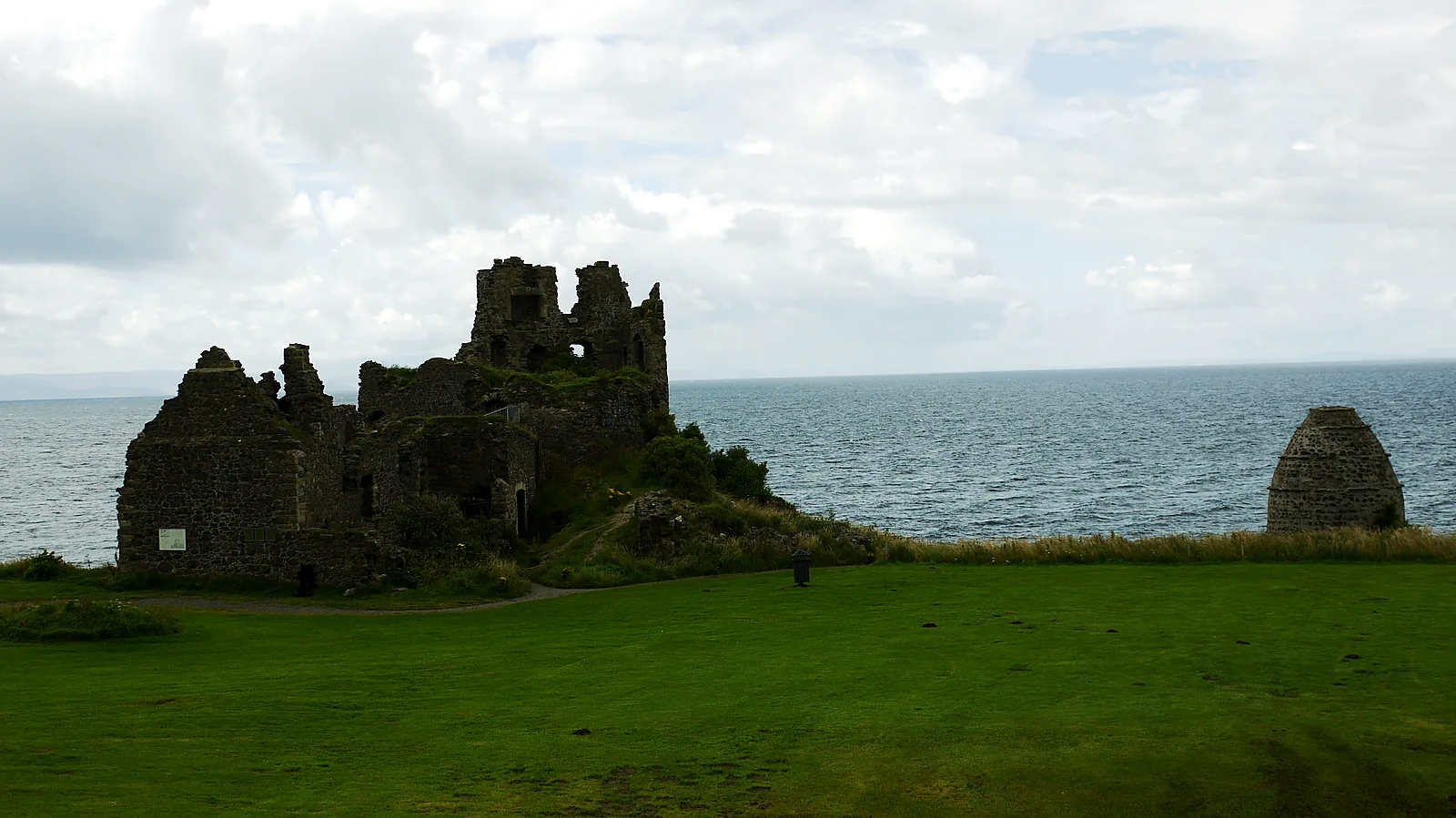
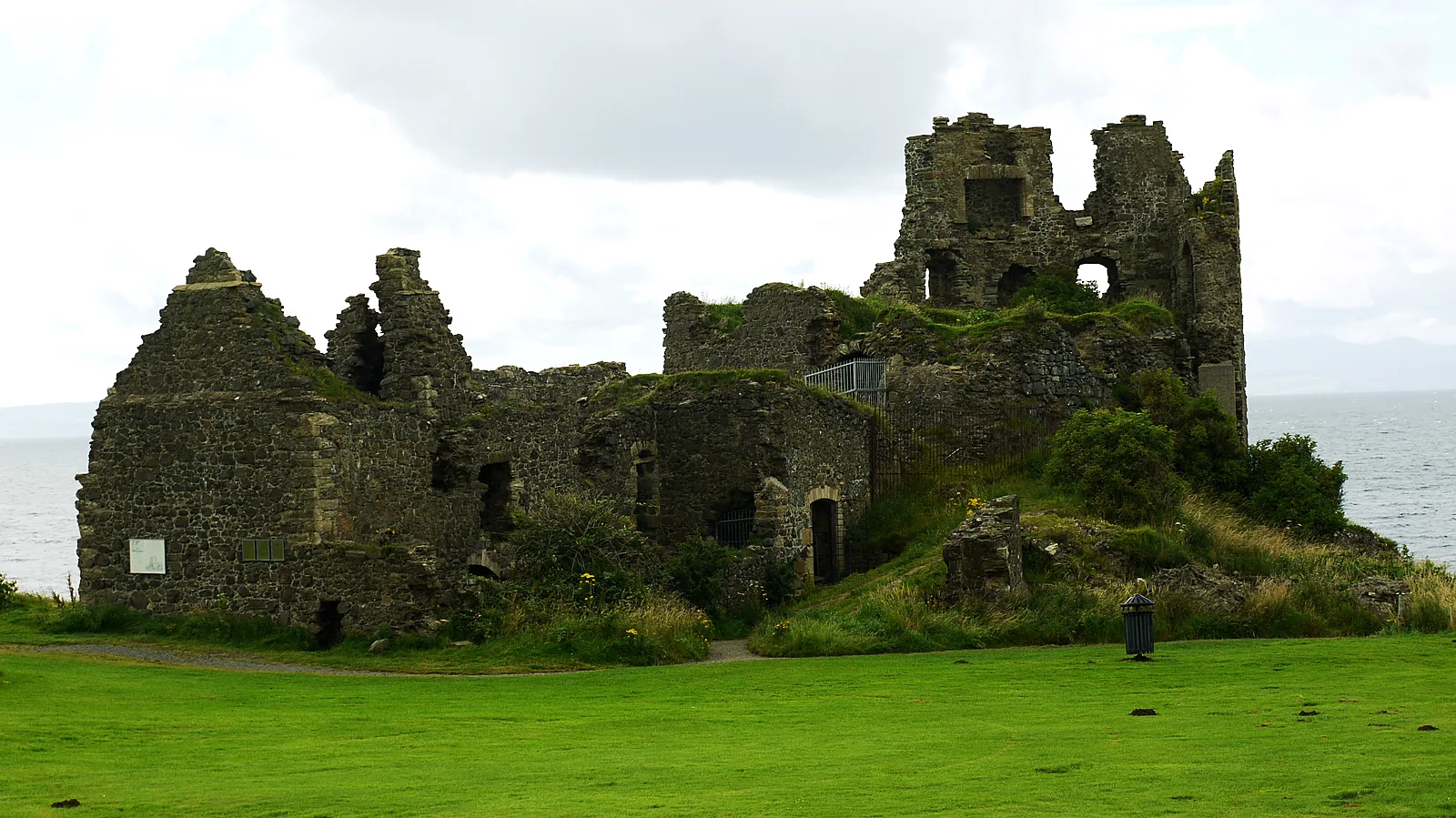
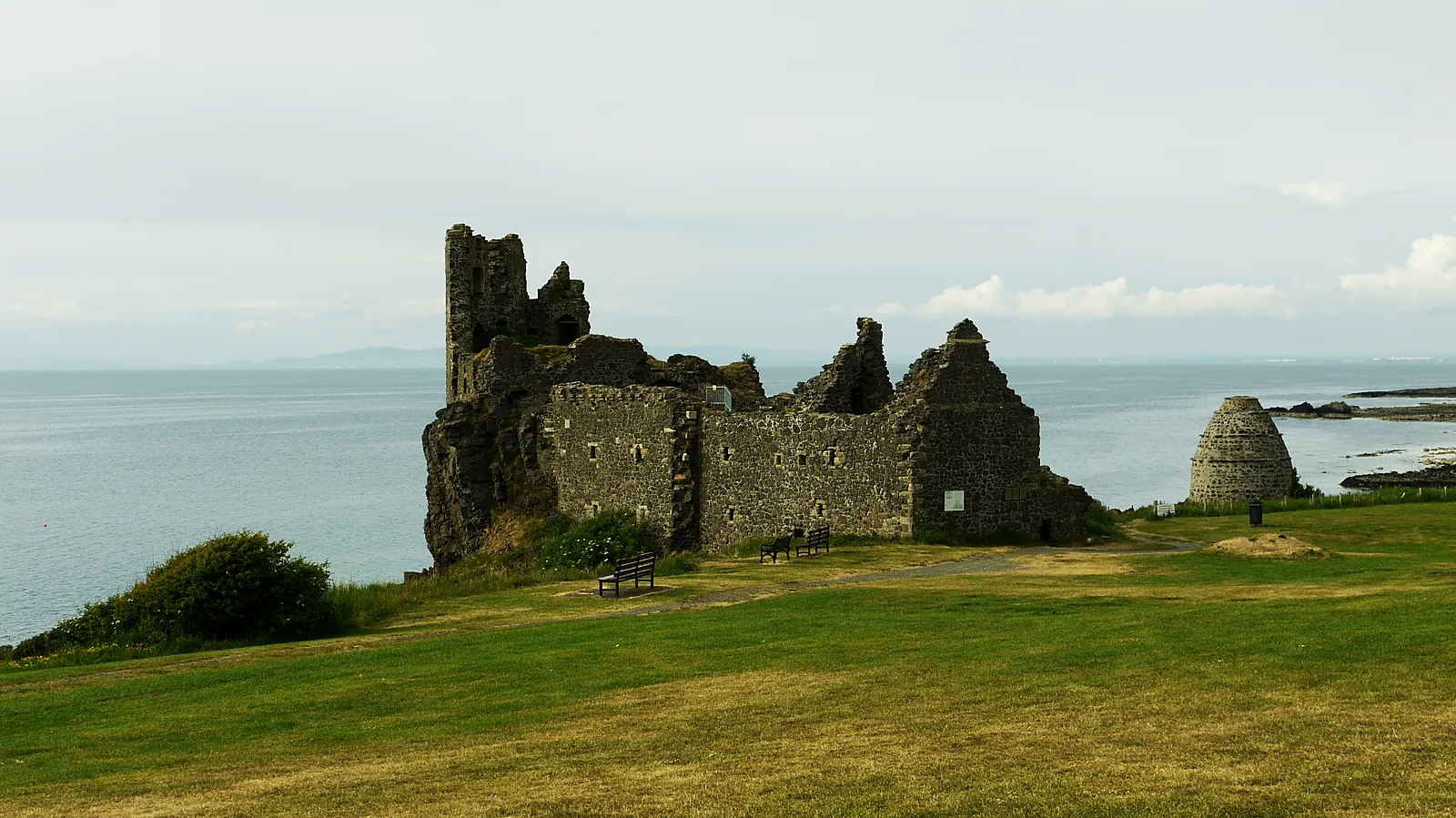
At the edge of the small Ayrshire village of Dunure, a broken silhouette of stone walls rises above the Firth of Clyde.
PLAN YOUR VISIT
Dunure, South Ayrshire
Do not enter fenced or unsafe areas.
Follow any safety restrictions on site.
Parking information
Kennedy Park: £3/day Easter–September; free October–Easter.
Parking sources checked · 5 November 2026
The castle sits above the sea, with uneven ground and exposed edges. Keep children close and stay outside fenced areas.
WHAT TO EXPECT
01 / THE STORY
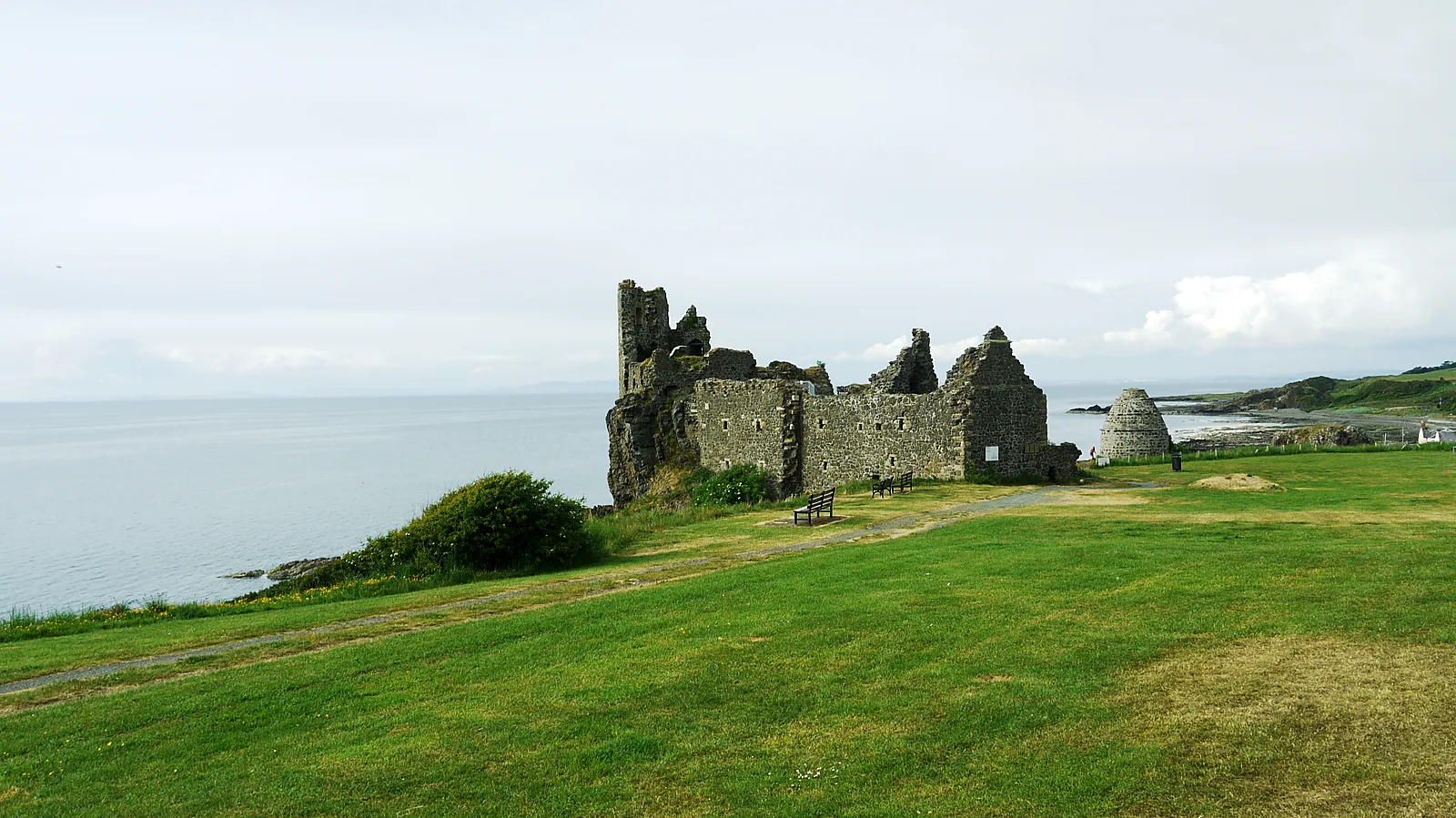
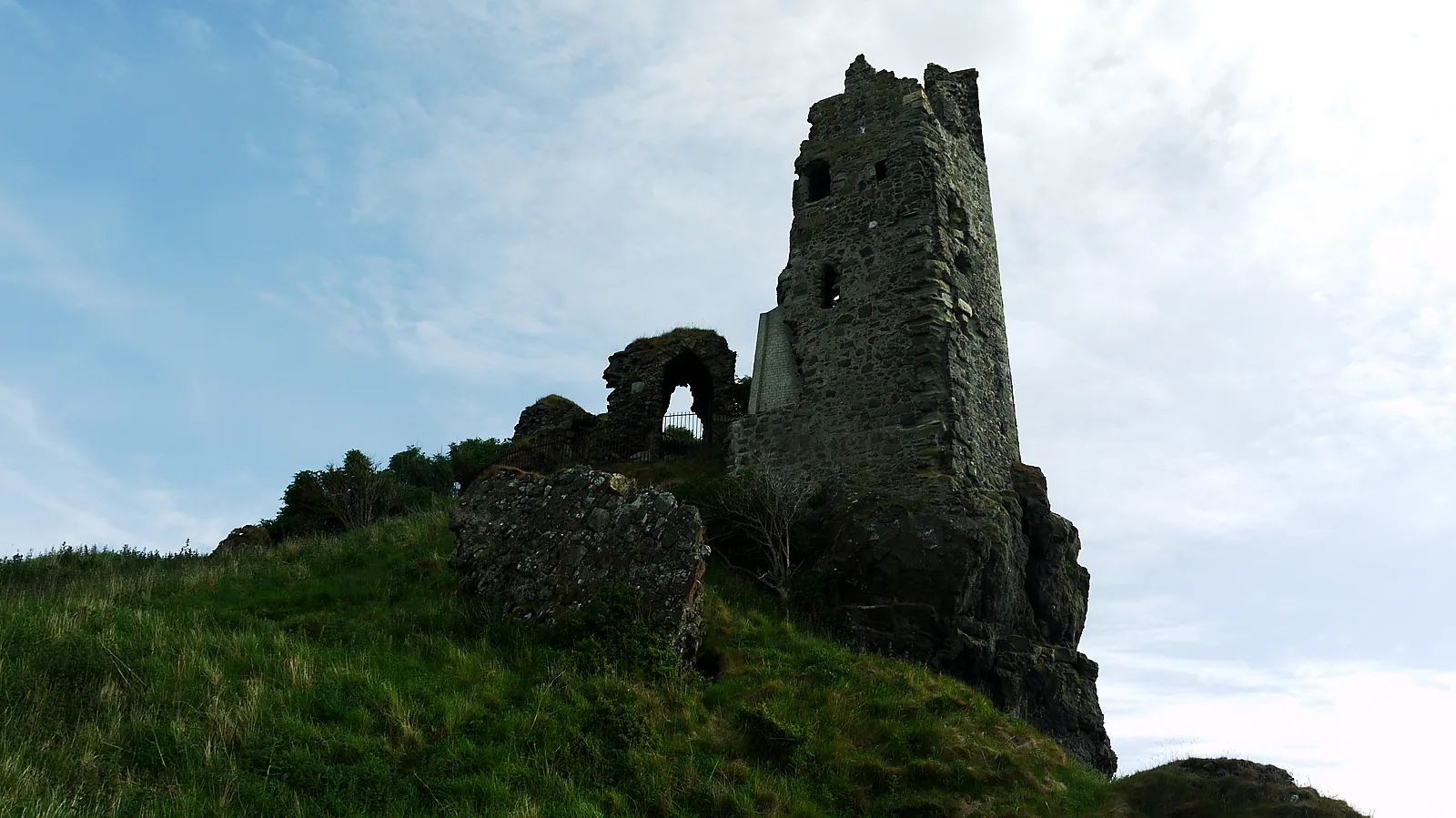
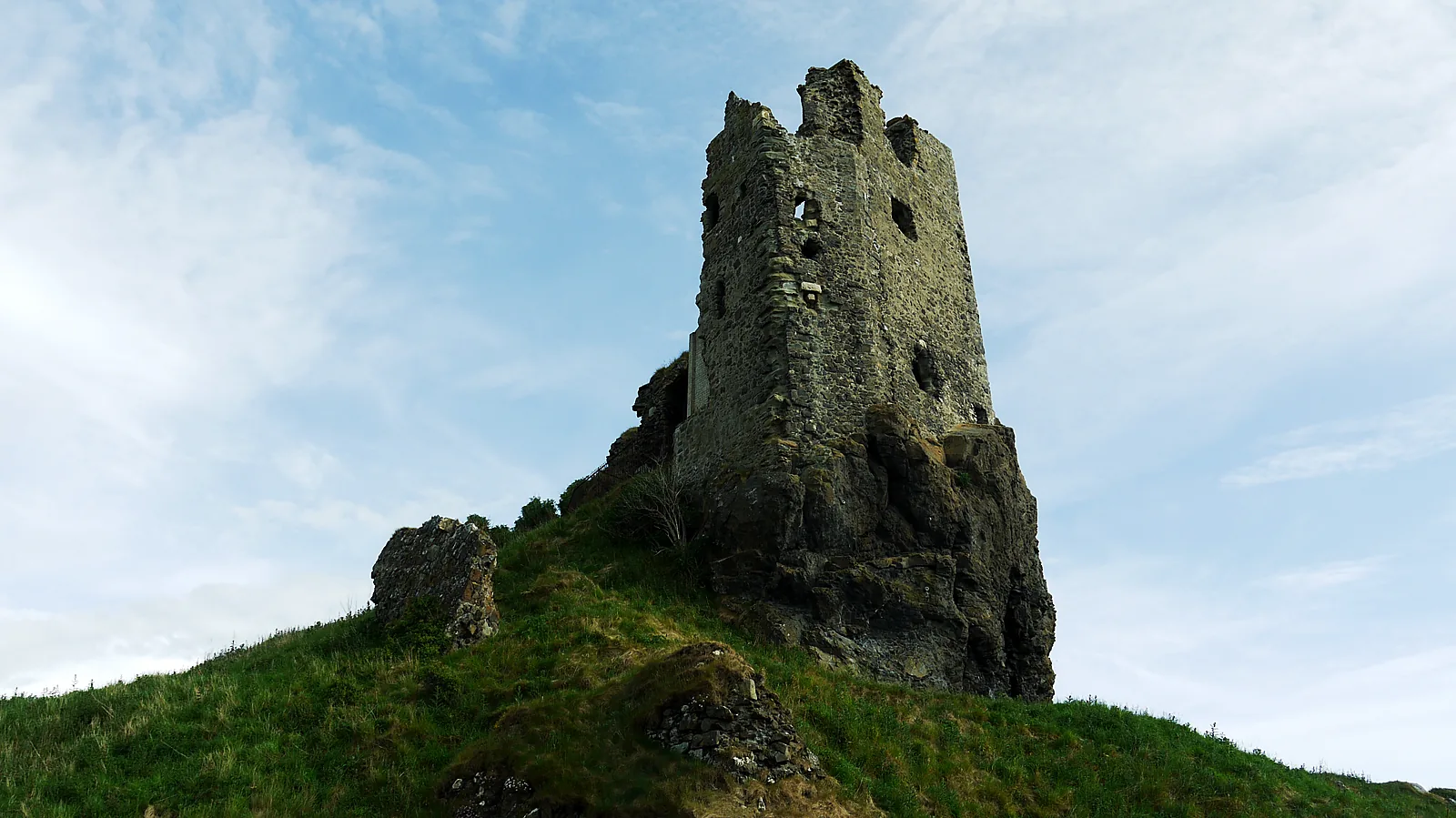
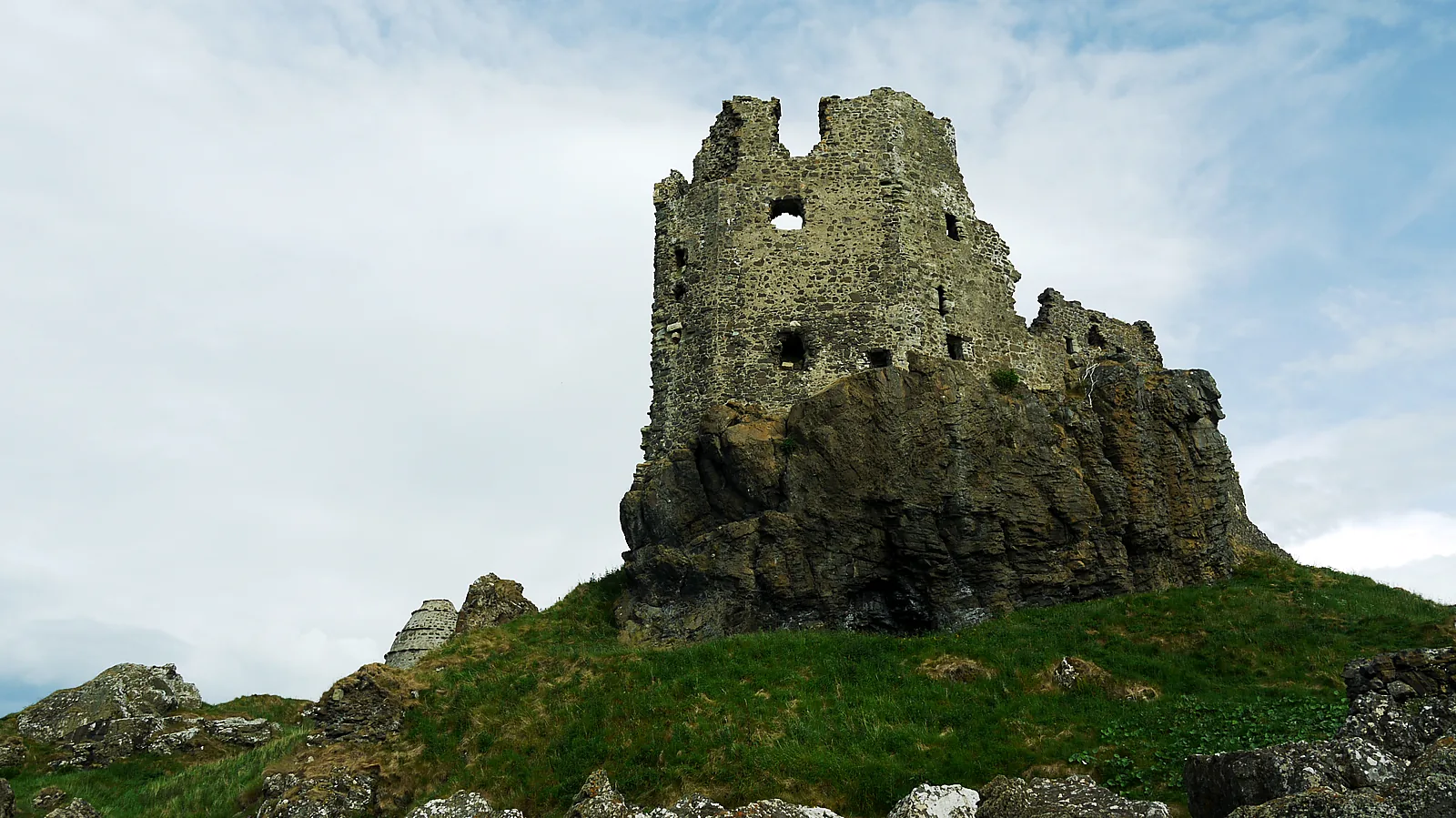
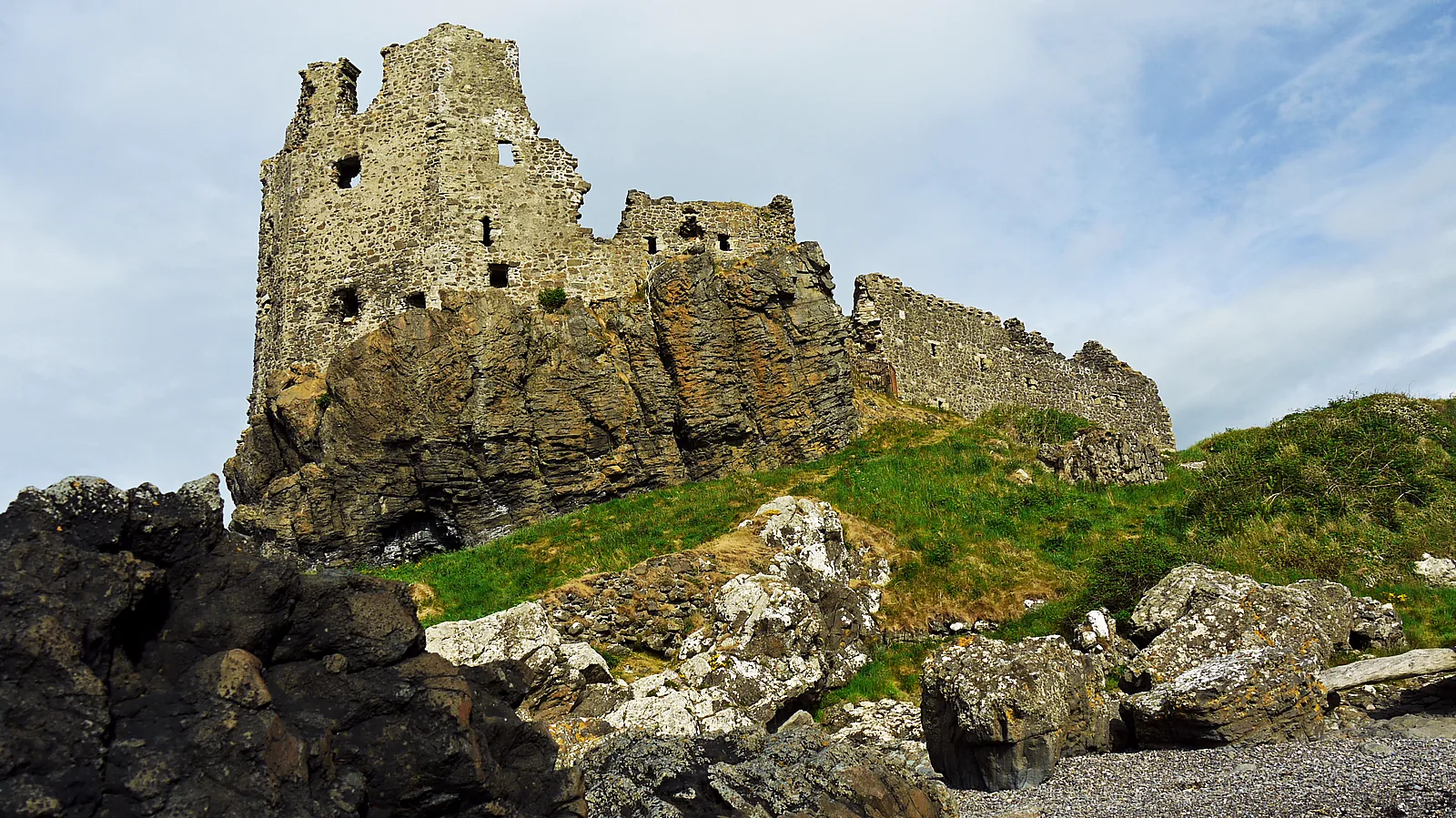
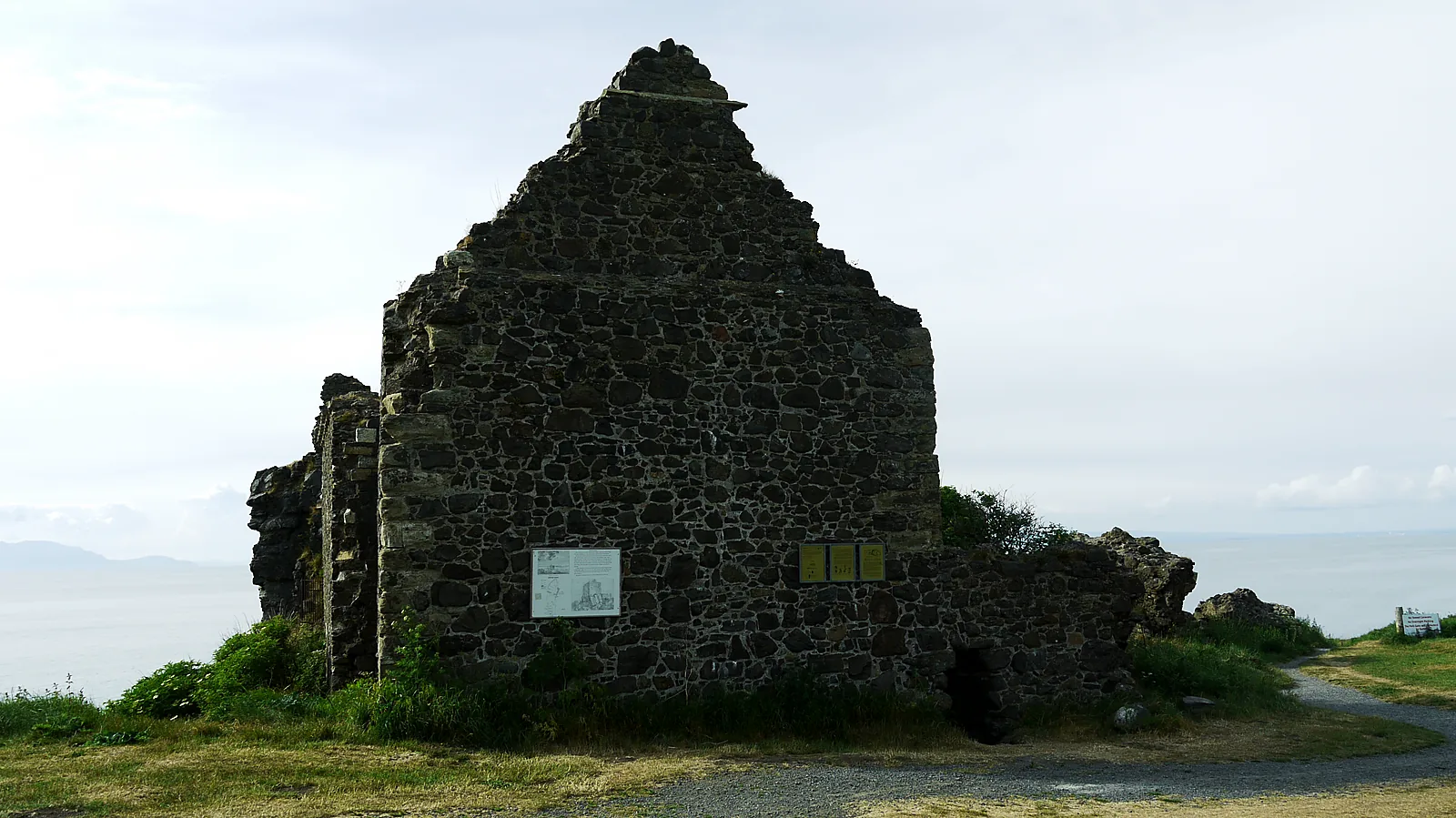
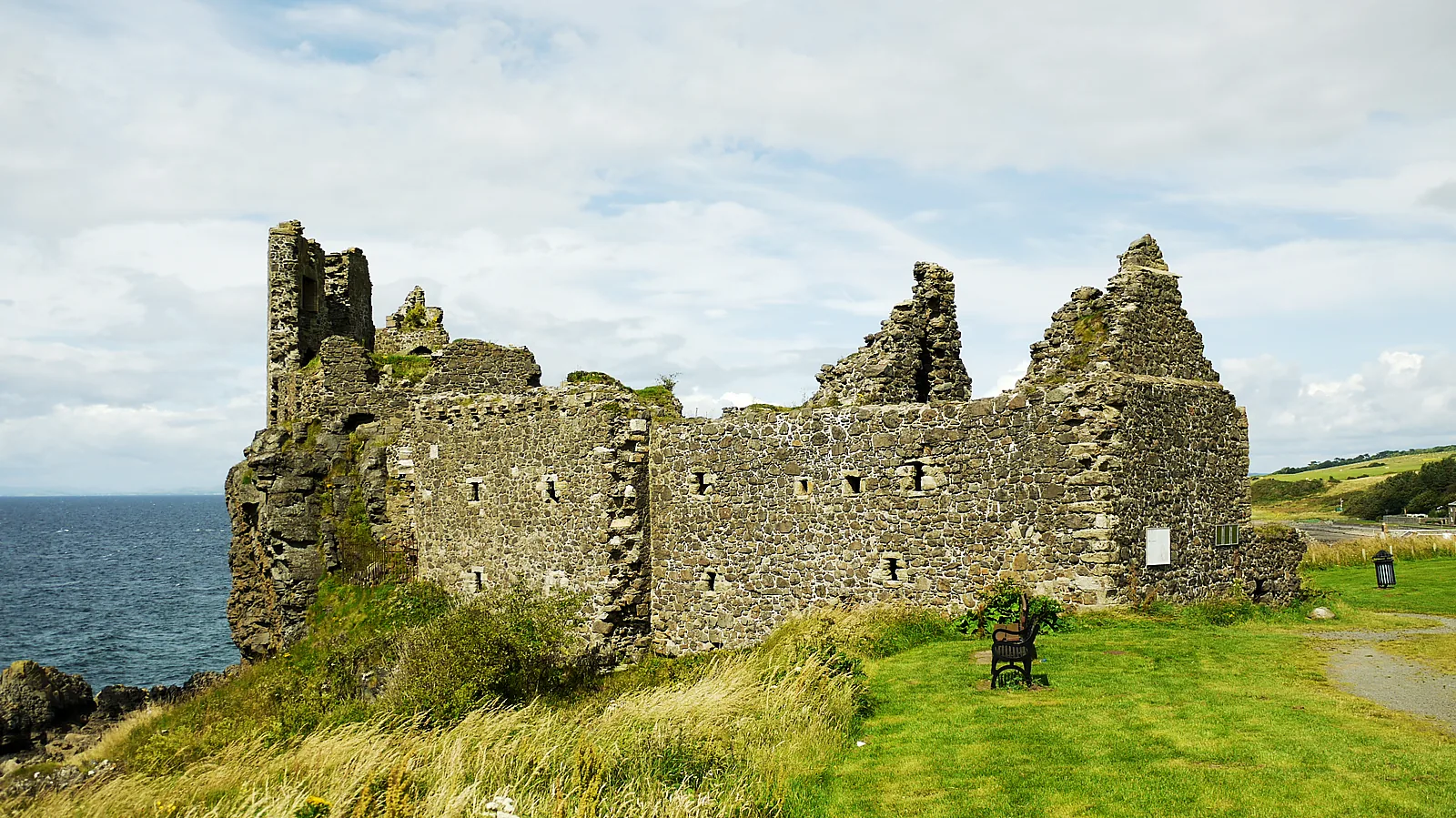
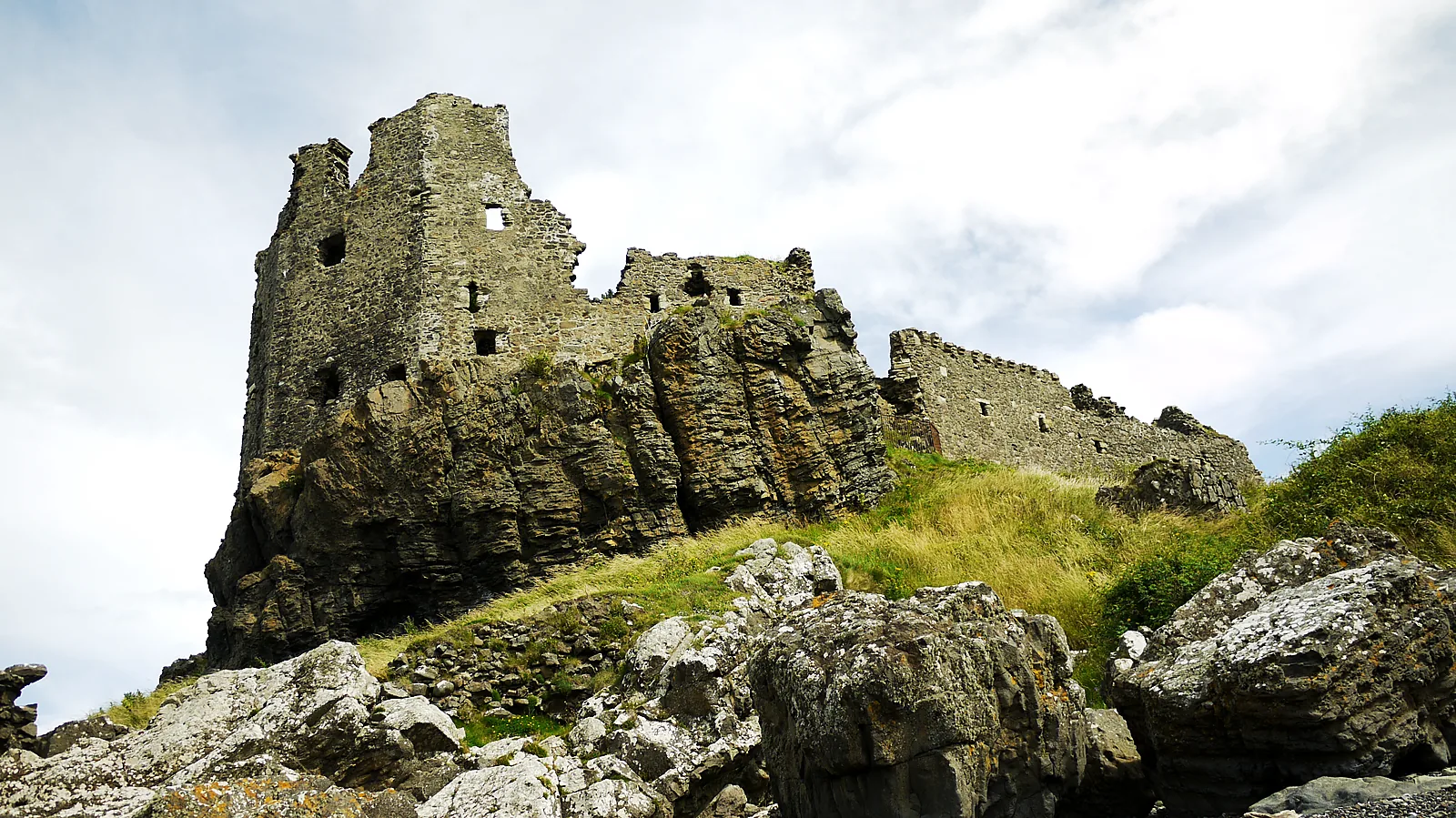
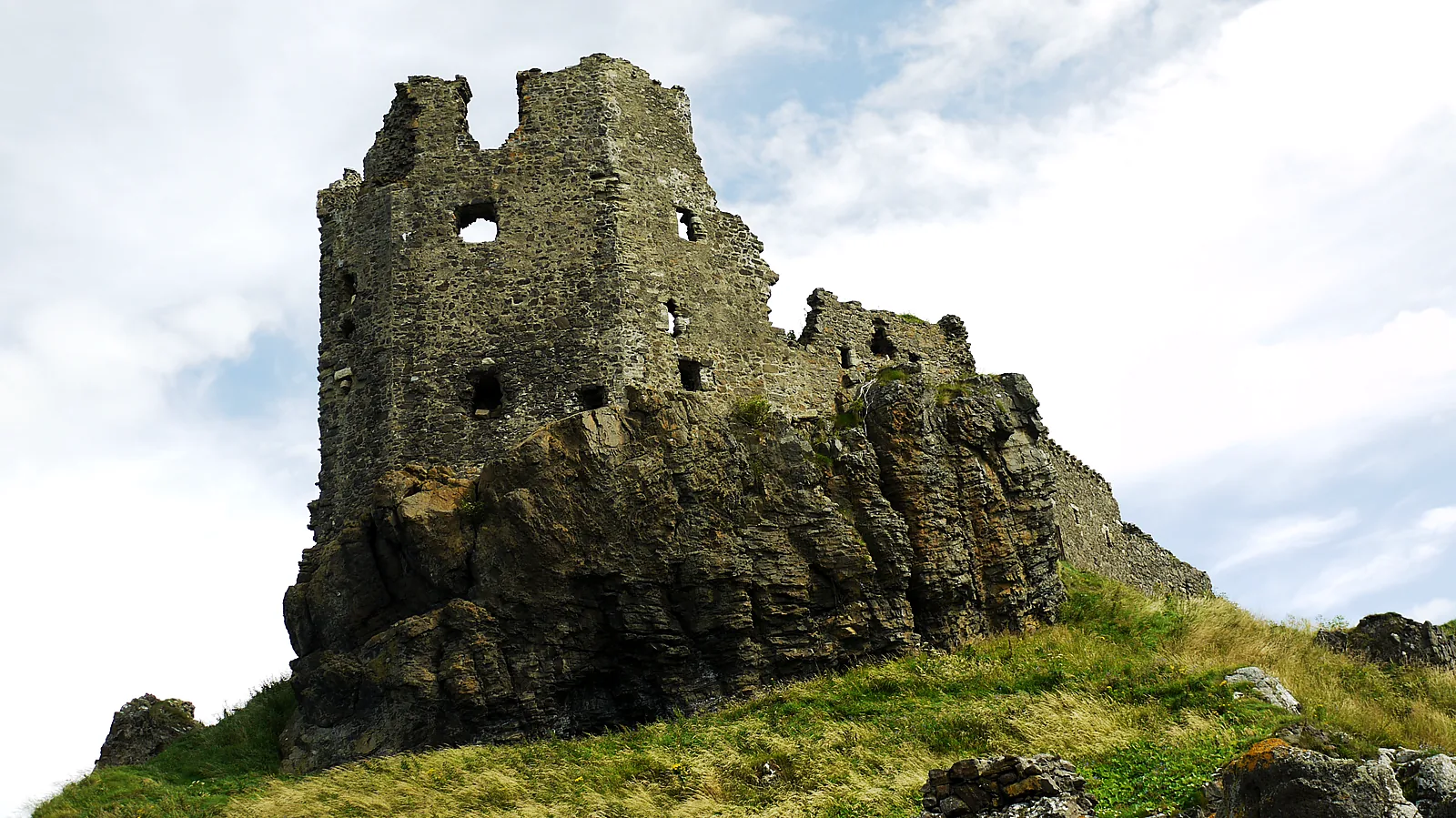
At the edge of the small Ayrshire village of Dunure, a broken silhouette of stone walls rises above the Firth of Clyde. Dunure Castle occupies a rocky headland beside Kennedy Park: an unforgettable setting where sea, wind and centuries of Scottish politics meet. The surviving masonry belongs to a fortified residence of the powerful Kennedy family, later Earls of Cassillis. Its most famous episodes involve Mary, Queen of Scots, and an appalling dispute over monastic lands. Today the castle is a free-to-view scheduled ruin, but its cliff-edge location demands caution.
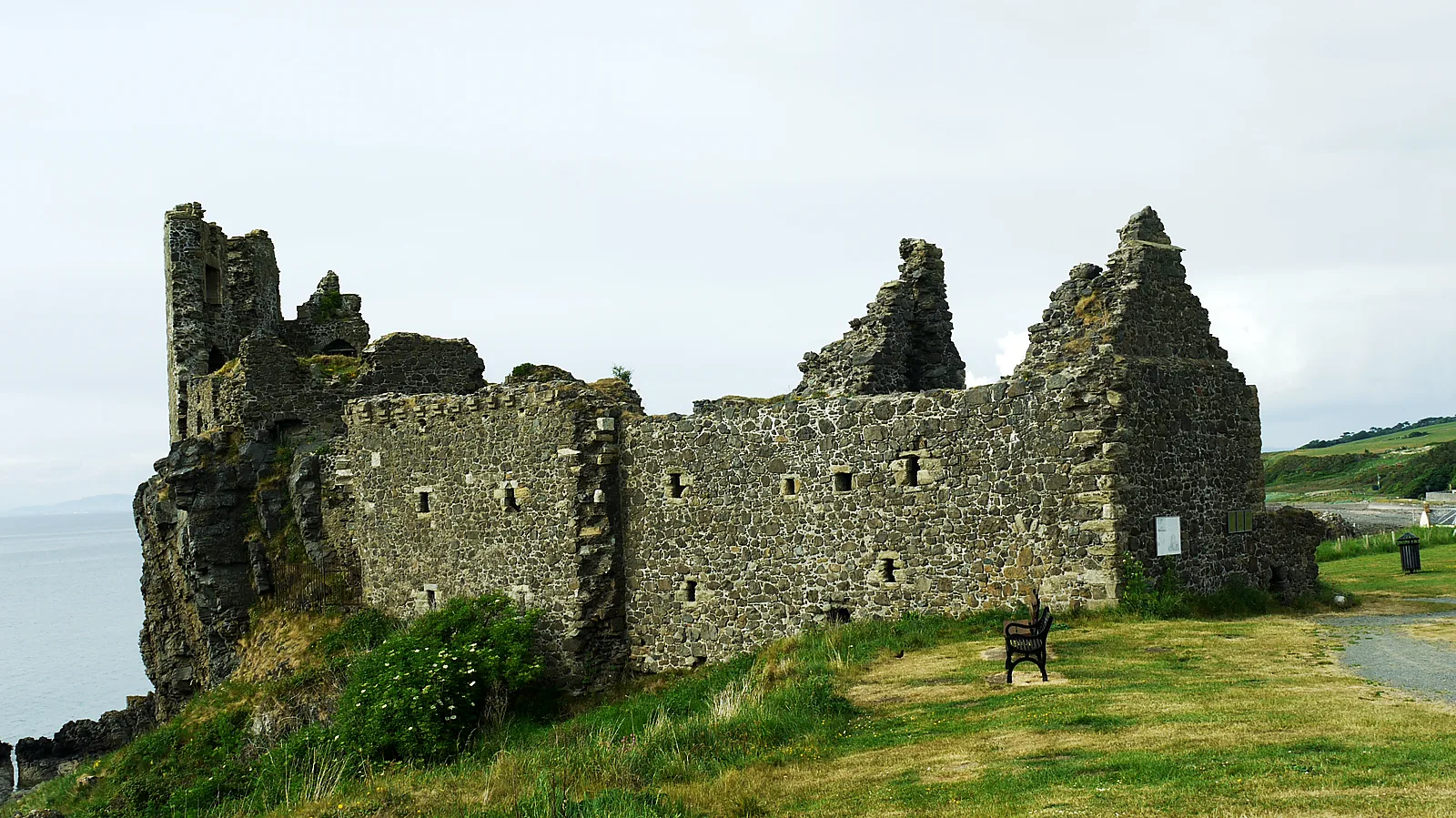
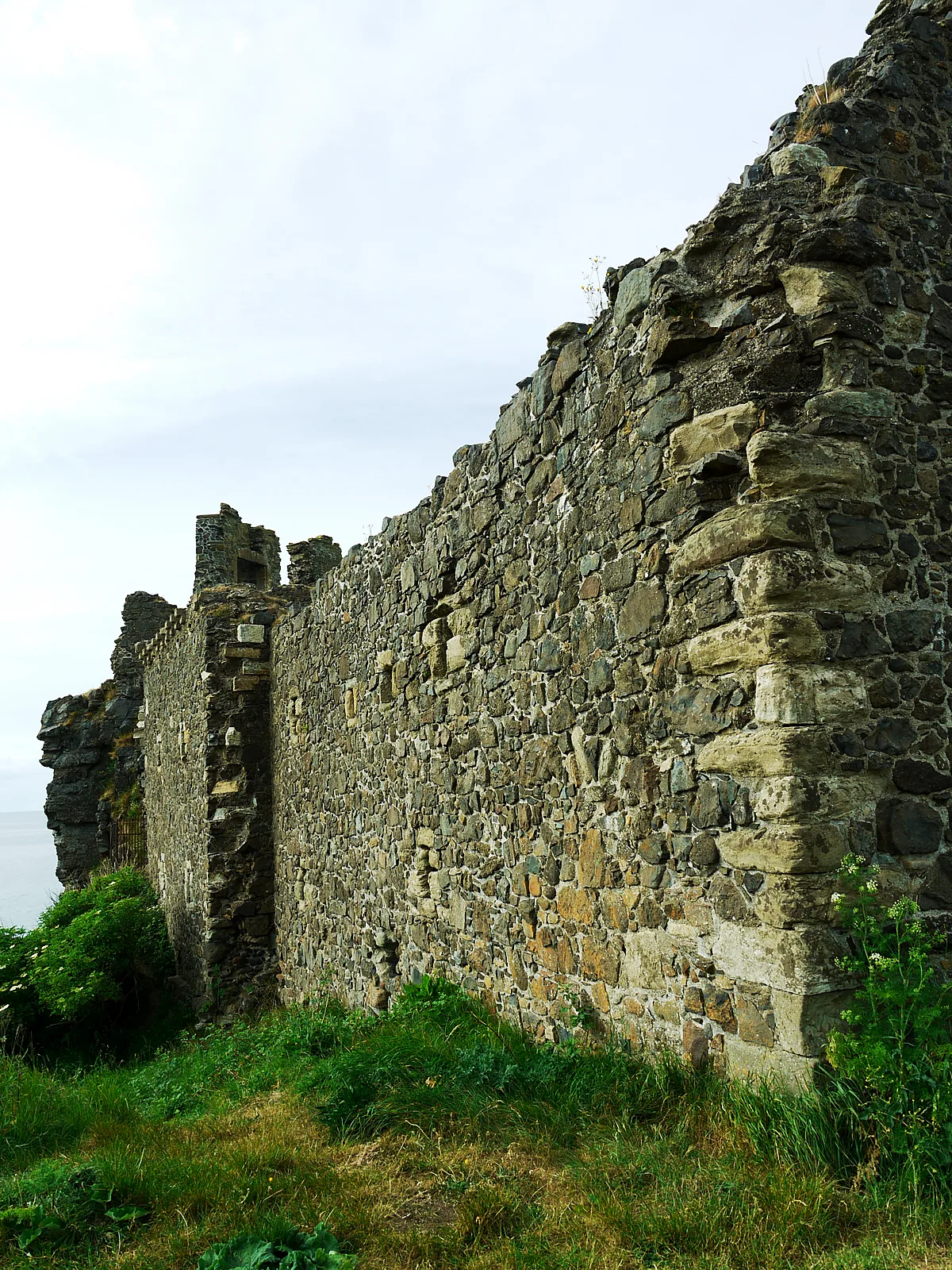
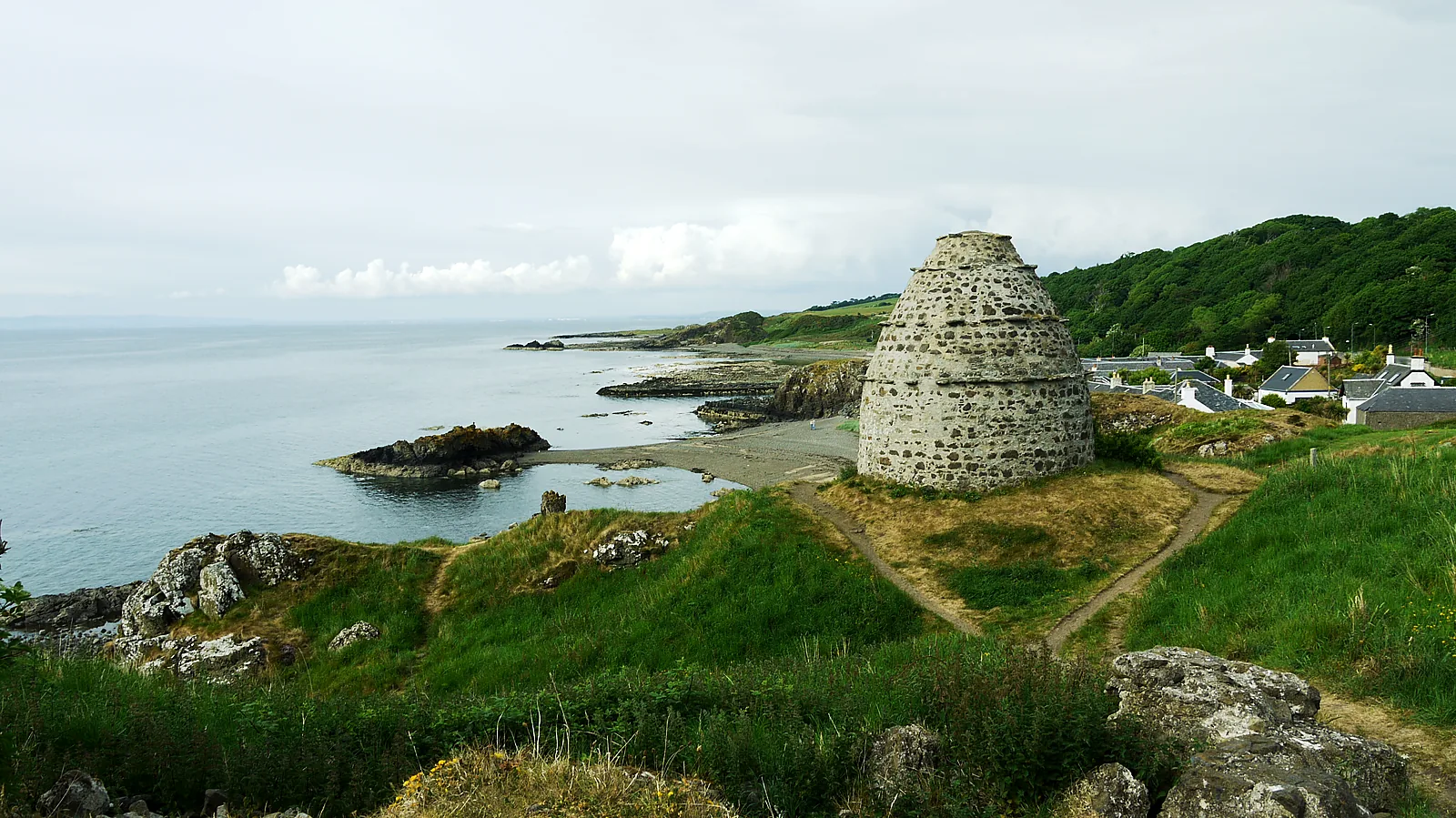
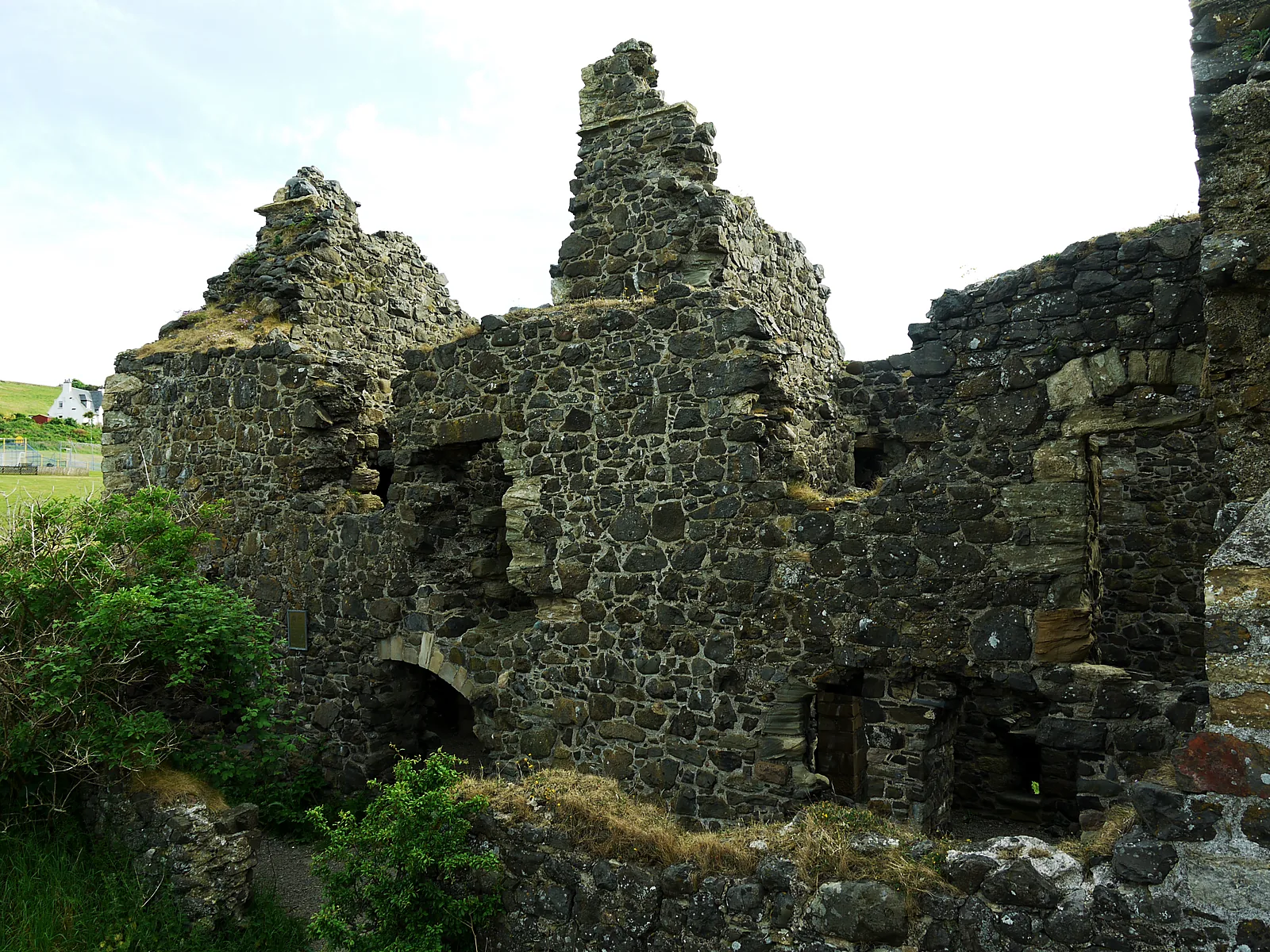
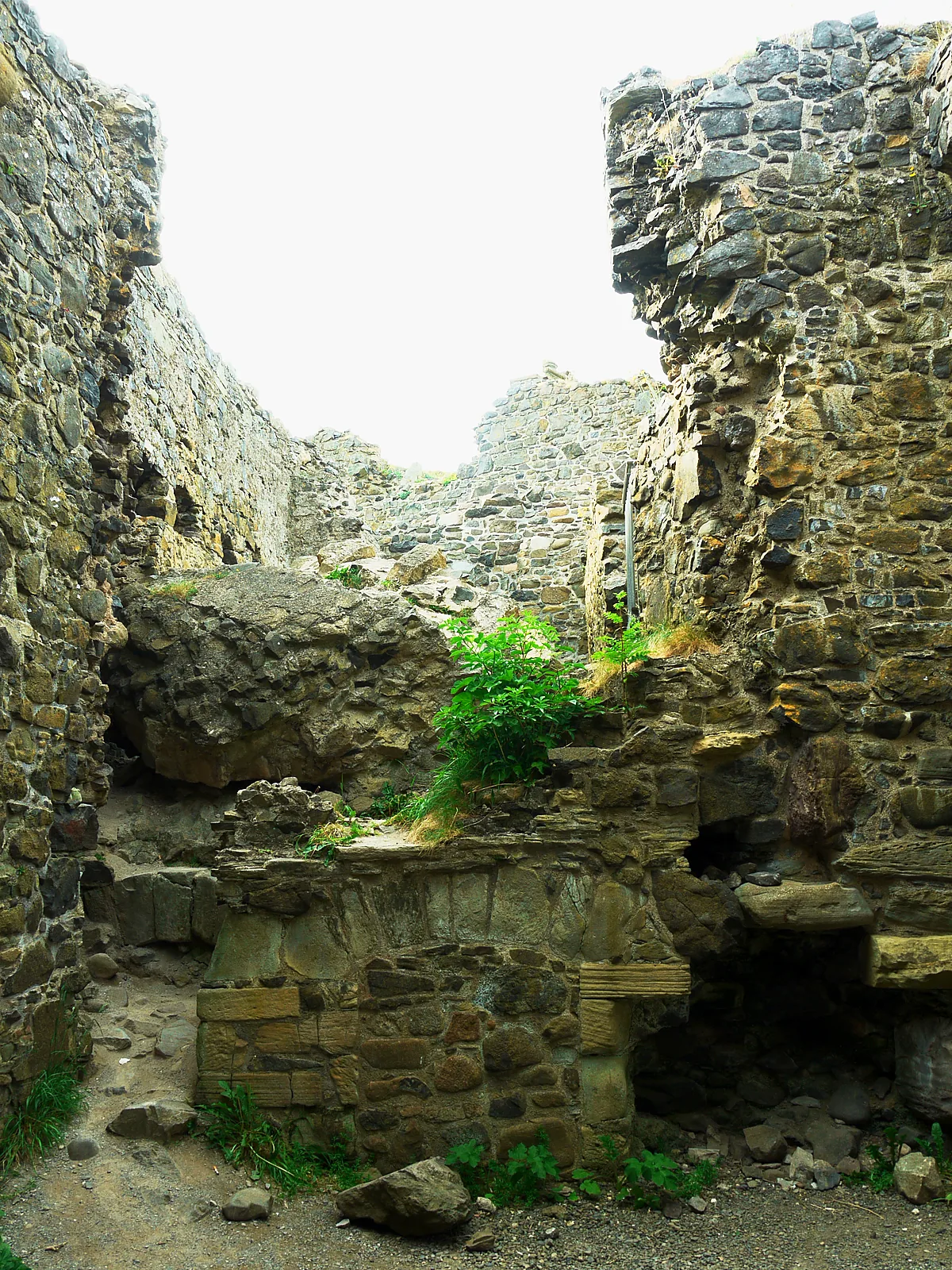
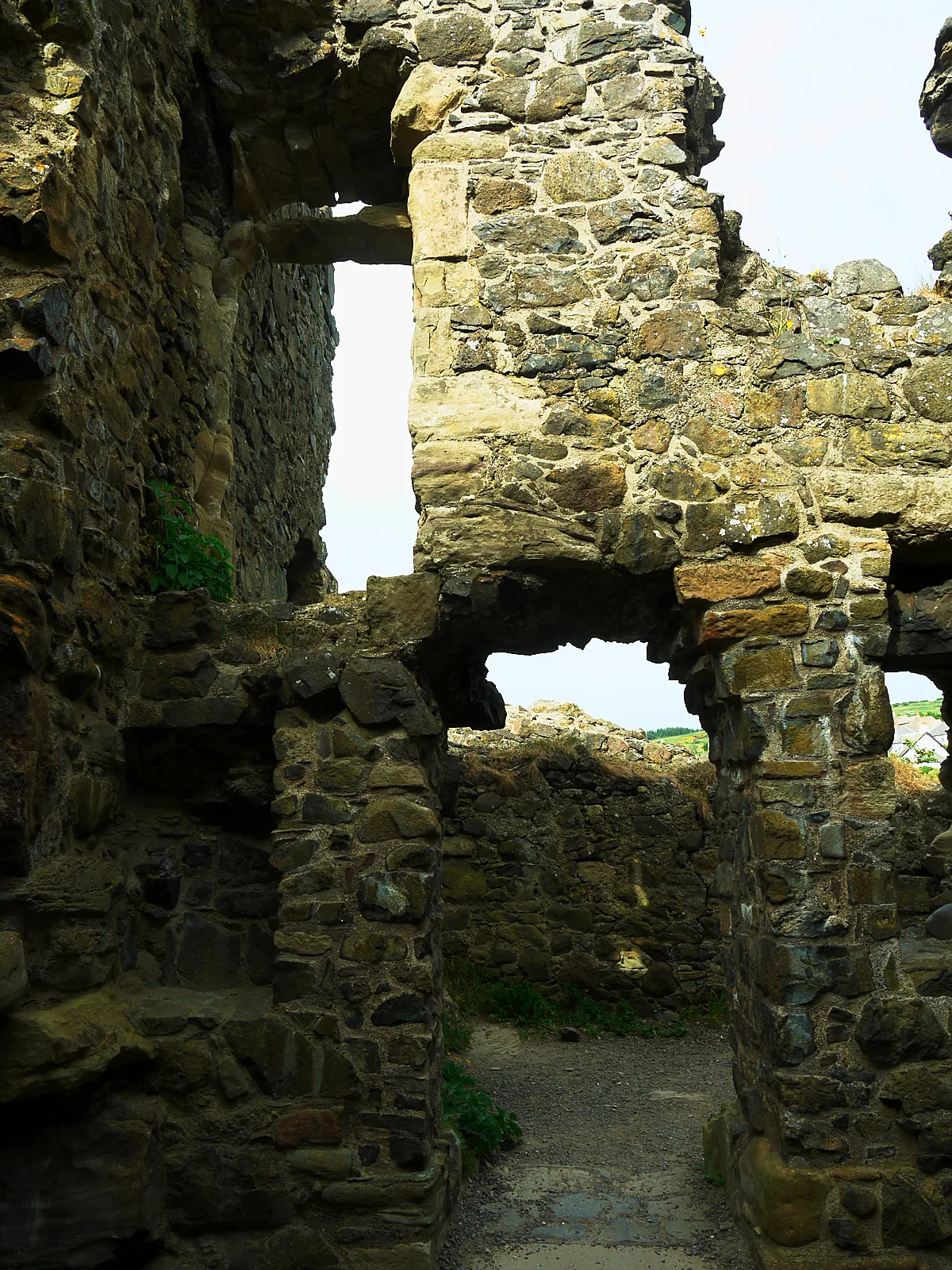
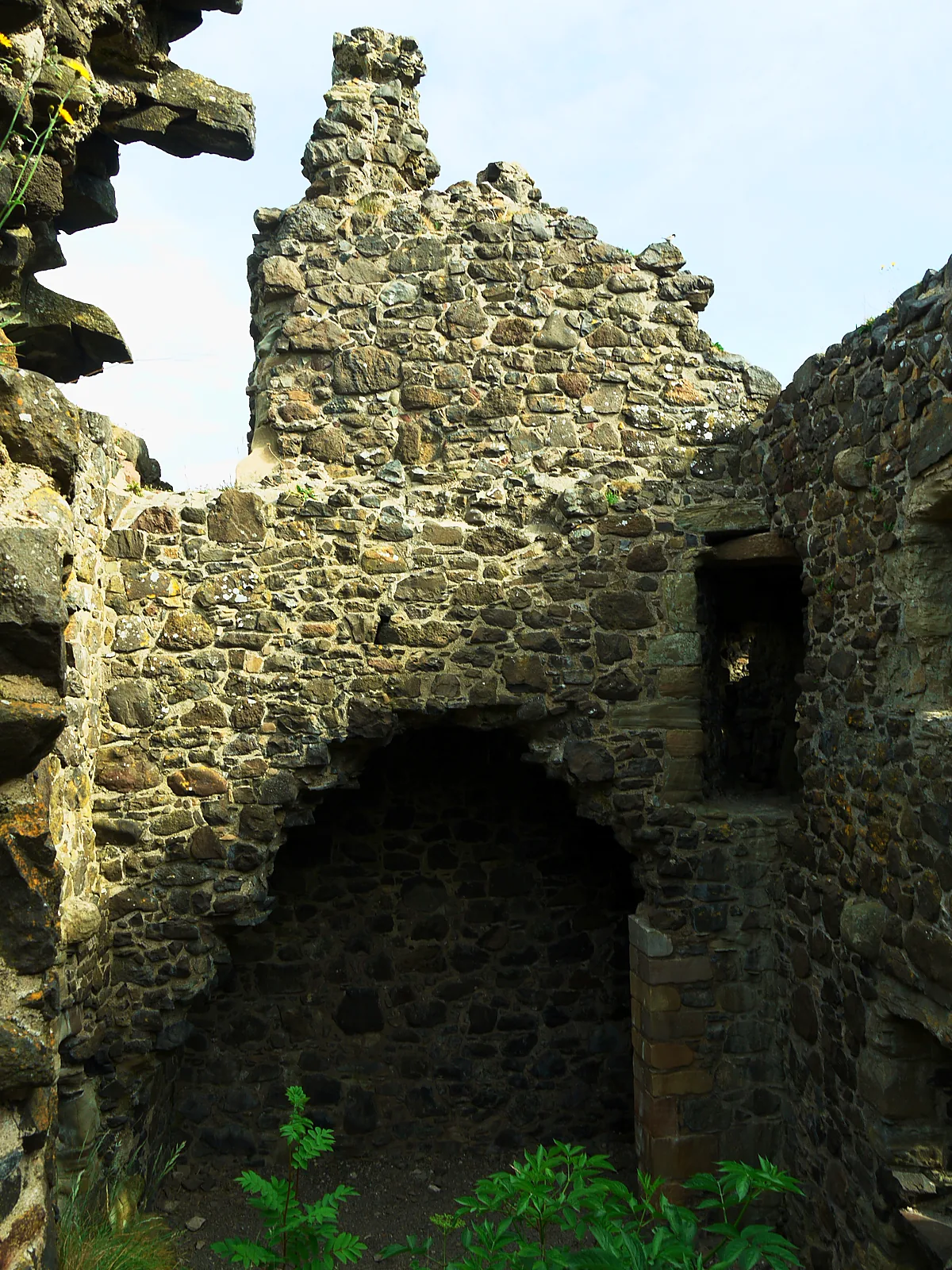
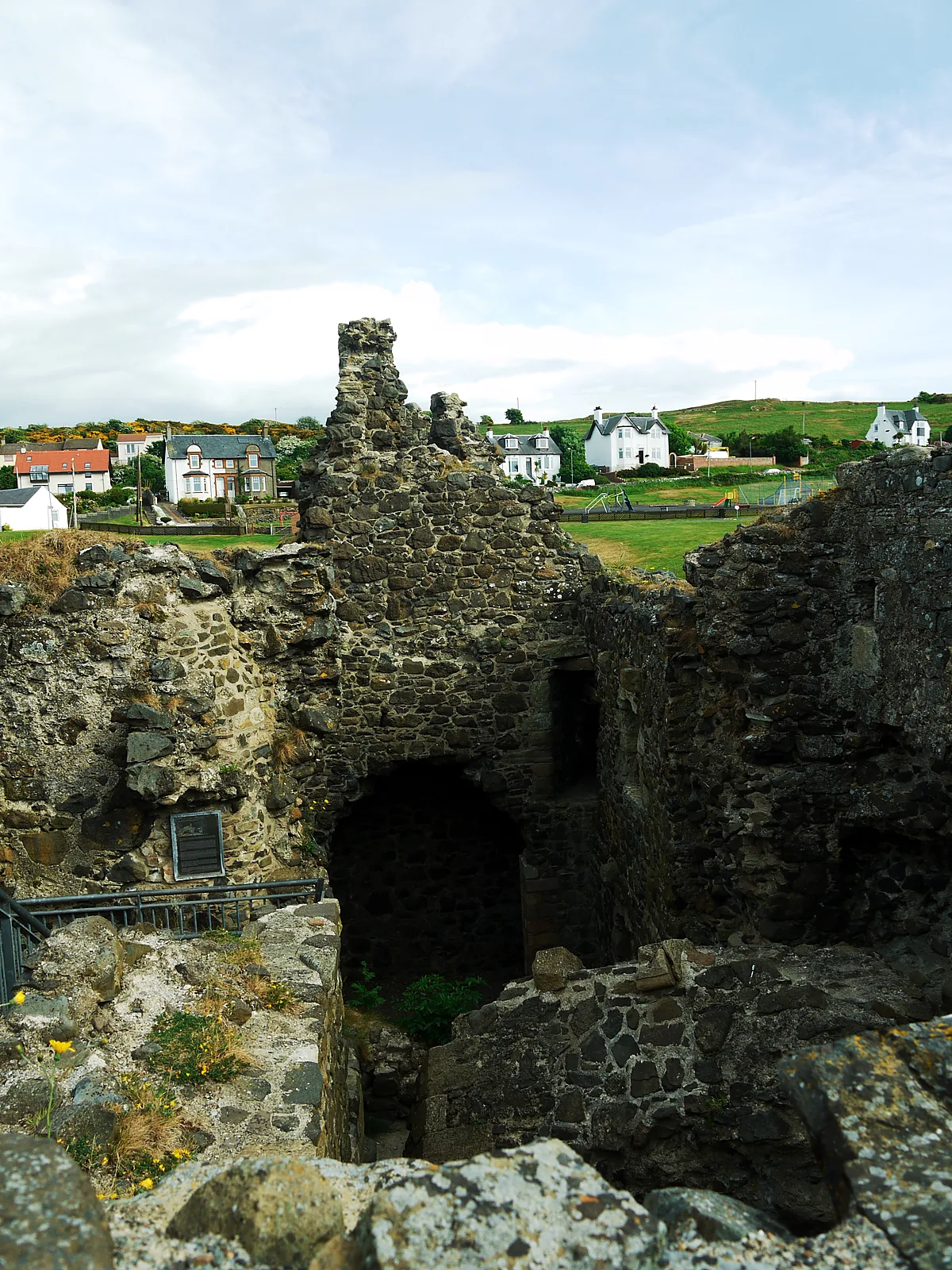
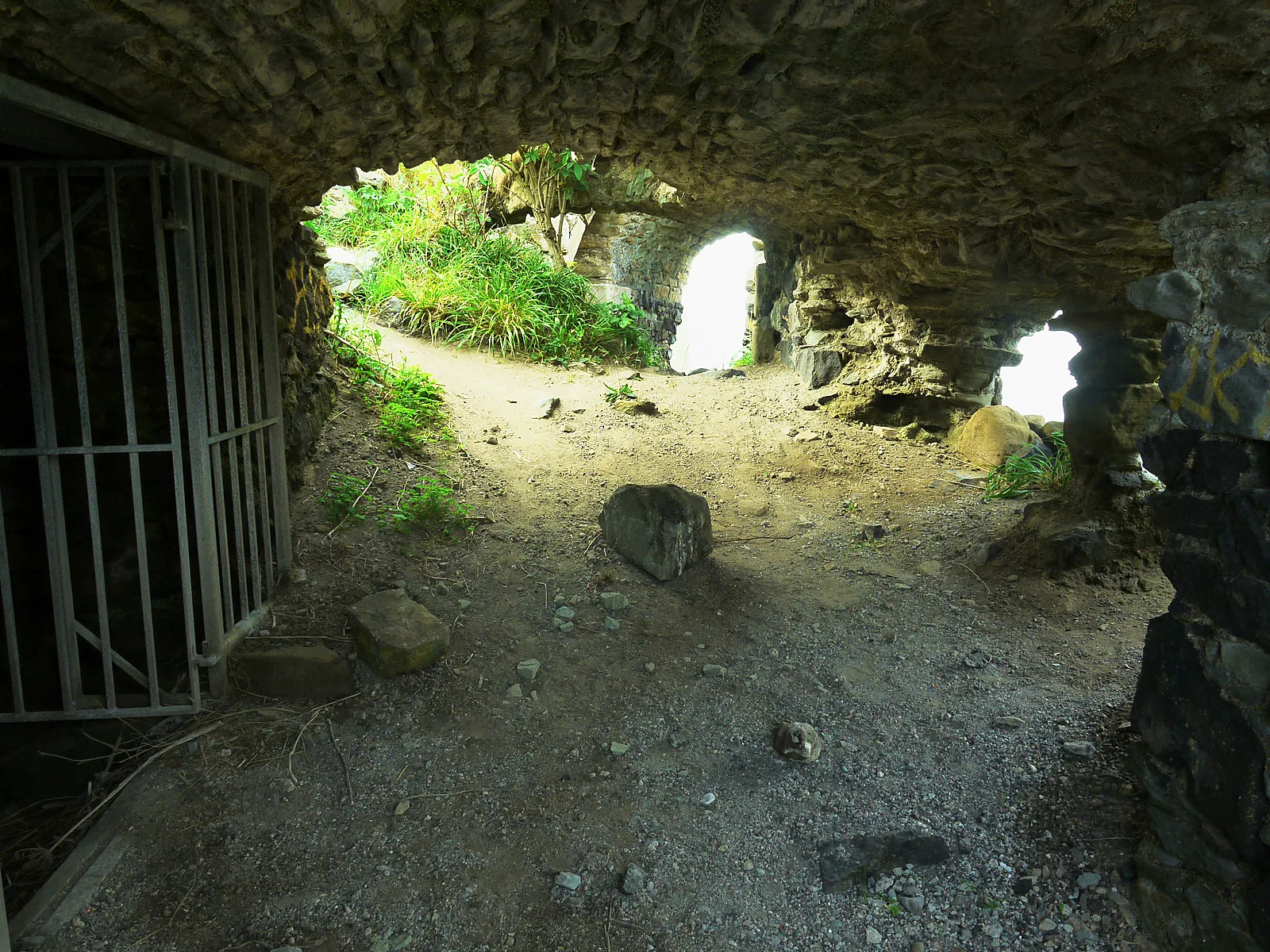
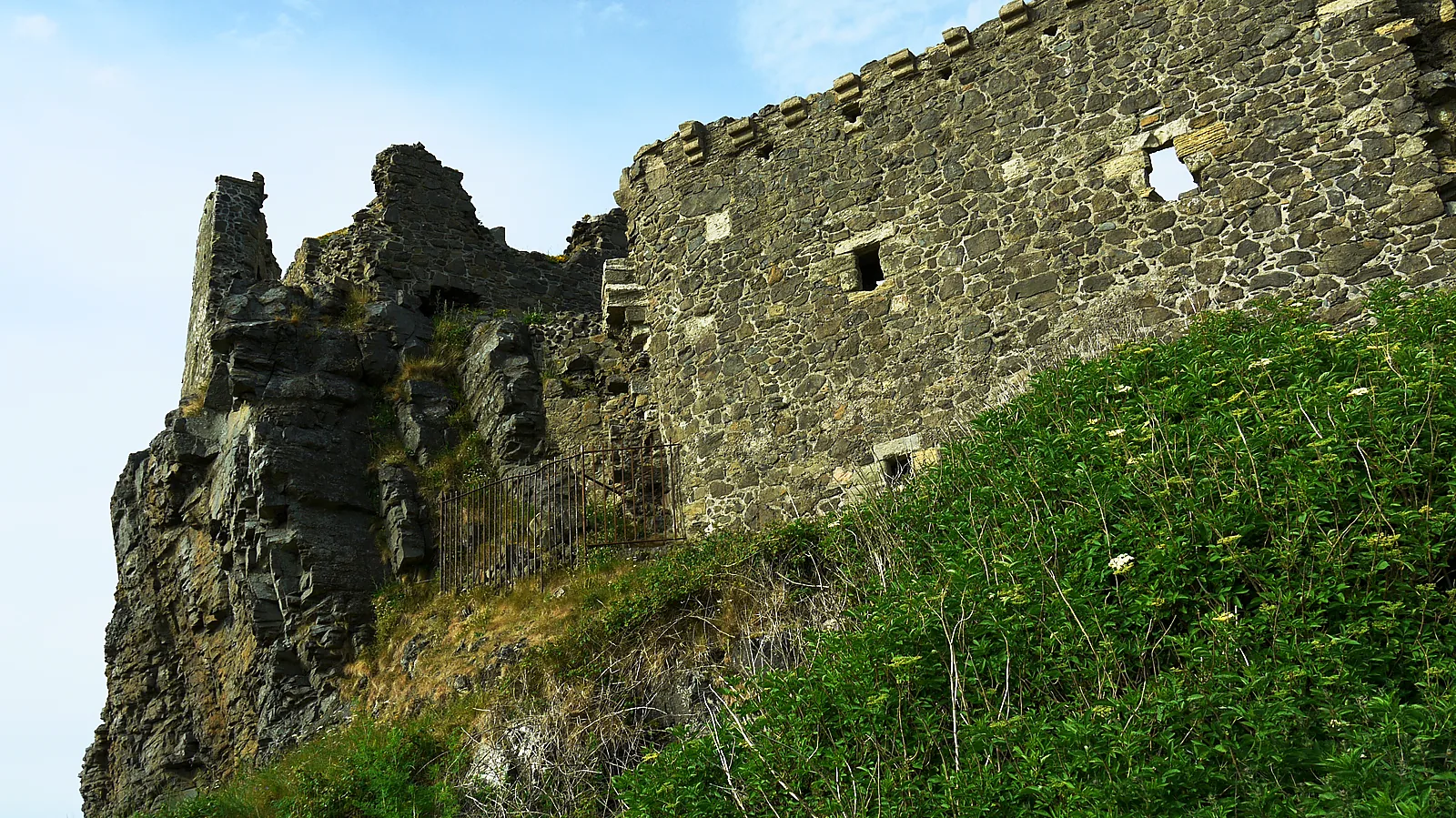
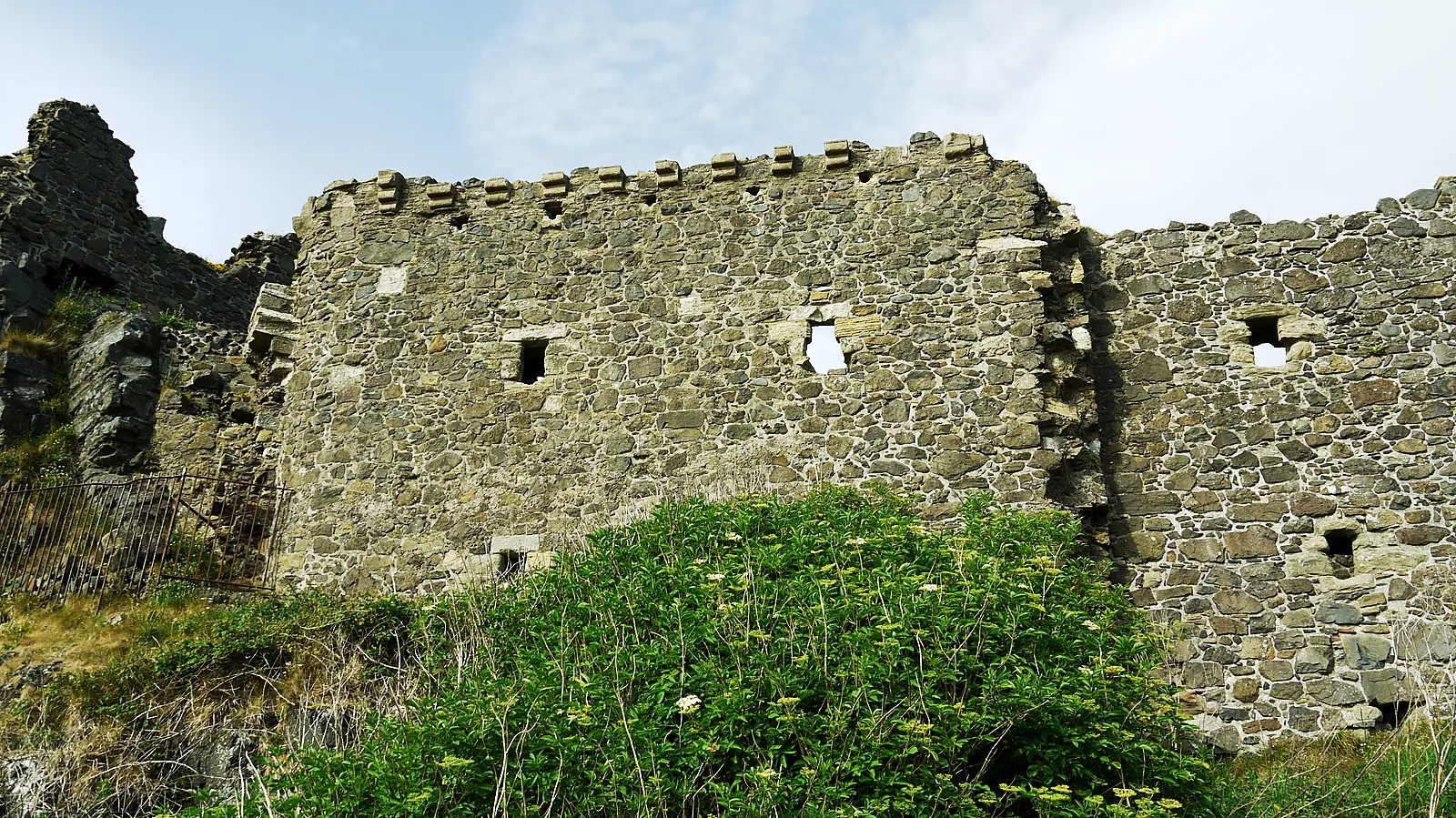
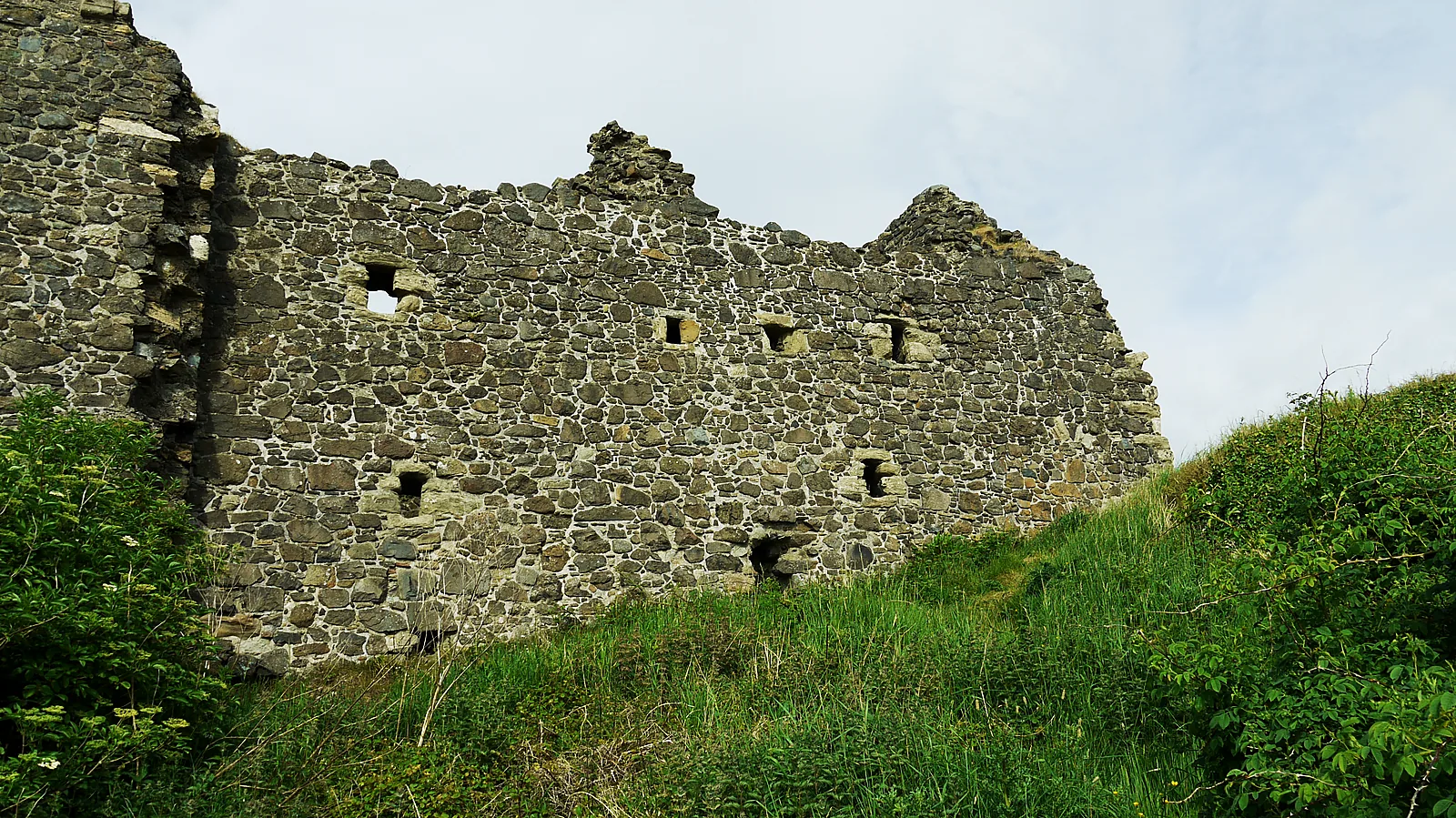
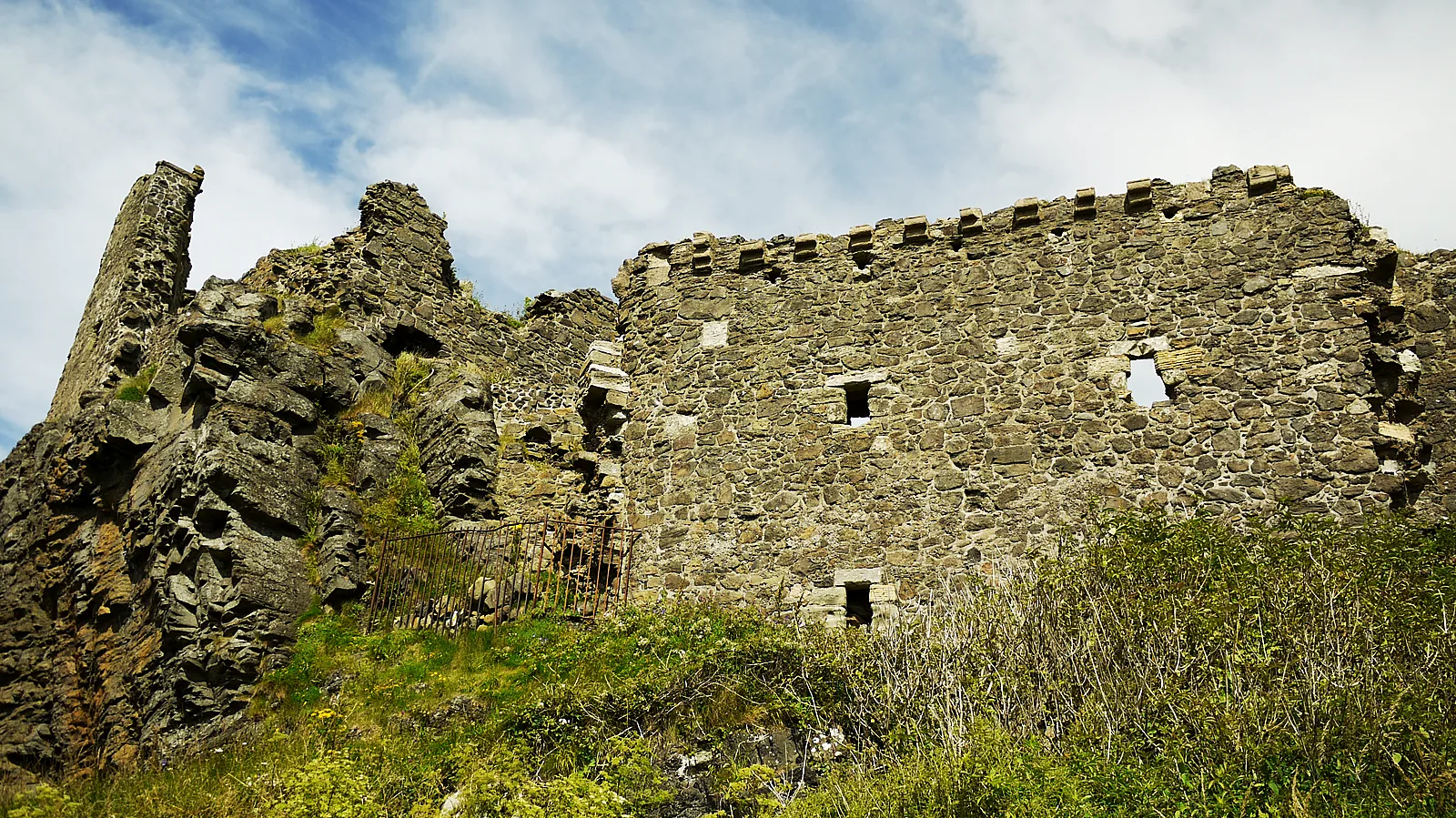
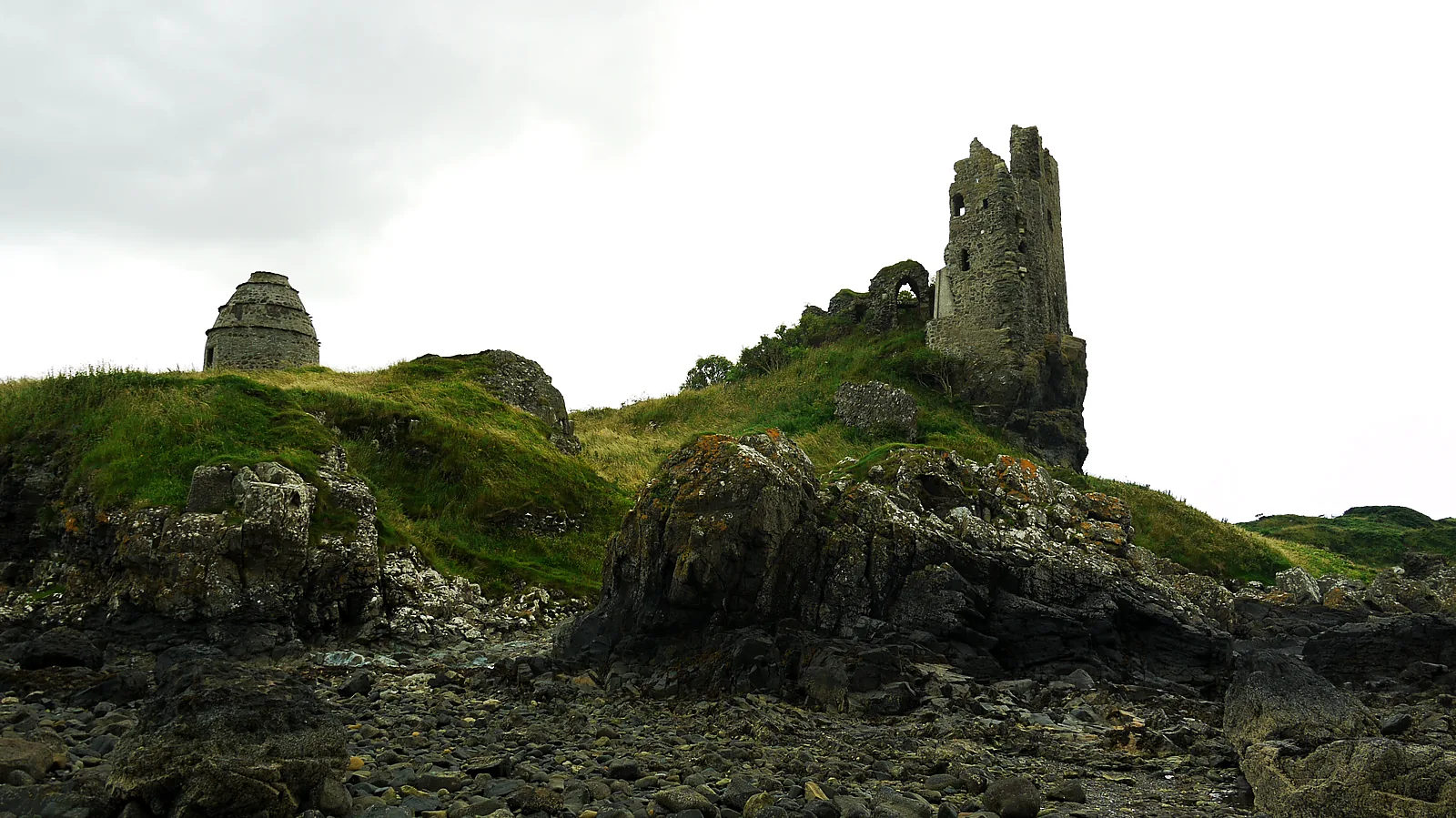
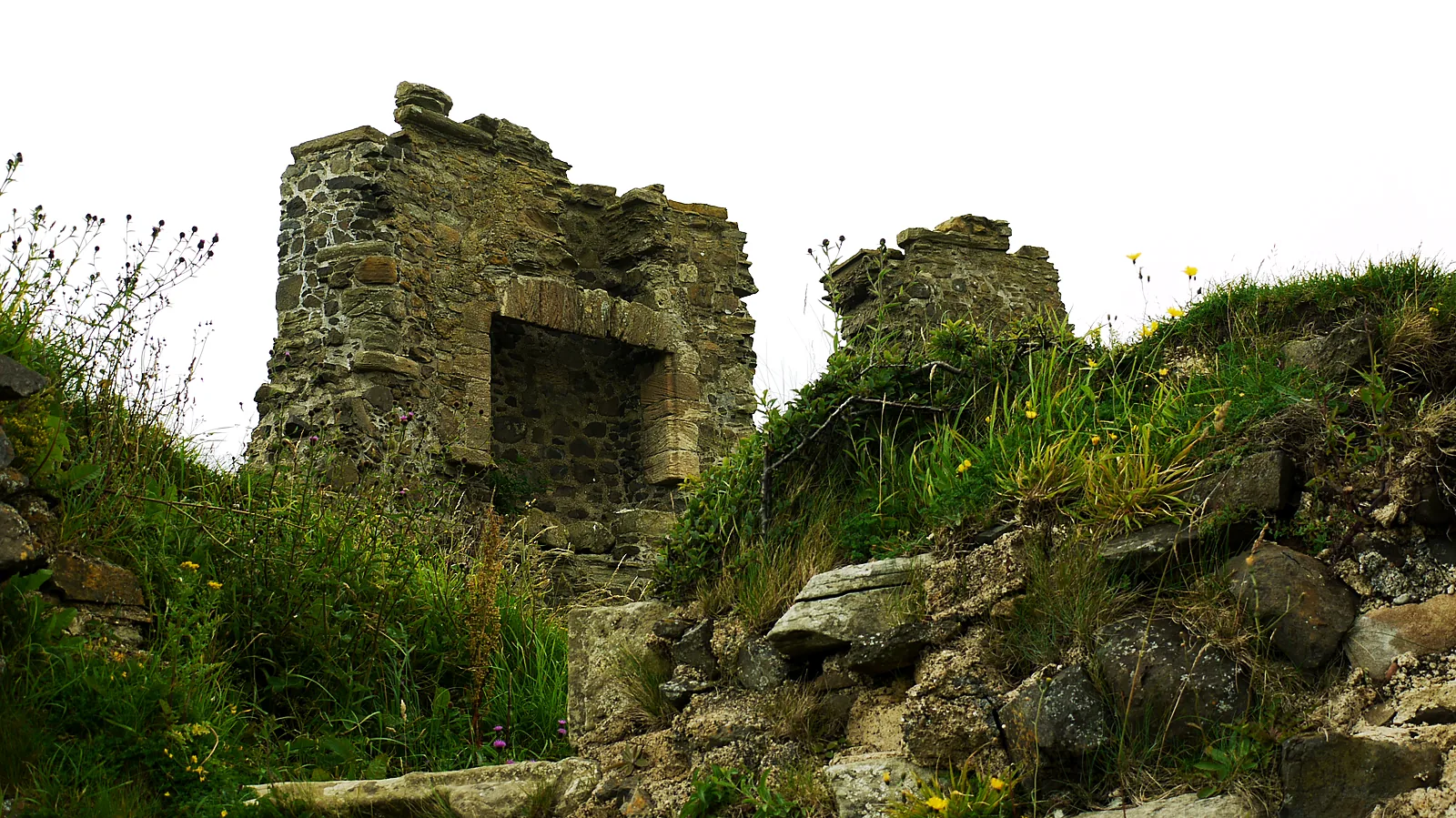
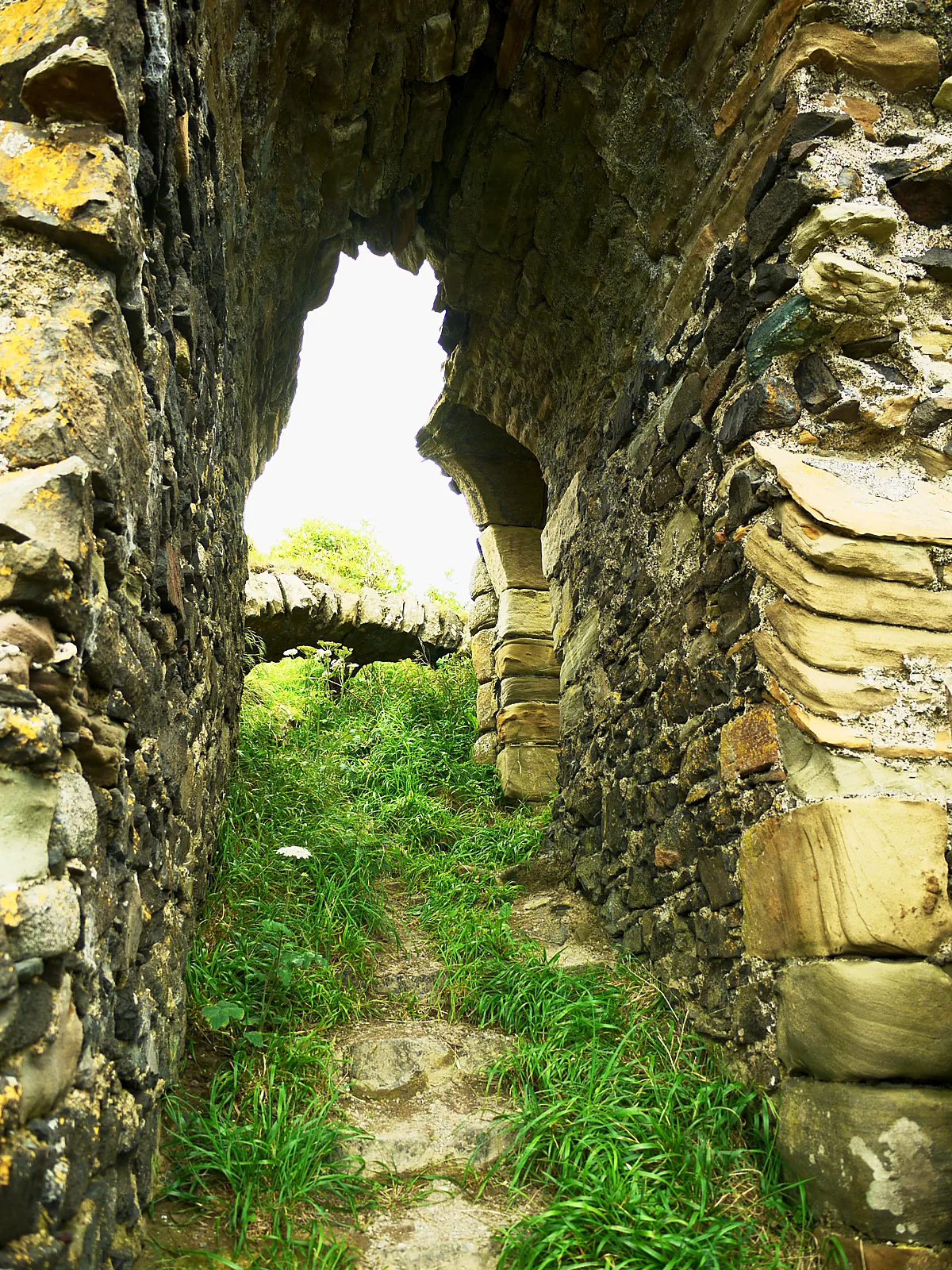
Historic Environment Scotland protects Dunure Castle and its nearby dovecot as scheduled monument SM6105. The designation describes substantial remains dating broadly from the fourteenth to seventeenth centuries. The castle was never just a solitary tower on a rock: it had an upper ward at the seaward end of the promontory and a more extensive lower ward on the landward side. The former contained a once-tall tower and attached buildings; the latter held multi-storey ranges and stone-vaulted rooms. Today parts of the lower buildings are better preserved than the battered upper ward. To the east stands a circular sixteenth-century beehive dovecot, another reminder of the estate's working life.
The castle's position advertised both power and vulnerability. From these heights the Kennedys could overlook the coastal approaches of Carrick, while the steep sides provided a natural defence. Yet life within the walls would have involved servants, storage rooms, cooking, guests, administration and the ordinary routines of a noble household. The extensive ranges make more sense when seen as a residence developed across generations rather than as a single act of construction.
The Kennedys of Dunure became one of the most influential lineages in south-west Scotland. Their control of land, local offices and connections with the Crown brought prestige, but also rivalries with neighbours and even other Kennedy branches. The family's rise can be traced across the later Middle Ages; the royal and noble relationships of its leading members helped them expand their influence. David Kennedy, first Earl of Cassillis, died at the Battle of Flodden in 1513, a reminder that Ayrshire's landed elite was drawn into the wider conflicts of the kingdom.
The ruins now seem remote, but in their prime Dunure stood within a network of Kennedy strongholds and estates in Carrick. The title of Earl of Cassillis did not mean that every important family event happened here. Nonetheless, historic accounts make clear that Dunure was both a principal seat and a setting for consequential political acts.
In August 1563, Mary, Queen of Scots travelled through Ayrshire during a royal progress. Local historical research based on records of the journey places her at Dunure as the guest of Gilbert Kennedy, fourth Earl of Cassillis, for three nights, 4–6 August. The visit was not merely a holiday beside the sea. Royal progresses allowed the monarch to meet influential families, sustain allegiances and make authority visible beyond Edinburgh. Dunure's halls, crowded with attendants and guests, would have looked very different from today's wind-blown ruins. The visit is well supported in regional historical research; the details of individual conversations at the castle are not known.
02 / VISUAL JOURNAL
Photos by zamki-szkocji.com
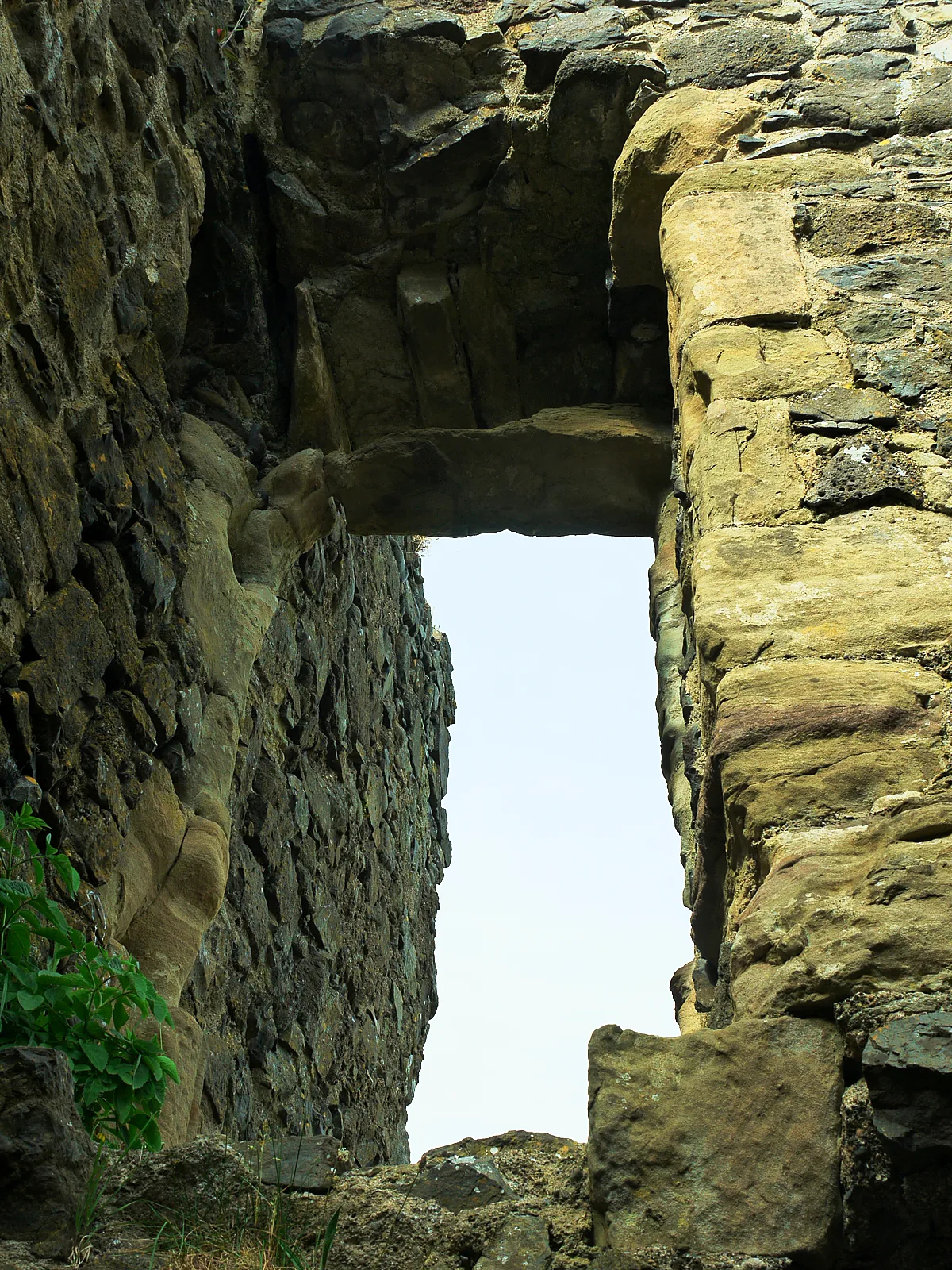
10 of 31 photographs
01 / THE STORY CONTINUES
Dunure's darkest story is not a ghost legend. In 1570, a bitter struggle concerned revenues and rights attached to Crossraguel Abbey. Allan Stewart, its commendator—a holder of the abbey's revenues, not simply a resident medieval abbot—was pressured by Gilbert Kennedy, fourth Earl of Cassillis, to sign documents in the earl's favour. Contemporary accounts and Stewart's later complaint report that he was subjected to torture with fire in a chamber at Dunure. The episode became known as the 'Roasting of the Abbot', though the familiar name obscures Stewart's actual office.
The dispute was about property, influence and control in Reformation-era Scotland. Kennedy's rival kinsman Thomas Kennedy of Bargany was involved in Stewart's eventual release. Later retellings add theatrical details about the location of the chamber and the rescue; these should not all be repeated as documented fact. What matters is that the coercion and the struggle over the abbey are historically attested. Dunure's history shows how violent noble rivalries could become, even far from a battlefield.
By the later seventeenth century, the residence had fallen out of use and was increasingly ruinous. Accounts suggest stone removal and decline over time; claims that the castle was deliberately blown up or burned as a single dramatic final act are not securely established. Its surviving walls and archaeological deposits remain important evidence of how an aristocratic residence changed between the medieval and early modern periods. The evocative notion that cries can still be heard from the torture chamber belongs to folklore, not to verified history. It is best told as a local story, after the documented events have been explained.
08 / EXPLORE NEXT
Find Scottish castles by region, landscape or the stories that bring them to life.
 Ayrshire & ArranLaw Castle
 Ayrshire & ArranBothwell Castle
 Ayrshire & ArranBarr Castle