TICKETSAdult £9; concession £8; child (5–16) £6.
Family £20; under 5 free.
 Castle
AYRSHIRE & ARRAN
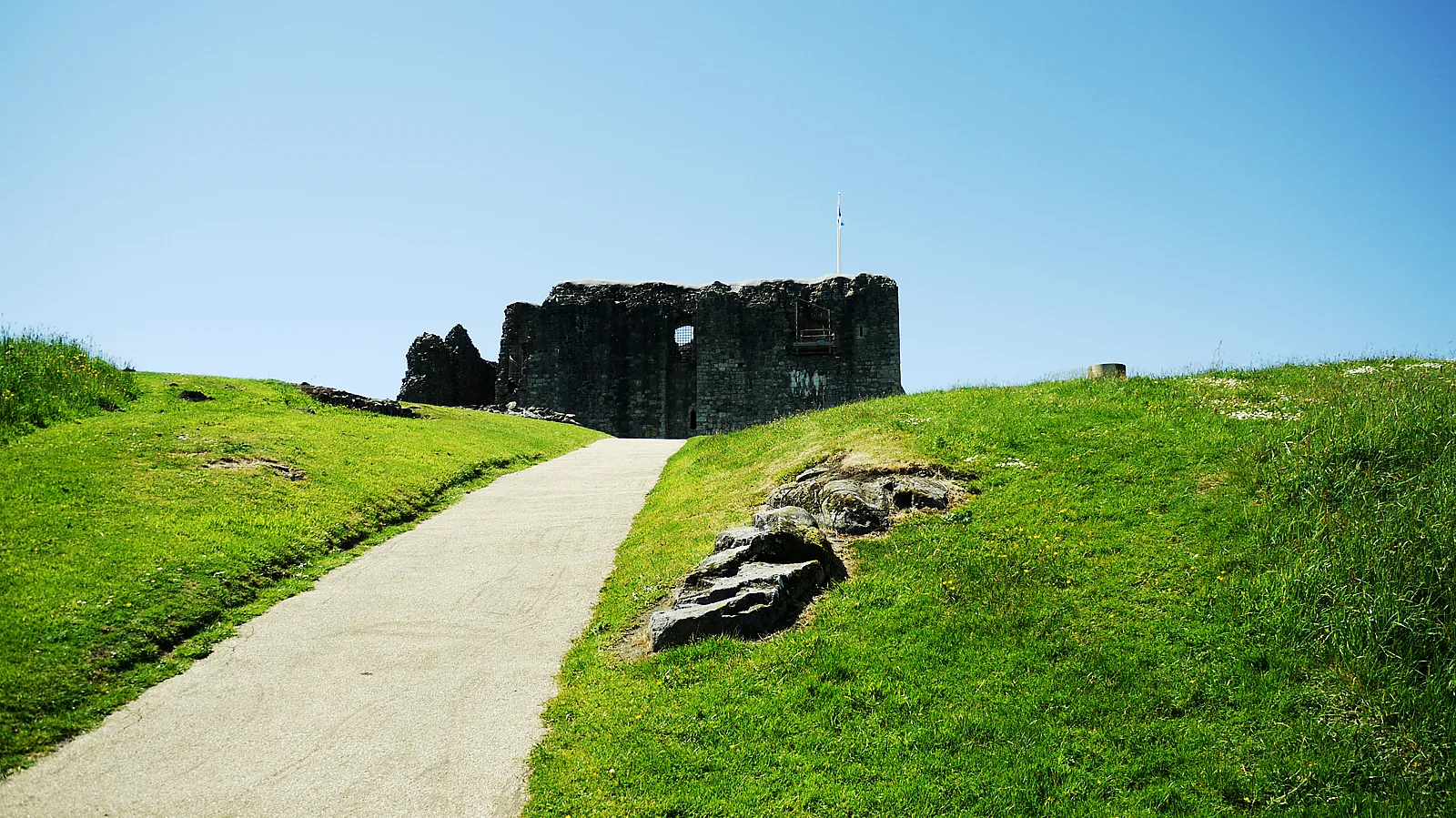
Above the rooftops of Dundonald village, a tall stone ruin commands the surrounding Ayrshire countryside.
PLAN YOUR VISIT
Winehouse Yett, Dundonald, KA2 9HD
Family £20; under 5 free.
Tour times conflict with opening hours: confirm before visiting.
Parking information
Small car park at the visitor centre; charge unconfirmed.
Parking sources checked · 5 November 2026
Above the rooftops of Dundonald village, a tall stone ruin commands the surrounding Ayrshire countryside.
WHAT TO EXPECT
01 / THE STORY
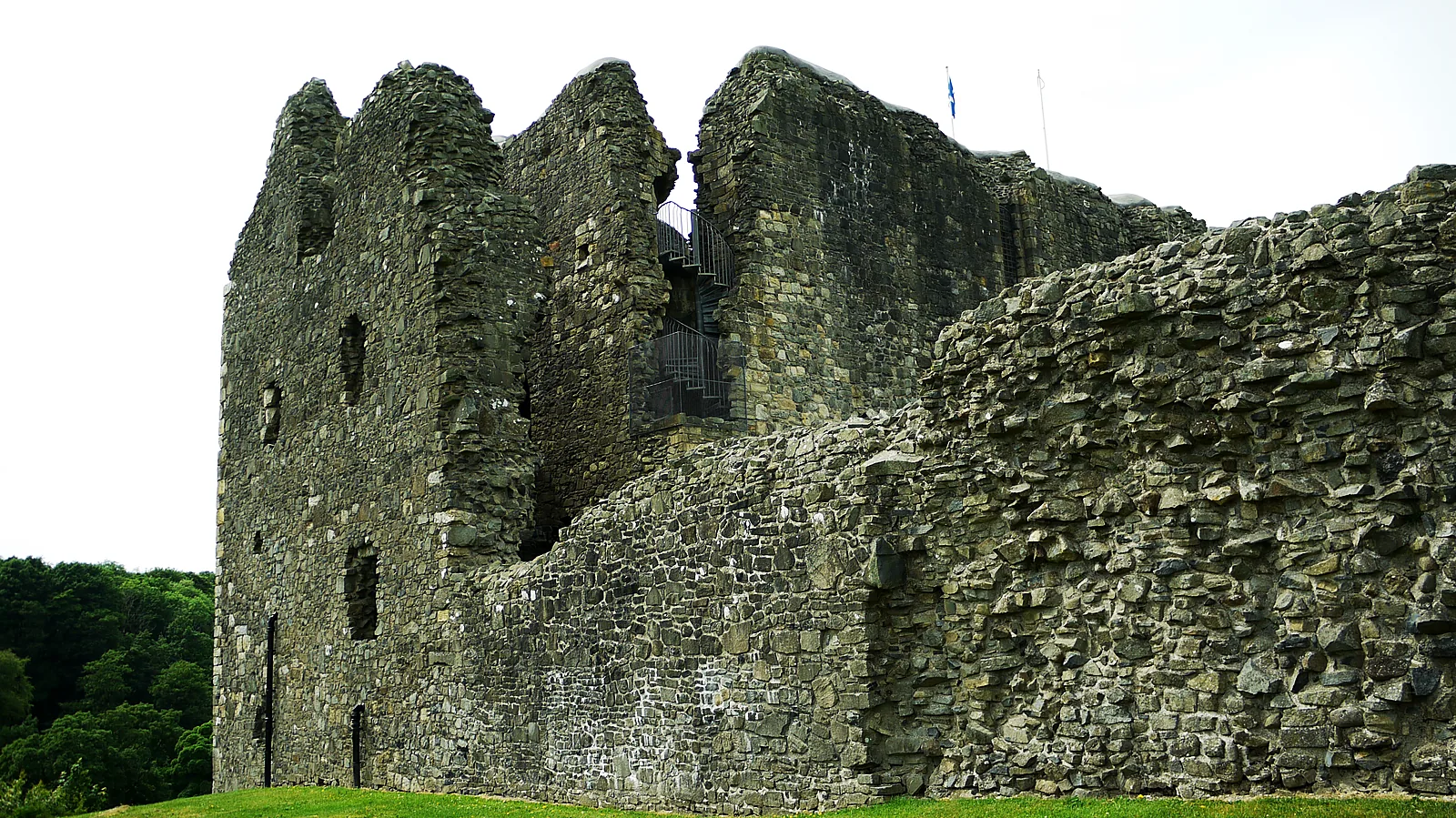
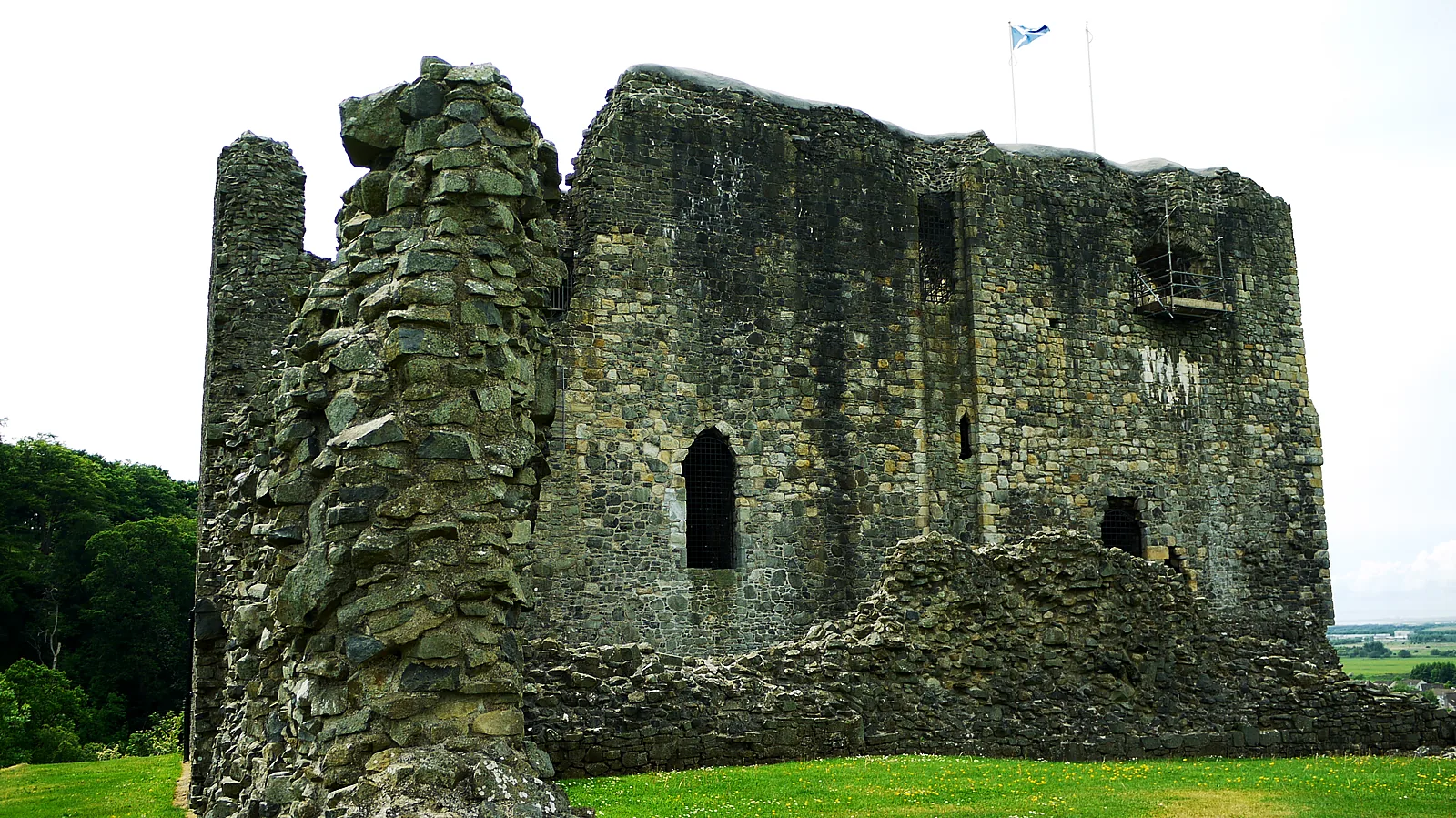
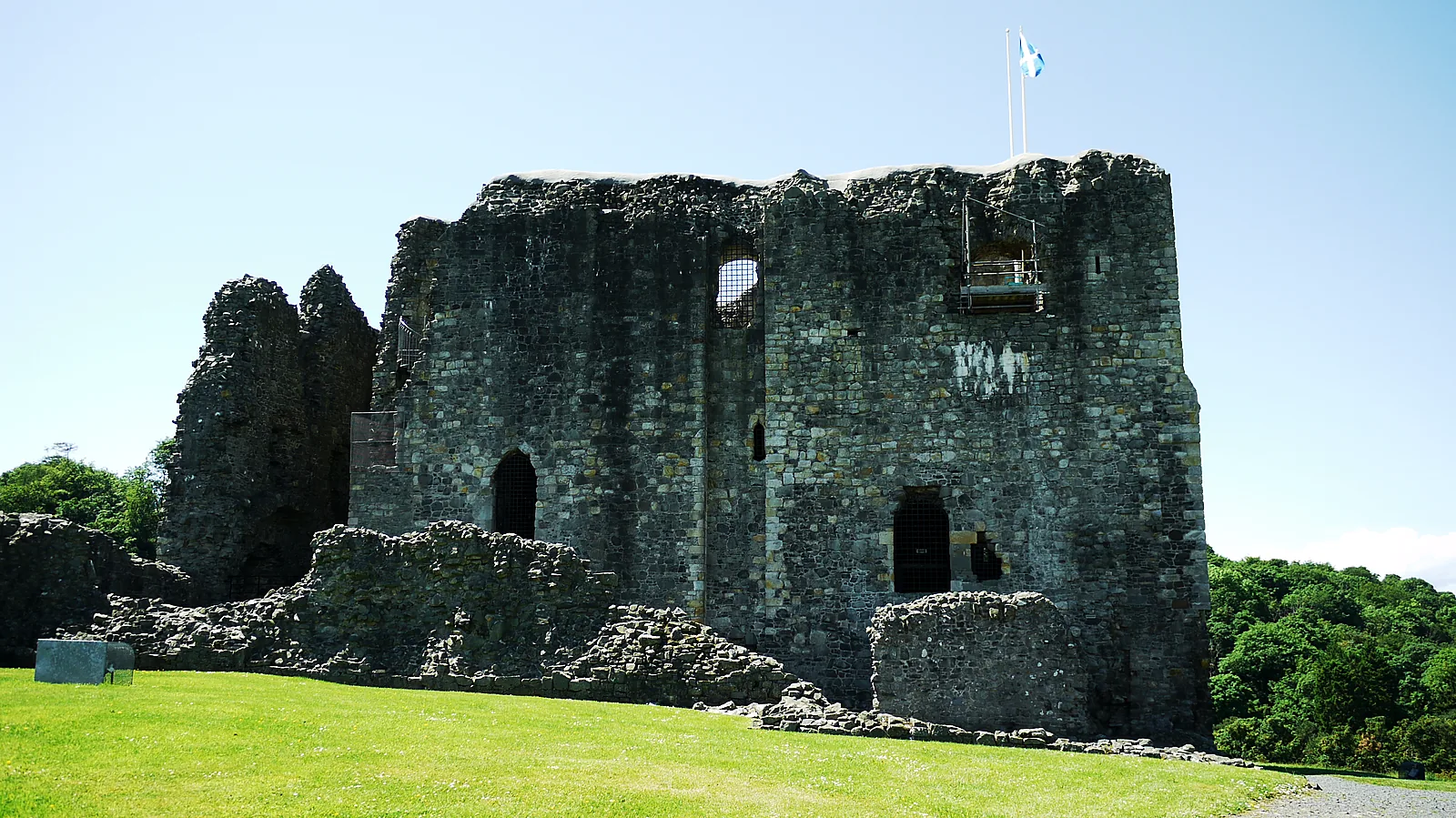
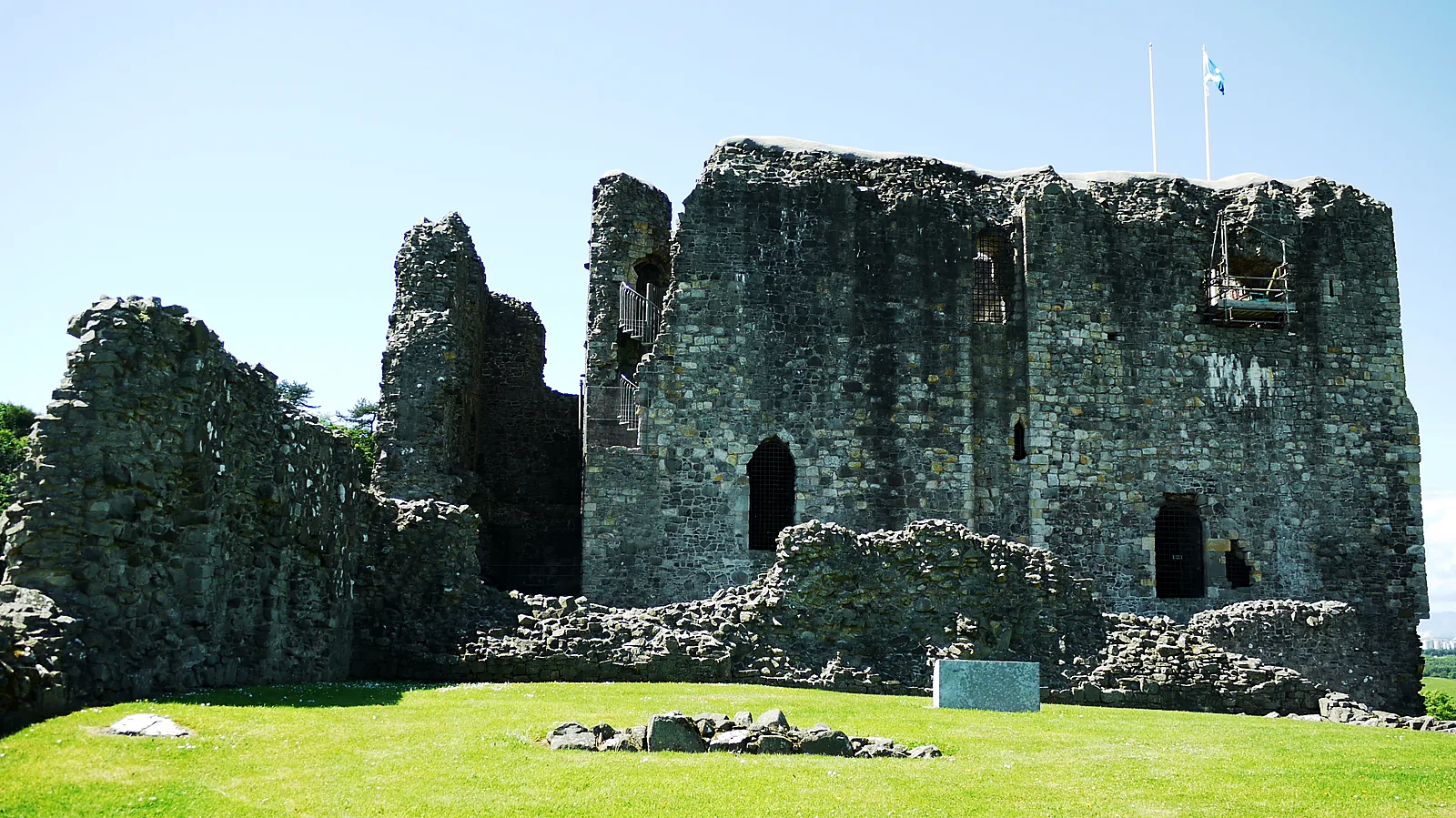
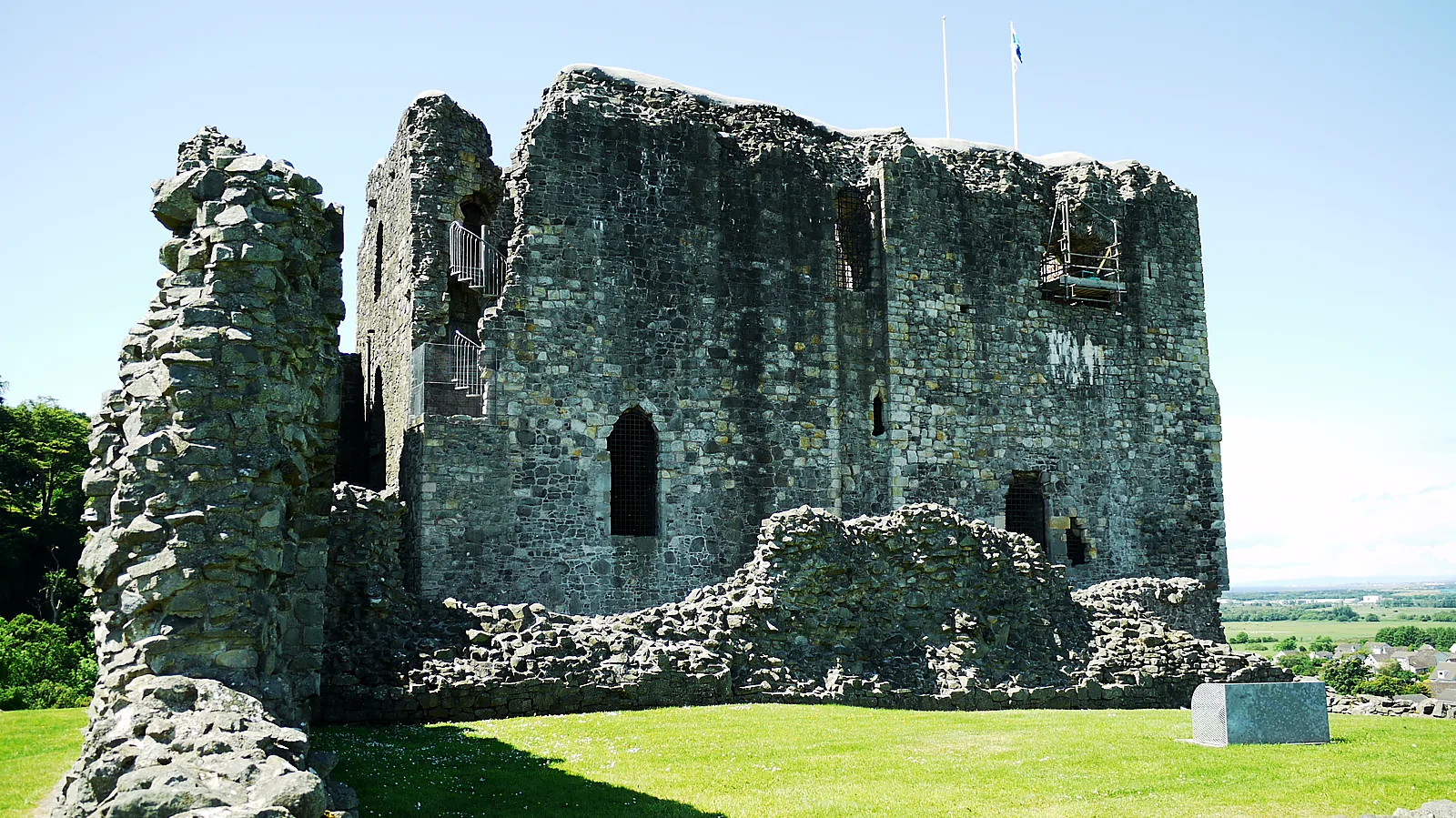
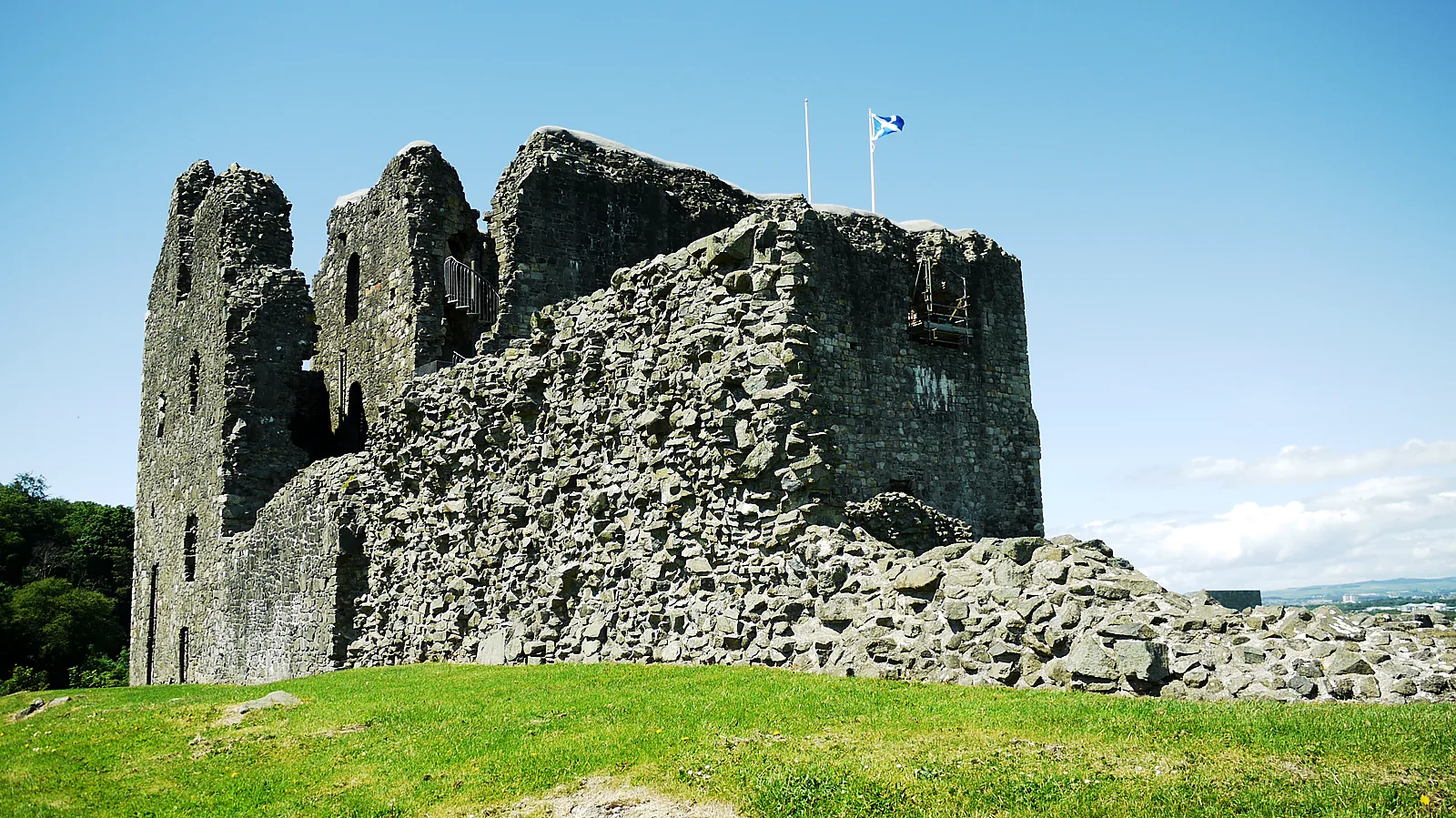
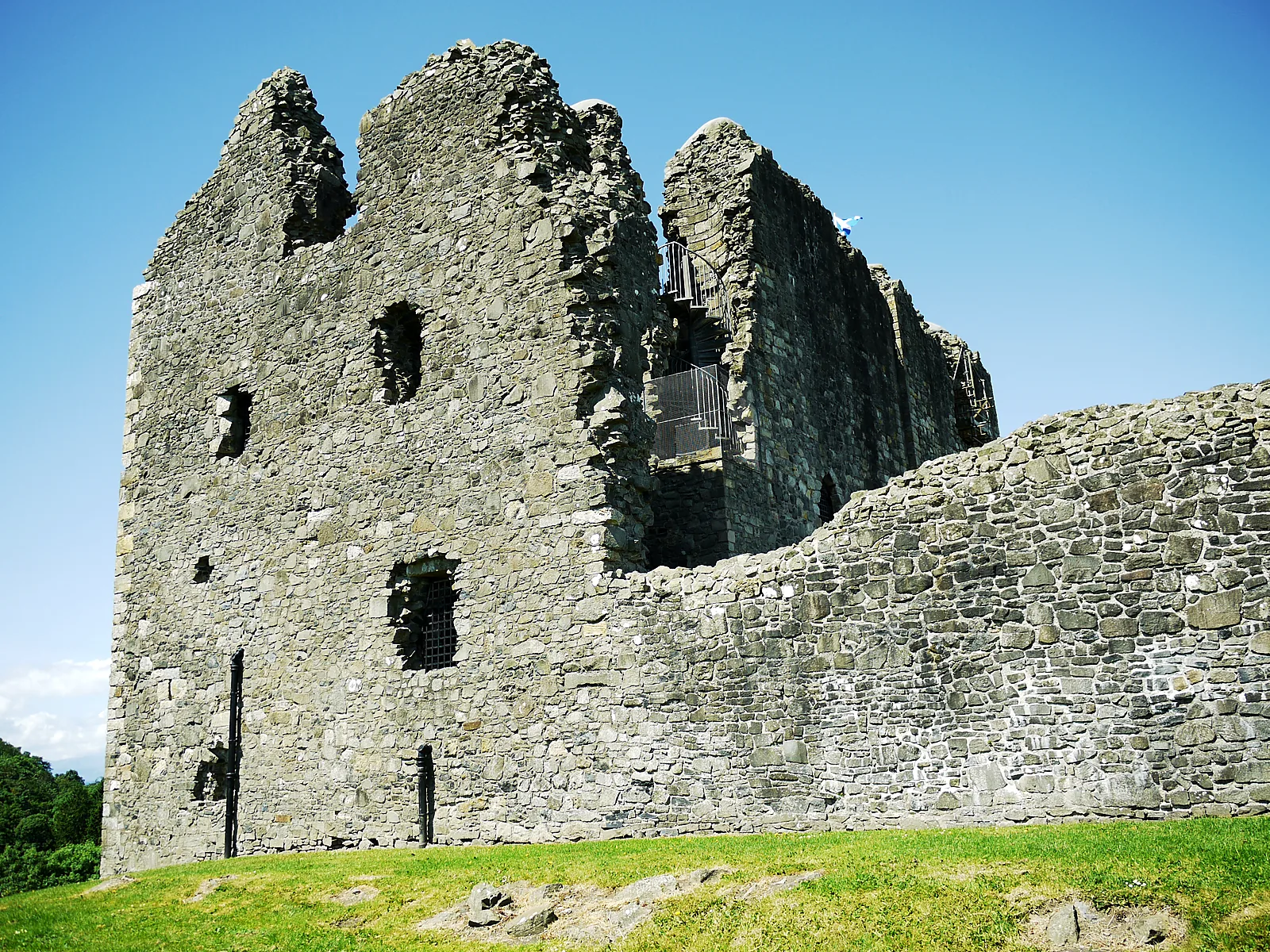
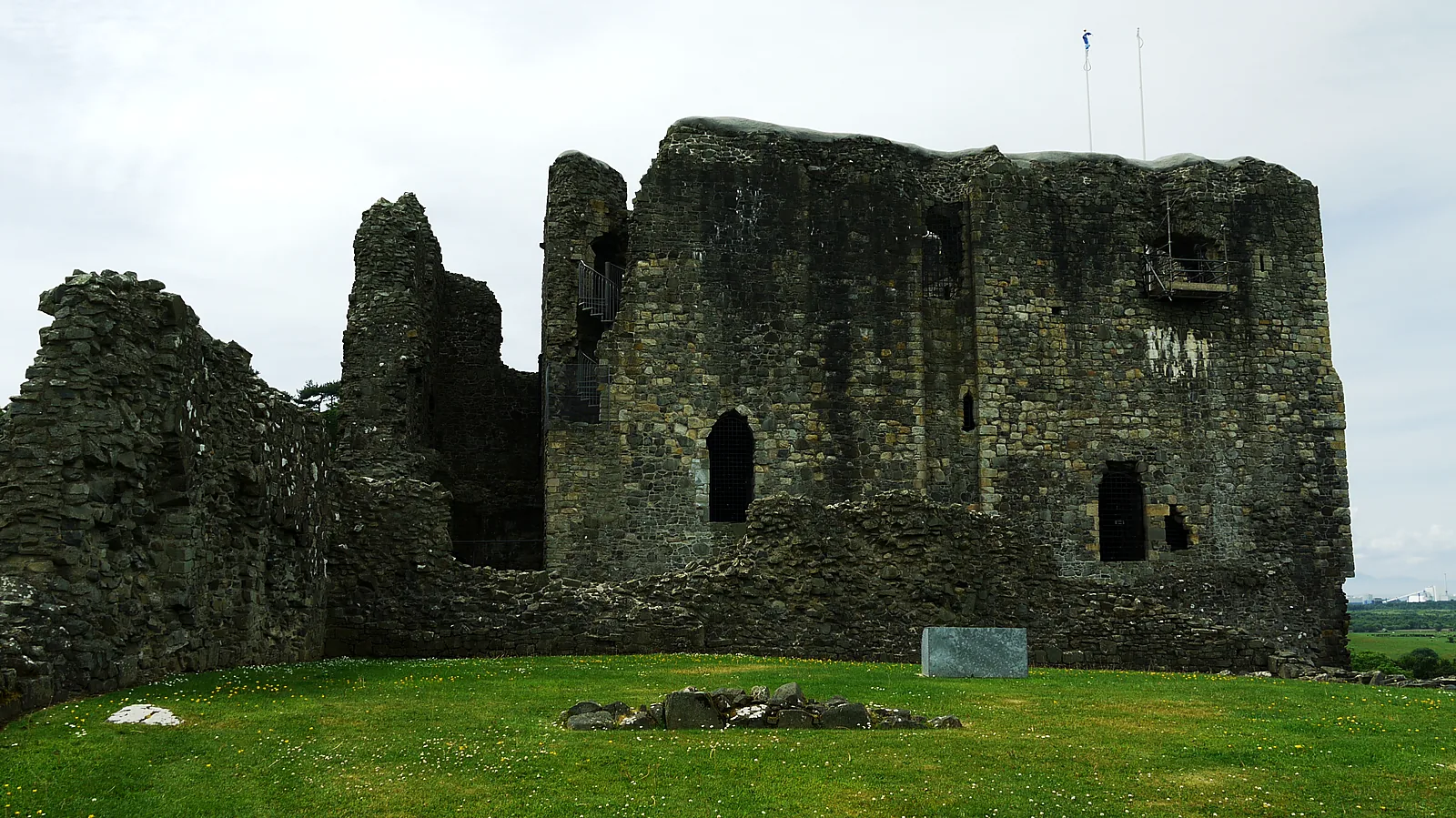
Above the rooftops of Dundonald village, a tall stone ruin commands the surrounding Ayrshire countryside. Dundonald Castle is strongly associated with Robert II, the first king of Scotland's Stewart dynasty, but the hill had a long history before his lifetime. An Iron Age community, earlier medieval fortifications and a sophisticated royal residence all occupied this same commanding site. The building left standing is unusually rewarding for visitors: it has monumental halls, imposing masonry and a story that is far richer than its ruined exterior first suggests.
Archaeological investigations have revealed evidence of human activity on Castle Hill stretching back more than 3,500 years. Among the discoveries are traces of late Bronze Age pottery production, later Iron Age round timber buildings, and an early historic fortified settlement. The name *Dundonald* means something like “fort of Donald”; Historic Environment Scotland notes that this may preserve the memory of a ruler named Dyfnwal (Donald) associated with the kingdom of Strathclyde. The identification is a possibility, not a proven biography of the person who named the hill.
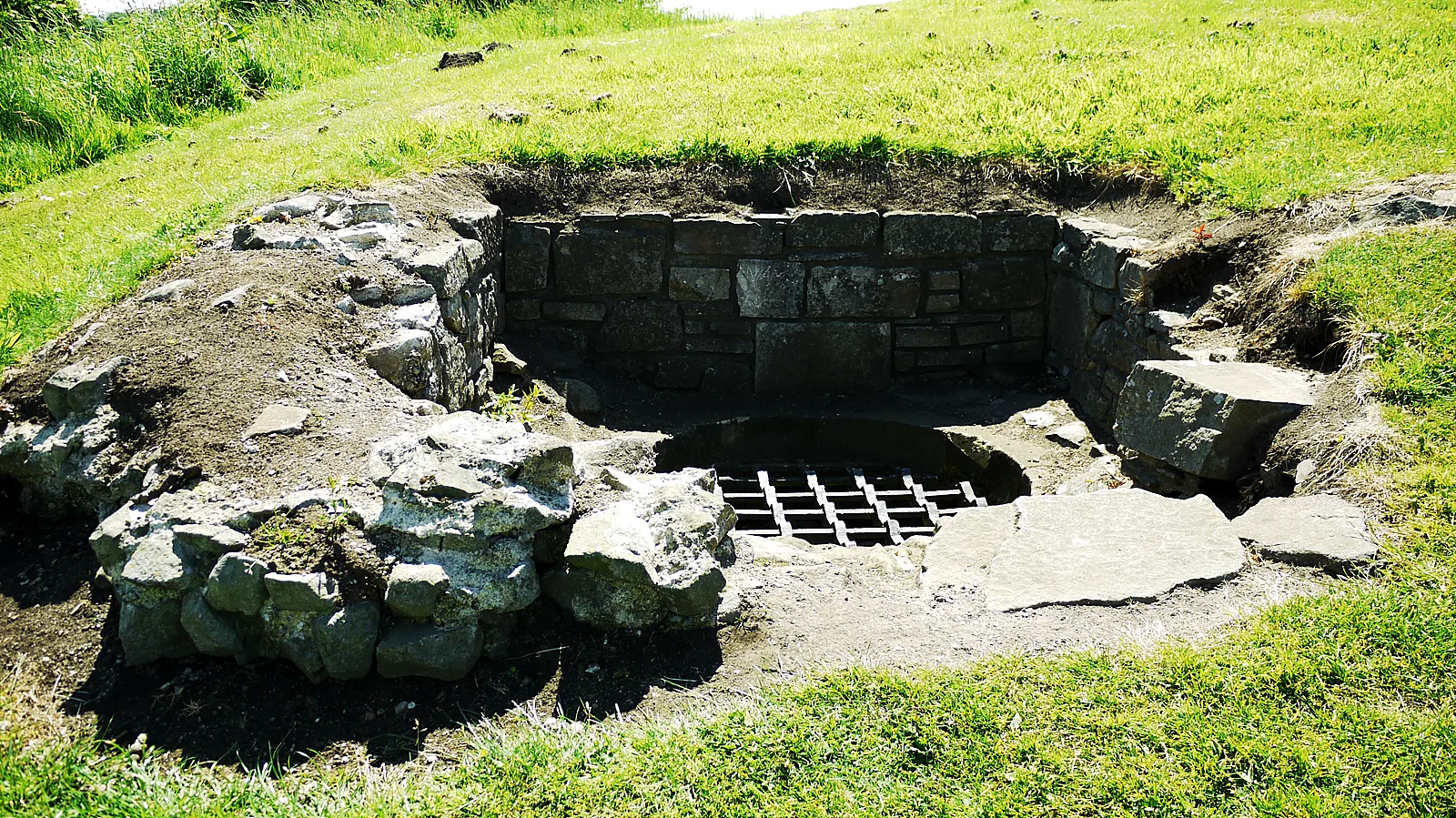
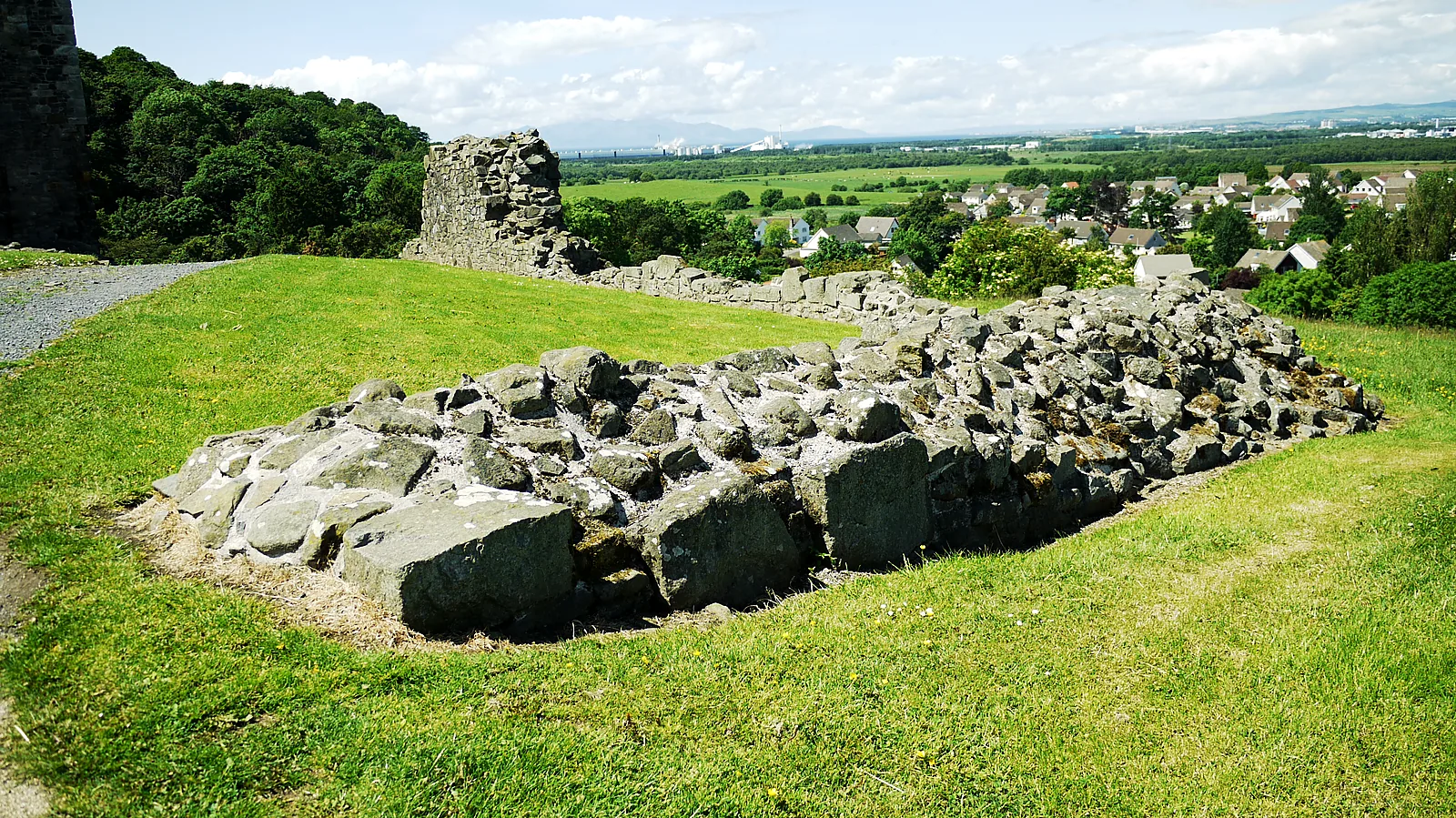
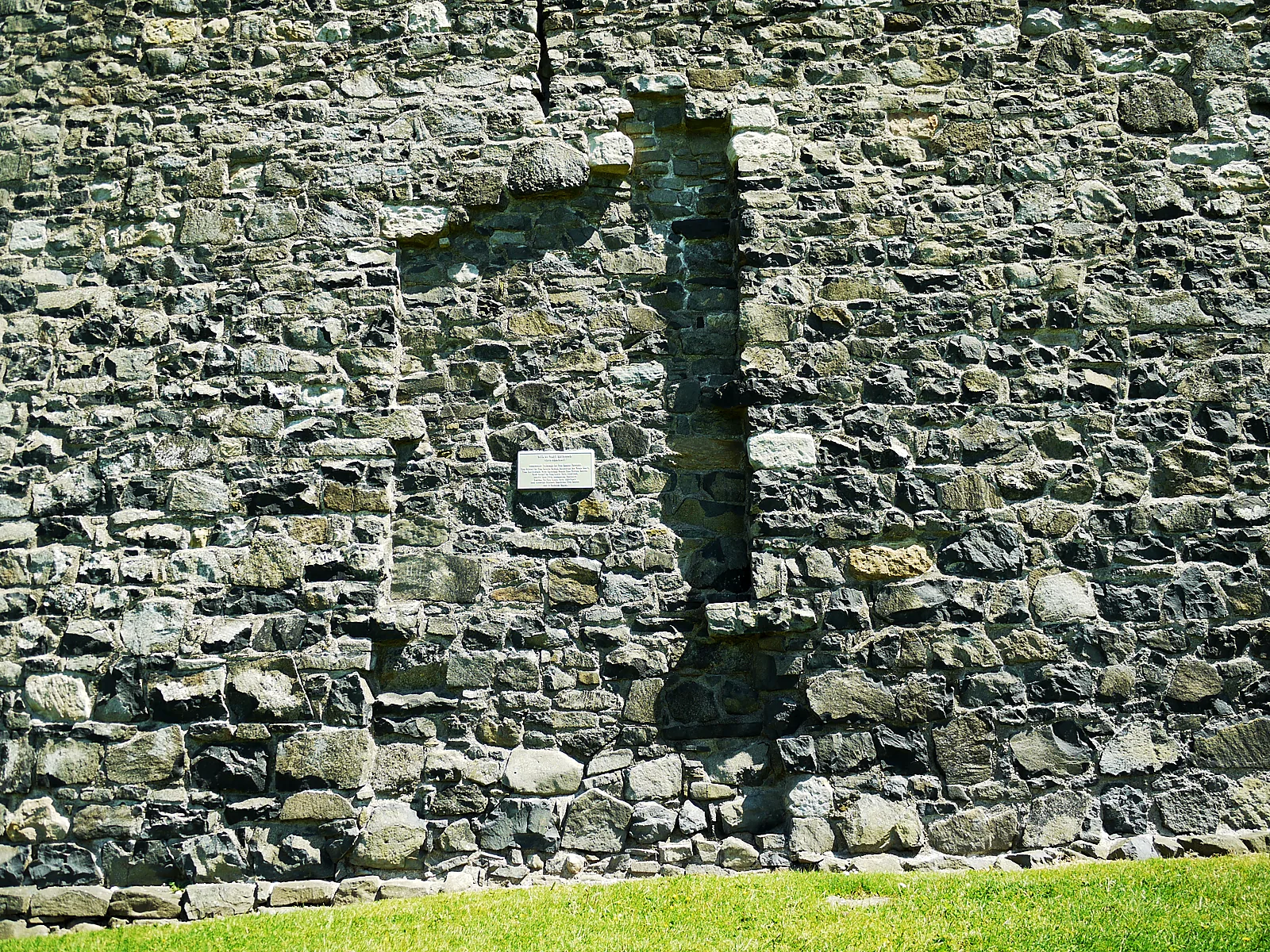
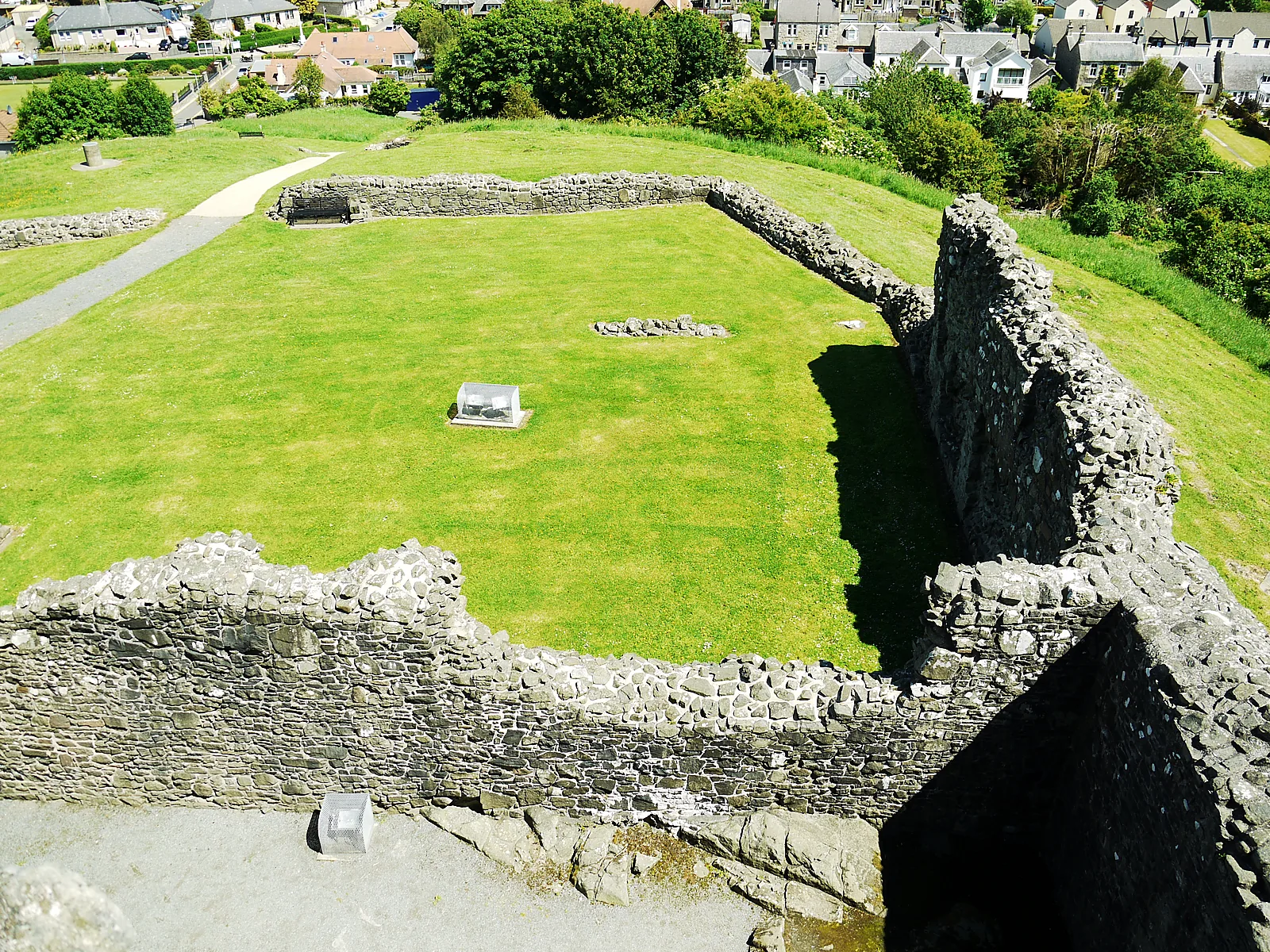
The first medieval castle here was probably an earth-and-timber fortress built around the middle of the twelfth century, in the period when Walter, Steward of Scotland, was extending his family's power. Around 1260 it was replaced by a much more ambitious stone castle, probably associated with Alexander, the fourth High Steward. Archaeologists describe an elaborate enclosure with two twin-towered gatehouses and a distinctive kite-shaped plan. Much of this structure was damaged during the Wars of Independence, and very little remains clearly visible today. Yet fragments of its western gatehouse were absorbed into the later building, while a well associated with the eastern gateway survives as a clue to the earlier complex.
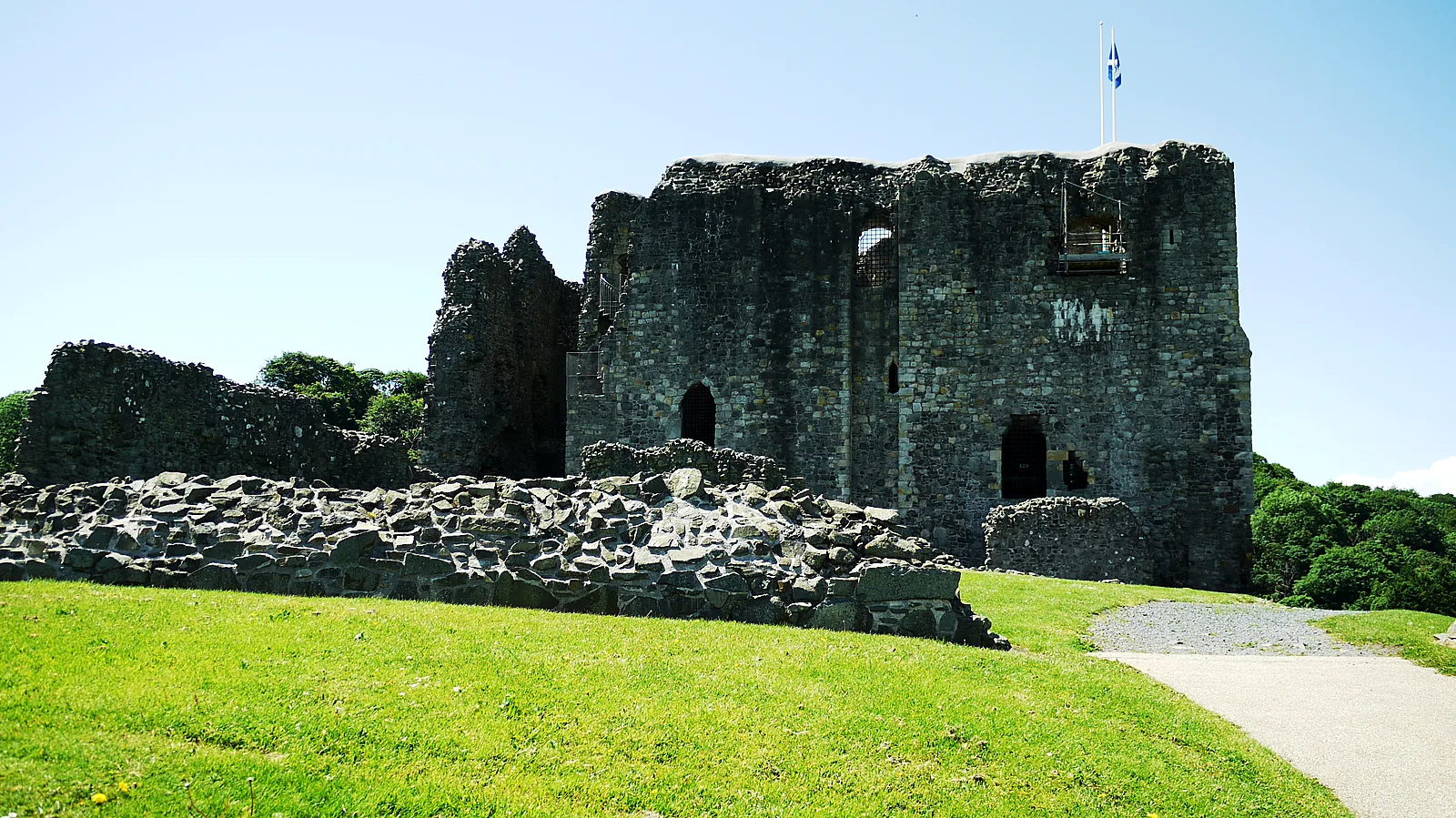
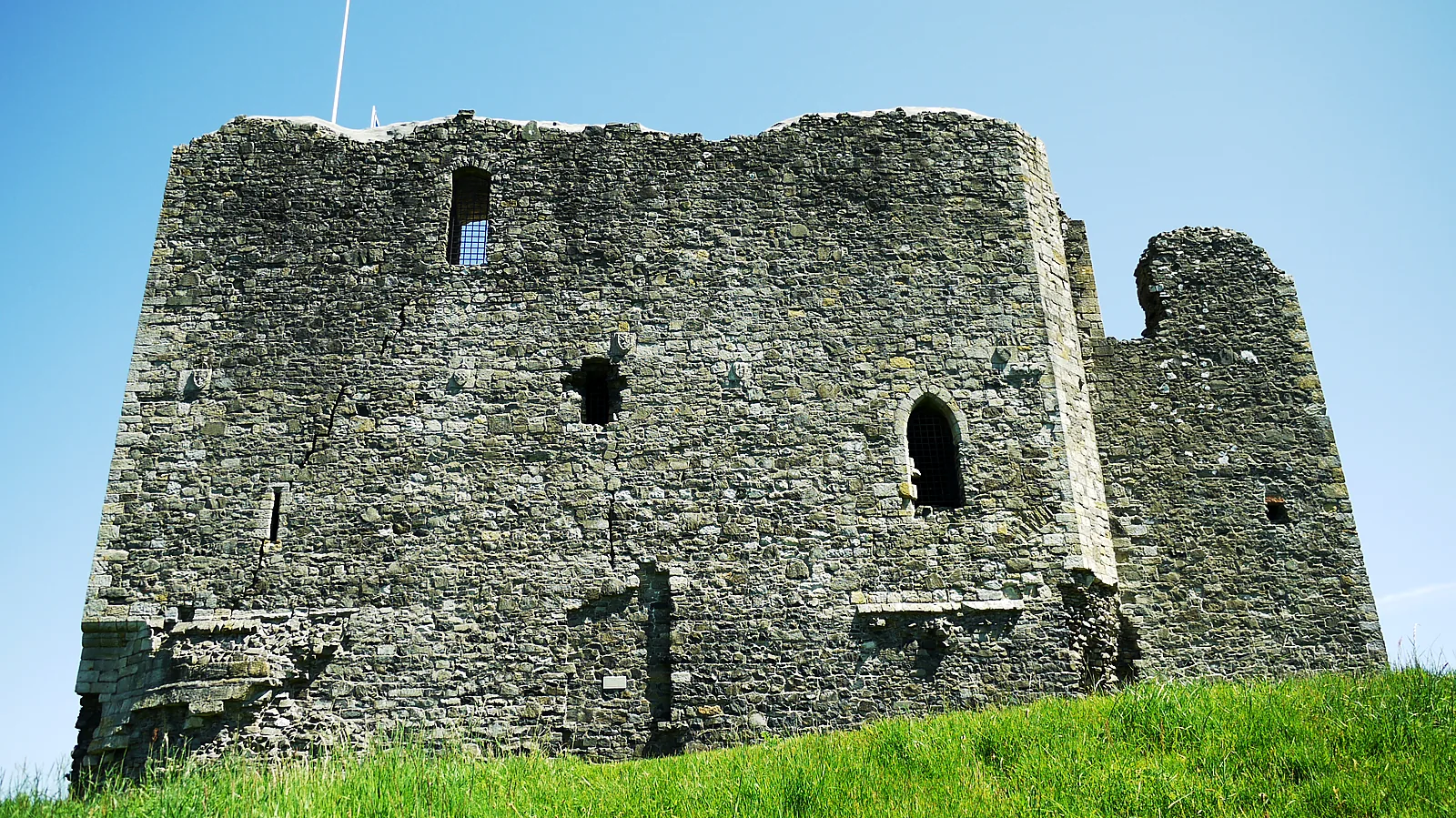
The great tower we see now was built for Robert Stewart, who became Robert II in 1371. Historic Environment Scotland dates the tower to around 1371, while the archaeological designation notes that work may even have begun before he inherited the crown. This is worth distinguishing from the simplistic claim that every stone was erected immediately after his coronation. Robert was a grandson of Robert the Bruce and the founder of the royal Stewart line, which would dominate Scottish history for centuries.
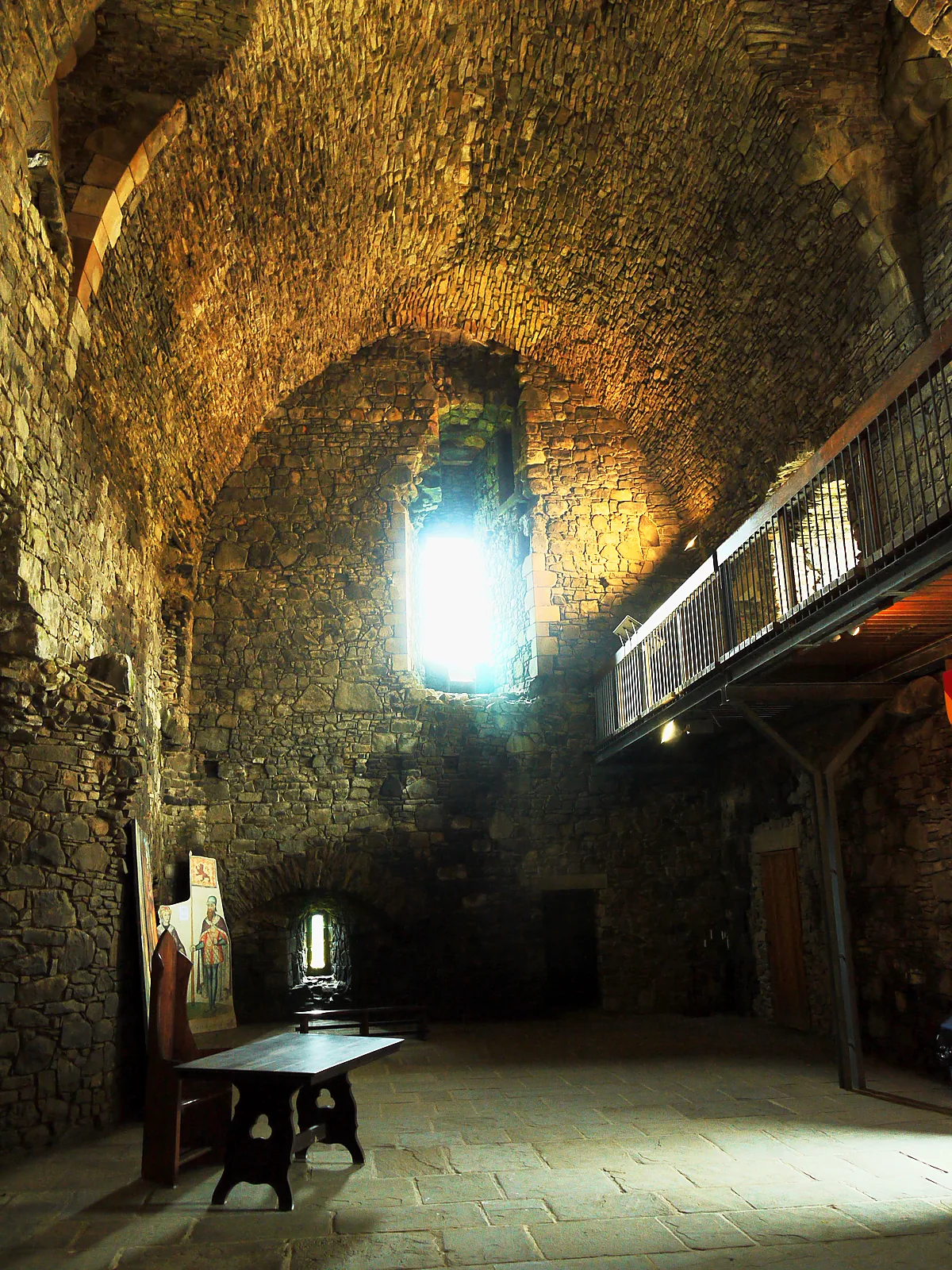
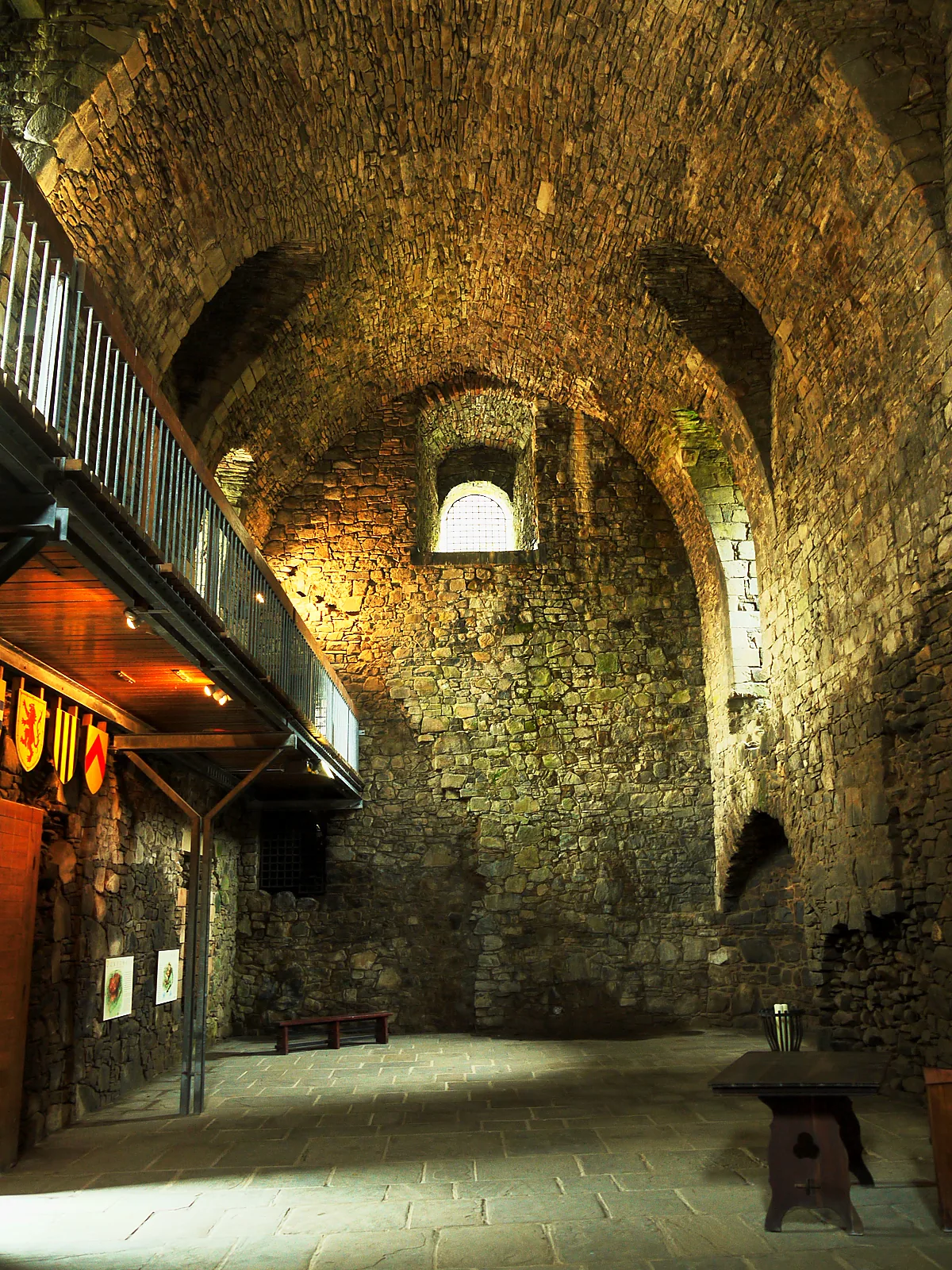
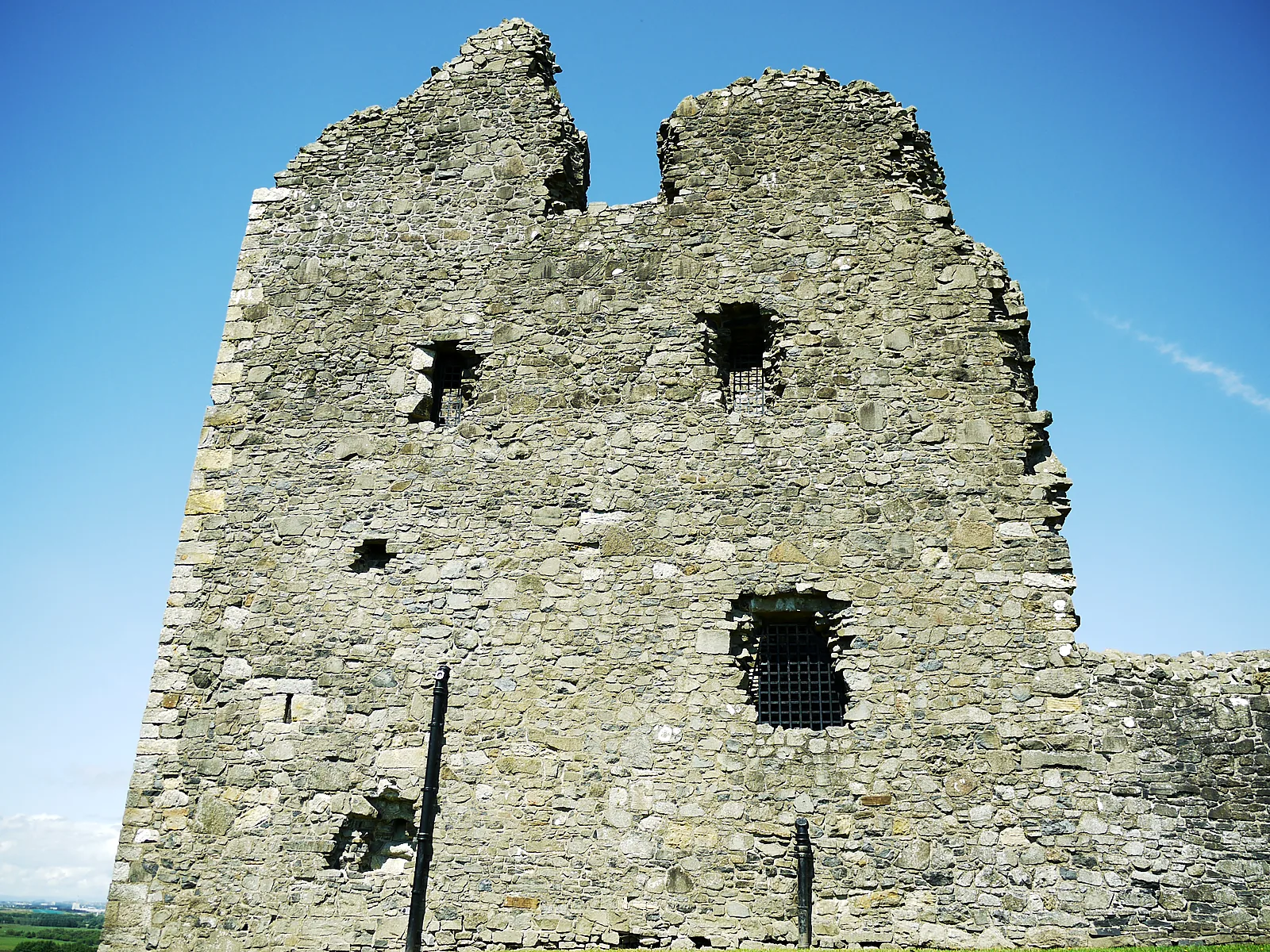
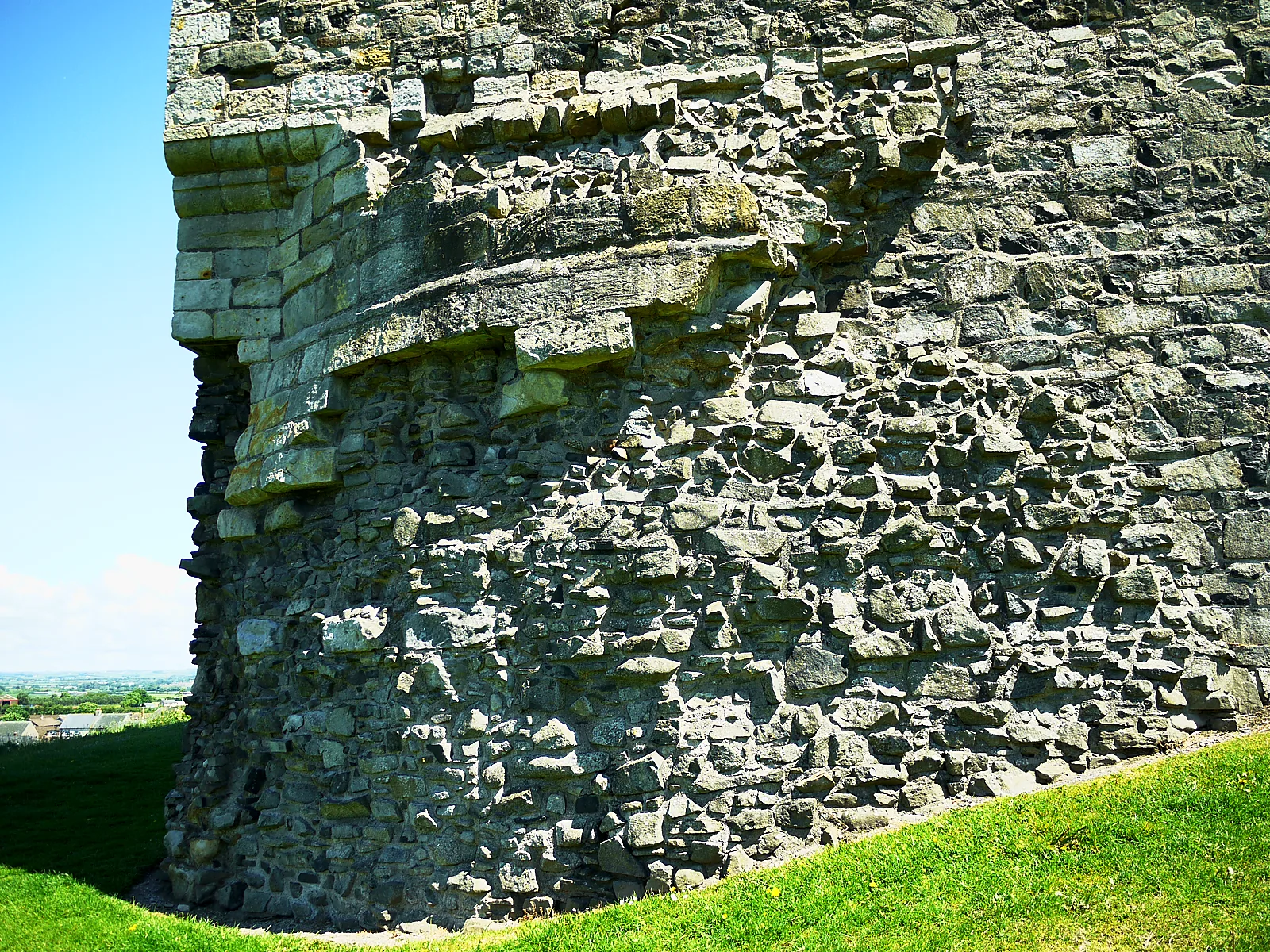
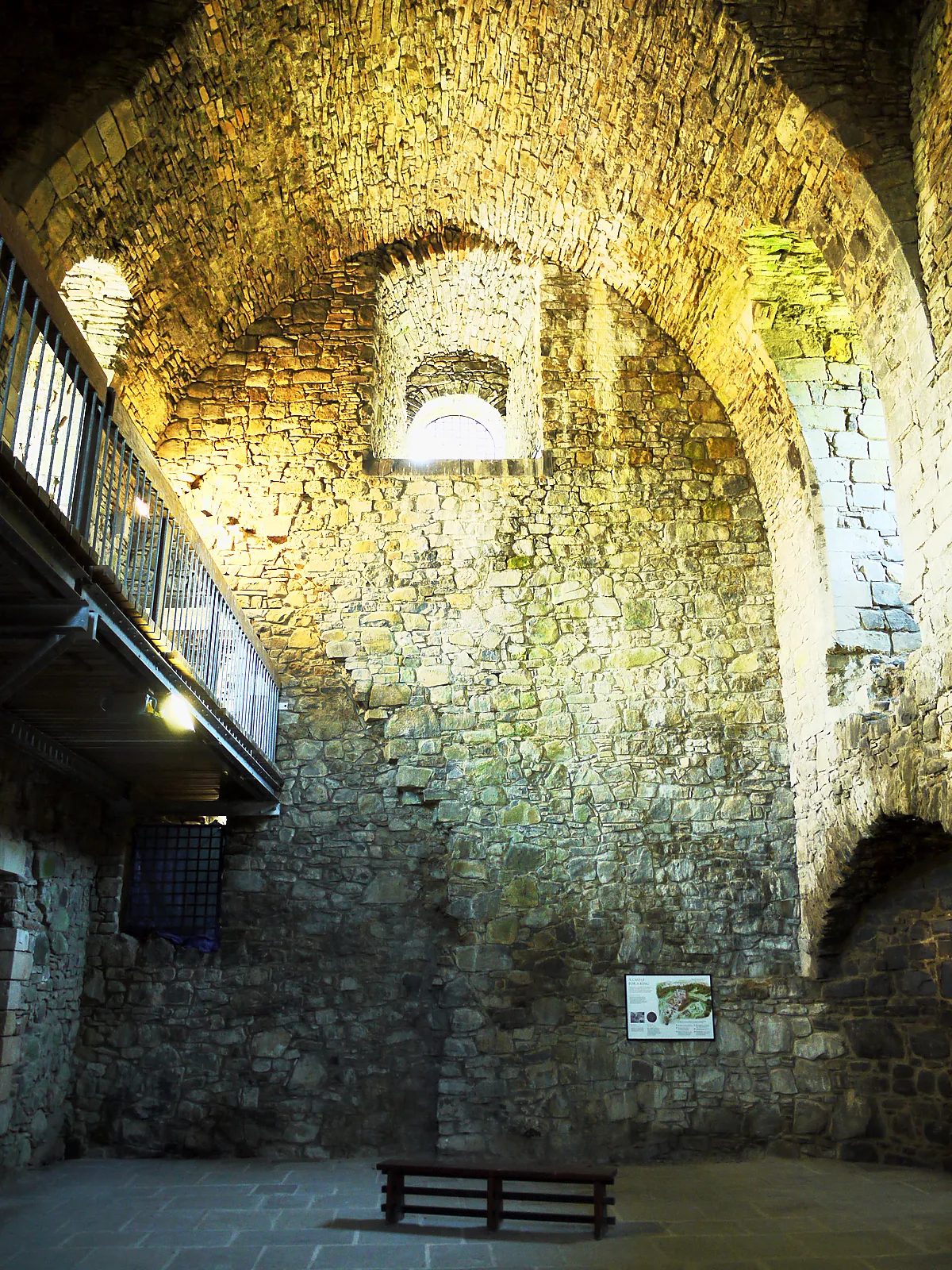
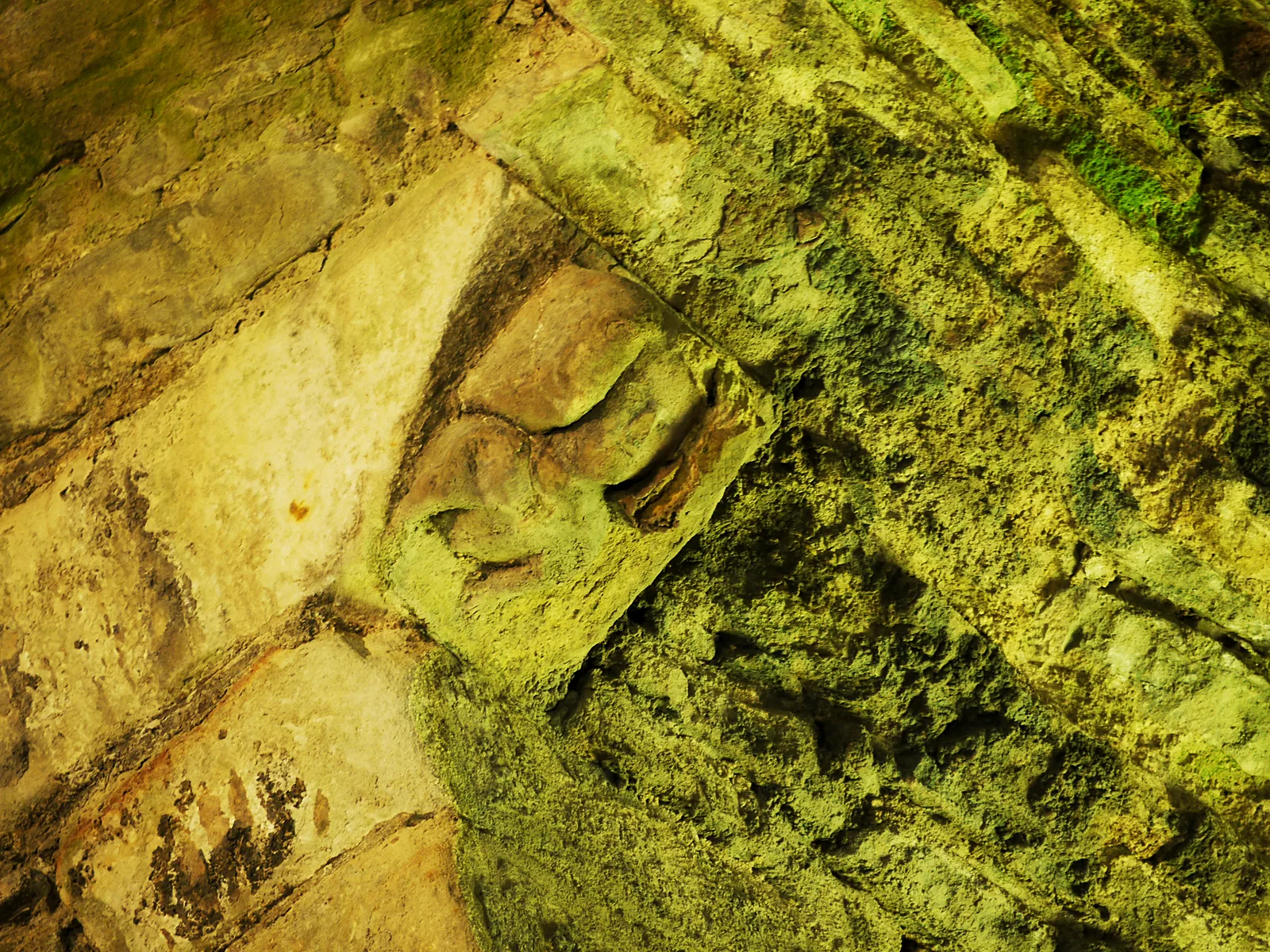
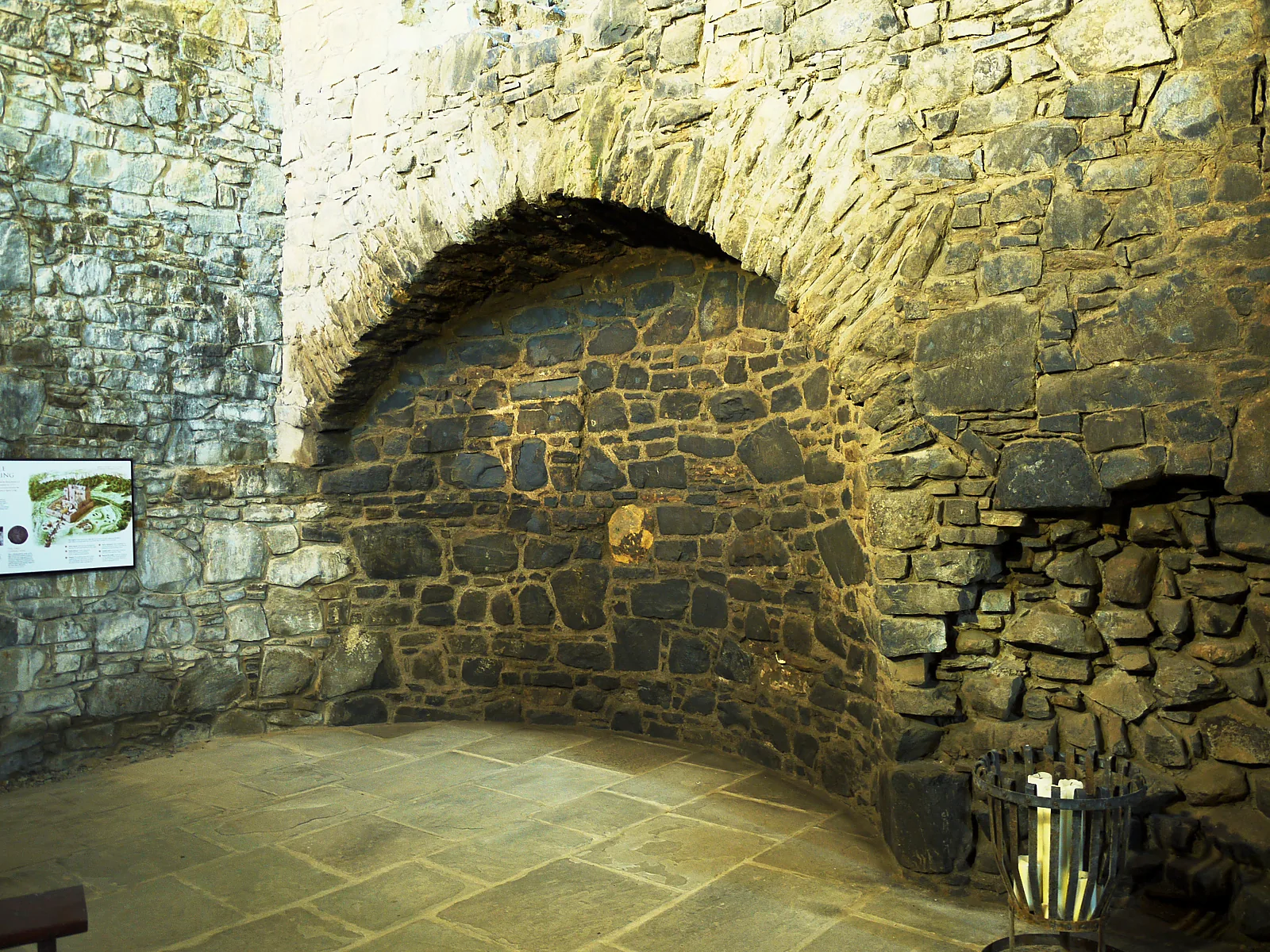
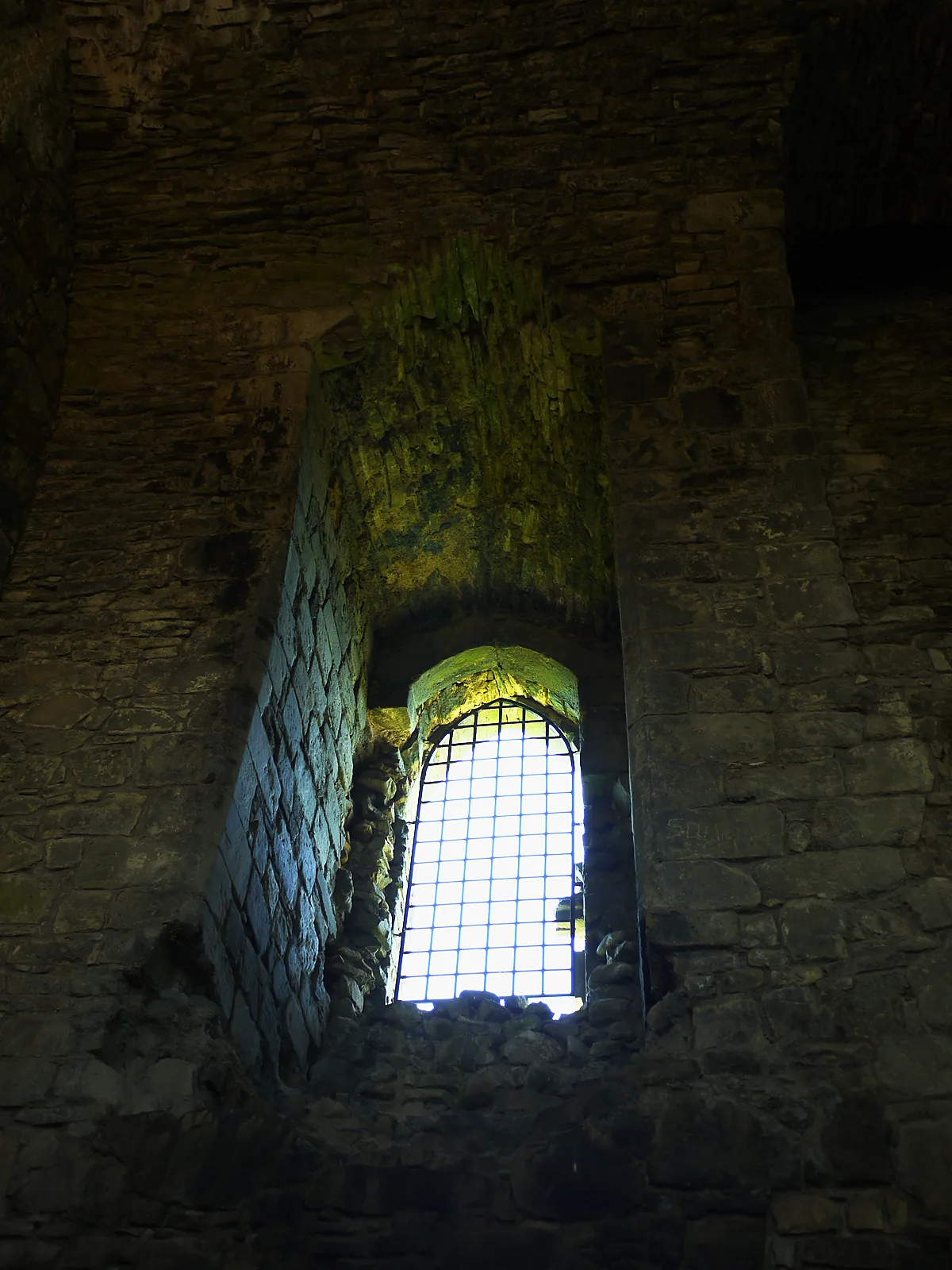
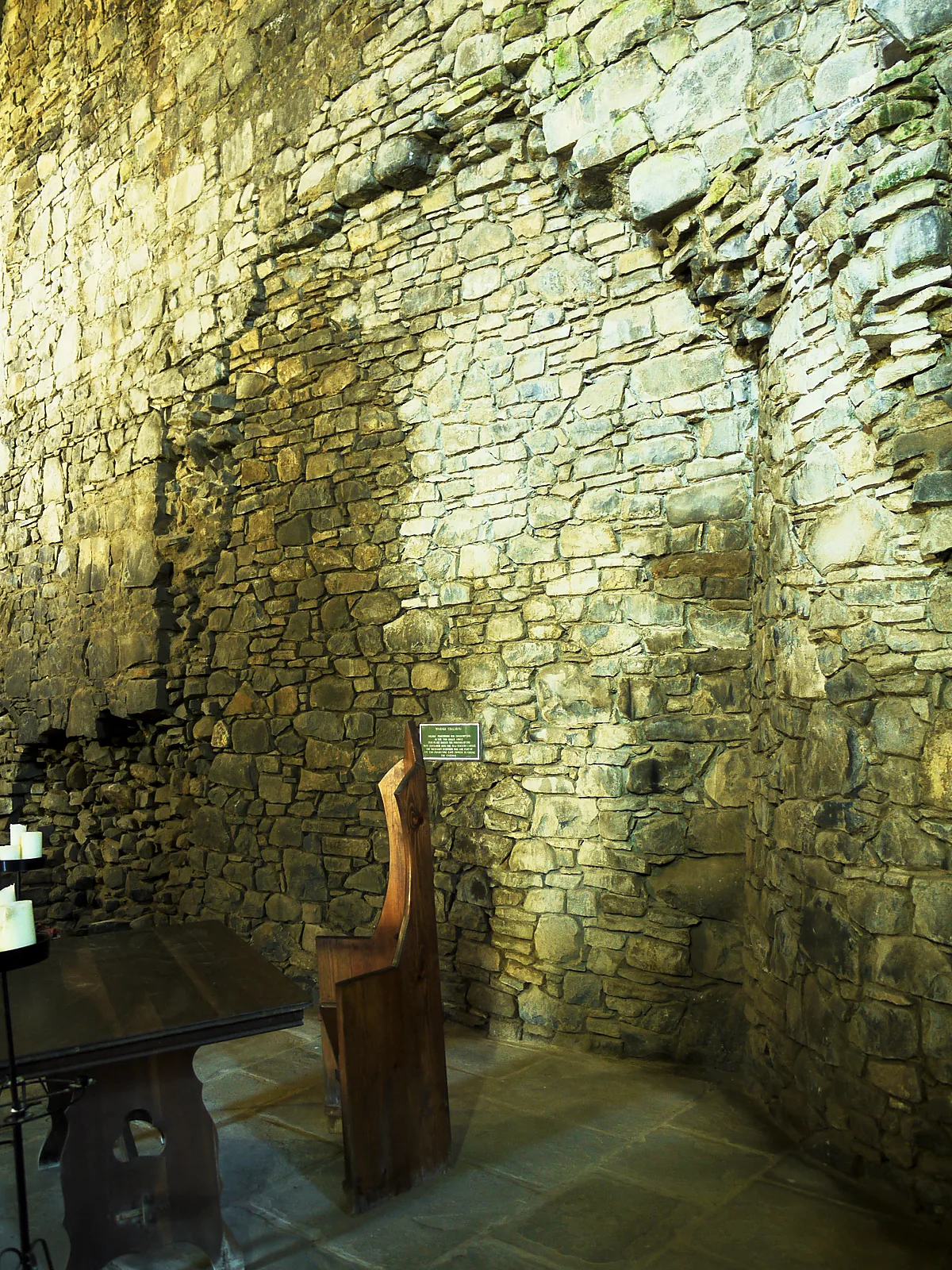
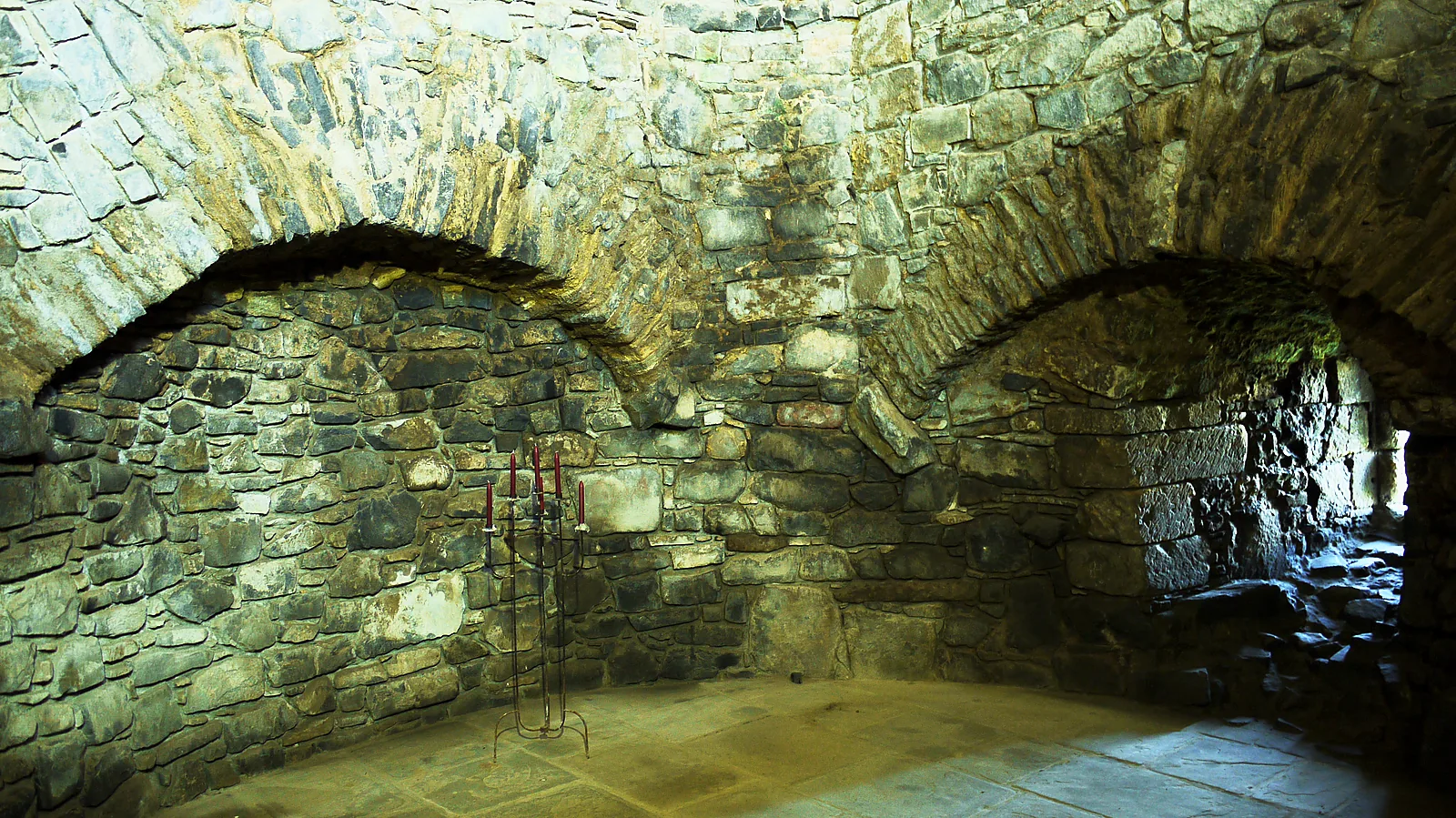
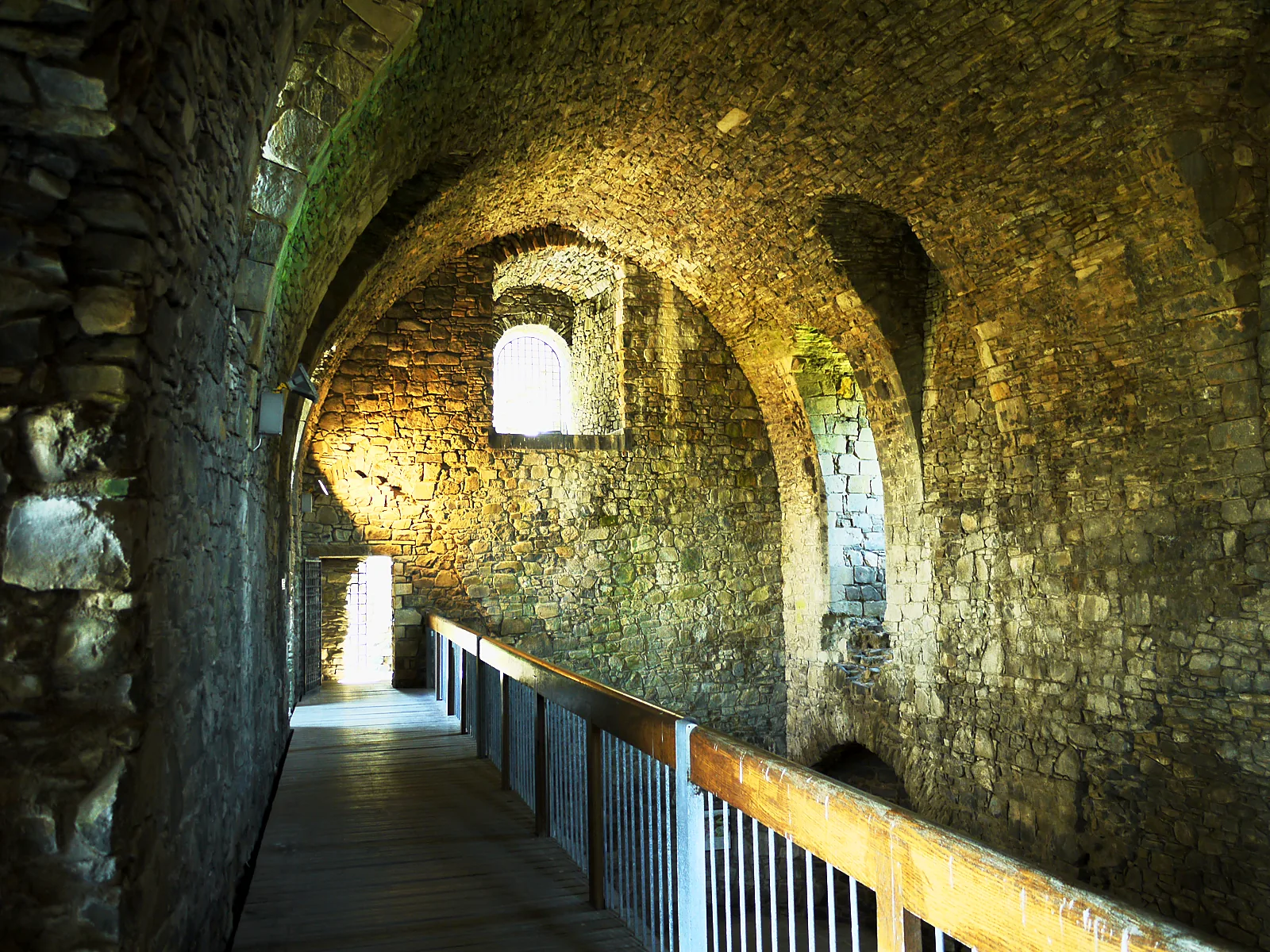
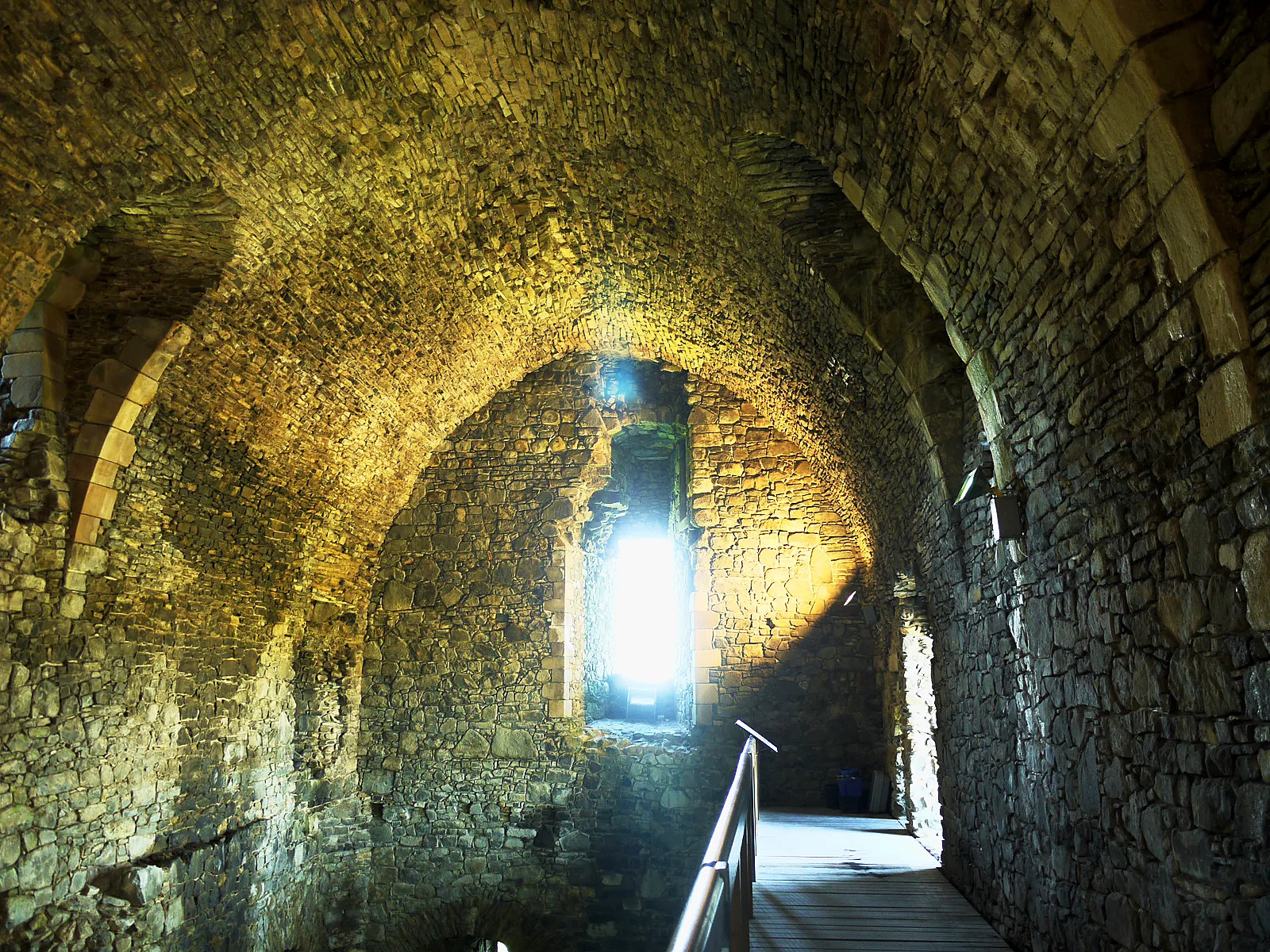
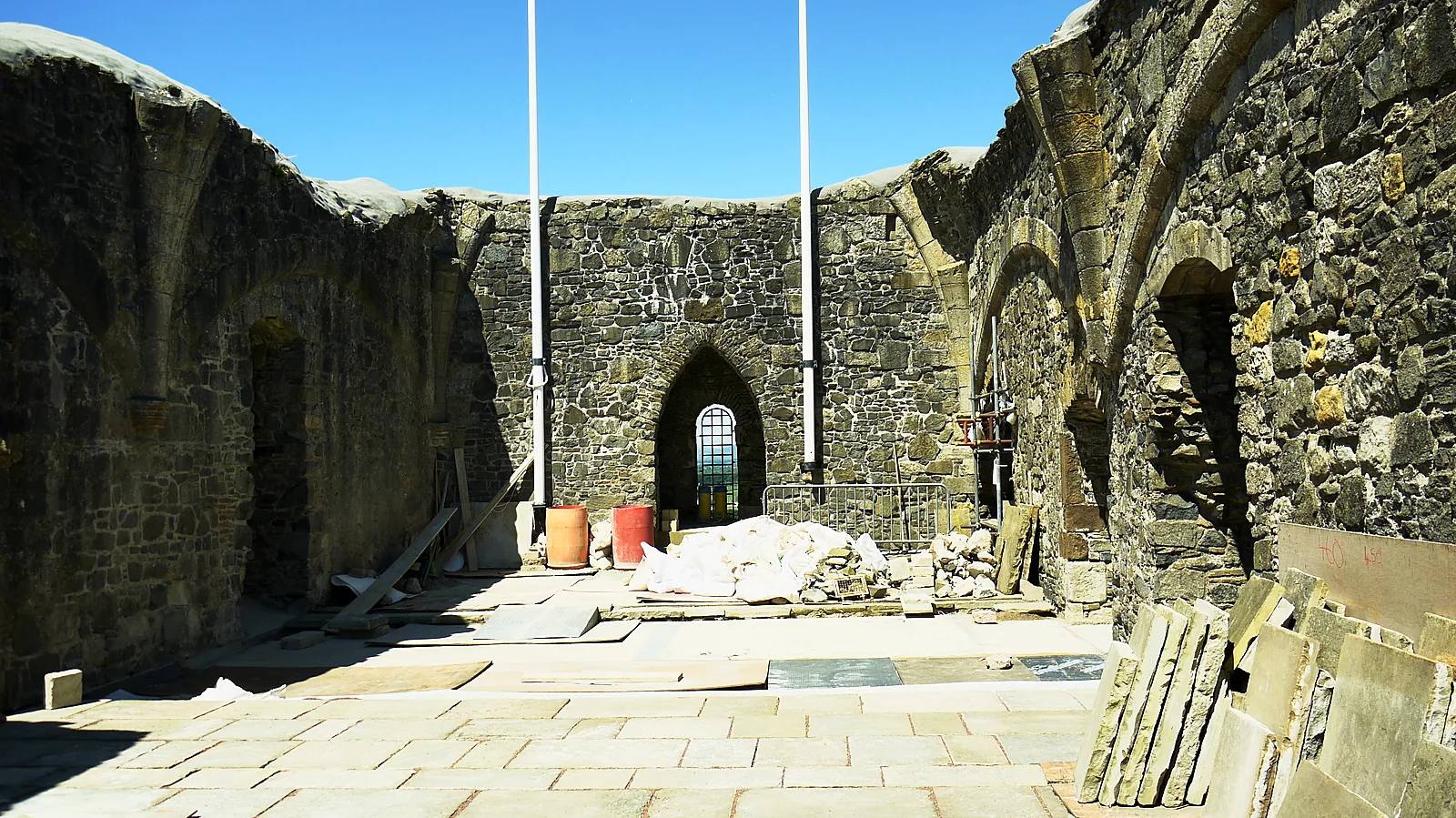
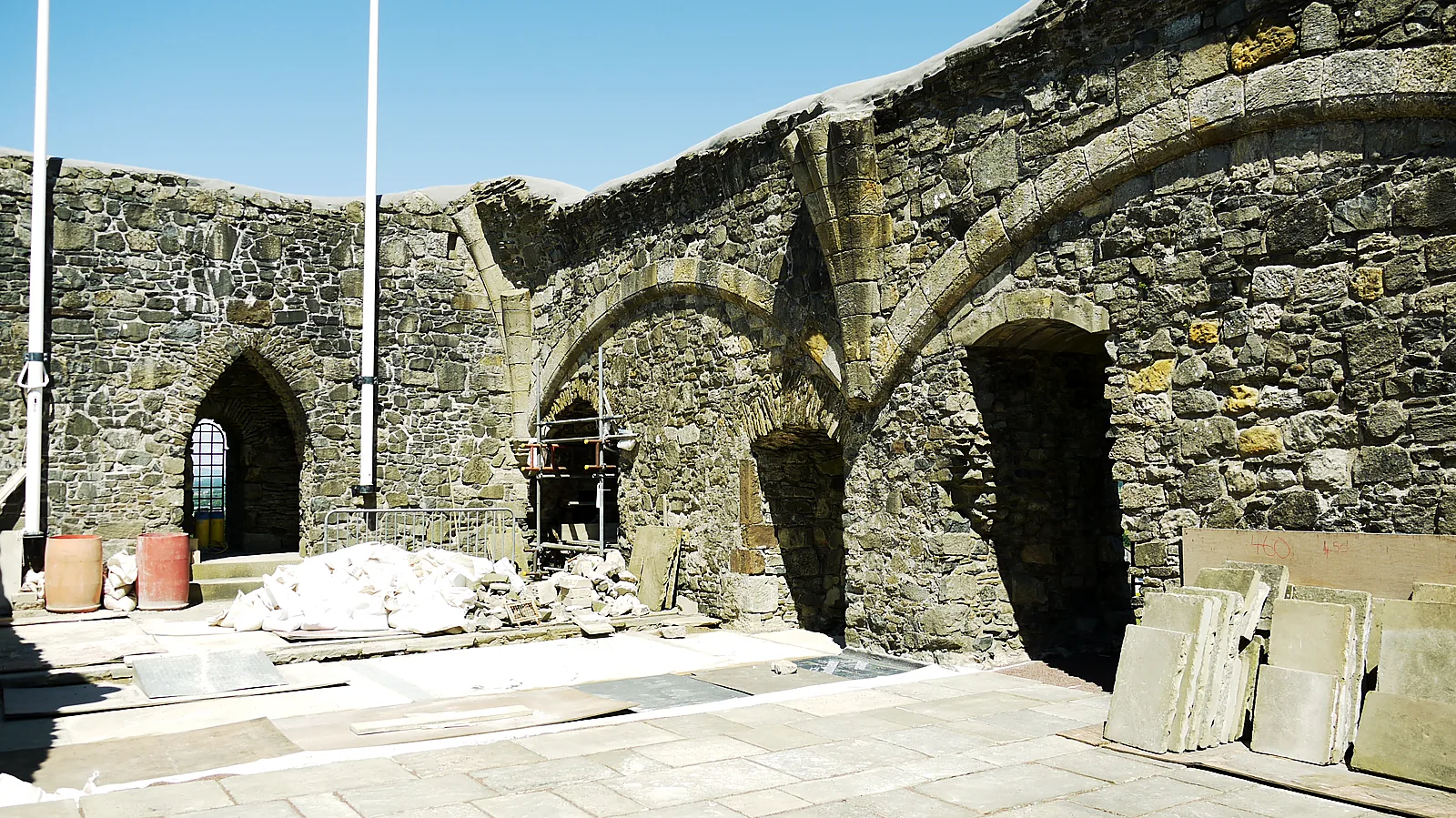
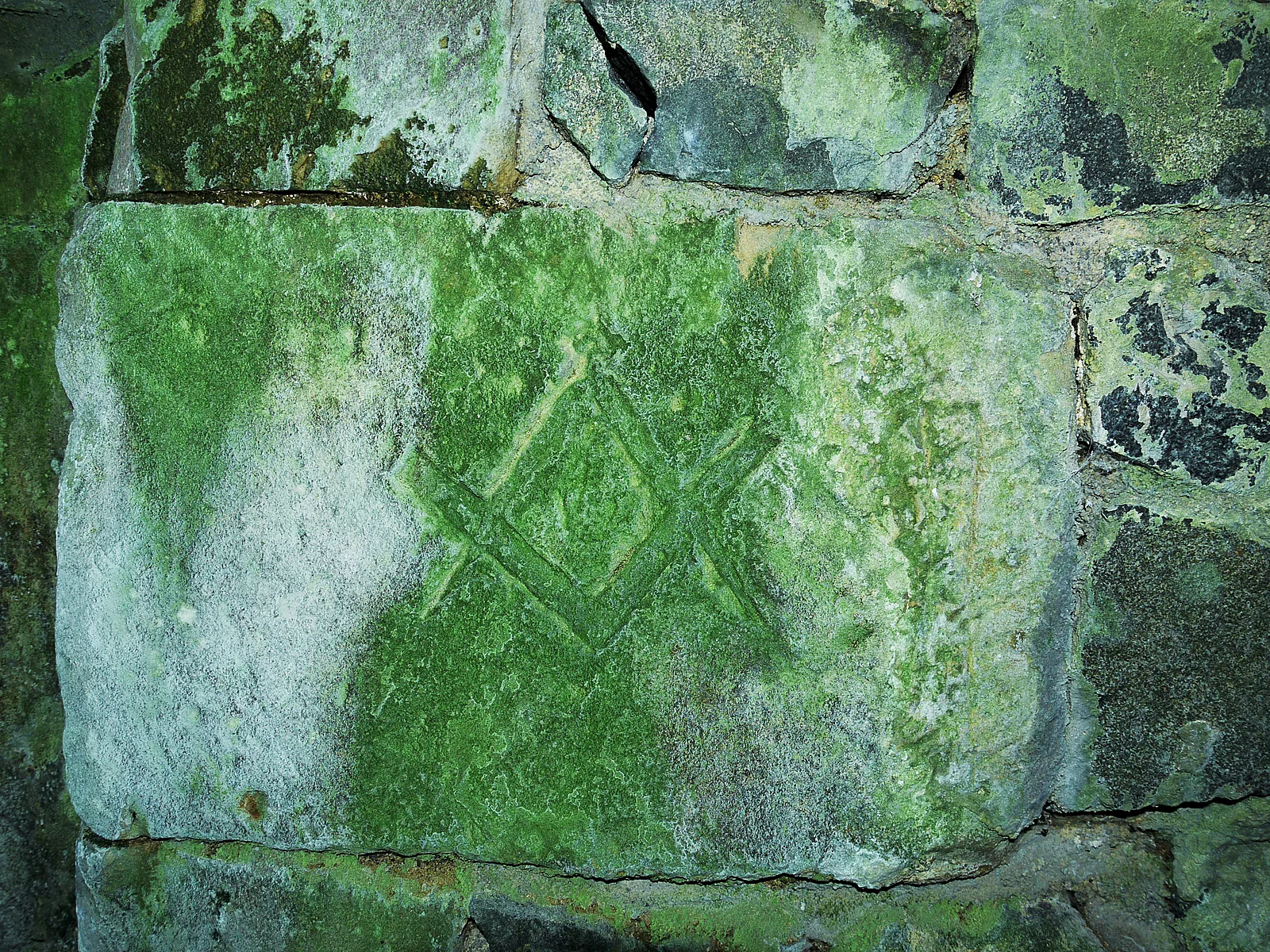
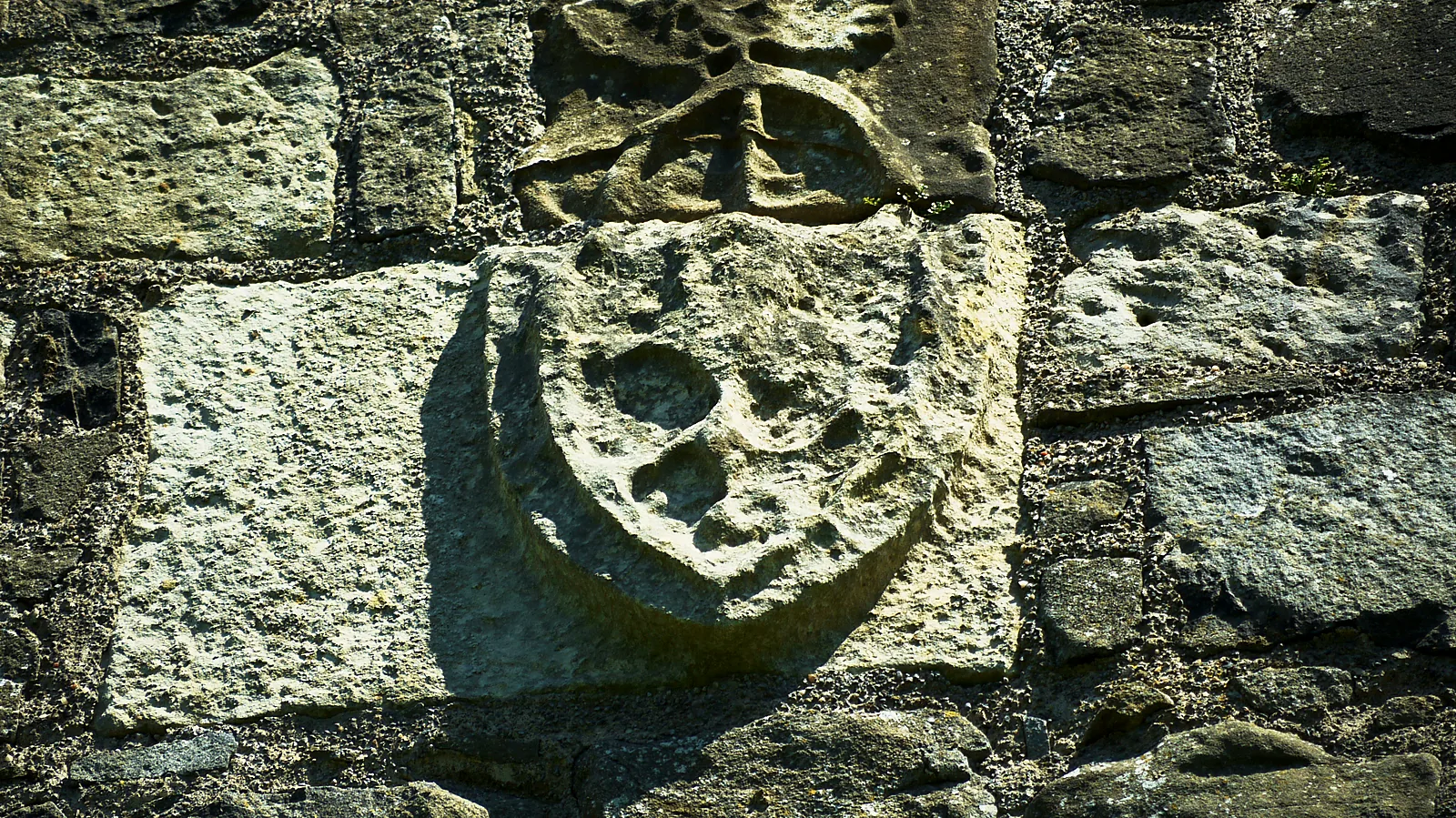
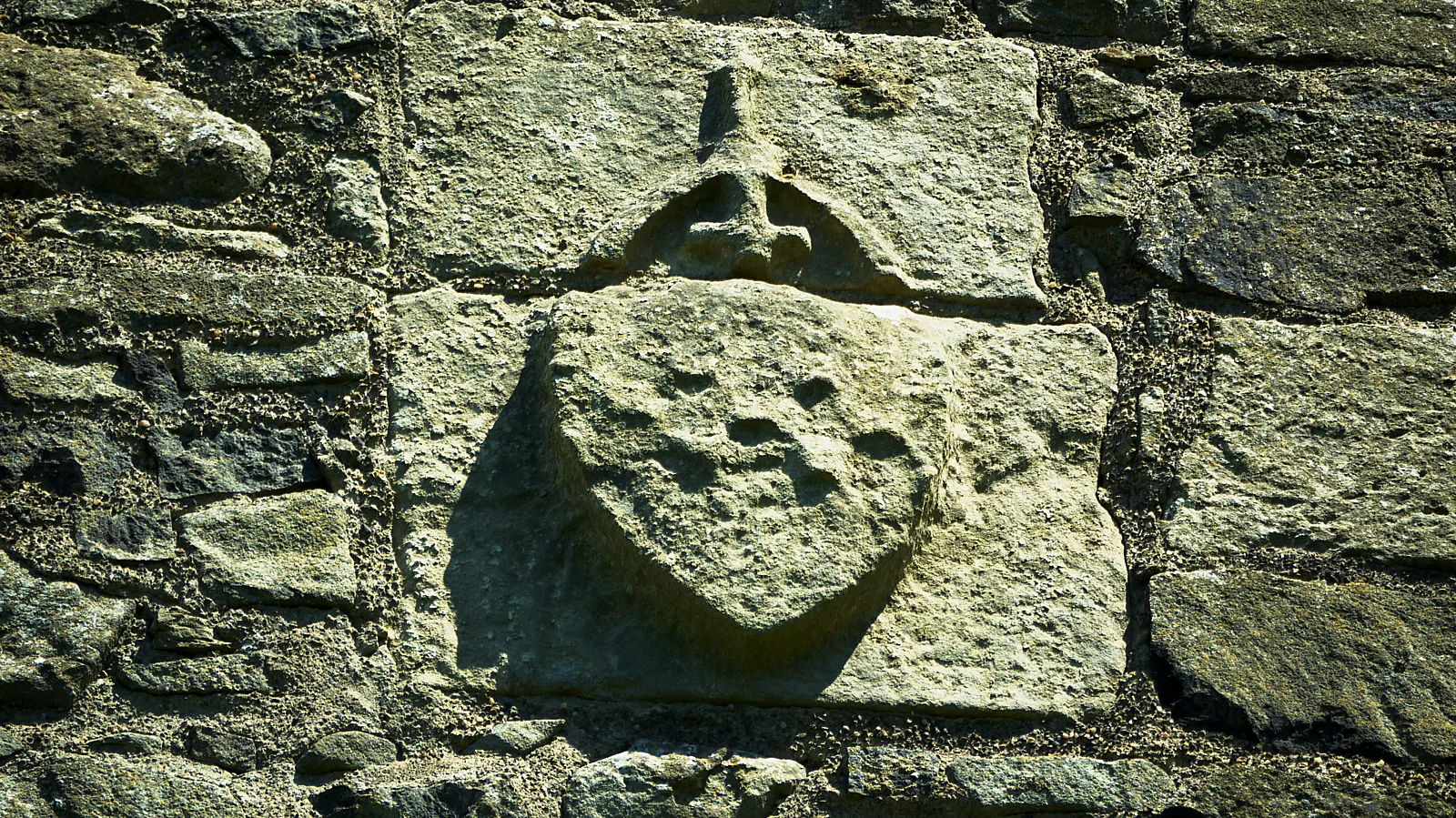
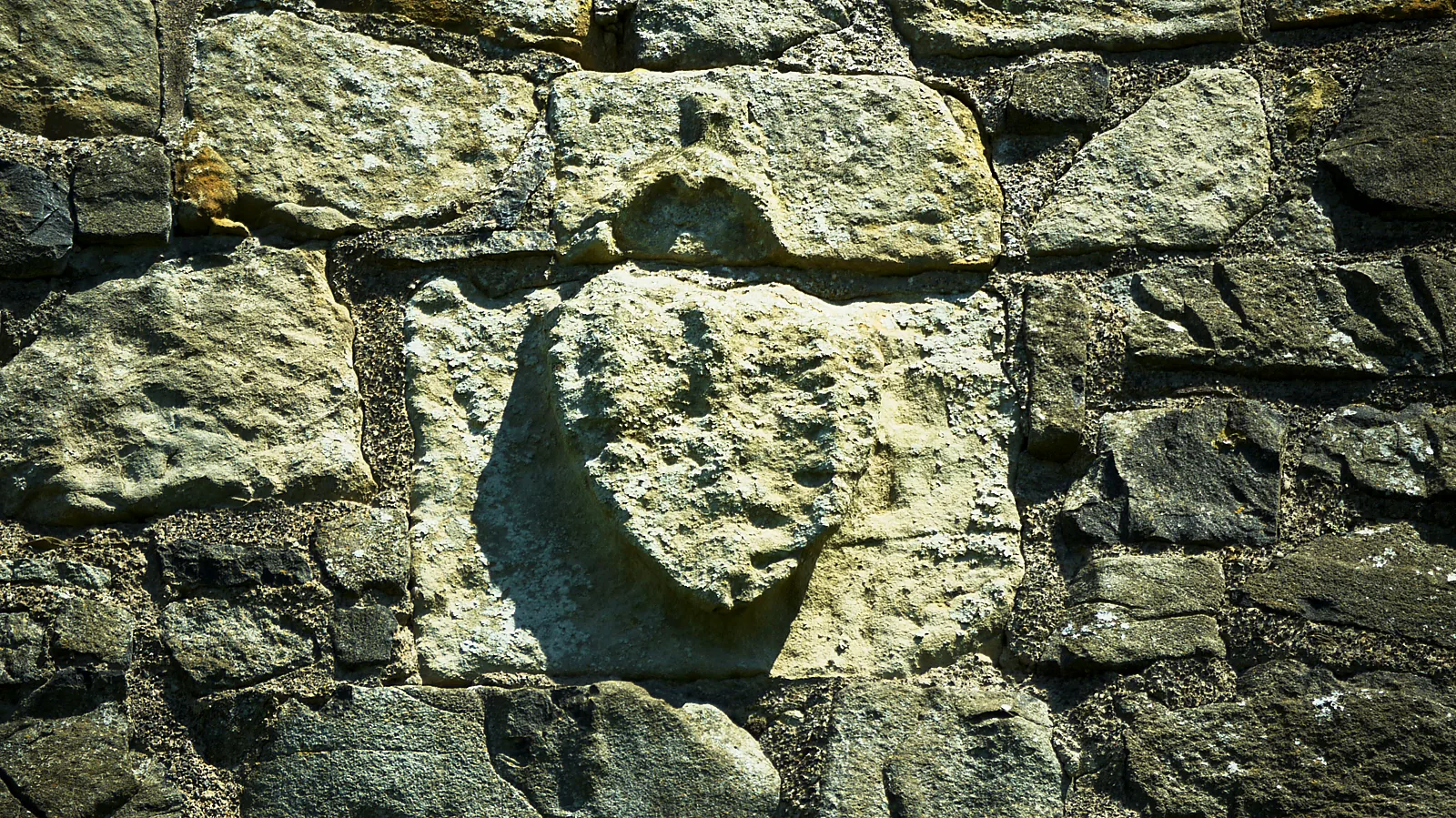
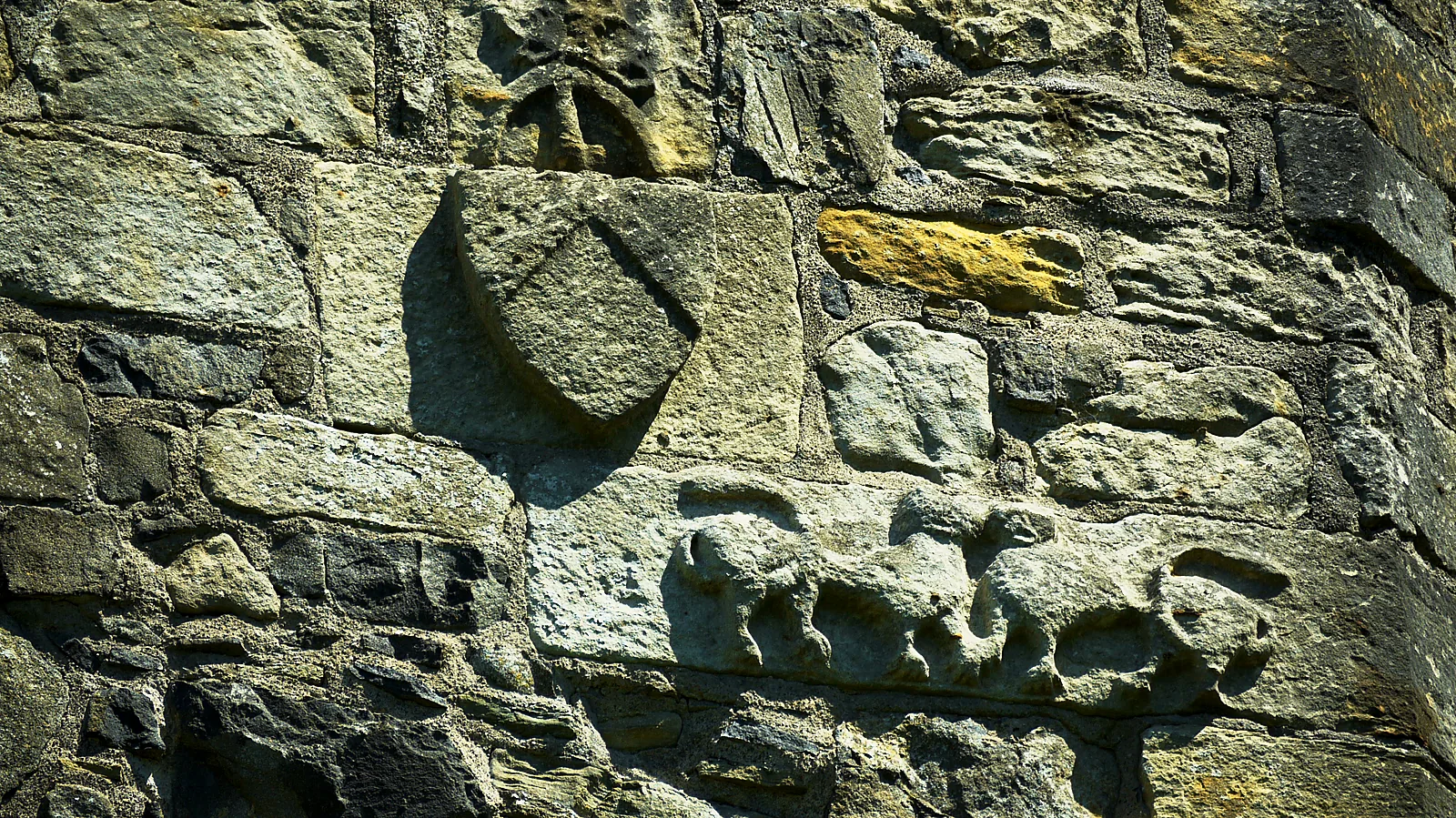
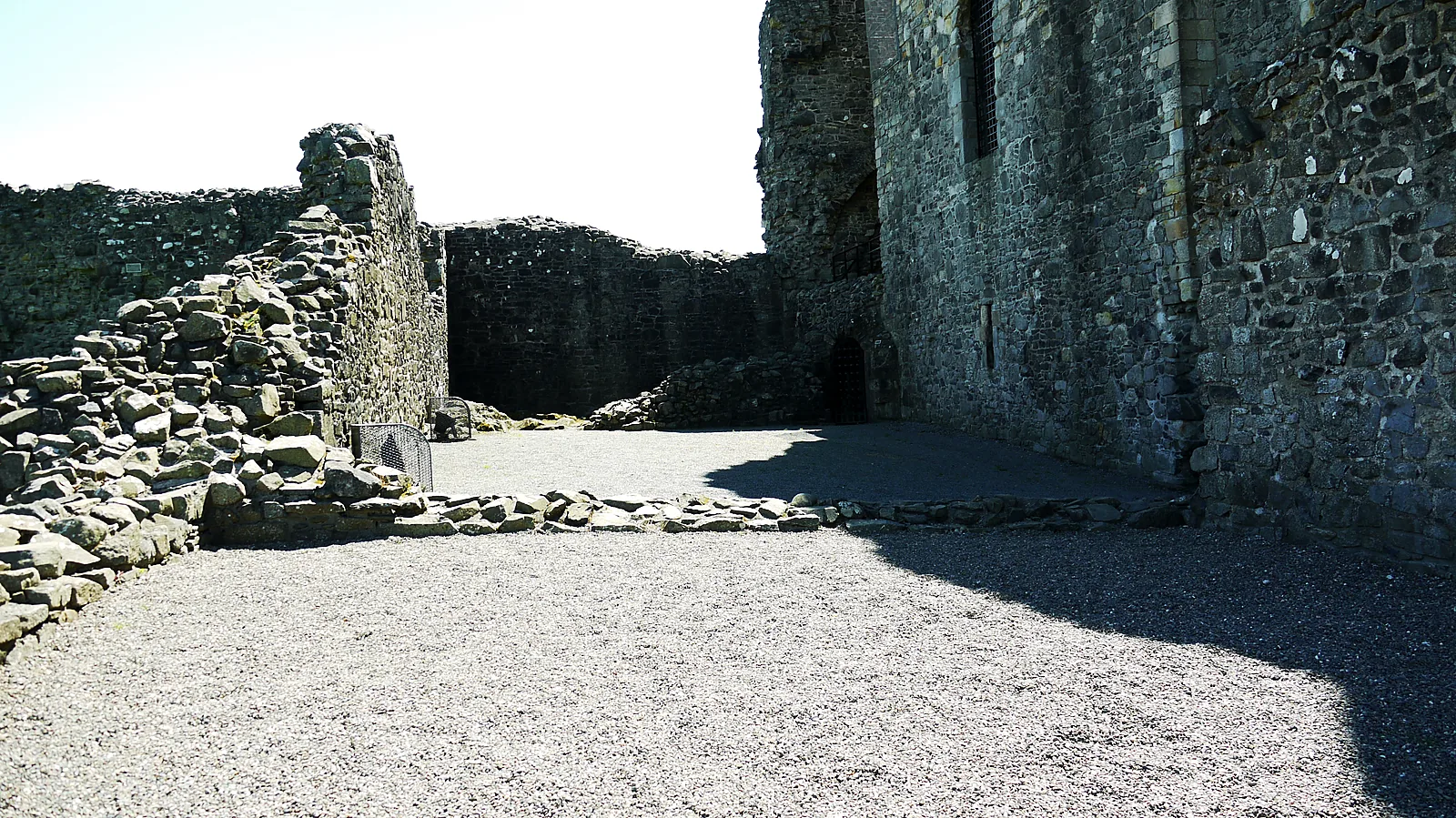
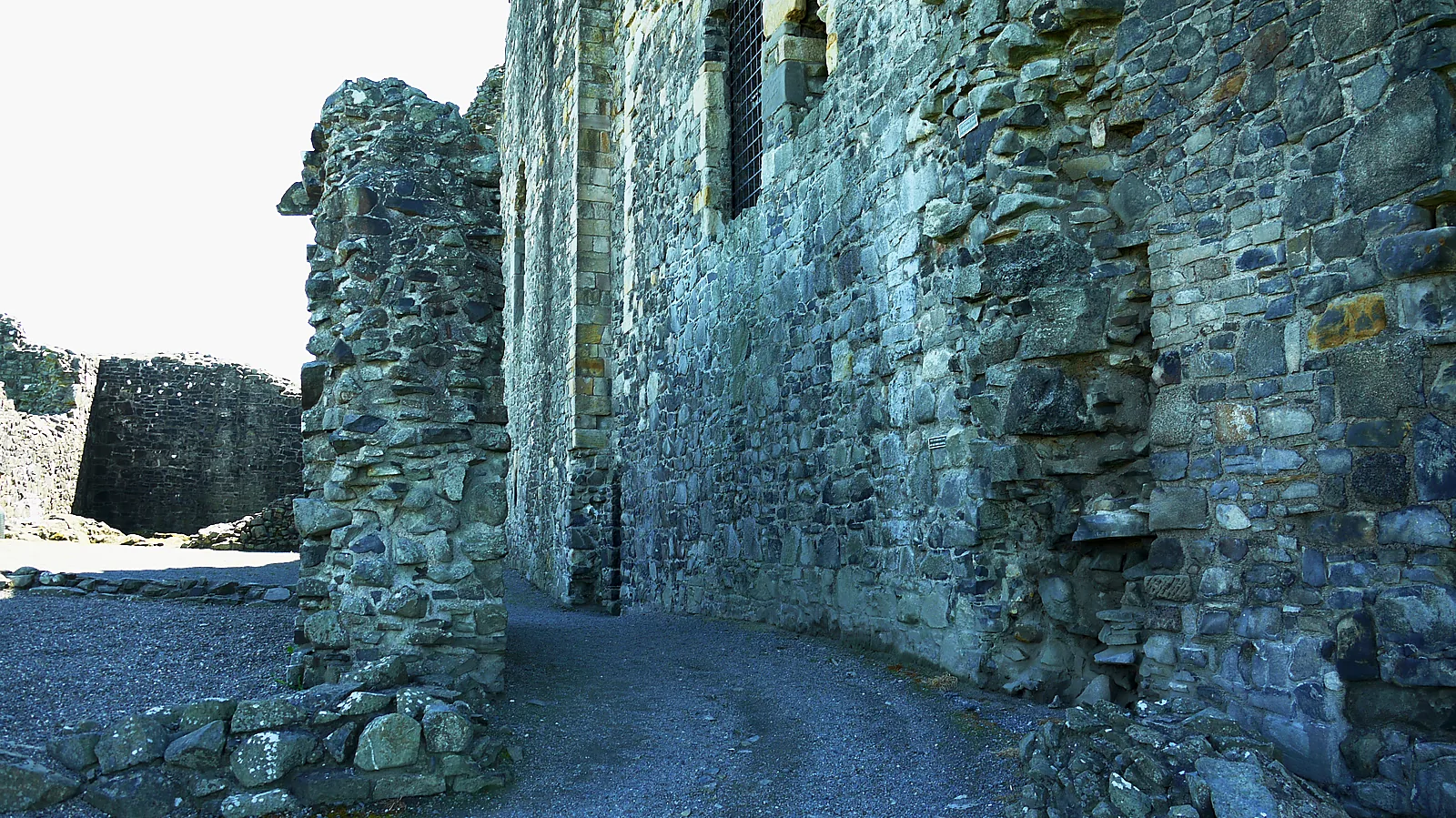
Dundonald was not merely a lookout or an occasional place to sleep. It was a place to receive guests, demonstrate status and exercise royal authority. The surviving rectangular tower rises through three main storeys. Within it were two great halls placed one above the other, an unusual arrangement that suggests different kinds of ceremony and more private royal gatherings. Heraldic carvings on the west wall proclaimed the family's prestige. A southern addition may have offered additional accommodation. In 1390 Robert II died at Dundonald, permanently linking the hill to the beginnings of the Stewart monarchy.
02 / VISUAL JOURNAL
Photos by zamki-szkocji.com
10 of 36 photographs
01 / THE STORY CONTINUES
The building remained a high-status residence, but it did not continue as a major royal centre indefinitely. Its later occupants included regional landowning families, especially the Wallaces of Dundonald. By the 1590s, according to HES, the Wallaces had moved their principal home to nearby Auchans Castle. Dundonald's increasingly obsolete fortified rooms lost their purpose, while the ruin continued to dominate the village skyline. The fact that successive owners reused buildings and changed their priorities is part of the castle's history: not every ruined fortress fell in one spectacular siege.
Modern archaeological work has helped recover the much longer story hidden beneath the visible walls. The hill is protected as scheduled monument SM90112. The castle is cared for through a partnership between Historic Environment Scotland and the charity Friends of Dundonald Castle, which runs the visitor experience and local visitor centre. Their tours are particularly valuable for understanding which stones belong to which historical phase.
There is plenty of atmosphere in the towering halls and vaulted spaces, but an evocative ruin is not evidence of a haunting. Local ghost anecdotes may be told by visitors or guides; without a reliable documented tradition they should remain folklore, not part of a factual account. Dundonald's strongest story is firmly historical: a place of power long before the Stewarts, then a carefully designed residence for the first Stewart king. Even the name's possible connection to a Strathclyde ruler must be described as a scholarly suggestion rather than certainty.
08 / EXPLORE NEXT
Find Scottish castles by region, landscape or the stories that bring them to life.
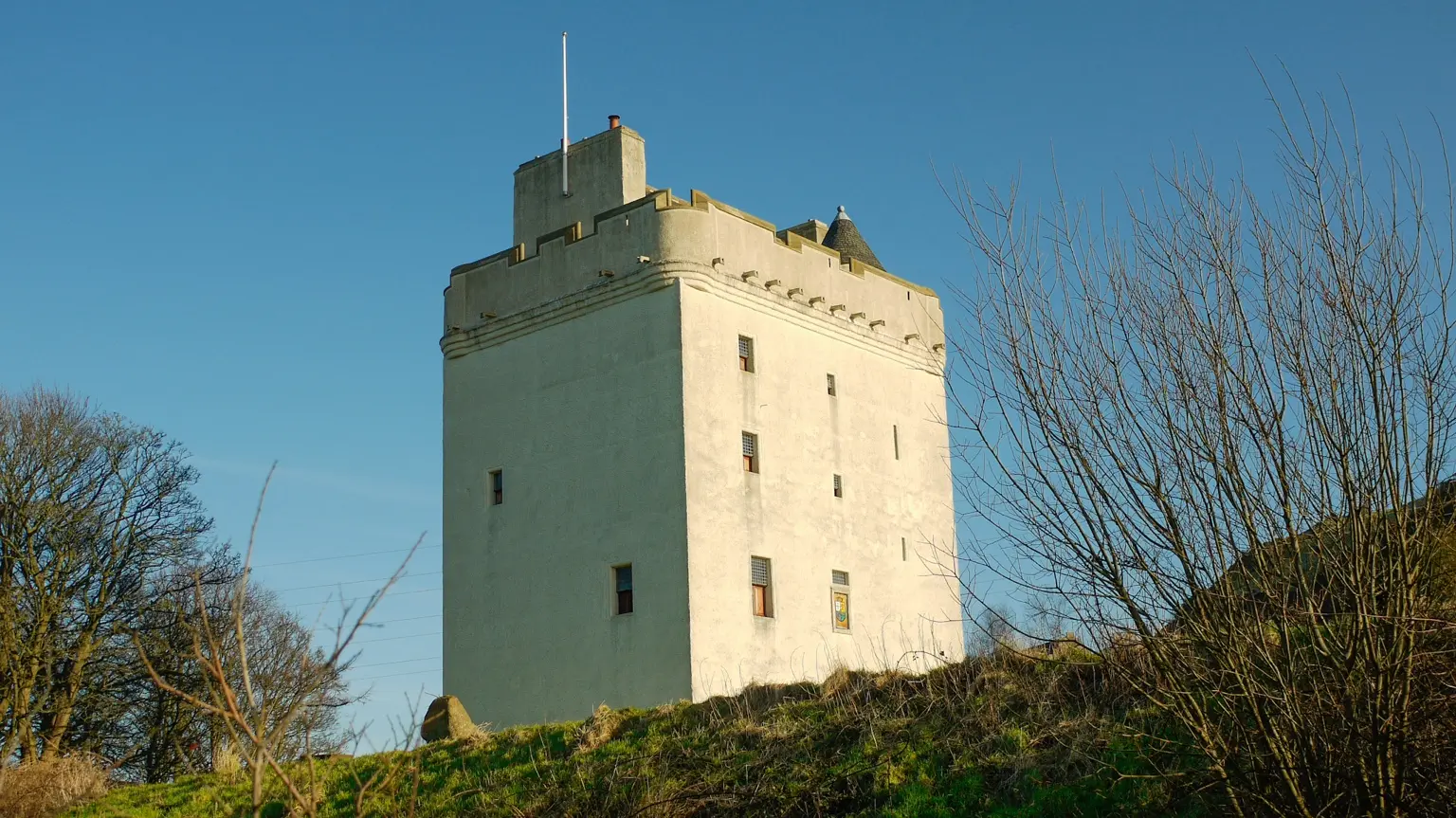 Ayrshire & ArranLaw Castle
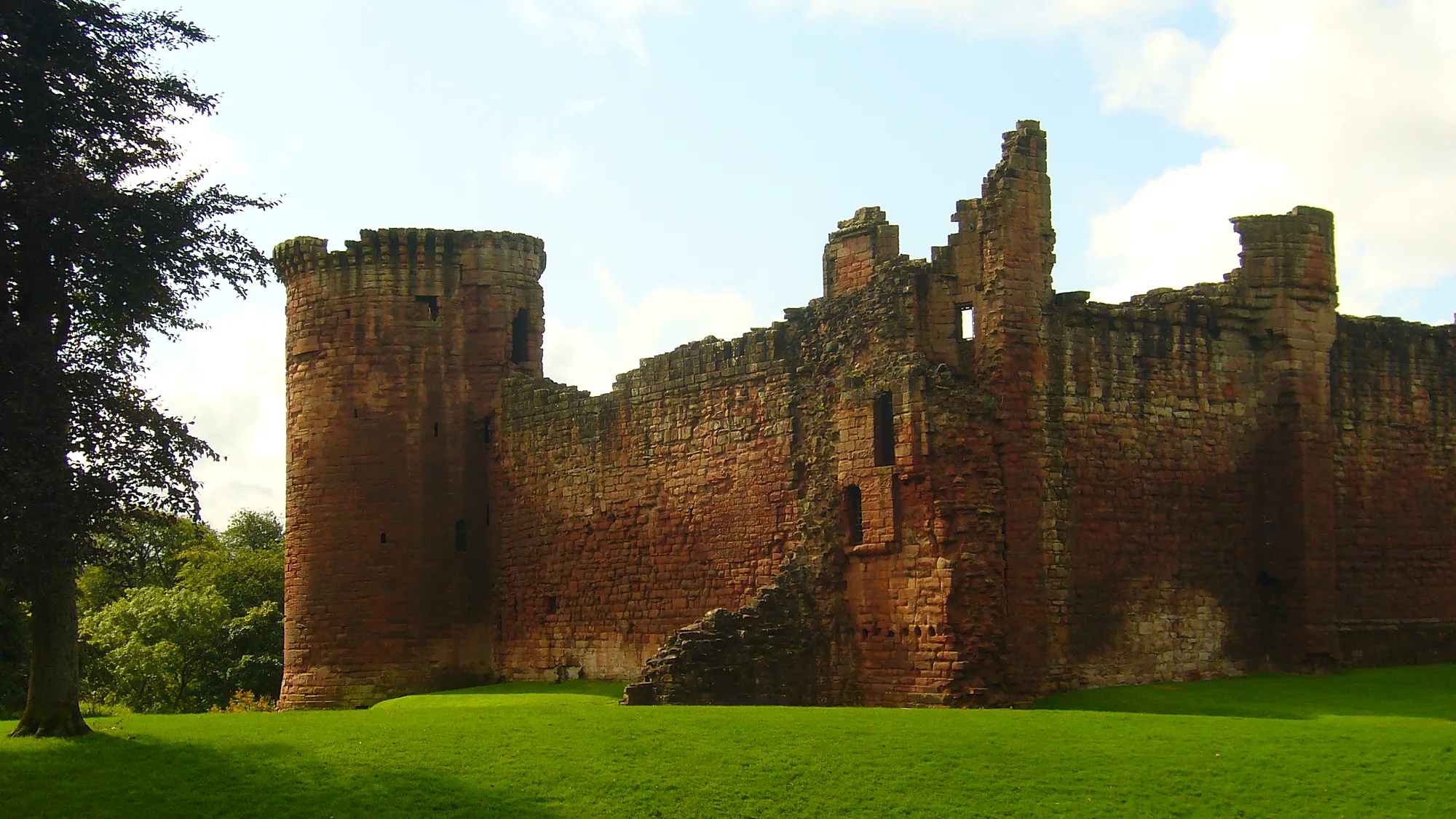 Ayrshire & ArranBothwell Castle
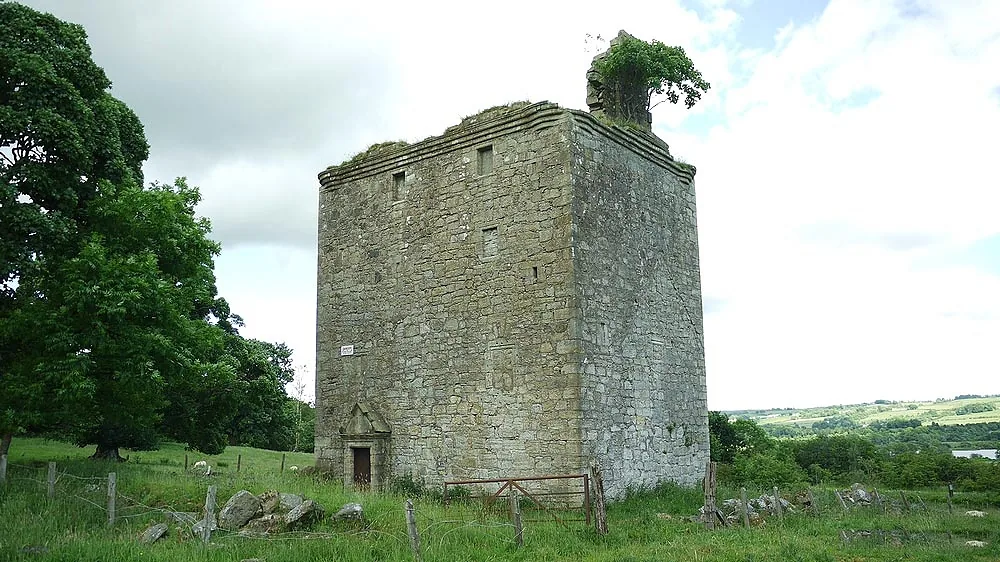 Ayrshire & ArranBarr Castle