TICKETSPermission required
Check access before travelling.
 Castle
SCOTTISH BORDERS
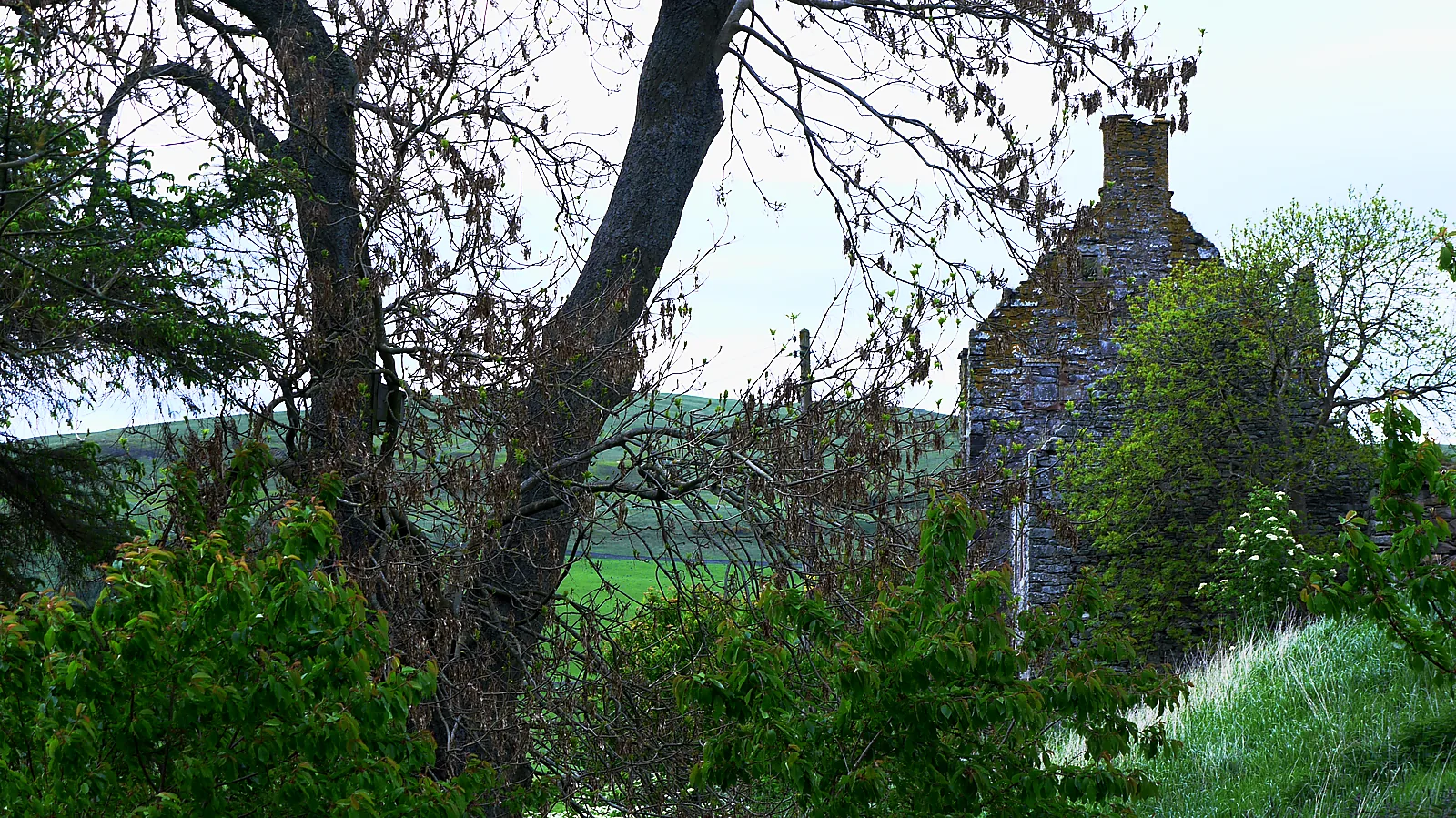
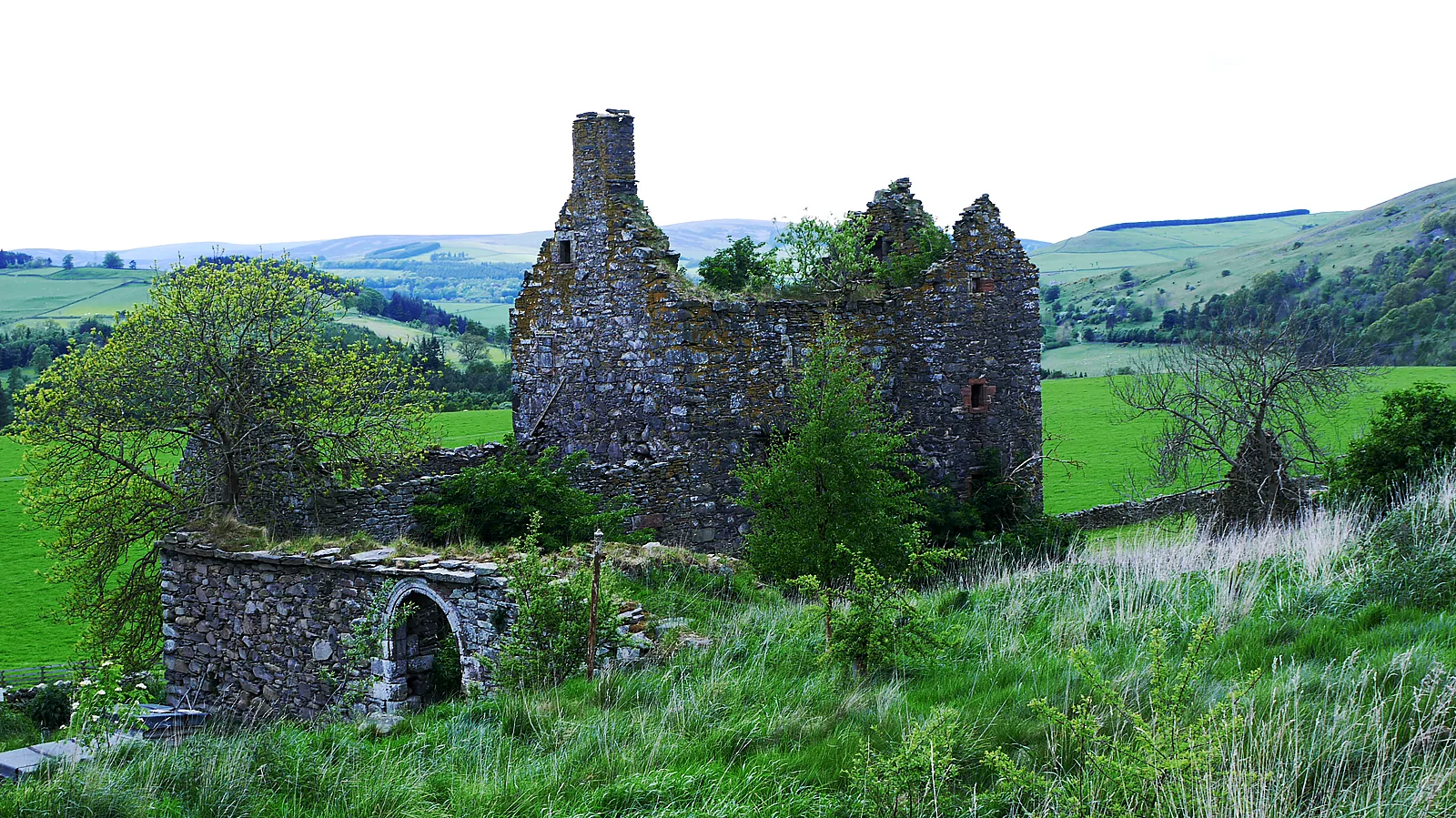
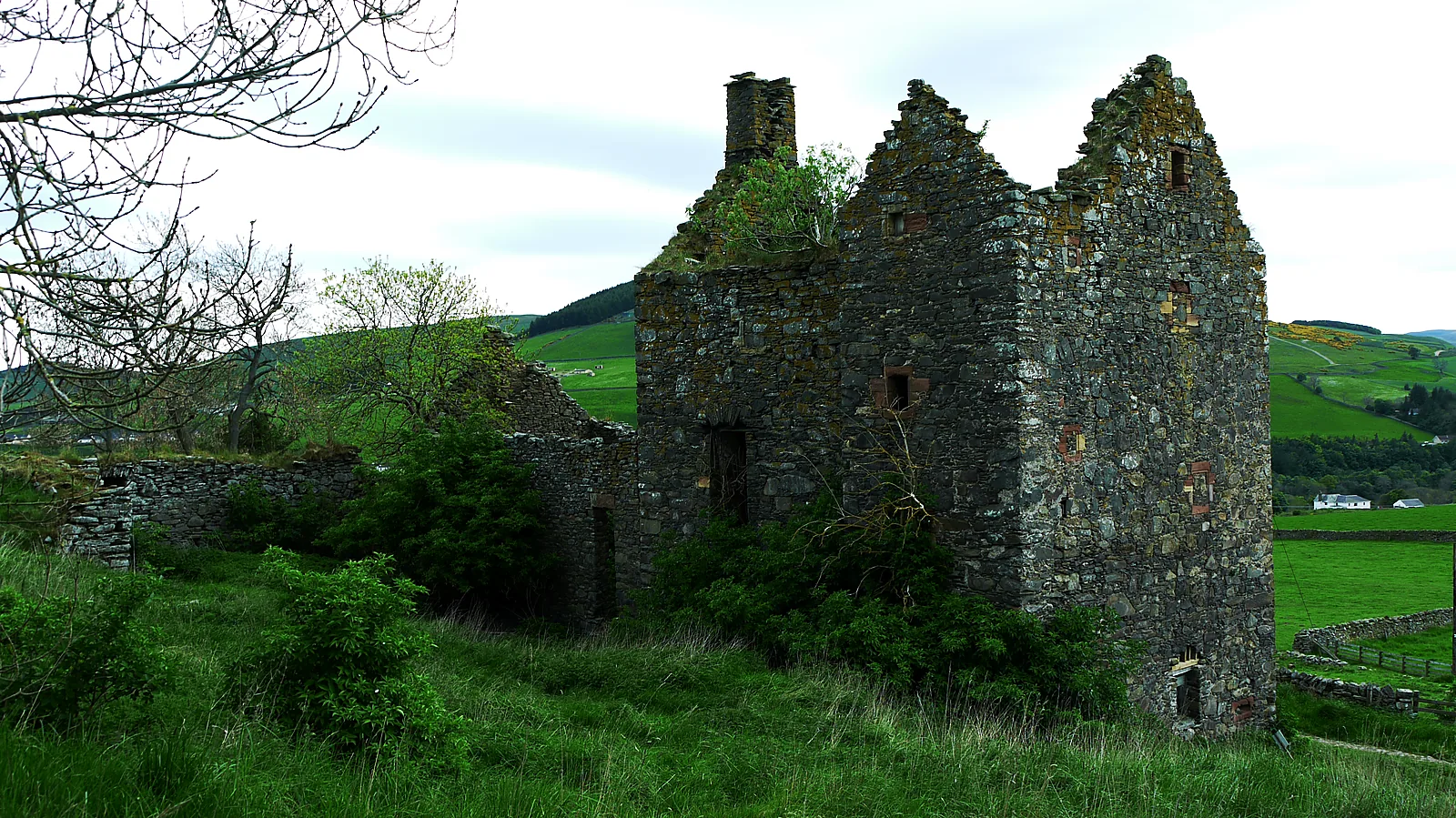
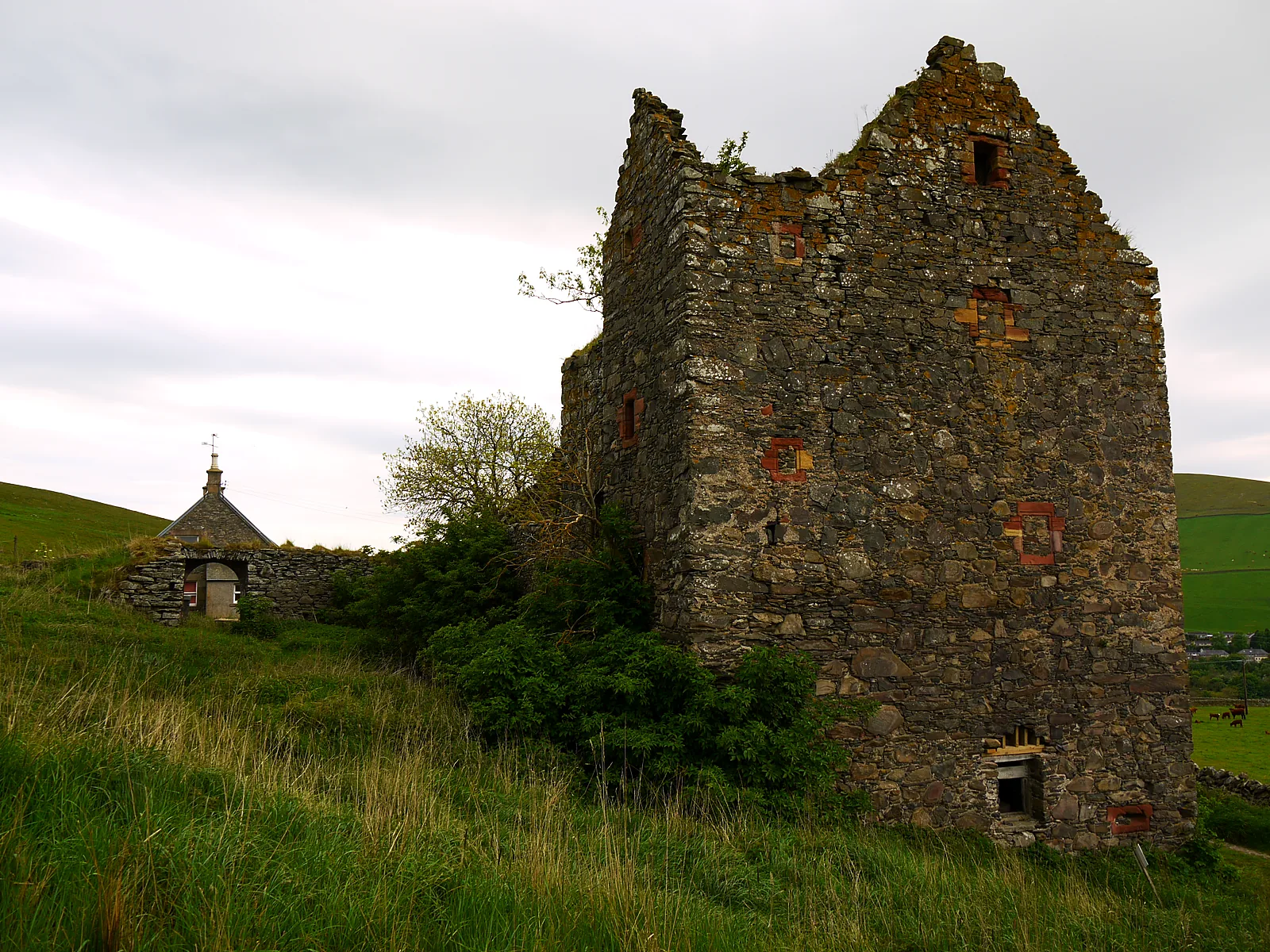
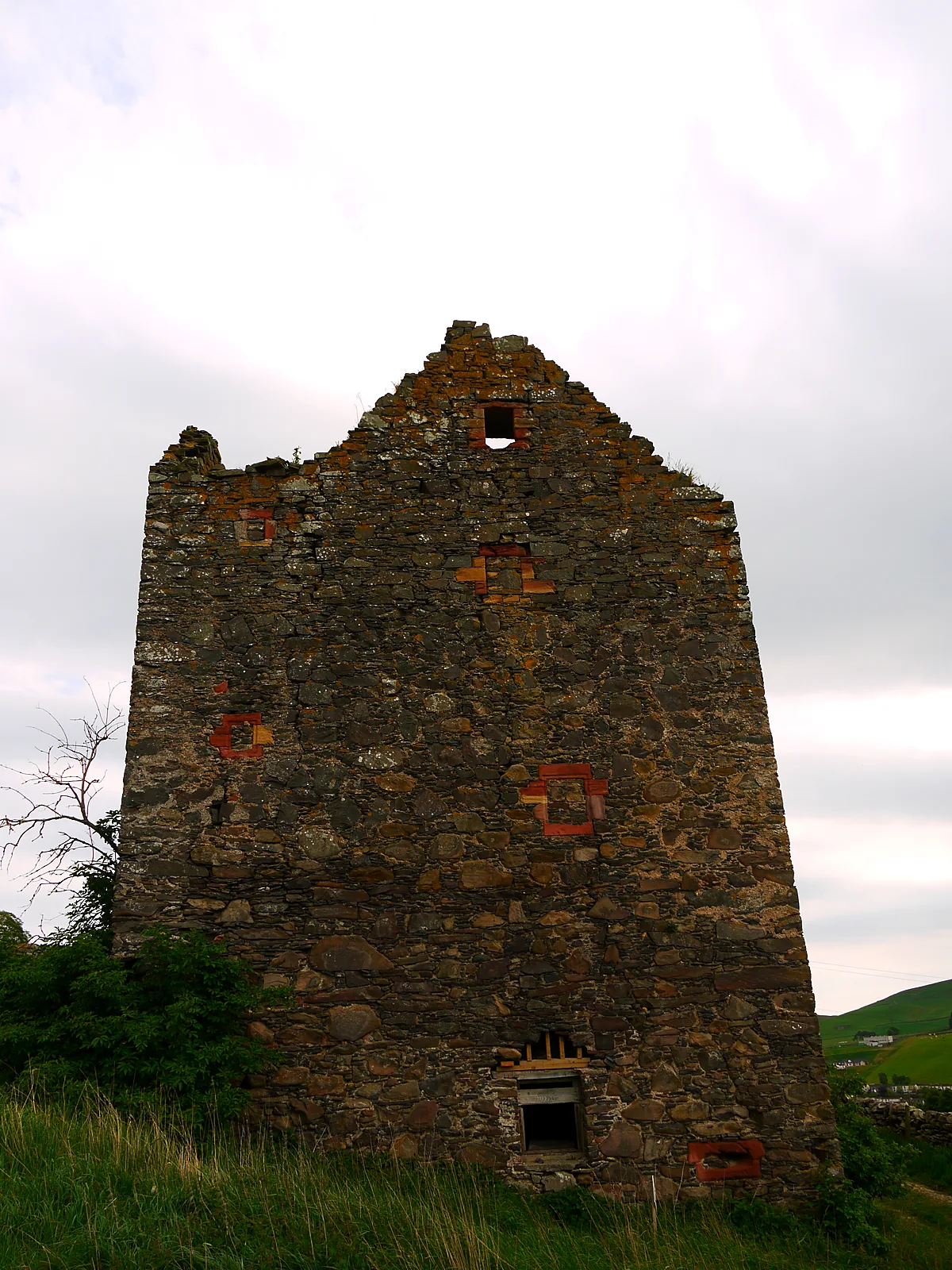
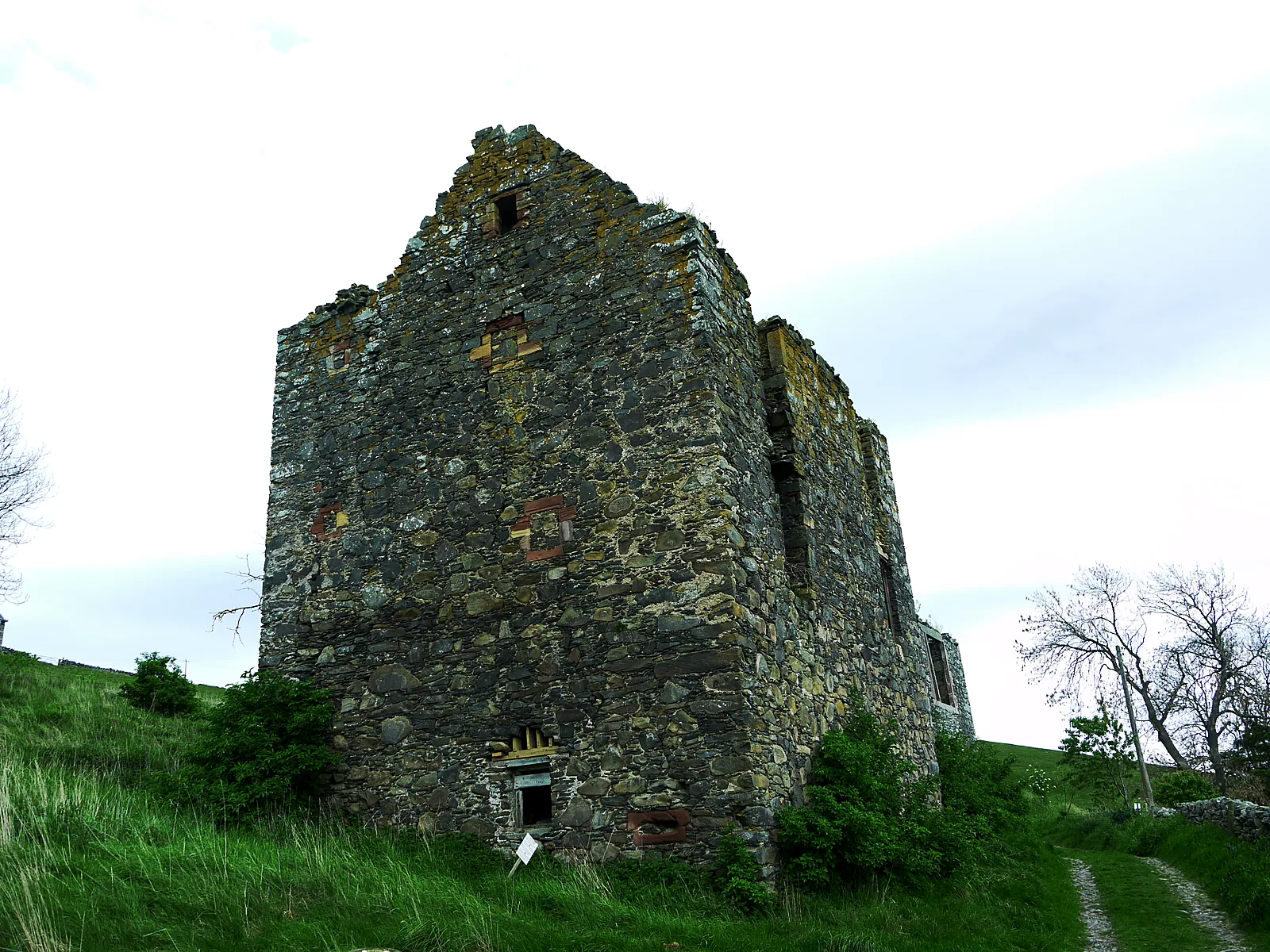
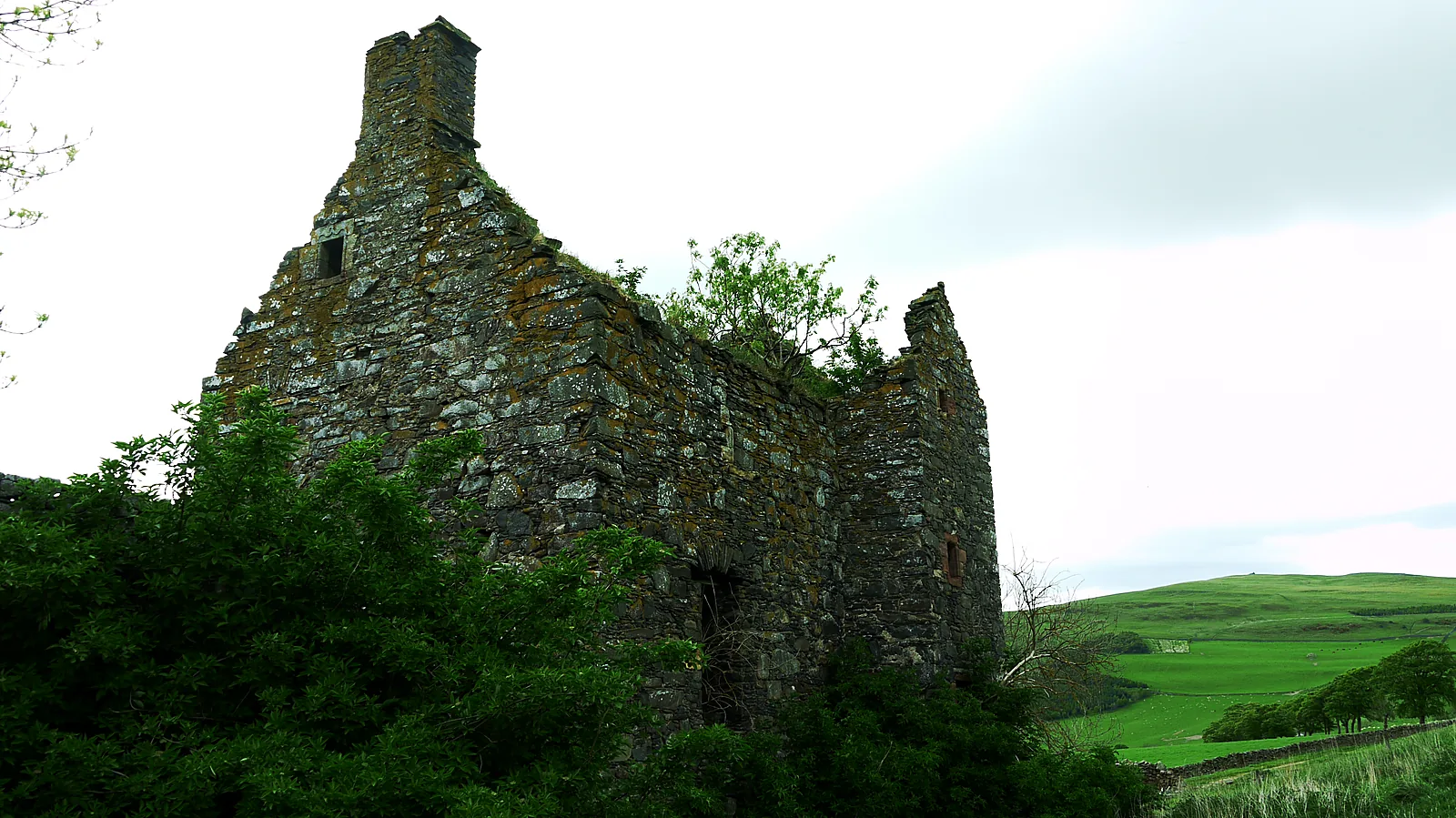
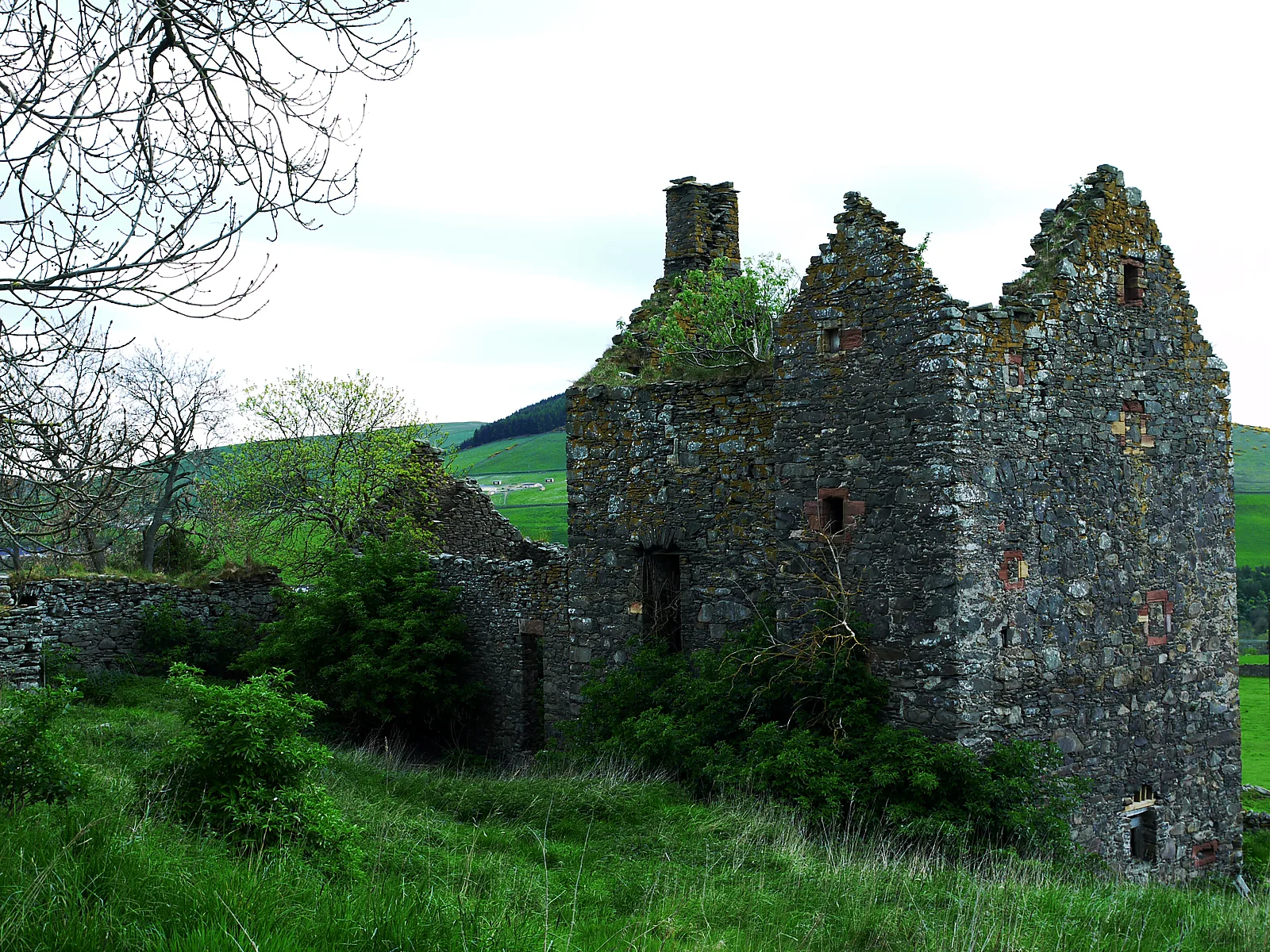
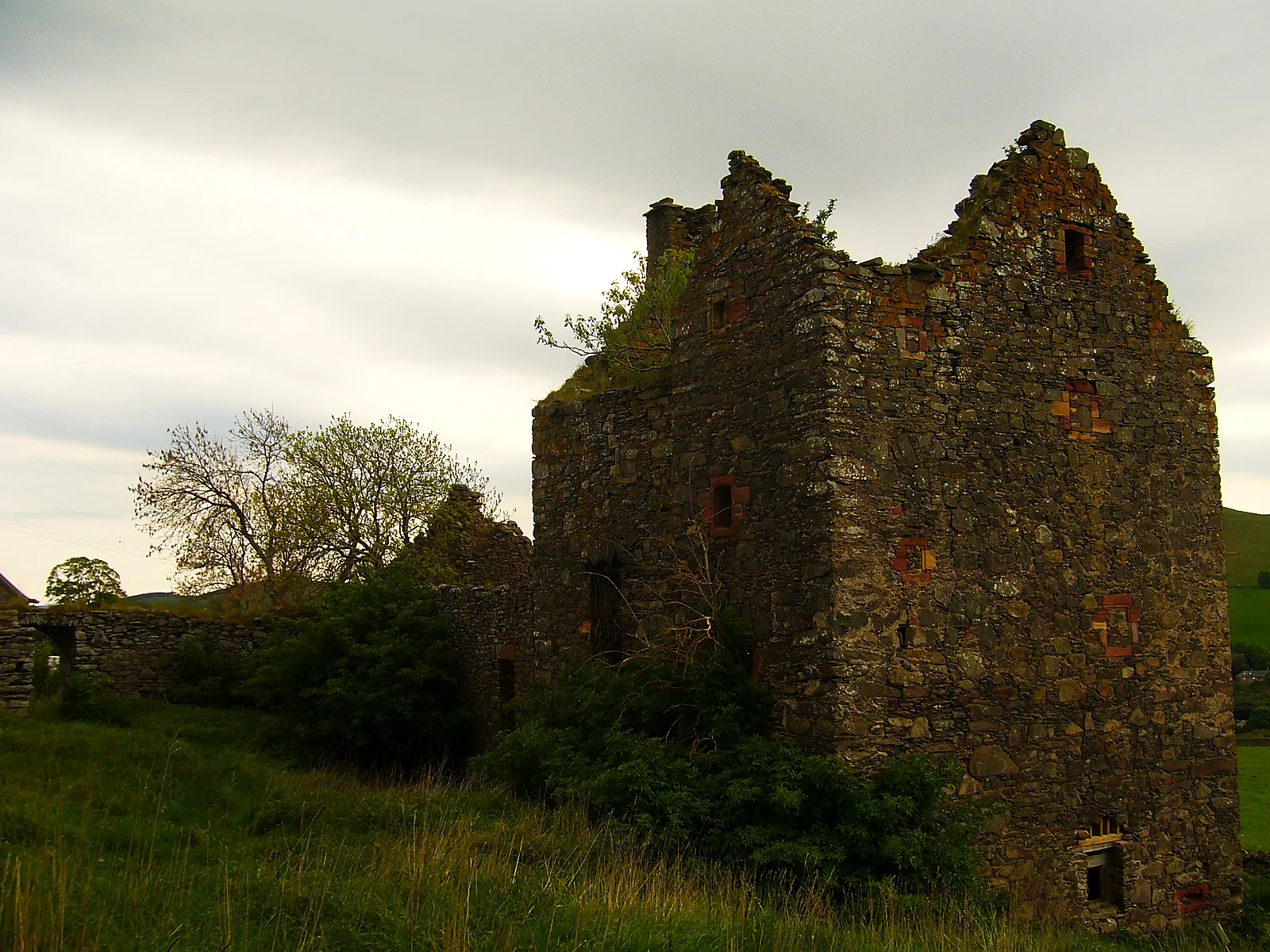
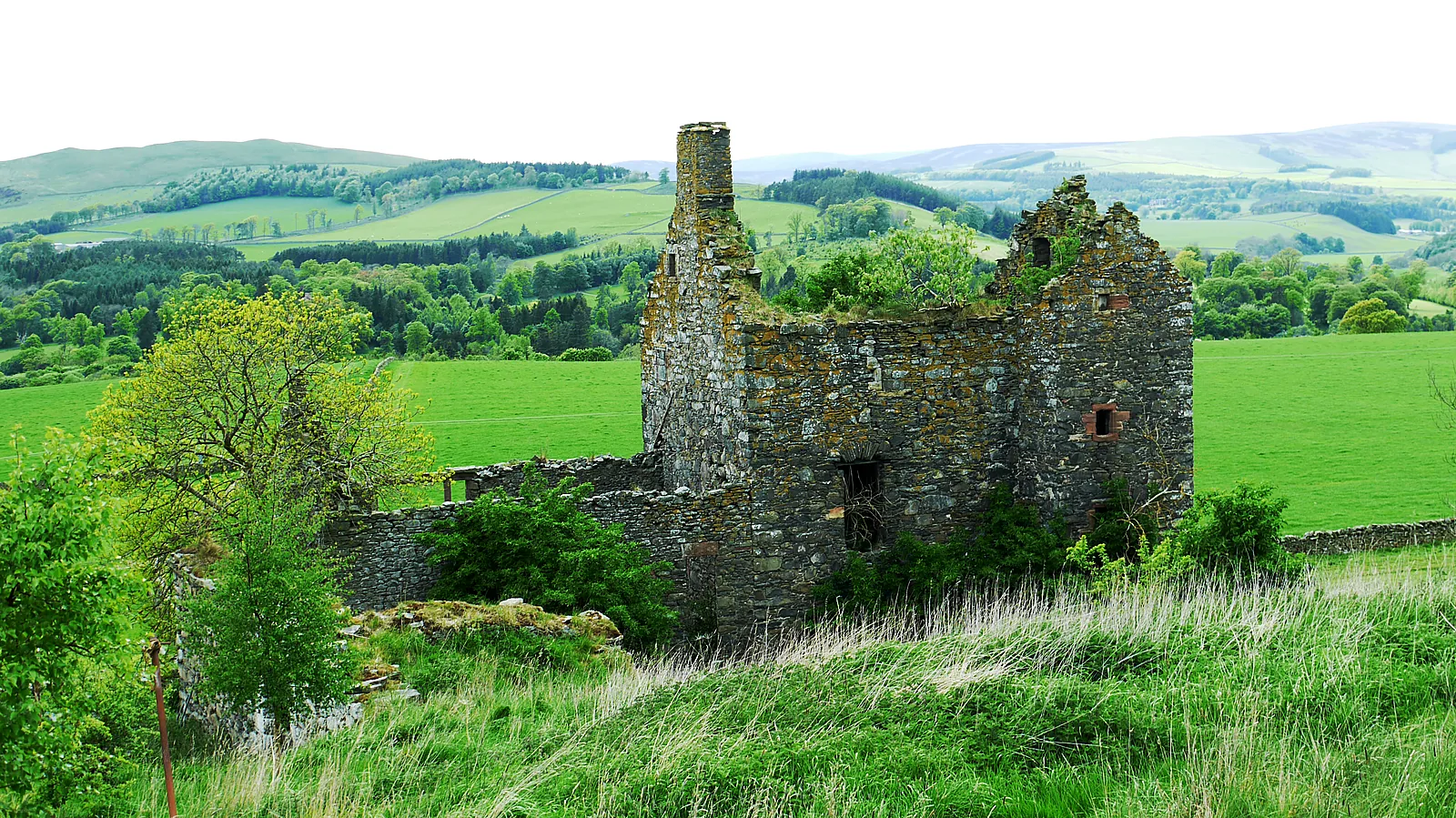
A Pringle tower overlooking Gala Water, with a surviving courtyard gateway.
PLAN YOUR VISIT
Near Galashiels
Check access before travelling.
Conditions vary
Parking information
Scottish Borders Council lists these as starting points for the Buckholm Circular (about 9.5 km in total). The route passes Old Buckholm; fees and parking capacity are unconfirmed. The tower and farm are private; do not enter the ruin or working farm. Check local signs and conditions.
A precise parking map location is not yet available.
Parking sources checked · 2 November 2026
Historic terrain and access may present obstacles; conditions are not confirmed.
A Pringle tower overlooking Gala Water, with a surviving courtyard gateway.
WHAT TO EXPECT
01 / THE STORY
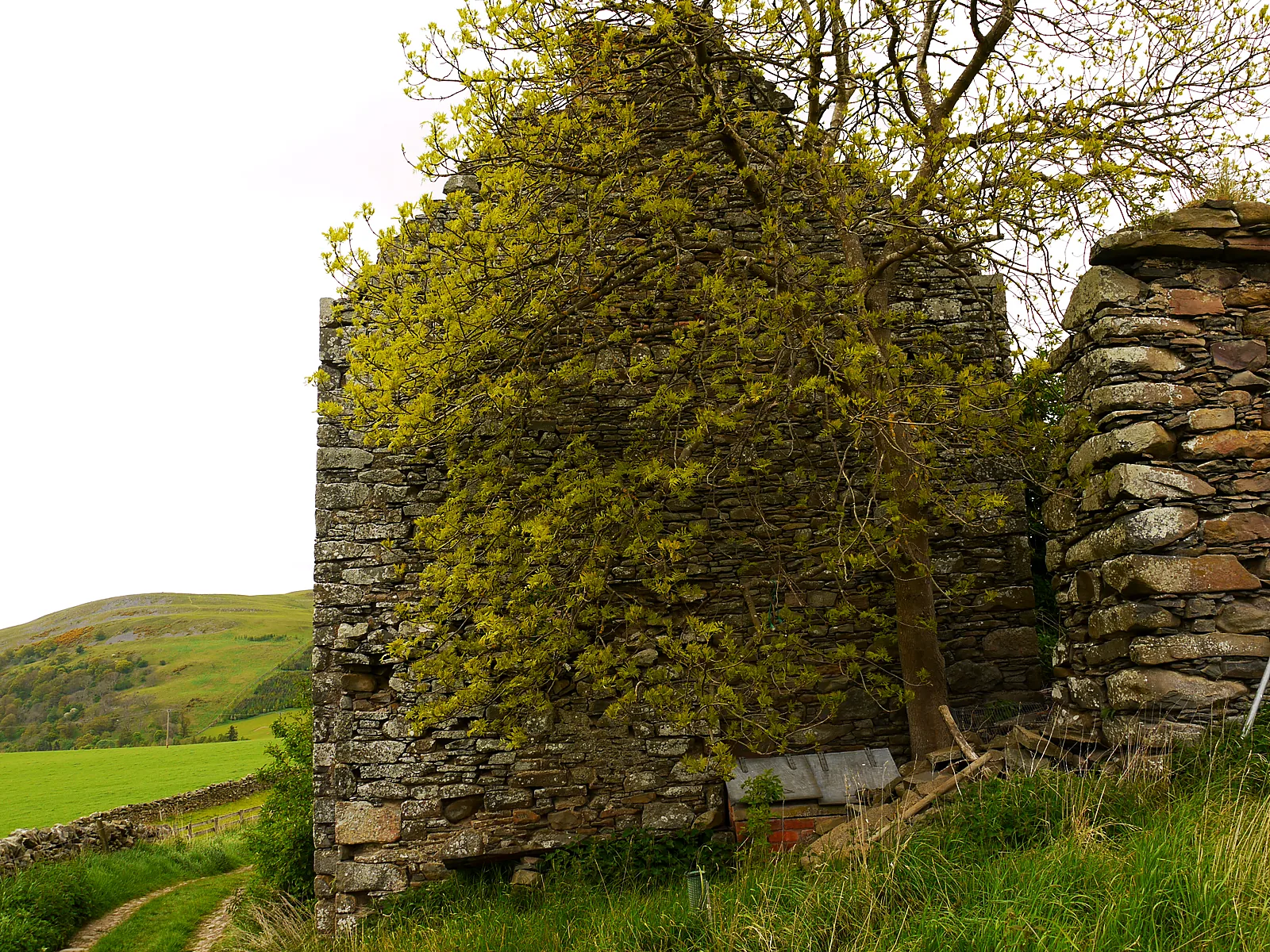
Buckholm Tower stands on the western side of Buckholm Hill above Gala Water. Its late-sixteenth-century tower house and surviving barmkin gateway recall a Borders estate shaped by both defence and domestic life.
The lands of Buckholm once belonged to Melrose Abbey. In 1547 its commendator granted a liferent to James Hoppringill, or Pringle, of Tynnes. A record from the following year refers to men accused of assisting the English and holding the house of Buckholm. That house may have been an earlier building: its relationship to the surviving tower is uncertain.
A carved lintel believed to have come from Buckholm bears the date 1582 and the initials I.P. and N.P., linked with the Pringle family. It provides an important clue to the present tower's date, though it does not settle every question about the earlier house. The tower stands on Buckholm Hill above Gala Water, looking across a landscape also associated with the Pringles of Torwoodlee.
According to the Clan Pringle Association, the dated stone was removed to nearby Torwoodlee. In 1788 James Pringle, ninth laird of Torwoodlee, sold Bowland and bought the lands of Buckholm and William Law, bringing them into another branch of the Pringle family.
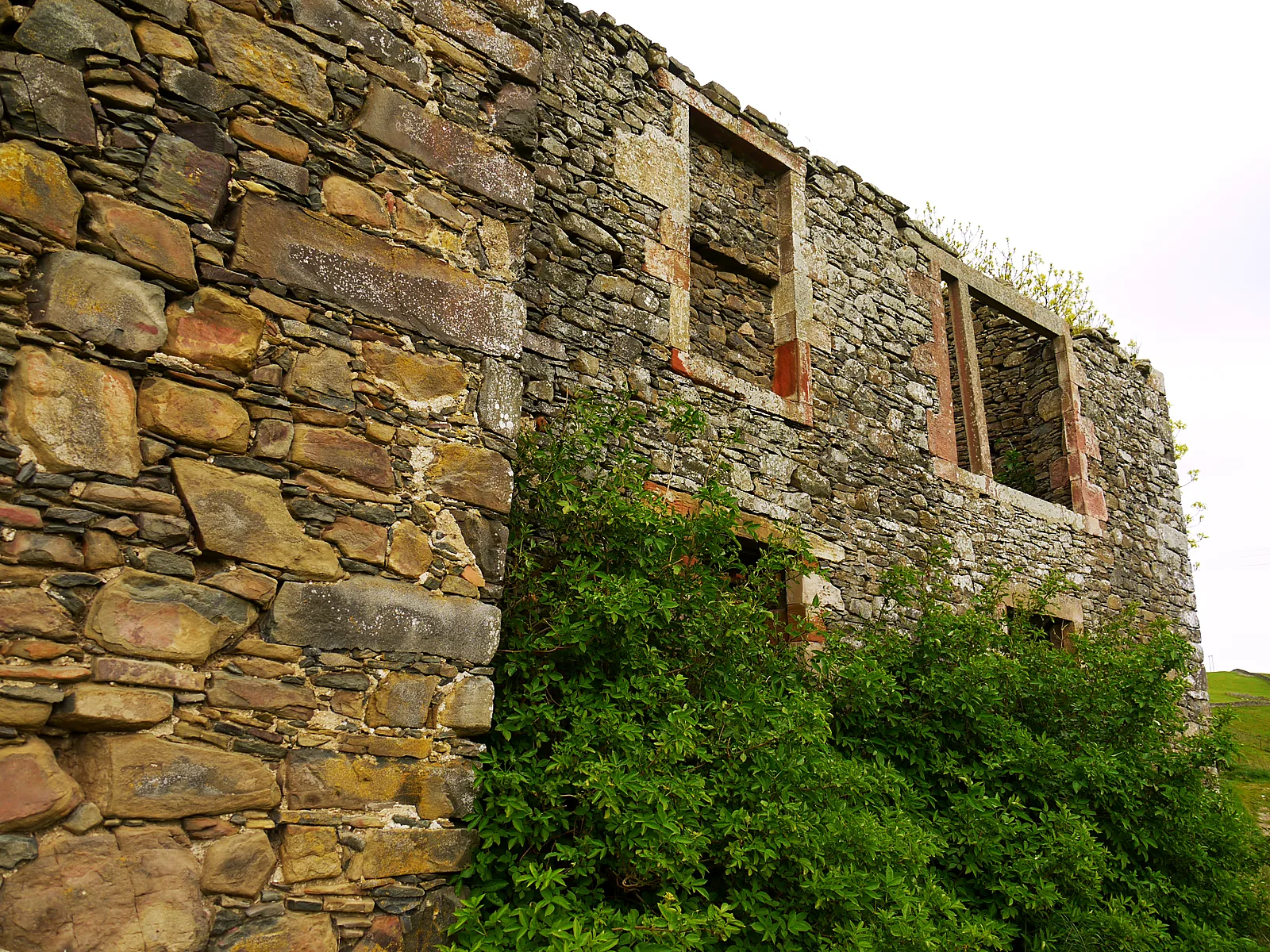
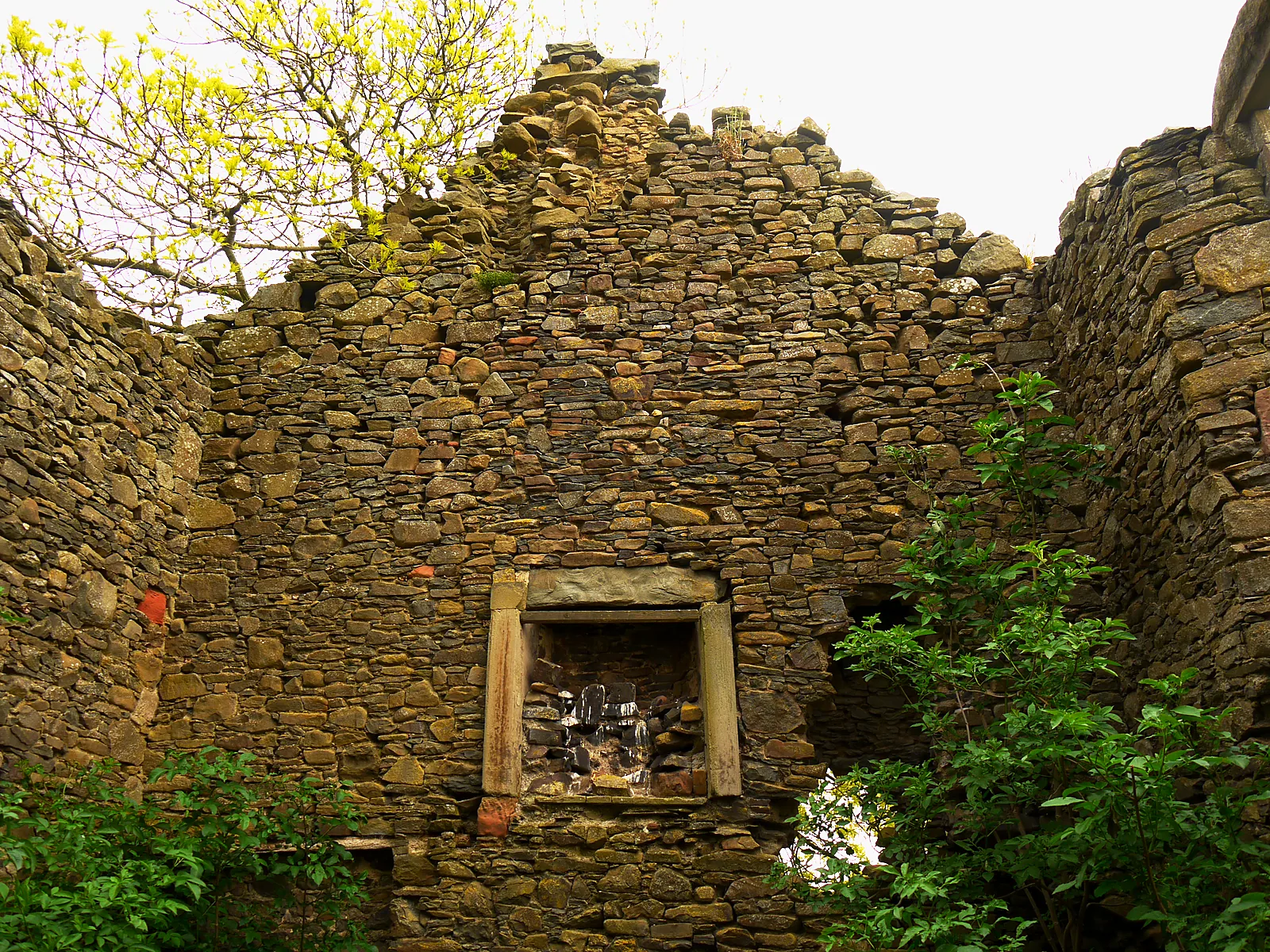
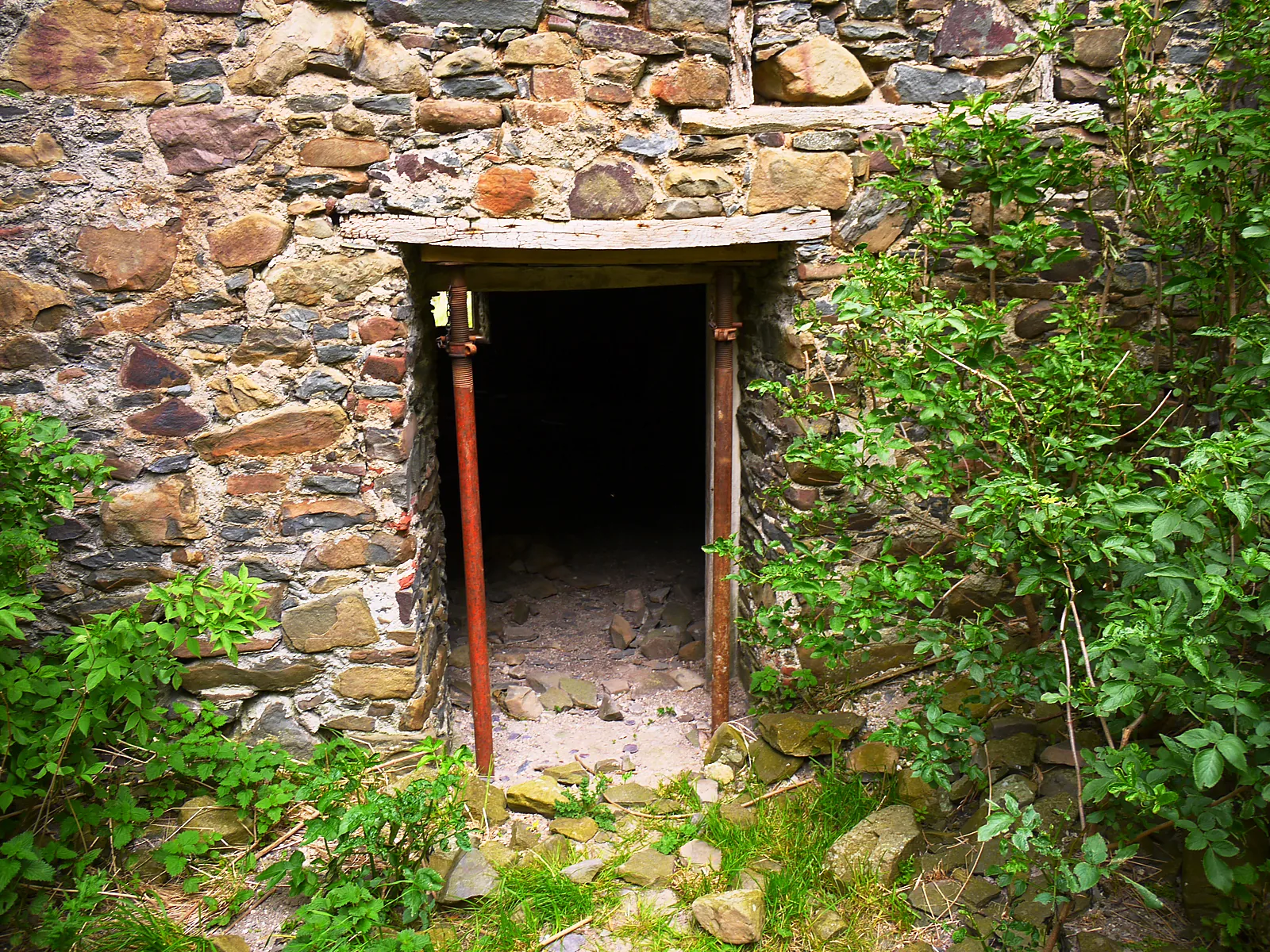
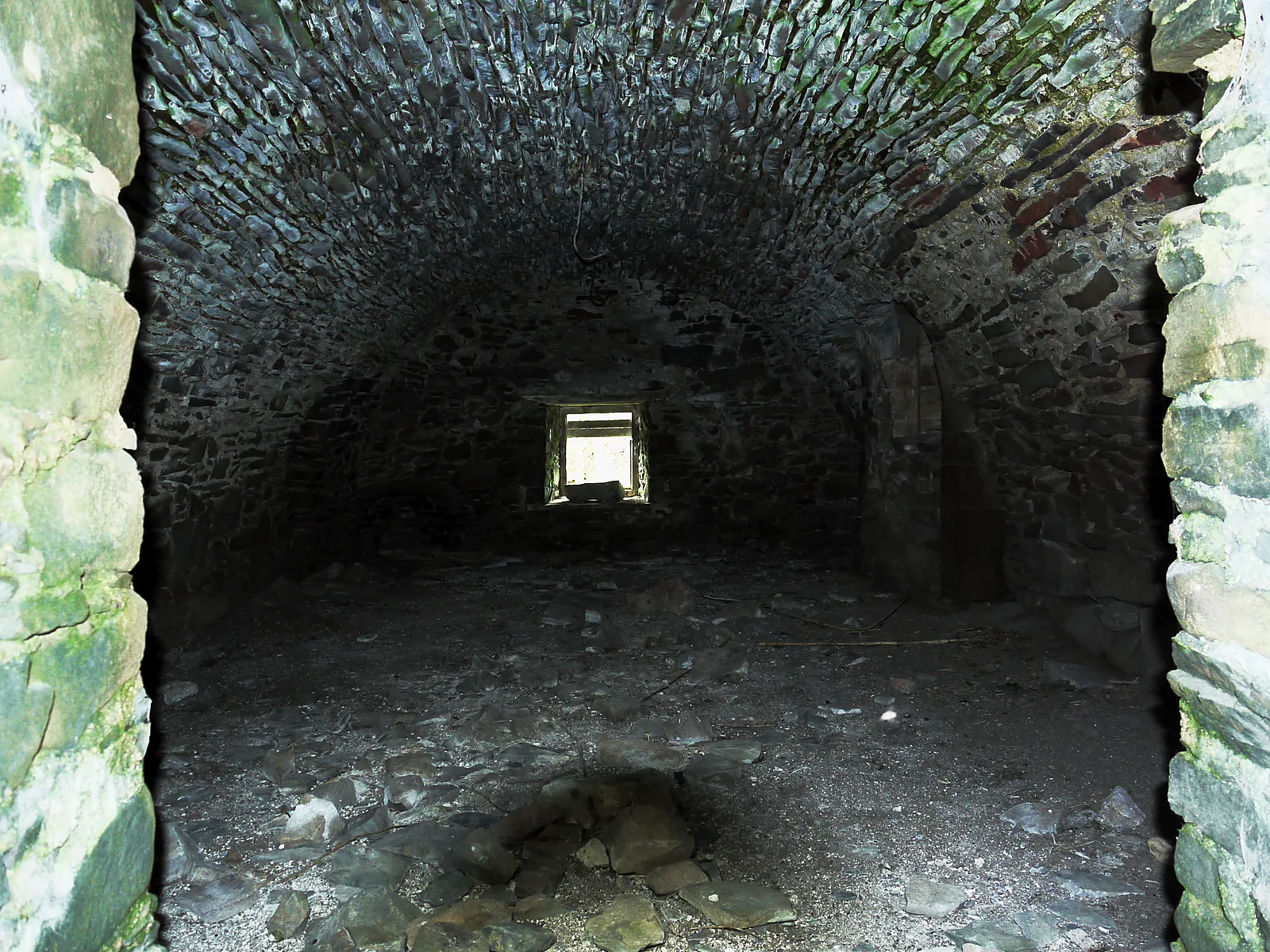
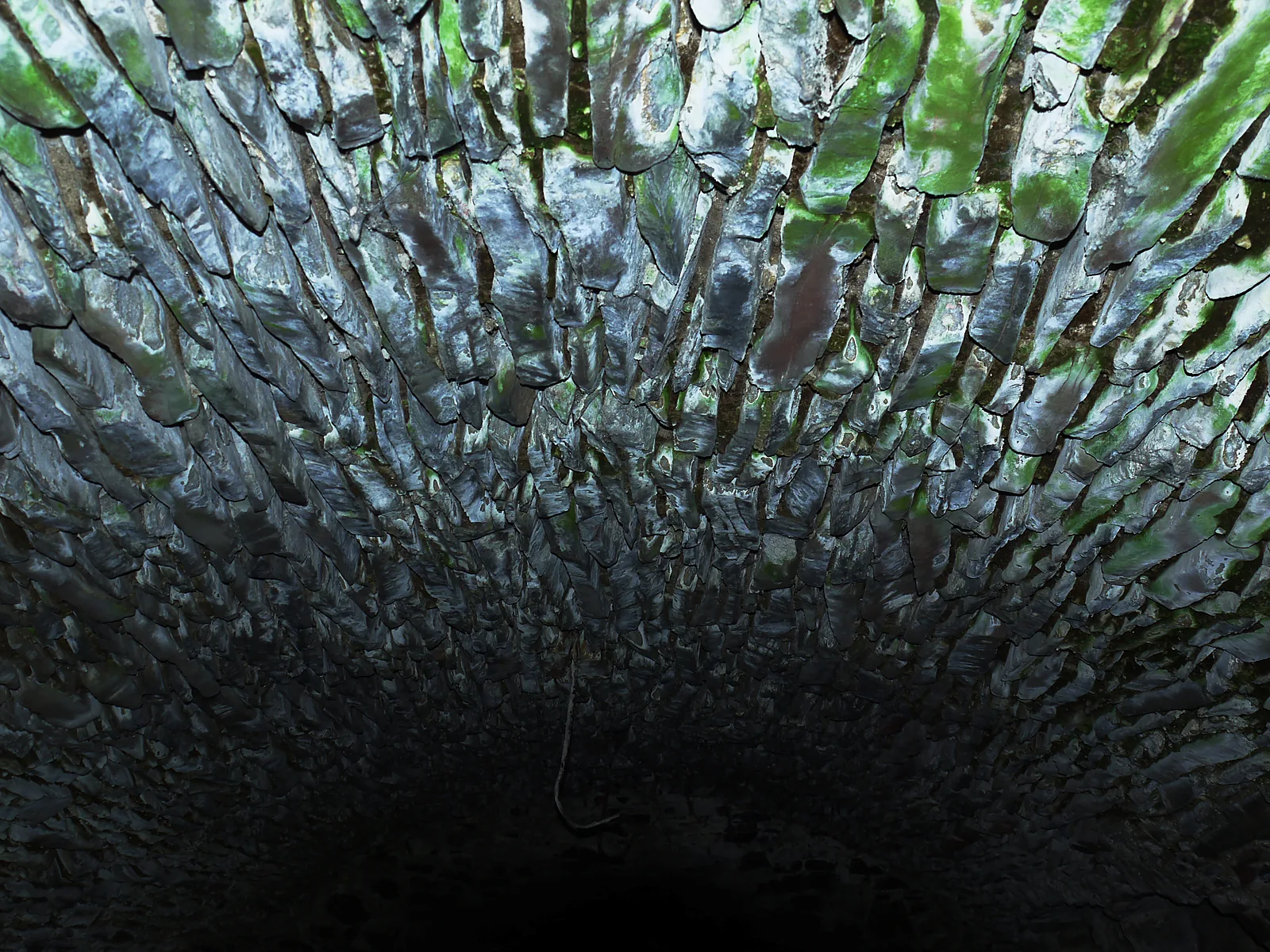
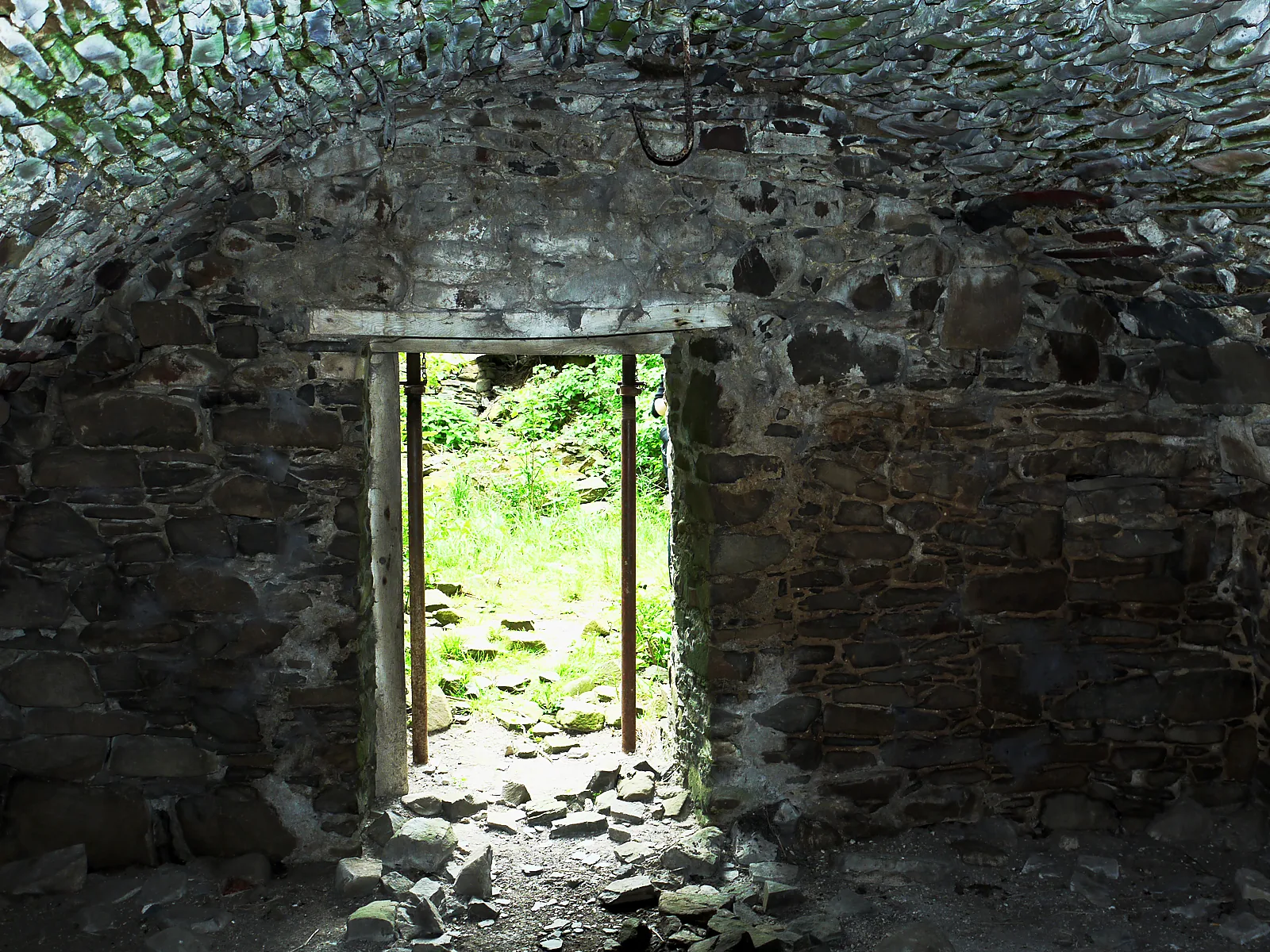
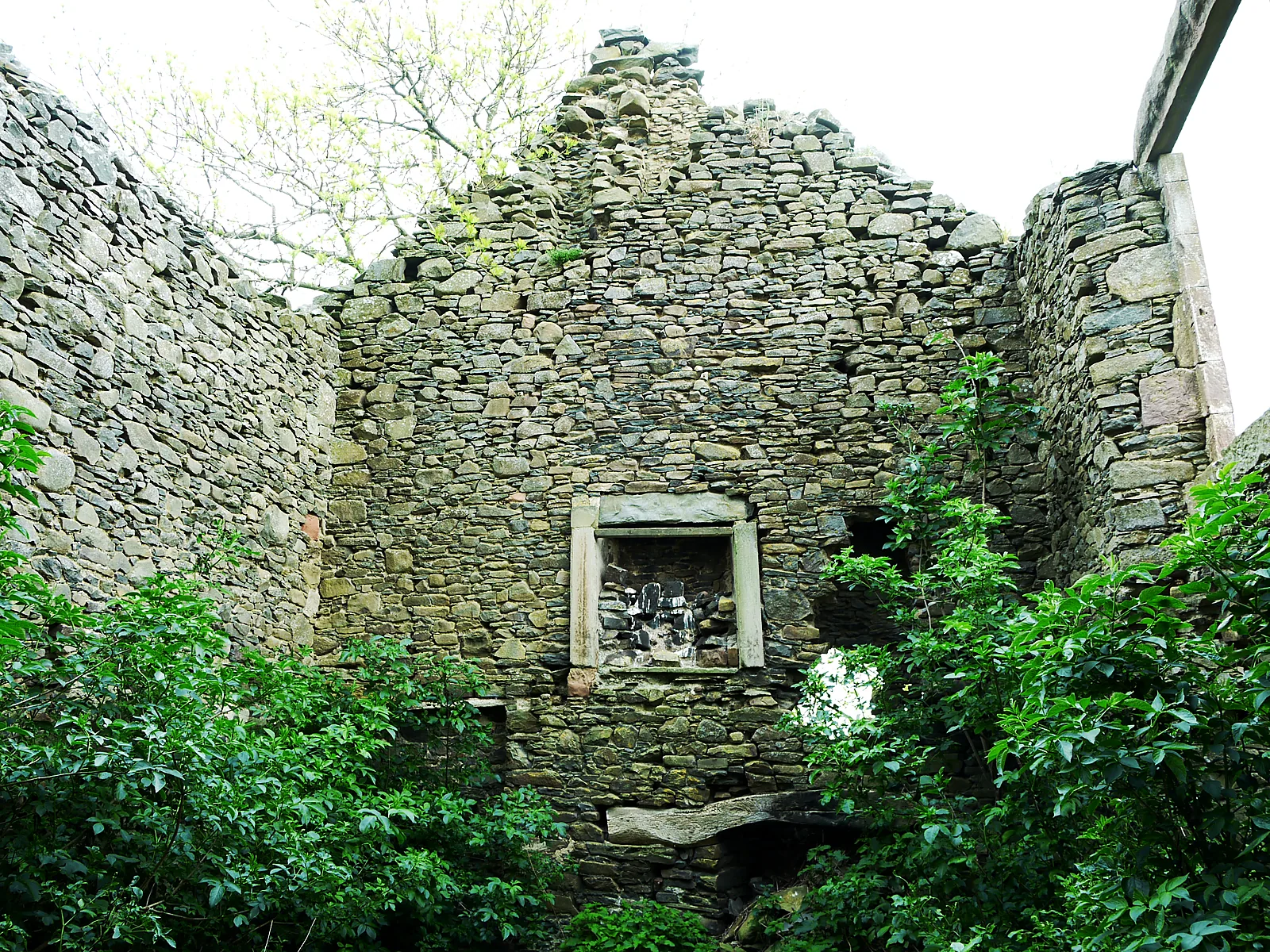
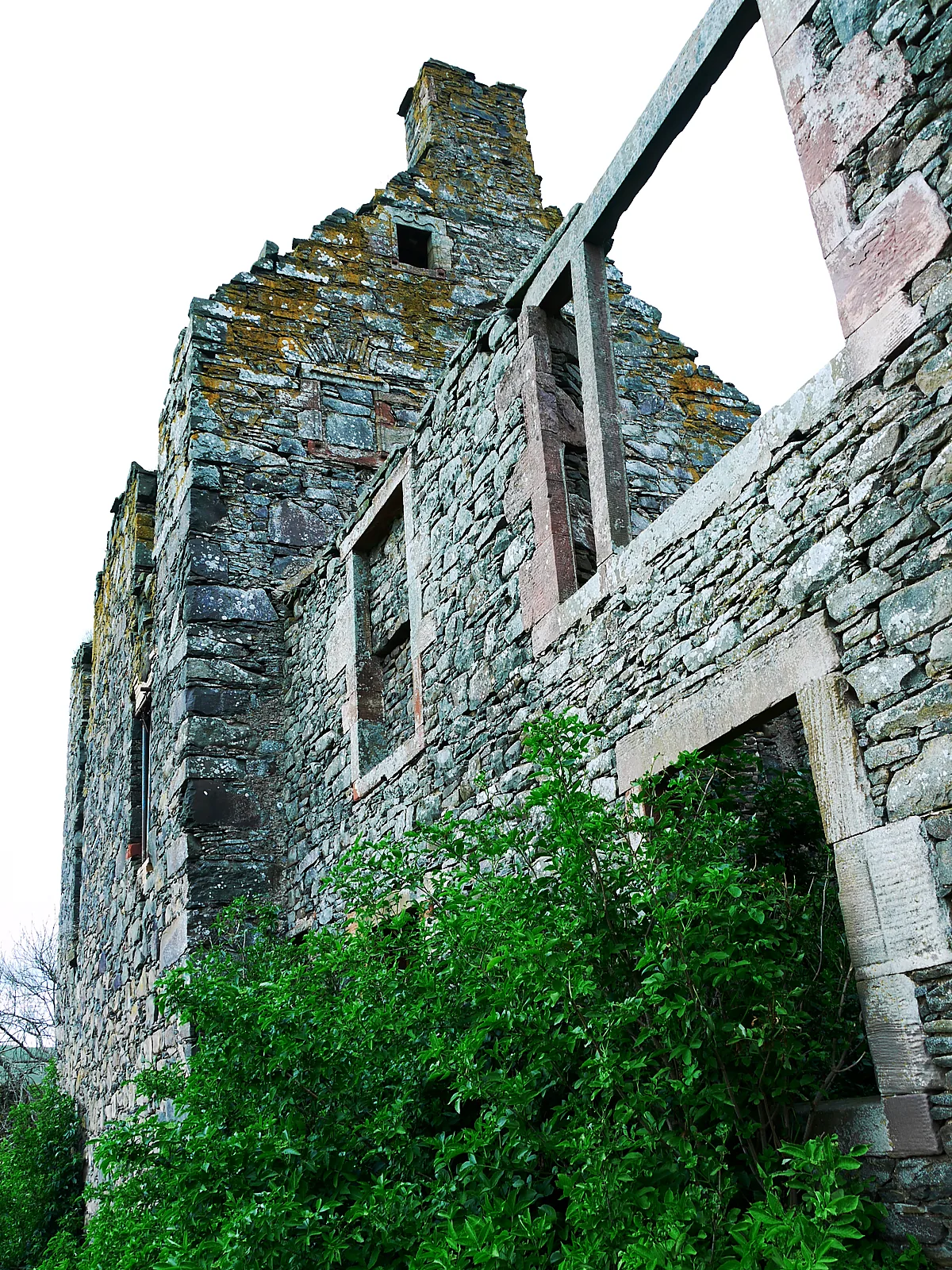
The tower was built of rubble stone with dressed stone around its openings. Historic Environment Scotland describes three storeys and an attic, with a projecting wing. The vaulted cellar had its own entrance and apparently no internal connection to the upper rooms; the first-floor entrance was originally reached by an external timber stair.
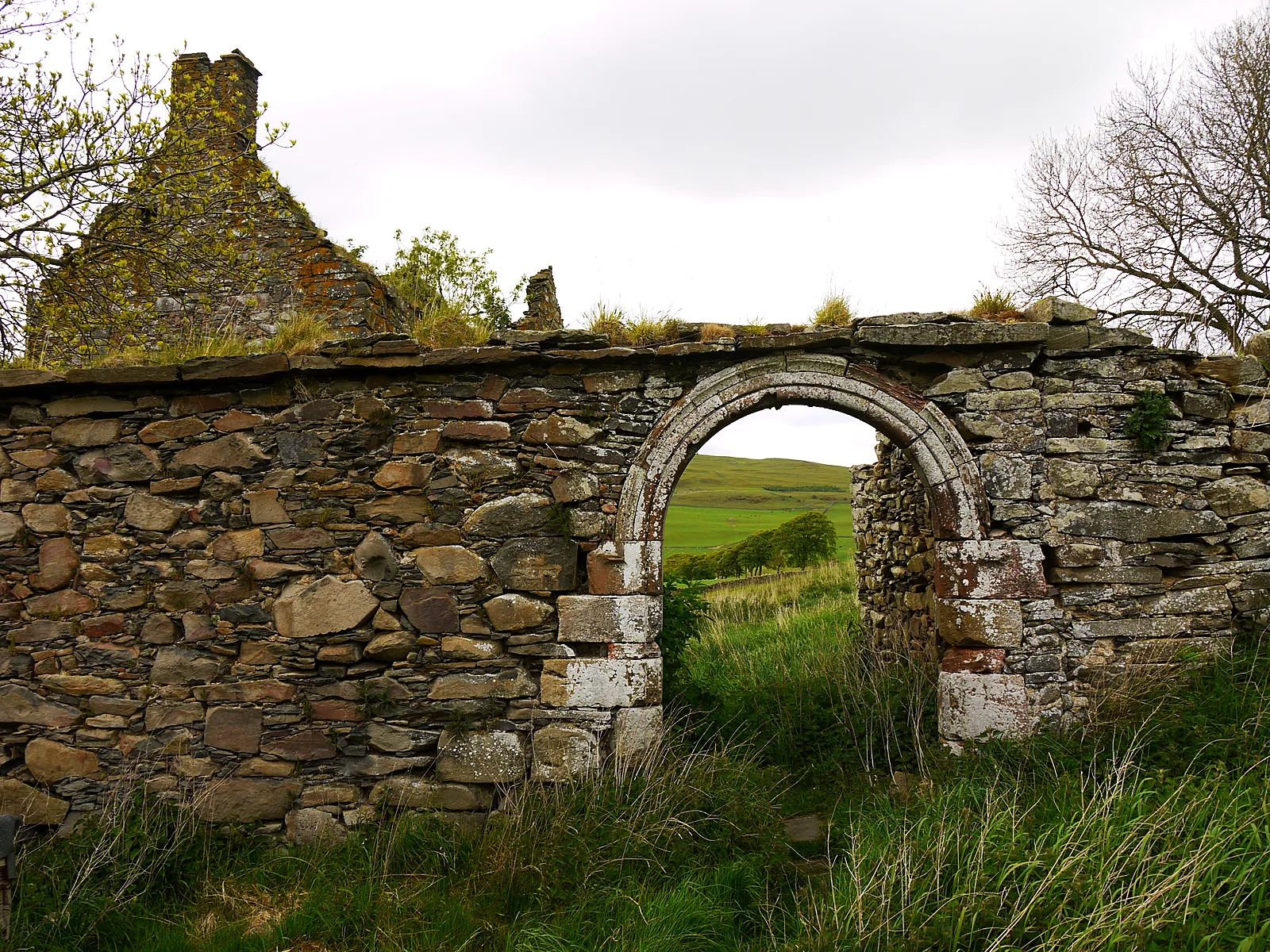
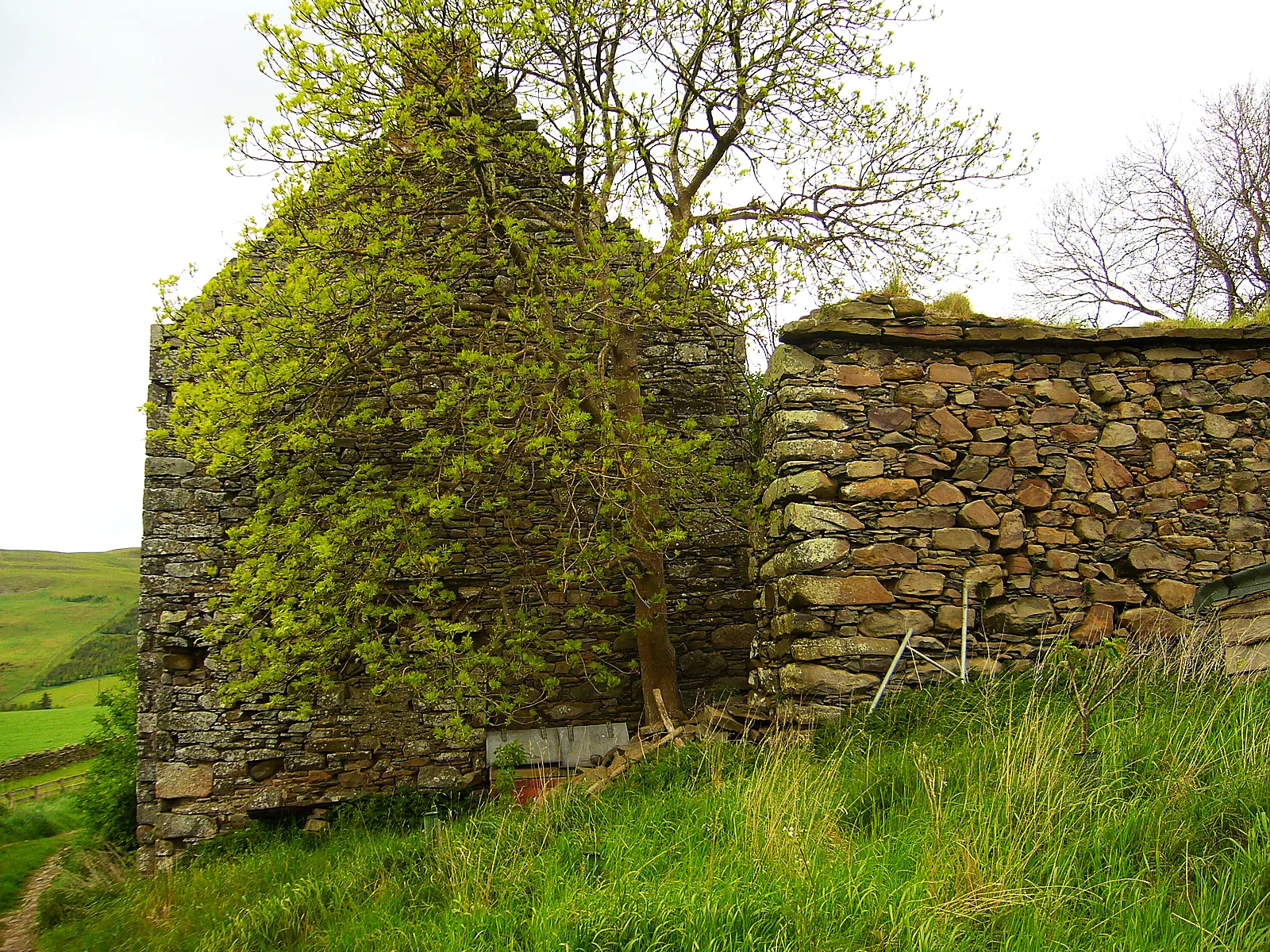
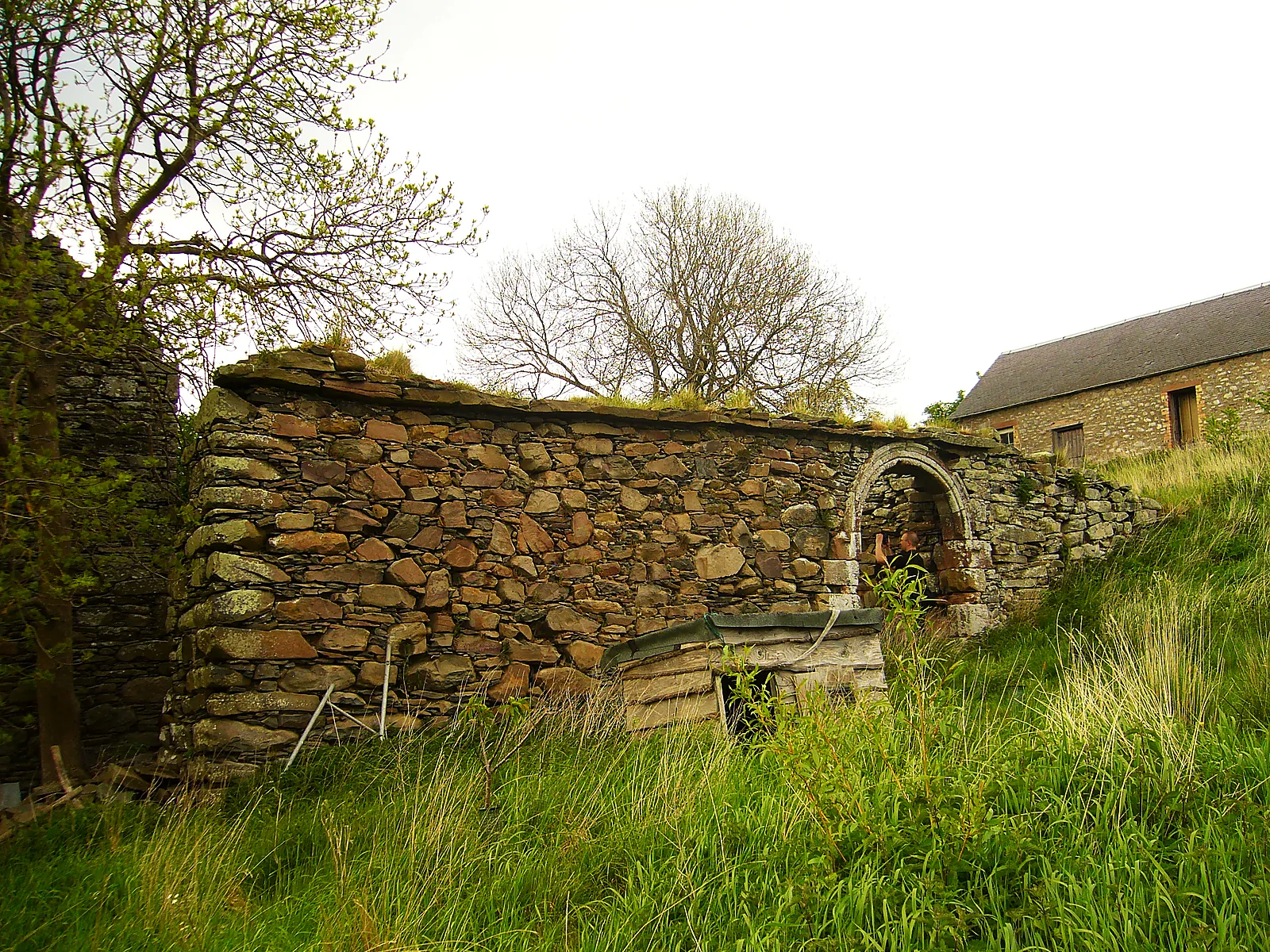
The surviving south wall of the barmkin, or defended courtyard, contains a carefully moulded round-arched gateway. A later two-storey addition on the south side shows how the house was adapted after its defensive origins. HES records the site as scheduled monument SM8715; the tower became ruinous in the twentieth century.
02 / VISUAL JOURNAL
Photo by zamki-szkocji.com
10 of 23 photographs
01 / THE STORY CONTINUES
Buckholm's best-known tale belongs to folklore. In one version, a cruel laird persecutes Covenanters, then after death is pursued towards the tower by spectral hounds. Other versions tell of a minister who laid the restless spirit. These accounts are stories passed down, not evidence that the dramatic events occurred.
One local version tells of a father and son killed in the cellar, whose wife and mother cursed the laird. It says that on the anniversary of his death his ghost appears near the tower and cries and knocking are heard from the cellar. Details and the laird's name differ between versions; these are elements of the tale, not established historical events.
The Clan Pringle Association discusses Captain George Pringle, who died in 1693, as a possible historical figure behind the tale. Its account also describes conflict between a Royalist father and a Covenanter son. The identification remains an interpretation; the legend should not be treated as a proven account of his conduct.
08 / EXPLORE NEXT
Find Scottish castles by region, landscape or the stories that bring them to life.
 Scottish BordersGreenknowe Tower
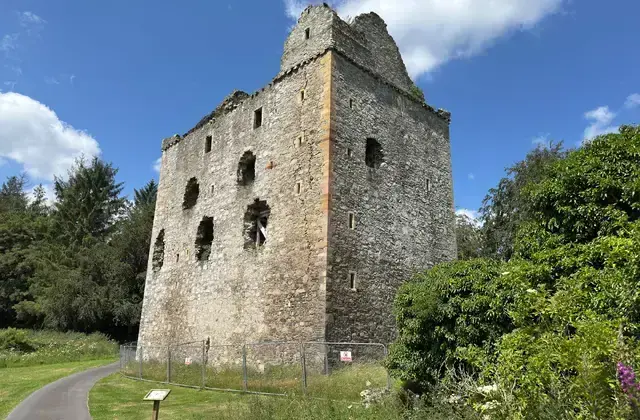 Scottish BordersNewark Tower
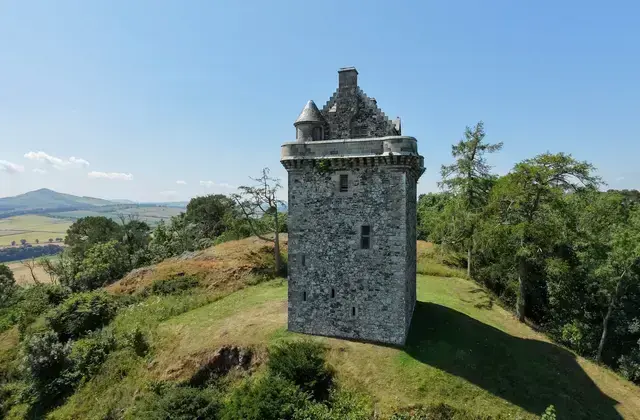 Scottish BordersFatlips Castle