TICKETSAccess unconfirmed
Check access before travelling.
 Castle
SCOTTISH BORDERS
A fragmentary Borders tower on a defended mound above marshy ground.
PLAN YOUR VISIT
Near Gordon, Scottish Borders
Check access before travelling.
Conditions vary
Parking information
A visitor account describes an informal grassy verge north of the tower and a walk across farmland, but parking suitability, route and gates are not verified. Do not block gates or cross locked barriers. Mud, livestock, marsh and unstable masonry can make a visit hazardous.
A precise parking map location is not yet available.
Parking sources checked · 2 November 2026
Historic terrain and access may present obstacles; conditions are not confirmed.
A fragmentary Borders tower on a defended mound above marshy ground.
WHAT TO EXPECT
01 / THE STORY
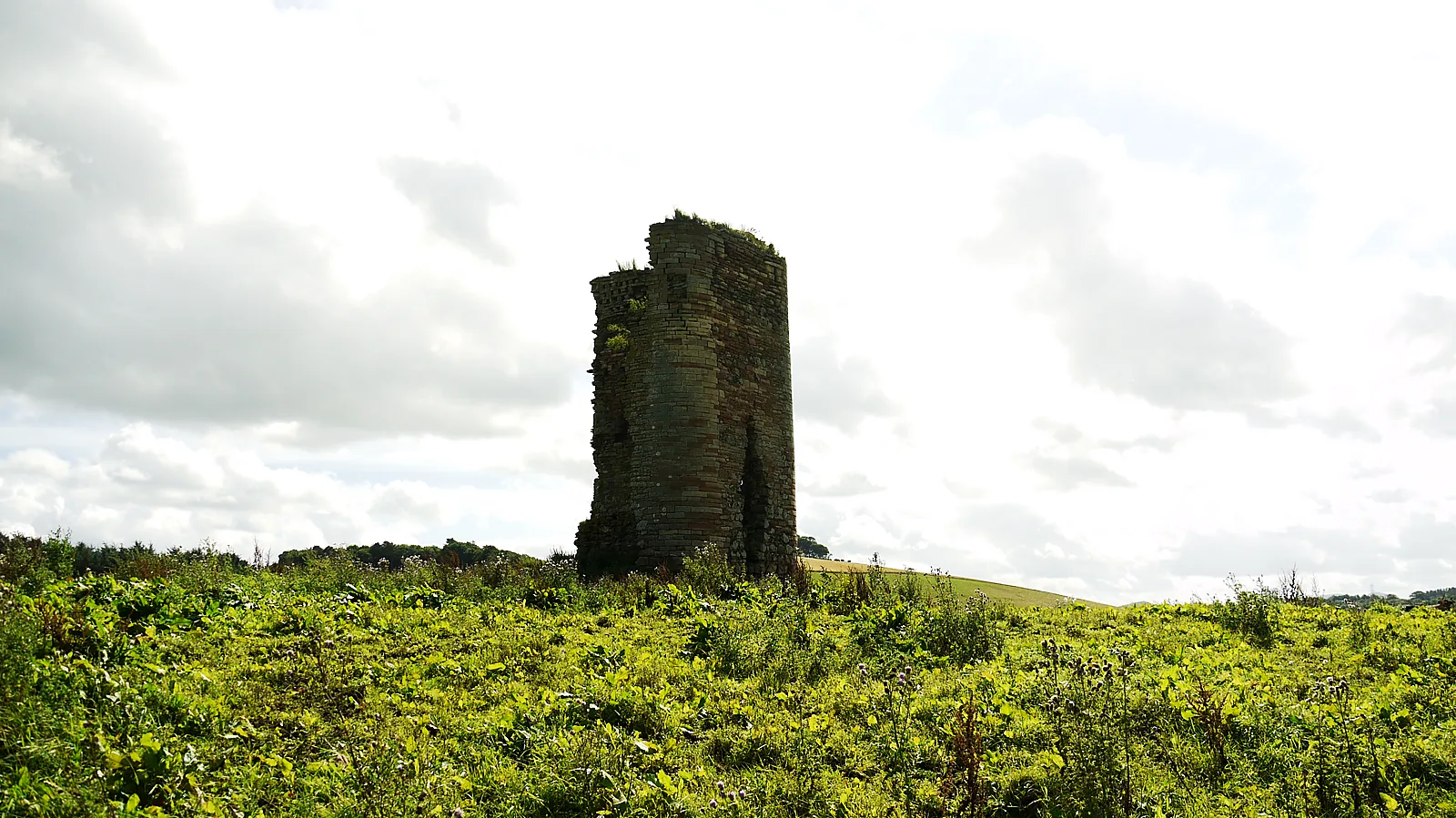
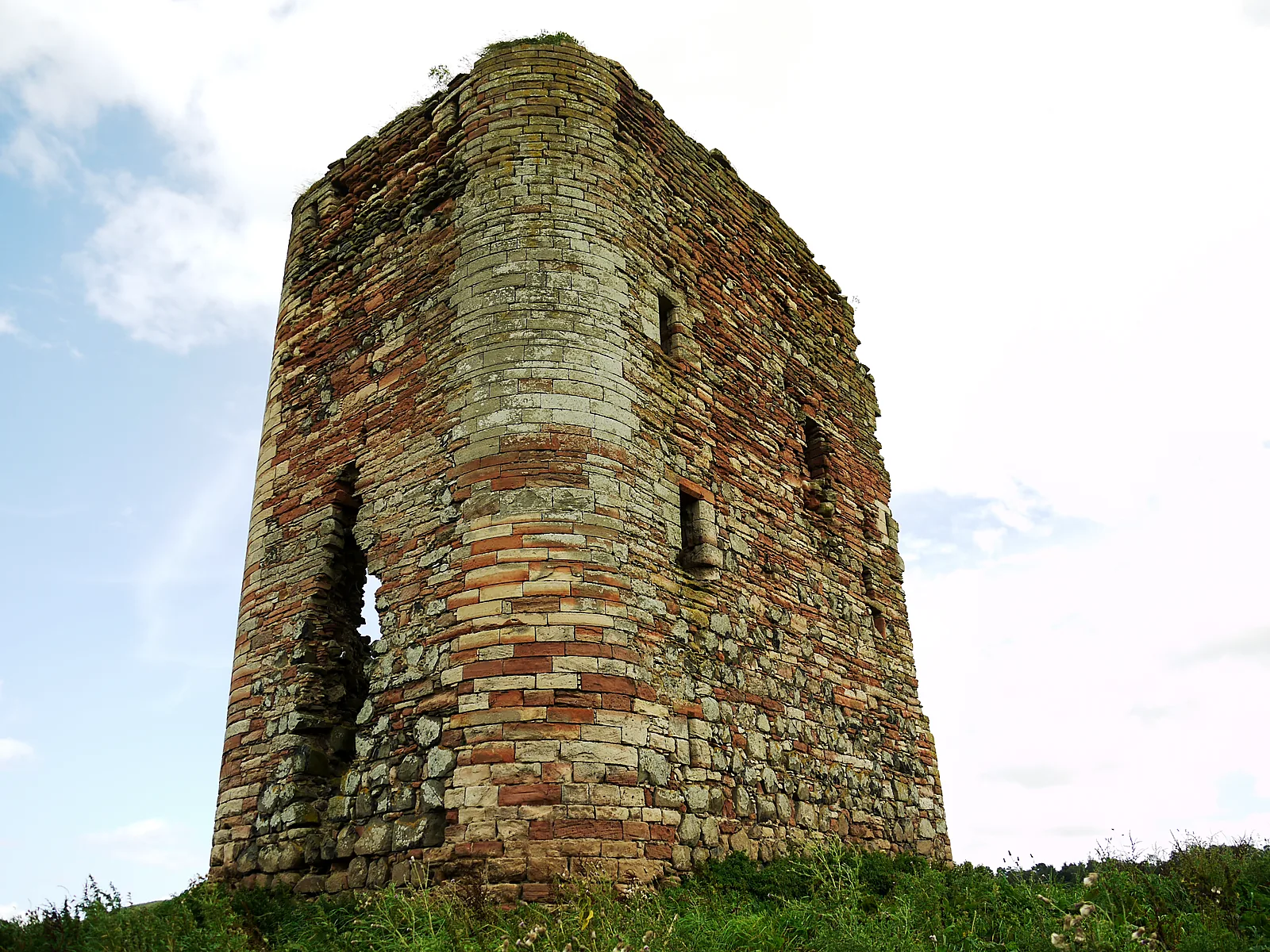
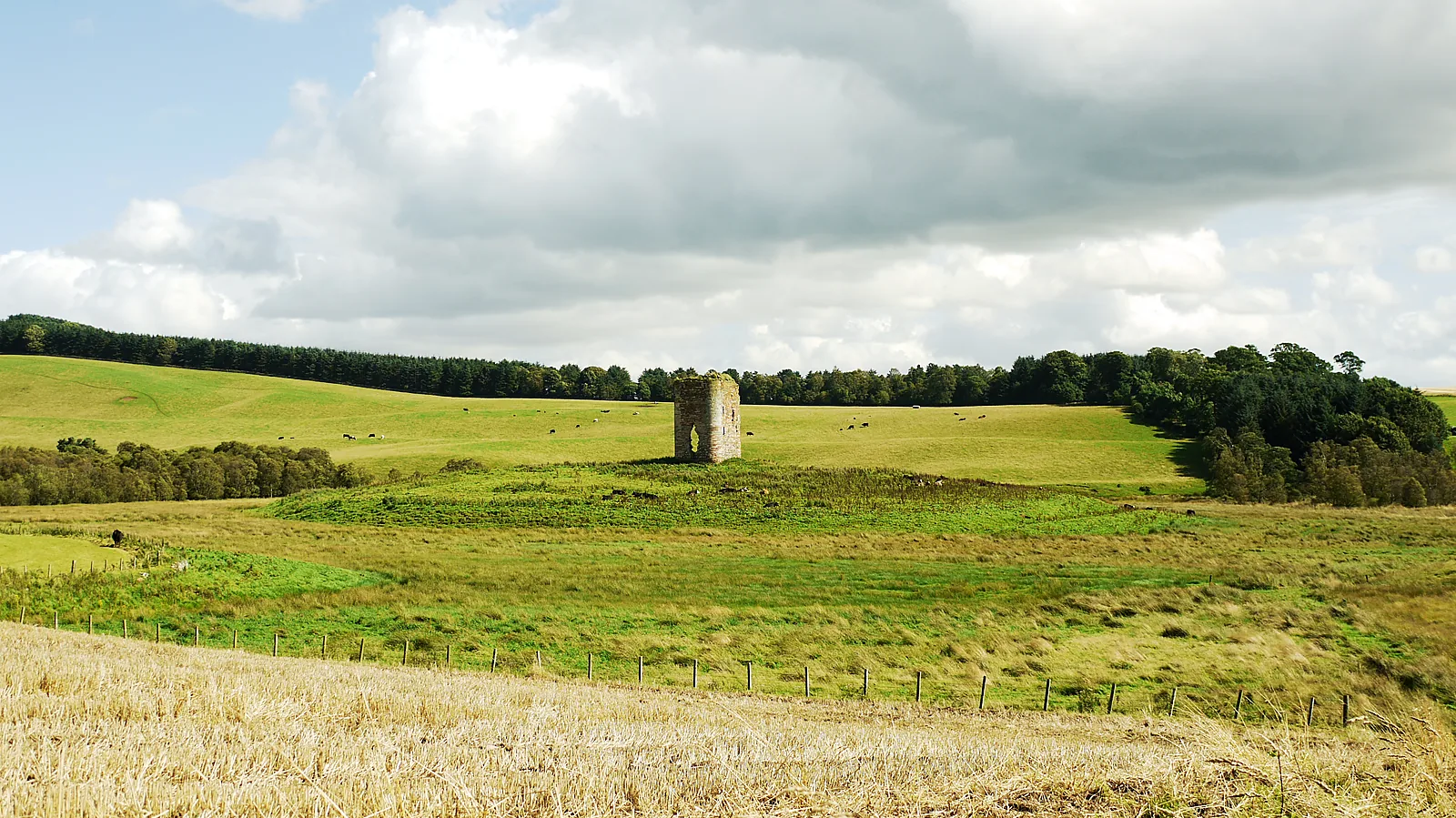
Corsbie Tower stands on a prominent mound near Gordon in the Scottish Borders. Only parts of the tower survive, but its earthworks and marshy setting reveal a much wider defensive landscape.
Corsbie Tower stands on a prominent mound west of Gordon in the Scottish Borders. Historic Environment Scotland describes a sixteenth-century tower house and records that the property is believed to have belonged to the Cranstouns of Oxenford until the middle of the seventeenth century. The surviving remains are protected as scheduled monument SM8876.
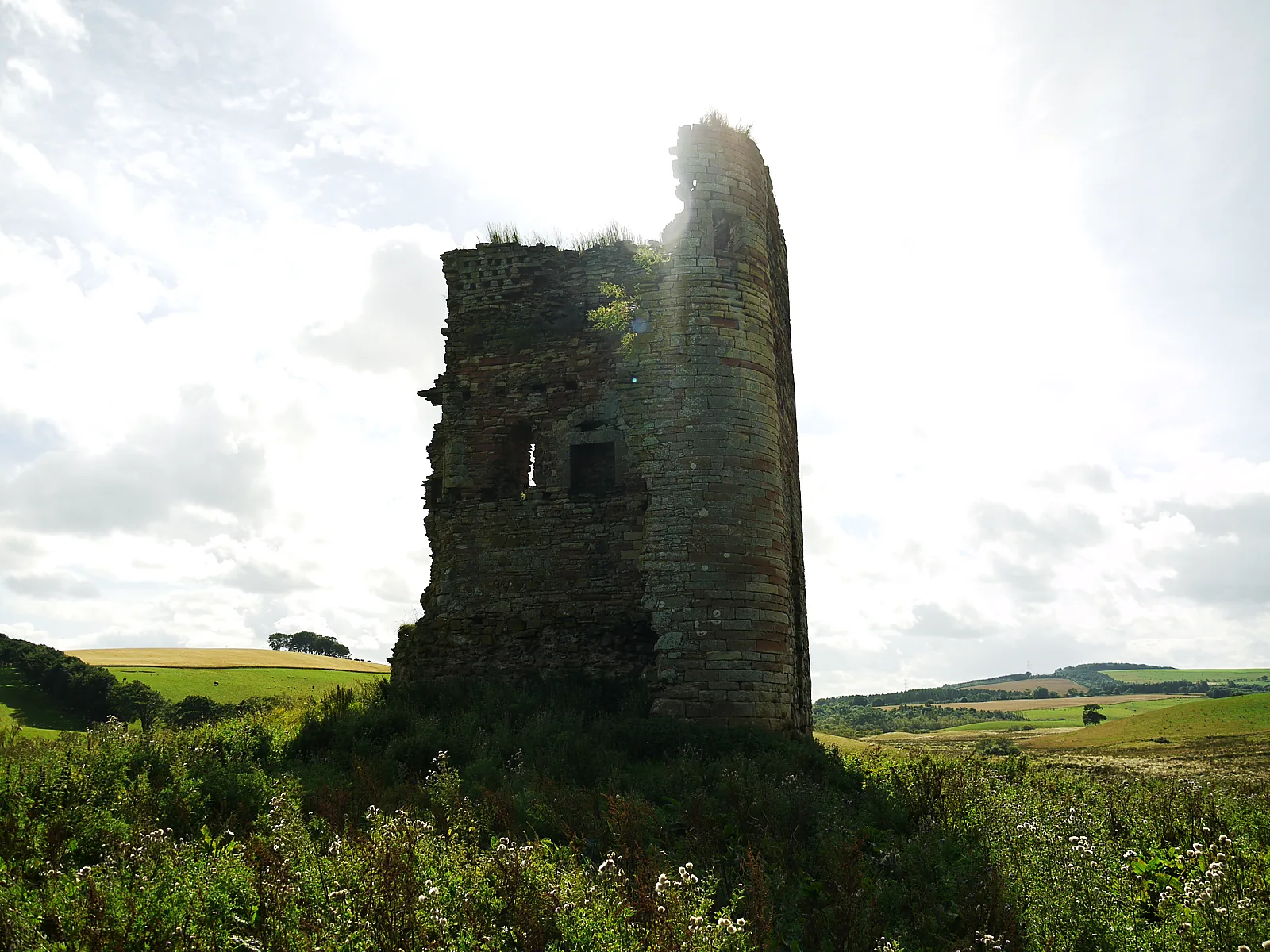
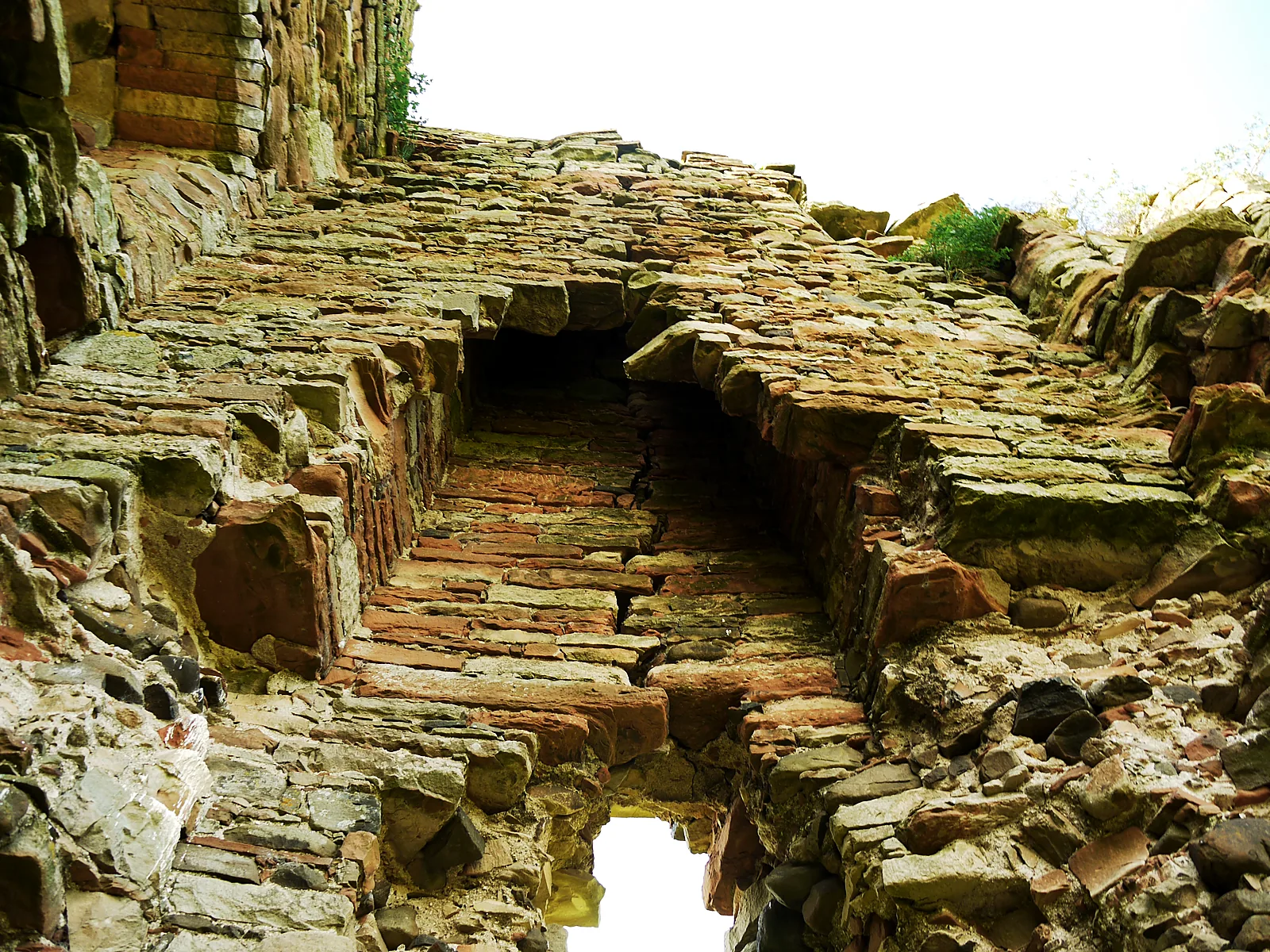
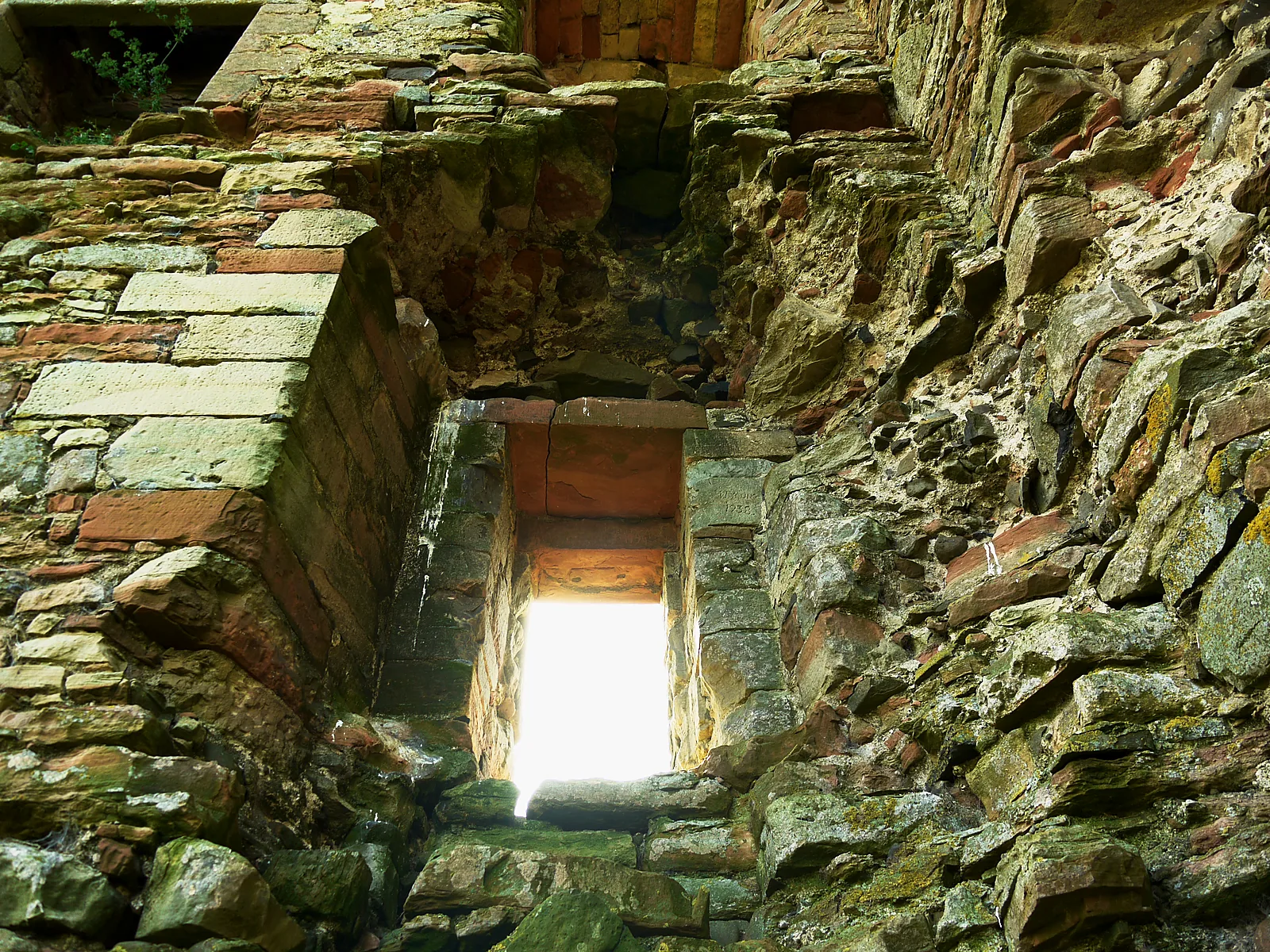
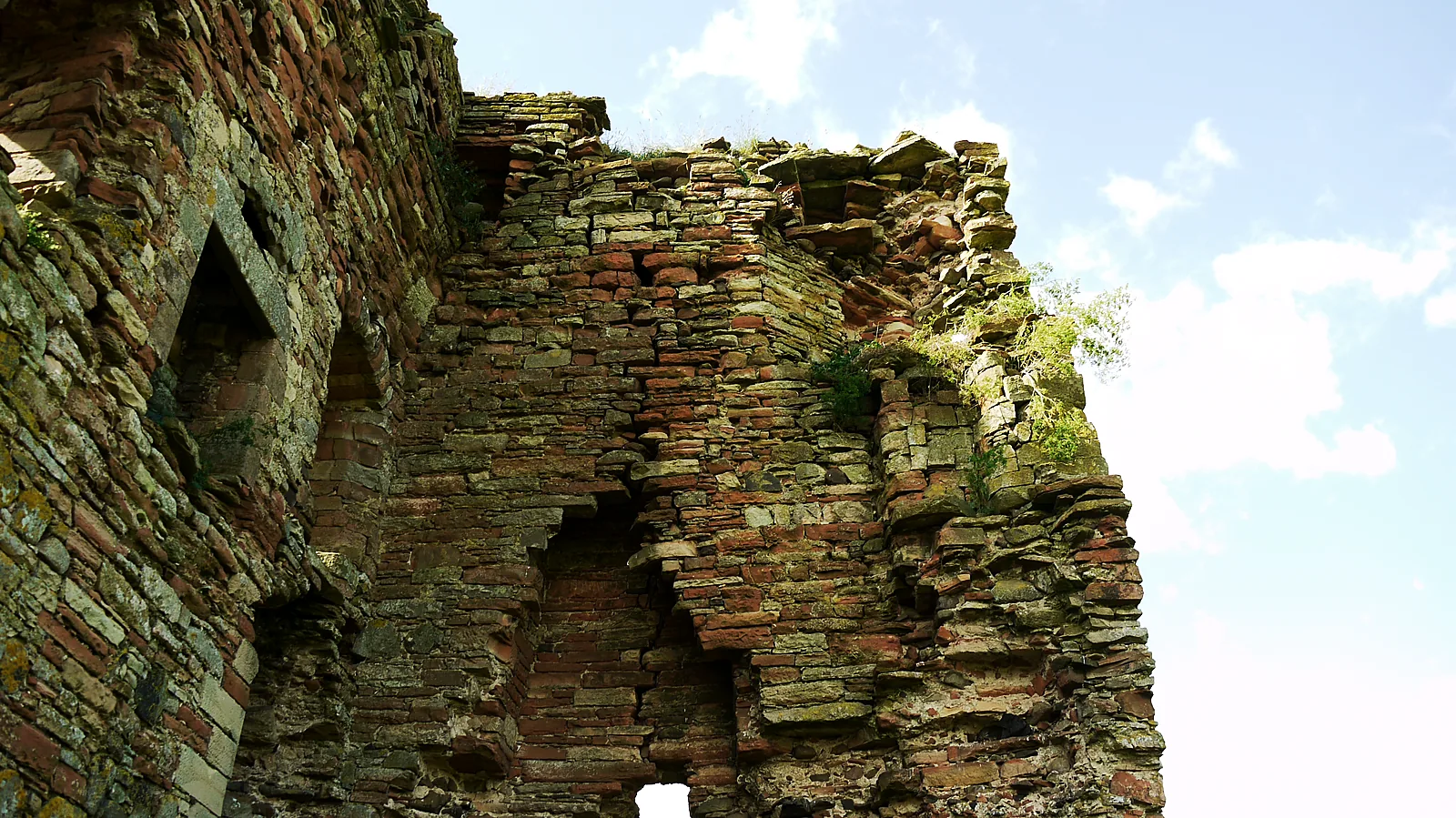
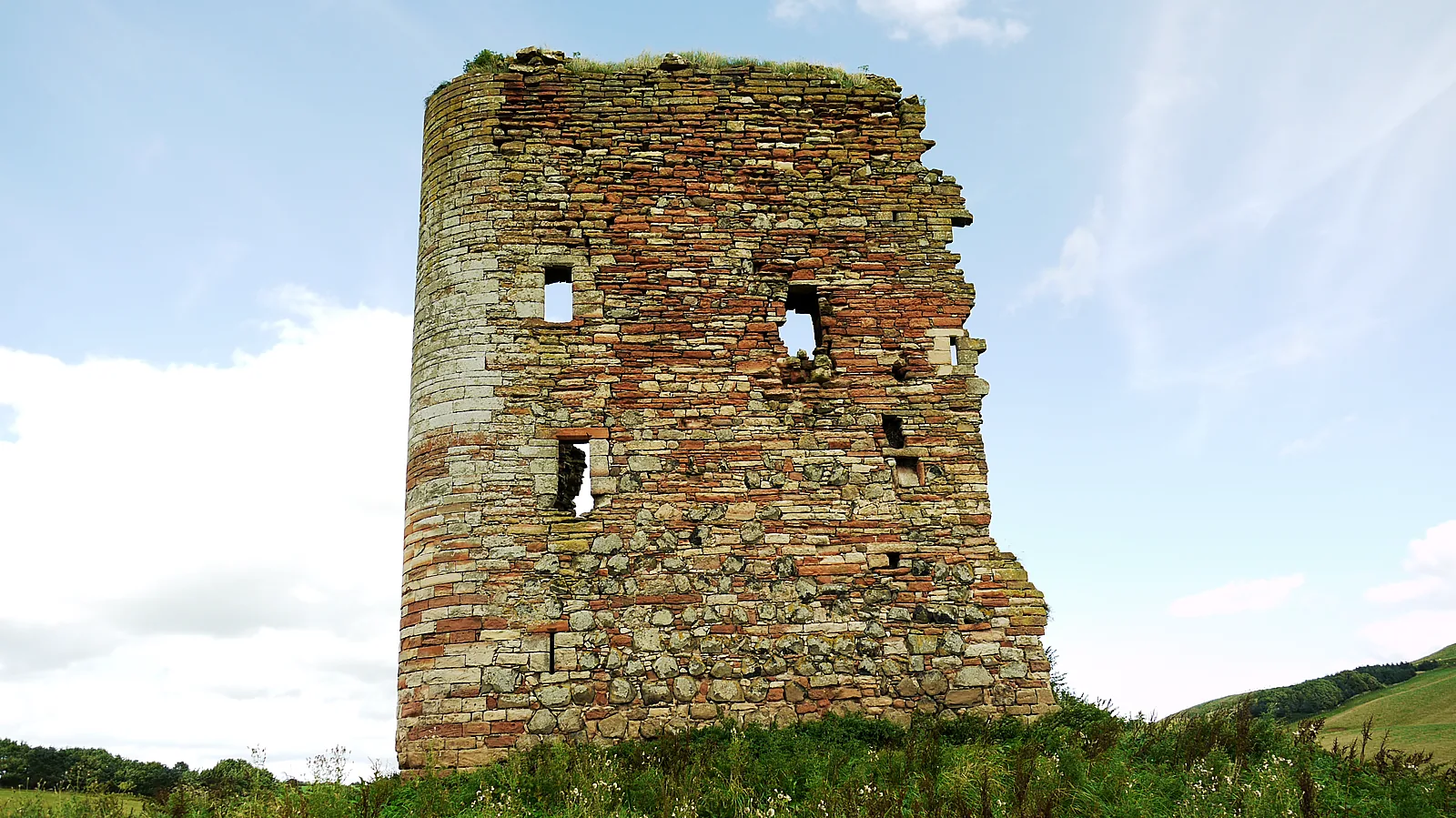
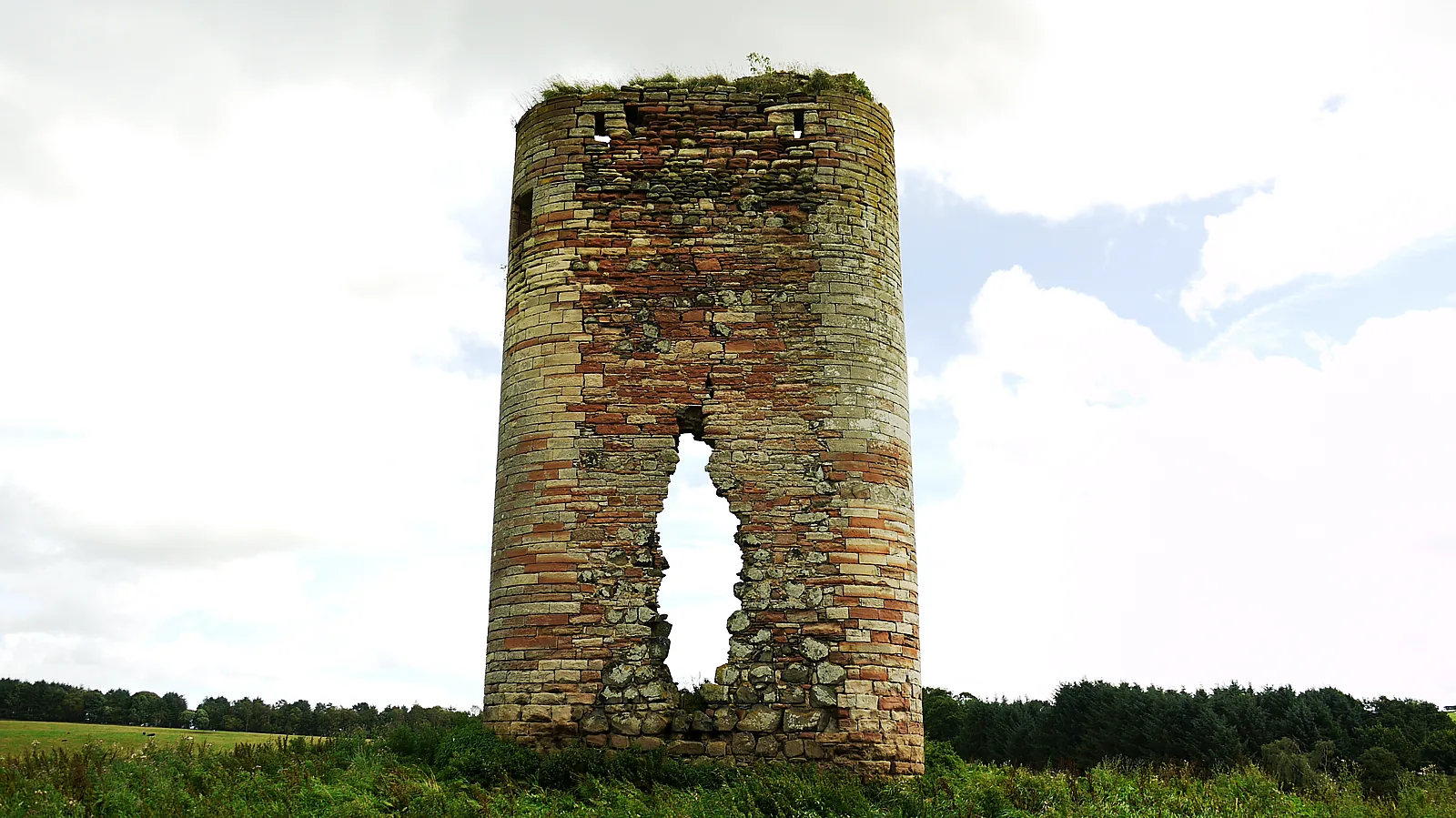
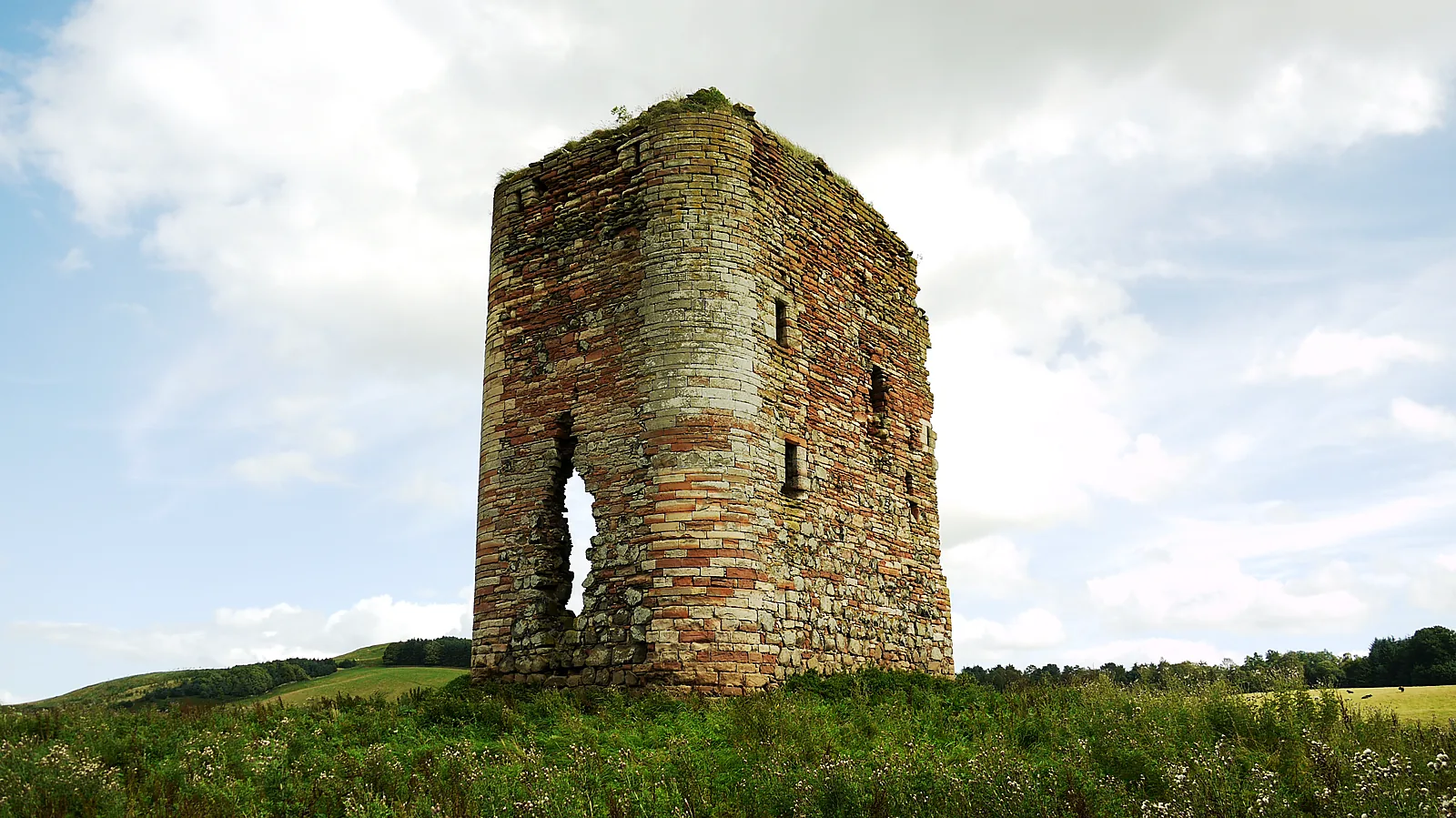
Only the south and east walls remain. Their height, the open side of the building and the surrounding ground make the tower an evocative fragment, not a complete castle. The records offer no well-supported local ghost story, so the landscape and its surviving archaeology tell the story here.
The mound is surrounded by boggy ground, and HES records a causeway approaching it from the north. Banks and ditches survive around the mound and tower. Their scale suggests that an earlier earth-and-timber castle may have stood here, perhaps a ringwork, but this is an archaeological interpretation rather than a confirmed reconstruction.
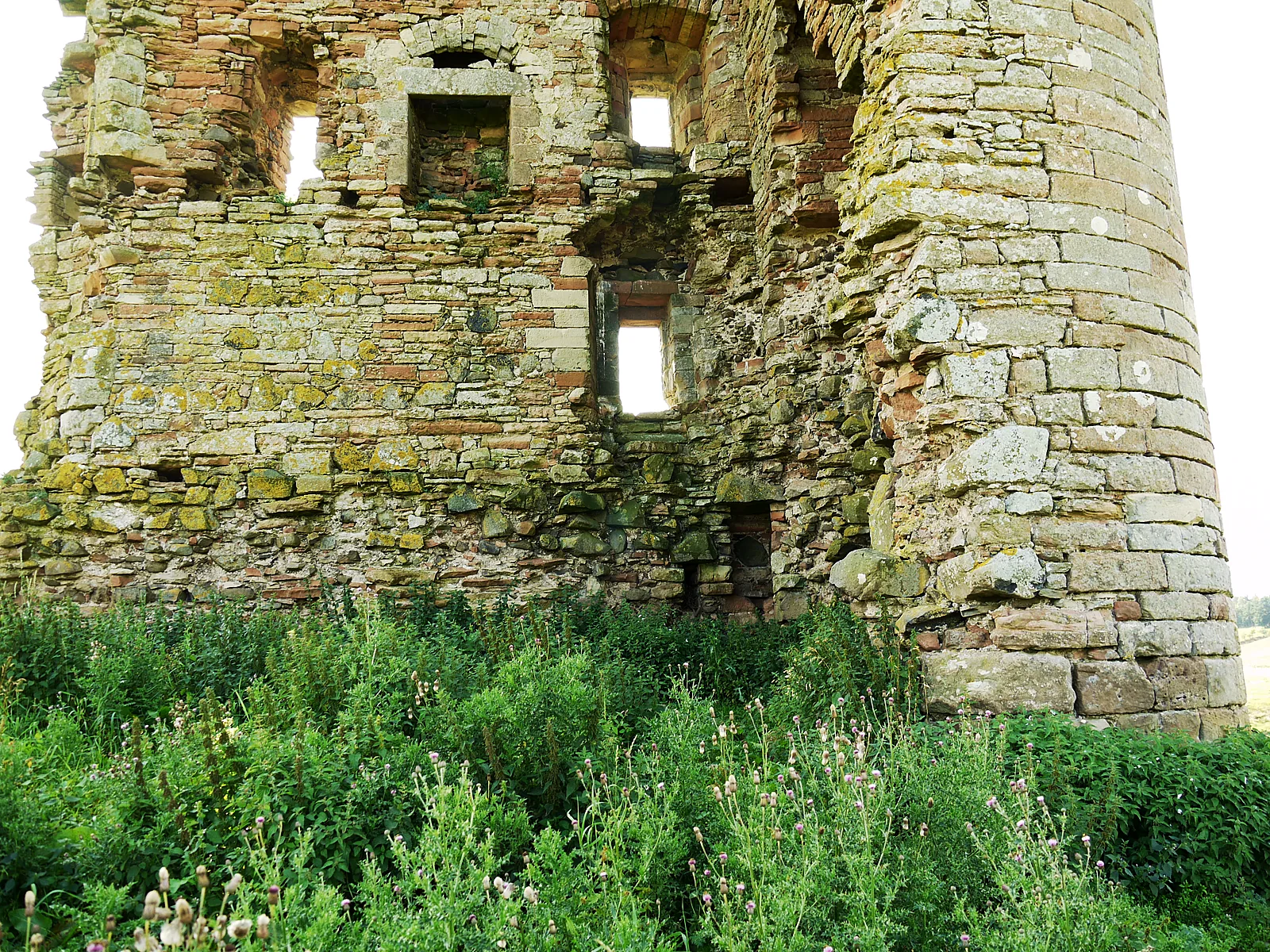
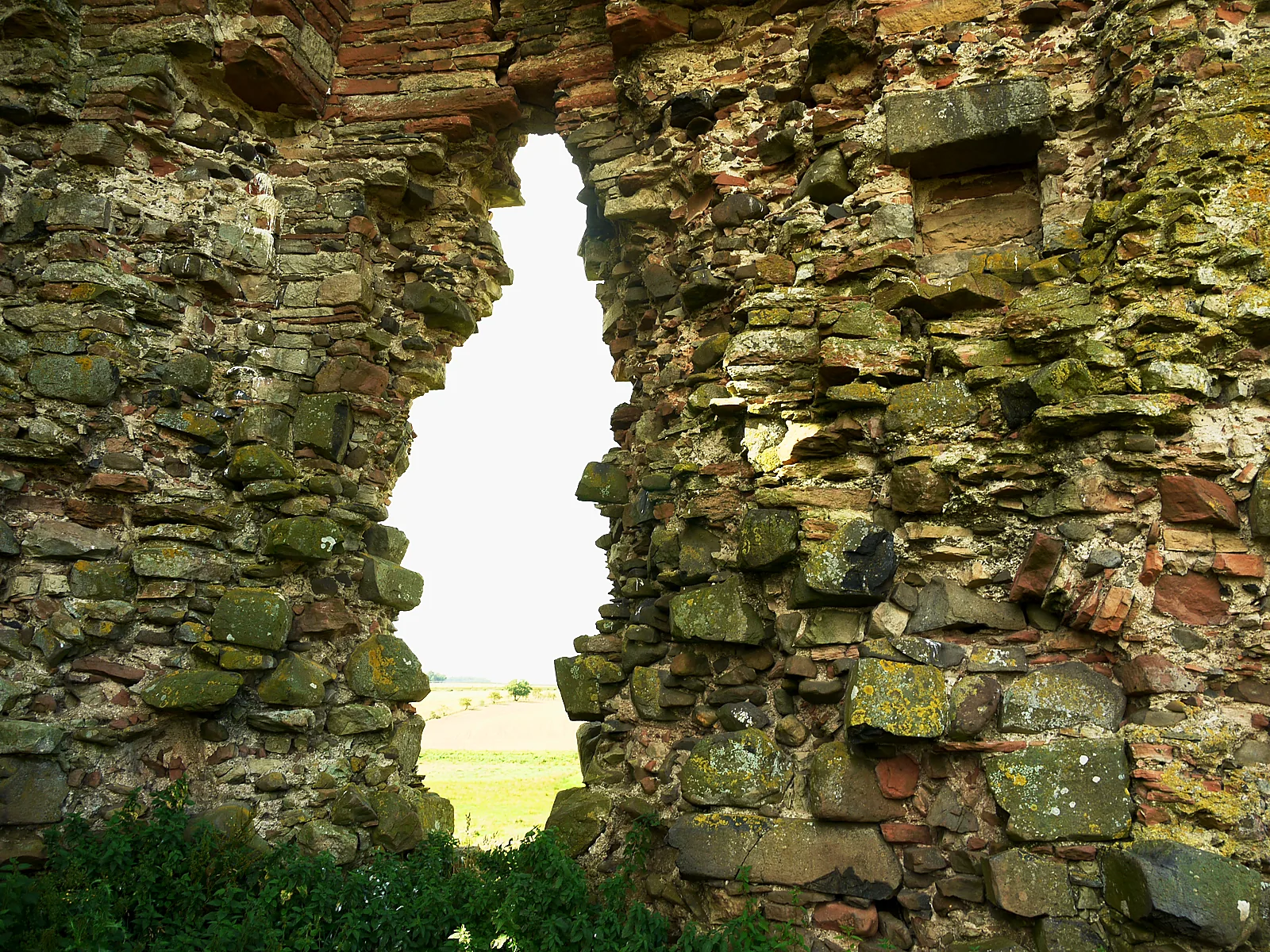
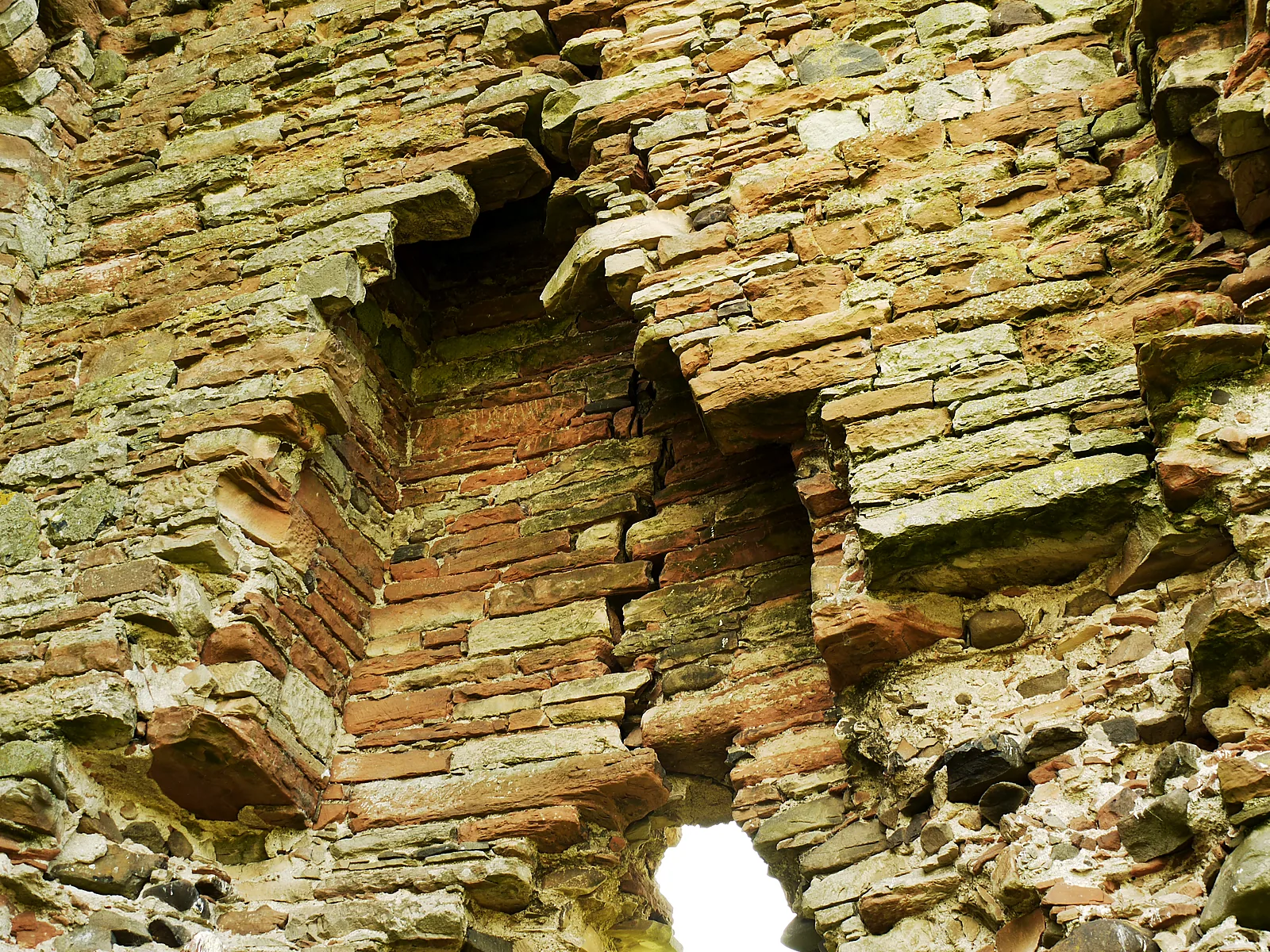
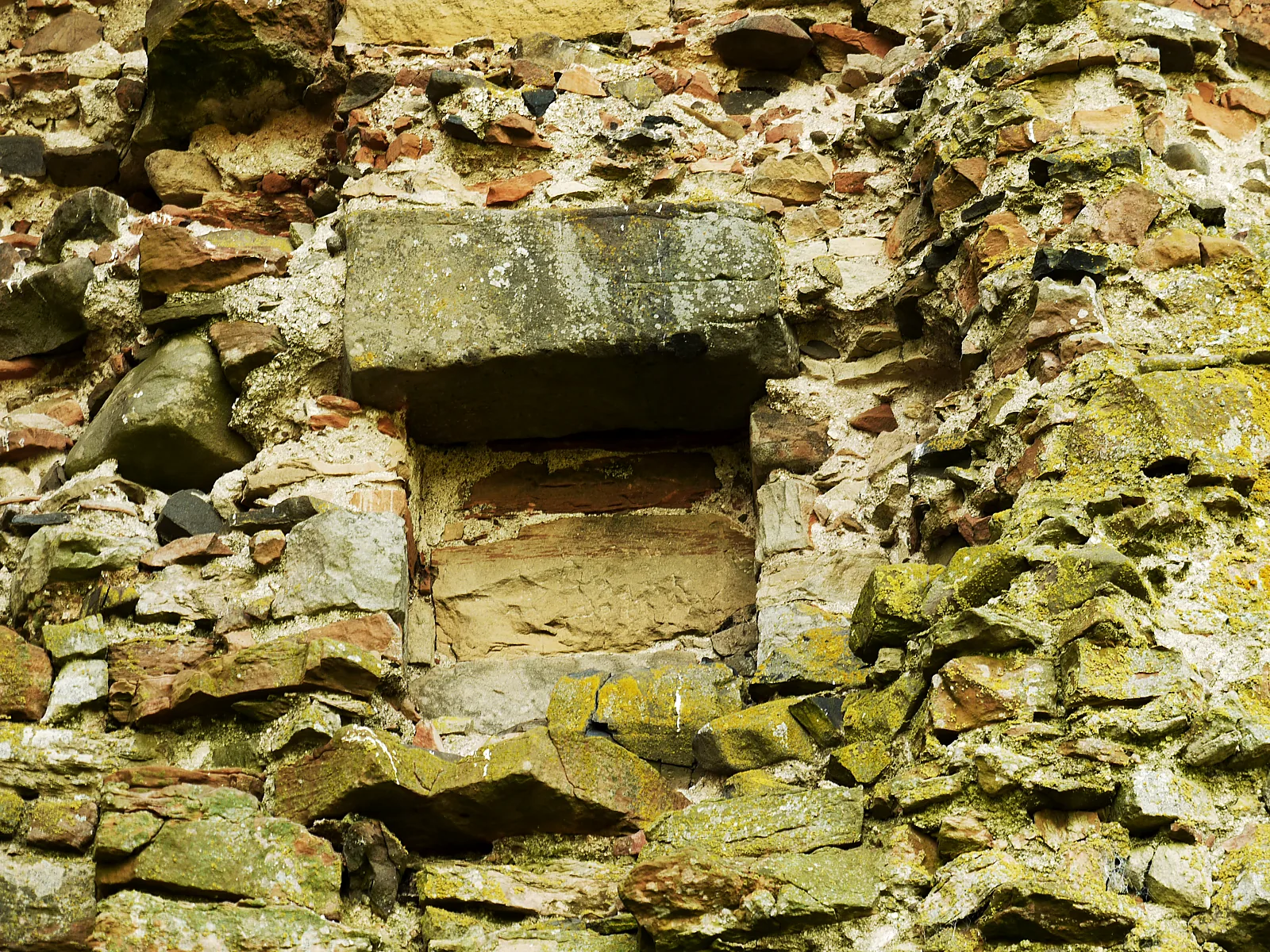
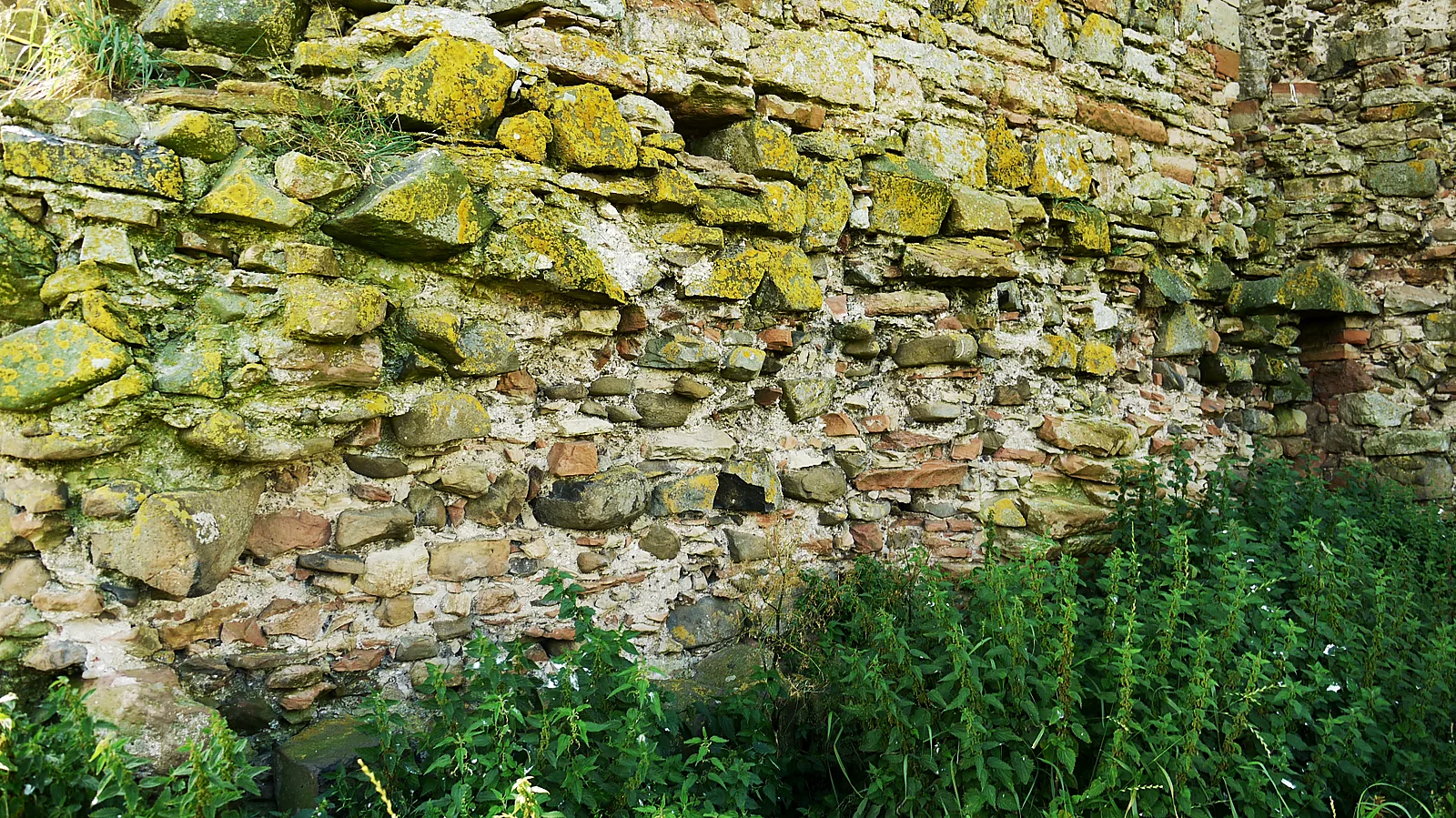
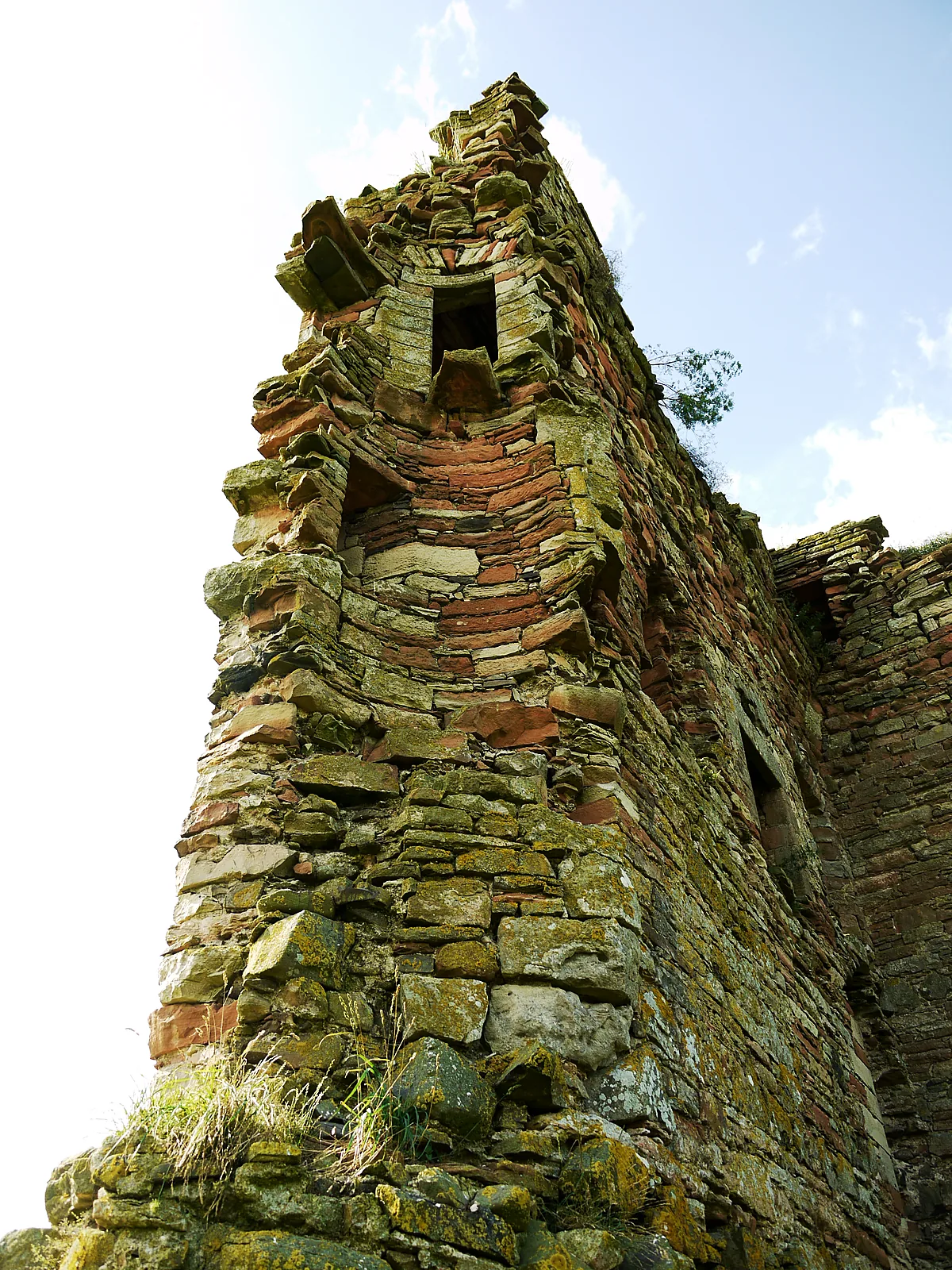
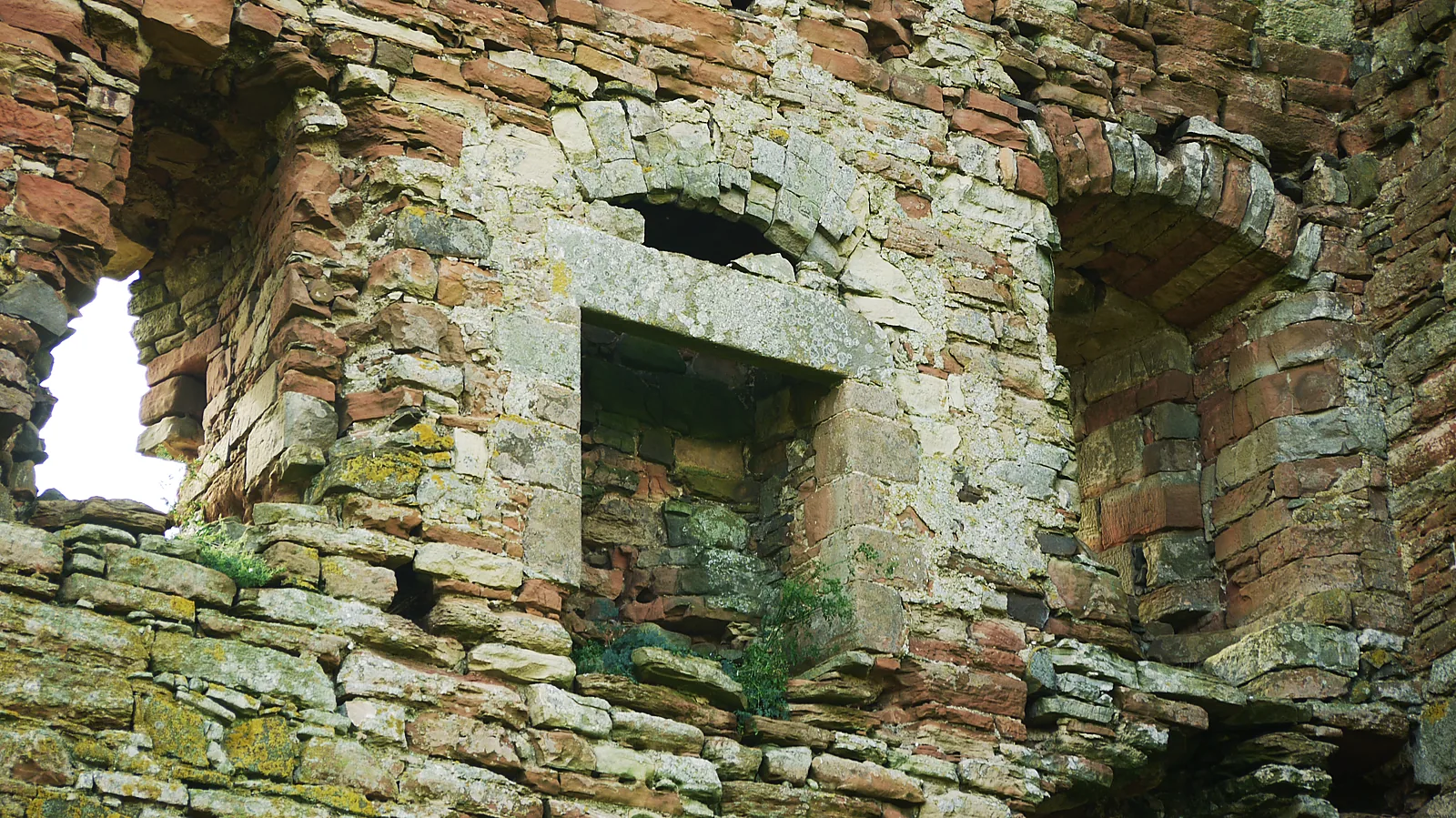
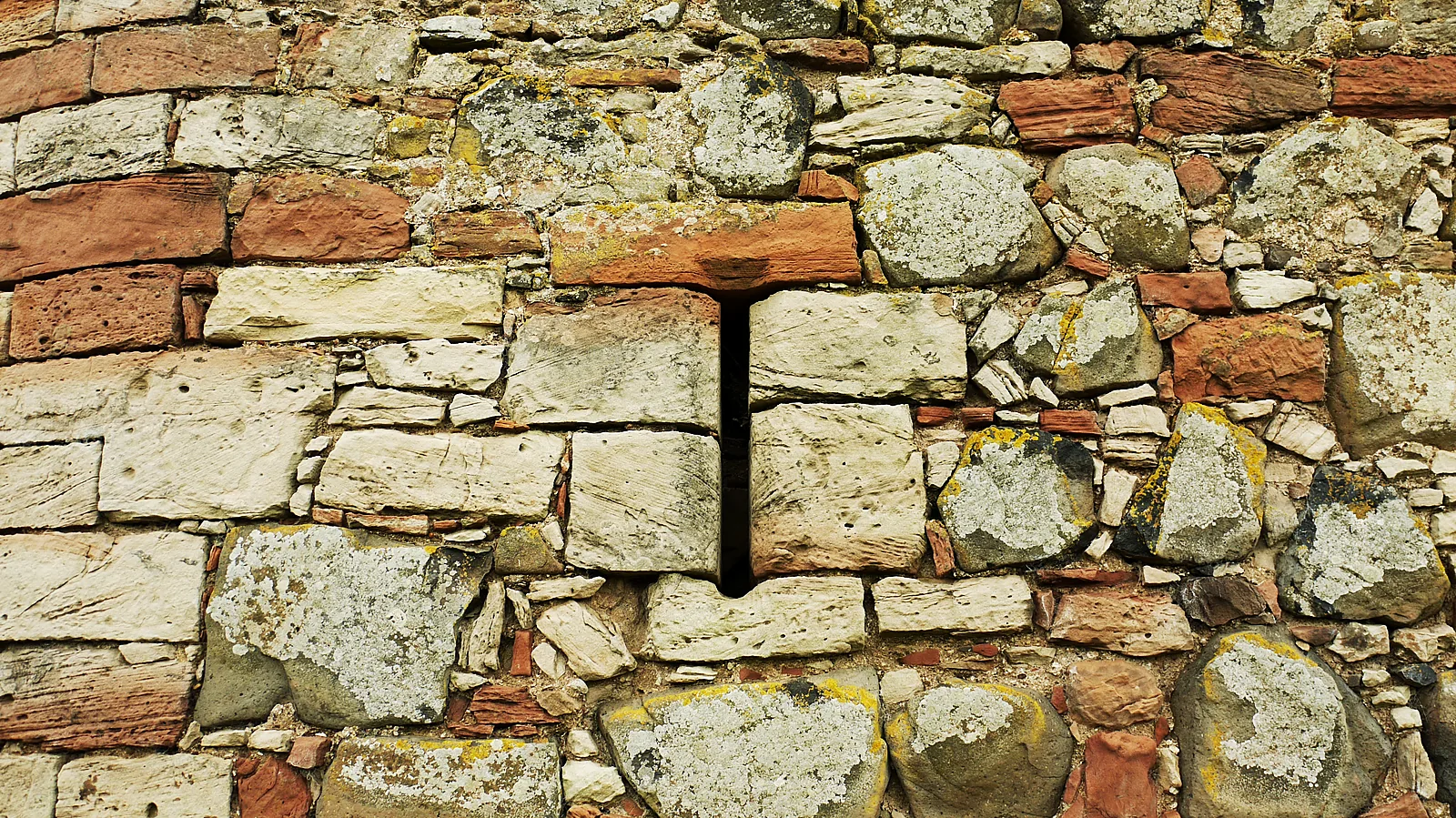
The tower measured roughly 12 by 8.3 metres across walls averaging 1.8 metres thick. Its surviving walls rise to about 15 metres. Look for the unusual rounded dressed-stone corners in the photographs and the contrast with the rougher masonry between them.
02 / VISUAL JOURNAL
Photo by zamki-szkocji.com
10 of 19 photographs
01 / THE STORY CONTINUES
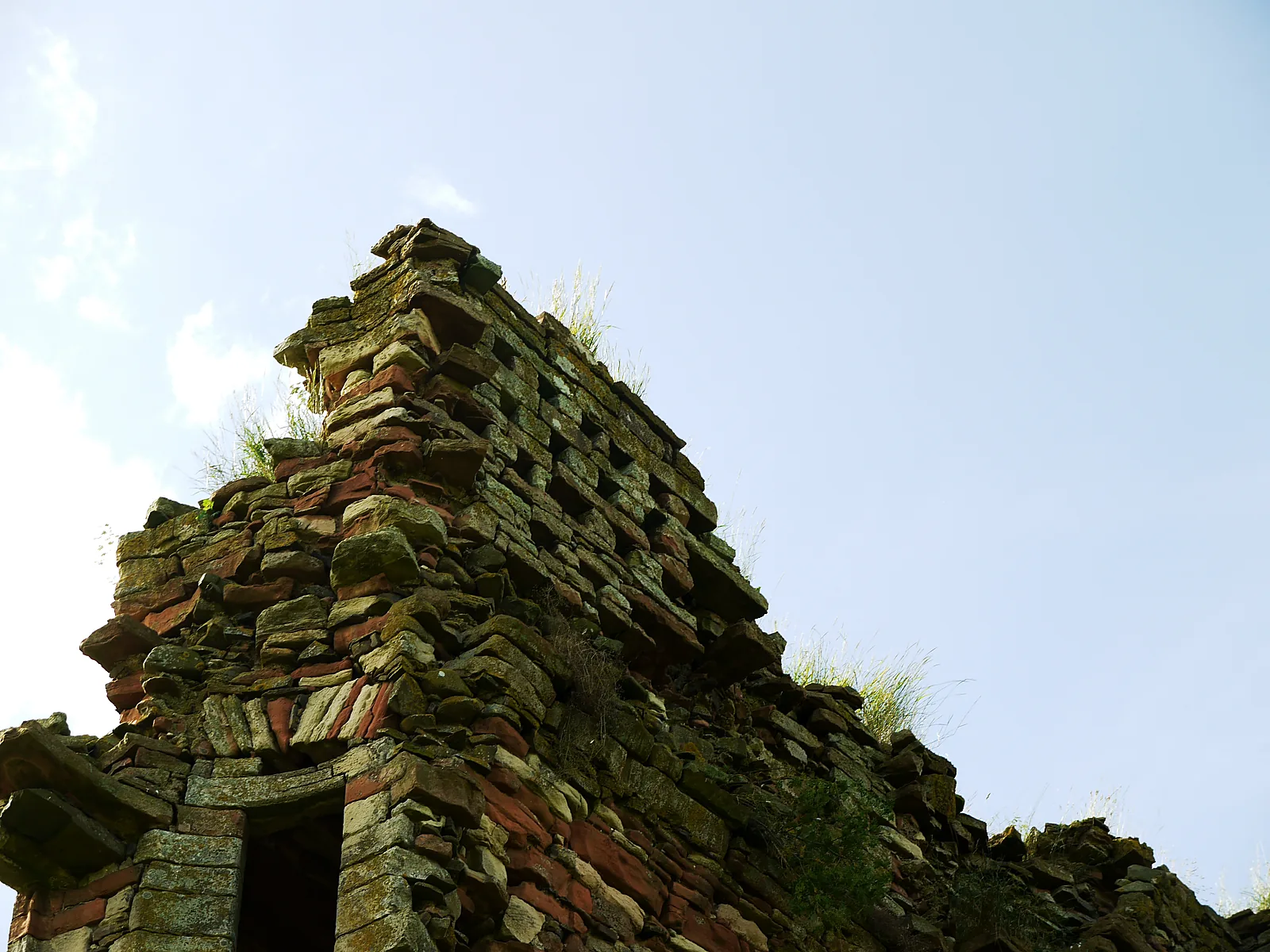
HES notes indications that the ground and top floors appear to have been vaulted, as well as traces of a turnpike stair in the south corner and a fireplace at second-floor level. The upper part of the tower was later adapted as a doocot, or dovecote: evidence of a new use after the building's earlier residential life.
The outline of a possible outbuilding and further earthworks have been identified near the tower. Their exact dates and the sequence of construction are not certain. Together, however, they show why the protected monument includes more than the standing walls alone.
08 / EXPLORE NEXT
Find Scottish castles by region, landscape or the stories that bring them to life.
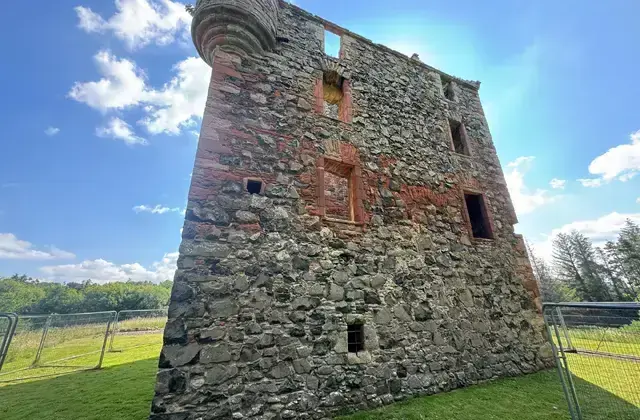 Scottish BordersGreenknowe Tower
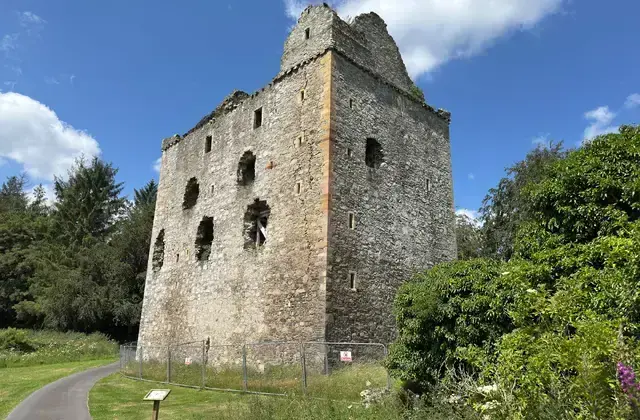 Scottish BordersNewark Tower
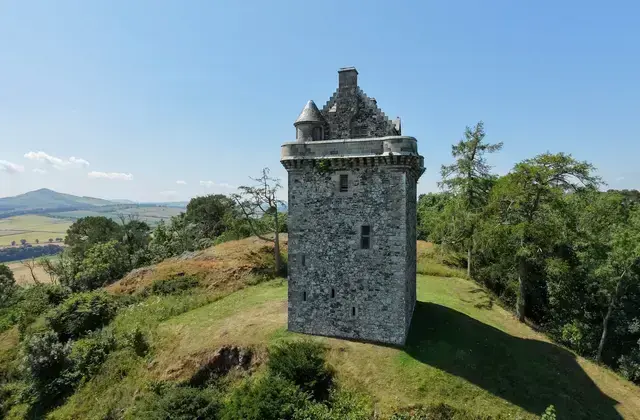 Scottish BordersFatlips Castle