TICKETSGrounds free · interior closed
Entry to the open grounds and visitor centre is currently free. This does not include access to the castle interior.
View current prices
Grounds and visitor centreFree
Interior closed—
 Castle

McCULLOCHS · GALLOWAY
A fortified family home. A legacy of feuds and folklore.
PLAN YOUR VISIT
Cardoness Castle, Gatehouse of Fleet, DG7 2EH
Entry to the open grounds and visitor centre is currently free. This does not include access to the castle interior.
Grounds and visitor centreFree
Interior closed—
Castle grounds and visitor centre. The tower’s interior is closed for conservation work. April–September: Thursday–Saturday, 10:00–16:30. October: Thursday–Saturday, 10:00–16:00. Last admission: 30 minutes before closing. Closed from 1 November to 31 March.
Parking information
On-site car park with a level tarmac surface and marked accessible bays. HES confirms the car park and its surface; any parking charge remains unconfirmed.
Parking sources checked · 20 October 2026
A path leads uphill from the visitor centre to the tower. The approach includes steps and is not entirely step-free. The walking distance and time have not been verified. Keep to the areas currently open to visitors. The visitor centre has ramped access; the approach to the tower is uphill. Around 20 minutes by car from Castle Douglas via the A75. 01557 814427
A tower house shaped by family ambition, feuds and local folklore.
WHAT TO EXPECT
01 / THE STORY
On a rocky rise near Gatehouse of Fleet stands Cardoness, a stone tower whose inhabitants left behind a history of feuds, debt and violence. Woven into its story are tales of a curse, a disastrous feast on the ice and a condemned man supposedly rescued by a being from another world.
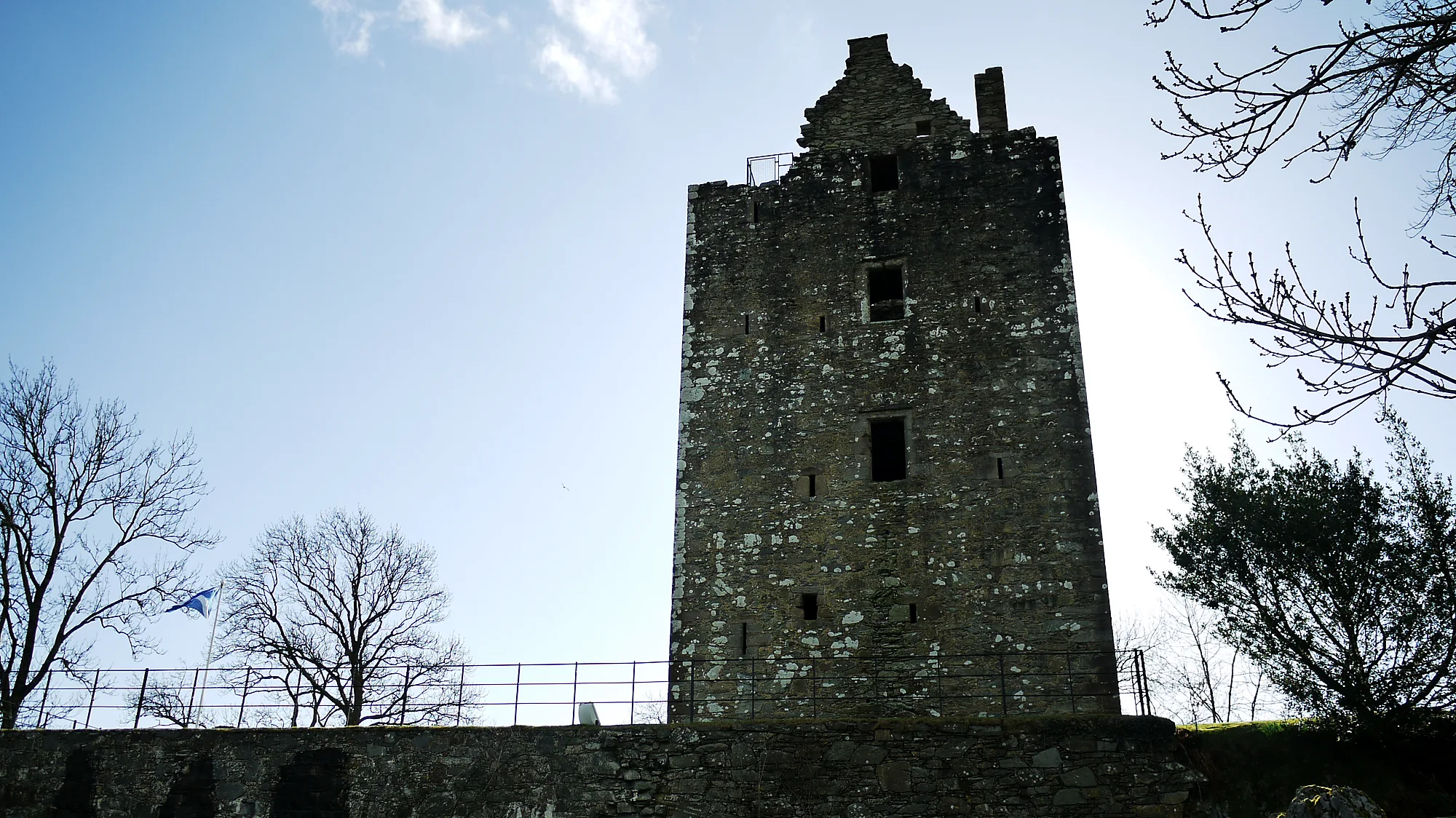
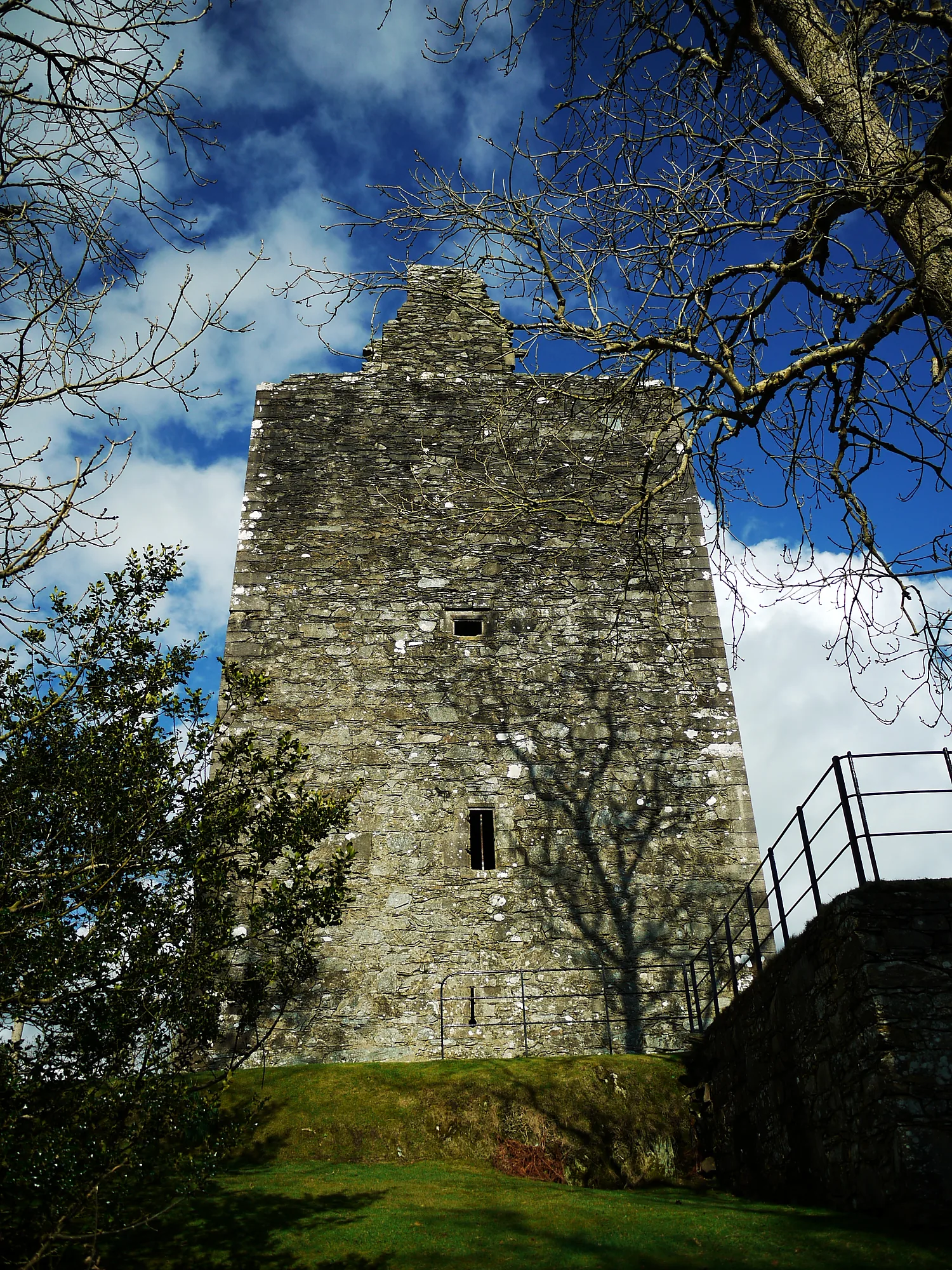
The present tower was built in the late 15th century for the McCulloch family. Primarily a fortified family residence, it combined domestic comfort with defence. Its design has been compared with nearby Threave Castle.
The walls are around 2.5 metres thick. A timber door and an inner iron gate protected the entrance, while small gun holes shaped like inverted keyholes were designed for early handheld firearms.
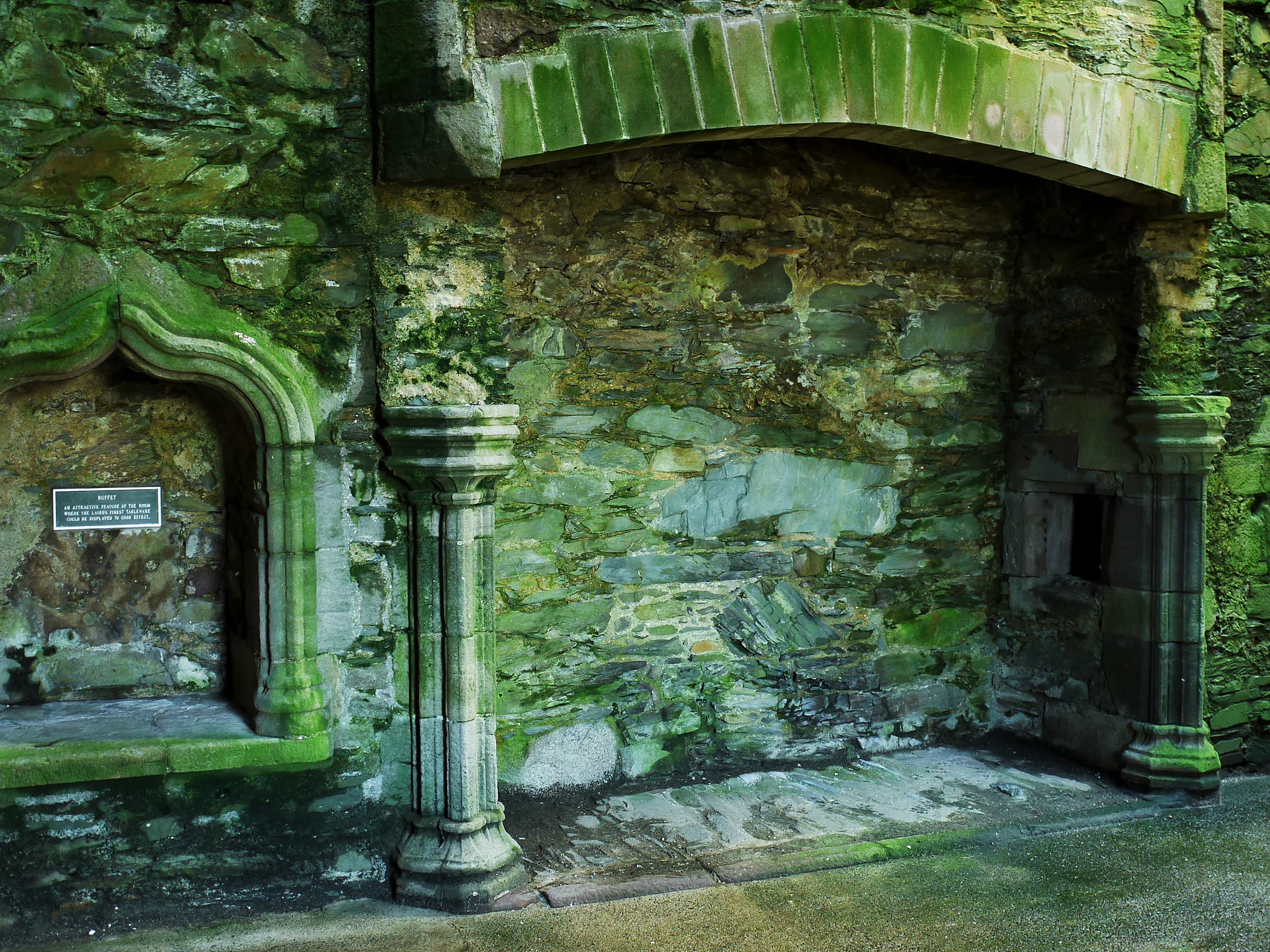
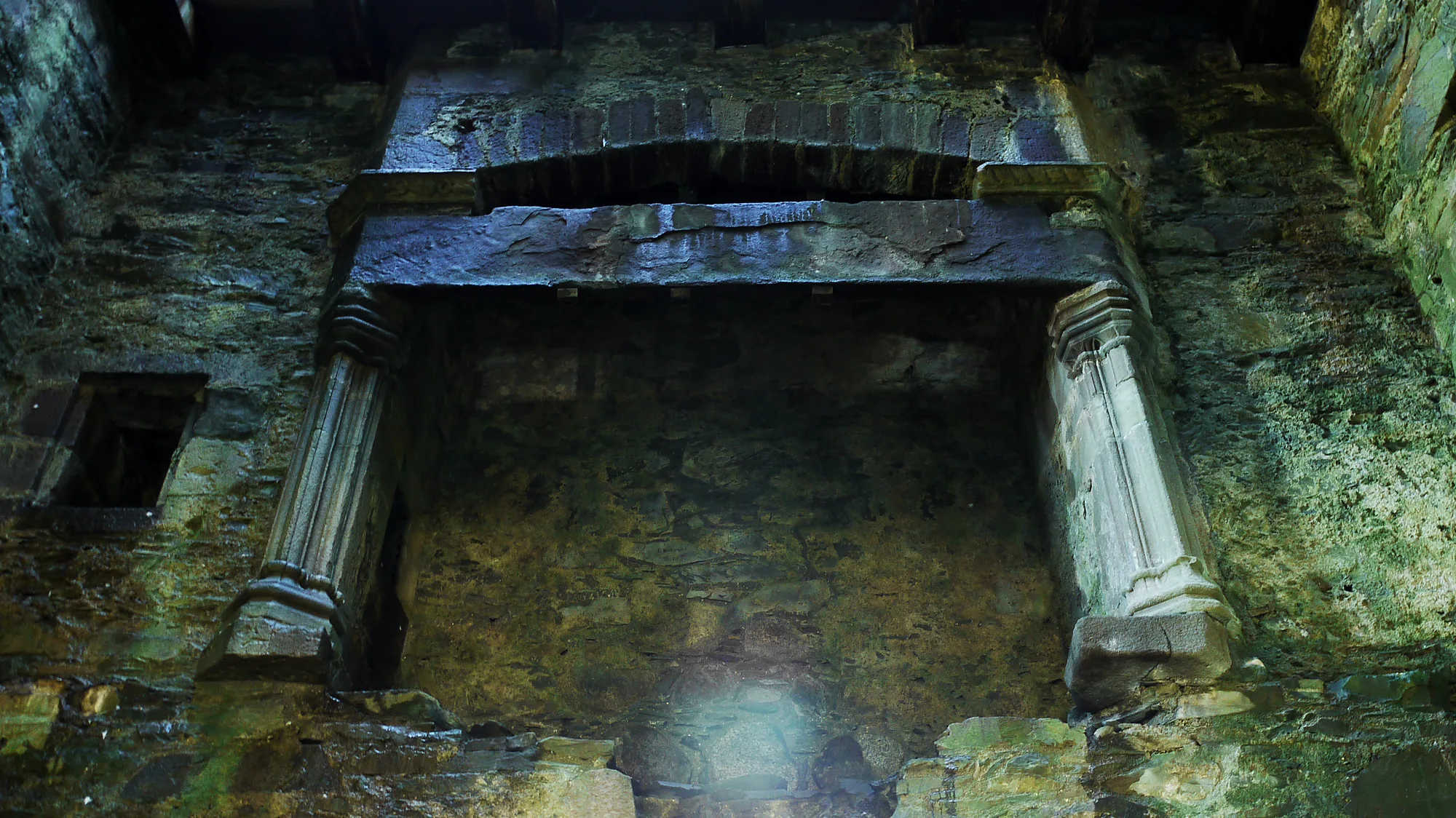
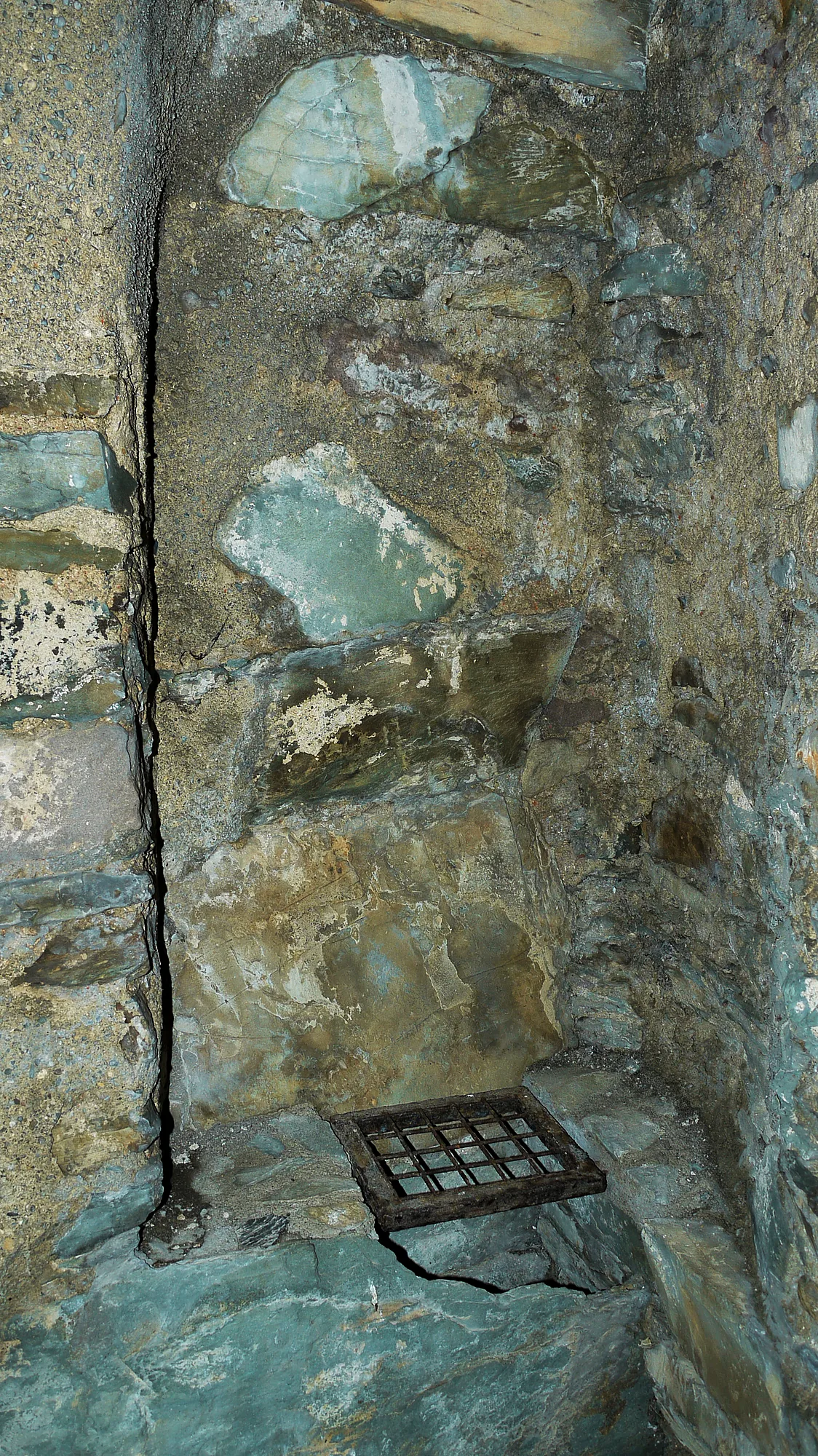
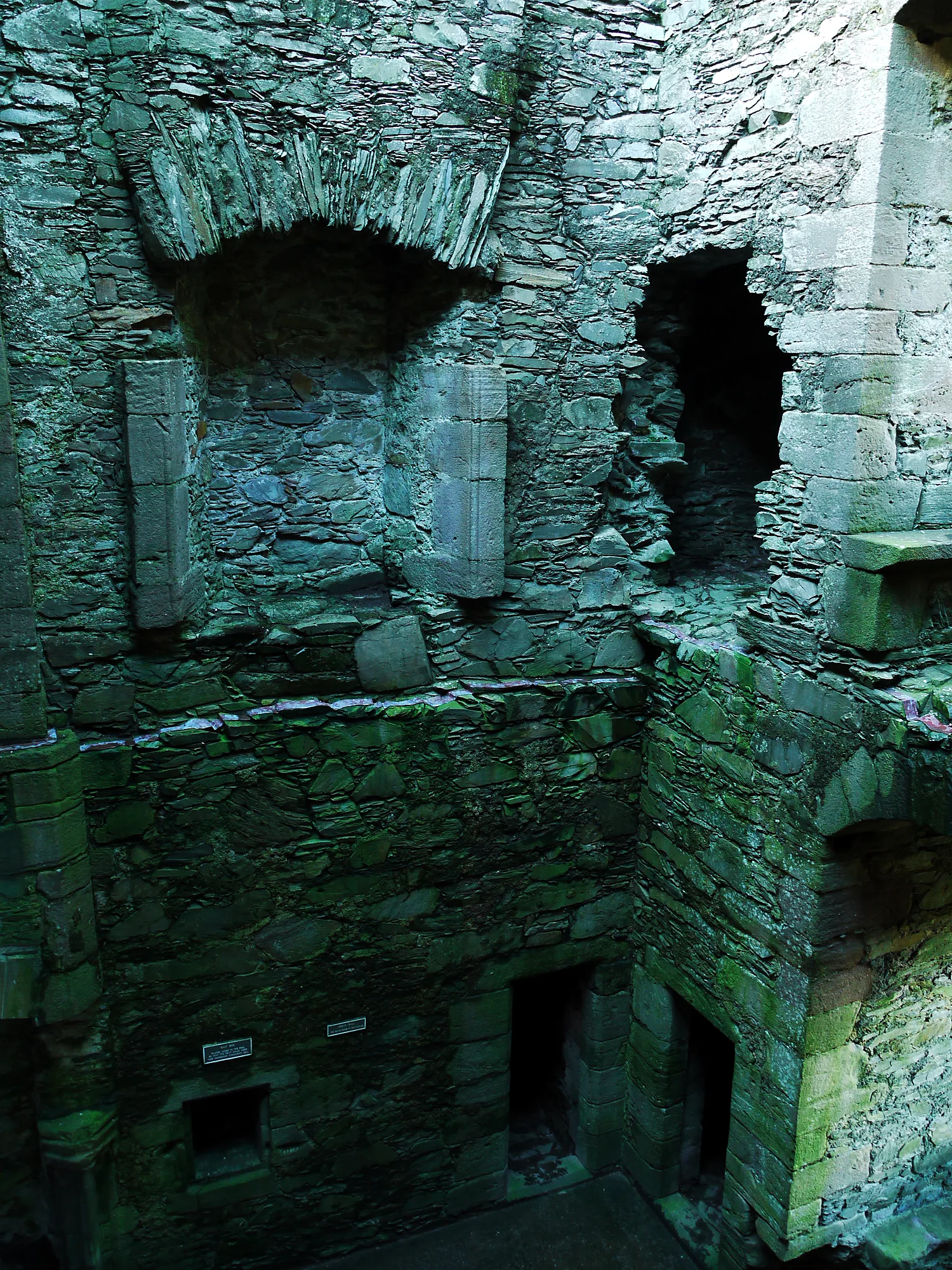
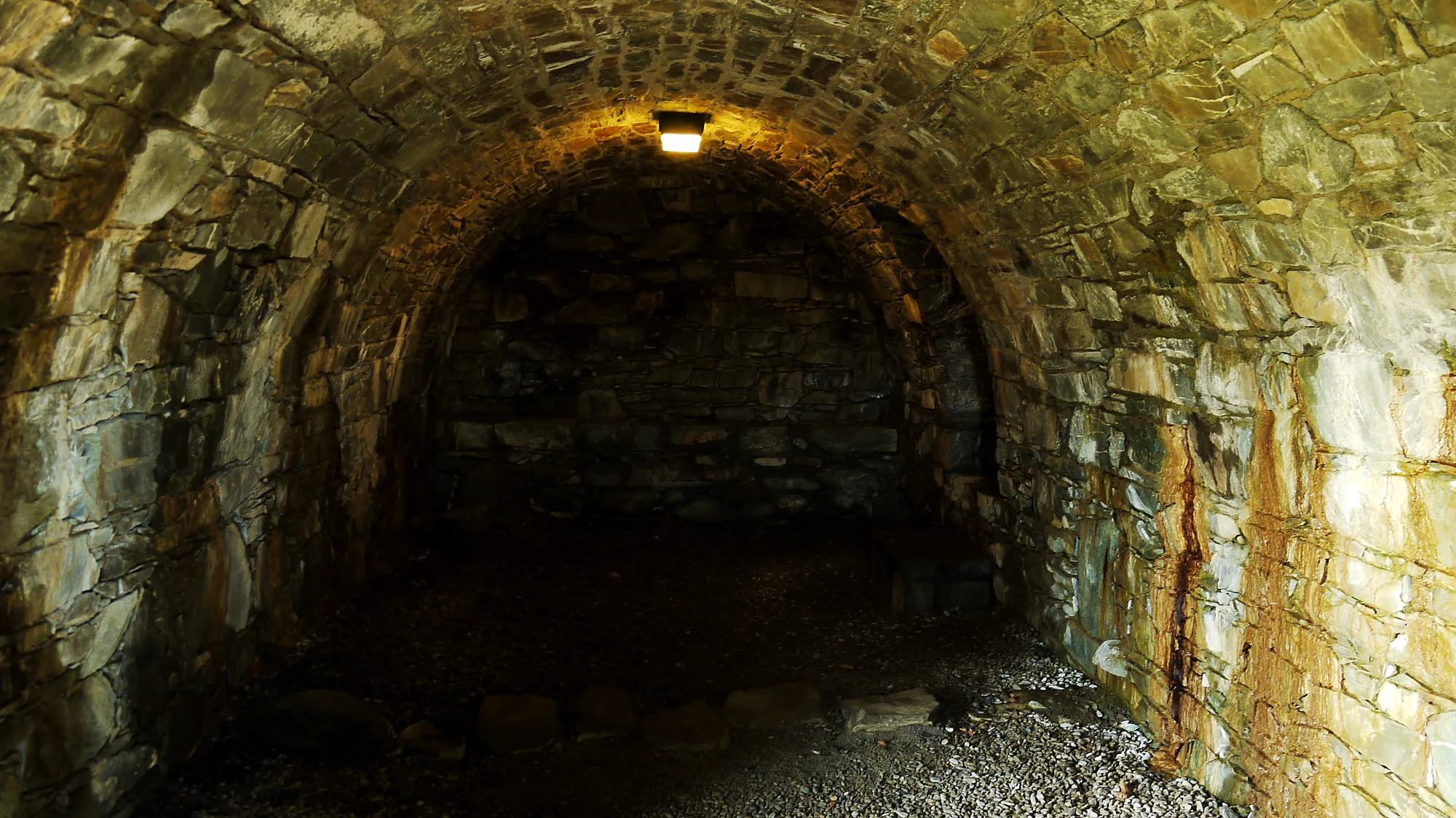
The lower levels housed storage rooms and a prison. Above them were a formal hall with a fireplace and the family’s private rooms. An ornate wall recess for displaying tableware reflects the owners’ ambitions. Cardoness was intended to proclaim their standing as well as keep them safe.
Danger did not always come from outside. In 1501, Ninian McCulloch was recorded as having stolen as many as 1,500 animals belonging to his own mother.
Financial difficulties eventually led to the estate being mortgaged and passing to the Gordons, a family with whom the McCullochs were already in conflict. The feud ended in tragedy: Godfrey McCulloch shot a member of the Gordon family, who died of his wounds.
In 1697, Godfrey was executed in Edinburgh on the Maiden, a Scottish beheading machine. He was among its last victims. Yet a very different, fantastical version of events also became attached to his execution.
According to legend, an earlier laird of Cardoness had nine daughters and desperately wanted a son. When an heir was finally born, he arranged a winter feast on a frozen loch.
During the celebrations, the ice broke. The host and his guests perished in the freezing water. One daughter survived and later married a member of the McCulloch family.
The tragedy became linked to a curse on Cardoness. Later misfortunes and the owners’ financial ruin were said to reveal its power. This is a legend explaining the estate’s troubled past, rather than a verified account of how the McCullochs acquired the land.
02 / VISUAL JOURNAL
Photo by zamki-szkocji.com
10 of 23 photographs
01 / THE STORY CONTINUES
Another tale, recounted by Walter Scott, describes a supernatural rescuer coming to Godfrey’s aid. A being whom McCulloch had helped many years earlier supposedly returned to save him from death.
An even more macabre story claimed that his headless body ran about a hundred yards after the execution. Both tales belong to folklore; they do not alter the historical account of Godfrey’s execution in 1697.
Cardoness also has less sinister stories to tell. An architectural description of the castle identifies a recess beside the fireplace as a place for storing salt. Near the entrance, an opening known as a “murder hole” allowed defenders to attack intruders from above.
The tower was surrounded by other buildings, including stables and a separate hall. Parts of the surviving remains were reconstructed during work in the 20th century, so not everything visible today retains an entirely medieval form.
Among the trees around Cardoness, you may also spot red squirrels. After a history of feuds and curses, they make rather more peaceful residents.
08 / EXPLORE NEXT
Find Scottish castles by region, landscape or the stories that bring them to life.
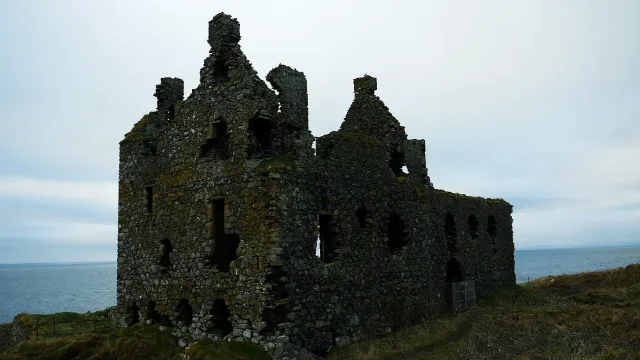 Dumfries and GallowayDunskey Castle
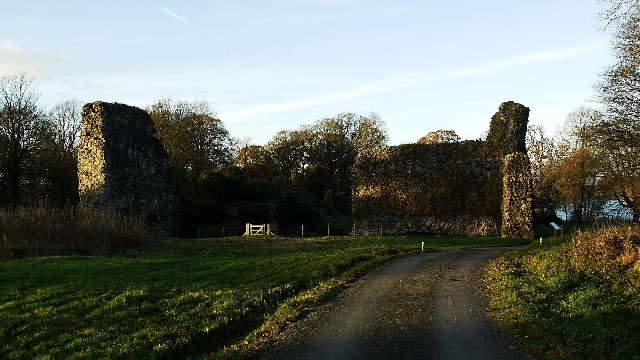 Dumfries and GallowayLochmaben Castle
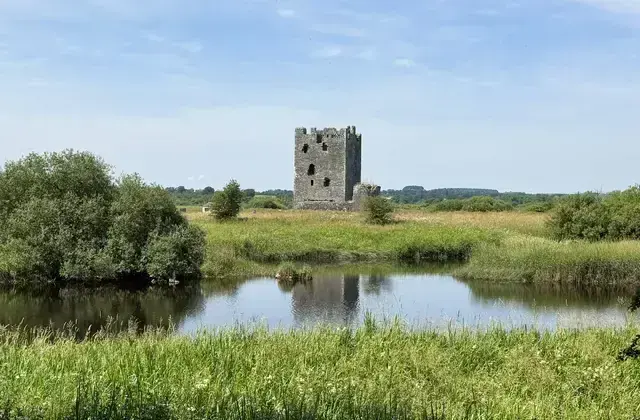 Dumfries and GallowayThreave Castle