TICKETSAdult £7.50 online / £8.50 at the gate.
Concession £6 / £6.80; child (7–15) £3.50 / £4.
 Castle
LOCH LOMOND, STIRLING AND FORTH VALLEY
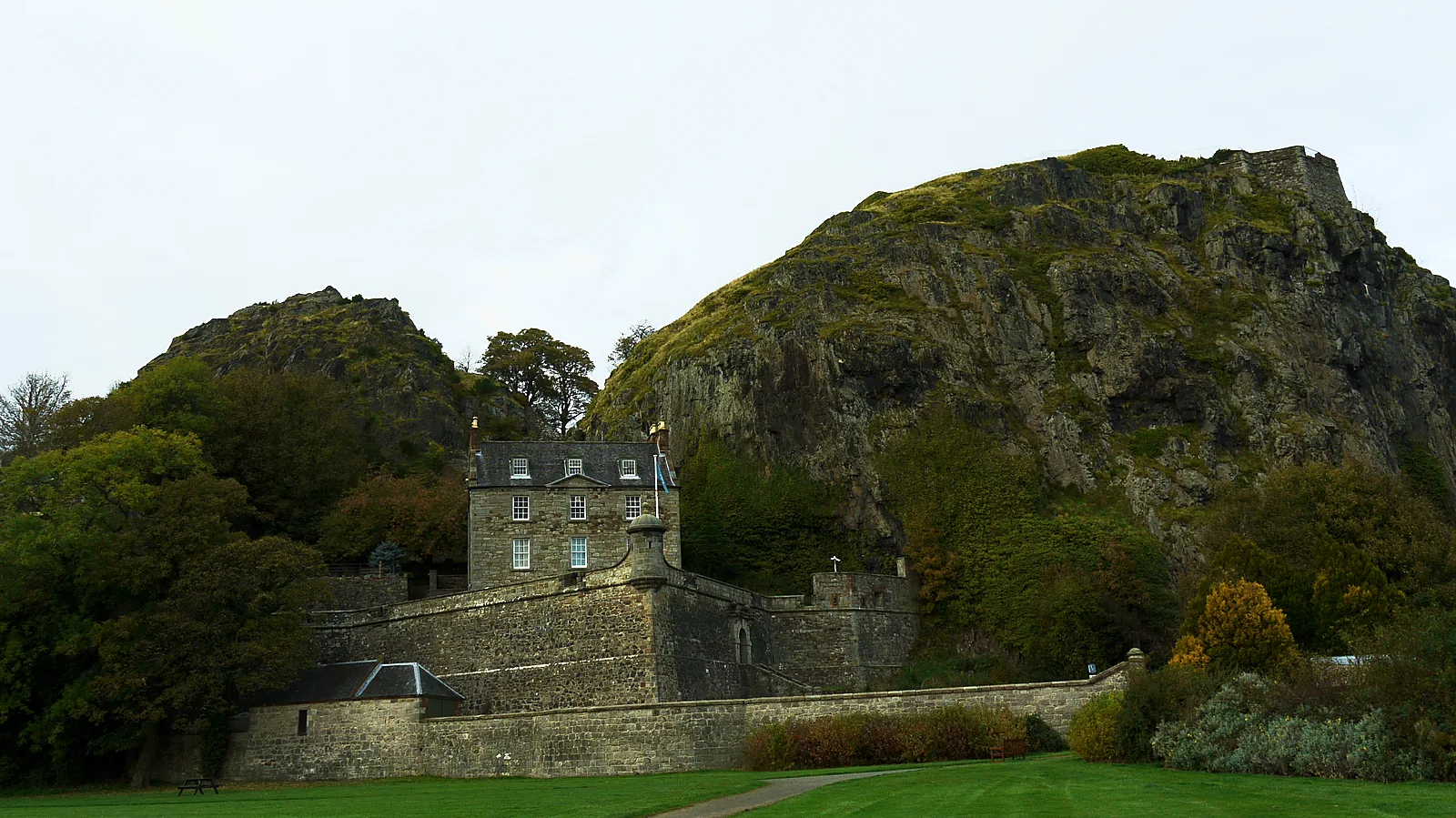
Dumbarton Castle occupies one of Scotland's most commanding natural strongholds.
PLAN YOUR VISIT
Castle Road, Dumbarton, G82 1JJ
Concession £6 / £6.80; child (7–15) £3.50 / £4.
Last entry 45 minutes before closing; closed 24 Dec–4 Jan.
Parking information
Castle Road: small car park; parking charge unconfirmed.
Parking sources checked · 5 November 2026
Dumbarton Castle occupies one of Scotland's most commanding natural strongholds.
WHAT TO EXPECT
01 / THE STORY
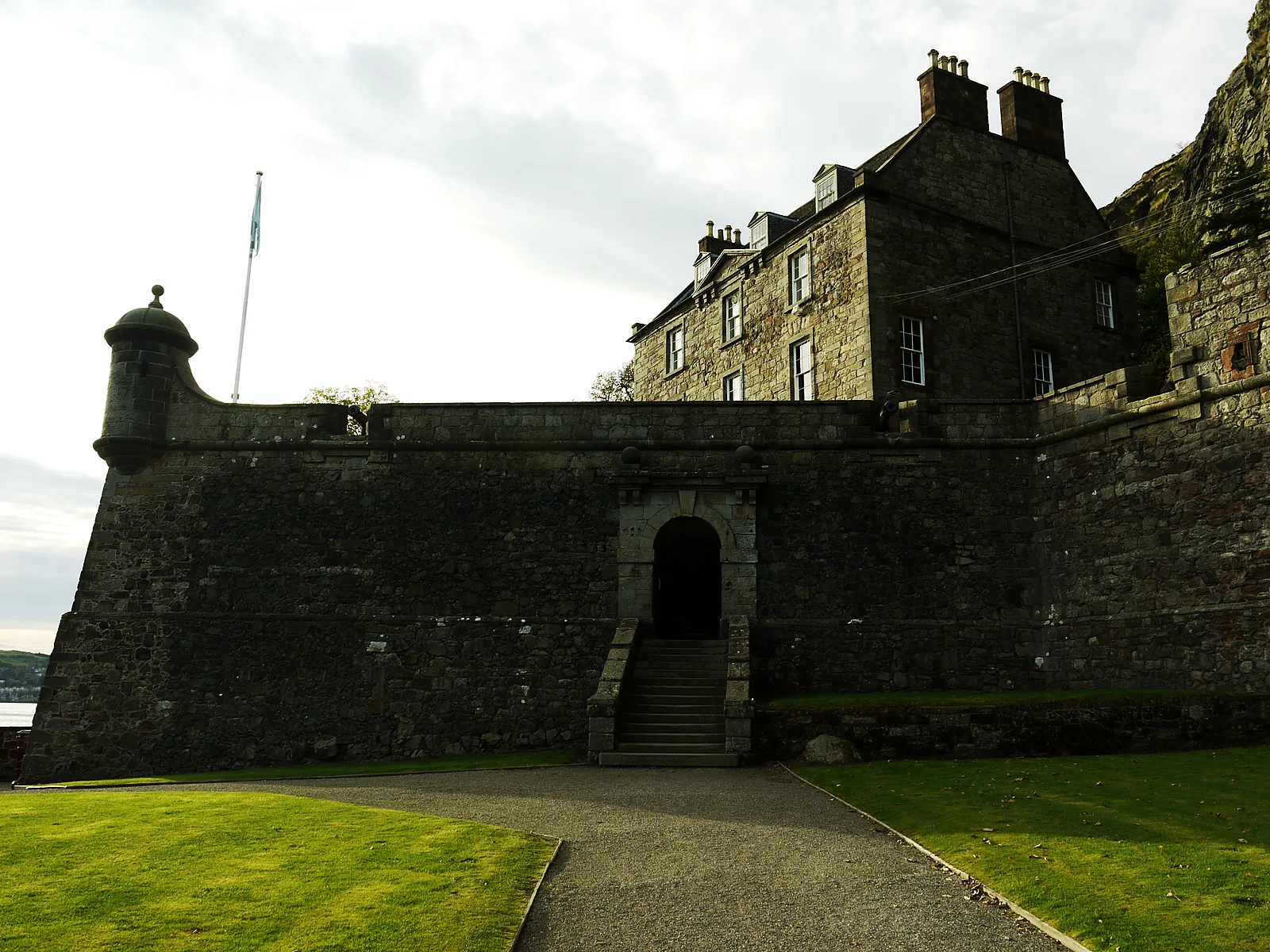
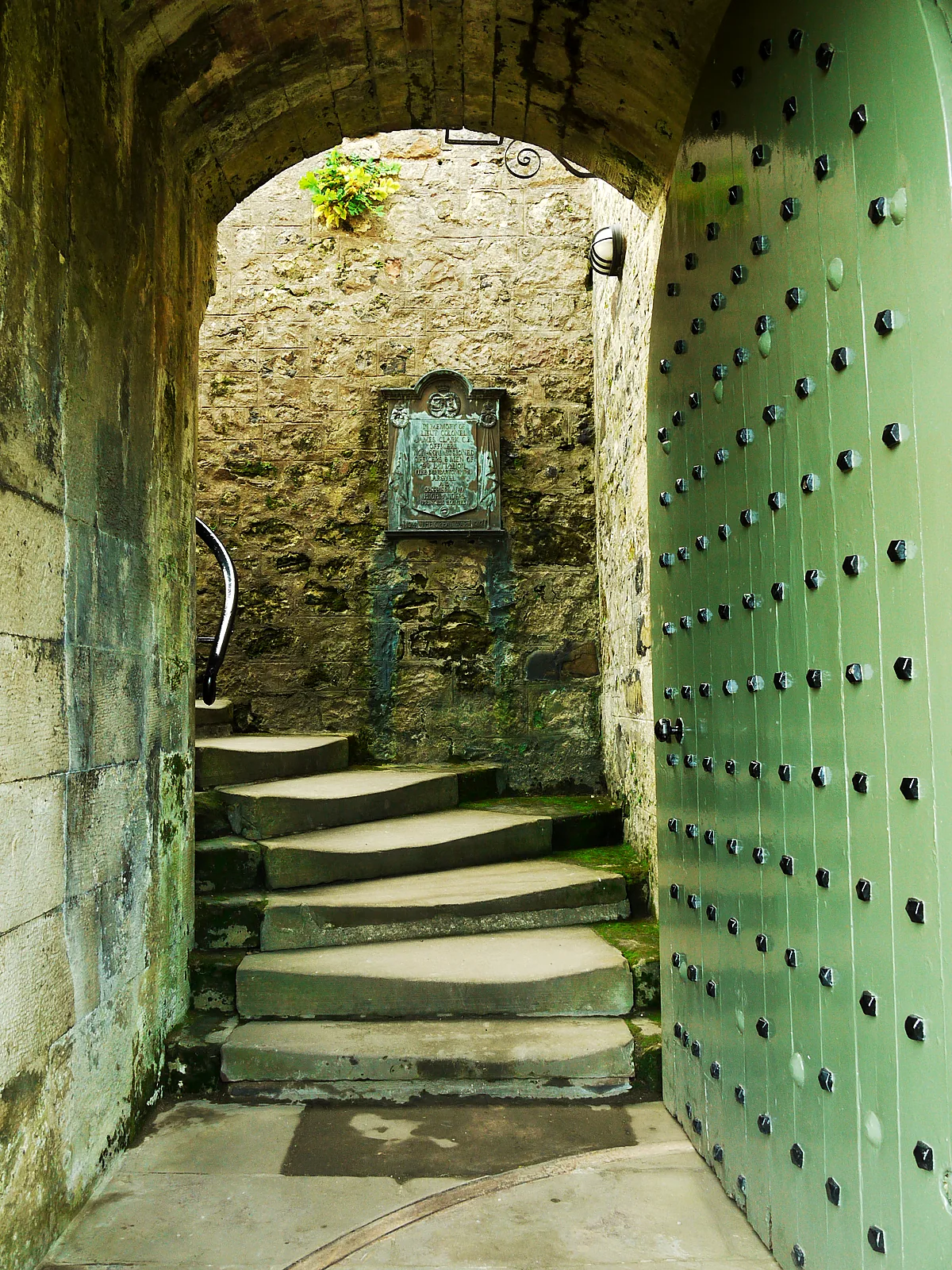
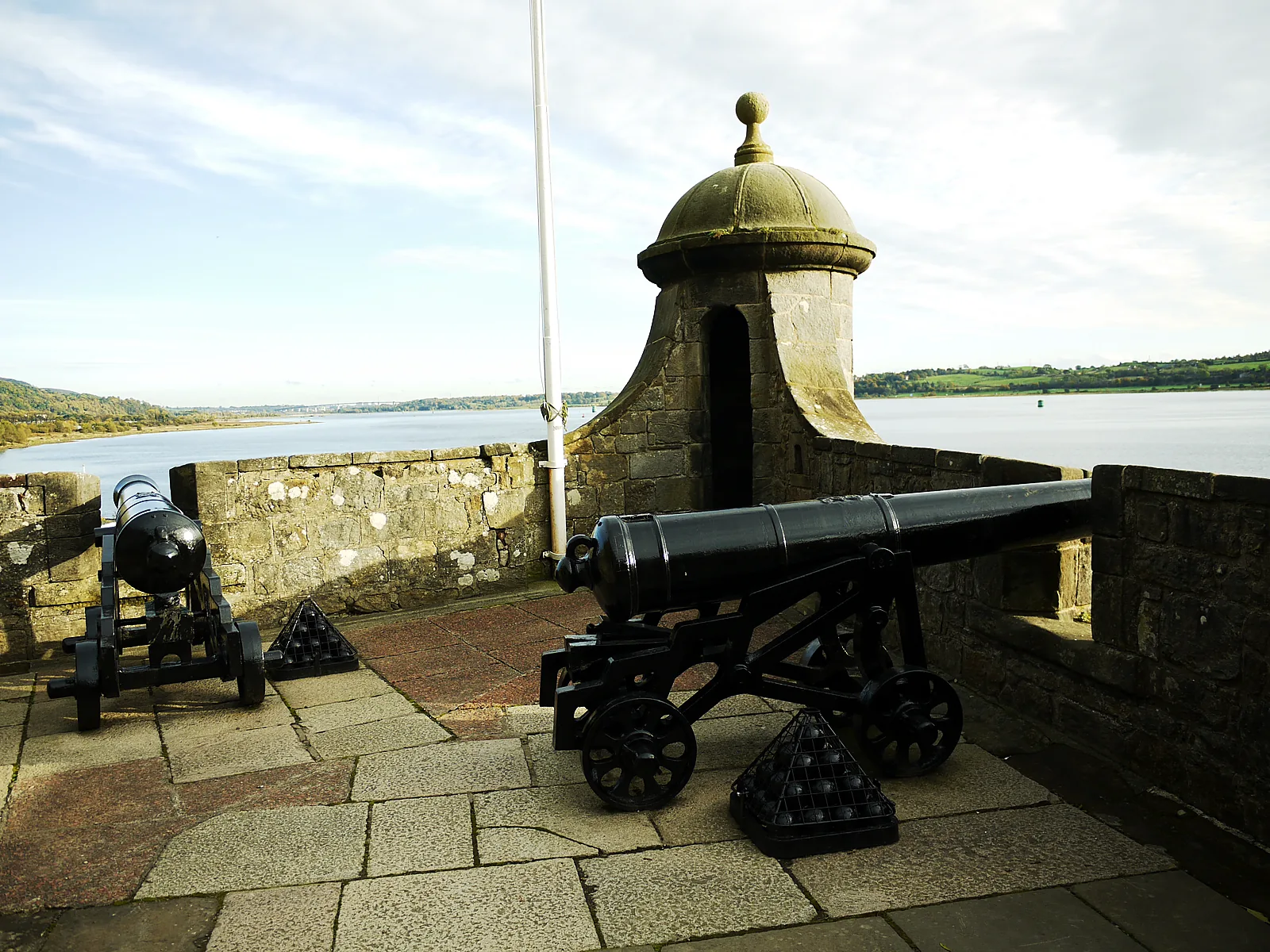
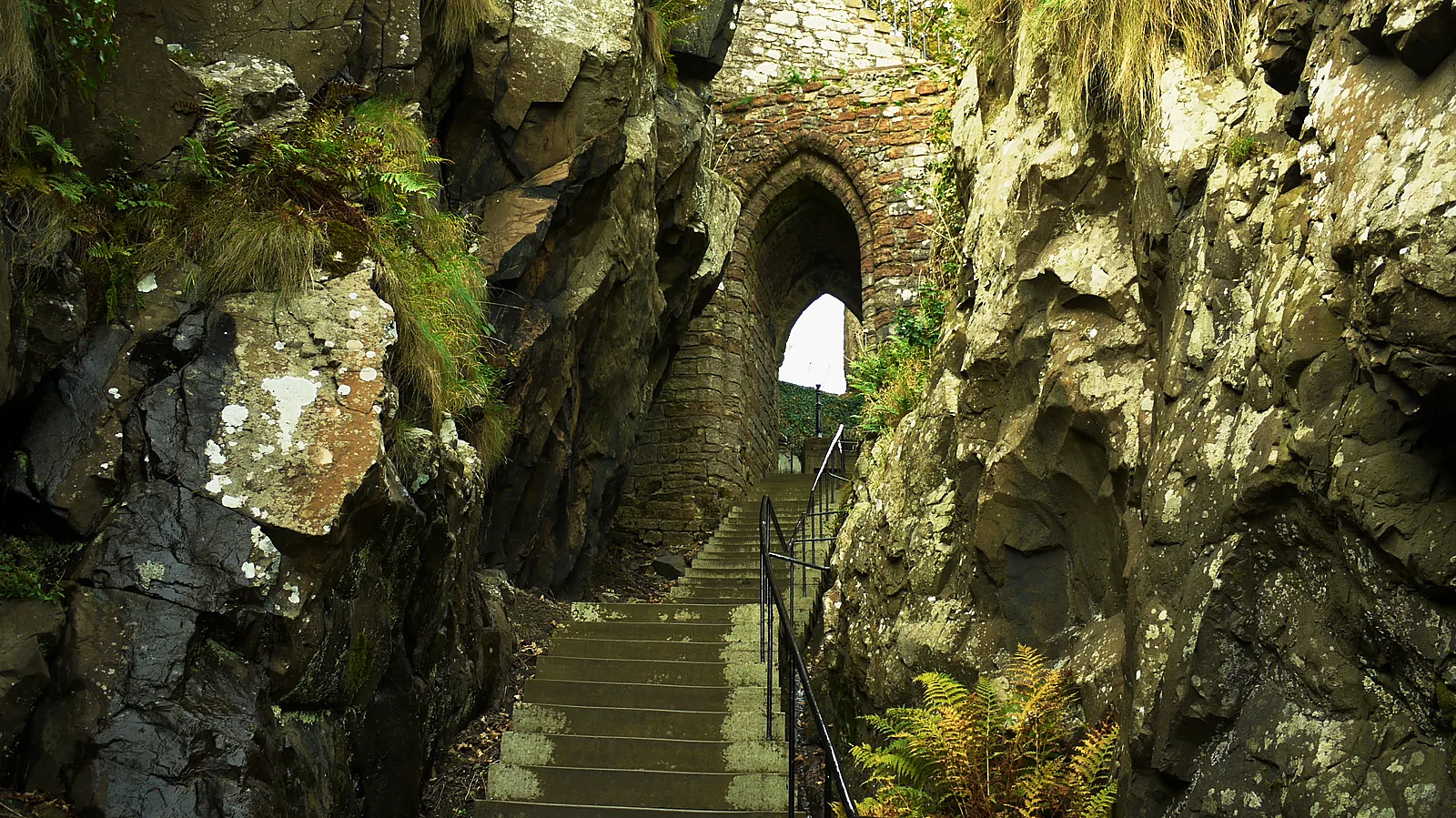
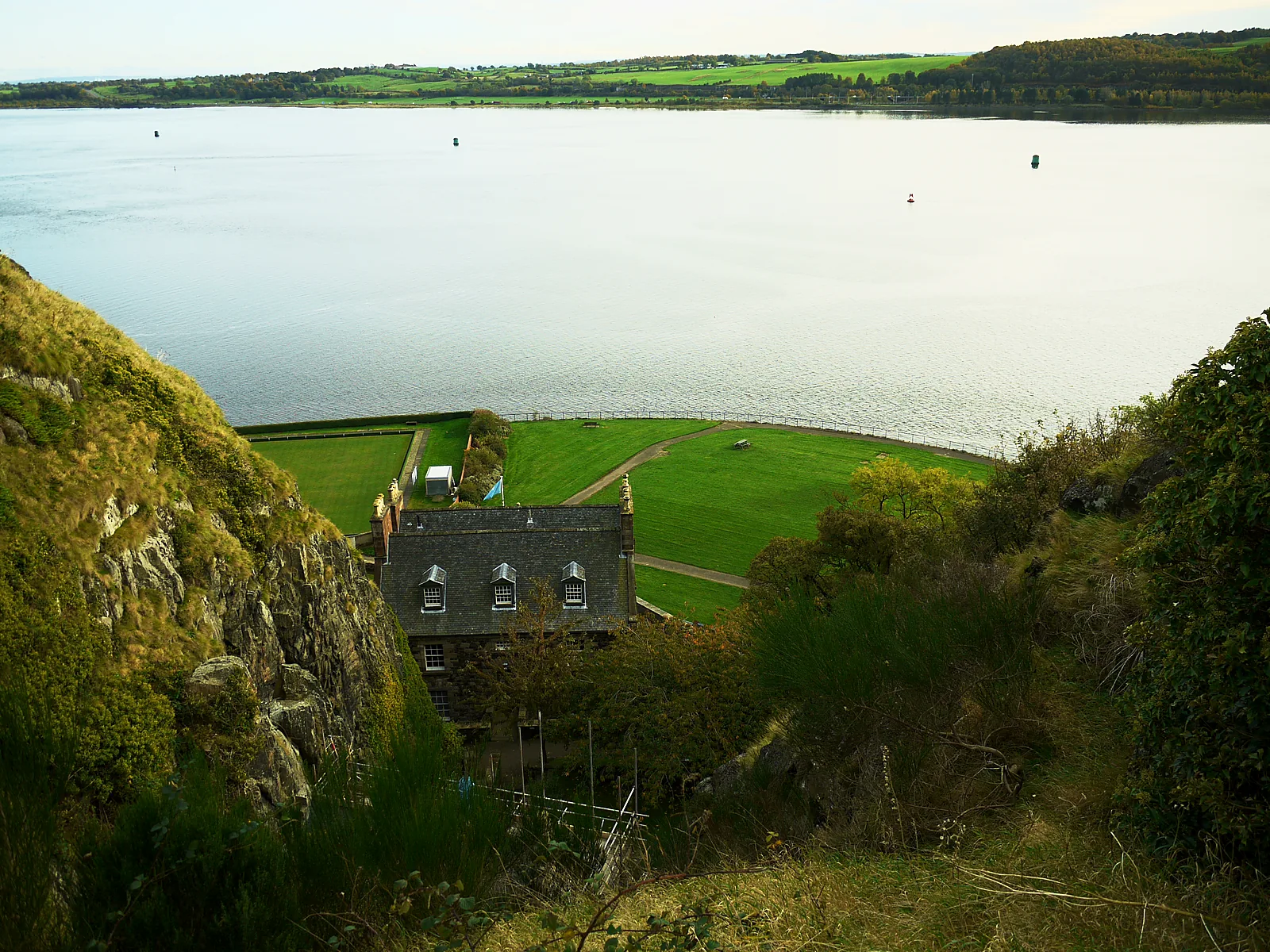
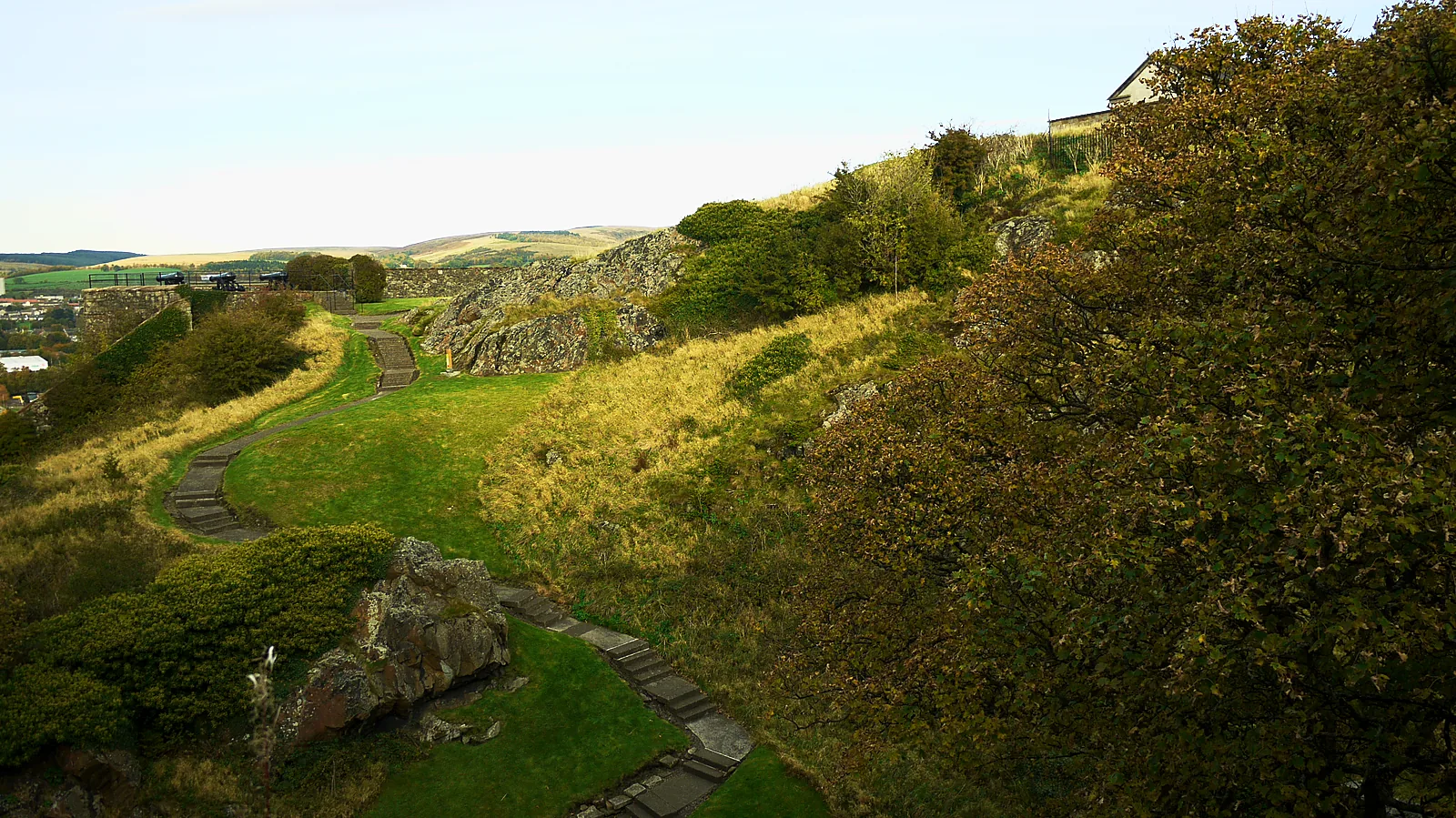
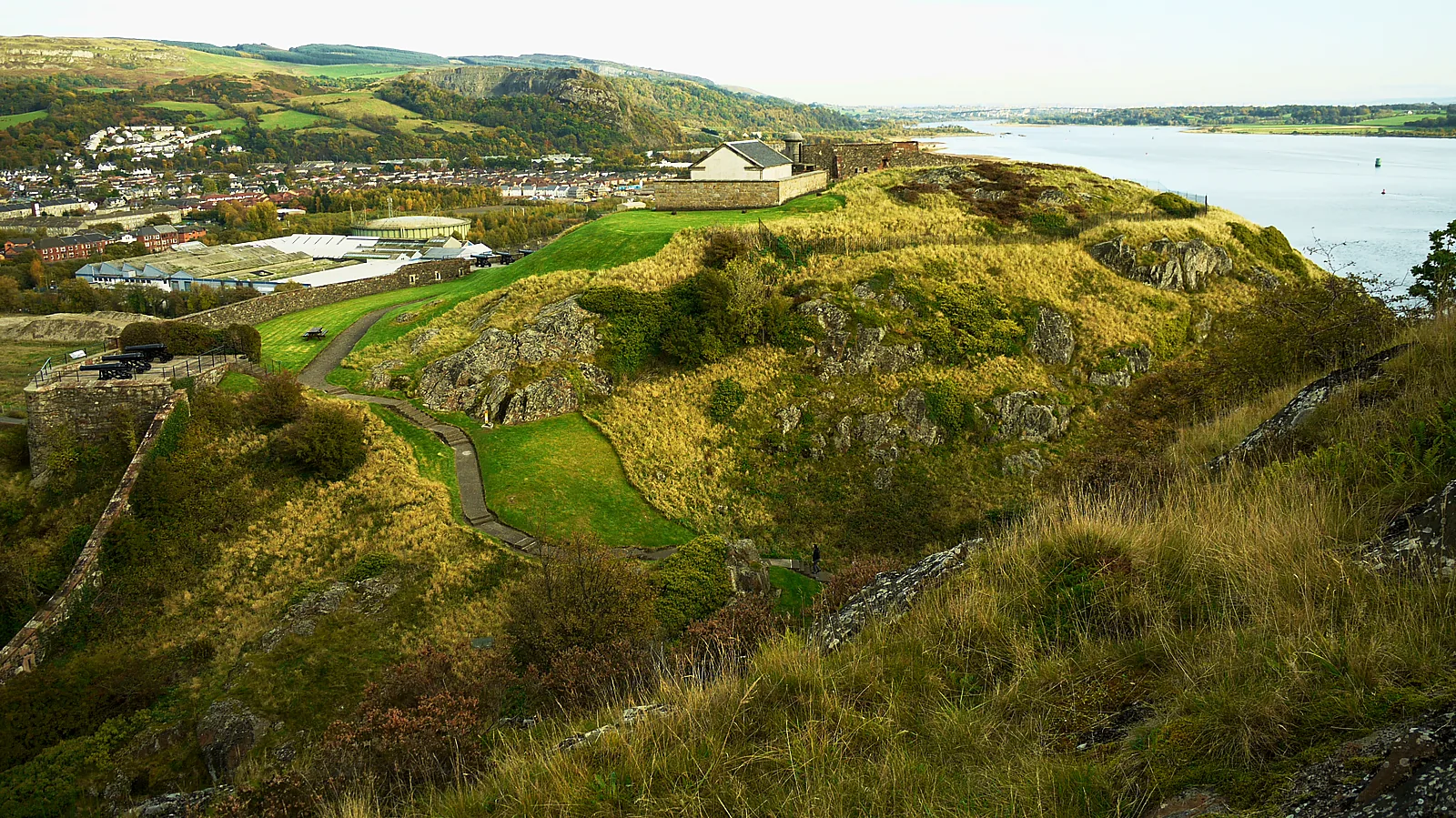
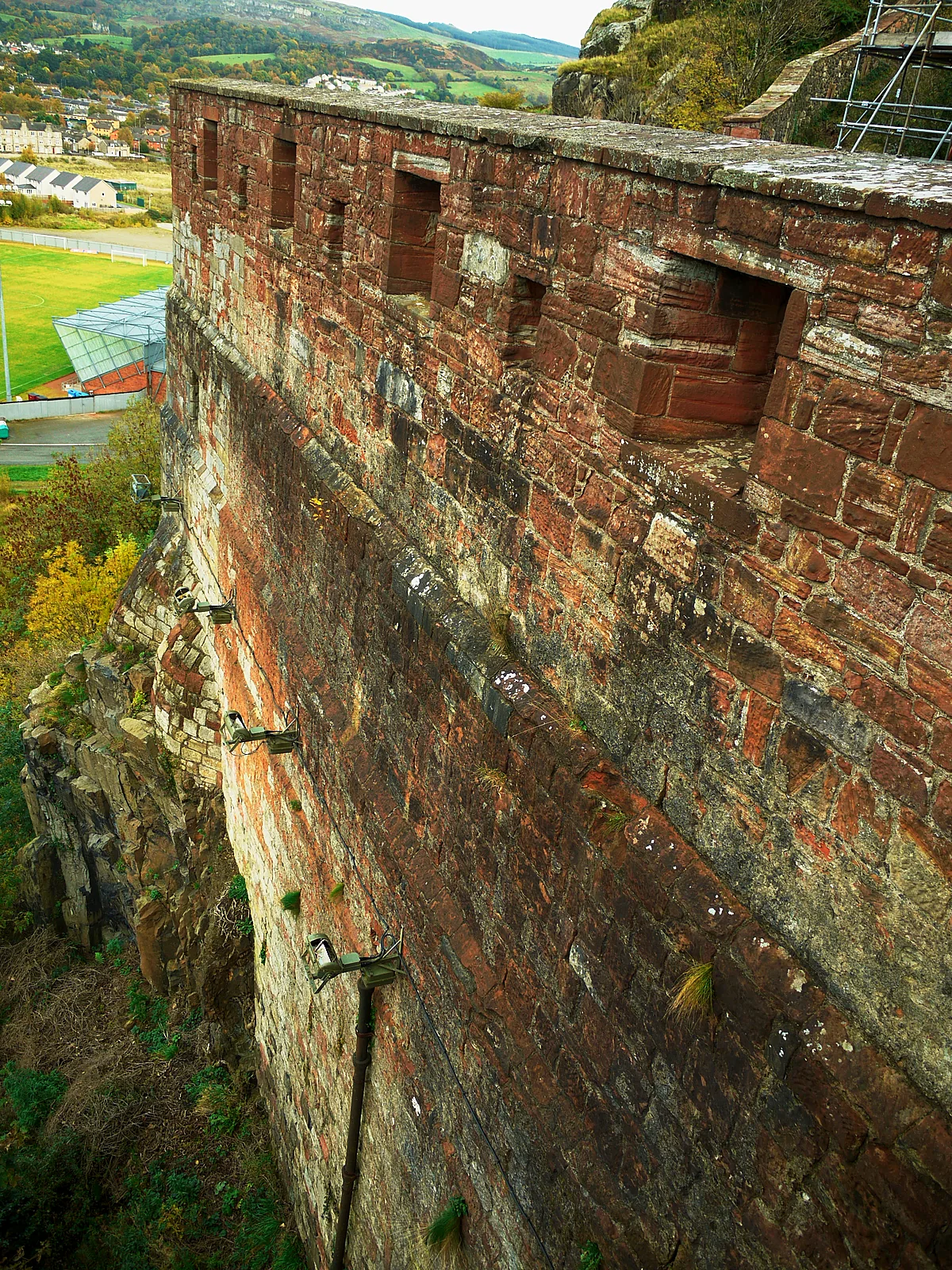
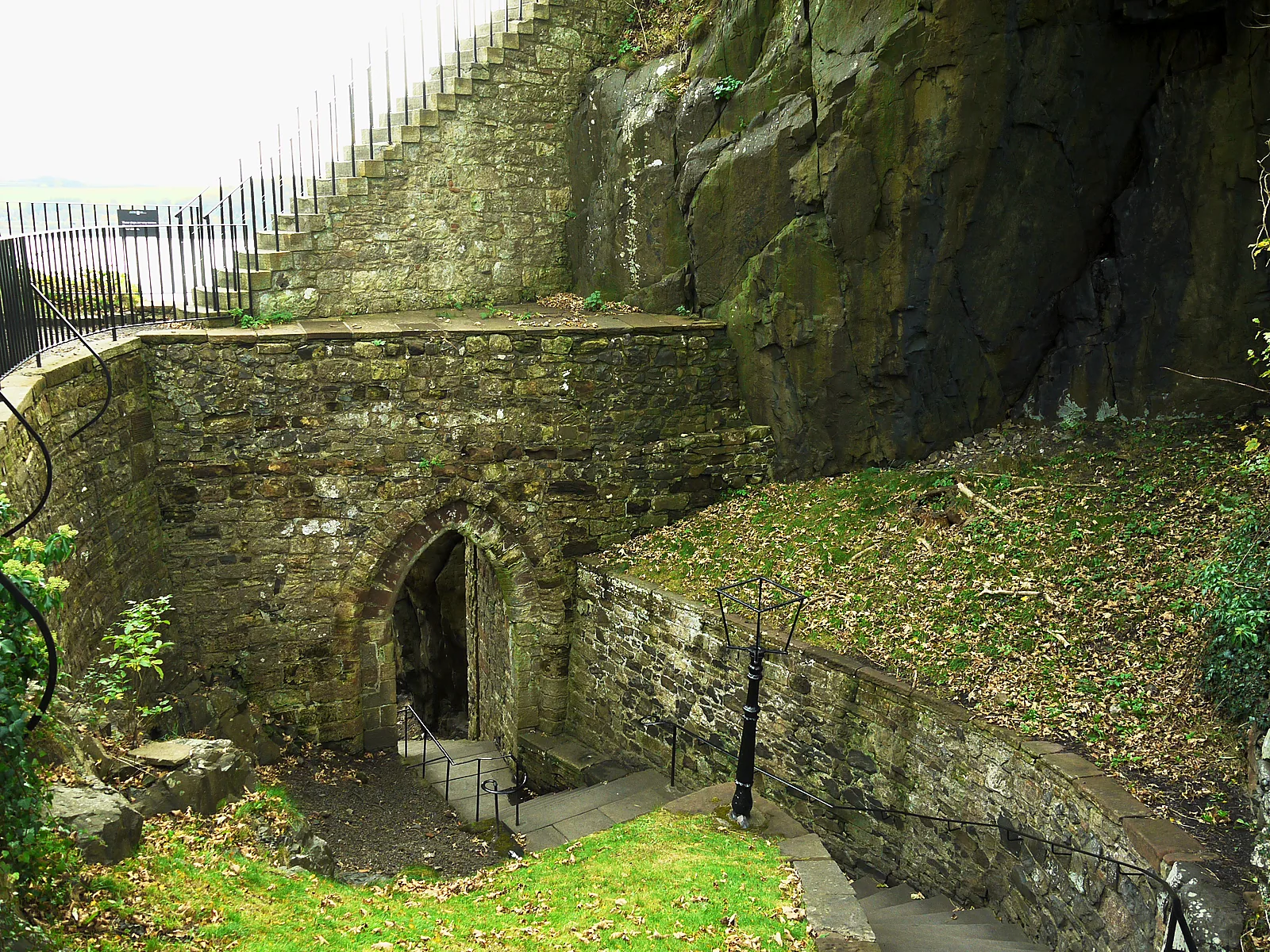
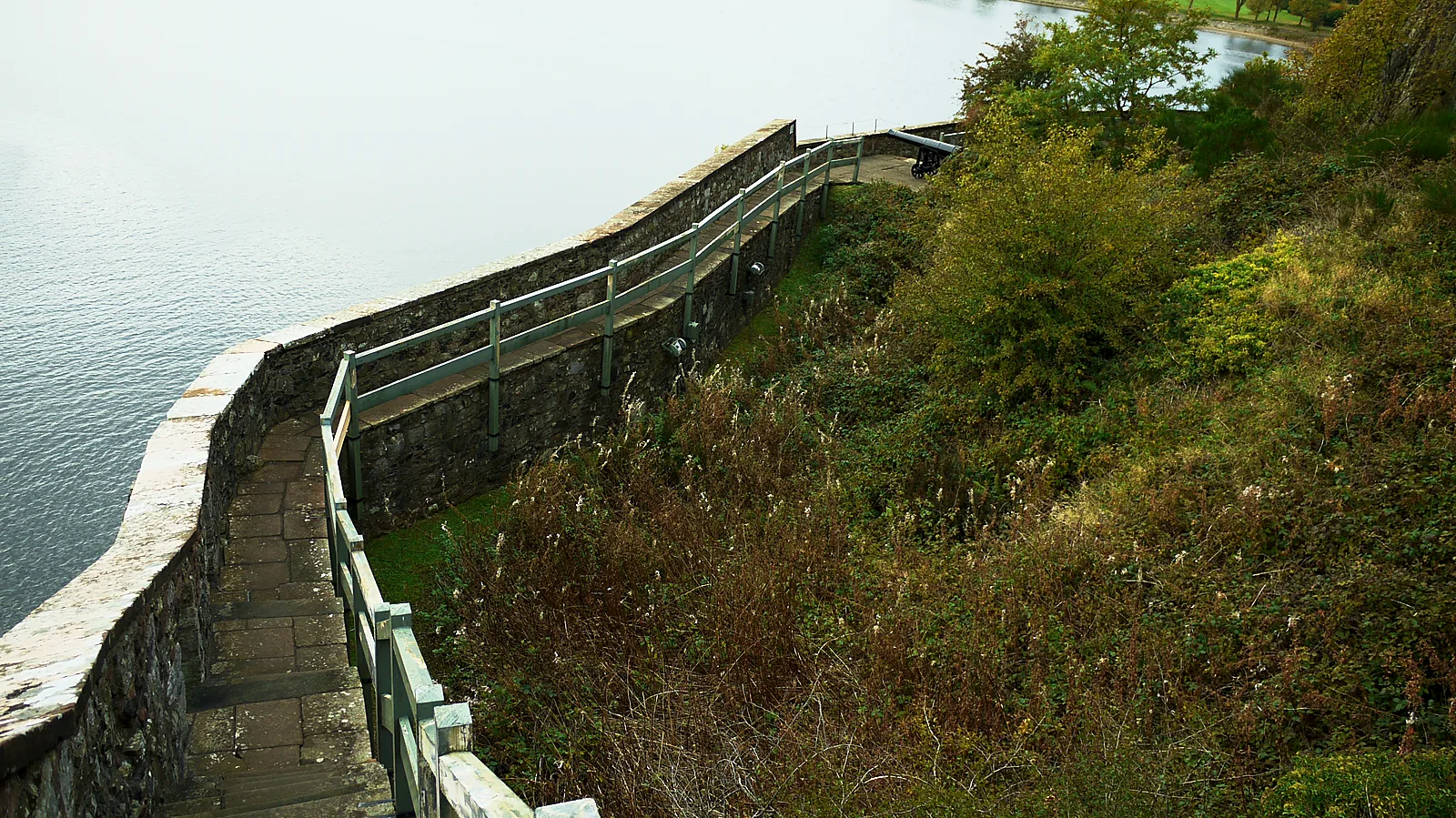
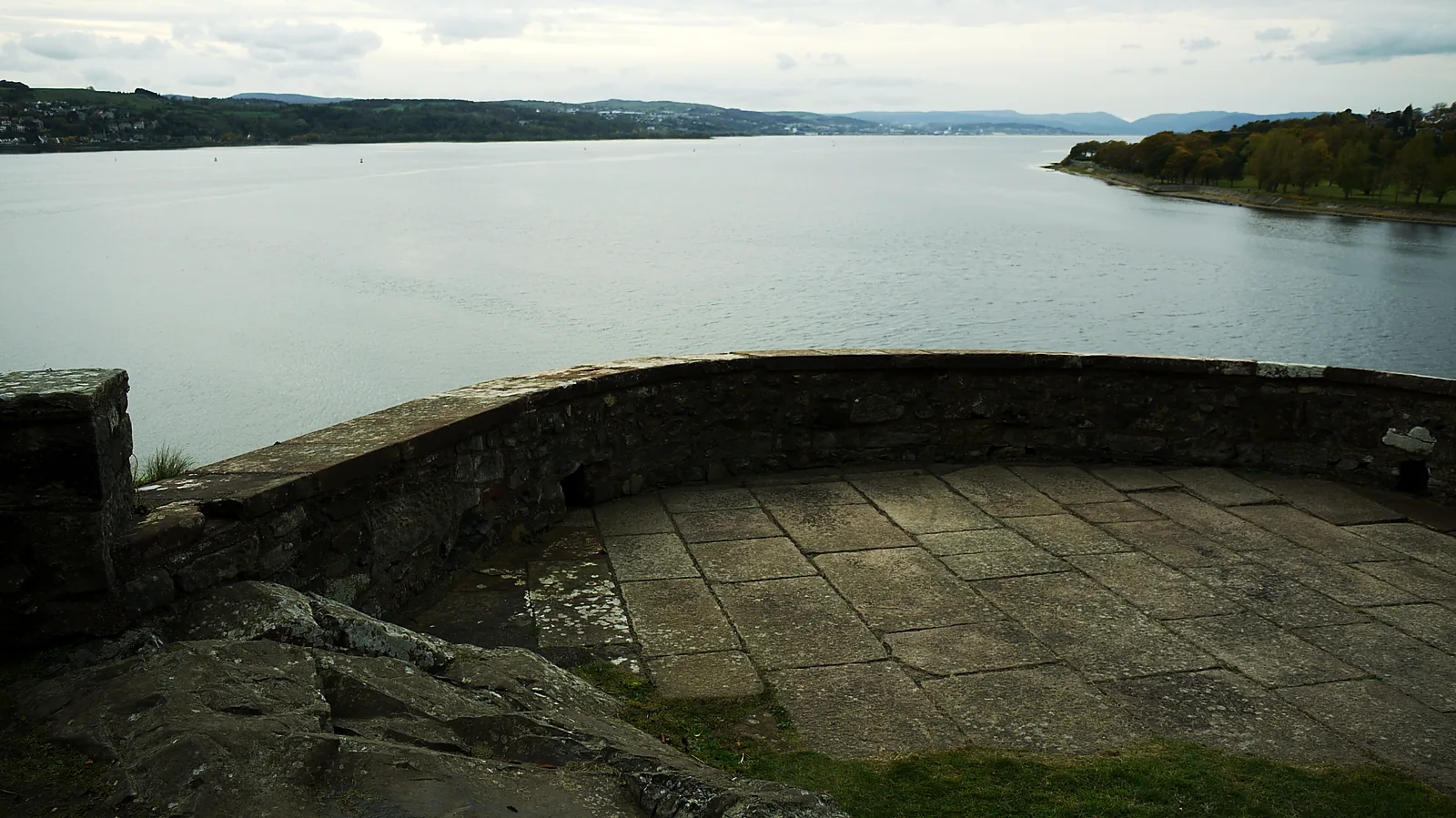
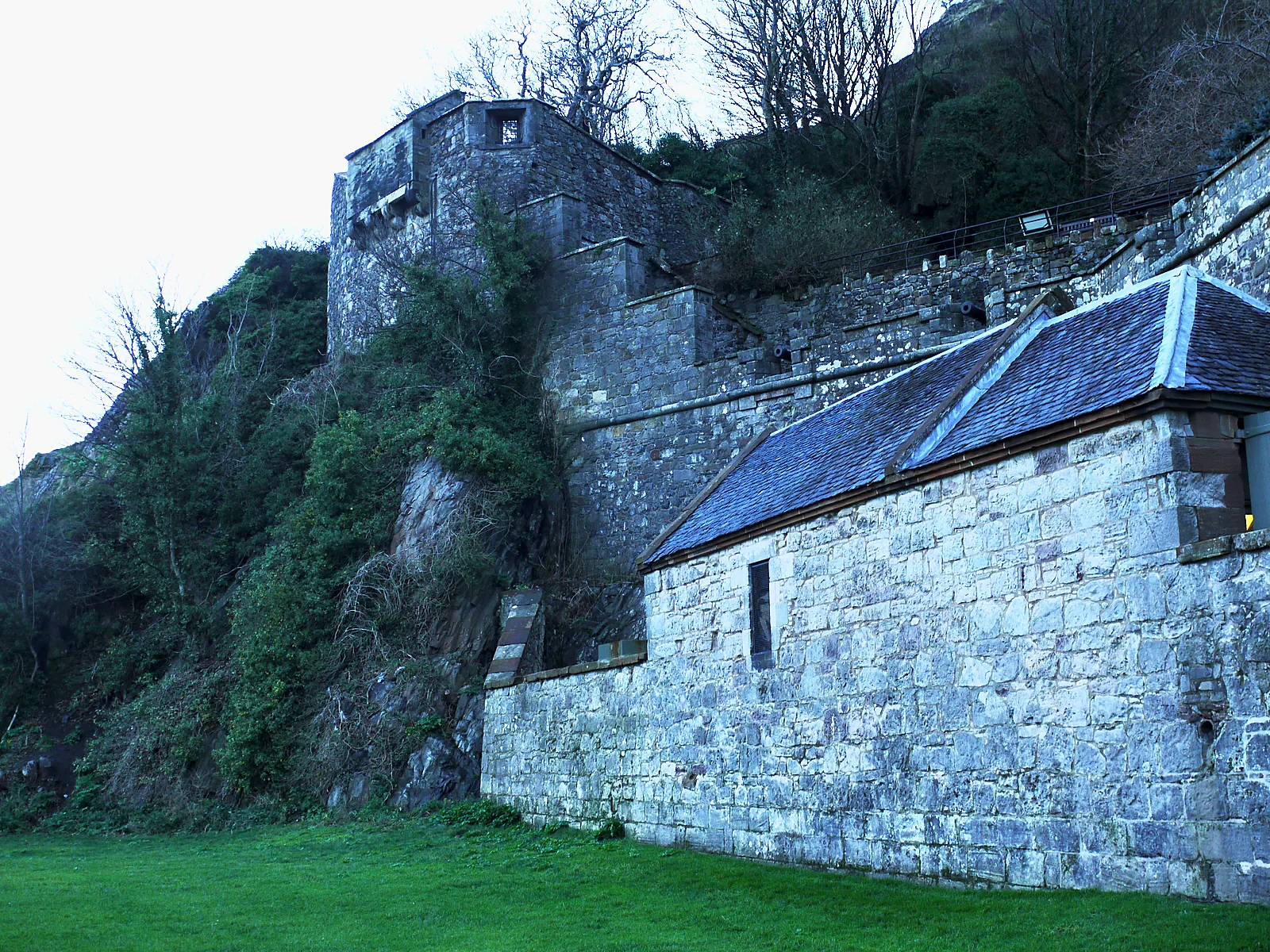
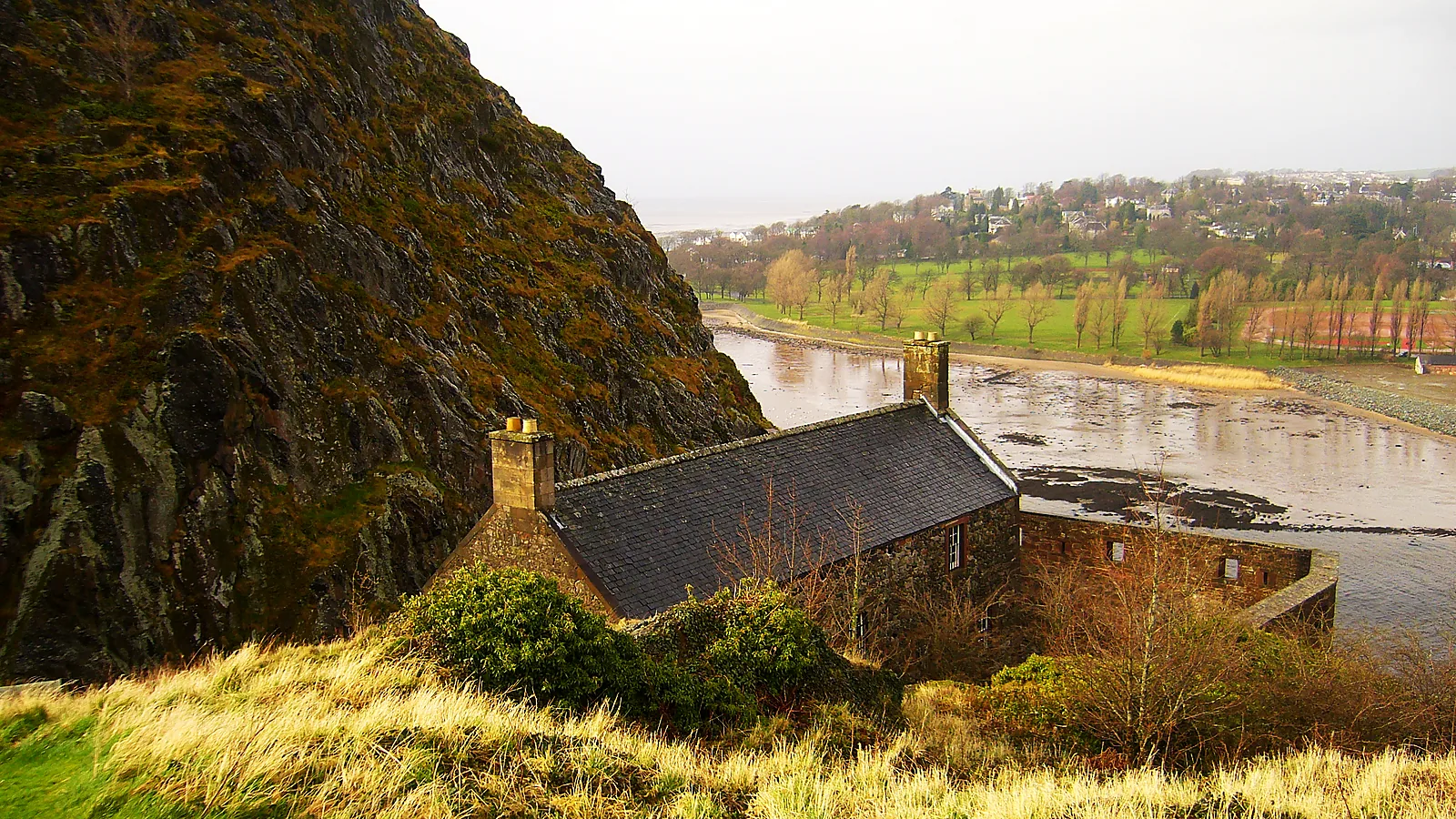
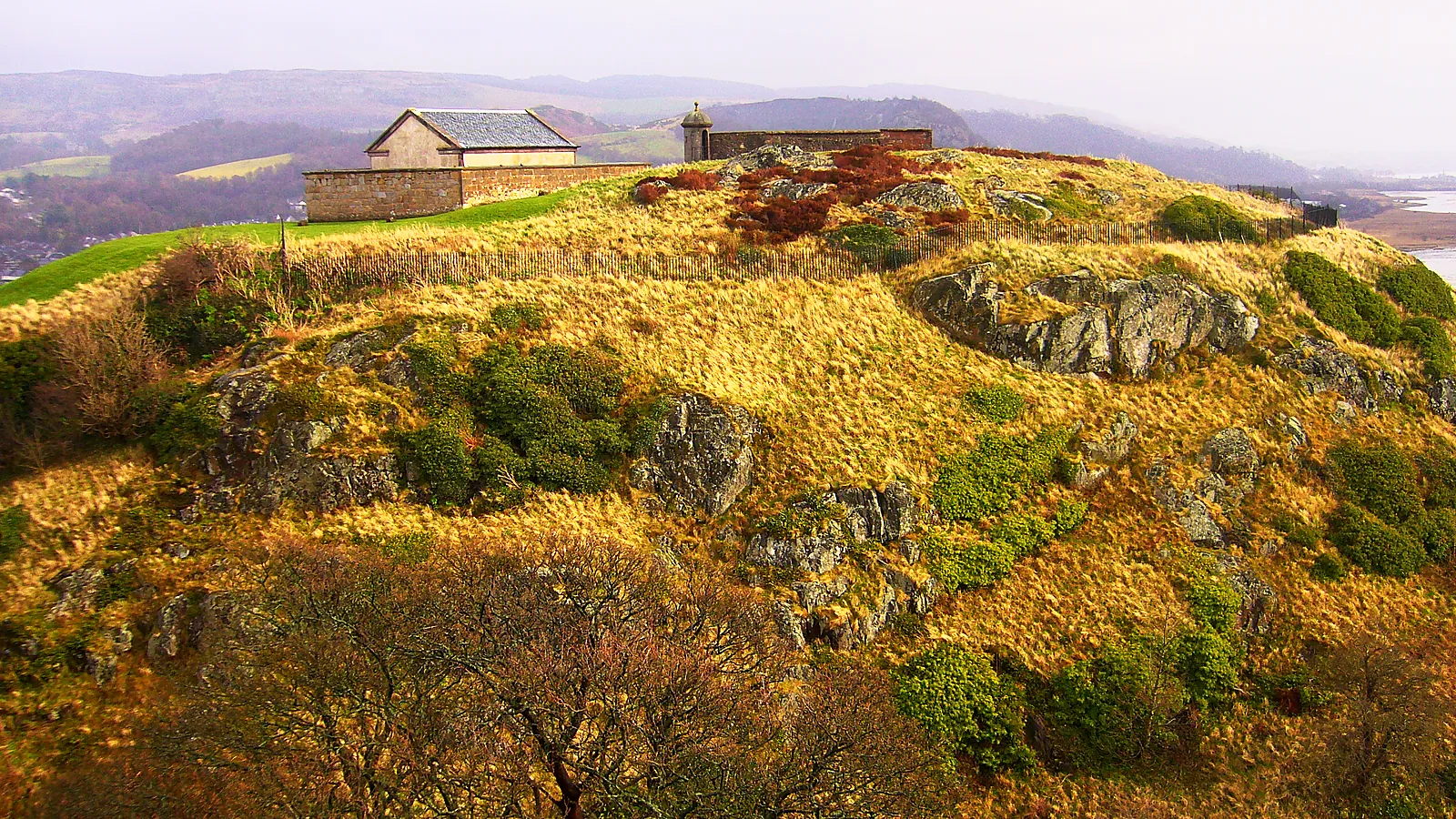
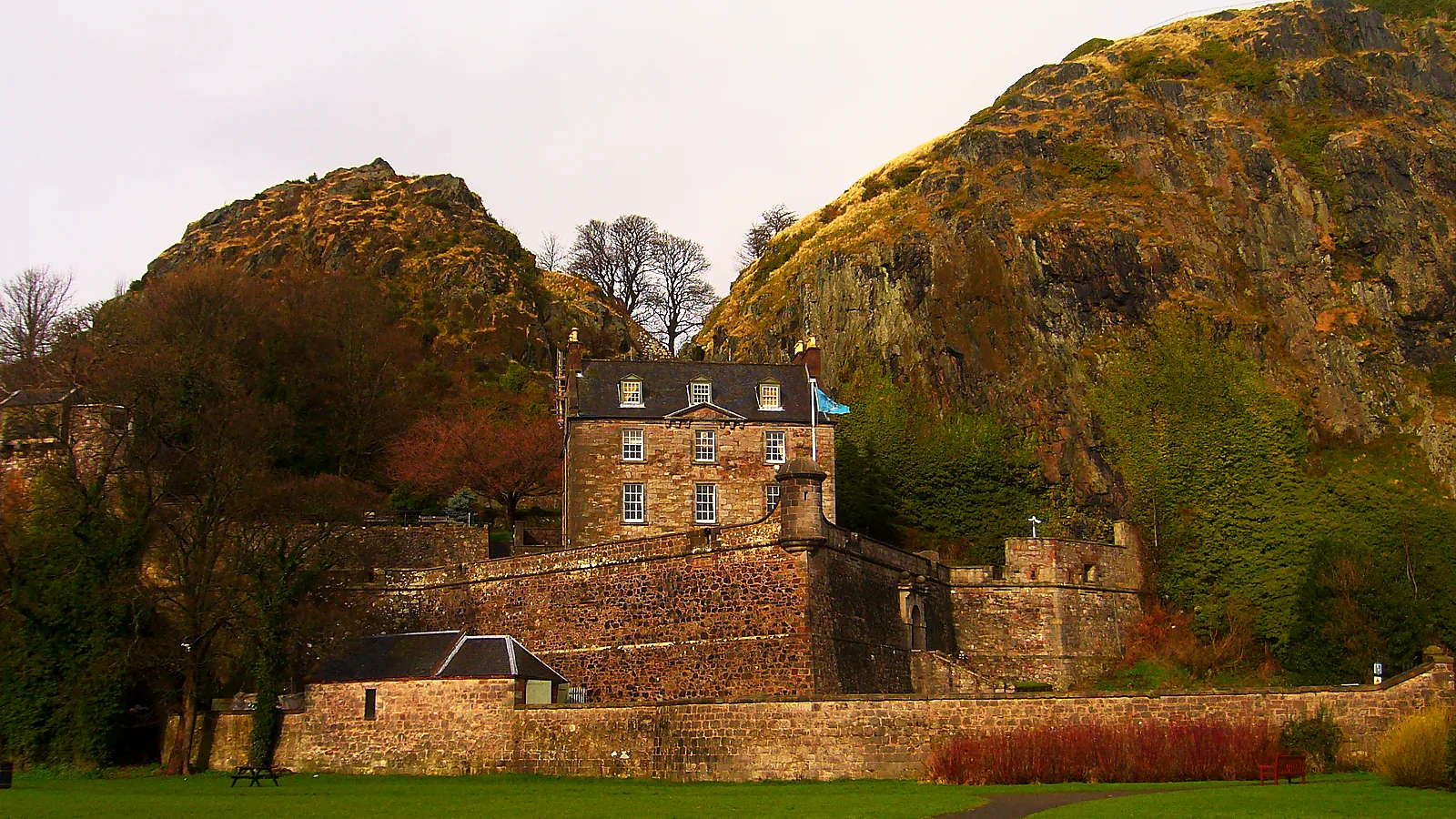
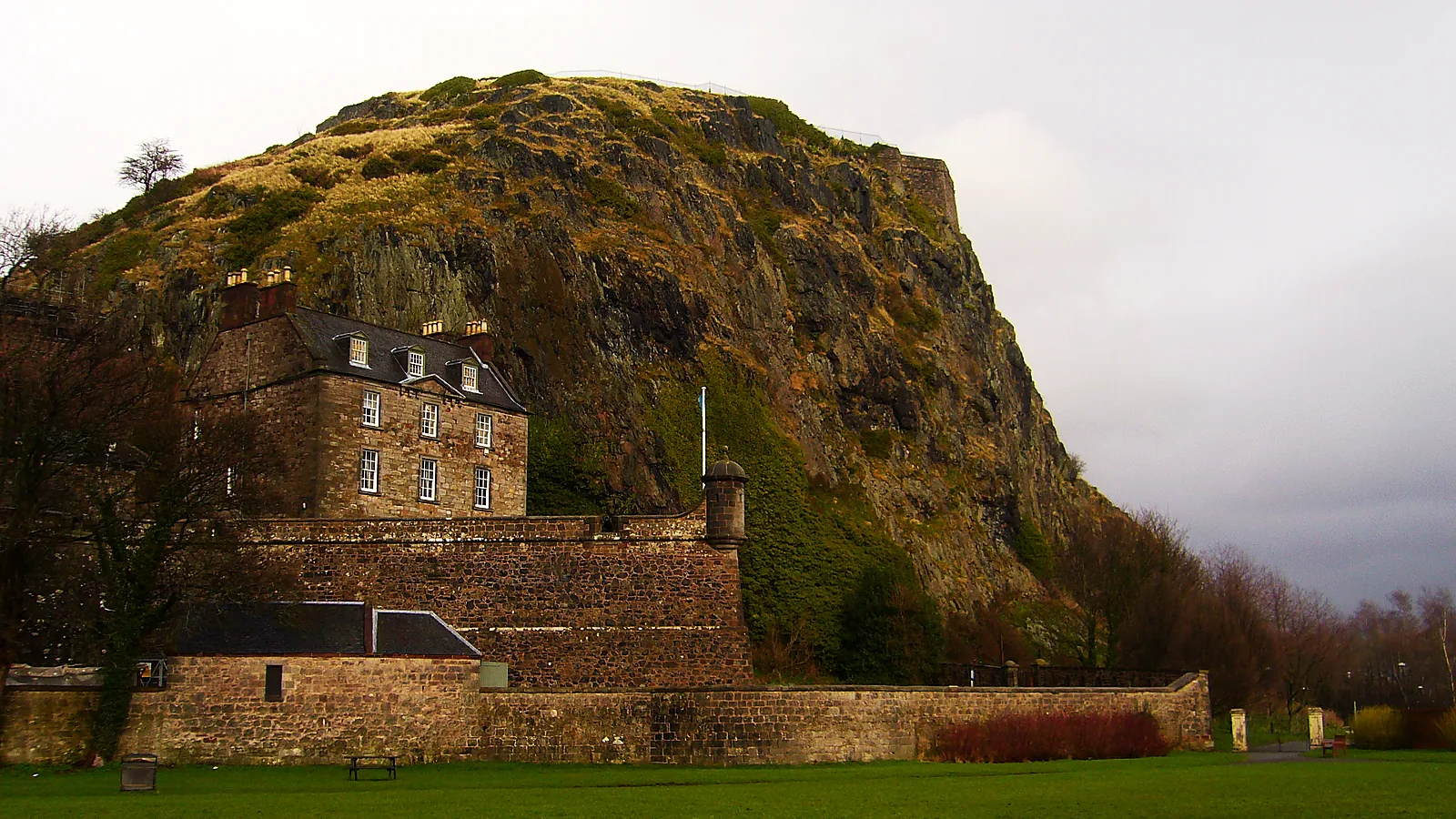
Dumbarton Castle occupies one of Scotland's most commanding natural strongholds. Its walls, batteries and stairways rise over the two summits of Dumbarton Rock, where the River Leven reaches the Clyde. From below, the basalt cliffs look almost impossible to climb. From above, the river becomes a map of the routes that brought kings, raiders, merchants and armies to this part of Scotland. The story of Dumbarton is much older than most of the buildings visitors see today.
The rock was known to early medieval Britons as Alt Clut, often translated as “Rock of the Clyde”. It was an important centre of the Brittonic kingdom associated with Strathclyde. The later Gaelic name Dùn Breatann, “fortress of the Britons”, developed into Dumbarton. Its position was ideal for controlling movement between the Clyde estuary, the inland valleys and the Irish Sea. Archaeological finds reveal activity stretching back through the early medieval period, though the precise appearance of the first fortifications remains uncertain. What survives above ground is mostly much later; the early stronghold lies largely in the historical and archaeological record.
The most famous early disaster came in 870, when forces led by the Dublin-based Viking rulers Amlaíb (Olaf) and Ímar (Ivar) besieged Alt Clut. The defenders resisted for roughly four months before the fortress fell. Contemporary accounts describe captives and plunder carried away by ship. The scale of the attack explains why the siege occupies such a central place in the site's history. It also marks a turning point for the kingdom's power on the Clyde, although the political aftermath was more complicated than a simple overnight disappearance of Strathclyde.
In the thirteenth century the Scottish Crown strengthened Dumbarton as a frontier fortress. Alexander II built a medieval castle here around 1220, when Norwegian influence over the western isles and the Clyde islands made the coast strategically sensitive. After the Treaty of Perth in 1266, the balance changed, but the rock remained a valuable royal refuge and a gateway to the sea. The Wars of Independence brought new fighting: English forces took the castle in 1296, and Scottish control returned after the victory at Stirling Bridge in 1297.
Dumbarton sheltered David II in 1333–34 while arrangements were made to take the young king abroad. More than two centuries later, Mary, Queen of Scots spent months here as a child before sailing to France in 1548. Think of the five-year-old queen waiting between these immense rock faces, not yet knowing that the journey would shape the rest of her life. It is one of Dumbarton's most moving royal stories, and a reminder that castles were places of uncertainty as well as power.
The fortress could also defy kings. In 1489 James IV mounted campaigns against the rebellious Earl of Lennox; heavy artillery, including the famous Mons Meg, was brought from Edinburgh. During the civil conflict that followed Mary's forced abdication, Captain Thomas Crawford of Jordanhill led a remarkable night assault. On 1 April 1571 his men climbed the difficult north-eastern approach and captured the castle from supporters of the queen. The steep rock that made Dumbarton formidable also made the success of this surprise attack astonishing.
02 / VISUAL JOURNAL
Photos by zamki-szkocji.com
10 of 43 photographs
01 / THE STORY CONTINUES
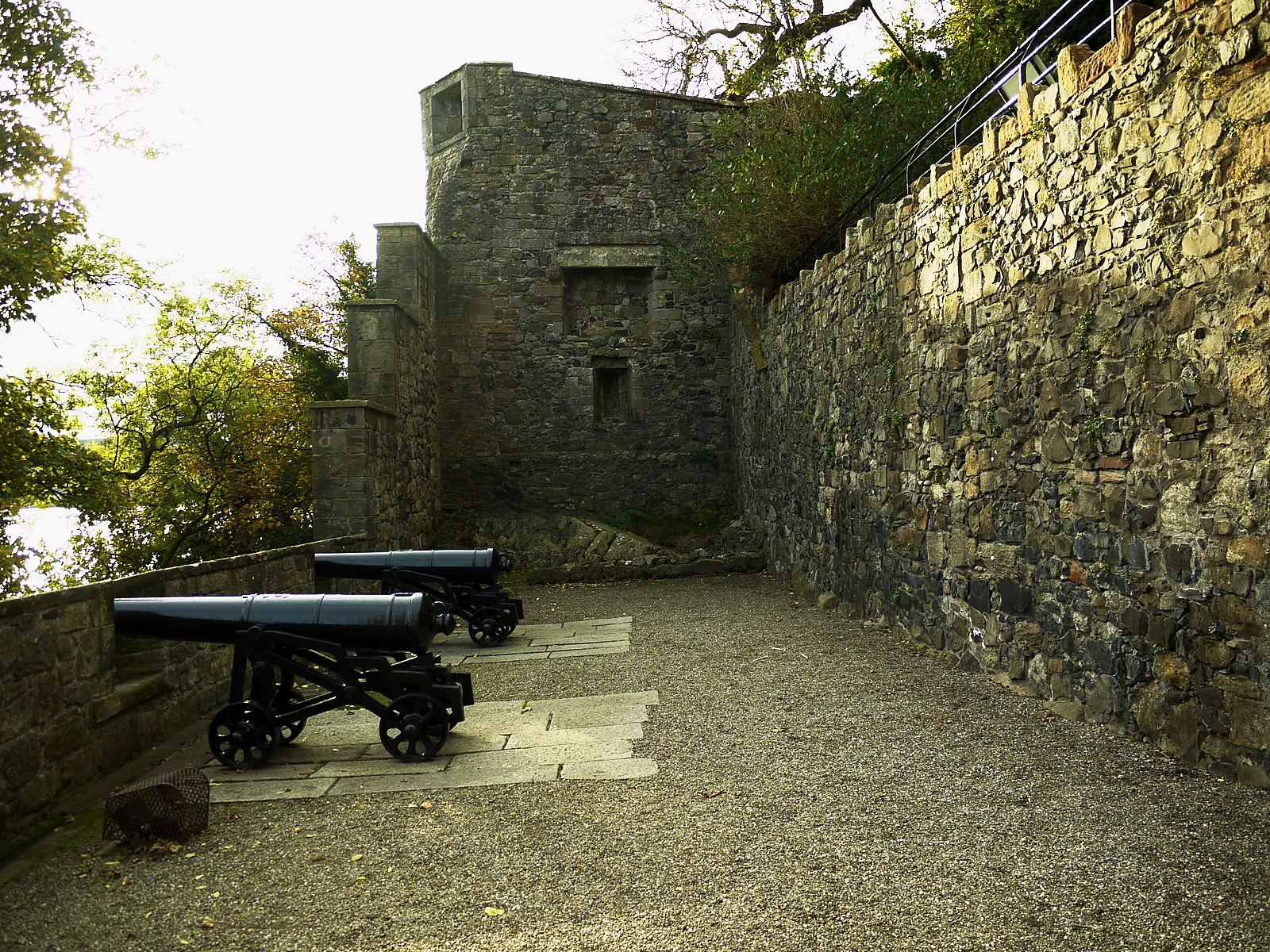
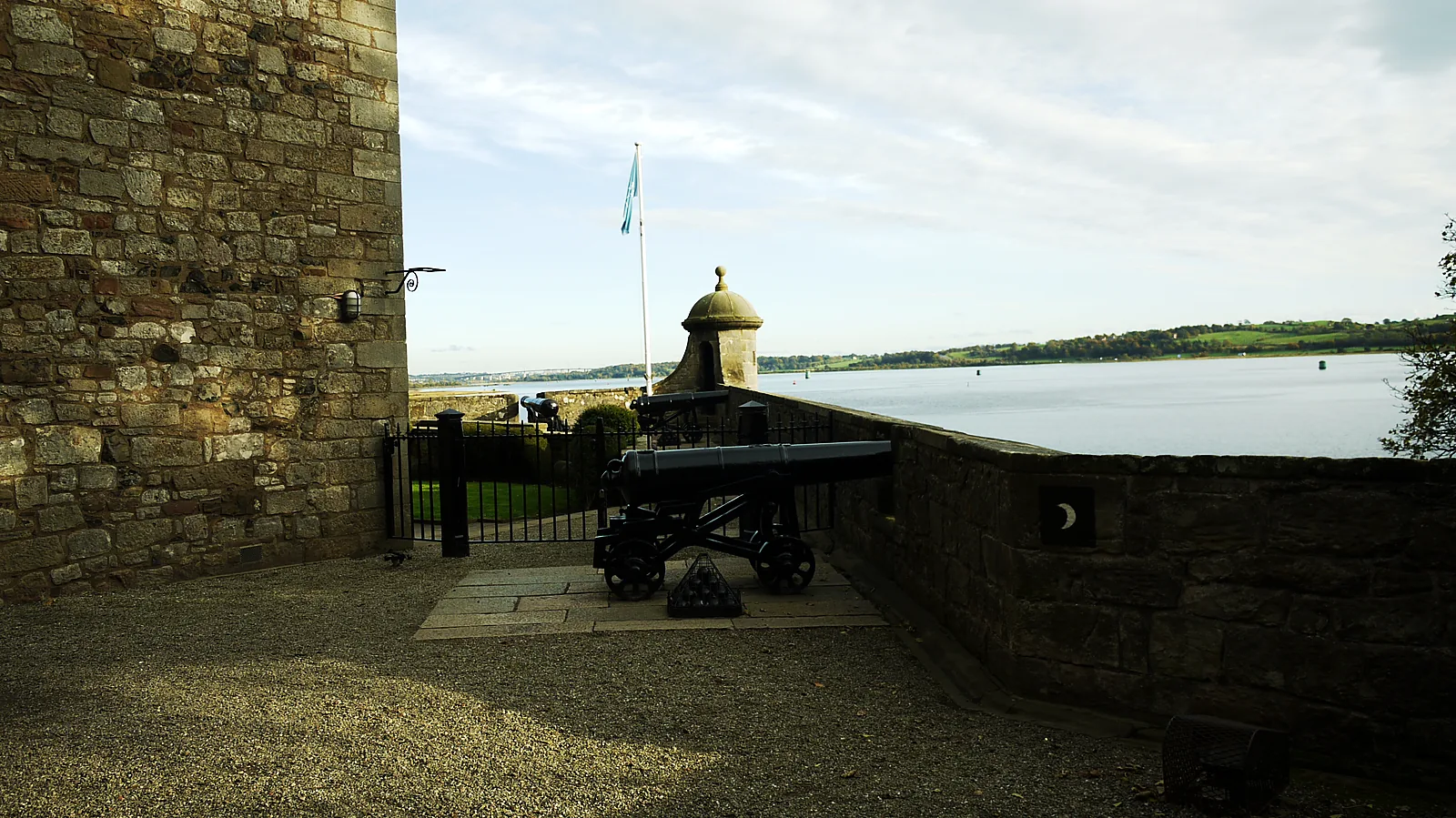
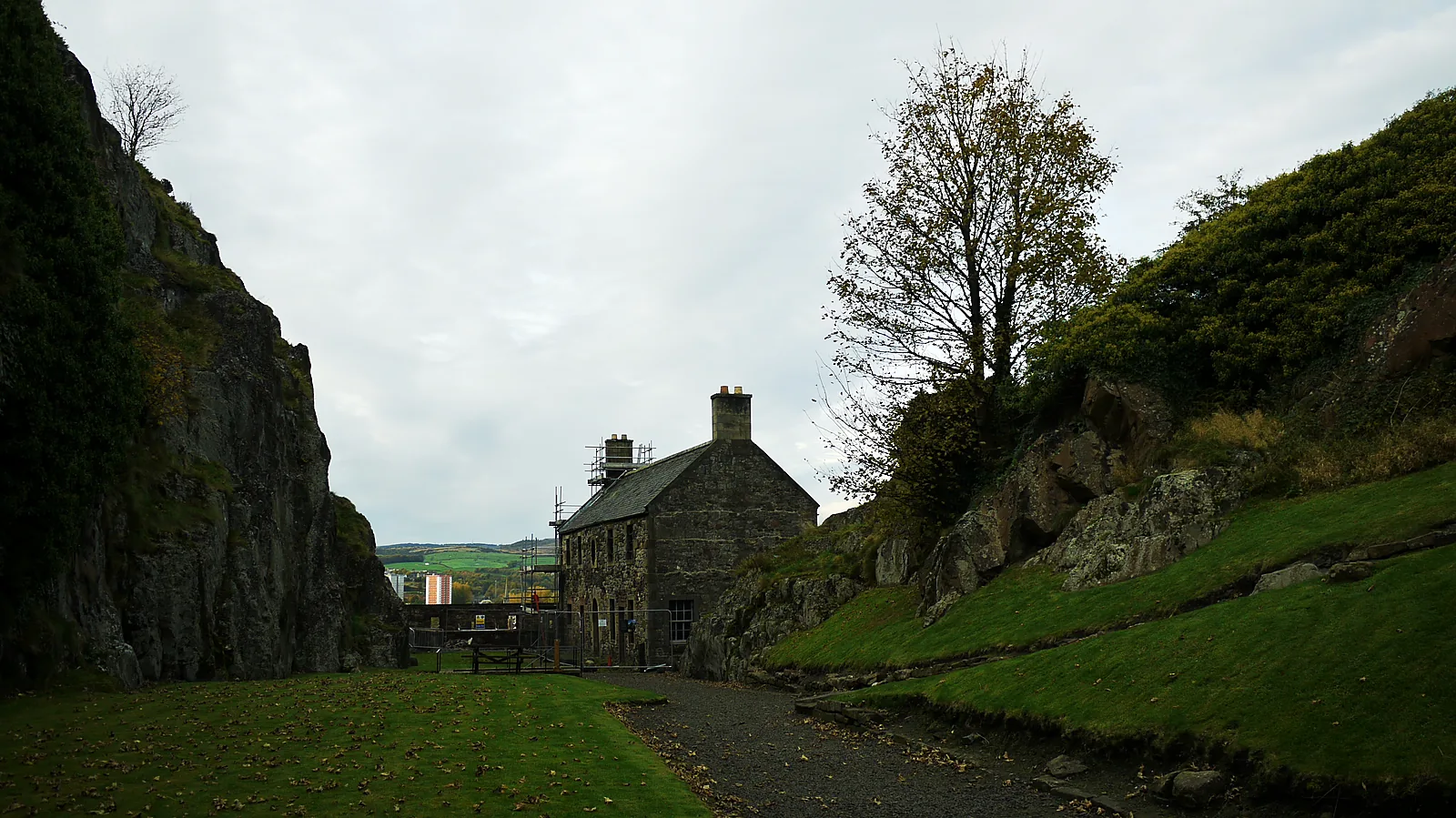
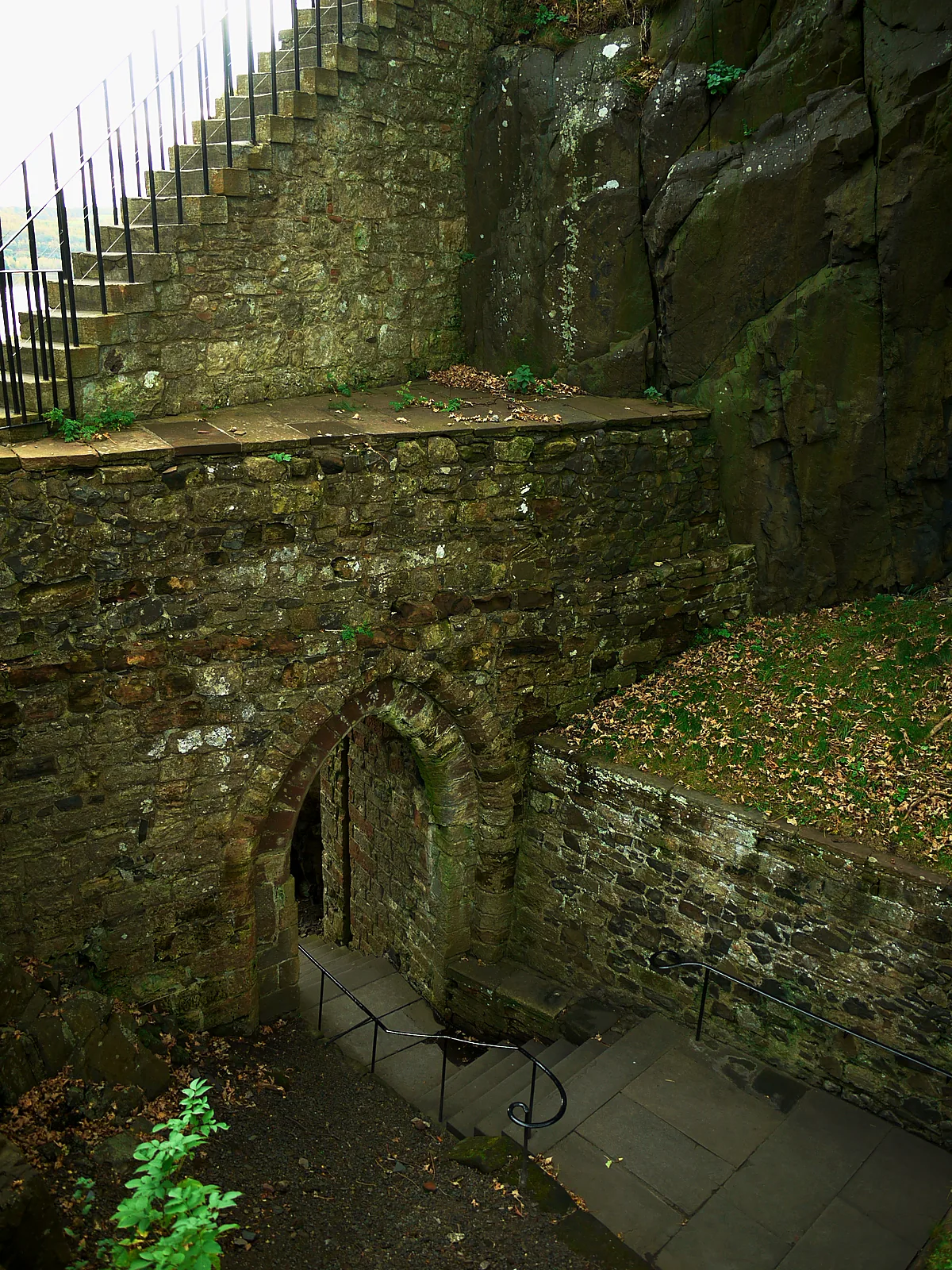
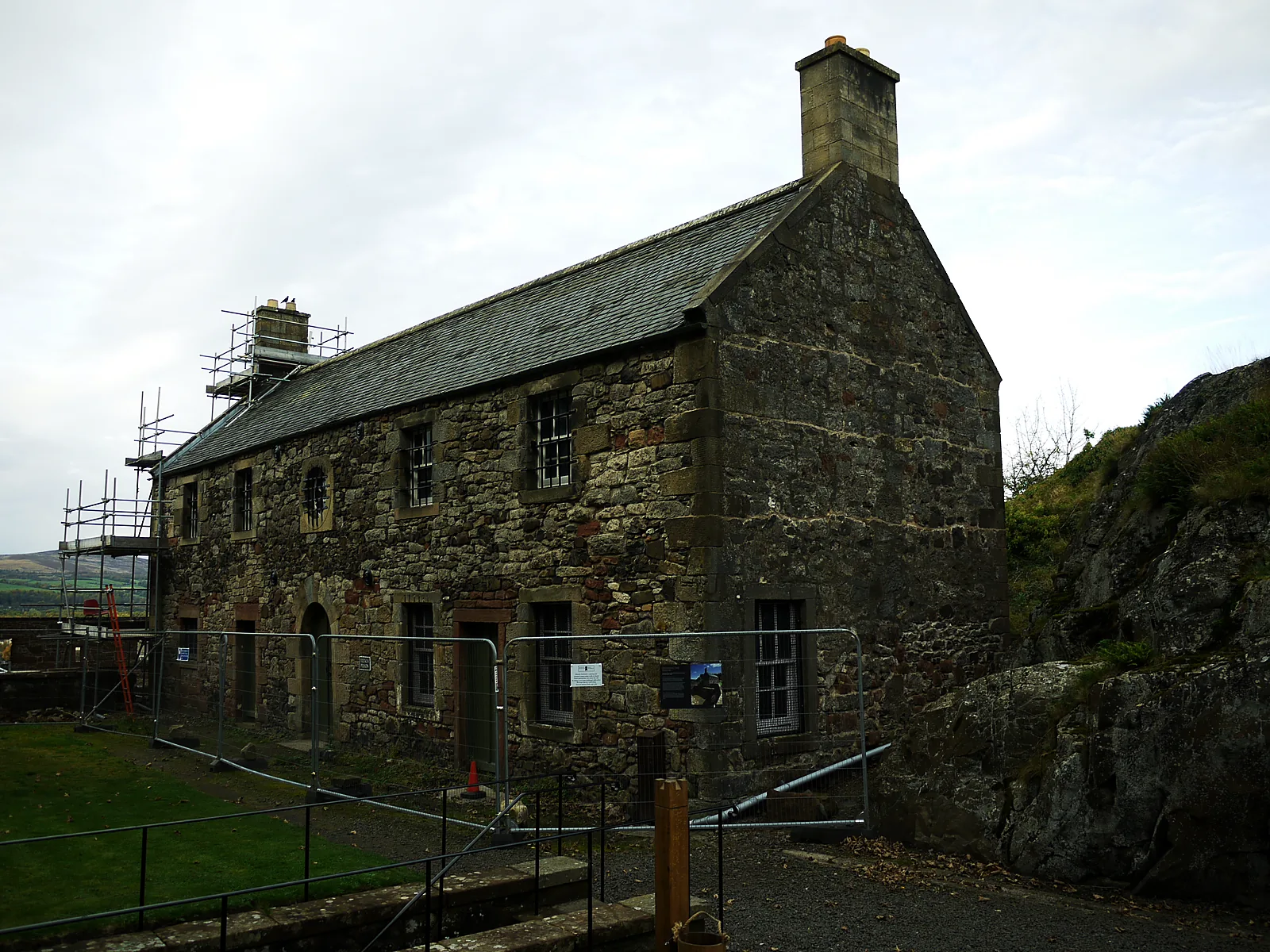
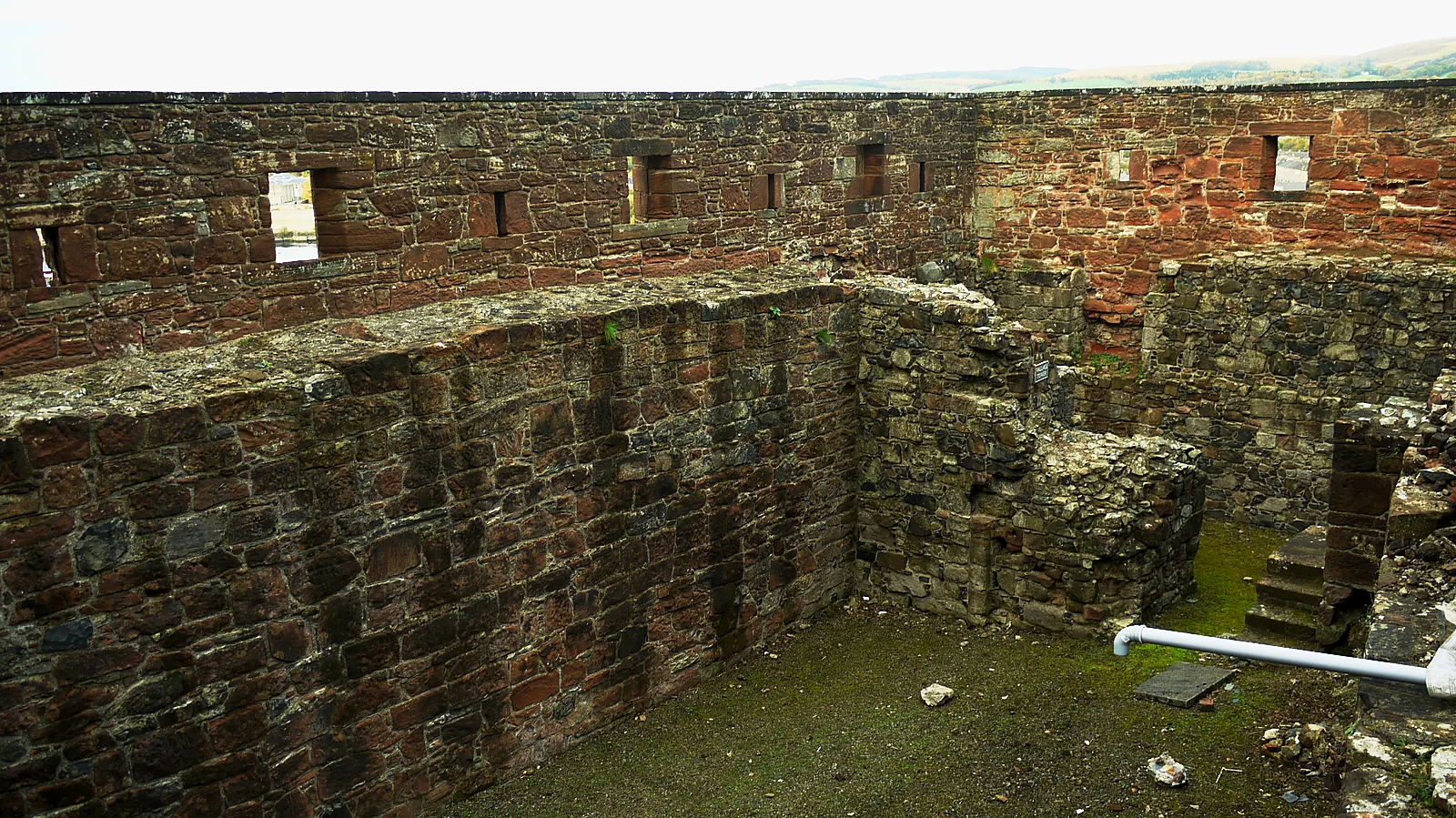
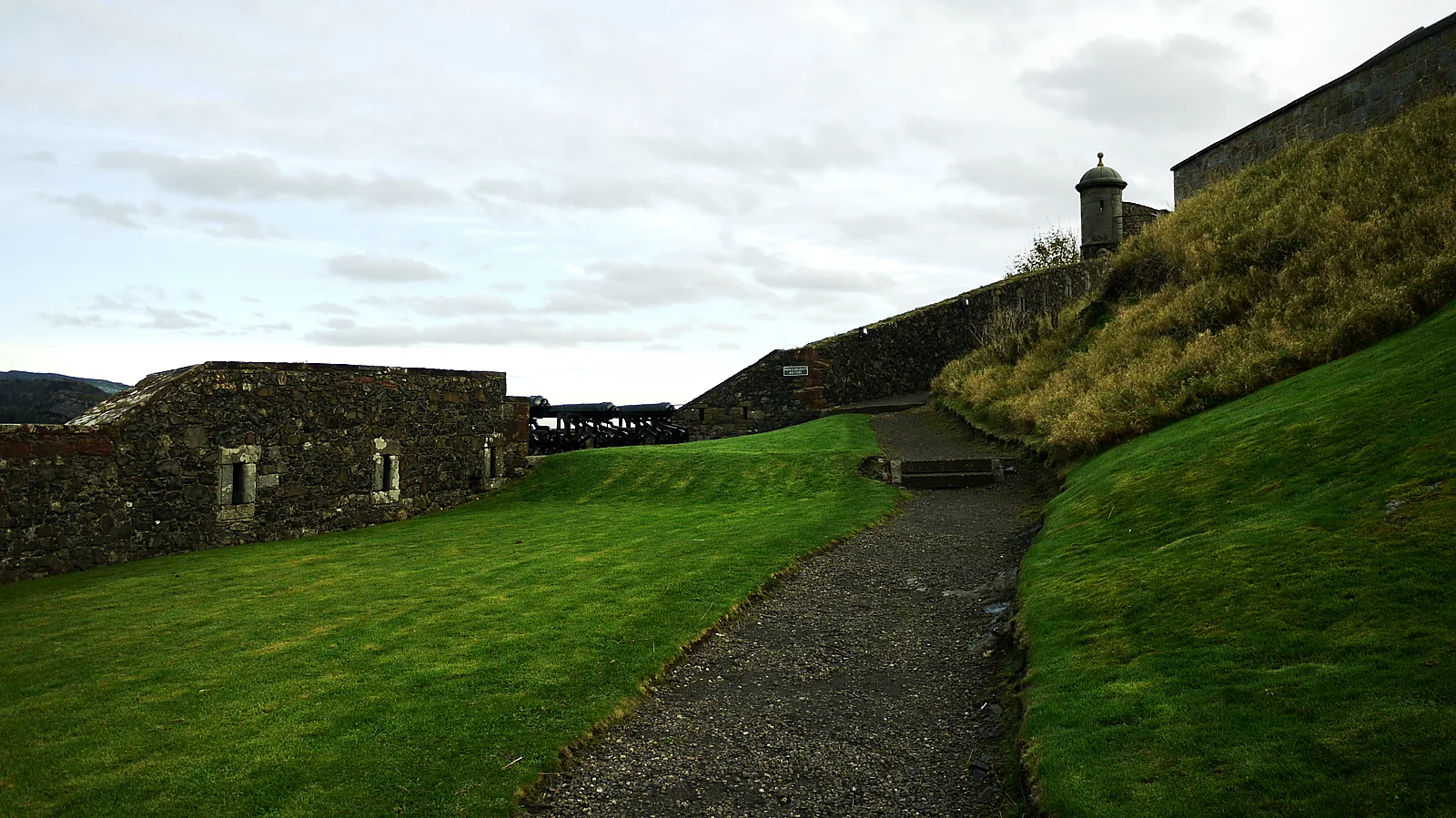
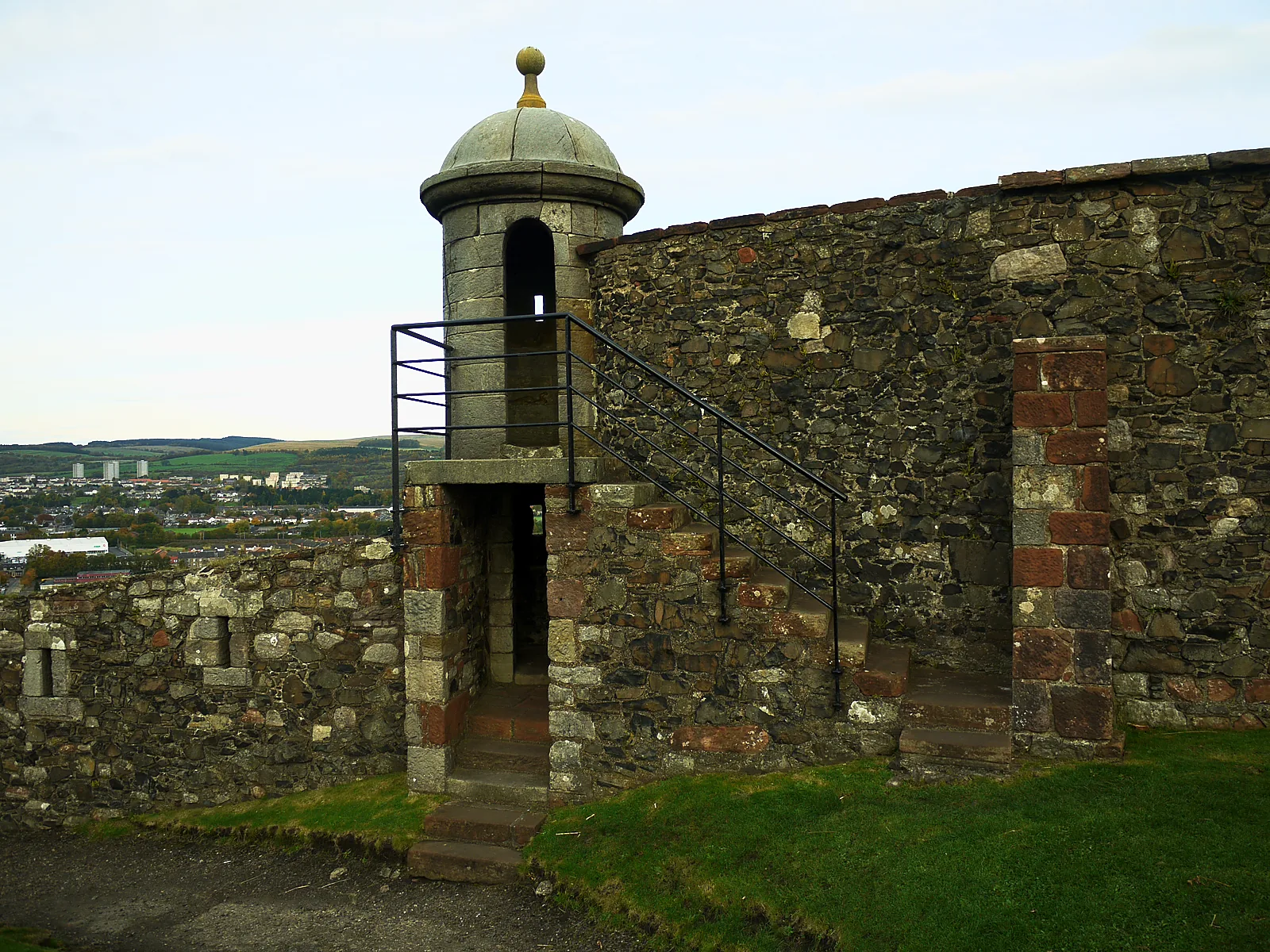
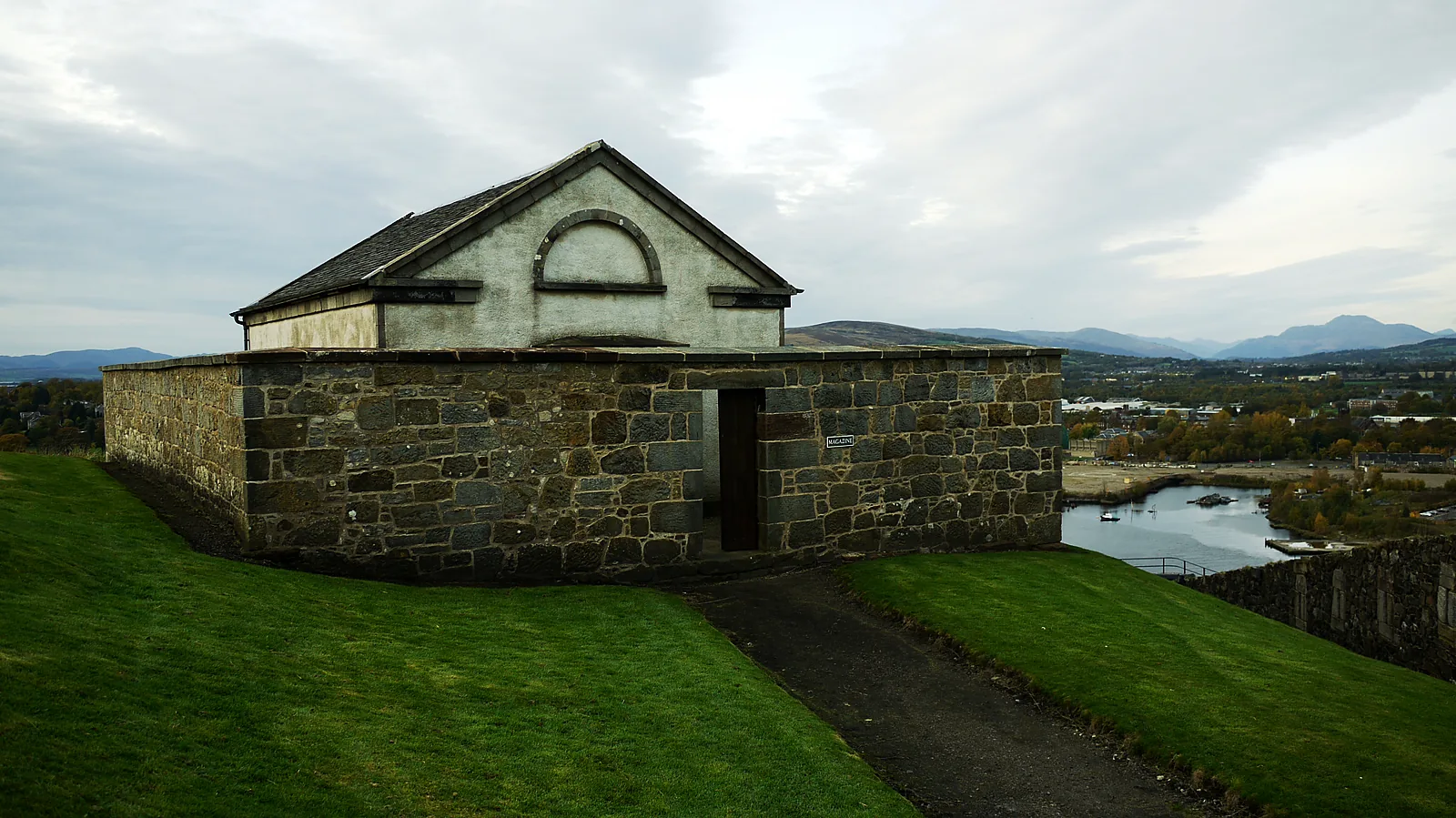
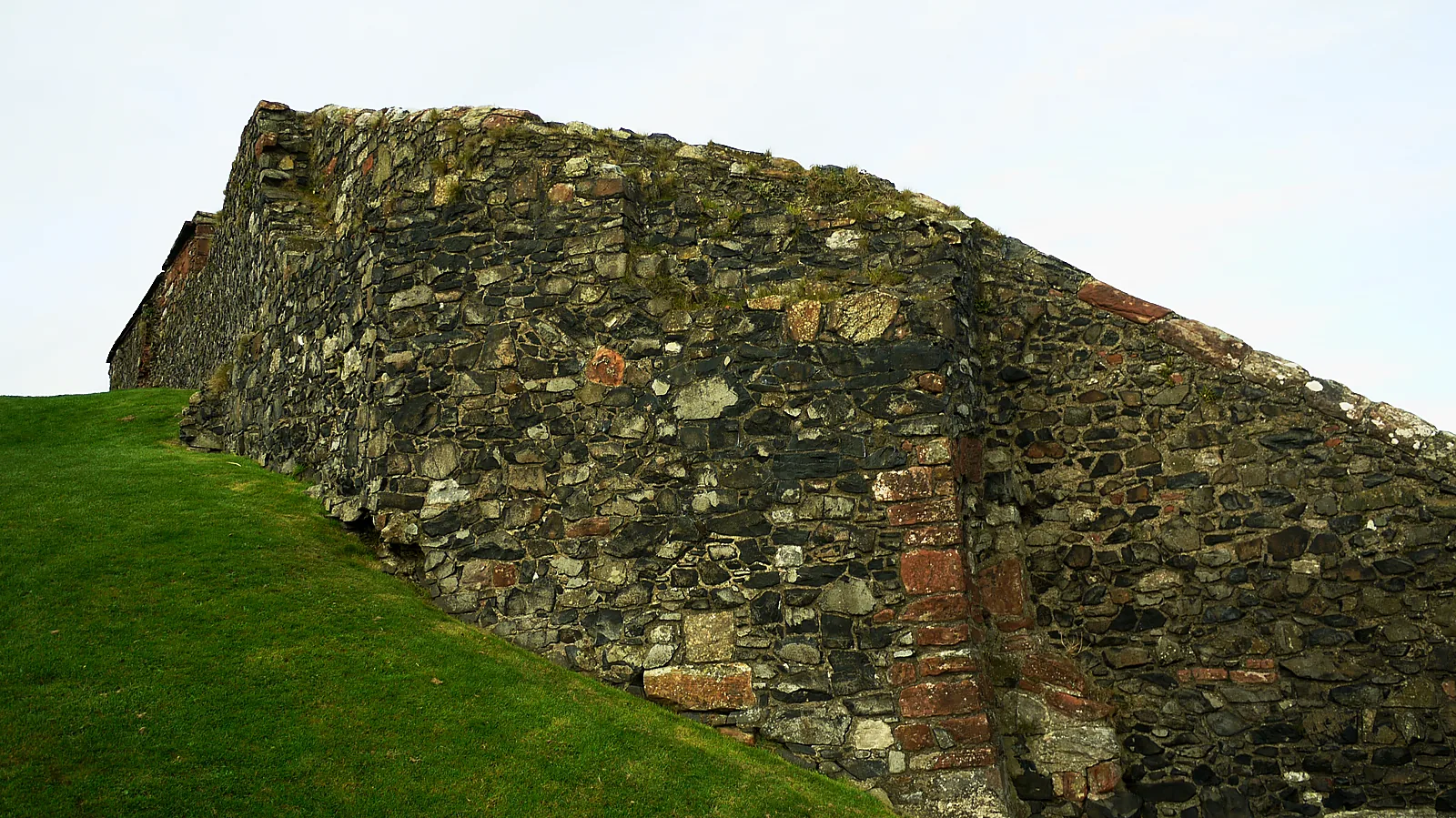
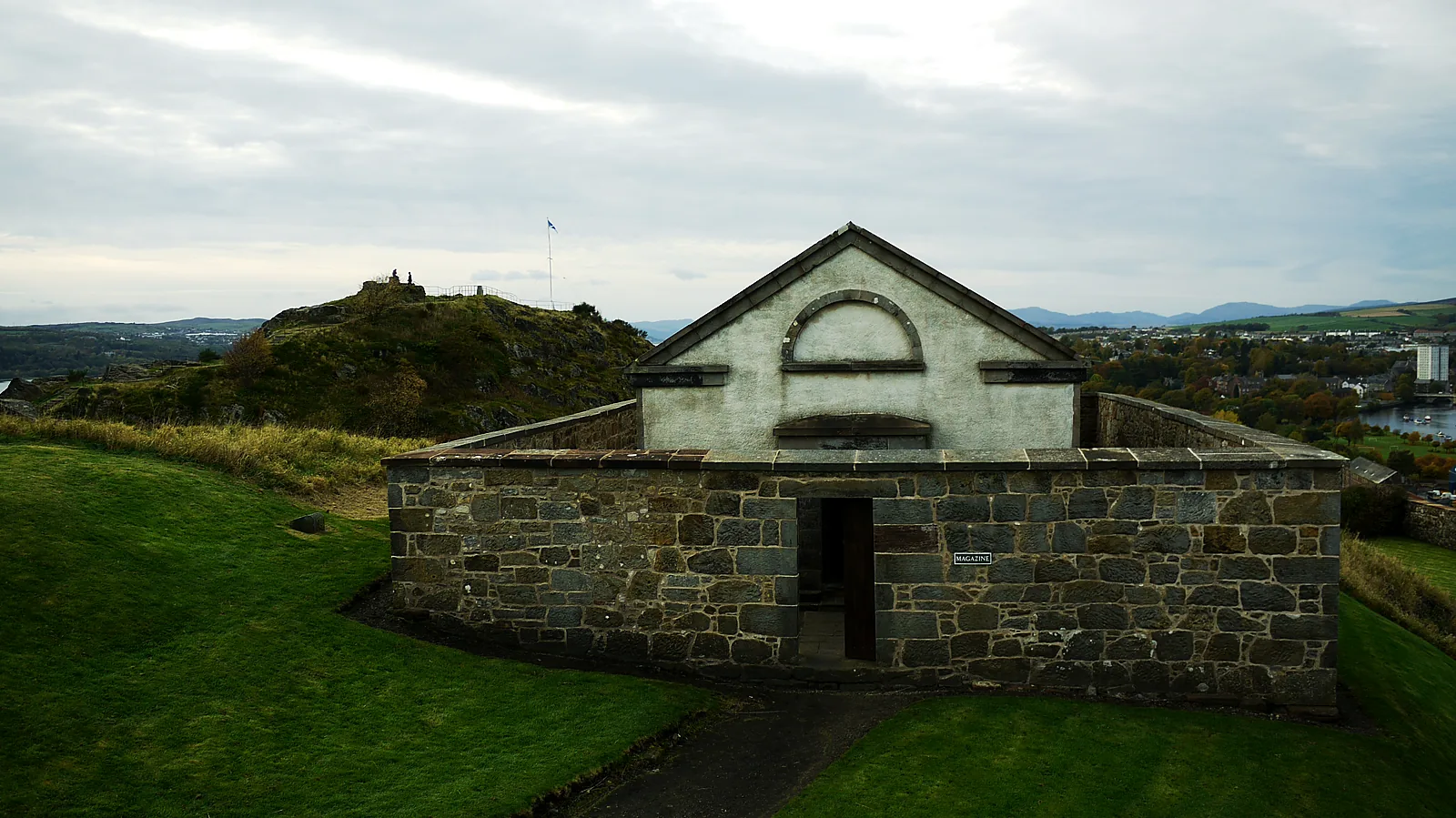
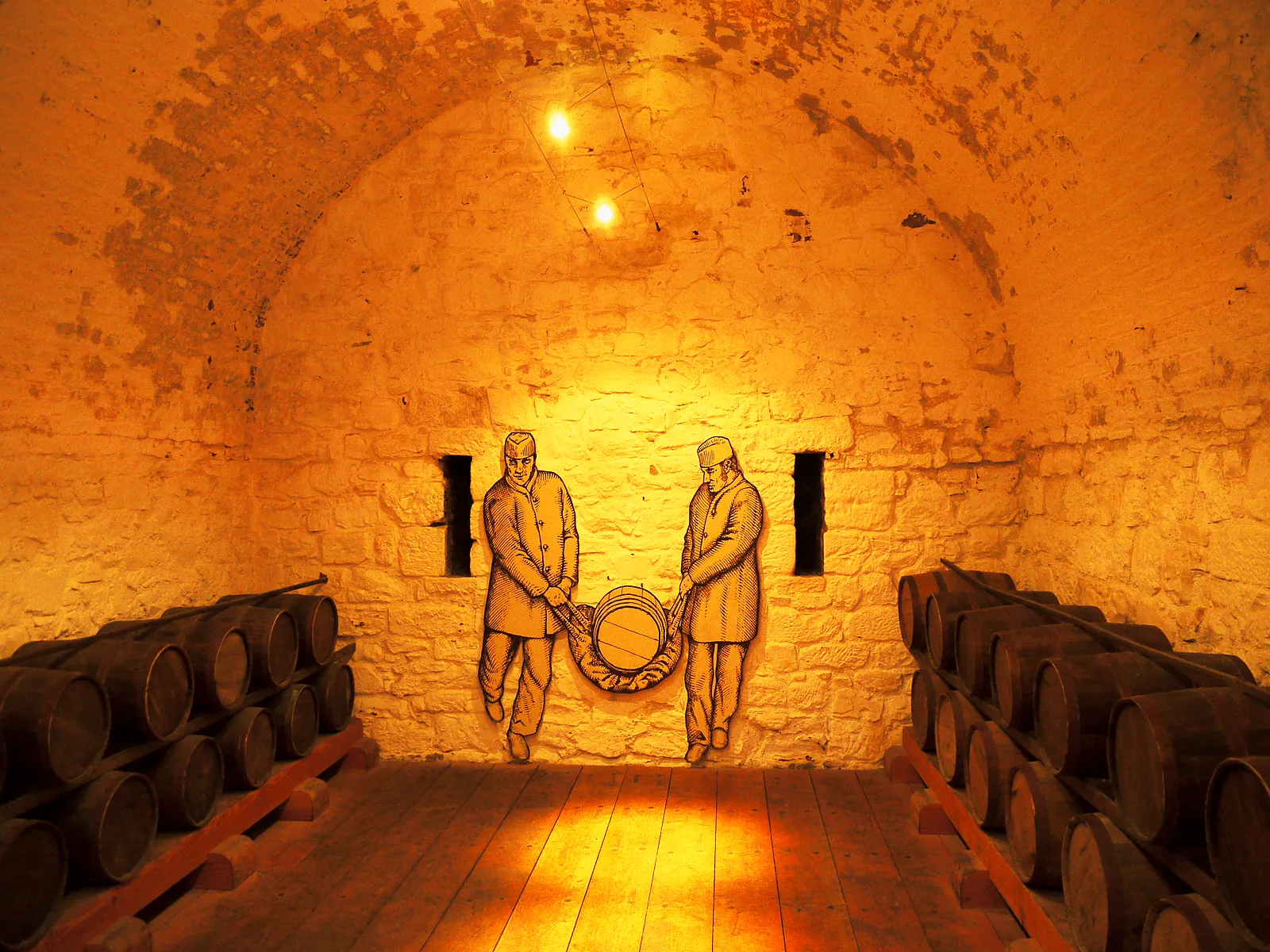
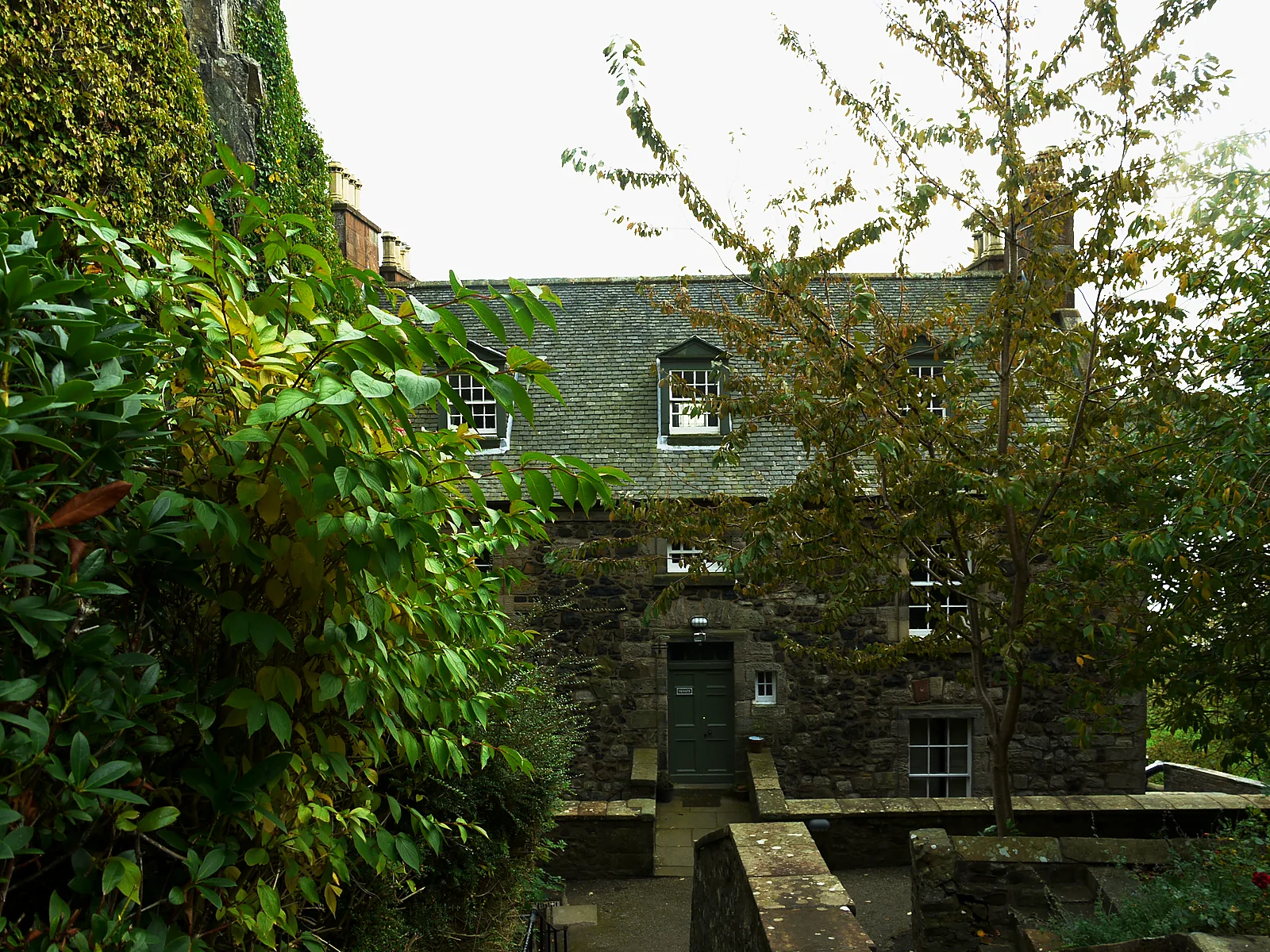
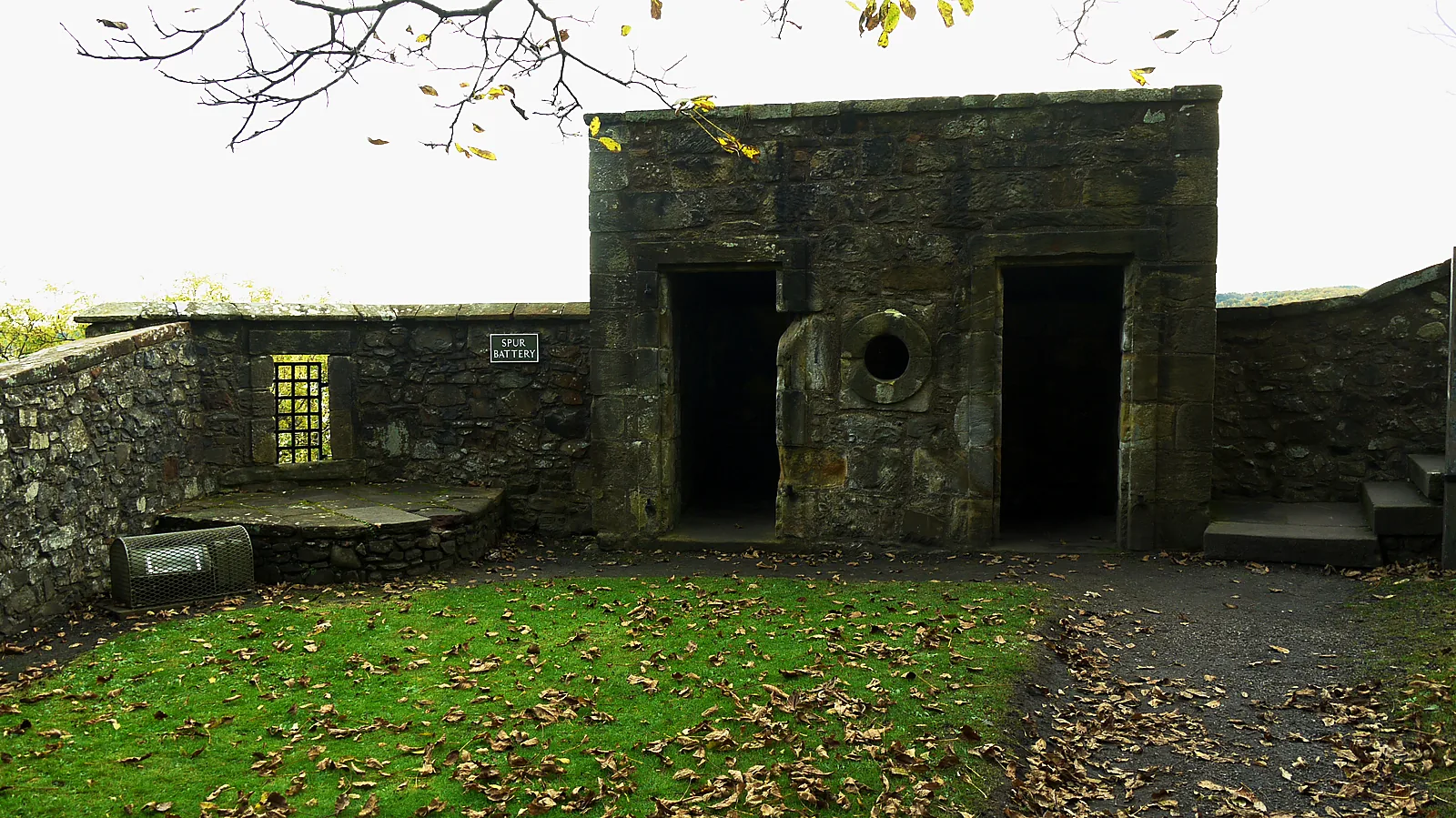
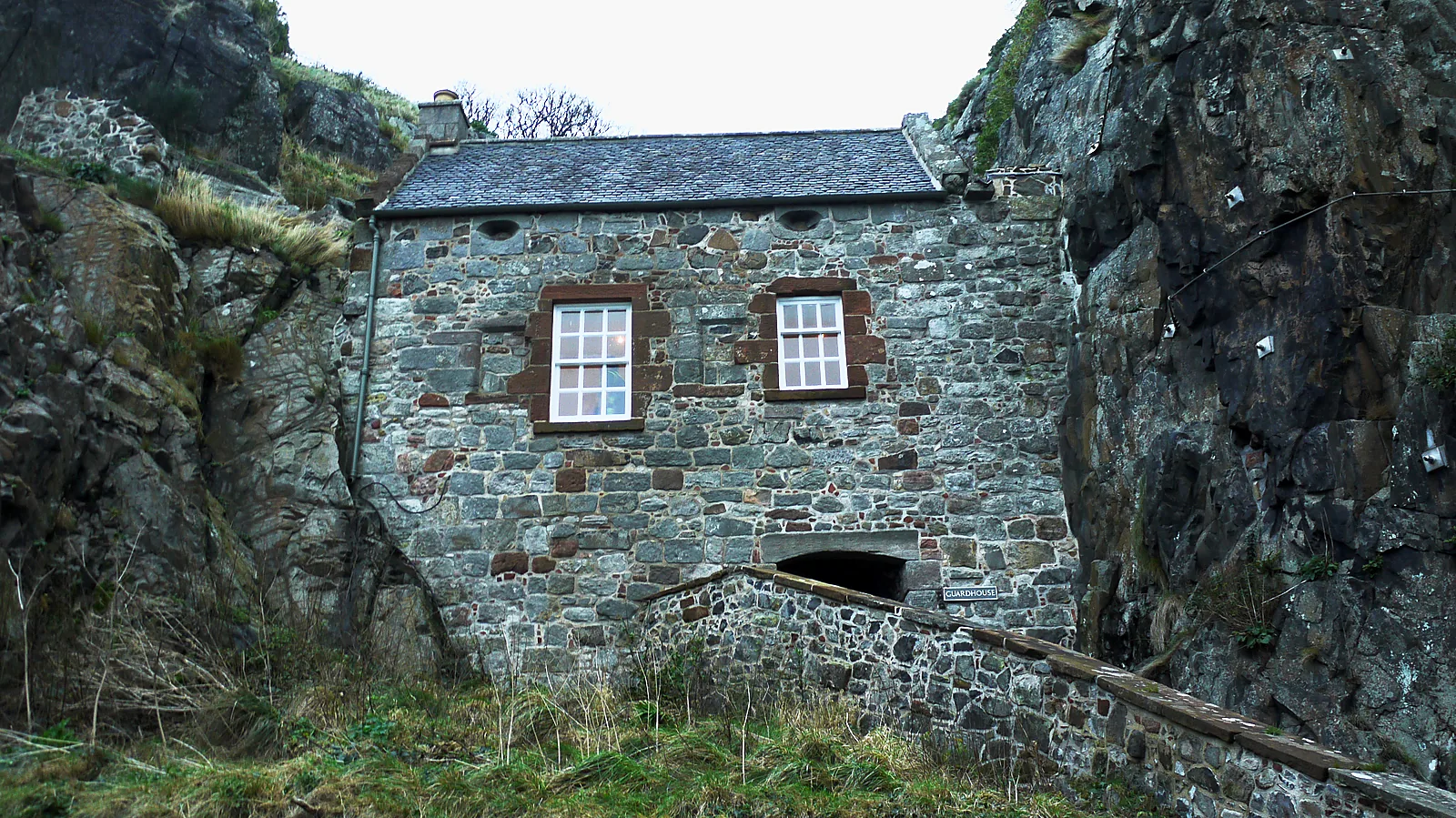
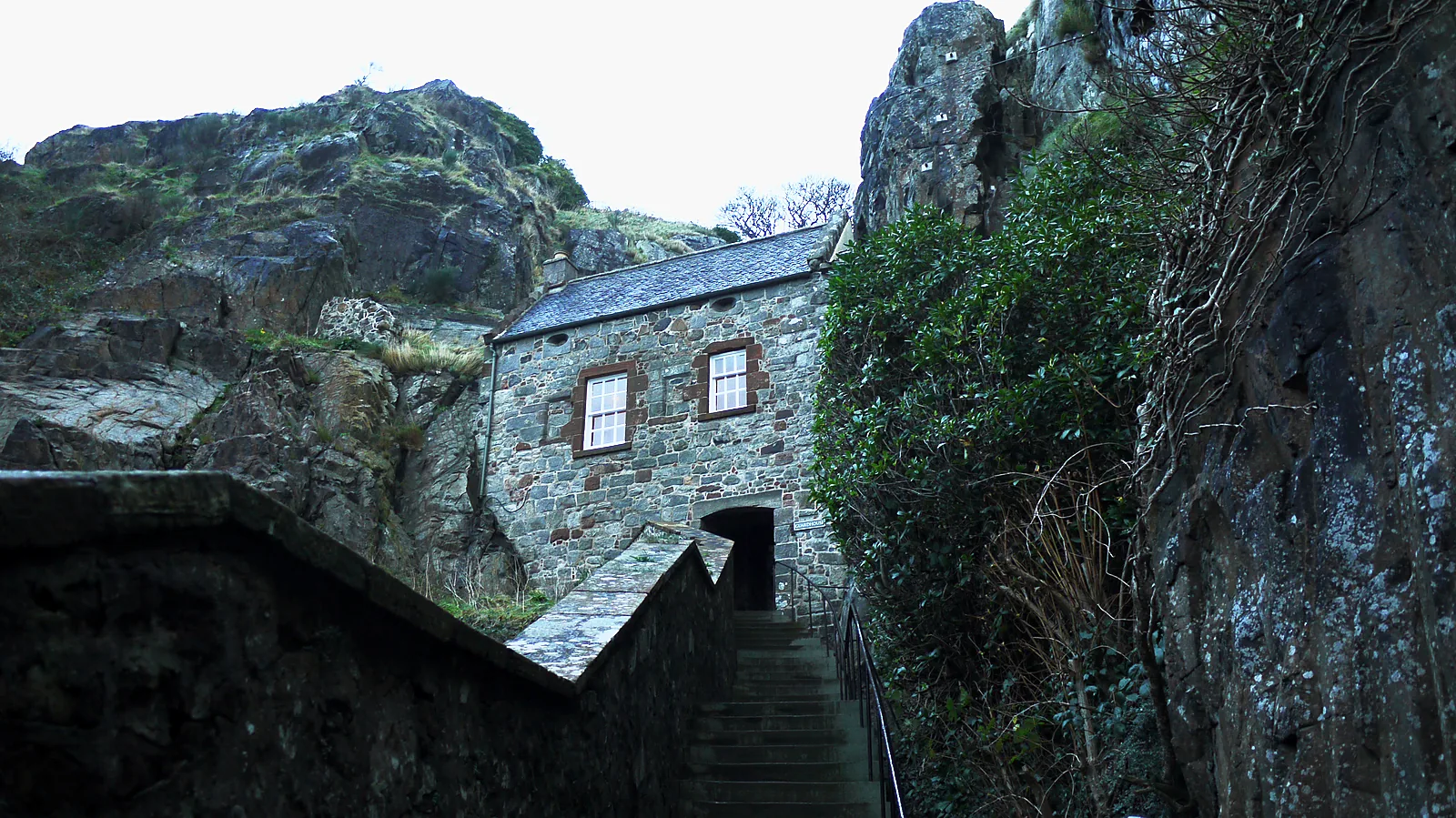
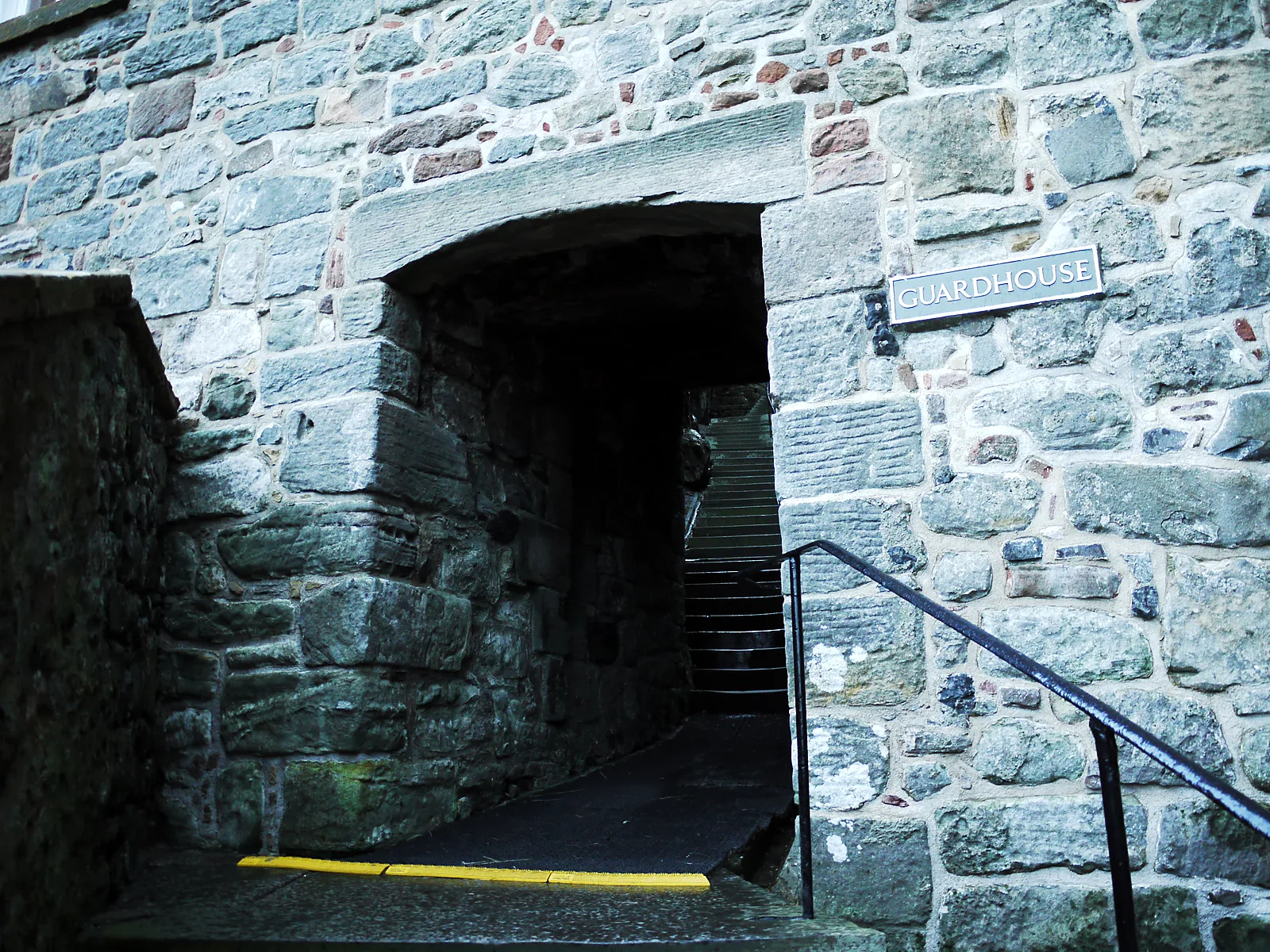
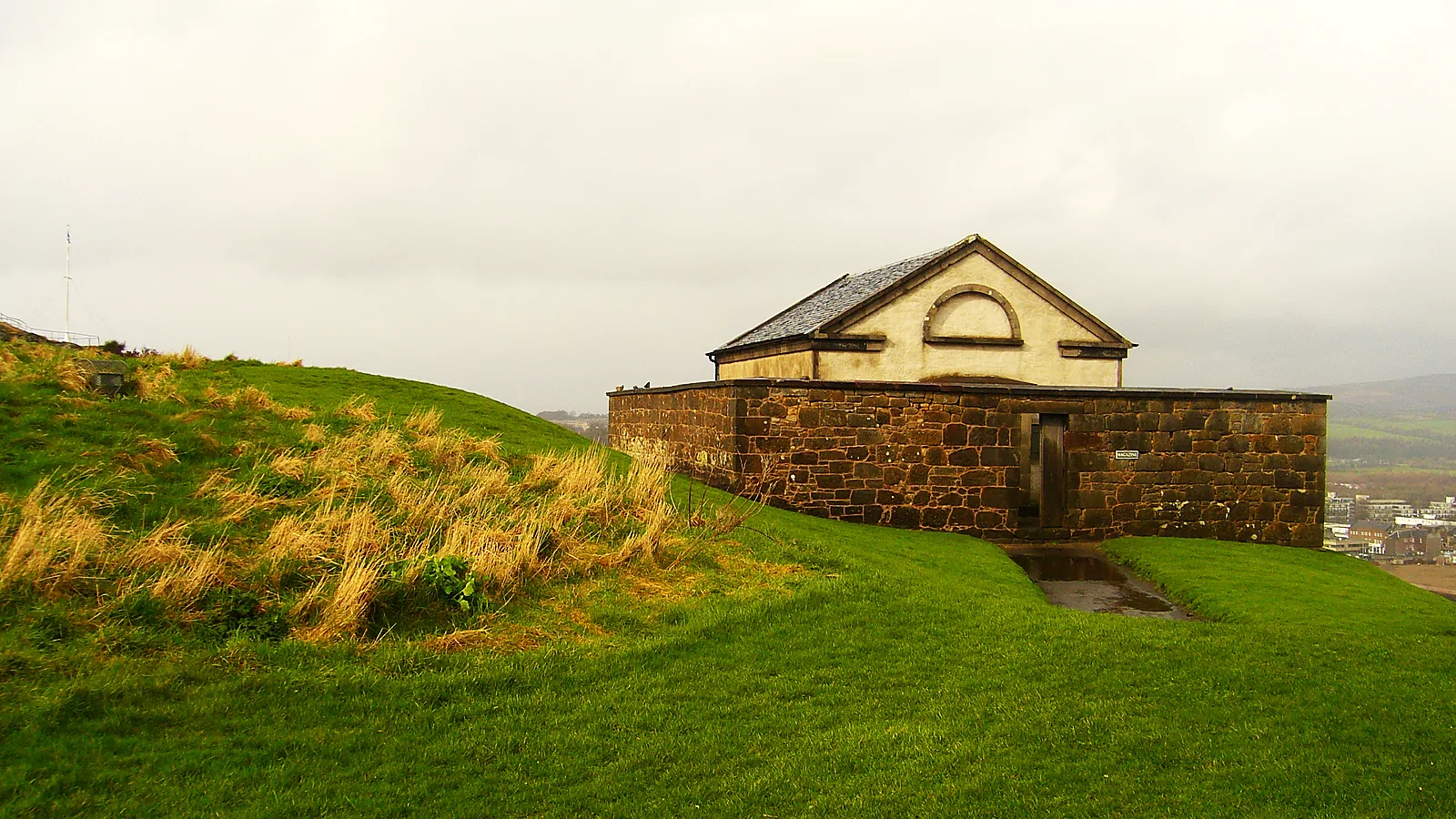
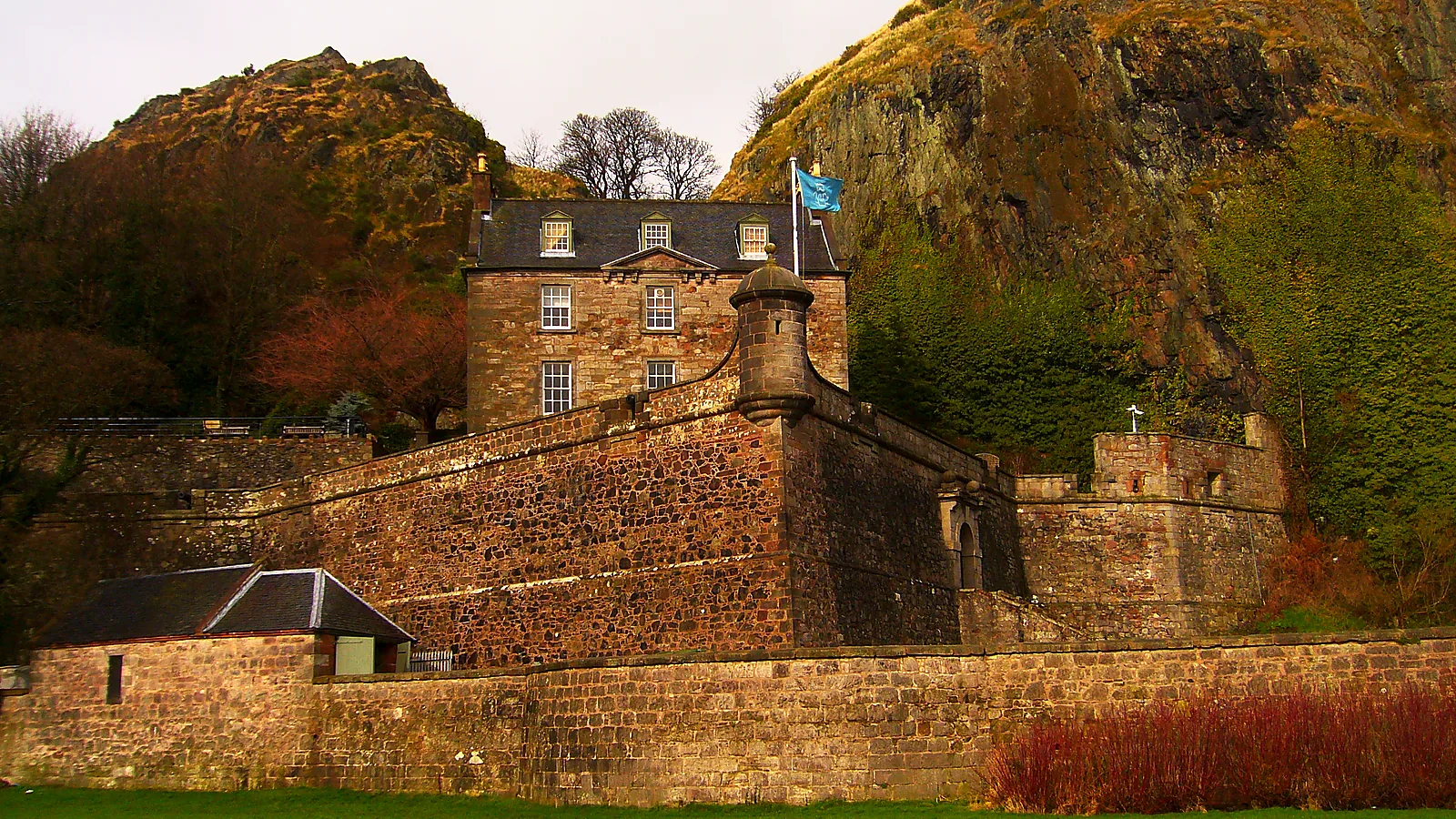
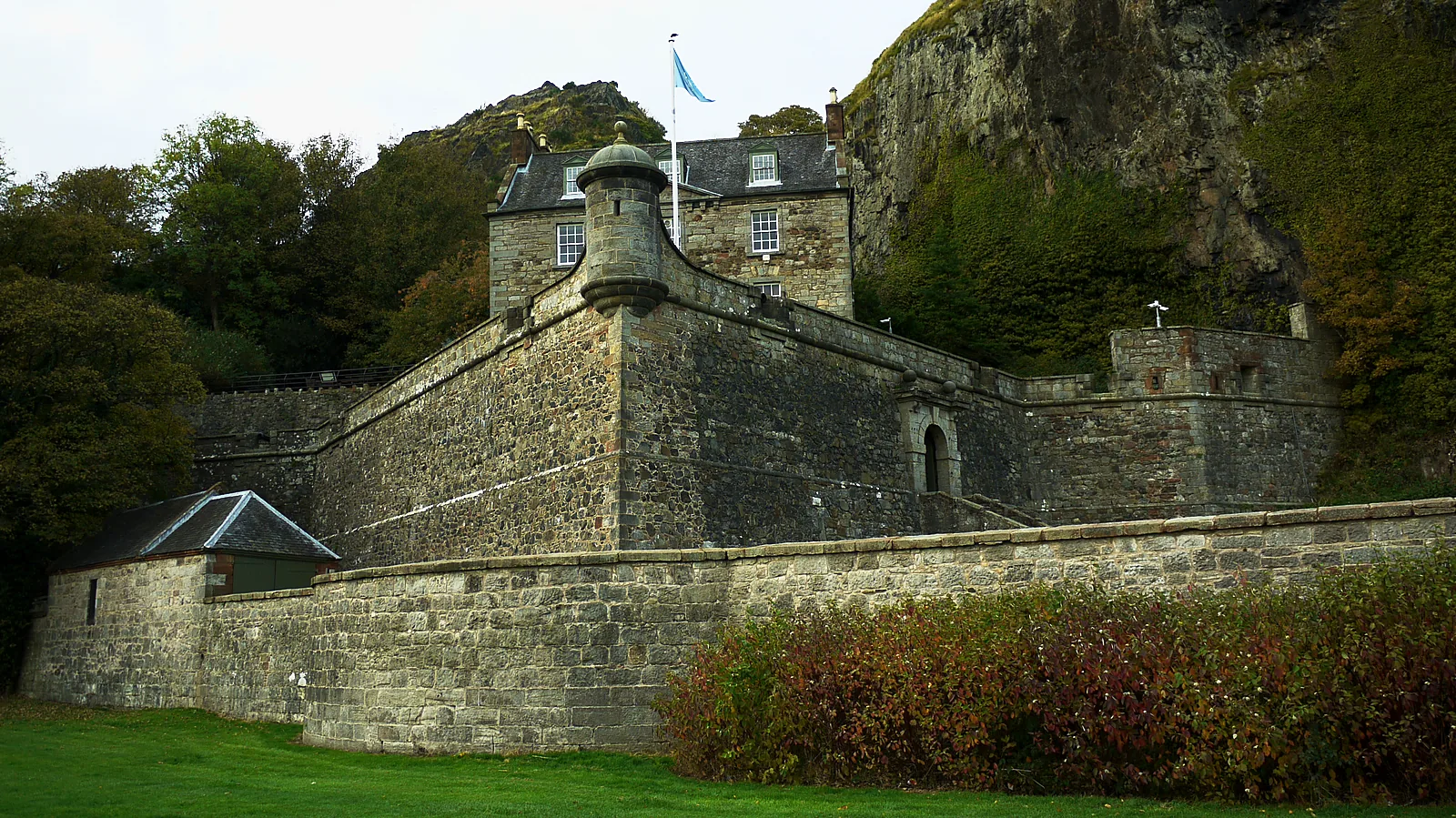
Much of the stonework that defines a modern visit belongs to a different military age. As artillery transformed warfare, the old castle was adapted into a garrison and gun position. The Governor's House, French Prison, magazines and batteries are associated with the Georgian phase, especially the eighteenth century. These defences are important surviving examples of military engineering, but they should not be mistaken for the buildings occupied by Strathclyde rulers or Mary Stuart.
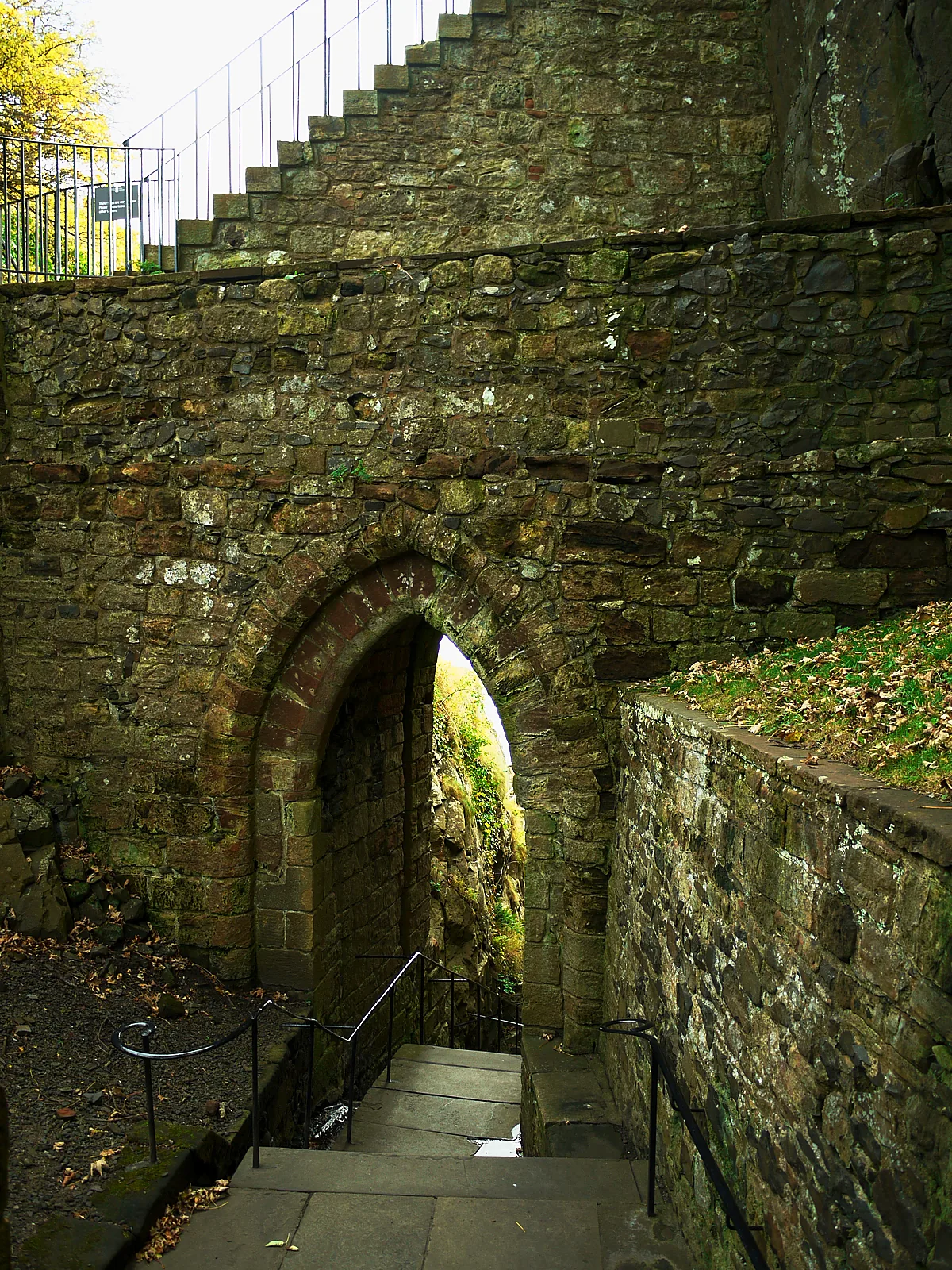
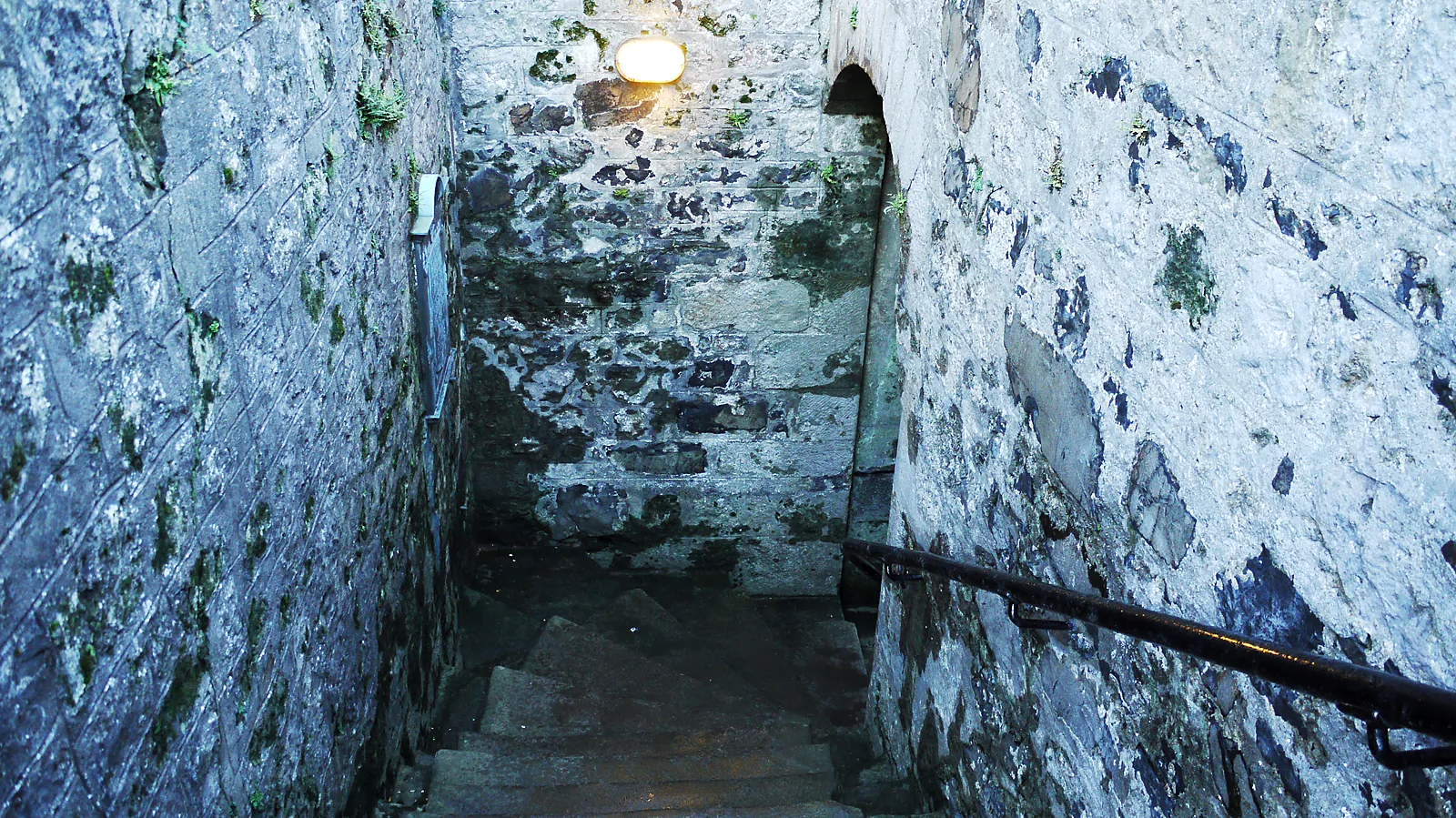
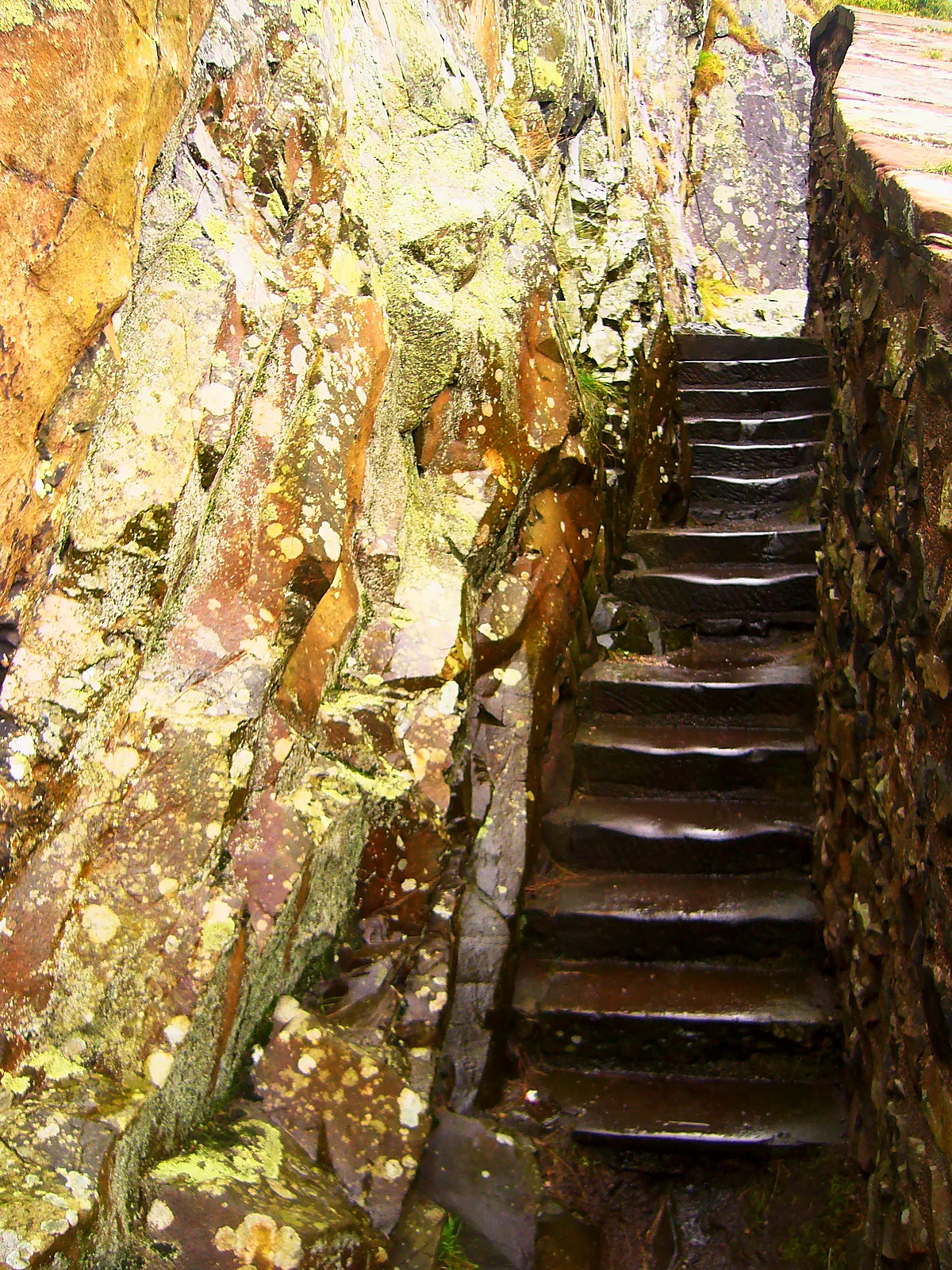
The rock remained connected with military service into the twentieth century, including the world wars. Today it is a protected monument cared for by Historic Environment Scotland, and the Rock of Ages exhibition in the Governor's House helps bridge the long gaps between the periods visible on the ground. One exhibit includes a fragment of a Viking-age sword. Across the complex, every flight of steps seems to lead to another century.
Local traditions connect Dumbarton with William Wallace, including accounts of his imprisonment and the later story of his sword. These associations are part of the castle's cultural memory, but their details should not be presented as securely established episodes without specific evidence. The name “Wallace Tower” is historic; it does not by itself prove every tale attached to the patriot. Likewise, stories involving Arthur or St Patrick belong to tradition rather than a reliable visit-by-visit chronology. The documented sieges and royal departures are dramatic enough without turning folklore into fact.
08 / EXPLORE NEXT
Find Scottish castles by region, landscape or the stories that bring them to life.
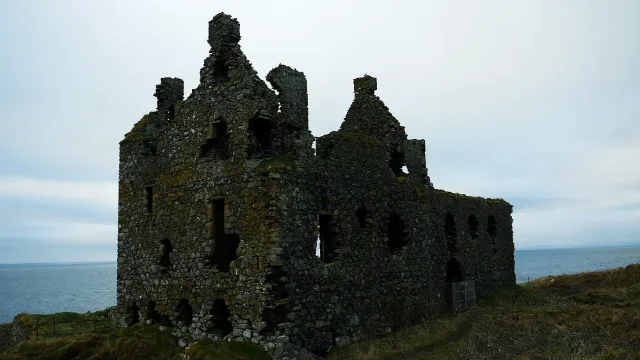 Dumfries and GallowayDunskey Castle
 Dumfries and GallowayLochmaben Castle
 Scottish BordersHermitage Castle