Castle
TICKETSNo staffed ticket office or published admission tariff. Independent walking guides describe visits as free, but this is not an HES managed open-access attraction.
History
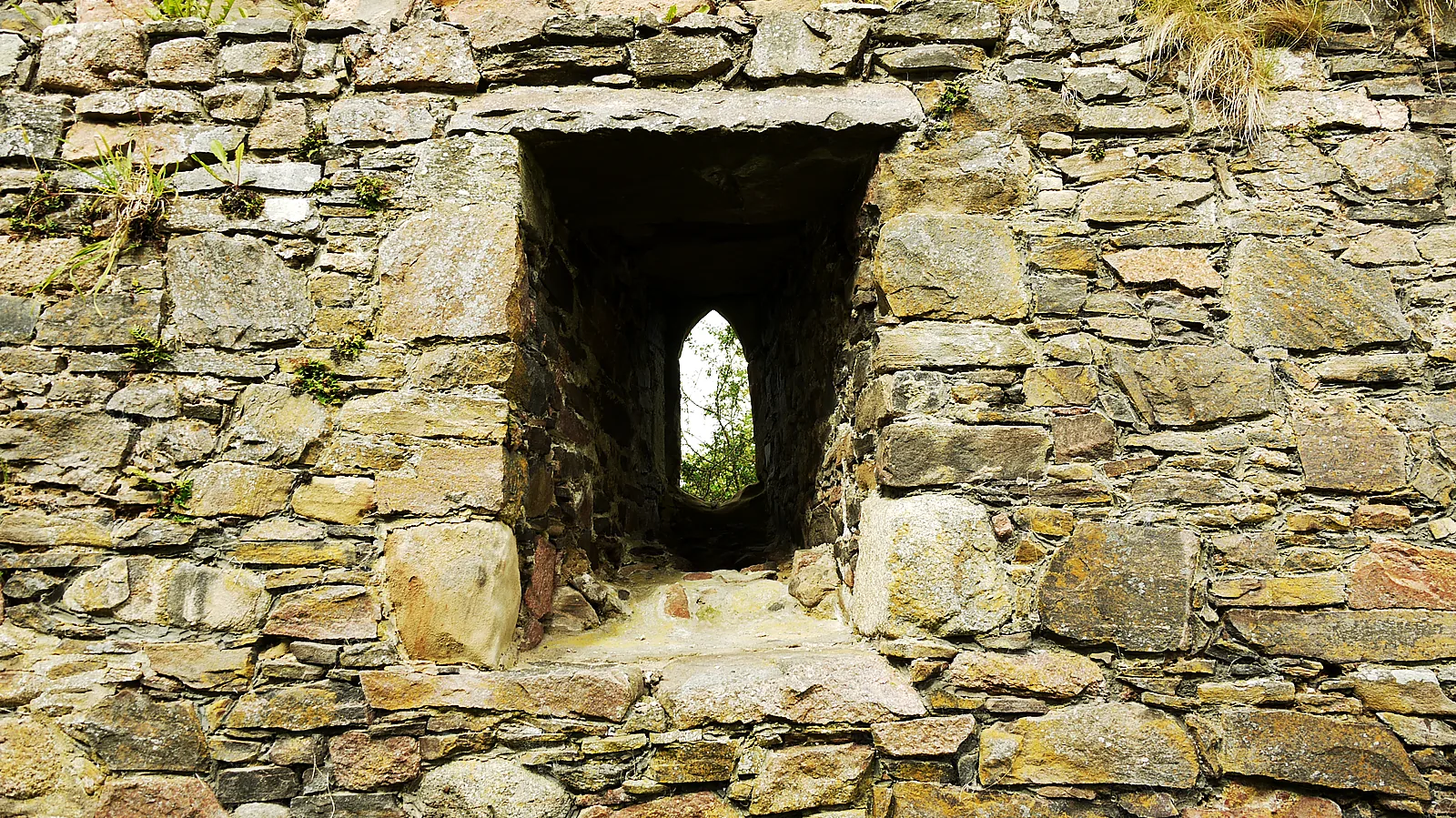
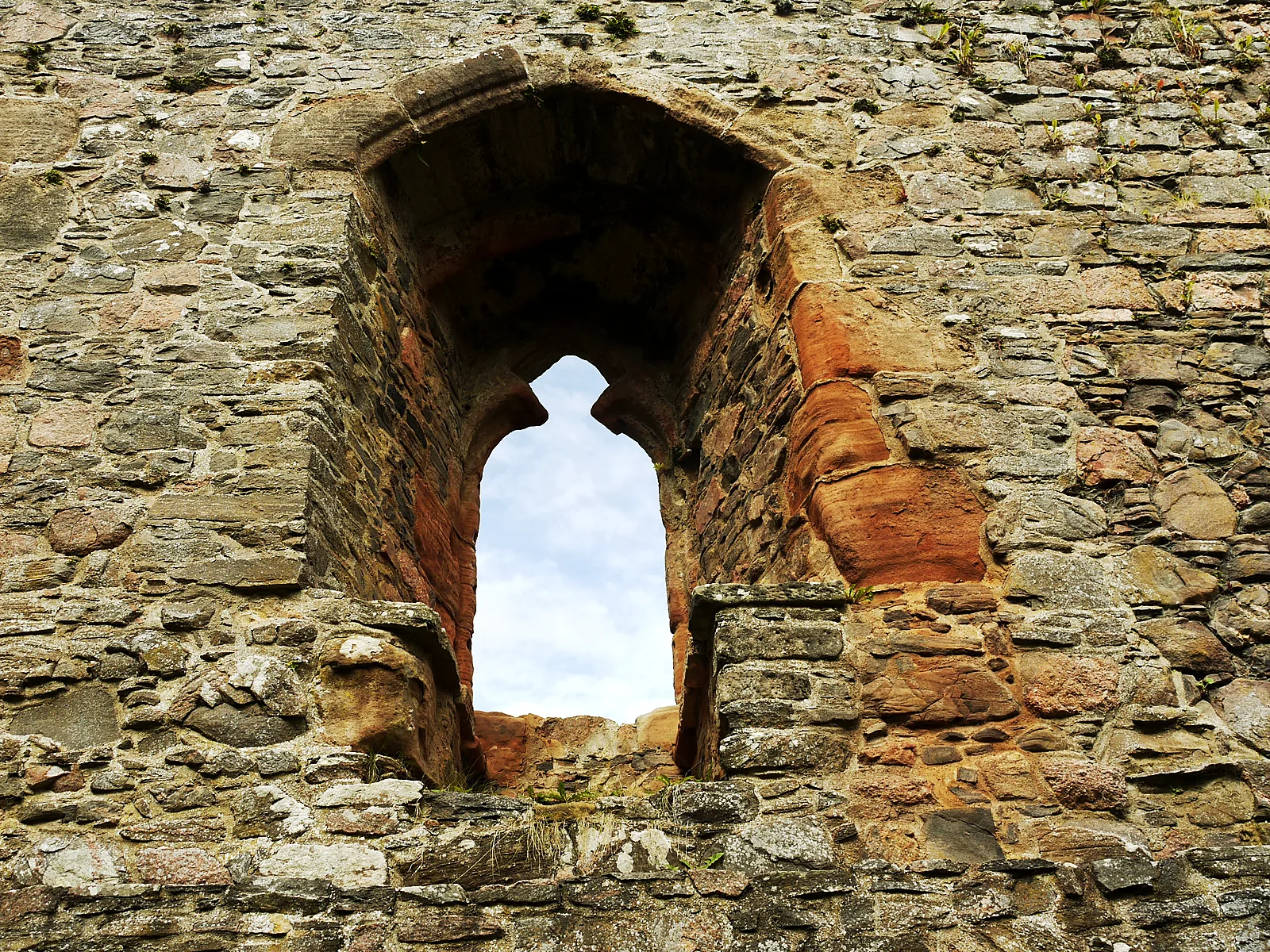
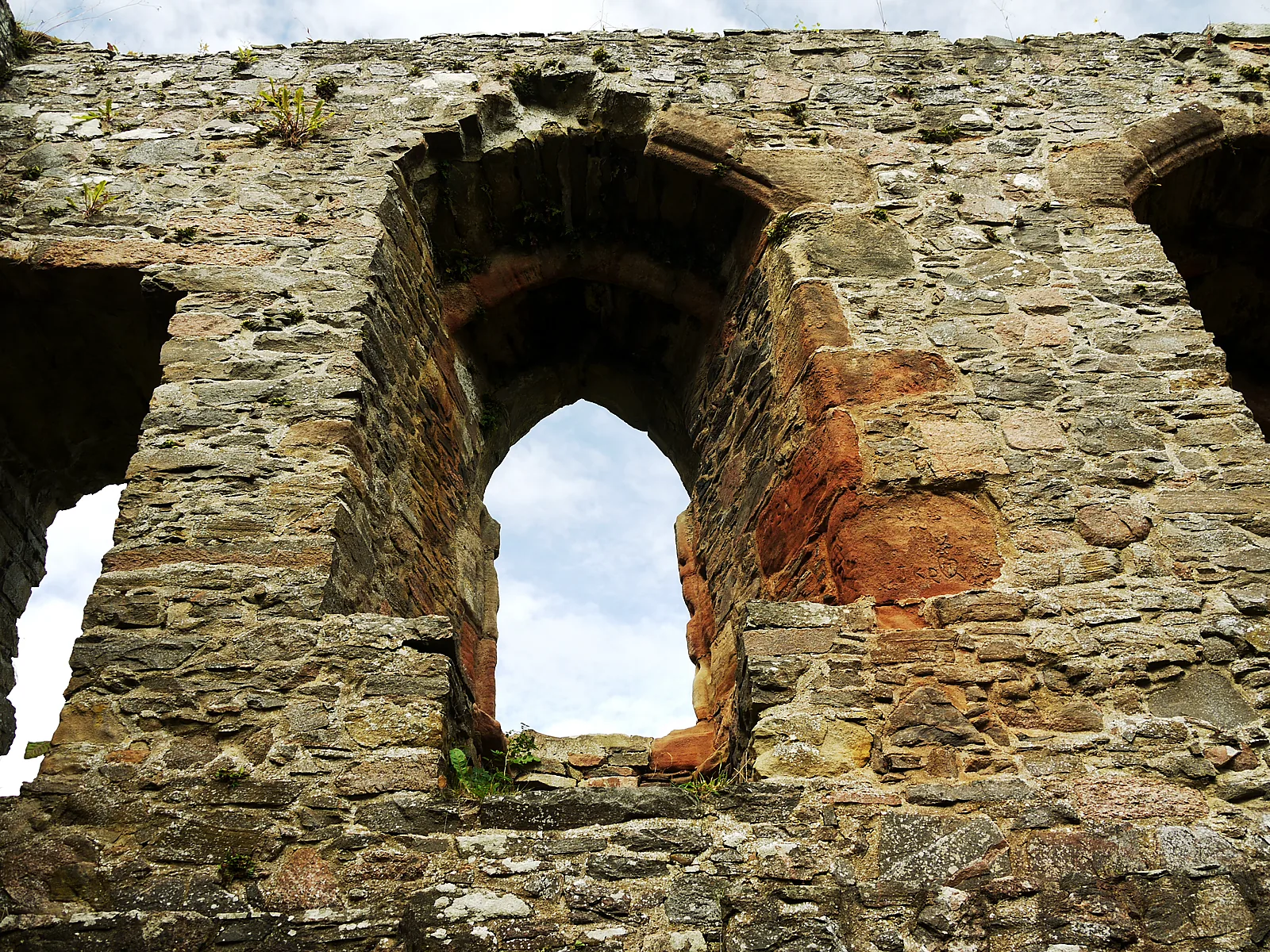
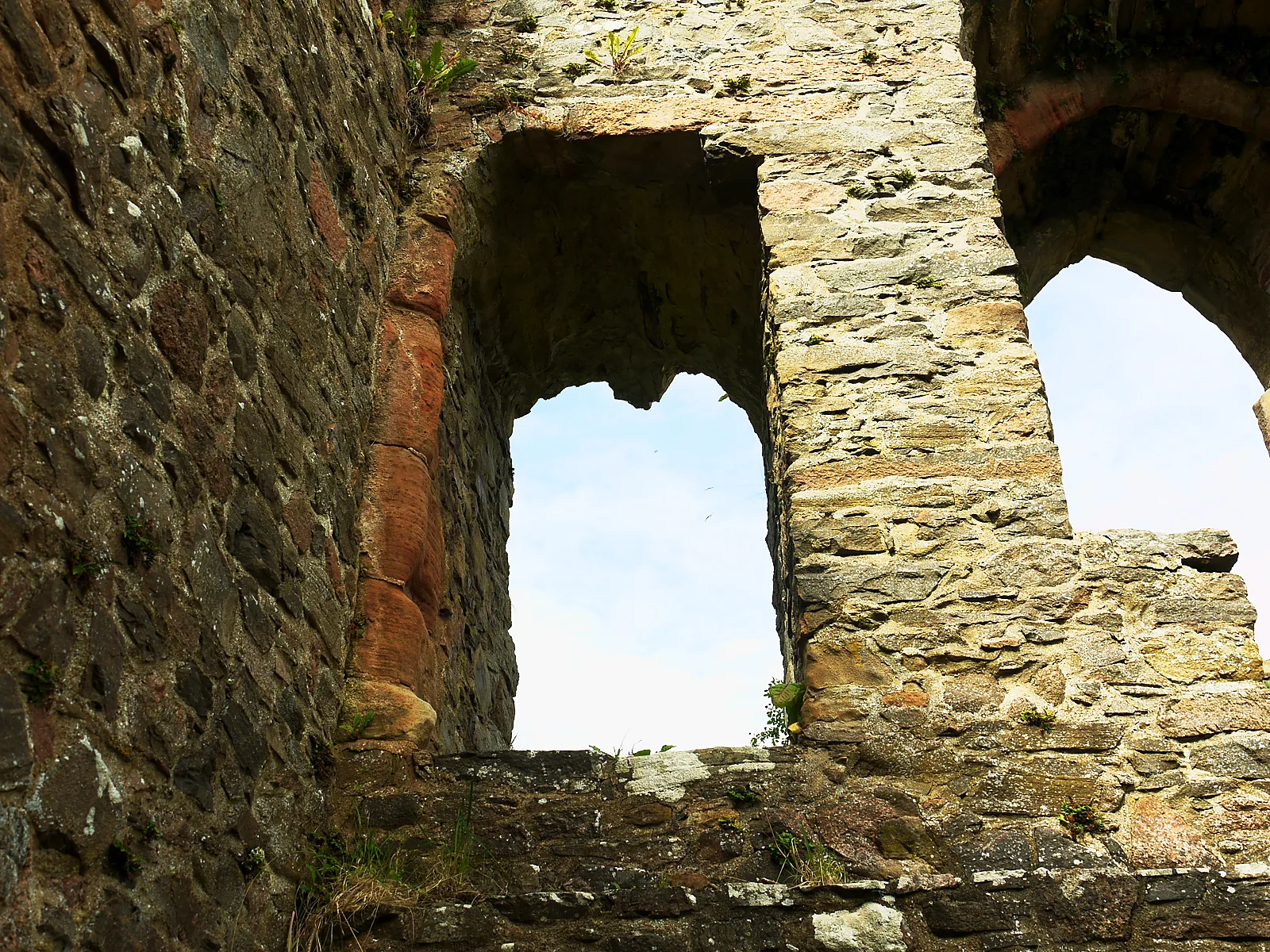
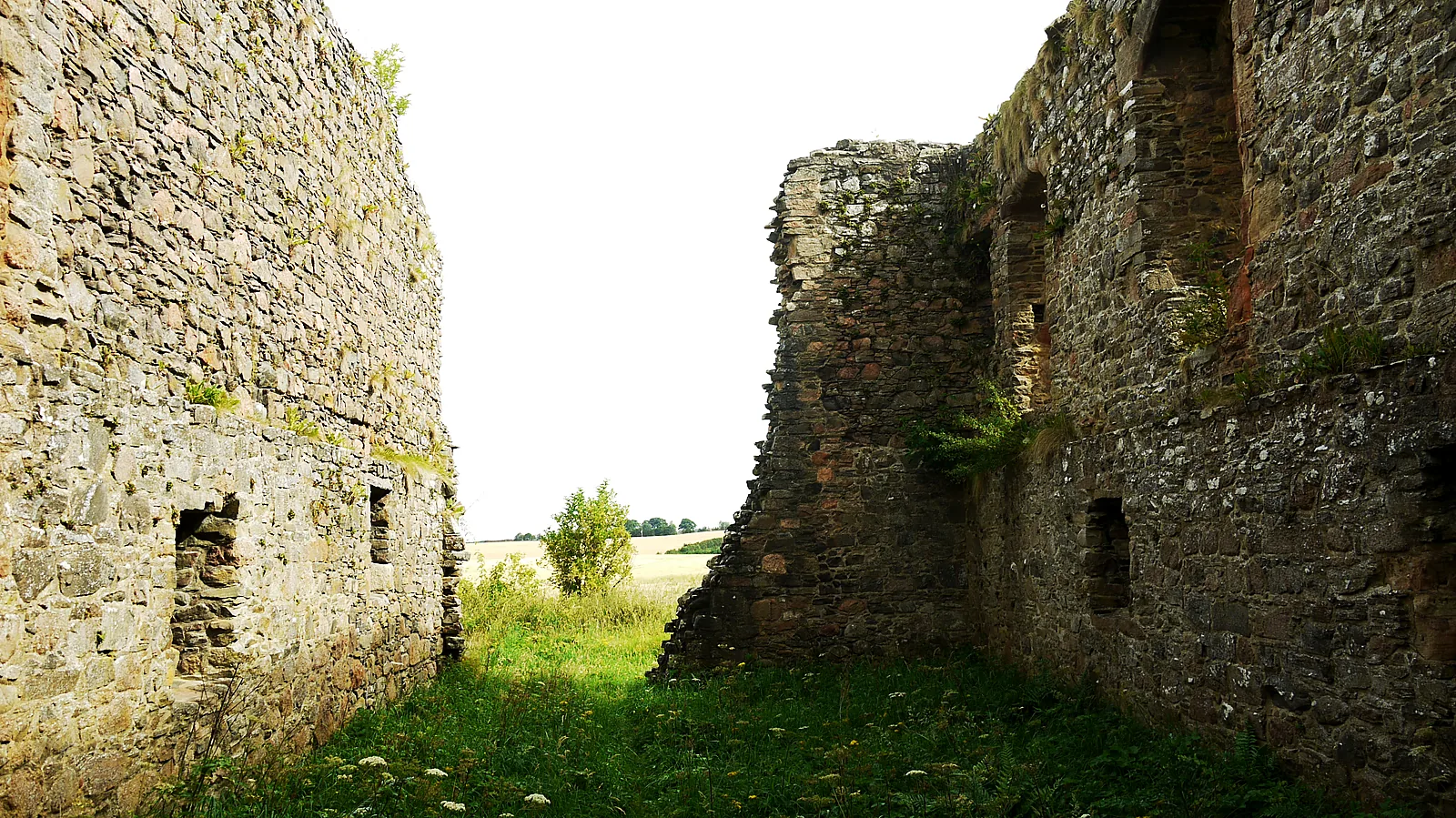
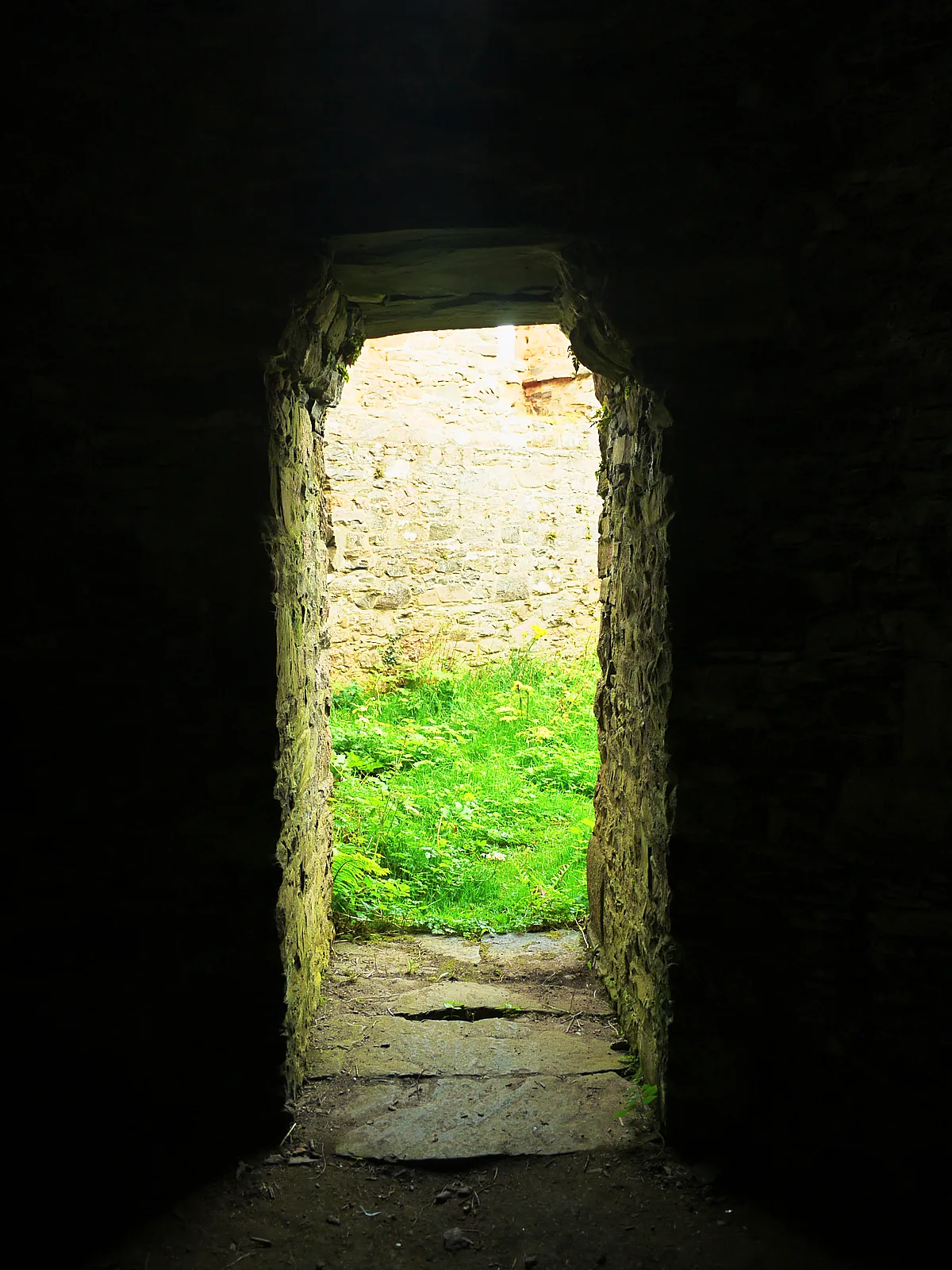
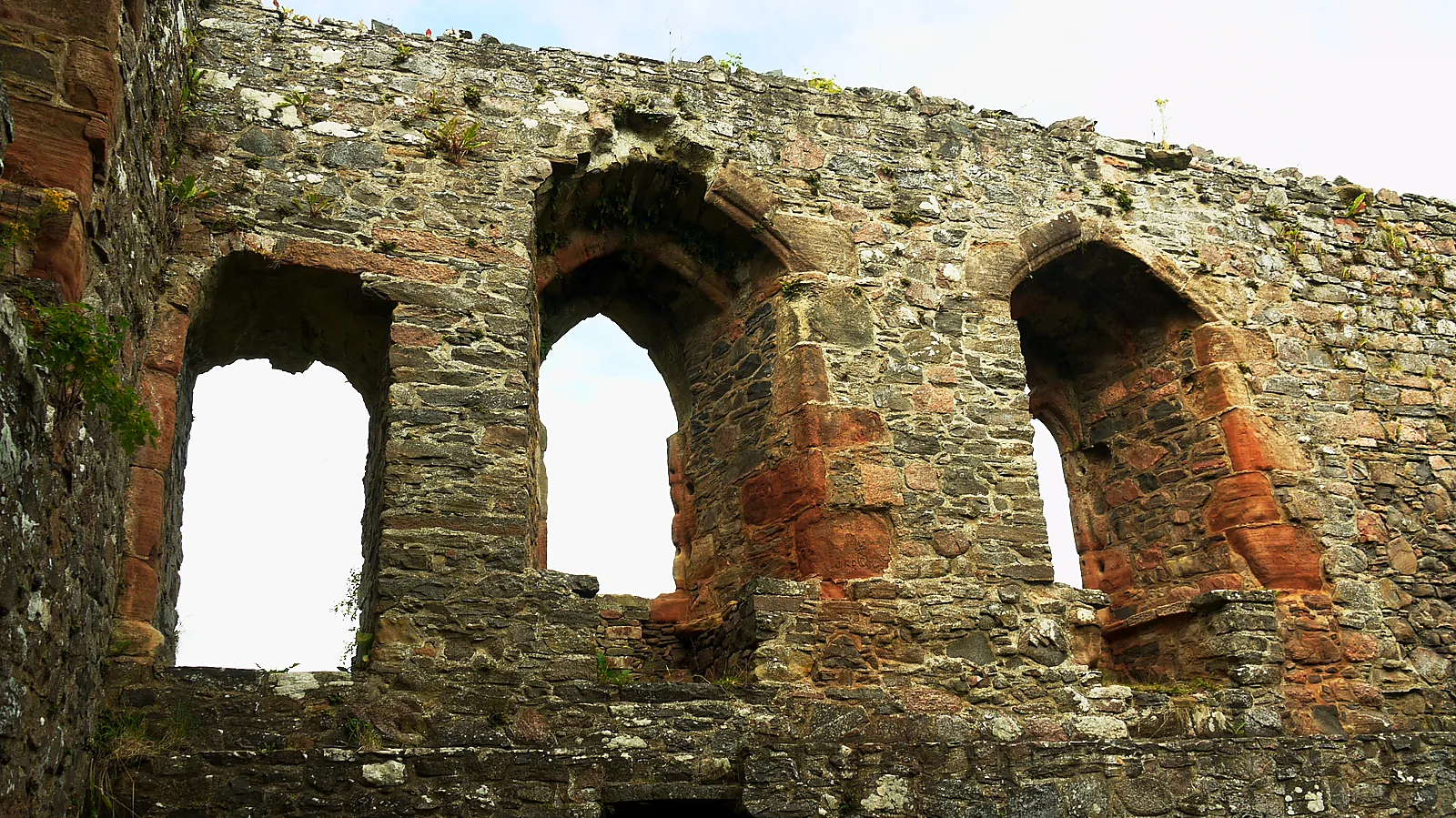
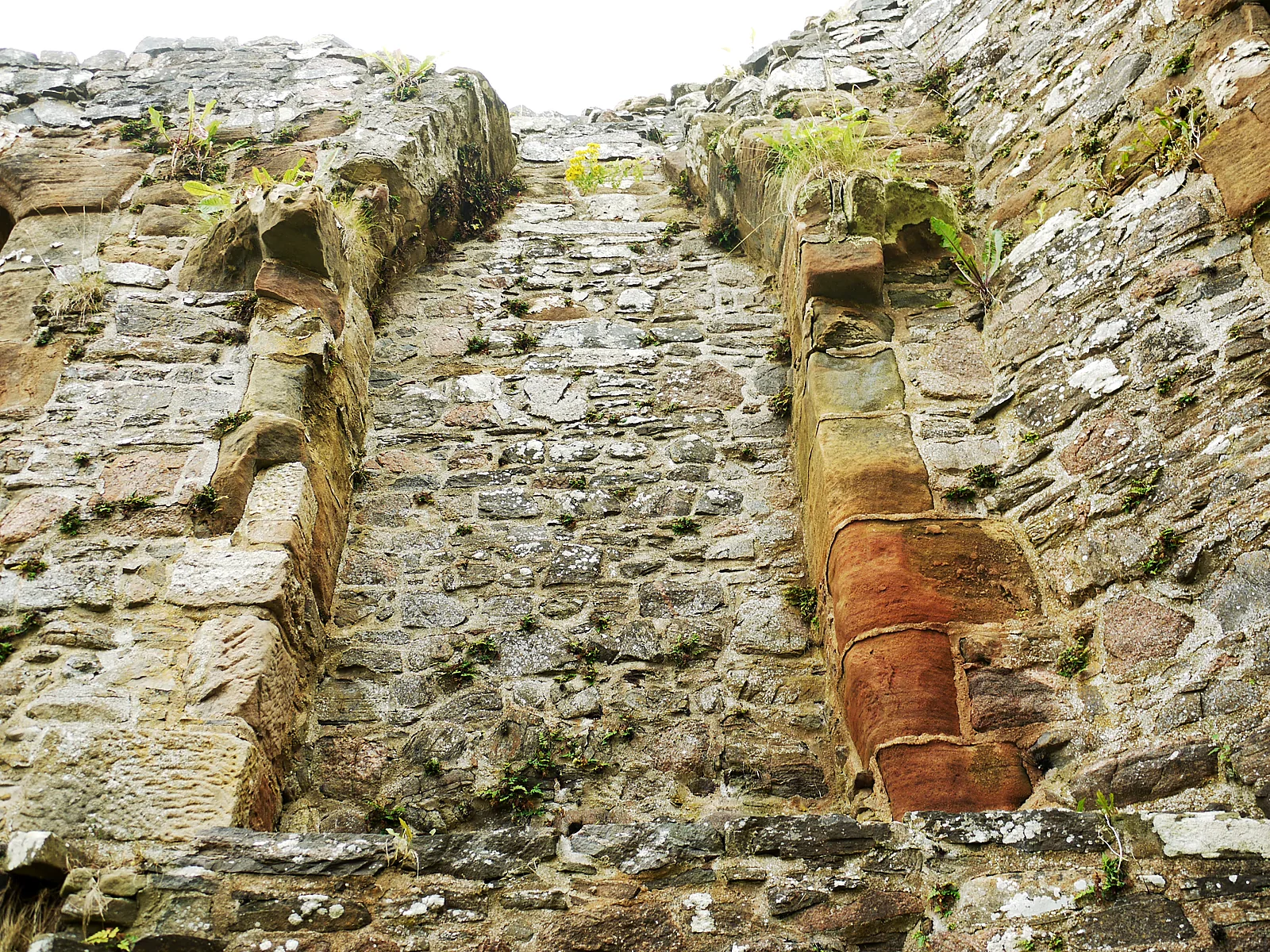
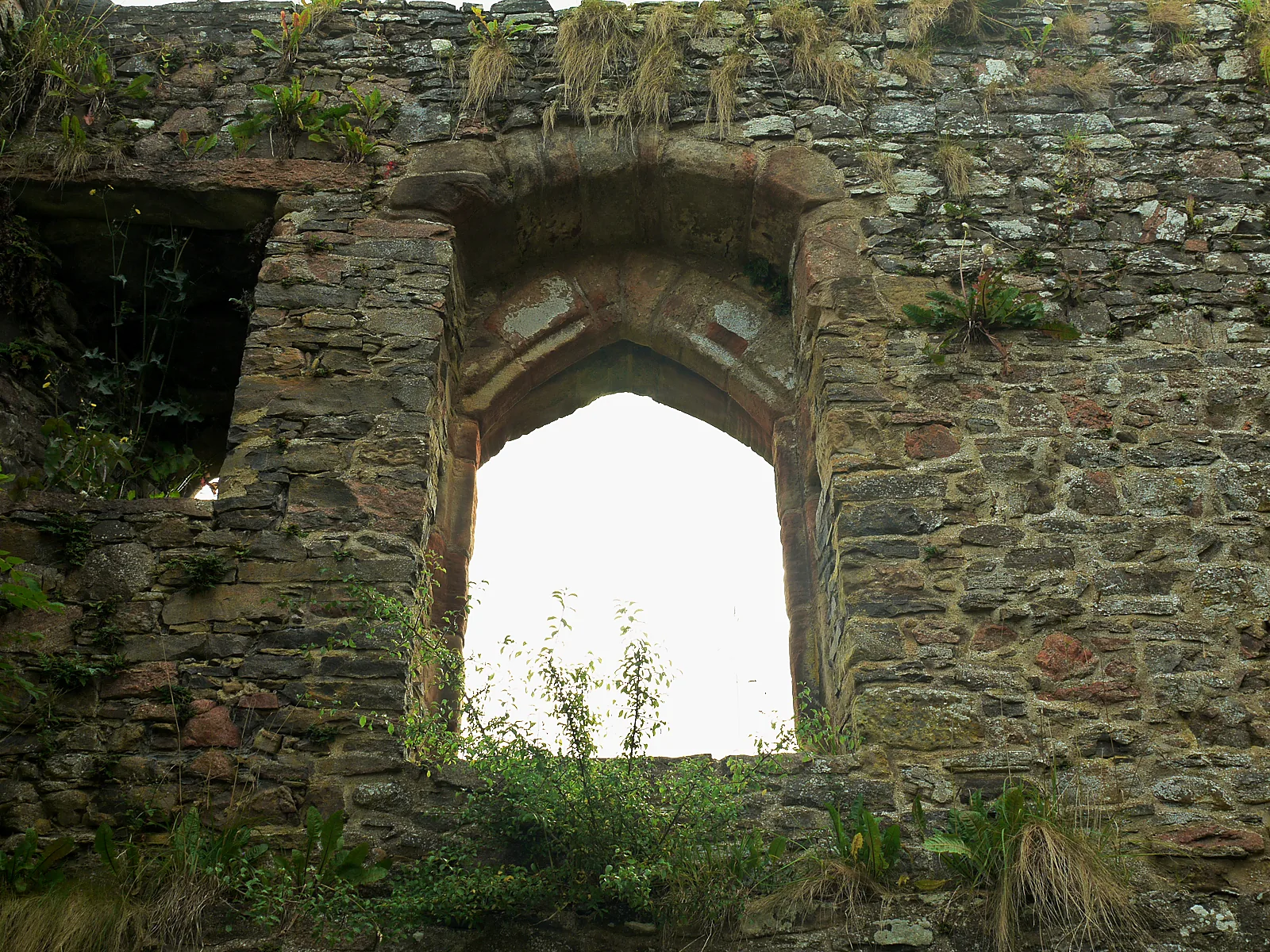
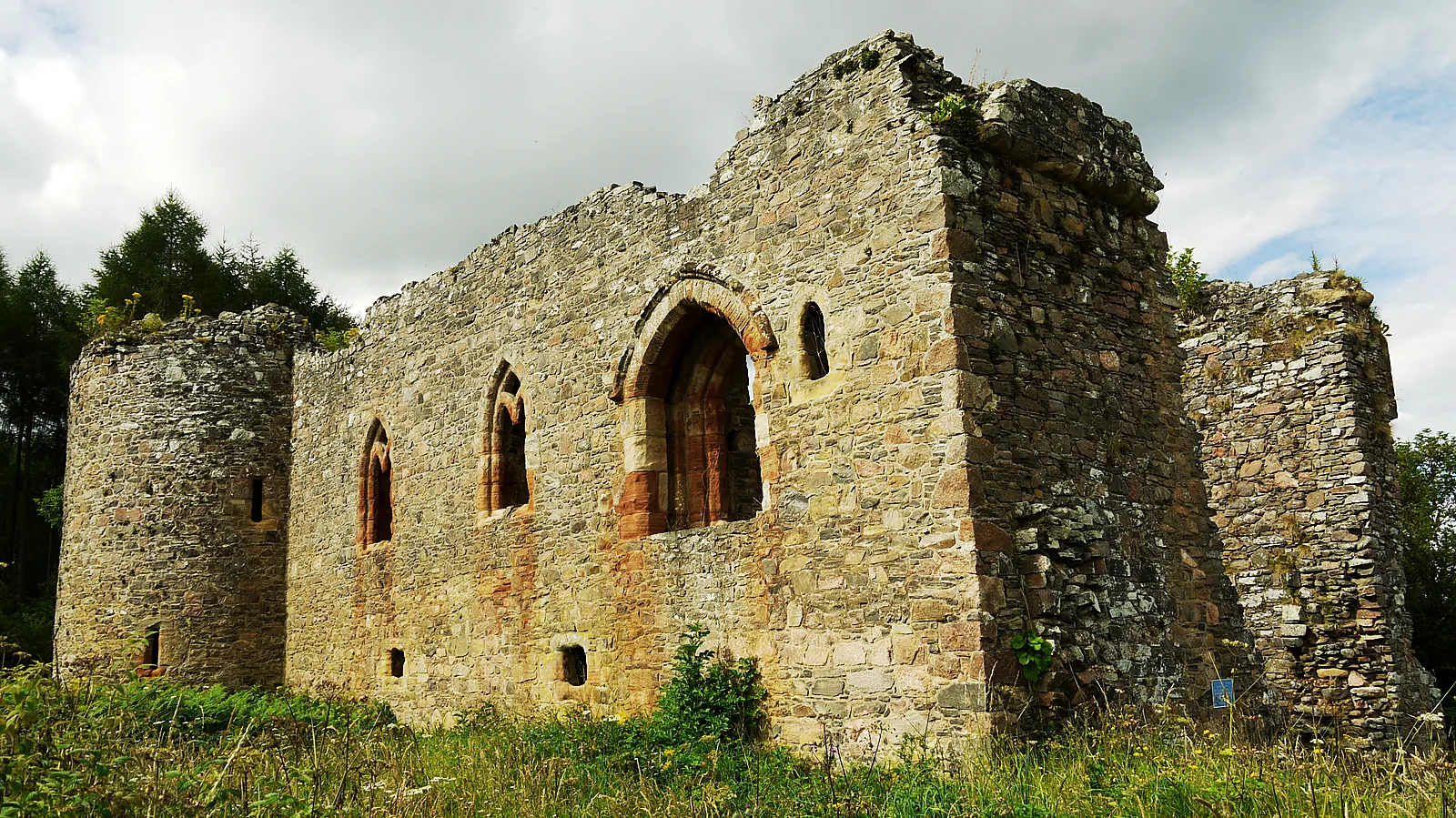
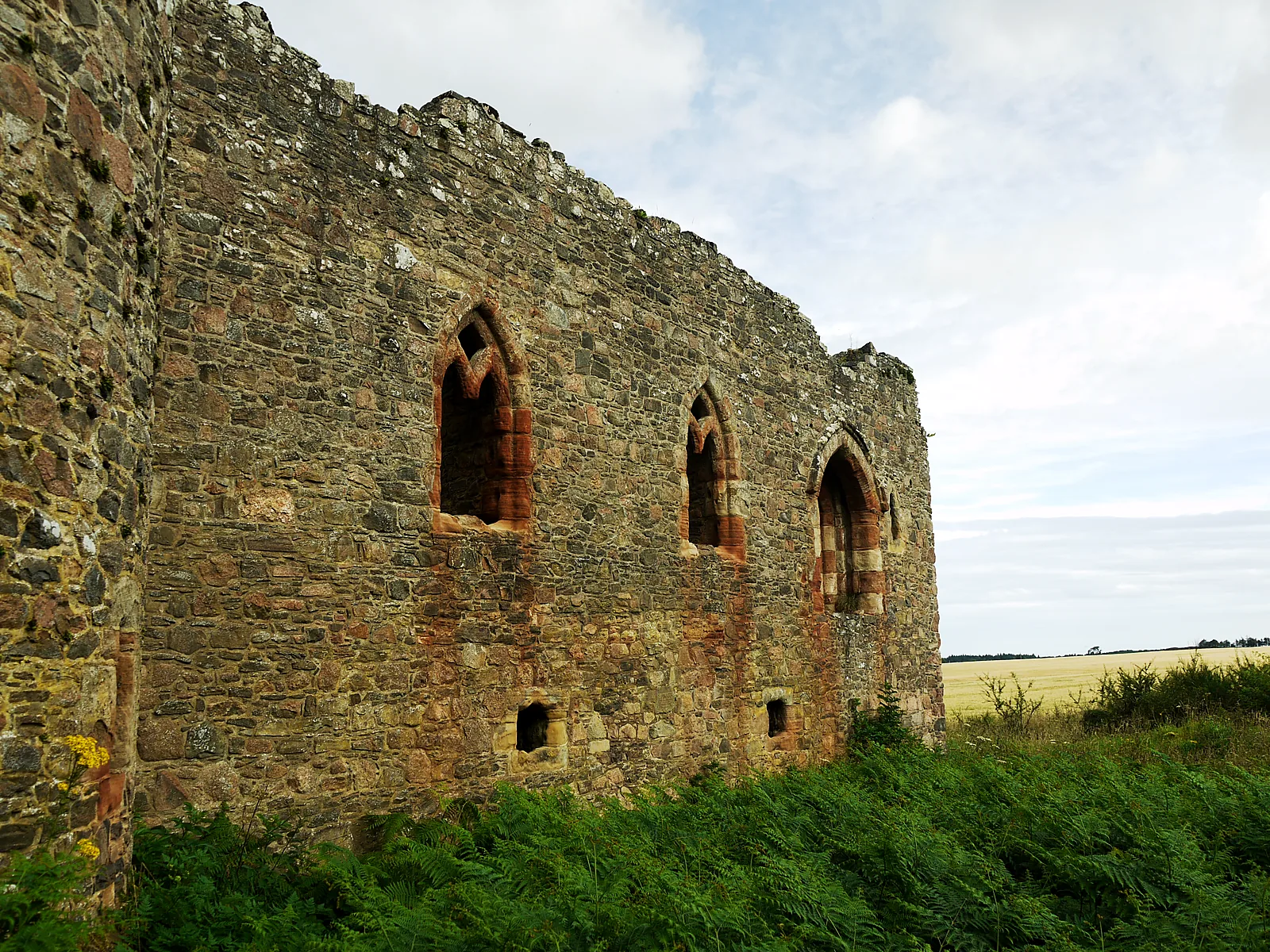
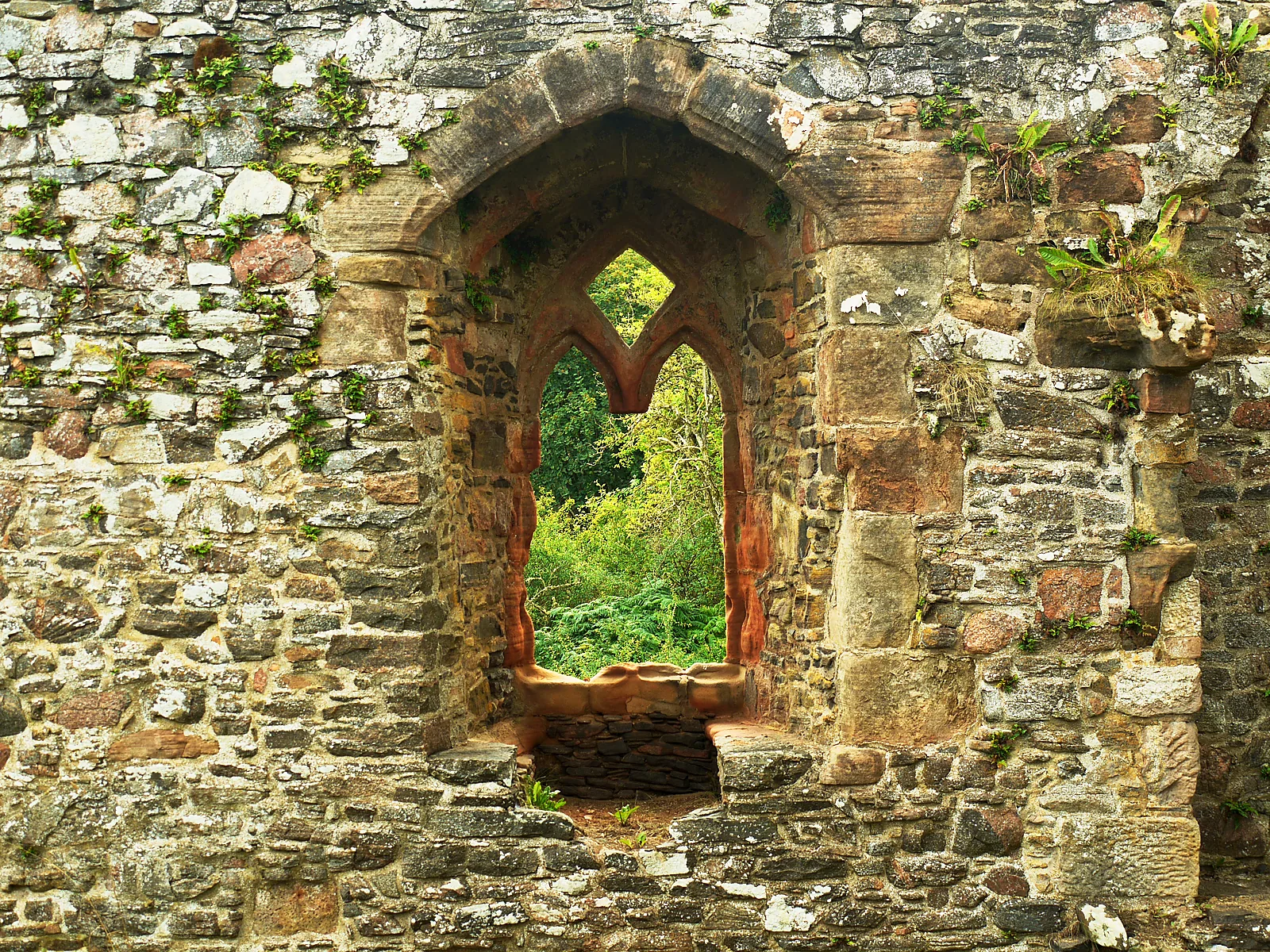
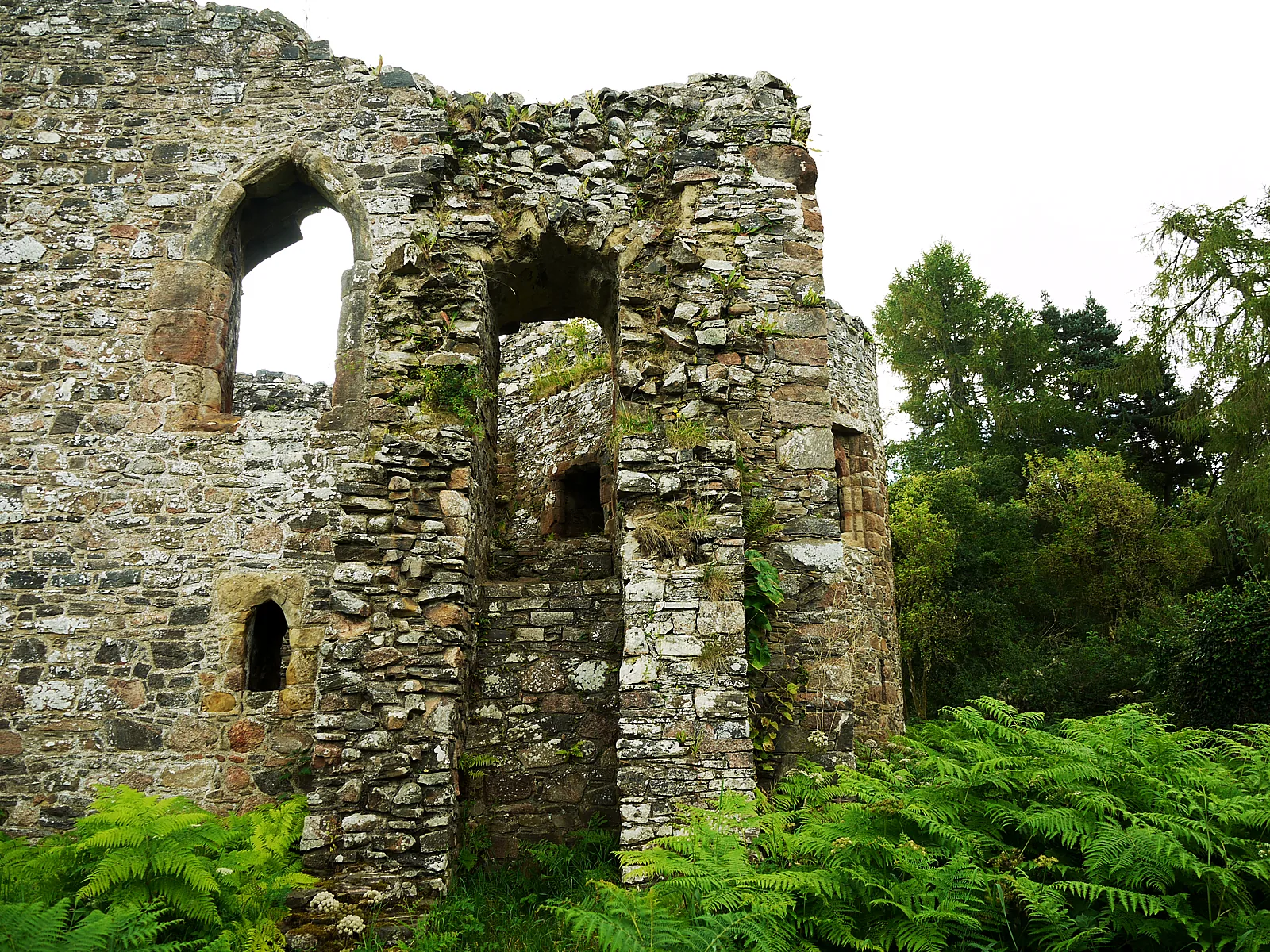
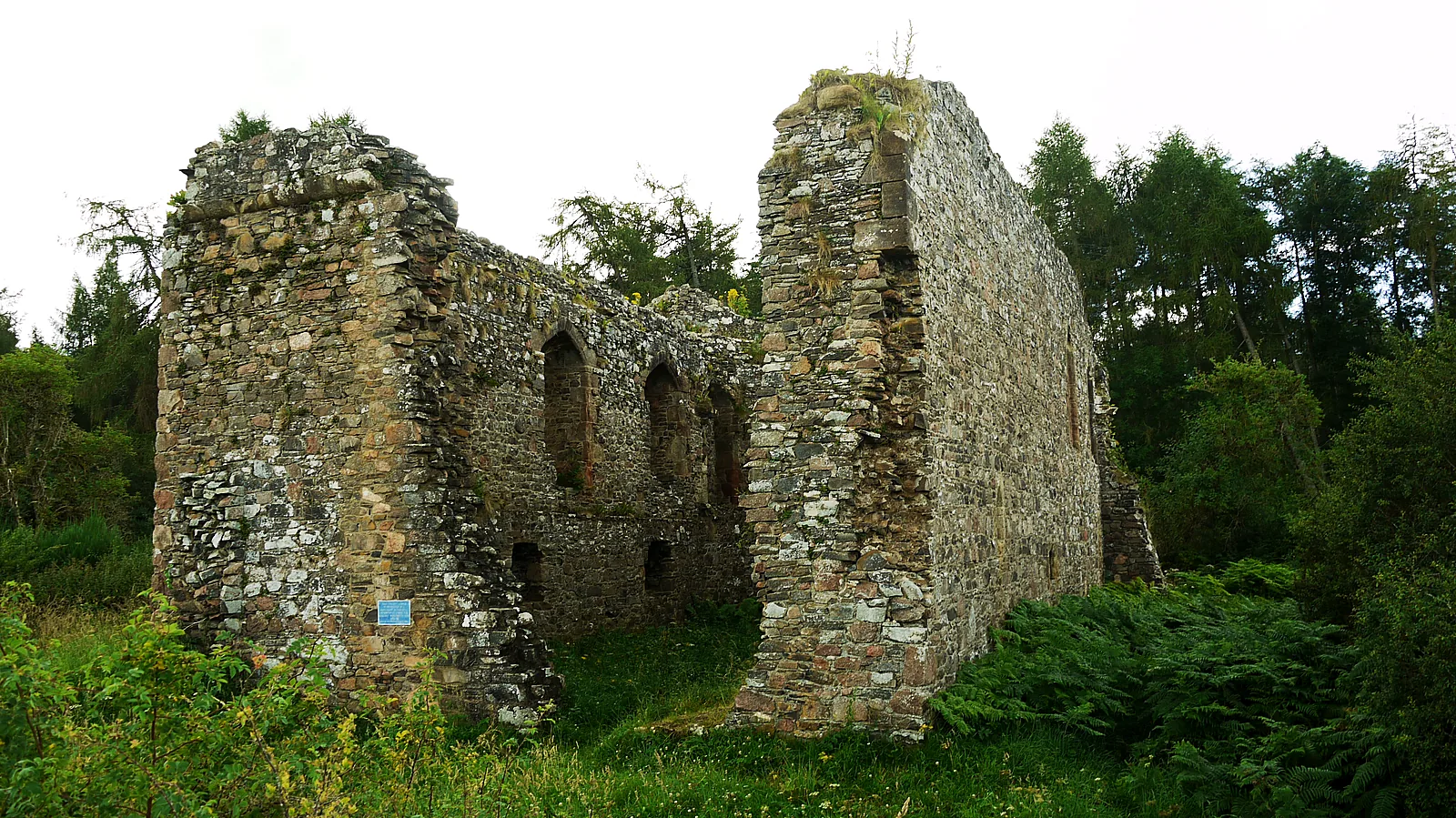
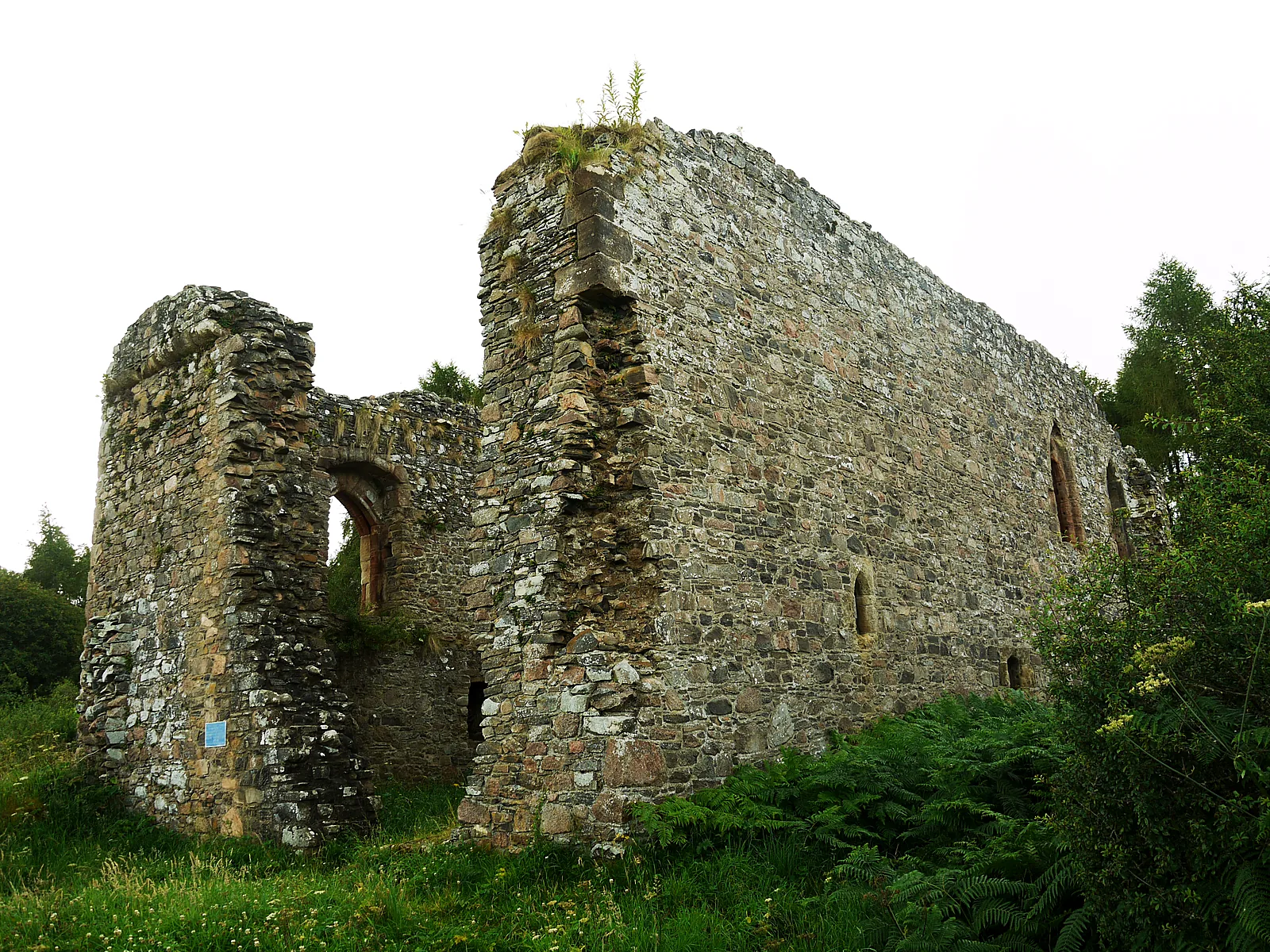
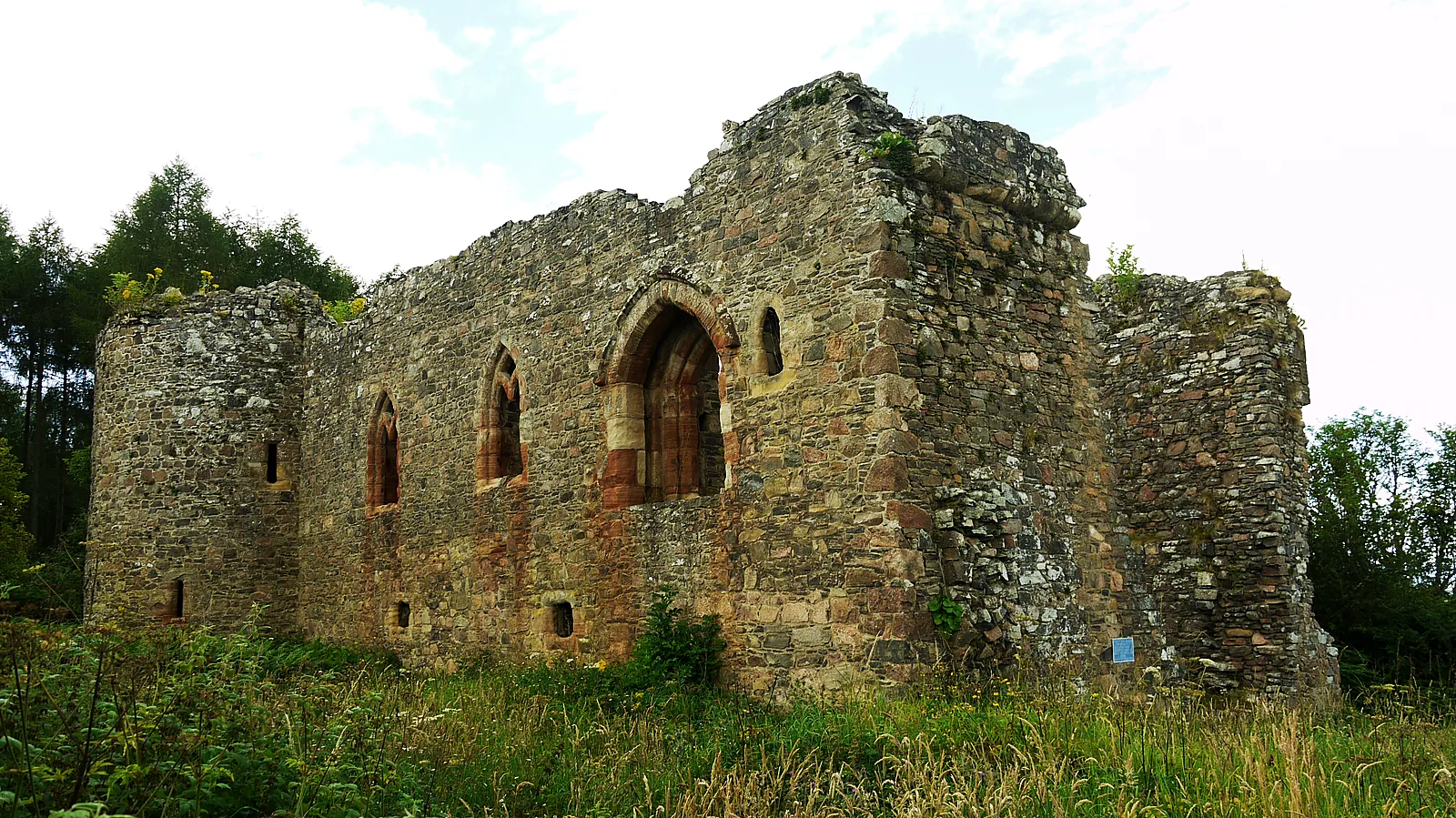
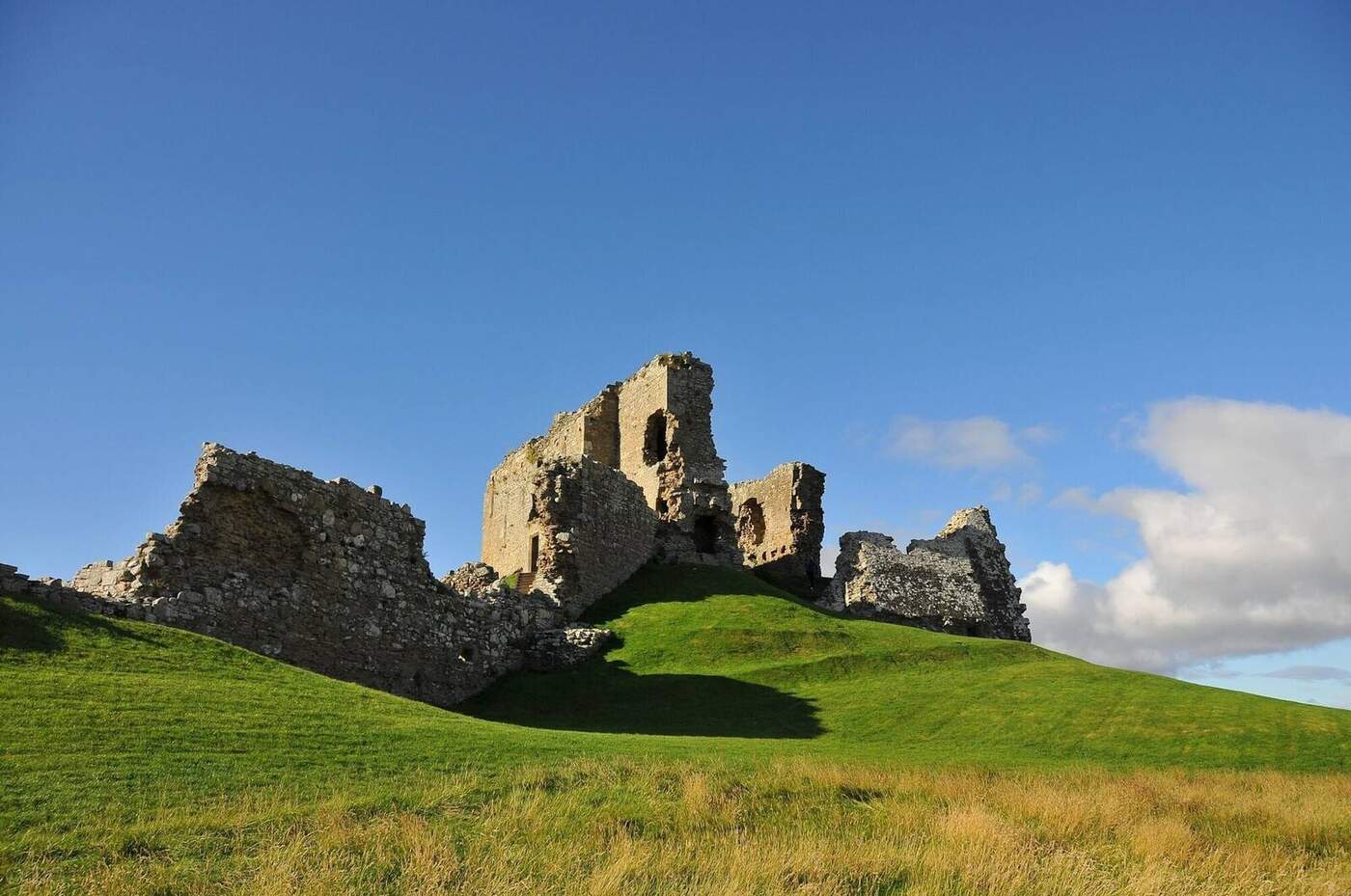
Rait Castle stands among fields south of Nairn. There are no restored rooms or visitor facilities. The interest lies in the masonry: tall surviving walls, windows with delicate stone tracery and an exceptionally fine entrance. The ruins belong to a rare small hall-house, probably built in the late thirteenth or early fourteenth century. Its principal room was upstairs, over the cellars. Historic Environment Scotland (HES) identifies it as a surviving example of this early form of stone house.
Read full history
The de Raits
The Thanedom of Rait is first recorded in 1238. The earliest known lords, Sir Geirvaise and Sir Andrew de Rait, took their name from their estate. During the Wars of Independence they supported Edward I, and according to HES they were probably responsible for building the castle. They appear to have kept Rait into the early fifteenth century. A later account says that Sir Alexander Rait fled the district around 1404 after killing the Thane of Cawdor. In the 15th century the lands were held by the Mackintoshes. The last recorded reference to a castle on this site is from 1596.
The hall upstairs
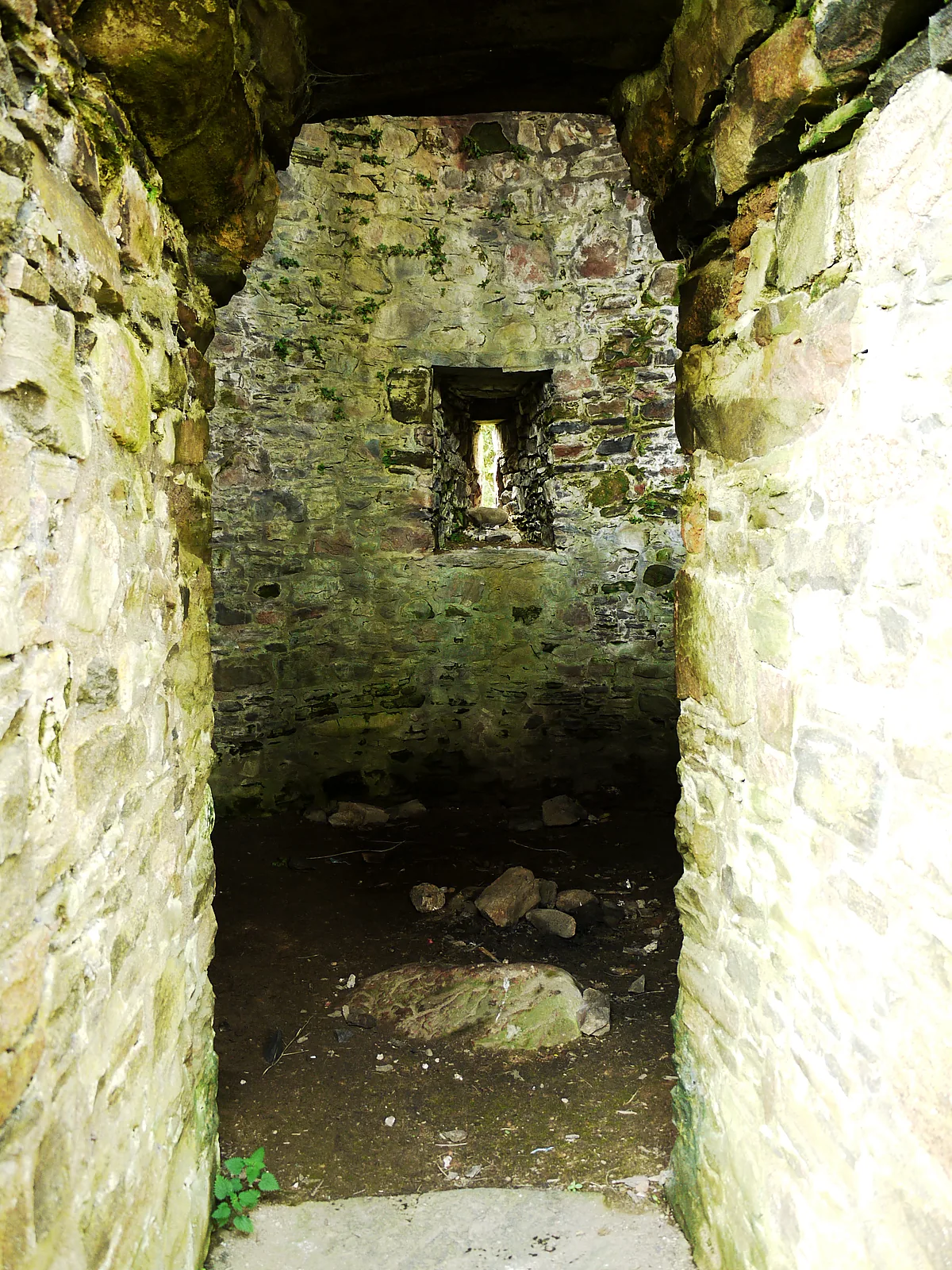
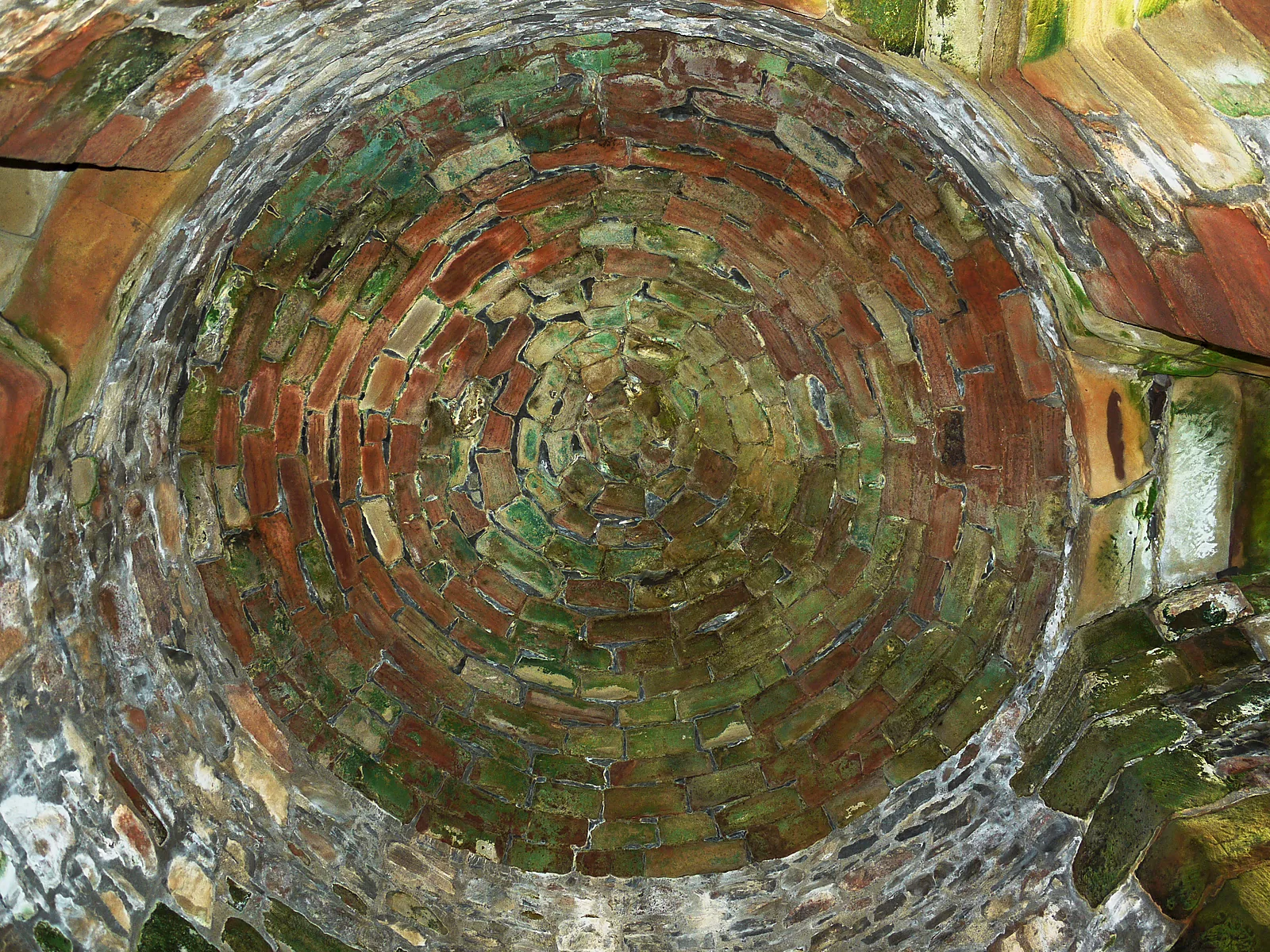
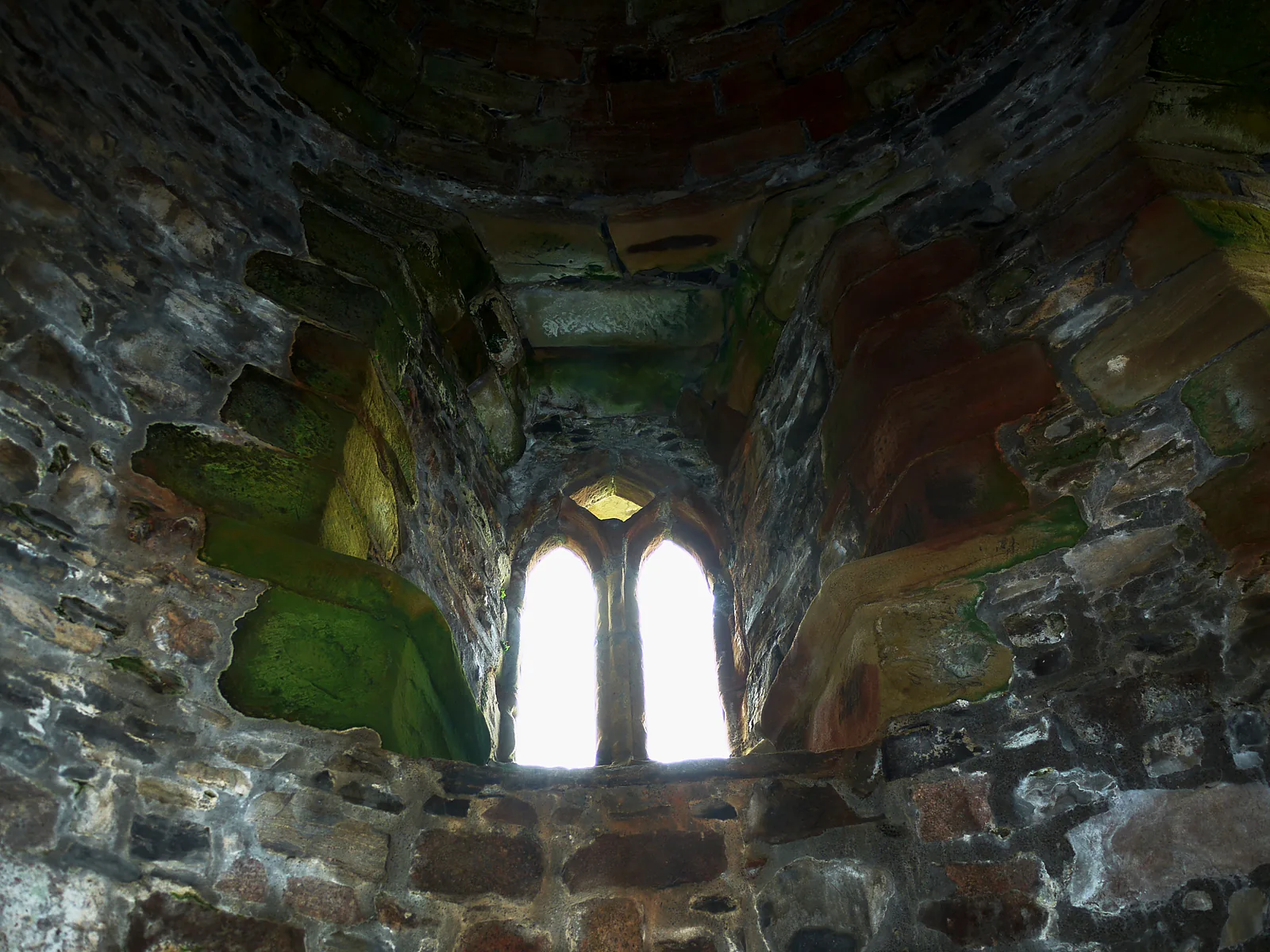
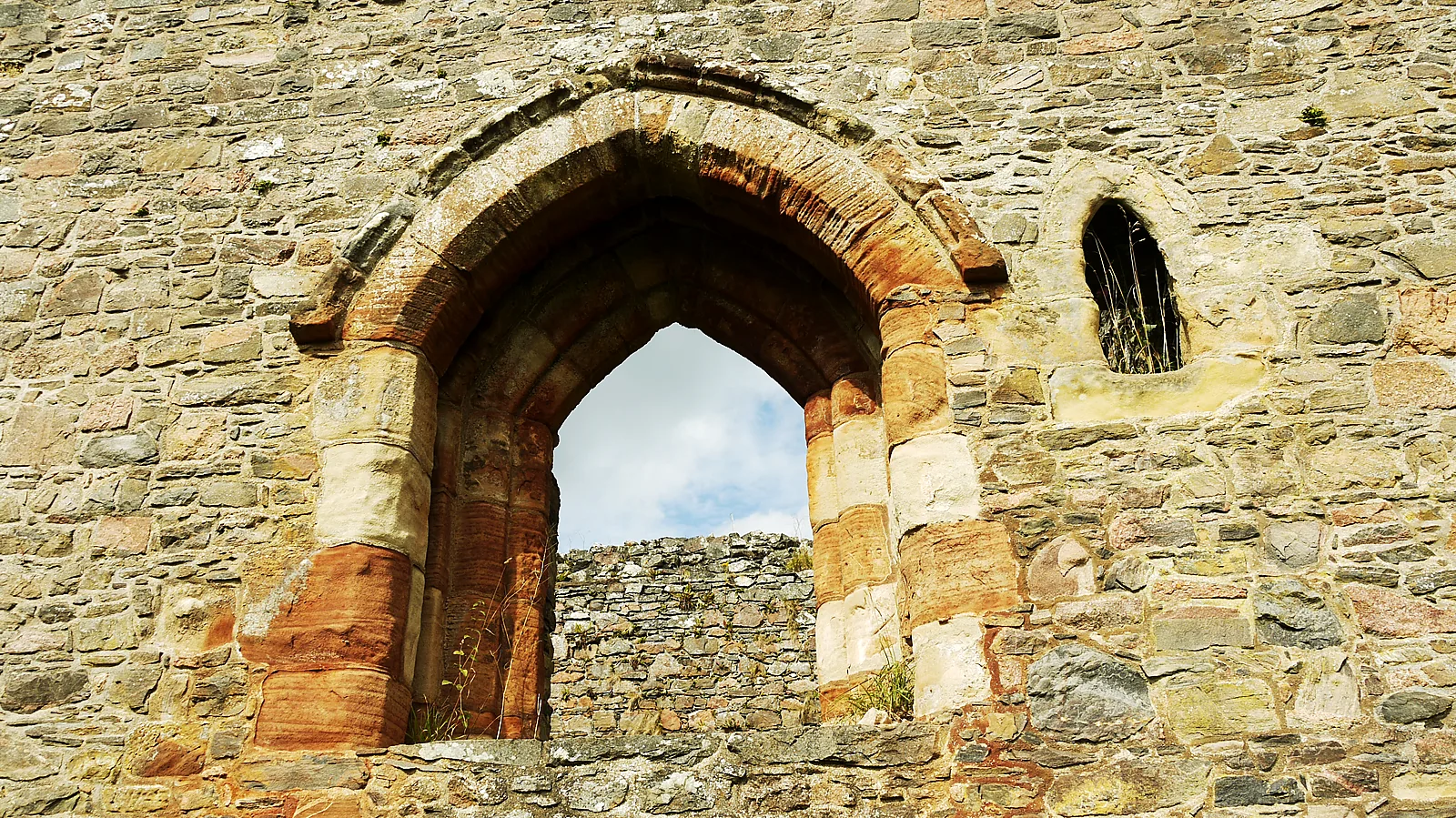
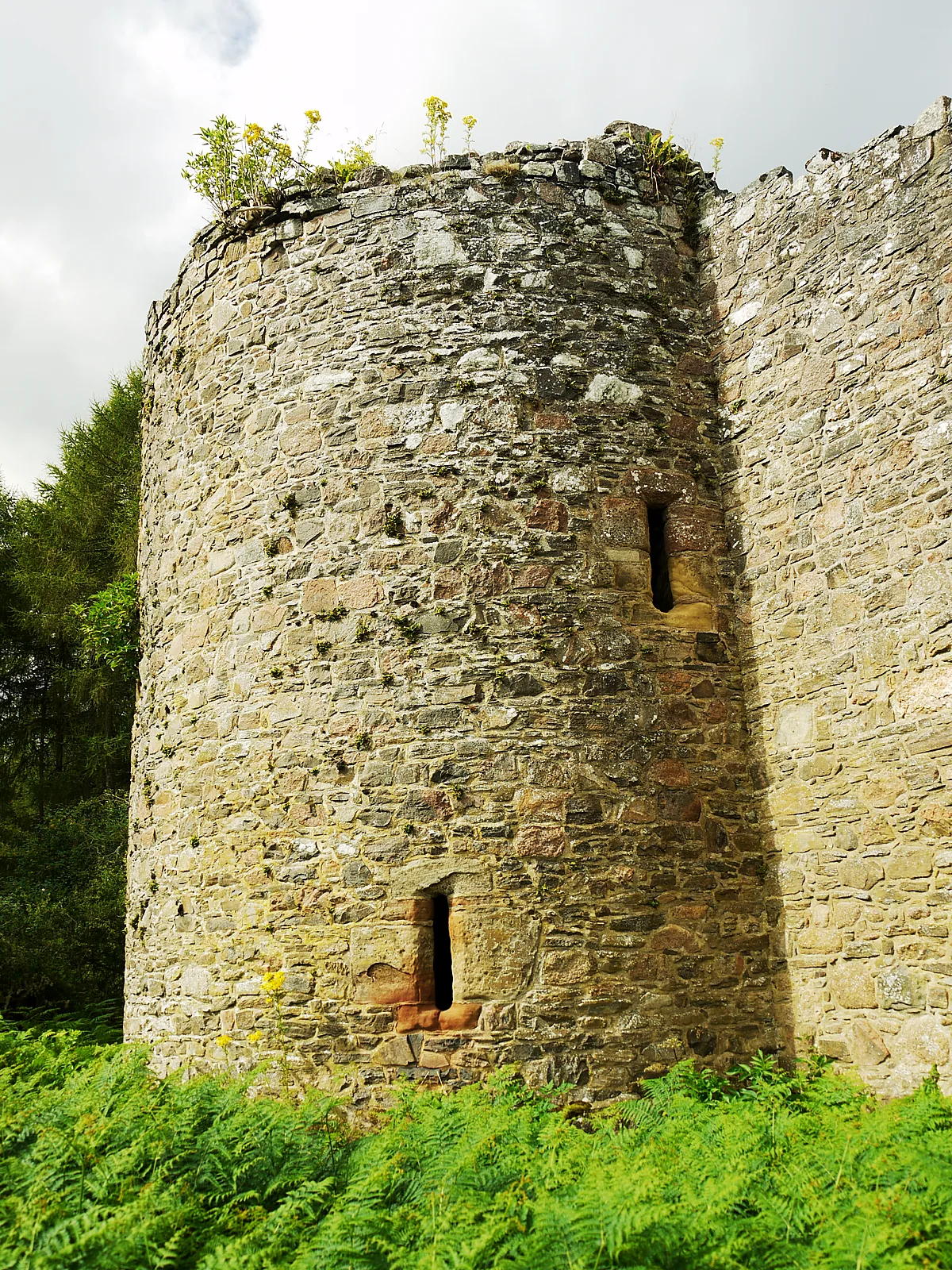
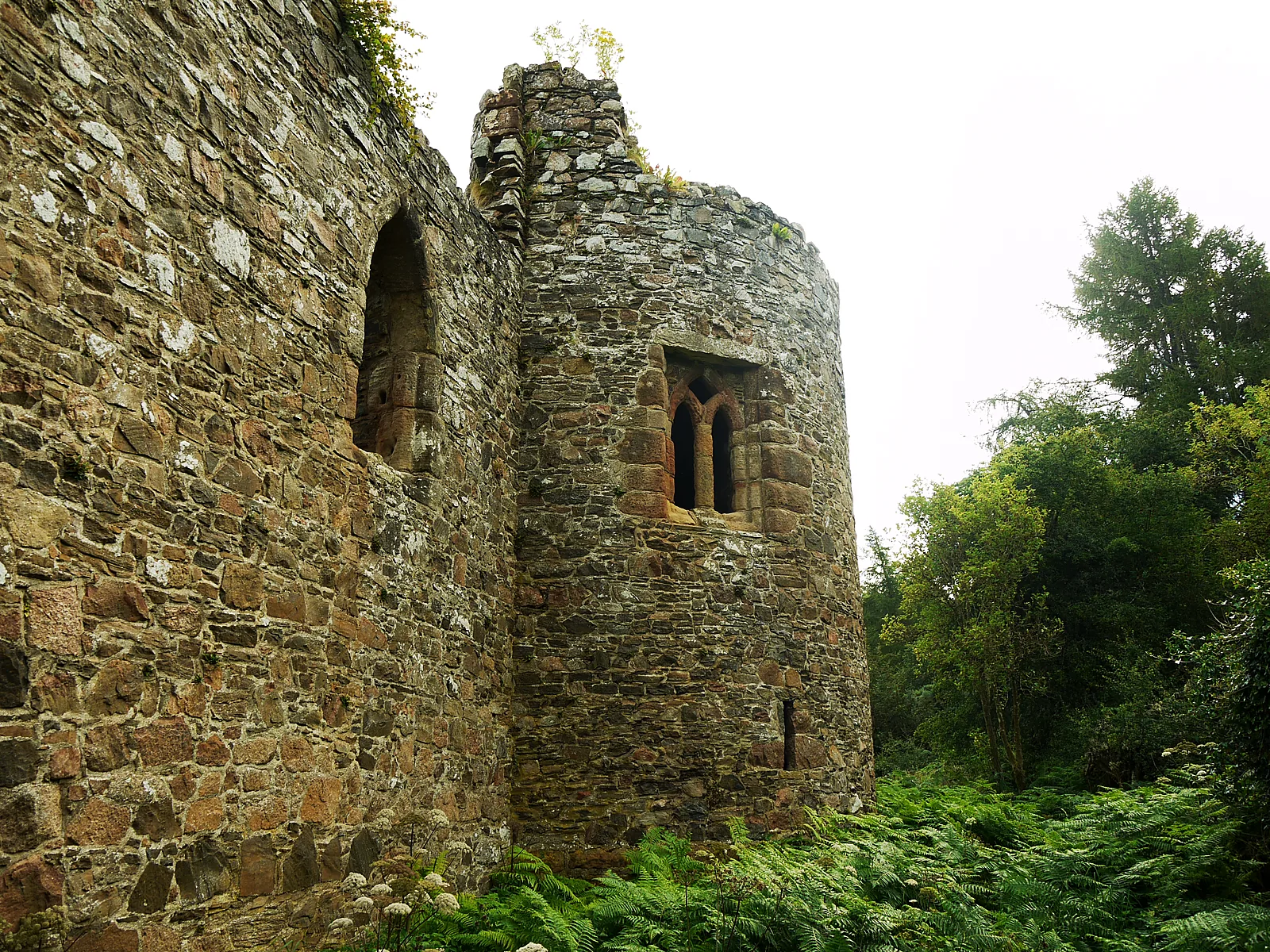
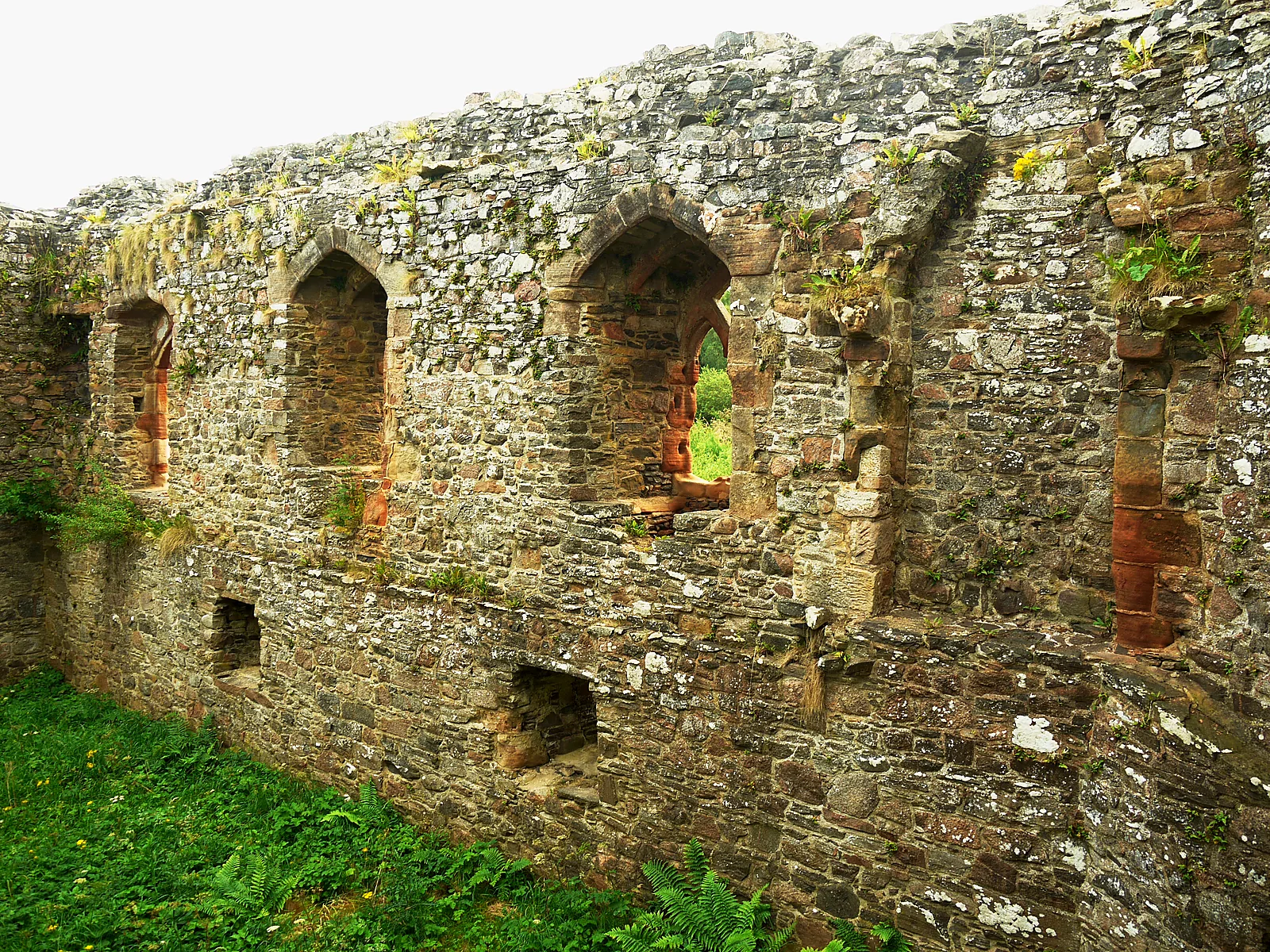
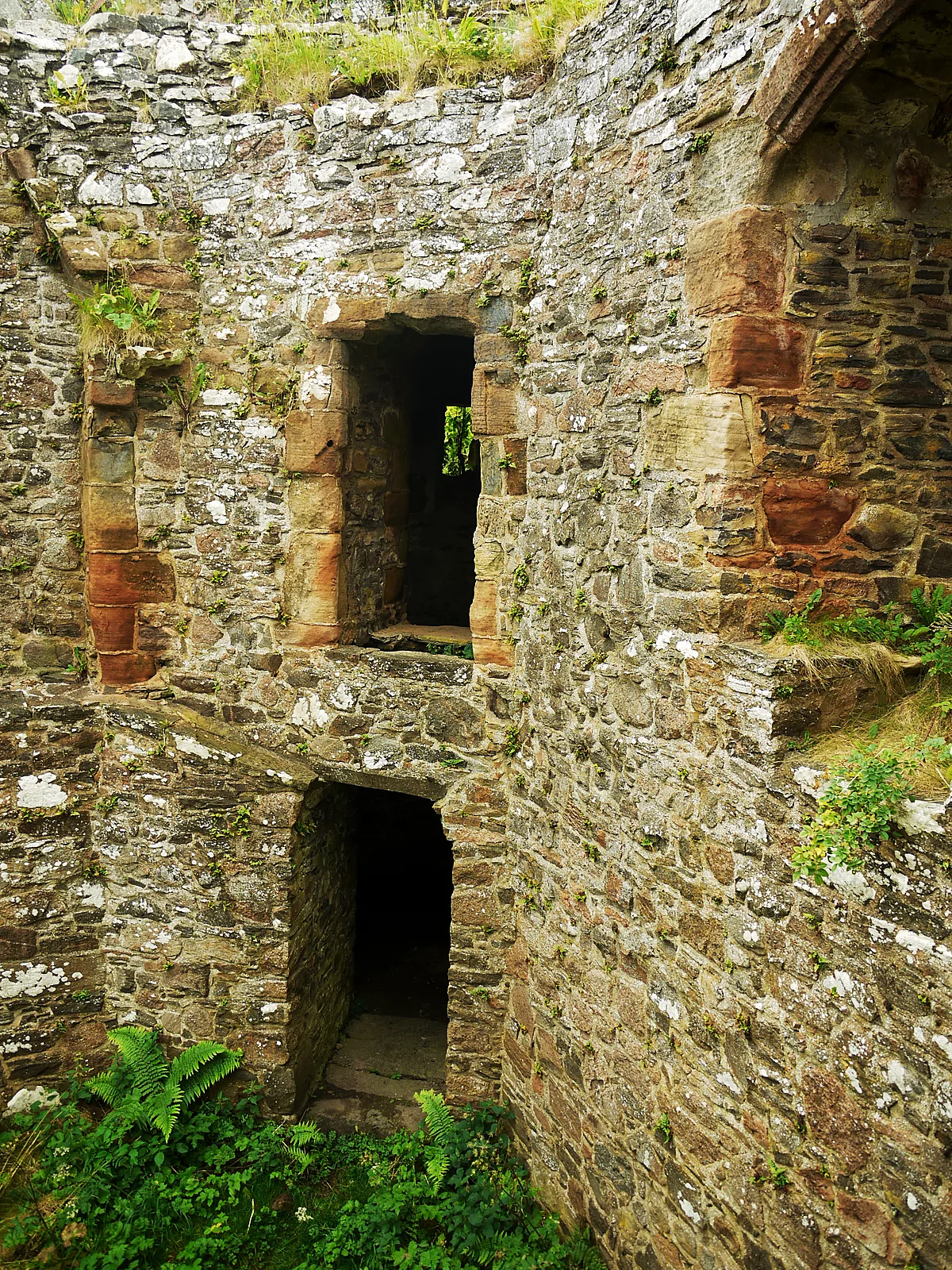
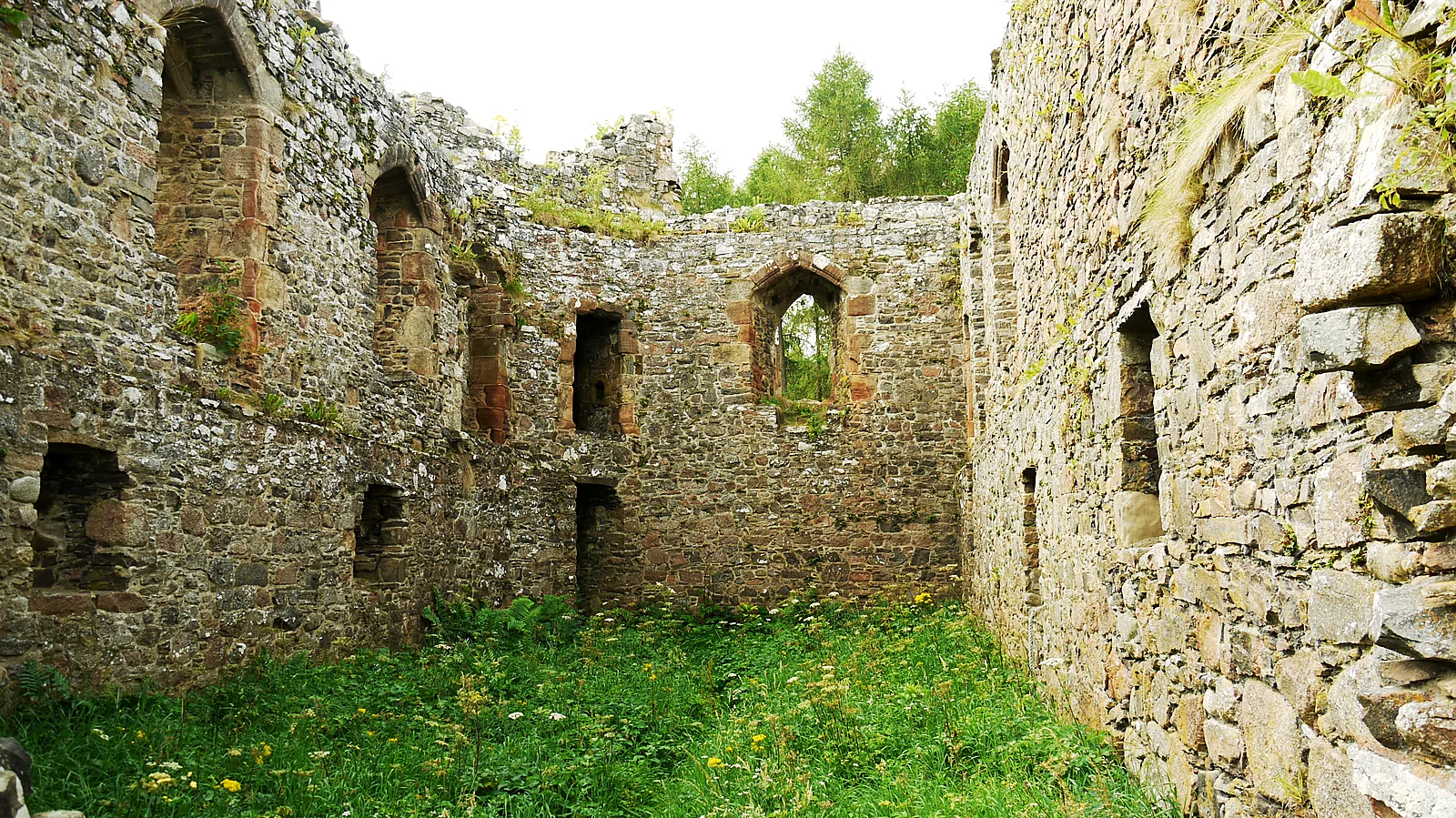
The hall stands over unvaulted cellars. It is built of whinstone and granite rubble laid in courses, with red sandstone dressings. It measures about 16.5 by 6.7 metres, stands up to 11 metres high and has walls nearly 2 metres thick. A round tower with a corbelled domed ceiling projects from the south-west corner. The hall was entered by a first-floor door in the south wall. Look for the two pointed arches of the doorway beneath its hood moulding. The doorway was protected by a portcullis and, behind that, a timber door secured by a draw bar. A latrine tower projects almost 4 metres south from the west wall.
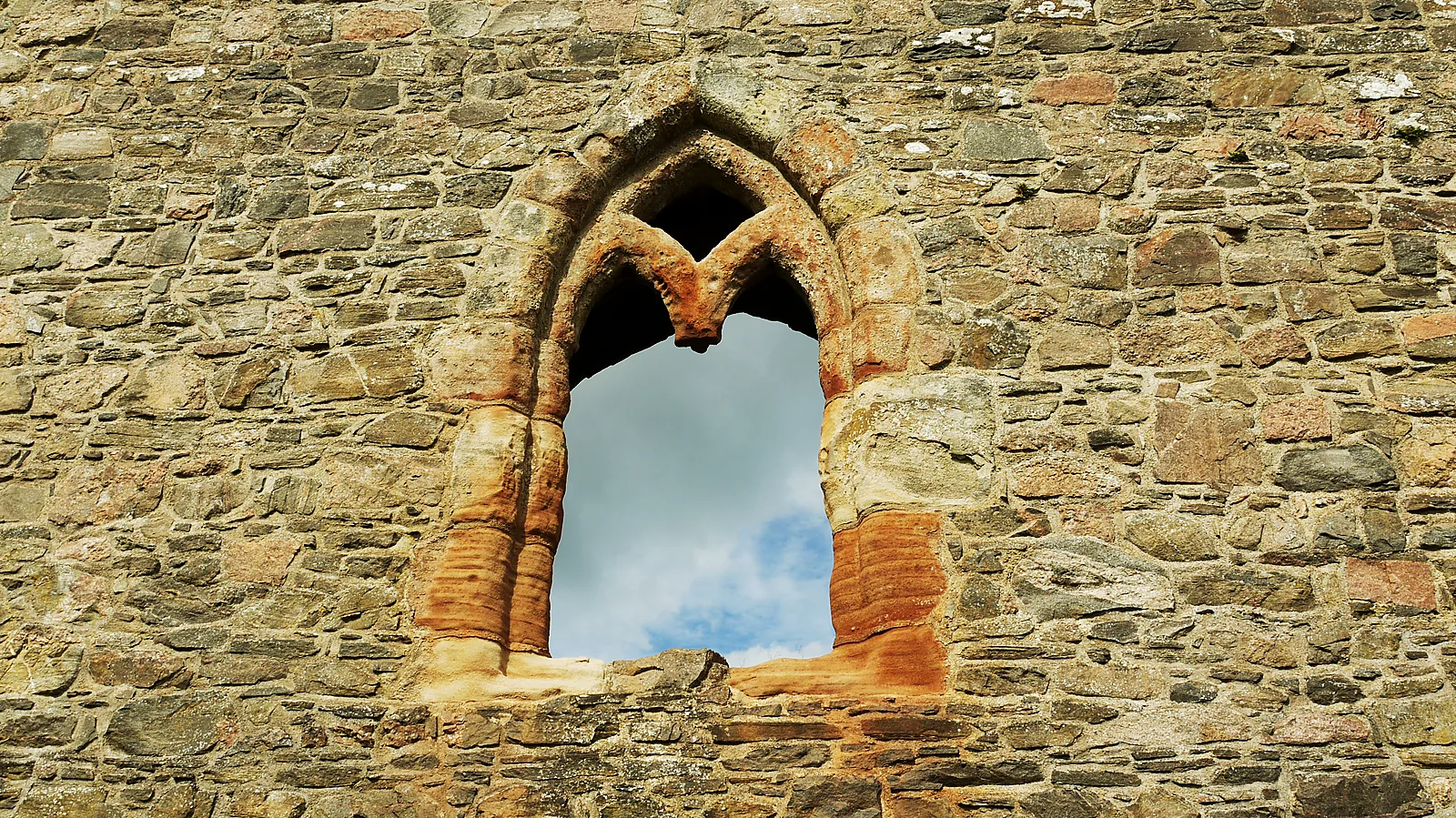
The hall was lit by lancet windows, each divided into three lights by a branched mullion. The only fireplace is at the west end of the south wall. From the position of the windows and the fireplace HES concludes that the first floor was divided into a hall, an outer chamber with a fireplace and latrine, and an inner chamber in the round tower. It is also possible that the upper end of the hall had a broad dais, with the lord’s private rooms in the tower alone.
Courtyard and chapel
Outbuildings and a courtyard surrounded the house. The courtyard’s south wall, 3 metres high and 1.5 metres thick, incorporates a steep, smooth outcrop of granite. On the north there are slight traces of a ditch. The detached building to the south-east may be the chapel of St Mary of Rait, also called the Hermit’s Chapel. Medieval records mention a chapel of St Mary and, in 1343, a hermit named Nicholas. Whether he lived beside these particular ruins is uncertain. The site is heavily overgrown, and apart from the hall-house little is easy to identify.
The legend
According to local tradition a Cumming laird invited the Mackintoshes to a feast in order to murder them. His daughter, who was in love with one of the guests, warned her lover. When the fighting broke out, her father chased her, and as she tried to escape through a window he cut off her hands. She fell and died, and her handless ghost is said to wander the ruins still. Dates vary from one telling to another, and the story is difficult to reconcile with the documented ownership of Rait.
Rait was scheduled in 1959, and the boundaries were revised in 2002.
 The HighlandsUrquhart Castle
 The HighlandsDunvegan Castle
 The HighlandsDuffus Castle