TICKETS£7.50
Prices currently reduced; checked on the official Caerlaverock visitor page.
 Beta
Beta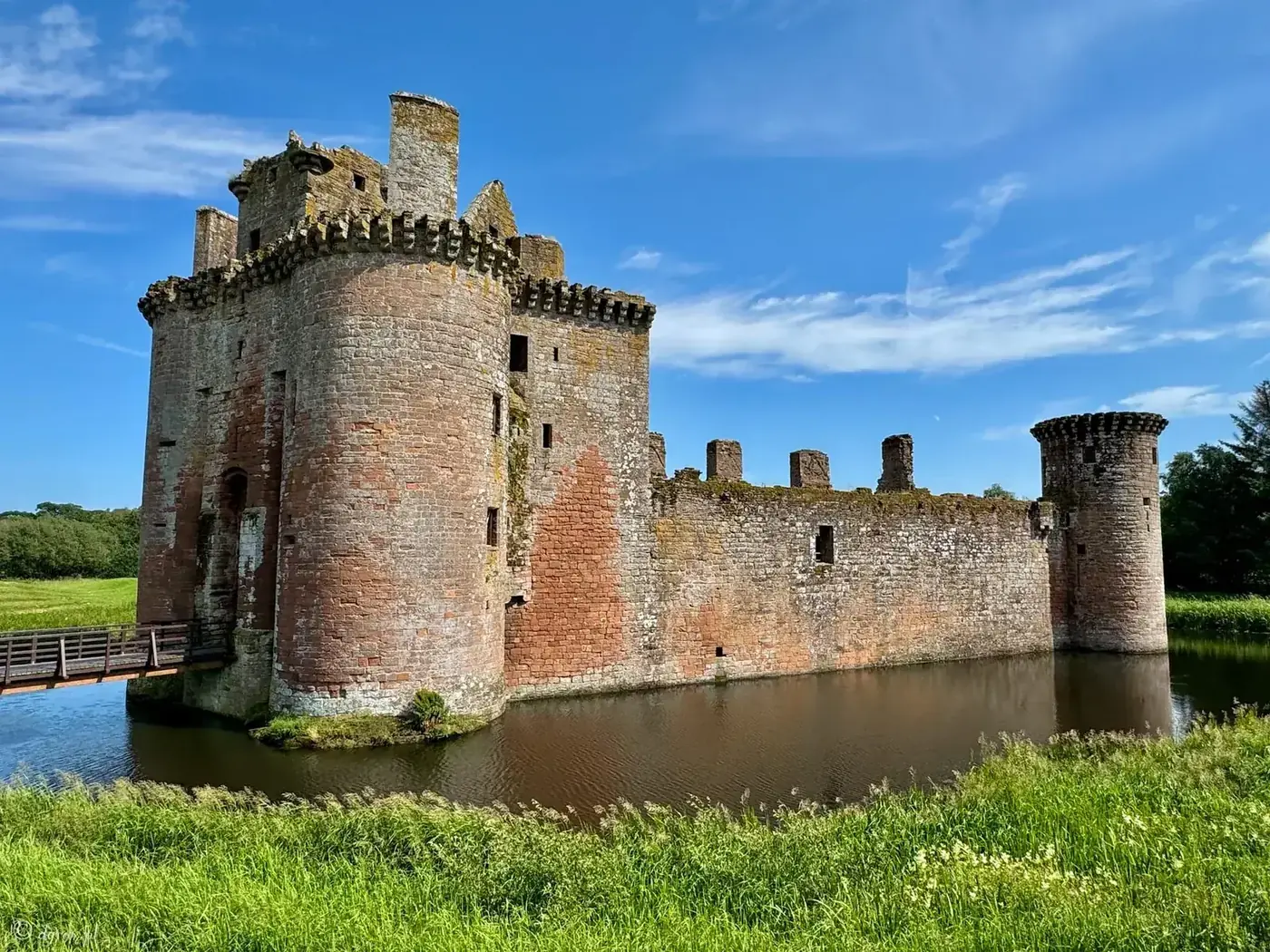
Scotland/Dumfries & Galloway/Caerlaverock Castle
THE TRIANGLE · SOLWAY
A triangular fortress. Built for a difficult border.
PLAN YOUR VISIT
Castle Road End, Dumfries, DG1 4RU
VISIT TIME: 1–2 hoursPrices currently reduced; checked on the official Caerlaverock visitor page.
Confirm seasonal arrangements before a long drive.
South of Dumfries, the castle is easiest to reach by car or taxi.
Surfaces can be uneven and damp after rain.
WHAT TO EXPECT
01 / THE STORY
At first, Caerlaverock looks like the castle you drew as a child: a moat, a bridge and a gatehouse between two towers. Then you notice the shape. This fortress is a triangle.
The surprise continues inside. Behind the defensive entrance are the remains of an elegant residence. Caerlaverock is both a fighting castle and a home that once had much grander ambitions than survival.
The moat and triangular walls make Caerlaverock instantly recognisable, but its quieter setting is just as important. Leave room in your visit for the approach and the surrounding landscape.
This is a good castle for looking twice. The first view gives you the fortress; the second begins to reveal the house within it.
The Maxwell family’s stronghold is famous for its unusual triangular plan. From the approach, the twin-towered gatehouse draws the eye, while the water gives the walls a little distance and drama.
Walk around the exterior where access allows. Changing your viewpoint is the simplest way to understand a building whose shape is difficult to take in from one position.
In 1300, Edward I’s army besieged Caerlaverock. The attack became the subject of a poetic account that recorded the heraldry of the men involved.
The quiet approach feels different with that episode in mind. The moat was not created for a reflection photograph: it belonged to a stronghold caught in conflict between kingdoms.
02 / VISUAL JOURNAL
Every photograph on this page was made by CastleScotland during personal field visits.
10 of 28 photographs
01 / THE STORY CONTINUES
The Nithsdale Lodging brought a more refined residential character to the castle in the seventeenth century. Its decorative stonework offers a striking contrast with the defensive entrance.
Look for the difference in purpose. The gatehouse controls arrival; the lodging speaks of comfort and display. Their meeting is what makes Caerlaverock more than an unusual outline.
A siege in 1640 brought another violent turning point. The castle suffered damage and was left as a ruin rather than returning to its former residential life.
The open sky is beautiful now, but it is worth remembering that these spaces were once enclosed rooms. Try following a doorway or window upwards to picture the household that has disappeared.
Check the official visitor notice for current access: conservation restrictions can affect which parts you can enter. Photographs of an interior are not a promise that it will be open on your day.
For your own photographs, begin with the moat and gatehouse, then look for smaller contrasts in the stonework. The shape brings you here; the details give you a reason to linger.
Caerlaverock has a lighter screen story than its siege-scarred walls might suggest. It was a filming location for The Decoy Bride (2011), the romantic comedy starring Kelly Macdonald and David Tennant.
With a moat, twin towers and an unusually triangular outline, this is a castle that already looks made for a story. Keep that film connection in mind as you take in the view across the water.
03 / MOMENTS IN STONE
The present triangular castle is built by the Maxwells. The 1300 siege is famous for a poetic account listing knights and coats of arms.
Edward I besieges Caerlaverock in a campaign recorded by poets. The triangle was practical: three strong corners, clear fields of fire and water around much of the perimeter.
After further conflict, the castle is slighted and left as a ruin. The surrounding wetland, birds and Solway light are part of the experience.
04 / FIND THE CASTLE
54.997200,-3.515300
Caerlaverock Castle is at Castle Road End, Dumfries, DG1 4RU. Check current access arrangements before travelling.
Open mapConfirm seasonal arrangements before a long drive.
South of Dumfries, the castle is easiest to reach by car or taxi.
A wide lens helps with the full triangular plan.
History and visitor advice: CastleScotland fieldwork and official operator sources.
The new castle is closely associated with the Maxwell family, although the earliest ownership evidence requires care. Historic Environment Scotland’s detailed assessment considers a Maxwell builder likely, but notes that direct evidence naming the family as lords of Caerlaverock begins later. This is a good example of archaeology, architecture and documents contributing different parts of a history. The substantial investment clearly expressed the ambitions of a rising lordly household.
Edward I’s siege in 1300 made Caerlaverock famous. A contemporary French poem describes the attack and records the heraldry of the English participants. It is valuable evidence for the castle and siege warfare, but also a celebration of chivalric achievement, with its own viewpoint and literary purposes. The familiar triangular outline can be recognised in the account without treating every flourish as an impartial report of events.
Damage and rebuilding continued during the Wars of Independence. Eustace Maxwell received a reward from Robert the Bruce for demolishing the castle to prevent English use, but the extent of that destruction is unknown. Later repairs allowed the residence to function again. The surviving walls therefore combine original work and subsequent rebuilding. The basic triangle endured even as individual defensive and domestic arrangements changed over time.
At the entrance, the twin towers concentrate protection around the gateway; the other corners carried projecting towers. The moat and controlled crossing were essential parts of the approach. The geometry may have had several advantages, but no surviving builder’s explanation establishes a single reason for choosing a triangle. It is better to follow how the defences work than to present a modern theory about fields of fire as the documented intention behind the design.
The Nithsdale Lodging transformed the courtyard in the 1630s. Robert Maxwell, first Earl of Nithsdale, created an ambitious residence whose carved window pediments contrast with the older enclosure. Family arms and classical imagery presented wealth, learning and status. The decoration invites a different kind of looking from the gatehouse: instead of tracing obstacles to an attacker, notice symmetry, carving and the relationship between rooms and the court. It is a palace-like layer within a medieval shell.
Covenanting forces besieged Caerlaverock in 1640, and the fighting caused major damage. The castle was subsequently abandoned as a lordly residence, although a military unit is recorded there in 1644, so occupation did not end in an absolute sense on the day of surrender. Today the two castle sites and their surroundings form a protected scheduled monument. Walk between the visible ruin and the earlier site when access permits. The contrast brings together a changing shoreline, successive building decisions and a household caught in national conflict. Caerlaverock’s character comes from those layers, not from one perfectly preserved moment in the Middle Ages.
Caerlaverock Castle is near Dumfries in Dumfries and Galloway, south-west Scotland. Use the address and map links in this guide to plan your journey.
Its triangular curtain wall, broad moat and twin-towered gatehouse give it a distinctive outline. Inside, the decorated Nithsdale Lodging contrasts with the medieval defences. The siege by Edward I in 1300 is a major episode in its history.
The triangular plan is clear in the surviving walls, but no surviving explanation from its builders establishes one definitive reason for that choice. Suggested defensive advantages should be treated as interpretations rather than documented intentions.
The present triangular castle replaced an earlier nearby stronghold in the thirteenth century. The move is usually dated to the 1270s, and bridge timbers from the newer castle have been dated to about 1277. Later rebuilding means the surviving structures are not all the same age.
Check Historic Environment Scotland’s current visitor information for opening arrangements, ticket requirements and accessible areas. Conservation work or temporary restrictions can affect what you can visit; do not assume that every part of the ruin is open.
Start with the moat and gatehouse, then compare the medieval enclosure with the carved Nithsdale Lodging. When access permits, include the earlier castle site nearby. Allow time for photographs and consult the official access information if you need a step-free route.
Check official Caerlaverock Castle opening and ticket information.
Compare Caerlaverock’s moat and triangular defences with the island setting of Threave Castle. Use the map of castles in Scotland to compare locations and allow time for each journey. Check current access with the official operators before travelling.
08 / EXPLORE NEXT
Find Scottish castles by region, landscape or the stories that bring them to life.
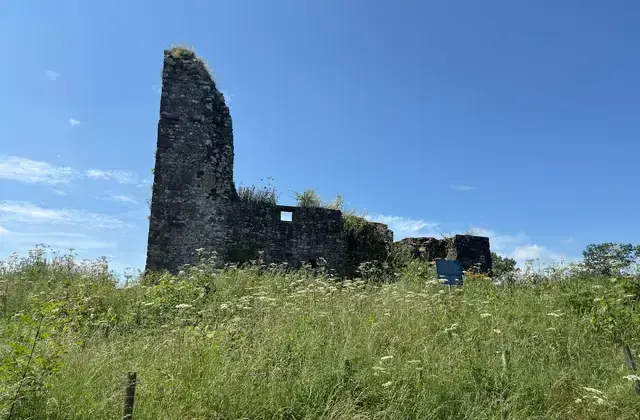 Dumfries & GallowayLochwood Castle
 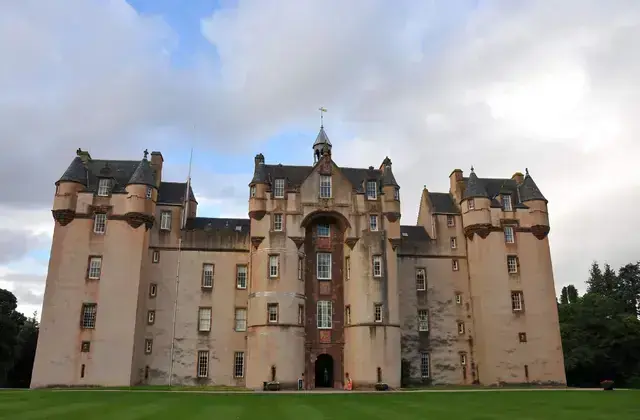 AberdeenshireFyvie Castle
 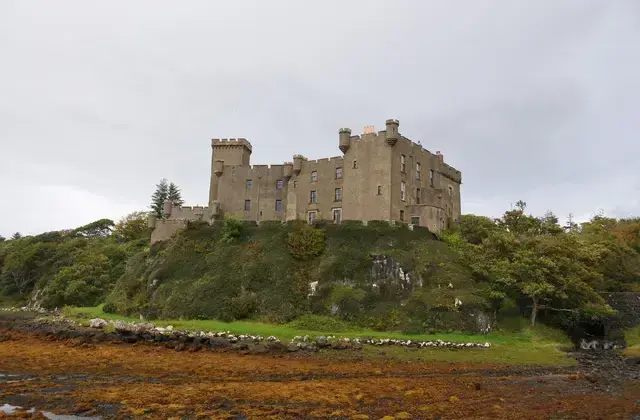 The HighlandsDunvegan Castle