Castle
TICKETSInformal countryside setting; current route unverified; observe land-management conditions and the Scottish Outdoor Access Code.
01 / THE STORY
Inverallochy Castle: history and highlights
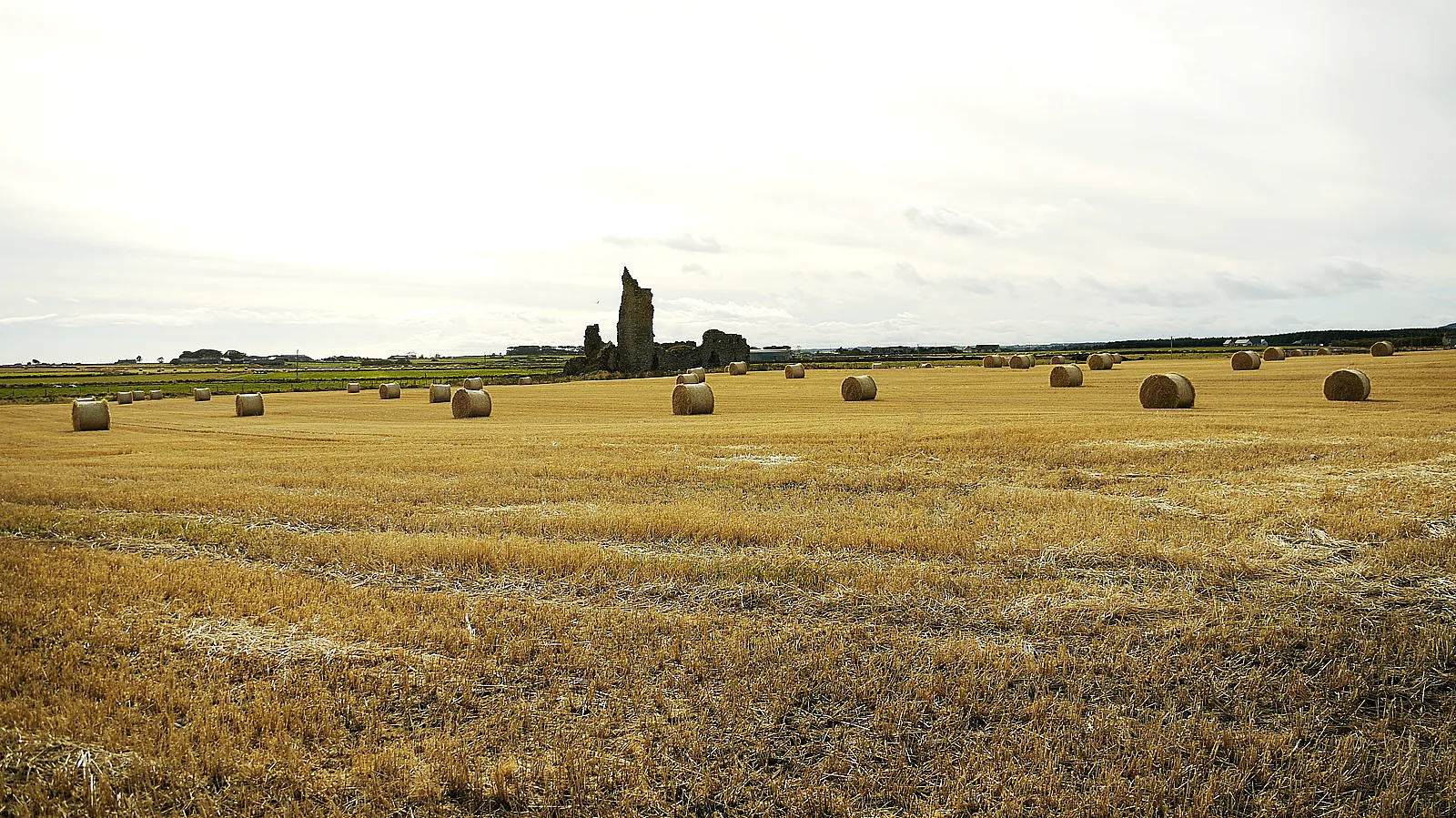
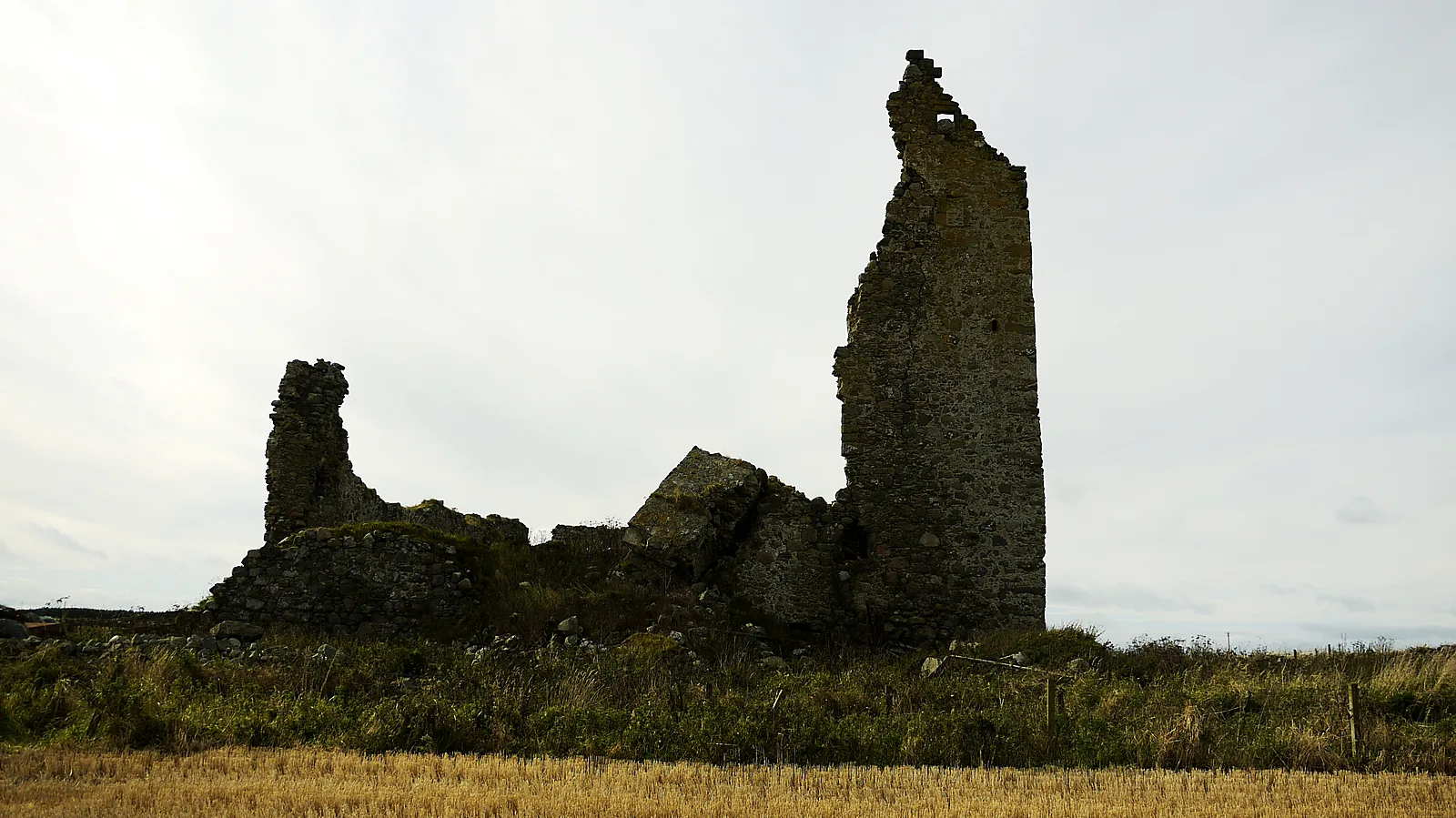
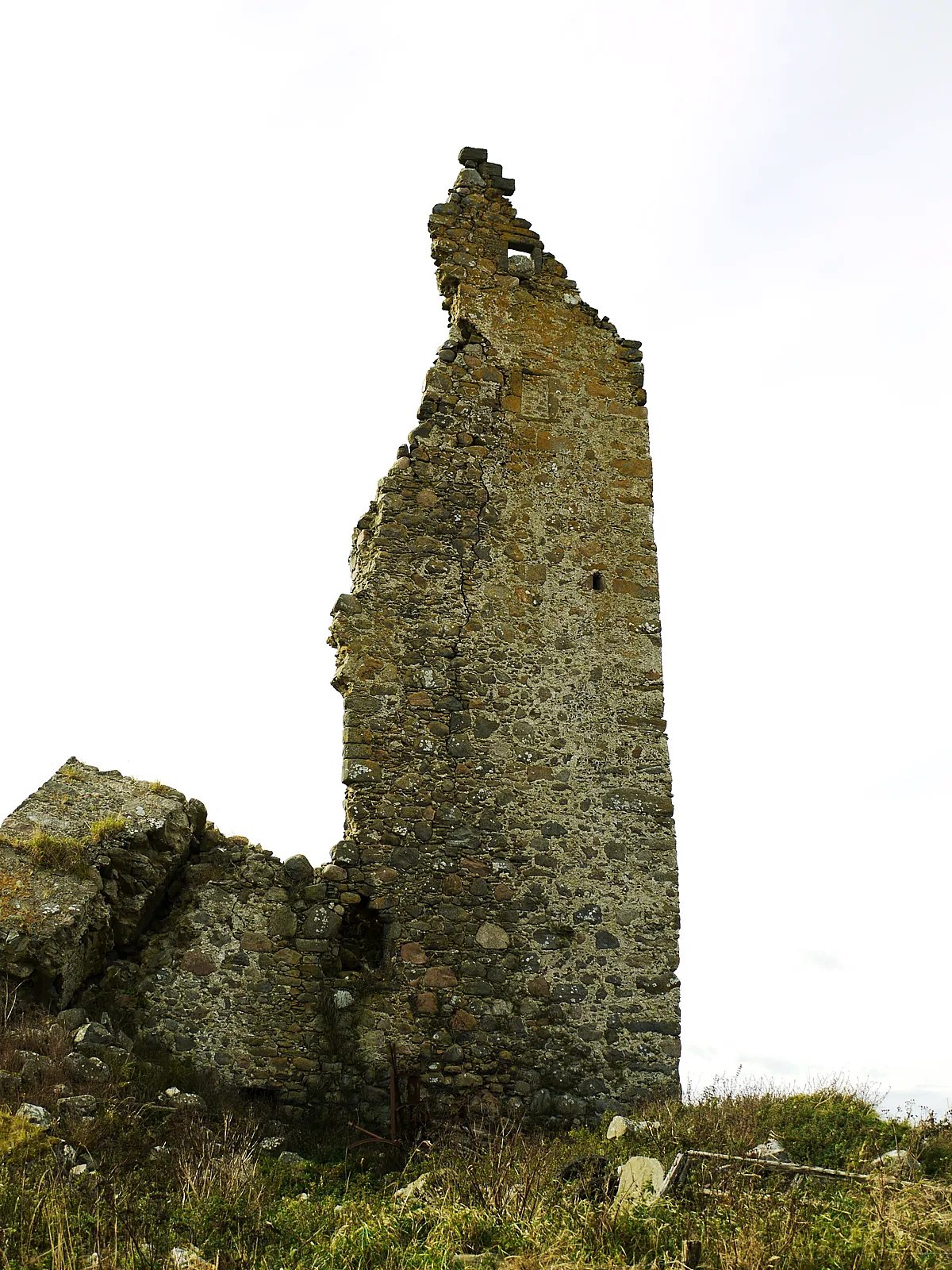
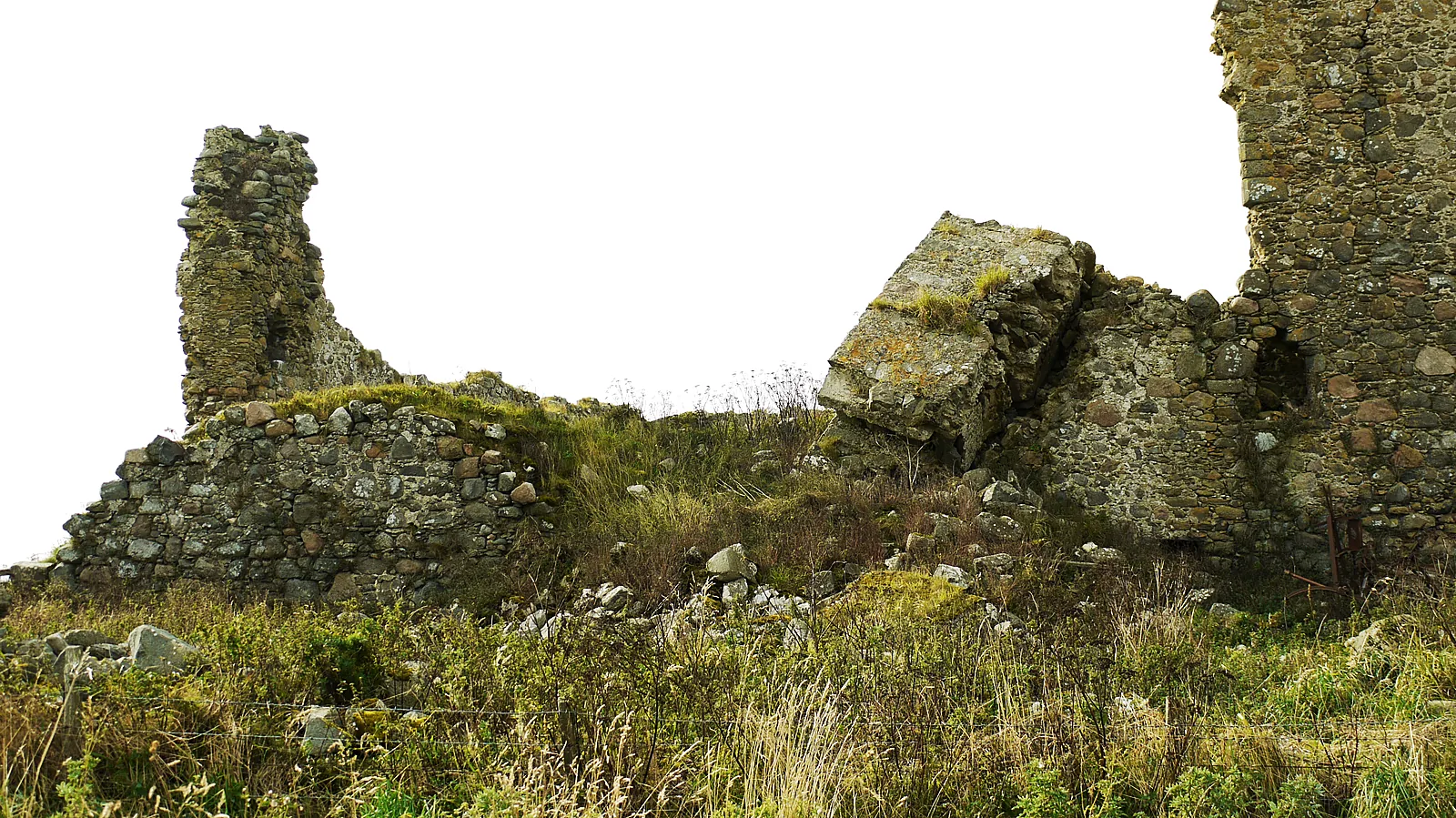
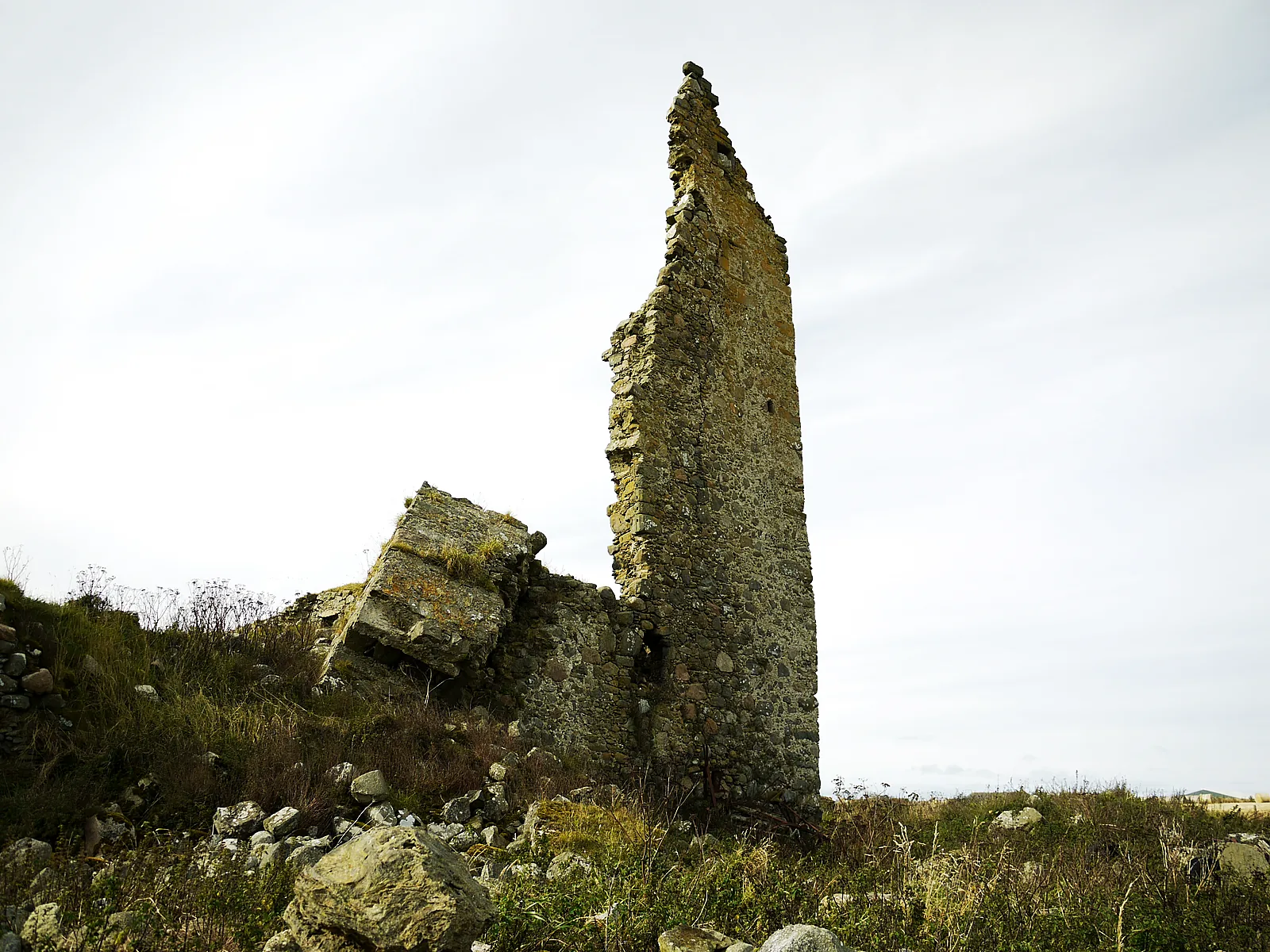
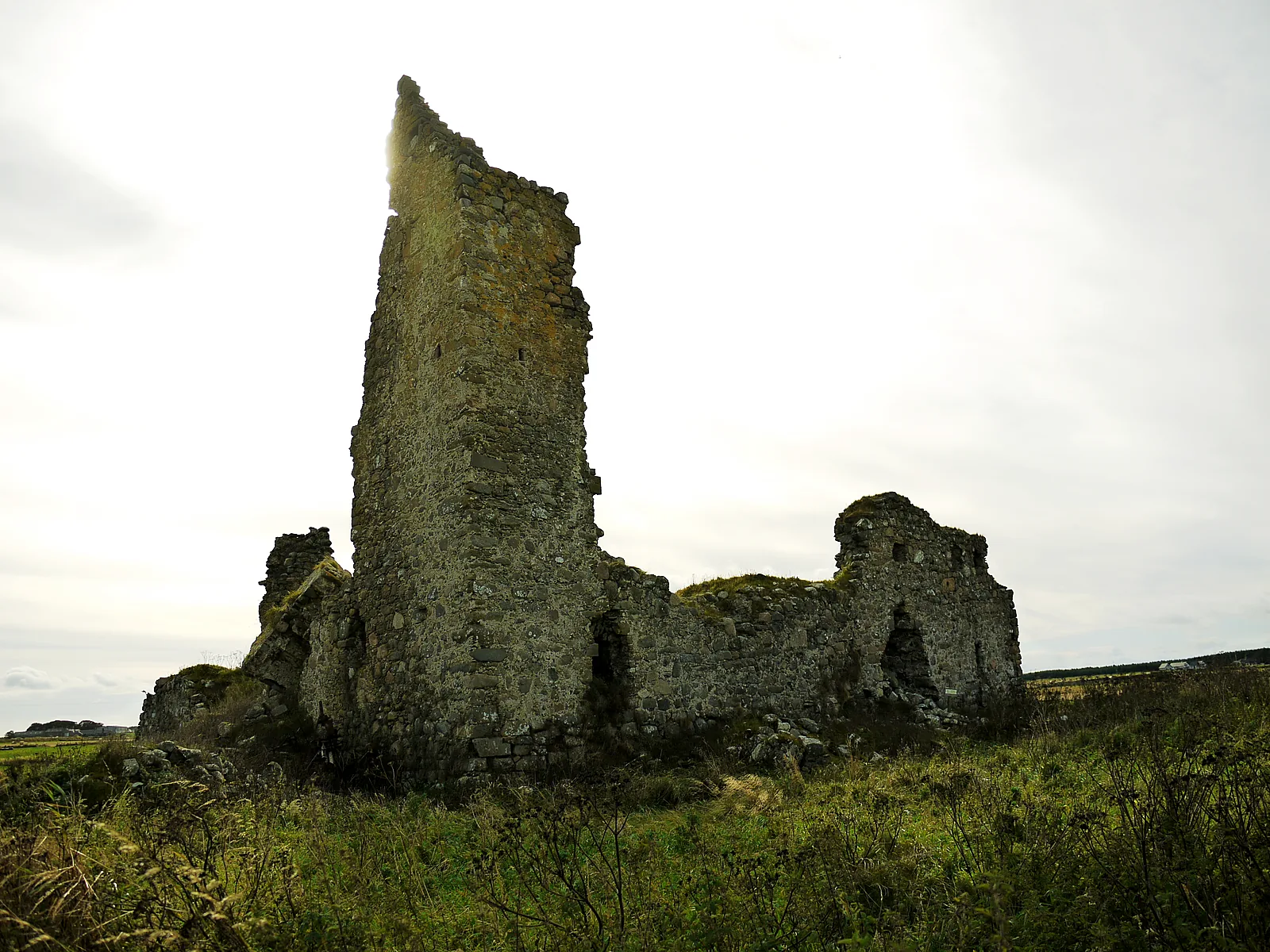
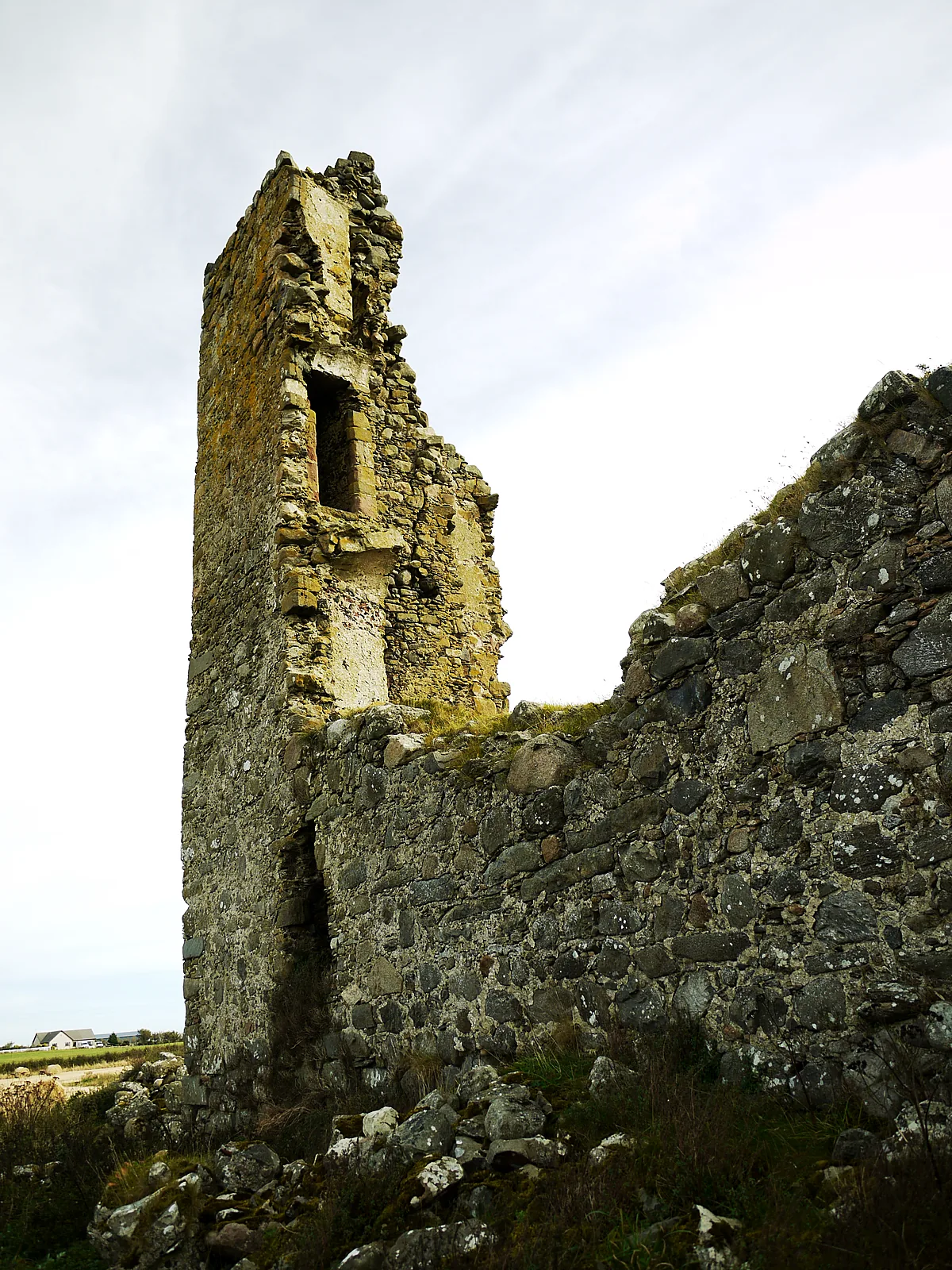
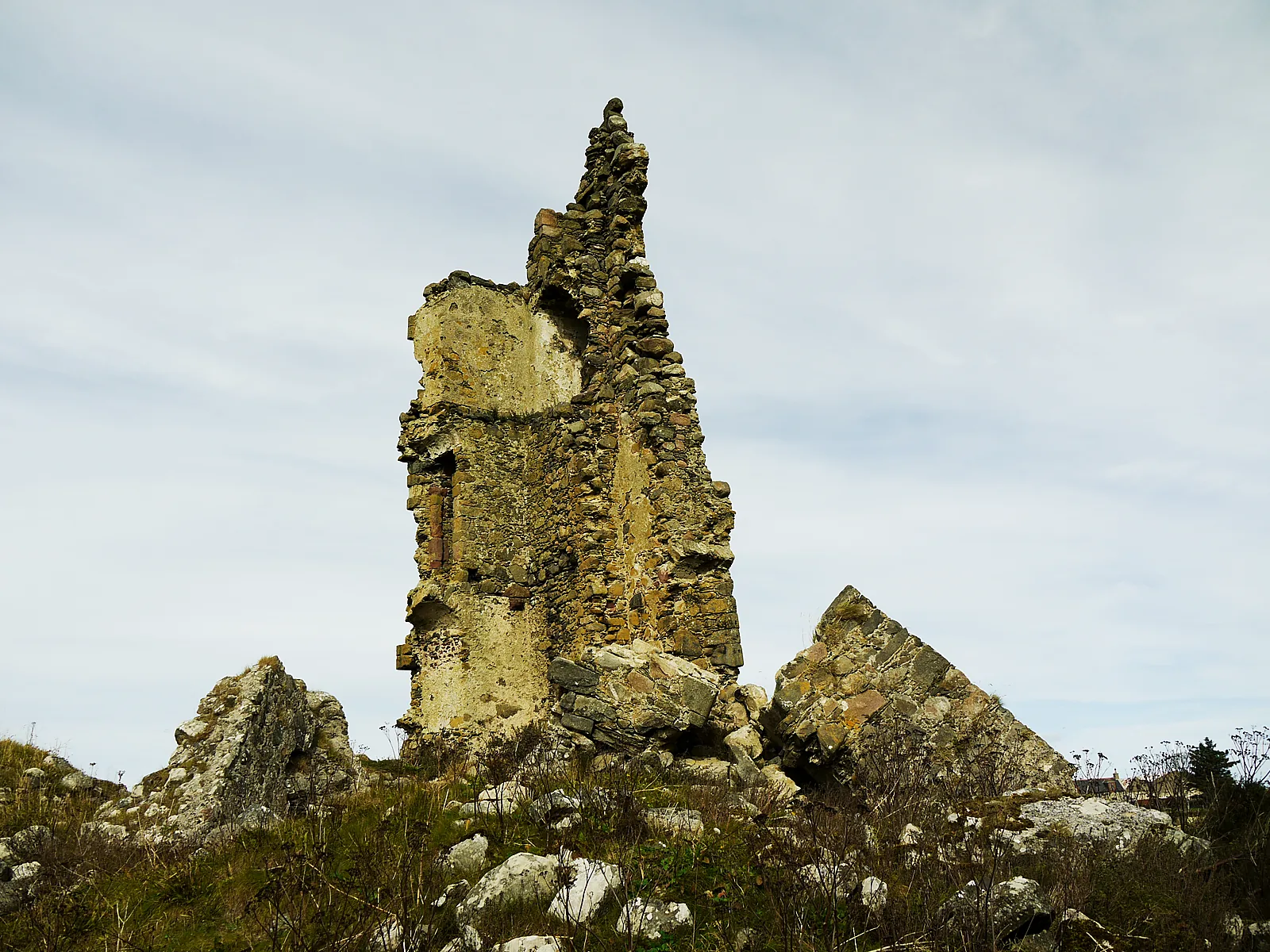
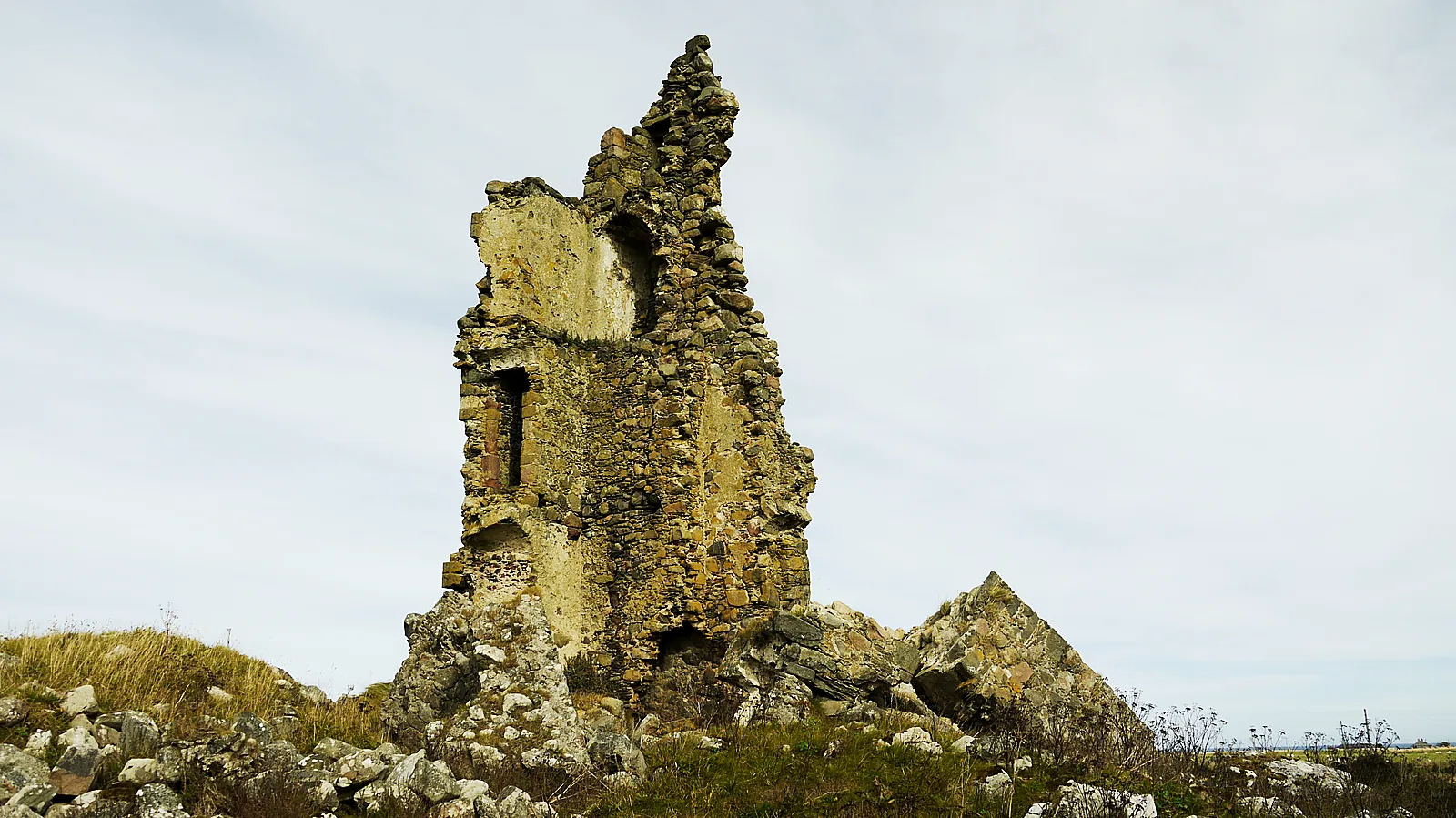
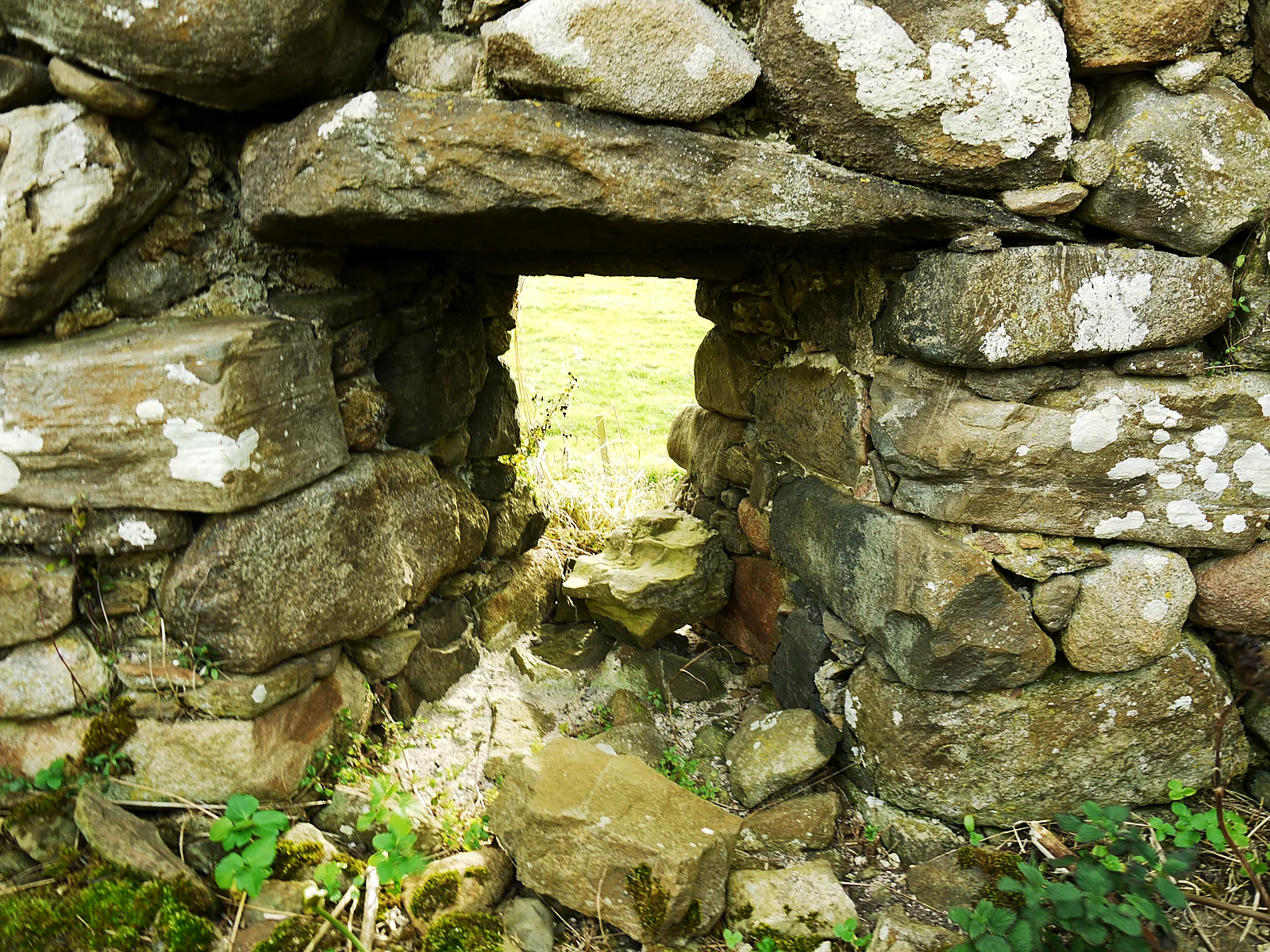
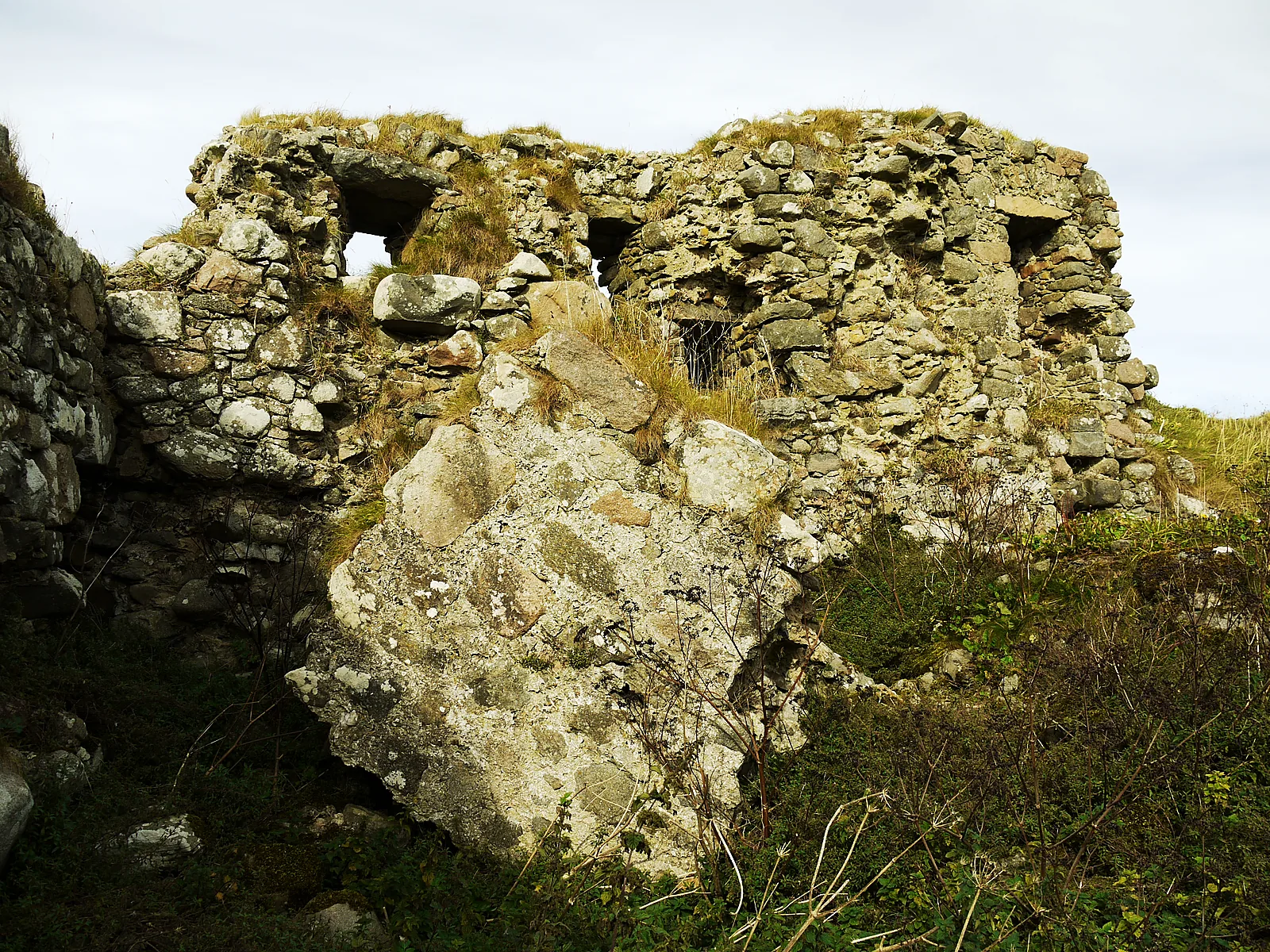
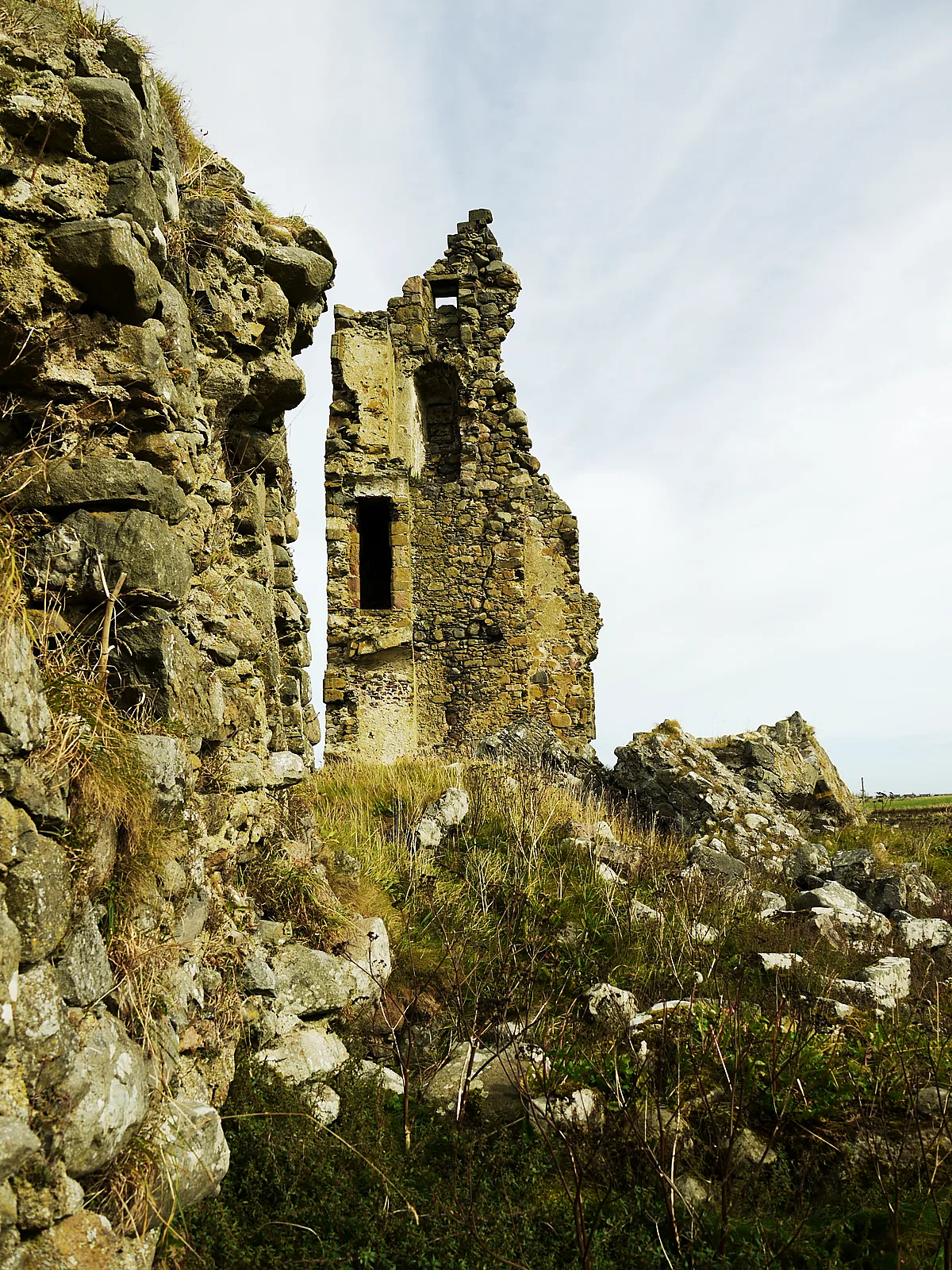
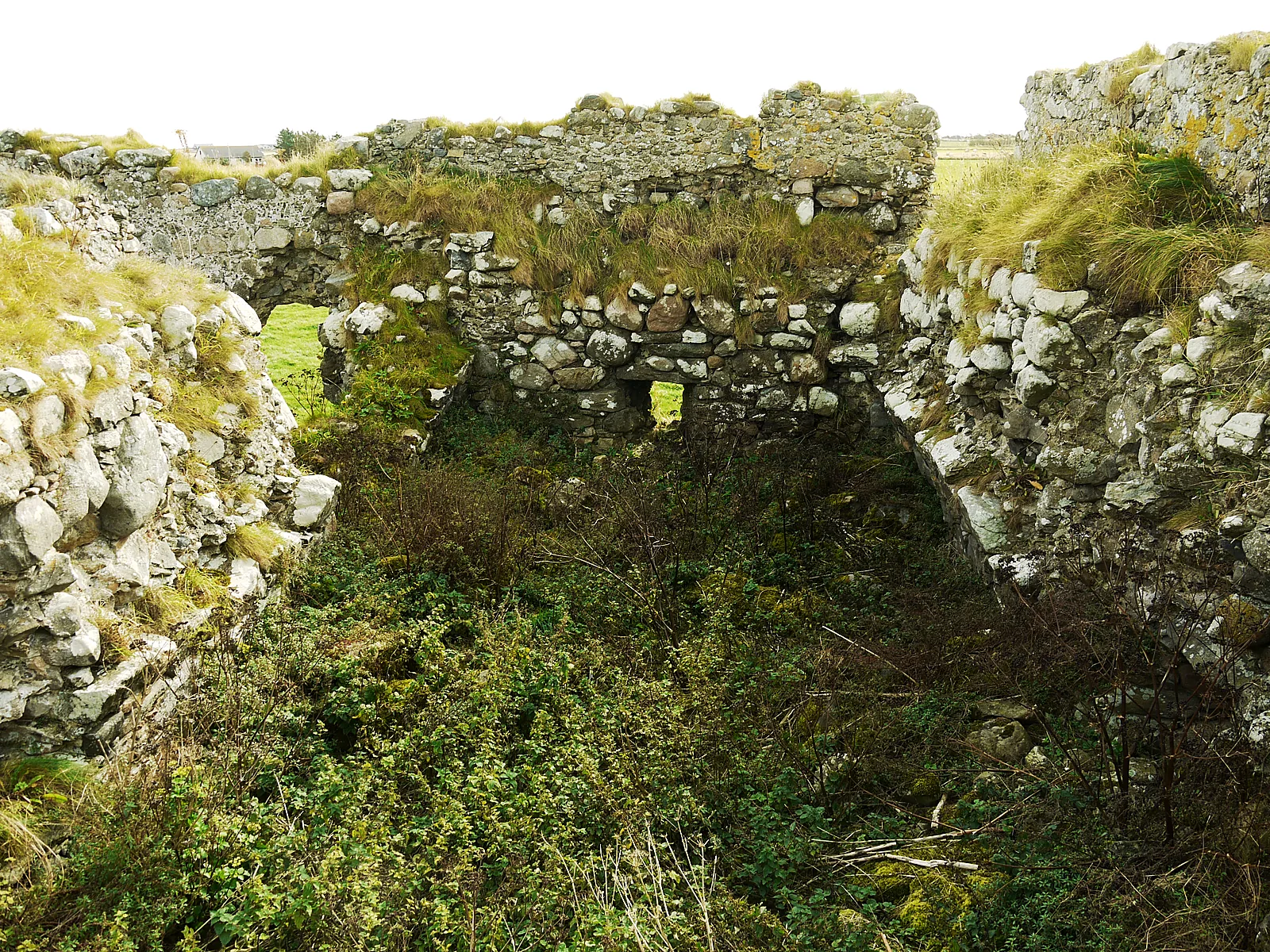
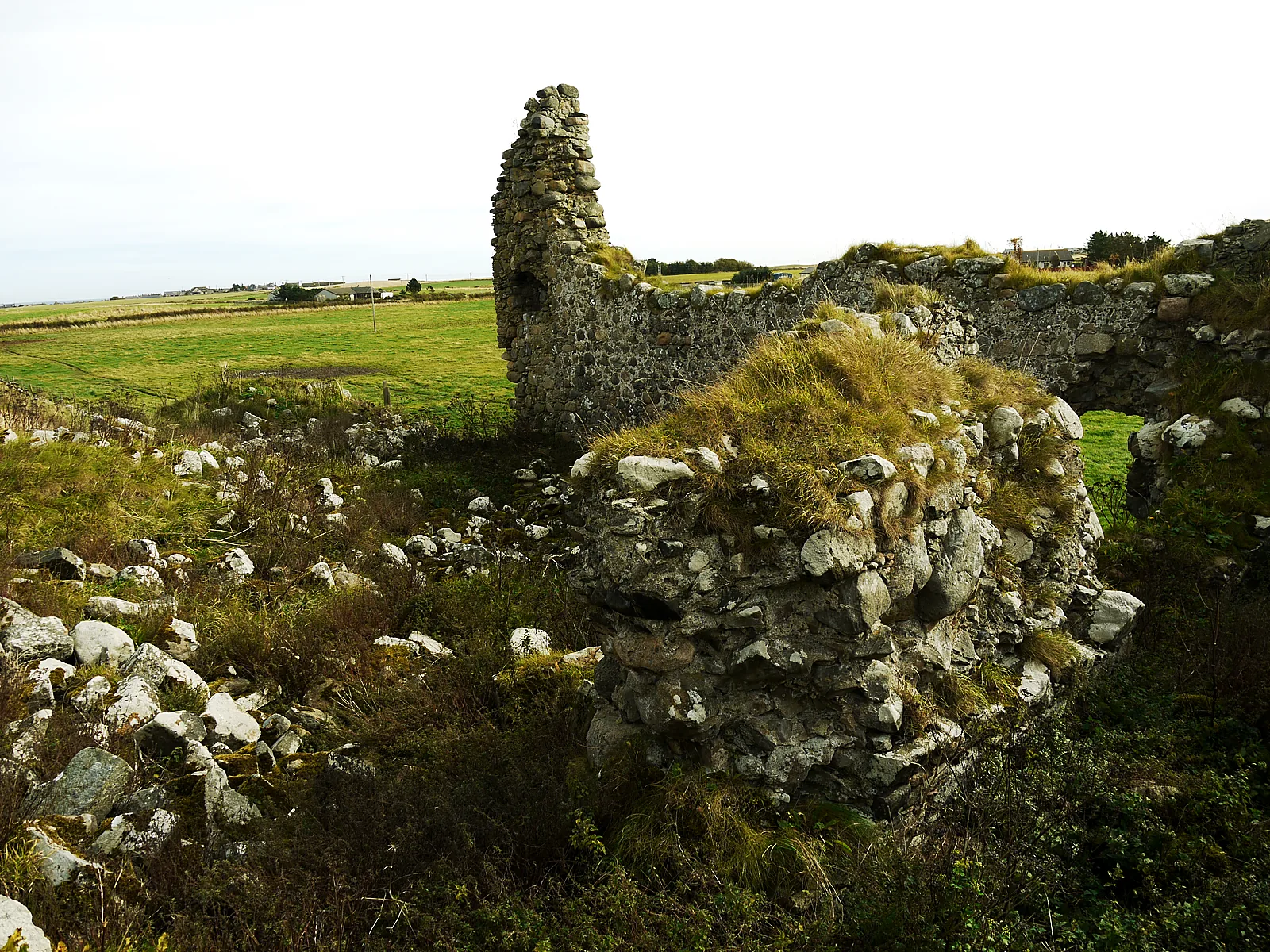
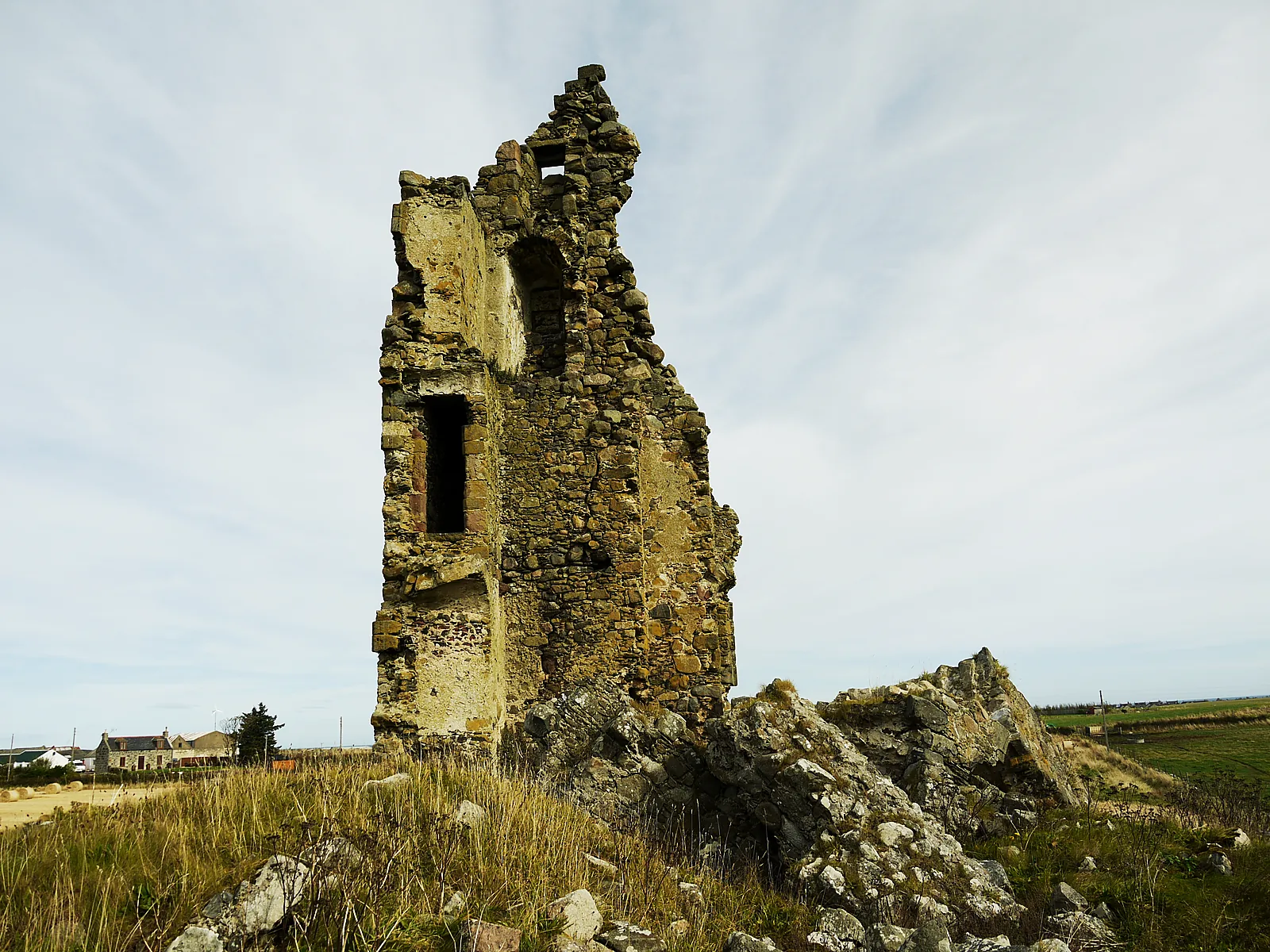
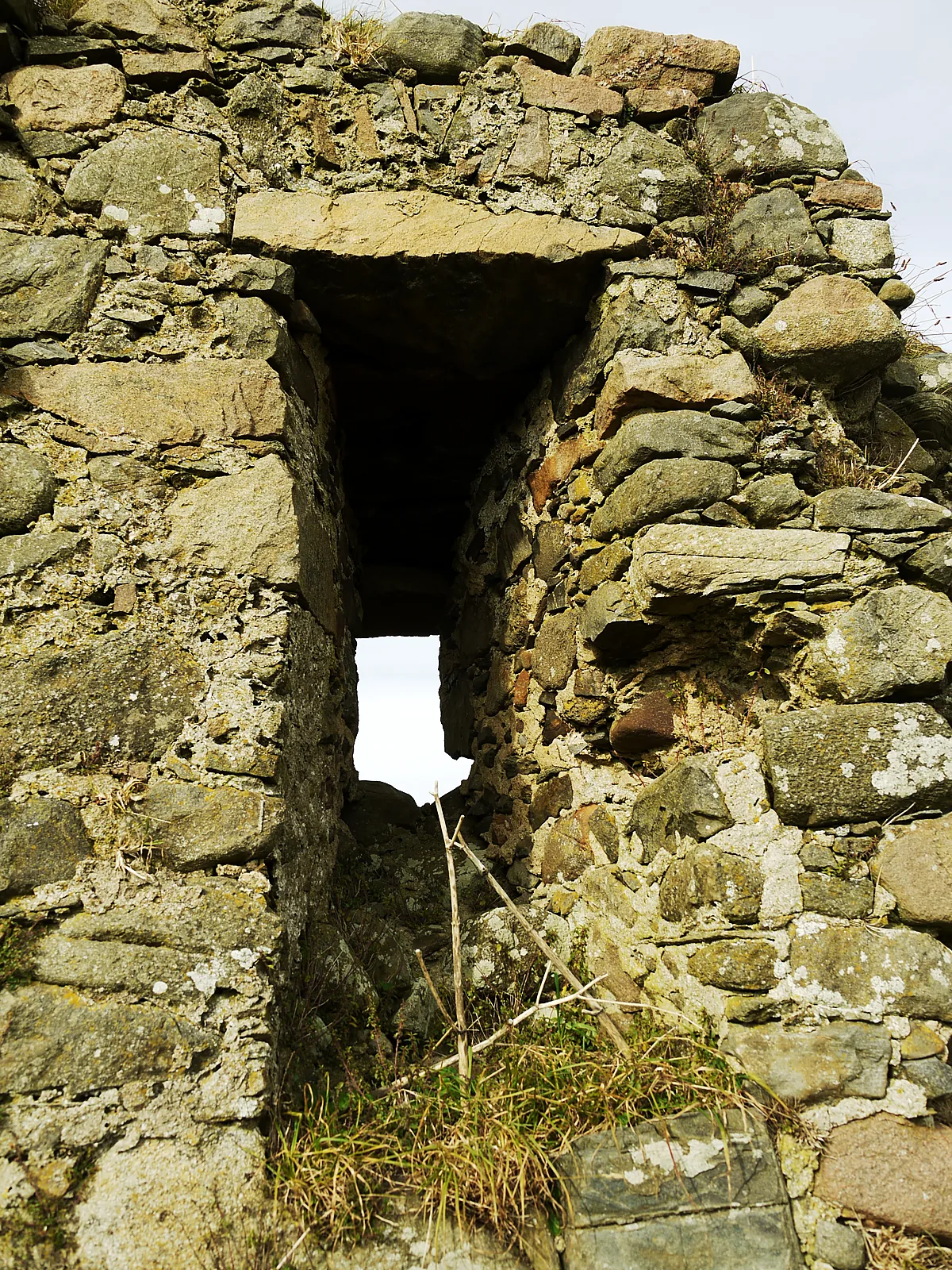
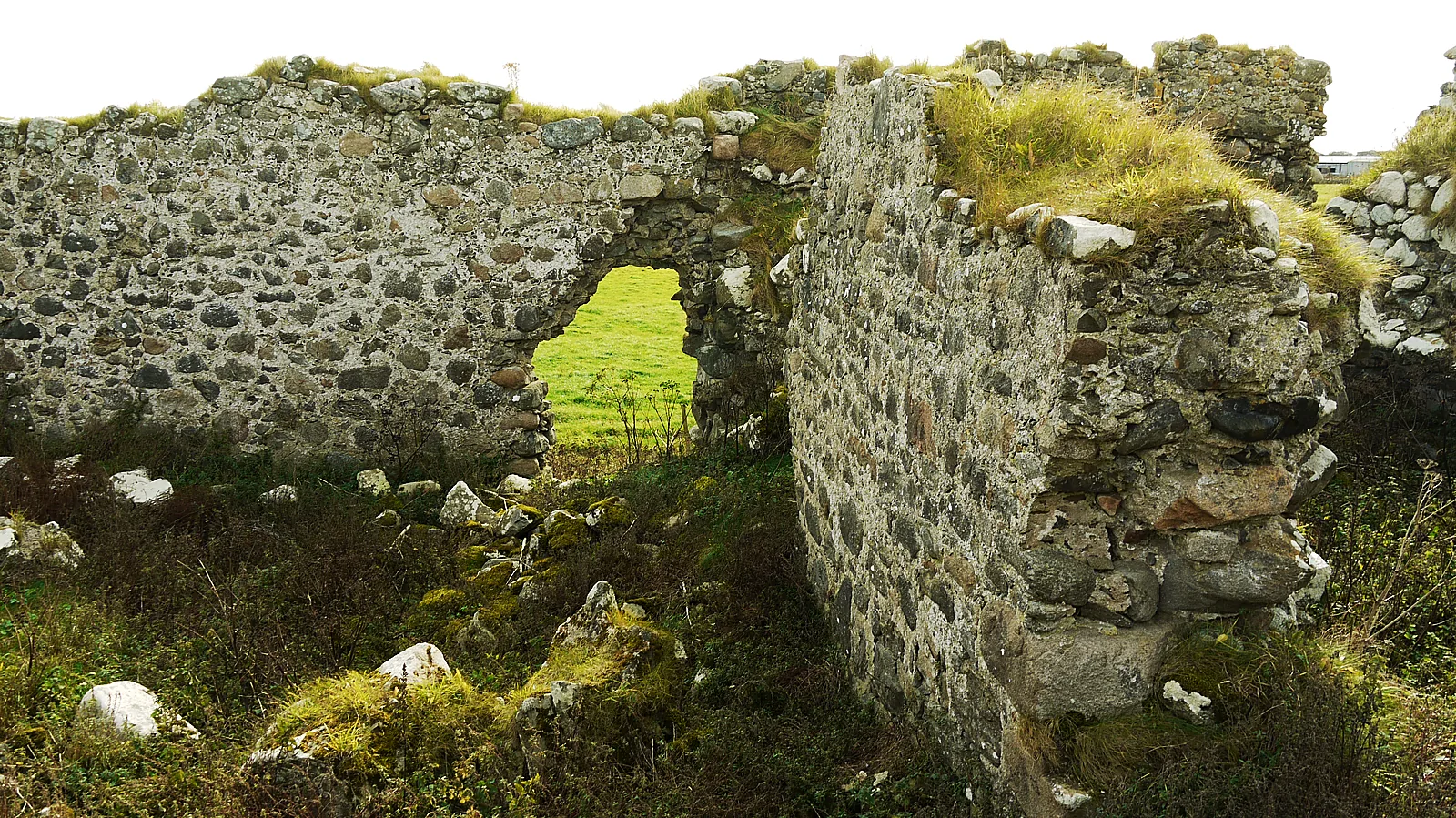
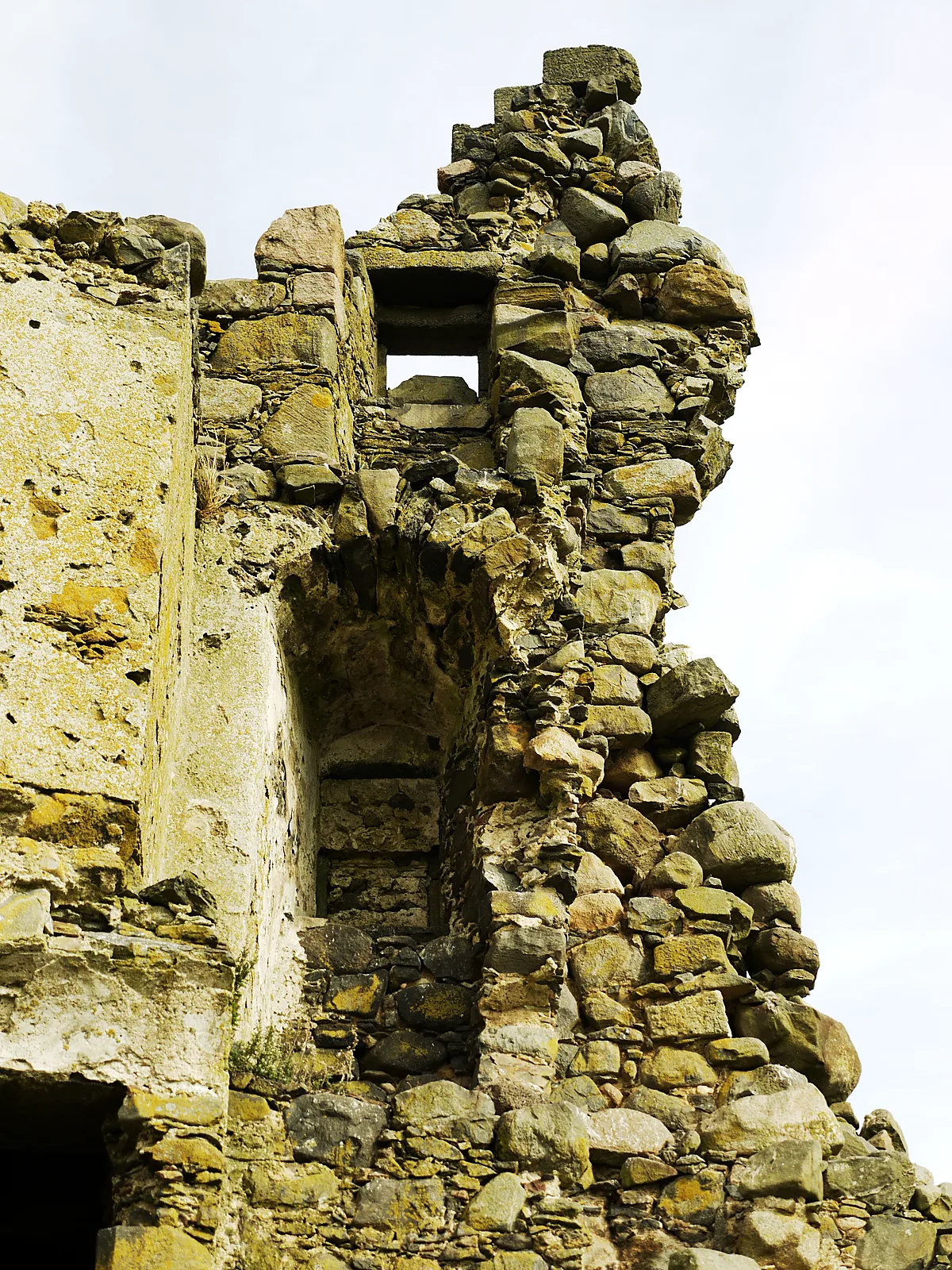
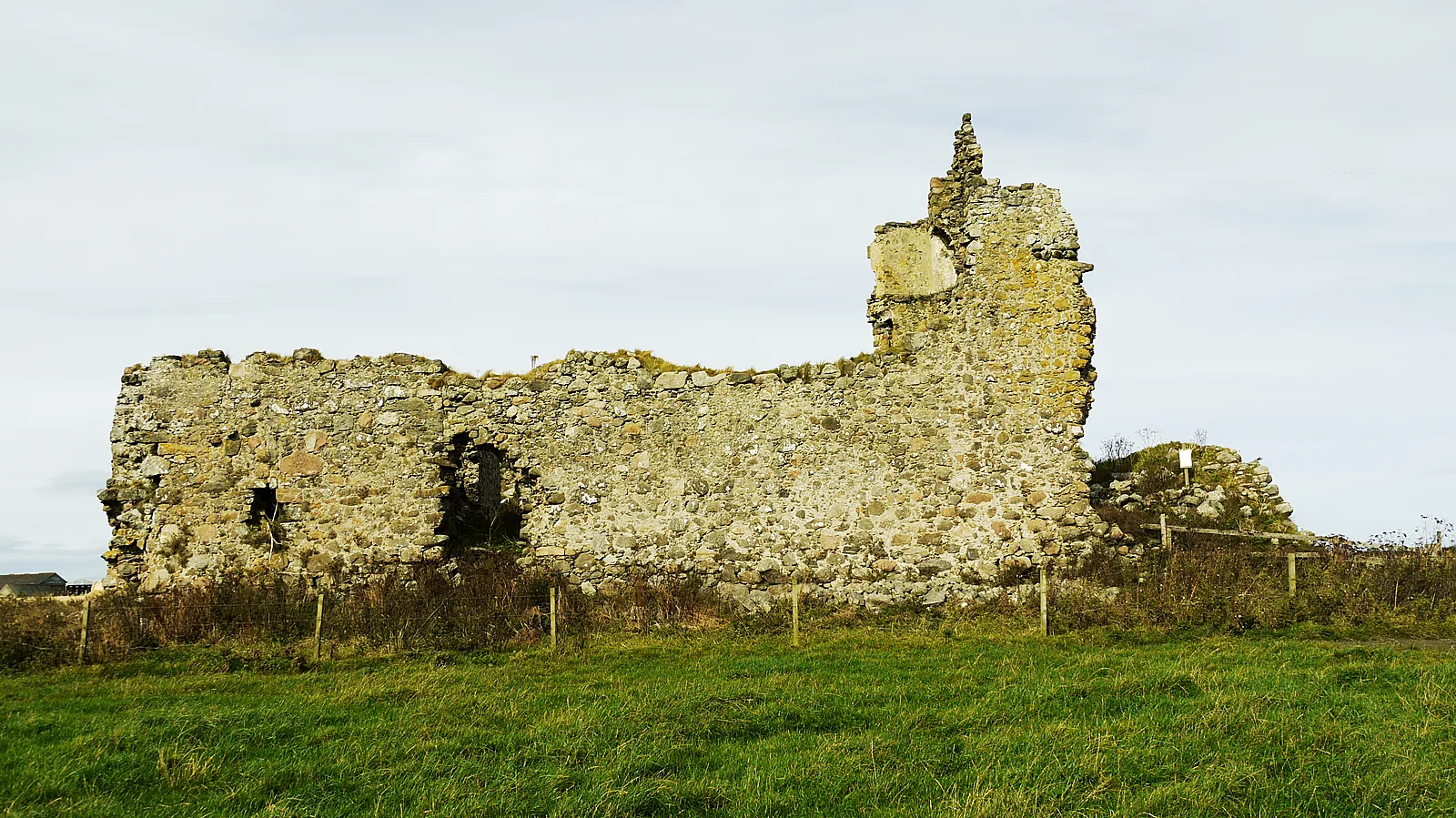
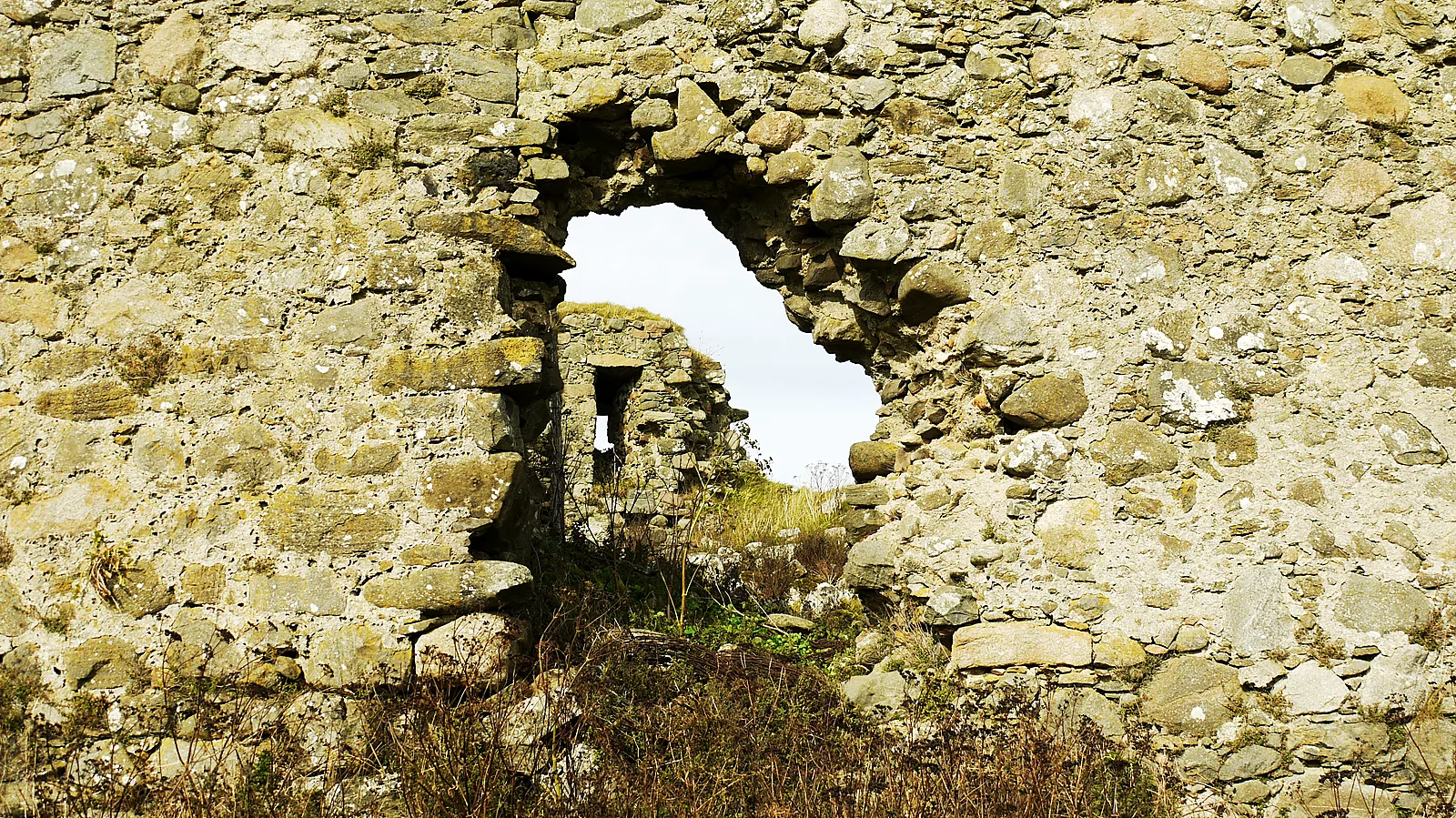
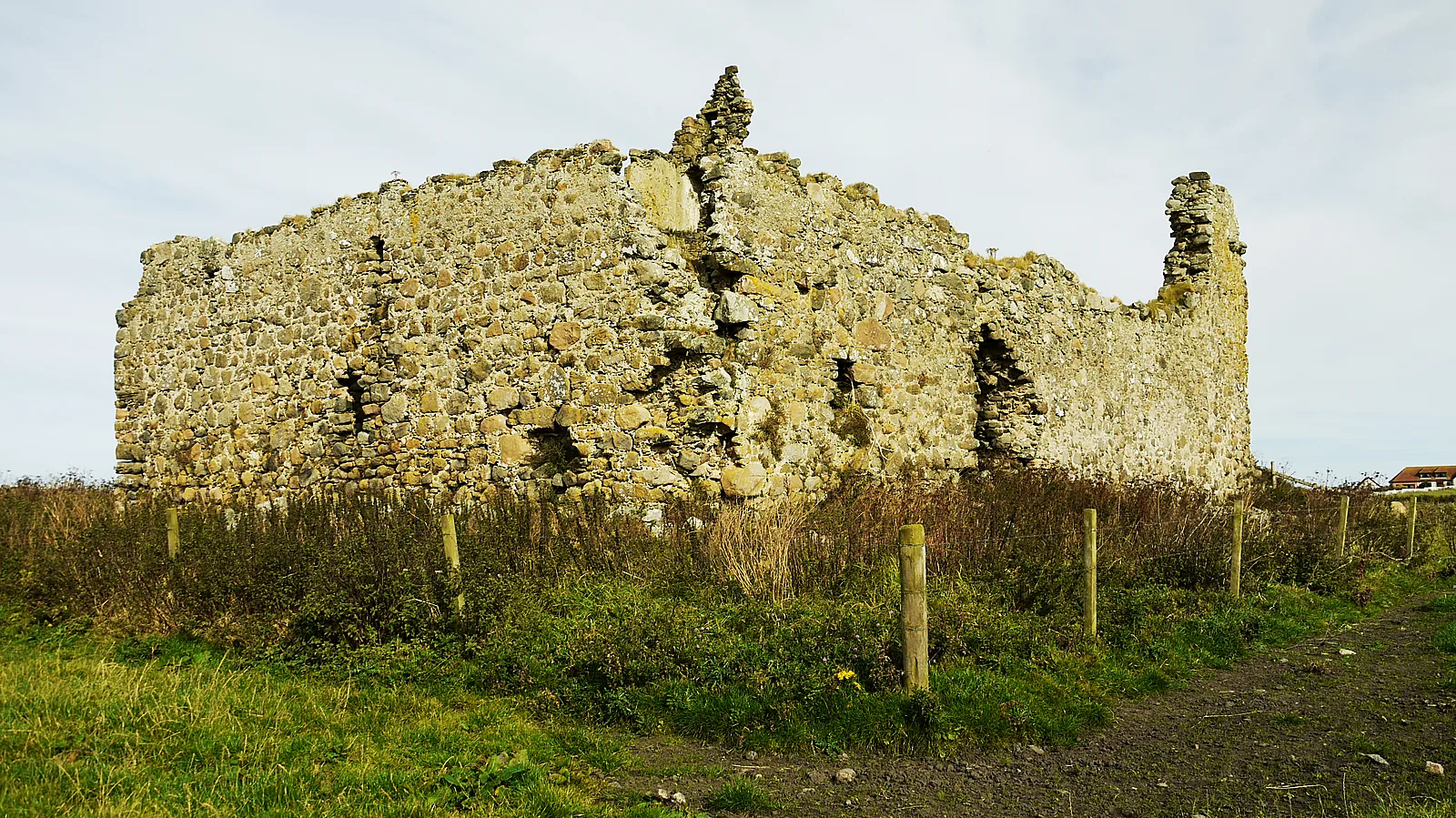
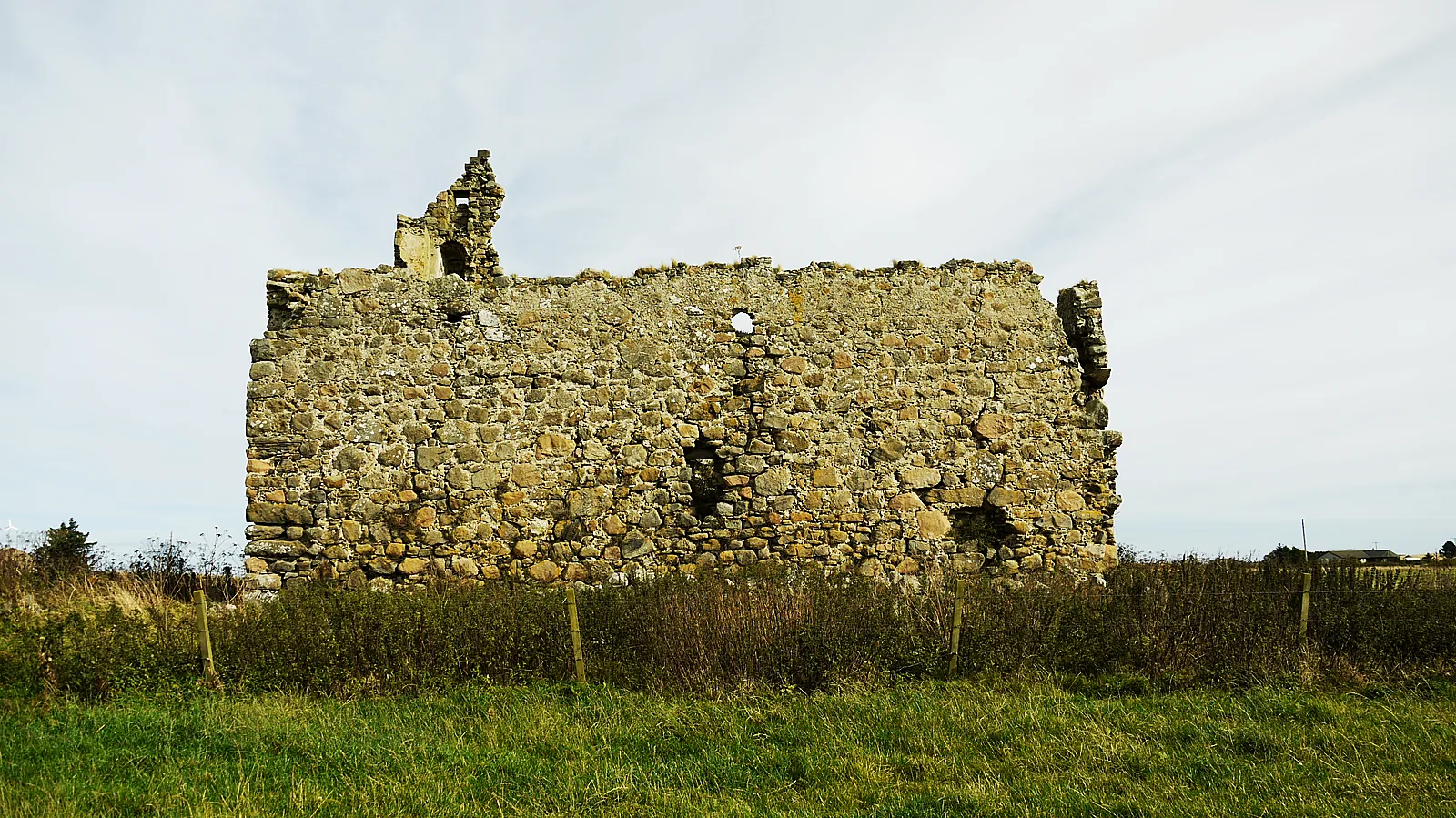
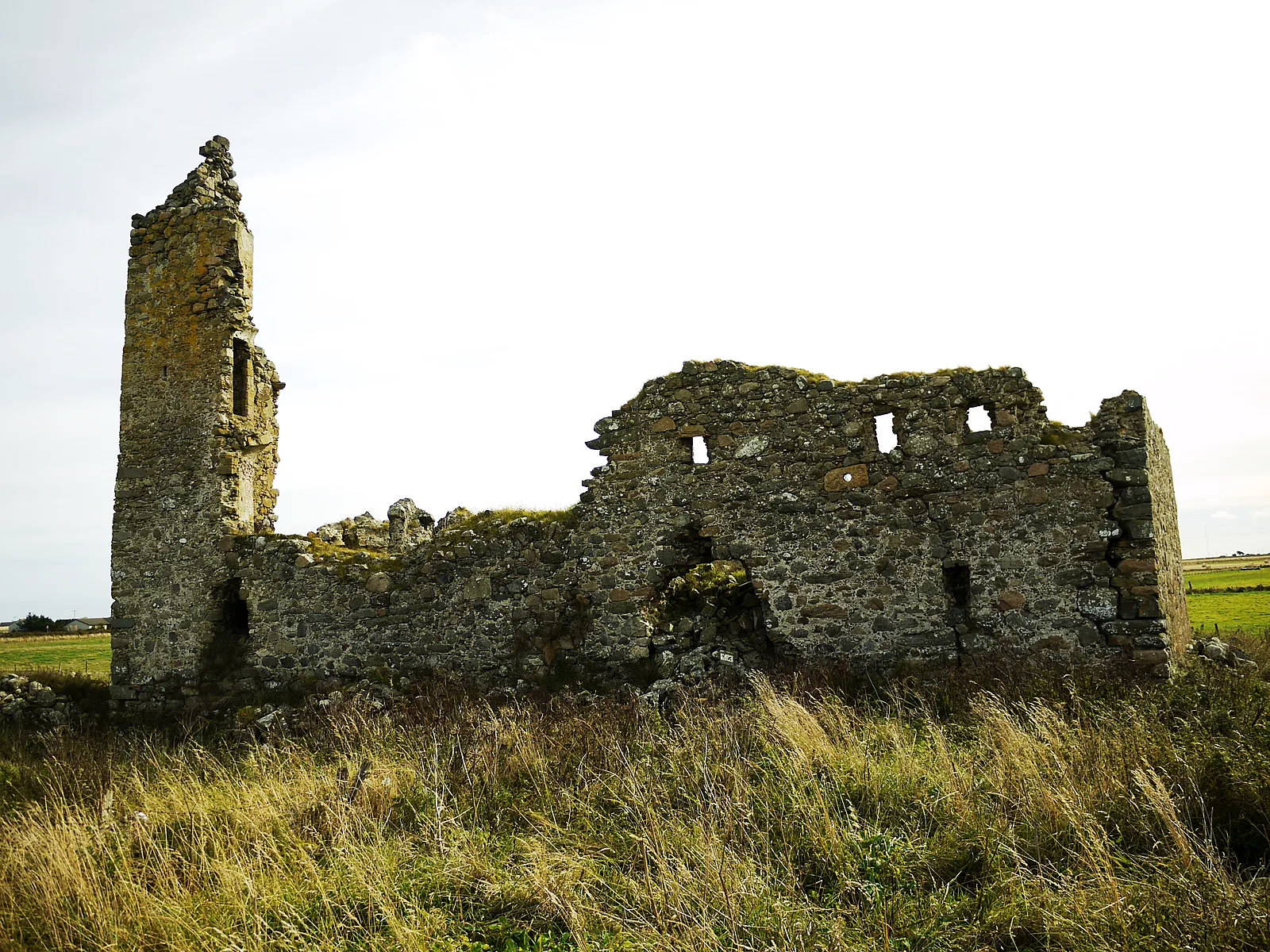
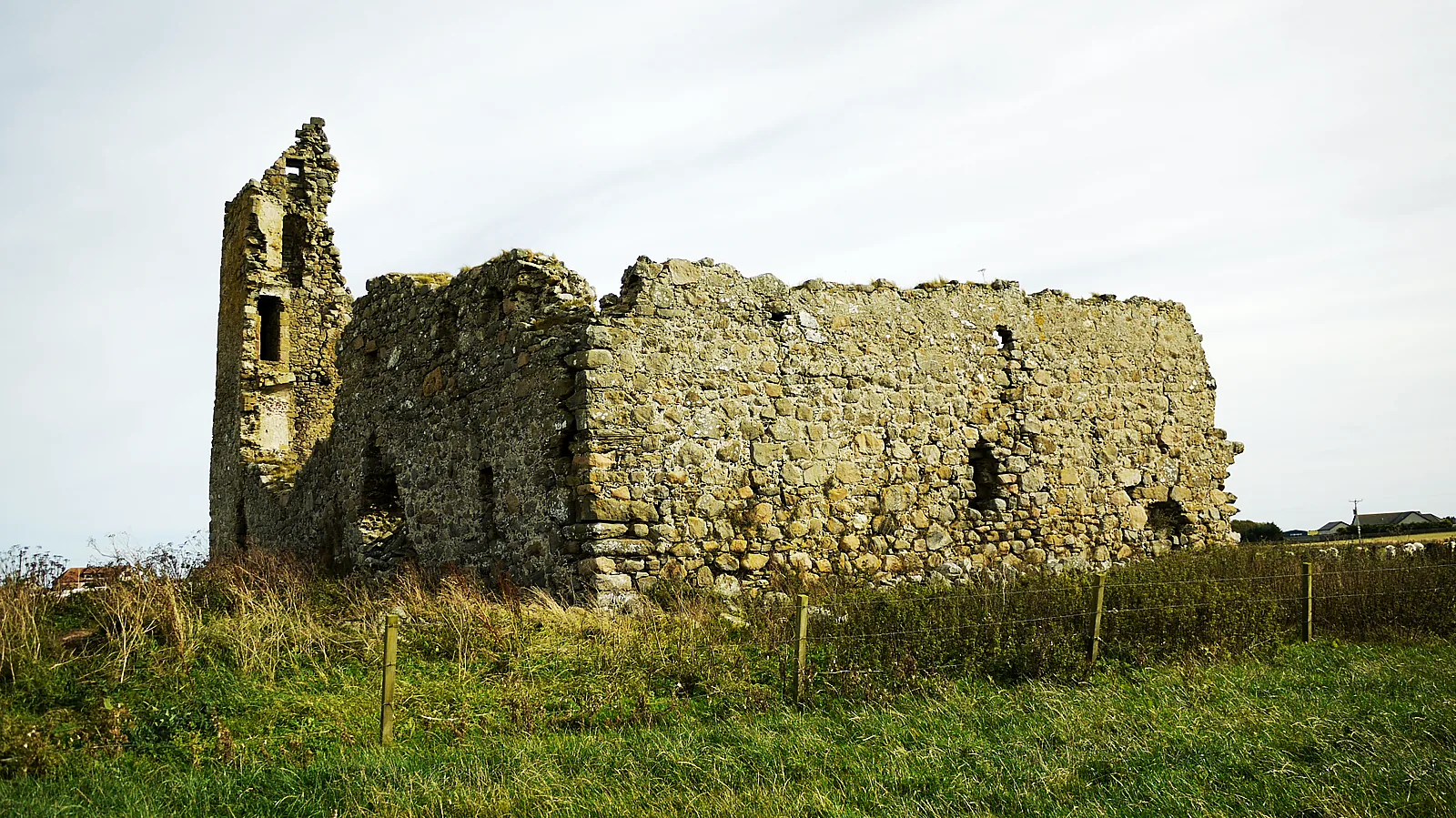
A striking mass of broken stone rises from the coastal plain of north-east Aberdeenshire. Inverallochy Castle, near the villages of Inverallochy and Cairnbulg, is a ruined courtyard castle, not a ticketed historic attraction. Its high surviving walls reveal an ambitious building, while fallen masonry, uneven ground and the surrounding working countryside make this a place to approach with care. It is particularly rewarding as a subject for architectural history and photographs taken from a safe position.
A Comyn castle, but when was it built?
The castle is associated with the Comyn, or Cumming, family of Inverallochy. The Aberdeenshire Historic Environment Record describes a substantial complex built in the late fifteenth or sixteenth century, and names Sir William Cummyn in its traditional account. The same record preserves an approximate date around 1504. However, Historic Environment Scotland's scheduling description is more cautious: its architectural analysis suggests a sixteenth-century building, possibly constructed in the second half of that century.
That discrepancy matters. It is not responsible to turn the early date into a firm inscription-like fact, nor to dismiss the later architectural evidence. The precise construction campaign and the identity of its patron remain historically uncertain. HES says Sir William Comyn of Inverallochy, appointed Lord Lyon during the minority of James V, may have been responsible. The word “may” is essential; an association is not a proven building contract. We present the date as a range and keep the possibility separate from certainty.
The Comyn name connects Inverallochy with the wider story of medieval and early modern landholding in the north-east, but the ruin should not be confused with Old Inverlochy Castle near Fort William. They are different sites in different regions and their histories should not be merged simply because the names sound alike. Inverallochy belongs to the Buchan landscape near Fraserburgh and the fishing communities along this coast.
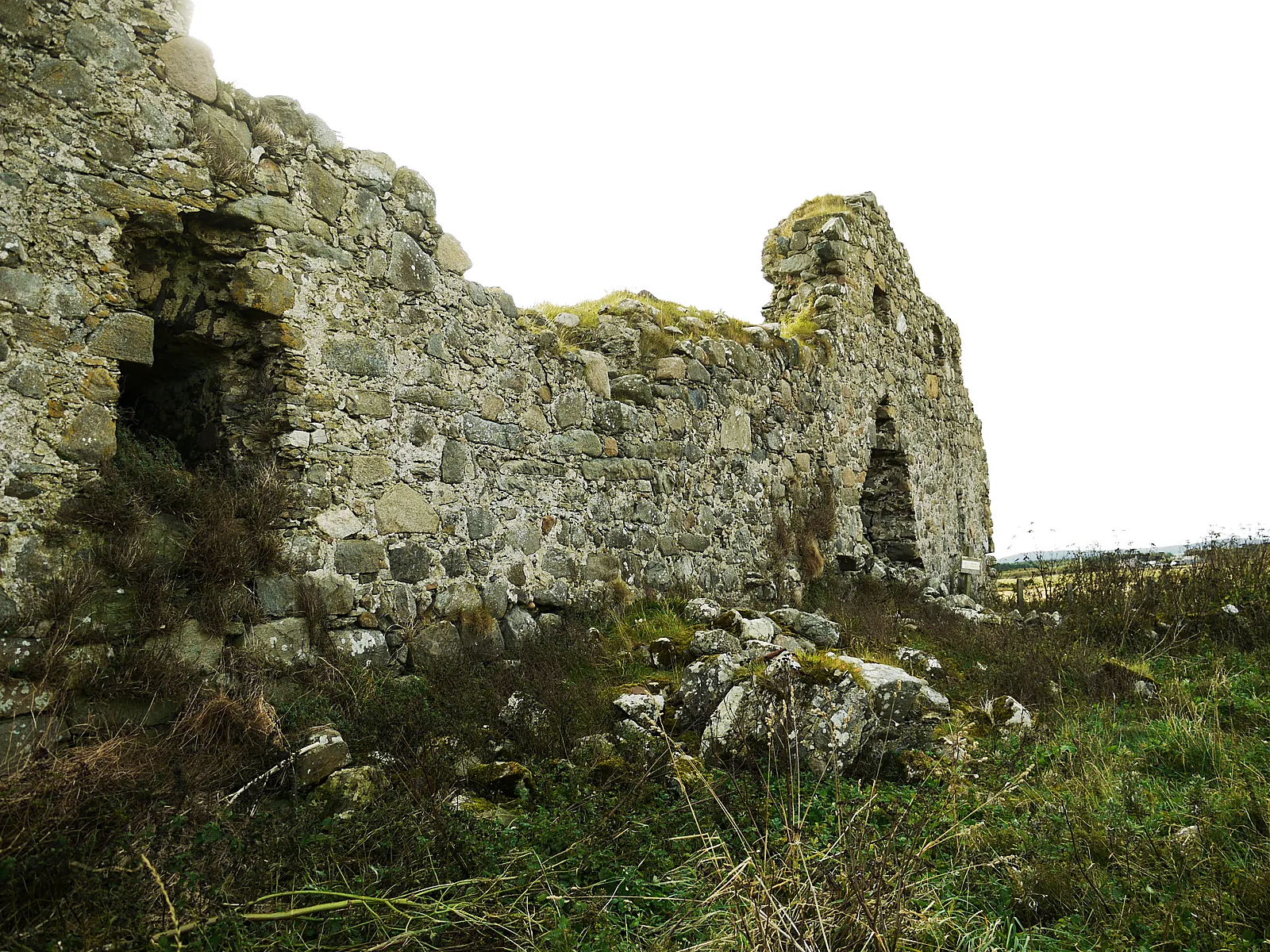
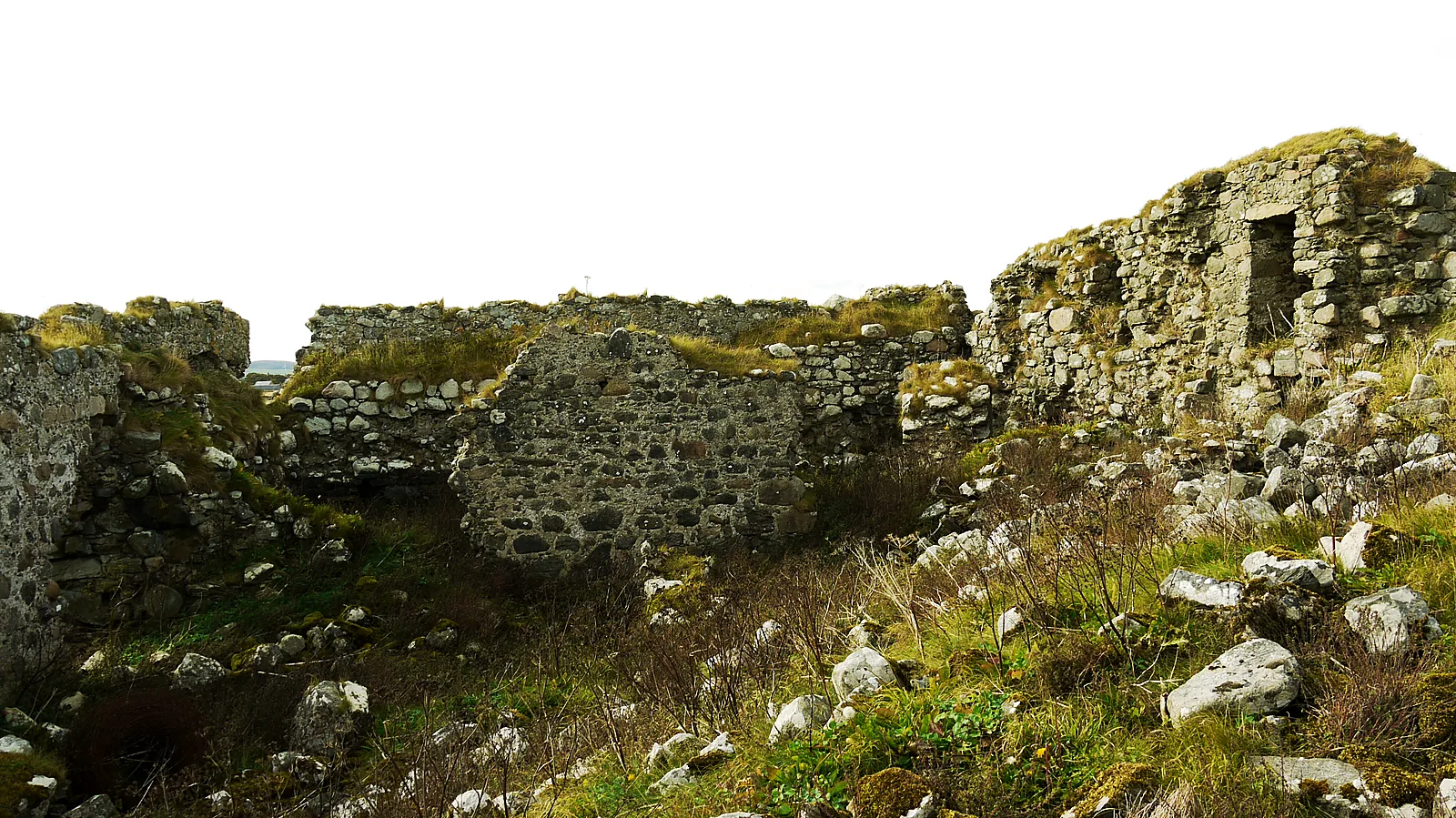
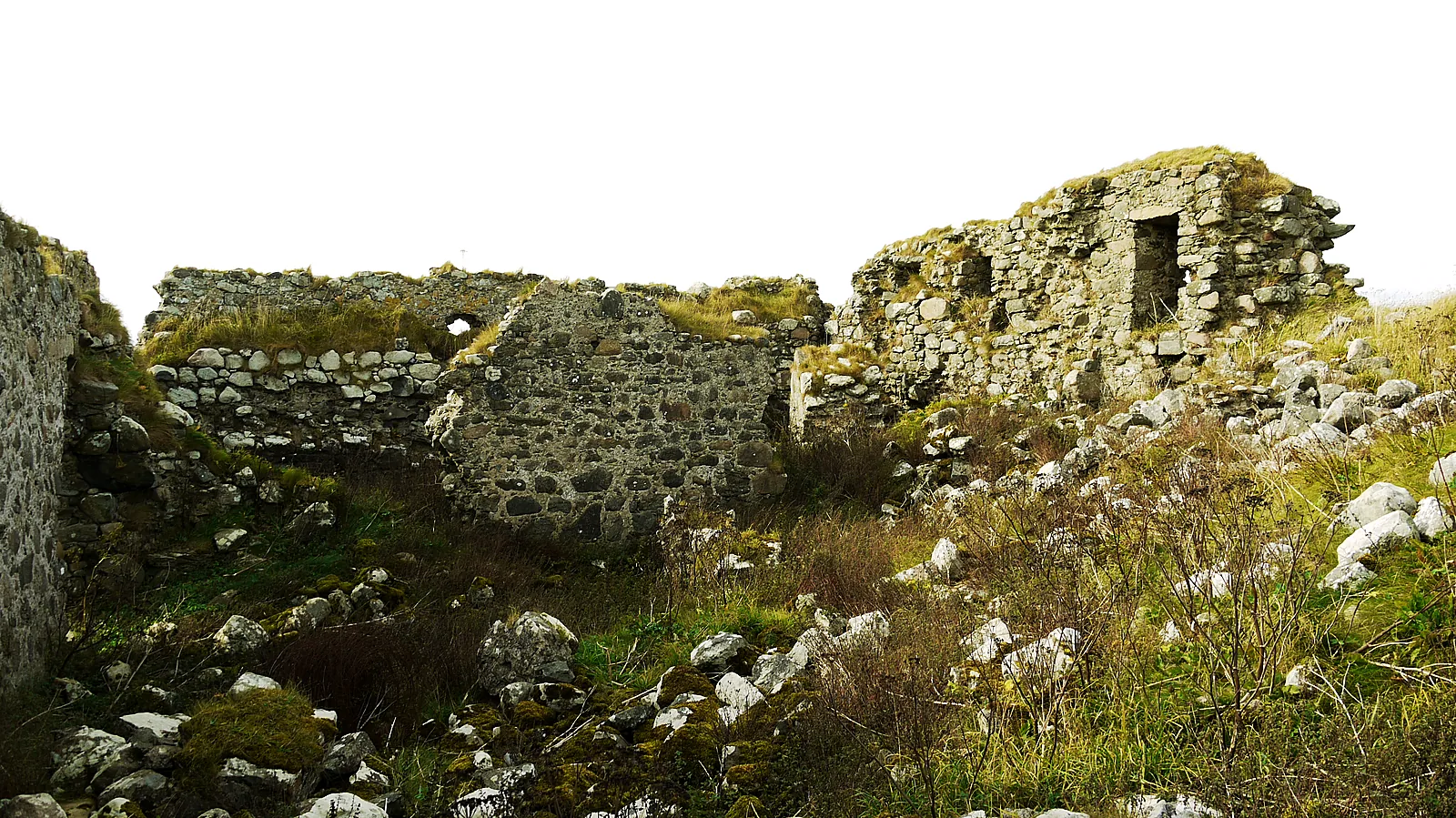
This was not a single narrow tower. The surviving fabric reflects a broader architectural ambition: a planned courtyard with rooms laid out on several sides. That approach created a defended domestic compound containing spaces for daily life, service work and display. Its surrounding lands would have tied the castle to the economic and agricultural life of the district. The sources consulted do not establish a specific famous siege, dramatic massacre or ghostly event here; those should not be added for effect.
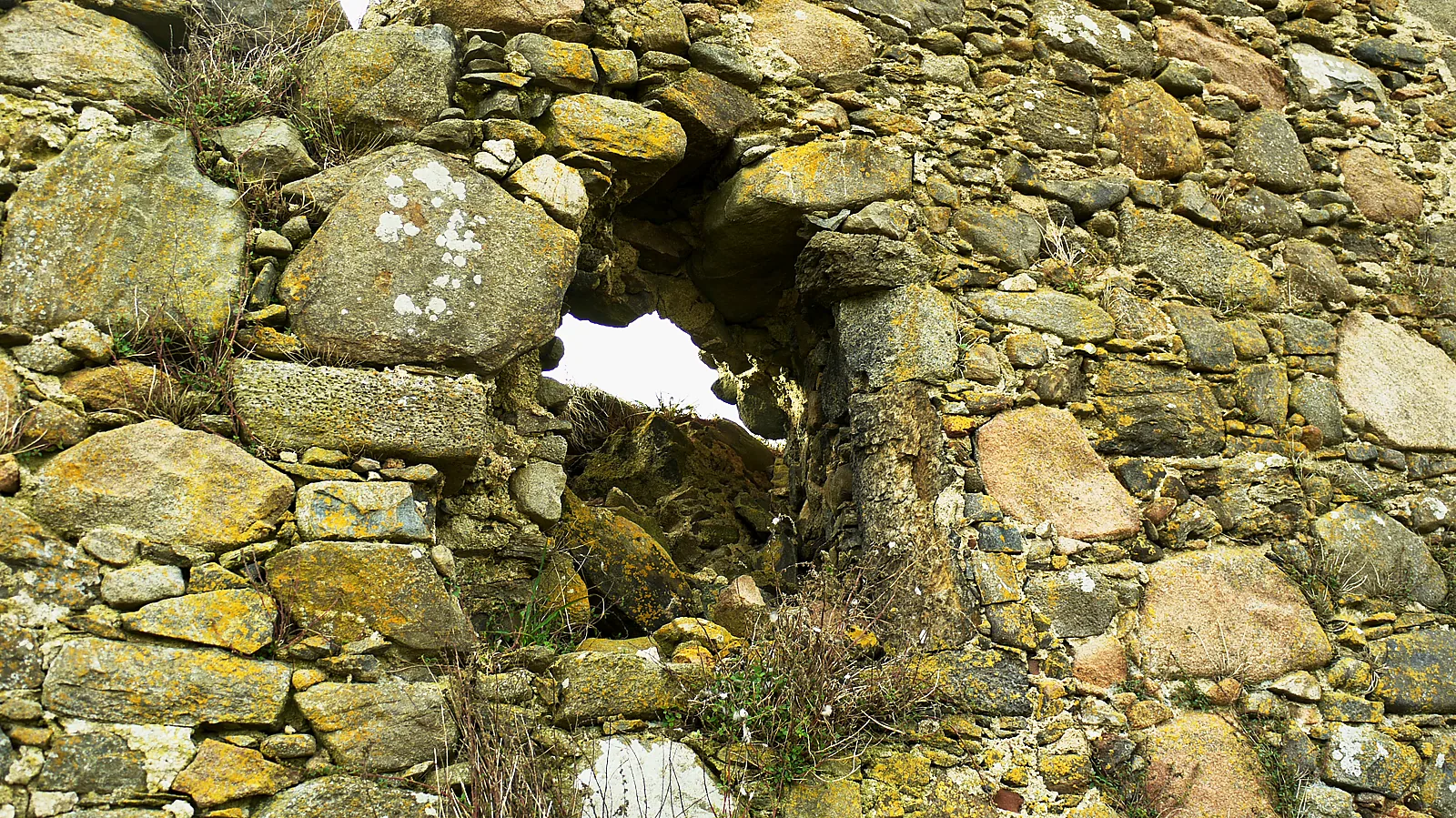
The castle's later decline has left a particularly revealing ruin. Much of the interior lies under debris and grass-grown collapse, so the visible masonry is only part of the evidence. HES stresses that important archaeological material may still survive beneath and around the fallen stone, including in areas beyond the inner court. For that reason, the site has value even where rooms can no longer be walked through or confidently identified from the ground.
The remains were first protected as a scheduled monument in 1960. The scheduled area was amended in 2004, and the site is designated SM97. Scheduling is not a promise of staffed access or a statement that the masonry is safe to climb; it recognises a nationally important historic place. It also helps explain why responsible visitors should leave loose stone and the archaeological ground undisturbed.
The Frasers and Culloden
The history of the family continued long after the castle’s uncertain beginnings. Charles Fraser, younger of Inverallochy, served as a lieutenant-colonel with the Jacobite Frasers during the 1745 rising. He died at the Battle of Culloden on 16 April 1746. The University of Glasgow identifies him as the eldest son of another Charles Fraser and Anne Udny, a useful distinction between men who shared the same name.
Accounts of Charles’s final moments differ. Rather than present one dramatic version as settled fact, we can say with confidence that his death connects the Inverallochy family with the last battle of the 1745 rising.
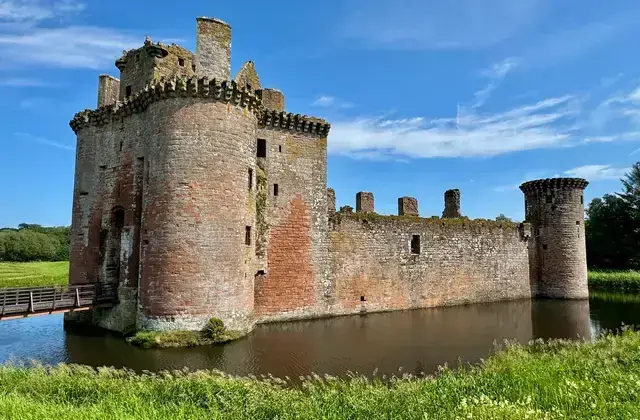 Dumfries & GallowayCaerlaverock Castle
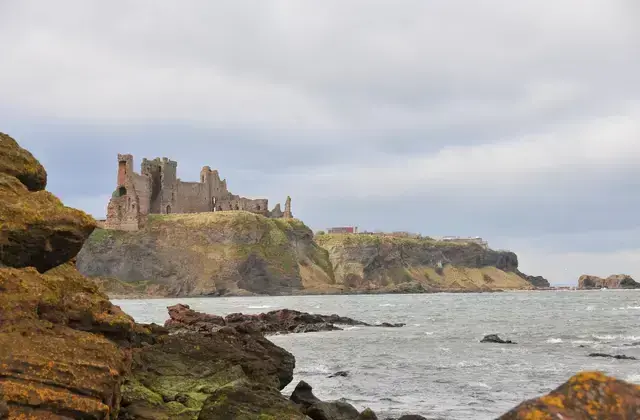 Edinburgh & The LothiansTantallon Castle
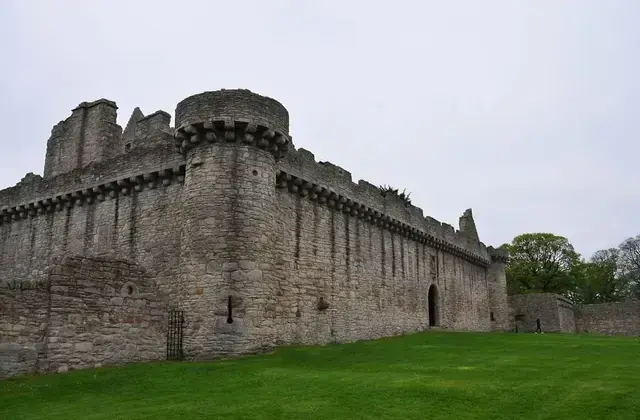 Edinburgh & The LothiansCraigmillar Castle