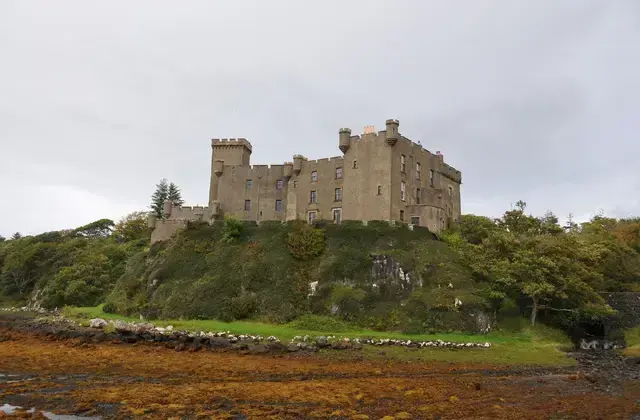
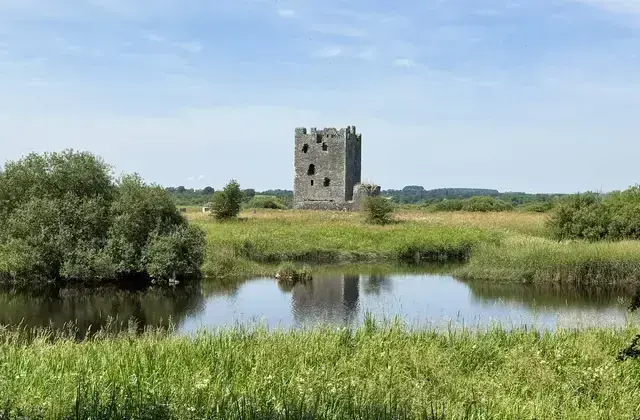
Dunvegan Castle on the Isle of Skye
← Back to CastleScotlandCASTLESCOTLAND · STORIES OF THE LAND

Where castles
meet clans.

Stone, sea and generations of stories. Discover the families whose lives are woven into Scotland’s castles.

DUNVEGAN CASTLE · ISLE OF SKYE
FOLLOW THE LANDSCAPE

Find the stories on the map.

Choose a castle to explore its family connection.

Mapzen / Tilezen terrain · Nilfanion / Wikimedia Commons · CC BY-SA 3.0 · Ordnance Survey © Crown copyright and database right 2011
Dunvegan Castle
SELECTED CASTLE

Dunvegan Castle

Clan MacLeod

Ancestral home of the chiefs

Read the castle guide →
CHOOSE A PLACE

The map shows selected castle connections, not historical clan territories. Castle locations are approximate. Map data © OpenStreetMap contributors.

LIFE IN THE HIGHLANDS

What did it mean to belong to a clan?

A clan could offer protection, a place in a community and a connection to a landscape. Its history was shaped by kinship, loyalty and change.

Read the story

Kinship and belonging

The Gaelic word clann means children or descendants. Highland clans claimed a common ancestor, but their members were not all related. Families with different surnames could live on a chief’s lands and share in his protection. Allegiances varied over time and a surname alone does not prove clan membership.

Chiefs, land and loyalty

The chief stood at the centre of a network of relatives, tenants and allies. Chiefs exercised authority, settled disputes and could call on followers for military service. Land was managed through layers of tenants, including tacksmen, often relatives of the chief. Local customs and written land rights existed alongside one another and could come into conflict.

Feuds and alliances

Marriage, agreements and mutual obligations could bind families together; competition for land, cattle and power could divide them. The 1692 Glencoe massacre is often remembered through the Campbell–MacDonald rivalry, but it was a government operation carried out by soldiers against the MacDonalds of Glencoe.

A changing Highlands

After the Jacobite defeat at Culloden in 1746, government measures restricted weapons and Highland dress, with exceptions, and removed hereditary jurisdictions. The dress ban was repealed in 1782. The transformation was gradual: economic changes that led to the Highland Clearances began before 1746 and accelerated later, displacing many communities.

Clans today

Clans remain meaningful to people in Scotland and across the world, although their old political power has gone. Clan societies, family collections and historic places keep these stories alive. A surname or a modern list of “septs” alone cannot establish ancestry or historic allegiance.

Explore the places

Further reading: National Trust for Scotland · Glencoe · Historic Environment Scotland · Highland Clearances · Historic Environment Scotland · Clan and Castle

THE PEOPLE BEHIND THE PLACES

Every castle holds a human story.

A castle is more than its walls. It is a family home, a seat of power, a landmark in a landscape and a place where history and memory meet.

Discover a selection of castle and family connections. Stories of tradition are labelled so you can enjoy them alongside the historical record.

CASTLES · FAMILIES · STORIES

Meet the families.

Follow the stories through the castles they call home.

Dunvegan Castle
01 / 09Dunvegan Castle · ISLE OF SKYE
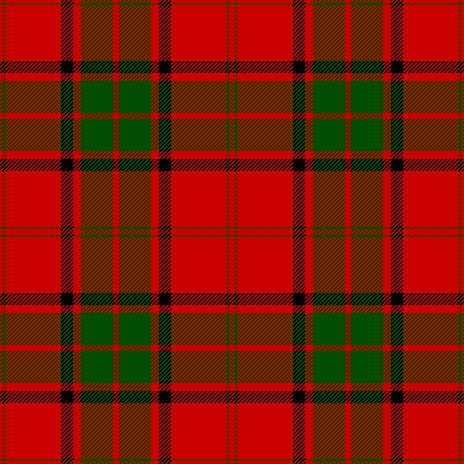
MacLeod · Logan & Smibert tartan illustration
A MODERN FAMILY TARTANMacLeod · Logan & SmibertExplore family tartans in the Register ↗Illustration by Sg647112c · CC BY-SA 2.5 · unchanged
ISLE OF SKYE · CLAN MACLEOD

A family home, a flag and a legend

FAMILYClan MacLeodLANDSCAPEISLE OF SKYECASTLEDunvegan Castle

Dunvegan is the ancestral home of the chiefs of Clan MacLeod. Its walls tell a story of generations: medieval beginnings sit beneath a romantic Victorian exterior, the result of many periods of building and change.

Inside is the Fairy Flag, a treasured silk banner whose survival has inspired stories for generations. Its place in the family collection brings tangible history and living tradition together.

LEGEND & TRADITION

One tradition tells of a fairy bride who gave the banner to a chief as a parting gift, promising protection in battle. Its origins remain a subject of interpretation.

Explore Dunvegan Castle ↗Story source ↗
Castle Tioram
02 / 09Castle Tioram · LOCH MOIDART
MacDonald of Clanranald tartan illustration
A MODERN FAMILY TARTANMacDonald of ClanranaldView this design in the Register ↗Illustration by Micheletb · CC BY-SA 4.0 · unchanged
LOCH MOIDART · MACDONALDS OF CLANRANALD

A stronghold shaped by the sea

FAMILYMacDonalds of ClanranaldLANDSCAPELOCH MOIDARTCASTLECastle Tioram

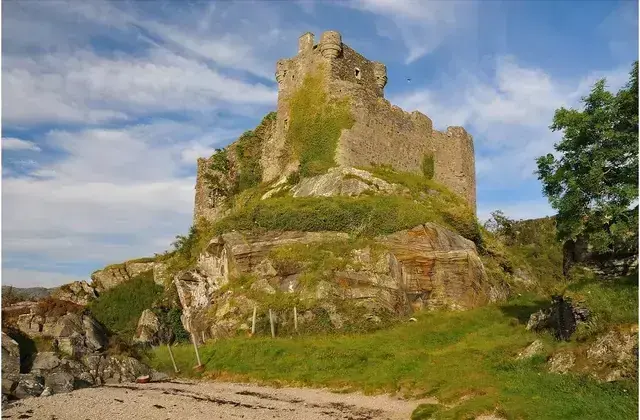
On a tidal island at the edge of Loch Moidart, Castle Tioram became an important seat of the MacDonalds of Clanranald. From here the family belonged to a Gaelic world connected as much by sea as by land.

Tradition associates Amie MacRuari with building at Tioram in the fourteenth century. The surviving castle developed over generations, so the tradition cannot establish that she built every part of it.

Explore Castle Tioram ↗Story source ↗
Armadale Castle
03 / 09Armadale Castle · ISLE OF SKYE
MacDonald of Sleat tartan illustration
A MODERN FAMILY TARTANMacDonald of SleatView this design in the Register ↗Illustration by Micheletb · CC BY-SA 4.0 · unchanged
ISLE OF SKYE · MACDONALDS OF SLEAT

A clan story in a changing landscape

FAMILYMacdonalds of SleatLANDSCAPEISLE OF SKYECASTLEArmadale Castle

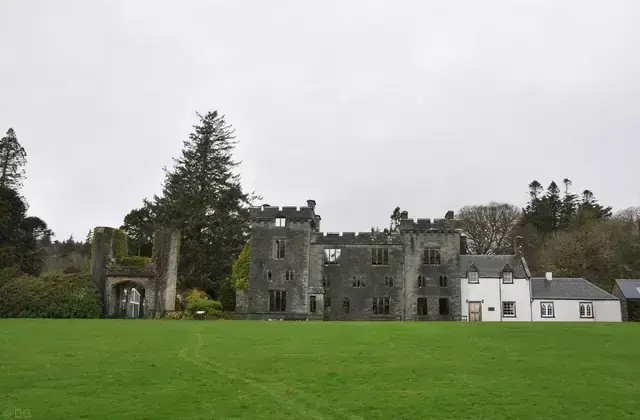
The Macdonalds of Sleat eventually made Armadale their home after leaving Duntulm. The romantic ruin seen today is largely a nineteenth-century house: a reminder that a clan seat could be reshaped for a new age.

At Armadale, the Museum of the Isles places the family within the wider history and culture of the Highlands and Islands. Gardens and ruins make the landscape itself part of the story.

Explore Armadale Castle ↗Story source ↗
Castle Leod
04 / 09Castle Leod · STRATHPEFFER
Mackenzie dress tartan illustration
A MODERN FAMILY TARTANMackenzie dressExplore family tartans in the Register ↗Illustration by Celtus · CC BY-SA 3.0 · unchanged
STRATHPEFFER · CLAN MACKENZIE

A living seat of Clan Mackenzie

FAMILYClan MackenzieLANDSCAPESTRATHPEFFERCASTLECastle Leod

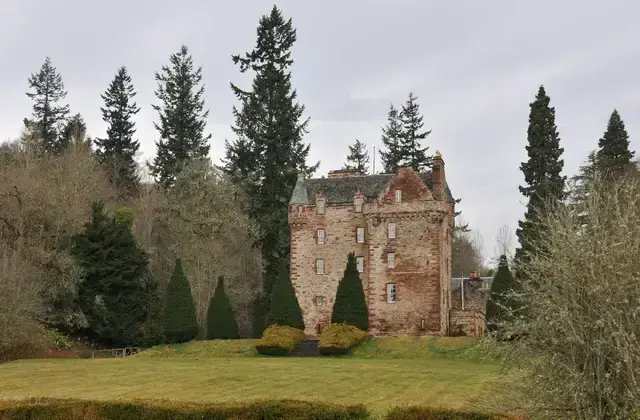
Castle Leod has been a home of the Mackenzie family for centuries. Today it remains the seat of the clan and a place where family history is still part of everyday life.

Its tower and later additions reflect generations of change, while the stories of the Earls of Cromartie connect the castle to the wider history of the Highlands.

Explore Castle Leod ↗Story source ↗
Kilchurn Castle
05 / 09Kilchurn Castle · LOCH AWE
Campbell of Breadalbane tartan illustration
A MODERN FAMILY TARTANCampbell of BreadalbaneView this design in the Register ↗Illustration by Micheletb · CC BY-SA 4.0 · unchanged
LOCH AWE · CAMPBELLS OF GLENORCHY

The Campbells on Loch Awe

FAMILYCampbells of GlenorchyLANDSCAPELOCH AWECASTLEKilchurn Castle

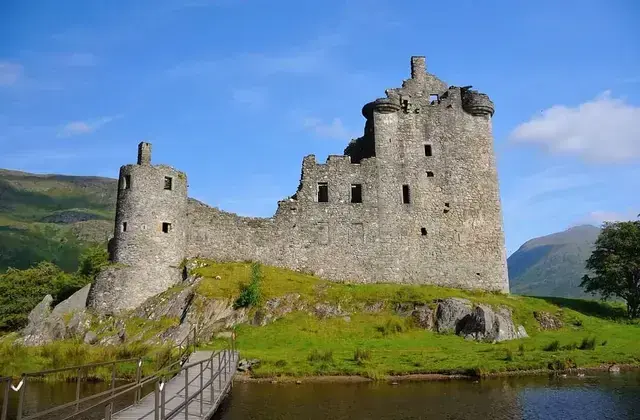
Sir Colin Campbell, first of Glenorchy, built Kilchurn in the mid-fifteenth century. For around 150 years it was the power base of the Campbells of Glenorchy, a branch of the wider clan.

As their ambitions grew, the castle changed from a tower house and family residence to a garrison stronghold. Its ruins still stand at the head of Loch Awe.

Explore Kilchurn Castle ↗Story source ↗
Castle Campbell
06 / 09Castle Campbell · DOLLAR GLEN
Campbell · ancient tartan illustration
A MODERN FAMILY TARTANCampbell · ancient colourwayExplore family tartans in the Register ↗Illustration by Micheletb · CC BY-SA 4.0 · unchanged
DOLLAR GLEN · CAMPBELLS OF ARGYLL

A Highland family in the Lowlands

FAMILYCampbells of ArgyllLANDSCAPEDOLLAR GLENCASTLECastle Campbell

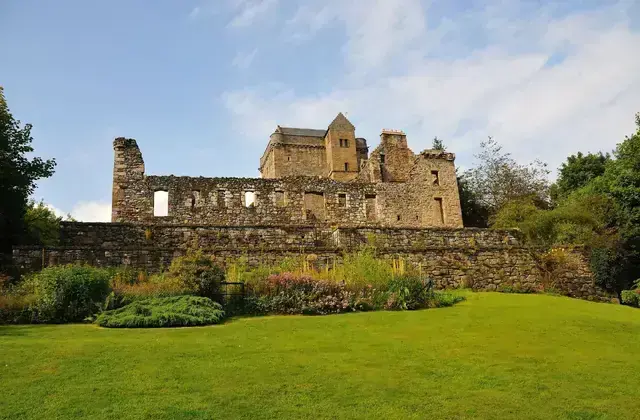
Once known as Castle Glume, this stronghold passed to Colin Campbell, first Earl of Argyll, through marriage around 1465. It became an important Lowland residence for the earls.

Renamed Castle Campbell in 1489, it stood close enough to the royal centres of Stirling and Edinburgh to serve the family’s political ambitions.

Explore Castle Campbell ↗Story source ↗
Dunollie Castle
07 / 09Dunollie Castle · OBAN
MacDougall tartan illustration
A MODERN FAMILY TARTANMacDougallExplore family tartans in the Register ↗Illustration by Micheletb · CC BY-SA 4.0 · unchanged
OBAN · CLAN MACDOUGALL

A stronghold above the sea

FAMILYClan MacDougallLANDSCAPEOBANCASTLEDunollie Castle

Above the entrance to Oban Bay, Dunollie is closely connected with the MacDougalls, Lords of Lorn. Their power grew within the Norse-Gaelic world of the western seaboard.

The surviving tower is only one chapter in a longer story. Beneath the ruin, the family collection and museum offer another way to encounter the people of Dunollie.

Explore Dunollie Castle ↗Story source ↗
Caerlaverock Castle
08 / 09Caerlaverock Castle · DUMFRIES & GALLOWAY
Maxwell tartan illustration
A MODERN FAMILY TARTANMaxwell · Victorian design (Vestiarium Scoticum, 1842)

A nineteenth-century design, not documented medieval Maxwell dress.

View this design in the Register ↗Illustration by Celtus · CC BY 2.5 · unchanged
DUMFRIES & GALLOWAY · THE MAXWELLS

The family behind the triangle

FAMILYThe MaxwellsLANDSCAPEDUMFRIES & GALLOWAYCASTLECaerlaverock Castle

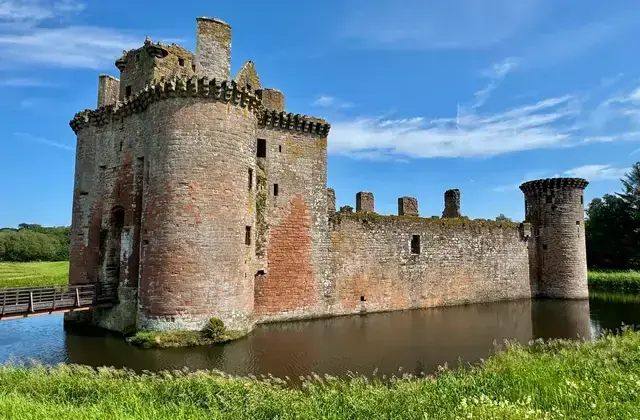
The Maxwells shaped Caerlaverock over generations, adapting its remarkable triangular walls and gatehouse as the needs of defence and family life changed.

In the 1630s Robert Maxwell, Earl of Nithsdale, added an ornate Renaissance lodging within the medieval walls. The contrast tells its own story of status and ambition.

Explore Caerlaverock Castle ↗Story source ↗
Threave Castle
09 / 09Threave Castle · DUMFRIES & GALLOWAY
Douglas tartan illustration
A MODERN FAMILY TARTANDouglasExplore family tartans in the Register ↗Illustration by SMcCandlish · CC0 · unchanged
DUMFRIES & GALLOWAY · THE BLACK DOUGLASES

The island of the Black Douglases

FAMILYThe Black DouglasesLANDSCAPEDUMFRIES & GALLOWAYCASTLEThreave Castle

Archibald Douglas, known as the Grim, built the great tower at Threave in 1369 after becoming Lord of Galloway. Its island setting became a powerful statement of the Black Douglases’ authority.

A siege in 1455 brought that chapter to an end when the fortress passed to the Crown. The surviving tower still gives a sense of the family’s formidable presence.

Explore Threave Castle ↗Story source ↗
KEEP EXPLORING

There are more stories in the landscape.

Travel further through CastleScotland and find a place that speaks to you.

Explore the castle map ↗

Explore Scotland

Find Scottish castles by region, landscape or the stories that bring them to life.